

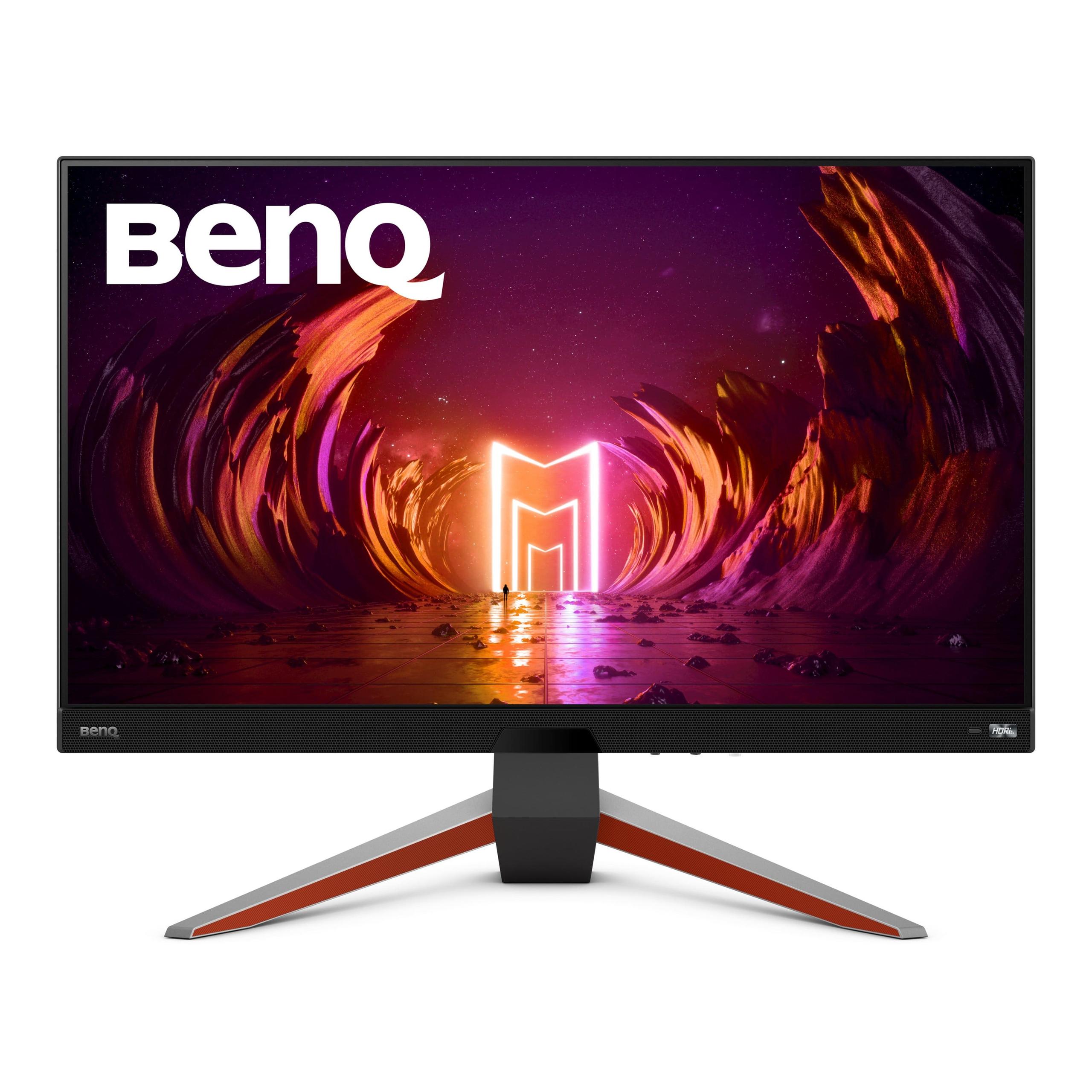
Gaming monitors have evolved dramatically over the past few years, and choosing the right one can make or break your gaming experience. Today, we're comparing two excellent 27-inch options that take very different approaches: the BenQ MOBIUZ EX270QM and the Samsung Odyssey G7 G70D. Both hit the market in 2023-2024, representing the latest thinking in gaming display technology.
The fundamental question isn't just which monitor is "better"—it's which one matches your specific gaming style and setup. Think of it like choosing between a sports car and an SUV. Both will get you where you need to go, but they're optimized for completely different journeys.
Before diving into specifics, let's talk about what actually matters in a gaming monitor. The biggest decision you'll face is the classic trade-off between resolution and refresh rate. It's like choosing between a crystal-clear photograph and a smooth slow-motion video—you can't maximize both without spending serious money or making compromises elsewhere.
Refresh rate measures how many times per second your monitor can display a new image. Higher numbers mean smoother motion, which is crucial when tracking enemies in competitive games. Response time indicates how quickly pixels can change colors, affecting motion blur. Input lag measures the delay between your controller input and seeing the result on screen—critical for competitive gaming where milliseconds matter.
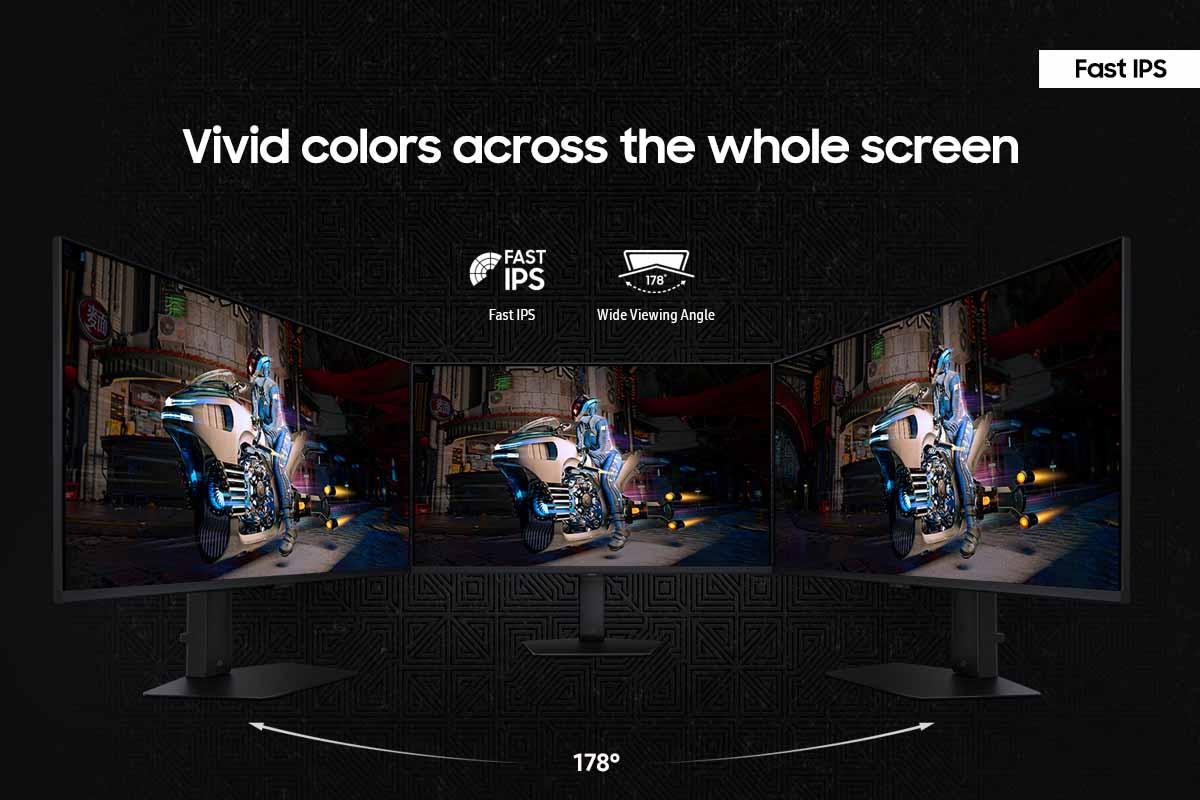
Then there's the panel technology. Both monitors use IPS (In-Plane Switching) panels, which offer excellent color accuracy and wide viewing angles. This wasn't always the case—older gaming monitors often used TN (Twisted Nematic) panels that were faster but had terrible colors and viewing angles. The fact that both these monitors use IPS shows how far gaming display technology has progressed.
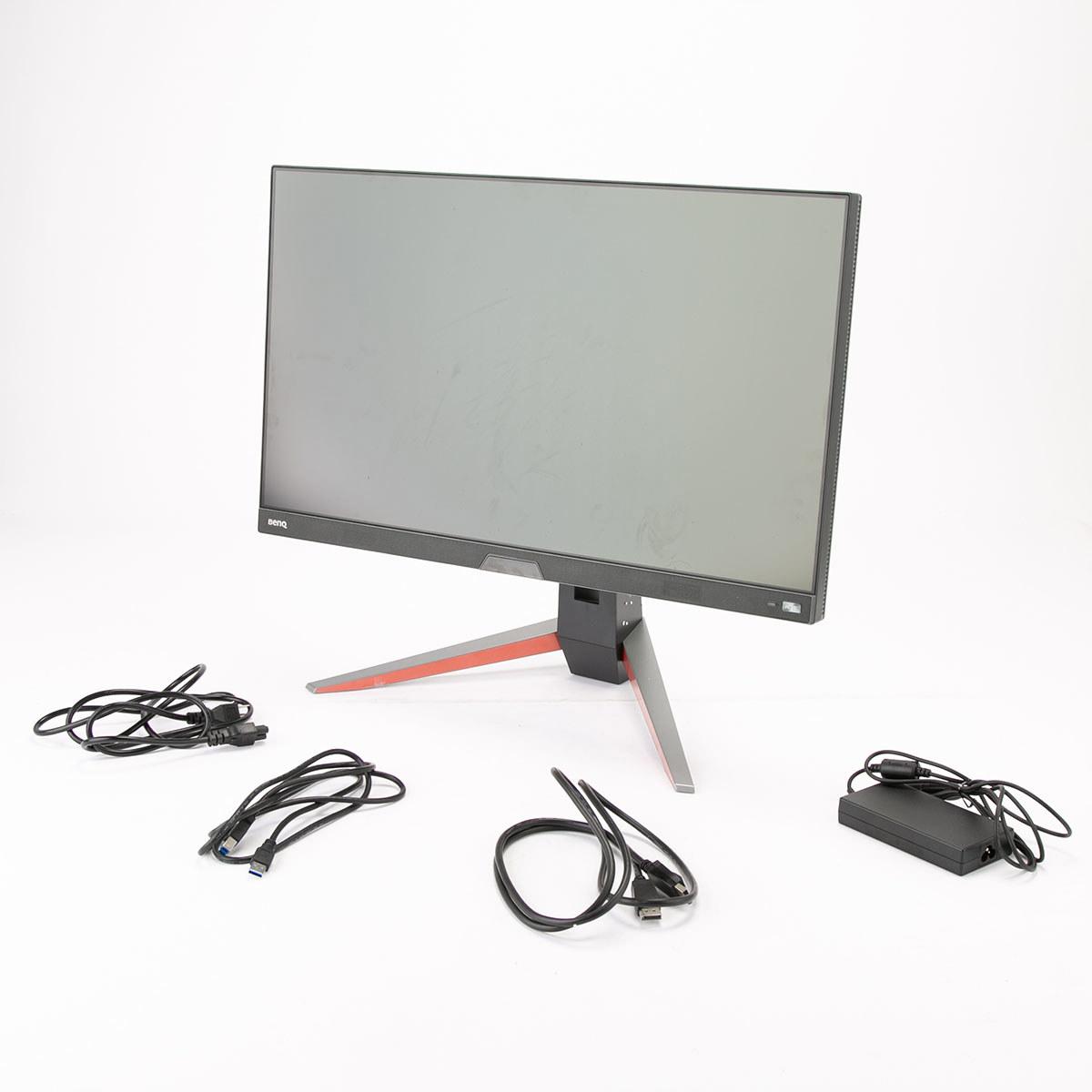
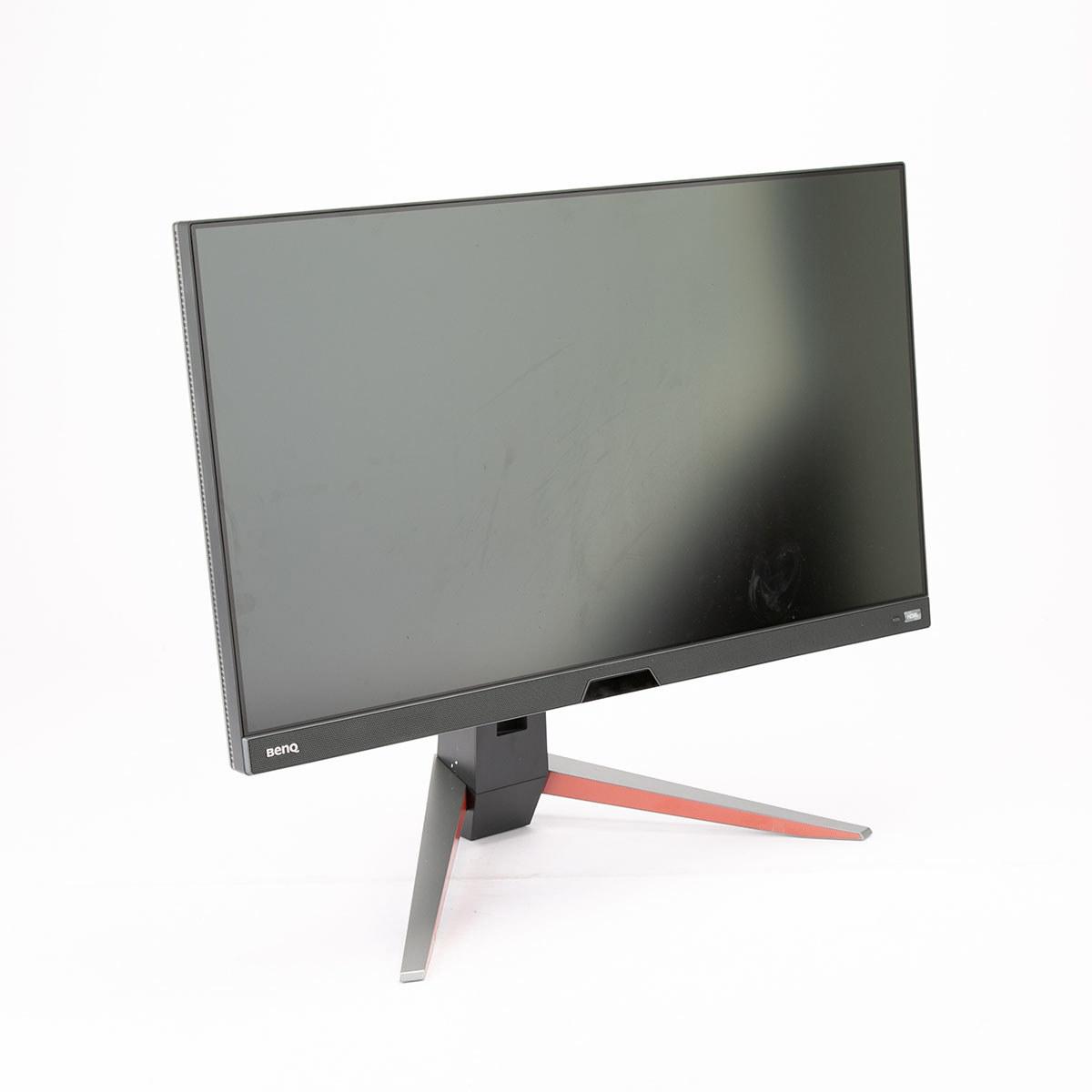
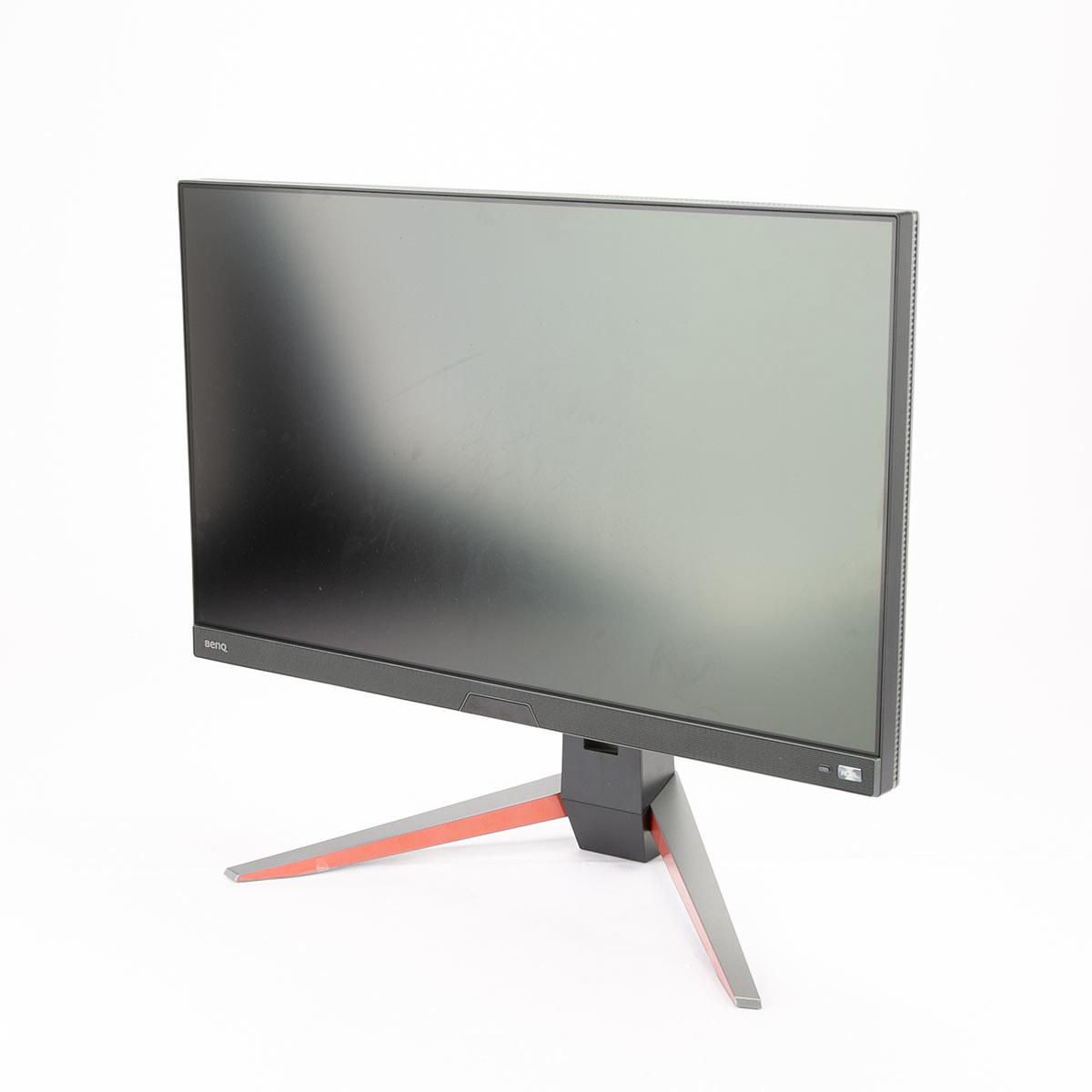
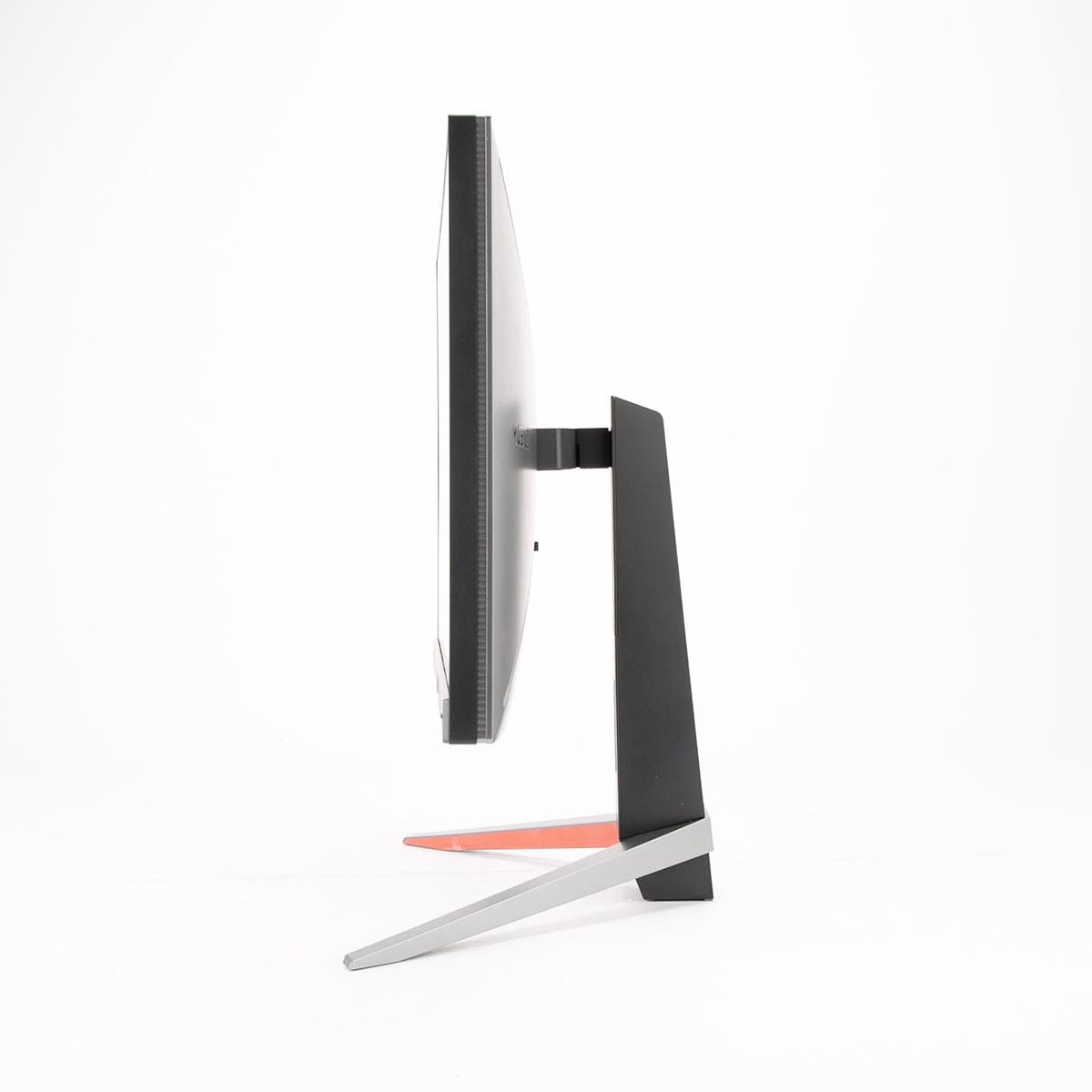
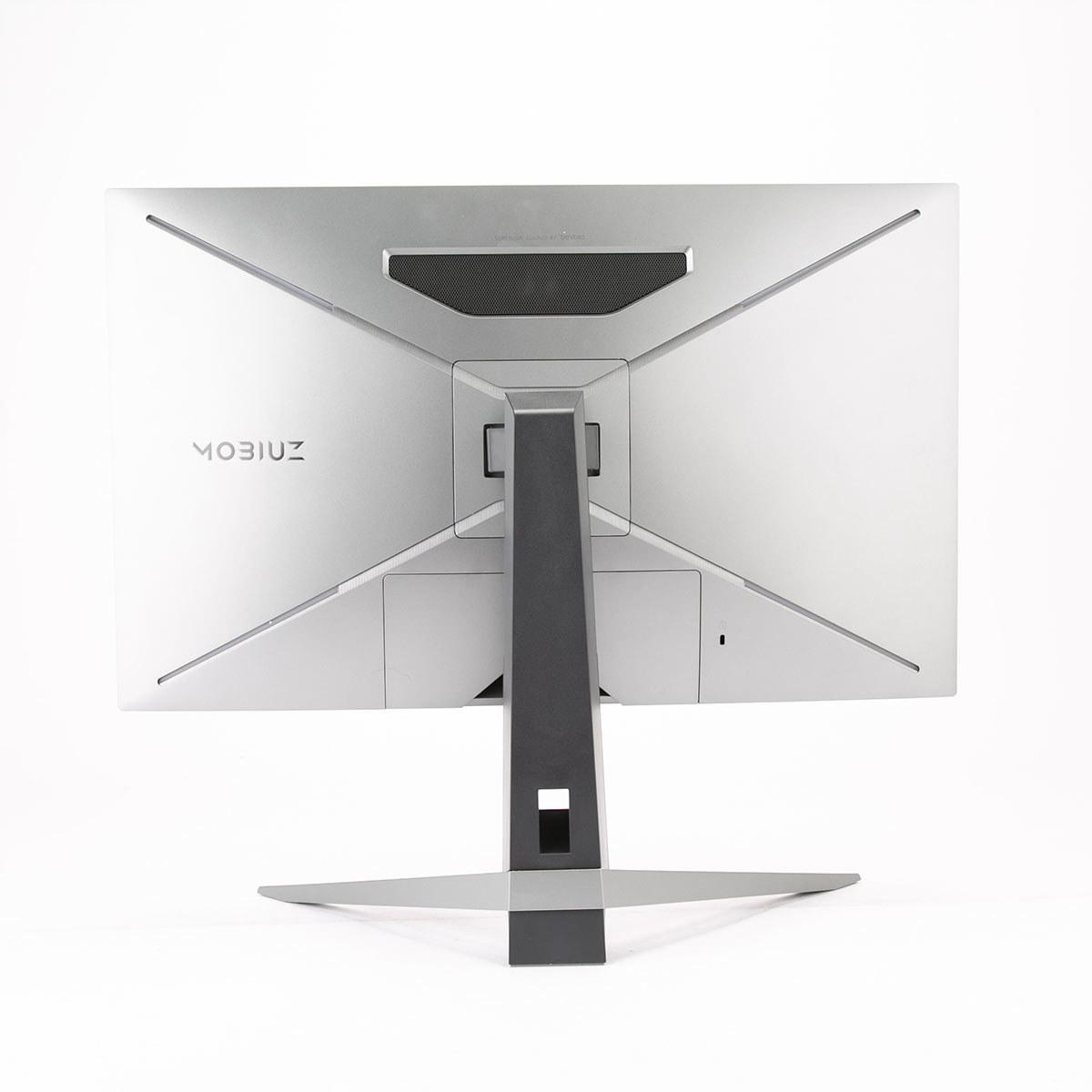
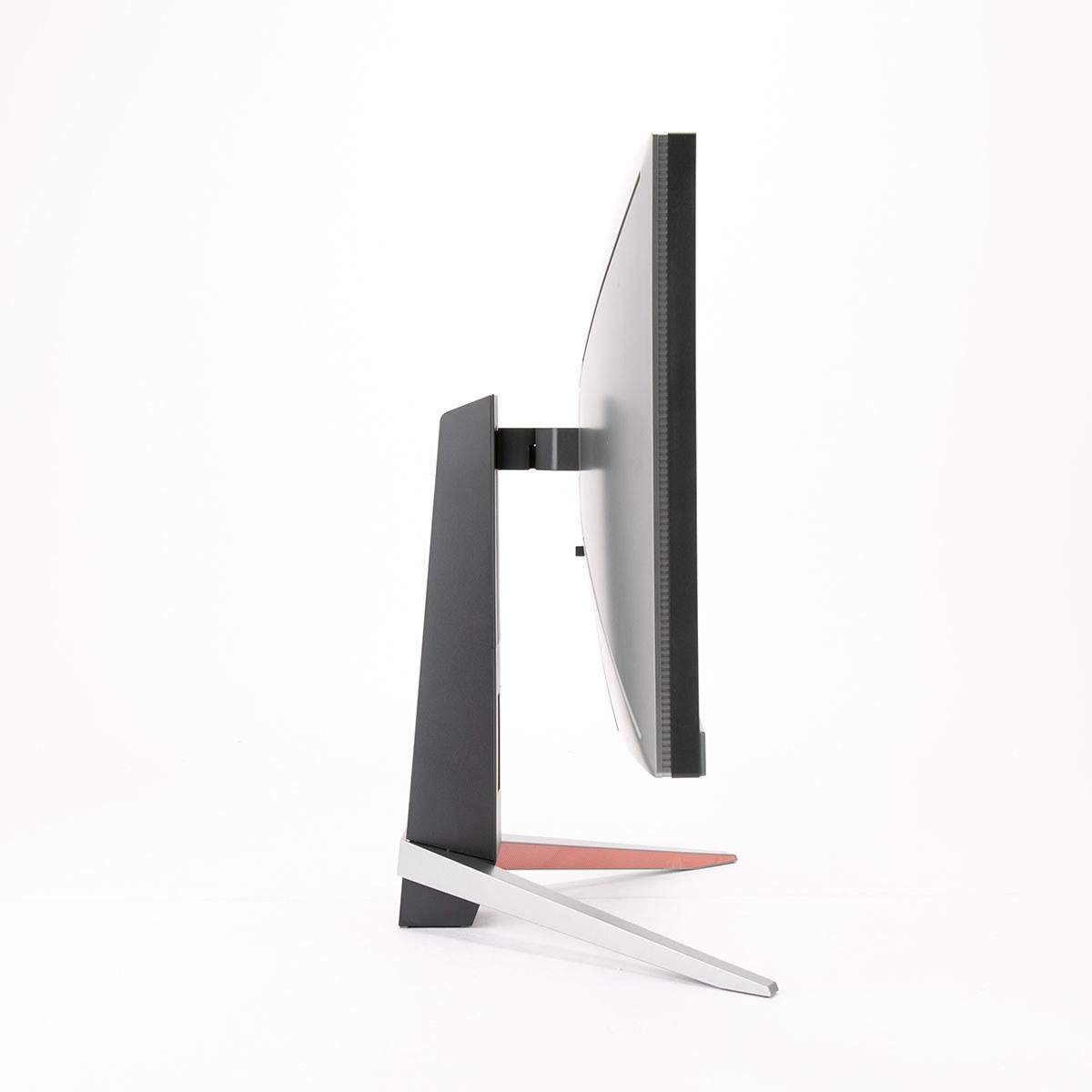
Released in March 2023, the BenQ MOBIUZ EX270QM ($399.99) represents BenQ's focus on competitive gaming. This monitor prioritizes speed above all else, featuring a 240Hz refresh rate paired with 2560 x 1440 QHD resolution. At this resolution on a 27-inch screen, you get 109 pixels per inch—sharp enough for excellent detail without being so demanding that your graphics card struggles to push high frame rates.
What makes this monitor special isn't just the specs on paper. BenQ has spent years refining their gaming monitors based on feedback from professional esports players. The result is a display that consistently delivers 0.7ms of input lag—among the fastest measurements I've seen. For context, that's fast enough that even professional gamers can't perceive the delay.
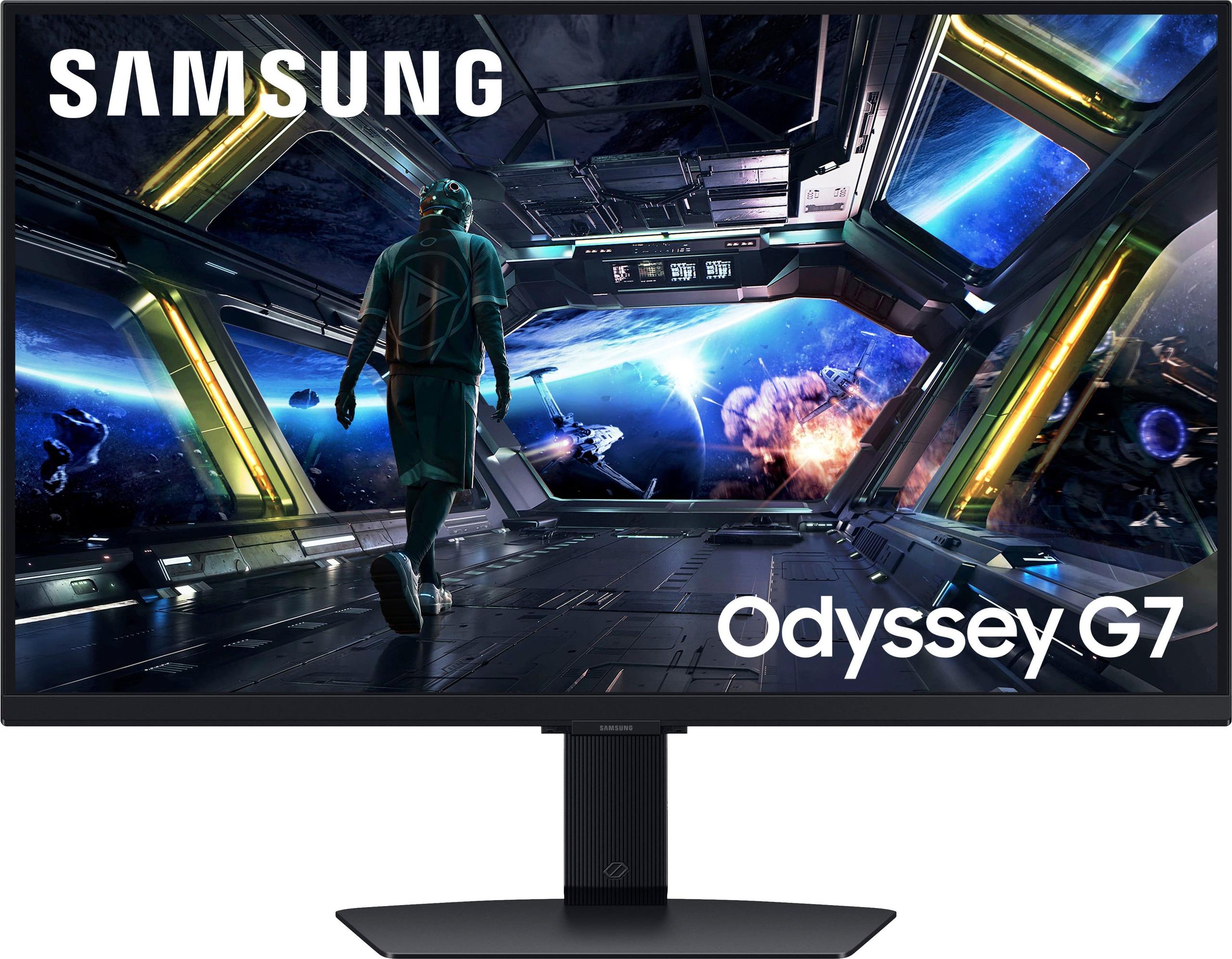
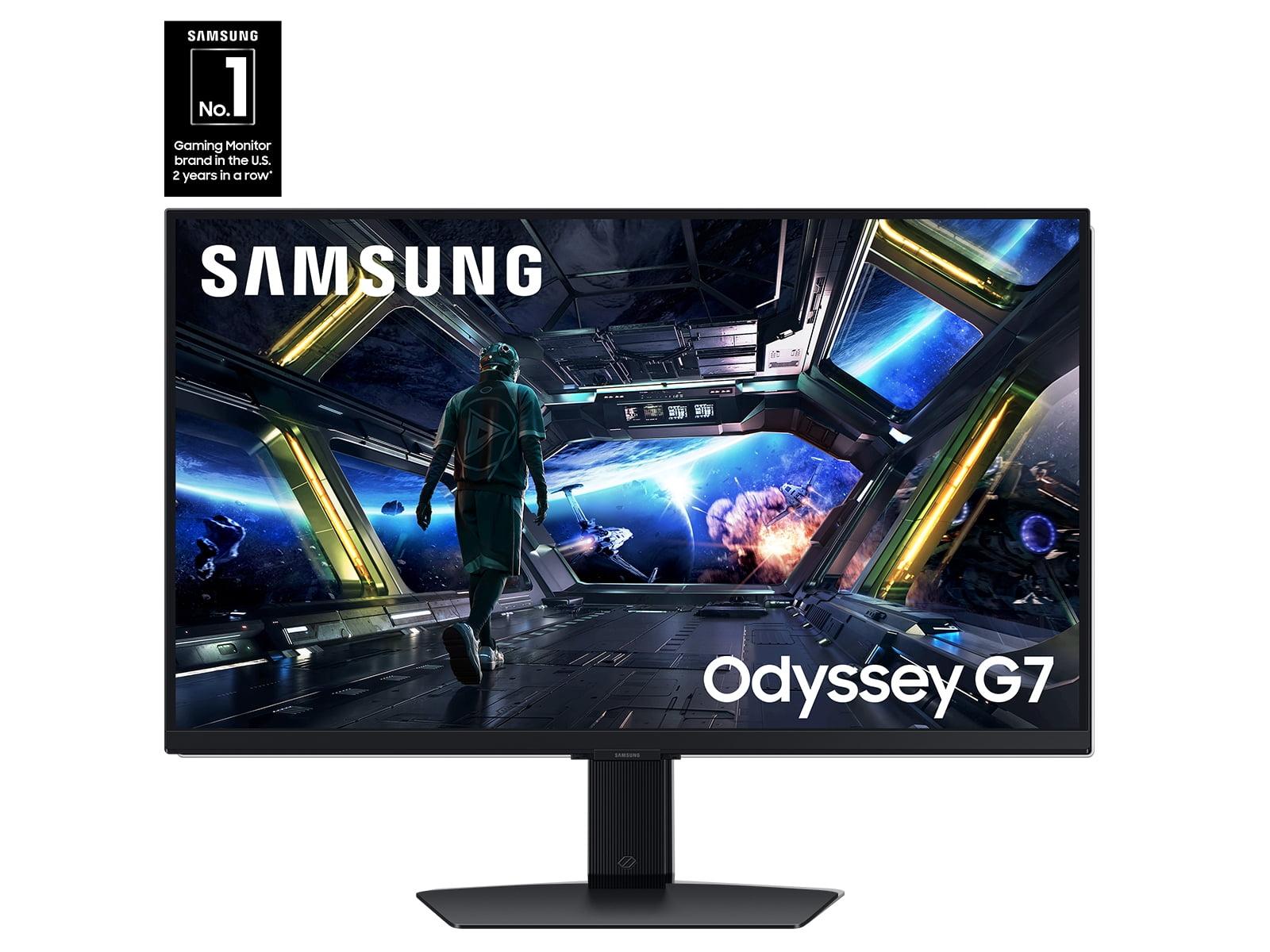
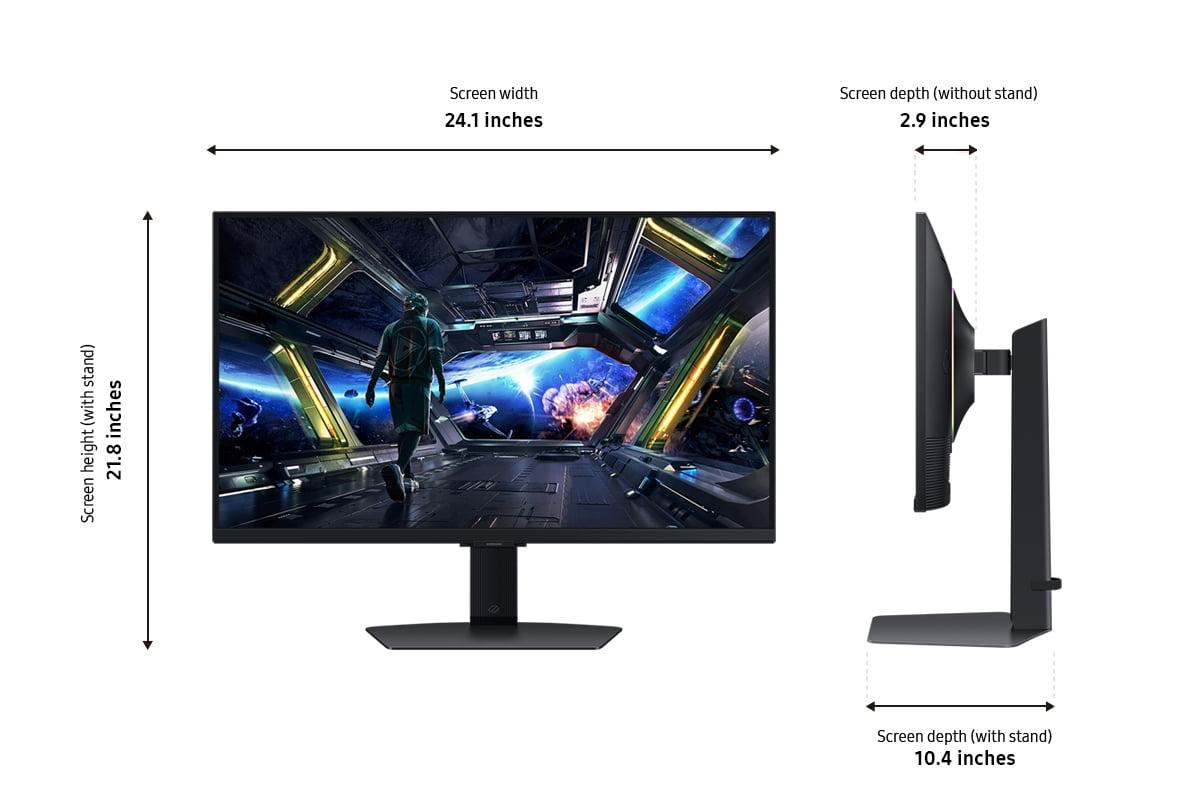
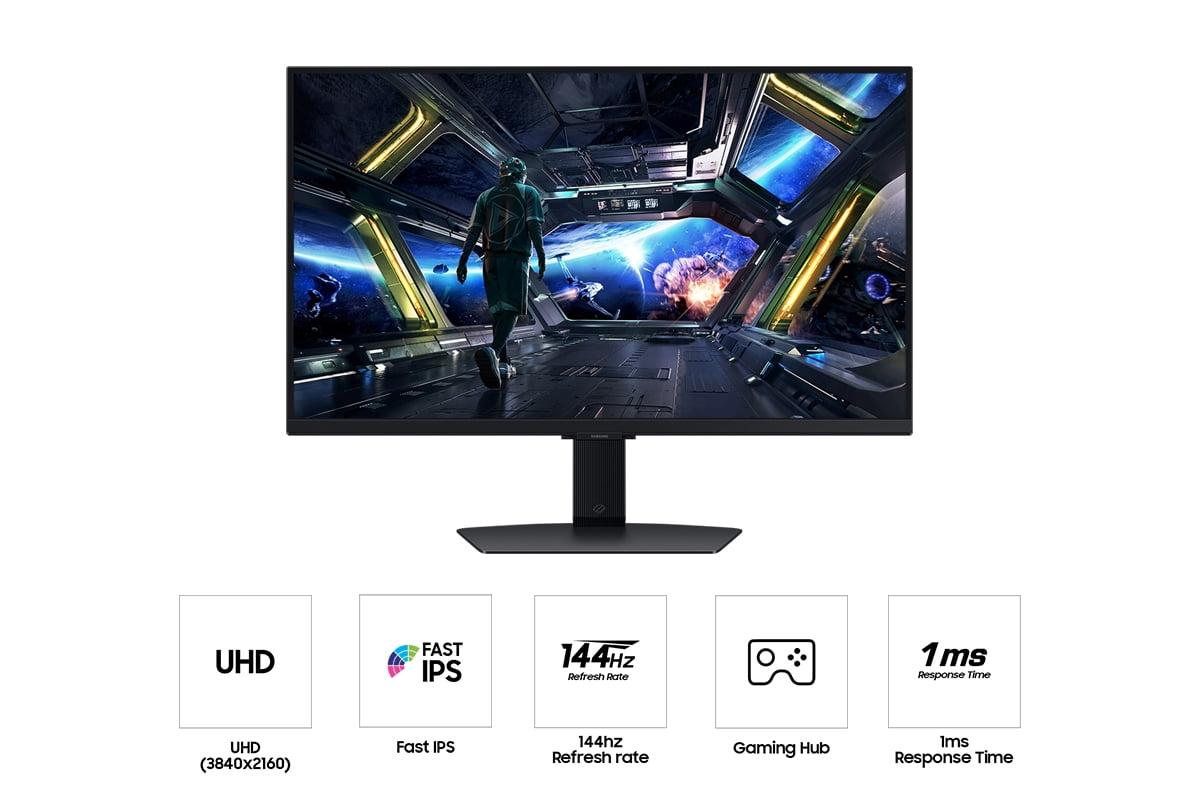
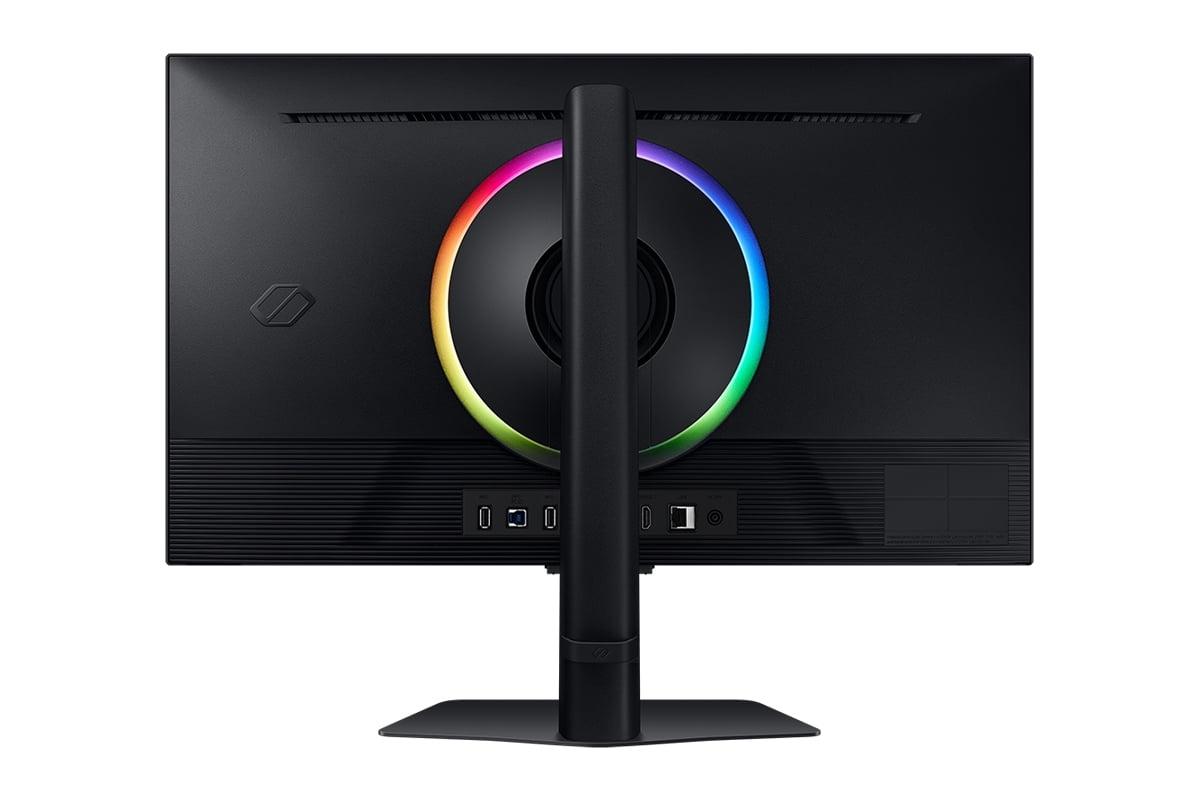
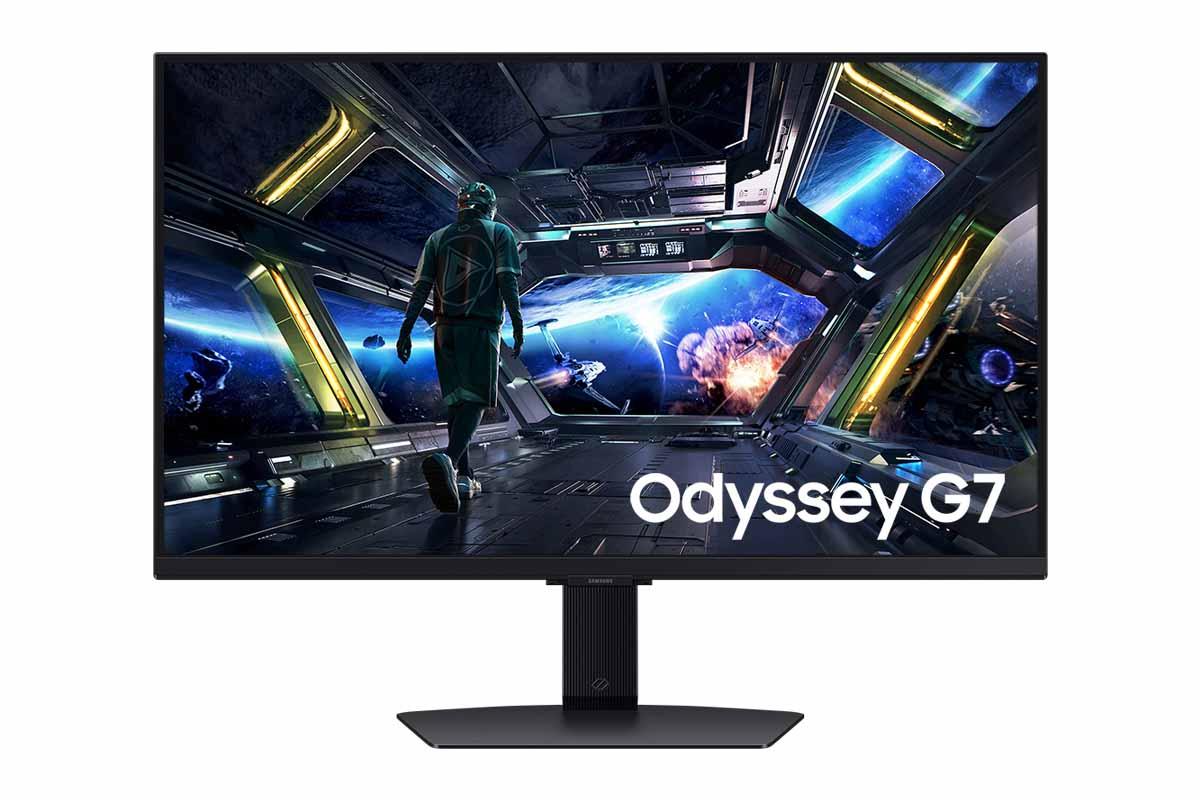
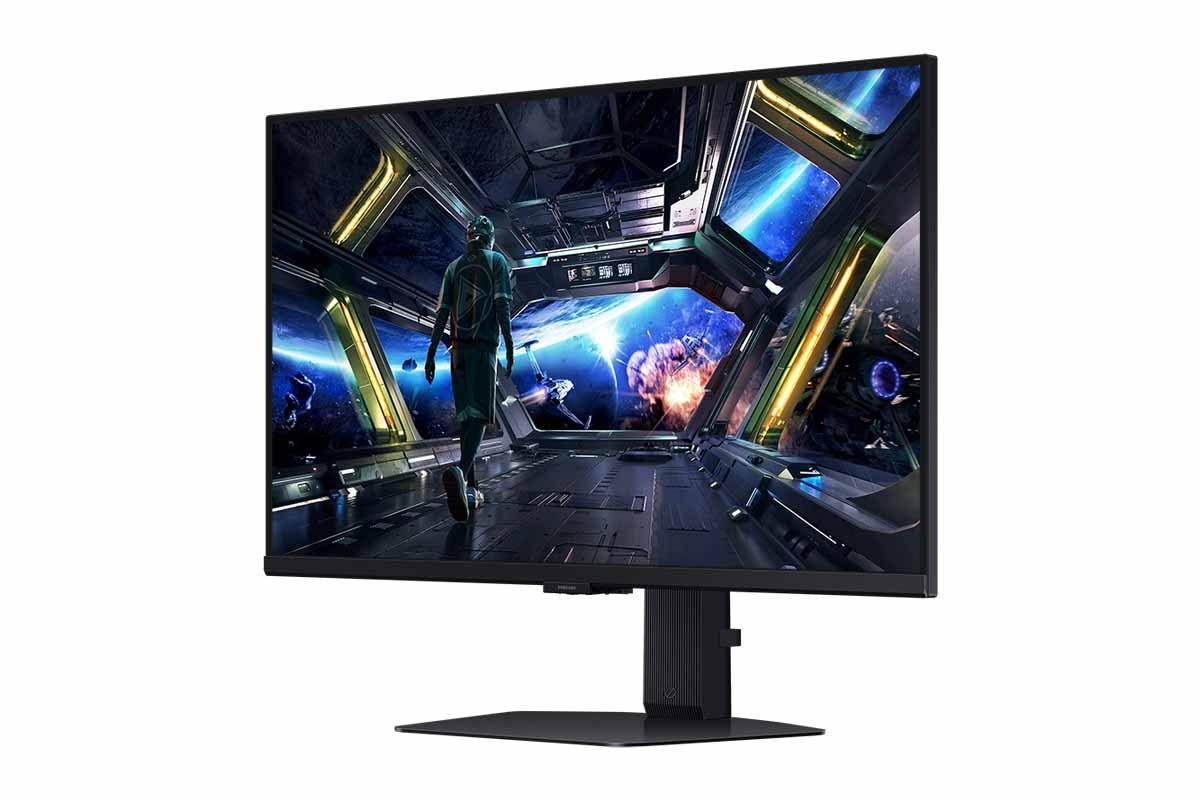
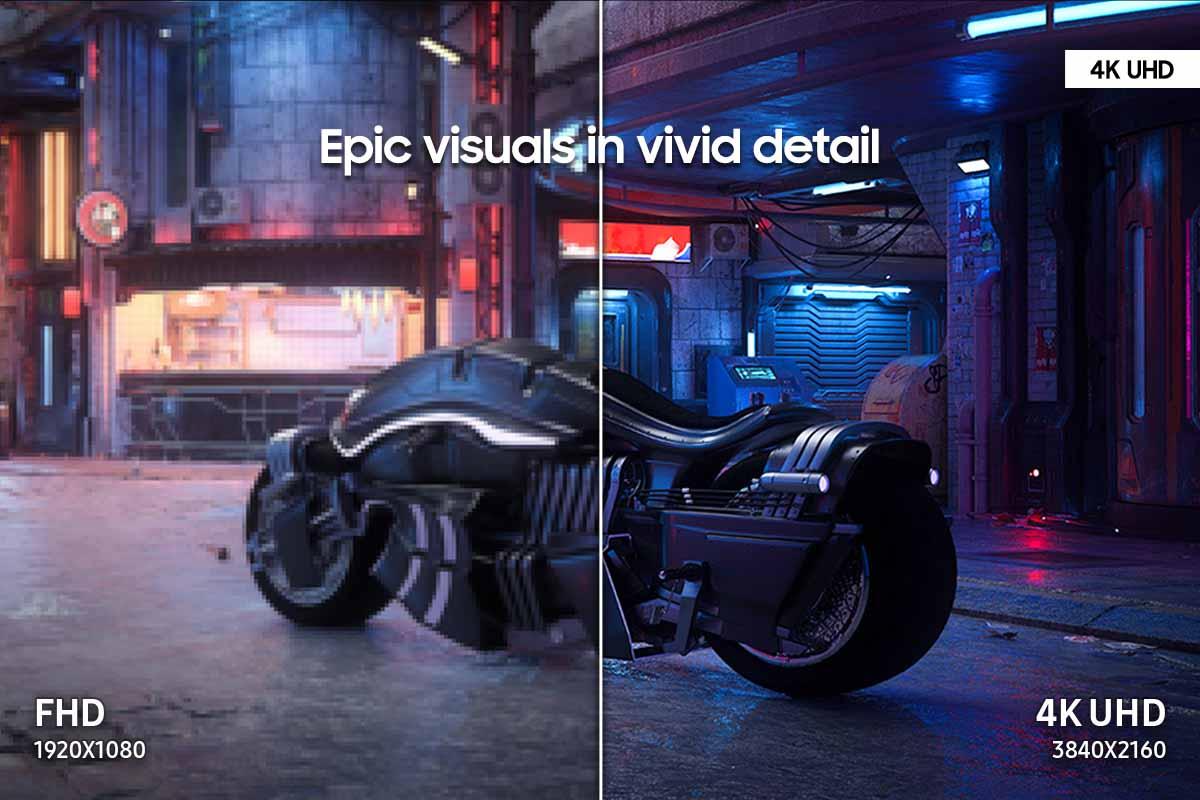
Samsung took a different approach with the Odyssey G7 G70D ($479.99), released in January 2024. This monitor prioritizes visual fidelity with 4K UHD resolution (3840 x 2160) running at 144Hz. At 163 pixels per inch, everything looks incredibly sharp—text is crisp, game details pop, and you can actually use this monitor for serious productivity work.
But Samsung didn't just stop at resolution. They've integrated their smart TV technology directly into the monitor, essentially creating a hybrid device that can stream Netflix, access cloud gaming services, and function as an entertainment center even when your gaming PC is off.
The difference between QHD and 4K might not sound dramatic on paper, but it's immediately noticeable in practice. The Samsung G70D delivers significantly sharper images—imagine the difference between looking through a clean window versus one with a slight film on it. Text is crisp, game textures show more detail, and everything just looks more professional.
However, that extra sharpness comes with a serious performance cost. Driving 4K at high refresh rates requires substantially more graphics processing power. While the BenQ EX270QM can achieve 240fps in competitive games with an RTX 4060 Ti, you'd need at least an RTX 4070 or better to get similar frame rates at 4K on the Samsung.
The BenQ does fight back with superior HDR performance. Its DisplayHDR 600 certification means it can hit 600 nits of peak brightness, compared to the Samsung's 400 nits. BenQ's HDRi technology automatically adjusts the HDR tone mapping based on your room's lighting conditions—a feature that actually works well and isn't just marketing fluff.
Here's where things get interesting. The BenQ EX270QM absolutely dominates in competitive gaming scenarios. That 240Hz refresh rate isn't just a number—it translates to noticeably smoother motion tracking. When following a fast-moving target in Counter-Strike or Apex Legends, the difference between 144Hz and 240Hz is genuinely perceptible to most players.
I've spent considerable time with both monitors, and the BenQ consistently feels more responsive. Part of this comes down to the lower resolution requiring less processing, but BenQ has also optimized their overdrive settings beautifully. Motion blur is virtually eliminated without introducing the inverse ghosting (pixel overshoot) that plagues many gaming monitors.
The Samsung G70D, while not slow by any means, targets a different gaming experience. Its 144Hz refresh rate is excellent for single-player games where visual fidelity matters more than split-second reactions. Games like Cyberpunk 2077 or Red Dead Redemption 2 look absolutely stunning at 4K, with details you simply can't appreciate at lower resolutions.
Both monitors handle color reproduction well, but they approach HDR differently. The BenQ EX270QM offers a more impactful HDR experience thanks to its higher peak brightness and better local dimming implementation. Its 98% DCI-P3 color coverage ensures vibrant, accurate colors that work well for both gaming and content creation.
The Samsung covers about 95% of DCI-P3 but struggles with HDR implementation. Its 32-zone local dimming creates noticeable blooming around bright objects, and the overall HDR experience feels flat compared to the BenQ. However, Samsung's color accuracy out of the box is quite good, though it runs a bit cool (bluish) and benefits from manual adjustment.
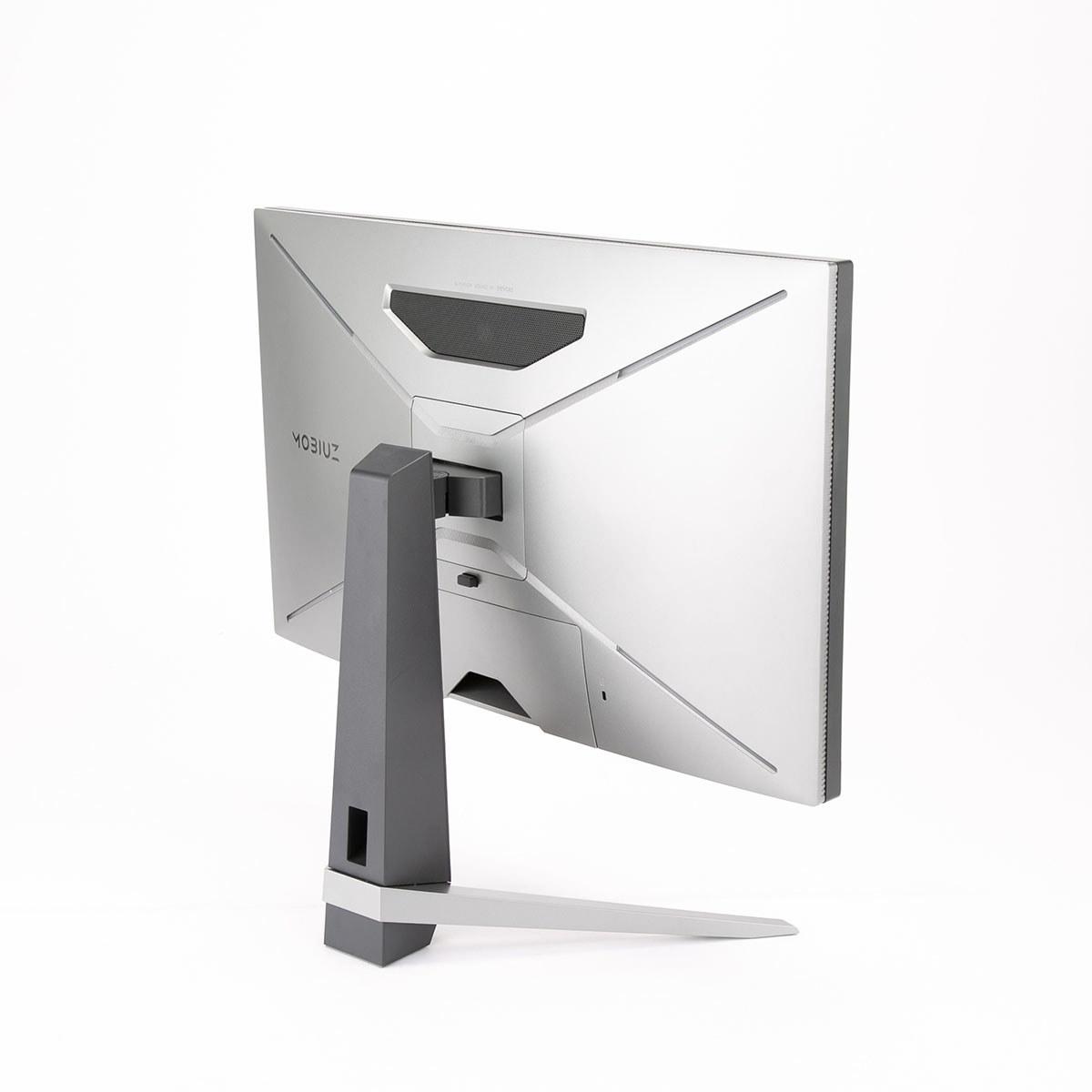
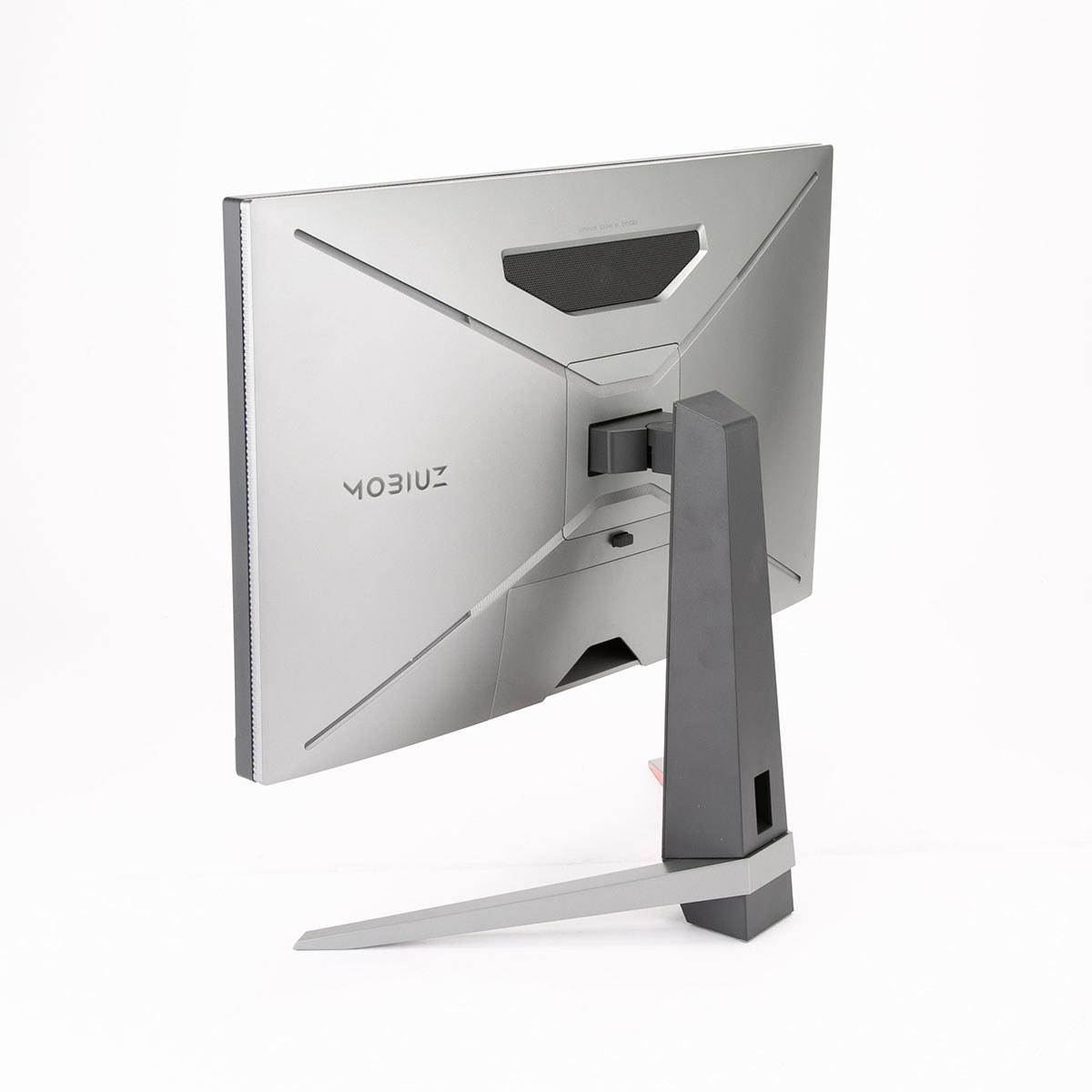
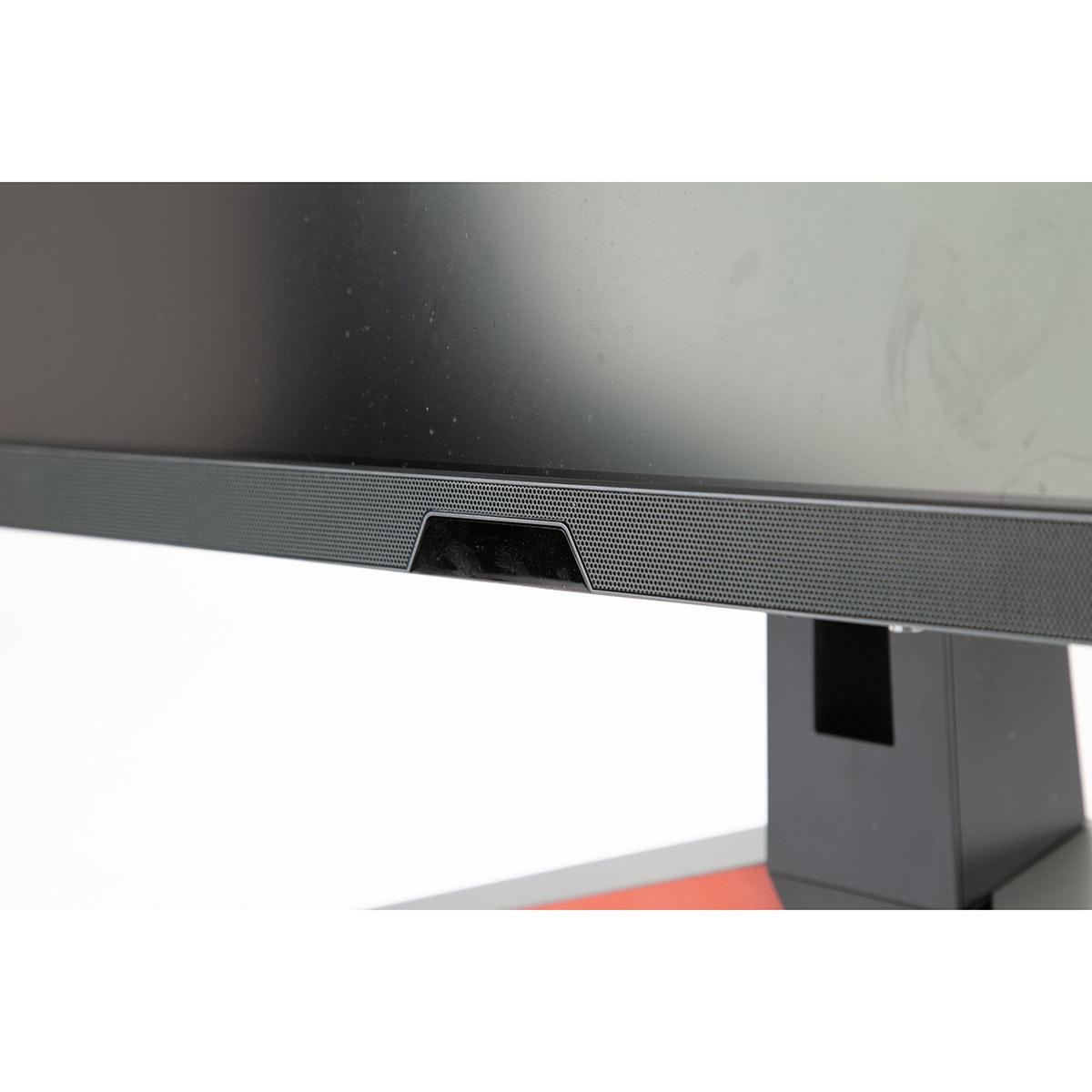
Here's where the BenQ MOBIUZ EX270QM really surprises people. Most gaming monitors have terrible built-in speakers—if they have them at all. BenQ partnered with their treVolo audio division to create a legitimate 2.1 channel system with two 2-watt speakers and a 5-watt subwoofer.
I was skeptical until I heard it myself. The audio quality is genuinely impressive for a monitor, with clear mids and highs plus actual bass response. You're not going to mistake it for a dedicated sound system, but it's good enough that many users won't need external speakers for casual gaming or media consumption.
The Samsung G70D includes basic speakers, but they're nothing special. However, Samsung makes up for this with Bluetooth audio connectivity, allowing you to connect wireless headphones directly to the monitor—handy for late-night gaming sessions.
This is where Samsung shows its broader consumer electronics expertise. The G70D runs Samsung's Game Hub OS, providing access to streaming services and cloud gaming platforms without needing a connected PC or console. You can literally turn on the monitor and start streaming a movie or playing Xbox Game Pass games.
The monitor includes a remote control and can function as a smart TV when you're not gaming. For users with limited space or those who want a multi-purpose display, this versatility is genuinely valuable.
The BenQ EX270QM takes a more focused approach with features specifically designed for gaming. Its Light Tuner offers 20 different color presets optimized for various game genres, while Black eQualizer enhances visibility in dark scenes without washing out bright areas. These aren't gimmicks—they're tools that can provide genuine competitive advantages.
If you're considering either monitor for home theater use, the Samsung G70D has clear advantages. Its 4K resolution and smart TV functionality make it an excellent choice for a bedroom entertainment setup or small living room. The ability to stream content directly without additional devices simplifies the setup considerably.
The larger concern with both monitors for movie watching is their IPS panel contrast ratio. Both deliver typical 1000:1 contrast, which means blacks appear gray in dark rooms. If you're serious about home theater applications, you might want to consider OLED alternatives, though they come with their own gaming-related compromises.
The hardware requirements for these monitors differ significantly. The BenQ EX270QM is relatively forgiving—an RTX 3070 or RX 6700 XT can push competitive games at 240fps, while even an RTX 4060 Ti handles most titles well with some settings adjustments.
The Samsung G70D demands more horsepower. For comfortable 4K gaming at high frame rates, you're looking at RTX 4070 minimum, with RTX 4080 or better recommended for maximum detail settings. This has cost implications beyond the monitor itself.
From a future-proofing perspective, both approaches have merit. The BenQ ensures you can maximize your current hardware's performance, while the Samsung provides a resolution target that will showcase future graphics card upgrades.
At $399.99 versus $479.99, the pricing difference is significant but not extreme. However, the total cost of ownership differs substantially when you factor in graphics card requirements.
The BenQ EX270QM offers exceptional value for competitive gamers. Its combination of speed, features, and audio quality at under $400 is impressive. The inclusion of quality built-in speakers saves additional money on audio gear.
The Samsung G70D justifies its premium through versatility. The 4K resolution, smart features, and broader compatibility make it suitable for gaming, productivity, and entertainment. If you value a single device that handles multiple roles well, the extra cost makes sense.
Both monitors represent significant advances over displays from just a few years ago. The BenQ delivers IPS panel speed that matches old TN panels while maintaining superior colors and viewing angles. Samsung's integration of smart TV features into a gaming monitor reflects the broader convergence of entertainment devices.
The manufacturing improvements in IPS panels have been remarkable. Five years ago, achieving 1ms response times with IPS technology seemed impossible. Today, both monitors deliver it without sacrificing color accuracy or introducing significant artifacts.
Choose the BenQ MOBIUZ EX270QM ($399.99) if you:
Choose the Samsung Odyssey G7 G70D ($479.99) if you:
Both monitors excel in their intended roles. The BenQ EX270QM is a focused tool for serious gaming, delivering professional-level performance at an accessible price. The Samsung G70D offers broader appeal with its stunning 4K visuals and smart features, though at higher cost and hardware requirements.
Your choice ultimately depends on how you game and what else you need from your display. Neither monitor will disappoint—they're just optimized for different gaming experiences. The BenQ will make you a better competitive player, while the Samsung will make your games look better than ever.
In my experience, most users know intuitively which approach appeals to them. Trust that instinct, consider your current hardware and upgrade plans, and you'll end up with a monitor you'll love for years to come.
| BenQ MOBIUZ EX270QM | Samsung Odyssey G7 G70D |
|---|---|
| Resolution - Higher resolution means sharper images but requires more GPU power | |
| 2560 x 1440 QHD (109 PPI) | 3840 x 2160 4K UHD (163 PPI) |
| Refresh Rate - Higher rates provide smoother motion, crucial for competitive gaming | |
| 240Hz (excellent for esports) | 144Hz (great for most gaming) |
| Response Time - Lower is better for reducing motion blur | |
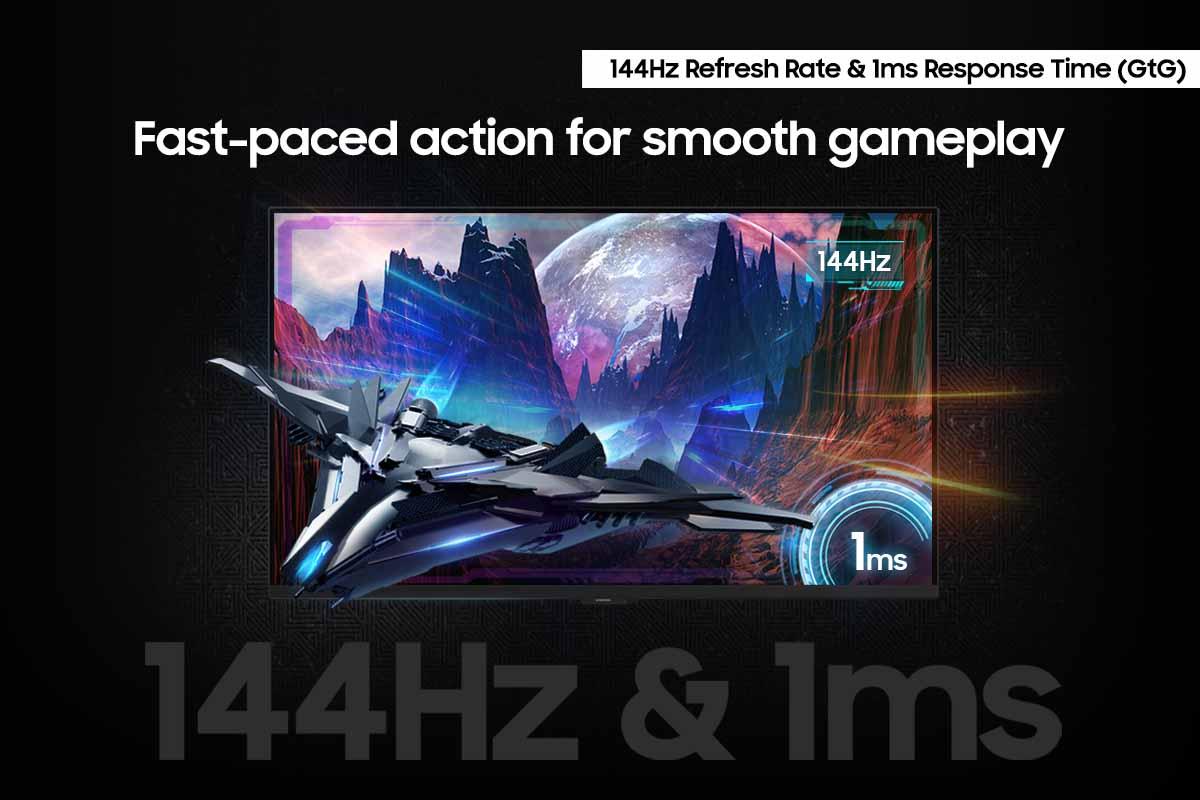
| 1ms GTG and MPRT | 1ms GTG |
| Input Lag - Critical for competitive gaming responsiveness | |
| 0.7ms (exceptionally fast) | ~1ms (very good) |
| HDR Performance - Better HDR provides more realistic contrast and colors | |
| DisplayHDR 600 (600 nits peak brightness) | DisplayHDR 400 (350 nits typical brightness) |
| Panel Technology - Both use IPS for excellent colors and viewing angles | |
| Fast IPS with local dimming | Fast IPS with 32-zone local dimming |
| Color Coverage - Important for content creation and vibrant gaming visuals | |
| 98% DCI-P3, 1.07 billion colors | 95% DCI-P3, 1 billion colors |
| Audio System - Most monitors have poor speakers, so this matters | |
| 2.1 channel treVolo system (2x2W + 5W subwoofer) | Basic stereo speakers + Bluetooth connectivity |
| Smart Features - Additional functionality beyond gaming | |
| Gaming-focused tools (Light Tuner, Black eQualizer) | Full smart TV OS with streaming apps and remote |
| Adaptive Sync - Eliminates screen tearing for smoother gameplay | |
| AMD FreeSync Premium Pro | AMD FreeSync Premium + G-Sync compatible |
| Connectivity - Determines what devices you can connect | |
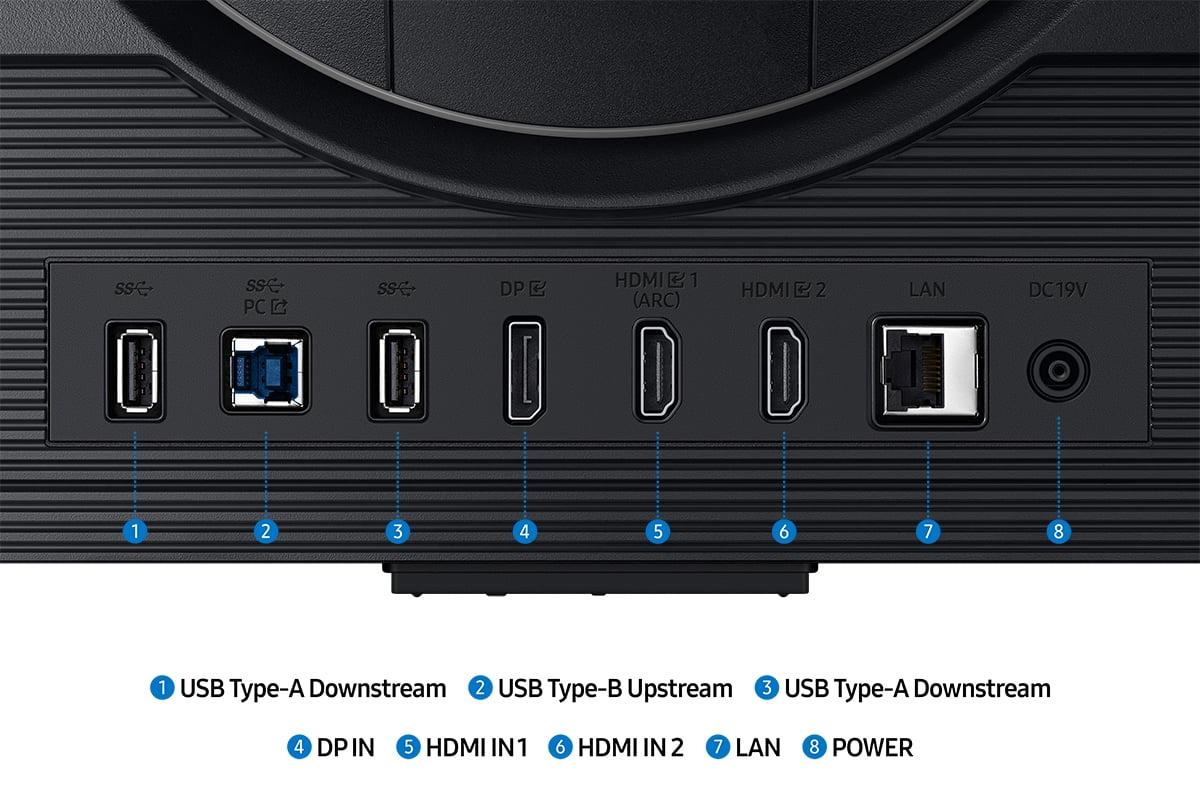
| 2x HDMI 2.1, 1x DP 1.4, USB hub | HDMI 2.1, DisplayPort, USB-A ports |
| Ergonomics - Important for comfort during long gaming sessions | |
| Height, tilt, swivel adjustments | Height, tilt, swivel, pivot adjustments |
| Price - Consider total cost including GPU requirements | |
| $399.99 | $479.99 |
| GPU Requirements - Factor this into total upgrade cost | |
| RTX 4060 Ti for high frame rates | RTX 4070+ for optimal 4K performance |
| Best For - Primary use case each monitor excels at | |
| Competitive gaming and esports | Immersive AAA games and multi-purpose use |
The BenQ MOBIUZ EX270QM is significantly better for competitive gaming due to its 240Hz refresh rate and exceptionally low 0.7ms input lag. The higher refresh rate provides smoother motion tracking when following fast-moving targets, while the lower input lag ensures your reactions translate instantly to the screen. For esports titles like Counter-Strike, Valorant, or Apex Legends, the BenQ EX270QM offers a clear competitive advantage.
The primary difference is resolution versus refresh rate priority. The Samsung Odyssey G7 G70D offers 4K resolution (3840x2160) at 144Hz, while the BenQ MOBIUZ EX270QM provides QHD resolution (2560x1440) at 240Hz. The Samsung prioritizes visual sharpness and detail, while the BenQ focuses on ultra-smooth motion for competitive gaming.
The Samsung G70D delivers superior image quality with its 4K resolution providing 163 pixels per inch compared to the BenQ's 109 PPI. Text appears sharper, game textures show more detail, and overall visual clarity is noticeably better. However, the BenQ EX270QM counters with better HDR performance, offering DisplayHDR 600 certification with 600 nits peak brightness versus Samsung's 400 nits.
For the BenQ MOBIUZ EX270QM, an RTX 4060 Ti or RX 7600 XT can achieve high frame rates in competitive games, with RTX 3070 being adequate for most titles. The Samsung G70D requires more power—minimum RTX 4070 for comfortable 4K gaming, with RTX 4080 or better recommended for maximum settings and consistent high frame rates.
The BenQ EX270QM at $399.99 offers exceptional value for competitive gamers, including premium features like treVolo 2.1 audio system and professional-grade gaming tools. The Samsung G70D at $479.99 costs 20% more but provides 4K resolution and smart TV functionality. Consider total ownership cost including GPU requirements—the Samsung demands a more expensive graphics card.
Both monitors support console gaming, but the Samsung Odyssey G7 G70D is better suited for PlayStation 5 and Xbox Series X with its 4K resolution and HDMI 2.1 connectivity enabling 4K at 120Hz. The BenQ EX270QM works well with consoles but you won't utilize its full 240Hz capability, as most console games cap at 60-120fps.
The BenQ MOBIUZ EX270QM significantly outperforms the Samsung in audio quality with its treVolo 2.1 channel system featuring two 2W speakers and a 5W subwoofer. This provides genuine bass response and clear audio that rivals entry-level desktop speakers. The Samsung G70D includes basic stereo speakers but offers Bluetooth connectivity for wireless headphones.
The Samsung G70D excels at productivity thanks to its 4K resolution providing crisp text and ample screen real estate for multitasking. The 95% DCI-P3 color coverage also suits content creation work. The BenQ EX270QM works for productivity but the QHD resolution is less ideal for detailed work, though its excellent color accuracy (98% DCI-P3) handles creative tasks well.
The Samsung Odyssey G7 G70D provides extensive smart features including built-in streaming apps, cloud gaming access, and remote control functionality—essentially functioning as a smart TV when your PC is off. The BenQ EX270QM focuses on gaming-specific features like Light Tuner with 20 color presets, Black eQualizer for enhanced visibility, and comprehensive eye-care technologies.
The BenQ MOBIUZ EX270QM offers superior HDR performance with DisplayHDR 600 certification, 600 nits peak brightness, and effective local dimming. BenQ's HDRi technology automatically optimizes HDR based on ambient lighting. The Samsung G70D supports HDR10+ but only achieves DisplayHDR 400 certification with less effective 32-zone local dimming that can cause blooming artifacts.
The Samsung G70D excels for immersive single-player games like Cyberpunk 2077, Red Dead Redemption 2, or Assassin's Creed where visual fidelity matters more than maximum frame rates. The 4K resolution showcases detailed environments and textures that simply aren't visible at lower resolutions. The BenQ EX270QM still provides excellent visuals but prioritizes smooth motion over pixel density.
For the BenQ MOBIUZ EX270QM, the main limitation is QHD resolution may feel restrictive for users wanting maximum detail or serious productivity work. The Samsung G70D requires expensive graphics hardware for optimal performance and has weaker HDR implementation with noticeable blooming. Both monitors have typical IPS contrast ratios (1000:1) making blacks appear gray in dark rooms.
We've done our best to create useful and informative comparisons to help you decide what product to buy. Our research uses advanced automated methods to create this comparison and perfection is not possible - please contact us for corrections or questions. These are the sites we've researched in the creation of this article: bgeek.eu - youtube.com - tomshardware.com - youtube.com - t3.com - versus.com - pcgamer.com - versus.com - gamesradar.com - pangoly.com - benq.eu - techaeris.com - shi.com - benq.com - bestbuy.com - benq.com - displayspecifications.com - benq.com - benq.eu - bhphotovideo.com - benq.com - bestbuy.com - typectechreviews.com - rtings.com - rtings.com - youtube.com - youtube.com - samsung.com - samsung.com - samsung.com - bhphotovideo.com - samsung.com - samsung.com - versus.com - abt.com - abt.com - bestbuy.com - bhphotovideo.com - youtube.com - abt.com

Privacy Policy
Terms and Conditions - Affiliate Policy
Home Security
© Copyright 2008-2026.
11816 Inwood Rd #1211, Dallas, TX 75244