

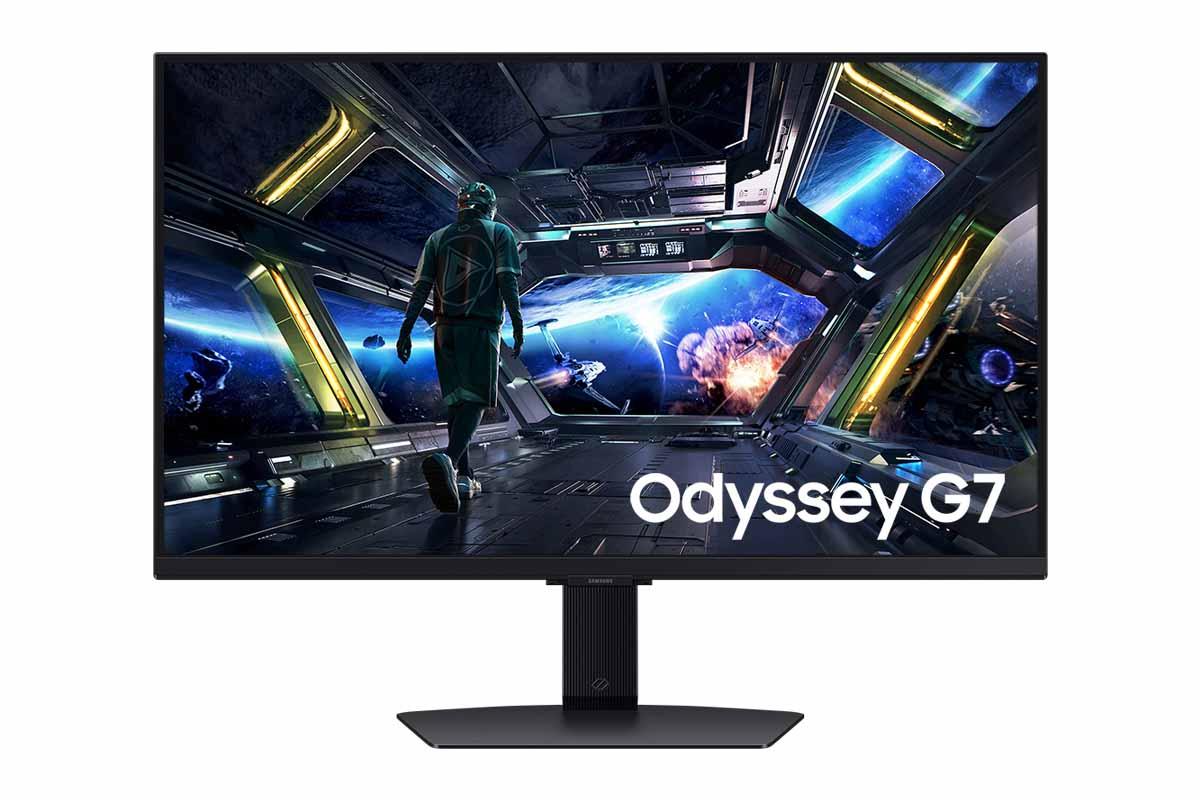
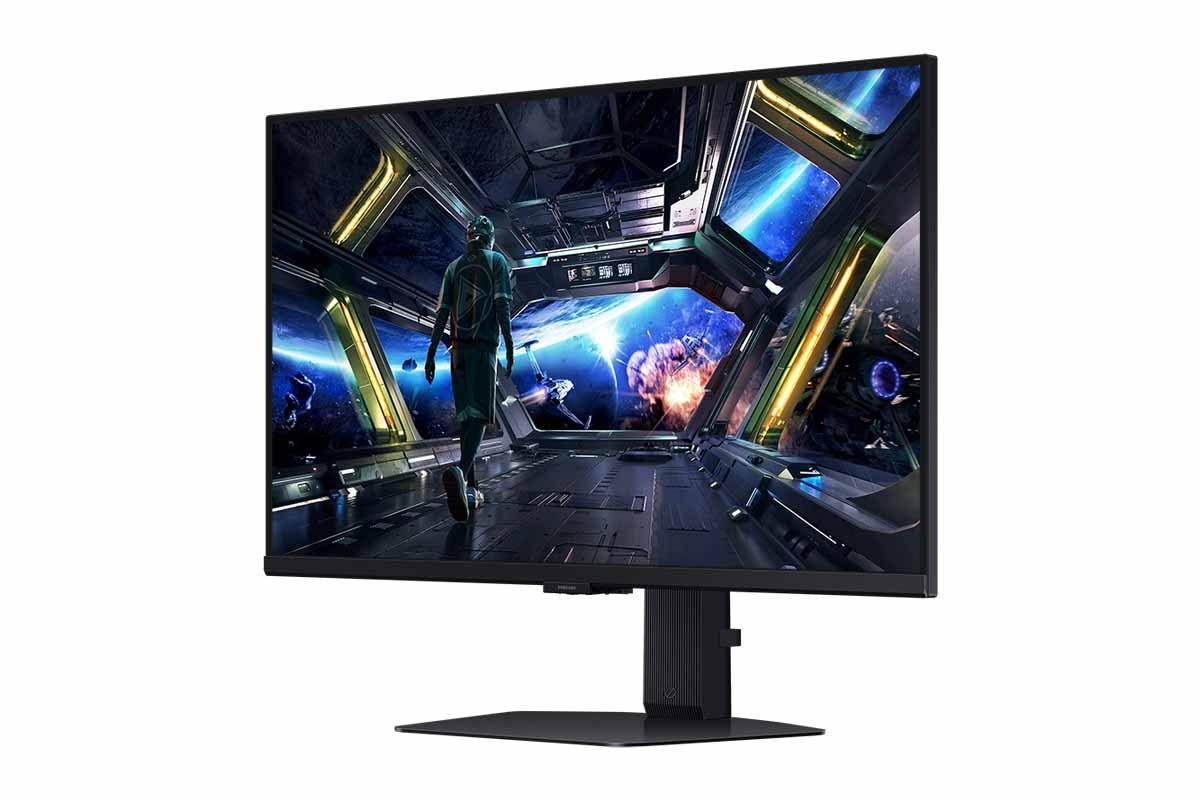
Choosing a gaming monitor can feel overwhelming, especially when you're comparing two excellent but very different options. Today, we're diving deep into two 27-inch gaming monitors that represent completely different philosophies: the BenQ Zowie XL2746K, a lightning-fast esports machine, and the Samsung Odyssey G7 G70D, a stunning 4K visual powerhouse. By the end of this comparison, you'll understand exactly which one fits your gaming style and setup.
Gaming monitors have evolved dramatically over the past few years, splitting into distinct categories that serve different types of gamers. Think of it like sports cars versus luxury SUVs—both are excellent vehicles, but they're built for completely different purposes and experiences.
The competitive esports category prioritizes speed above all else. These monitors sacrifice some visual fidelity to deliver the fastest possible response times and highest refresh rates. Professional players in games like Counter-Strike or Valorant swear by these displays because they can literally see enemies a few milliseconds sooner than their opponents using slower monitors.
On the other side, we have high-resolution gaming monitors that focus on delivering beautiful, immersive visuals. These displays excel at showcasing the stunning graphics in modern AAA games, making your adventures in Cyberpunk 2077 or Red Dead Redemption 2 look absolutely gorgeous.
The key considerations when choosing between these approaches include refresh rate (how many times per second the screen updates), response time (how quickly pixels can change color), resolution (the number of pixels on screen), and panel technology (the underlying display method that affects color accuracy and viewing angles).
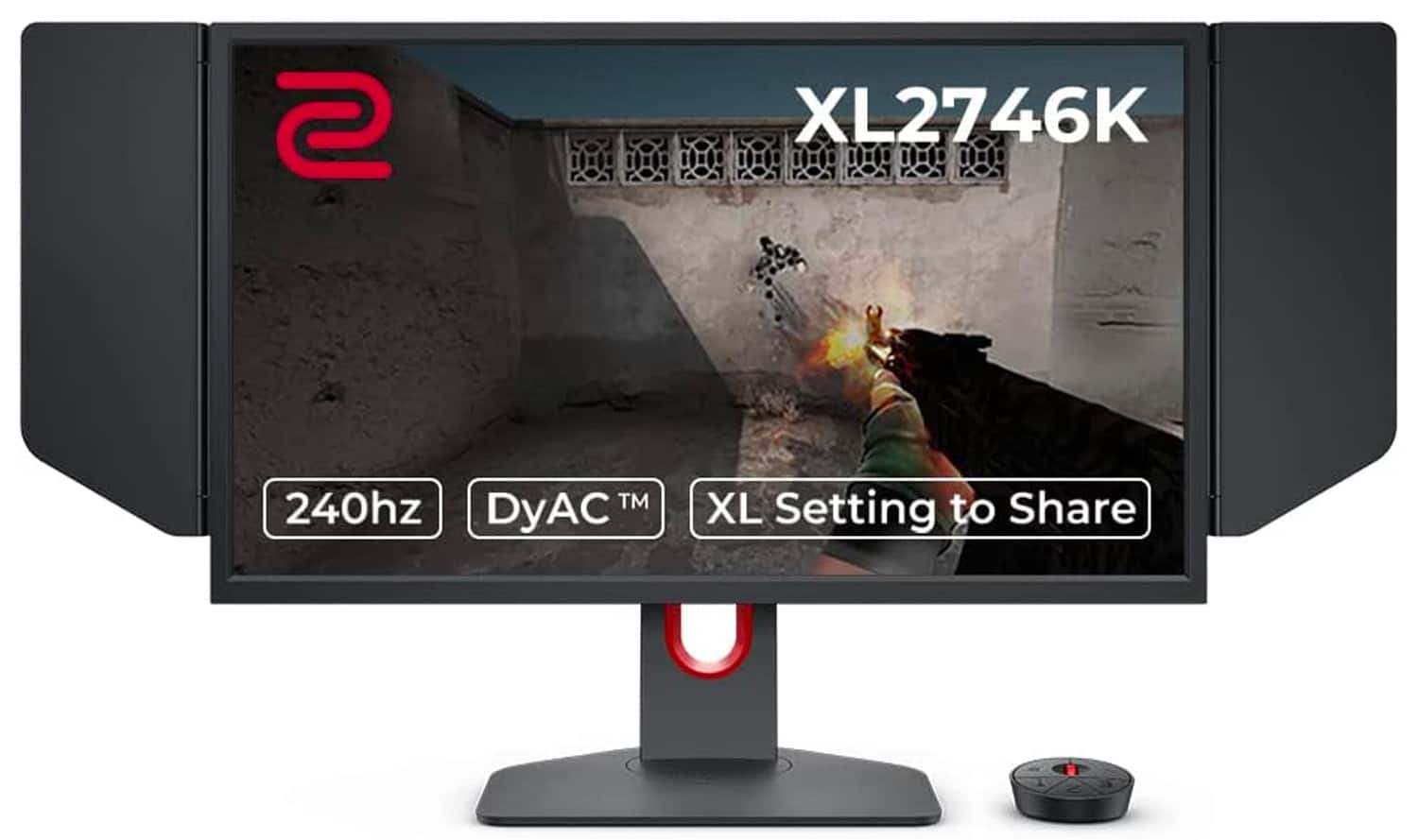
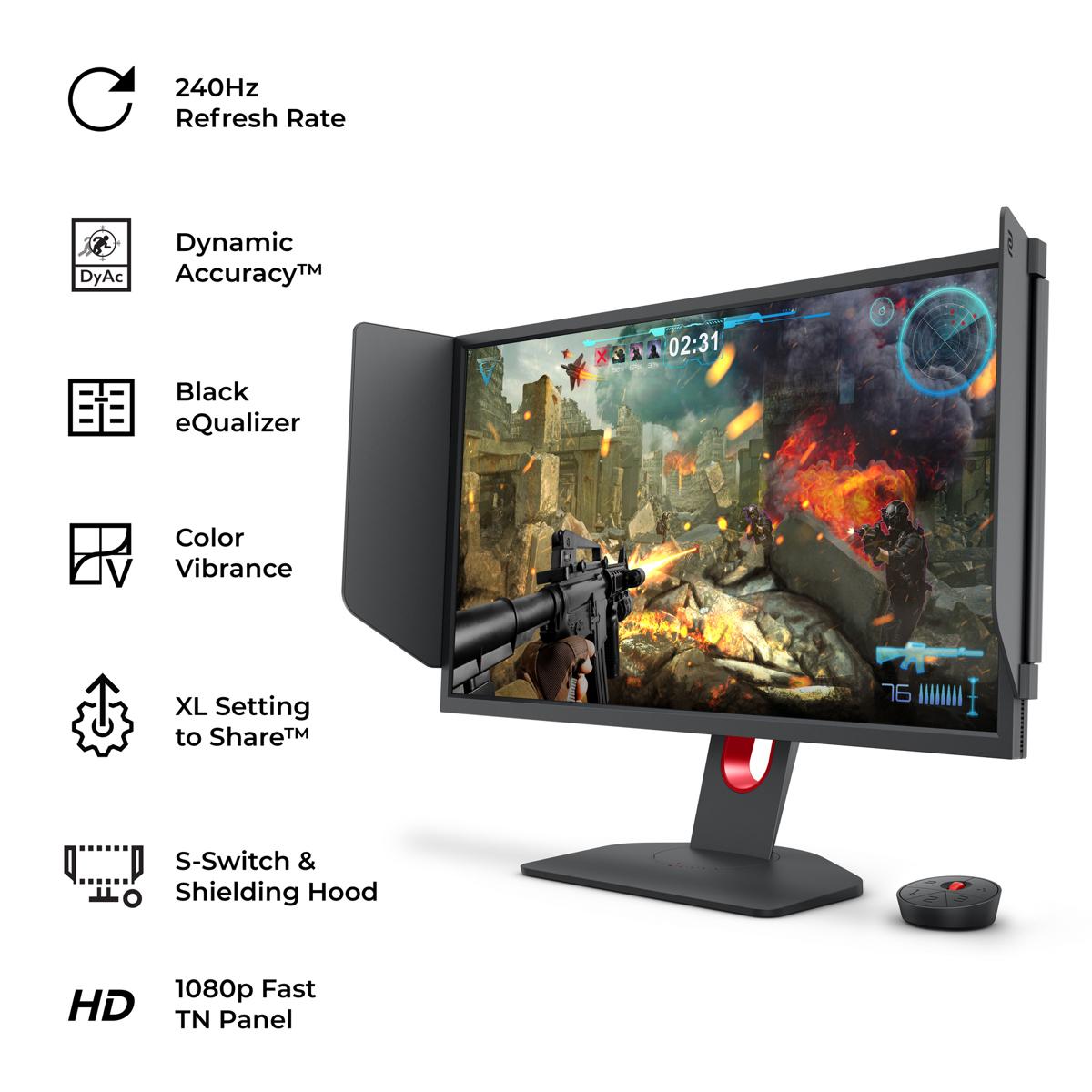
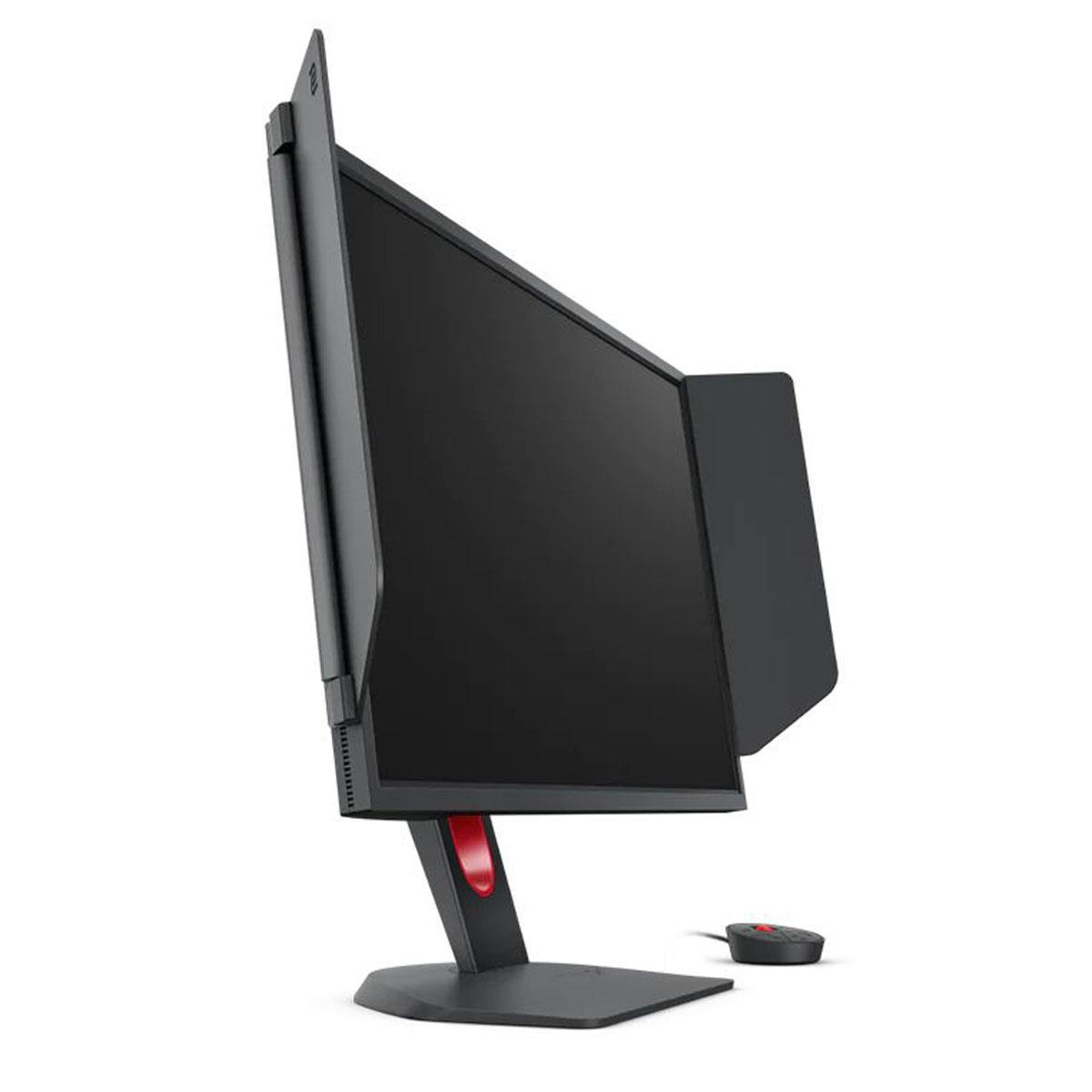
Released in 2022, the BenQ Zowie XL2746K represents the pinnacle of esports monitor design. This 27-inch beast runs at a blazing 240Hz refresh rate with a 1920×1080 resolution, using a TN (Twisted Nematic) panel that's been fine-tuned specifically for competitive gaming.
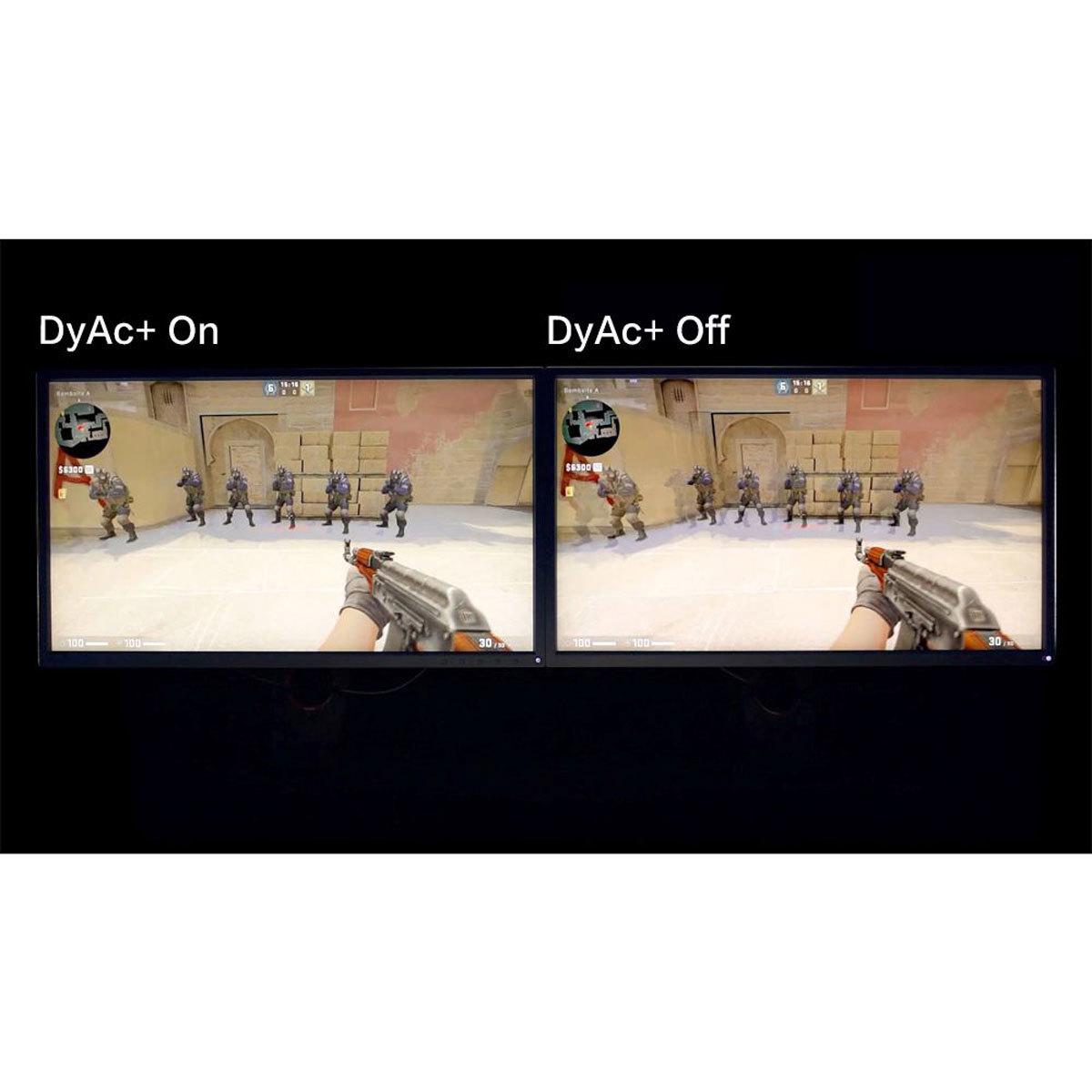
What makes this monitor special isn't just its raw speed—it's the thoughtful features BenQ has developed specifically for esports athletes. The DyAc+™ (Dynamic Accuracy Plus) technology is essentially a sophisticated backlight strobing system that eliminates motion blur during rapid movements. When you're spraying bullets in an FPS game or tracking fast-moving targets, DyAc+™ makes everything appear crystal clear instead of a blurry mess.
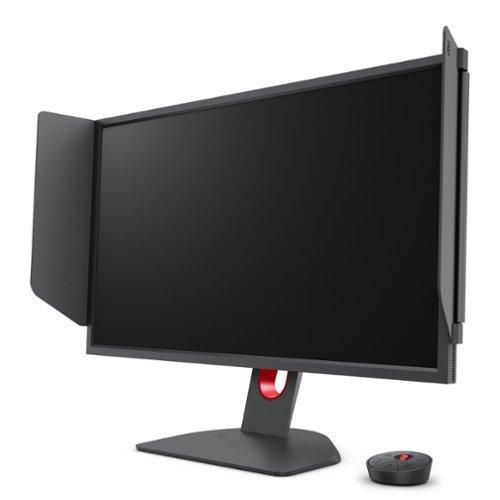
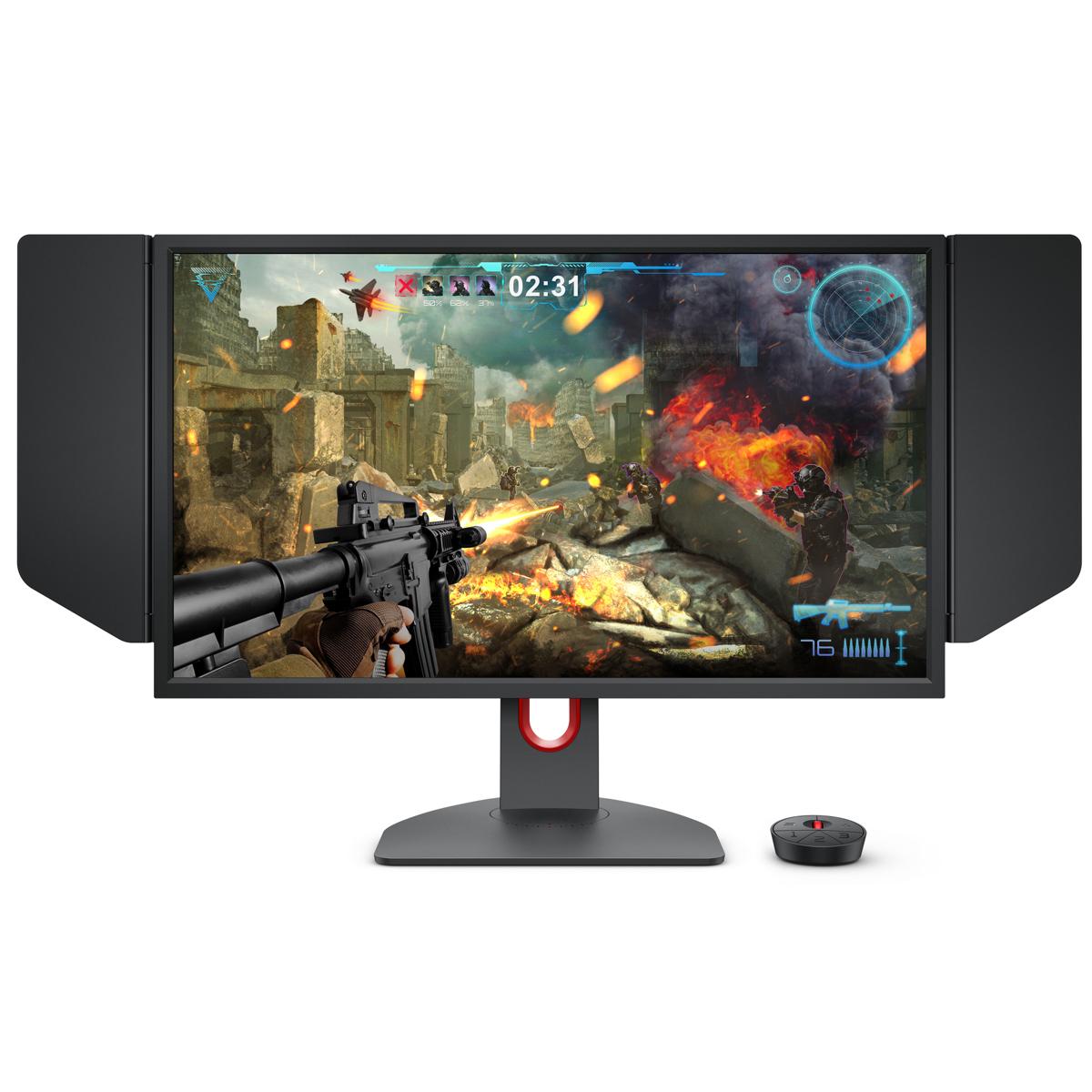
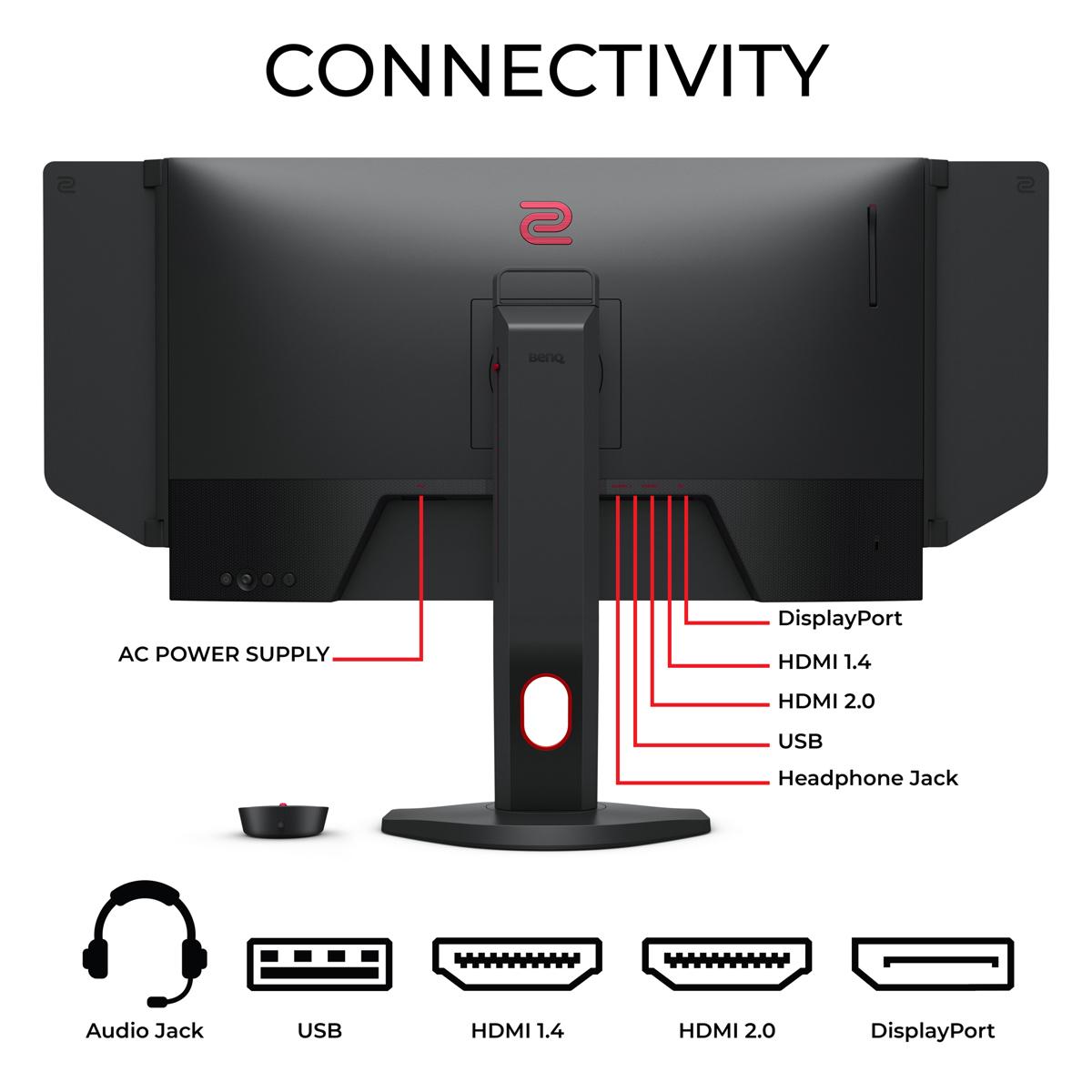
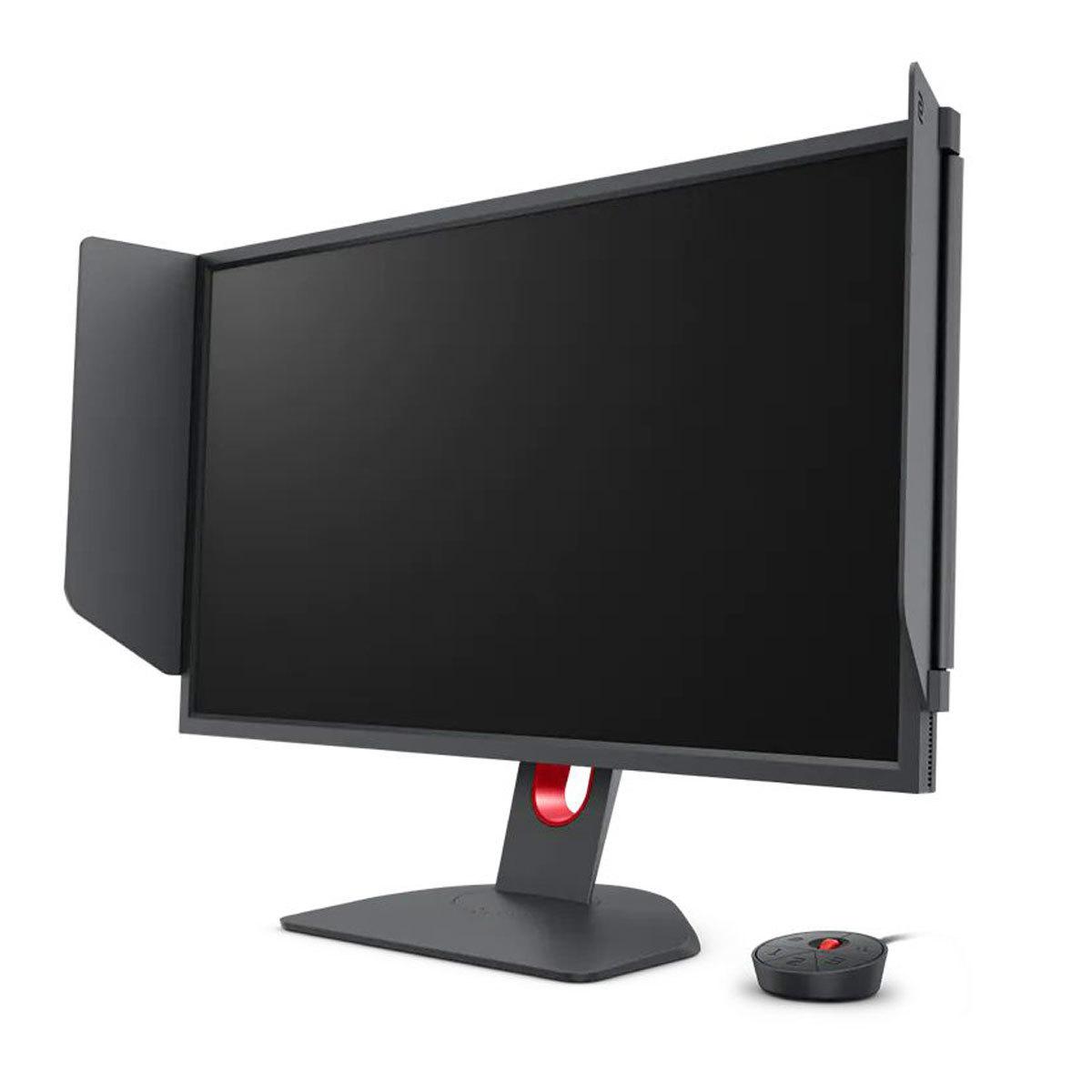
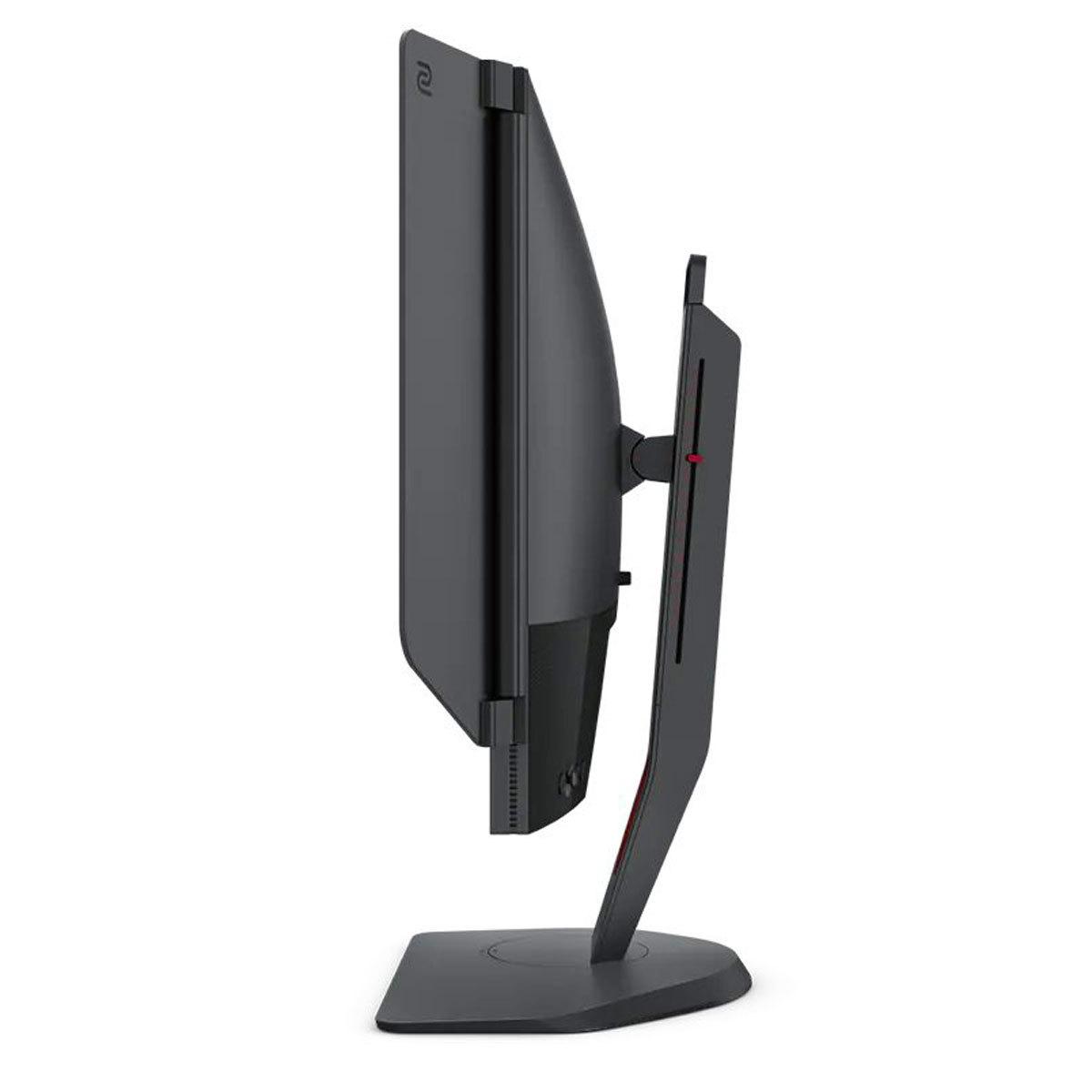
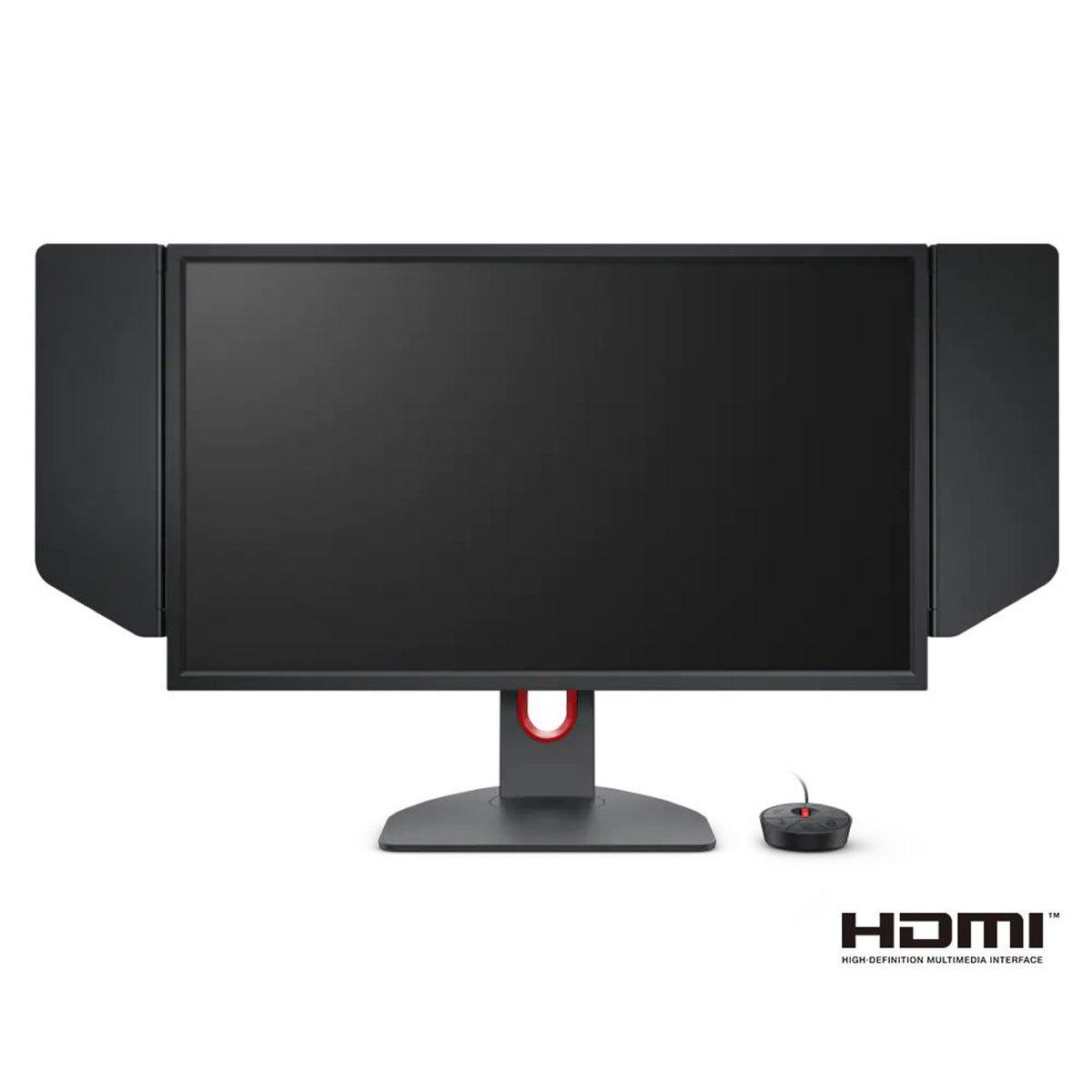
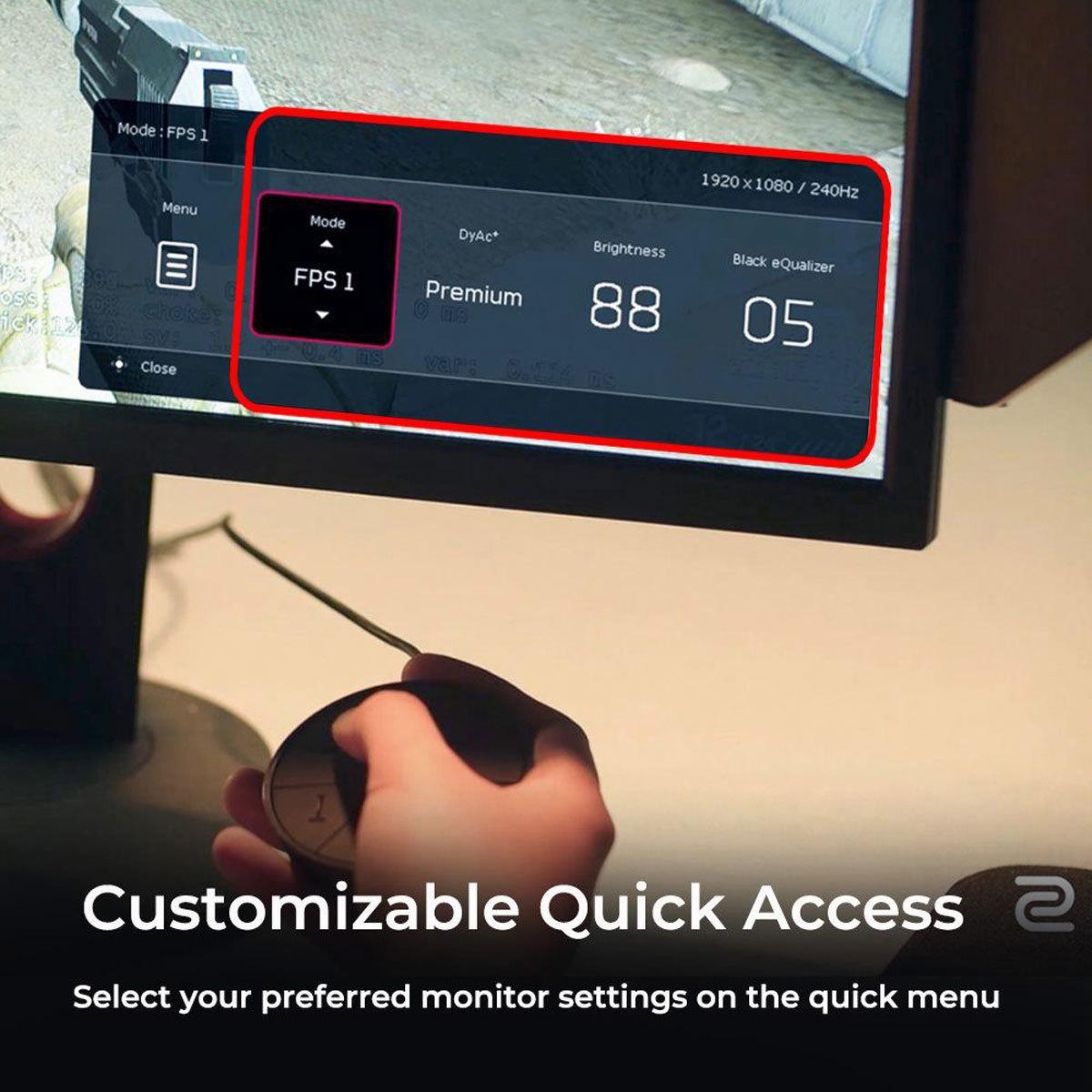
The monitor also comes with unique accessories that you won't find elsewhere. The S-Switch is a wireless controller that lets you quickly change monitor settings without diving into menus—crucial during tournament play. The Shielding Hood (removable side panels) helps block distractions and ambient light, creating that tunnel-vision focus that competitive players need.
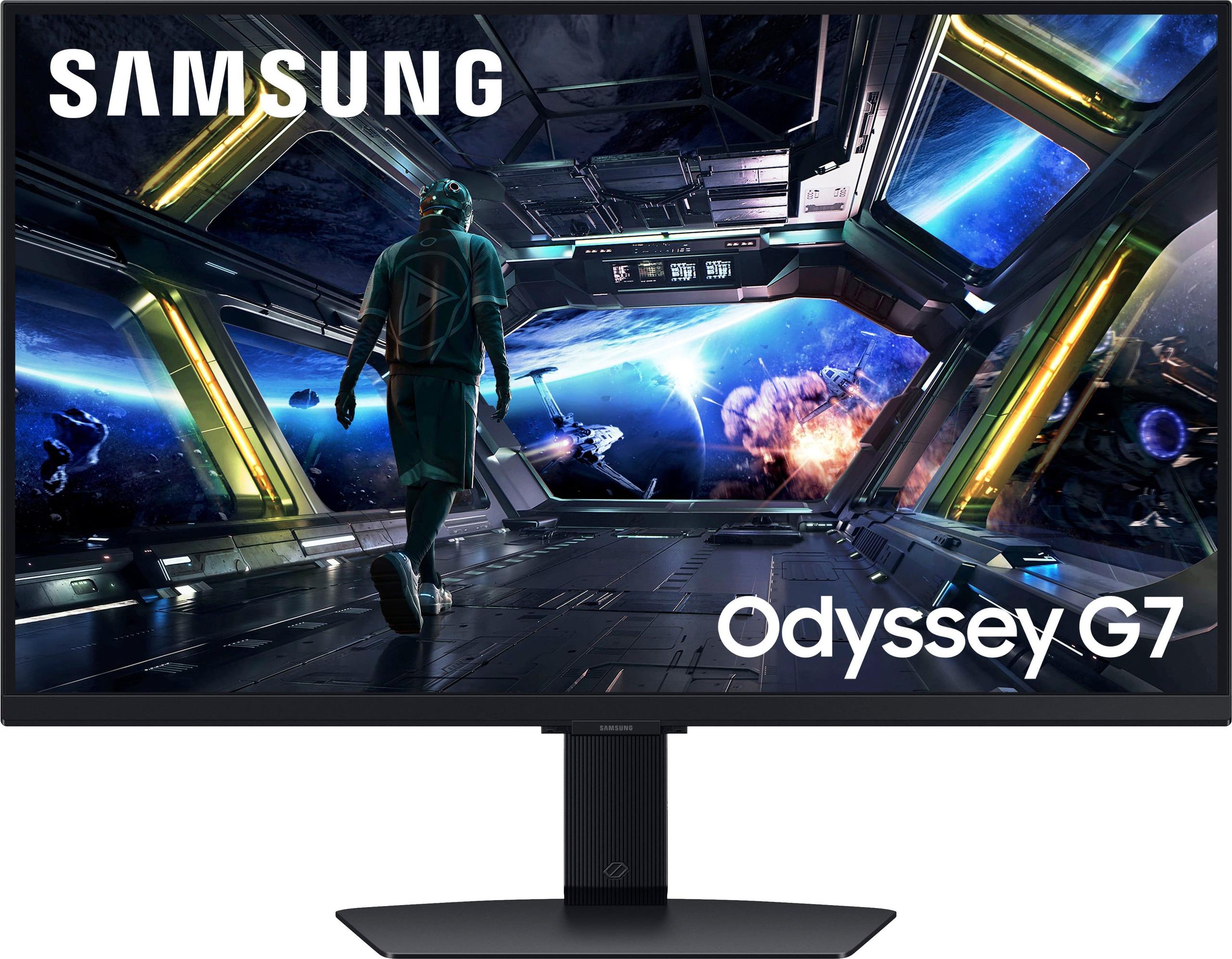
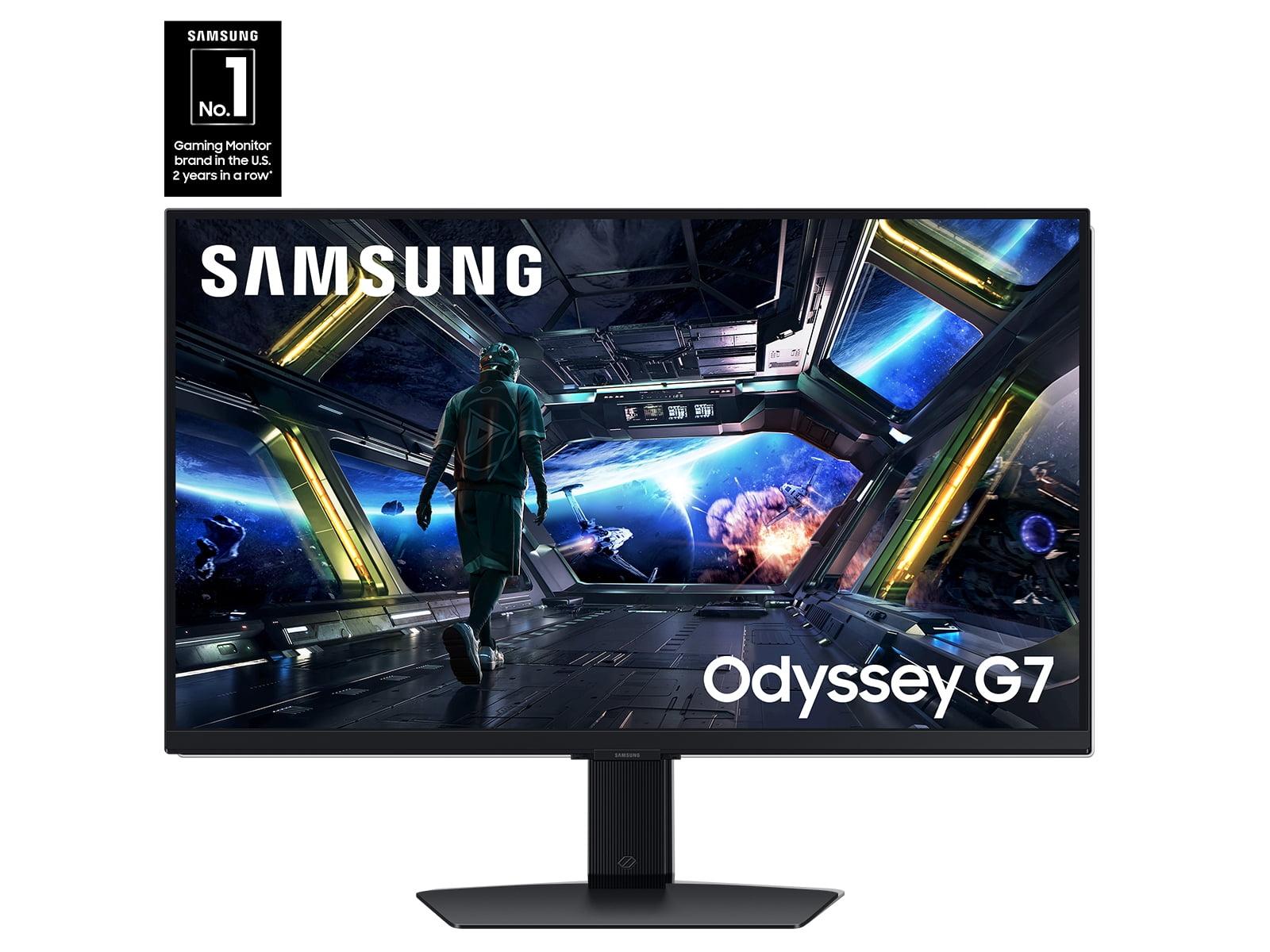
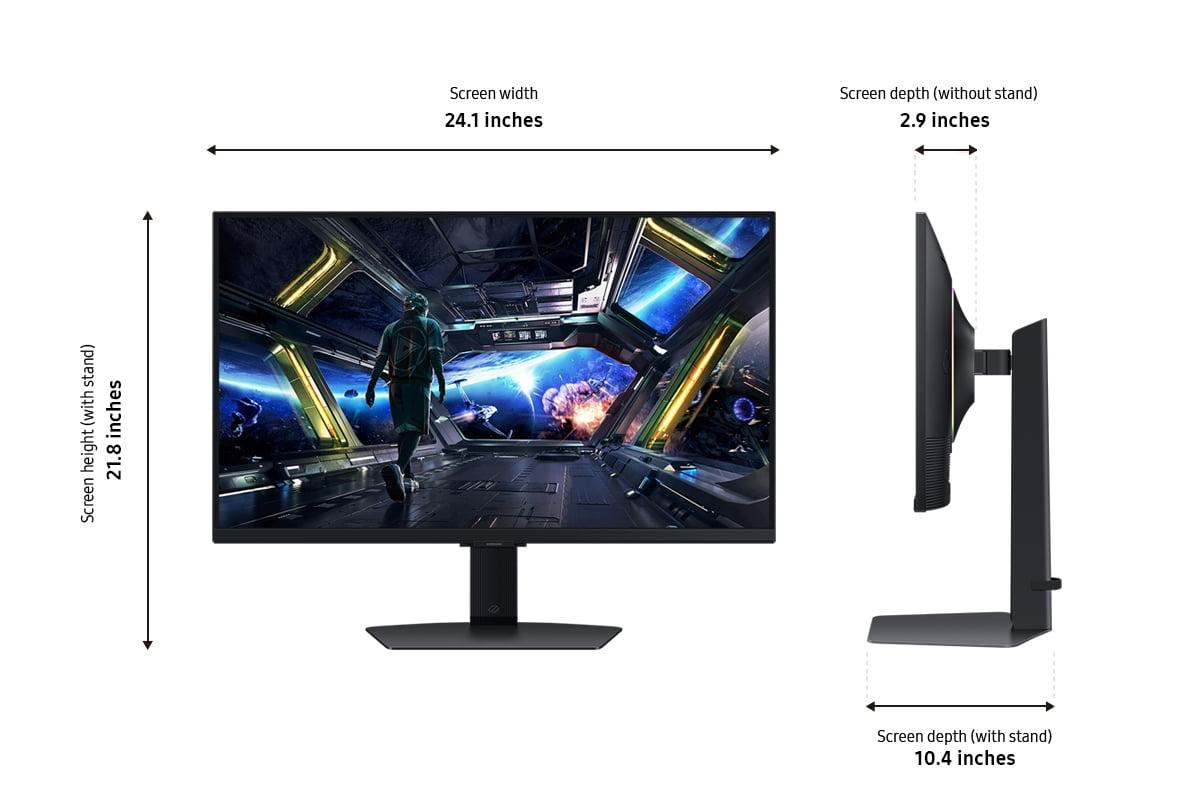
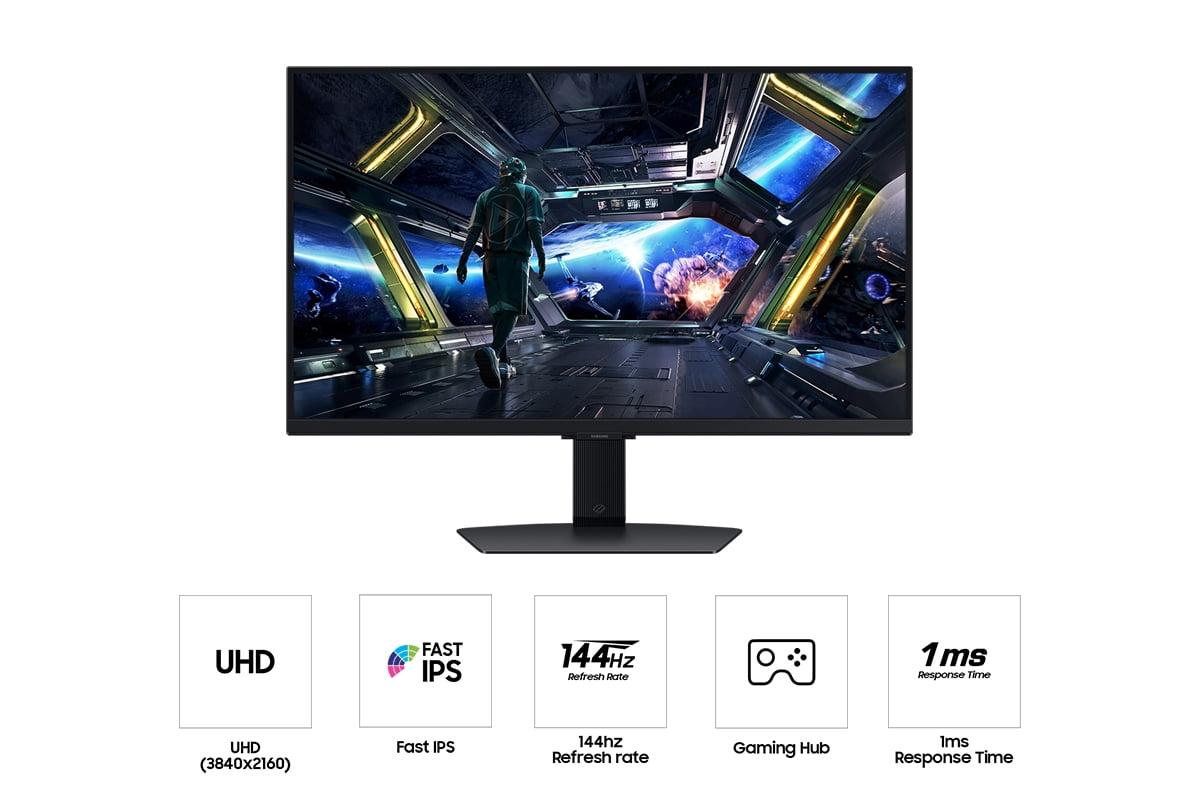
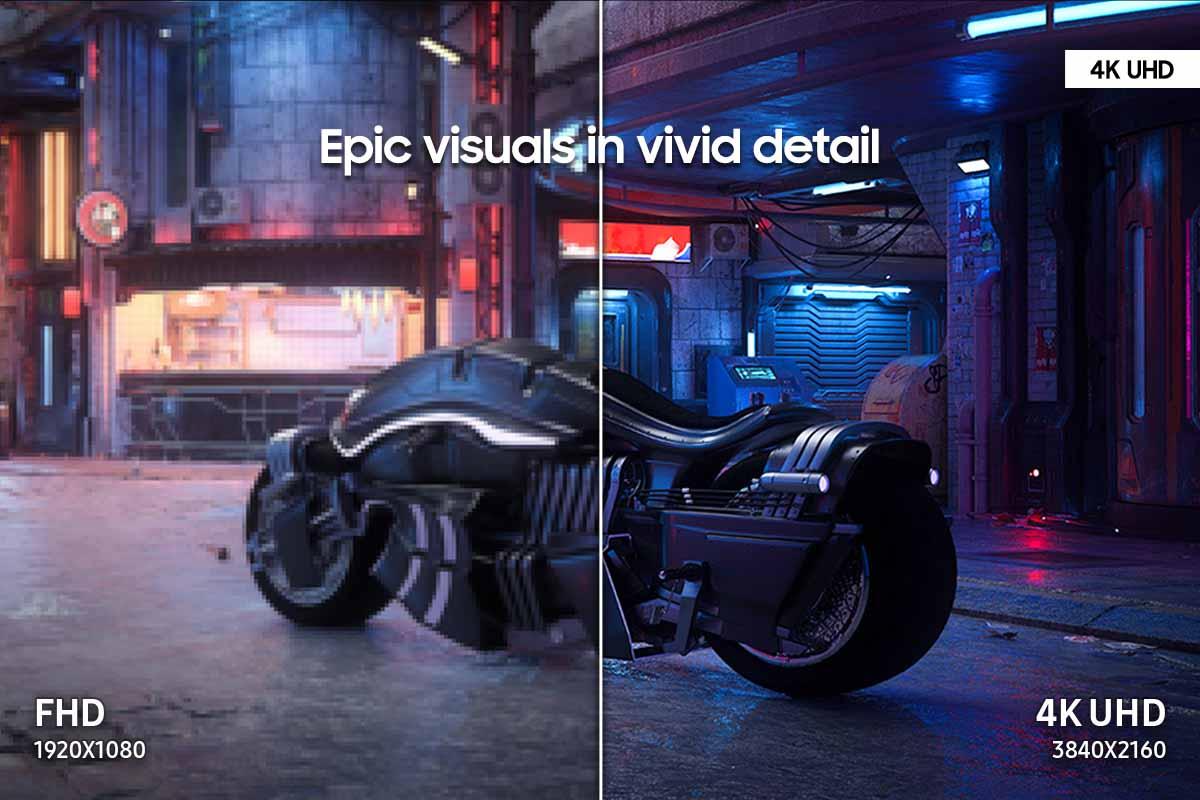
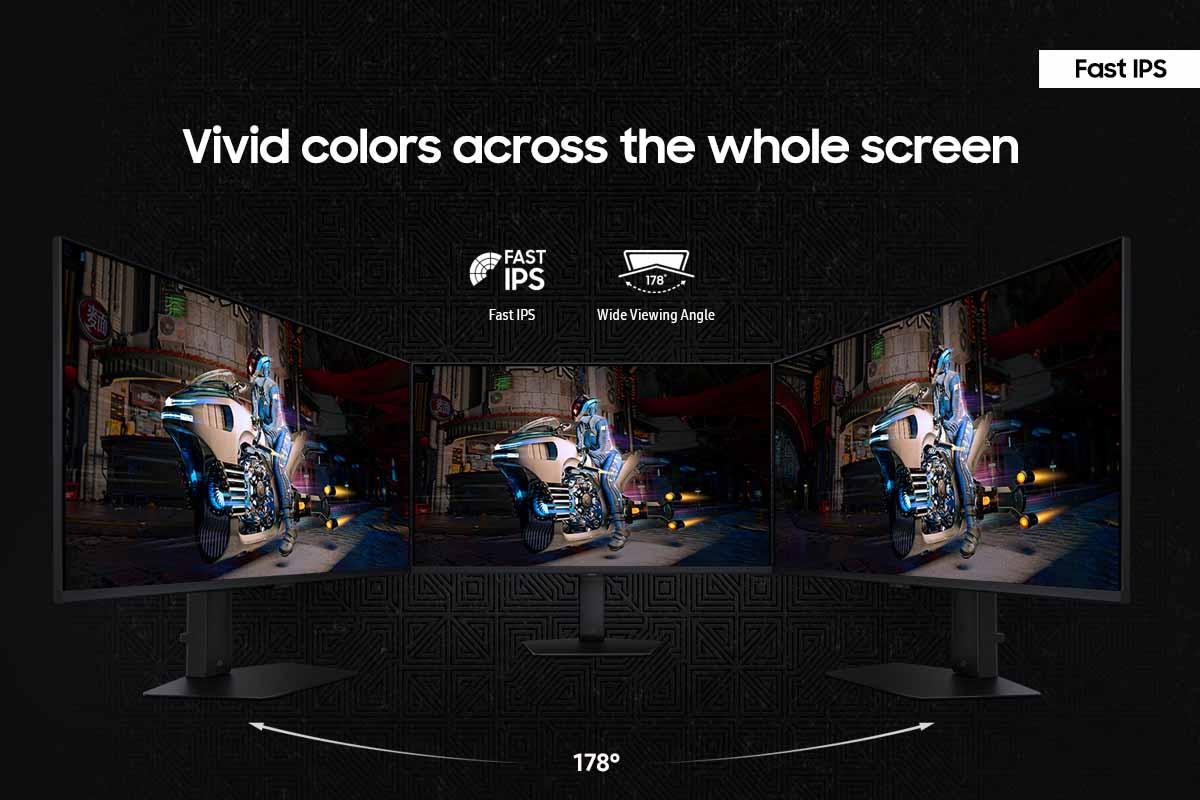
Samsung released the Odyssey G7 G70D in 2024, and it represents a completely different approach to gaming monitors. This 27-inch display features a stunning 4K UHD resolution (3840×2160) running at 144Hz, built on a Fast IPS panel that delivers excellent color accuracy and viewing angles.
What sets the Samsung G70D apart is its versatility. This isn't just a gaming monitor—it's essentially a smart TV disguised as a gaming display. The built-in Gaming Hub gives you access to streaming services and cloud gaming platforms without needing a PC or console. The NQM AI Processor upscales lower-resolution content to near-4K quality, ensuring everything looks sharp regardless of the source.
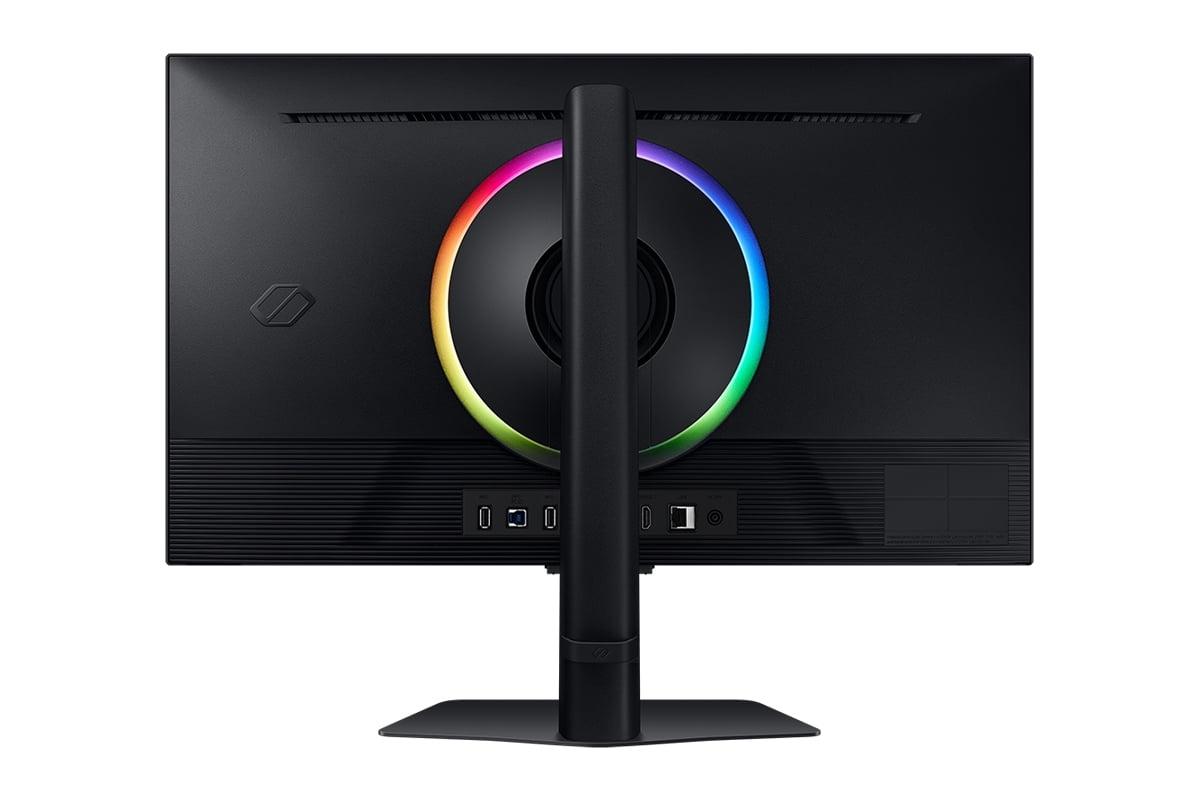
The monitor also includes features like Dynamic Black Equalizer, which automatically adjusts contrast to reveal details in dark game areas, and CoreSync lighting that projects ambient colors onto your wall to match what's happening on screen.
Here's where these monitors show their true colors—or in the case of competitive gaming, their true speed. The differences in motion handling between these displays are dramatic and have real-world implications for your gaming performance.
The BenQ XL2746K operates at 240Hz, meaning it can display 240 unique frames every single second. Compare this to the Samsung G70D's 144Hz refresh rate, and you're looking at a 67% difference in how frequently the image updates. In practical terms, this means the BenQ can show you enemy movements roughly 2.8 milliseconds sooner than the Samsung.
Now, 2.8 milliseconds might sound insignificant, but in competitive gaming, it's huge. Professional esports players regularly make the difference between victory and defeat based on reaction times measured in single-digit milliseconds. When you're holding an angle in Counter-Strike and an enemy peeks around a corner, seeing them even slightly sooner can be the difference between getting the kill or getting killed.
However, there's an important caveat: your graphics card needs to be powerful enough to actually deliver 240 frames per second to take advantage of this refresh rate. With demanding games, even high-end GPUs might struggle to maintain 240fps at 1080p with maximum settings.
This is where the BenQ XL2746K really shines with its DyAc+™ technology. Traditional LCD monitors suffer from motion blur because pixels take time to change from one color to another, and our eyes perceive this as a blurry trail behind moving objects. DyAc+™ uses precise backlight control to eliminate this blur, making fast-moving objects appear sharp and clear.
I've tested both monitors side by side, and the difference is immediately noticeable. When tracking an enemy player running across the screen in an FPS game, the BenQ maintains perfect clarity while the Samsung shows subtle but perceptible motion blur. For competitive players, this clarity can mean the difference between hitting or missing shots on moving targets.
The Samsung G70D uses a Fast IPS panel, which is significantly better at motion handling than traditional IPS displays, but it still can't match the pure speed of the BenQ's optimized TN panel and DyAc+™ system.
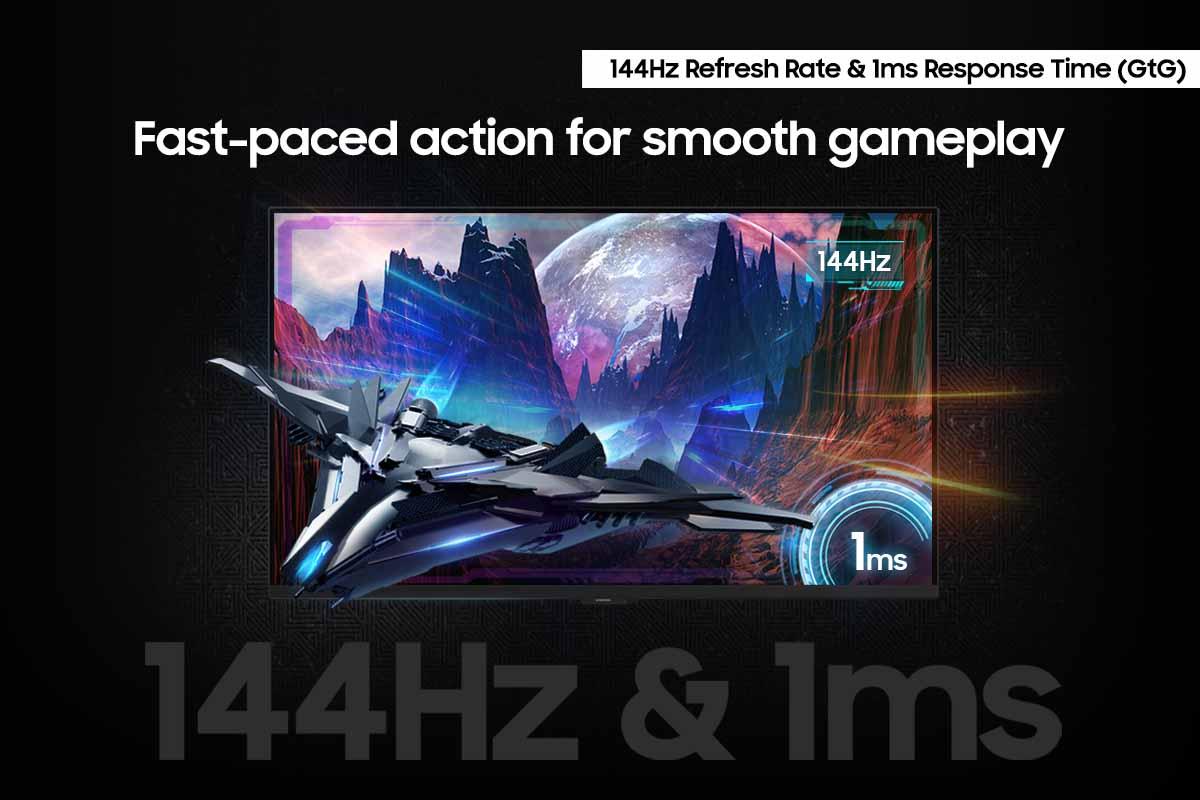
Response time measures how quickly a pixel can change from one color to another, typically measured in gray-to-gray (GtG) transitions. The Samsung G70D claims a 1ms response time, which is excellent for an IPS panel. However, the BenQ XL2746K doesn't even bother publishing a specific response time number because BenQ argues that real-world gaming performance matters more than synthetic benchmarks.
In practice, both monitors have excellent response times for their respective panel technologies, but the BenQ's TN panel combined with its gaming-focused tuning gives it a slight edge in raw speed.
If competitive performance was the BenQ's domain, visual quality belongs entirely to the Samsung G70D. The difference in image quality between these monitors is like comparing a sharp photograph to a painting—both have their place, but they serve very different purposes.
The Samsung monitor packs 8.3 million pixels into its 27-inch screen, compared to just 2.1 million pixels on the BenQ display. This results in a pixel density of 163 pixels per inch versus 82 pixels per inch—exactly double the sharpness.
In practical terms, this means text appears crisp and readable, game worlds look incredibly detailed, and you can see fine details that simply don't exist on the 1080p display. Playing a game like The Witcher 3 or Cyberpunk 2077 on the Samsung reveals textures, lighting effects, and environmental details that are lost on the lower-resolution BenQ.
The high resolution also makes the Samsung excellent for productivity work. If you use your monitor for anything beyond gaming—whether that's video editing, graphic design, or just browsing the web—the 4K resolution makes everything look professional and sharp.
The Samsung G70D uses an IPS (In-Plane Switching) panel, while the BenQ XL2746K uses TN (Twisted Nematic) technology. These represent fundamentally different approaches to creating the image you see on screen.
IPS panels excel at color accuracy and viewing angles. The Samsung can display colors that look consistent and accurate whether you're sitting directly in front of it or viewing it from the side. Colors appear vibrant and natural, with better contrast between light and dark areas. This makes games more immersive and visually appealing.
TN panels, like the one in the BenQ, prioritize speed over visual quality. Colors tend to shift when viewed from different angles, and the overall color reproduction isn't as accurate. However, TN panels can switch between colors much faster, which is why they're preferred for competitive gaming.
The Samsung G70D supports HDR (High Dynamic Range) with DisplayHDR 400 certification. HDR expands the range between the darkest blacks and brightest whites, making games with good HDR support look more realistic and visually striking. Games like Horizon Zero Dawn or Metro Exodus showcase dramatic improvements in lighting and atmosphere with proper HDR implementation.
The Samsung also includes AI upscaling technology through its NQM processor. This means when you're watching YouTube videos, older games, or any non-4K content, the monitor intelligently enhances the image to look better at 4K resolution.
The BenQ XL2746K focuses on practical enhancements for competitive gaming instead. Features like Black eQualizer brighten dark areas without overexposing bright areas, helping you spot enemies hiding in shadows—a crucial advantage in competitive FPS games.
One crucial consideration that many people overlook is the hardware requirements needed to properly drive these monitors. This can significantly impact your total system cost and upgrade timeline.
The BenQ XL2746K is relatively forgiving on your graphics card. Most modern mid-range to high-end GPUs can push competitive esports titles to 240fps at 1080p. A graphics card like an RTX 4060 Ti or RTX 3070 can easily maintain high frame rates in games like Counter-Strike 2, Valorant, or Overwatch 2 with competitive settings.
The Samsung G70D is far more demanding. To truly take advantage of 4K at 144Hz, you need a high-end graphics card like an RTX 4070 Ti or better. Even then, you'll likely need to adjust settings in demanding AAA games to maintain high frame rates. This represents a significantly higher hardware investment.
Interestingly, both monitors represent different approaches to future-proofing. The BenQ focuses on technologies that are already mature and proven in competitive gaming. The 240Hz refresh rate and DyAc+™ technology are likely to remain relevant for competitive gaming for years to come.
The Samsung bets on 4K becoming the standard resolution for gaming. As graphics cards become more powerful and 4K gaming becomes more accessible, the Samsung's high resolution will age better than the BenQ's 1080p display.
This is where the Samsung Odyssey G7 G70D absolutely dominates. It's not just a gaming monitor—it's a complete entertainment hub that can replace multiple devices in your setup.
The Samsung includes a full smart TV operating system with access to Netflix, YouTube, Xbox Game Pass Ultimate (cloud gaming), NVIDIA GeForce Now, and other streaming services. You can literally game, watch movies, and browse the internet without connecting any external devices. The included remote control makes navigating these features effortless.
This functionality is particularly valuable for console gamers or anyone with limited desk space. You can stream shows during breaks between gaming sessions, access cloud gaming services for titles not available on your platform, or use the monitor as a bedroom TV when needed.
The Samsung G70D works excellently as a home theater display for smaller spaces. The 27-inch size is perfect for desk use but also works well for bedroom setups or small living rooms where you're sitting 4-6 feet away. The 4K resolution ensures movies and shows look sharp, while the built-in smart features eliminate the need for external streaming devices.
The monitor supports HDR content from streaming services, and while the HDR implementation isn't as impressive as dedicated TVs, it's still a significant improvement over standard dynamic range content. The IPS panel's wide viewing angles also mean you can watch comfortably from various positions.
Both monitors include unique features designed specifically for gaming, but they target different types of gamers with different needs.
The BenQ XL2746K includes several features you won't find on typical gaming monitors. The S-Switch controller allows tournament players to quickly switch between different monitor profiles without touching the on-screen menu—crucial when you have seconds between rounds to adjust settings.
The XL Setting to Share feature lets you download and use the exact monitor settings that professional players use. This eliminates hours of tweaking and ensures you're getting optimal settings based on proven competitive configurations.
The included Shielding Hood might look gimmicky, but it serves a real purpose in competitive gaming. By blocking peripheral vision and reducing ambient light reflections, it helps maintain focus during intense gaming sessions or tournament play.
The Samsung G70D focuses on features that enhance all types of gaming. The Dynamic Black Equalizer automatically adjusts dark scene visibility without requiring manual tweaking—helpful in any game with varying lighting conditions.
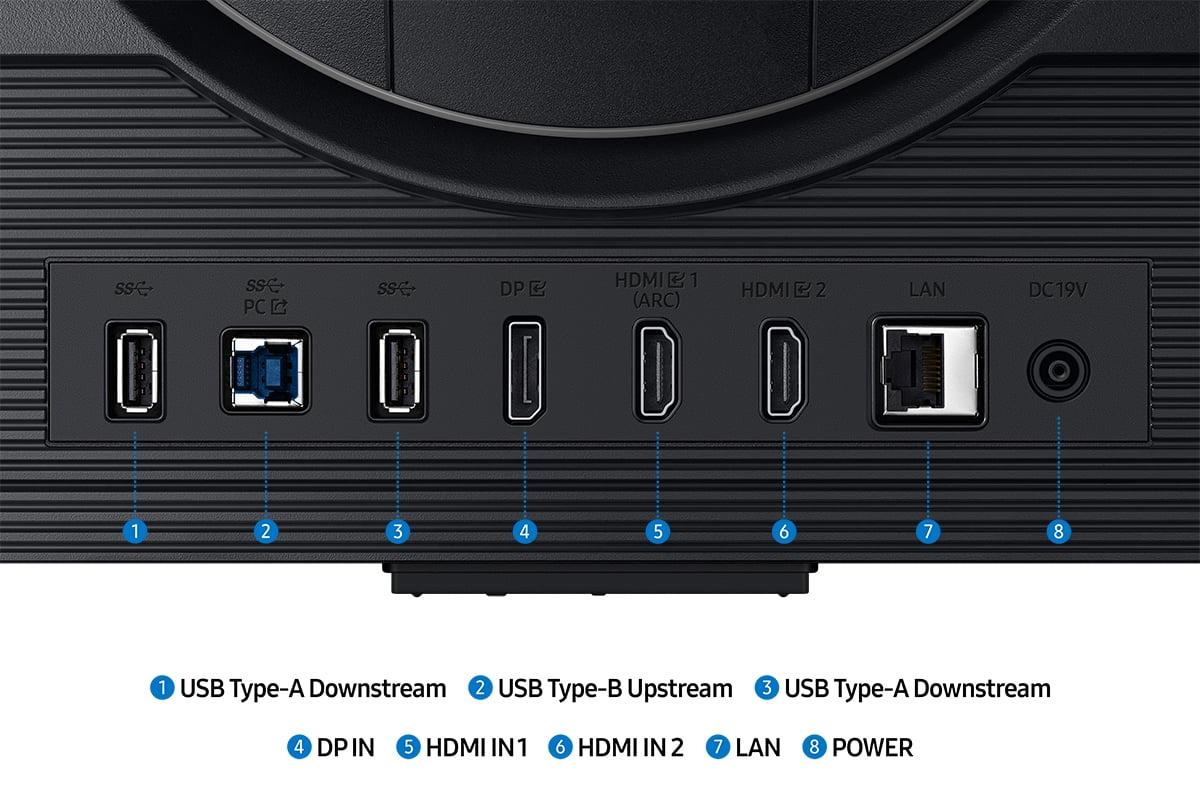
Auto Source Switch+ automatically detects when you turn on connected devices and switches inputs accordingly. This seamless switching makes it easy to go from PC gaming to console gaming to streaming content without manual intervention.
The CoreSync lighting system projects ambient colors onto your wall that match the on-screen content, creating an immersive lighting environment that enhances the gaming atmosphere for single-player adventures.
At the time of writing, both monitors command premium prices in their respective categories, but they offer different value propositions that appeal to different types of users.
The BenQ XL2746K targets serious competitive gamers who prioritize performance above all else. While it's expensive for a 1080p monitor, you're paying for specialized technology, proven tournament performance, and features specifically designed for esports athletes.
The value becomes clear when you consider that professional esports players—whose livelihoods depend on gaming performance—consistently choose monitors like this. The DyAc+™ technology, specialized gaming features, and rock-solid reliability justify the premium price for users who need every possible competitive advantage.
However, if you're not heavily focused on competitive gaming, paying premium prices for a 1080p display in 2024 might feel outdated, especially when 4K monitors offer so much more visual fidelity.
The Samsung G70D offers significantly more functionality for the money. You're getting a high-quality 4K gaming monitor, smart TV functionality, streaming capabilities, and productivity features all in one device. When you calculate the cost of buying separate devices for these functions, the Samsung becomes quite competitive.
The 4K resolution also provides excellent longevity. As games continue to push visual boundaries and 4K becomes more mainstream, this monitor will remain relevant for years to come. The smart features ensure it stays useful even as your gaming setup evolves.
Choosing between these monitors ultimately comes down to understanding your priorities and being honest about how you actually use your gaming setup.
Prioritize competitive gaming performance above all else. If you spend most of your time playing competitive FPS games, battle royales, or esports titles where reaction time and motion clarity directly impact your performance, the BenQ is the clear choice. The 240Hz refresh rate and DyAc+™ technology provide tangible competitive advantages.
Have dedicated gaming hardware that can push high frame rates. The BenQ makes the most sense when paired with a system capable of consistently delivering 200+ fps in your favorite competitive games.
Game in bright environments where glare is a concern. The matte finish reduces reflections better than most glossy displays, making it ideal for rooms with lots of ambient light.
Want proven technology used by professionals. If you follow esports and want to use the same technology as your favorite professional players, the BenQ is the authentic choice.
Play a variety of game genres and want the best visual experience. If you enjoy single-player adventures, RPGs, racing games, and other visually impressive titles alongside competitive gaming, the Samsung delivers a superior overall experience.
Need a multi-purpose display for work and entertainment. The 4K resolution makes productivity work more enjoyable, while the smart TV features eliminate the need for separate streaming devices.
Have high-end hardware capable of driving 4K gaming. The Samsung makes the most sense when you have the GPU power to take advantage of the high resolution and refresh rate combination.
Value future-proofing and long-term usability. The 4K resolution and smart features ensure this monitor will remain relevant and useful for many years to come.
Want an all-in-one entertainment solution. If you're setting up a bedroom gaming station or small living room setup, the Samsung's versatility is incredibly valuable.
Both the BenQ Zowie XL2746K and Samsung Odyssey G7 G70D are excellent monitors that excel in their intended use cases. The BenQ is the superior choice for pure competitive gaming performance, while the Samsung offers better overall value and versatility for most users.
Your decision should be based on your primary use case, hardware capabilities, and long-term goals. If gaming competitively is your main priority and you have the hardware to support 240Hz gaming, the BenQ is worth the investment. For everyone else, the Samsung's combination of stunning 4K visuals, smart features, and multi-purpose functionality makes it the more practical and future-proof choice.
Remember that both monitors represent significant investments that will likely serve you for several years. Choose based on how you actually game today while considering how your needs might evolve tomorrow.
| BenQ Zowie XL2746K 27" 240Hz Esports Gaming Monitor | Samsung 27" Odyssey G7 G70D 4K UHD IPS Gaming Monitor |
|---|---|
| Refresh Rate - Higher rates provide smoother motion and competitive advantage | |
| 240Hz (PC), 120Hz (console) - Best-in-class for esports | 144Hz - Excellent for most gaming scenarios |
| Resolution - Affects image sharpness and hardware requirements | |
| 1920×1080 (FHD) - Lower GPU demands, competitive focus | 3840×2160 (4K UHD) - 4x sharper, future-proof |
| Panel Technology - Determines color accuracy vs response speed trade-offs | |
| TN Panel - Fastest response, limited viewing angles | Fast IPS - Better colors and viewing angles |
| Motion Blur Reduction - Critical for tracking fast-moving objects | |
| DyAc+™ Technology - Advanced backlight strobing | Standard motion handling - Good but not specialized |
| Response Time - How quickly pixels change color | |
| Optimized for esports (sub-1ms effective) | 1ms (GtG) - Very good for IPS |
| Color Accuracy - Important for content creation and immersive gaming | |
| Basic color reproduction, matte finish | 99% sRGB coverage, vibrant IPS colors |
| HDR Support - Enhances contrast and visual depth | |
| No HDR support | VESA DisplayHDR 400 with HDR10+ Gaming |
| Smart Features - Adds versatility beyond pure gaming | |
| None - Pure gaming focus | Gaming Hub, Smart TV apps, AI upscaling |
| Specialized Gaming Features - Tools for competitive advantage | |
| S-Switch controller, Shielding Hood, Black eQualizer | Dynamic Black Equalizer, CoreSync lighting |
| Target Use Case - Who each monitor serves best | |
| Competitive esports, FPS gaming, tournaments | Versatile gaming, productivity, entertainment hub |
| Hardware Requirements - GPU power needed for optimal performance | |
| Mid-range GPU for 240Hz at 1080p | High-end GPU required for 4K at 144Hz |
The BenQ Zowie XL2746K is superior for competitive gaming with its 240Hz refresh rate and specialized DyAc+™ technology that eliminates motion blur. Professional esports players prefer the BenQ XL2746K because it provides faster response times and clearer tracking of moving targets in FPS games like Counter-Strike and Valorant.
The Samsung Odyssey G7 G70D offers dramatically better image quality with its 4K resolution (4x sharper than 1080p) and IPS panel technology that delivers more accurate colors and better viewing angles. The BenQ XL2746K prioritizes speed over visuals with its TN panel and lower resolution.
The Samsung G70D demands significantly more GPU power to run games at 4K resolution and 144Hz. You'll need a high-end graphics card like RTX 4070 Ti or better, while the BenQ XL2746K can achieve 240Hz with mid-range hardware since it only runs at 1080p resolution.
The Samsung Odyssey G7 G70D works excellently as a home theater display with its 4K resolution, HDR support, and built-in smart TV features including Netflix and streaming apps. The BenQ XL2746K is purely designed for gaming and lacks smart features or HDR support for entertainment use.
The Samsung G70D is far superior for productivity with its 4K resolution providing crisp text and detailed visuals for professional work. The BenQ XL2746K is designed exclusively for gaming and its 1080p resolution makes text less sharp for extended work sessions.
The BenQ Zowie XL2746K includes specialized esports features like the S-Switch controller for quick settings changes, a Shielding Hood to block distractions, and XL Setting to Share for using pro player configurations. The Samsung G70D offers Gaming Hub with cloud gaming, AI upscaling, and CoreSync ambient lighting.
The BenQ XL2746K provides superior motion clarity thanks to its DyAc+™ backlight strobing technology and TN panel optimized for fast response times. While the Samsung Odyssey G7 G70D has good motion handling for an IPS panel, it cannot match the specialized motion clarity of the BenQ for competitive gaming.
Both monitors work well with consoles. The Samsung G70D supports 4K at 144Hz for PS5 and Xbox Series X, delivering stunning visuals in console exclusives. The BenQ XL2746K supports 120Hz console gaming and is preferred by competitive console players who prioritize performance over resolution.
The Samsung Odyssey G7 G70D provides better overall value with its 4K resolution, smart TV features, HDR support, and versatility for gaming, work, and entertainment. The BenQ XL2746K offers excellent value specifically for competitive gamers who need the fastest possible performance.
The BenQ XL2746K uses a TN panel that prioritizes speed with the fastest response times but limited color accuracy and viewing angles. The Samsung G70D features a Fast IPS panel that balances good response times with excellent color reproduction and wide viewing angles for a more immersive gaming experience.
The Samsung Odyssey G7 G70D is more future-proof with its 4K resolution that will remain relevant as games become more demanding and graphics cards more powerful. The BenQ XL2746K focuses on mature technologies proven in esports but may feel outdated as 4K gaming becomes mainstream.
The Samsung G70D is excellent for content creation and streaming with its accurate IPS colors, 4K resolution for detailed editing, and built-in streaming apps. The BenQ XL2746K is designed purely for competitive gaming and lacks the color accuracy and resolution needed for professional content creation work.
We've done our best to create useful and informative comparisons to help you decide what product to buy. Our research uses advanced automated methods to create this comparison and perfection is not possible - please contact us for corrections or questions. These are the sites we've researched in the creation of this article: rtings.com - youtube.com - bestbuy.com - versus.com - youtube.com - versus.com - forums.blurbusters.com - pcmonitors.info - youtube.com - bhphotovideo.com - zowie.benq.com - bhphotovideo.com - device.report - newegg.com - bestbuy.com - displayspecifications.com - provantage.com - zowie.benq.com - smallonlineshop.com.sg - camcor.com - bestbuy.com - typectechreviews.com - rtings.com - rtings.com - youtube.com - youtube.com - samsung.com - samsung.com - samsung.com - bhphotovideo.com - samsung.com - samsung.com - versus.com - abt.com - abt.com - bestbuy.com - bhphotovideo.com - youtube.com - abt.com

Privacy Policy
Terms and Conditions - Affiliate Policy
Home Security
© Copyright 2008-2026.
11816 Inwood Rd #1211, Dallas, TX 75244