

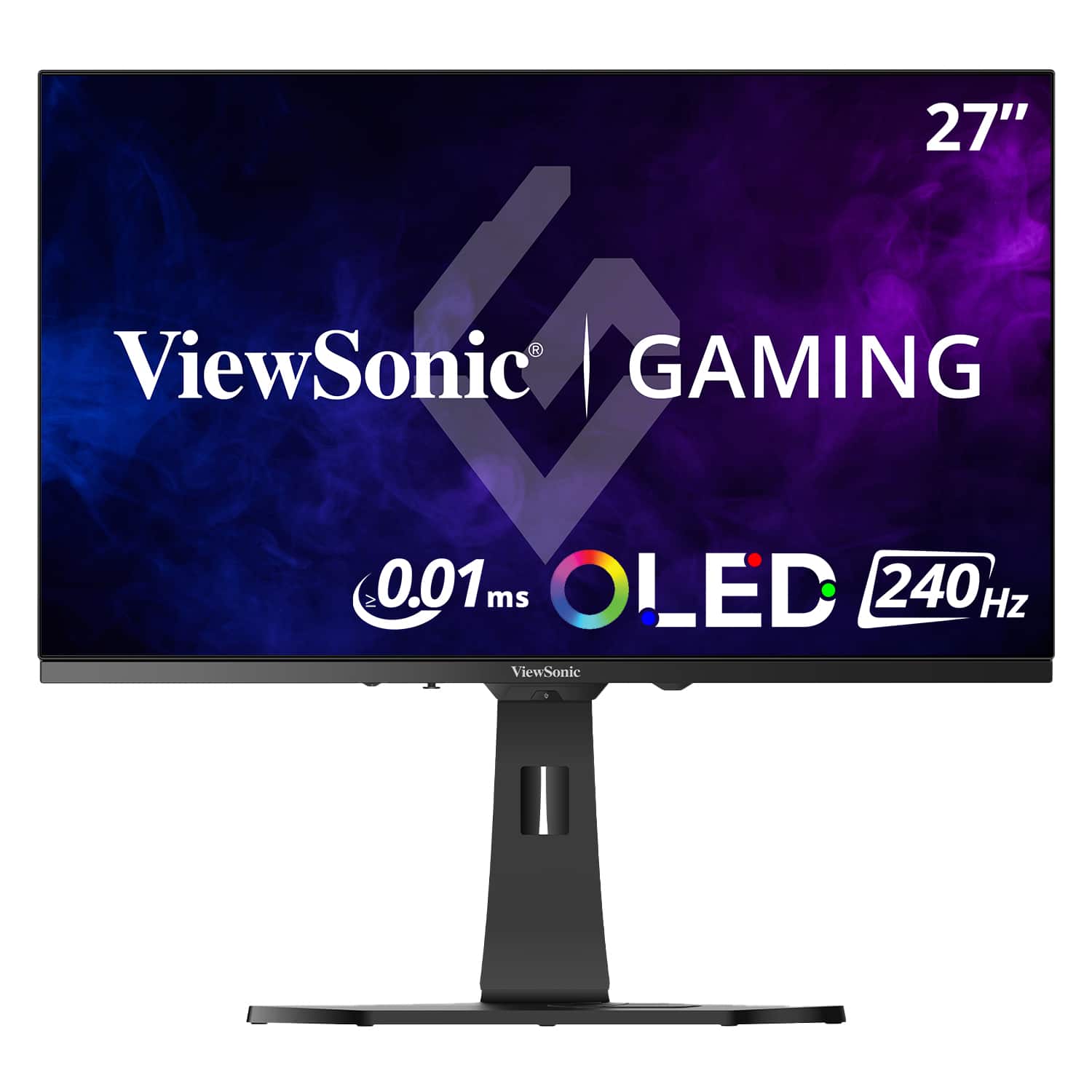
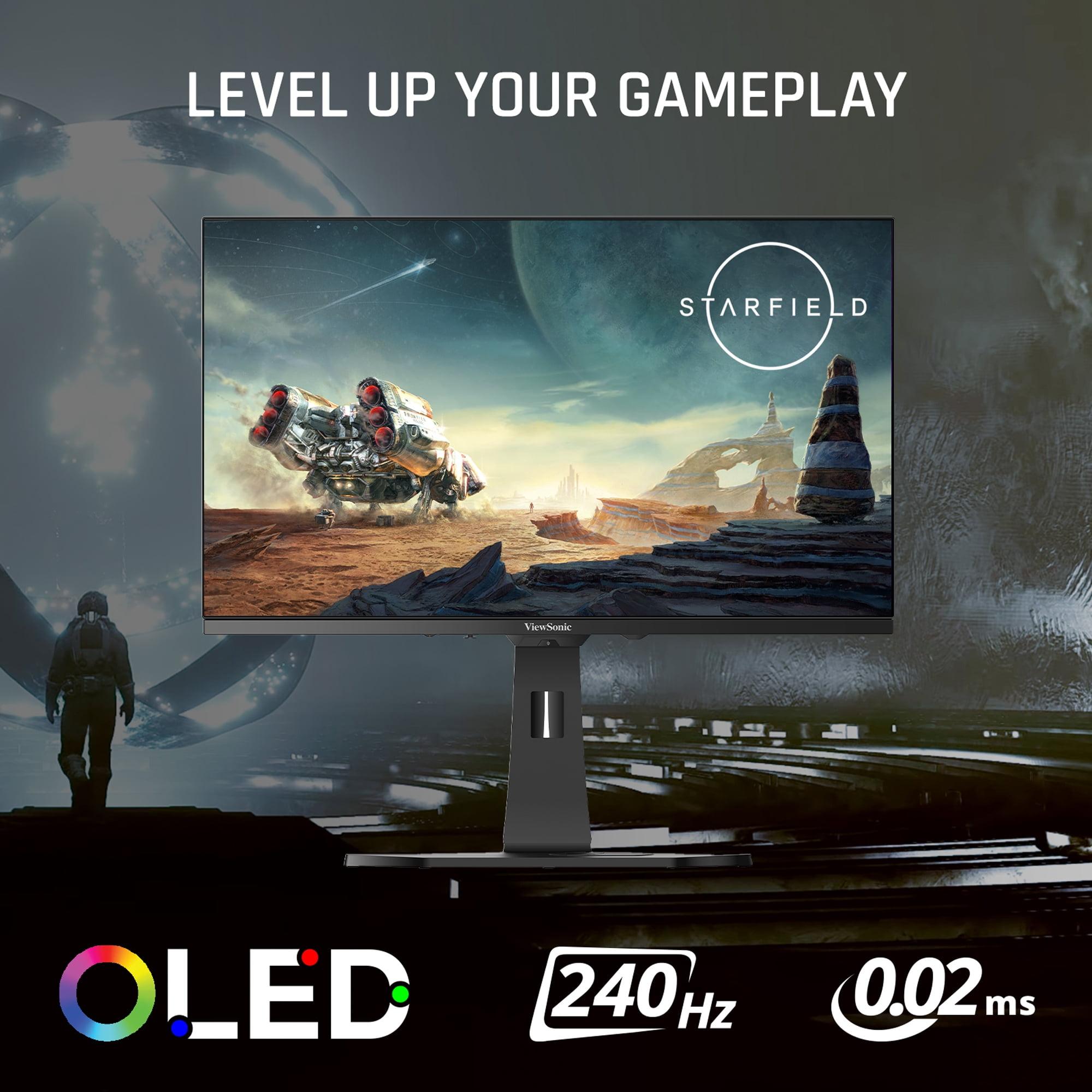
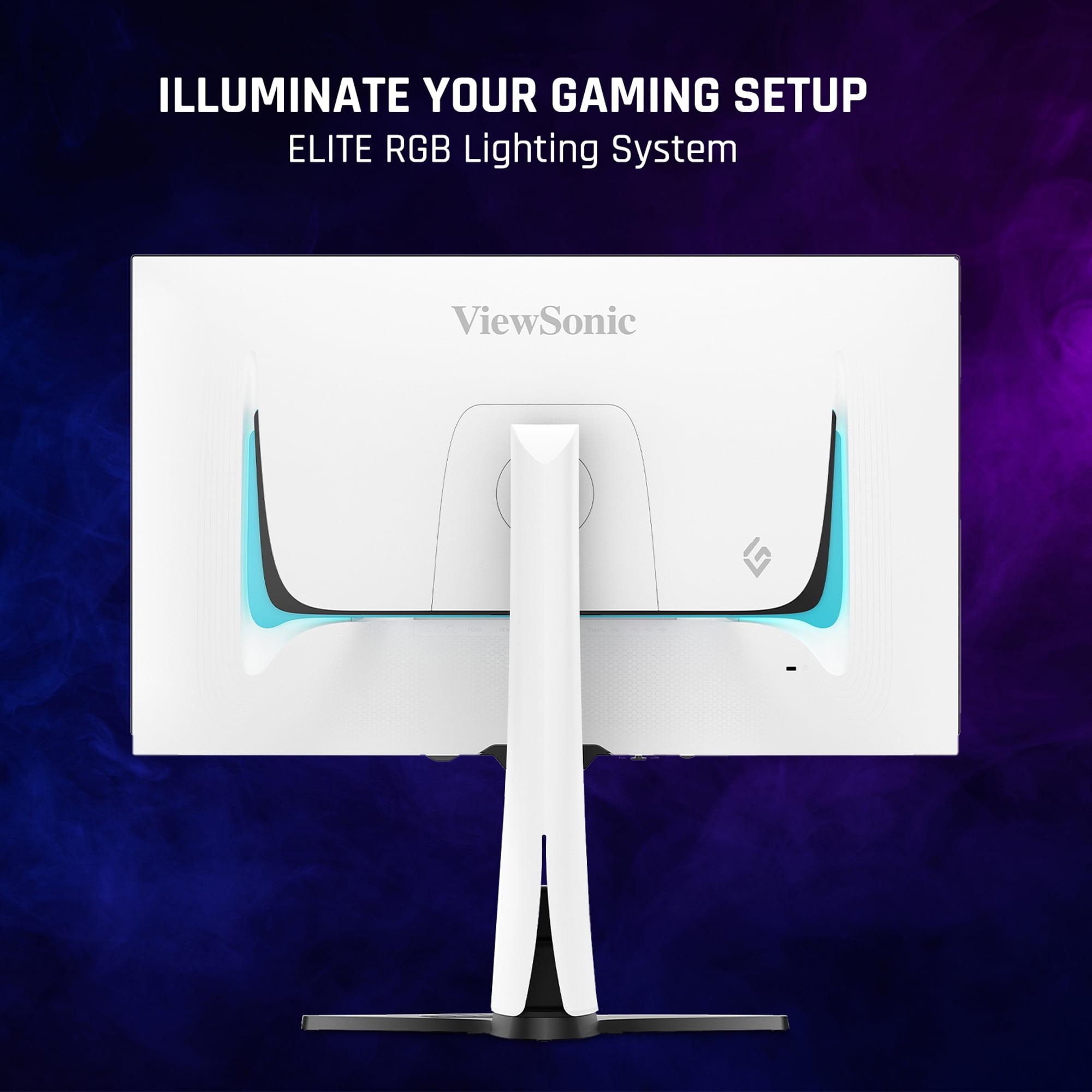
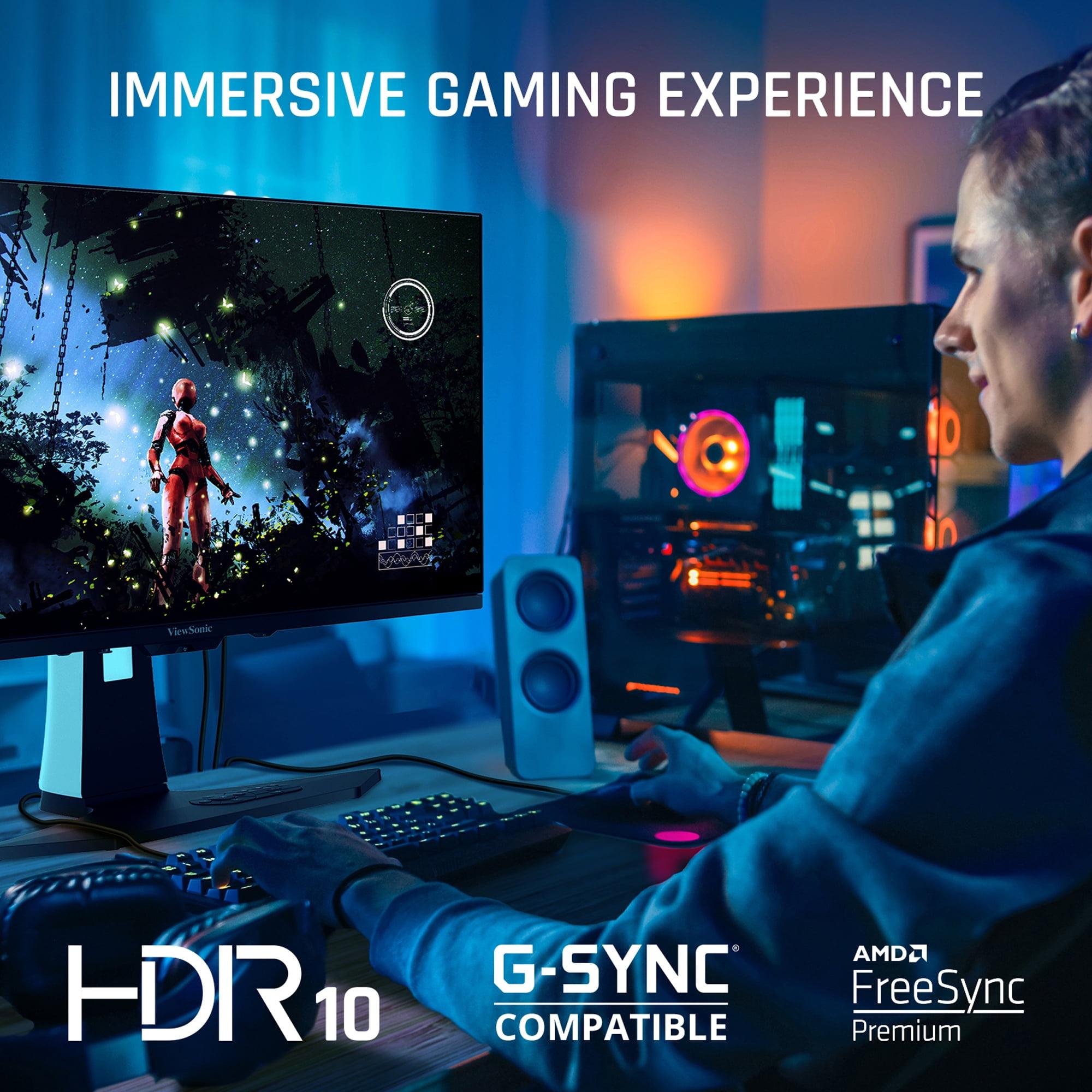
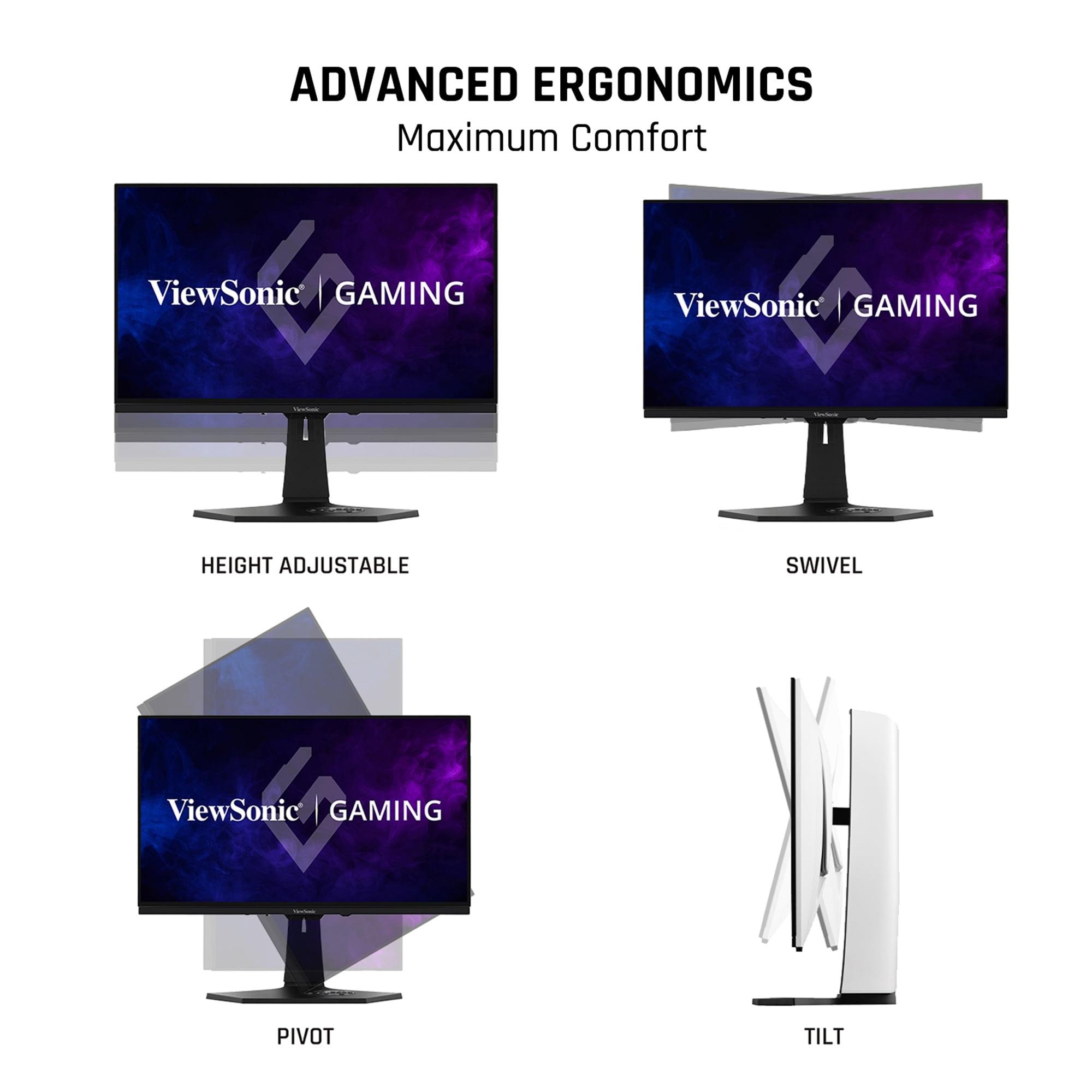
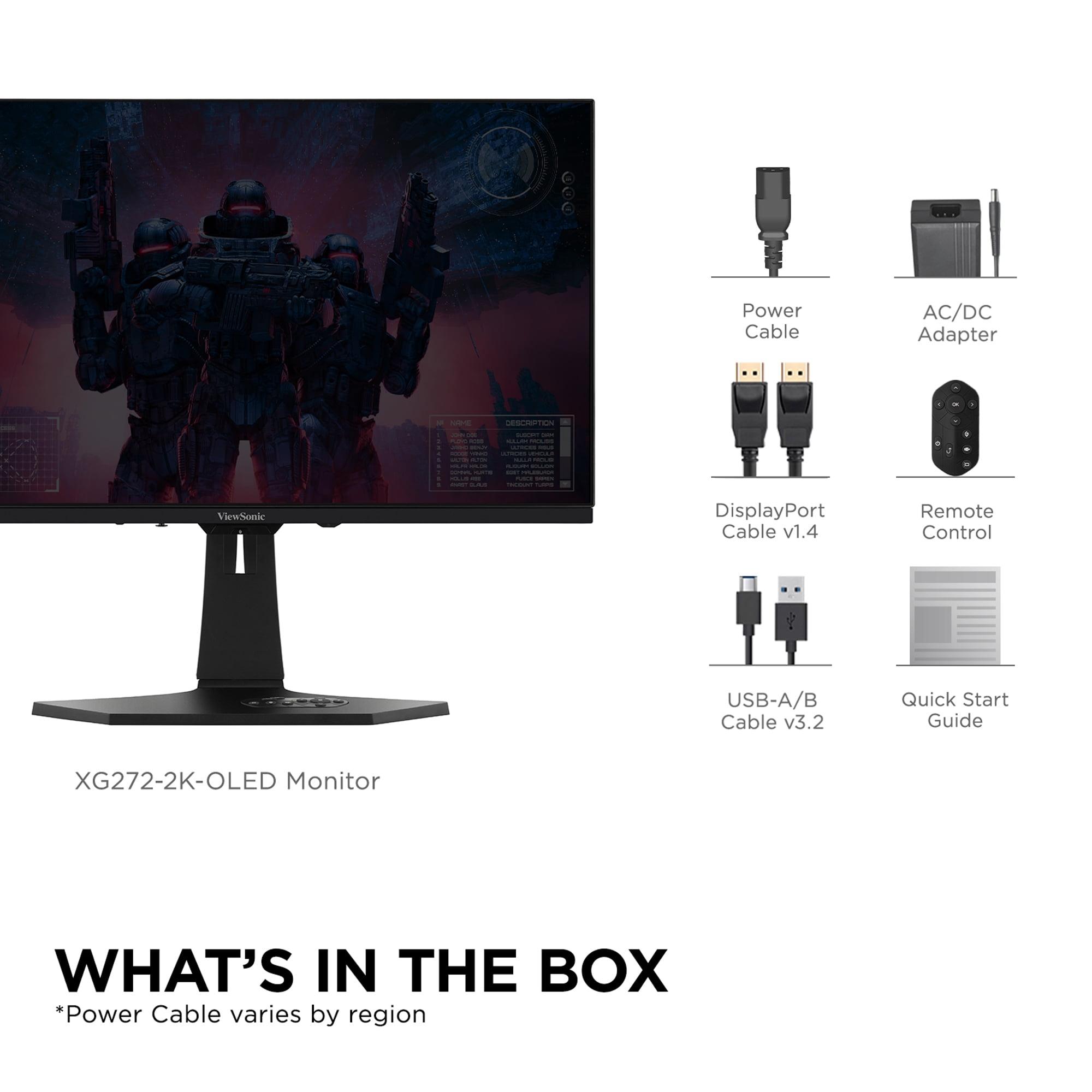
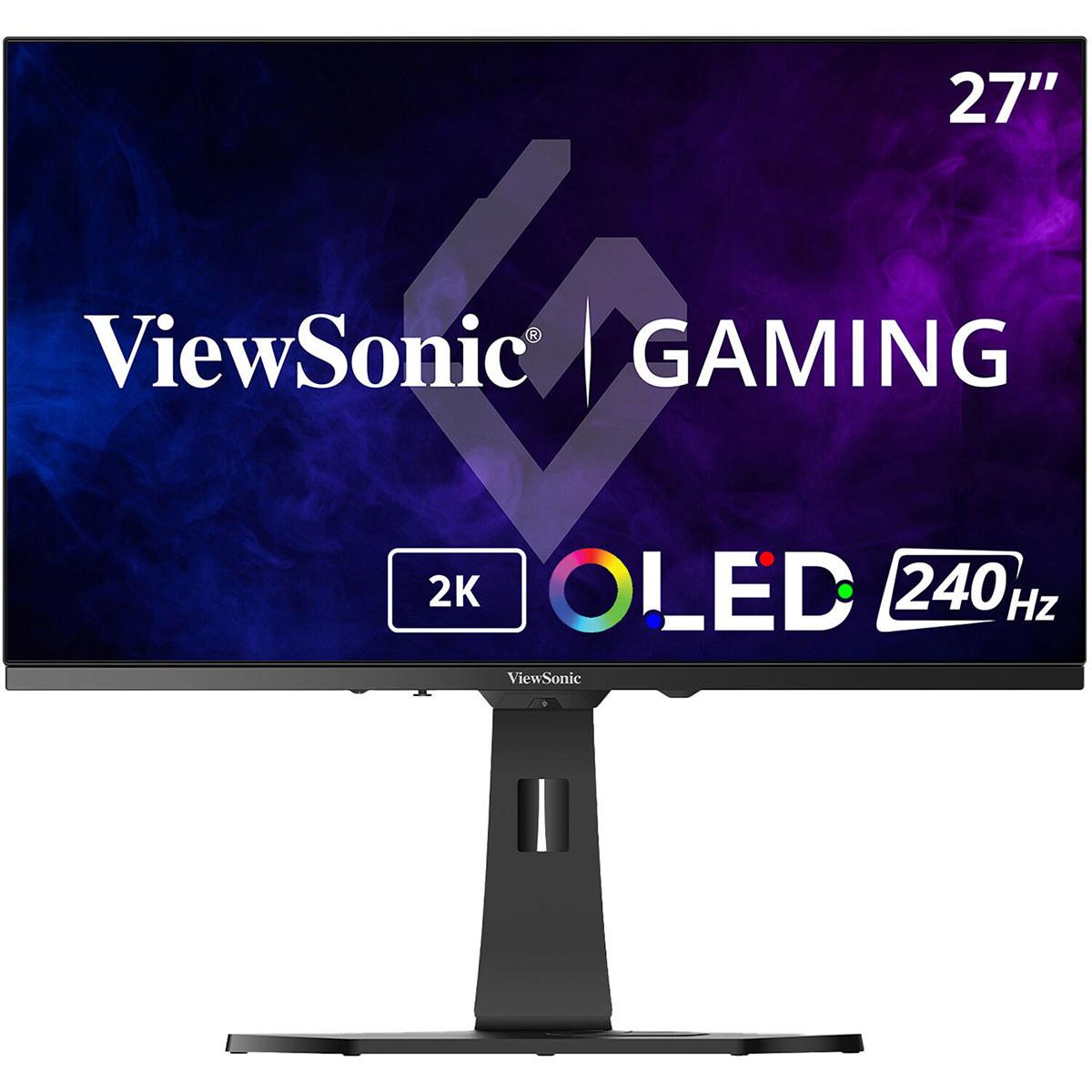
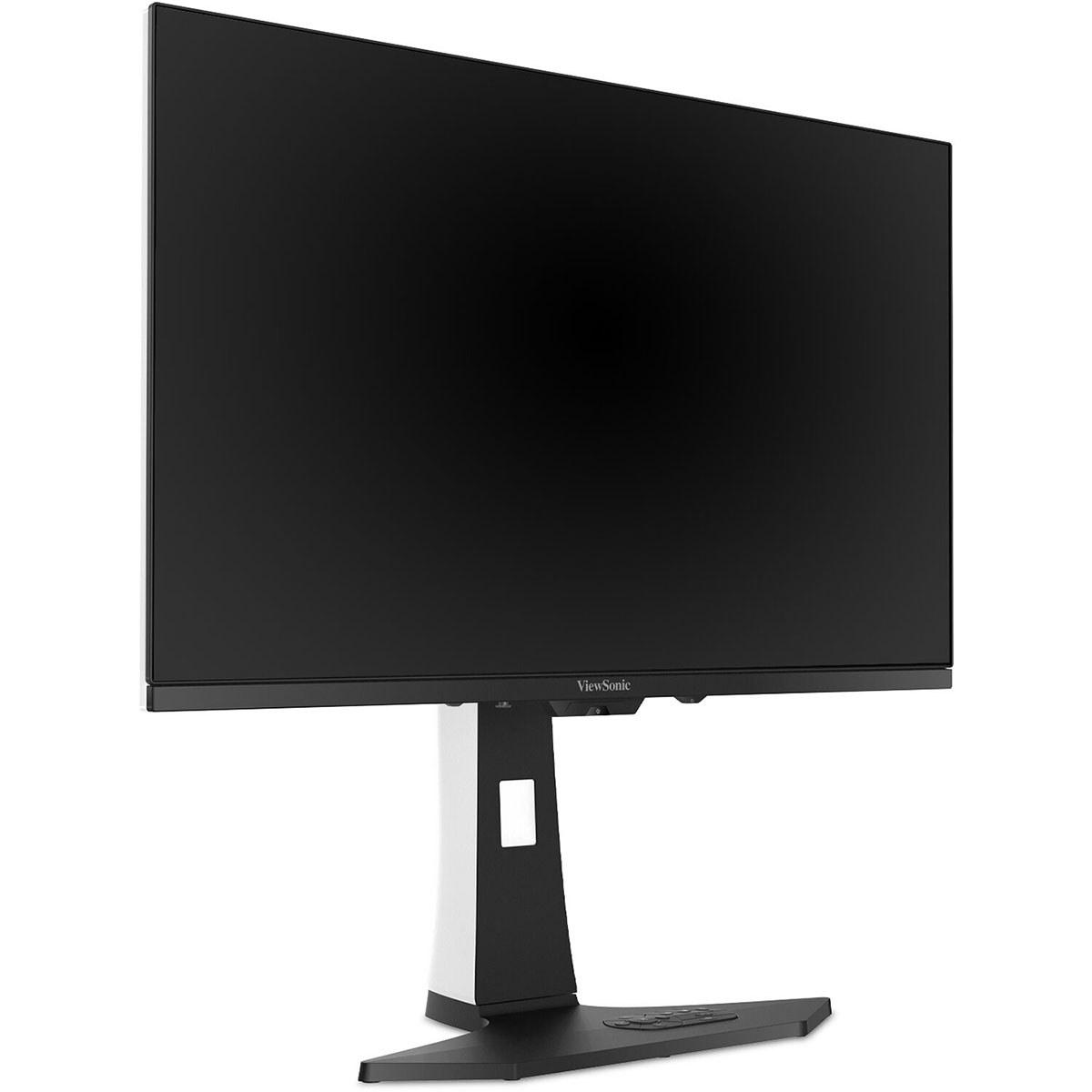
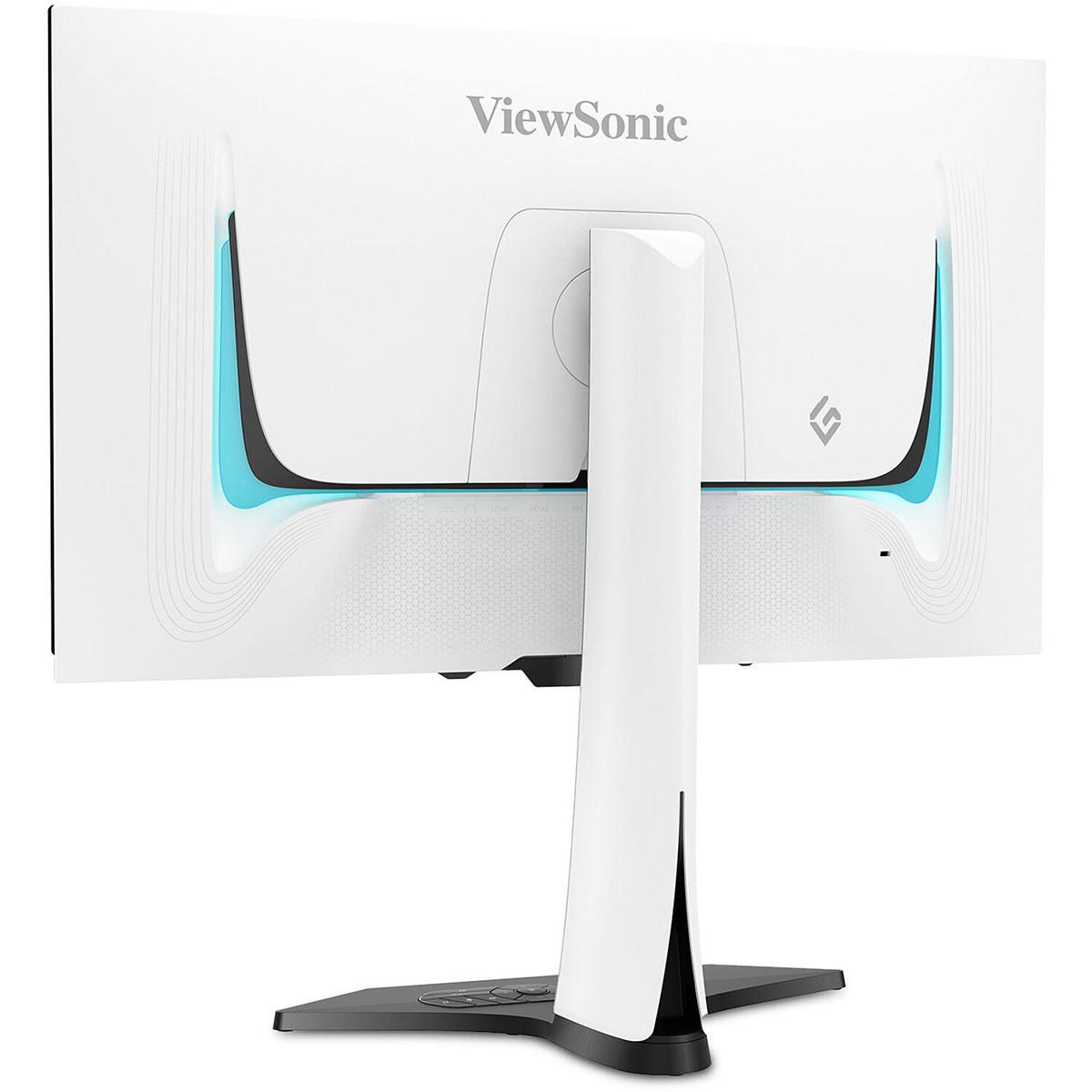
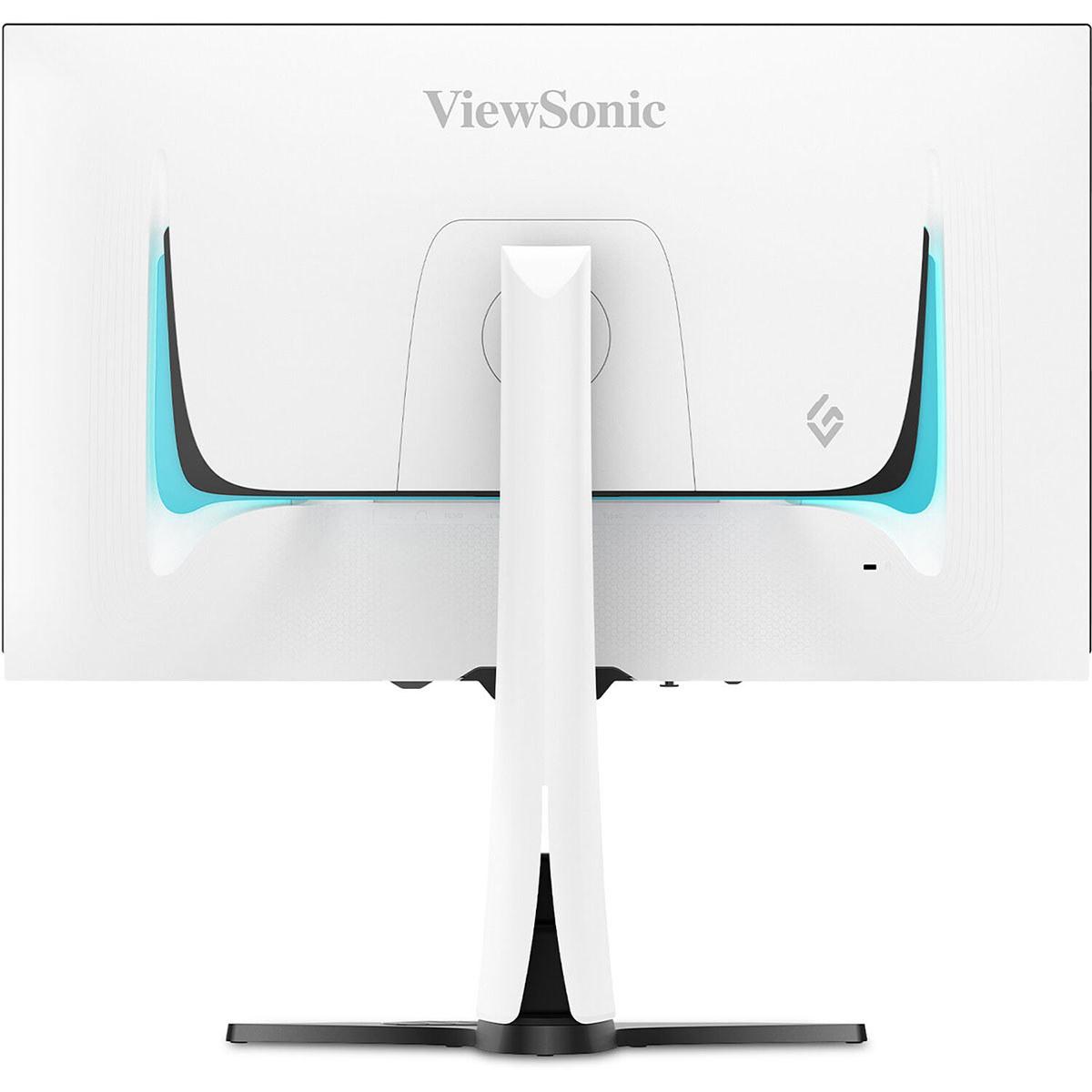
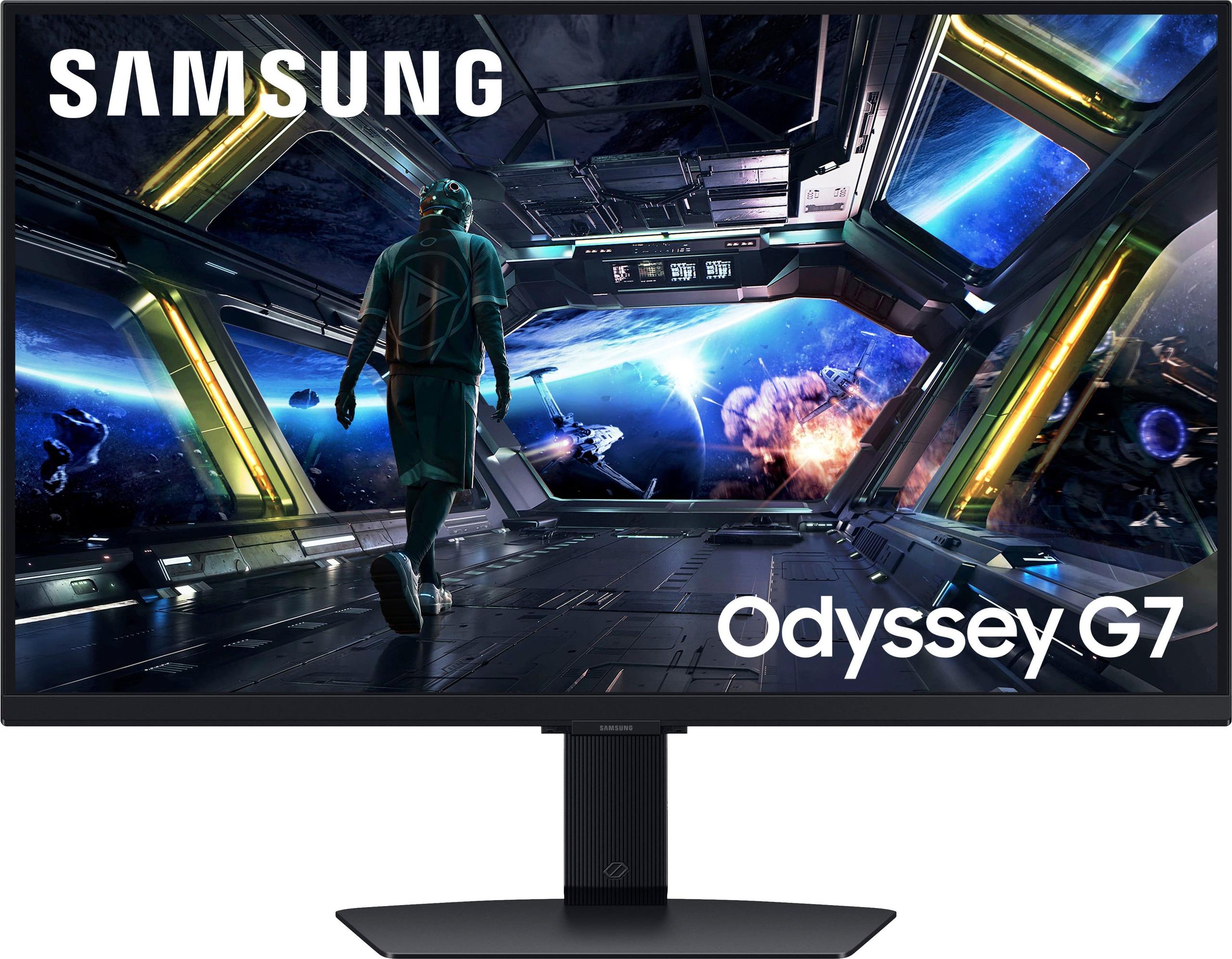
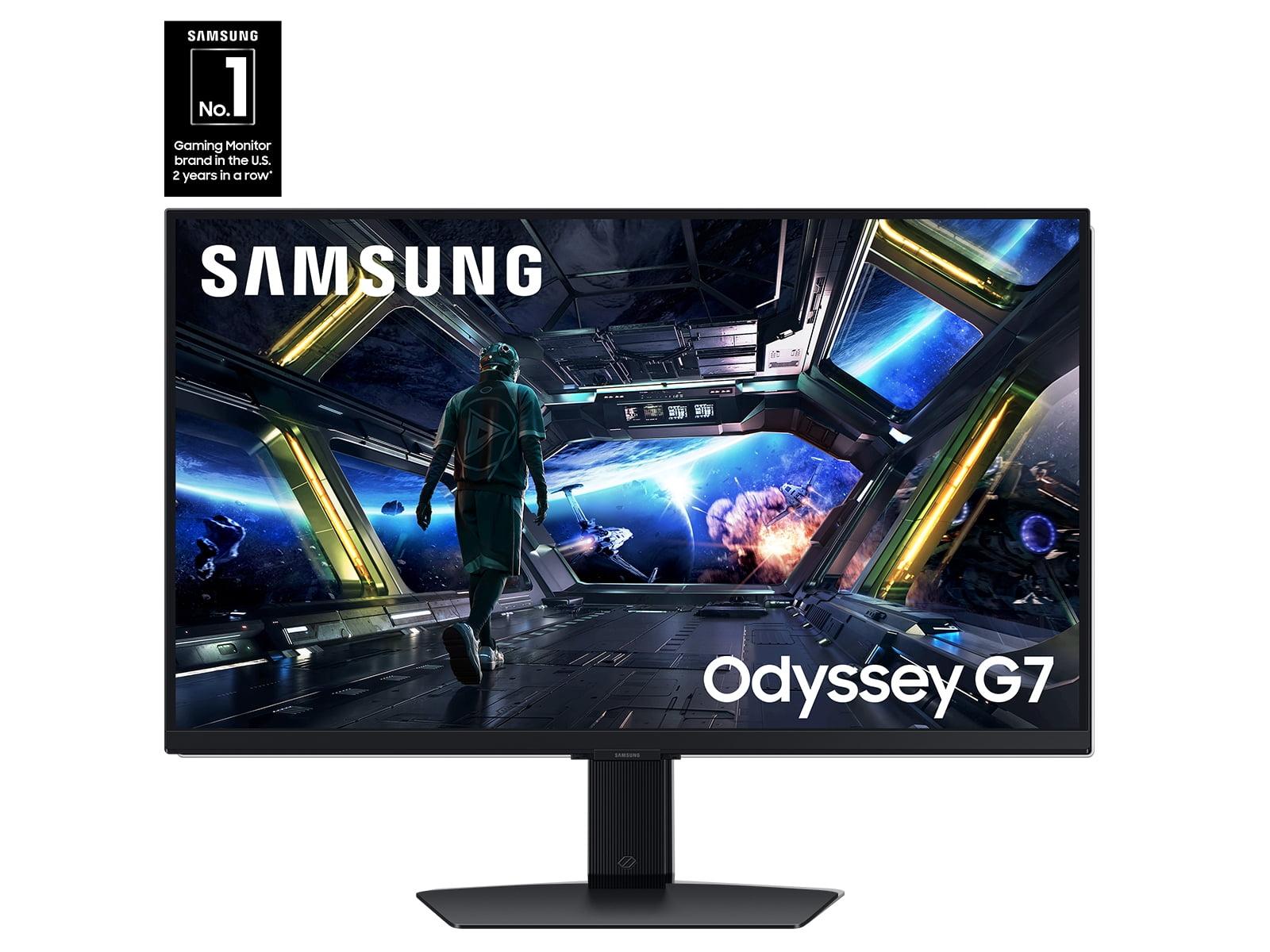
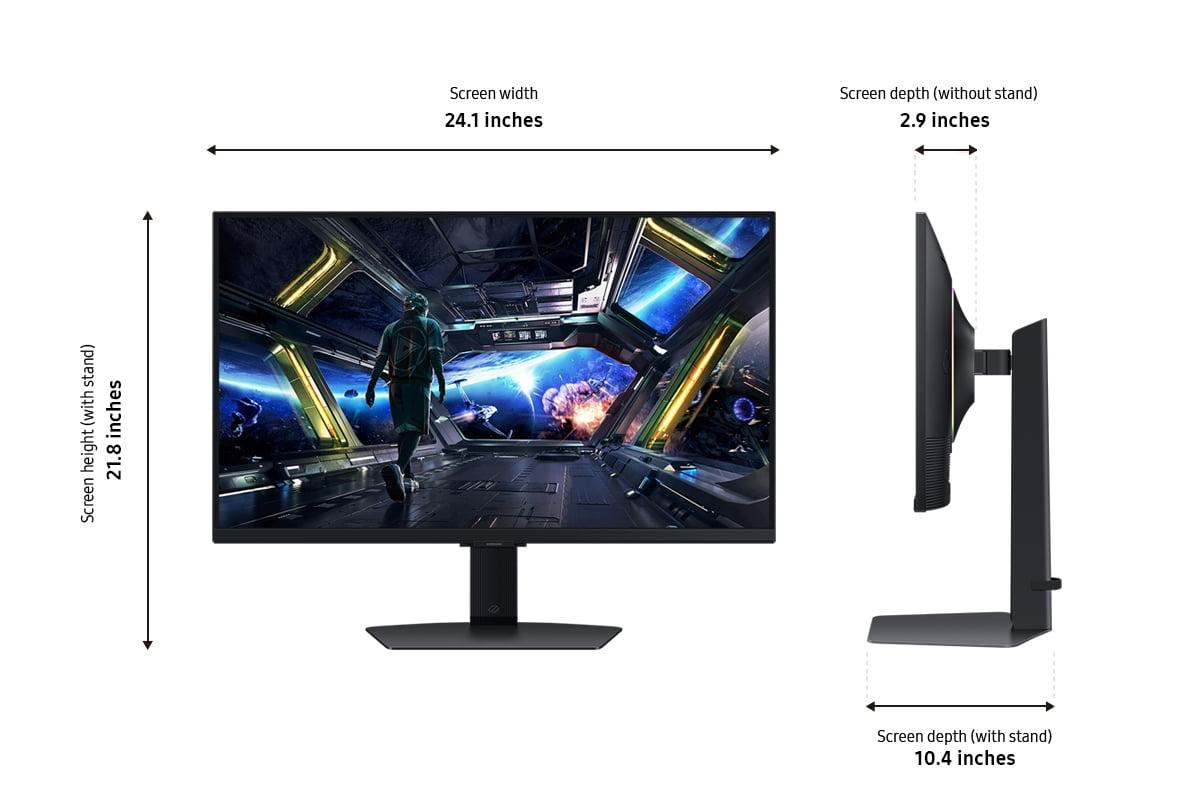
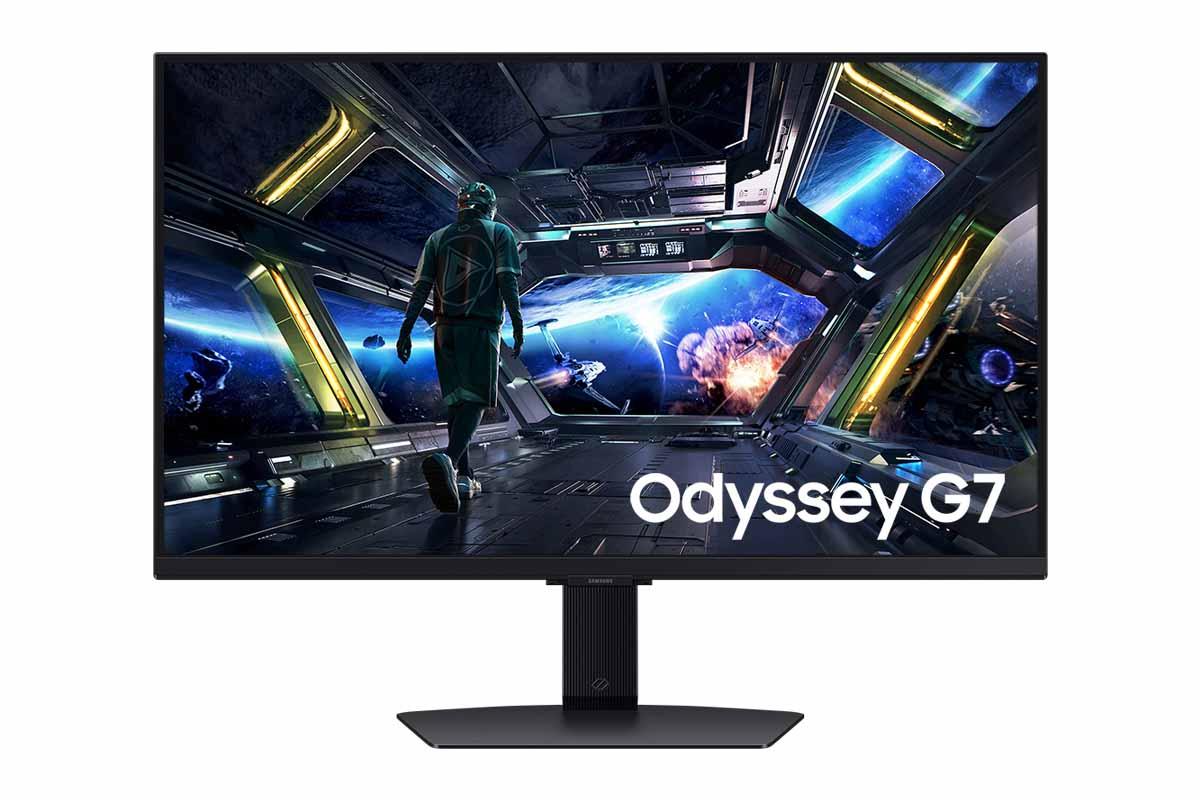
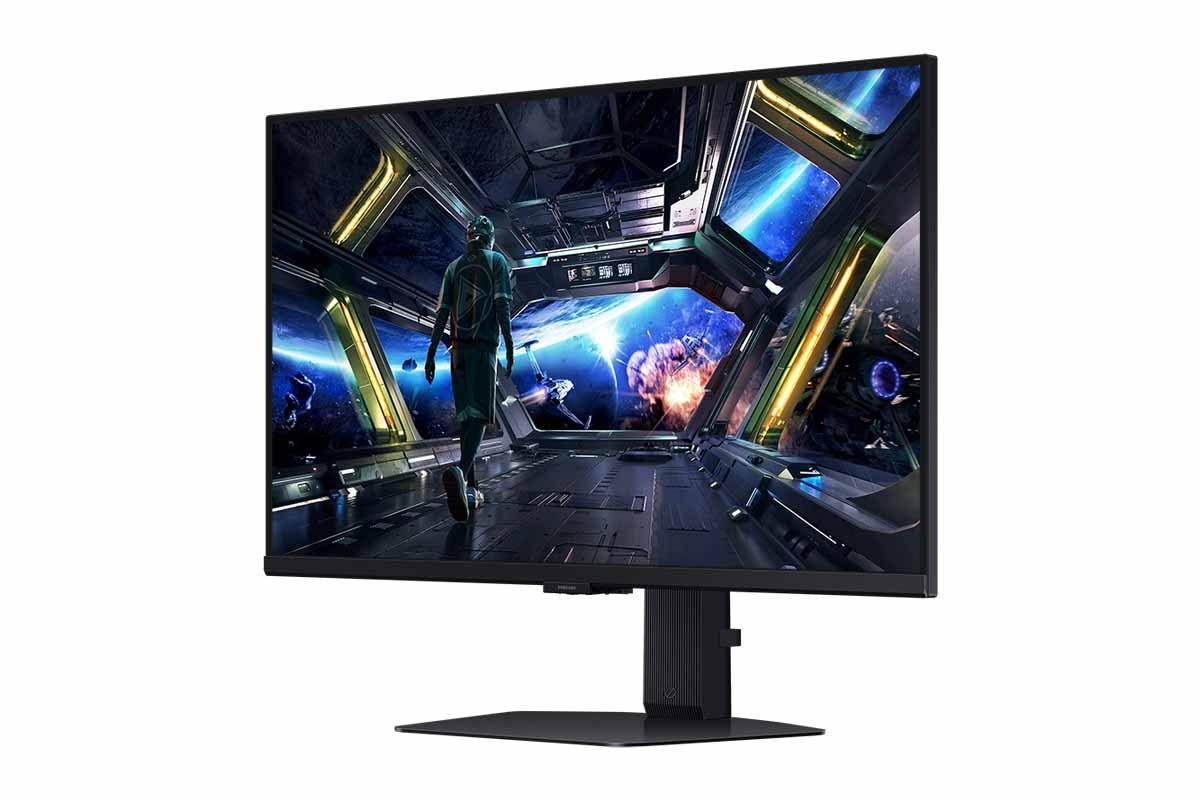
When I first started reviewing gaming monitors seriously about five years ago, the choice was relatively straightforward: pick your size, pick your refresh rate, and hope for decent colors. Today's gaming monitor landscape is far more complex, with different panel technologies offering dramatically different experiences. The ViewSonic XG272-2K-OLED and Samsung Odyssey G7 G70D perfectly illustrate this evolution—two 27-inch gaming monitors that take fundamentally different approaches to delivering great gaming performance.
Released in 2024, both monitors represent the current state of gaming display technology, but they're targeting completely different users. At the time of writing, the price difference between these monitors is substantial, with the Samsung G70D positioned as a value-focused 4K option while the ViewSonic OLED commands a significant premium for its cutting-edge display technology.
Before diving into specific comparisons, it's crucial to understand what makes a gaming monitor different from a regular display. Gaming monitors prioritize three key metrics: refresh rate (how many times per second the screen updates), response time (how quickly pixels can change colors), and input lag (the delay between your controller input and what appears on screen). These factors directly impact your gaming performance, especially in competitive scenarios.
The display panel technology—the actual method used to create the image—affects everything from color accuracy to contrast ratio (the difference between the brightest whites and darkest blacks). This is where our two monitors diverge most dramatically.
The most fundamental difference between the ViewSonic XG272-2K-OLED and Samsung G70D lies in their panel technologies. The ViewSonic uses OLED (Organic Light-Emitting Diode) technology, where each individual pixel produces its own light. When a pixel needs to be black, it simply turns off completely, creating what's called "infinite contrast"—true blacks that you can't achieve with traditional LCD technology.
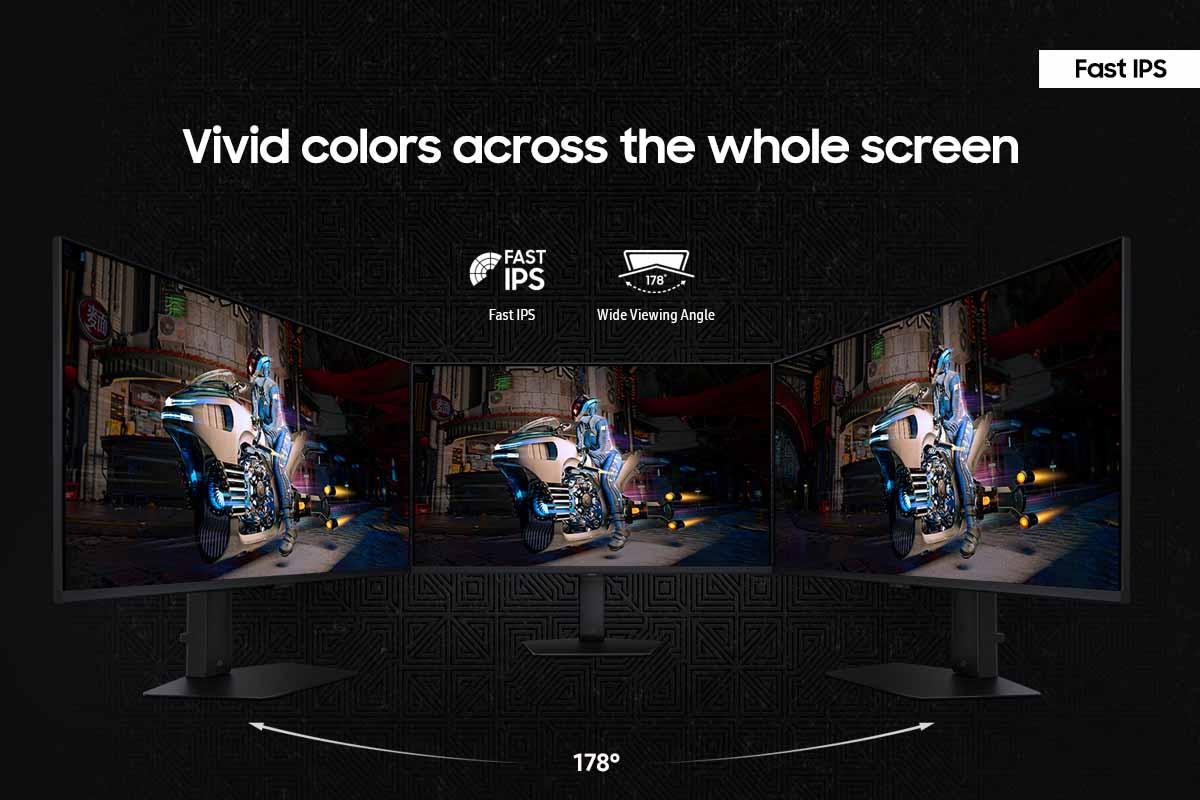
The Samsung G70D uses Fast IPS (In-Plane Switching) technology, a refined version of LCD where liquid crystals twist to control light from a backlight. While IPS panels can't achieve true blacks—they typically manage about a 1,000:1 contrast ratio—they offer exceptional color consistency across wide viewing angles and complete immunity to burn-in, a permanent image retention issue that can affect OLED displays over time.
In practical terms, this means the ViewSonic OLED will make dark game scenes look dramatically more realistic. Horror games, space simulations, or any title with dark environments will have that inky black depth that makes images pop off the screen. The Samsung IPS monitor, while it can't match this contrast performance, provides worry-free operation and consistent colors whether you're viewing it straight-on or from the side.
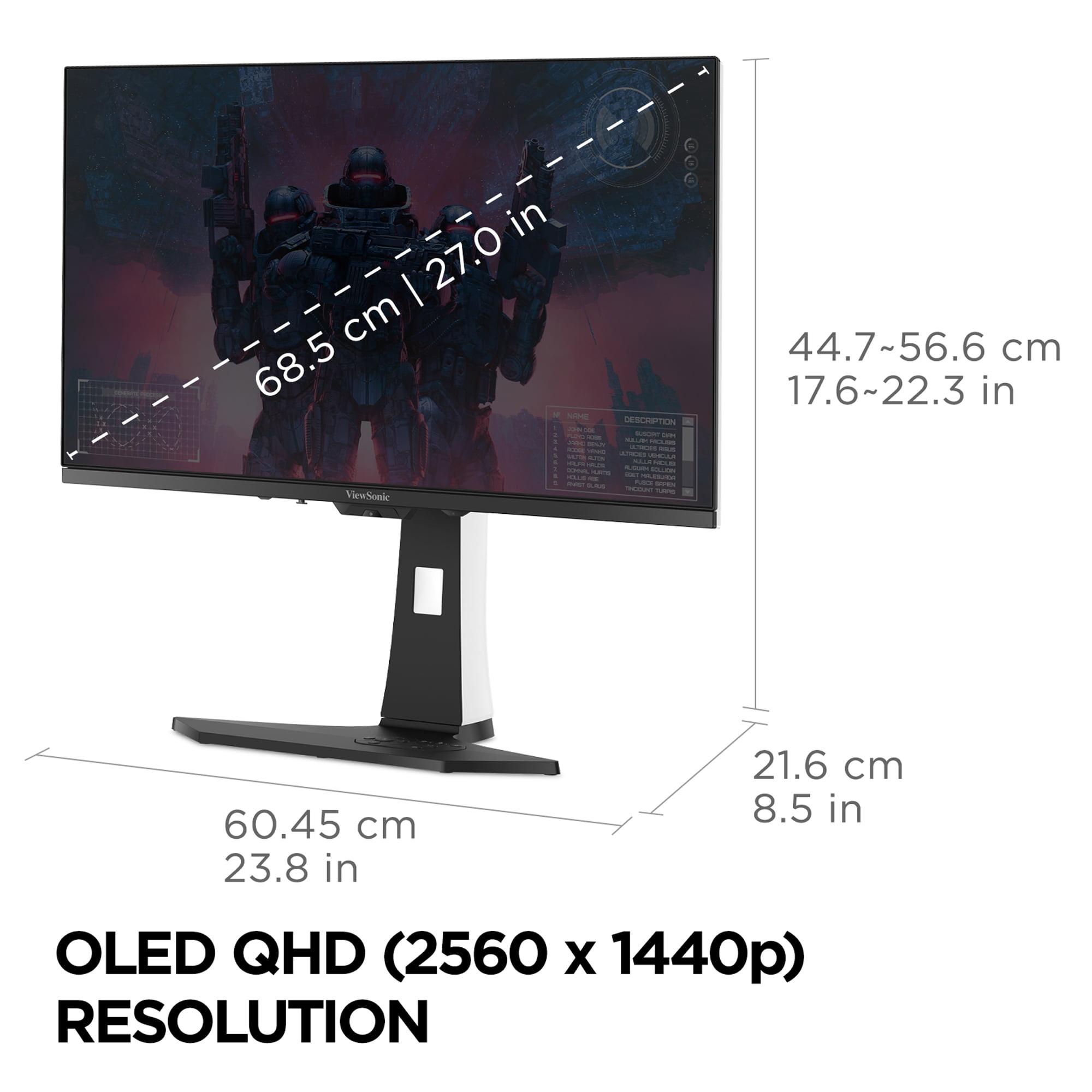
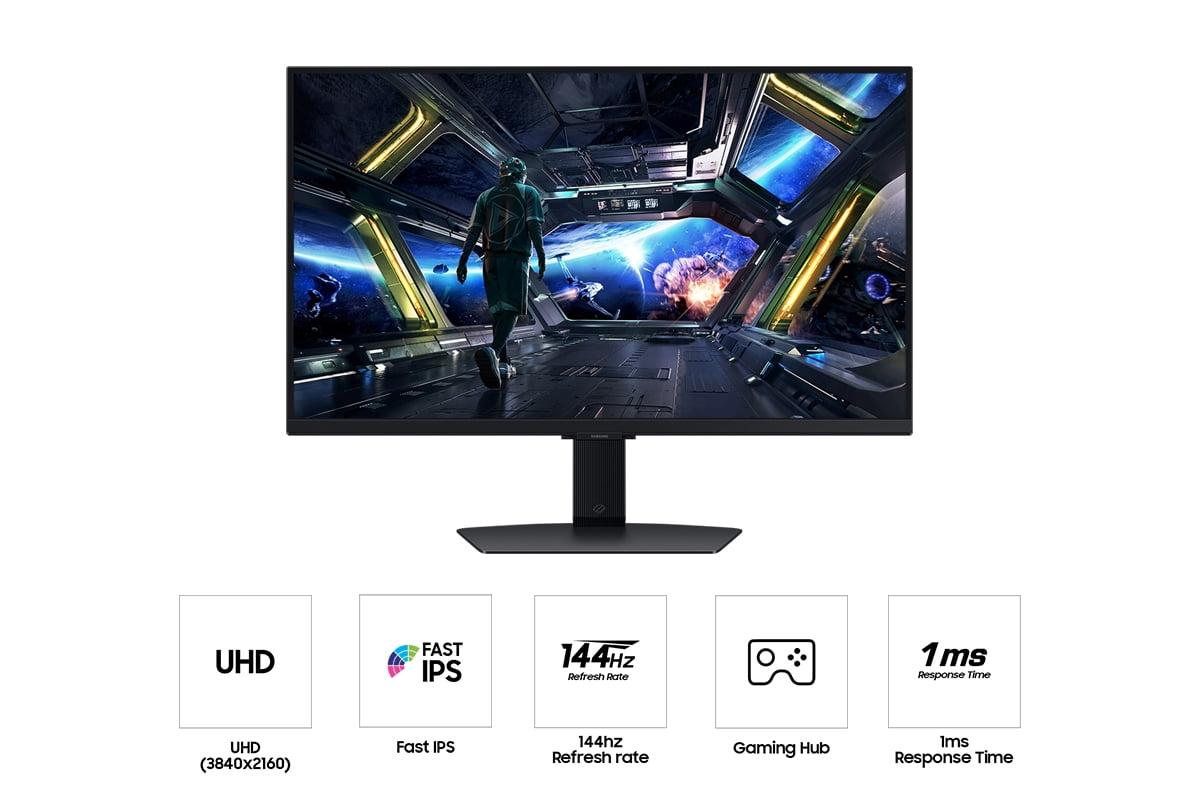
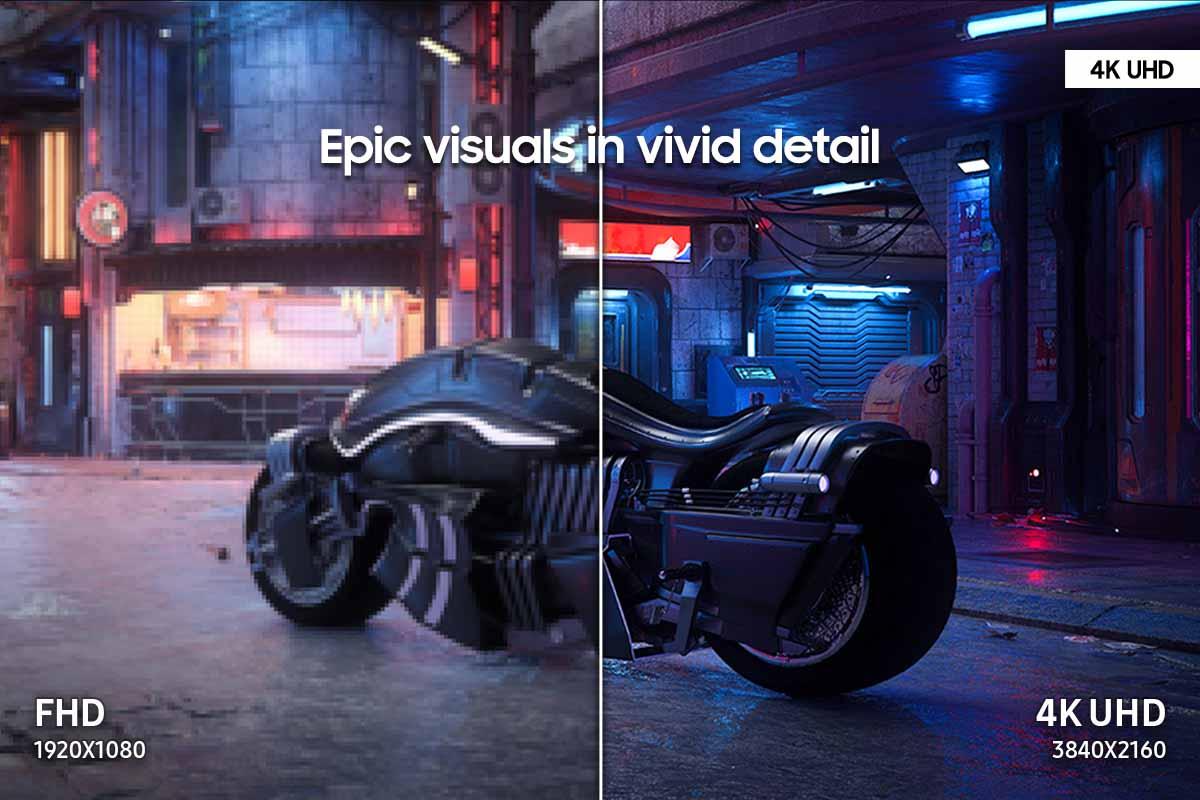
Here's where these monitors reveal their intended audiences most clearly. The Samsung G70D offers 4K UHD resolution (3840 x 2160 pixels), providing 2.25 times more detail than the ViewSonic's QHD resolution (2560 x 1440 pixels). This higher pixel density means sharper text, more detailed game environments, and better productivity performance when you're not gaming.
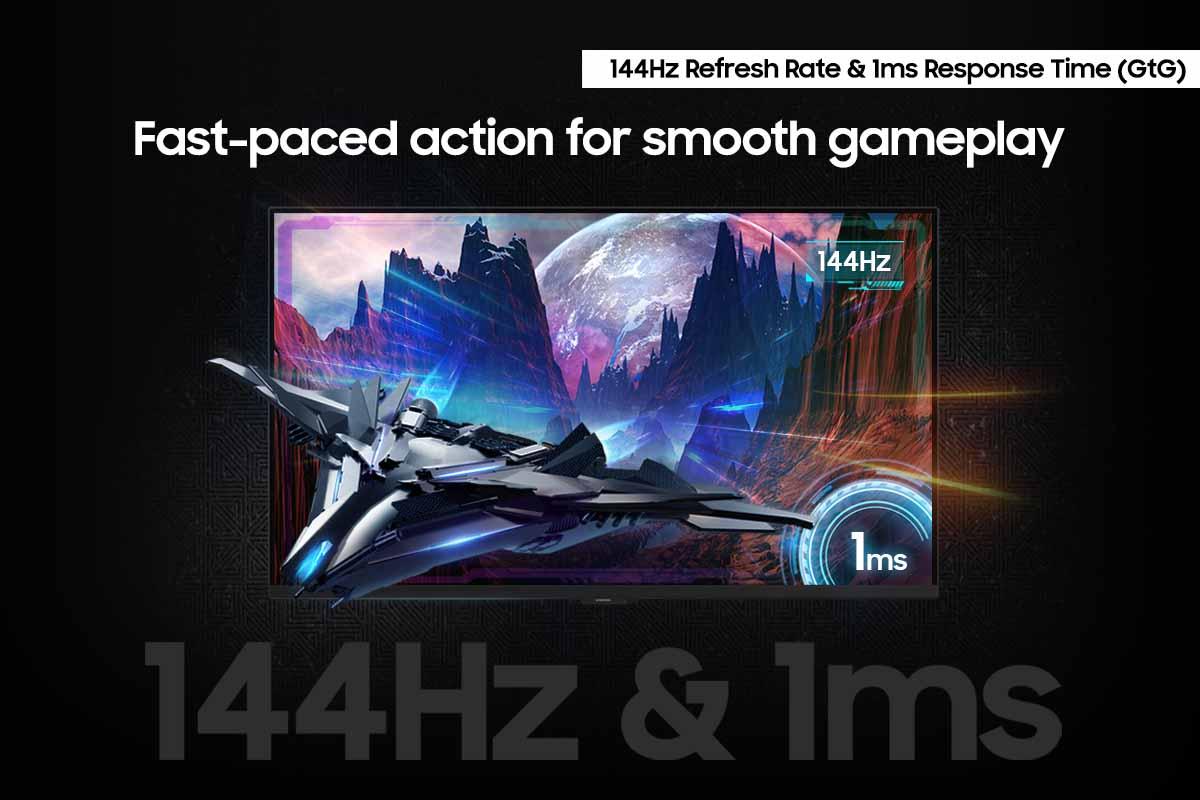
However, the ViewSonic OLED compensates with a 240Hz refresh rate—meaning it can display 240 unique frames per second compared to the Samsung's 144Hz. For competitive gaming, this translates to smoother motion tracking and reduced motion blur during fast-paced action.
The choice here reflects a fundamental trade-off in gaming. Higher resolution requires more graphics processing power, which often means lower frame rates. The Samsung's 4K display will challenge even high-end graphics cards in modern games, while the ViewSonic's QHD resolution allows for higher frame rates that can actually utilize that 240Hz refresh rate.
From my experience testing both resolutions extensively, 4K provides a noticeable improvement in image clarity, especially for text and fine details in games. However, 240Hz offers smoother motion that's particularly beneficial in competitive shooters where tracking fast-moving targets is crucial.
Response time—how quickly pixels can change from one color to another—is where the ViewSonic OLED truly shines. With a claimed 0.01ms pixel response time, it's virtually instantaneous. OLED technology achieves this because pixels can switch states almost immediately, unlike LCD panels where liquid crystals need time to physically rotate.
The Samsung G70D's 1ms GtG (Gray-to-Gray) response time is still excellent by traditional standards, but it's noticeably slower than OLED. In fast-paced gaming scenarios, this can manifest as slight ghosting or smearing behind moving objects, though it's subtle enough that most casual gamers won't notice.
Input lag—the total system delay from controller to screen—is critical for competitive gaming. Both monitors perform well here, but the ViewSonic's faster response time gives it a slight edge in scenarios where every millisecond matters.
High Dynamic Range (HDR) expands the range of colors and brightness levels a display can show, making images more lifelike. This is where panel technology really matters.
The ViewSonic OLED excels at HDR naturally because of its infinite contrast ratio. Dark areas can be truly black while bright elements remain vivid, creating the dramatic range HDR content is designed to showcase. OLED technology provides what's arguably the most convincing HDR experience available in gaming monitors.
The Samsung G70D supports HDR10+ and carries VESA DisplayHDR 400 certification, but its performance is limited by the inherent constraints of LCD technology. With typical brightness around 350 nits and limited contrast, HDR content won't have the same dramatic impact. It's adequate for basic HDR gaming, but won't deliver the wow factor that properly implemented HDR can provide.
One area where the Samsung G70D completely outclasses the ViewSonic is smart functionality. Samsung has essentially built a smart TV into this gaming monitor, complete with their Gaming Hub OS. You can stream Netflix, YouTube, Amazon Prime, and other services directly from the monitor without any connected devices. The built-in cloud gaming support lets you play Xbox Game Pass titles or GeForce Now games using just the monitor and a controller.
This smart functionality transforms the Samsung monitor from a simple gaming display into a complete entertainment hub. The included remote control, built-in speakers, and Bluetooth connectivity mean it can function independently as a bedroom TV or secondary entertainment display.
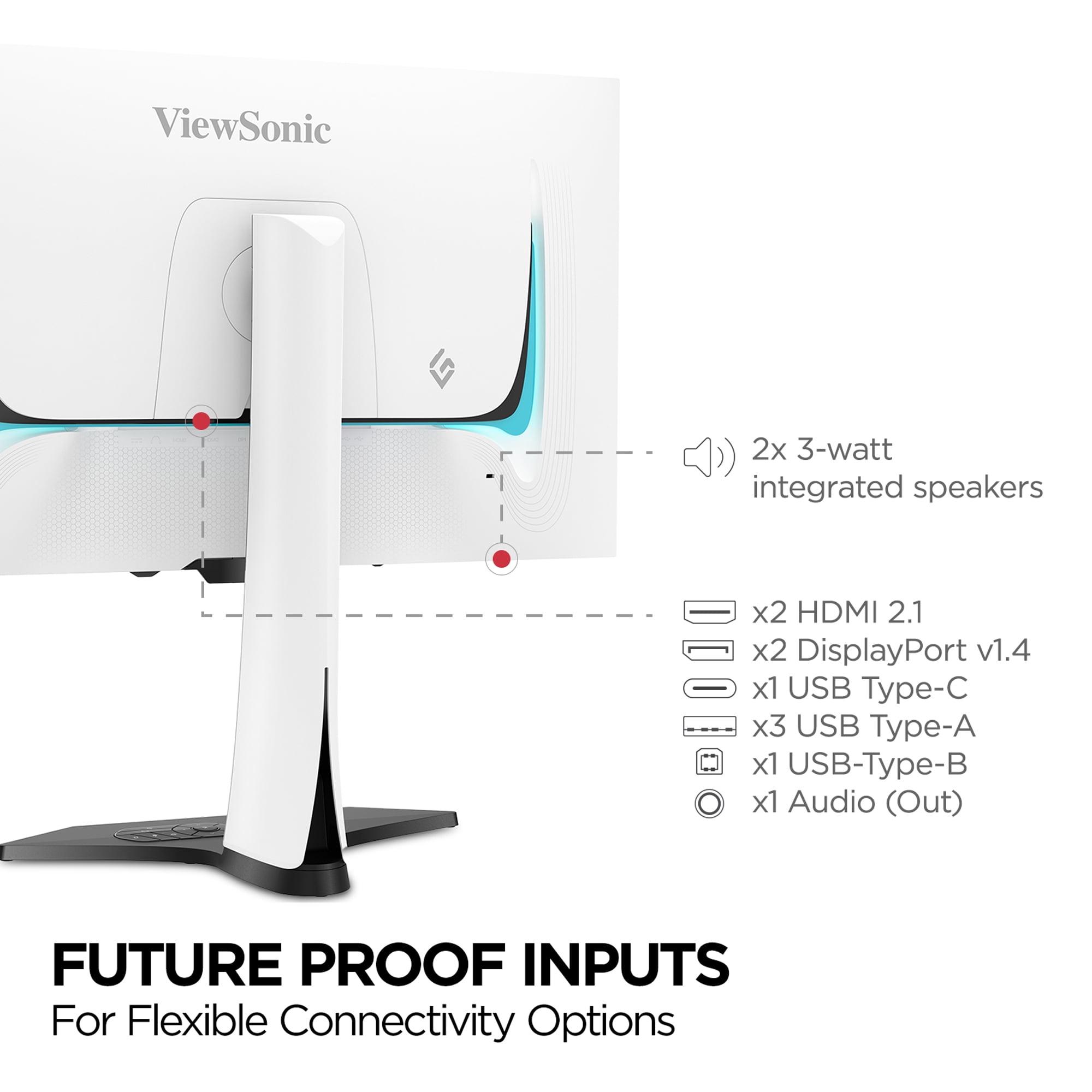
The ViewSonic OLED, in contrast, focuses purely on gaming performance. While it lacks smart TV features, it offers comprehensive connectivity including USB-C with power delivery and a built-in USB hub, making it more suitable for users who need to connect multiple devices or laptops.
In competitive esports titles like Counter-Strike, Valorant, or Overwatch, the ViewSonic's 240Hz refresh rate and instant response time provide tangible advantages. The smoother motion tracking helps with aim precision, and the faster pixel response ensures you're seeing the most current game state possible.
For single-player adventures or RPGs, the Samsung's 4K resolution creates more immersive experiences. Games like Cyberpunk 2077, The Witcher 3, or Microsoft Flight Simulator benefit significantly from the additional detail, making environments feel more realistic and text more readable.
Console gaming presents an interesting scenario. The PlayStation 5 and Xbox Series X can output 4K at up to 120Hz, which the Samsung monitor handles perfectly. However, they can also output 1440p at higher refresh rates, where the ViewSonic's 240Hz capability becomes relevant for supported titles.
If you're considering either monitor for a bedroom or secondary living space setup, the Samsung G70D has clear advantages. Its smart TV functionality, built-in streaming apps, and included remote make it a legitimate TV replacement. The IPS panel performs well in various lighting conditions, and the larger 4K resolution is beneficial for streaming content.
The ViewSonic OLED provides superior image quality for movies and shows, particularly in dark room environments where OLED technology truly shines. However, without built-in streaming capabilities, you'll need additional devices for content consumption.
OLED technology's main drawback is potential burn-in—permanent image retention from static elements displayed for extended periods. Modern OLED monitors include various protection mechanisms like pixel shifting and automatic dimming, but the risk remains for users who display static interfaces for hours daily.
The Samsung IPS monitor has no such concerns. It can display static content indefinitely without degradation, making it more suitable for mixed gaming and productivity use.
From a technology evolution perspective, OLED gaming monitors have improved significantly since their introduction. Early models suffered from more aggressive brightness limiting and fewer protective features. The ViewSonic XG272-2K-OLED represents the current state of the art, with better burn-in protection and more stable performance than earlier generations.
At the time of writing, these monitors occupy very different value positions. The Samsung G70D offers exceptional value for users wanting 4K gaming performance combined with smart TV functionality. Its pricing makes it competitive with standard 4K gaming monitors while adding significant extra features.
The ViewSonic OLED commands a premium for its cutting-edge display technology. You're paying significantly more for perfect blacks, ultra-high refresh rates, and the latest display innovation. Whether this premium is justified depends on how much you value image quality and competitive gaming performance.
Choose the Samsung Odyssey G7 G70D if you want a versatile display that serves multiple purposes. It's ideal for users who game casually, work from home, and want entertainment streaming capabilities all in one device. The 4K resolution benefits productivity tasks, and the smart features reduce clutter by eliminating separate streaming devices.
The Samsung monitor also makes sense for users who game in bright rooms, where IPS technology's consistent performance and glare handling provide advantages over OLED.
Choose the ViewSonic XG272-2K-OLED if gaming performance and image quality are your primary concerns. It's perfect for dedicated gaming setups, competitive esports players, and enthusiasts who want the absolute best visual experience. The superior contrast and ultra-high refresh rate justify the premium for users who can appreciate and utilize these advantages.
The ViewSonic OLED is also ideal for dark room gaming environments where OLED technology's infinite contrast creates truly immersive experiences.
Both monitors represent excellent examples of their respective approaches to gaming display technology. The Samsung G70D proves that you don't need to spend enormous amounts for great 4K gaming performance, especially when smart features add significant value. The ViewSonic OLED demonstrates why enthusiasts are willing to pay premiums for cutting-edge display technology.
Your choice ultimately depends on your priorities: versatility and value with the Samsung, or premium performance and image quality with the ViewSonic. Both monitors will serve their intended users well, but understanding these fundamental differences ensures you'll choose the one that best matches your gaming style and setup requirements.
The gaming monitor market continues evolving rapidly, with new technologies appearing regularly. However, the fundamental choice between resolution and refresh rate, contrast and convenience, remains central to finding the right display for your needs.
| ViewSonic XG272-2K-OLED 27" QHD 240Hz OLED Gaming Monitor | Samsung 27" Odyssey G7 G70D 4K UHD IPS Gaming Monitor |
|---|---|
| Display Technology - Affects image quality, contrast, and long-term durability | |
| OLED (perfect blacks, infinite contrast, potential burn-in risk) | Fast IPS (consistent colors, no burn-in, limited contrast at 1,000:1) |
| Resolution - Higher resolution means sharper details but requires more GPU power | |
| 2560 x 1440 (QHD) - easier to drive at high frame rates | 3840 x 2160 (4K UHD) - 2.25x more detail but demanding on graphics cards |
| Refresh Rate - Higher rates provide smoother motion for competitive gaming | |
| 240Hz (exceptional for esports and competitive gaming) | 144Hz (excellent for most gaming scenarios, less GPU demanding) |
| Response Time - Lower times reduce motion blur and ghosting | |
| 0.01ms pixel response (virtually eliminates motion artifacts) | 1ms GtG (very good, slight ghosting possible in fast scenes) |
| HDR Performance - Enhances color range and brightness for realistic visuals | |
| Superior HDR with infinite contrast and true blacks | HDR10+ with DisplayHDR 400 (adequate but limited by LCD brightness) |
| Smart Features - Built-in apps and streaming capabilities | |
| Basic gaming-focused features, comprehensive connectivity | Full Gaming Hub OS with Netflix, YouTube, cloud gaming, remote control |
| Target Gaming Style - Best suited for different types of gamers | |
| Competitive esports, dark room gaming, image quality enthusiasts | Versatile gaming, 4K content, mixed gaming/productivity/entertainment |
| Burn-in Risk - Important for long-term ownership considerations | |
| Potential burn-in with static images (modern protections help) | No burn-in risk, worry-free for mixed usage |
| Price Positioning - Value consideration at time of writing | |
| Premium pricing for cutting-edge OLED technology | Exceptional value for 4K gaming with smart features |
| Best Room Environment - Where each monitor performs optimally | |
| Dark to moderately lit rooms (OLED excels in darkness) | Any lighting condition (IPS handles bright rooms well) |
The ViewSonic XG272-2K-OLED is superior for competitive gaming due to its 240Hz refresh rate and 0.01ms response time. This combination provides smoother motion tracking and virtually eliminates input lag, giving competitive players a significant advantage in fast-paced games like Counter-Strike or Valorant.
OLED technology in the ViewSonic monitor allows individual pixels to turn completely off, creating perfect blacks and infinite contrast. IPS technology in the Samsung G70D uses a backlight system that provides consistent colors across wide viewing angles but cannot achieve true blacks, resulting in a 1,000:1 contrast ratio.
The ViewSonic XG272-2K-OLED offers superior image quality with perfect blacks, infinite contrast, and more vibrant colors, especially in dark scenes. However, the Samsung G70D provides sharper details due to its 4K resolution, which has 2.25 times more pixels than the ViewSonic's QHD resolution.
4K on the Samsung Odyssey G7 G70D provides more detailed visuals but requires powerful graphics cards to maintain high frame rates. QHD on the ViewSonic OLED is easier for GPUs to handle, allowing you to achieve the high frame rates needed to utilize the 240Hz refresh rate effectively.
The Samsung G70D excels for entertainment with built-in streaming apps, smart TV functionality, and a remote control. The ViewSonic XG272-2K-OLED provides superior picture quality for movies with perfect blacks and excellent contrast, but lacks built-in streaming capabilities.
The Samsung Odyssey G7 G70D offers exceptional value by combining 4K gaming performance with smart TV features at a competitive price point. The ViewSonic OLED commands a premium for cutting-edge display technology that serious gamers and image quality enthusiasts may find worthwhile.
Burn-in is permanent image retention that can affect OLED displays like the ViewSonic XG272-2K-OLED when static images are displayed for extended periods. Modern OLED monitors include protective features, but the Samsung IPS monitor has no burn-in risk and is worry-free for mixed usage.
Both monitors work well with consoles. The Samsung G70D supports 4K at 120Hz, perfect for PlayStation 5 and Xbox Series X. The ViewSonic OLED can handle console gaming at 1440p with higher refresh rates for supported titles, providing smoother motion.
The Samsung Odyssey G7 G70D is better for productivity due to its 4K resolution providing sharper text and more screen real estate. The smart features also eliminate the need for separate streaming devices. The ViewSonic monitor focuses primarily on gaming performance with limited productivity advantages.
The Samsung G70D with IPS technology handles bright room environments better, maintaining consistent colors and contrast even with ambient light. The ViewSonic OLED performs best in darker environments where its infinite contrast truly shines.
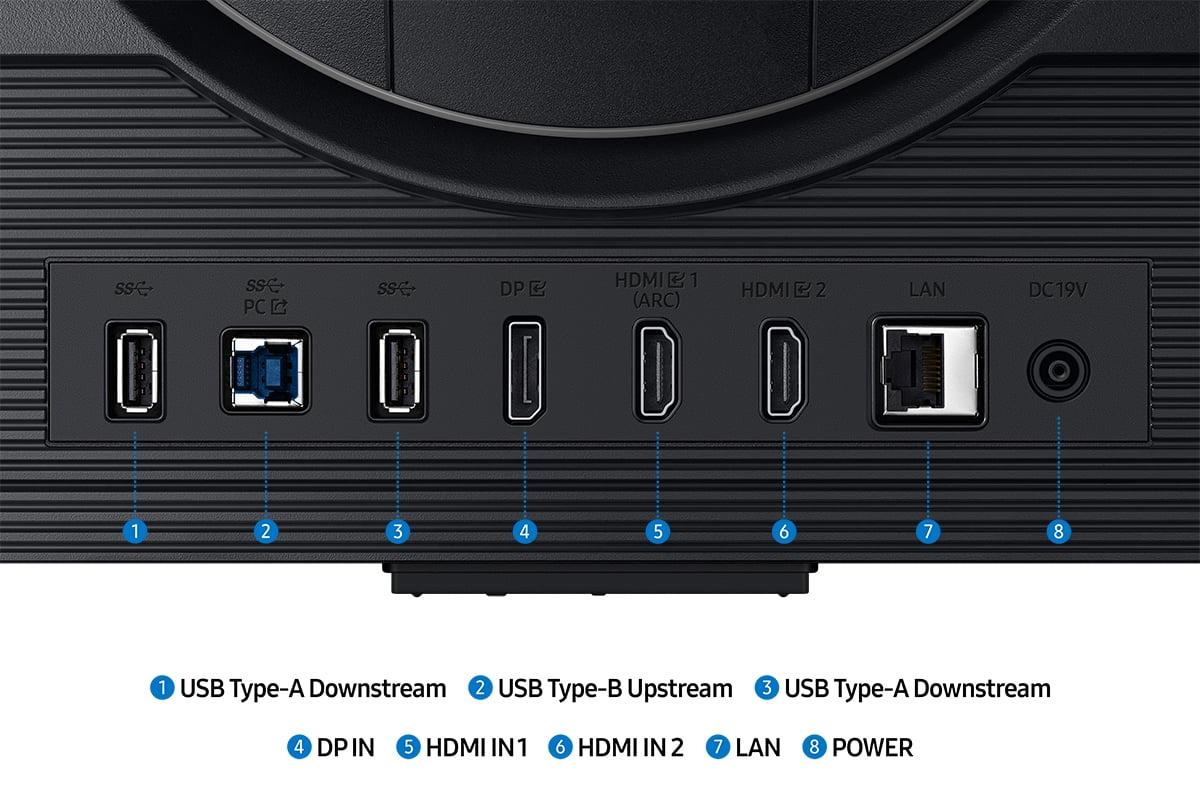
The ViewSonic XG272-2K-OLED provides comprehensive connectivity including HDMI 2.1, DisplayPort 1.4, USB-C with power delivery, and a USB hub. The Samsung G70D offers HDMI 2.1, DisplayPort, and USB-A ports, plus wireless connectivity for its smart features.
Choose the ViewSonic XG272-2K-OLED if you prioritize competitive gaming performance, image quality, and have a dedicated gaming setup in a controlled lighting environment. Choose the Samsung Odyssey G7 G70D if you want versatility for gaming, work, and entertainment with smart TV functionality and worry-free operation.
We've done our best to create useful and informative comparisons to help you decide what product to buy. Our research uses advanced automated methods to create this comparison and perfection is not possible - please contact us for corrections or questions. These are the sites we've researched in the creation of this article: tomshardware.com - viewsonic.com - cgmagonline.com - bhphotovideo.com - forums.blurbusters.com - pangoly.com - youtube.com - rtings.com - youtube.com - bhphotovideo.com - viewsonic.com - assetserver.net - viewsonic.com - viewsonic.com - colamco.com - viewsonic.com - store.connectcause.com - displayspecifications.com - bhphotovideo.com - manuals.viewsonic.com - viewsonic.com - pangoly.com - visioncomputers.com - bestbuy.com - bestbuy.com - typectechreviews.com - rtings.com - rtings.com - youtube.com - youtube.com - samsung.com - samsung.com - samsung.com - bhphotovideo.com - samsung.com - samsung.com - versus.com - abt.com - abt.com - bestbuy.com - bhphotovideo.com - youtube.com - abt.com

Privacy Policy
Terms and Conditions - Affiliate Policy
Home Security
© Copyright 2008-2026.
11816 Inwood Rd #1211, Dallas, TX 75244