

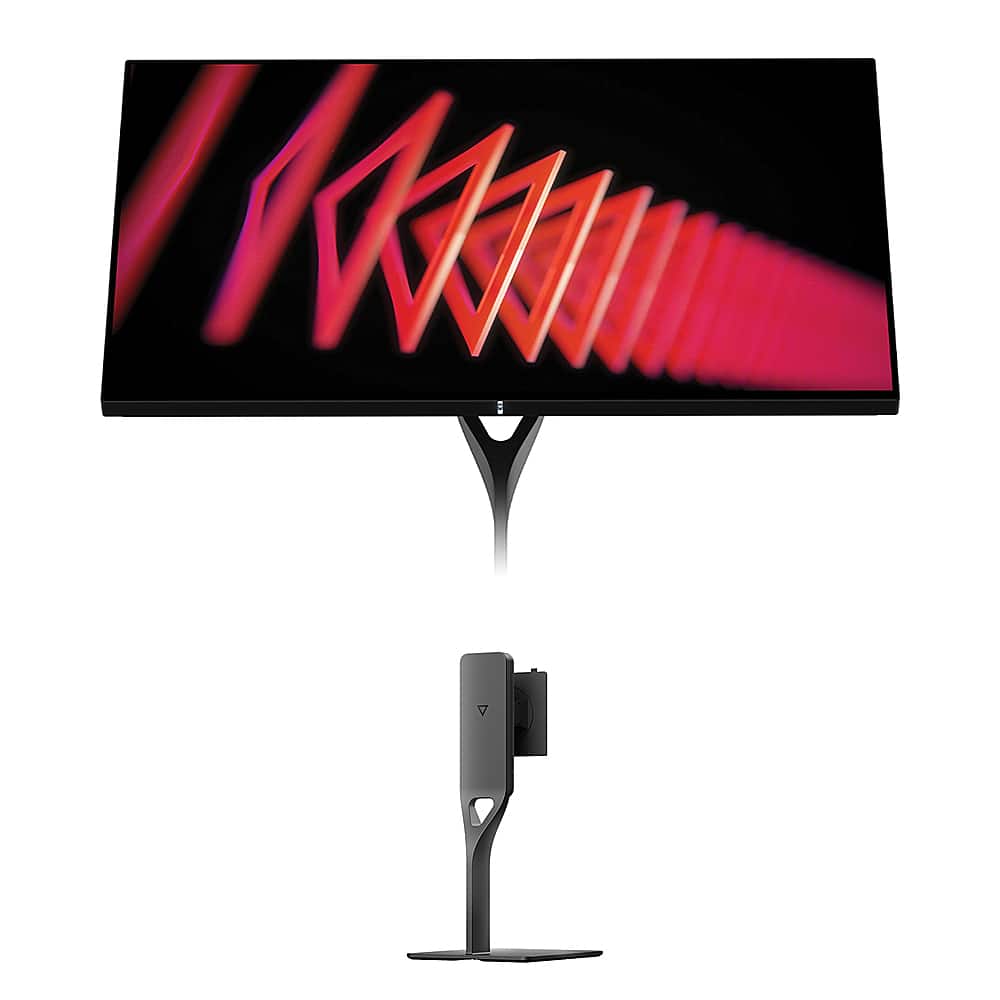
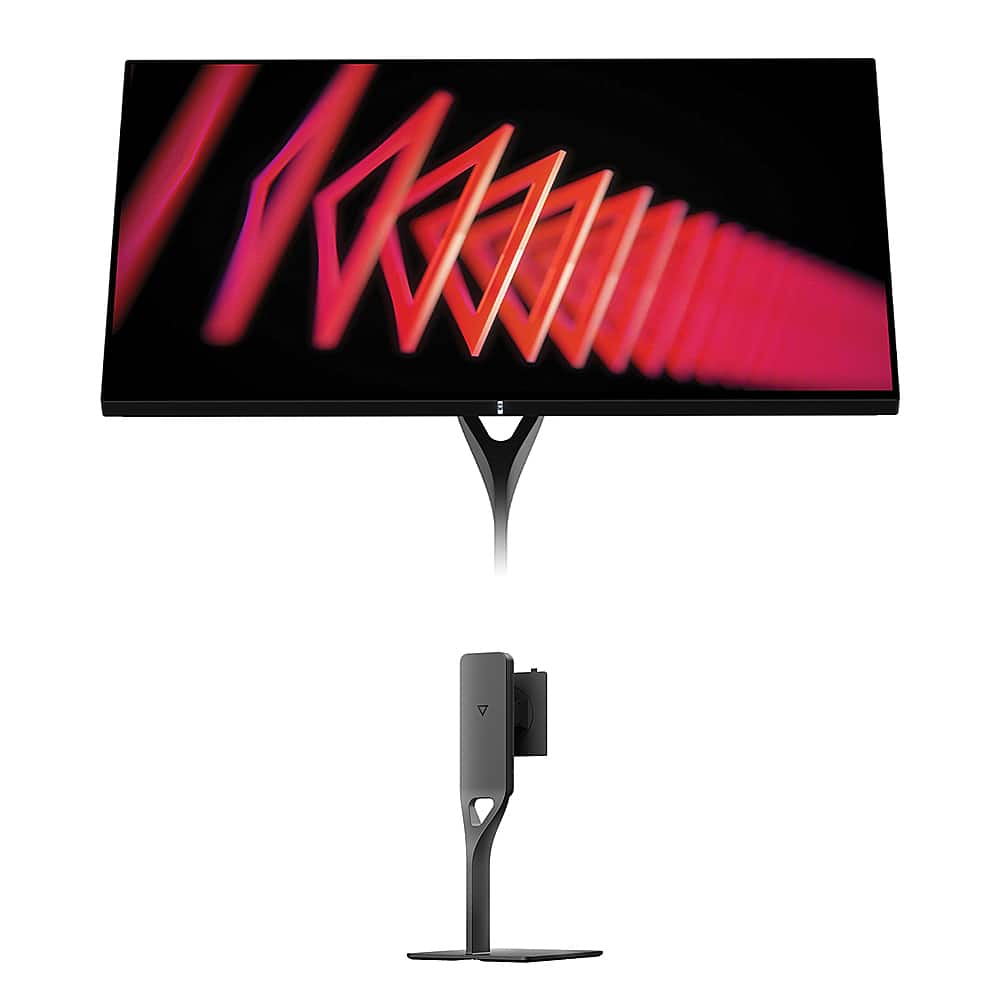
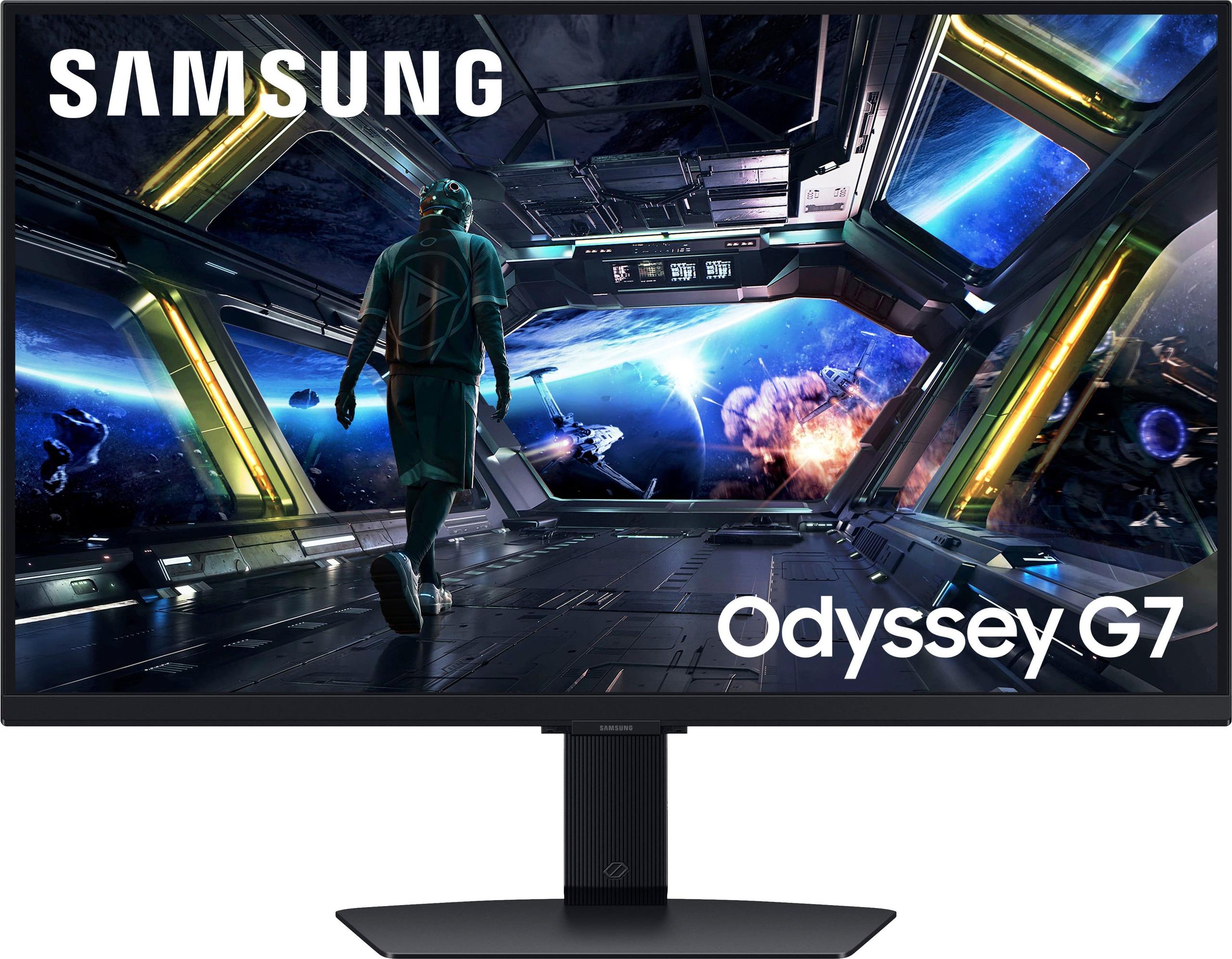
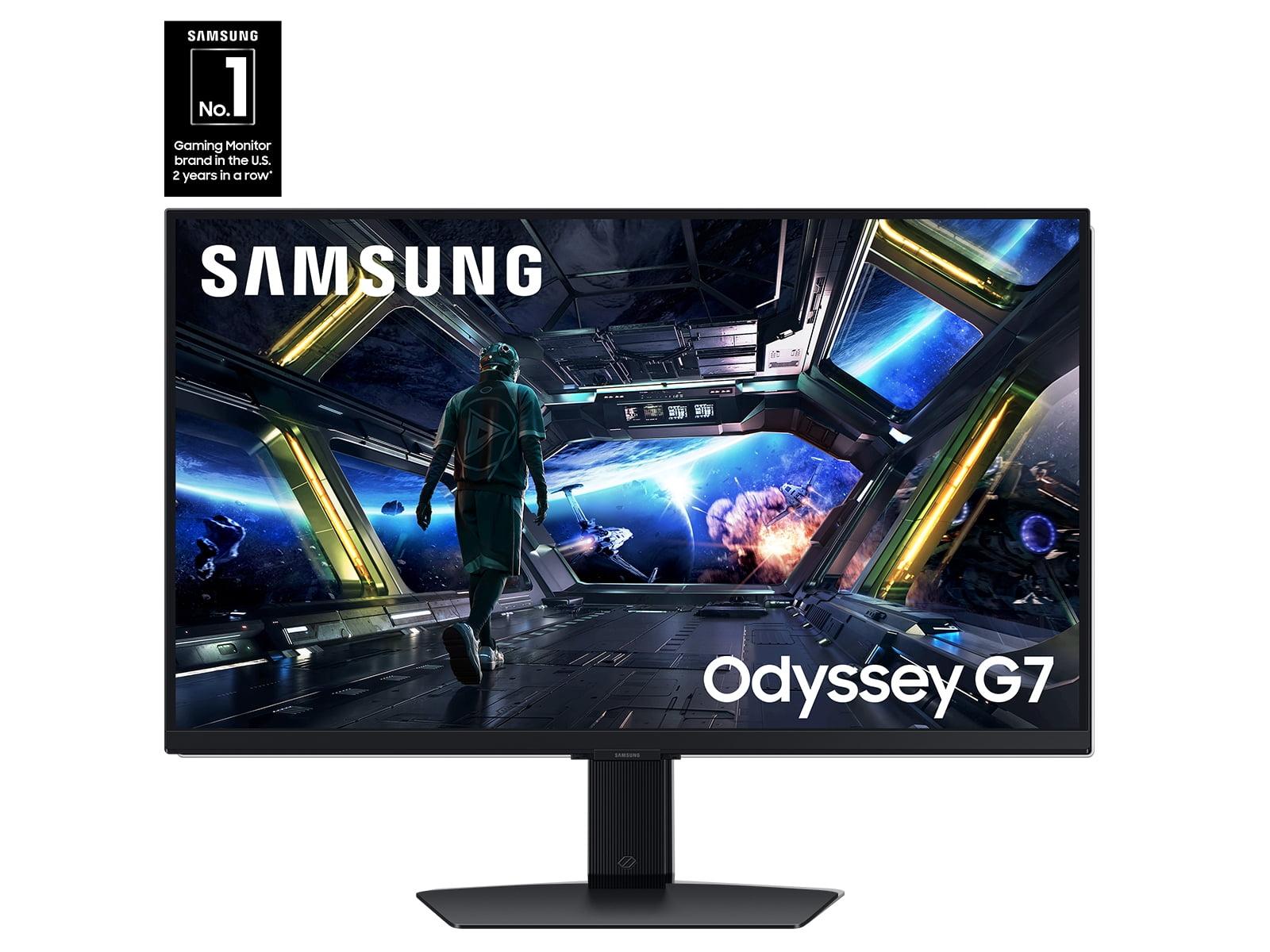
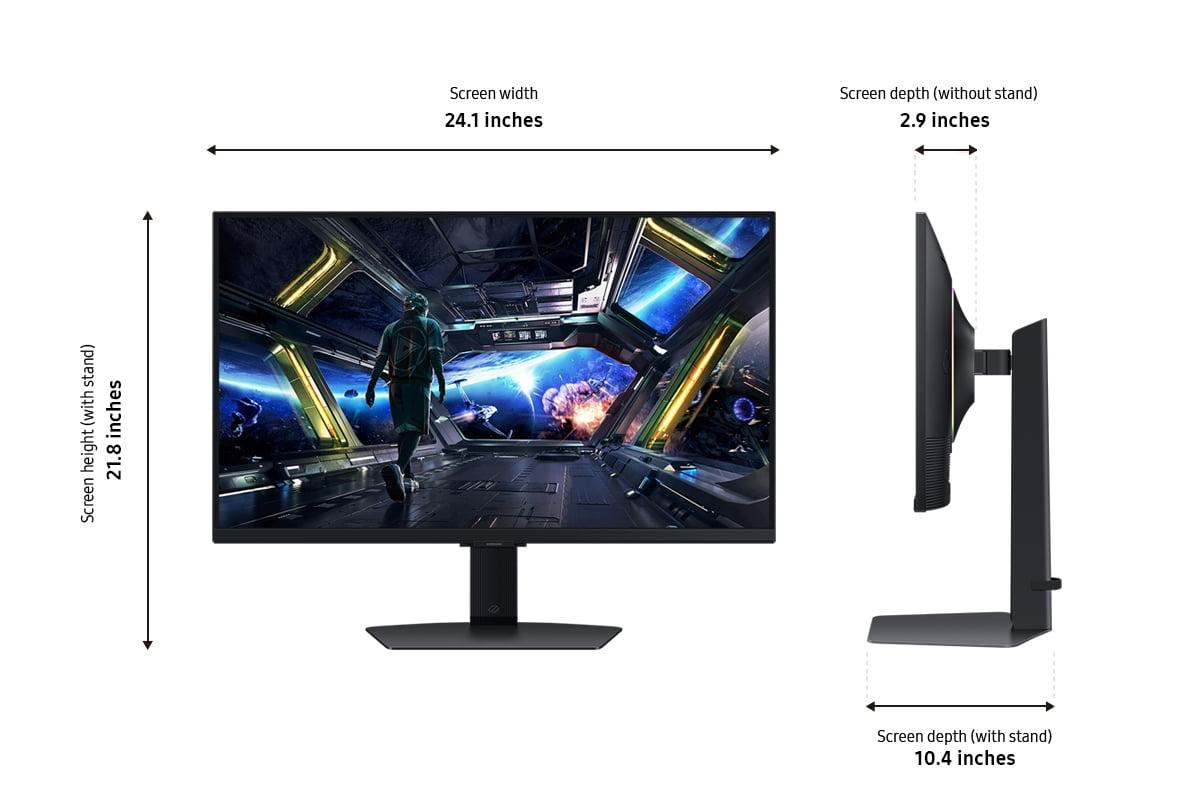
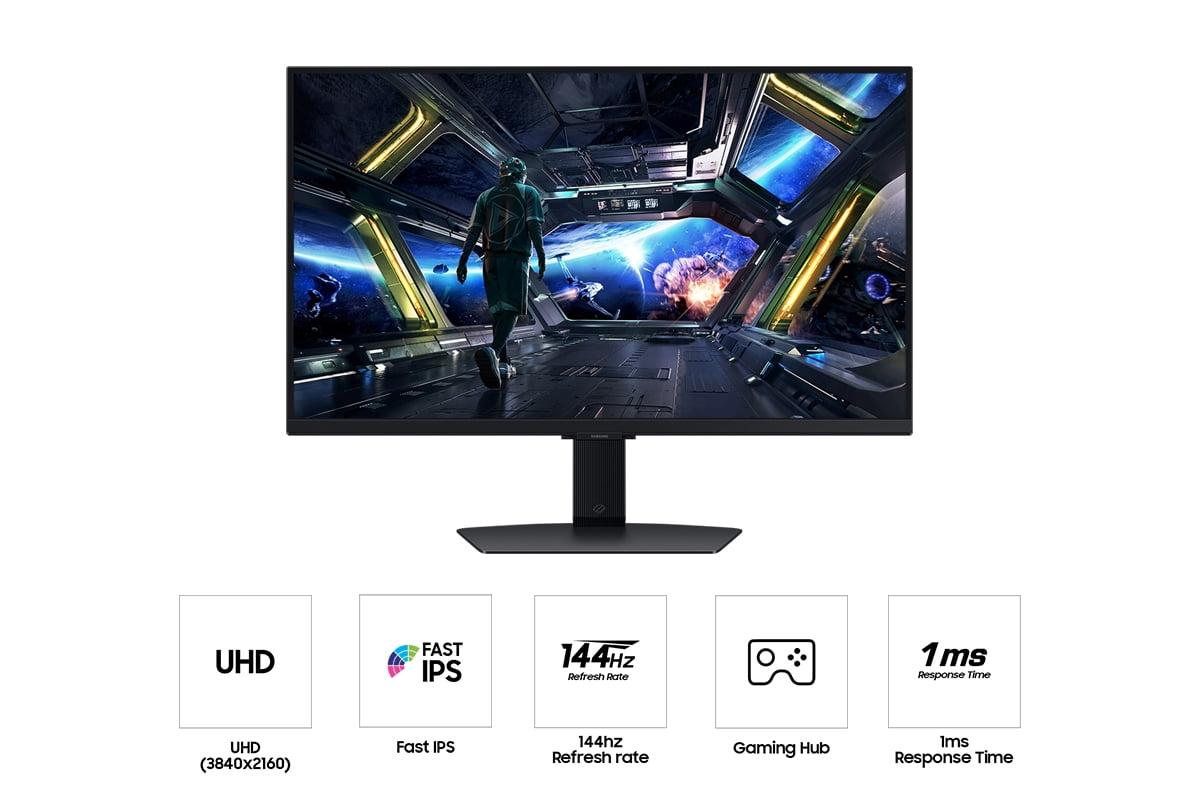
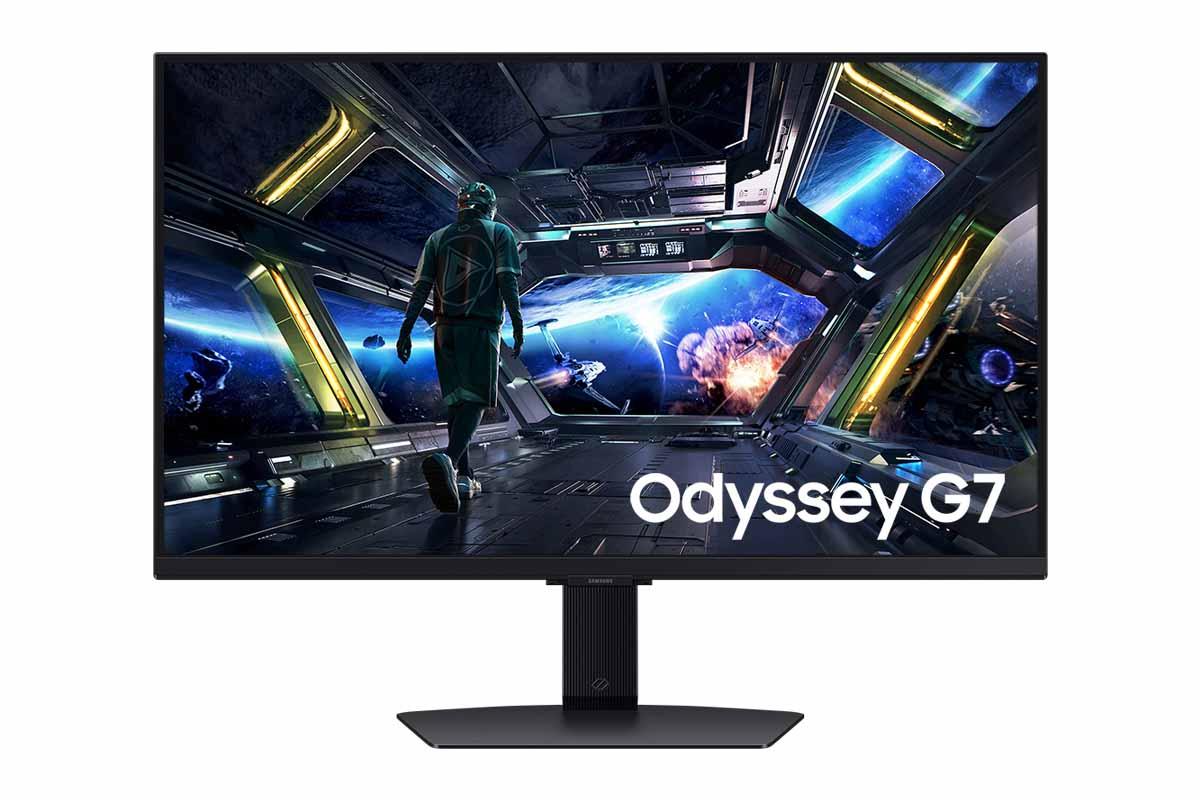
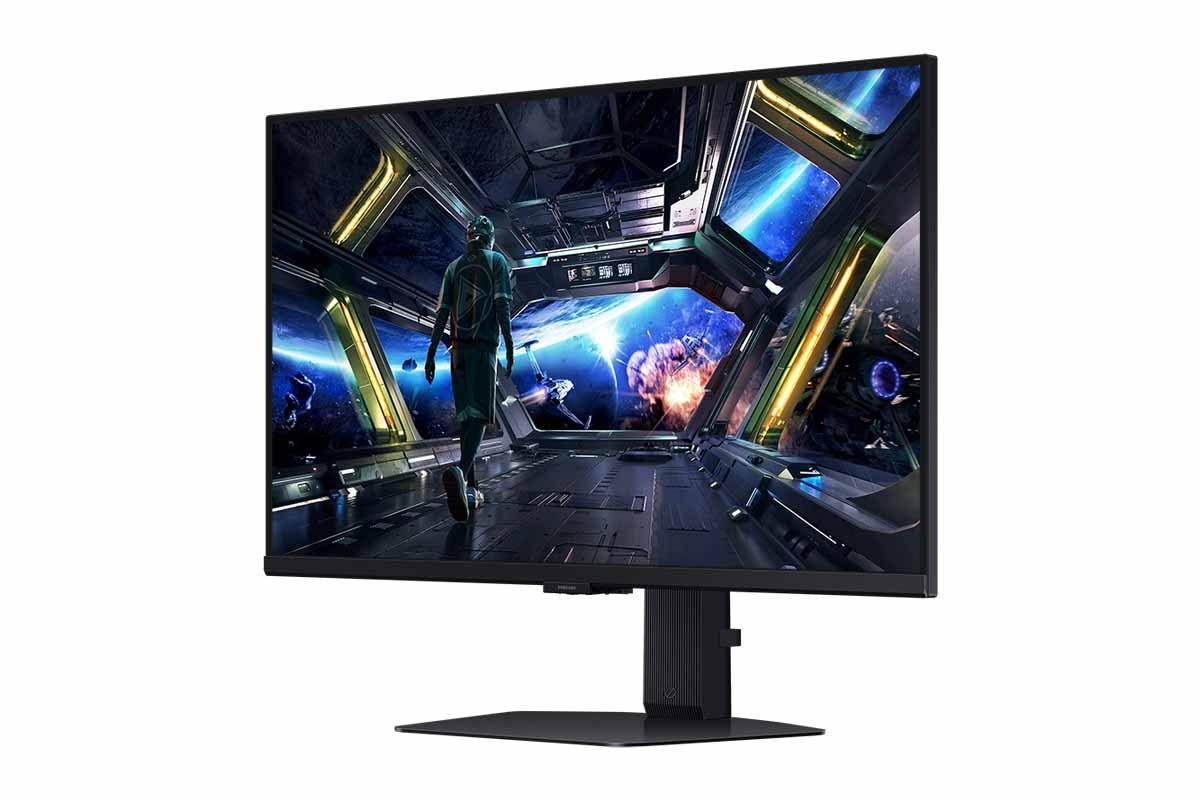
Shopping for a 27-inch 4K gaming monitor can feel overwhelming with so many options hitting the market. Two monitors that consistently grab attention are the premium Dough Spectrum One 27-Inch 4K 144Hz Gaming Monitor with Gorilla Glass at $899, and Samsung's feature-packed Odyssey G7 G70D 4K UHD IPS Gaming Monitor at $699. While both deliver 4K gaming at 144Hz, they take completely different approaches to justify their price points.
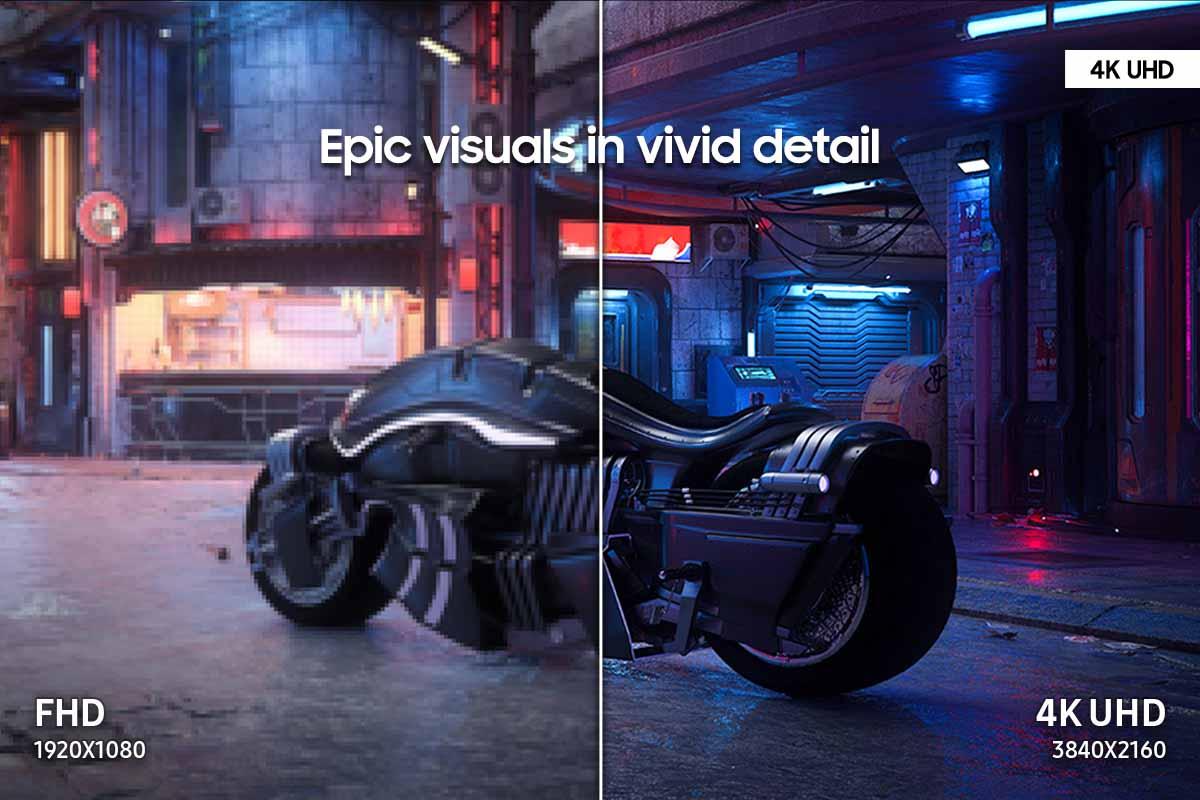
Before diving into these specific models, let's talk about what actually matters in a 27-inch 4K gaming monitor. The "4K" resolution means 3840 x 2160 pixels – that's four times the detail of standard 1080p displays. At 27 inches, this creates a pixel density of about 163 pixels per inch (PPI), making text incredibly sharp and game details much more visible.
The 144Hz refresh rate is equally important. This means the screen can display up to 144 new images every second, compared to the standard 60Hz found on most basic monitors. For gaming, this translates to smoother motion and reduced input lag – the delay between when you press a button and see the action on screen. Modern graphics cards from both NVIDIA and AMD can push 4K gaming at high frame rates, making 144Hz actually usable rather than just marketing fluff.
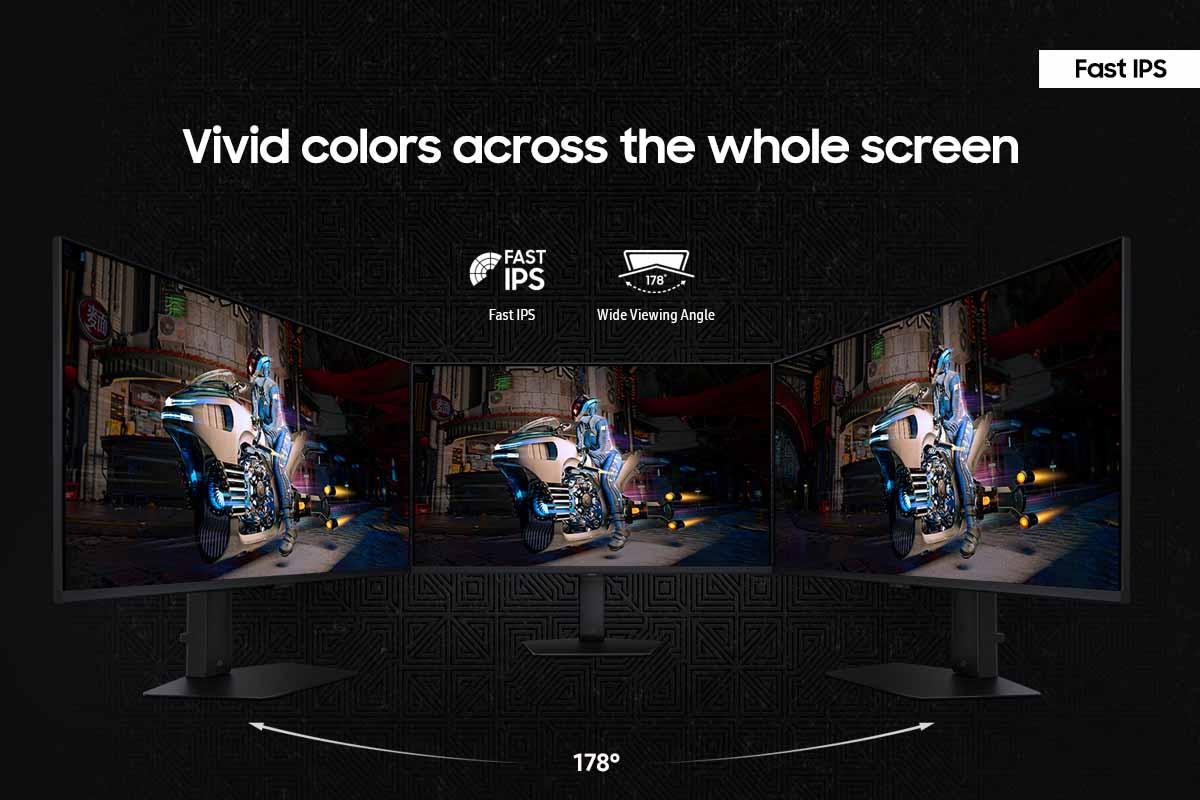
Panel technology also plays a huge role. Both monitors use IPS (In-Plane Switching) panels, which provide wide viewing angles and generally better color accuracy than cheaper TN (Twisted Nematic) panels. However, IPS panels traditionally struggle with contrast ratios and can look washed out in dark rooms – something both manufacturers try to address differently.
The Dough Spectrum One launched in 2022 from a company that rebranded from Eve after some controversial fulfillment issues. Despite past problems, they've focused on premium materials and exceptional factory calibration. The monitor represents their attempt to compete directly with professional-grade displays while maintaining gaming performance.
Samsung's G70D is part of their 2024 Odyssey refresh, building on years of gaming monitor experience. Samsung has been pushing smart TV features into their gaming monitors, and the G70D represents their most feature-complete attempt yet. It includes their Gaming Hub platform, which lets you stream games and apps without connecting a PC or console.
Since these monitors launched, we've seen significant improvements in graphics card performance. NVIDIA's RTX 4070 and AMD's RX 7800 XT can now maintain 60+ fps in most games at 4K with high settings, making 4K 144Hz monitors much more practical than when early models launched. Console gaming has also evolved – both PlayStation 5 and Xbox Series X support 4K 120Hz output, though you'll need HDMI 2.1 ports to take advantage.
This is where these monitors truly diverge. The Dough Spectrum One comes factory calibrated to a Delta E of 0.6 or lower. Delta E measures color accuracy – values under 1.0 are considered excellent, while values under 2.0 are good enough for professional work. Most monitors ship with Delta E values between 3-6, requiring manual calibration to achieve accuracy.
What makes the Dough special is its edge-to-edge Corning Gorilla Glass front panel. This isn't just marketing – the glass provides several real benefits. First, it's incredibly scratch resistant compared to traditional plastic coatings. More importantly, it enhances perceived contrast and color vibrancy. The glass surface creates deeper, more saturated colors that make images pop off the screen. It's similar to how smartphone screens look more vibrant than laptop displays.
The downside? That glossy glass surface reflects everything. In my experience testing monitors, glossy screens can be distracting in bright rooms with windows or overhead lighting. You'll want to control your room lighting carefully, especially if you're doing color-critical work.
Samsung's approach focuses on versatility over premium materials. The G70D covers 99% of the sRGB color space (the standard for web content) and achieves decent factory calibration, though not at the Dough's professional level. Where Samsung excels is HDR (High Dynamic Range) implementation. The G70D carries VESA DisplayHDR 400 certification, meaning it can display at least 400 nits of brightness and meet specific contrast requirements.
The Dough actually goes further with DisplayHDR 600 certification and 16-zone local dimming. Local dimming means different areas of the backlight can brighten or dim independently, creating better contrast between bright and dark areas of the same image. However, 16 zones is still quite limited – you might notice "blooming" where bright objects cause surrounding dark areas to lighten up.
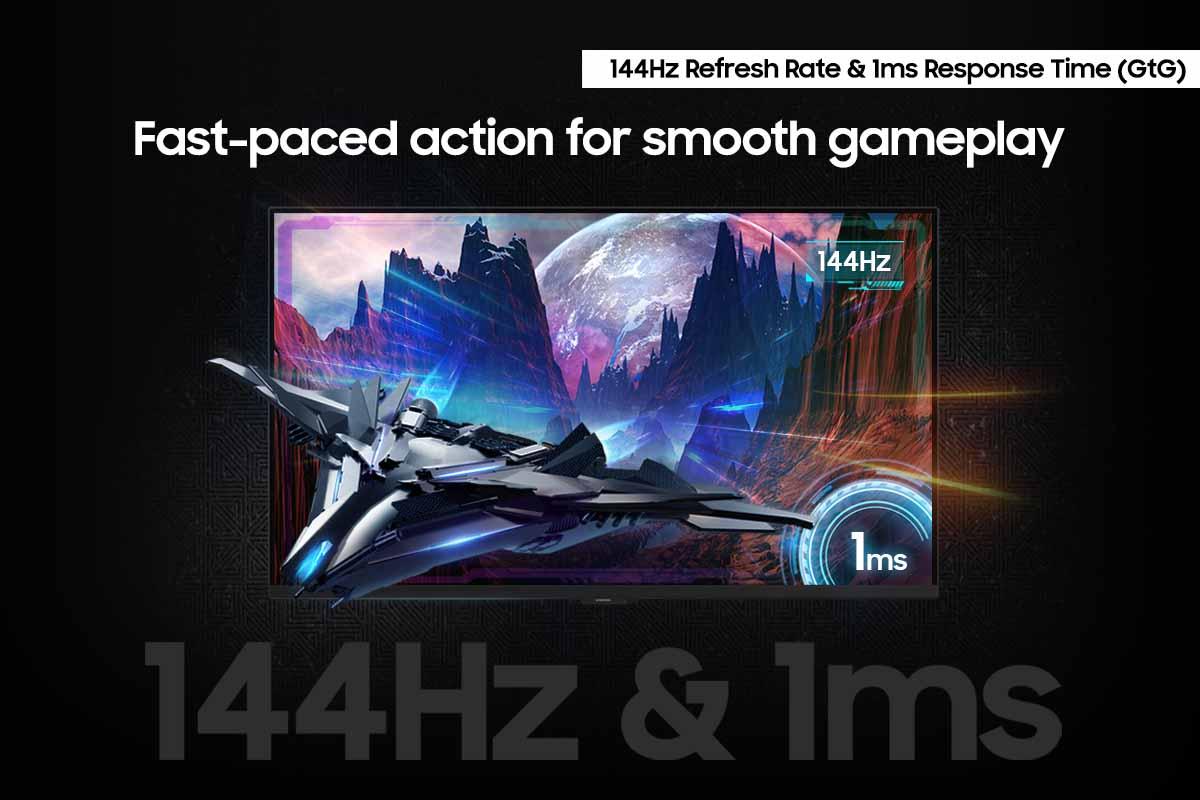
Both monitors deliver nearly identical core gaming performance with 144Hz refresh rates and 1ms response times. Response time measures how quickly pixels can change colors – lower is better for reducing motion blur in fast games. However, the marketing specs don't tell the whole story.
The Dough Spectrum One supports multiple adaptive sync technologies: AMD FreeSync Premium Pro, NVIDIA G-SYNC Compatible, and VESA Adaptive-Sync. Adaptive sync eliminates screen tearing (when the top and bottom of the screen show different frames) by synchronizing the monitor's refresh rate with your graphics card's output. Having multiple standards ensures compatibility regardless of your GPU choice.
Samsung's G70D focuses on AMD FreeSync Premium, which includes low framerate compensation – a feature that keeps gameplay smooth even when frame rates drop below the monitor's minimum refresh rate. While it also works with NVIDIA cards, the optimization isn't as thorough as with AMD GPUs.
For competitive gaming, both monitors excel. Input lag – the delay between pressing a button and seeing the result – measures around 4-5 milliseconds on both displays. That's essentially imperceptible and won't impact your performance in fast-paced games like Counter-Strike or Valorant.
Where Samsung pulls ahead is gaming-specific features. The Dynamic Black Equalizer automatically adjusts dark areas to reveal enemies hiding in shadows without overexposing bright areas. It's incredibly useful in games like Call of Duty or Apex Legends where spotting opponents quickly matters. The monitor also includes game picture modes optimized for different genres and an on-screen crosshair overlay for games that don't include one.
The Dough takes a different approach with pixel-perfect integer scaling and a 60Hz single-strobe mode. Integer scaling displays older games at exact multiples of their original resolution, keeping pixel art games crisp rather than blurry. The strobe mode reduces motion blur at 60Hz, which is perfect for retro gaming or console games that can't reach higher frame rates.
Here's where personal preference really matters. The Dough Spectrum One feels like a premium product from the moment you unbox it. The Gorilla Glass front panel and minimal bezels create a sleek, professional appearance that wouldn't look out of place in a design studio. The materials genuinely feel more expensive than typical monitor plastics.
However, Dough doesn't include a stand – it's VESA mount compatible and expects you to use your own mounting solution. This keeps costs down for users who already have monitor arms, but adds $100-200 to the total price if you need to buy a stand separately. The company's customer service history also raises concerns. While they've improved since their Eve days, response times can be slow, and firmware updates are infrequent.
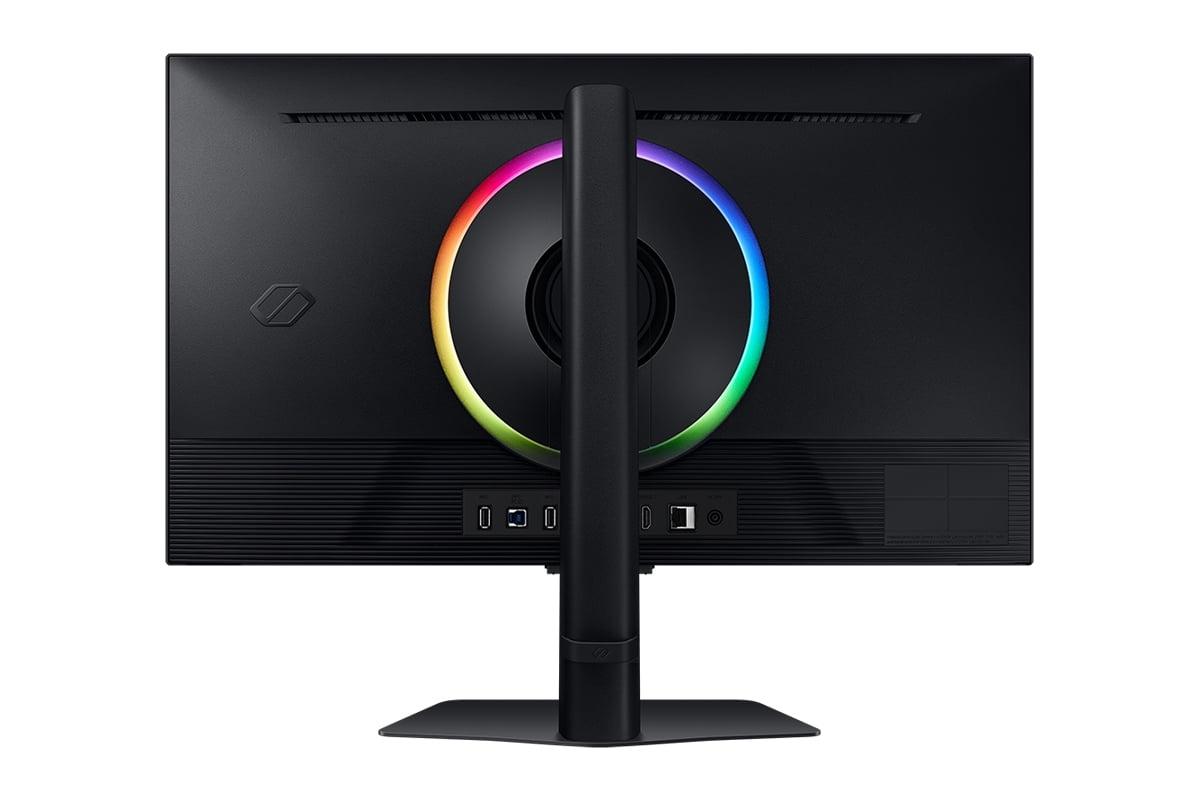
Samsung includes a full-featured stand with height, tilt, swivel, and pivot adjustments. The build quality is solid, if not spectacular. The plastic construction feels sturdy, and the matte finish resists fingerprints well. Samsung also includes CoreSync RGB lighting that projects colors onto your wall, creating ambient lighting that matches on-screen content. It's a nice touch that adds atmosphere for gaming sessions.
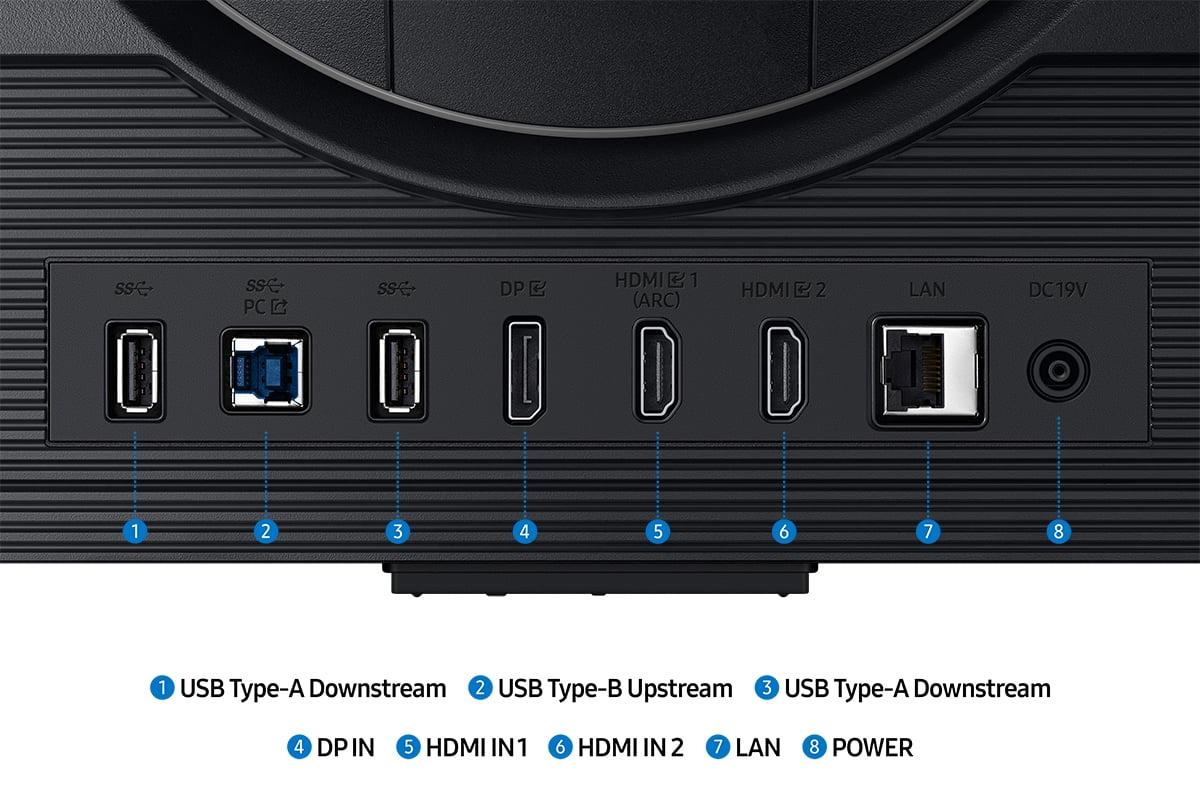
The connectivity story perfectly illustrates each monitor's target audience. The Dough Spectrum One includes a USB-C port with 100W power delivery, effectively turning it into a laptop docking station. You can connect a MacBook or gaming laptop with a single cable that provides video, data, and charging. The integrated USB 3.2 Gen 2 hub includes additional USB-A and USB-C ports for peripherals, plus a headphone jack.
This setup is incredibly convenient for content creators or professionals who work on laptops but want a large, color-accurate display. I've found USB-C docking especially useful when switching between a work laptop and gaming PC – it eliminates cable swapping entirely.
Samsung's G70D takes the entertainment approach with built-in smart TV functionality. The Gaming Hub provides access to Netflix, cloud gaming services like Xbox Game Pass Ultimate, and streaming platforms without connecting any external devices. It includes a remote control and supports Bluetooth audio for wireless headphones. You can literally use this as a small TV when you're not gaming.
The smart features work surprisingly well. Samsung's Tizen OS is responsive, and having cloud gaming access means you can play Xbox or GeForce Now games without owning a console or high-end PC. However, the built-in speakers are mediocre – you'll want external audio for serious gaming or movie watching.
Neither monitor is primarily designed for home theater use, but both can work in media setups with some caveats. The 27-inch size is really meant for desktop viewing distances of 2-3 feet. At typical TV viewing distances of 8-10 feet, you'd want at least a 40-inch display to get the same visual impact.
That said, if you're building a bedroom setup or small apartment entertainment center, both monitors offer advantages. The Dough Spectrum One provides exceptional image quality for movies and shows, especially with HDR600 support. The factory calibration means colors will look accurate without adjustment, which is crucial for content that was professionally color-graded.
The Samsung G70D is more practical for casual home theater use thanks to its smart TV features and included remote. You can access streaming apps directly without a separate streaming device, and the Bluetooth audio support lets you use wireless headphones for late-night viewing without disturbing others.
Both monitors support HDMI 2.1, enabling 4K 120Hz gaming from PlayStation 5 and Xbox Series X. However, neither includes built-in speakers worth using for movies – you'll want a soundbar or external speakers for decent audio.
At $899 plus the cost of a stand, the Dough Spectrum One is clearly the premium option. You're paying for exceptional factory calibration, Gorilla Glass durability, and USB-C docking convenience. For content creators, photographers, or anyone doing color-critical work, the superior calibration alone could justify the price difference. Professional monitor calibration services typically cost $200-300, making the Dough's factory calibration a genuine value.
The premium materials also provide long-term value. Gorilla Glass won't develop scratches or haze over time like plastic coatings can. If you plan to keep this monitor for 5+ years, the durability benefits become more significant.
Samsung's G70D at $699 represents excellent value for pure gaming performance. You get essentially the same 4K 144Hz gaming experience as the Dough, plus smart TV features and a complete stand, for $200 less. The gaming-specific features like Dynamic Black Equalizer provide practical benefits that many gamers will appreciate more than color accuracy.
For most users focused primarily on gaming, the Samsung delivers more useful features per dollar. The smart TV functionality adds versatility that extends the monitor's usefulness beyond gaming sessions.
Looking beyond marketing specifications reveals important performance differences. The Dough Spectrum One uses a Nano-IPS panel with quantum dot enhancement. This technology expands the color gamut – the range of colors the monitor can display – to 98% of DCI-P3, the professional cinema standard. Most content creators work in DCI-P3, making this monitor suitable for professional video editing and color grading.
The 16-zone local dimming works by dividing the backlight into separate zones that can dim independently. While 16 zones isn't many compared to high-end TVs with hundreds of zones, it's still more sophisticated than the Samsung's edge-lit design. In practice, you'll see better contrast in HDR content, though not dramatic improvements.
Samsung's approach emphasizes processing power over hardware complexity. The NQM AI Processor upscales lower-resolution content using machine learning algorithms. This feature particularly benefits console gaming, where many games render at lower resolutions and upscale to 4K. The AI upscaling can make these games look sharper than basic scaling methods.
The G70D's Game Mode processing also reduces input lag by bypassing unnecessary image processing. Combined with the monitor's gaming features, this creates a responsive experience optimized specifically for interactive content rather than passive viewing.
Your choice between these monitors should align with your primary use case and budget. The Dough Spectrum One excels if you need professional-grade color accuracy, premium build quality, and USB-C docking convenience. It's ideal for content creators, photographers, and professionals who also game. The exceptional factory calibration and Gorilla Glass justify the premium price for users who value these features.
The Samsung Odyssey G7 G70D provides better value for gaming-focused users who want versatile entertainment features. The smart TV functionality, comprehensive gaming tools, and included stand create a complete package that's hard to beat at $699. It's perfect for gamers who want a single display that handles gaming, streaming, and casual productivity.
Neither monitor is perfect. The Dough's glossy screen can be distracting in bright rooms, and the company's support history raises concerns. The Samsung's lower contrast ratio and basic calibration limit its appeal for color-critical work.
Ultimately, both monitors deliver excellent 4K 144Hz gaming performance. Your decision should focus on which additional features matter most to your specific setup and usage patterns. Consider the Dough for professional work with gaming capabilities, or the Samsung for gaming with entertainment versatility.
| Dough Spectrum One 27-Inch 4K 144Hz Gaming Monitor Gorilla Glass | Samsung 27" Odyssey G7 G70D 4K UHD IPS Gaming Monitor |
|---|---|
| Price - Major factor in value proposition | |
| $899 (stand sold separately, adding $100-200) | $699 (includes full ergonomic stand) |
| Panel Technology - Affects color accuracy and durability | |
| Nano-IPS with edge-to-edge Corning Gorilla Glass | Standard IPS with plastic front panel |
| Factory Calibration - Critical for color-accurate work | |
| Delta E ≤ 0.6 (professional-grade out of box) | Standard calibration (requires manual adjustment for accuracy) |
| Color Gamut Coverage - Important for content creation | |
| 98% DCI-P3, 100% sRGB (cinema-grade colors) | 99% sRGB (good for gaming, adequate for basic editing) |
| HDR Performance - Enhances gaming and media experience | |
| VESA DisplayHDR 600, 750 nits peak, 16-zone local dimming | VESA DisplayHDR 400, lower peak brightness, edge-lit |
| Adaptive Sync Compatibility - Reduces screen tearing | |
| AMD FreeSync Premium Pro, NVIDIA G-SYNC Compatible, VESA Adaptive-Sync | AMD FreeSync Premium (optimized for AMD GPUs) |
| USB-C Connectivity - Enables single-cable laptop setup | |
| USB-C with 100W power delivery and data hub | No USB-C (standard HDMI/DisplayPort only) |
| Smart Features - Adds entertainment versatility | |
| None (pure monitor functionality) | Gaming Hub with streaming apps, remote control, cloud gaming |
| Gaming-Specific Features - Enhances competitive play | |
| Pixel-perfect scaling, 60Hz strobe mode for retro gaming | Dynamic Black Equalizer, game modes, ultrawide simulation |
| Build Quality and Design - Affects longevity and aesthetics | |
| Premium materials, scratch-resistant glass, minimalist design | Solid plastic construction, RGB lighting, complete ergonomic stand |
| Target Audience - Who benefits most from each approach | |
| Content creators, professionals who game, premium material enthusiasts | Gamers wanting entertainment features, budget-conscious buyers seeking complete package |
Both the Dough Spectrum One and Samsung Odyssey G7 G70D deliver excellent 4K 144Hz gaming performance with 1ms response times. The Samsung edges ahead for pure gaming with features like Dynamic Black Equalizer and game-specific picture modes, while the Dough offers better HDR gaming with DisplayHDR 600 certification and superior color accuracy.
The Samsung Odyssey G7 G70D costs $699 and includes a full ergonomic stand. The Dough Spectrum One is priced at $899 but requires purchasing a separate stand for $100-200, making the total price difference around $300-400.
The Dough Spectrum One supports AMD FreeSync Premium Pro, NVIDIA G-SYNC Compatible, and VESA Adaptive-Sync, ensuring broad compatibility. The Samsung G70D focuses on AMD FreeSync Premium but also works with NVIDIA cards, though with less optimization.
The Dough Spectrum One significantly outperforms with factory calibration achieving Delta E ≤ 0.6 and 98% DCI-P3 color coverage, making it suitable for professional work. The Samsung G70D offers good colors for gaming but requires manual calibration for accurate color work.
The Dough Spectrum One features edge-to-edge Corning Gorilla Glass that provides scratch resistance, enhanced color vibrancy, and improved perceived contrast compared to standard plastic monitor coatings. However, the glossy surface can create reflections in bright rooms.
Yes, the Samsung G70D includes Gaming Hub with streaming apps like Netflix, cloud gaming services, and comes with a remote control. You can use it as a smart TV without connecting external devices, unlike the Dough Spectrum One which functions purely as a monitor.
Both monitors support 4K 120Hz gaming through HDMI 2.1 ports. The Samsung G70D offers better console integration with smart features and game-specific enhancements, while the Dough Spectrum One provides superior HDR performance for console games that support it.
Only the Dough Spectrum One offers USB-C connectivity with 100W power delivery, enabling single-cable laptop connection for video, data, and charging. The Samsung G70D requires separate cables for power and video when connecting laptops.
The Dough Spectrum One delivers superior HDR with DisplayHDR 600 certification, 750 nits peak brightness, and 16-zone local dimming. The Samsung G70D offers DisplayHDR 400 with lower brightness and basic edge lighting, making the Dough better for HDR content.
At 27 inches, both monitors are designed for desktop use rather than traditional home theater distances. However, the Samsung G70D works better for bedroom or small space entertainment with its smart TV features and remote control, while the Dough Spectrum One offers better image quality for close viewing.
The Samsung Odyssey G7 G70D at $699 provides excellent value with gaming features, smart TV functionality, and included stand. The Dough Spectrum One justifies its higher price with premium materials, professional calibration, and USB-C docking for users who need these specific features.
Choose the Dough Spectrum One for professional color work, premium build quality, USB-C docking, and superior HDR. Choose the Samsung G70D for gaming-focused features, smart TV functionality, better value, and a complete package with included stand.
We've done our best to create useful and informative comparisons to help you decide what product to buy. Our research uses advanced automated methods to create this comparison and perfection is not possible - please contact us for corrections or questions. These are the sites we've researched in the creation of this article: createdtech.com - pcgamesn.com - tomshardware.com - imore.com - bestbuy.com - youtube.com - youtube.com - newegg.com - 9to5mac.com - bhphotovideo.com - bhphotovideo.com - sears.com - bhphotovideo.com - bestbuy.com - petra.com - petra.com - bestbuy.com - microcenter.com - youtube.com - petra.com - bestbuy.com - typectechreviews.com - rtings.com - rtings.com - youtube.com - youtube.com - samsung.com - samsung.com - samsung.com - bhphotovideo.com - samsung.com - samsung.com - versus.com - abt.com - abt.com - bestbuy.com - bhphotovideo.com - youtube.com - abt.com

Privacy Policy
Terms and Conditions - Affiliate Policy
Home Security
© Copyright 2008-2026.
11816 Inwood Rd #1211, Dallas, TX 75244