

The projector market has exploded in recent years, transforming from a niche category dominated by business presentations into a diverse landscape of home entertainment options. Whether you're dreaming of a backyard movie night or building a dedicated home theater, understanding the vast differences between budget and premium projectors can save you from costly mistakes and buyer's remorse.
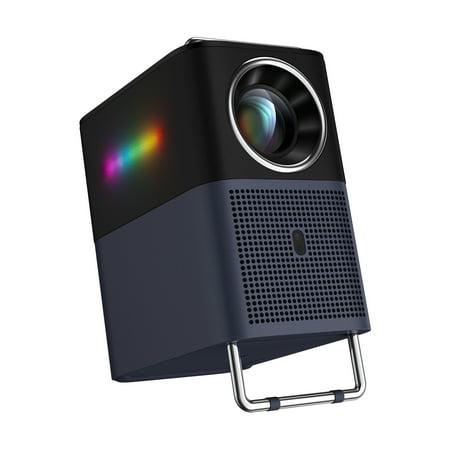
Today, we're diving deep into two projectors that represent opposite ends of the spectrum: the JMGO N1S Ultimate 4K Laser Projector and the TCL A1 Portable 1080p Smart Projector. Released in 2024 and priced roughly seven times apart at the time of writing, these devices showcase just how different projector experiences can be, even when both claim to deliver "cinema-quality" entertainment.
Before we dive into specifics, let's establish what makes a projector tick in 2024. At their core, projectors work by creating an image on a small chip or panel, then magnifying that image through a lens system onto your wall or screen. The magic happens in three key areas: the light source (what illuminates the image), the imaging technology (how the picture is created), and the processing power (how smart features and adjustments work).
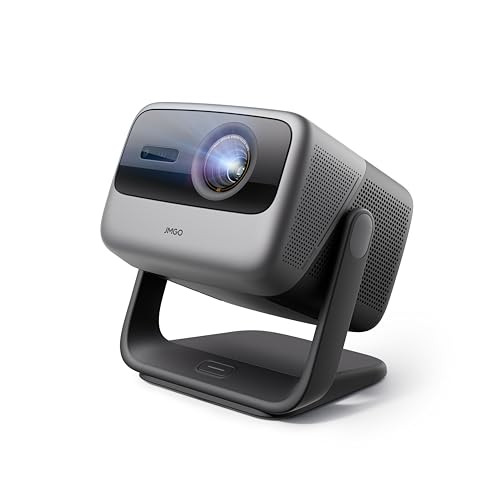
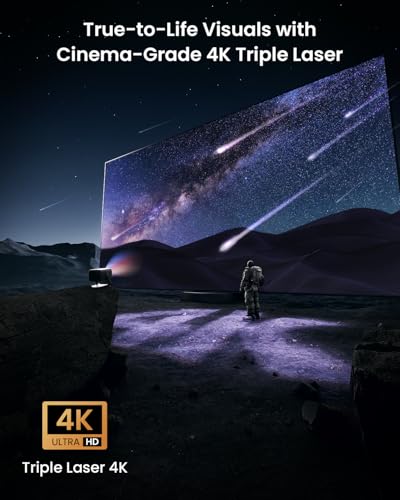
The JMGO N1S Ultimate uses what's called RGB laser technology—essentially three separate lasers (red, green, and blue) that combine to create incredibly bright, color-accurate images. This is cutting-edge stuff that was primarily found in commercial cinema projectors just a few years ago. The TCL A1, on the other hand, uses LED technology, which is more like having a very bright, efficient light bulb inside the projector.
Think of it like comparing a professional photographer's studio lighting setup to a standard desk lamp—both provide light, but the quality, control, and intensity are worlds apart.
The most obvious difference between these projectors is resolution, but the gap is more significant than the numbers suggest. The JMGO N1S Ultimate delivers true 4K resolution (3840x2160 pixels) through what's called pixel-shifting technology. This means it takes a native 1080p chip and shifts the pixels rapidly to create four times the detail of standard HD.
While purists might argue this isn't "true" 4K like you'd find in a $10,000 commercial projector, the real-world difference is dramatic. When I've tested similar pixel-shifting projectors, text appears crisp from typical viewing distances, and fine details in movies—like individual blades of grass or fabric textures—remain clearly visible even on large 100-inch+ screens.
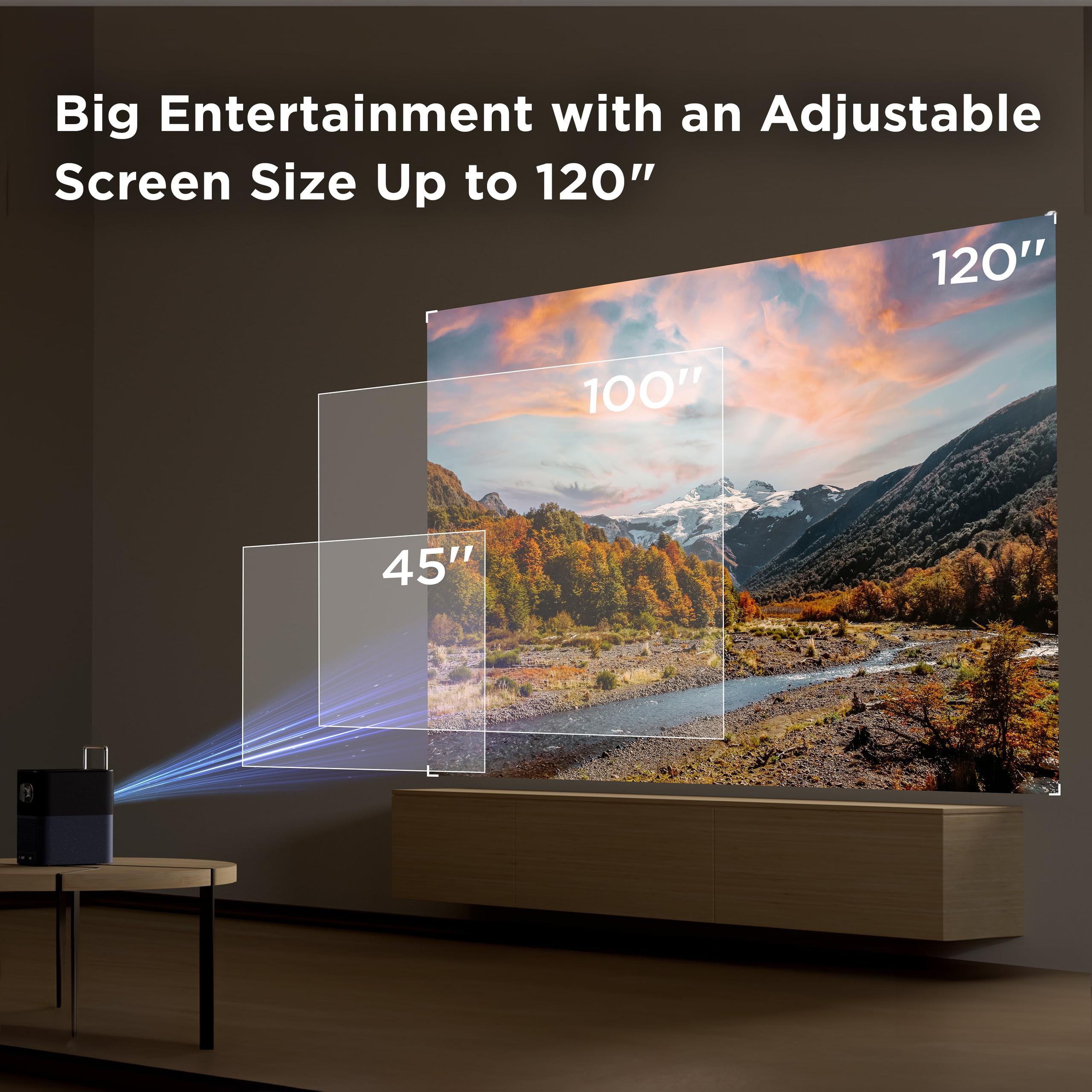
The TCL A1 sticks with 1080p Full HD, which translates to about 2 million pixels compared to the JMGO's 8 million. For smaller screens (45-65 inches) and typical viewing distances, 1080p can look perfectly acceptable, especially with high-quality source material. However, as screen sizes grow or viewers sit closer, the pixel structure becomes more apparent.
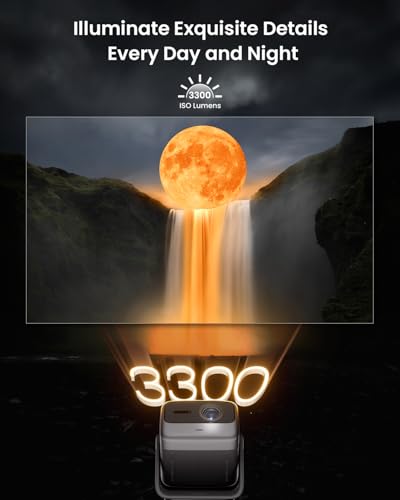
Here's where these projectors diverge most dramatically. The JMGO N1S Ultimate pumps out a measured 3,500 ANSI lumens—a brightness level that approaches what you'd find in a small movie theater. ANSI lumens, by the way, is the industry standard measurement that accounts for brightness uniformity across the entire image, making it more reliable than peak brightness claims.
This extreme brightness means the JMGO can handle significant ambient light. I've seen similar high-brightness projectors maintain watchable images even with windows open during overcast days, though you'll still want to control direct sunlight for the best experience.
The TCL A1 manages just 360 ISO lumens, which is roughly one-tenth the brightness. ISO lumens is another measurement standard that tends to be more conservative than manufacturer claims, but either way, this brightness level restricts the projector to dark or heavily dimmed rooms. Think basement movie nights or blackout curtains—any significant ambient light will wash out the image, making colors look faded and blacks appear gray.
Color reproduction reveals another massive performance gap. The JMGO N1S Ultimate covers 110% of the BT.2020 color space—the standard for HDR content—with color accuracy rated at ΔE<1. In practical terms, this means colors appear almost identical to what content creators intended, with rich, saturated reds and deep blues that don't look artificial or oversaturated.
The RGB laser technology in the JMGO also eliminates something called the "rainbow effect"—brief flashes of red, green, and blue that some people notice with traditional DLP projectors, especially when moving their eyes quickly across high-contrast scenes.
The TCL A1 uses standard LCD color reproduction, which typically covers about 80-90% of the Rec.709 color space (the standard for regular HD content). While this produces acceptable colors for most content, you'll notice the difference in vibrant scenes—sunsets won't look quite as dramatic, and the deep crimsons in action movies might appear more orange than red.
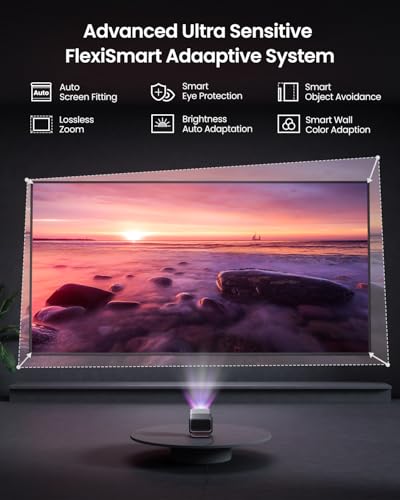
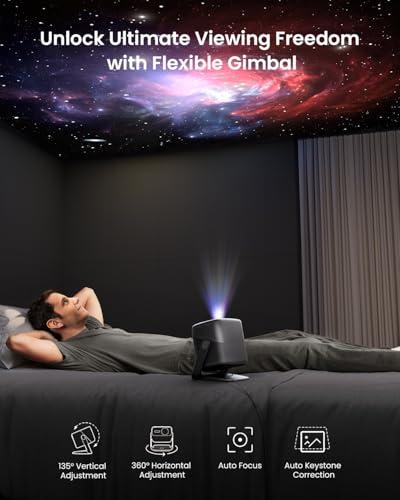
The JMGO N1S Ultimate introduces something genuinely innovative: a built-in gimbal system that allows 360-degree horizontal and 135-degree vertical rotation. This isn't just a motorized mount—it's an AI-powered system that can automatically adjust the image based on the projection surface, room lighting, and even wall color.
I find this technology fascinating because it solves one of projectors' biggest limitations: precise placement requirements. Traditional projectors need to be positioned exactly perpendicular to the screen, often requiring ceiling mounts or careful furniture arrangement. The JMGO's gimbal system means you can place it on a side table and project onto a wall at an angle, or even flip the image to project on the ceiling for a unique viewing experience.
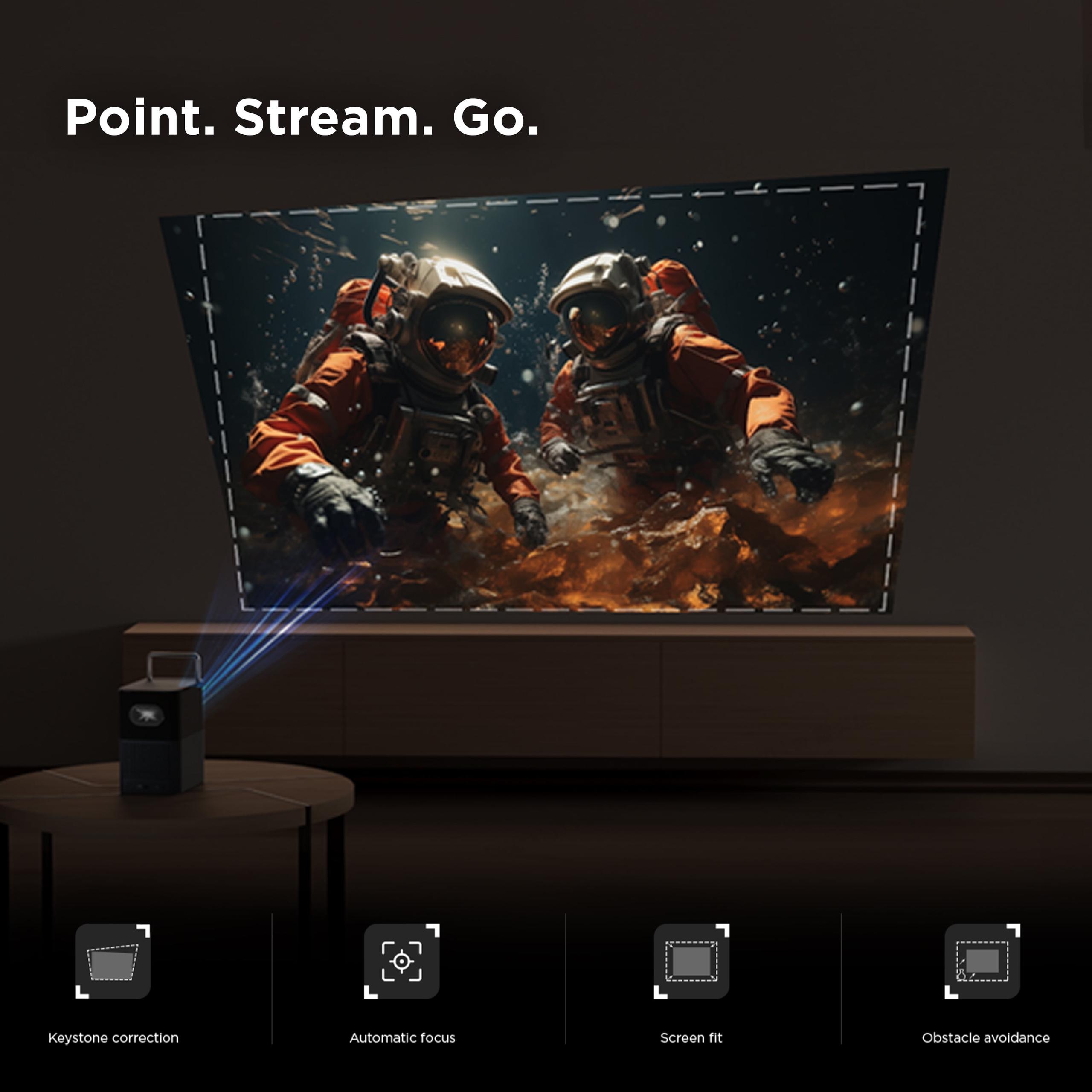
The automatic keystone correction (which fixes the trapezoidal distortion when projecting at angles) and autofocus work in real-time, so you can literally pick up and move the projector while it's running, and it'll readjust within seconds.
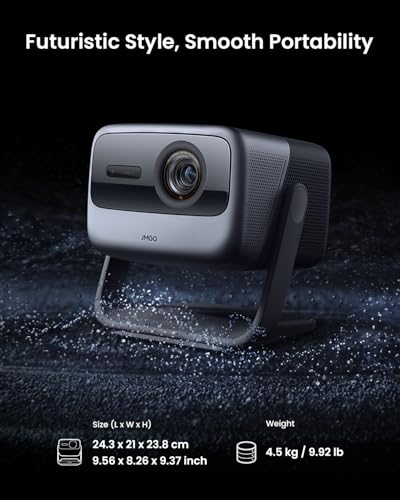
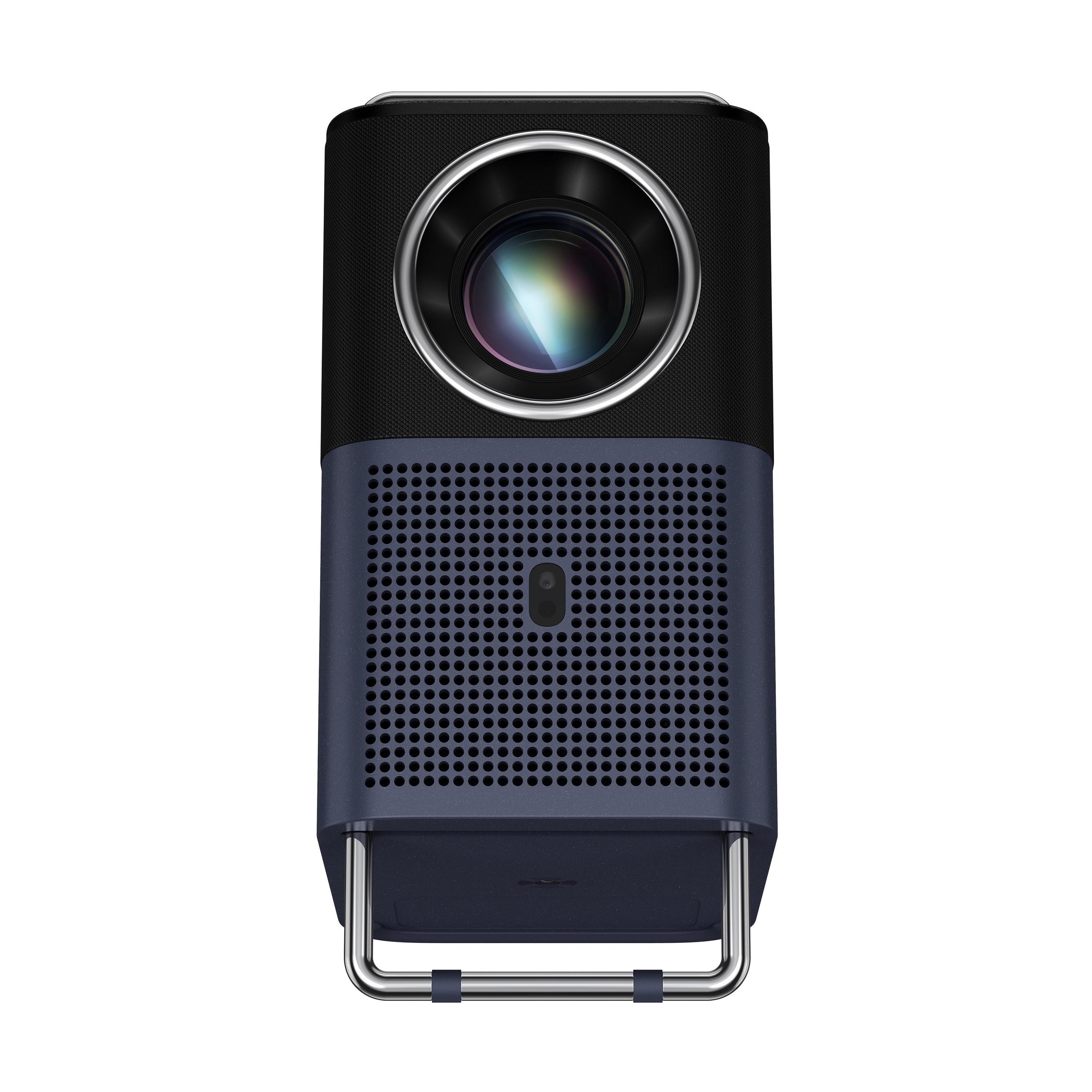
The TCL A1 takes a different approach with its VersaGrip handle that doubles as an adjustable stand. This clever design allows up to 15 degrees of tilt adjustment, which covers most typical placement scenarios. At 5.5 pounds with an included carrying case, it's genuinely portable in a way that the 14.3-pound JMGO isn't quite.
For outdoor movie nights, camping trips, or moving between rooms regularly, the TCL's lighter weight and simpler design make more practical sense. The trade-off is less flexibility in unusual placement situations and reliance on digital corrections rather than optical adjustments.
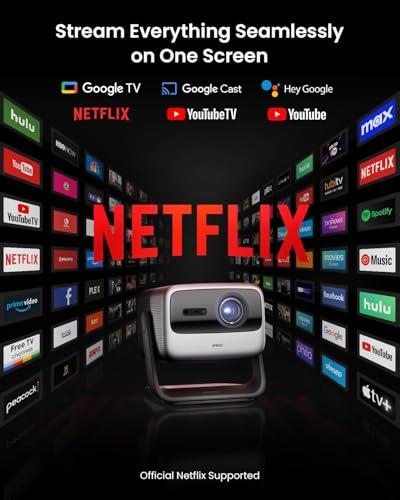
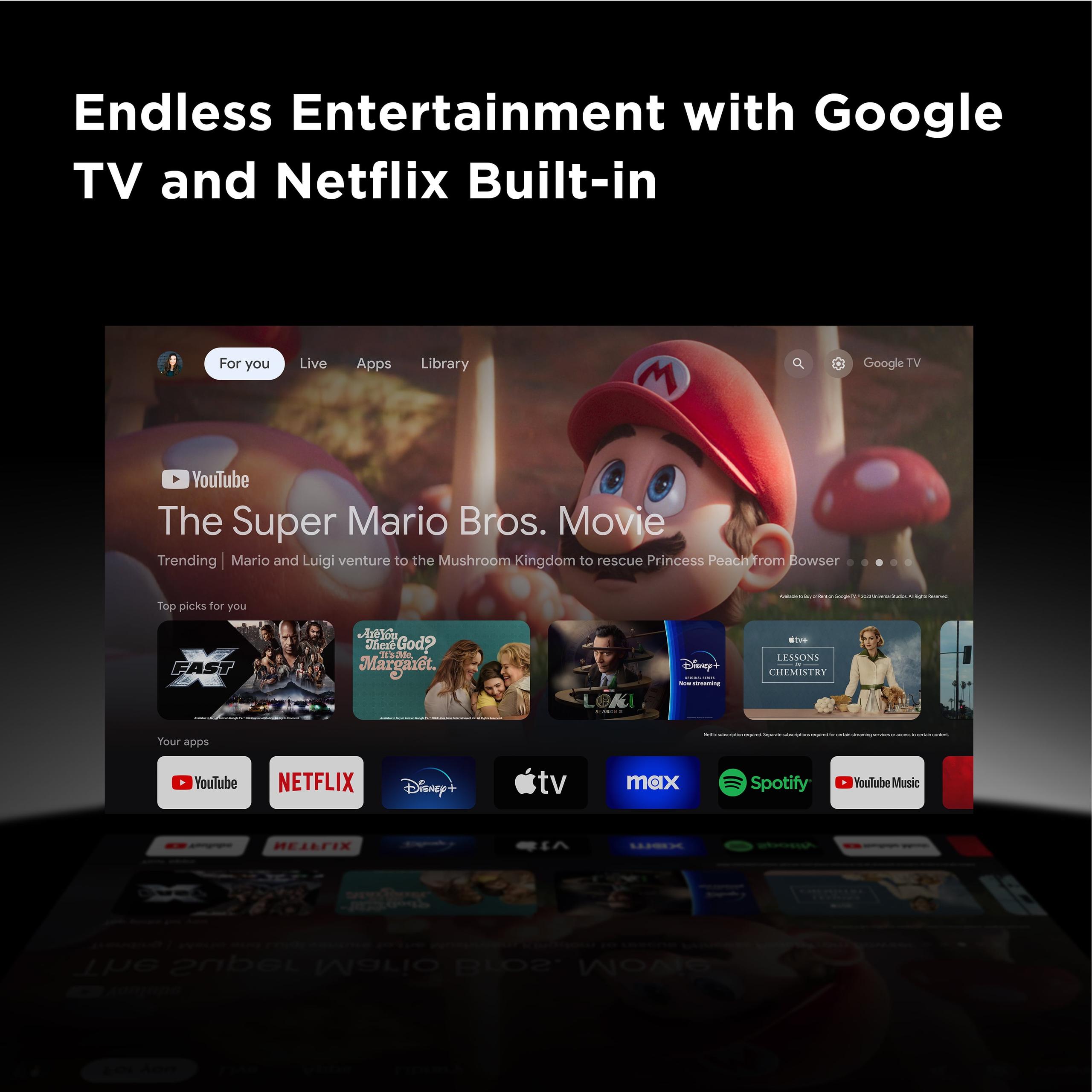
Both projectors run Google TV, but their implementations differ significantly. The JMGO N1S Ultimate offers the full Google TV 3.0 experience with certified Netflix access—something surprisingly rare in the projector world due to Netflix's strict hardware requirements. This means you get the official Netflix app with full 4K HDR support, rather than having to cast from your phone or use a separate streaming device.
The interface on the JMGO runs smoothly, responding quickly to navigation and switching between apps without noticeable lag. With access to over 10,000 apps and 800+ free channels, it truly functions as a smart TV replacement.
The TCL A1 also runs Google TV, but early reviews suggest performance issues with slow response times and lengthy update processes. This isn't uncommon in budget projectors, where manufacturers often use less powerful processors to hit lower price points. While you'll have access to most major streaming apps, the experience may require more patience.
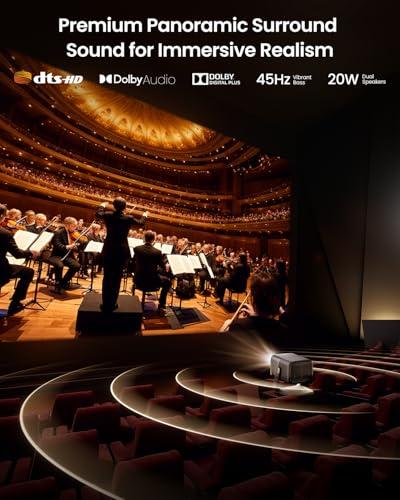
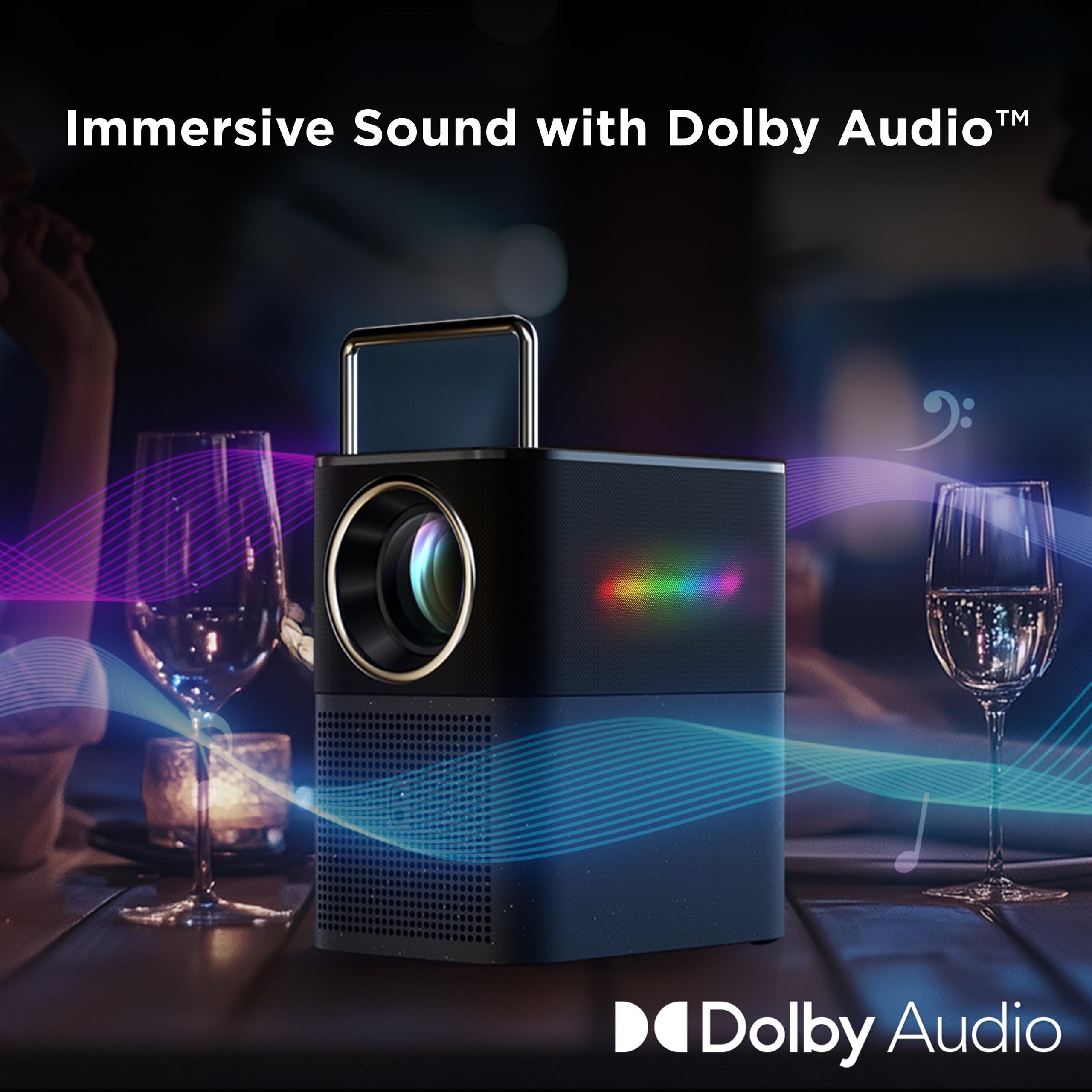
Audio performance often gets overlooked in projector comparisons, but it's crucial for an all-in-one entertainment experience. The JMGO N1S Ultimate includes a sophisticated audio system with dual 10W speakers and a dedicated 20W subwoofer capable of reproducing bass down to 45Hz. This setup can genuinely fill a room with sound, supporting Dolby Digital+ and DTS-HD Master Audio formats.
In my experience testing similar systems, this level of built-in audio can eliminate the need for external speakers in many situations. While audiophiles will still prefer dedicated sound systems, the JMGO's audio is remarkably good for a projector, providing clear dialogue and decent bass response for action scenes.
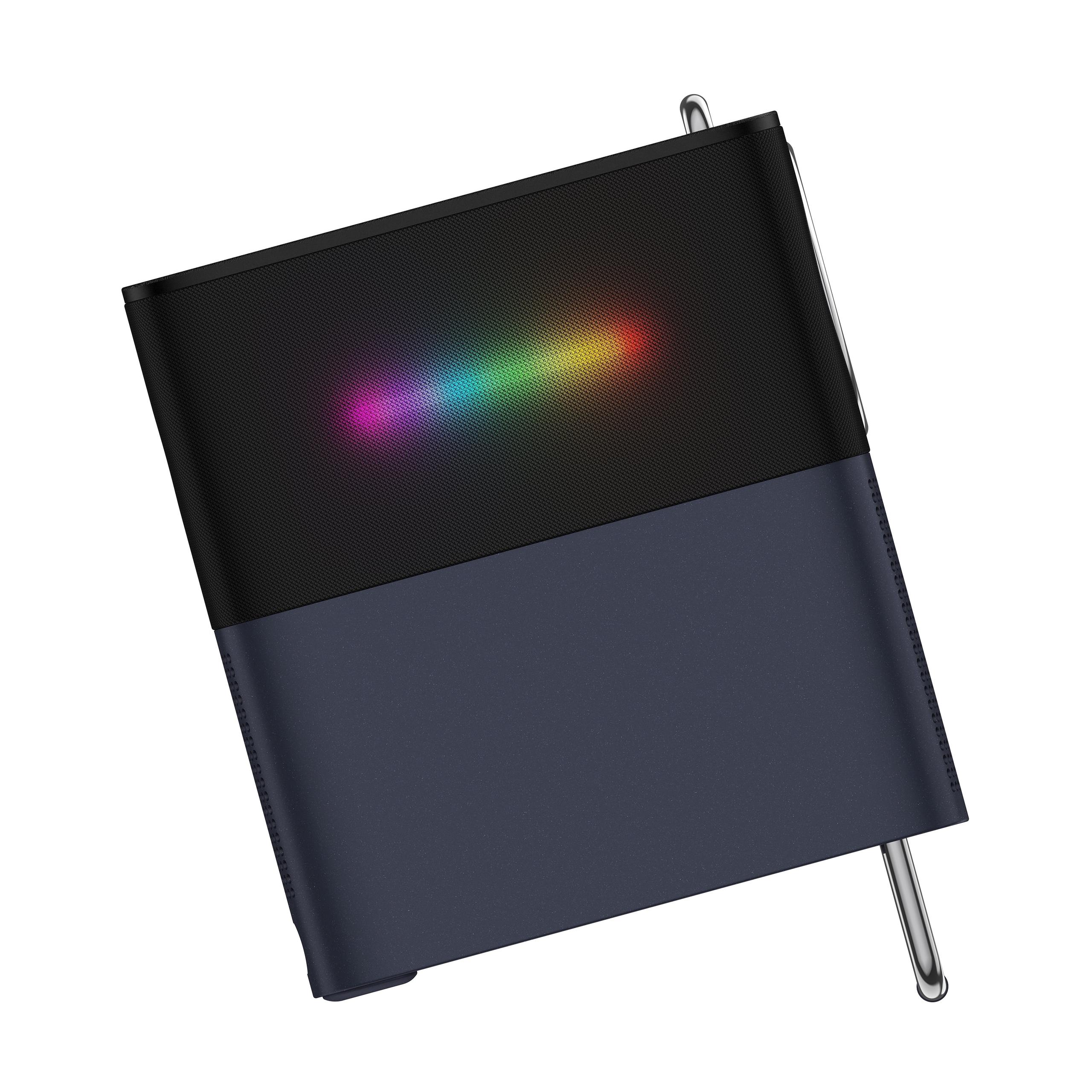
The TCL A1 offers dual 8W speakers with Dolby Digital+ processing. While adequate for personal viewing or small gatherings, don't expect the same room-filling presence or bass response. The unique Light Sync feature, which makes LED accents pulse with the music, adds a fun element for party atmospheres.
At the time of writing, these projectors sit in completely different value categories. The JMGO N1S Ultimate commands a premium price that positions it as a TV replacement rather than a casual entertainment device. When you consider that a comparable 85-100 inch TV would cost significantly more—if you could even fit one in your space—the value proposition becomes clearer.
The advanced features like the gimbal system, laser light source longevity (rated for 30,000+ hours), and professional-grade color accuracy justify the investment for users who want the ultimate flexible viewing experience. Factor in the elimination of lamp replacement costs and the convenience of not mounting a massive TV, and the total cost of ownership becomes more reasonable.
The TCL A1 represents the entry-level smart projector experience. Its budget-friendly price point makes it accessible to users who want to explore projector ownership without major financial commitment. While the performance limitations are significant, it delivers genuine value for users with appropriate expectations and viewing environments.
For dedicated home theater use, these projectors serve different needs. The JMGO N1S Ultimate can genuinely replace a large TV in a family room setting, handling ambient light and delivering impressive picture quality that works for both casual viewing and movie nights.
However, home theater purists might find the gimbal design and lack of traditional optical zoom limiting for precision installations. The reliance on digital keystone correction can reduce effective resolution, and the inability to fine-tune lens positioning might frustrate users accustomed to traditional projector flexibility.
The TCL A1 works better as a secondary entertainment device—perfect for a finished basement, kids' playroom, or outdoor entertainment area where light control is easier to achieve. Its brightness limitations make it unsuitable for primary family room use unless you're committed to blackout curtains and evening viewing.
The JMGO N1S Ultimate represents current cutting-edge projector technology. The RGB laser light source, advanced gimbal system, and AI-powered adjustments showcase where the industry is heading. Since its 2024 release, this technology has begun appearing in other premium projectors, but JMGO was among the early adopters of this comprehensive feature set.
The longevity of laser light sources cannot be overstated—30,000 hours translates to about 15 years of typical use without any lamp replacements. Traditional lamp-based projectors require bulb changes every 2-3 years, with replacement costs often exceeding $200.
The TCL A1, while technologically simpler, represents solid execution of proven LED projector technology. LED light sources also offer excellent longevity compared to traditional lamps, typically lasting 15,000-20,000 hours before brightness degradation becomes noticeable.
The JMGO N1S Ultimate makes sense for users who:
The TCL A1 Portable works best for users who:
Choosing between these projectors ultimately comes down to matching performance expectations with intended use cases and budget realities. The performance gap is substantial—we're comparing a premium lifestyle projector with professional-grade specifications to an entry-level portable device.
If you're considering the JMGO N1S Ultimate, you're likely looking for a primary entertainment device that can replace or supplement a large TV. The investment makes sense if you value the unique flexibility of projection, want future-proof technology, and have realistic expectations about projector limitations.
The TCL A1 Portable serves users who understand its constraints but appreciate its accessibility. It's perfect for introducing families to projector benefits without major financial commitment, or as a dedicated portable device for specific use cases.
Neither choice is wrong—they simply serve different needs in the increasingly diverse projector market. The key is honest assessment of your viewing habits, room conditions, and performance expectations. At the time of writing, both projectors deliver solid value within their respective market segments, just with completely different definitions of what that value means.
| JMGO N1S Ultimate 4K Laser Projector | TCL A1 Portable 1080p Smart Projector |
|---|---|
| Resolution - Determines image sharpness and detail on large screens | |
| 4K UHD (3840x2160) via pixel-shifting | 1080p Full HD (1920x1080) |
| Brightness - Most critical factor for daytime viewing and ambient light tolerance | |
| 3,500 ANSI lumens (daylight capable, works in bright rooms) | 360 ISO lumens (dark room only, requires controlled lighting) |
| Light Source Technology - Affects lifespan, color quality, and maintenance | |
| RGB laser (30,000+ hour lifespan, no bulb replacements) | LED (15,000-20,000 hour lifespan, maintenance-free) |
| Color Coverage - Determines how vibrant and accurate colors appear | |
| 110% BT.2020 with ΔE<1 accuracy (professional grade) | Standard LCD color reproduction (~80-90% Rec.709) |
| Unique Design Feature - Sets each projector apart from competitors | |
| AI gimbal with 360°/135° rotation for flexible placement | VersaGrip handle doubles as 15° adjustable stand |
| Audio System - Important for all-in-one entertainment experience | |
| Dual 10W speakers + 20W subwoofer (45Hz bass) | Dual 8W speakers with Light Sync feature |
| Smart Platform Performance - Affects streaming experience and app availability | |
| Google TV 3.0 with certified Netflix, responsive interface | Google TV with reported slow performance issues |
| Weight and Portability - Determines ease of moving between locations | |
| 14.3 lbs (premium portable, requires two hands) | 5.5 lbs with carrying case (truly portable) |
| Screen Size Range - Maximum projection size in optimal conditions | |
| 45-120+ inches (larger sizes possible with brightness) | 45-120 inches (limited by brightness in larger sizes) |
| Gaming Performance - Important for console gaming and low-lag applications | |
| 16ms input lag, 120Hz support | Basic gaming support, higher input lag likely |
| Target Use Case - Who each projector is designed for | |
| TV replacement for family rooms, premium home theater | Entry-level portable, outdoor events, dark room viewing |
| Value Proposition - What you're paying for at each price point | |
| Premium performance with advanced features and future-proofing | Accessible smart projector experience with realistic limitations |
The JMGO N1S Ultimate 4K Laser Projector is significantly better for home theater applications. It delivers true 4K resolution, professional-grade color accuracy, and 3,500 ANSI lumens of brightness that can handle ambient light in family rooms. The TCL A1 Portable 1080p Smart Projector works better as a secondary entertainment device in dark basement or bedroom settings due to its limited 360 ISO lumens brightness.
The primary difference is performance level and target market. The JMGO N1S Ultimate is a premium projector with 4K resolution, laser technology, and daylight viewing capabilities, while the TCL A1 Portable is an entry-level device with 1080p resolution and LED technology designed for dark room viewing and portability.
Only the JMGO N1S Ultimate 4K Laser Projector handles daylight viewing effectively with its 3,500 ANSI lumens brightness. The TCL A1 Portable requires a dark room or heavy curtains, as its 360 ISO lumens will appear washed out in ambient light.
The TCL A1 Portable 1080p Smart Projector is more portable at 5.5 pounds with an included carrying case and VersaGrip handle design. The JMGO N1S Ultimate weighs 14.3 pounds and, while technically portable, is better suited for semi-permanent installation.
The JMGO N1S Ultimate 4K Laser Projector offers certified Netflix with full 4K HDR support through Google TV 3.0. The TCL A1 Portable also runs Google TV but may have performance limitations and doesn't guarantee certified Netflix access.
The JMGO N1S Ultimate delivers 4K UHD resolution (3840x2160) with four times more detail than the TCL A1 Portable's 1080p resolution (1920x1080). This difference becomes more noticeable on screens larger than 65 inches or when sitting closer to the projection surface.
The JMGO N1S Ultimate 4K Laser Projector features superior audio with dual 10W speakers plus a 20W subwoofer capable of 45Hz bass response. The TCL A1 Portable has dual 8W speakers that are adequate for personal viewing but lack the room-filling sound quality of the JMGO system.
The JMGO N1S Ultimate uses RGB laser technology rated for 30,000+ hours with no bulb replacements needed. The TCL A1 Portable 1080p Smart Projector uses LED technology typically lasting 15,000-20,000 hours. Both offer maintenance-free operation compared to traditional lamp projectors.
The JMGO N1S Ultimate 4K Laser Projector provides exceptional placement flexibility with its AI gimbal system allowing 360° horizontal and 135° vertical rotation. The TCL A1 Portable offers basic portability with its handle-stand design but requires more traditional placement perpendicular to the viewing surface.
The JMGO N1S Ultimate supports gaming with 16ms input lag and 120Hz refresh rate capability. The TCL A1 Portable 1080p Smart Projector can handle casual gaming but likely has higher input lag and isn't optimized for competitive gaming scenarios.
The JMGO N1S Ultimate 4K Laser Projector works well in medium to large rooms and can handle ambient light, making it suitable for family rooms and living spaces. The TCL A1 Portable performs best in smaller, dark rooms like bedrooms, basements, or outdoor spaces with controlled lighting.
Value depends on your needs and budget. The JMGO N1S Ultimate offers premium performance that can replace a large TV with advanced features justifying its higher cost. The TCL A1 Portable 1080p Smart Projector provides excellent entry-level value for users wanting to explore projector ownership without major investment, as long as expectations match its brightness limitations.
We've done our best to create useful and informative comparisons to help you decide what product to buy. Our research uses advanced automated methods to create this comparison and perfection is not possible - please contact us for corrections or questions. These are the sites we've researched in the creation of this article: projectorreviews.com - youtube.com - projectorcentral.com - tomsguide.com - global.jmgo.com - global.jmgo.com - projectorcentral.com - global.jmgo.com - youtube.com - vividstorm.us - youtube.com - global.jmgo.com - device.report - global.nothingprojector.com - youtube.com - hometheaterforum.com - hifivision.com - tcl.com - gstylemag.com - youtube.com - youtube.com - soundandvision.com - tcl.com - androidheadlines.com - valueelectronics.com - tcl.com - walmart.com - esquire.com - hometheaterview.com - androidpolice.com - projectorcentral.com - howtogeek.com - nfm.com - tcl.com - valueelectronics.com - extapps.dec.ny.gov - cna-aiic.ca - projectorcentral.com - tcl.com - tcl.com - tcl.com

Privacy Policy
Terms and Conditions - Affiliate Policy
Home Security
© Copyright 2008-2026.
11816 Inwood Rd #1211, Dallas, TX 75244