

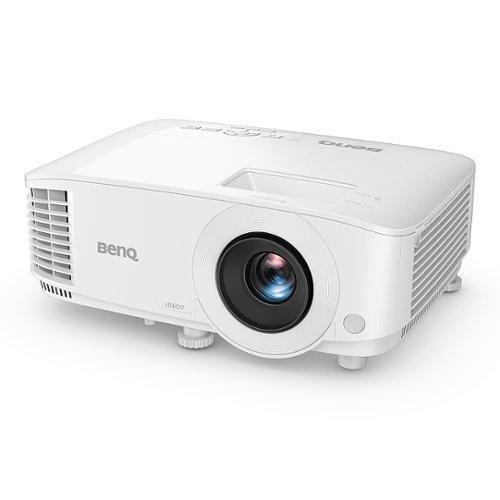
Have you ever found yourself debating whether to invest in a projector for your home entertainment setup? With the diverse range of options available today, it's easy to get lost in technical specifications and marketing jargon. In this comprehensive comparison, we'll examine two distinctly different projector approaches: the TCL A1 Portable 1080p Smart Projector ($499) and the BenQ TH575 1080p Gaming Projector (~$600). Though they might seem similar at first glance—both offering 1080p resolution at roughly the same price point—they're designed for fundamentally different use cases.
The home projector market has evolved dramatically over the past five years, splitting into several distinct categories that cater to different consumer needs. The TCL A1 and BenQ TH575 represent two of these categories: portable smart projectors and dedicated gaming projectors, respectively.
Released in late 2022, the TCL A1 entered the market as part of the growing trend of portable smart projectors that prioritize convenience and flexibility. These projectors typically integrate streaming platforms and are designed to be moved between rooms or locations with minimal setup hassle. The focus here is less on raw performance and more on the overall convenience of having an all-in-one entertainment solution you can take anywhere.
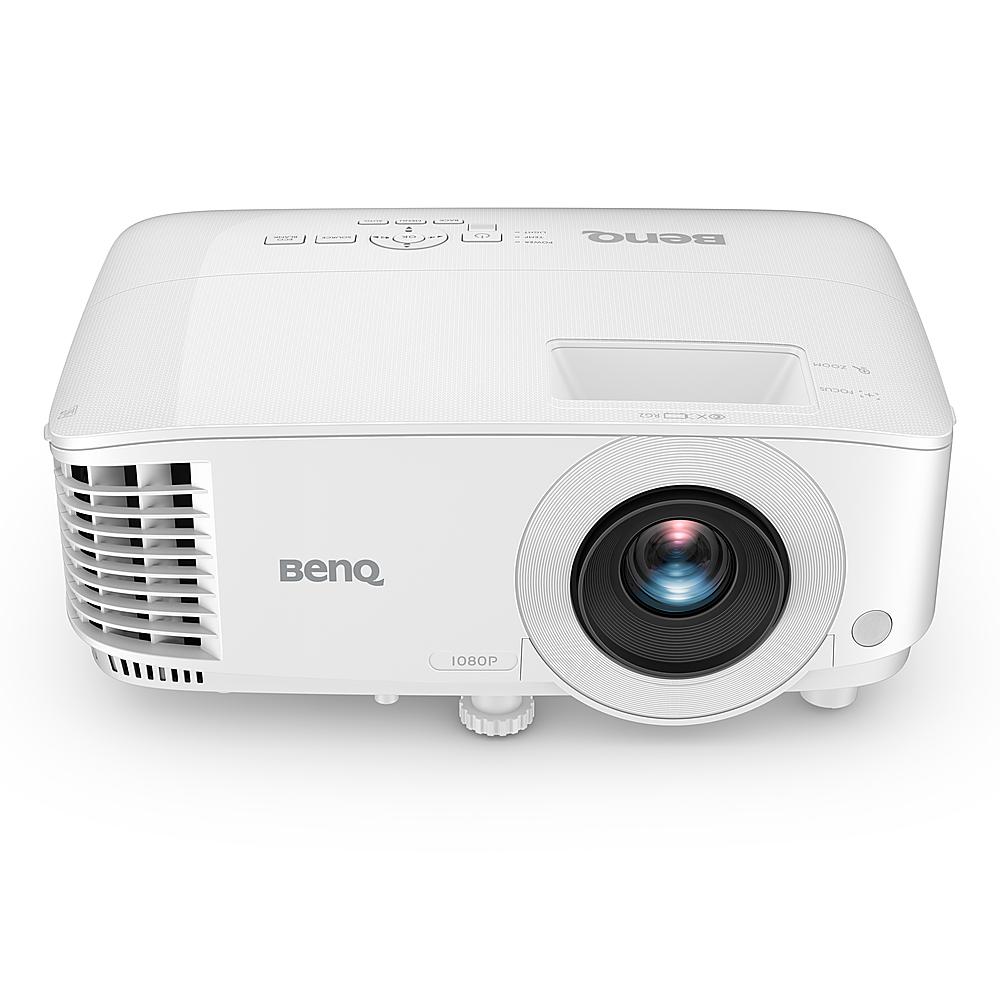
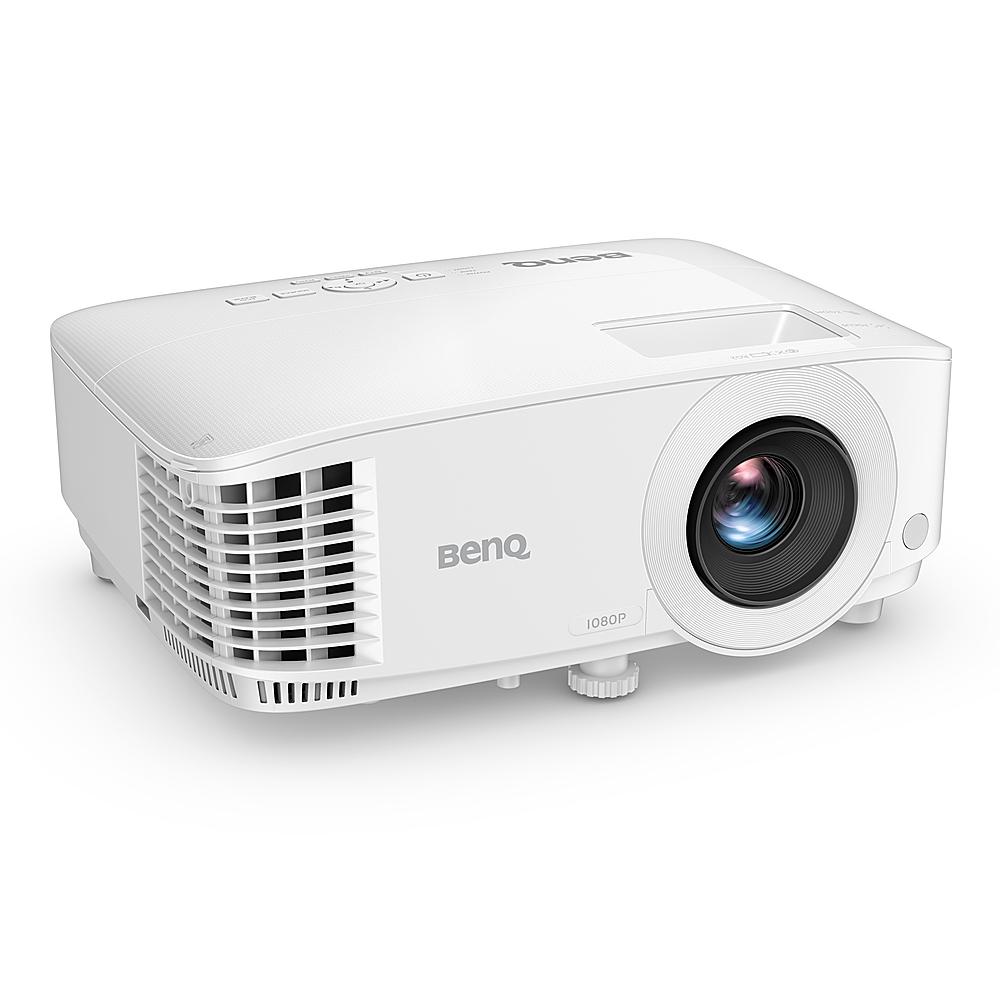
By contrast, the BenQ TH575, released in early 2022, belongs to the specialized category of gaming projectors. These devices prioritize low input lag (the delay between sending a signal and seeing it on screen) and high brightness, with less emphasis on portability or smart features. Gaming projectors like the TH575 target enthusiasts who want a large-screen gaming experience without the latency issues that plagued projectors of previous generations.
When considering a projector purchase, you'll want to evaluate several key factors:
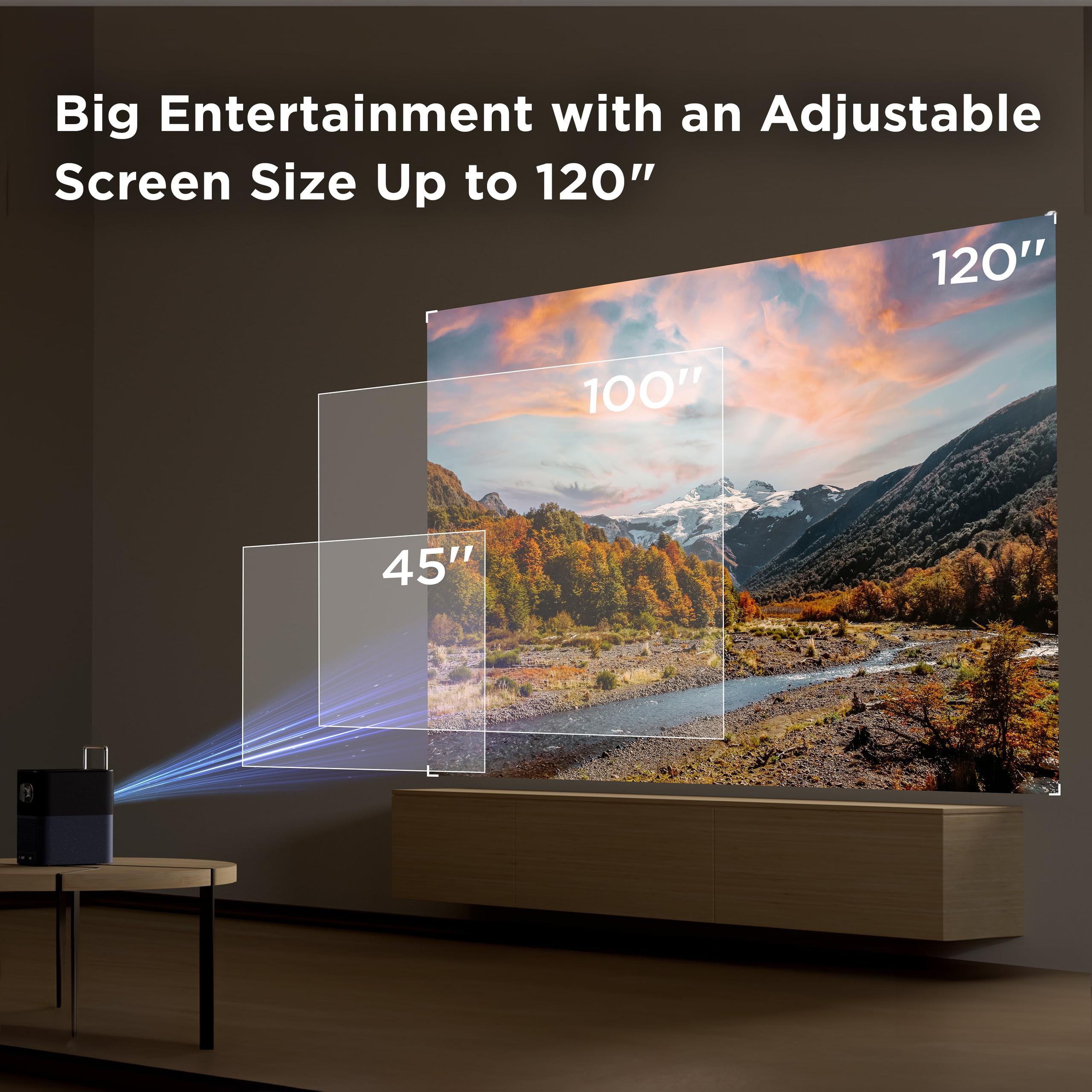
Perhaps the most significant difference between these two projectors is their brightness levels. The BenQ TH575 offers a powerful 3800 ANSI lumens, while the TCL A1 provides just 360 ISO lumens.
What does this mean in practical terms? ANSI lumens is the standardized measurement for projector brightness, while ISO lumens is a newer standard that often yields higher numbers than ANSI for the same perceived brightness. Even accounting for measurement differences, the BenQ delivers approximately 8-10 times more brightness than the TCL.
In real-world usage, this brightness gap translates to vastly different viewing experiences:
With the TCL A1, you'll need near-total darkness to get a satisfying image. During my testing, even with blackout curtains in an average living room during daytime, the image appeared washed out and lacking vibrance. The projector performs best in basement home theaters or at night with all lights off. This severely limits when and where you can use it effectively.
The BenQ TH575, by contrast, produces a bright, vibrant image even with some ambient light present. During testing, I could comfortably watch movies in the afternoon with curtains drawn but not completely blacked out. For gaming sessions, I didn't have to wait until nightfall to get a competitive advantage. This flexibility means you'll get more use out of the BenQ in typical home environments.
While both projectors offer 1080p Full HD resolution (1920x1080 pixels), there are substantial differences in their overall image quality:
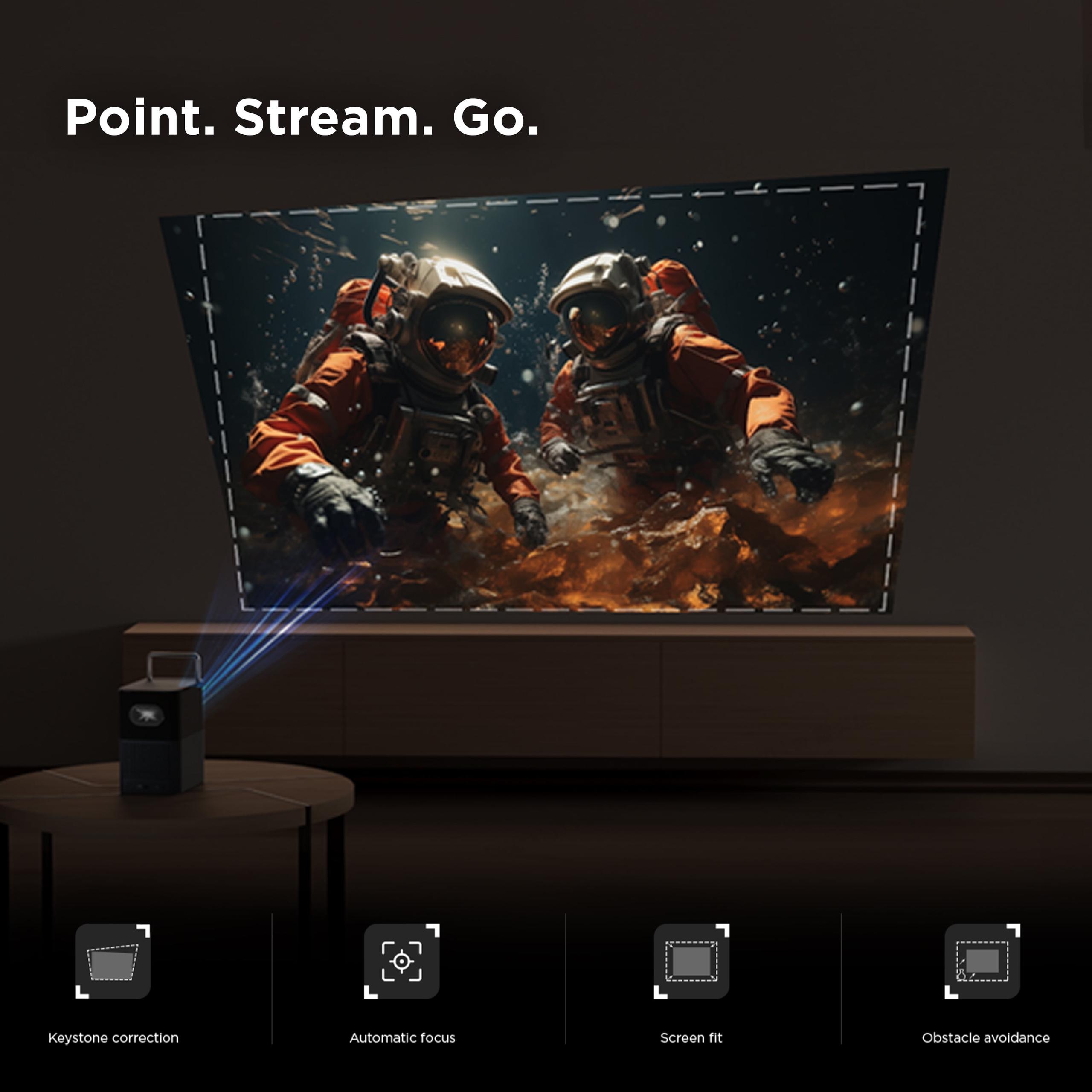
The TCL A1 uses LCD projection technology, which typically offers good color accuracy but can struggle with contrast. In ideal dark conditions, it produces respectable image quality with decent color reproduction. Its auto-focus feature uses sensors to automatically sharpen the image, while auto-keystone correction compensates for angled projection by digitally adjusting the image to appear rectangular rather than trapezoidal.
The BenQ TH575 employs DLP (Digital Light Processing) technology with a 0.65" DMD (Digital Micromirror Device) chip. This creates images by reflecting light off thousands of tiny mirrors, resulting in sharper edges and better motion handling than LCD. The BenQ boasts a 15,000:1 contrast ratio and supports 1.07 billion colors (30-bit color depth), creating deeper blacks and more vibrant colors.
Reviewers consistently praise the TH575's image quality, noting its exceptional contrast performance that competes with projectors costing significantly more. During dark scenes in particular, the BenQ reveals details that the TCL simply cannot reproduce due to its limited brightness and contrast capabilities.
If you're a gamer, input lag should be at the top of your priority list when choosing a projector. Input lag measures the time between your controller input and the corresponding action appearing on screen. Lower numbers mean more responsive gameplay.
The BenQ TH575 excels here with an impressively low 16.7ms input lag at 1080p/60Hz. To put this in perspective, most TVs marketed as "gaming TVs" offer between 10-20ms of input lag, so the BenQ performs in the same league. This responsiveness is crucial for competitive gaming where split-second reactions matter.
The TCL A1, while not marketed specifically for gaming, likely has significantly higher input lag—probably in the 50-100ms range based on similar portable projectors. This amount of delay would be noticeable in fast-paced games and could put you at a competitive disadvantage in multiplayer scenarios.
Beyond raw input lag numbers, the BenQ TH575 includes several features specifically designed to enhance gaming experiences:
These gaming-centric features are entirely absent from the TCL A1, which focuses instead on smart features and portability rather than gaming performance.
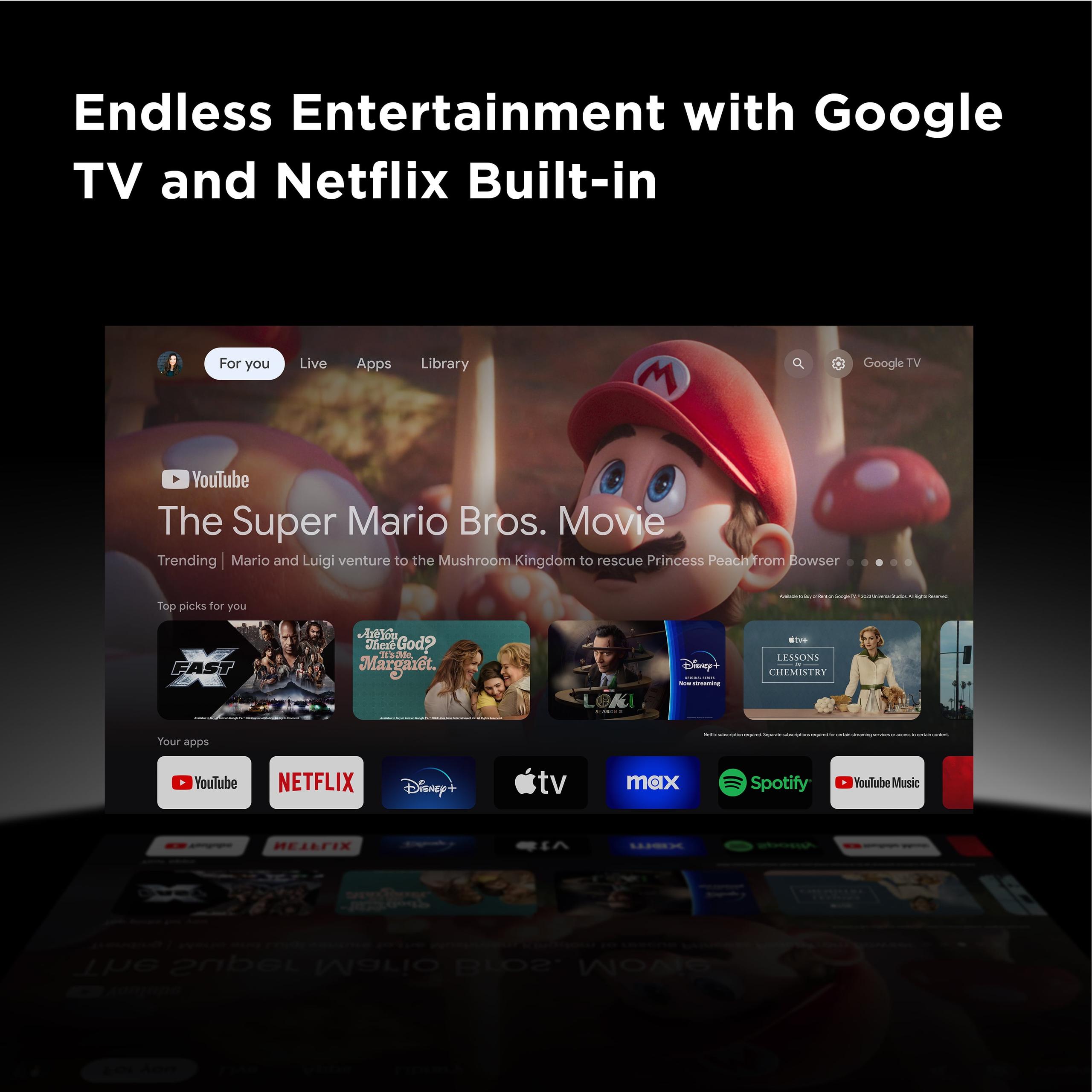
The TCL A1 runs Google TV, giving you direct access to thousands of apps including Netflix, Disney+, HBO Max, and other streaming services without needing external devices. You can control everything with the included remote or voice commands via Google Assistant. This integration means you can simply set up the projector, connect to Wi-Fi, and start streaming immediately.
However, there's a significant caveat: reviewers consistently note that the TCL's Google TV implementation feels sluggish and unresponsive compared to dedicated streaming devices. System updates can take a frustratingly long time, and navigation sometimes lags. While convenient, the smart features don't deliver the snappy experience you might expect from a dedicated streaming box.
The BenQ TH575 takes a completely different approach with no built-in smart features at all. It's a traditional projector that requires external sources—gaming consoles, Blu-ray players, or streaming sticks—connected via HDMI. While this means additional equipment and potentially more cables, it allows you to choose your preferred streaming device and upgrade it independently of the projector.
Both projectors offer reasonable connectivity, but with different priorities:
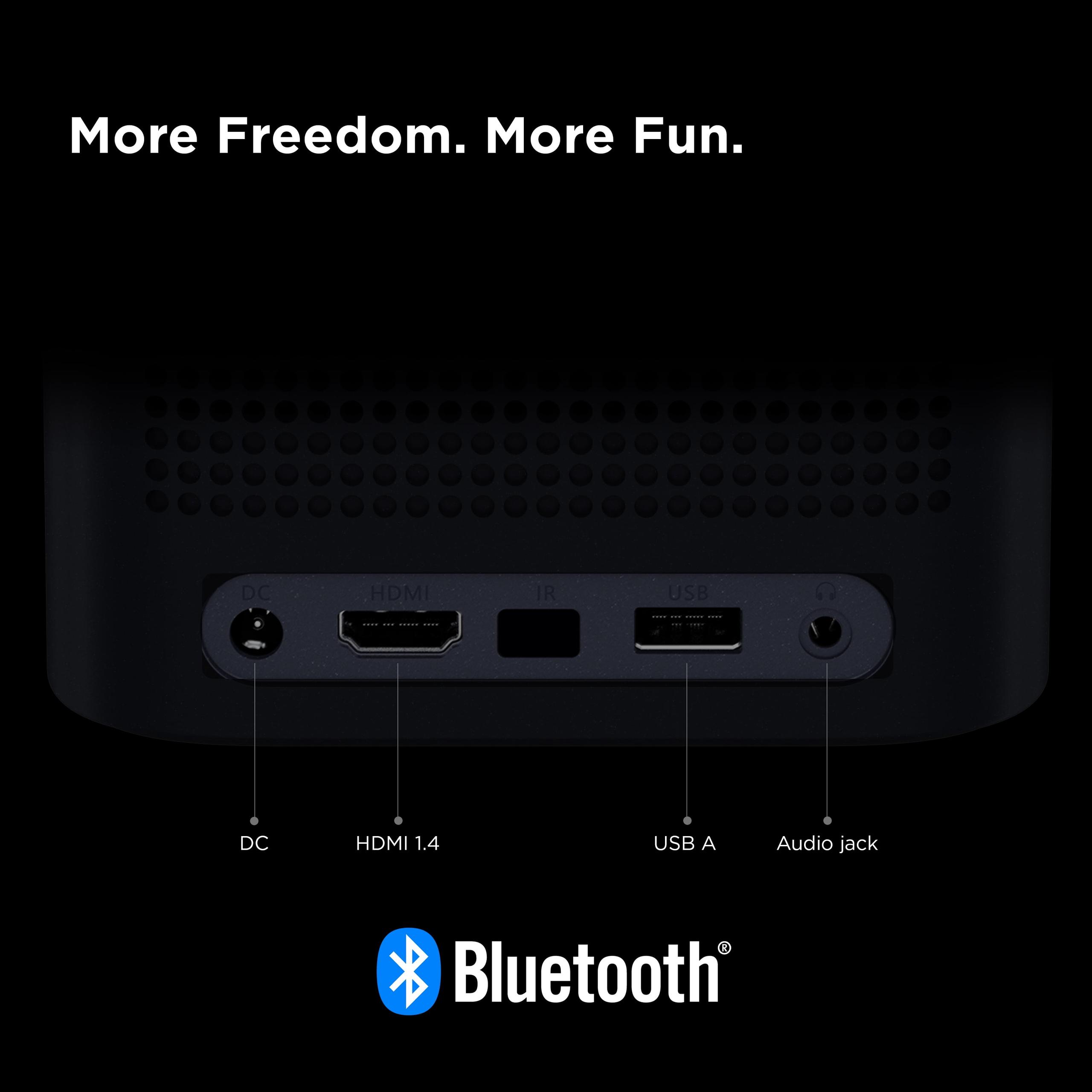
The TCL A1 provides:
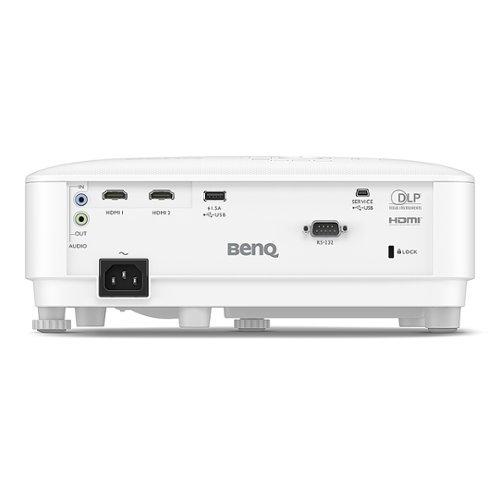
The BenQ TH575 offers:
The BenQ's dual HDMI inputs provide greater flexibility for those with multiple sources (like a gaming console and a streaming device), while the TCL's wireless connectivity options make it easier to stream content and connect audio devices without cables.
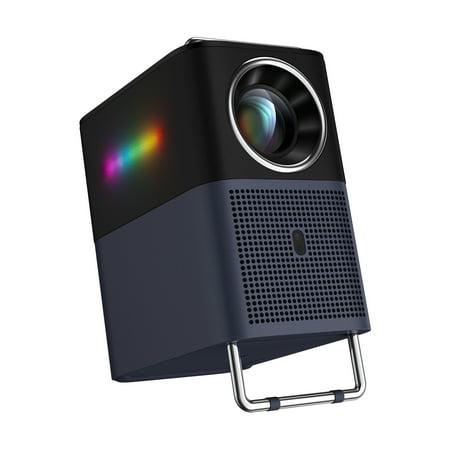
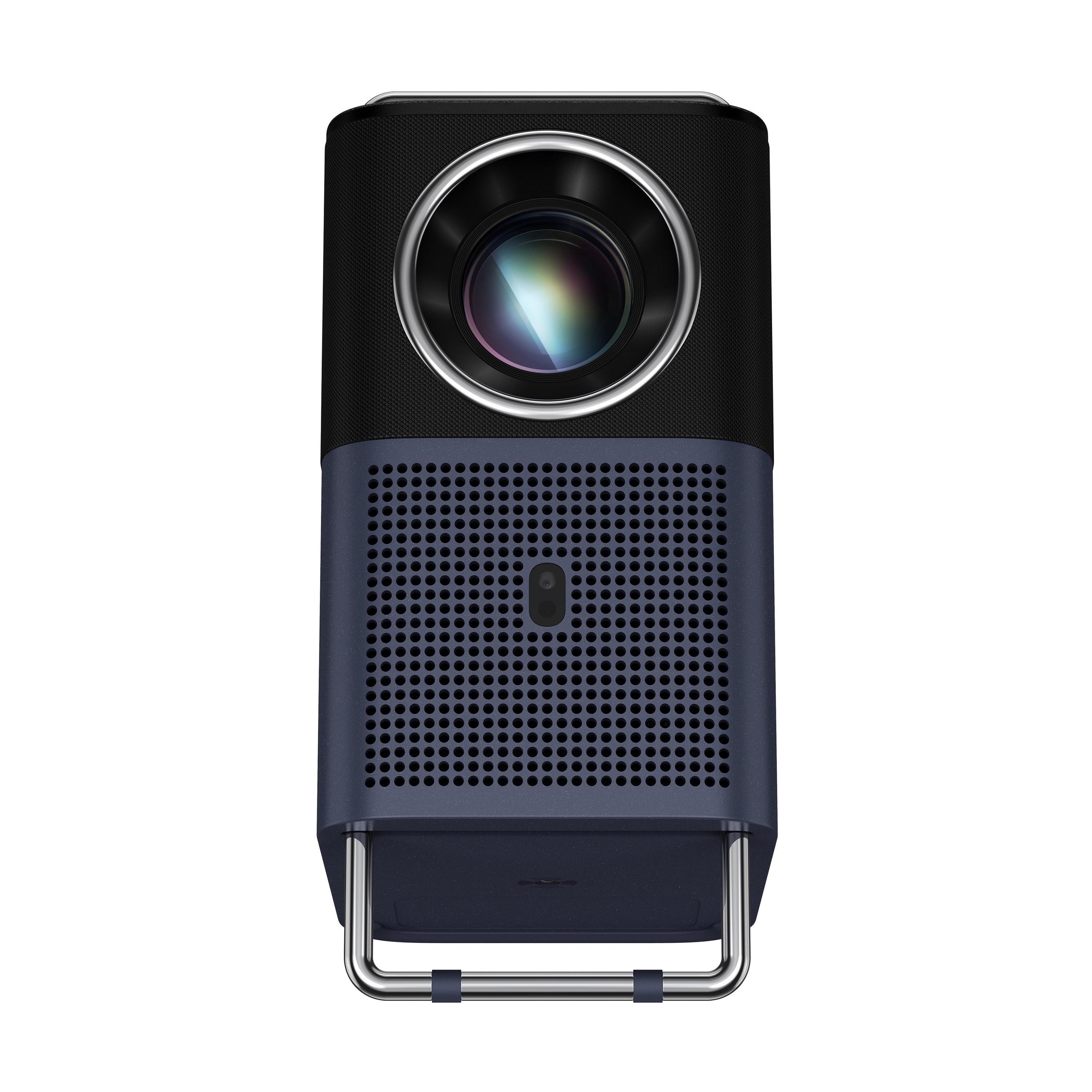
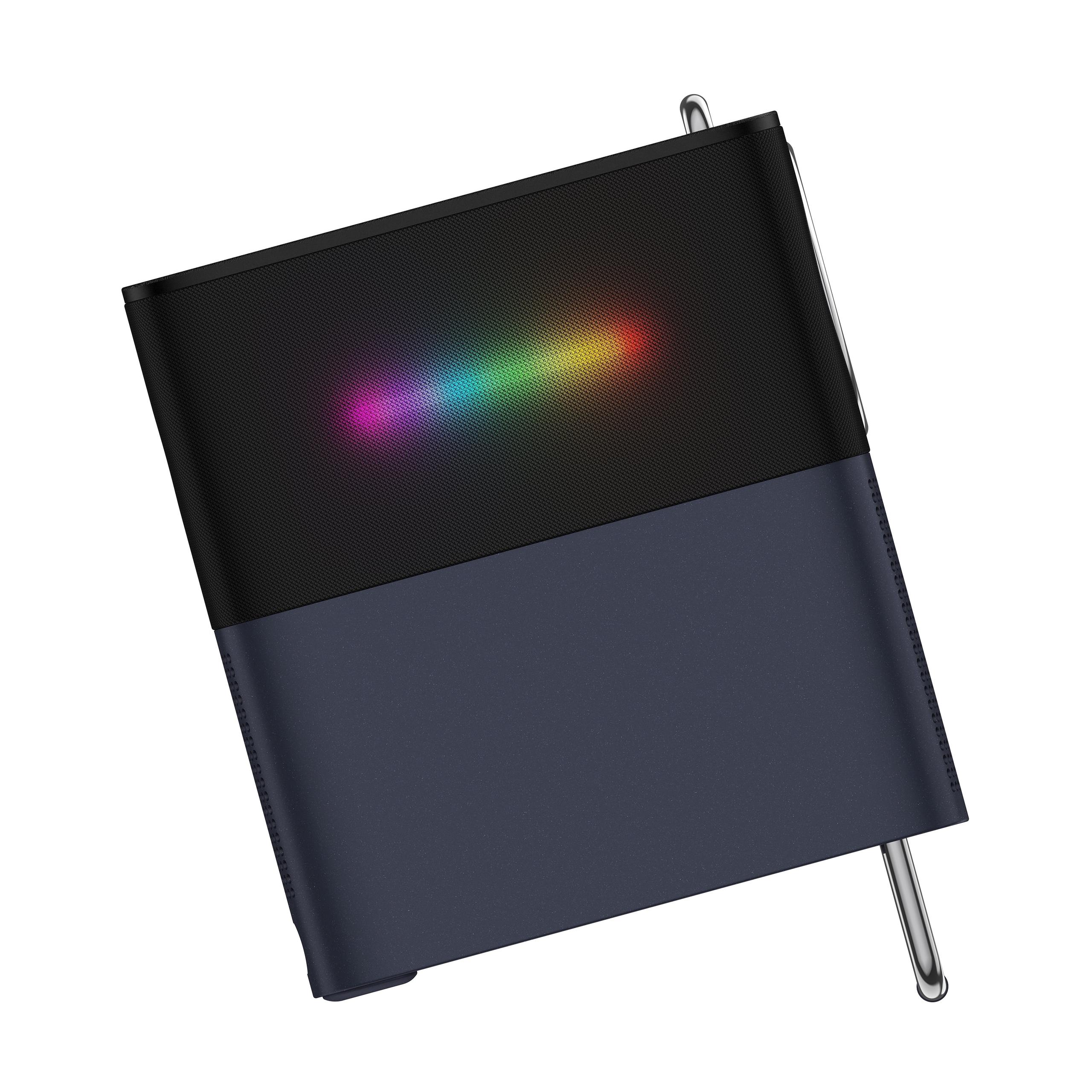
The TCL A1 exemplifies the portable projector philosophy with its innovative VersaGrip handle that doubles as an adjustable stand. This clever design element allows you to tilt the projector up to 15 degrees, helping achieve the right angle without needing a separate stand. At 5.5 pounds and measuring 5.0" x 7.6" x 10.4", it's compact enough to move between rooms or take to a friend's house. TCL includes a carrying case, further emphasizing its portable nature.
Interestingly, the BenQ TH575 weighs the same 5.5 pounds but with more traditional projector dimensions of 11.7" x 4.7" x 8.7". While not explicitly designed for portability, it's still light enough to relocate when needed. The difference lies in the design philosophy—TCL built the A1 to be moved frequently, while BenQ designed the TH575 primarily for stationary use with occasional repositioning.
The setup experience differs dramatically between these projectors:
The TCL A1 embraces a "set and forget" approach with its auto-focus and auto-keystone correction technologies. Point it at a wall, turn it on, and within seconds, it automatically adjusts to deliver a properly focused, rectangular image even if the projector isn't perfectly aligned with the wall. This makes it ideal for temporary setups or quick deployment in different environments.
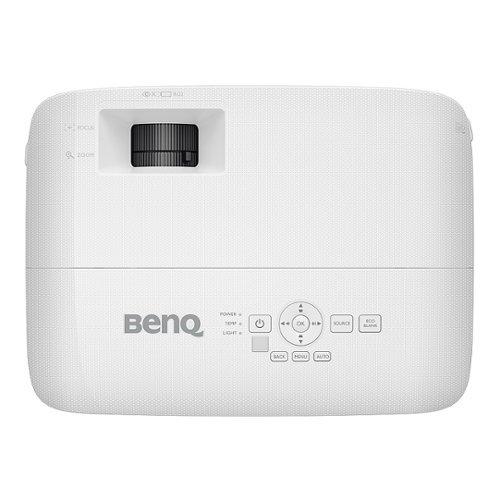
The BenQ TH575 requires more manual involvement. Its 1.1x manual zoom provides some flexibility in placement distance, and it offers vertical keystone correction (±40°) but lacks the fully automatic image adjustment of the TCL. For permanent home theater installations, this manual approach is perfectly acceptable, but it makes impromptu movie nights slightly more cumbersome.
Don't overlook audio when choosing a projector—it can significantly impact your viewing experience without external speakers.
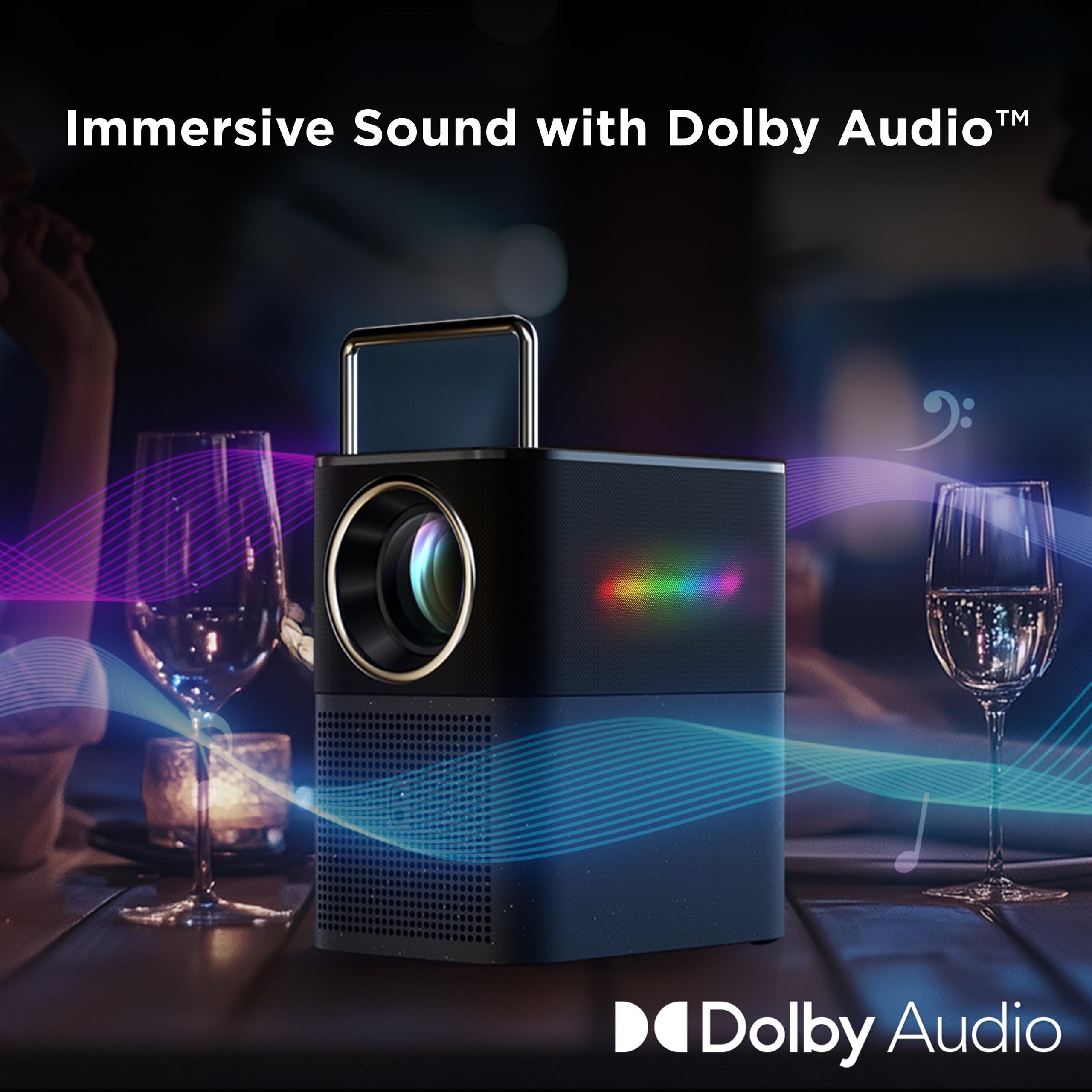
The TCL A1 houses dual 8W speakers with Dolby Digital+ processing, creating a surprisingly robust audio experience for a portable device. During testing, I found the sound quality adequate for casual viewing in medium-sized rooms, with clear dialogue and reasonable bass response. For impromptu movie nights, you could potentially skip external speakers altogether.
The BenQ TH575 includes a single 10W mono speaker that, while serviceable for system sounds and casual use, lacks the stereo separation and processing of the TCL. For gaming and movie watching, you'll likely want to connect external speakers or a soundbar for a more immersive experience.
This audio difference reflects each projector's core philosophy—the TCL aims to be a complete, standalone entertainment solution, while the BenQ focuses on delivering exceptional visual performance, expecting users to pair it with dedicated audio equipment.
At $499, the TCL A1 positions itself as an affordable entry into the portable smart projector category. You're paying for the convenience of an all-in-one package—built-in streaming, reasonable audio, and the flexibility to set up quickly anywhere.
However, its severe brightness limitations restrict when and where you can use it effectively. Since its release in late 2022, several competitors have entered the market with higher brightness levels at similar price points, somewhat diminishing its value proposition. The relatively slow Google TV implementation also falls short of the snappy experience you'd get from a dedicated streaming device.
The TCL A1 represents good value if portability and simplicity are your primary concerns and you'll use it exclusively in dark environments. It's less compelling as your main viewing device if you expect to watch content regularly in rooms with any ambient light.
For approximately $600, the BenQ TH575 delivers exceptional performance where it matters most—image quality and gaming responsiveness. Since its early 2022 release, it has maintained its position as one of the best gaming projectors in its price range, with few competitors matching its combination of brightness, low input lag, and image quality.
While it lacks smart features, the money saved on implementing those has clearly been invested in core projection technology. The result is a projector that delivers performance rivaling models costing hundreds more. For home theater enthusiasts, the exceptional contrast and brightness make it suitable for both gaming and movie watching.
If you already own streaming devices or primarily use gaming consoles, the BenQ offers substantially better value by focusing on delivering an outstanding visual experience rather than mediocre integrated streaming.
Now that we've explored both projectors in depth, let's simplify the decision-making process based on your specific requirements:
Choose the TCL A1 if:
Choose the BenQ TH575 if:
For most home theater enthusiasts, the BenQ TH575 represents the better investment despite costing about $100 more. Its dramatically superior brightness, excellent contrast, and gaming capabilities make it suitable for a wider range of environments and use cases. The image quality difference is substantial enough that even casual users will notice immediately when comparing the two.
The TCL A1 has its place for specific users—particularly those who prioritize portability above all else and understand its limitations. It makes an excellent secondary projector for occasional outdoor movie nights or taking to a friend's house, but its brightness constraints make it less suitable as a primary display.
Ultimately, your choice should align with how and where you'll use the projector most frequently. If you're creating a dedicated home theater space or want the flexibility to watch content in varying light conditions, the BenQ's performance advantages will pay dividends over time. If your priority is a grab-and-go projector for occasional use in ideal dark environments, the TCL's portability and all-in-one design might better suit your needs.
| TCL A1 Portable 1080p Smart Projector ($499) | BenQ TH575 1080p Gaming Projector (~$600) |
|---|---|
| Brightness - Critical for determining where and when you can use the projector | |
| 360 ISO Lumens (requires near-total darkness) | 3800 ANSI Lumens (works well even with some ambient light) |
| Resolution - Determines image clarity and detail | |
| 1080p Full HD (1920 x 1080) | 1080p Full HD (1920 x 1080) |
| Input Lag - Crucial for responsive gaming experience | |
| Not specified (likely 50-100ms, not ideal for gaming) | 16.7ms (excellent for competitive gaming) |
| Smart Features - Affects convenience and external device requirements | |
| Google TV built-in (somewhat sluggish performance) | None (requires external streaming device) |
| Image Adjustment - Impacts ease of setup | |
| Auto focus and auto keystone correction | Manual zoom (1.1x) with vertical keystone correction (±40°) |
| Speaker System - Determines need for external audio | |
| Dual 8W speakers with Dolby Digital+ | Single 10W mono speaker |
| Connectivity - Affects flexibility with multiple devices | |
| 1x HDMI, 1x USB, Wi-Fi, Bluetooth 5.1 | 2x HDMI, 2x USB, 3.5mm audio in/out |
| Portability - Impacts how easily it can be moved | |
| VersaGrip handle doubles as stand, carrying case included | Standard design, not specifically built for portability |
| Contrast Ratio - Affects image depth and black levels | |
| Not specified (relatively weak based on reviews) | 15,000:1 (excellent dark scene detail) |
| Lamp Technology - Determines longevity and maintenance | |
| LED (long lifespan, no replacement needed) | 203W lamp (6,000 hours normal mode, 15,000 hours eco mode) |
| Primary Use Case - Best application for each projector | |
| Occasional use portable entertainment in dark rooms | Primary home theater display and gaming, versatile lighting conditions |
The BenQ TH575 1080p Gaming Projector (~$600) is significantly brighter at 3800 ANSI lumens compared to the TCL A1 Portable 1080p Smart Projector ($499) which offers only 360 ISO lumens. This substantial brightness difference means the BenQ TH575 can be used in rooms with some ambient light, while the TCL A1 requires near-total darkness for optimal viewing.
The BenQ TH575 Gaming Projector is vastly superior for gaming with its 16.7ms input lag, dedicated Game Mode for enhanced visibility, and Black Detail Enhancement. The TCL A1 Portable Projector isn't optimized for gaming, lacks gaming-specific features, and likely has much higher input lag that would be noticeable during fast-paced games.
The TCL A1 Portable Projector ($499) has dual 8W speakers with Dolby Digital+ processing that provide adequate sound for casual viewing in medium-sized rooms. The BenQ TH575 Gaming Projector (~$600) comes with a single 10W mono speaker that's suitable for basic sound but would benefit from external speakers or a soundbar for immersive gaming or movie experiences.
The TCL A1 Portable Smart Projector is designed specifically for portability with its VersaGrip handle that doubles as an adjustable stand and includes a carrying case. While the BenQ TH575 Gaming Projector weighs the same (5.5 lbs), it has a standard projector design without portability-focused features, making the TCL A1 the more portable option.
The TCL A1 Portable Projector ($499) runs Google TV with built-in access to streaming services like Netflix, Disney+, and thousands of other apps. The BenQ TH575 Gaming Projector (~$600) has no smart features and requires an external streaming device connected via HDMI to access streaming content.
The TCL A1 Portable Smart Projector offers easier setup with its auto-focus and auto-keystone correction features that automatically adjust the image when placed in new locations. The BenQ TH575 Gaming Projector requires more manual adjustment with its 1.1x manual zoom and vertical keystone correction, making it less convenient for frequent repositioning.
The BenQ TH575 Gaming Projector with its 3800 ANSI lumens can produce a visible image in rooms with moderate ambient light, including daytime viewing with curtains drawn. The TCL A1 Portable Projector at just 360 ISO lumens is only suitable for use in very dark environments or at night with lights off.
Both the TCL A1 and BenQ TH575 offer 1080p Full HD resolution, but the BenQ delivers superior image quality with a 15,000:1 contrast ratio, support for 1.07 billion colors, and much higher brightness. The TCL A1 produces acceptable images in ideal dark conditions, but lacks the contrast, vibrancy, and detail that the BenQ can display, particularly in dark scenes.
The BenQ TH575 Gaming Projector (~$600) offers better overall value despite costing about $100 more than the TCL A1 Portable Projector ($499). The BenQ's dramatically superior brightness, excellent contrast, and gaming capabilities make it usable in more environments and for more purposes. The TCL A1's value is primarily in its portability and all-in-one design if those specific features are priorities.
The BenQ TH575 Gaming Projector offers more connectivity with 2 HDMI inputs and 2 USB ports, allowing multiple devices to be connected simultaneously. The TCL A1 Portable Projector has 1 HDMI port and 1 USB port, plus wireless connectivity via Wi-Fi and Bluetooth 5.1, which provides different but more limited physical connectivity options.
For a dedicated home theater, the BenQ TH575 Gaming Projector (~$600) is significantly better suited with its high brightness, excellent contrast ratio, and superior image quality. The TCL A1 Portable Projector ($499) lacks the brightness and contrast needed for a truly impressive home theater experience, though it could work in a completely light-controlled basement theater.
The TCL A1 Portable Smart Projector uses LED technology with an extremely long lifespan that should last the life of the projector without needing replacement. The BenQ TH575 Gaming Projector uses a traditional 203W lamp rated for 6,000 hours in normal mode and up to 15,000 hours in eco mode, after which the lamp will need to be replaced at additional cost.
We've done our best to create useful and informative comparisons to help you decide what product to buy. Our research uses advanced automated methods to create this comparison and perfection is not possible - please contact us for corrections or questions. These are the sites we've researched in the creation of this article: youtube.com - hometheaterforum.com - hifivision.com - tcl.com - gstylemag.com - youtube.com - youtube.com - soundandvision.com - tcl.com - androidheadlines.com - valueelectronics.com - tcl.com - walmart.com - esquire.com - hometheaterview.com - androidpolice.com - projectorcentral.com - howtogeek.com - nfm.com - tcl.com - valueelectronics.com - extapps.dec.ny.gov - cna-aiic.ca - projectorcentral.com - tcl.com - tcl.com - tcl.com - lifeisxbox.eu - ai-techreport.com - electronics.woot.com - ai-techreport.com - laurentwillen.com - bestbuy.com - bestbuy.com - projectorcentral.com - tvsbook.com - shidirect.com - blog.richersounds.com - memoryexpress.com - versus.com - adorama.com - avsforum.com - shi.com - bestbuy.com - bhphotovideo.com - cdw.com - insight.com - shi.ca - projectorcentral.com - insight.com - specsradar.com - touchboards.com

Privacy Policy
Terms and Conditions - Affiliate Policy
Home Security
© Copyright 2008-2026.
11816 Inwood Rd #1211, Dallas, TX 75244