

Remember when projectors were bulky devices permanently mounted to the ceiling of a classroom or conference room? Those days are long behind us. The portable projector market has exploded in recent years, giving us devices that can fit in a backpack yet still deliver impressive big-screen experiences almost anywhere.
The TCL A1 Portable 1080p Smart Projector and BenQ GS50 Portable Outdoor Projector represent two different approaches to this evolving category. Released in 2022 and 2021 respectively, these projectors showcase how far portable projection technology has come—and highlight the different needs manufacturers are trying to address.
But what makes a good portable projector in 2023? And how do you decide which one deserves your hard-earned money? Let's break it down.
Before diving into our comparison, it's worth understanding what makes portable projectors different from their full-sized cousins. Unlike traditional home theater projectors that might weigh 15+ pounds and output 2,500+ lumens (a measurement of brightness), portable projectors make significant trade-offs to achieve their compact form factors.
The most important considerations include:
Brightness: Perhaps the single most critical factor in real-world performance. Lower brightness means you'll need darker environments to get a good image.
Resolution: While 4K projectors dominate the premium home theater market, 1080p Full HD remains the sweet spot for portables, offering good detail without breaking the bank.
Battery operation: Some portables include batteries for true cordless use, while others require constant power—a significant distinction for outdoor use.
Smart features: Modern portable projectors often include streaming platforms, eliminating the need for separate devices.
Audio quality: Since portable projectors are often used away from external sound systems, built-in speakers matter more than in traditional installations.
With these factors in mind, let's see how our contestants stack up.
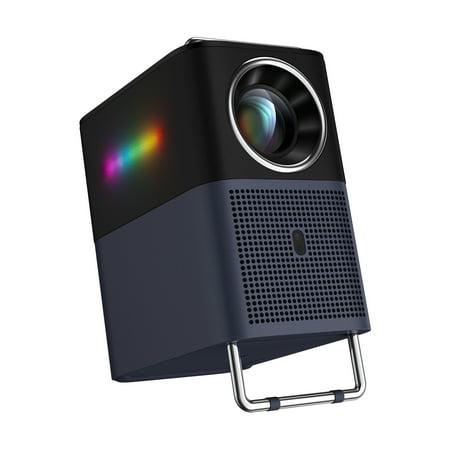
TCL entered the projector market relatively recently, leveraging their experience as a major TV manufacturer. The A1, priced at $499, represents their take on a portable smart projector primarily designed for indoor use.
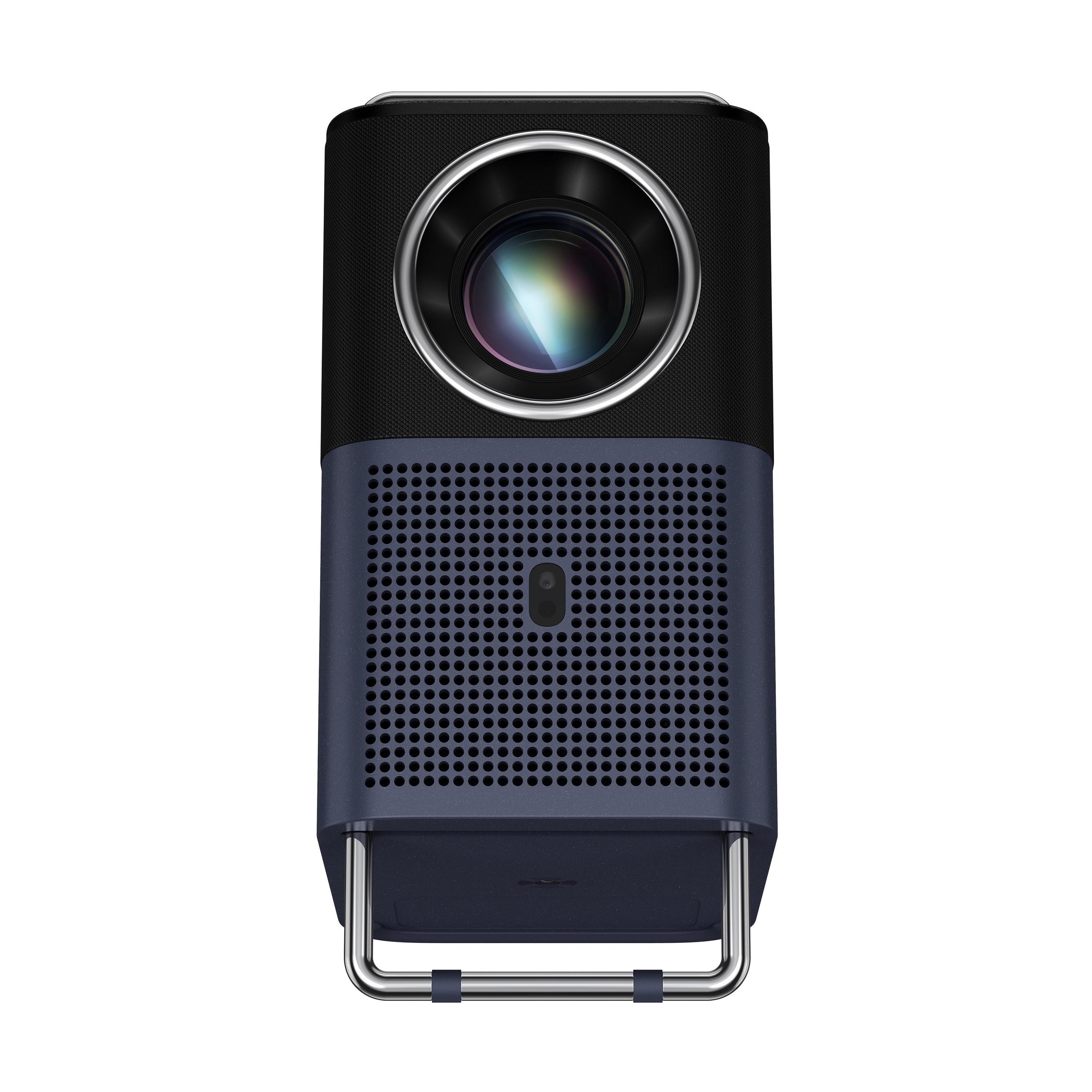
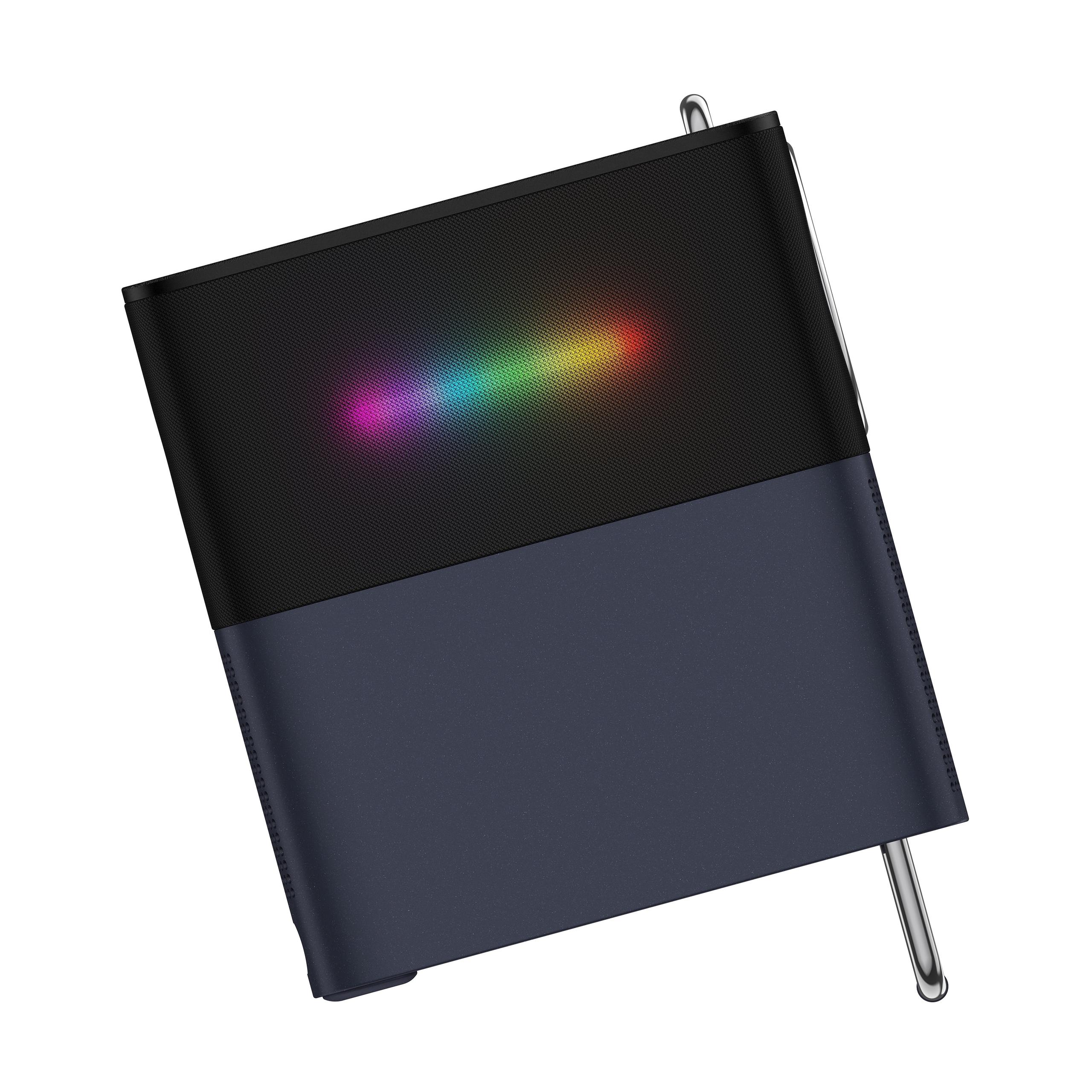
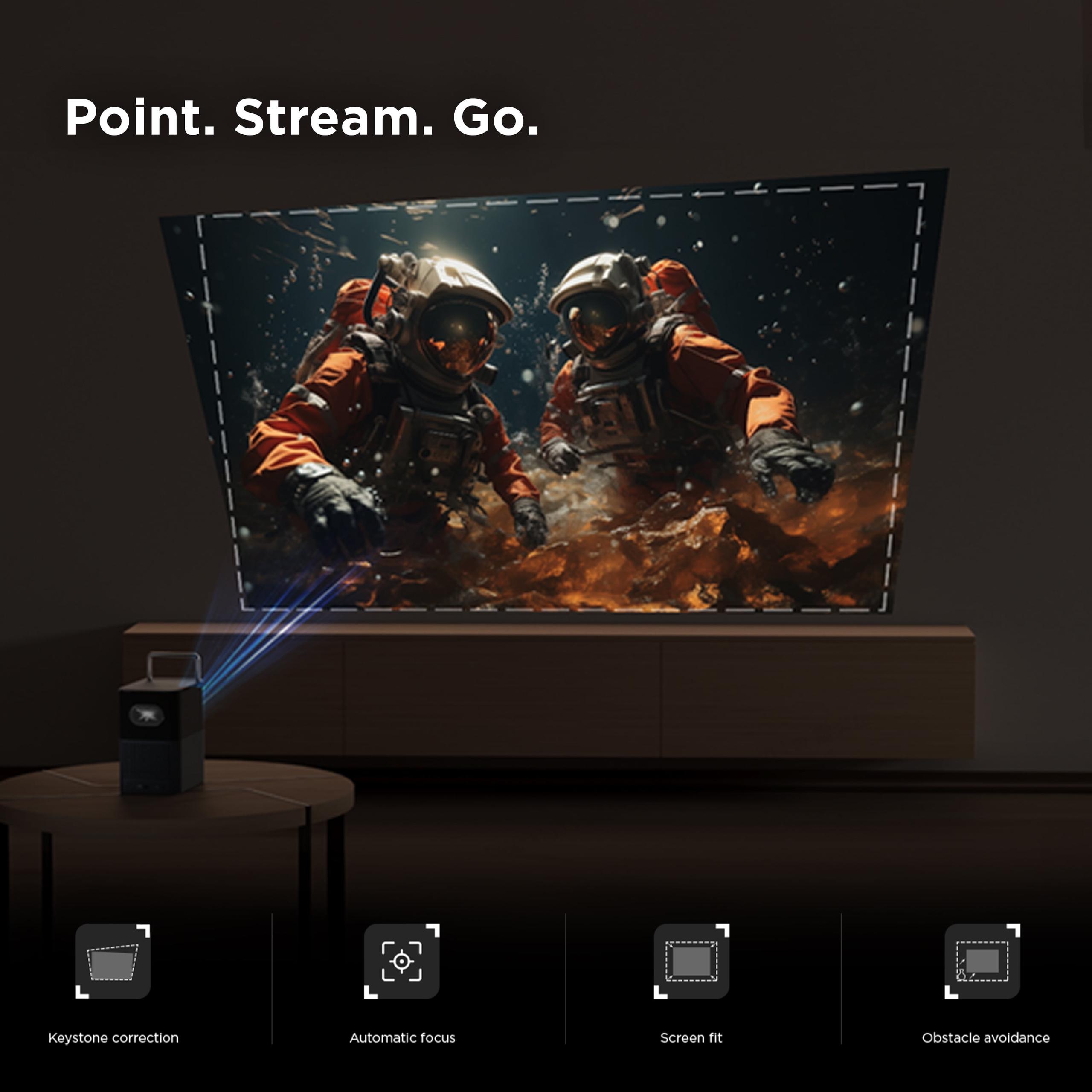
The TCL A1 features a distinctive design with a "VersaGrip" handle that cleverly doubles as an adjustable stand. It runs Google TV for streaming and offers 1080p resolution with moderate brightness. Released in 2022, it's positioned as an affordable entry point into portable projection.
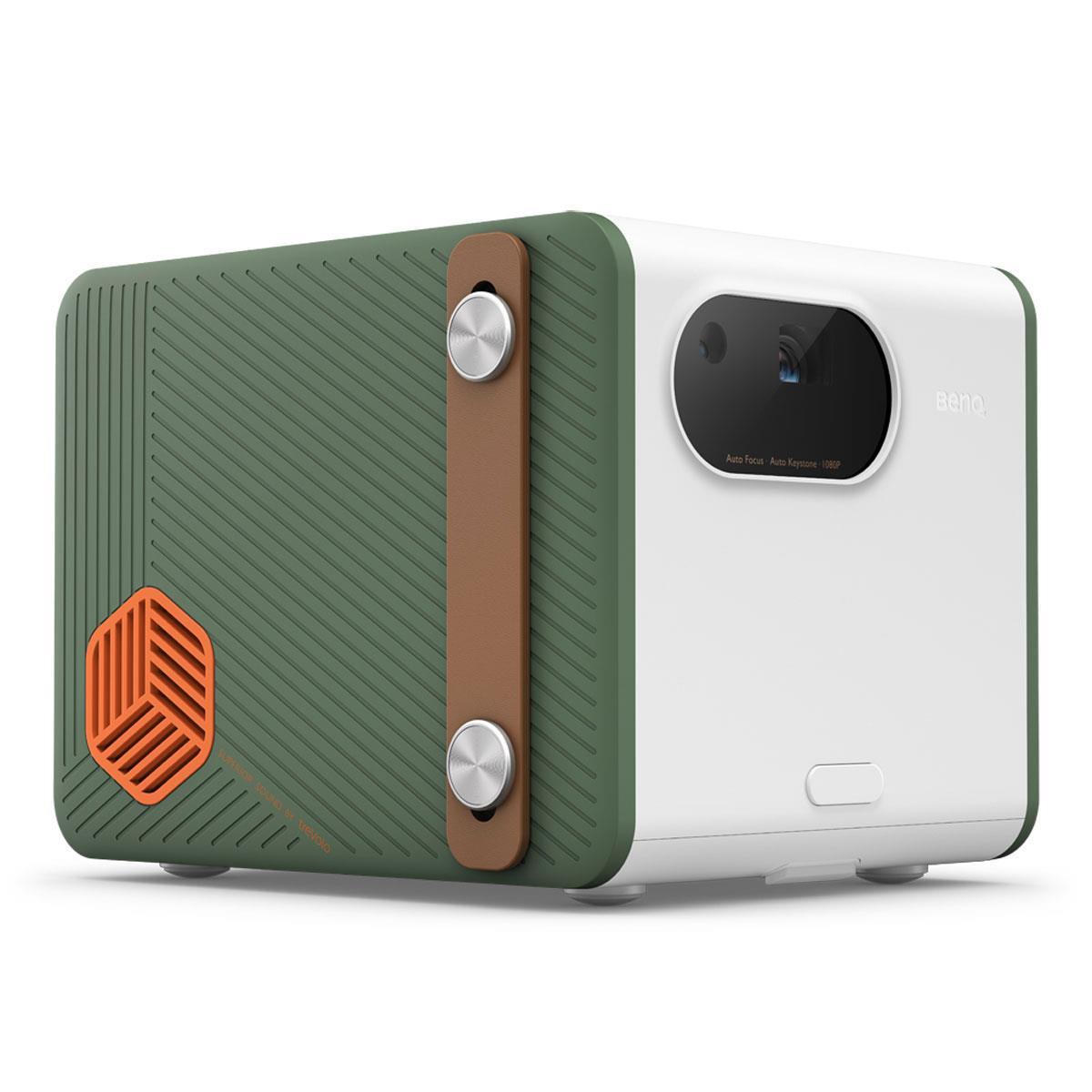
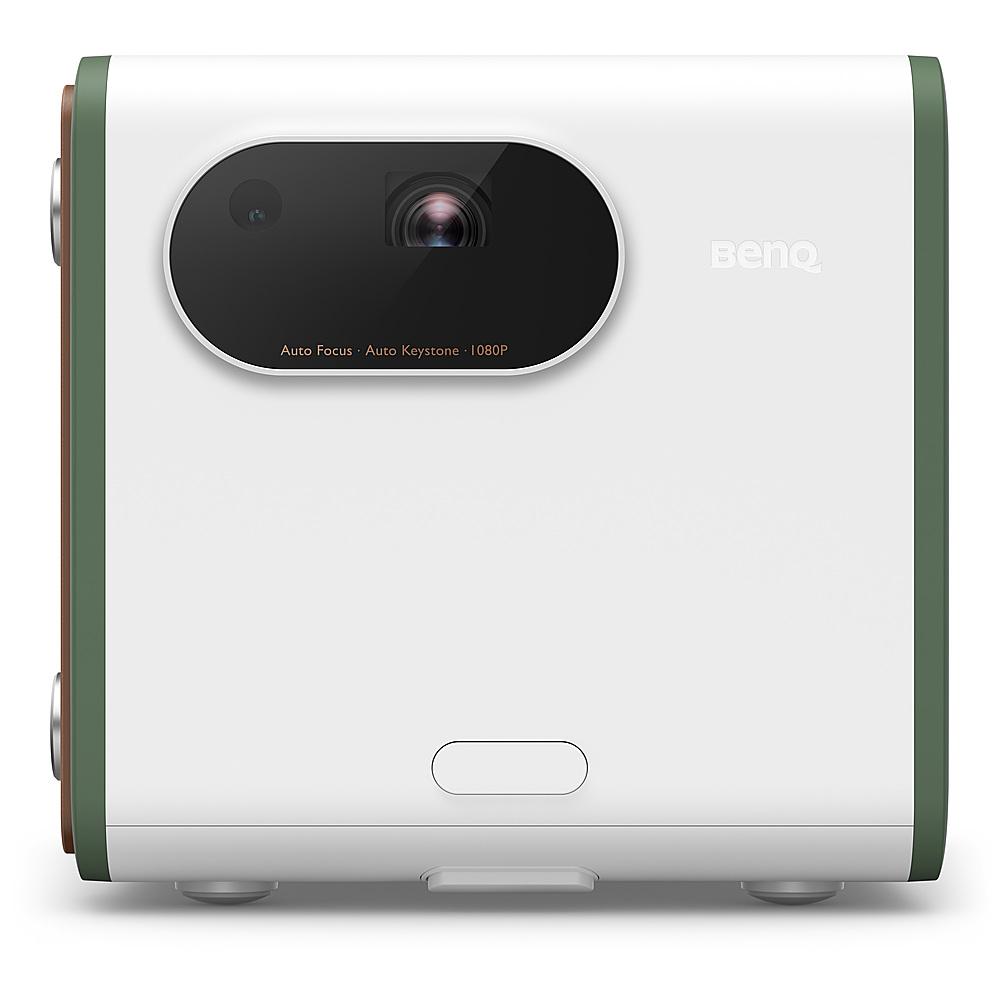
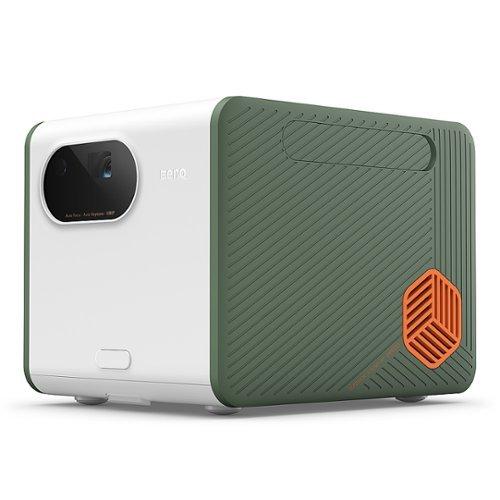
BenQ has been in the projector game for decades, and their experience shows in the GS50. Priced at $799, it's marketed specifically as an outdoor projector with ruggedized features and enhanced audio capabilities.
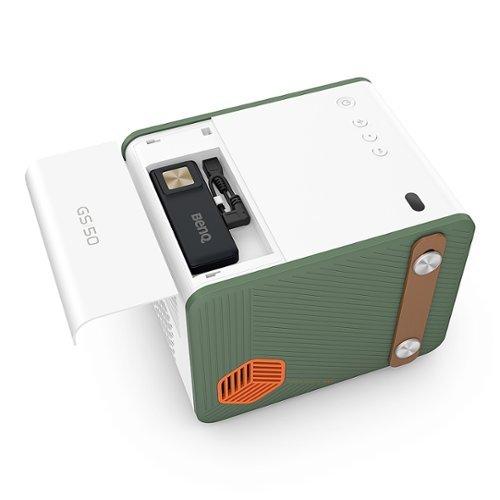
Released in 2021, the GS50 features a more traditional boxy design with rounded corners and a leather handle. It runs Android TV and emphasizes durability with water resistance and drop protection. It's clearly designed for users who want to take their projector beyond the living room.
Both projectors offer 1080p Full HD resolution (1920×1080 pixels), which is the sweet spot for portable projectors today. This resolution provides enough detail for enjoyable movie viewing without driving costs too high.
In terms of projection technology, the approaches differ:
When compared side-by-side, the BenQ tends to produce slightly sharper images with better perceived contrast, though both deliver satisfactory detail for movies and games.
Here's where we see the most significant performance gap between these projectors:
Understanding brightness ratings can be confusing because different manufacturers use different standards. ISO Lumens and ANSI Lumens aren't directly comparable, but even accounting for measurement differences, the BenQ is substantially brighter.
What does this mean in practice? The BenQ GS50 can produce a viewable image in a room with some ambient light, such as a living room in the evening with a few lamps on. The TCL A1, by contrast, requires near-darkness to deliver a satisfying image. For outdoor use, the brightness difference becomes even more pronounced, with the BenQ clearly outperforming in all but the darkest environments.
Since the projectors were released, we've seen competitors push brightness levels higher, with some newer portables reaching 800+ ANSI Lumens. However, this typically comes with larger form factors or higher prices.
Color reproduction is another area where these projectors differ significantly:
For movie enthusiasts, the BenQ's superior color handling provides a more cinematic experience, though casual viewers might not notice the difference with everyday content.
The projectors take different approaches to portability:
The TCL is lighter but taller, while the BenQ is heavier but more compact in terms of volume. Both include carrying handles, though the TCL's is particularly clever—the VersaGrip handle doubles as an adjustable stand that can tilt the projector up to 15 degrees, eliminating the need for books or other objects to prop up the projector.
The GS50's extra weight primarily comes from its more robust construction, battery, and enhanced speaker system—all contributing to its outdoor-focused design.
This is where the BenQ GS50 really pulls ahead:
The BenQ's durability features make it genuinely suitable for outdoor use, providing peace of mind if you're setting up by a pool or if unexpected light rain begins. The TCL, while portable, remains an indoor device that should be handled with care and protected from the elements.
Perhaps the most significant practical difference between these projectors is power management:
The BenQ's battery operation transforms how and where you can use it. A backyard movie night, camping trip, or beach party are all possible without needing to run extension cords. The TCL, meanwhile, always requires proximity to a power outlet, significantly limiting its "portable" credentials.
Since these projectors were released, battery technology hasn't dramatically improved in the portable projector space, with most battery-equipped models still offering 2-3 hours of runtime—just enough for a typical movie.
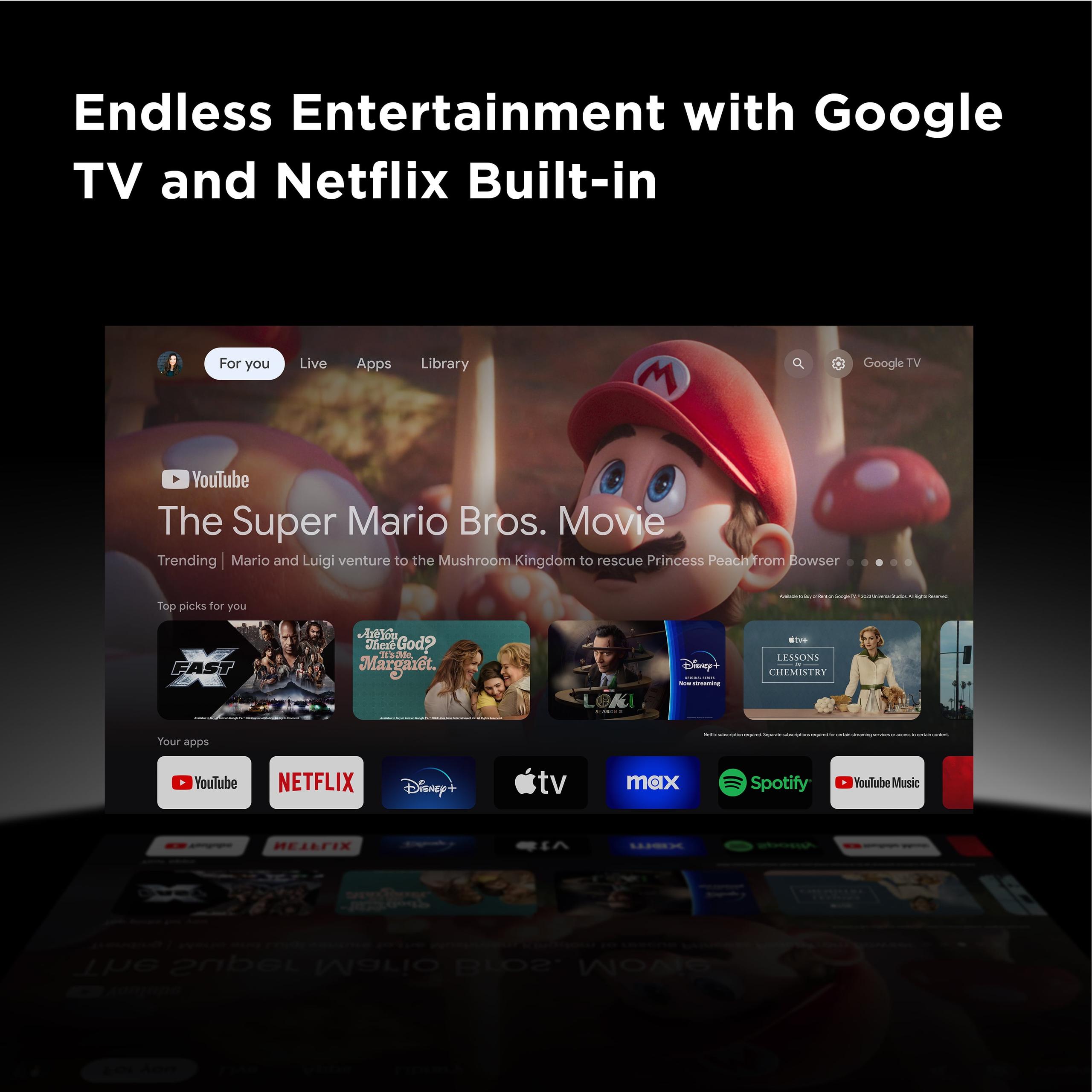
Both projectors feature built-in smart platforms that eliminate the need for separate streaming devices in many scenarios:
The platforms provide access to popular streaming services like Netflix, Disney+, Amazon Prime Video, and YouTube. The TCL's Google TV interface is slightly more modern, but user reviews consistently mention that it can feel sluggish and unresponsive at times. The BenQ's Android TV implementation, while an older version, generally performs more smoothly.
Since these projectors launched, Google TV has received several updates improving performance and adding features, but projector hardware limitations mean they don't always benefit as much as TVs from these improvements.
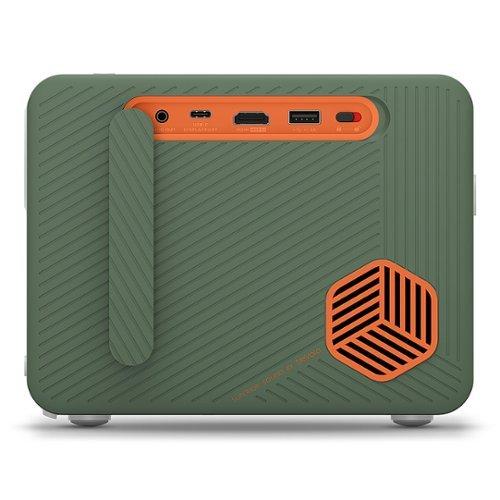
For connecting external devices, both projectors offer several options:
The BenQ's inclusion of USB-C with DisplayPort is particularly useful for modern laptops and smartphones, allowing connection with a single cable that can handle both video and audio. The TCL's Bluetooth 5.1 is slightly newer than the BenQ's 4.2, but the difference isn't particularly noticeable for audio streaming.
Both support wireless screen mirroring from compatible devices, though the BenQ offers broader compatibility with both Chromecast and AirPlay protocols, making it work seamlessly with both Android and iOS devices.
Audio quality is often overlooked in projectors but becomes critically important for portable models that are frequently used without external speakers.
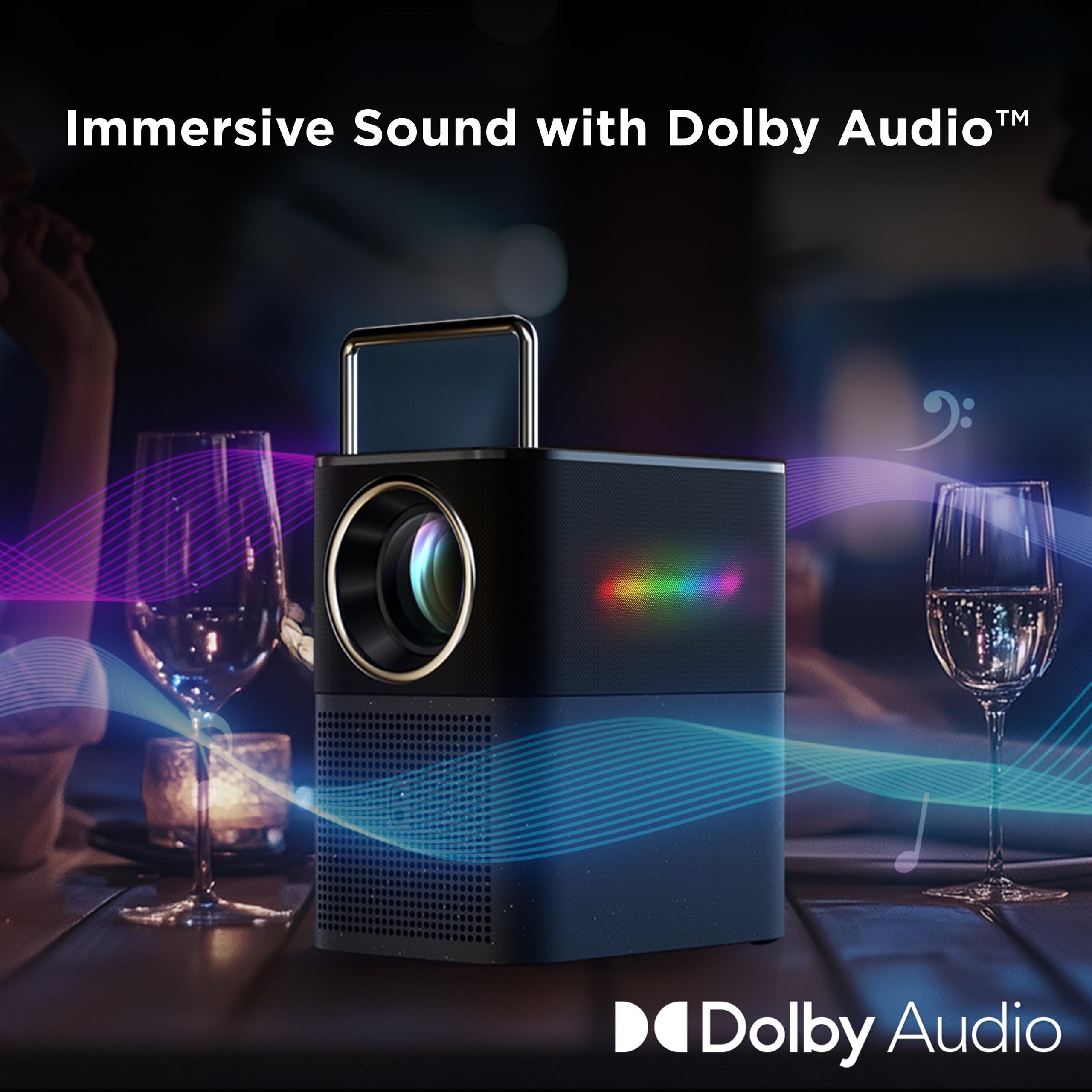
The difference in audio approach is substantial:
On paper, the total wattage is similar (16W vs. 20W), but the real-world performance differs dramatically. The BenQ's dedicated woofer provides meaningful bass response that the TCL simply cannot match. Furthermore, the BenQ's 270° sound projection creates a more immersive, room-filling experience compared to the TCL's more directional output.
For outdoor movie nights, the BenQ's superior audio can eliminate the need for a separate Bluetooth speaker in many situations—a convenience that shouldn't be underestimated.
The BenQ GS50 has another trick up its sleeve: it can function as a standalone Bluetooth speaker even when not projecting. This adds versatility for outdoor gatherings where you might want background music before starting a movie.
Both projectors include 3.5mm audio outputs for connecting to external speakers or headphones when preferred.
Beyond the core specifications, both projectors offer some distinctive features worth highlighting:
With a $300 gap between the TCL A1 at $499 and the BenQ GS50 at $799, it's fair to ask whether the BenQ's additional features justify its premium price.
The value equation largely depends on how you plan to use your portable projector:
At $499, the TCL A1 represents a good value for consumers who:
For casual movie nights in a dedicated dark room, the TCL delivers solid performance without breaking the bank.
The $799 BenQ GS50 delivers substantial additional value for users who:
For camping trips, backyard movie nights, or use in varied environments, the BenQ's premium features translate directly to enhanced real-world utility.
After examining both projectors in detail, the decision comes down to your specific needs and priorities:
The TCL A1 and BenQ GS50 highlight how the portable projector market has evolved to serve different needs. They're not so much direct competitors as they are different interpretations of what "portable projection" means.
The TCL A1 exemplifies the "lightweight smart projector" approach—bringing streaming capabilities to a compact, affordable device that's easy to move between rooms but still requires power and controlled lighting.
The BenQ GS50 represents the "go-anywhere entertainment system" philosophy—building in battery power, weather resistance, and enhanced audio to create a truly versatile device that works in diverse environments.
For home theater enthusiasts, neither projector will replace a dedicated setup with a high-brightness, high-contrast projector and proper sound system. However, the BenQ comes closer to delivering a satisfying movie experience thanks to its superior brightness, contrast, and audio quality.
As technology continues to advance, we'll likely see the gap between portable and home theater projectors narrow further. But for now, the TCL A1 and BenQ GS50 represent compelling options at their respective price points, each serving a distinct segment of the portable projection market.
Your choice ultimately comes down to where and how you plan to use your projector—and how much you're willing to pay for additional flexibility and performance.
| TCL A1 Portable 1080p Smart Projector | BenQ GS50 Portable Outdoor Projector |
|---|---|
| Price - Budget impact and value proposition | |
| $499 - More affordable entry point | $799 - Premium pricing for additional features |
| Brightness - Critical for viewing in varied lighting conditions | |
| 360 ISO Lumens - Requires near-darkness for good image quality | 500 ANSI Lumens - Can handle some ambient light; significantly brighter |
| Resolution - Determines image clarity and detail | |
| 1080p Full HD (1920×1080) - Standard modern resolution | 1080p Full HD (1920×1080) - Standard modern resolution |
| Battery Life - Enables true portability | |
| No built-in battery - Always requires power outlet | 2.5 hours built-in battery - Enables cord-free outdoor use |
| Durability - Important for outdoor and travel use | |
| Standard indoor construction - No weather resistance | IPX2 splash-proof rating and drop-resistant up to 70cm - Designed for outdoor use |
| Audio System - Crucial for standalone viewing experience | |
| Dual 8W speakers with Dolby Digital+ - Decent but lacks bass | 2.1 channel system (2× 5W tweeters, 1× 10W woofer) with 270° sound - Superior audio experience |
| Smart Platform - Provides content without external devices | |
| Google TV with Google Assistant - Sometimes sluggish performance | Android TV 9.0 - Generally smooth operation |
| Connectivity Options - Flexibility for connecting devices | |
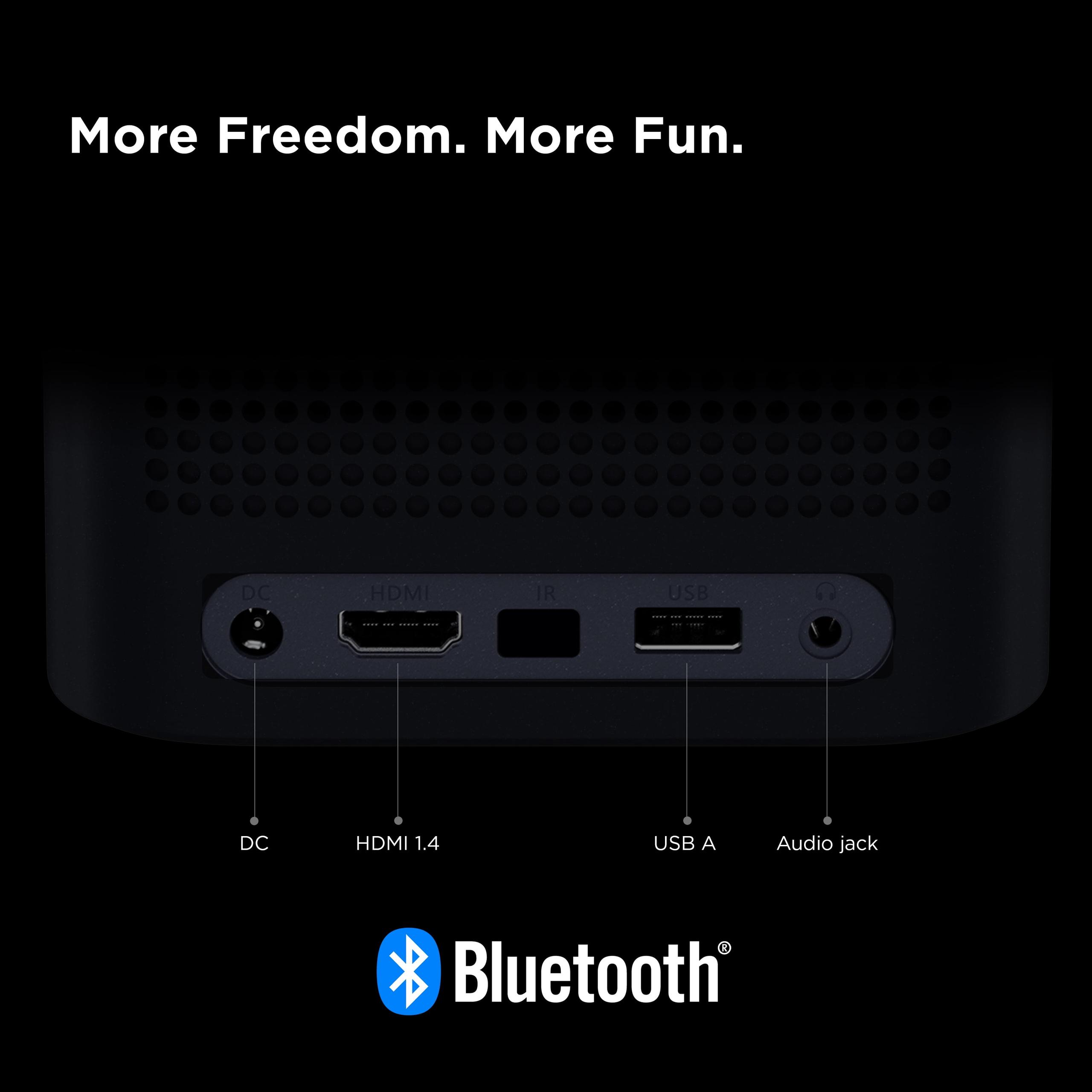
| HDMI, USB-A, Wi-Fi 4, Bluetooth 5.1, 3.5mm audio out | HDMI 2.0, USB-A, USB-C with DisplayPort, Wi-Fi, Bluetooth 4.2, 3.5mm audio out |
| Portability - Affects ease of transport | |
| 5.5 lbs with VersaGrip handle/stand - Lighter but requires power | 8.6 lbs with leather handle - Heavier but truly portable with battery |
| Projection Size - Determines viewing experience flexibility | |
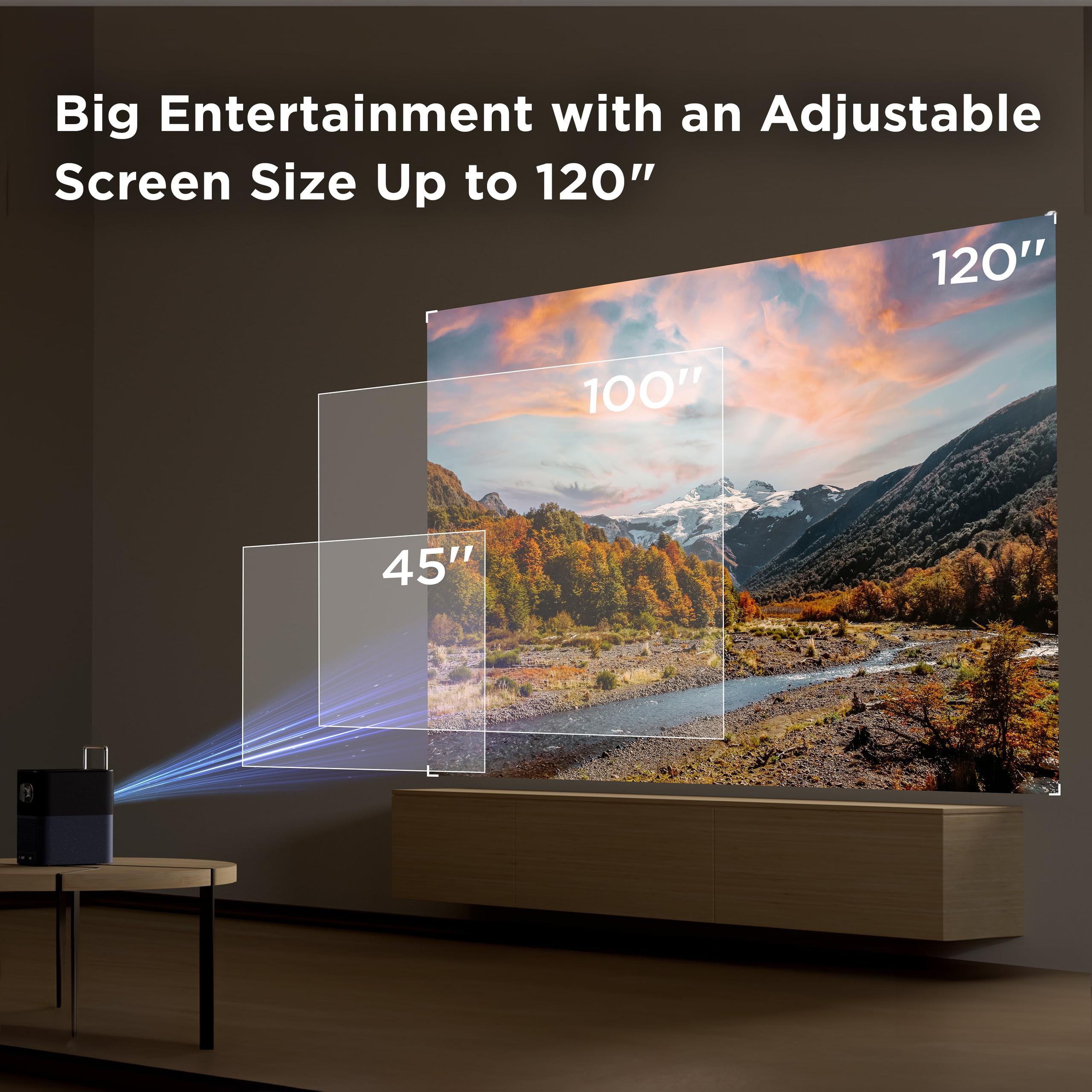
| 45"-120" diagonal - Good range for various spaces | 30"-100" diagonal - Can go smaller for confined spaces |
| Unique Features - Special capabilities that add value | |
| VersaGrip handle that doubles as adjustable stand; Light Sync feature for ambient lighting effects | Can function as standalone Bluetooth speaker; Eye protection sensor; Parental timer function |
| Best For - Ideal use cases based on features | |
| Indoor movie nights in dark rooms; Budget-conscious buyers; Those who prioritize lighter weight | Outdoor entertainment; Camping trips; Environments without power access; Users wanting superior audio |
The BenQ GS50 Portable Outdoor Projector is significantly brighter with 500 ANSI Lumens compared to the TCL A1 Portable 1080p Smart Projector with only 360 ISO Lumens. This brightness difference means the BenQ GS50 can produce a more visible image in rooms with some ambient light, while the TCL A1 requires near-darkness for optimal viewing.
The TCL A1 Portable 1080p Smart Projector is priced at $499, making it $300 less expensive than the BenQ GS50 Portable Outdoor Projector at $799. This substantial price difference reflects the BenQ's additional features like battery operation, water resistance, and superior audio system.
Yes, but with important differences. The BenQ GS50 is specifically designed for outdoor use with IPX2 splash-proof rating, drop resistance, and battery operation for up to 2.5 hours. The TCL A1 can be used outdoors but lacks weather protection and requires a constant power source, making it less practical for true outdoor applications.
Only the BenQ GS50 Portable Outdoor Projector has a built-in battery, which lasts up to 2.5 hours on a full charge. The TCL A1 Portable 1080p Smart Projector does not have a battery and must always be connected to a power outlet to function.
The BenQ GS50 offers superior audio quality with its 2.1 channel system featuring two 5W tweeters and one 10W woofer that projects sound in a 270° pattern. The TCL A1 has dual 8W speakers with Dolby Digital+ processing, which provides decent sound but lacks the bass response and immersive quality of the BenQ's more sophisticated audio system.
Yes, both projectors offer built-in streaming capabilities. The TCL A1 Portable 1080p Smart Projector uses Google TV with access to thousands of apps including Netflix, Disney+, and YouTube. The BenQ GS50 Portable Outdoor Projector runs Android TV 9.0, which also provides access to popular streaming services through its included streaming stick.
The TCL A1 Portable 1080p Smart Projector is lighter at 5.5 lbs compared to the BenQ GS50 Portable Outdoor Projector at 8.6 lbs. However, true portability involves more than weight—the BenQ offers cordless operation with its built-in battery, while the TCL always requires access to power. Both include carrying handles for easy transport.
Neither projector outputs native 4K resolution—both the TCL A1 and BenQ GS50 have 1080p Full HD (1920×1080) native resolution. However, the BenQ GS50 can accept 4K input signals and downscale them to 1080p, plus it supports HDR10 content for better color and contrast. The TCL A1 does not support HDR content.
For dedicated home theater use, the BenQ GS50 offers superior performance with better brightness, contrast, and audio quality. Its HDR support also provides more vibrant colors and better dynamic range for movies. The TCL A1 can work well in a completely dark dedicated space but lacks the audio quality and brightness needed for a premium home theater experience.
The BenQ GS50 Portable Outdoor Projector offers more versatile connectivity with HDMI 2.0, USB-A, USB-C with DisplayPort, Wi-Fi, Bluetooth 4.2, and a 3.5mm audio output. The TCL A1 Portable 1080p Smart Projector includes HDMI, USB-A, Wi-Fi 4, Bluetooth 5.1, and a 3.5mm audio output. The BenQ's USB-C port is particularly useful for modern laptops and smartphones.
The BenQ GS50 is clearly superior for camping and outdoor movie nights due to its built-in battery, water resistance, better brightness, and superior audio system. It can operate completely off-grid for up to 2.5 hours. The TCL A1 requires a power source and offers no weather protection, making it impractical for most camping situations unless you have reliable access to power and protection from the elements.
We've done our best to create useful and informative comparisons to help you decide what product to buy. Our research uses advanced automated methods to create this comparison and perfection is not possible - please contact us for corrections or questions. These are the sites we've researched in the creation of this article: youtube.com - hometheaterforum.com - hifivision.com - tcl.com - gstylemag.com - youtube.com - youtube.com - soundandvision.com - tcl.com - androidheadlines.com - valueelectronics.com - tcl.com - walmart.com - esquire.com - hometheaterview.com - androidpolice.com - projectorcentral.com - howtogeek.com - nfm.com - tcl.com - valueelectronics.com - extapps.dec.ny.gov - cna-aiic.ca - projectorcentral.com - tcl.com - tcl.com - tcl.com - cnet.com - hometheaterhifi.com - youtube.com - youtube.com - whathifi.com - youtube.com - bgeek.eu - youtube.com - youtube.com - projectorreviews.com - youtube.com - youtube.com - projectorcentral.com - projectorreviews.com - bestbuy.com - touchboards.com - projectorcentral.com - adorama.com - projectorreviews.com - insight.com - cnet.com

Privacy Policy
Terms and Conditions - Affiliate Policy
Home Security
© Copyright 2008-2026.
11816 Inwood Rd #1211, Dallas, TX 75244