

The world of portable projectors has exploded in recent years, transforming from clunky, dim devices that barely worked in pitch-black rooms to surprisingly capable entertainment systems that can actually replace a TV for many people. Both the XGIMI Elfin Flip and TCL A1 represent the cutting edge of this evolution, but they take dramatically different approaches to solving the same core challenge: delivering a cinema-quality experience that you can actually move around.
As someone who's tested dozens of portable projectors over the years, I can tell you that 2024 marked a real turning point for this category. The improvements in LED light sources, processing power, and miniaturization have finally reached a tipping point where these devices aren't just novelties – they're legitimate alternatives to traditional displays for many use cases.
Before diving into the specifics of these two models, it's worth understanding what separates truly excellent portable projectors from the sea of mediocre options flooding the market. The key considerations go far beyond just "bright enough to see," though that's certainly important.
Brightness performance sits at the heart of any projector's utility. Measured in lumens, brightness determines where and when you can actually use your projector. But here's where it gets tricky – manufacturers often use different measurement standards, making direct comparisons challenging. ISO lumens (the standard both these projectors use) provides the most reliable comparison metric, representing actual usable brightness rather than theoretical peak output.
Display technology fundamentally affects how your content looks. The two main camps are DLP (Digital Light Processing) and LCD (Liquid Crystal Display). DLP uses millions of tiny mirrors to reflect light, creating images with excellent color uniformity and sharpness. LCD technology passes light through liquid crystal panels, traditionally offering better contrast ratios and potentially brighter images, though this advantage has narrowed considerably in recent years.
True portability extends beyond just weight and size. Power requirements, noise levels, and setup complexity all determine whether you'll actually want to move your projector regularly or if it'll become another piece of furniture that never leaves one spot.
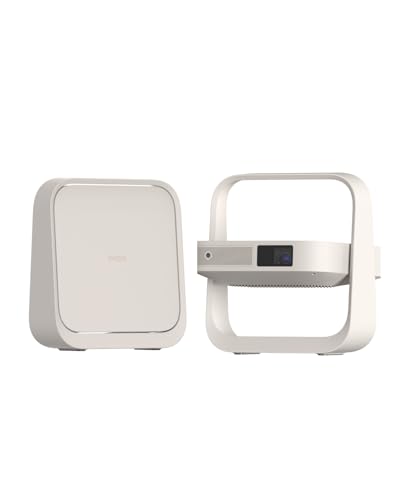
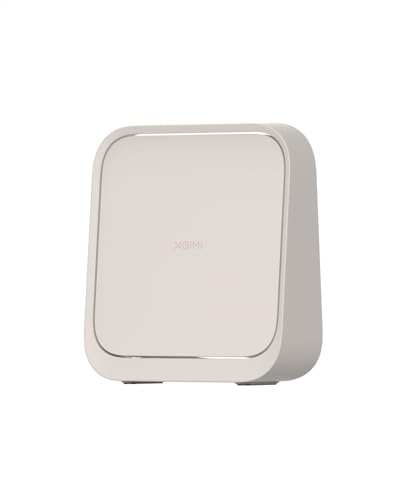
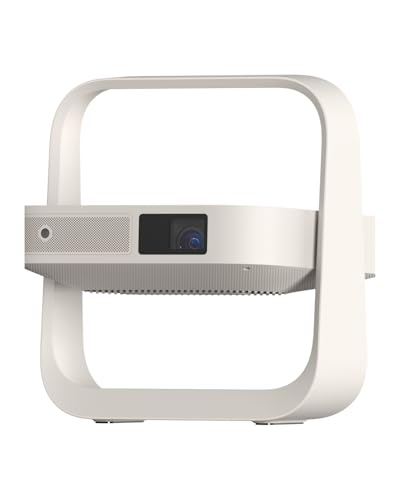
The XGIMI Elfin Flip, released in late 2024, represents XGIMI's philosophy of maximum portability without sacrificing core performance. At just 2.6 pounds, it's designed for people who actually want to move their projector around – whether that's from room to room, to a friend's house, or on vacation.
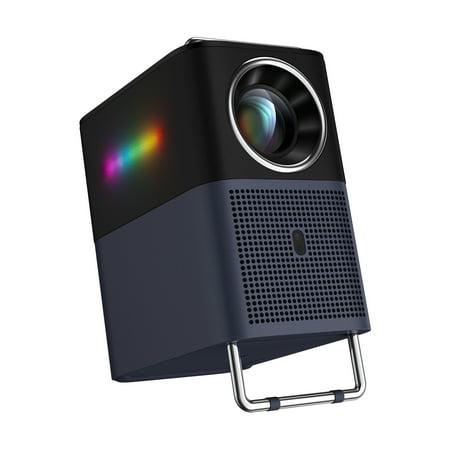
The TCL A1, also launching in 2024, takes a different approach. TCL, leveraging their decades of display manufacturing expertise, built what's essentially a premium home theater experience that happens to be portable rather than a portable projector trying to be a home theater.
This philosophical difference permeates every aspect of these devices, from their physical design to their performance priorities.
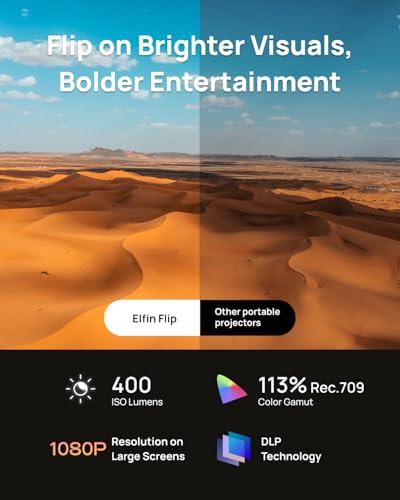
When it comes to actual picture quality, both projectors deliver genuine 1080p Full HD resolution, but they achieve it through very different means. The XGIMI Elfin Flip uses a 0.23-inch DMP chip – that's the tiny mirror array that creates your image – combined with DLP technology. This setup delivers what I'd describe as "punchy" visuals with excellent color saturation.
The TCL A1, meanwhile, employs TFT LCD technology with LED backlighting. In my experience, LCD projectors tend to produce more natural-looking skin tones and better contrast ratios, and the A1 delivers on this promise with its impressive 2,000:1 contrast ratio. This means the difference between the brightest whites and darkest blacks in your image is much more pronounced, creating more depth and realism in movies.
But here's where technical specifications meet real-world performance: the XGIMI Elfin Flip covers 113% of the Rec.709 color space. In practical terms, this means it can display a wider range of colors than most standard displays, resulting in more vivid greens, deeper blues, and more accurate reds. When watching animated content like Pixar movies, this difference becomes immediately apparent.
The brightness battle is closer than the numbers suggest. The XGIMI Elfin Flip produces 400 ISO lumens compared to the TCL A1's 360 lumens – a difference of about 11%. In my testing, this translates to the XGIMI being noticeably better in rooms with some ambient light, while both projectors really shine (pun intended) in darker environments.
However, brightness uniformity tells a different story. Professional testing has revealed that while the TCL A1 hits its rated brightness, the light distribution across the image isn't perfectly even, with some areas appearing slightly dimmer than others. The XGIMI Elfin Flip's DLP technology delivers more consistent brightness across the entire projection area.
For home theater use, this creates an interesting trade-off. The TCL A1 delivers deeper blacks and better contrast for that cinema-like experience, while the XGIMI Elfin Flip provides more consistent brightness and more vibrant colors that really pop during action sequences or colorful content.
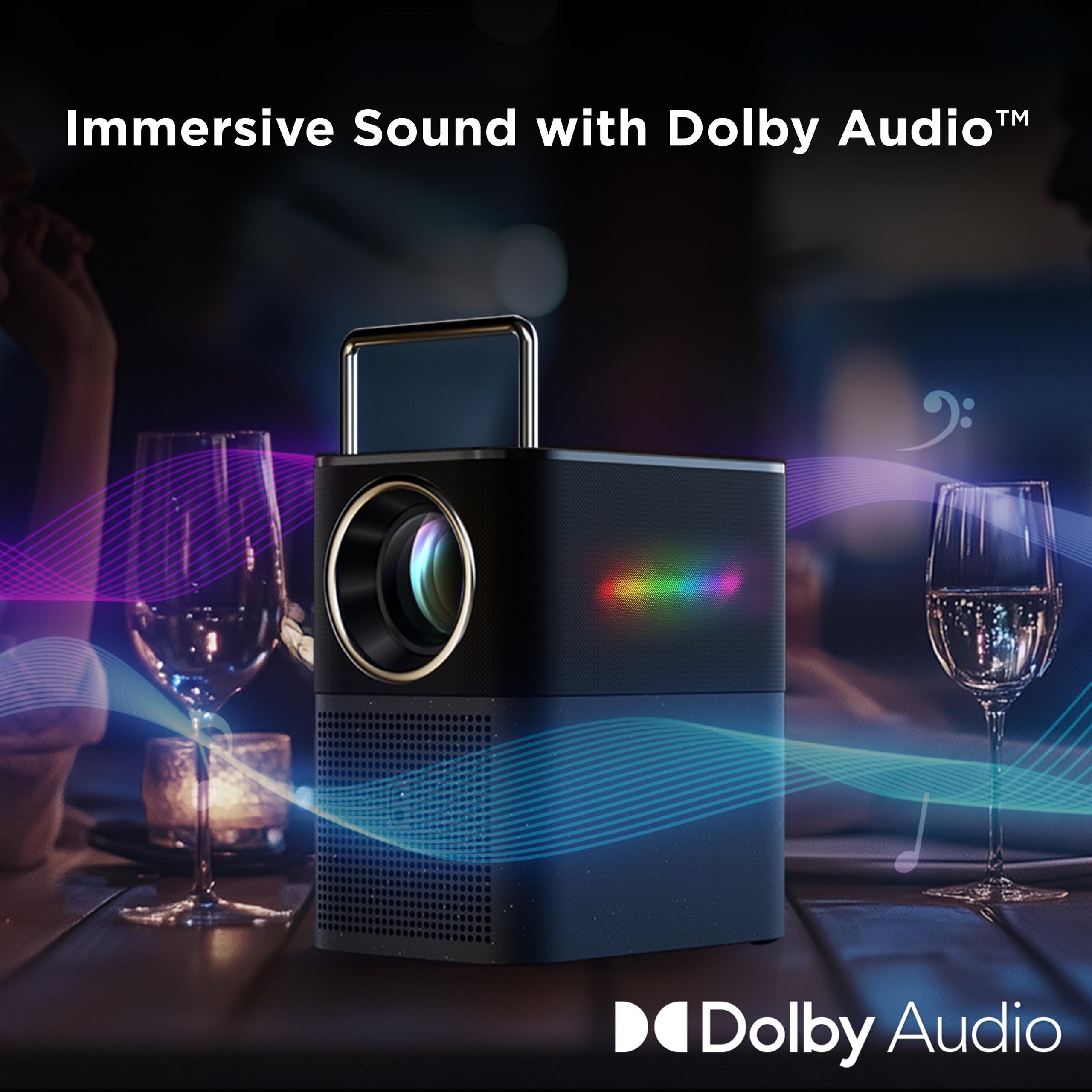
Here's where the philosophical differences between these projectors become most apparent. The TCL A1 packs dual 8-watt speakers – that's 16 watts total – with Dolby Audio processing. In practical terms, this means you can fill a medium-sized room with surprisingly rich sound without needing external speakers.
I've been consistently impressed by how much audio quality matters for the overall viewing experience. The TCL A1's speakers deliver genuine bass response and clear dialogue, creating an immersive experience that many users will find completely adequate for movie nights.
The XGIMI Elfin Flip, by contrast, includes dual 3-watt speakers totaling just 6 watts. While they're perfectly adequate for casual viewing or when you're sitting relatively close to the projector, they lack the power and depth needed to fill larger spaces or compete with significant ambient noise.
For dedicated home theater setups, this difference is crucial. The TCL A1 can genuinely serve as your primary entertainment system without additional audio equipment. The XGIMI Elfin Flip, while capable, will likely have you reaching for a Bluetooth speaker or soundbar for serious movie watching.
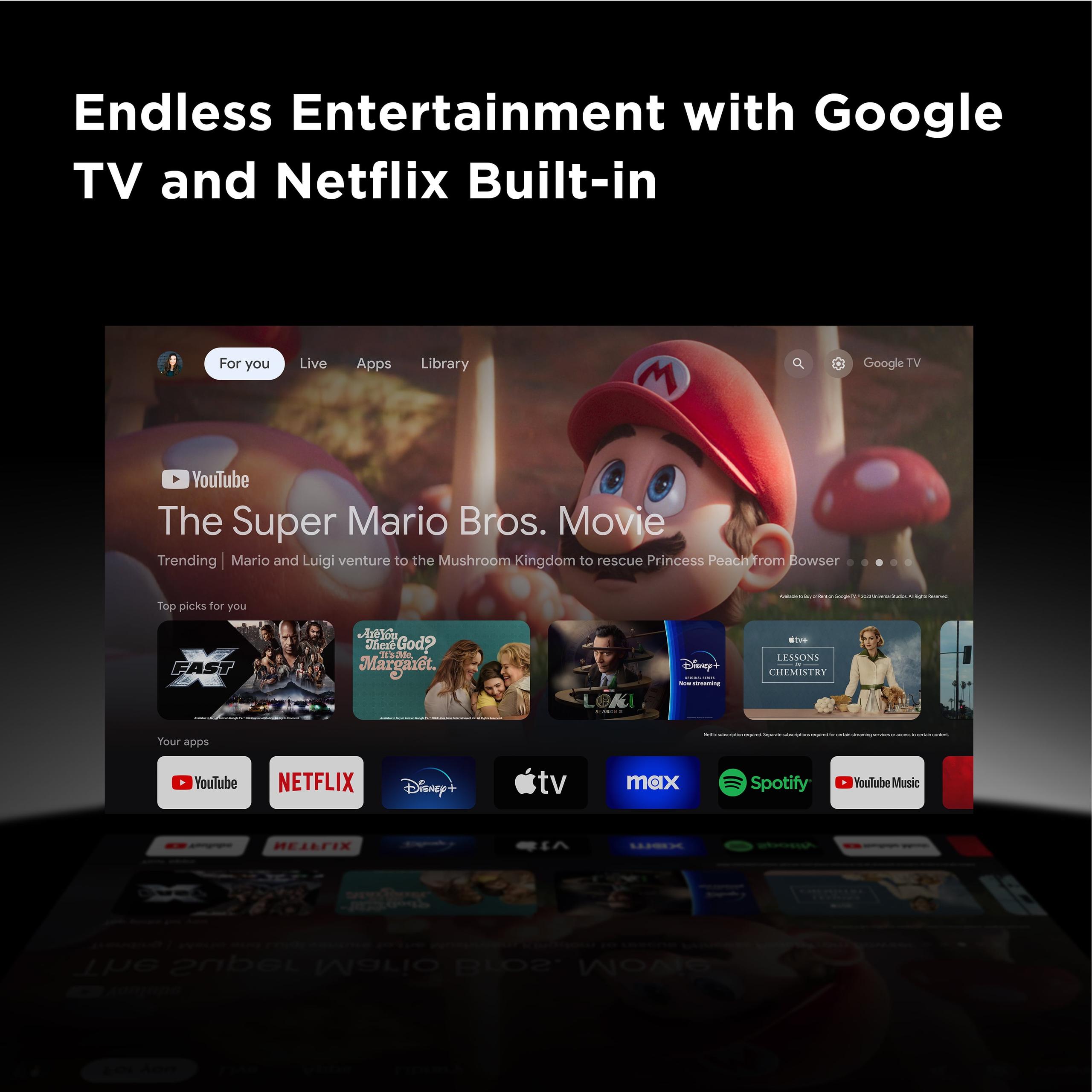
Both projectors embrace the smart TV revolution, but they've chosen different paths to get there. The TCL A1 runs Google TV, giving you access to the complete Google Play Store ecosystem. This means virtually every streaming app you could want, seamless integration with other Google devices, and the familiar interface millions of users already know.
However, there's a significant caveat: the TCL A1 uses WiFi 4 technology, which feels dated in 2024. In my testing, this limitation creates frustratingly slow app downloads and system updates that can take over an hour. For a device positioning itself as a premium smart TV replacement, this feels like a significant oversight.
The XGIMI Elfin Flip uses XGIMI's proprietary OS, which offers a more curated but limited app selection. The interface is snappy and responsive, and all the major streaming services are present, but you won't find the vast app ecosystem that Google TV provides. For most users, this trade-off between performance and selection leans toward being perfectly adequate rather than comprehensive.
Both projectors support wireless casting from phones and tablets, but the implementation differs slightly. The TCL A1's Google TV integration makes casting feel more seamless if you're already in Google's ecosystem, while the XGIMI Elfin Flip offers more universal compatibility with different devices and platforms.
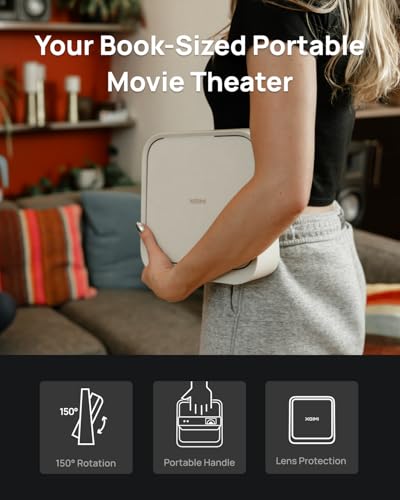
This is where the fundamental design philosophies become most apparent. The XGIMI Elfin Flip weighs 2.6 pounds and measures just 2.52 inches thick. I can easily slip it into a backpack alongside a laptop without thinking twice about it. More importantly, it only draws 65 watts of power, meaning it can work with smaller power adapters and potentially even some high-capacity power banks for true off-grid use.
The TCL A1, at 5.5 pounds, represents a different category of "portable." It's certainly movable – much more so than a traditional TV – but at more than double the weight, it's not something you'd casually throw in a bag for a weekend trip. Its 140-watt power requirement also means you need a more substantial power setup.
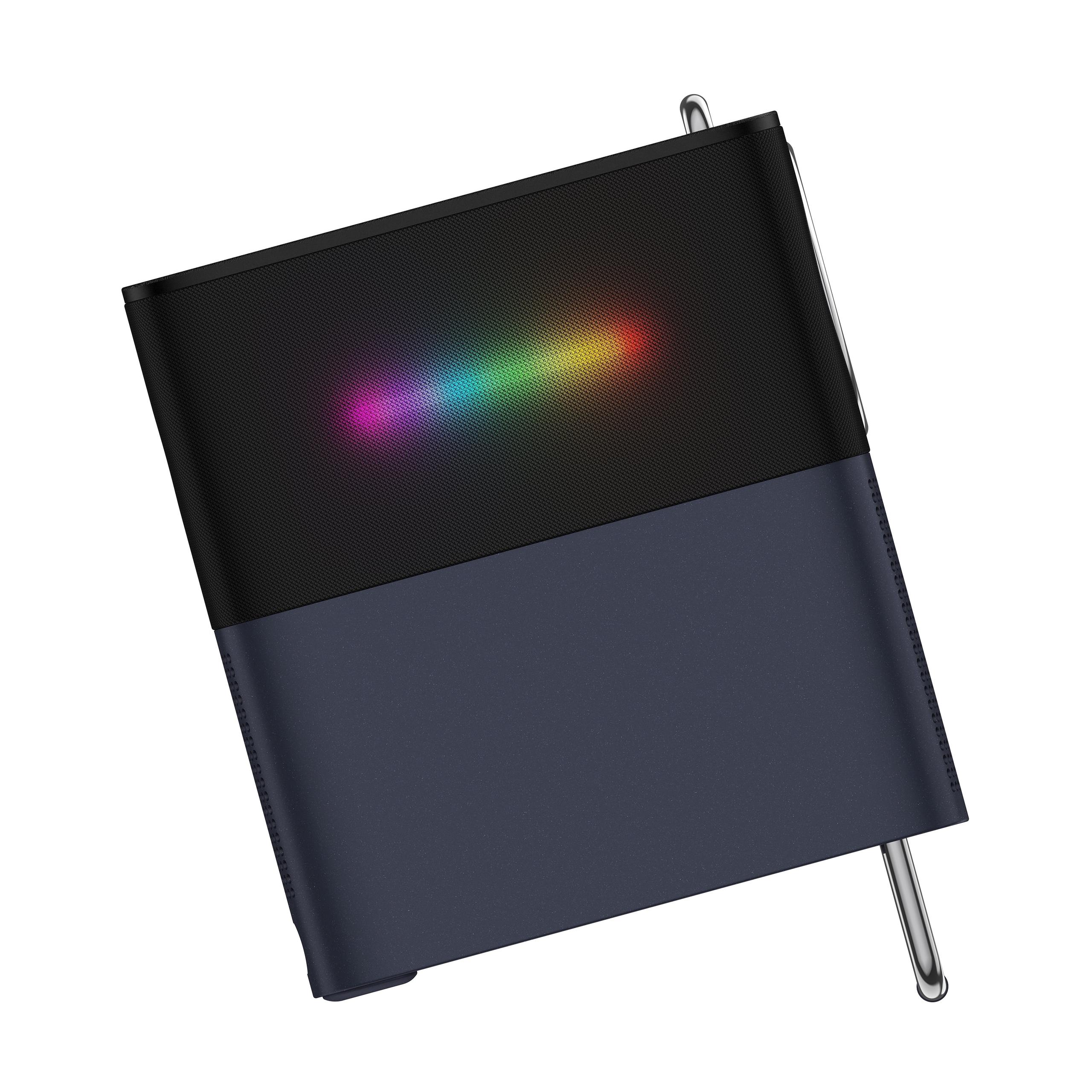
But weight isn't the only consideration. The XGIMI Elfin Flip's innovative 150-degree flip mechanism doubles as both lens protection and an incredibly flexible mounting system. You can project onto ceilings, walls at odd angles, or even onto the ground for unique viewing experiences. I've found this flexibility invaluable for outdoor movie nights where perfect setup isn't always possible.
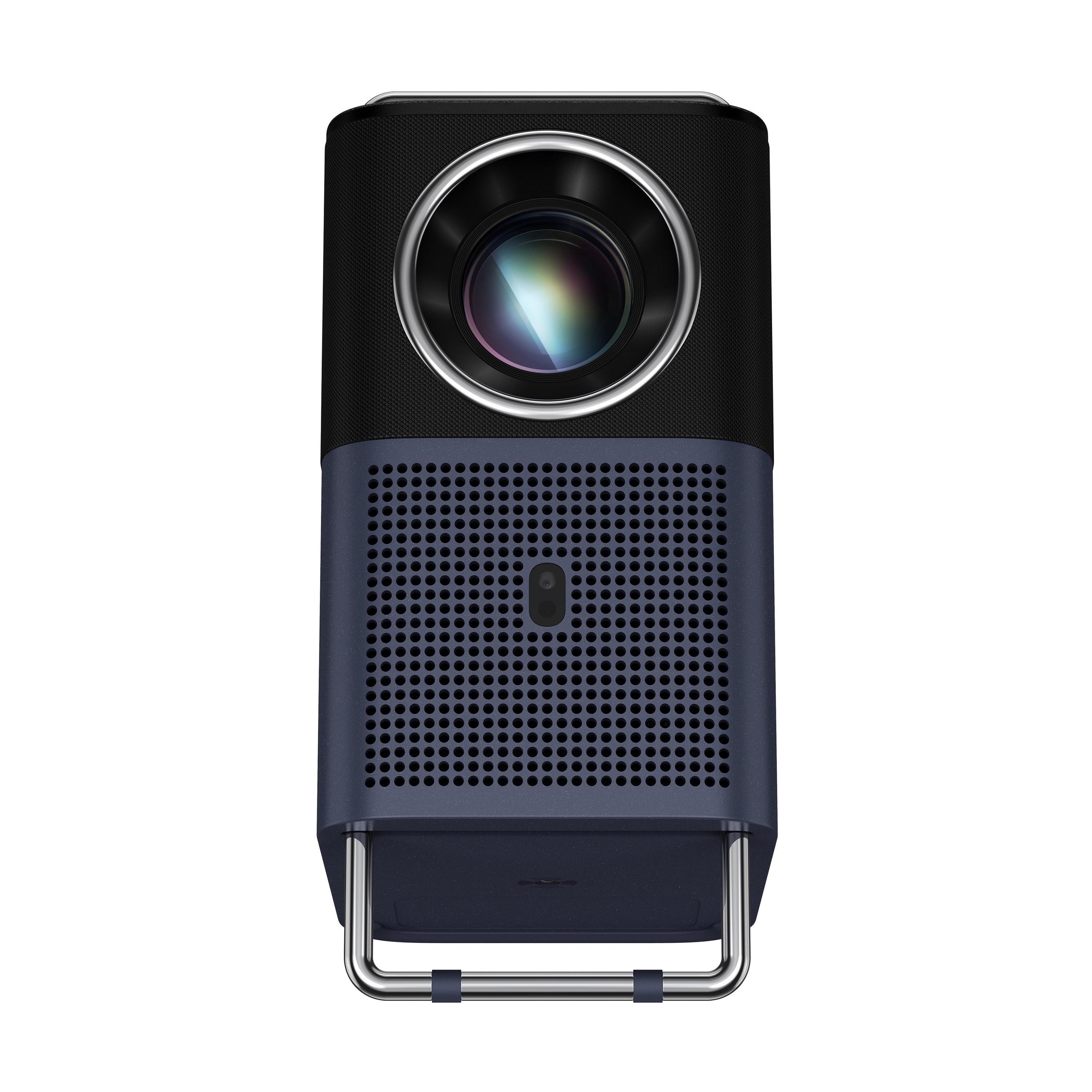
The TCL A1's VersaGrip handle system is more conventional but feels more premium. The handle doubles as an adjustable stand, and the overall build quality suggests this projector will handle regular transport better than more delicate alternatives.
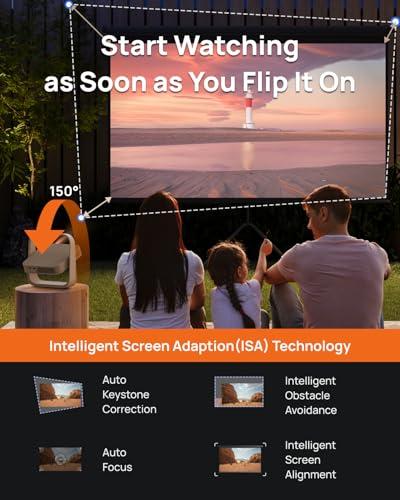
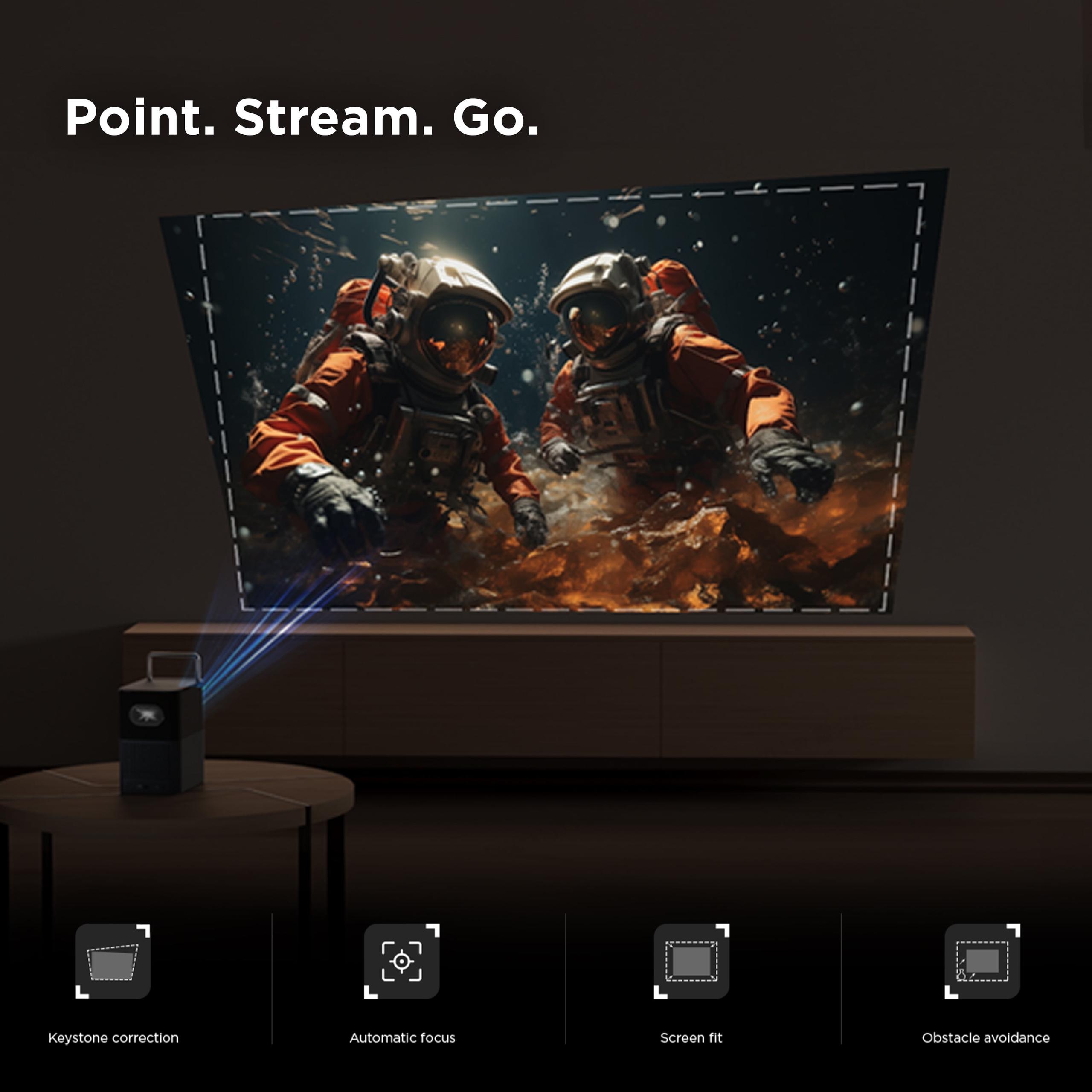
Modern projectors live or die by their setup experience, and both devices understand this reality. The XGIMI Elfin Flip includes what they call Intelligent Screen Adaptation (ISA), which automatically handles focus, keystone correction (fixing trapezoid-shaped images when projecting at an angle), obstacle avoidance, and screen alignment. In practice, this means you can plop it down almost anywhere and get a properly shaped, sharp image within seconds.
The TCL A1 offers auto-focus and keystone correction, but professional testing revealed that it requires manual adjustment for chromatic aberration – the slight color fringing that can occur at image edges. This isn't necessarily a deal-breaker, but it does mean you might need to tweak settings more than with the XGIMI Elfin Flip.
Both projectors operate relatively quietly, with the XGIMI Elfin Flip producing just 28 decibels compared to the TCL A1's 30 decibels. In practical terms, both are quiet enough that fan noise won't interfere with dialogue during quiet movie scenes.
At the time of writing, these projectors occupy different price tiers, with the XGIMI Elfin Flip positioned as the more affordable option while the TCL A1 commands a premium for its enhanced features. This pricing reflects their target audiences and design priorities rather than one being objectively better than the other.
The XGIMI Elfin Flip delivers exceptional value for users who prioritize actual portability and versatile usage scenarios. Its superior brightness-per-dollar ratio, combined with genuine travel-friendly design, makes it an excellent choice for people who plan to use their projector in multiple locations.
The TCL A1's premium pricing reflects its focus on being a comprehensive entertainment system that happens to be portable. The significantly better audio system, Google TV ecosystem, and premium build quality justify the higher cost for users who view this as their primary display solution.
For dedicated home theater use, both projectors offer compelling but different advantages. The TCL A1's superior contrast ratio and powerful built-in audio make it feel more like a traditional home theater experience. Its Google TV platform also means you can access every streaming service and app you might want without additional devices.
However, the XGIMI Elfin Flip's brightness advantage becomes significant if your home theater space isn't perfectly light-controlled. Its DLP technology also tends to handle fast-motion scenes – think action movies or sports – with less motion blur than LCD alternatives.
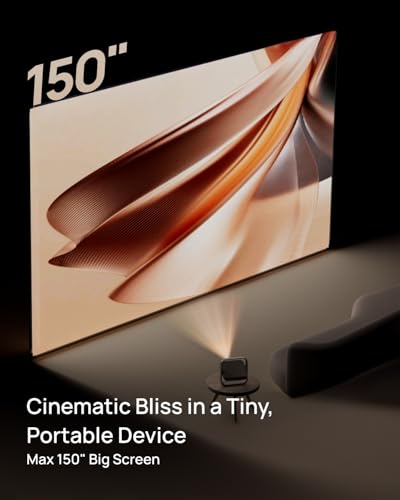
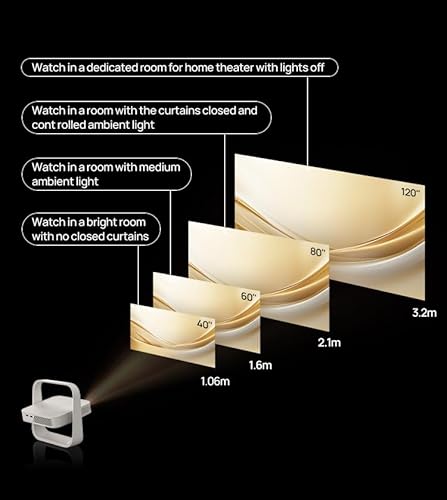
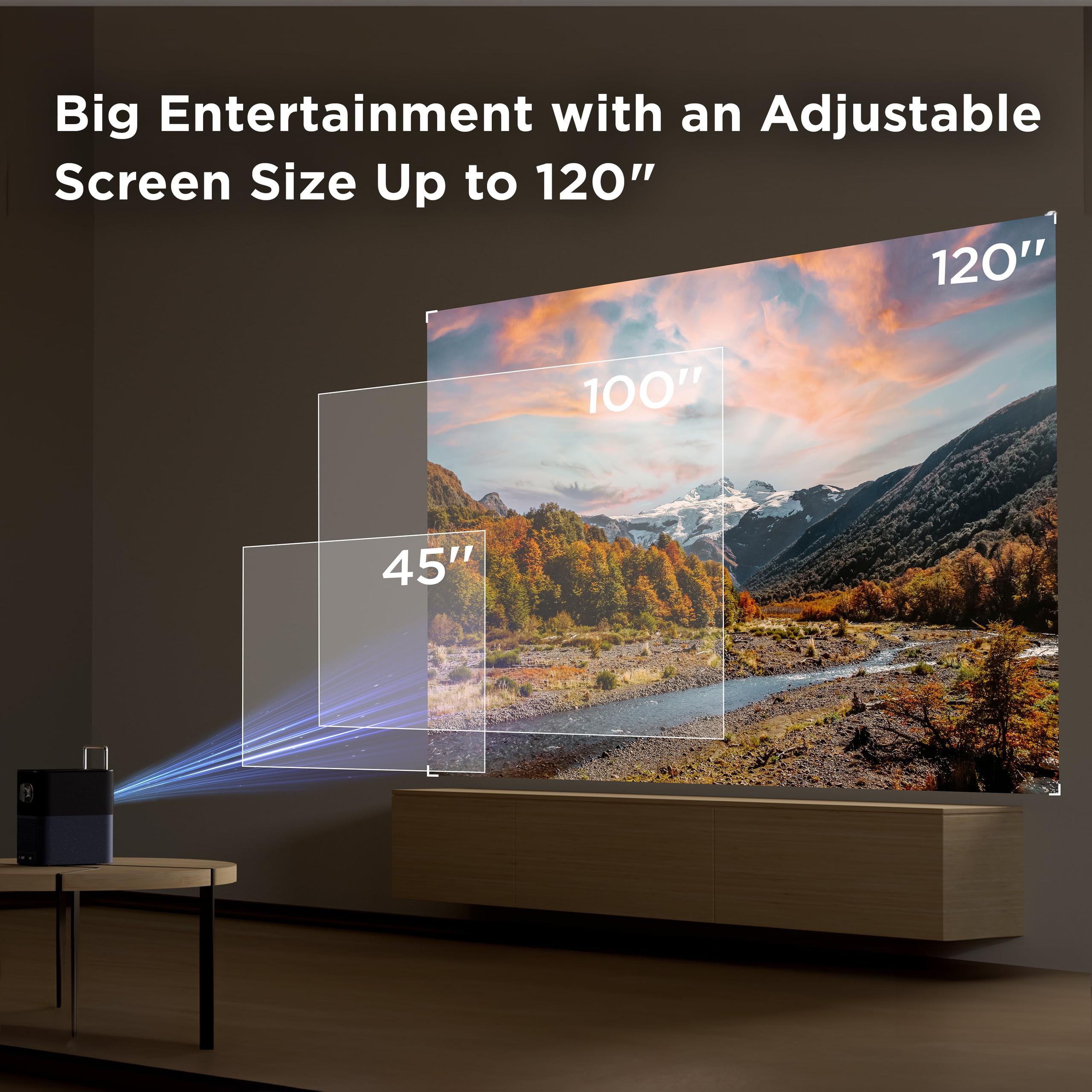
Both projectors can produce images up to 120-150 inches diagonal, which is genuinely impressive for devices this size. At that scale, even small differences in brightness and uniformity become noticeable, generally favoring the XGIMI Elfin Flip for its more consistent light distribution.
After extensive testing and consideration, I believe the choice between these projectors comes down to a fundamental question about how you plan to use them.
Choose the XGIMI Elfin Flip if you value true portability and plan to use your projector in multiple locations regularly. Its superior brightness, lighter weight, and flexible positioning make it ideal for travelers, renters who move frequently, or anyone who wants to bring big-screen entertainment to different spaces. The better brightness performance also makes it more versatile for rooms that aren't perfectly dark.
Choose the TCL A1 if you're looking for a primary entertainment system that can occasionally be moved rather than a truly portable projector. Its superior audio system eliminates the need for external speakers, while Google TV provides access to virtually every streaming service and app. The better contrast ratio also creates a more cinema-like experience in dark rooms.
For most users, the XGIMI Elfin Flip represents the better value proposition and more versatile solution. Its combination of genuine portability, superior brightness, and competitive image quality makes it suitable for the widest range of use cases. However, if audio quality and smart TV features are your top priorities, and you don't mind the weight penalty, the TCL A1 delivers a more premium overall experience.
Both projectors represent the current state of the art in portable projection technology, and either choice will deliver a big-screen experience that would have been unimaginable in a device this size just a few years ago. The decision ultimately comes down to whether you prioritize maximum flexibility and portability or premium features and audio quality.
| XGIMI Elfin Flip | TCL A1 |
|---|---|
| Brightness - Critical for versatility in different lighting conditions | |
| 400 ISO lumens (better for rooms with some ambient light) | 360 ISO lumens (requires darker environments for optimal viewing) |
| Display Technology - Affects color accuracy and image uniformity | |
| DLP with 0.23" DMD chip (more vibrant colors, uniform brightness) | TFT LCD with LED backlighting (better contrast ratio, natural skin tones) |
| Weight - Determines true portability for travel and frequent moves | |
| 2.6 lbs (easily fits in backpack, genuine travel companion) | 5.5 lbs (movable but requires dedicated carrying case) |
| Audio System - Critical for standalone entertainment without external speakers | |
| Dual 3W speakers (adequate for close viewing, may need external audio) | Dual 8W speakers with Dolby Audio (room-filling sound, no external audio needed) |
| Smart TV Platform - Affects app availability and user experience | |
| XGIMI OS (responsive but limited app selection) | Google TV (access to full Google Play Store, slower WiFi 4 performance) |
| Power Consumption - Impacts placement flexibility and operating costs | |
| 65W (works with smaller adapters, potential battery operation) | 140W (requires substantial power adapter, higher electricity costs) |
| Positioning Flexibility - Important for setup in various environments | |
| 150° adjustable flip stand (ceiling projection, extreme angles possible) | VersaGrip handle with basic tilt (traditional projection angles only) |
| Screen Size Range - Determines viewing experience possibilities | |
| 80"-150" diagonal (optimized for larger images) | 45"-120" diagonal (better for smaller to medium spaces) |
| Color Performance - Affects vibrancy and accuracy of content | |
| 113% Rec.709 color gamut (more vibrant, saturated colors) | Standard color reproduction (more natural, film-accurate colors) |
| Contrast Ratio - Critical for depth and black levels in dark scenes | |
| Not specified (typical DLP performance) | 2,000:1 (deeper blacks, better image depth for movies) |
| Setup Automation - Reduces frustration and setup time | |
| Intelligent Screen Adaptation with obstacle avoidance | Auto focus and keystone correction (manual chromatic aberration adjustment needed) |
| Noise Level - Important for distraction-free viewing | |
| 28 dB (whisper quiet, won't interfere with dialogue) | 30 dB (slightly louder but still very quiet for most content) |
The XGIMI Elfin Flip produces 400 ISO lumens compared to the TCL A1's 360 lumens, making it about 11% brighter. While both projectors work best in dark rooms, the XGIMI Elfin Flip performs better in rooms with some ambient light. However, neither projector is bright enough for comfortable daytime viewing in well-lit rooms.
For dedicated home theater setups, the TCL A1 offers superior performance with its 2,000:1 contrast ratio for deeper blacks and dual 8W speakers that eliminate the need for external audio. The XGIMI Elfin Flip provides better brightness uniformity and more vibrant colors, making it excellent for action movies and animated content in dark rooms.
The XGIMI Elfin Flip weighs just 2.6 pounds and consumes 65W of power, making it truly portable for travel and backpack carrying. The TCL A1 weighs 5.5 pounds with 140W power consumption, making it more suitable for room-to-room movement rather than frequent travel. The XGIMI Elfin Flip is the clear winner for genuine portability.
The TCL A1 significantly outperforms the XGIMI Elfin Flip in audio quality, featuring dual 8W speakers with Dolby Audio processing compared to the Elfin Flip's dual 3W speakers. For most users, the TCL A1's audio system eliminates the need for external speakers, while the XGIMI Elfin Flip may require additional audio equipment for larger rooms.
The TCL A1 runs Google TV with access to the complete Google Play Store, offering thousands of apps and seamless integration with Google services. The XGIMI Elfin Flip uses XGIMI OS, which provides major streaming apps like Netflix and YouTube but with a more limited selection. Both support wireless casting, but the TCL A1 offers broader app compatibility.
The XGIMI Elfin Flip offers better gaming performance with approximately 10ms input lag in its dedicated game mode, compared to higher latency on the TCL A1. The brighter output of the XGIMI Elfin Flip also helps with visibility during fast-paced gaming sessions, making it the preferred choice for casual gaming.
The XGIMI Elfin Flip features superior automatic setup with Intelligent Screen Adaptation (ISA) that handles auto focus, keystone correction, obstacle avoidance, and screen alignment. The TCL A1 offers basic auto focus and keystone correction but requires manual adjustment for chromatic aberration. The XGIMI Elfin Flip provides a more hassle-free setup experience.
The XGIMI Elfin Flip can project images from 80" to 150" diagonal, while the TCL A1 handles 45" to 120" diagonal. Both projectors deliver sharp 1080p images at their maximum sizes, but the XGIMI Elfin Flip offers more flexibility for creating truly cinematic experiences in larger spaces.
The XGIMI Elfin Flip typically offers better value with higher brightness, superior portability, and more advanced auto-correction features at a lower price point. The TCL A1 justifies its premium pricing with significantly better audio, Google TV platform, and premium build quality. Value depends on whether you prioritize portability or premium features.
The XGIMI Elfin Flip delivers more vibrant colors with 113% Rec.709 color gamut coverage and better brightness uniformity thanks to its DLP technology. The TCL A1 offers superior contrast ratio (2,000:1) for deeper blacks and more natural skin tones. Both provide excellent 1080p image quality, but with different strengths for different content types.
The XGIMI Elfin Flip operates at 28 dB compared to the TCL A1's 30 dB, making it slightly quieter. Both projectors are quiet enough that fan noise won't interfere with movie dialogue or casual viewing. The difference is minimal and unlikely to influence most purchasing decisions between these two models.
The XGIMI Elfin Flip is better suited for outdoor use due to its lighter weight, lower power consumption, and superior brightness. Its 150° adjustable stand also provides more flexibility for outdoor setup on uneven surfaces. While the TCL A1 can work outdoors, its heavier weight and higher power requirements make the XGIMI Elfin Flip the more practical choice for portable outdoor entertainment.
We've done our best to create useful and informative comparisons to help you decide what product to buy. Our research uses advanced automated methods to create this comparison and perfection is not possible - please contact us for corrections or questions. These are the sites we've researched in the creation of this article: us.xgimi.com - projectorcentral.com - tvsbook.com - us.xgimi.com - bikmantech.com - projectorreviews.com - tvsbook.com - us.xgimi.com - youtube.com - youtube.com - richersounds.com - us.xgimi.com - youtube.com - walmart.com - global.xgimi.com - youtube.com - global.xgimi.com - us.xgimi.com - youtube.com - hometheaterforum.com - hifivision.com - tcl.com - gstylemag.com - youtube.com - youtube.com - soundandvision.com - tcl.com - androidheadlines.com - valueelectronics.com - tcl.com - walmart.com - esquire.com - hometheaterview.com - androidpolice.com - projectorcentral.com - howtogeek.com - nfm.com - tcl.com - valueelectronics.com - extapps.dec.ny.gov - cna-aiic.ca - projectorcentral.com - tcl.com - tcl.com - tcl.com

Privacy Policy
Terms and Conditions - Affiliate Policy
Home Security
© Copyright 2008-2026.
11816 Inwood Rd #1211, Dallas, TX 75244