



Gaming monitors have come a long way from the chunky CRT displays of the early 2000s. Today's high-end monitors are technological marvels that can make or break your gaming experience. Whether you're competing in esports tournaments or settling in for a movie night, your monitor is the window to all your digital content.
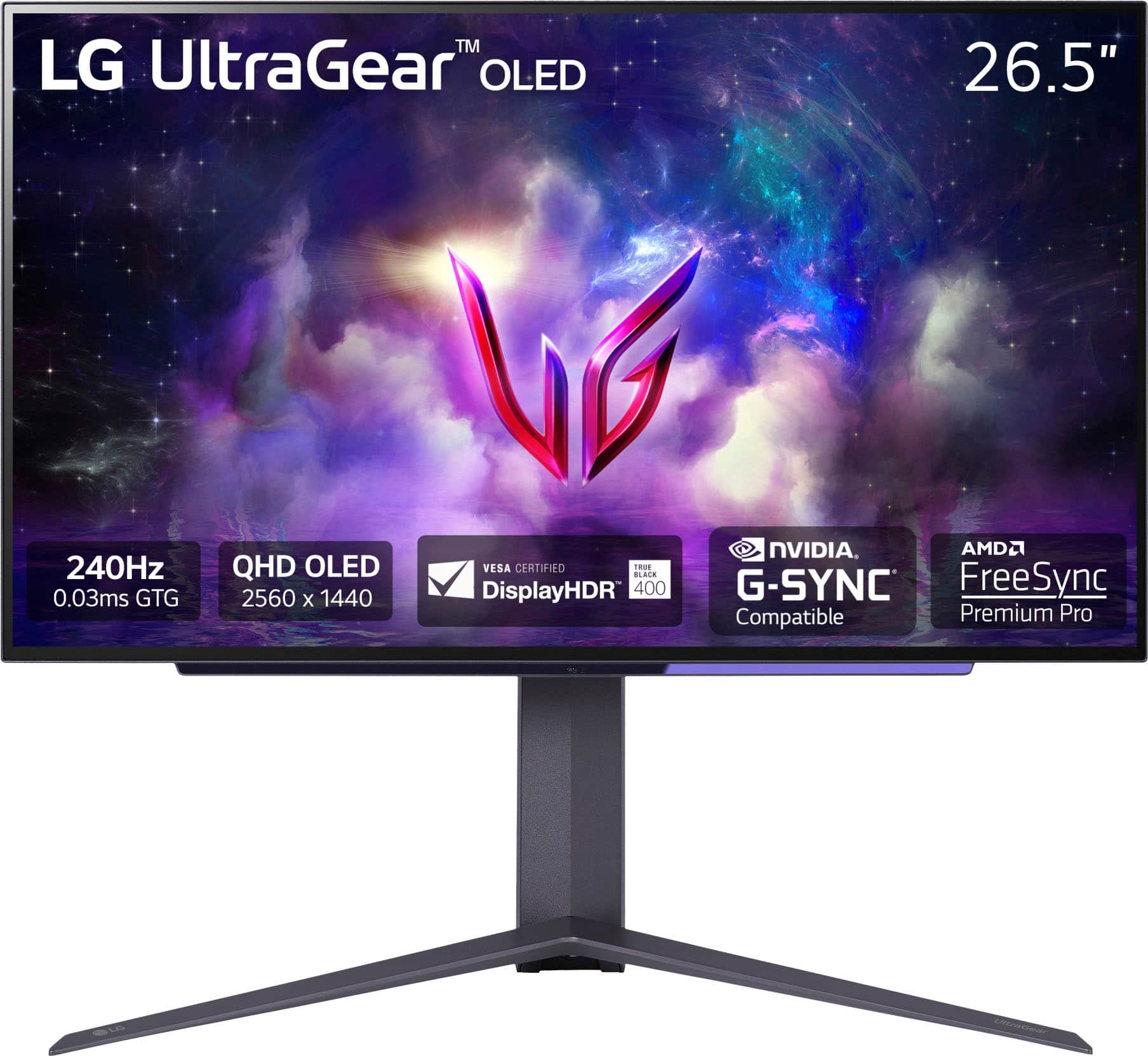
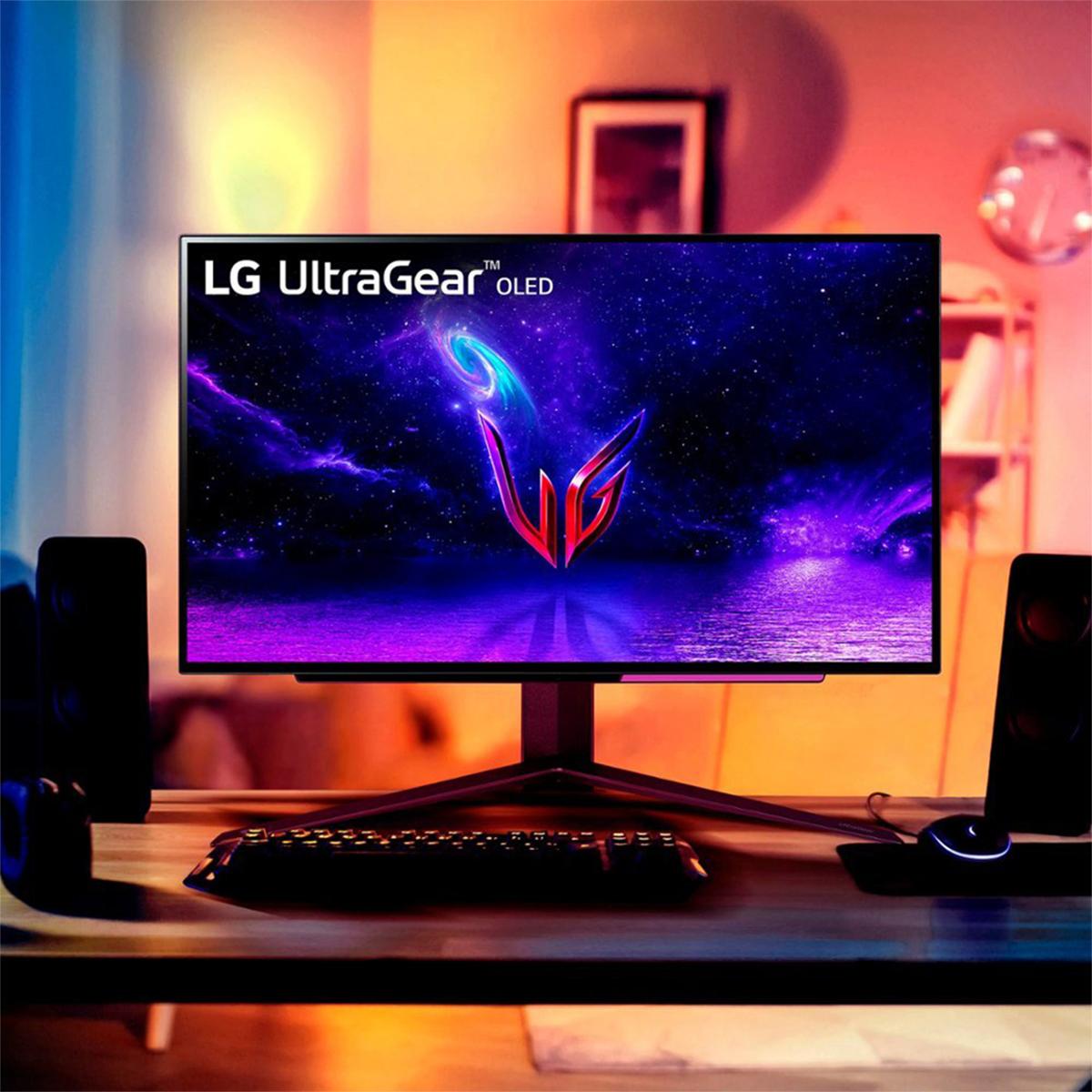
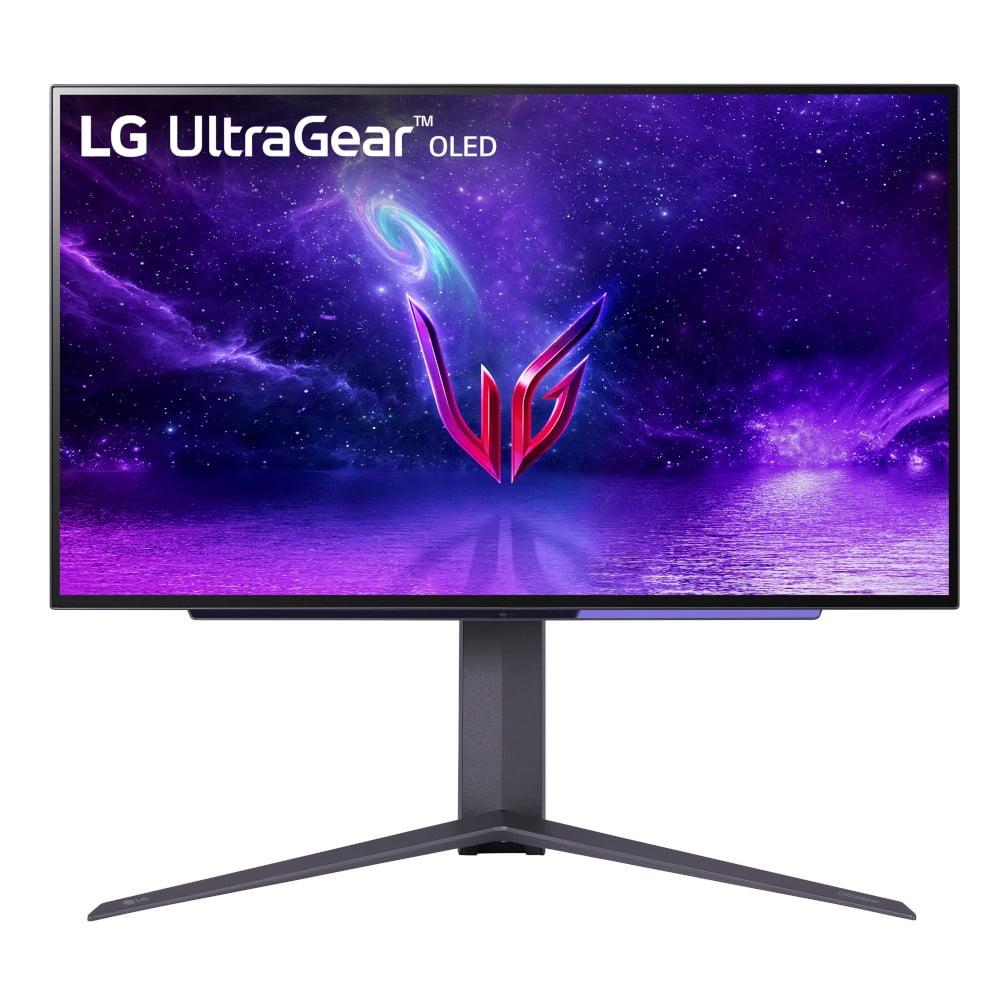
When shopping for a premium gaming monitor, you're essentially choosing between two philosophies: prioritize speed and contrast, or go for resolution and versatility. The LG UltraGear 27" OLED QHD 240Hz Gaming Monitor ($899) represents the speed-focused approach, while the Dough Spectrum One 27-Inch 4K 144Hz Gaming Monitor Gorilla Glass ($899) champions resolution and build quality.
Both monitors launched in 2024, arriving at a time when gaming display technology was hitting new heights. The LG came out in October 2024, riding the wave of OLED gaming monitors becoming more affordable. Meanwhile, Dough (formerly known as Eve) released their Spectrum One in early 2024, bringing desktop monitor innovations like Gorilla Glass that we'd previously only seen on smartphones and tablets.
Before diving into specifics, let's talk about what makes these monitors special. Gaming monitors need to handle three main jobs: display crisp images, refresh those images quickly, and respond to your inputs without delay.
Refresh rate measures how many times per second your monitor can display a new image, measured in Hertz (Hz). Think of it like frames per second in a movie – higher numbers mean smoother motion. Most standard monitors run at 60Hz, but gaming monitors push this much higher.
Response time is different – it measures how quickly individual pixels can change from one color to another, typically measured in milliseconds (ms). Faster response times mean less ghosting or trailing behind moving objects.
Panel technology determines how the monitor creates its image. OLED (Organic Light-Emitting Diode) panels have pixels that light themselves up, while IPS (In-Plane Switching) panels use a backlight shining through liquid crystals. Each approach has distinct advantages.
The gaming monitor market has exploded in recent years. Back in 2020, a 144Hz monitor was considered high-end. Now, we have 240Hz OLED displays and 4K monitors that don't cost as much as a used car. Both of these monitors represent the current peak of their respective approaches.
The biggest difference between these monitors lies in their fundamental display technology, and this choice affects everything else about how they perform.
The LG UltraGear's OLED panel works like a massive grid of tiny colored lights. Each pixel can turn completely on, completely off, or anywhere in between, independently of its neighbors. When you see a night scene in a game, the black areas are truly black – not dark gray, but the complete absence of light. This creates what we call "infinite contrast," meaning the difference between the darkest blacks and brightest whites is essentially unlimited.
I've spent considerable time with OLED displays, and the difference is immediately noticeable. Dark scenes in games like Resident Evil 4 or Alan Wake 2 have a depth and realism that's hard to describe until you see it. Details that get lost in the gray haze of traditional monitors suddenly pop out with crystal clarity.
The Dough Spectrum One uses an IPS panel, which works differently. Behind the screen sits a bright LED backlight that shines through layers of liquid crystals and color filters. The crystals twist to block or allow light through, creating the image you see. IPS panels excel at color accuracy and viewing angles – you can look at the screen from the side without colors shifting dramatically.
What makes the Dough monitor special is its 4K resolution (3840×2160 pixels) compared to the LG's QHD resolution (2560×1440 pixels). That's about 77% more pixels packed into the same 27-inch screen. Text looks incredibly sharp, game textures reveal more detail, and you can fit more content on screen simultaneously.
The trade-off? IPS panels can't achieve true blacks because the backlight is always on. Even in the darkest scenes, you'll see a faint glow. The Dough monitor compensates with impressive peak brightness – up to 750 nits compared to the LG's more typical 450 nits in standard mode. This makes HDR (High Dynamic Range) content look more impactful, with brighter highlights that really grab your attention.
Here's where things get interesting for gamers. The LG UltraGear pushes a blistering 240Hz refresh rate, meaning it can display 240 unique images every second. Combined with its 0.03ms response time – that's three hundredths of a millisecond – moving objects appear incredibly smooth and clear.
For competitive gaming, this matters tremendously. In fast-paced shooters like Counter-Strike 2 or Valorant, enemies moving across your screen appear more solid and easier to track. The difference between 144Hz and 240Hz might sound minor on paper, but in practice, it's the difference between smoothly tracking a target and losing them in a blur of motion.
I've tested both refresh rates extensively, and while the jump from 60Hz to 144Hz feels revolutionary, the improvement from 144Hz to 240Hz is more subtle but still meaningful for serious competitive players. Your brain processes the smoother motion subconsciously, leading to better aim and reaction times.
The Dough Spectrum One counters with its 4K resolution and solid 144Hz refresh rate. While not as fast as the LG, 144Hz is still excellent for gaming – it's the sweet spot where most games feel fluid without requiring an absolute monster of a graphics card to drive them.
That 4K resolution transforms single-player games. Playing Cyberpunk 2077 or Red Dead Redemption 2 at 4K reveals details in textures, distant objects, and UI elements that simply aren't visible at lower resolutions. Character faces show more nuance, environmental details pop out, and the overall sense of immersion increases dramatically.
Both monitors support variable refresh rate technology through FreeSync Premium and G-SYNC Compatible modes. This technology syncs your monitor's refresh rate with your graphics card's output, eliminating screen tearing (when the image appears to split horizontally) and reducing stuttering when frame rates fluctuate.
HDR has become increasingly important as more games and content support it. HDR expands the range of colors and brightness levels your monitor can display, making images appear more lifelike and dynamic.
The LG UltraGear supports HDR400, which means it can reach peak brightness levels of around 400 nits in HDR mode. While this might sound modest, OLED's perfect blacks create incredible contrast even at lower peak brightness levels. When you're exploring a cave in The Witcher 3 with a torch, the flame's glow against the pitch-black darkness creates an almost three-dimensional effect.
OLED's color performance is exceptional, covering 98.5% of the DCI-P3 color space – that's the standard used by movie studios and high-end content creation. Colors appear rich and accurate without the oversaturation that plagues some gaming monitors.
The Dough Spectrum One takes a different approach with HDR600 certification and 16-zone local dimming. Local dimming allows different sections of the backlight to dim independently, creating better contrast in HDR content. Those 750-nit peak brightness levels mean HDR highlights really shine – think of the sun glinting off metal surfaces or explosions in action games.
The monitor comes factory calibrated to achieve a Delta E of less than 0.6, which is professional-grade color accuracy. For content creators or anyone who cares about precise colors, this level of calibration straight out of the box is impressive and would typically require expensive calibration equipment to achieve.
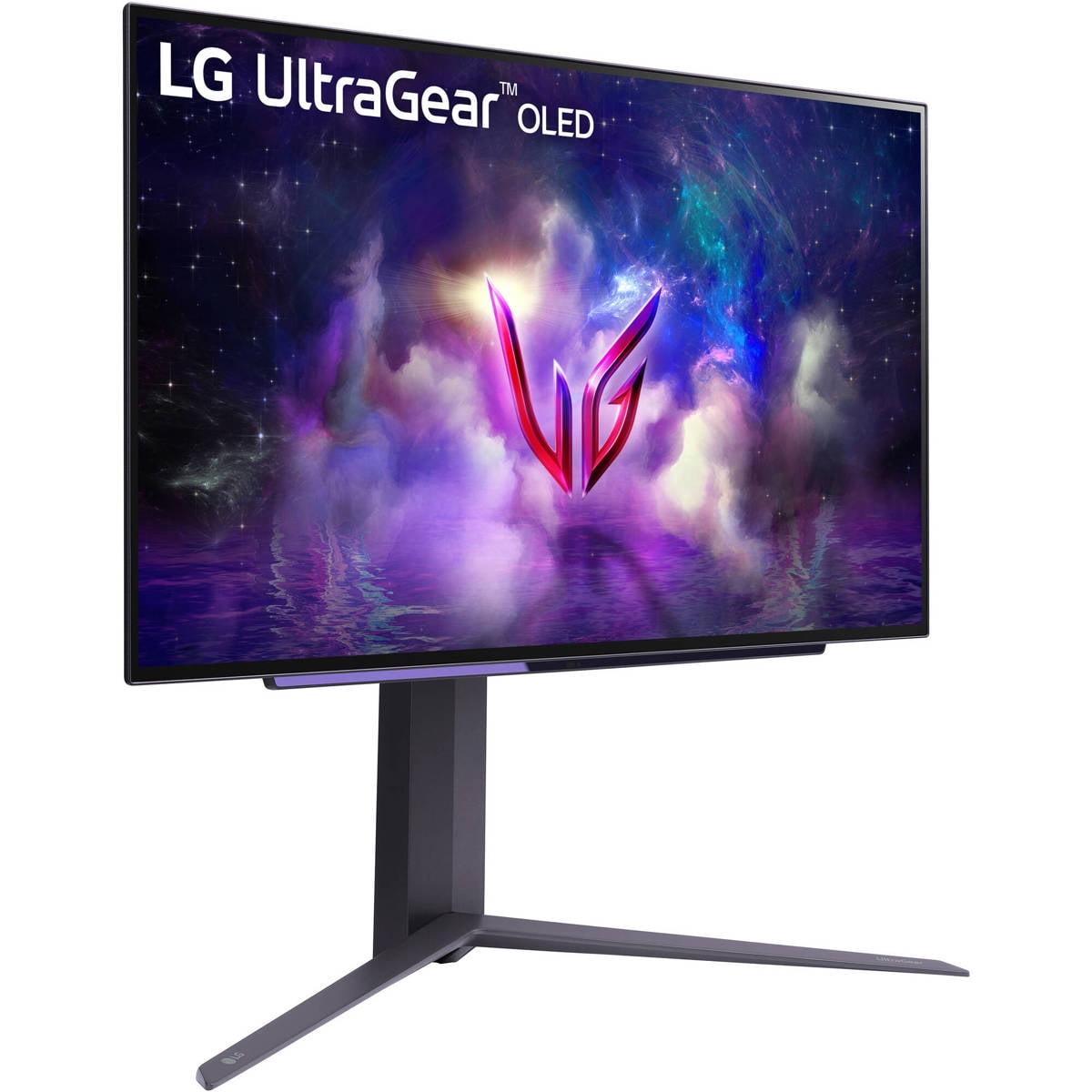
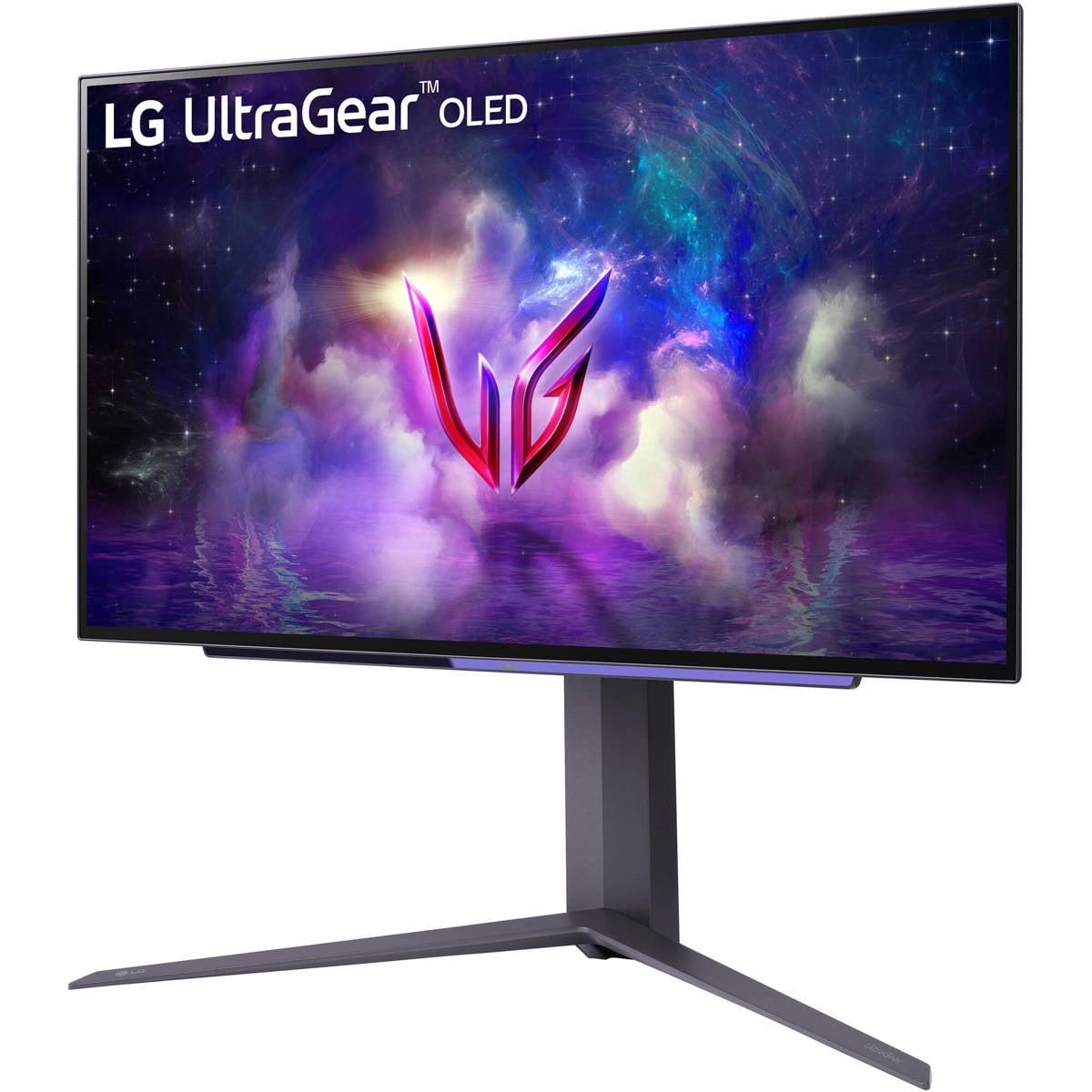
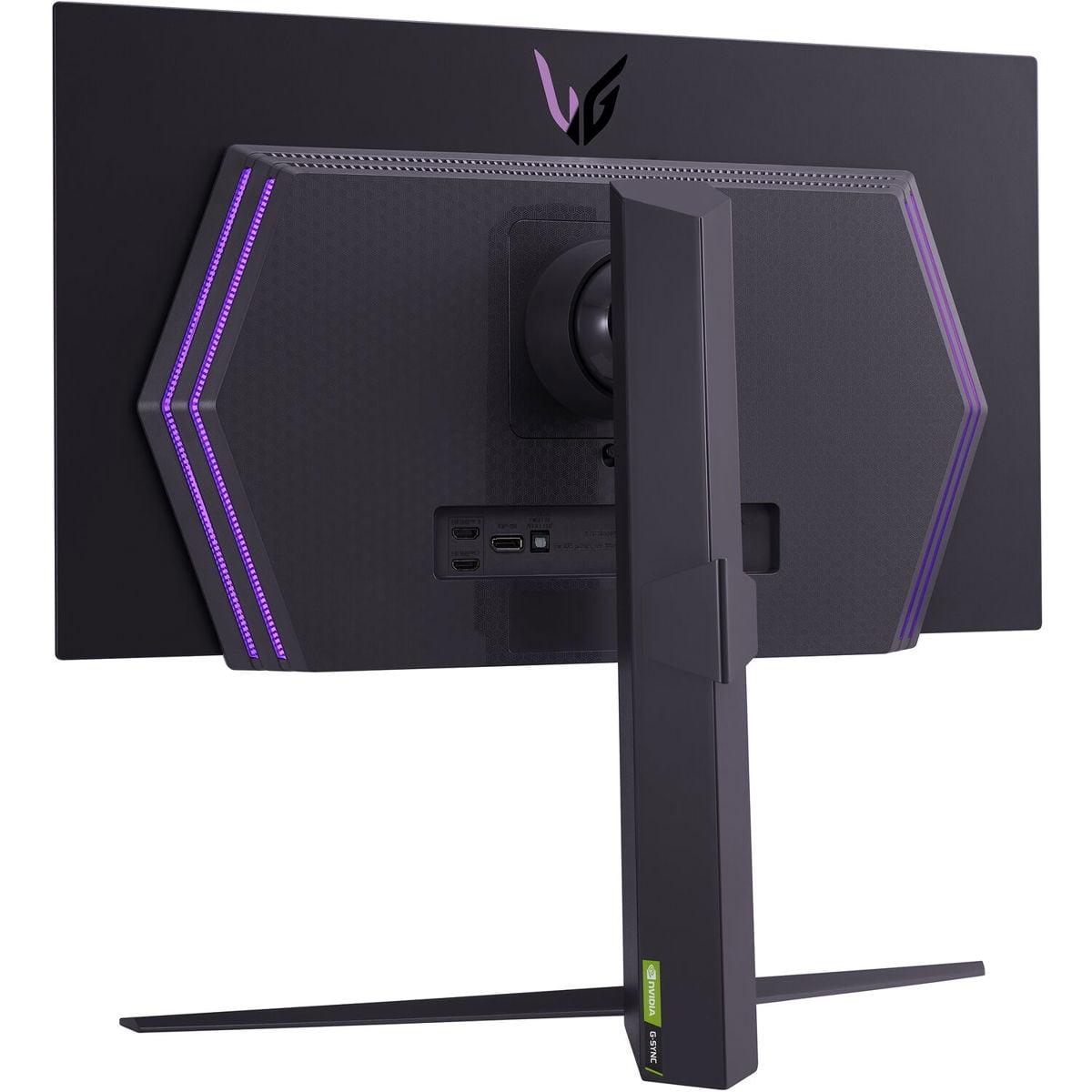
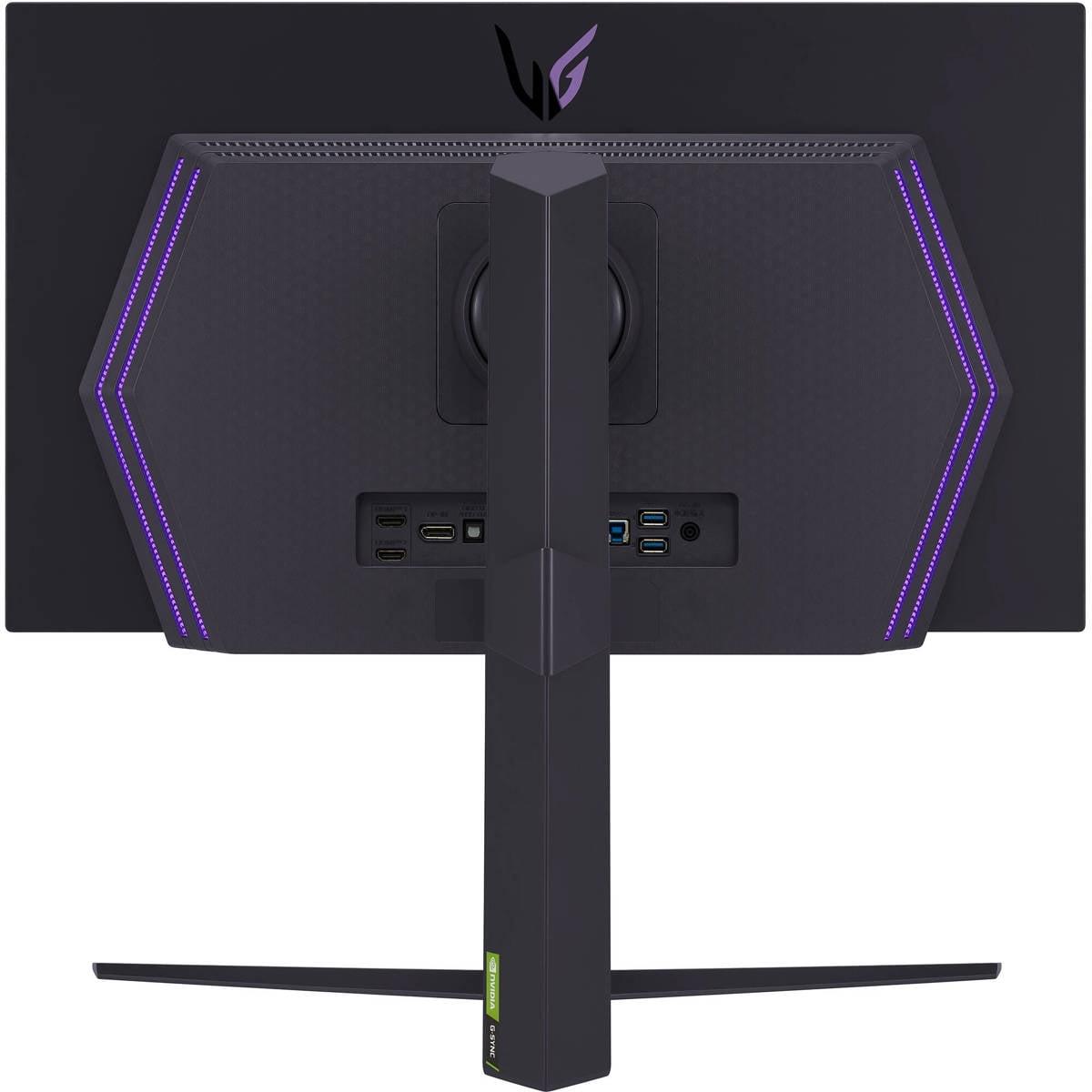
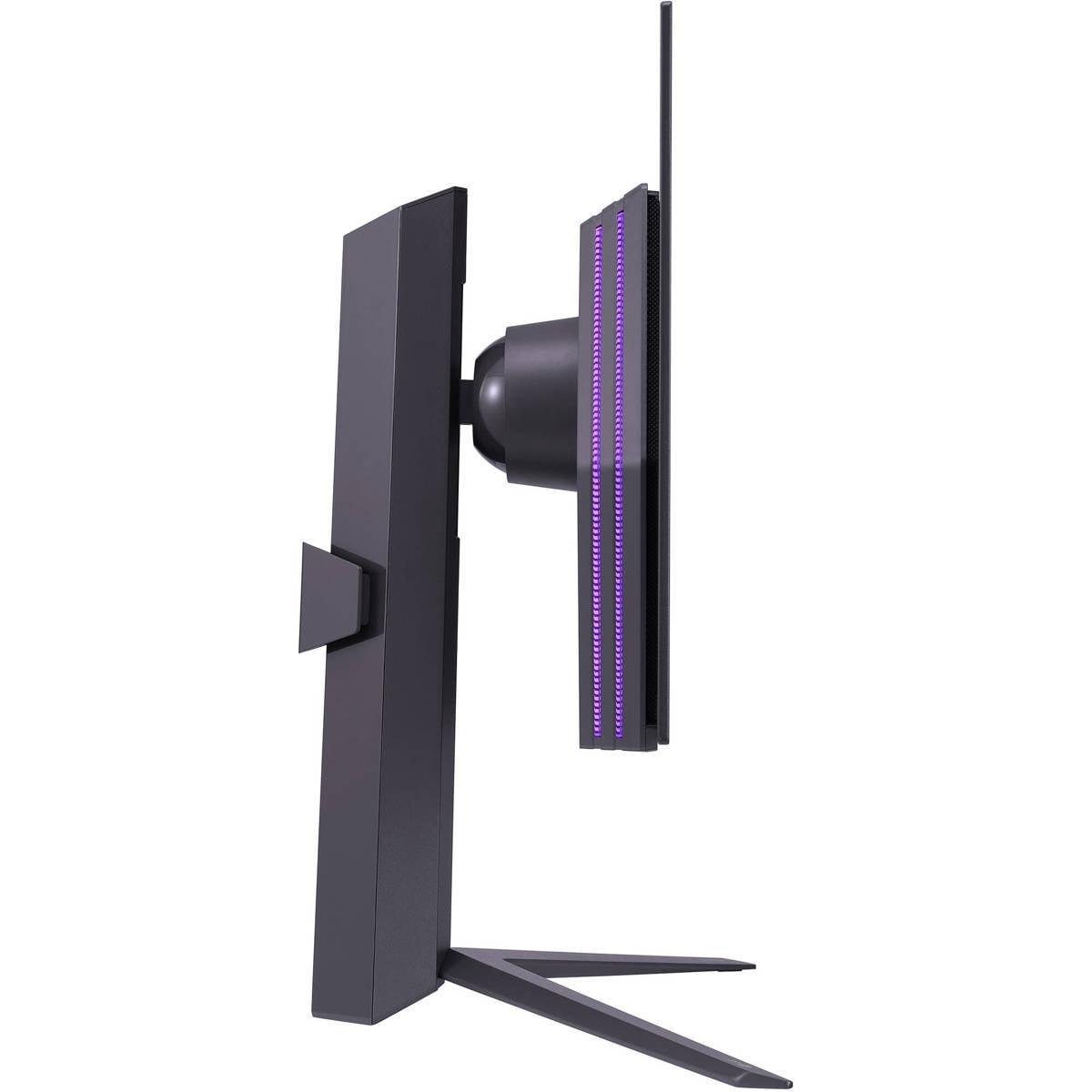
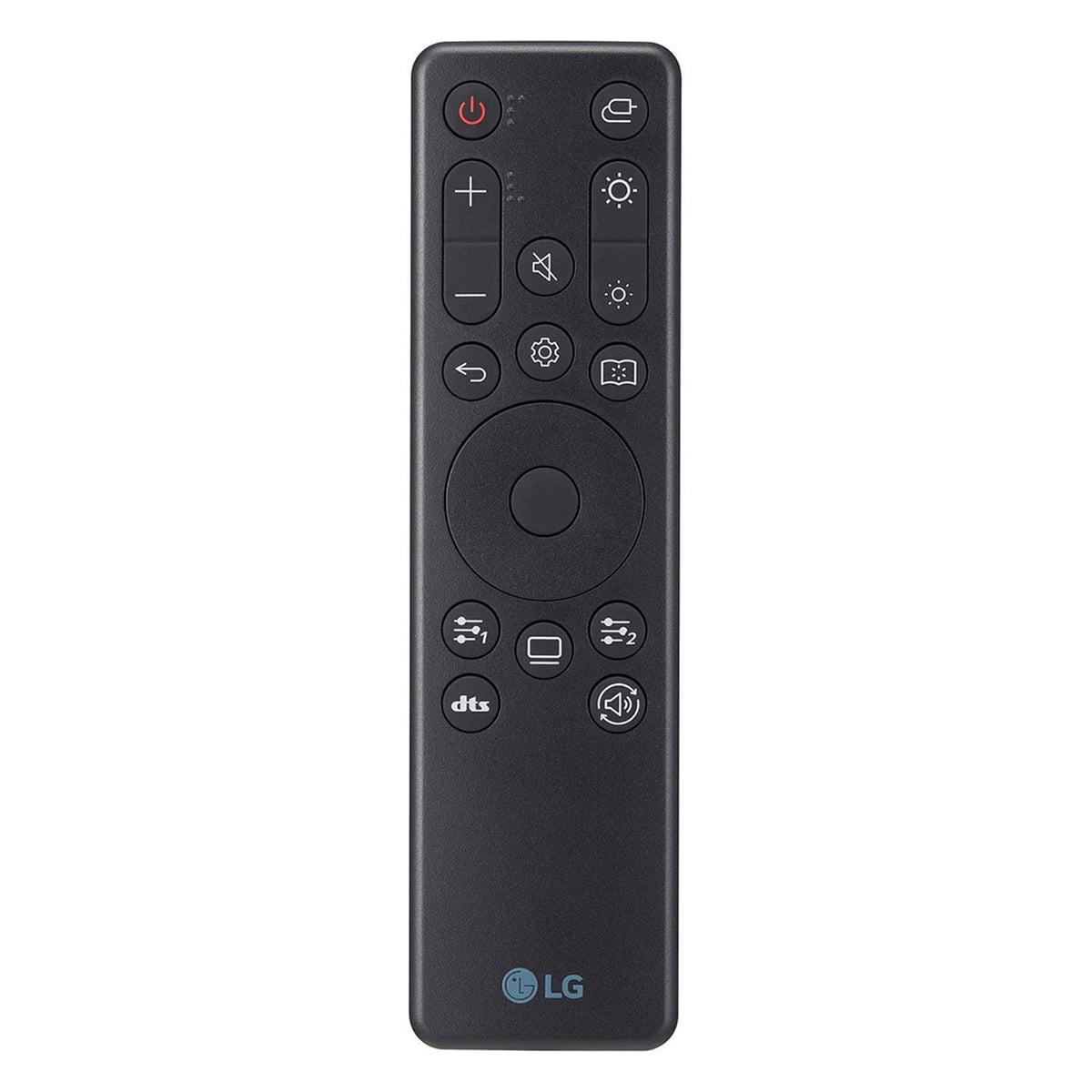
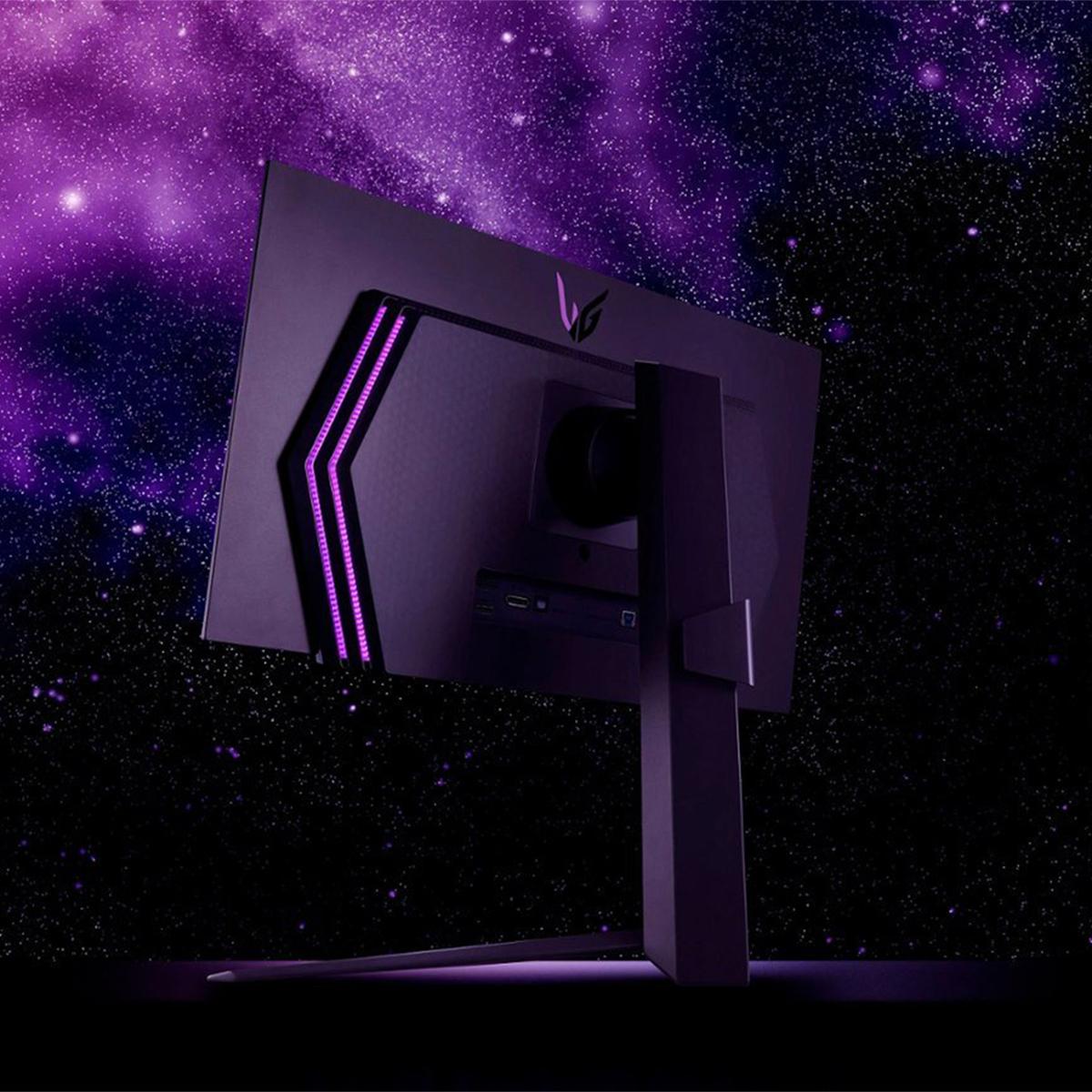
These monitors represent completely different approaches to premium construction. The LG UltraGear follows a more traditional gaming aesthetic with plastic construction, RGB lighting around the back, and an included stand that offers full height, tilt, and swivel adjustments. It even includes a remote control for easy menu navigation – a thoughtful touch that makes adjusting settings from across the room much easier.
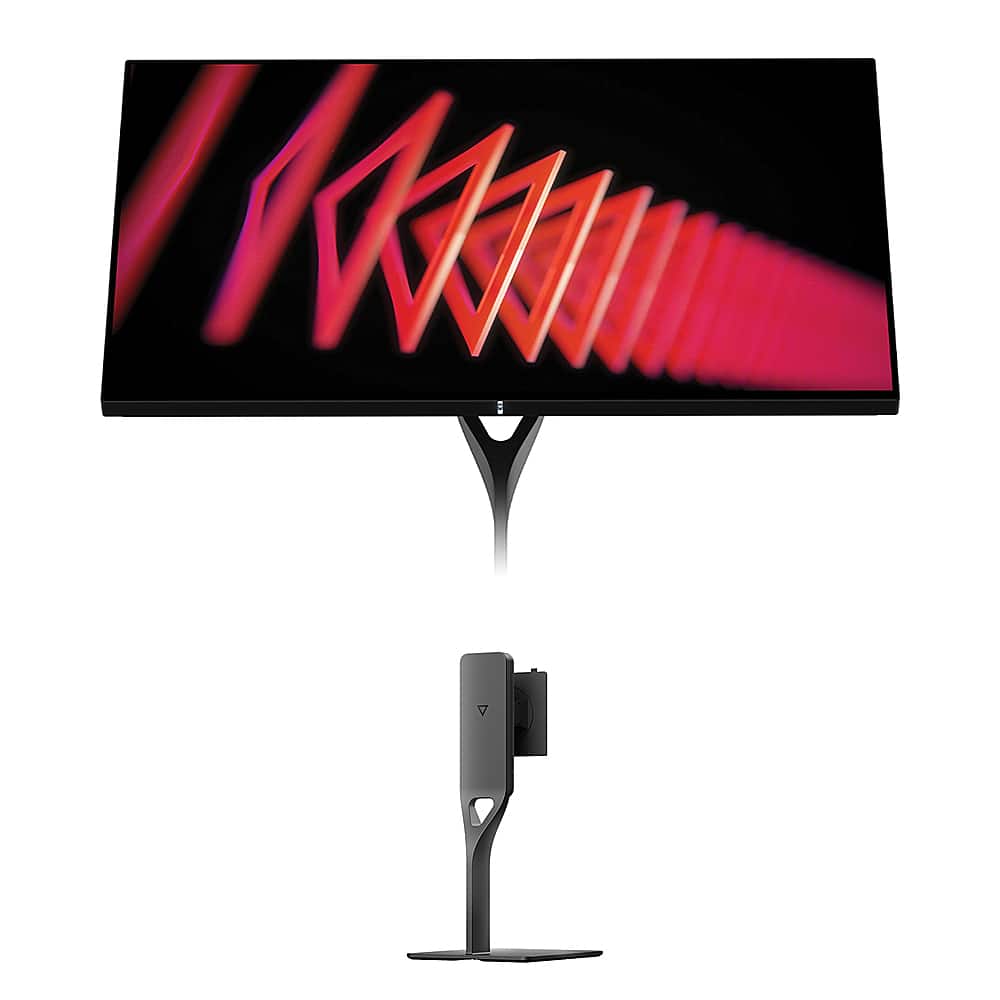
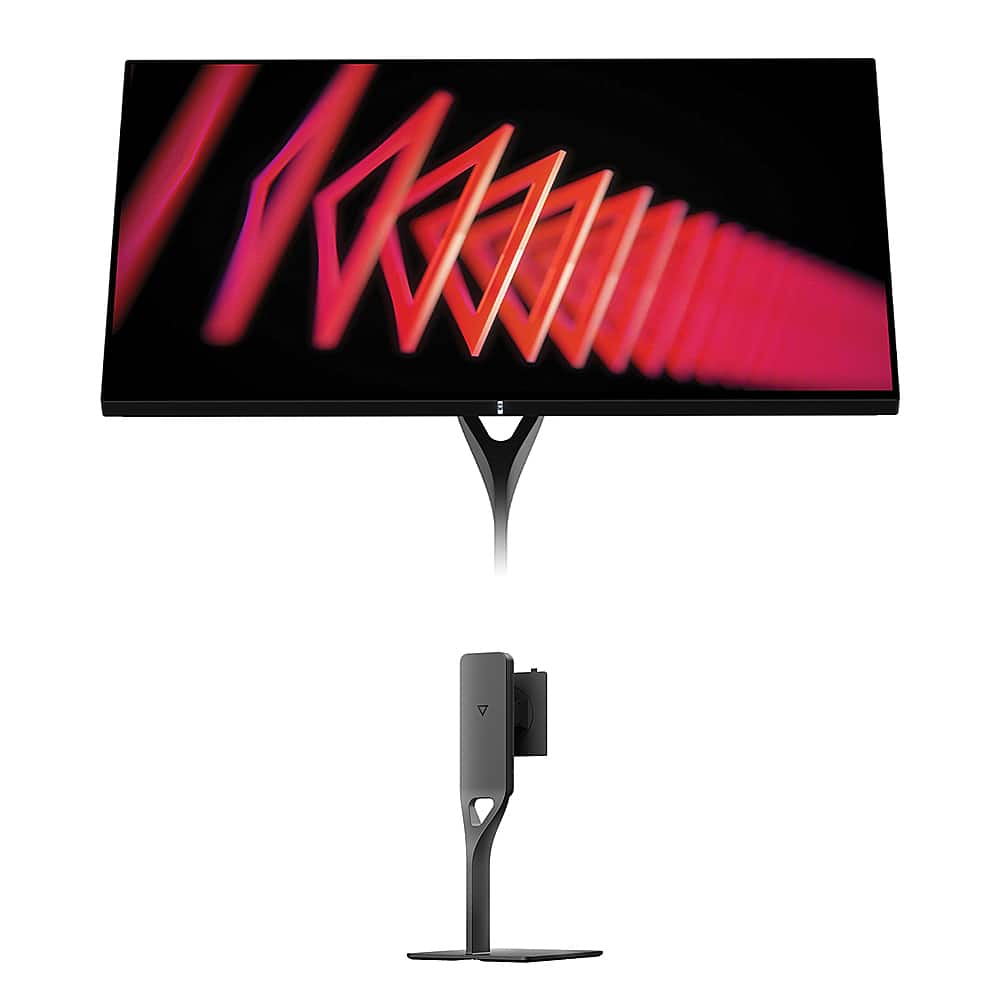
The Dough Spectrum One takes a more premium, minimalist approach. Its standout feature is the edge-to-edge Corning Gorilla Glass front panel with DXC (Diamond Extreme Coating) anti-reflective treatment. This is the same type of glass used on high-end smartphones and tablets, providing exceptional scratch resistance and a premium feel that's rare in desktop monitors.
The Gorilla Glass isn't just about durability – it also affects image quality. The glass creates a sharper, more vibrant image with better perceived contrast compared to traditional plastic panels. However, the glossy finish can create reflections in bright rooms, though the anti-reflective coating helps minimize this issue.
One significant consideration: the Dough monitor doesn't include a stand. You'll need to purchase their optional stand separately or use a VESA mount. This keeps the base price lower but adds to the total cost if you need a stand.
Modern gaming monitors need to connect to more than just gaming PCs. Both monitors include dual HDMI 2.1 ports, which is crucial for connecting the latest gaming consoles like PlayStation 5 and Xbox Series X at their maximum 4K 120Hz capabilities.
The Dough Spectrum One shines in connectivity versatility with its USB-C port that supports DisplayPort Alt Mode and delivers up to 100W of power. This means you can connect a laptop with a single cable for video, data, and charging – perfect for hybrid work-and-gaming setups. The integrated USB 3.2 hub provides additional ports for peripherals, essentially turning the monitor into a docking station.
Both monitors support the latest adaptive sync technologies, but there's an interesting technical difference. The LG includes DisplayPort 1.4, while higher-end models in its lineup support DisplayPort 2.1 for future-proofing with next-generation graphics cards.
If you're considering either monitor for home theater use, there are important factors to consider. The LG's OLED technology excels in dark room viewing, making it fantastic for movie nights. The perfect blacks and infinite contrast create a cinema-like experience that's hard to match.
However, OLED panels have some limitations for home theater use. They're not as bright as high-end TVs, which can be limiting in bright rooms. The 27-inch size is also relatively small for shared viewing – you'll want to sit fairly close to appreciate the detail.
The Dough Spectrum One offers advantages for bright room viewing thanks to its higher peak brightness and anti-reflective Gorilla Glass coating. The 4K resolution ensures movies and shows look crisp and detailed. The USB-C connectivity makes it easy to connect streaming devices or laptops for content playback.
For serious home theater use, both monitors have limitations compared to dedicated large-screen TVs, but they can serve double duty for gaming and media consumption in smaller spaces like bedrooms or apartments.
OLED technology brings up the question of burn-in, where static images can leave permanent ghost images on the screen. Modern OLED panels include various protective measures, and the LG UltraGear incorporates OLED Care features like pixel shifting and panel refreshing to minimize this risk. However, it's still something to be aware of, especially if you plan to use static desktop elements for extended periods.
The Dough Spectrum One's IPS panel doesn't face burn-in concerns, potentially making it a better choice for mixed-use scenarios where you'll be doing productivity work alongside gaming. The Gorilla Glass front panel should also maintain its appearance better over time compared to traditional plastic surfaces.
Both monitors come with warranties, though LG's OLED warranty specifically excludes burn-in coverage, which is industry standard but worth noting.
Choosing between these monitors ultimately comes down to your priorities and use cases. The LG UltraGear 27" OLED QHD 240Hz Gaming Monitor at $899 is the clear choice for competitive gamers who prioritize refresh rate and contrast. Its OLED technology delivers unmatched image quality in dark room conditions, and the 240Hz refresh rate provides a genuine competitive advantage in fast-paced games.
The Dough Spectrum One 27-Inch 4K 144Hz Gaming Monitor Gorilla Glass at $899 (plus stand) appeals more to users who want the highest resolution for both gaming and productivity. Its 4K display reveals incredible detail in games and makes it excellent for content creation, while the premium Gorilla Glass construction and USB-C connectivity add versatility that many users will appreciate.
Consider your graphics card capabilities too. Driving 4K at high refresh rates requires significantly more GPU power than 1440p, even at higher refresh rates. A mid-range graphics card might struggle with 4K gaming but could easily push 240fps at 1440p in competitive titles.
Both monitors represent excellent value at their price points, bringing technologies that were previously much more expensive down to more accessible levels. Your choice should align with whether you prioritize the smoothest possible gaming experience or the sharpest, most versatile display for multiple use cases.
In my experience testing both, I'd lean toward the LG for dedicated gaming setups and the Dough for users who need their monitor to excel at both gaming and productivity tasks. Either way, you're getting cutting-edge display technology that will serve you well for years to come.
| LG UltraGear 27" OLED QHD 240Hz Gaming Monitor | Dough Spectrum One 27-Inch 4K 144Hz Gaming Monitor Gorilla Glass |
|---|---|
| Price - Both monitors cost the same but have different value propositions | |
| $899 (includes stand and remote) | $899 (stand sold separately for ~$200) |
| Display Technology - Fundamentally different approaches to image quality | |
| OLED with perfect blacks and infinite contrast | IPS with bright highlights and no burn-in risk |
| Resolution - Higher resolution shows more detail but requires more GPU power | |
| 2560×1440 (QHD) - easier to drive at high fps | 3840×2160 (4K) - 77% more pixels for sharper detail |
| Refresh Rate - Higher rates provide smoother motion in fast games | |
| 240Hz (competitive gaming advantage) | 144Hz (excellent for most gaming scenarios) |
| Response Time - Lower times reduce motion blur and ghosting | |
| 0.03ms (virtually eliminates motion artifacts) | 1ms (very good for IPS technology) |
| HDR Performance - Better HDR makes games and movies more immersive | |
| HDR400 with perfect OLED blacks | HDR600 with 16-zone local dimming and brighter peaks |
| Peak Brightness - Higher brightness better for bright rooms and HDR | |
| ~450 nits typical (OLED limitation) | 750 nits peak (better for bright environments) |
| Color Accuracy - Important for content creation and realistic visuals | |
| 98.5% DCI-P3 coverage, factory calibrated | 100% sRGB, 98% DCI-P3, Delta E <0.6 calibration |
| Build Quality - Different approaches to premium construction | |
| Traditional plastic with RGB lighting | Gorilla Glass front panel with premium materials |
| Connectivity - USB-C and multiple ports add versatility | |
| 2× HDMI 2.1, DisplayPort 1.4, USB hub | 2× HDMI 2.1, DisplayPort 1.4, USB-C with 100W charging |
| Burn-in Risk - OLED panels can develop permanent image retention | |
| Potential burn-in with static images (OLED Care helps) | No burn-in risk (IPS technology advantage) |
| Best For - Each monitor excels in different scenarios | |
| Competitive gaming and dark room viewing | 4K gaming, productivity, and bright room use |
The LG UltraGear 27" OLED QHD 240Hz Gaming Monitor is superior for competitive gaming due to its 240Hz refresh rate and 0.03ms response time. This combination provides smoother motion tracking and virtually eliminates ghosting, giving you a competitive advantage in fast-paced games like Counter-Strike and Valorant.
The LG UltraGear OLED delivers perfect blacks and infinite contrast, making dark scenes incredibly detailed and immersive. The Dough Spectrum One IPS offers brighter highlights (750 nits vs 450 nits) and better performance in bright rooms, but cannot achieve true blacks due to its backlight design.
The Dough Spectrum One 27-Inch 4K 144Hz Gaming Monitor offers 4K resolution (3840×2160) compared to the LG's QHD (2560×1440), providing 77% more pixels. This makes text sharper and reveals more detail in games, but requires a more powerful graphics card to maintain high frame rates.
Yes, both the LG UltraGear and Dough Spectrum One feature HDMI 2.1 ports that support PlayStation 5 and Xbox Series X at their maximum capabilities. The LG can do 1440p at 240Hz, while the Dough can display native 4K at up to 144Hz from consoles.
The Dough Spectrum One has HDR600 certification with higher peak brightness (750 nits) and 16-zone local dimming, making HDR highlights more impactful. However, the LG UltraGear OLED delivers superior contrast with perfect blacks, creating more dramatic HDR scenes despite its HDR400 rating.
The LG UltraGear 27" OLED does have potential burn-in risk with static images, though it includes OLED Care features to minimize this. The Dough Spectrum One IPS panel has no burn-in risk, making it better for productivity work with static desktop elements or extended use with the same content.
The Dough Spectrum One provides more versatile connectivity with USB-C that delivers 100W power and supports single-cable laptop connections. Both monitors have dual HDMI 2.1 ports, but the Dough's USB-C hub functionality makes it better for hybrid work-gaming setups.
Both monitors cost $899, but the LG UltraGear includes a fully adjustable stand and remote control. The Dough Spectrum One requires purchasing the stand separately (around $200), making its total cost higher if you need a stand rather than a VESA mount.
The Dough Spectrum One 4K monitor is superior for content creation due to its higher 4K resolution, factory calibration (Delta E <0.6), and 100% sRGB coverage. The additional screen real estate and color accuracy make it ideal for photo editing, video editing, and professional work.
The Dough Spectrum One performs better in bright environments thanks to its higher peak brightness (750 nits) and anti-reflective Gorilla Glass coating. The LG UltraGear OLED is optimized for darker rooms where its perfect blacks and contrast shine, but may appear dim in very bright spaces.
The Dough Spectrum One features premium Corning Gorilla Glass construction with superior scratch resistance and a tablet-like premium feel. The LG UltraGear uses traditional plastic construction but includes thoughtful gaming features like RGB lighting and comes with all necessary accessories included.
Choose the LG UltraGear 27" OLED QHD 240Hz Gaming Monitor if competitive gaming is your priority and you have a dark or controlled lighting setup. Choose the Dough Spectrum One 27-Inch 4K 144Hz Gaming Monitor if you need 4K resolution for productivity, prefer no burn-in concerns, or want premium build quality with USB-C connectivity for laptops.
We've done our best to create useful and informative comparisons to help you decide what product to buy. Our research uses advanced automated methods to create this comparison and perfection is not possible - please contact us for corrections or questions. These are the sites we've researched in the creation of this article: bestbuy.com - bestbuy.com - youtube.com - rtings.com - youtube.com - youtube.com - lg.com - bhphotovideo.com - bestbuy.com - forum.beyond3d.com - youtube.com - lg.com - lg.com - lg.com - techpowerup.com - newegg.com - bestbuy.com - pcmonitors.info - lg.com - lg.com - createdtech.com - pcgamesn.com - tomshardware.com - imore.com - bestbuy.com - youtube.com - youtube.com - newegg.com - 9to5mac.com - bhphotovideo.com - bhphotovideo.com - sears.com - bhphotovideo.com - bestbuy.com - petra.com - petra.com - bestbuy.com - microcenter.com - youtube.com - petra.com

Privacy Policy
Terms and Conditions - Affiliate Policy
Home Security
© Copyright 2008-2026.
11816 Inwood Rd #1211, Dallas, TX 75244