

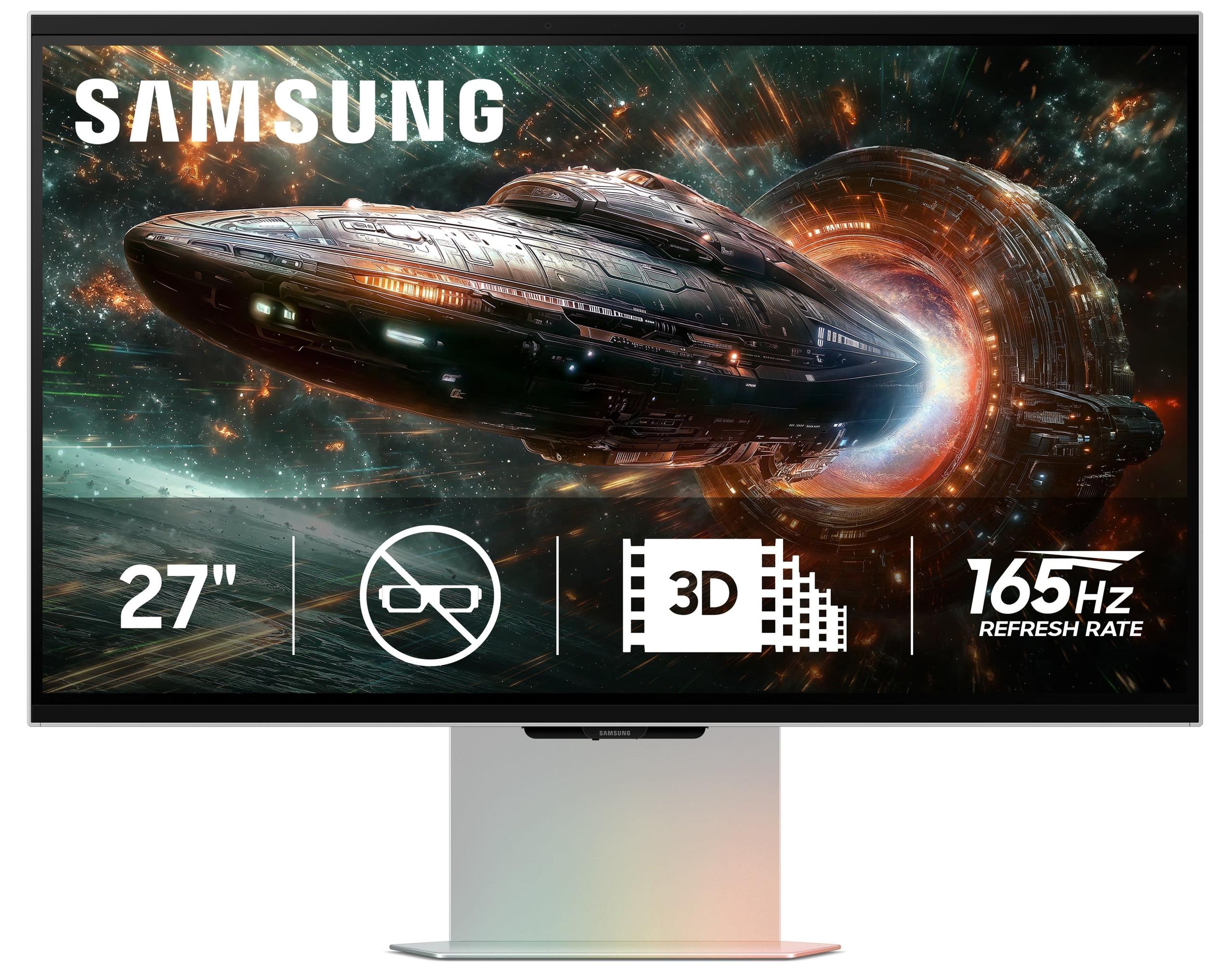
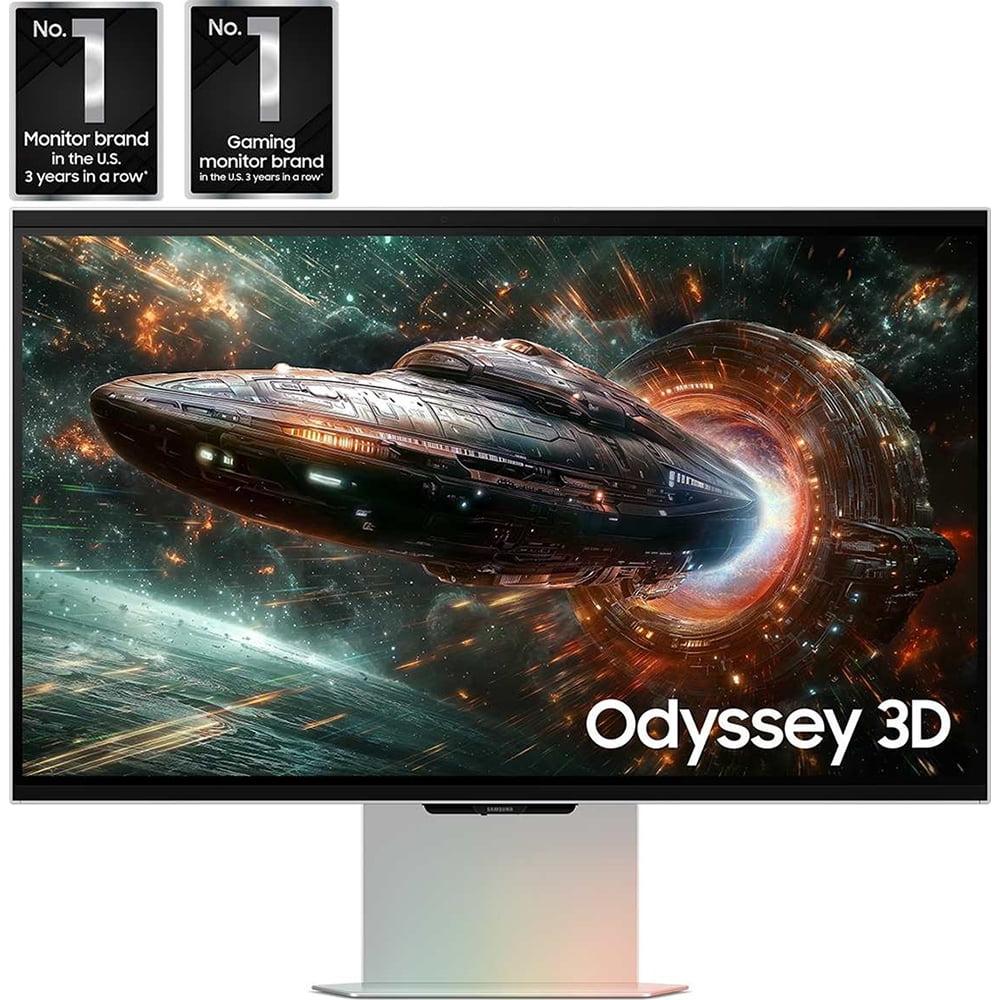
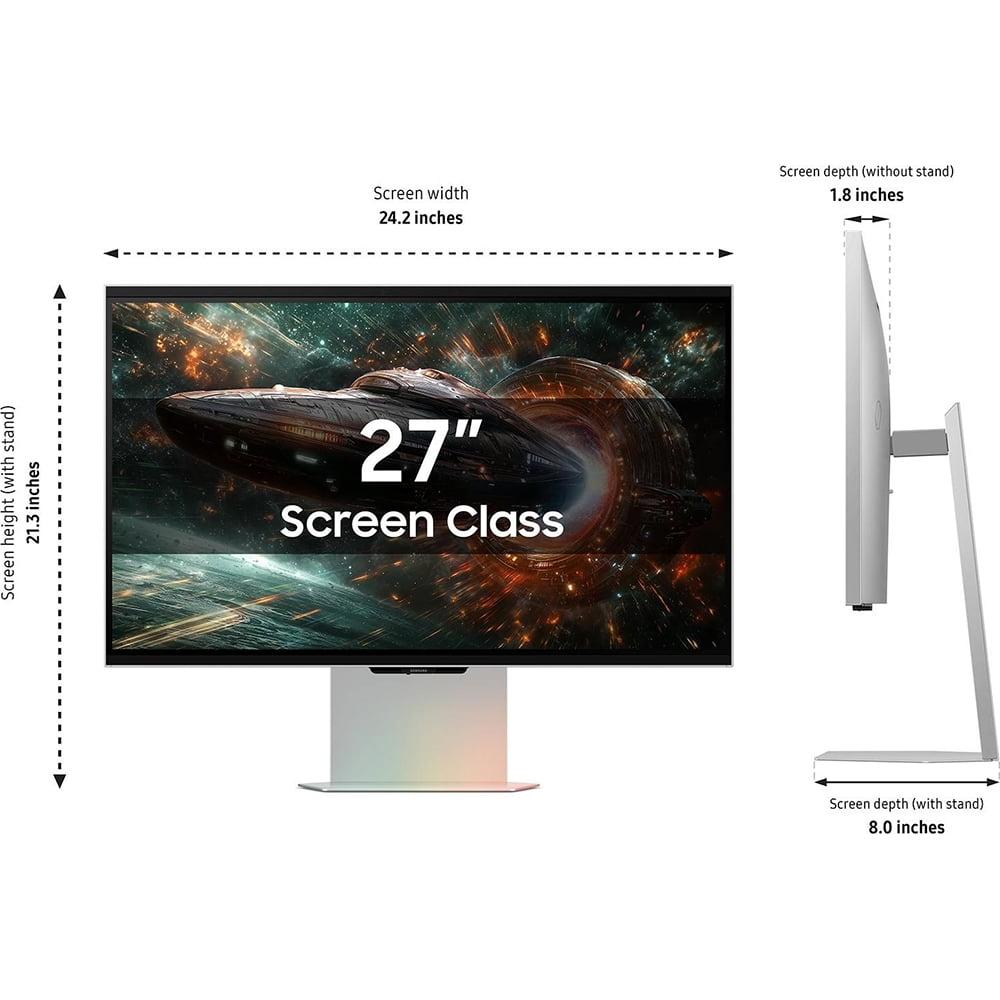
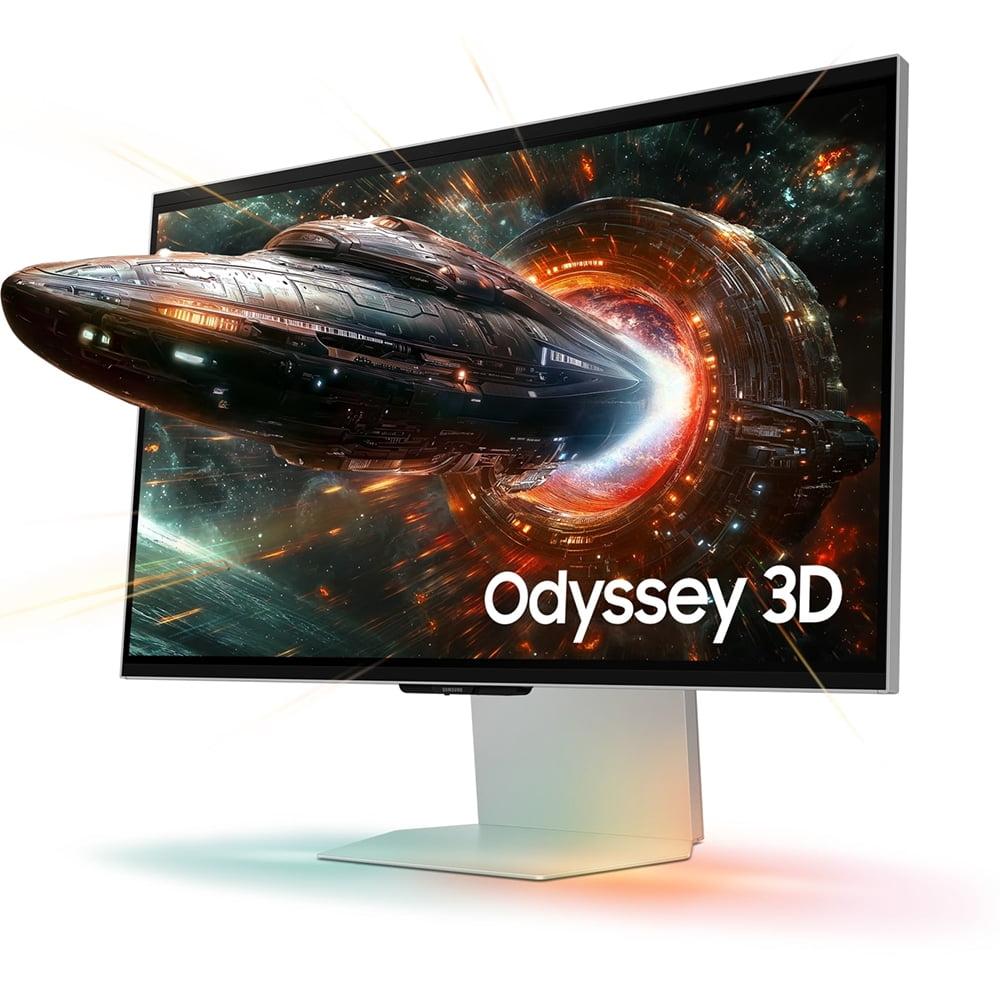
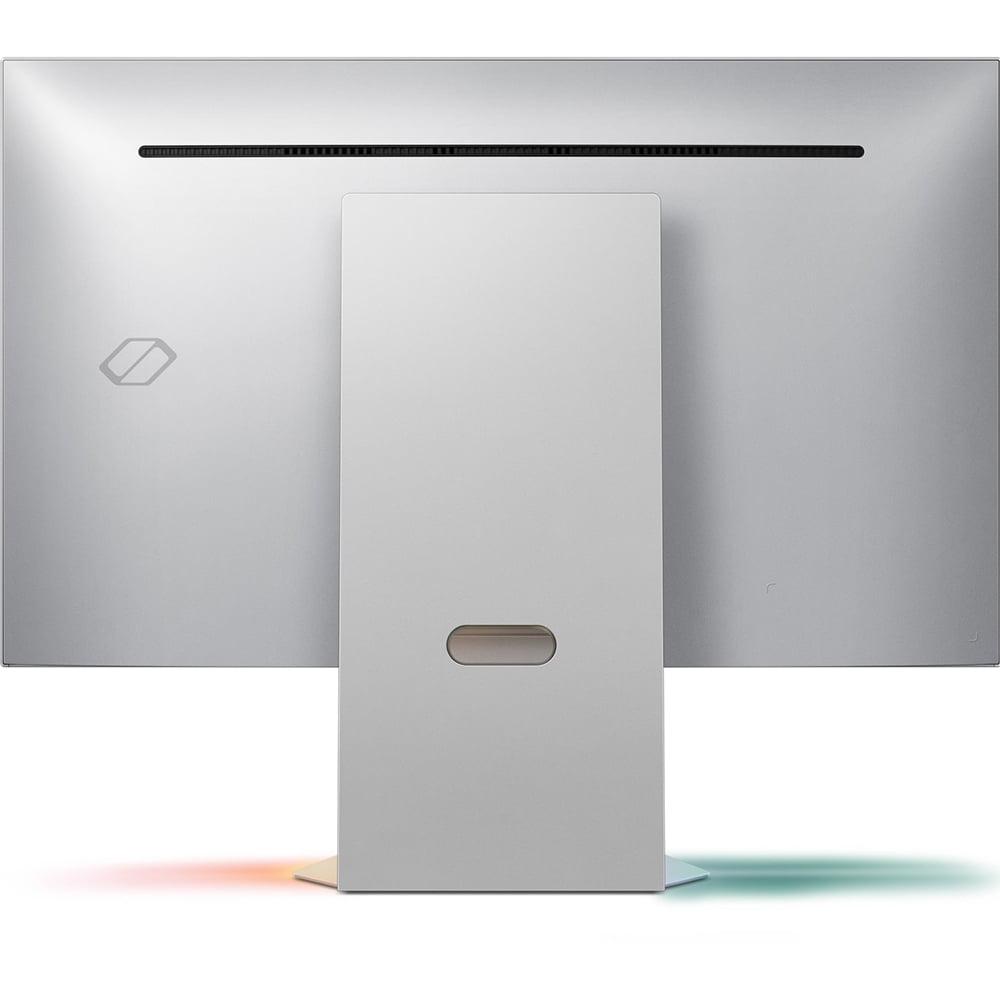
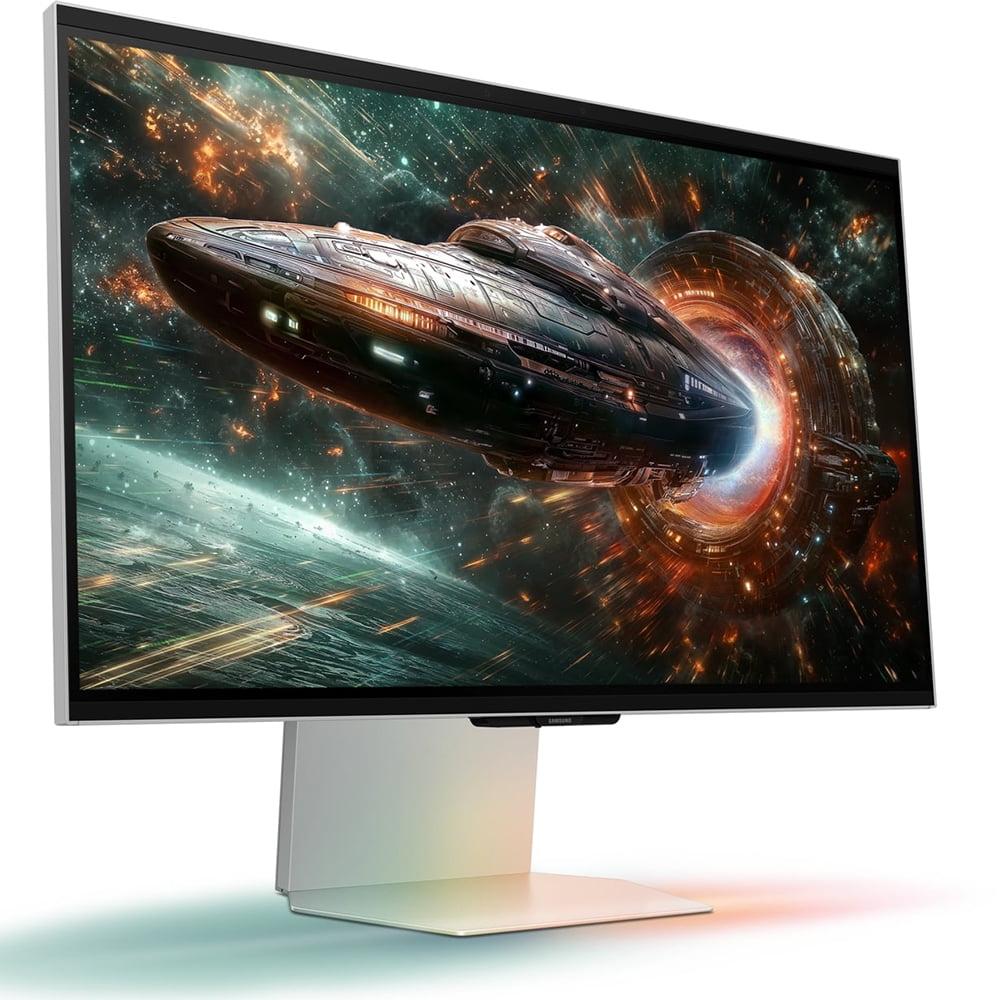
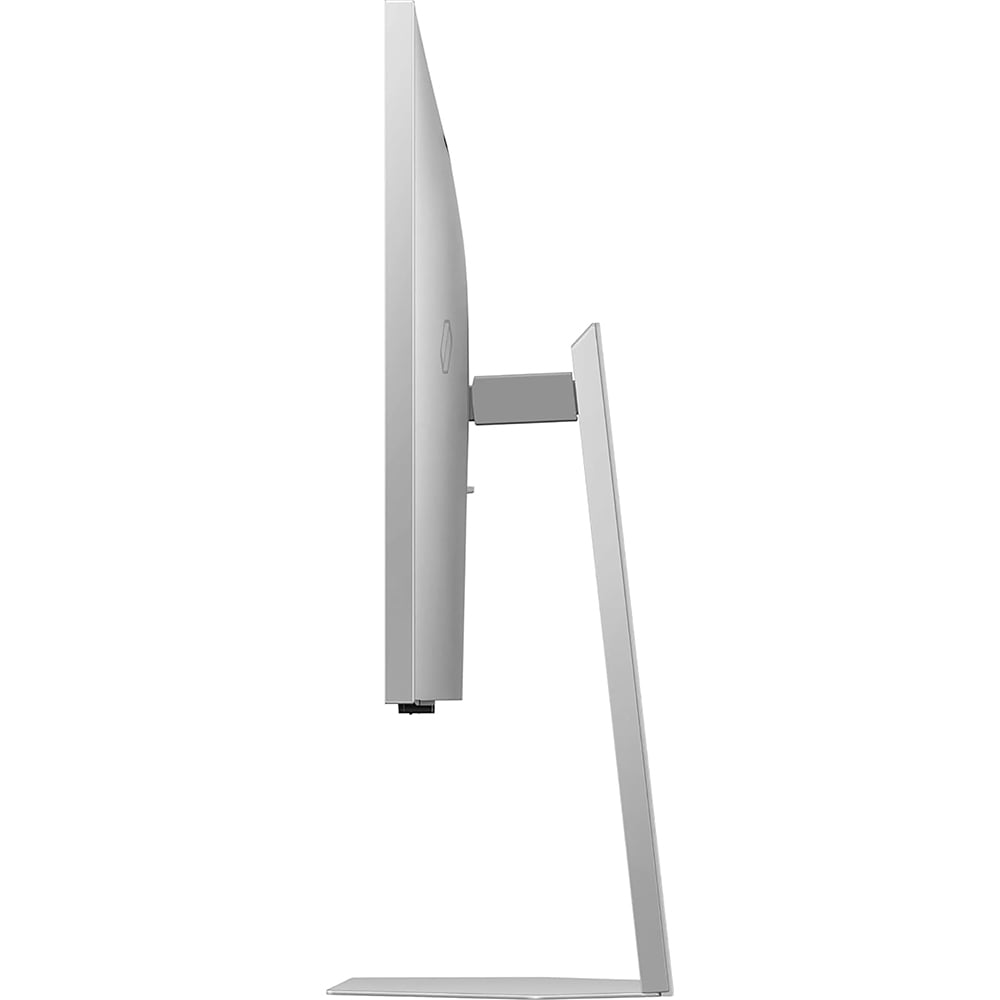


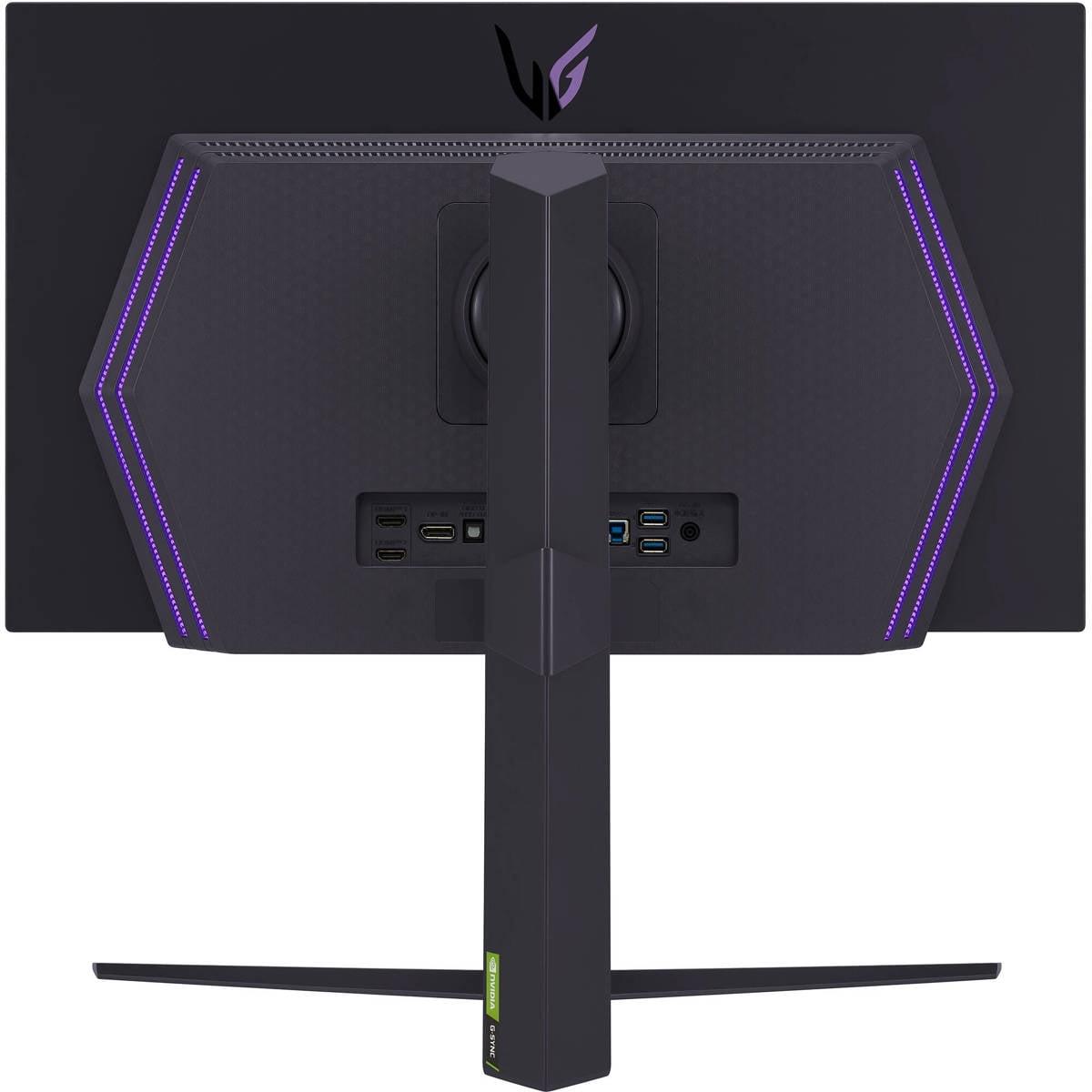
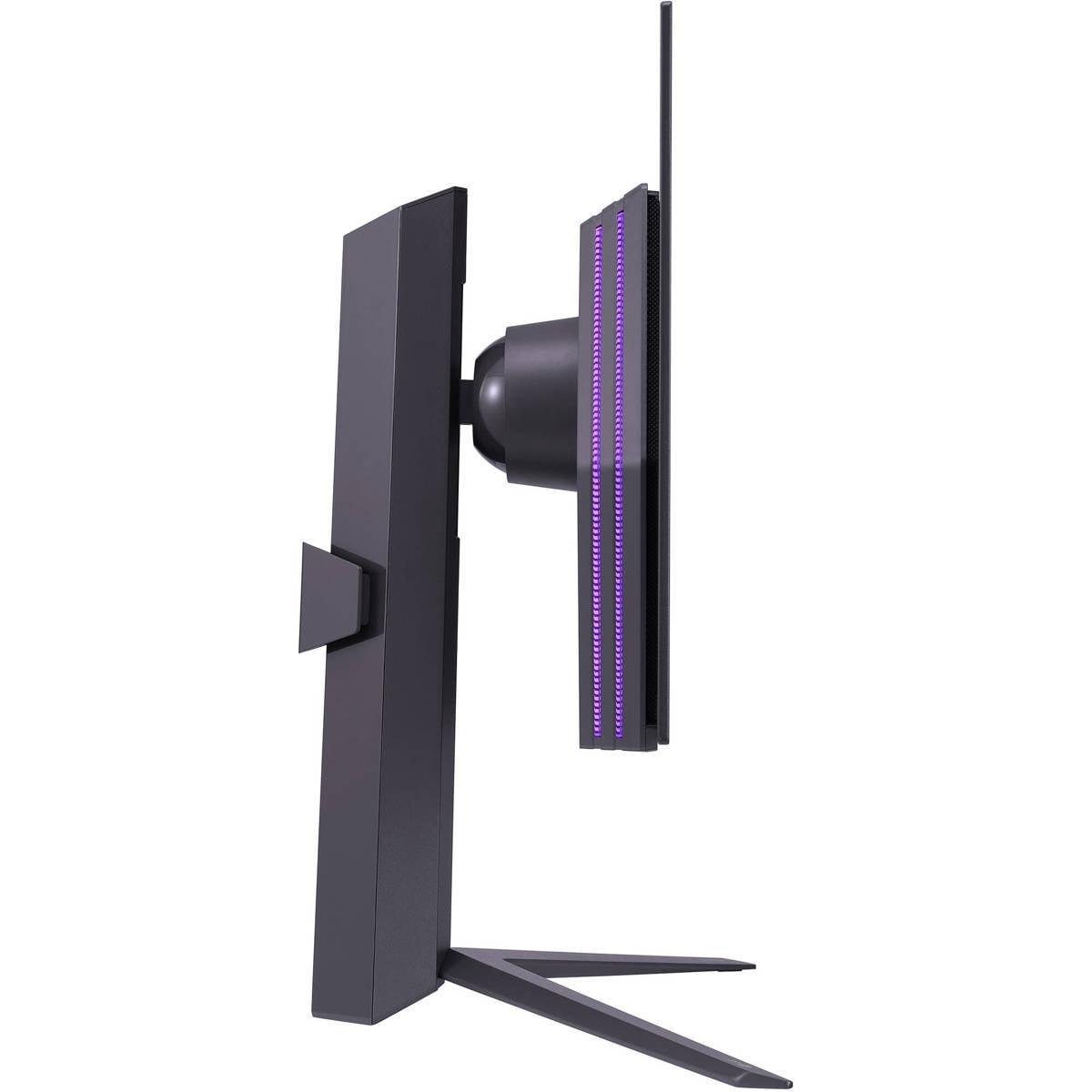

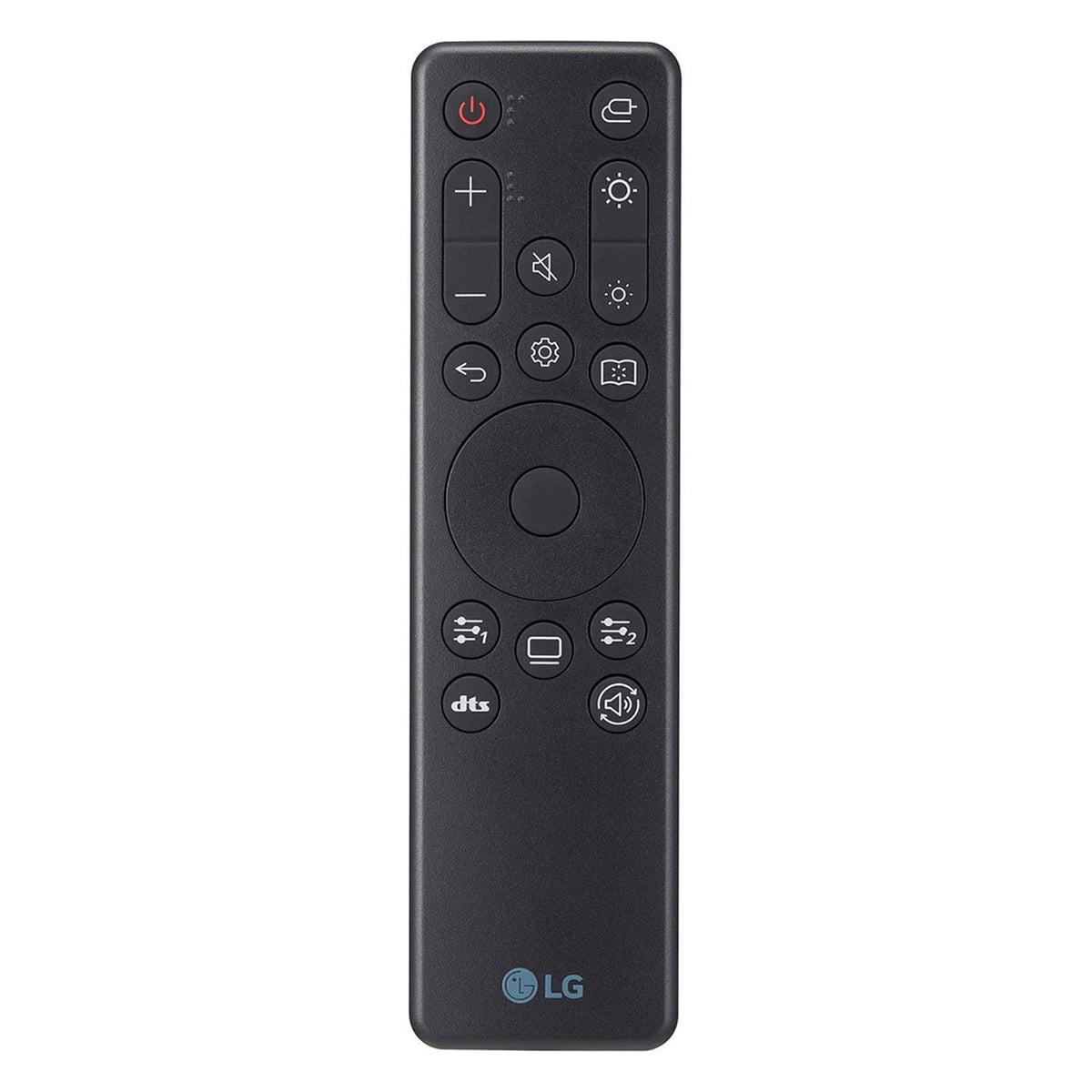
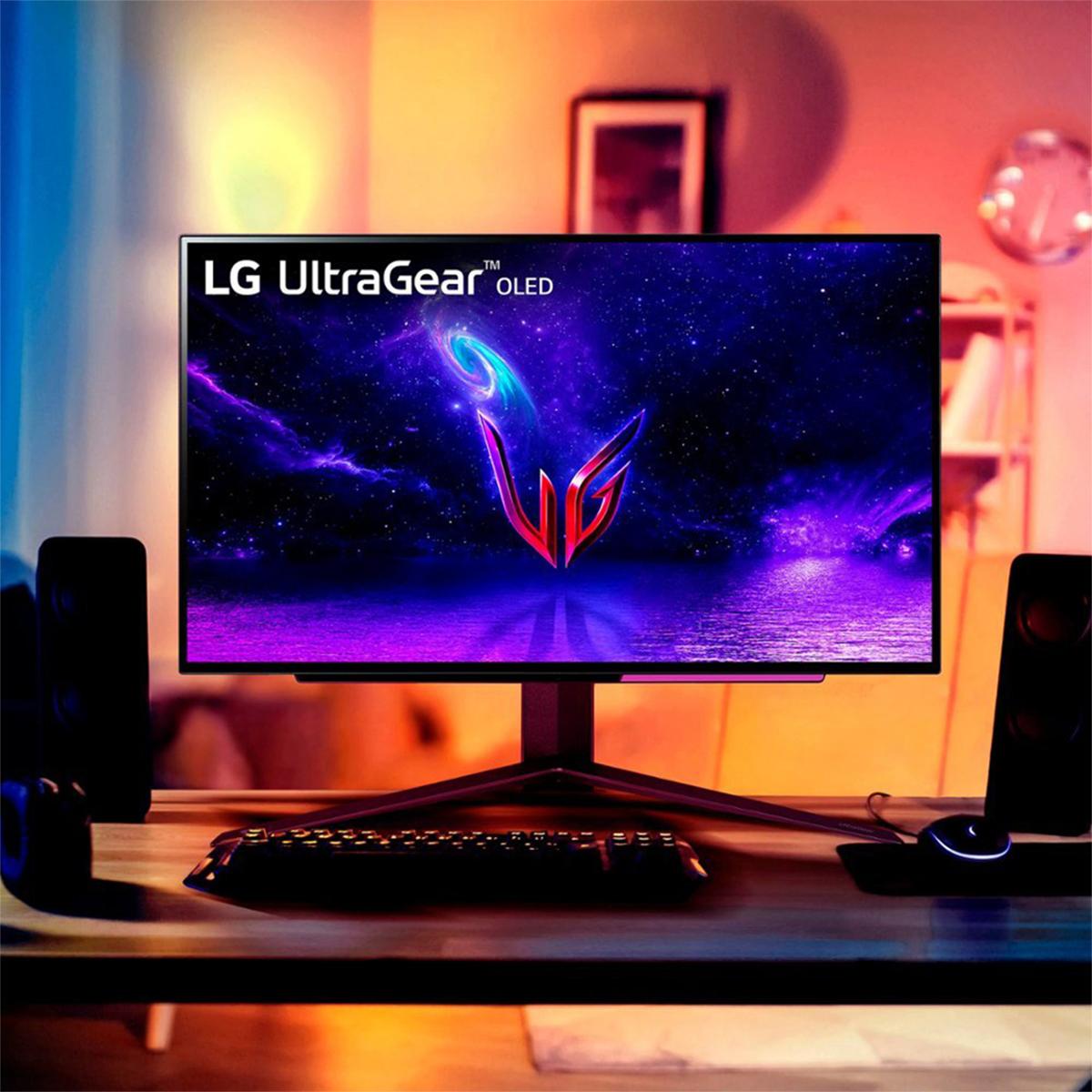

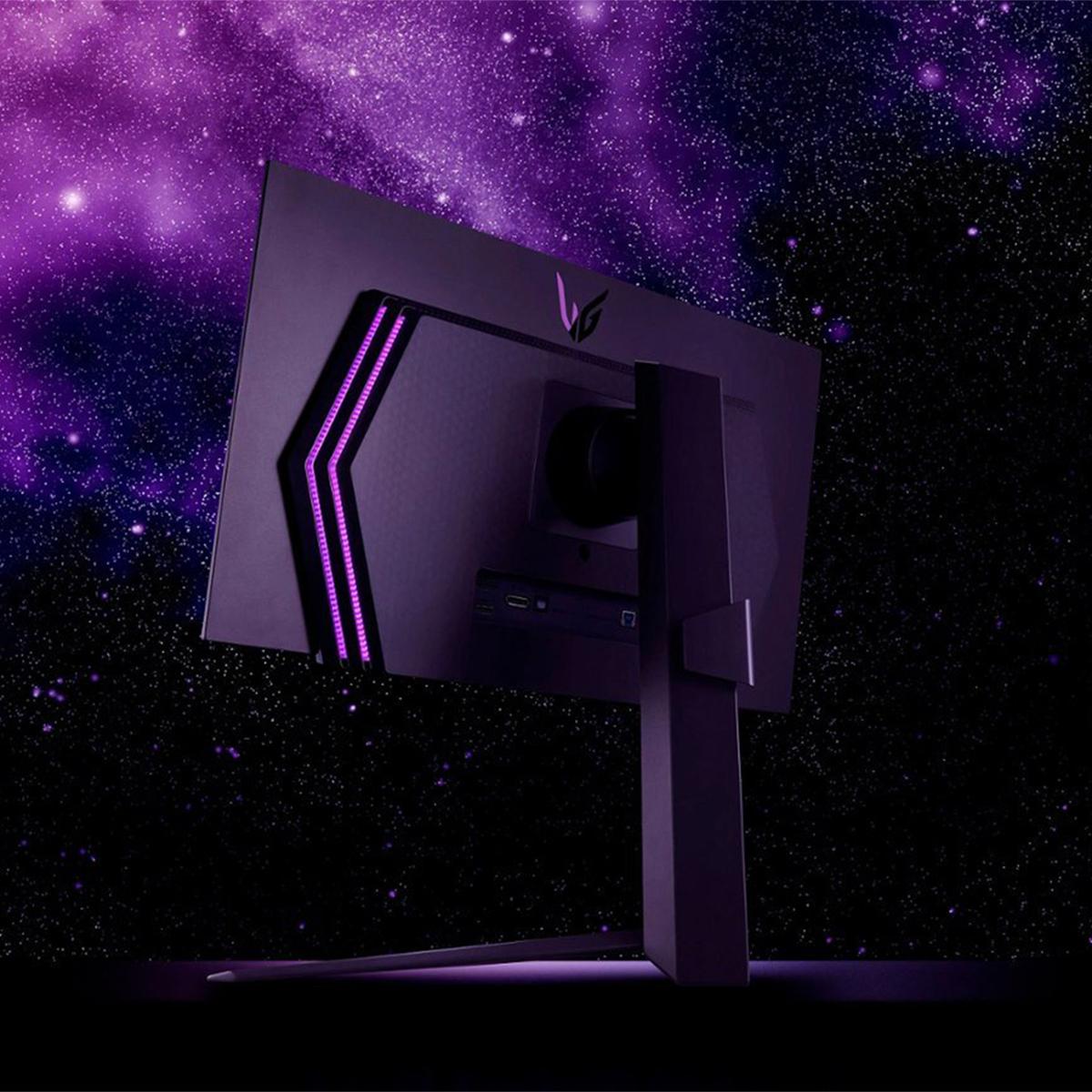
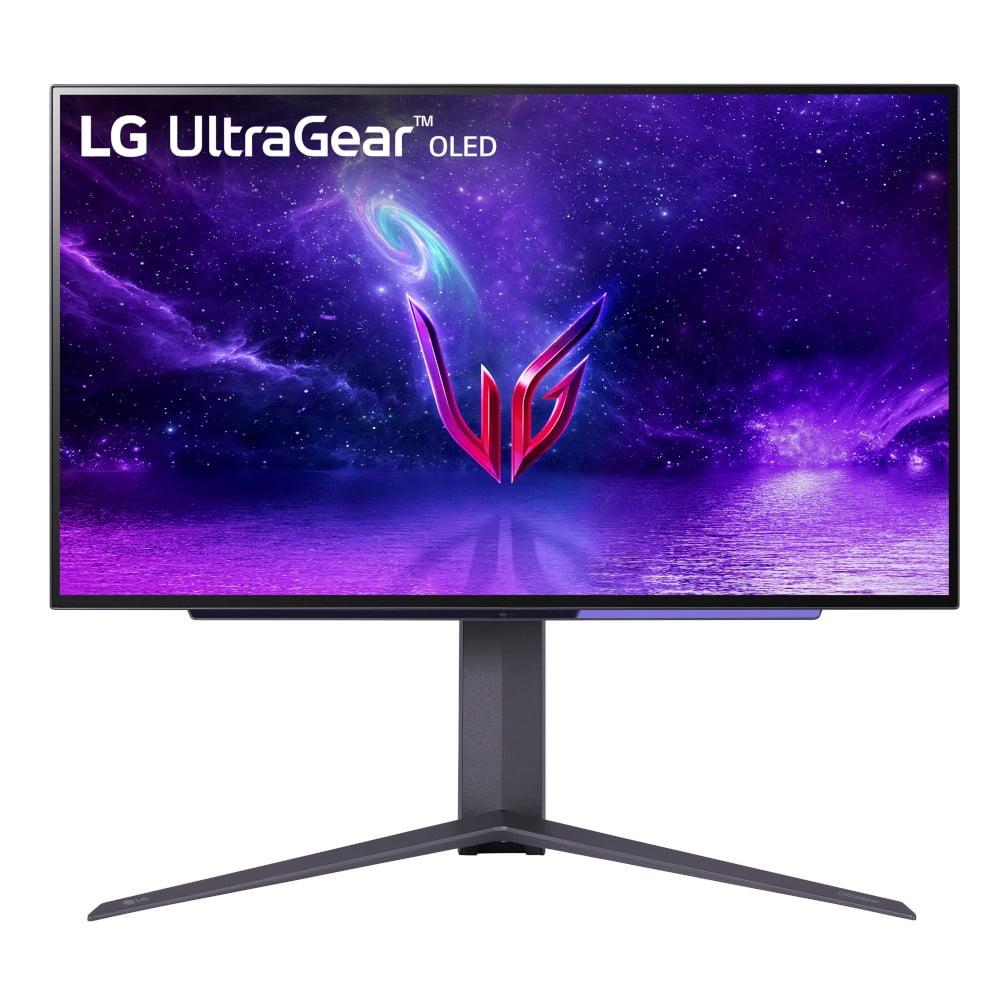
When shopping for a gaming monitor in 2025, you'll encounter two very different approaches to the ultimate gaming experience. The Samsung 27" Odyssey 3D G90XF ($1,999) represents a bold leap into glasses-free 3D gaming, while the LG UltraGear 27" OLED ($699) perfects the traditional gaming monitor formula with cutting-edge OLED technology. After spending time with both displays, I can tell you they're targeting completely different types of gamers – and understanding which camp you fall into will save you from an expensive mistake.
Gaming monitors have evolved dramatically from the basic LCD panels of a decade ago. Today's displays compete on multiple fronts: refresh rates that can reach 480Hz (how many times per second the screen updates), response times measured in fractions of milliseconds, and specialized technologies like adaptive sync that eliminates screen tearing by matching your graphics card's output to the monitor's refresh rate.
The most significant recent advancement has been panel technology. OLED (Organic Light-Emitting Diode) panels, where each pixel produces its own light, have finally become affordable for gaming. This allows for perfect blacks and incredible contrast ratios – the difference between the darkest and brightest parts of an image. Meanwhile, Samsung has pushed into entirely new territory with glasses-free 3D displays that track your eyes to create depth without special eyewear.
Both monitors we're comparing launched within months of each other – the LG UltraGear OLED in October 2024 and the Samsung Odyssey 3D in April 2025. This timing matters because it represents the current state-of-the-art in gaming display technology.
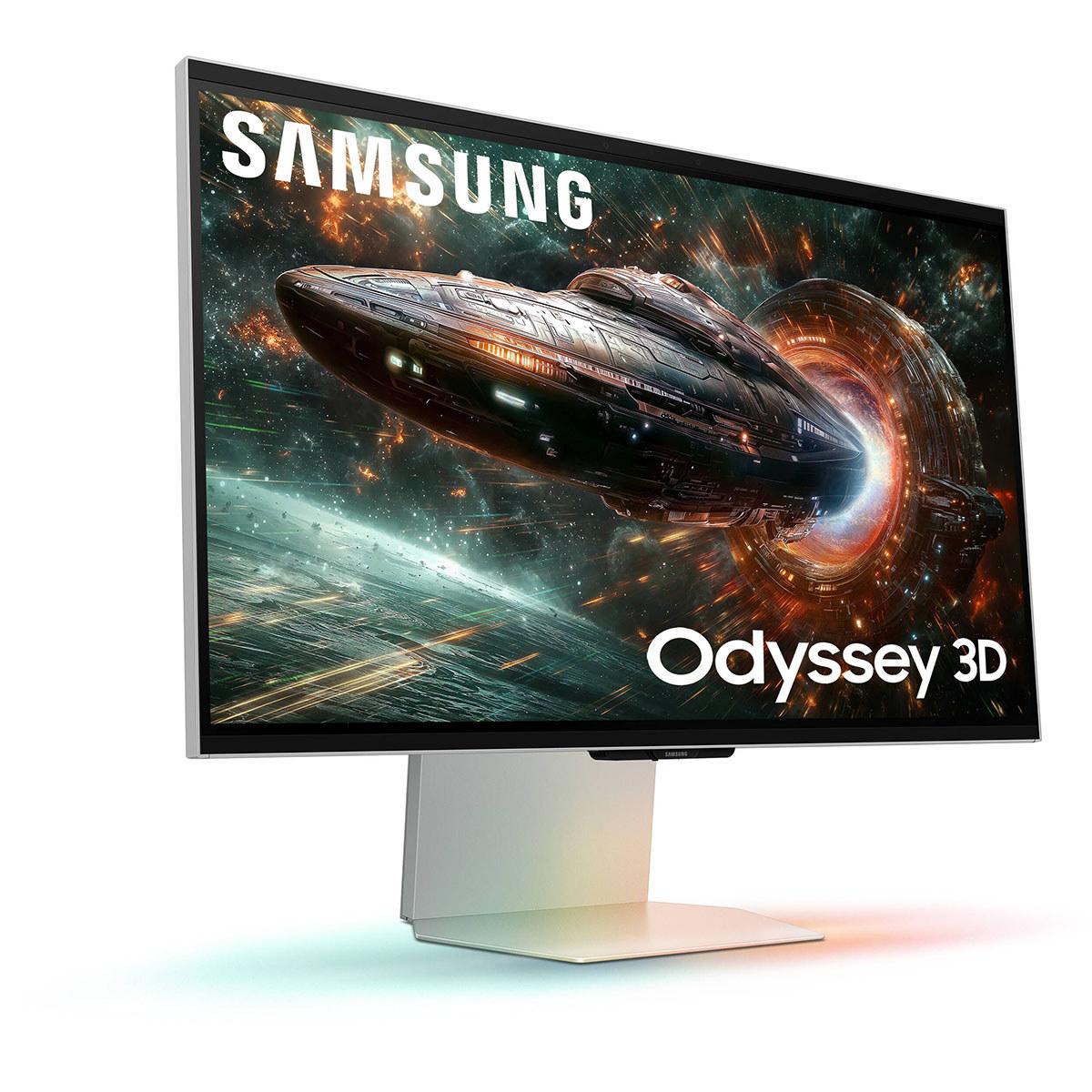
Samsung's approach with the Odyssey 3D is genuinely revolutionary. Using dual eye-tracking cameras and a layer of lenticular lenses (think of those old trading cards that showed different images when you tilted them), the monitor creates convincing 3D depth without glasses. The system tracks your head position up to 60 times per second and adjusts the image accordingly.
What makes this particularly impressive is the AI 3D conversion feature. Through Samsung's Reality Hub software, the monitor can analyze any 2D game or video in real-time and add depth information. I've tested this with everything from older games like Skyrim to YouTube videos, and while the effect varies in quality, it's genuinely surprising how often it works well.
The technical requirements are substantial, though. To display 3D at the monitor's native 4K resolution (3840 x 2160 pixels), your graphics card essentially renders two separate 1920 x 2160 images – one for each eye. This means you need serious horsepower. Samsung recommends at least an RTX 3080, and from my testing, that's conservative if you want to maintain high frame rates in demanding games.
The 3D effect itself is remarkable when it works. In supported games like "The First Berserker: Khazan," characters and environments genuinely appear to float in front of the screen. The depth perception is natural and doesn't cause the eye strain I've experienced with 3D TVs in the past. However, the sweet spot for viewing is relatively narrow – move too far left or right, and the effect breaks down.
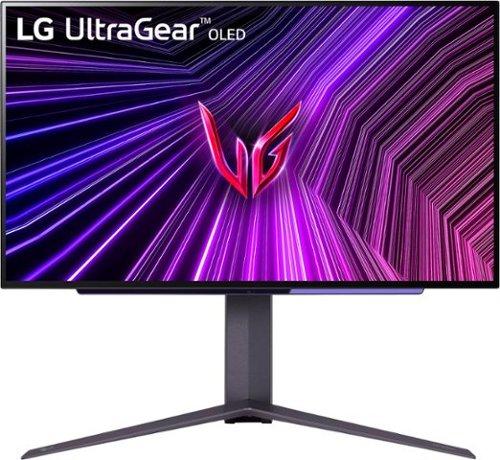
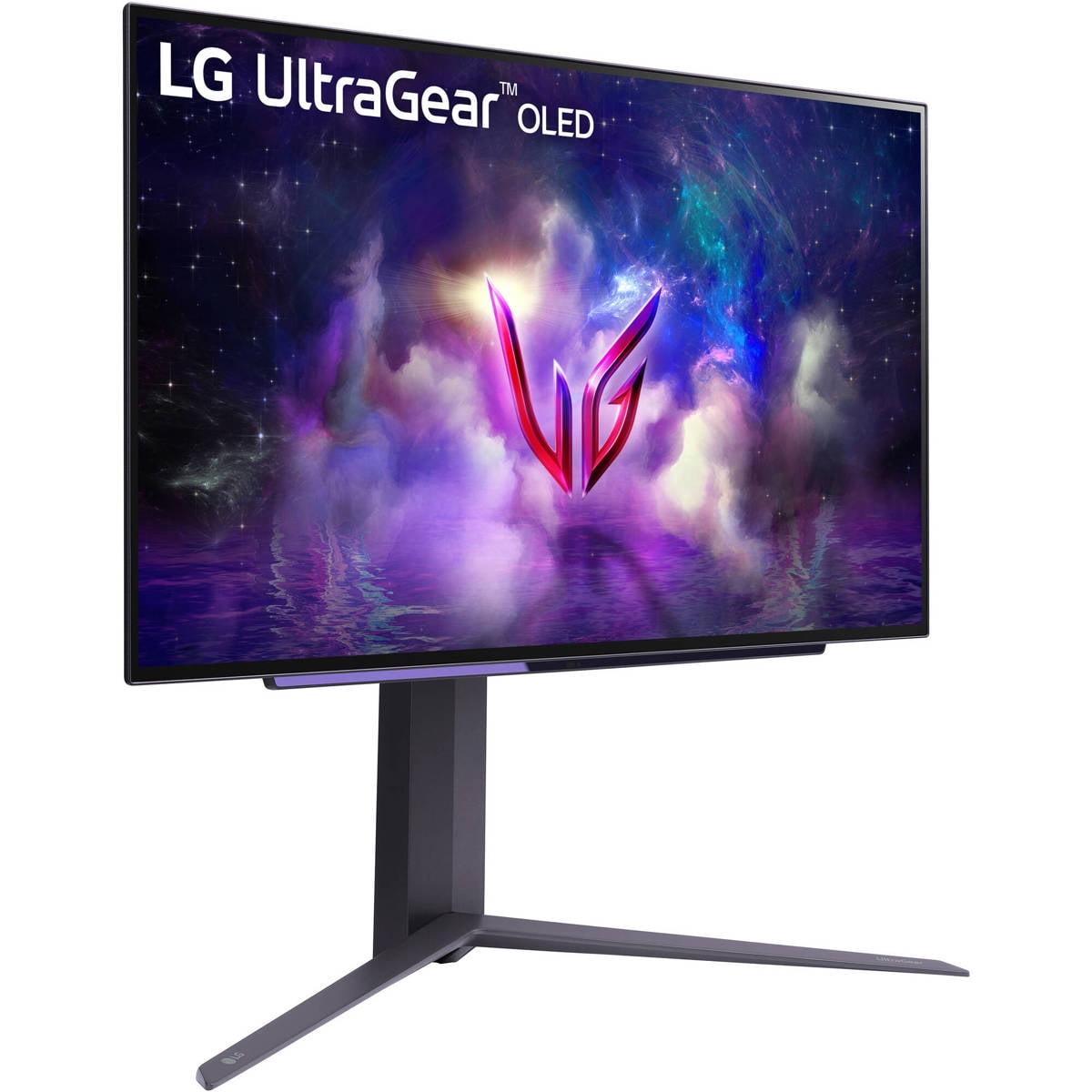
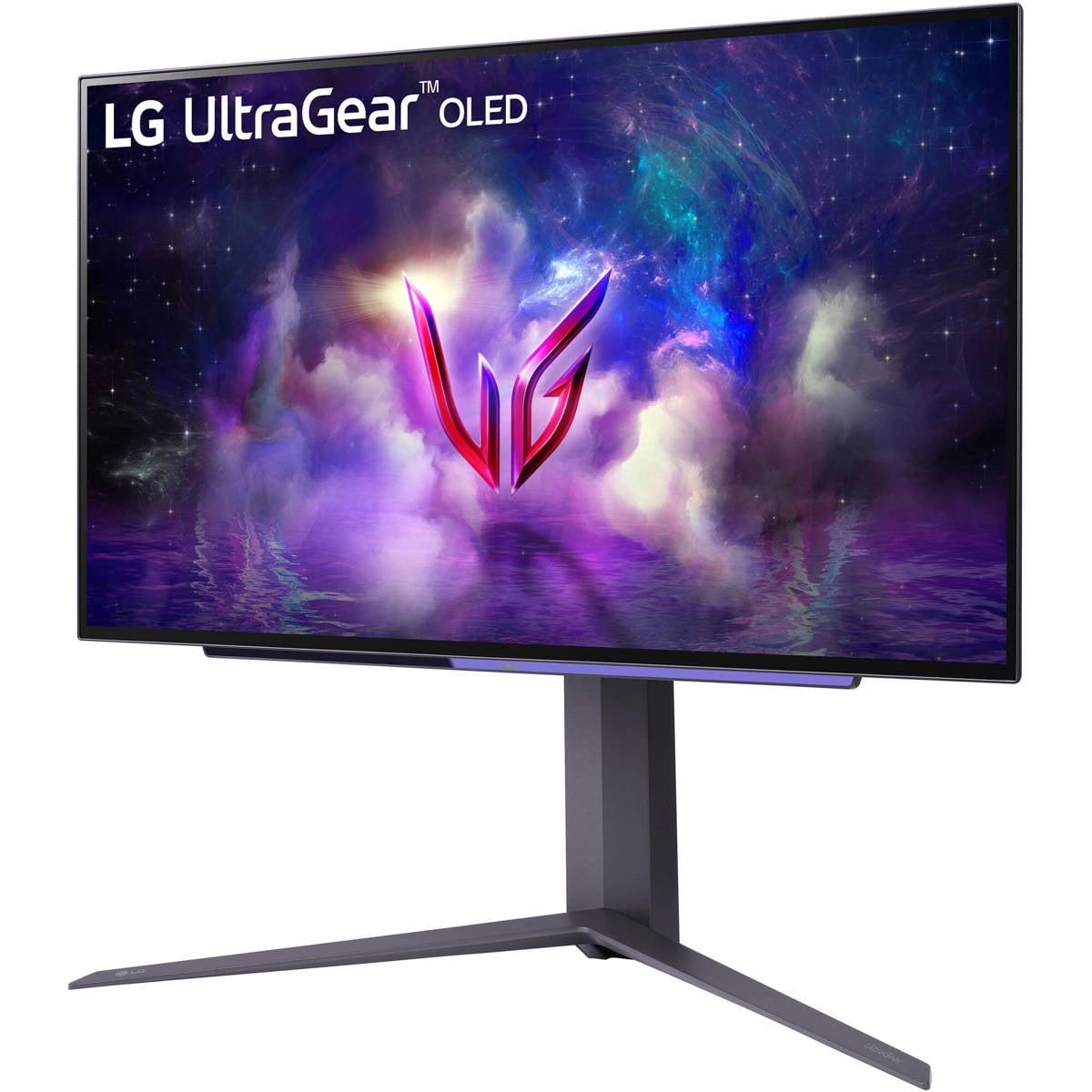
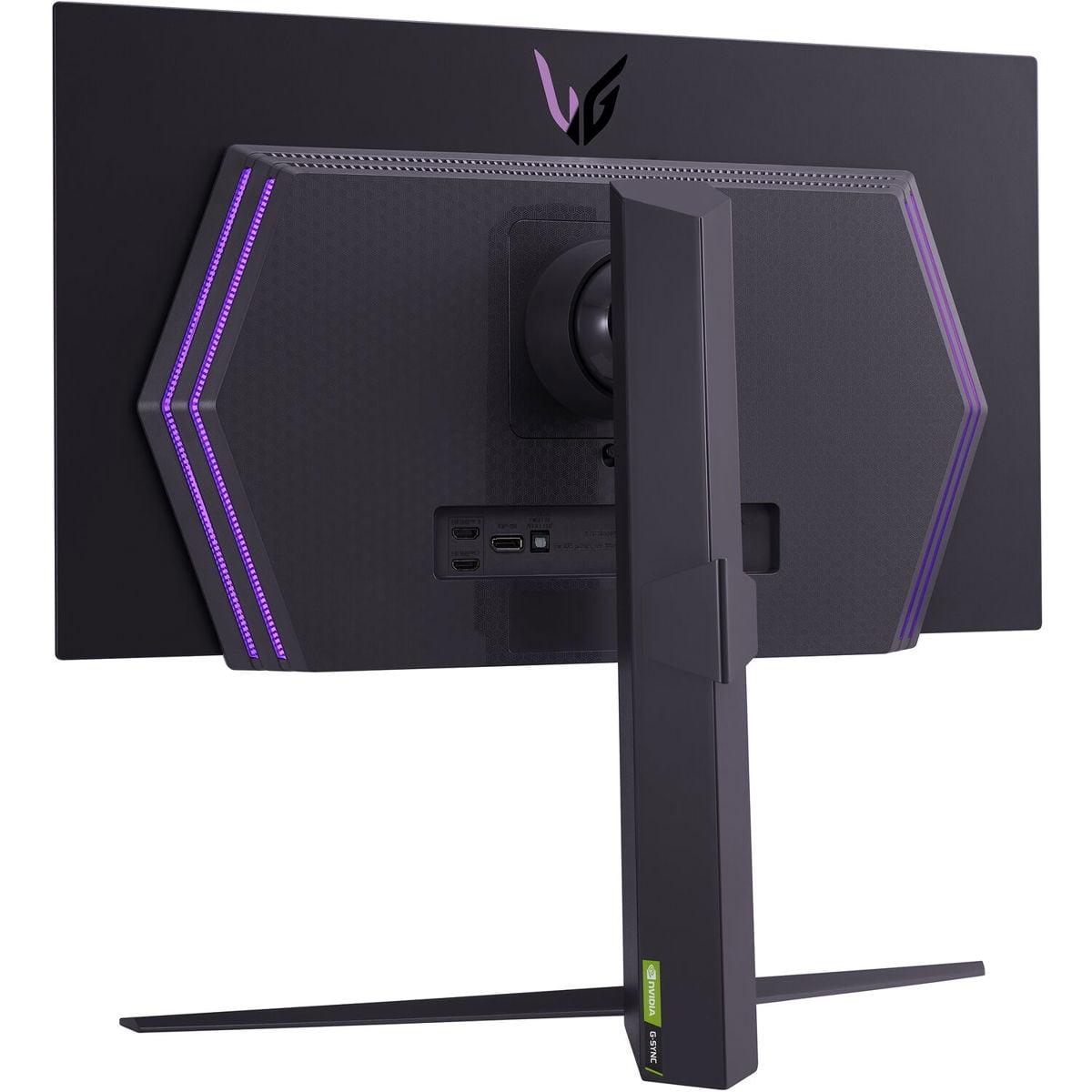
The LG UltraGear OLED takes a more traditional but highly refined approach. OLED technology means each of the monitor's 3.7 million pixels can turn completely off, creating true blacks and an infinite contrast ratio. In practical terms, this makes dark scenes in games like horror titles or space simulators dramatically more immersive than what you'd see on traditional LCD panels.
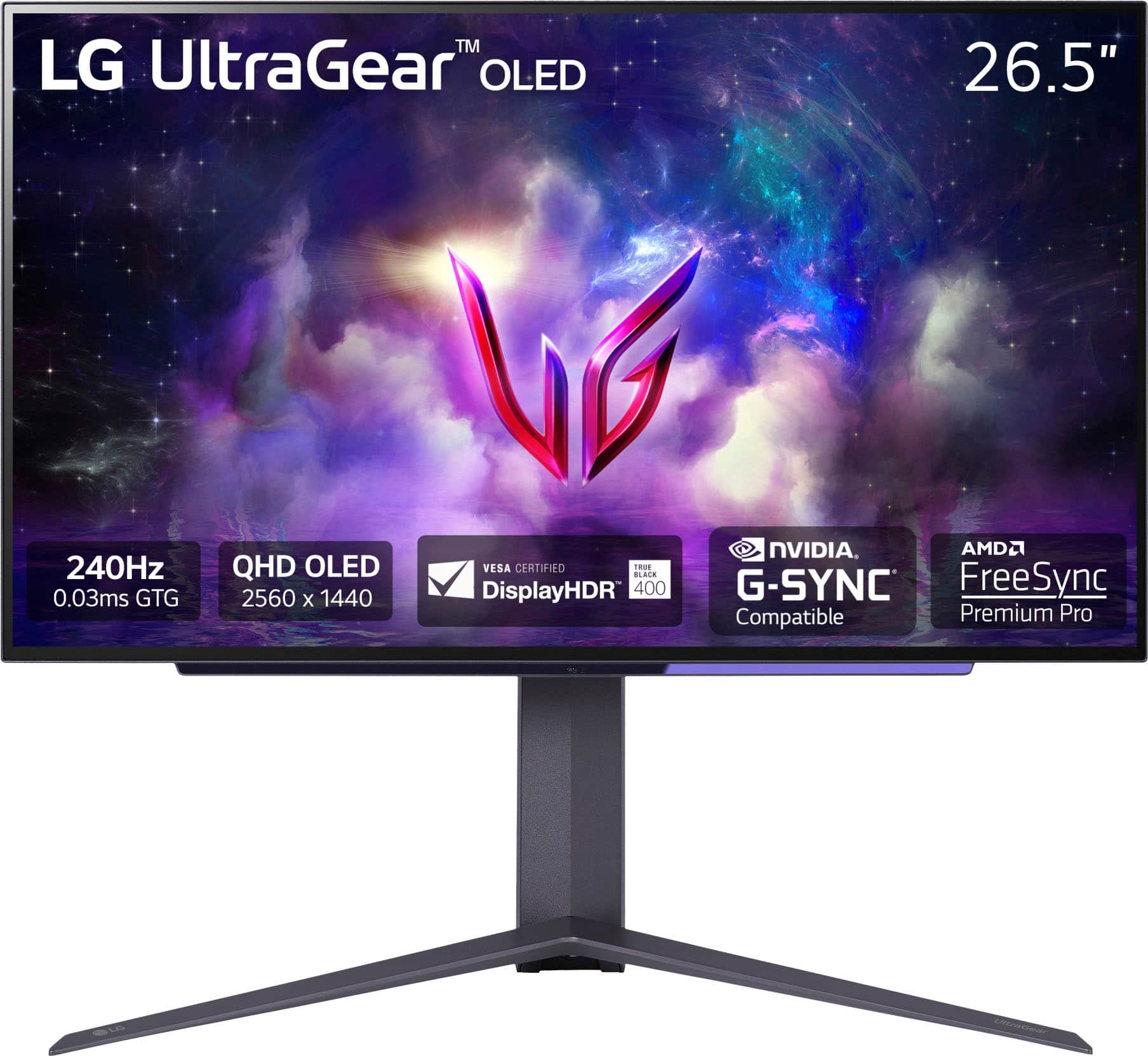
The 240Hz refresh rate is where this monitor truly shines for competitive gaming. This means the screen updates 240 times per second, compared to 60Hz on most standard monitors. Combined with a 0.03ms response time (how quickly pixels can change color), motion appears incredibly smooth. I've used this monitor for fast-paced games like Valorant and Rocket League, and the difference in motion clarity compared to standard monitors is immediately noticeable.
LG has also implemented excellent color accuracy out of the box. The monitor covers 98.5% of the DCI-P3 color space, which is the standard used in digital cinema. This means colors appear vibrant and accurate without needing manual calibration – something that typically requires expensive equipment and expertise.
The anti-glare coating deserves special mention. Unlike many glossy OLED TVs that can be mirrors in bright rooms, this monitor's matte finish effectively reduces reflections while maintaining the OLED's stellar image quality. This makes it practical for a wider range of room setups.
The resolution difference between these monitors is significant. The Samsung Odyssey 3D's 4K resolution provides 77% more pixels than the LG's 1440p display. For productivity work, photo editing, or games where you want to see fine details, this matters enormously. Text appears sharper, and you can fit more content on screen simultaneously.
However, the LG's OLED panel delivers superior image quality in most scenarios. The contrast ratio of 1,500,000:1 versus Samsung's 1000:1 means dark scenes have actual depth rather than appearing washed out. Colors pop with an intensity that IPS panels simply cannot match. Having used both monitors for movie watching, the OLED provides a significantly more cinematic experience.
For HDR (High Dynamic Range) content, which includes games and movies with expanded color and brightness ranges, the LG again takes the lead. While both monitors support HDR, the OLED's ability to produce true blacks makes HDR content appear more dramatic and realistic. The Samsung's HDR implementation is competent but not exceptional, and crucially, you cannot use HDR and 3D modes simultaneously.
Refresh rate tells only part of the story. The LG's 240Hz capability means it can display up to 240 frames per second, but only if your graphics card can produce that many frames. For competitive esports titles like Counter-Strike or Valorant, this is achievable with modern high-end graphics cards and provides a genuine competitive advantage.
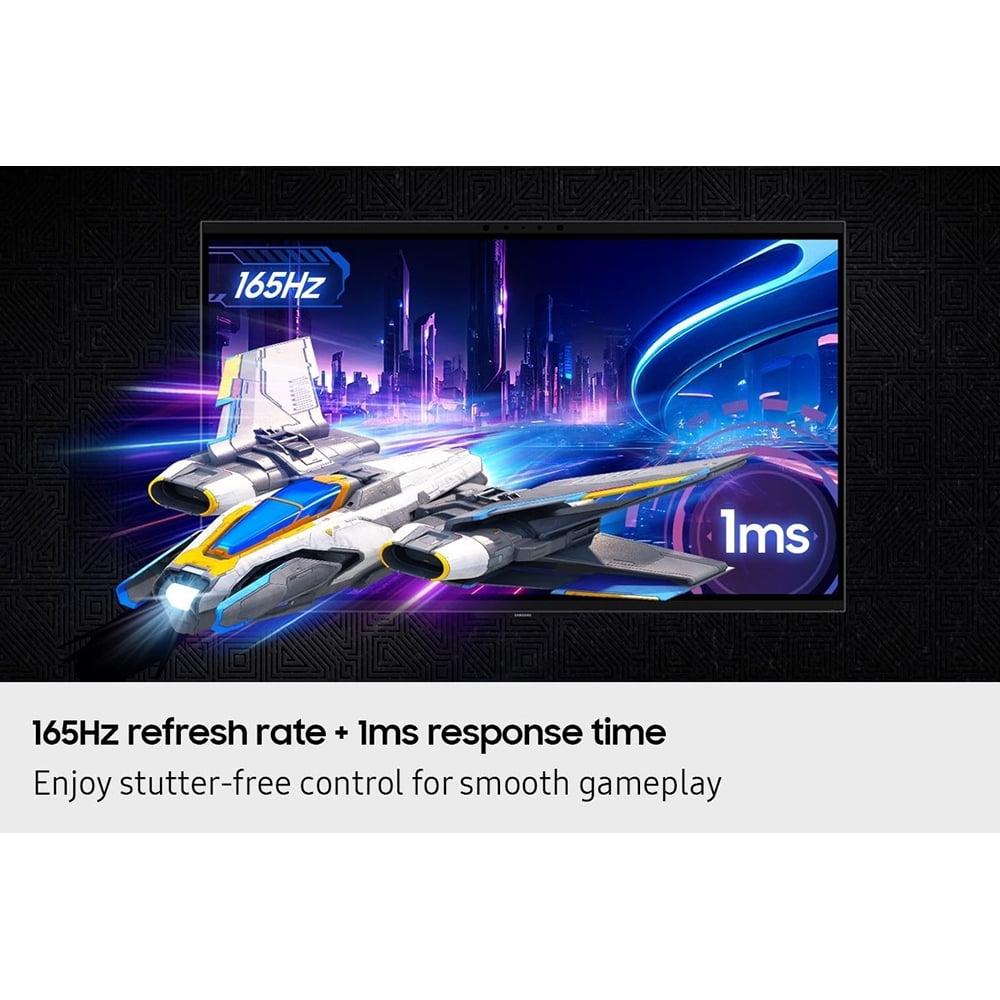
The Samsung's 165Hz refresh rate is still excellent for most gaming scenarios. The difference between 165Hz and 240Hz is noticeable but not as dramatic as the jump from 60Hz to 144Hz. Where the Samsung potentially excels is in its unique 3D capability, which can make single-player games incredibly immersive when properly supported.
Input lag – the delay between when you press a button and see the response on screen – is excellent on both monitors. Both support adaptive sync technologies (FreeSync and G-Sync compatibility) that eliminate screen tearing and stuttering by synchronizing the monitor's refresh rate with your graphics card's output.
Samsung's 3D implementation deserves detailed examination because it's genuinely unprecedented in consumer monitors. The eye-tracking system uses infrared cameras to monitor your head position and adjusts the 3D effect accordingly. This creates a surprisingly natural viewing experience that doesn't require you to sit perfectly still.
The AI conversion feature is hit-or-miss. Modern games with good depth information convert reasonably well, though the effect is subtle compared to natively designed 3D content. Older games or content with flat art styles show minimal improvement. The Reality Hub software continues to expand its compatibility, but the 3D gaming library remains limited.
For the content that works well, the experience is genuinely impressive. Racing games like Forza Horizon benefit enormously from the depth perception, making it easier to judge distances and corners. However, this comes with significant performance costs – expect frame rates to drop by 30-50% when using 3D mode.
Both monitors work well in home theater setups, but with different strengths. The LG UltraGear OLED is the clear winner for movie and TV show consumption. The OLED panel's perfect blacks and excellent color reproduction create a cinema-like experience, especially in darker rooms. The anti-glare coating makes it usable in various lighting conditions without the reflection issues common to OLED TVs.
The Samsung's 4K resolution provides sharper detail for streaming content, and the AI 3D conversion can add interesting depth to movies and shows, though results vary widely depending on the source material. The monitor includes built-in speakers with spatial audio enhancement, though dedicated speakers or headphones will always provide better audio quality.
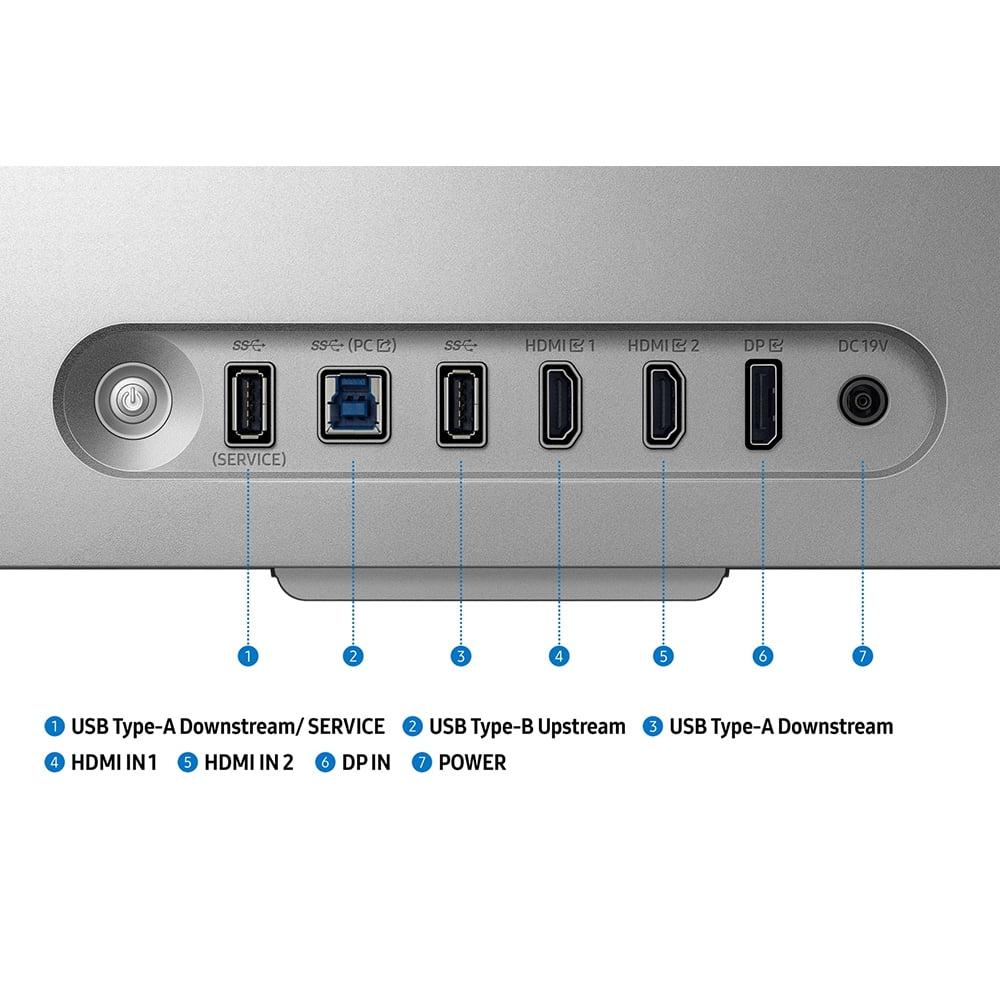
For console gaming in a living room setup, both monitors support HDMI 2.1, allowing PlayStation 5 and Xbox Series X to run at their maximum supported refresh rates. However, the Samsung's 3D features only work with PC input, limiting its unique capabilities in console gaming scenarios.
The price difference between these monitors is substantial – the Samsung Odyssey 3D ($1,999) costs nearly three times as much as the LG UltraGear OLED ($699). This pricing reflects their different market positions: the Samsung is a premium product for early adopters, while the LG represents excellent value in the high-performance gaming monitor category.
From a pure performance-per-dollar perspective, the LG is clearly superior. It delivers exceptional gaming performance, stunning visual quality, and broad compatibility at a competitive price point. The Samsung asks you to pay a significant premium for its 3D capabilities, which currently have limited software support.
Long-term ownership considerations favor different aspects of each monitor. The Samsung's IPS panel should have excellent longevity and no burn-in concerns. The LG's OLED panel, while offering superior image quality, does carry some risk of burn-in from static images like taskbars or game HUDs. LG includes OLED Care features to mitigate this risk, but it remains a consideration for heavy desktop users.
Your choice between these monitors should align closely with your gaming habits and priorities. The LG UltraGear OLED excels for competitive gaming, movie watching, and general use. Its combination of speed, visual quality, and value makes it suitable for the broadest range of users. If you primarily play fast-paced games, want the best possible image quality, or need a monitor that works well for multiple purposes, the LG is the clear choice.
The Samsung Odyssey 3D appeals to a more specific audience: enthusiasts who want cutting-edge technology and are willing to pay for innovation. If you're fascinated by 3D gaming, have a powerful PC that can handle the performance requirements, and primarily play single-player games that benefit from the immersive experience, the Samsung offers something genuinely unique.
For most gamers, I'd recommend the LG. It provides superior performance in traditional gaming scenarios, costs significantly less, and offers broader compatibility with different types of content. The Samsung is impressive technology, but it's early-adopter territory with a premium price and limited software ecosystem.
The 3D gaming market will need to develop significantly before the Samsung becomes a mainstream recommendation. However, for those who can afford the premium and are excited by the prospect of glasses-free 3D gaming, it represents a genuinely novel experience that no other consumer monitor currently offers.
Both monitors represent the current state-of-the-art in their respective approaches to gaming displays. Your choice ultimately depends on whether you prioritize proven performance and value, or cutting-edge innovation and unique experiences.
| Samsung 27" Odyssey 3D G90XF 4K 165Hz Gaming Monitor | LG UltraGear 27" OLED QHD 240Hz Gaming Monitor |
|---|---|
| Price - Major factor in value proposition | |
| $1,999 - Premium pricing for experimental 3D tech | $699 - Excellent value for OLED gaming performance |
| Resolution - Affects image sharpness and screen real estate | |
| 4K UHD (3840 x 2160) - 77% more pixels, sharper text and details | QHD (2560 x 1440) - Sweet spot for gaming performance vs visual quality |
| Panel Technology - Determines contrast, colors, and overall image quality | |
| IPS with lenticular 3D layer - Good colors but limited contrast (1000:1) | OLED - Perfect blacks with infinite contrast (1,500,000:1) |
| Refresh Rate - Higher rates provide smoother motion in fast games | |
| 165Hz - Excellent for most gaming, adequate for competitive play | 240Hz - Ideal for competitive esports and ultra-smooth motion |
| Response Time - Lower is better for reducing motion blur | |
| 1ms (GtG) - Very good for gaming responsiveness | 0.03ms (GtG) - Virtually eliminates ghosting and blur |
| Unique Technology - What sets each monitor apart | |
| Glasses-free 3D with eye-tracking + AI conversion - Revolutionary but limited content | OLED panel technology - Proven superior contrast and color accuracy |
| HDR Support - Enhanced brightness and color range for compatible content | |
| HDR10+ support but cannot use with 3D mode simultaneously | DisplayHDR True Black 400 - Better HDR experience with OLED's contrast |
| Gaming Features - Adaptive sync and competitive gaming tools | |
| FreeSync Premium, G-Sync Compatible, Edge lighting effects | FreeSync Premium, G-Sync Compatible, gaming overlays and tools |
| Content Compatibility - What works best on each display | |
| Limited 3D game library, excellent for productivity due to 4K resolution | Broad gaming compatibility, exceptional for movies and entertainment |
| System Requirements - Hardware needed for optimal performance | |
| Requires RTX 3080+ for 4K 3D gaming, very demanding on GPU | Works well with mid-range to high-end GPUs at 1440p resolution |
| Durability Concerns - Long-term ownership considerations | |
| No burn-in risk with IPS panel, standard monitor longevity | OLED burn-in risk with static images, includes prevention features |
The LG UltraGear 27" OLED QHD 240Hz Gaming Monitor ($699) is significantly better for competitive gaming. Its 240Hz refresh rate and 0.03ms response time provide smoother motion and faster reactions compared to the Samsung Odyssey 3D G90XF's 165Hz and 1ms response time. The OLED panel also offers better motion clarity for tracking enemies in fast-paced games.
The Samsung Odyssey 3D G90XF ($1,999) features revolutionary glasses-free 3D technology with eye-tracking, while the LG UltraGear OLED ($699) focuses on traditional high-performance gaming with superior OLED display quality. The Samsung offers 4K resolution with 3D effects, while the LG provides 1440p resolution with perfect blacks and vibrant colors.
The LG UltraGear 27" OLED ($699) offers much better value, costing nearly three times less than the Samsung Odyssey 3D ($1,999) while delivering superior gaming performance for most users. The OLED technology provides excellent image quality and the 240Hz refresh rate benefits all types of gaming, not just the limited 3D content available for the Samsung.
Yes, but the LG UltraGear OLED is significantly better for entertainment. Its OLED panel produces perfect blacks and vibrant colors that create a cinema-like experience. The Samsung Odyssey 3D can convert movies to 3D using AI, but the effect varies in quality and the IPS panel has weaker contrast for dark scenes.
The LG UltraGear 27" OLED ($699) has superior overall picture quality due to its OLED technology. It offers perfect blacks, infinite contrast ratio (1,500,000:1), and 98.5% DCI-P3 color coverage. The Samsung Odyssey 3D ($1,999) has higher 4K resolution for sharper details, but its IPS panel provides weaker contrast (1000:1) and less vibrant colors.
The Samsung Odyssey 3D G90XF requires a powerful GPU like RTX 3080 or better for 4K 3D gaming, as it essentially renders two images simultaneously. The LG UltraGear OLED works well with mid-range to high-end GPUs since 1440p resolution is less demanding, making it more accessible for most gaming setups.
The Samsung Odyssey 3D ($1,999) uses IPS technology with no burn-in risk and standard monitor longevity. The LG UltraGear OLED ($699) has potential OLED burn-in risk from static images like taskbars or game HUDs, though LG includes OLED Care features to minimize this risk. Both monitors should last years with proper use.
Both the Samsung Odyssey 3D and LG UltraGear OLED support HDMI 2.1 for PlayStation 5 and Xbox Series X. However, the Samsung's 3D features only work with PC input, limiting its unique capabilities for console gaming. The LG's superior motion handling and OLED image quality make it better for console gaming overall.
The Samsung Odyssey 3D G90XF has a limited library of native 3D games at launch, though Samsung is expanding support. The Reality Hub software can convert 2D games and videos to 3D using AI, but quality varies significantly. Most current games are not optimized for 3D, making this feature more experimental than practical for most users.
The Samsung Odyssey 3D G90XF ($1,999) is better for productivity due to its 4K resolution providing 77% more pixels and sharper text. The higher resolution allows more content to fit on screen simultaneously. The LG UltraGear OLED ($699) may have text clarity issues due to its subpixel layout and burn-in concerns with static desktop elements.
No, the Samsung Odyssey 3D G90XF cannot use HDR and 3D modes simultaneously - you must choose one or the other. The LG UltraGear OLED provides better HDR performance overall with its DisplayHDR True Black 400 certification and superior contrast capabilities from the OLED panel technology.
The LG UltraGear 27" OLED ($699) is the better choice for newcomers to high-end gaming. It provides immediate benefits with superior image quality, excellent gaming performance, and broad compatibility with all types of content. The Samsung Odyssey 3D ($1,999) is experimental technology with limited content support, making it better suited for enthusiasts willing to pay premium prices for cutting-edge features.
We've done our best to create useful and informative comparisons to help you decide what product to buy. Our research uses advanced automated methods to create this comparison and perfection is not possible - please contact us for corrections or questions. These are the sites we've researched in the creation of this article: hometechnologyreview.com - substack.com - rtings.com - youtube.com - techaeris.com - versus.com - tomsguide.com - avsforum.com - youtube.com - versus.com - bestbuy.com - samsung.com - samsung.com - samsung.com - samsung.com - m.media-amazon.com - bestbuy.com - bestbuy.com - youtube.com - rtings.com - youtube.com - youtube.com - lg.com - bhphotovideo.com - bestbuy.com - forum.beyond3d.com - youtube.com - lg.com - lg.com - lg.com - techpowerup.com - newegg.com - bestbuy.com - pcmonitors.info - lg.com - lg.com

Privacy Policy
Terms and Conditions - Affiliate Policy
Home Security
© Copyright 2008-2026.
11816 Inwood Rd #1211, Dallas, TX 75244