

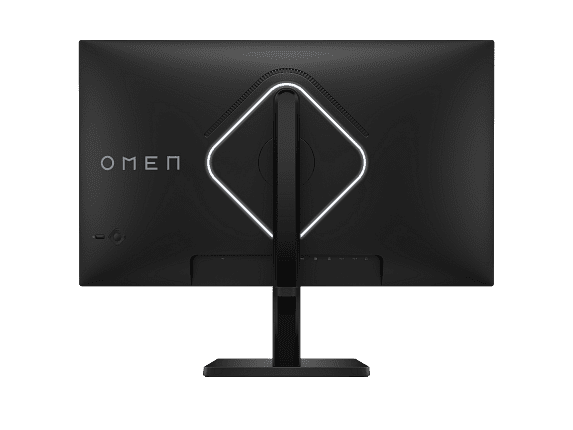
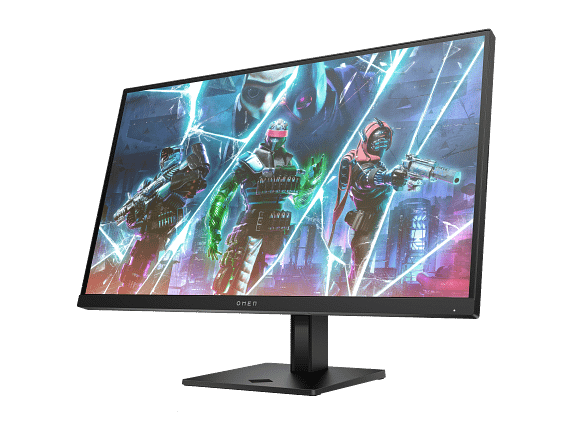
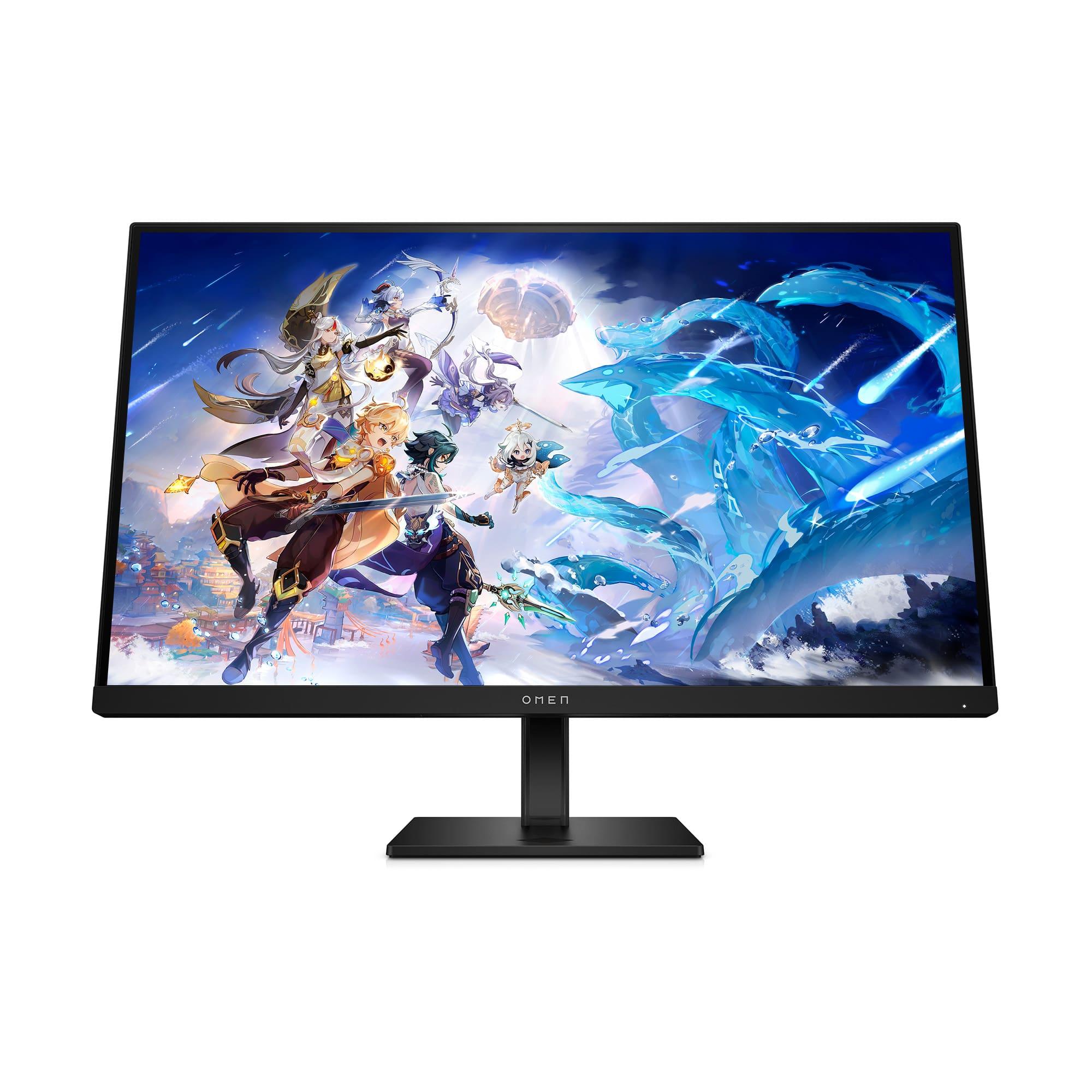
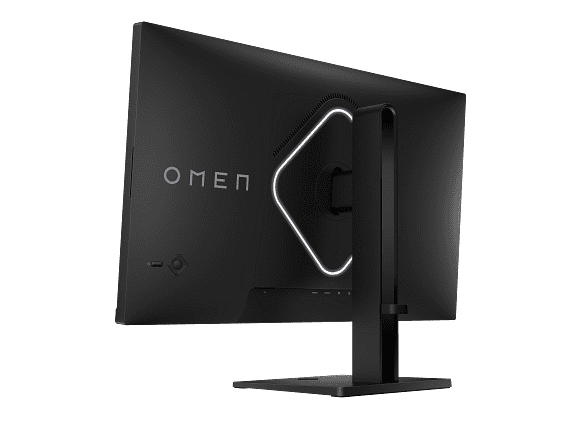
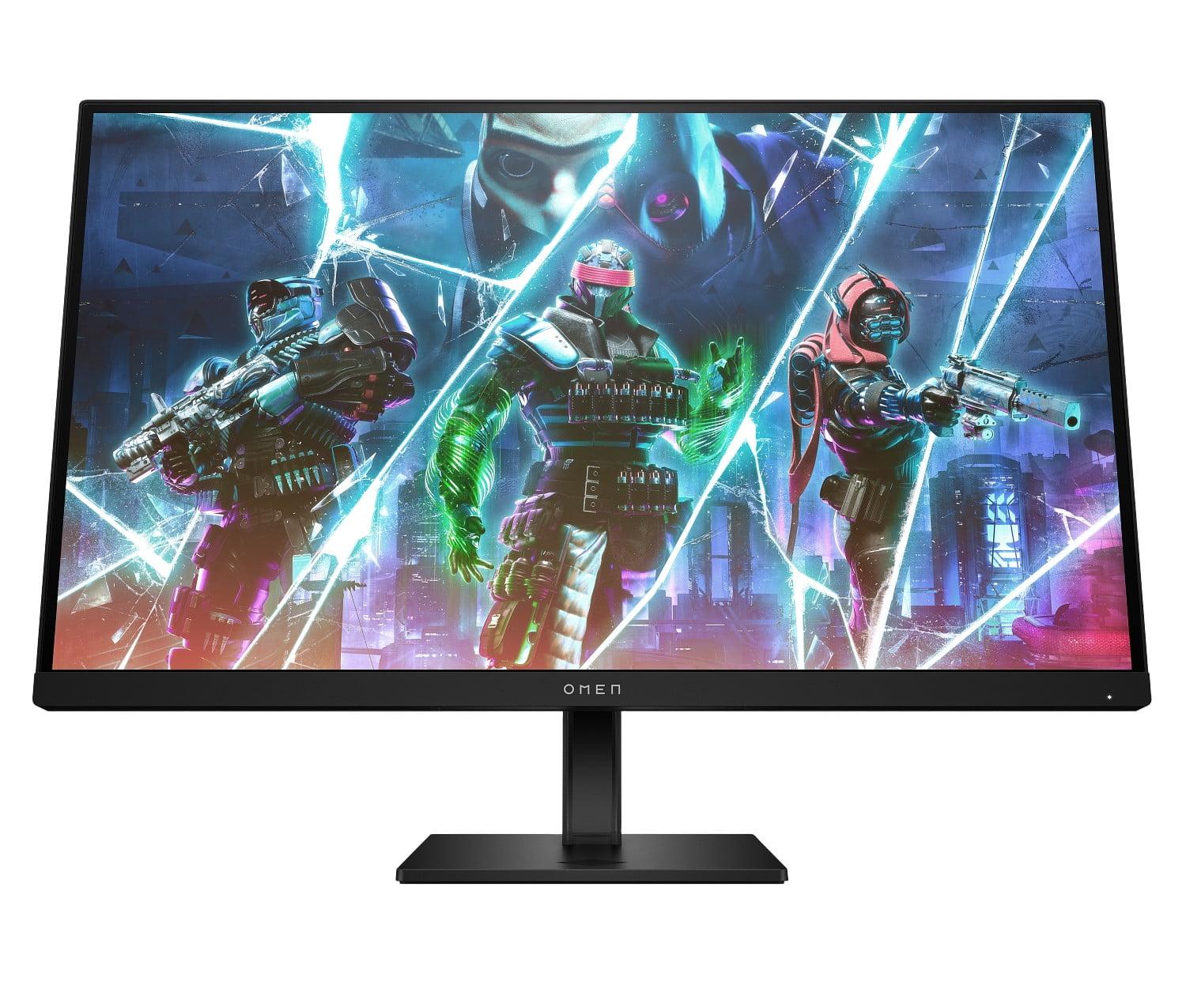
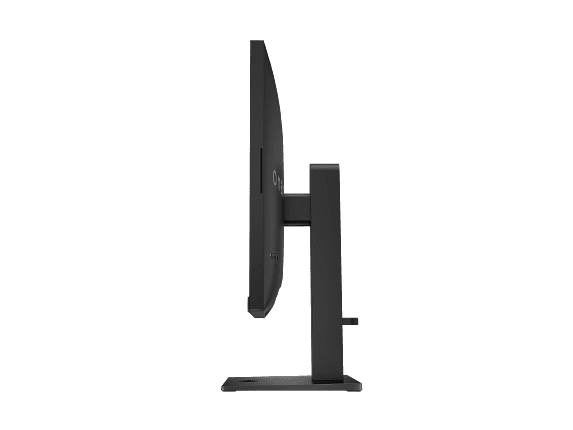

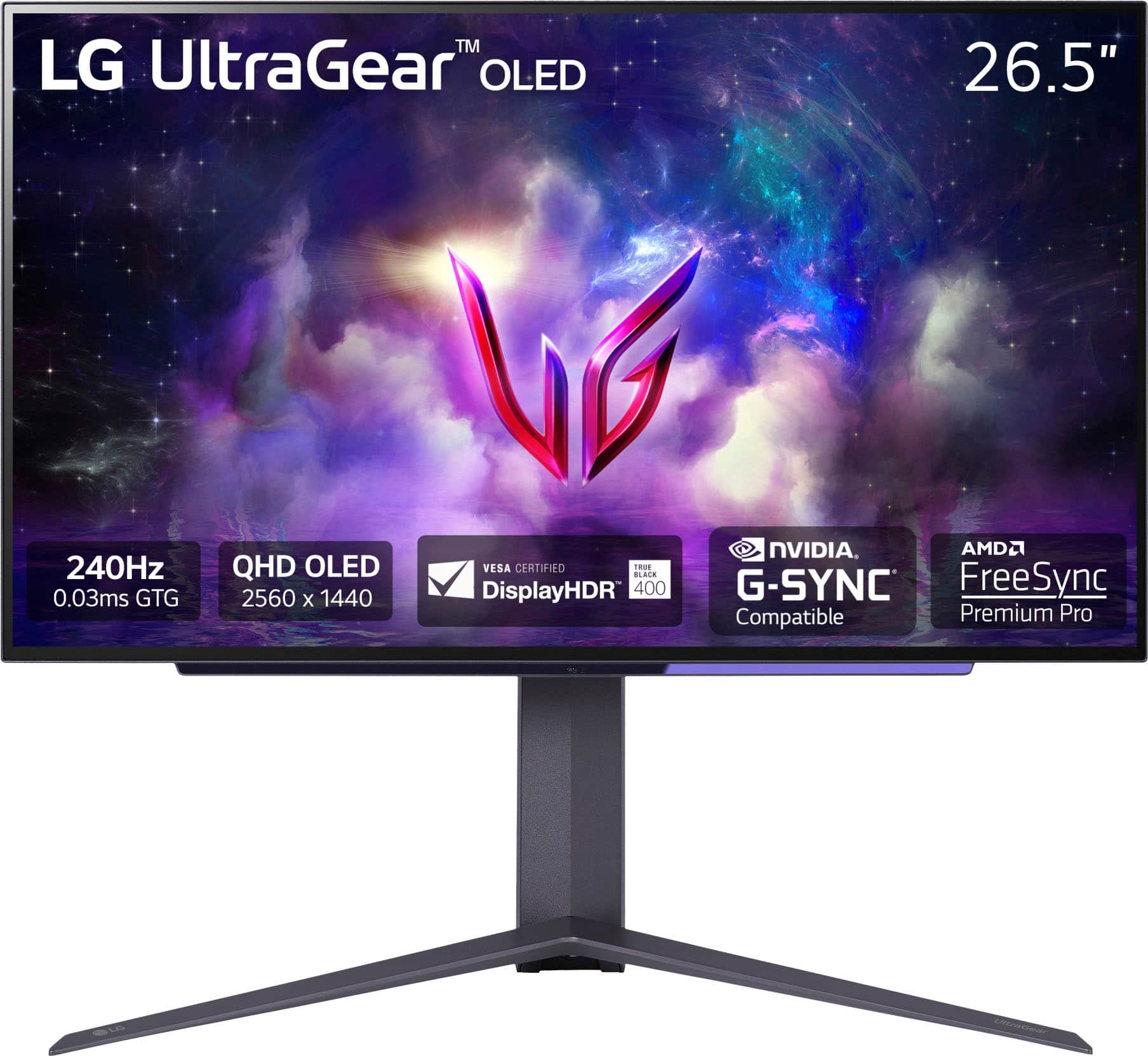
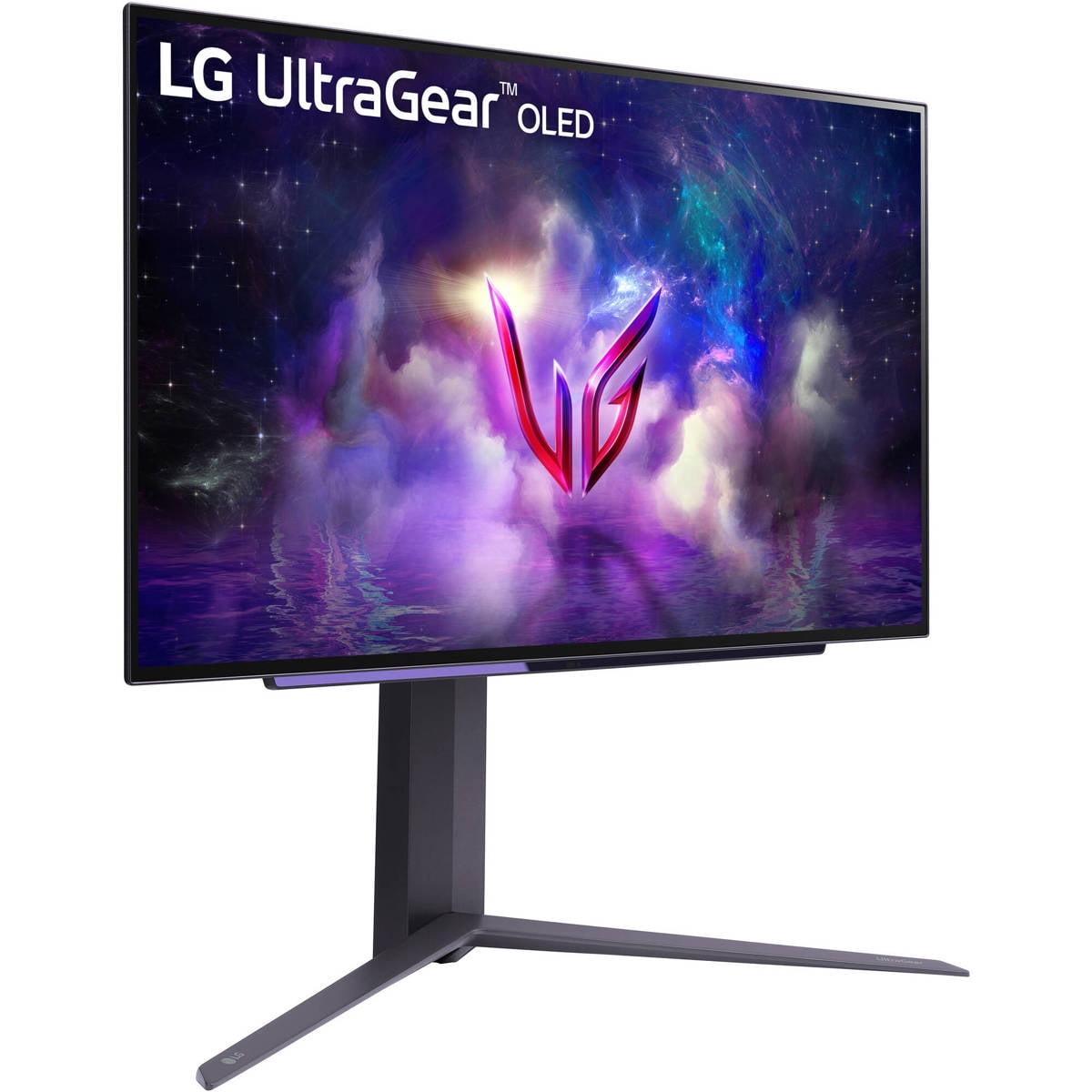
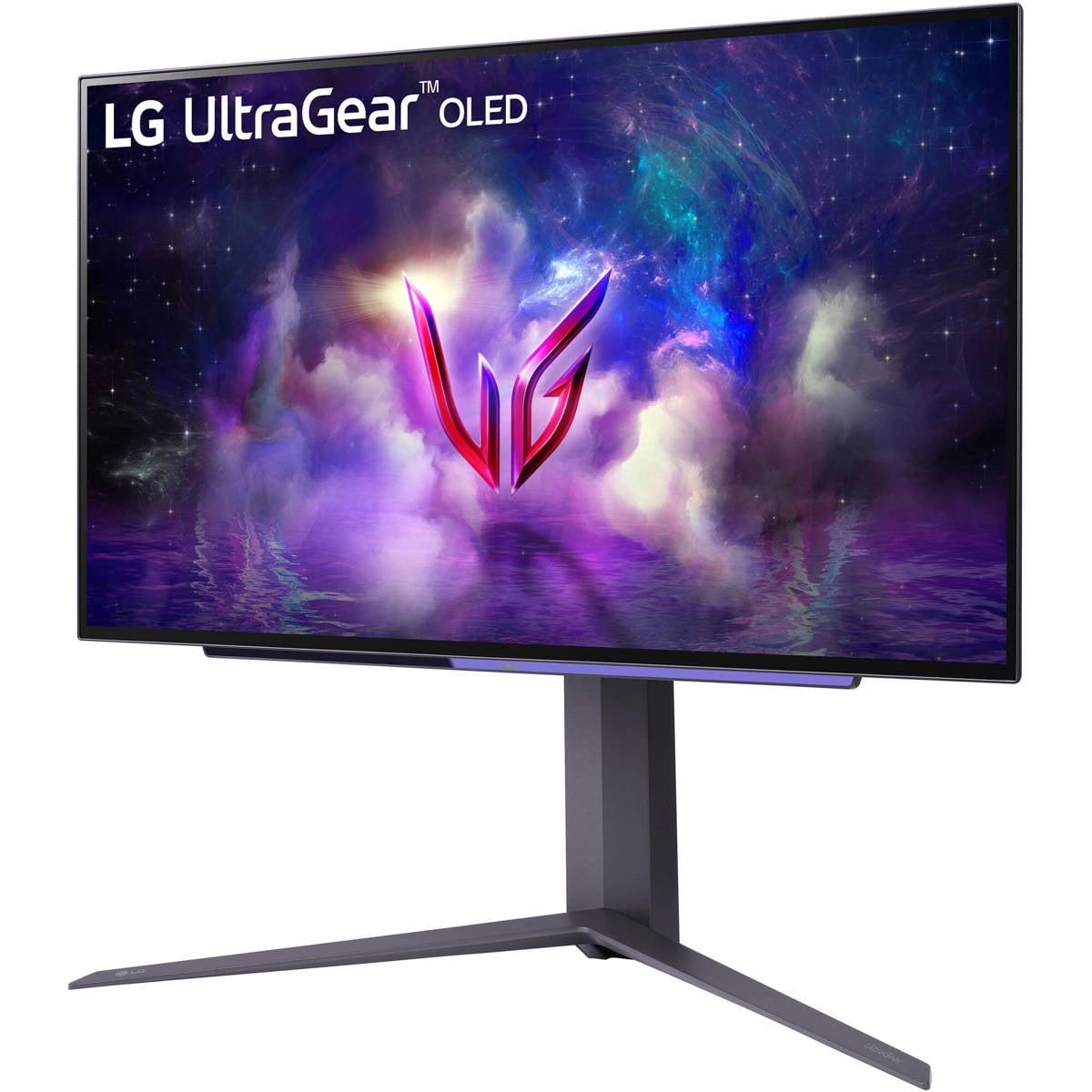

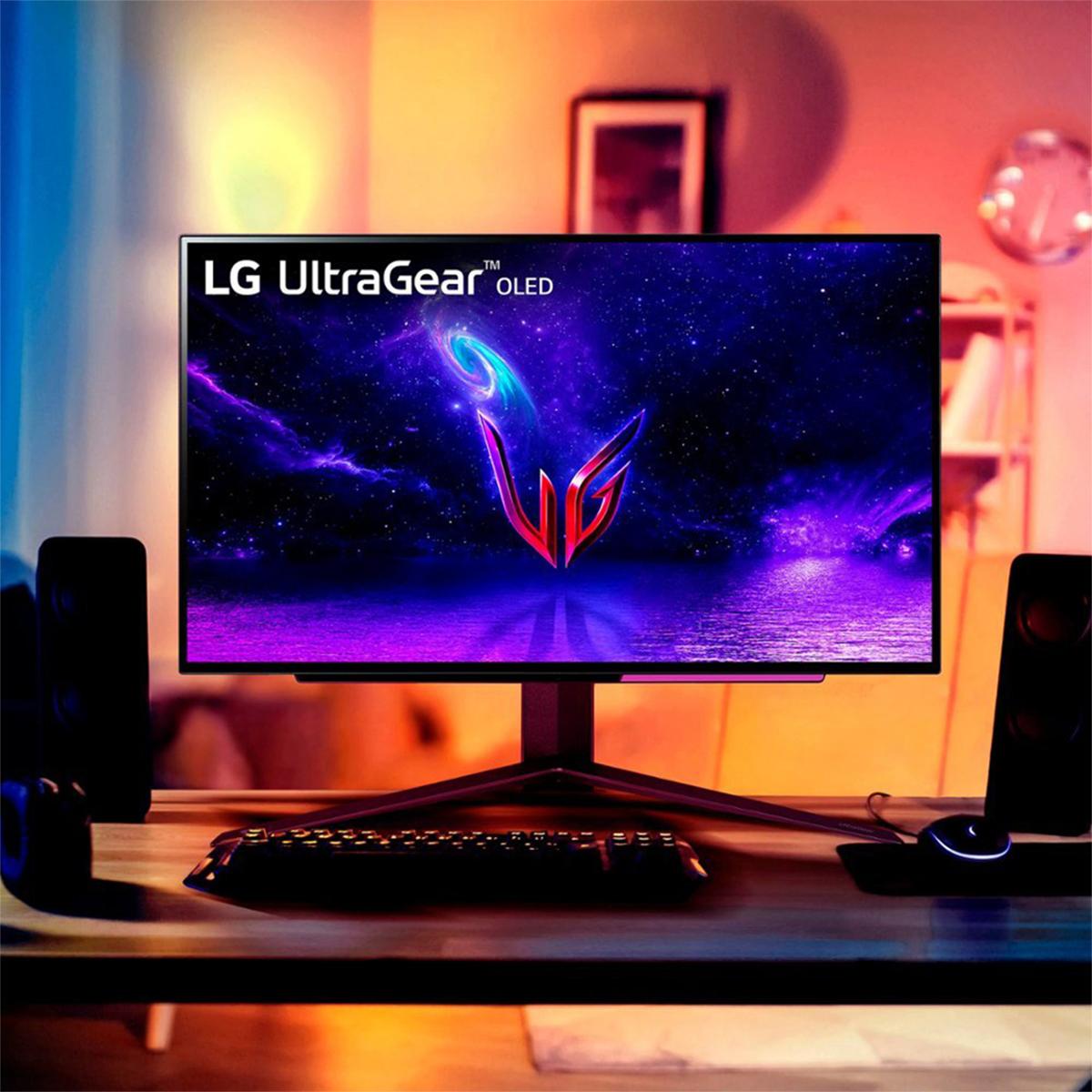

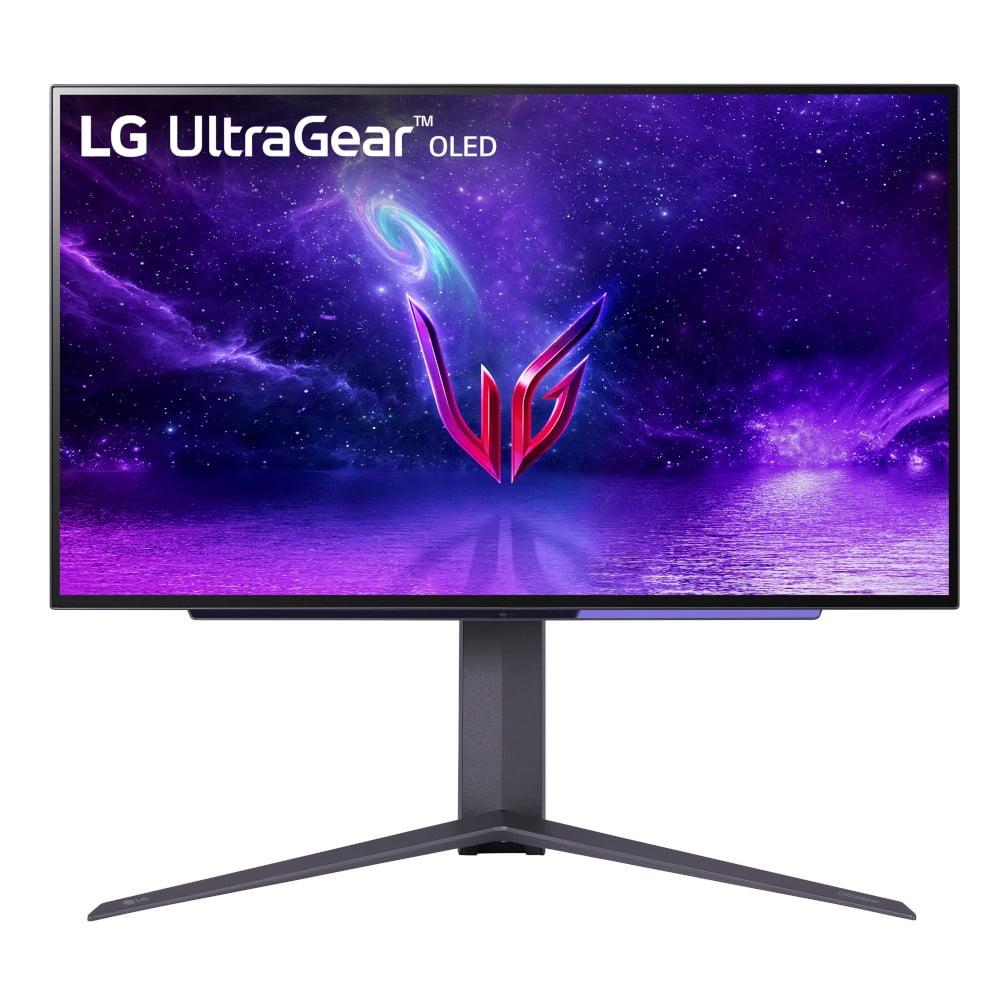
The world of gaming monitors has exploded in the past few years, with manufacturers pushing boundaries in refresh rates, response times, and visual quality. Today we're comparing two monitors that represent different philosophies in gaming display technology: the HP OMEN 27s FHD 240Hz Gaming Monitor and the LG UltraGear 27" OLED QHD 240Hz Gaming Monitor.
Both released in the 2023-2024 timeframe, these monitors showcase how far gaming display technology has advanced. The HP OMEN 27s represents the refined evolution of IPS gaming monitors, while the LG UltraGear OLED brings OLED technology—previously reserved for TVs—into the desktop gaming space.
Before diving into specifics, let's establish what makes a gaming monitor tick. The most critical specs are refresh rate (how many times per second the screen updates), response time (how quickly pixels change color), and input lag (the delay between your action and seeing it on screen).
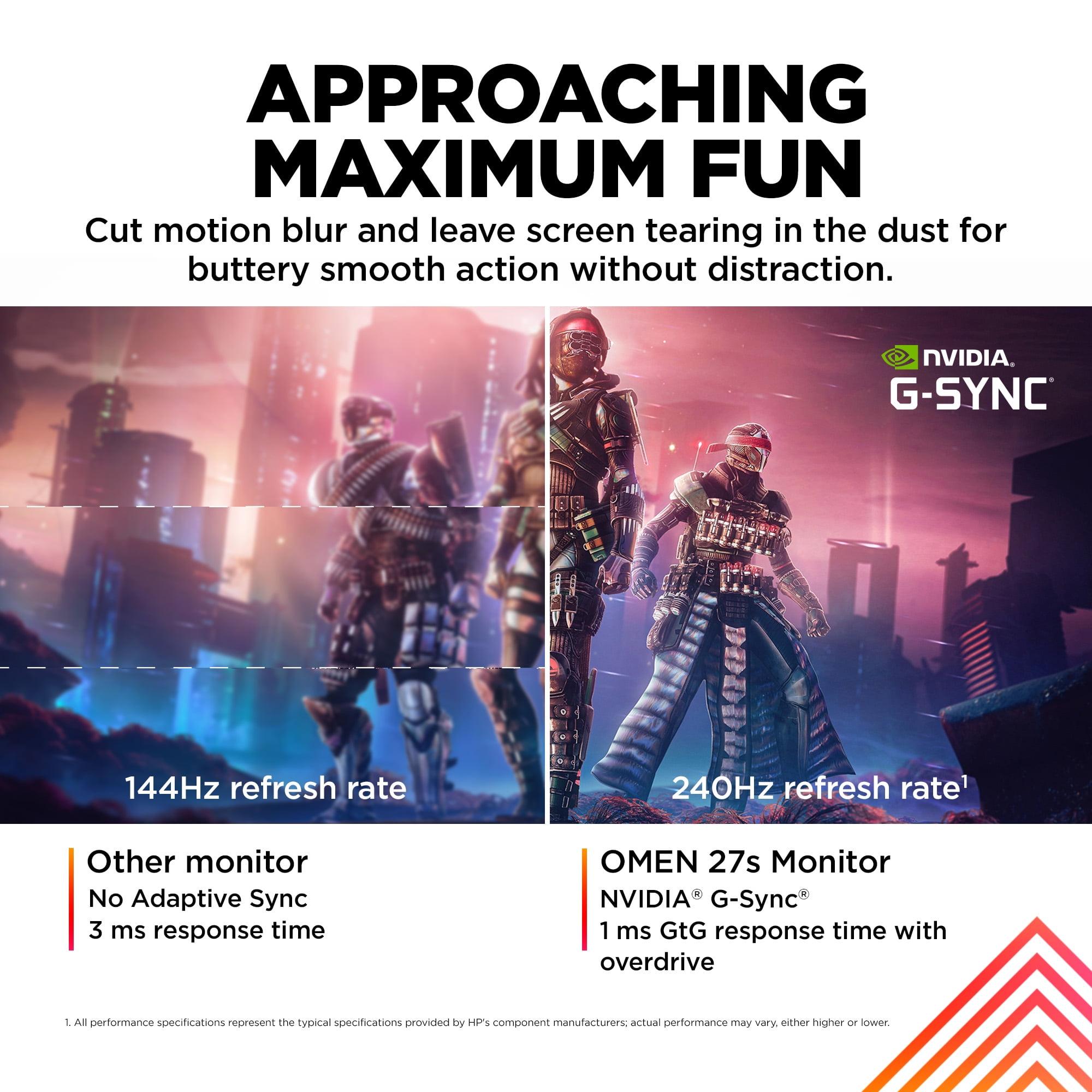
Refresh rate is measured in Hertz (Hz), and both monitors hit 240Hz—meaning they can display 240 unique frames every second. This matters enormously for competitive gaming because smoother motion makes tracking enemies easier and reduces the stuttering effect you get with lower refresh rates.
Response time, measured in milliseconds (ms), determines how quickly pixels transition between colors. Slower response times create "ghosting"—those annoying trails behind fast-moving objects. The HP OMEN 27s achieves 1ms gray-to-gray (GtG) with its Overdrive feature enabled, while the LG UltraGear OLED hits an almost unbelievable 0.03ms.
Panel technology forms the foundation of everything else. The HP OMEN 27s uses IPS (In-Plane Switching) LCD technology, which has been refined over decades to offer consistent colors and wide viewing angles. The LG UltraGear OLED uses OLED (Organic Light-Emitting Diode) technology, where each pixel produces its own light and can turn completely off for perfect blacks.
Here's where these monitors take fundamentally different approaches. The HP OMEN 27s sticks with Full HD (1920x1080), while the LG UltraGear OLED steps up to QHD (2560x1440).
This isn't just about having more pixels—though the LG does pack 77% more pixels onto the same 27-inch screen. It's about the performance trade-offs that come with those extra pixels. Every additional pixel your graphics card has to render means lower frame rates, and maintaining 240Hz at 1440p requires significantly more GPU horsepower than doing it at 1080p.
From our research into user experiences, gamers with mid-range GPUs like the RTX 4060 or RX 7600 often struggle to maintain consistent 240fps at 1440p in demanding games. They frequently have to choose between the monitor's full resolution or its full refresh rate. Meanwhile, these same GPUs can more easily hit 240fps at 1080p, letting you actually use what you paid for.
But there's a flip side. At 27 inches, 1080p starts showing its age. Text looks less sharp, and you can begin to see individual pixels if you sit close enough. The 1440p resolution of the LG UltraGear OLED provides noticeably crisper detail, making it better for both gaming and general computer use.
The choice between IPS and OLED represents one of the biggest decisions in modern display technology, and it affects everything from picture quality to long-term reliability.
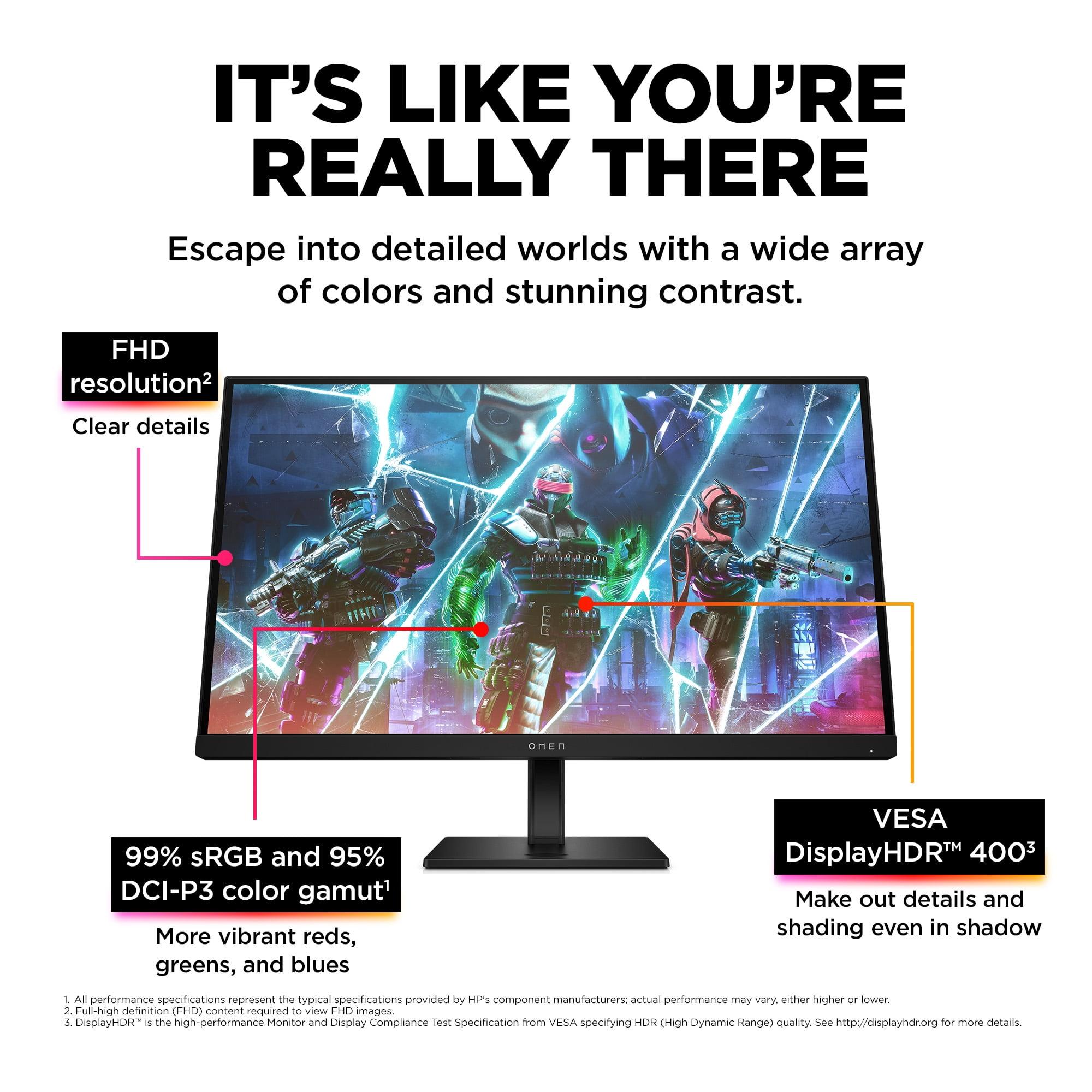
IPS technology in the HP OMEN 27s uses a backlight that shines through liquid crystals to create images. This mature technology delivers consistent performance with a 1000:1 contrast ratio and covers 99% of the sRGB color space and 95% of DCI-P3. The anti-glare coating helps reduce reflections, and the 400-nit brightness works well in most lighting conditions.
OLED technology in the LG UltraGear OLED is fundamentally different. Each pixel is its own light source, eliminating the need for a backlight entirely. This creates an extraordinary 1,500,000:1 contrast ratio—essentially infinite contrast because pixels can turn completely off for true blacks. The color gamut reaches 98.5% of DCI-P3, and peak brightness hits 1000 nits in HDR mode.
The practical difference is striking. Dark scenes in games like horror titles or space simulators look dramatically different on OLED. Where the HP OMEN 27s shows dark gray areas (because the backlight can't turn completely off), the LG UltraGear OLED displays true black, creating an almost 3D-like depth to images.
However, OLED comes with trade-offs. The technology is susceptible to burn-in—permanent image retention if static elements stay on screen too long. LG includes OLED Care features to mitigate this, but it remains a consideration for desktop use where taskbars and desktop icons don't move.
Both monitors excel in gaming scenarios, but their strengths differ based on what you play and how you play it.
For esports titles like Counter-Strike, Valorant, or Overwatch, the HP OMEN 27s often takes the edge. Its 1080p resolution is easier to drive at maximum frame rates, and professional players frequently prefer 1080p anyway for the performance headroom it provides. The IPS panel's consistent brightness also works better in brightly lit tournament or streaming setups.
The monitor's NVIDIA G-SYNC compatibility and AMD FreeSync Premium support eliminate screen tearing—the visual artifact where parts of different frames appear simultaneously. Combined with the 1ms response time, input feels immediate and precise.
The LG UltraGear OLED counters with an even faster 0.03ms response time, which is genuinely impressive even if the real-world difference from 1ms is minimal. Where it really shines is in dark areas of maps, where the perfect blacks can reveal enemies hiding in shadows that might be harder to spot on the LCD panel.
For single-player games, RPGs, and visually stunning titles, the LG UltraGear OLED is in a different league. The combination of perfect blacks, vibrant colors, and HDR support creates an almost cinematic experience. Games like Cyberpunk 2077, The Witcher 3, or any HDR-enabled title look dramatically more engaging.
The OLED's DisplayHDR True Black 400 certification means it can display both very bright and very dark elements simultaneously without the blooming effect common in LCD monitors. When you're exploring a cave with sunlight streaming through an opening, you see detail in both the dark cave and bright outdoors—something the HP OMEN 27s struggles with due to its limited contrast ratio.
Both monitors work with PlayStation 5 and Xbox Series X consoles, but the LG UltraGear OLED makes better use of these systems' capabilities. Its HDMI 2.1 connectivity and 1440p resolution align well with how these consoles output games, while the 1080p HP OMEN 27s might not fully utilize the console's graphical potential.
However, console gamers should note that very few console games actually run at 240Hz. Most top out at 120Hz, making the ultra-high refresh rate more of a future-proofing feature for console use.
HDR (High Dynamic Range) represents a significant leap in visual quality, expanding both the range of colors and the contrast between bright and dark elements. However, not all HDR implementations are created equal.
The HP OMEN 27s supports VESA DisplayHDR 400, which is essentially entry-level HDR. While it can display HDR content, the limited brightness and contrast ratio mean the effect is subtle compared to higher-tier HDR displays.
The LG UltraGear OLED offers a more compelling HDR experience. Its ability to display perfect blacks alongside 1000-nit highlights creates the dramatic contrast that makes HDR content pop. The difference is particularly noticeable in games with HDR support, where explosions, sunsets, and other bright elements appear more realistic and impactful.
Both monitors offer comprehensive connectivity, but with different focuses. The HP OMEN 27s includes integrated dual 3W speakers—not audiophile quality, but convenient for casual use. Its USB hub functionality lets you connect peripherals directly to the monitor, and the OMEN Gaming Hub software provides gaming-specific features like custom crosshairs.
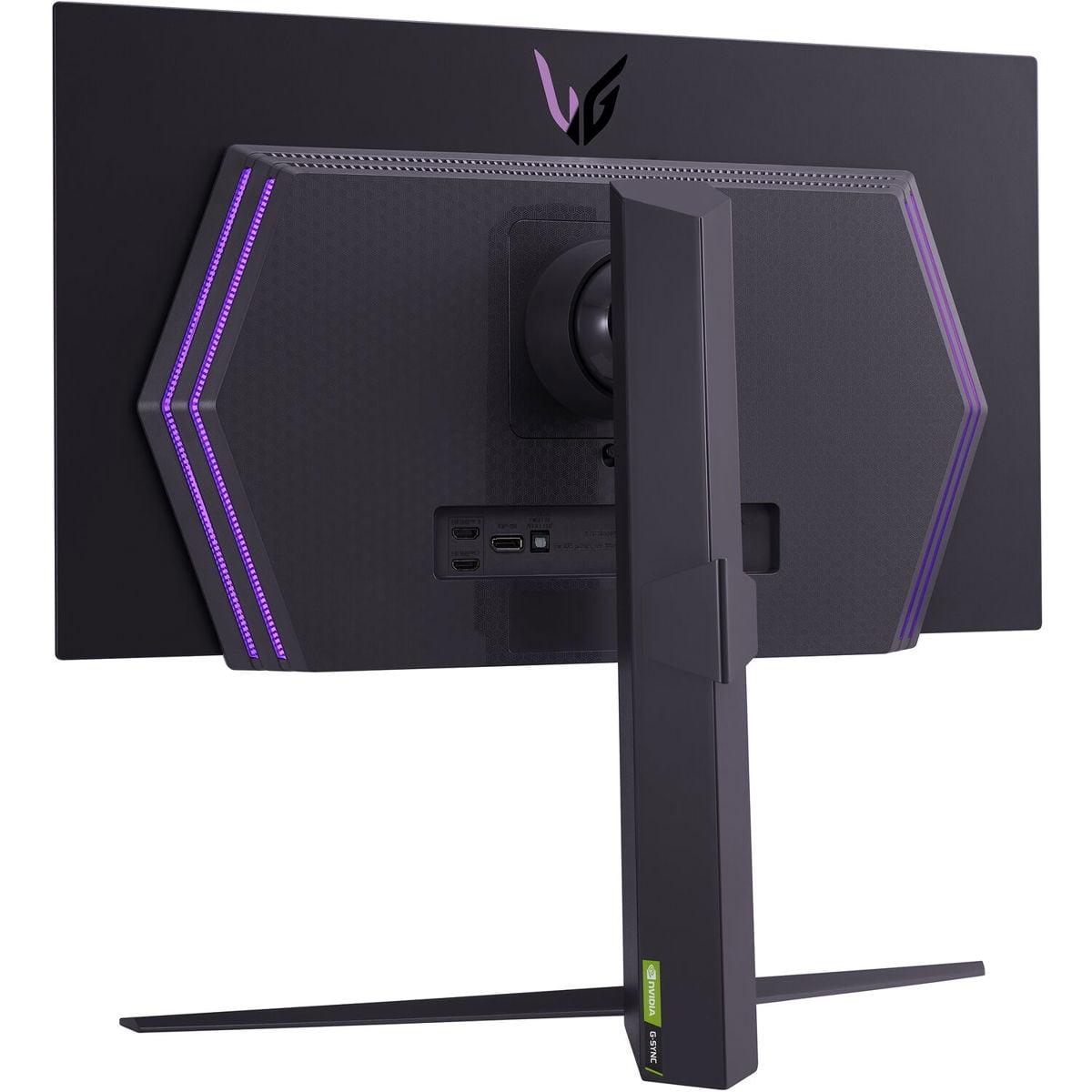
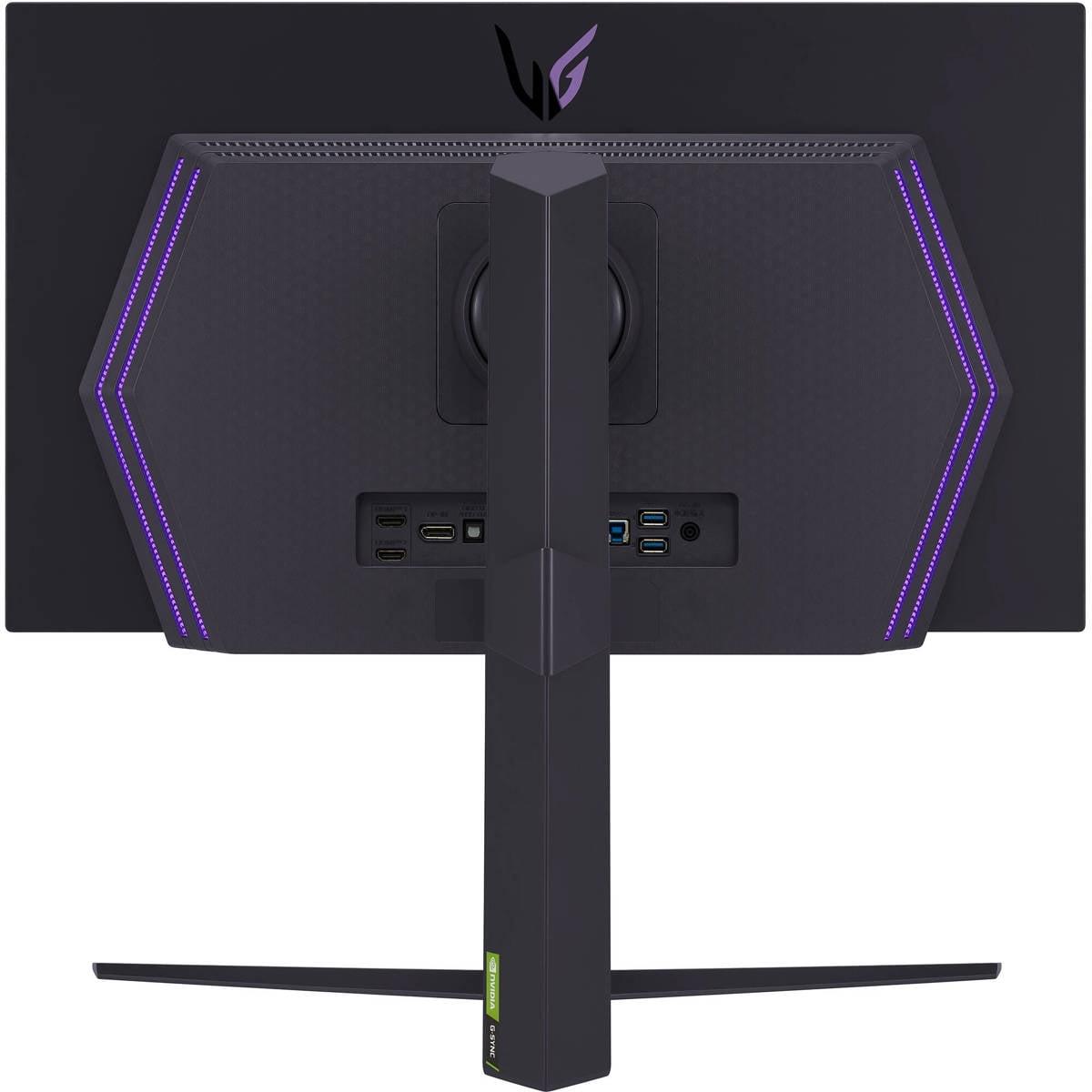
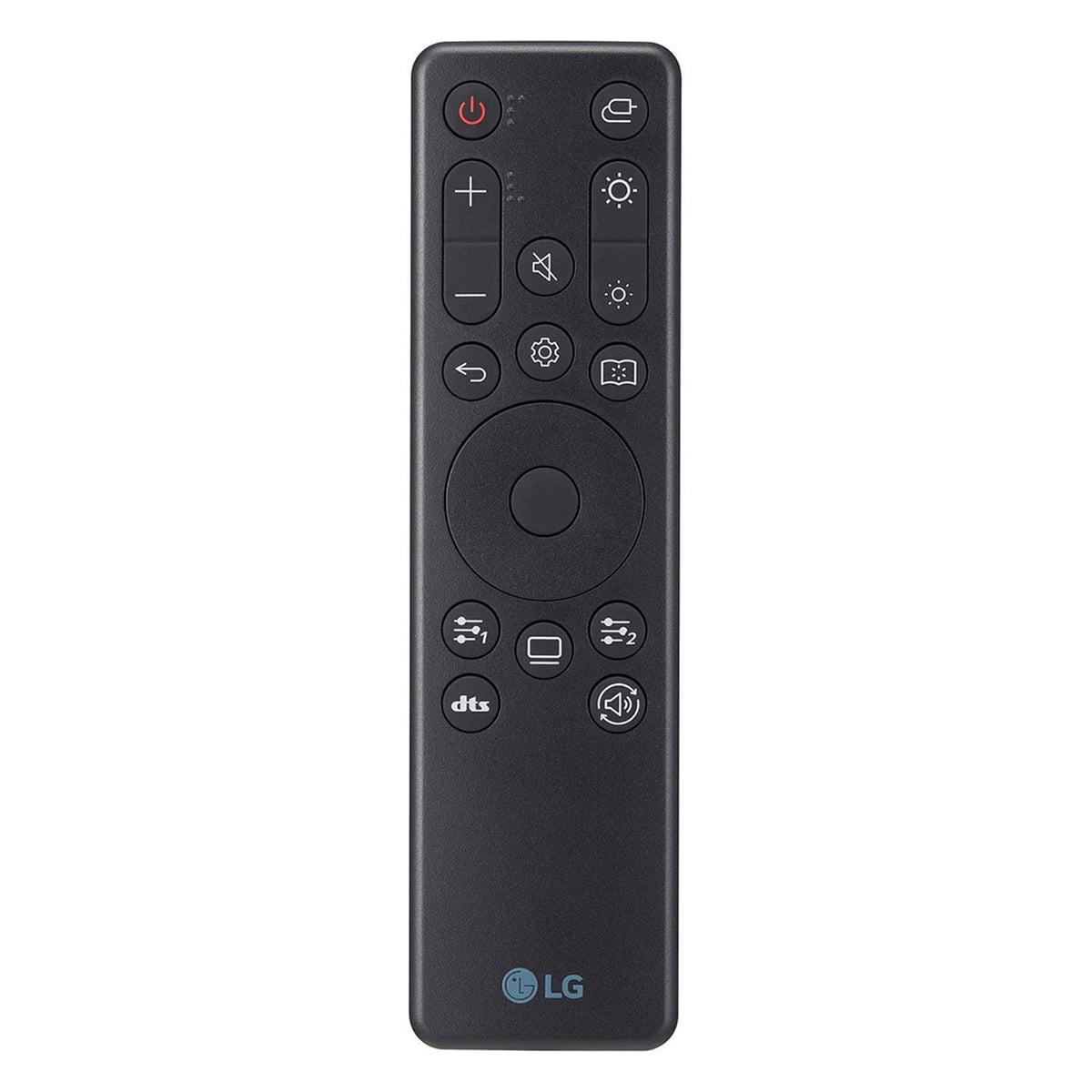
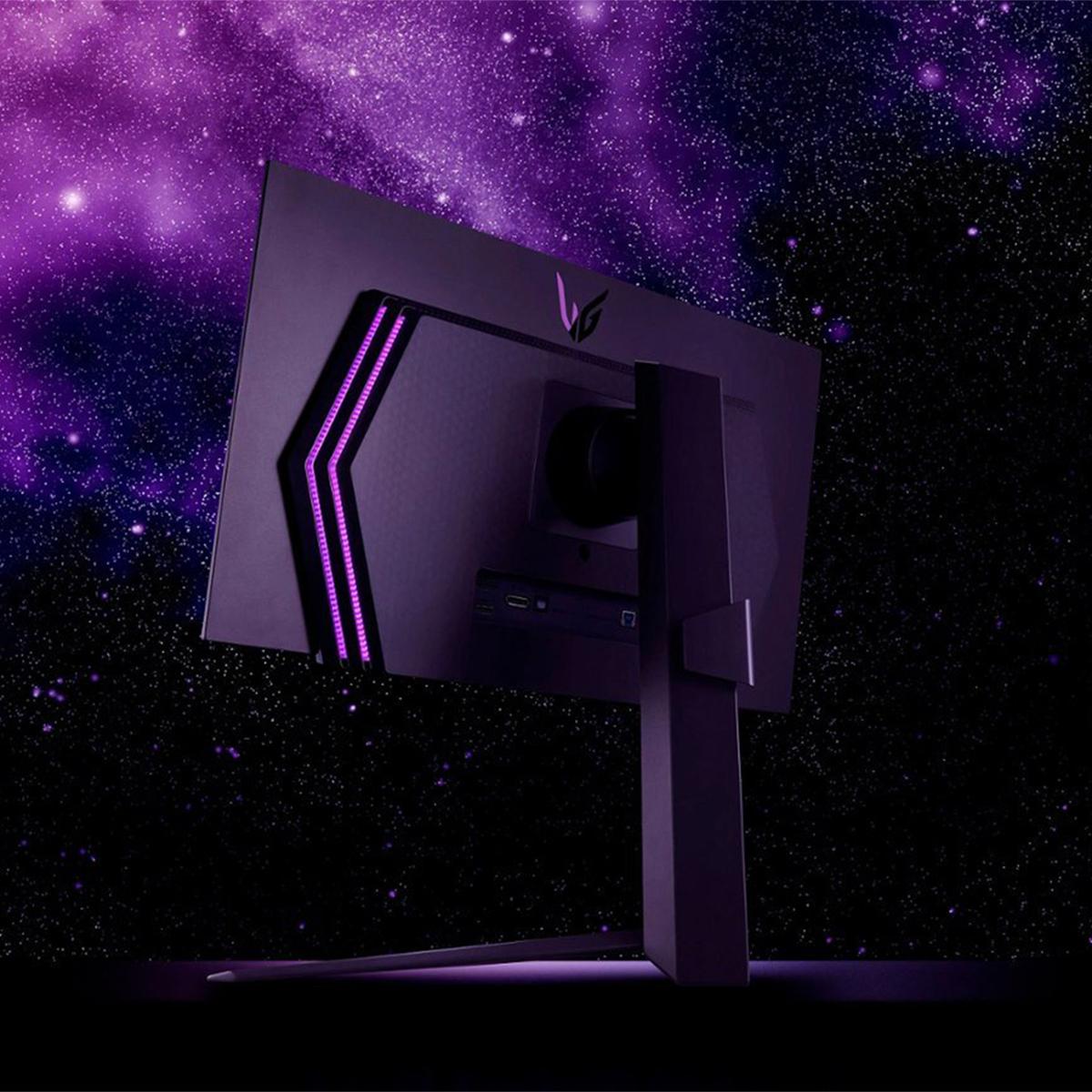
The LG UltraGear OLED omits built-in speakers but includes RGB backlighting and a remote control for easier menu navigation. Its HDMI 2.1 ports support the full bandwidth needed for 4K 120Hz from consoles, even though this monitor is 1440p.
At the time of writing, OLED gaming monitors command a significant premium over their LCD counterparts. The LG UltraGear OLED typically costs substantially more than the HP OMEN 27s, making value a crucial consideration.
The HP OMEN 27s offers excellent value for competitive gamers who prioritize performance over visual fidelity. Its mature IPS technology means no burn-in concerns, and its 1080p resolution keeps GPU requirements reasonable. For someone building a gaming setup around a mid-range graphics card, this monitor won't bottleneck their system's potential.
The LG UltraGear OLED represents a premium purchase that delivers premium results. If you have a high-end GPU and want the best possible visual experience, the extra cost pays dividends in image quality. However, you're also buying into OLED's limitations, including potential burn-in and the need for more powerful hardware.
While primarily gaming monitors, both can serve double duty in home theater setups, though with different strengths.
The HP OMEN 27s works well as a secondary display or in smaller spaces where you sit relatively close. Its anti-glare coating handles ambient light well, and the built-in speakers eliminate the need for external audio in casual viewing scenarios.
The LG UltraGear OLED excels for movie watching, especially in darkened rooms where OLED's perfect blacks create an almost theatrical experience. The HDR support and wider color gamut make streaming content more engaging, though the 27-inch size limits its appeal for primary home theater use compared to larger TVs.
The choice between these monitors ultimately comes down to your priorities, budget, and gaming setup.
Choose the HP OMEN 27s if you're primarily focused on competitive gaming, have a mid-range graphics card, or want a reliable workhorse monitor without premium pricing. Its proven IPS technology, reasonable GPU requirements, and competitive gaming optimizations make it ideal for esports enthusiasts and budget-conscious gamers who still want high refresh rates.
The LG UltraGear OLED is for enthusiasts who want the best possible image quality and have the hardware to support it. If you play a variety of games, create content, or simply want a premium visual experience, the OLED's superior contrast and color performance justify its higher cost. However, you need a powerful GPU to truly utilize its 1440p 240Hz capabilities.
Consider your room lighting too. The HP OMEN 27s handles bright environments better, while the LG UltraGear OLED shows its best performance in dimmer conditions where its perfect blacks can truly shine.
Both monitors represent excellent choices within their respective market segments. The HP OMEN 27s proves that IPS technology still has a place in high-performance gaming, while the LG UltraGear OLED showcases the exciting future of desktop OLED technology. Your choice should align with your gaming habits, hardware capabilities, and budget priorities.
| HP OMEN 27s FHD 240Hz Gaming Monitor | LG UltraGear 27" OLED QHD 240Hz Gaming Monitor |
|---|---|
| Display Technology - Fundamentally affects image quality and longevity | |
| 27" IPS LCD with backlight (proven reliability, no burn-in risk) | 27" OLED with self-emitting pixels (superior contrast, burn-in potential) |
| Resolution - Impacts both visual clarity and performance requirements | |
| 1920 x 1080 (FHD) - easier to drive at high framerates | 2560 x 1440 (QHD) - 77% more pixels, requires powerful GPU |
| Refresh Rate - Critical for competitive gaming smoothness | |
| 240Hz (ultra-smooth motion for esports) | 240Hz (ultra-smooth motion for esports) |
| Response Time - Affects motion blur and ghosting | |
| 1ms GtG with Overdrive (excellent for fast-paced games) | 0.03ms GtG (virtually instantaneous, best-in-class) |
| Contrast Ratio - Determines depth and realism of dark scenes | |
| 1000:1 typical for IPS (decent blacks, visible backlight glow) | 1,500,000:1 infinite contrast (perfect blacks, cinematic depth) |
| Peak Brightness - Affects HDR performance and bright room usability | |
| 400 nits (good for most environments, basic HDR) | 1000 nits in HDR mode (excellent HDR, dimmer in SDR) |
| Color Gamut - Determines color vibrancy and accuracy | |
| 99% sRGB, 95% DCI-P3 (excellent color accuracy) | 98.5% DCI-P3 (superior color reproduction and vibrancy) |
| HDR Support - Enhances visual dynamic range | |
| VESA DisplayHDR 400 (entry-level HDR experience) | DisplayHDR True Black 400 (true HDR with perfect blacks) |
| Adaptive Sync - Eliminates screen tearing | |
| G-SYNC Compatible, FreeSync Premium (smooth gameplay) | G-SYNC Compatible, FreeSync Premium (smooth gameplay) |
| Connectivity - Determines device compatibility and future-proofing | |
| 2x HDMI 2.0, 1x DP 1.4, USB hub (solid PC connectivity) | 2x HDMI 2.1, 1x DP 1.4, USB hub (better console support) |
| Built-in Audio - Convenience for basic setups | |
| Dual 3W speakers included (convenient but basic quality) | No built-in speakers (requires external audio) |
| Anti-Glare Treatment - Reduces reflections in bright rooms | |
| Matte anti-glare coating (excellent for bright environments) | Matte anti-glare coating (reduces OLED reflectivity) |
| Ergonomics - Adjustability for comfort | |
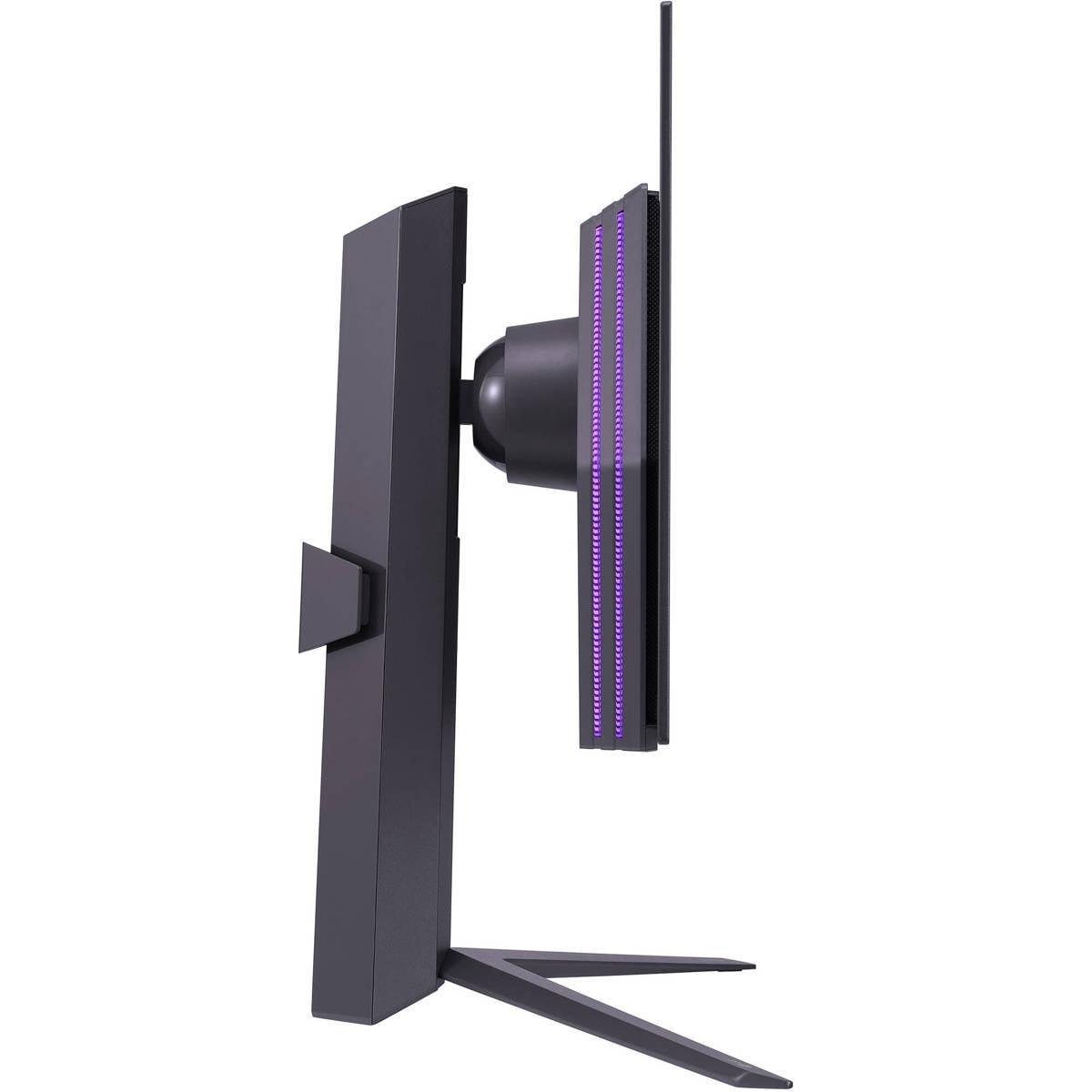
| Height, tilt, pivot adjustable with VESA mount (full flexibility) | Height, tilt, swivel adjustable with VESA mount (full flexibility) |
| Warranty Coverage - Protection against defects | |
| 1 year limited warranty (standard LCD coverage) | 2 year OLED limited warranty (extended but excludes burn-in) |
| GPU Requirements - Hardware needed for optimal performance | |
| RTX 3060/RX 6600 sufficient for 240Hz gaming (budget-friendly) | RTX 4070/RX 7800 XT minimum for 240Hz at 1440p (demanding) |
The HP OMEN 27s FHD 240Hz Gaming Monitor is generally better for competitive gaming due to its 1080p resolution being easier to maintain at 240fps with mid-range graphics cards. Professional esports players often prefer 1080p for maximum performance consistency. However, the LG UltraGear 27" OLED QHD 240Hz Gaming Monitor offers superior motion clarity with its 0.03ms response time and better visibility in dark game areas thanks to perfect blacks.
The primary difference is panel technology and resolution. The HP OMEN 27s uses IPS LCD technology at 1080p resolution, prioritizing reliability and performance accessibility. The LG UltraGear 27" OLED uses OLED technology at 1440p resolution, delivering superior image quality with perfect blacks and infinite contrast but requiring more powerful hardware and carrying burn-in risks.
The LG UltraGear 27" OLED QHD 240Hz Gaming Monitor requires significantly more GPU power due to its 1440p resolution having 77% more pixels than 1080p. You'll need at least an RTX 4070 or RX 7800 XT to consistently hit 240fps at 1440p. The HP OMEN 27s works well with mid-range cards like RTX 3060 or RX 6600 for 240Hz gaming.
Yes, both monitors support next-generation consoles, but the LG UltraGear 27" OLED is better suited for console gaming with its HDMI 2.1 connectivity and 1440p resolution that matches console output capabilities. The HP OMEN 27s works with consoles but may underutilize their graphical potential due to its 1080p resolution.
The LG UltraGear 27" OLED QHD 240Hz Gaming Monitor excels for media consumption with its perfect blacks, superior HDR performance, and cinematic contrast ratio. OLED technology creates a more immersive viewing experience, especially in dark rooms. The HP OMEN 27s is decent for casual viewing and includes built-in speakers for convenience, but can't match OLED's visual quality.
The HP OMEN 27s FHD 240Hz Gaming Monitor uses mature IPS technology with no burn-in risk, making it more reliable for desktop use with static elements like taskbars. The LG UltraGear 27" OLED offers superior image quality but OLED panels can suffer from burn-in with prolonged static image display. LG includes OLED Care features and provides a 2-year warranty, though burn-in isn't covered.
The HP OMEN 27s performs better in bright environments thanks to its higher sustained brightness (400 nits) and effective anti-glare coating. OLED monitors like the LG UltraGear 27" OLED are optimized for darker environments where their perfect blacks can shine, though they include anti-glare treatment to help with reflections.
Both monitors work for content creation, but serve different needs. The HP OMEN 27s offers excellent color accuracy with 99% sRGB coverage, suitable for web content and casual editing. The LG UltraGear 27" OLED QHD 240Hz Gaming Monitor provides superior color reproduction with 98.5% DCI-P3 coverage and perfect contrast, making it better for professional photo and video work.
Value depends on your priorities and budget. The HP OMEN 27s FHD 240Hz Gaming Monitor offers excellent value for competitive gamers with its proven technology, lower hardware requirements, and competitive pricing. The LG UltraGear 27" OLED justifies its premium price with superior image quality, but only if you have the budget and hardware to fully utilize its capabilities.
Both monitors offer comprehensive connectivity, but the LG UltraGear 27" OLED QHD 240Hz Gaming Monitor includes HDMI 2.1 ports for better future-proofing and console compatibility. The HP OMEN 27s features HDMI 2.0 and includes built-in speakers, while the LG UltraGear 27" OLED omits speakers but adds RGB backlighting and a remote control.
Yes, both work for mixed use, but with different strengths. The HP OMEN 27s is more practical for daily desktop use with no burn-in concerns and good text clarity. The LG UltraGear 27" OLED QHD 240Hz Gaming Monitor offers sharper text at 1440p and superior image quality, but requires careful management of static desktop elements to prevent burn-in.
If budget is a primary concern, the HP OMEN 27s FHD 240Hz Gaming Monitor is the more economical choice. It costs less upfront, works with less expensive graphics cards, and has no long-term burn-in replacement risks. The LG UltraGear 27" OLED is a premium purchase that delivers premium results but requires both higher initial investment and more powerful supporting hardware.
We've done our best to create useful and informative comparisons to help you decide what product to buy. Our research uses advanced automated methods to create this comparison and perfection is not possible - please contact us for corrections or questions. These are the sites we've researched in the creation of this article: bestbuy.com - hp.com - shi.com - hp.com - bestbuy.com - hp.com - tomshardware.com - hp.com - rtings.com - hp.com - displayspecifications.com - support.hp.com - publicsector.shidirect.com - objects.icecat.biz - files.bbystatic.com - hp.com - displayspecifications.com - bestbuy.com - bestbuy.com - youtube.com - rtings.com - youtube.com - youtube.com - lg.com - bhphotovideo.com - bestbuy.com - forum.beyond3d.com - youtube.com - lg.com - lg.com - lg.com - techpowerup.com - newegg.com - bestbuy.com - pcmonitors.info - lg.com - lg.com

Privacy Policy
Terms and Conditions - Affiliate Policy
Home Security
© Copyright 2008-2026.
11816 Inwood Rd #1211, Dallas, TX 75244