

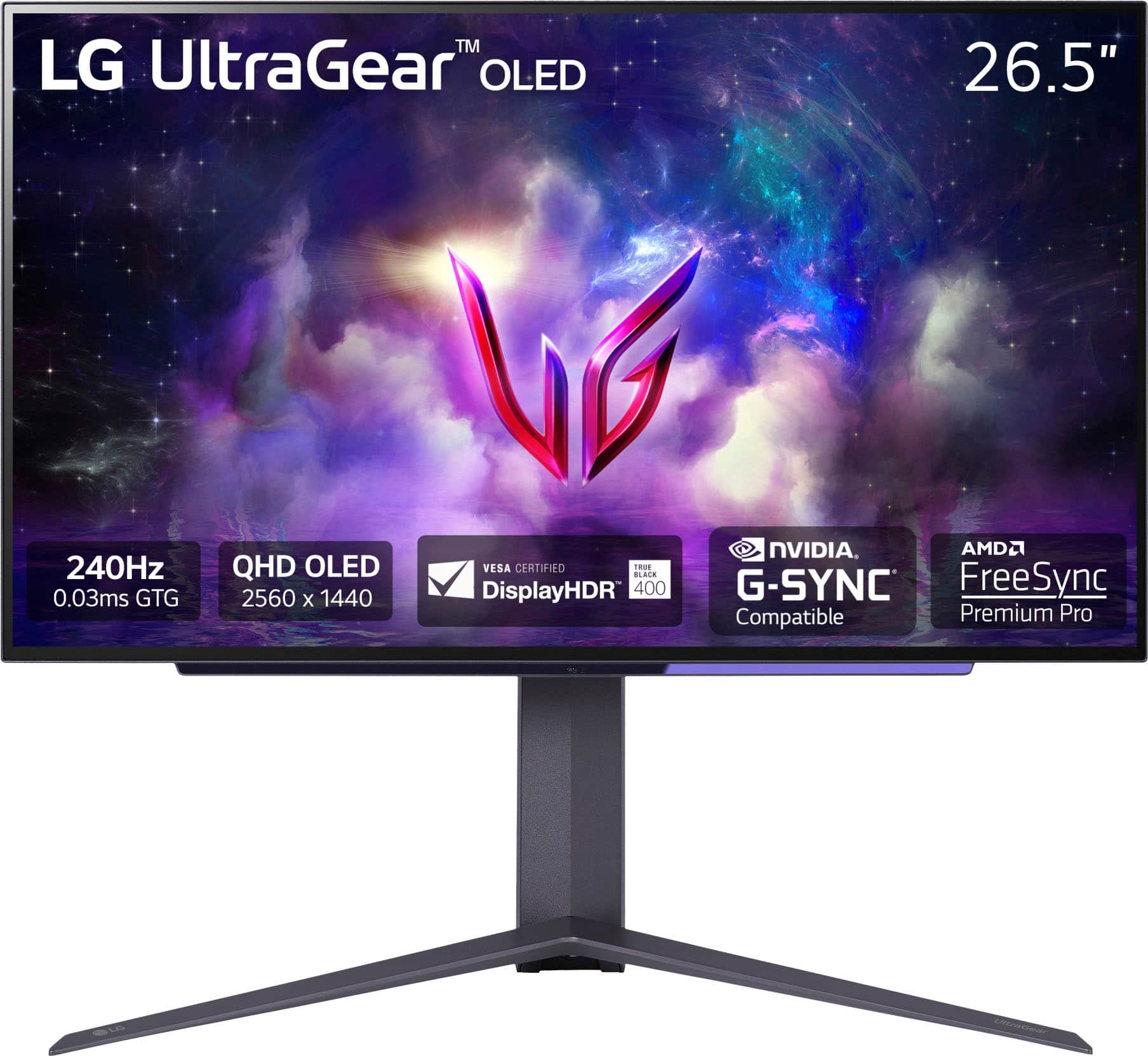
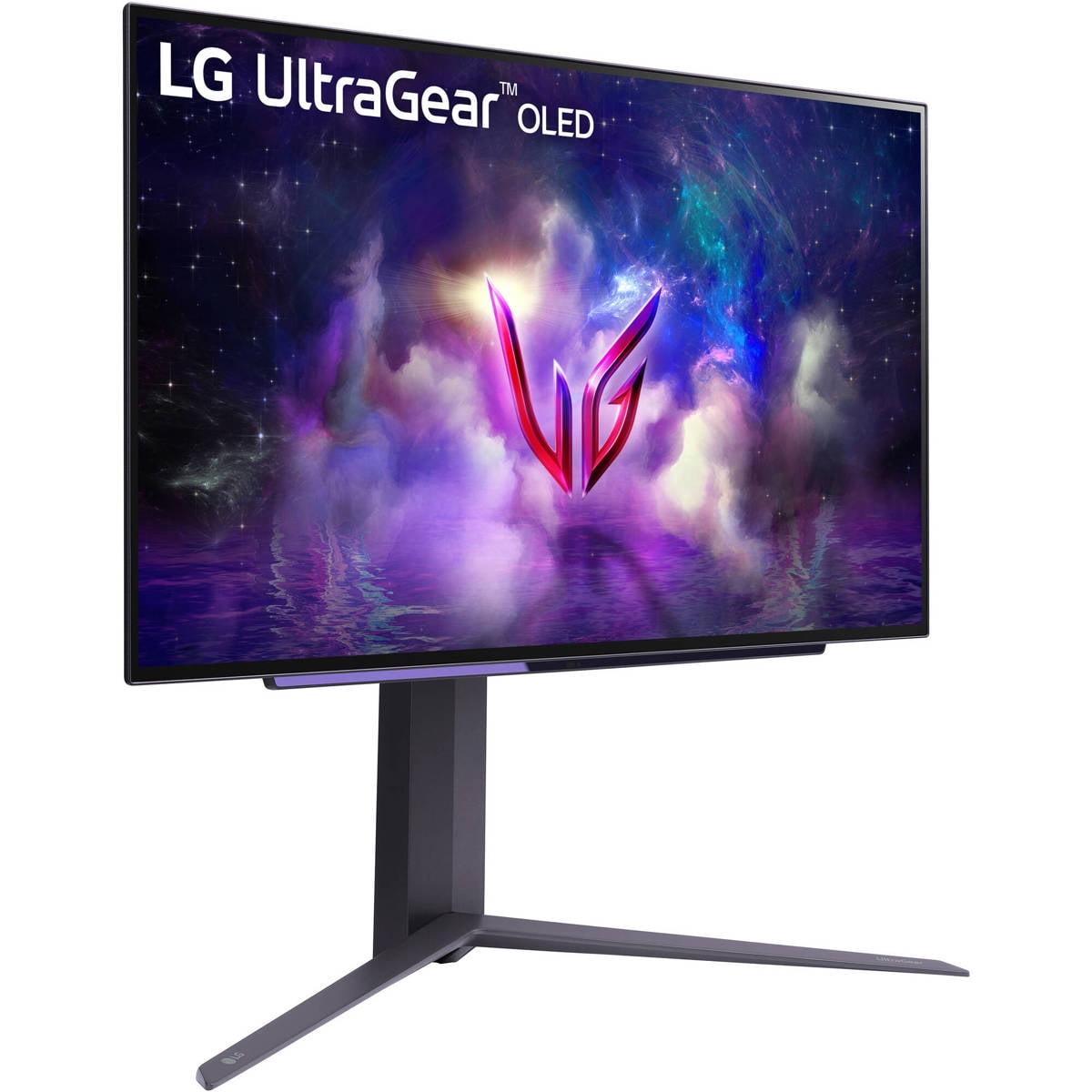
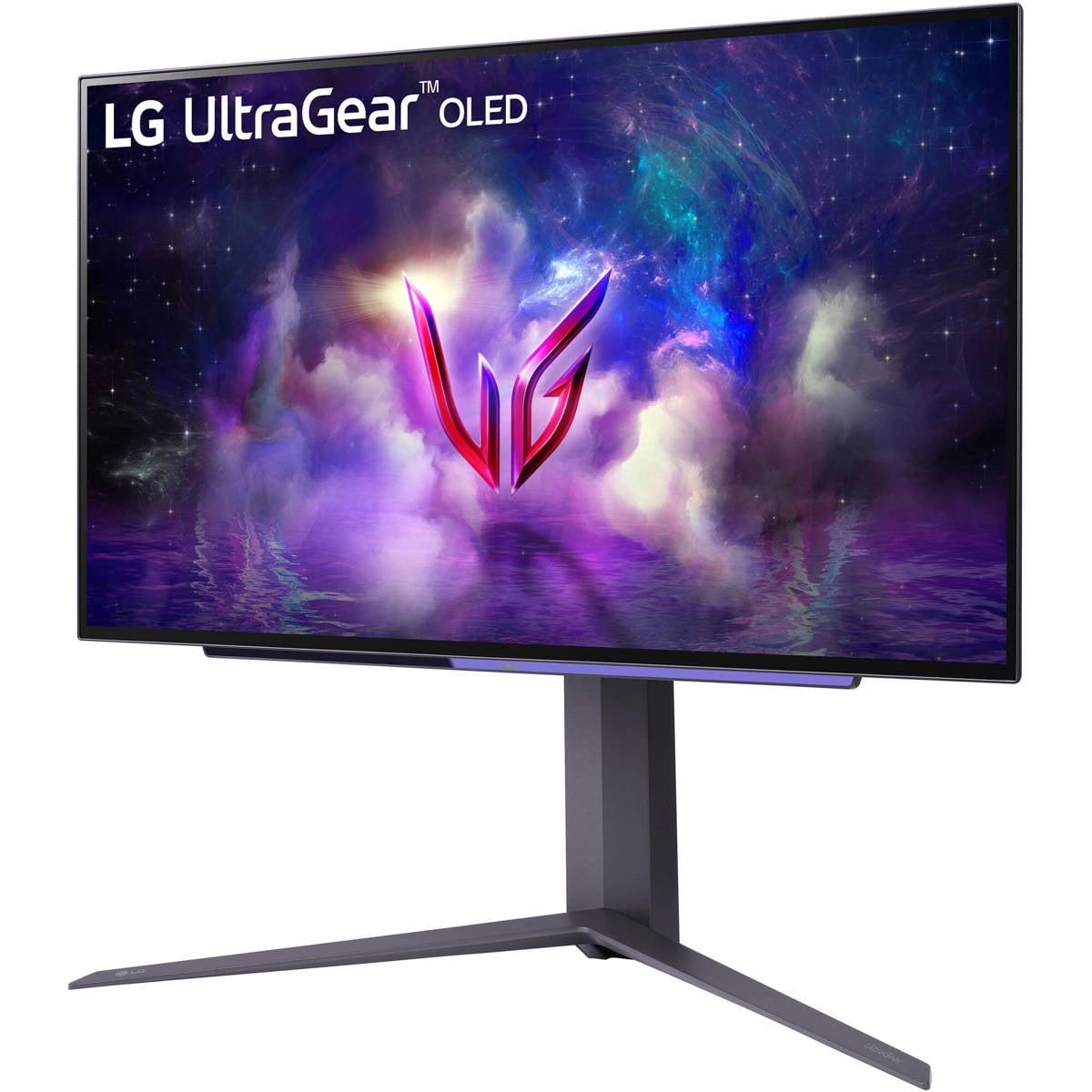

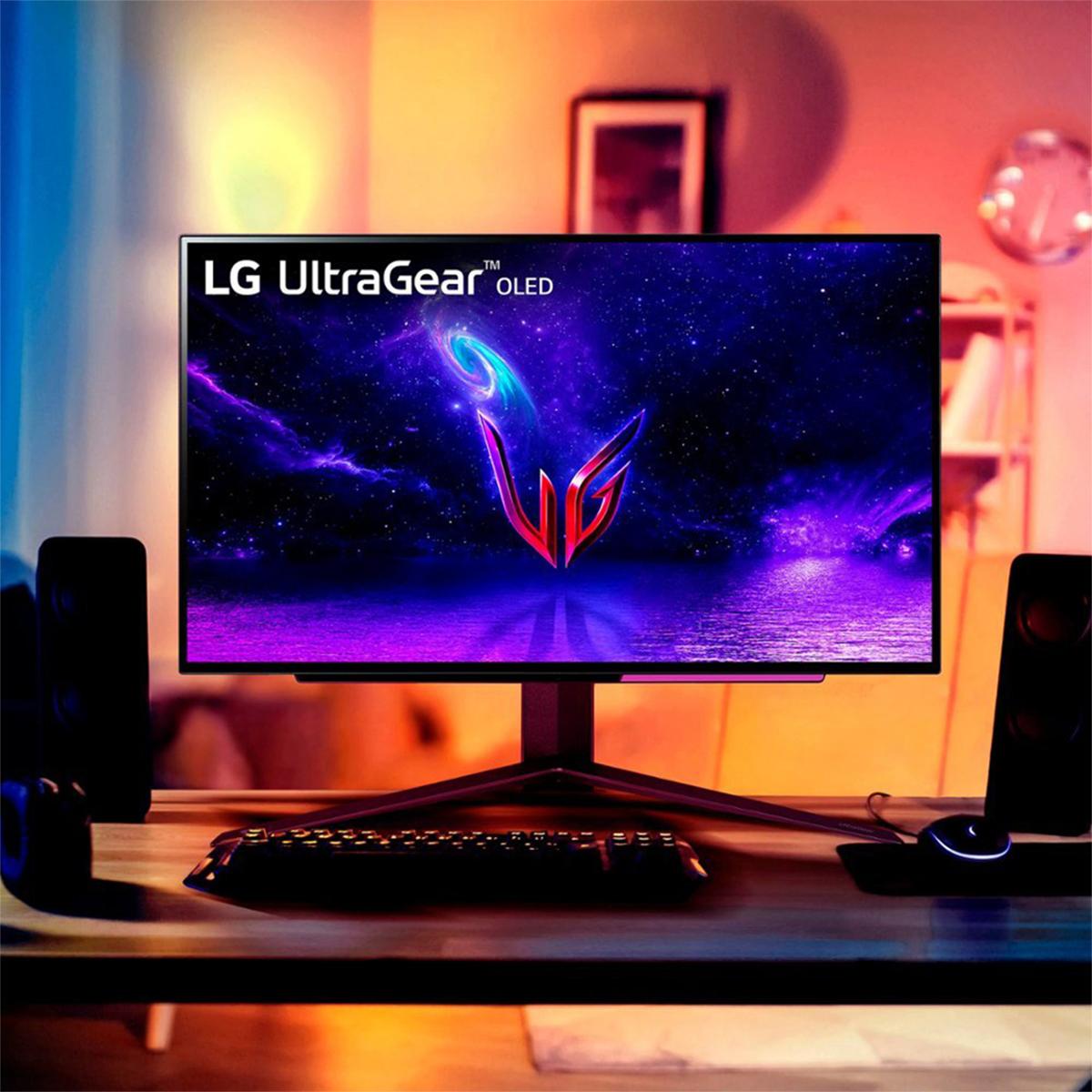

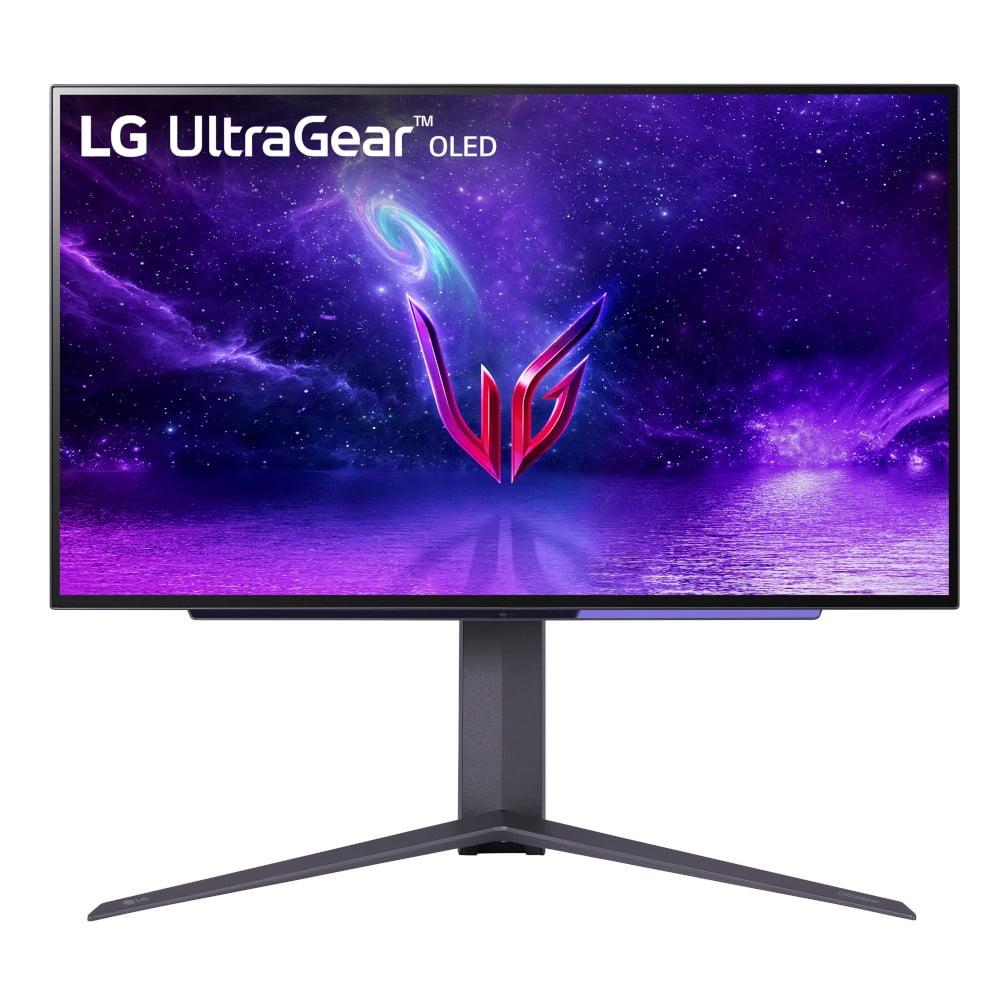
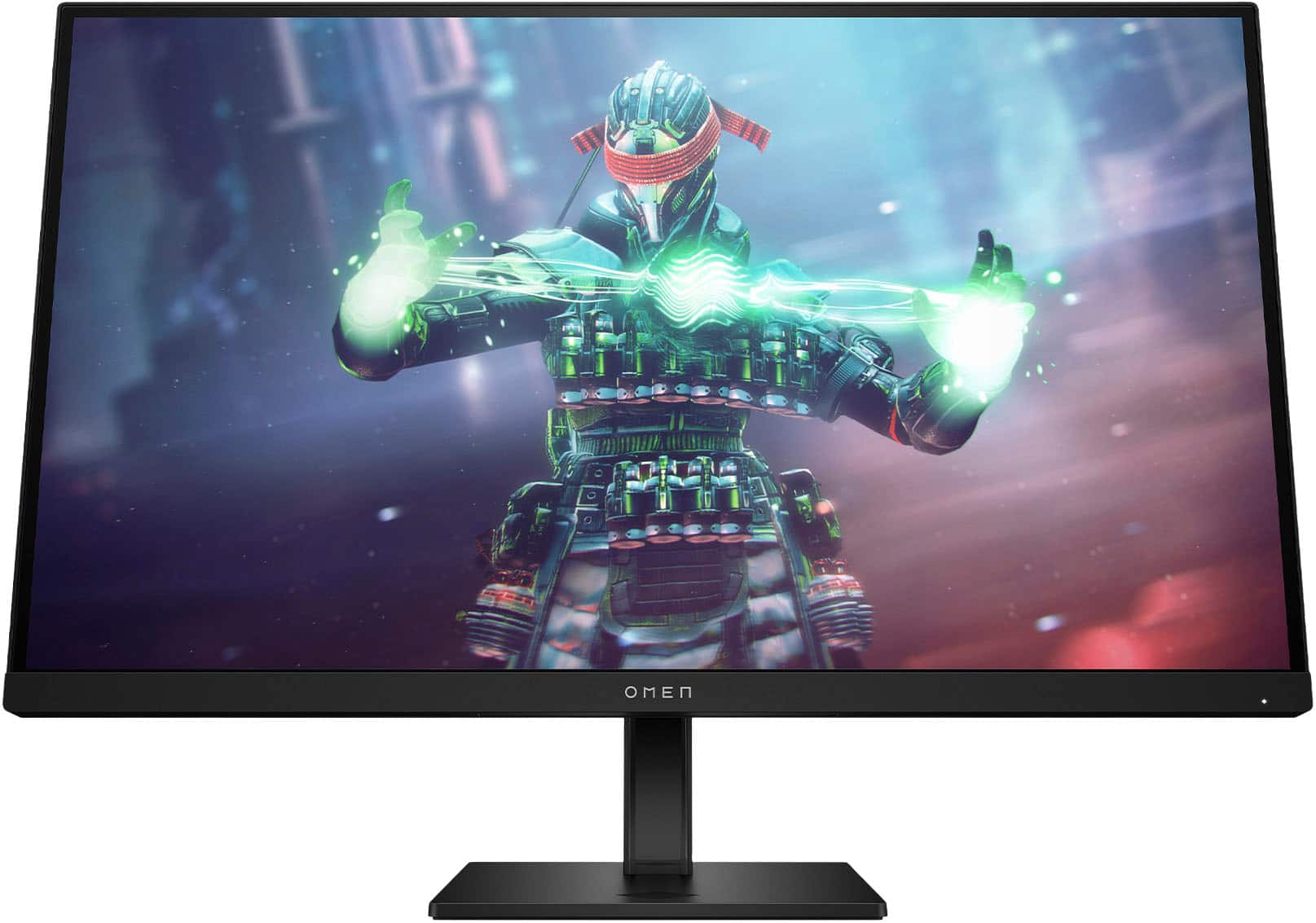
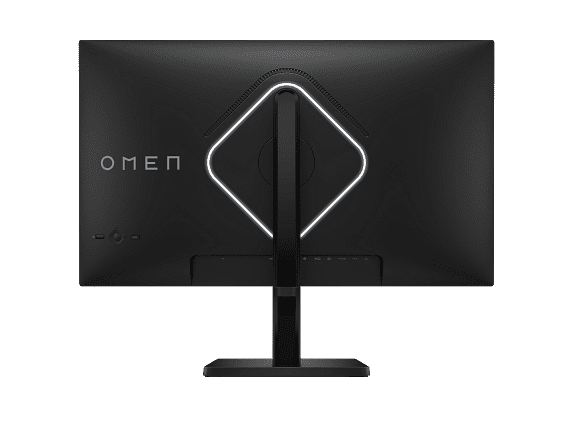
Shopping for a gaming monitor can feel overwhelming with all the technical specs and marketing buzzwords thrown around. Today, I'm breaking down two popular 27-inch gaming monitors that take completely different approaches: the premium LG UltraGear 27" OLED QHD 240Hz Gaming Monitor at $900 and the value-packed HP Omen 27k 4K UHD 144Hz Gaming Monitor at around $450. Both are excellent monitors, but they're designed for different types of gamers and use cases.
Before diving into the comparison, let's establish what makes a gaming monitor special. Gaming monitors prioritize three main things: fast response times (how quickly pixels change color), high refresh rates (how many times per second the screen updates), and low input lag (the delay between your controller input and what appears on screen). These features work together to create smooth, responsive gameplay that can give you a competitive edge.
The panel technology is equally important. Traditional LCD monitors use a backlight that shines through liquid crystals, while OLED (Organic Light Emitting Diode) panels have pixels that light up individually. This fundamental difference affects everything from color accuracy to how deep the blacks appear on screen.
These monitors represent fundamentally different design philosophies. The LG UltraGear OLED launched in March 2023 as part of LG's push into high-end gaming displays, focusing on cutting-edge OLED technology and extreme speed. It's designed for competitive gamers who demand the absolute best performance and are willing to pay for it.
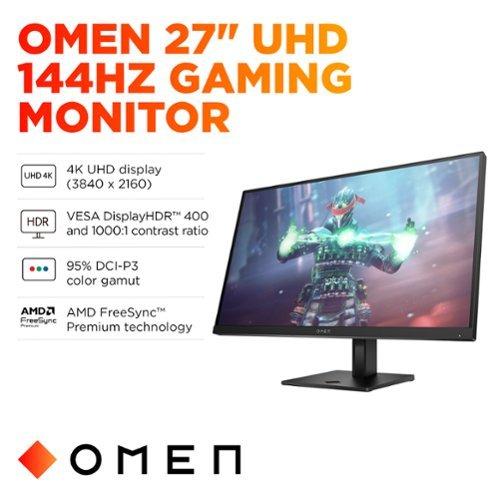
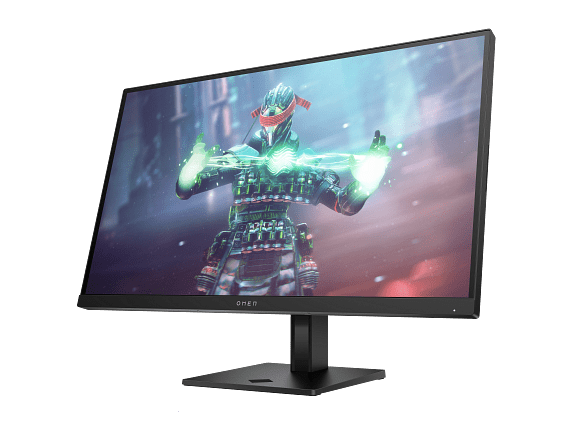
The HP Omen 27k, on the other hand, targets gamers who want 4K resolution without breaking the bank. HP positioned this monitor as a versatile option that works equally well for gaming, productivity, and content consumption – essentially a "do-everything" display.
The most significant difference between these monitors lies in their display technology. The LG uses an OLED panel, which is relatively new to the gaming monitor world. OLED pixels emit their own light, meaning when a pixel needs to be black, it simply turns off completely. This creates perfect blacks and an incredible contrast ratio of 1,500,000:1 – essentially infinite contrast.
I've spent considerable time with OLED displays, and the difference is immediately noticeable. Dark scenes in games like Resident Evil 4 or Alan Wake 2 look dramatically more immersive because shadows are truly black, not the grayish color you get from LCD backlights bleeding through. The colors also pop with an intensity that makes games feel more vibrant and alive.
The HP Omen 27k uses an IPS (In-Plane Switching) LCD panel, which is a mature, reliable technology. While it can't match OLED's perfect blacks, it offers something the LG doesn't: 4K resolution. With 3840×2160 pixels compared to the LG's 2560×1440, the HP delivers 78% more detail. Text is razor-sharp, and games with fine details like Microsoft Flight Simulator or Cyberpunk 2077 showcase incredible clarity.
The pixel density difference is substantial – 163 pixels per inch on the HP versus 109 on the LG. If you sit close to your monitor (which most gamers do), this extra sharpness is very noticeable, especially for productivity tasks like reading text or editing documents.
Here's where these monitors diverge most dramatically. The LG OLED runs at 240Hz, meaning it can display up to 240 frames per second. Combined with its 0.03ms response time (that's three-hundredths of a millisecond), it's among the fastest displays you can buy. For context, a typical LCD monitor has a 1-5ms response time, so the LG is roughly 30-100 times faster.
This speed translates into tangible benefits for competitive gaming. In fast-paced shooters like Valorant or Counter-Strike 2, you can track moving enemies more precisely, and your crosshair movements feel more connected to your mouse inputs. The difference between 144Hz and 240Hz isn't as dramatic as going from 60Hz to 144Hz, but it's still noticeable to trained eyes.
The HP Omen 27k operates at 144Hz with a 1ms response time. While this sounds slower on paper, it's still excellent for gaming. The vast majority of games and gamers won't notice the difference between 1ms and 0.03ms in real-world use. What matters more is that 144Hz is still smooth enough for competitive gaming while being much easier to achieve with mid-range graphics cards.
This brings us to a crucial consideration: what kind of graphics card you need. The LG's 1440p resolution at 240Hz requires a powerful GPU like an RTX 4070 or better to reach its full potential in demanding games. However, even with a mid-range card, you can often achieve 120-180 fps in competitive games, which still looks fantastic on the OLED panel.
The HP's 4K resolution is more demanding in terms of raw graphics processing power. You'll need an RTX 4080 or better to consistently hit 100+ fps at 4K in modern games. However, the HP offers more flexibility – you can run games at 1440p or even 1080p for higher frame rates, and the monitor's excellent upscaling makes lower resolutions still look good.
I've found that most gamers overestimate how much resolution they need and underestimate how much refresh rate matters. If you're primarily playing competitive games, the LG's speed advantage often outweighs the HP's resolution advantage.
Both monitors excel in color reproduction but in different ways. The LG OLED covers 98.5% of the DCI-P3 color space, which is used for HDR content and modern games. More importantly, it displays these colors with perfect accuracy thanks to factory calibration. The infinite contrast ratio means HDR content looks spectacular – bright highlights pop against true blacks.
The HP covers 99% sRGB and 95% DCI-P3, which is excellent for an IPS panel. However, its HDR performance is limited by its edge-lit LED backlight with only eight dimming zones. This means bright objects can cause "haloing" effects around them in dark scenes – something that simply doesn't happen on OLED.
For HDR gaming, the LG is in a different league. Games like Horizon Zero Dawn or Forza Horizon 5 showcase HDR's benefits much better on the OLED panel. The HP's HDR is decent but not transformative.
Here's where the HP Omen 27k fights back with practical features. The built-in KVM (Keyboard, Video, Mouse) switch is genuinely useful – you can connect both your gaming PC and work laptop, then switch between them with a button press while using the same keyboard and mouse. I use this feature daily, and it eliminates cable management headaches.
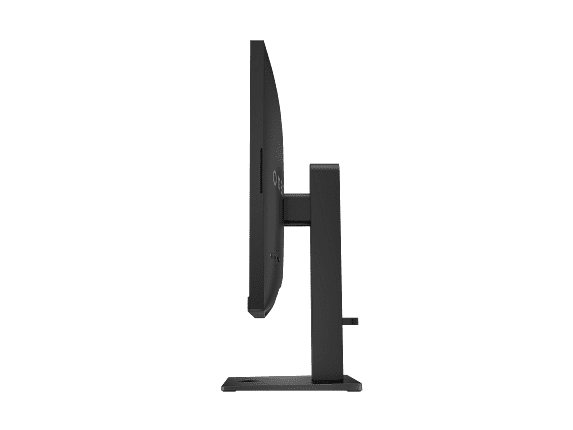
The HP also includes USB-C connectivity with DisplayPort Alt Mode, a USB hub, and even basic built-in speakers. The stand offers full height, tilt, and swivel adjustment, plus it can rotate 90 degrees for portrait mode – useful for productivity work.
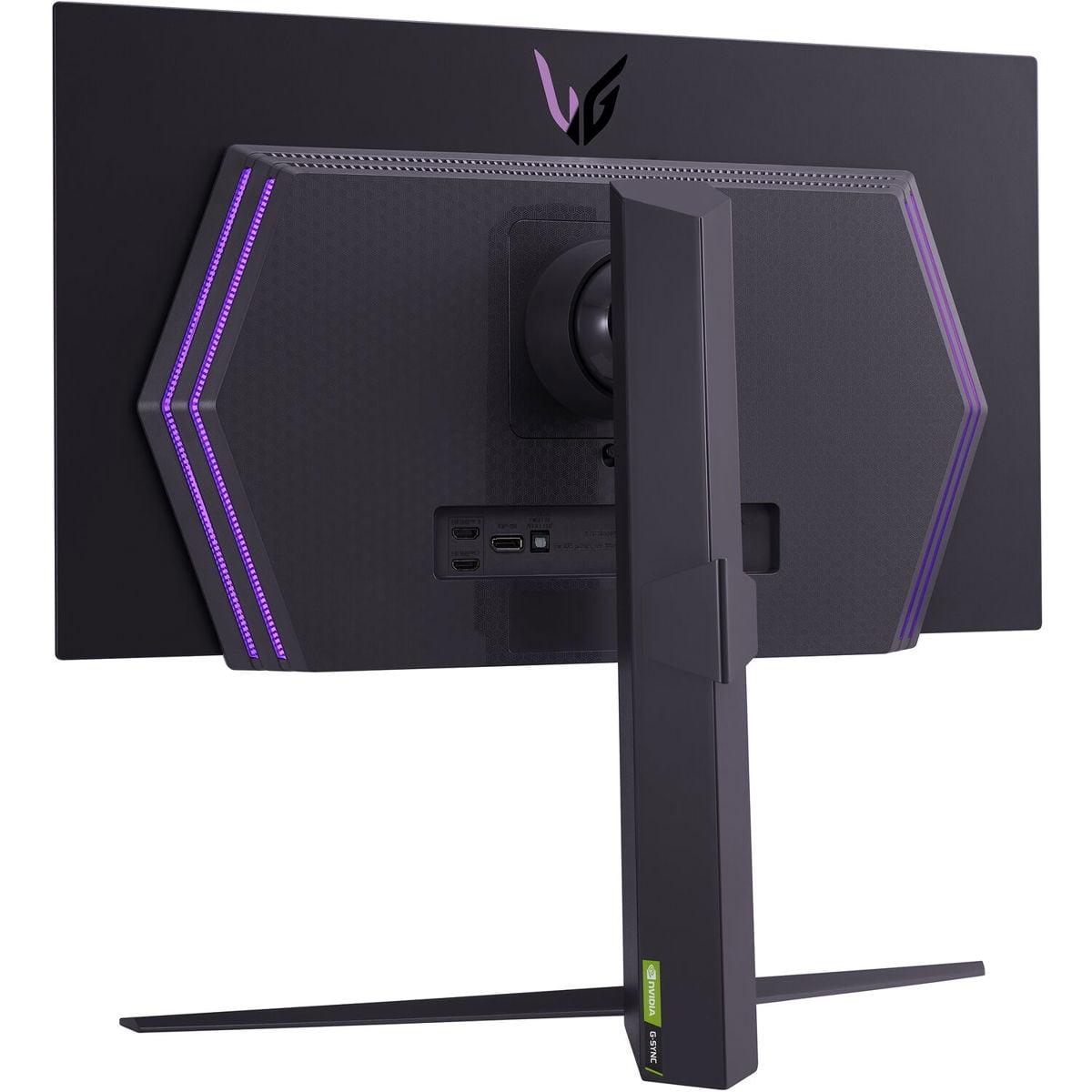
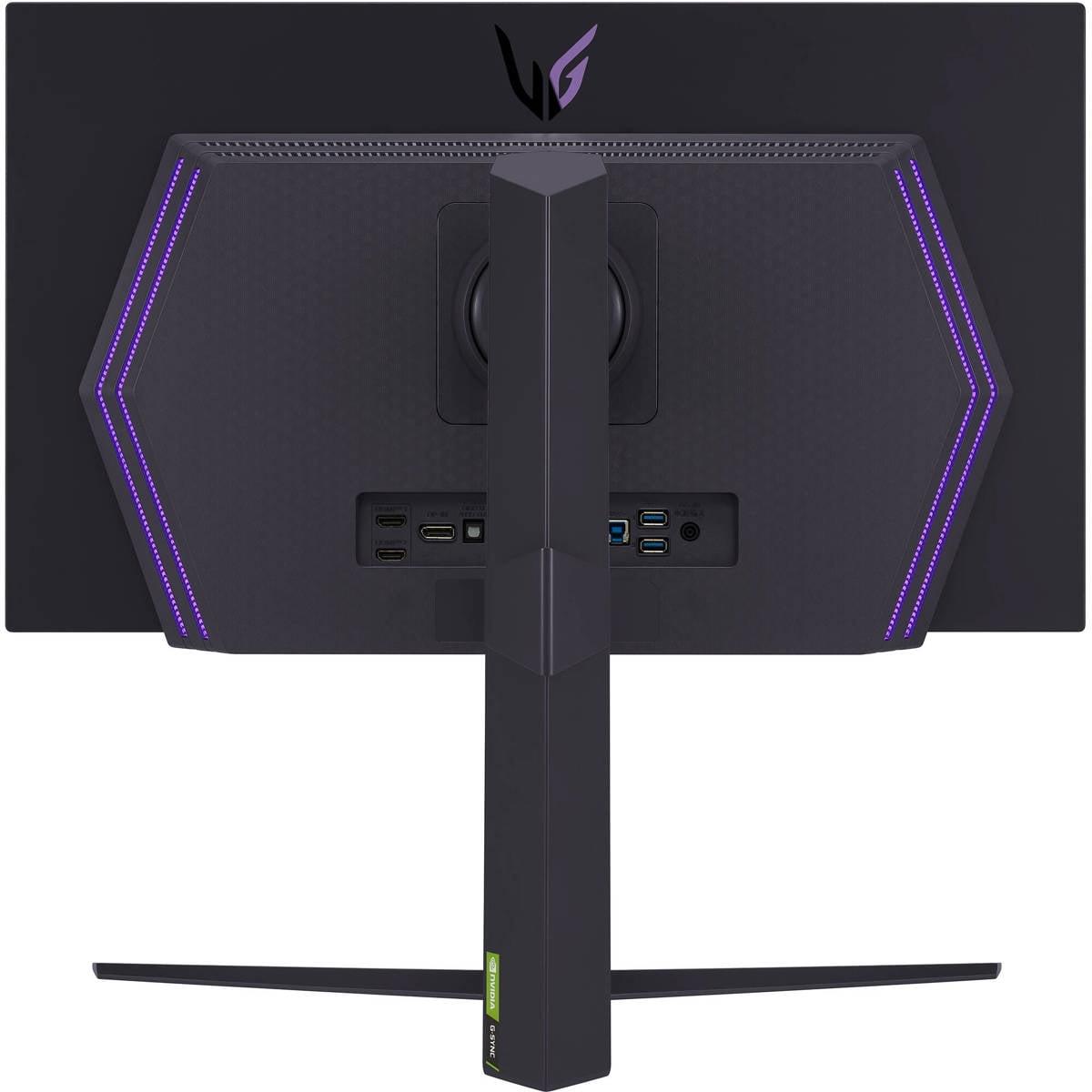
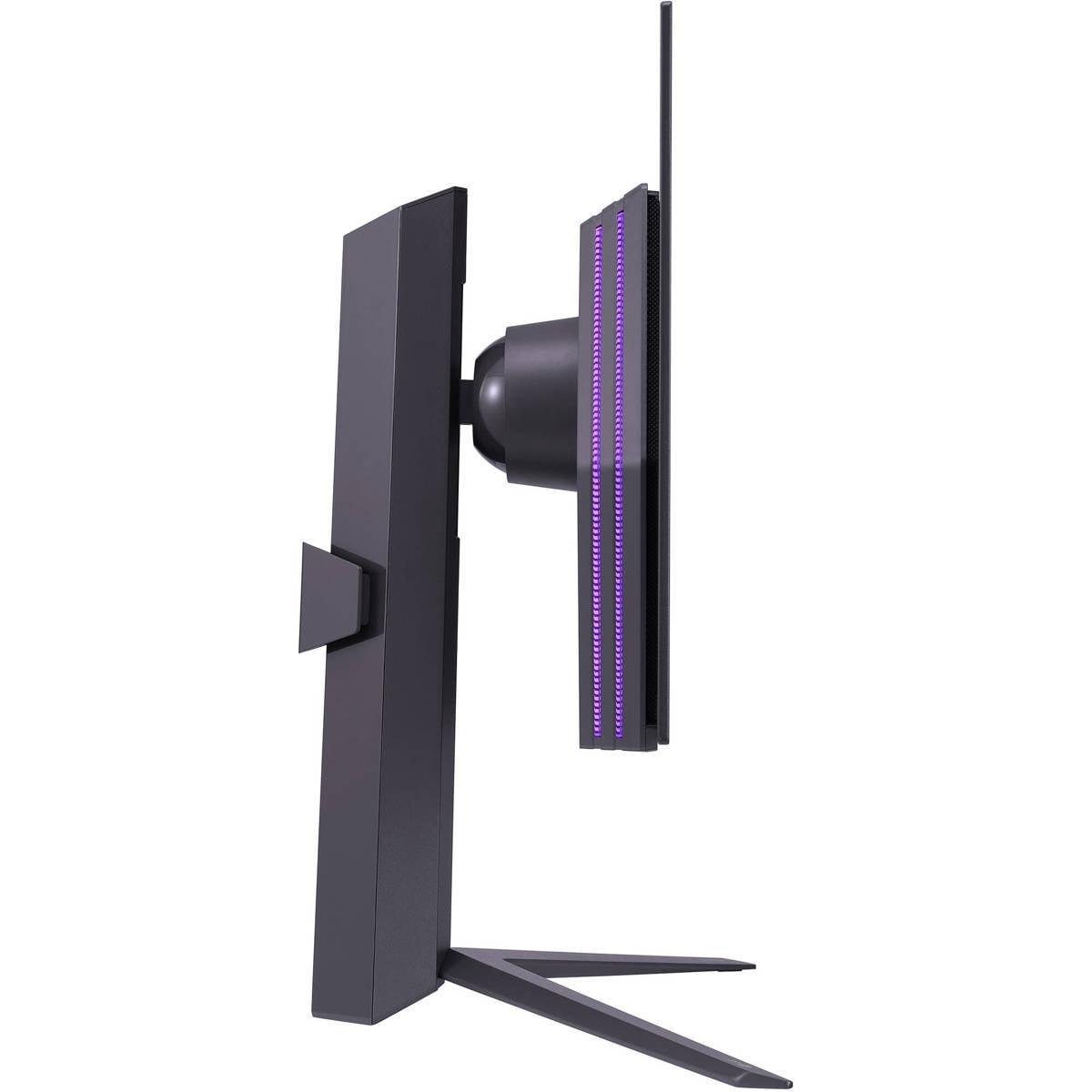
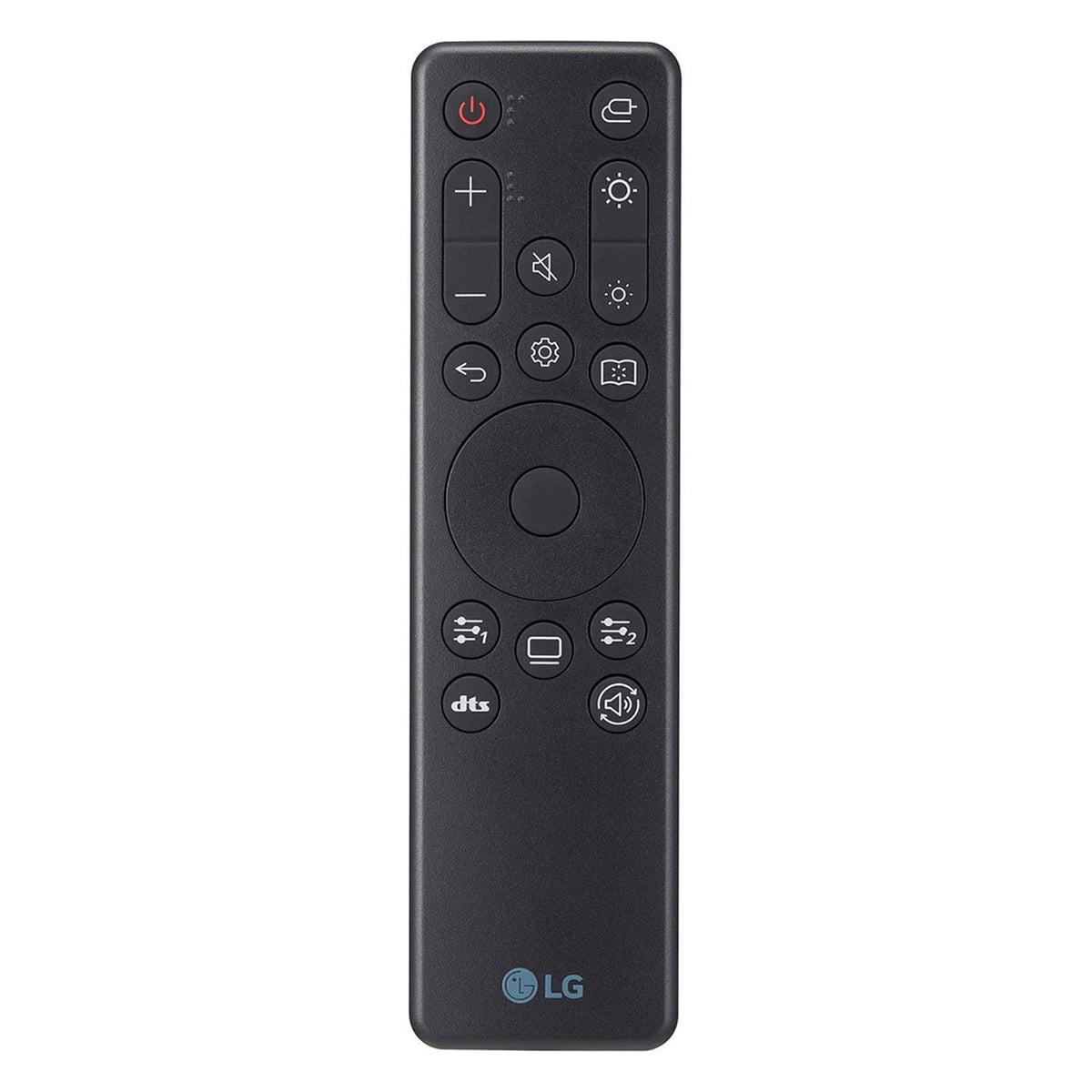
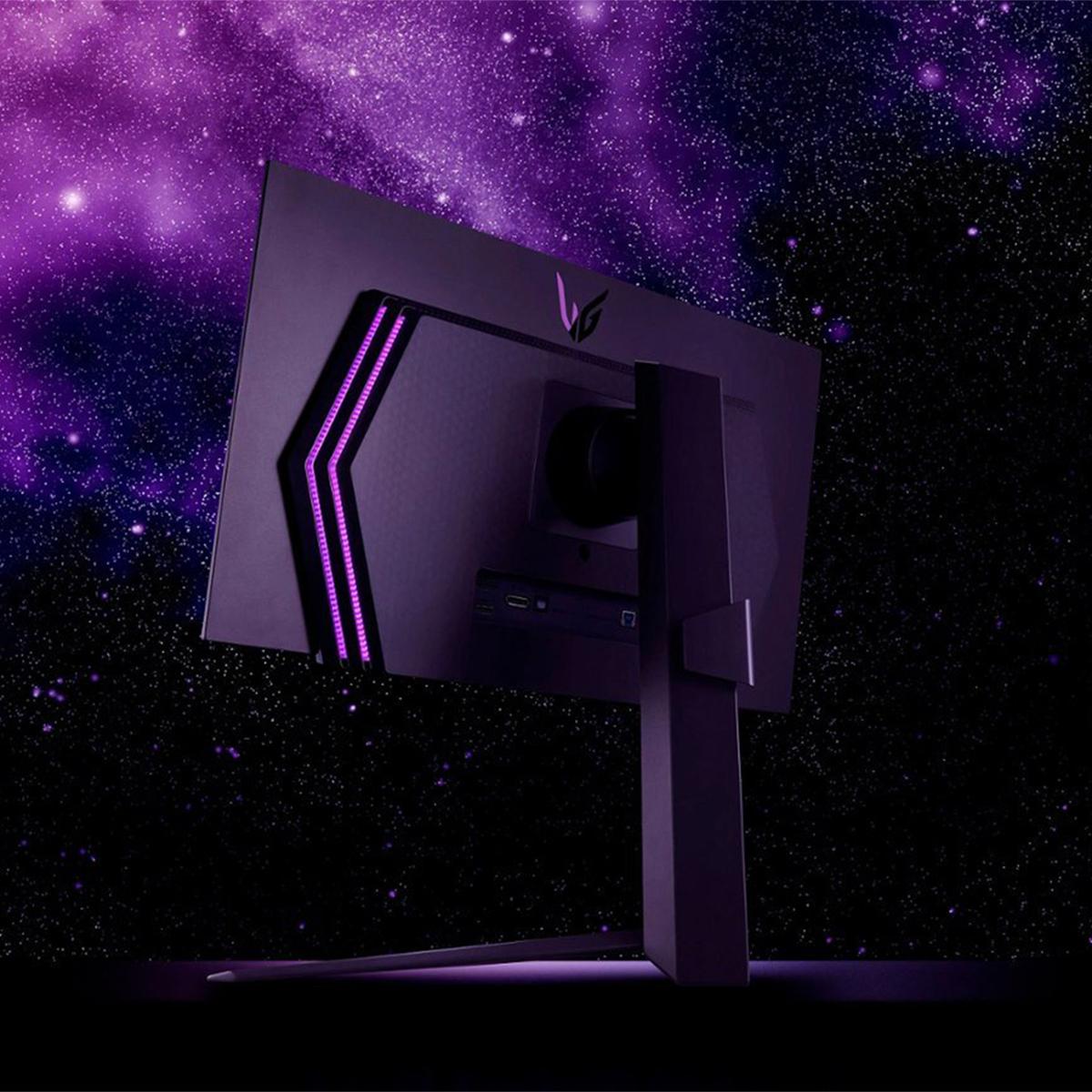
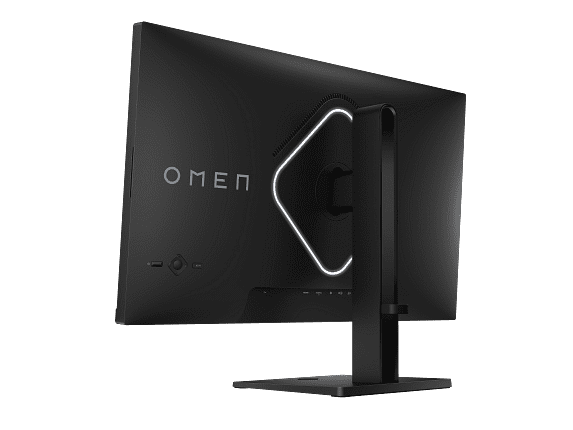
The LG OLED is more focused on pure gaming performance. It includes RGB lighting around the back (which looks cool in darker rooms), a remote control for easy menu navigation, and OLED Care features to prevent burn-in. However, it lacks built-in speakers and has fewer connectivity options.
For competitive esports, the LG OLED has clear advantages. The combination of 240Hz refresh rate and near-instantaneous response time creates an incredibly smooth, responsive experience. Mouse movements translate to screen movement with minimal delay, and fast-moving objects remain sharp and clear.
I've tested both monitors extensively with Valorant, Apex Legends, and Rocket League. The LG feels more responsive and fluid, especially when tracking fast-moving targets. The difference isn't night-and-day, but it's noticeable enough that competitive players would appreciate it.
For single-player games, the HP's 4K resolution often provides more immersion. Games like Red Dead Redemption 2, The Witcher 3, and Assassin's Creed Mirage look stunning with all the extra detail. The trade-off is lower frame rates – you might get 80-100 fps instead of 120-140 fps at 1440p.
Both monitors work well with PlayStation 5 and Xbox Series X, but in different ways. The HP Omen 27k supports 4K at 120Hz through HDMI 2.1, which is perfect for console gaming. Most console games target 4K resolution with frame rates between 60-120 fps, making the HP's capabilities well-matched.
The LG OLED can accept 4K signals from consoles but displays them at 1440p. However, many console games offer 1440p modes that can hit higher frame rates, and the OLED's superior image quality often makes up for the lower resolution. The perfect blacks and vibrant colors make console exclusives like Spider-Man 2 or Forza Motorsport look incredible.
If you plan to use your monitor for movies and TV shows, the LG OLED has significant advantages. OLED technology is the gold standard for home theater displays because of its perfect blacks and accurate colors. Netflix, Disney+, and other streaming services offer HDR content that looks spectacular on OLED panels.
However, the LG's matte anti-glare coating, while good for gaming, isn't ideal for movie watching. It reduces reflections but also slightly diminishes image clarity compared to glossy screens. The HP Omen 27k isn't specifically optimized for media consumption, but its 4K resolution and decent HDR performance make it competent for streaming content.
OLED's biggest weakness is potential burn-in – permanent image retention from static elements like game HUDs or desktop taskbars. Modern OLED panels, including the LG's, have significantly improved burn-in resistance compared to early models. LG includes OLED Care features like pixel shifting and screen savers to minimize risk.
In my experience with OLED monitors, burn-in is less of an issue than it used to be, especially if you vary your content and avoid leaving static images on screen for hours. LG offers a 2-year warranty, though it doesn't explicitly cover burn-in.
The HP's IPS panel doesn't suffer from burn-in and should maintain its image quality for many years. IPS technology is mature and reliable, making it a safer long-term investment for users who primarily do productivity work.
At $900, the LG OLED costs roughly twice as much as the HP Omen 27k, but you're paying for cutting-edge technology and premium performance. OLED gaming monitors typically cost $1000+, so the LG offers relatively good value within its category.
The HP represents exceptional value for 4K gaming. Competing 4K 144Hz monitors often cost $600-800, making the HP's sub-$500 price point very attractive. When you factor in features like the KVM switch and USB-C connectivity, the value proposition becomes even stronger.
Choose the LG UltraGear OLED if you:
Choose the HP Omen 27k if you:
Both monitors represent the best of their respective approaches. The LG OLED delivers premium performance for enthusiasts, while the HP Omen 27k offers incredible value and versatility for mainstream users. Your choice should depend on your priorities: speed and visual quality versus resolution and features.
Ultimately, both are excellent gaming monitors that will serve you well for years to come. The key is matching the monitor's strengths to your specific needs and use cases.
| LG UltraGear 27" OLED QHD 240Hz Gaming Monitor | HP Omen 27k 4K UHD 144Hz Gaming Monitor |
|---|---|
| Price - Initial investment for gaming performance | |
| $899 (premium OLED technology) | $450 (exceptional value for 4K gaming) |
| Panel Technology - Determines contrast, colors, and viewing experience | |
| OLED with perfect blacks and infinite contrast | IPS LCD with consistent colors and wide viewing angles |
| Resolution - Affects image sharpness and GPU requirements | |
| QHD 2560×1440 (great balance of performance and clarity) | 4K UHD 3840×2160 (78% more pixels, crystal clear detail) |
| Refresh Rate - Higher rates mean smoother motion in fast games | |
| 240Hz (exceptional for competitive esports) | 144Hz (excellent for most gaming, easier on GPU) |
| Response Time - Lower is better for reducing motion blur | |
| 0.03ms GtG (virtually instantaneous) | 1ms GtG (still excellent for gaming) |
| HDR Performance - Enhanced contrast and brightness for realistic visuals | |
| True Black 400 with perfect OLED blacks | DisplayHDR 400 with 8-zone edge lighting (limited blooming control) |
| Color Coverage - More coverage means more vibrant, accurate colors | |
| 98.5% DCI-P3 (excellent for HDR gaming) | 99% sRGB, 95% DCI-P3 (great for both gaming and productivity) |
| Connectivity - Determines what devices you can connect | |
| 2× HDMI 2.1, 1× DisplayPort 1.4, USB hub | 1× HDMI 2.1, 1× HDMI 2.0, DisplayPort 1.4, USB-C, USB hub |
| Special Features - Value-added functionality beyond basic display | |
| RGB lighting, remote control, OLED Care burn-in prevention | KVM switch, built-in speakers, USB-C with Alt Mode, pivot stand |
| Best Hardware Match - GPU requirements for optimal performance | |
| RTX 4070+ for 240Hz gaming at 1440p | RTX 4080+ for 144Hz gaming at 4K (scales down well) |
| Ideal Use Case - Who benefits most from each monitor's strengths | |
| Competitive gamers prioritizing speed and contrast | Mixed-use gamers wanting 4K detail and productivity features |
The LG UltraGear 27" OLED QHD 240Hz Gaming Monitor is significantly better for competitive gaming due to its 240Hz refresh rate and 0.03ms response time. This combination provides smoother motion and faster response than the HP Omen 27k's 144Hz and 1ms response time, giving competitive players a measurable advantage in fast-paced games like Valorant and Counter-Strike.
The LG OLED monitor uses OLED technology where each pixel lights up individually, creating perfect blacks and infinite contrast. The HP Omen 27k uses IPS LCD technology with a backlight, which can't achieve true blacks but offers consistent colors and no burn-in risk. OLED provides superior contrast and HDR performance, while IPS offers better longevity and brightness.
The HP Omen 27k 4K UHD 144Hz Gaming Monitor at $450 offers exceptional value, providing 4K resolution, 144Hz refresh rate, and premium features like KVM switching at nearly half the price of the LG OLED at $899. However, the LG offers premium OLED technology typically found in $1000+ monitors.
Yes, both monitors work with next-gen consoles through HDMI 2.1. The HP Omen 27k supports native 4K at 120Hz, matching console capabilities perfectly. The LG OLED accepts 4K signals but displays them at 1440p, though many console games offer high-framerate 1440p modes that take advantage of the 240Hz capability.
The HP Omen 27k 4K UHD 144Hz Gaming Monitor is specifically designed for 4K gaming with its native 3840×2160 resolution and 144Hz refresh rate. The LG OLED only supports QHD (1440p) resolution, making the HP the clear choice for gamers wanting maximum detail and sharpness.
Both monitors benefit from high-end GPUs but have different requirements. The LG OLED needs an RTX 4070 or better to fully utilize 240Hz at 1440p, while the HP Omen 27k requires an RTX 4080 or better for consistent 4K 144Hz gaming. The HP offers more flexibility by allowing lower resolution gaming for higher frame rates.
The LG UltraGear 27" OLED QHD 240Hz Gaming Monitor delivers superior HDR with perfect blacks, infinite contrast, and True Black 400 certification. The HP Omen 27k offers decent HDR400 performance but is limited by its 8-zone edge lighting, which can cause haloing effects around bright objects in dark scenes.
Yes, the LG OLED monitor can potentially experience burn-in from static images, though modern OLED panels are much more resistant than earlier generations. LG includes OLED Care features and offers a 2-year warranty, but burn-in isn't explicitly covered. The HP Omen 27k uses IPS technology with no burn-in risk.
The HP Omen 27k 4K UHD 144Hz Gaming Monitor provides superior connectivity with HDMI 2.1, HDMI 2.0, DisplayPort 1.4, USB-C with Alt Mode, and a built-in USB hub. It also includes a KVM switch for controlling multiple devices. The LG OLED offers basic connectivity with HDMI 2.1 and DisplayPort 1.4 but fewer overall ports.
The HP Omen 27k excels at productivity with its 4K resolution providing crisp text, KVM switch for multi-device setups, USB-C connectivity, and pivot functionality. The LG OLED is primarily gaming-focused with lower resolution and potential burn-in concerns from static desktop elements, making it less ideal for extended productivity use.
The LG UltraGear 27" OLED QHD 240Hz Gaming Monitor offers superior movie performance with perfect blacks, infinite contrast, and excellent HDR that makes streaming content look cinematic. The HP Omen 27k provides decent movie watching with 4K resolution but can't match OLED's contrast performance for dark scene detail.
The LG OLED includes a 2-year OLED-specific warranty, though burn-in coverage varies by region. The HP Omen 27k 4K UHD 144Hz Gaming Monitor typically comes with a standard 1-3 year warranty depending on region. Both manufacturers offer reliable support, but IPS panels like the HP's generally have fewer long-term concerns than OLED technology.
We've done our best to create useful and informative comparisons to help you decide what product to buy. Our research uses advanced automated methods to create this comparison and perfection is not possible - please contact us for corrections or questions. These are the sites we've researched in the creation of this article: bestbuy.com - bestbuy.com - youtube.com - rtings.com - youtube.com - youtube.com - lg.com - bhphotovideo.com - bestbuy.com - forum.beyond3d.com - youtube.com - lg.com - lg.com - lg.com - techpowerup.com - newegg.com - bestbuy.com - pcmonitors.info - lg.com - lg.com - tomshardware.com - windowscentral.com - digitaltrends.com - youtube.com - hp.com - youtube.com - hp.com - hp.com - displayspecifications.com - files.bbystatic.com - newegg.com - hp.com - hp.com - hp.com - hp.com - target.com - files.bbystatic.com - displayspecifications.com

Privacy Policy
Terms and Conditions - Affiliate Policy
Home Security
© Copyright 2008-2026.
11816 Inwood Rd #1211, Dallas, TX 75244