



When you're shopping for a high-end gaming monitor, you'll quickly discover two distinct philosophies competing for your attention. On one side, you have monitors built specifically for competitive esports—displays that prioritize raw performance and consistency above all else. On the other, there are premium gaming monitors that combine competitive-level specs with cutting-edge visual technology for an elevated gaming experience.
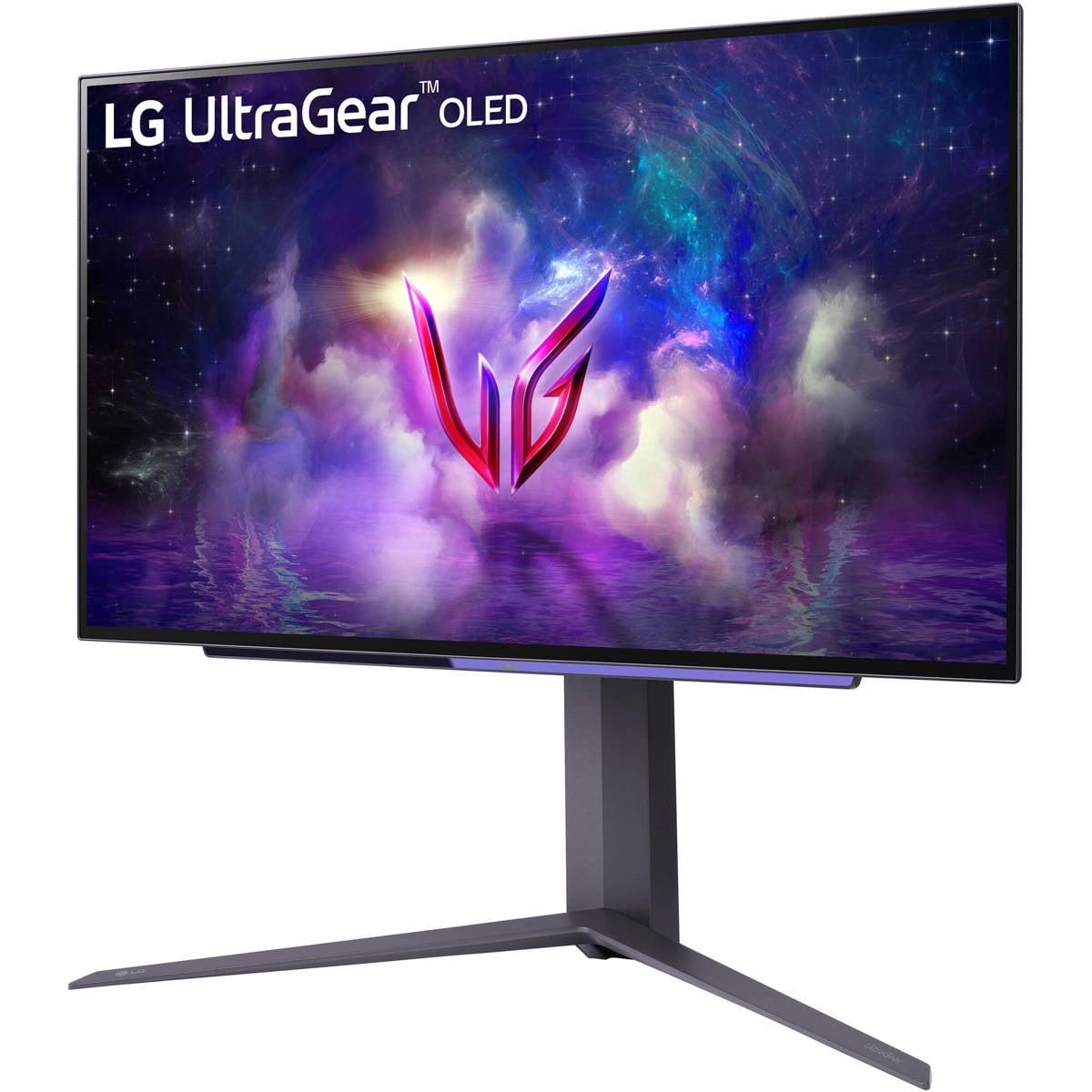
Today, we're comparing two excellent examples of these approaches: the BenQ Zowie XL2746K and the LG UltraGear 27" OLED. Both hit the coveted 240Hz refresh rate—that's 240 frames displayed every second for incredibly smooth motion—but they take very different paths to get there.
Before diving into the specifics, let's talk about what really matters when choosing a high-performance gaming monitor. The most critical factors are refresh rate (how many times the screen updates per second), response time (how quickly pixels can change color), input lag (the delay between your actions and what appears on screen), and visual quality factors like resolution and color accuracy.
For competitive gamers, especially those playing first-person shooters like CS:GO or Valorant, motion clarity becomes paramount. You need to track enemies moving across your screen with perfect precision. For other gamers who enjoy single-player adventures, RPGs, or creative work, visual quality—things like contrast, color accuracy, and resolution—might take priority.
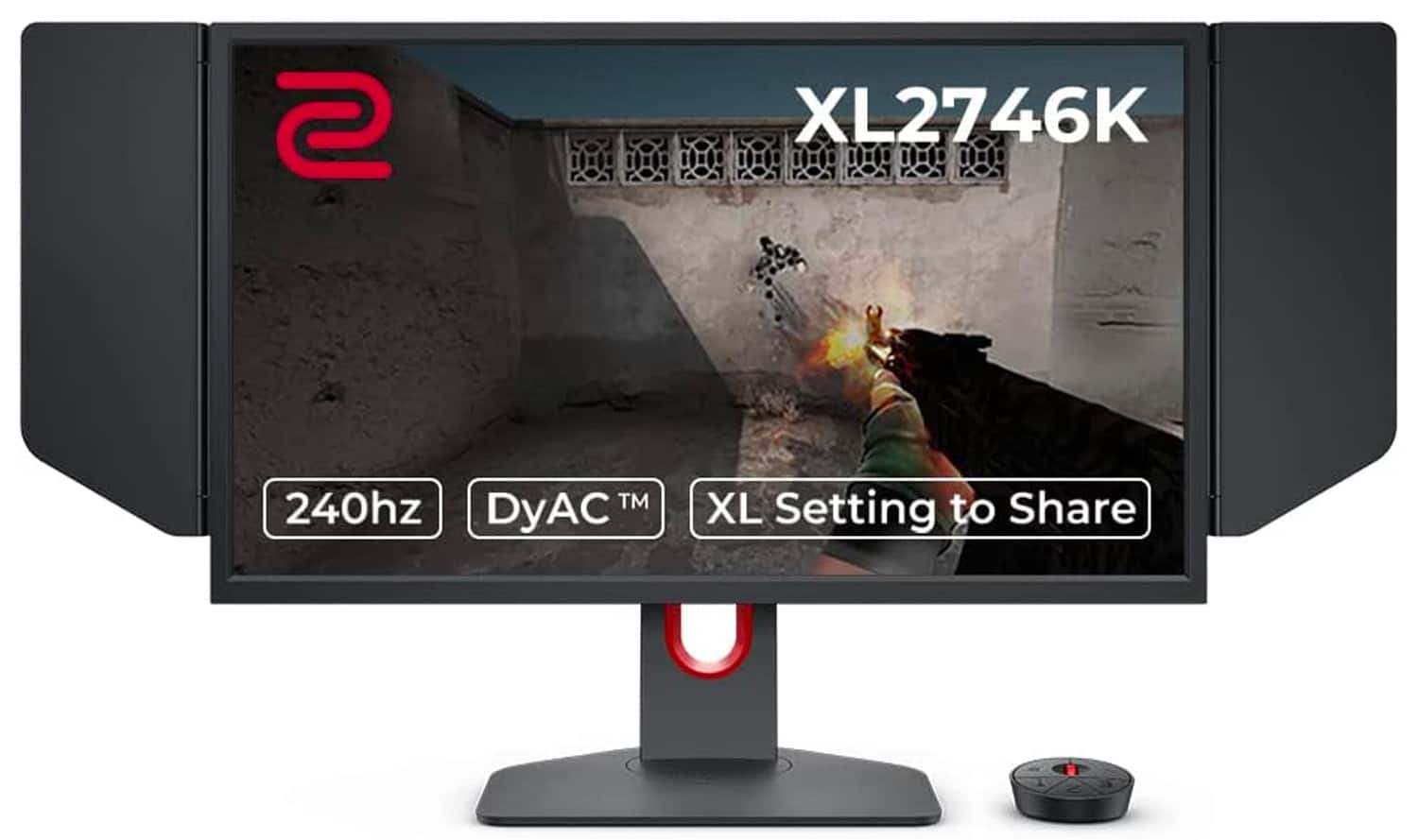
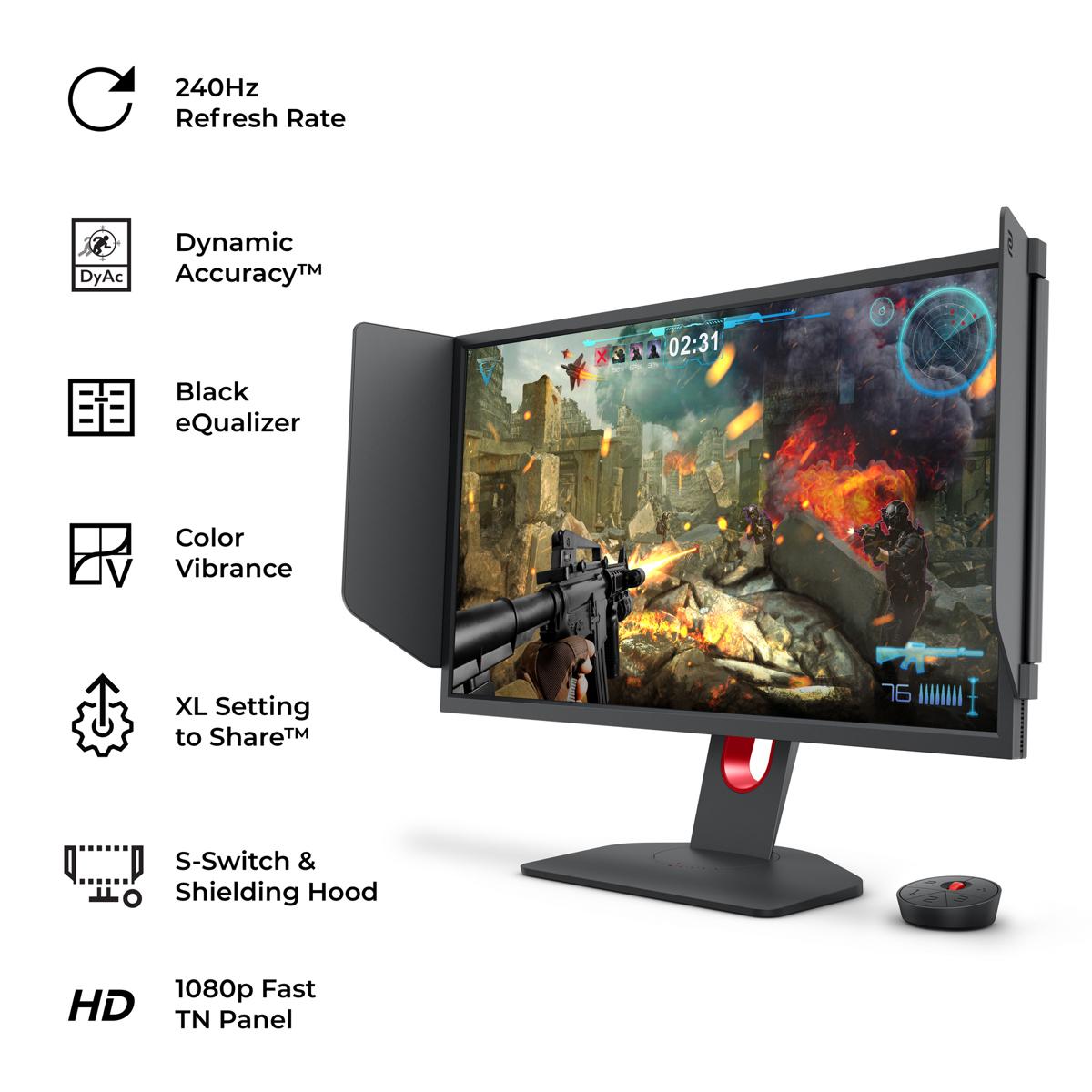
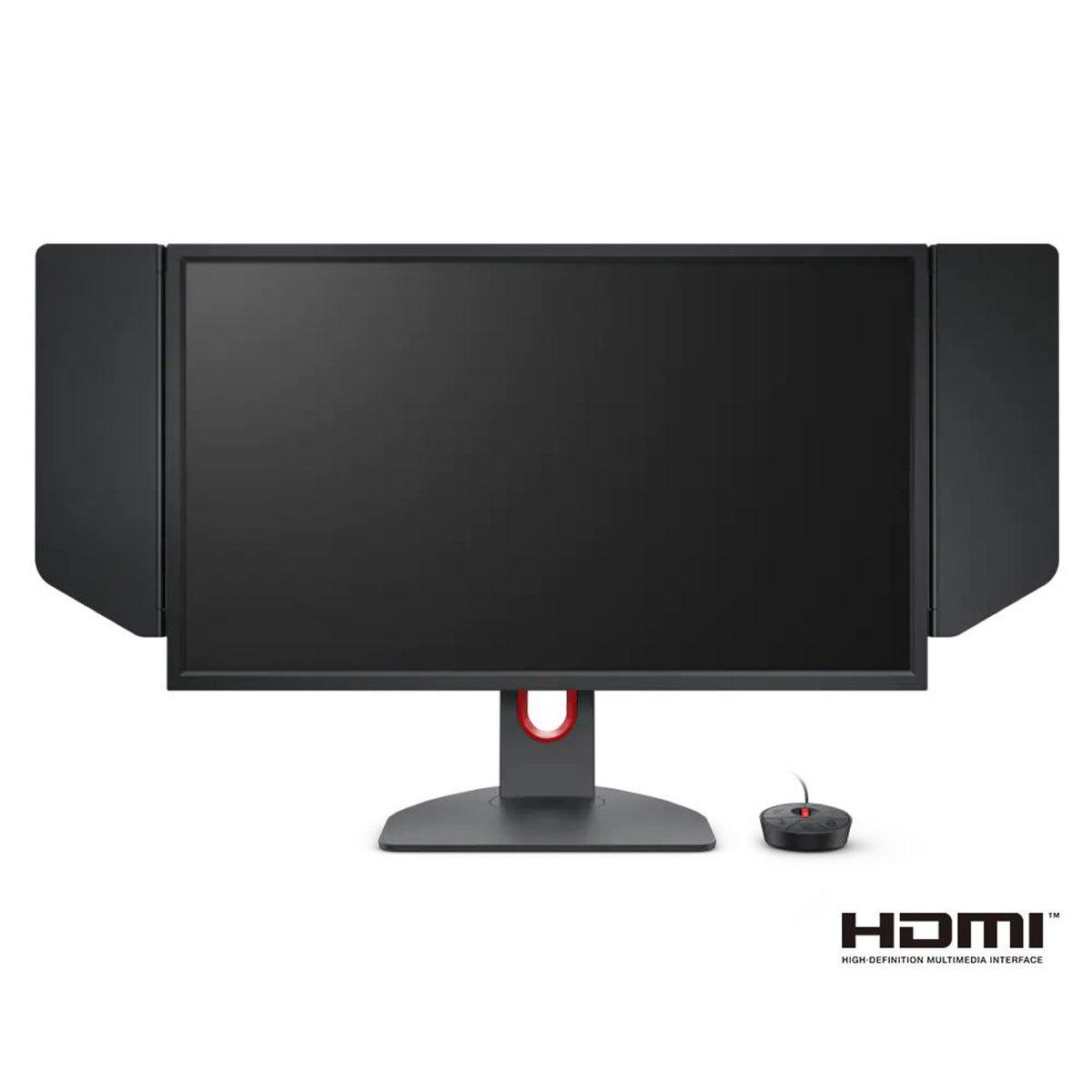
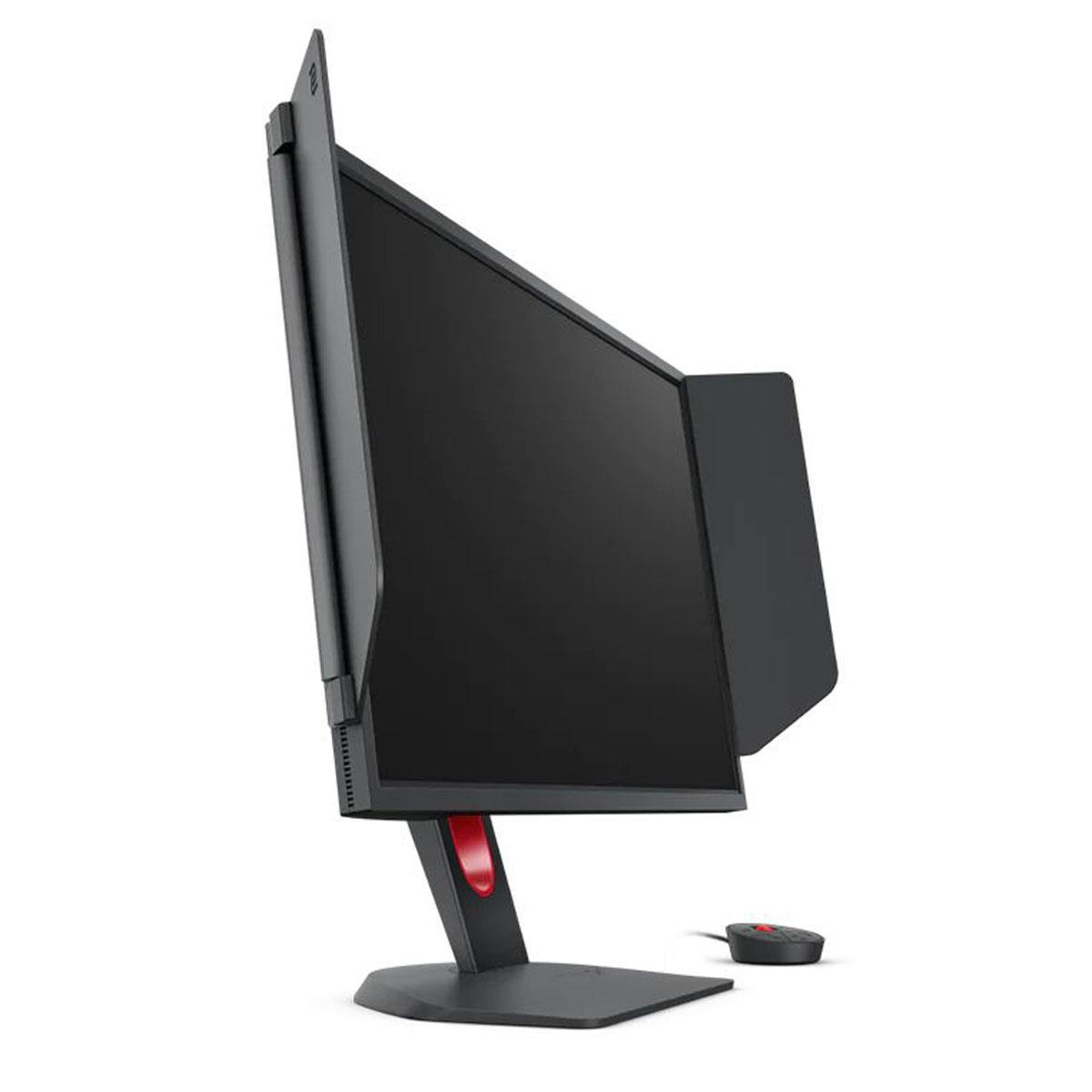
The BenQ Zowie XL2746K, released in 2022, represents the pinnacle of esports-focused monitor design. BenQ's Zowie brand has become synonymous with professional gaming, and you'll find their monitors at tournaments worldwide. This 27-inch display uses a TN (Twisted Nematic) panel—a technology that prioritizes speed over visual quality—paired with BenQ's proprietary DyAc⁺ technology.
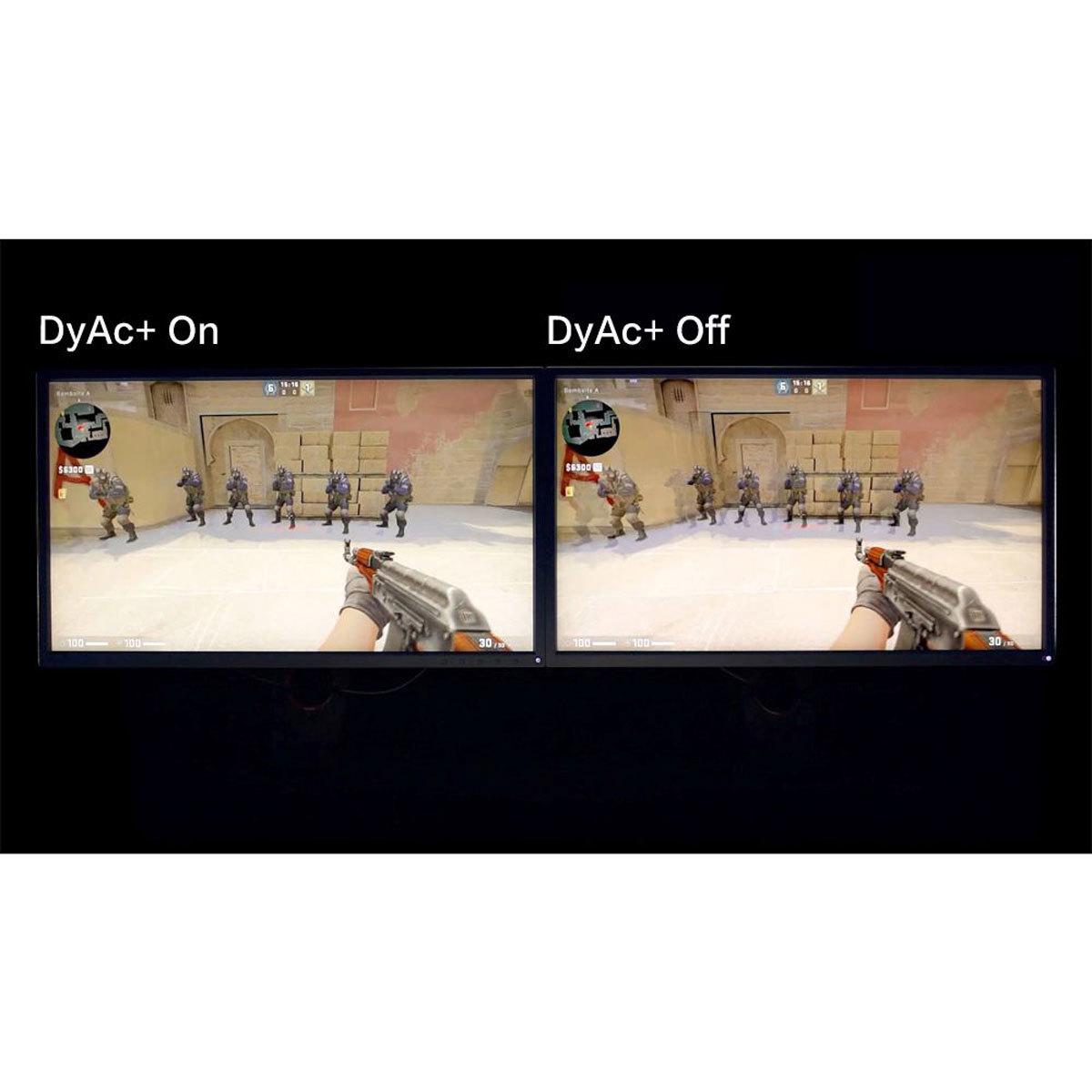
DyAc⁺ (Dynamic Accuracy Plus) is essentially an advanced form of backlight strobing. Instead of keeping the backlight on continuously, it flickers in sync with the refresh rate, which dramatically reduces motion blur during fast movements. Think of it like a strobe light at a dance club—it "freezes" motion by only illuminating the screen when pixels are in their correct positions.
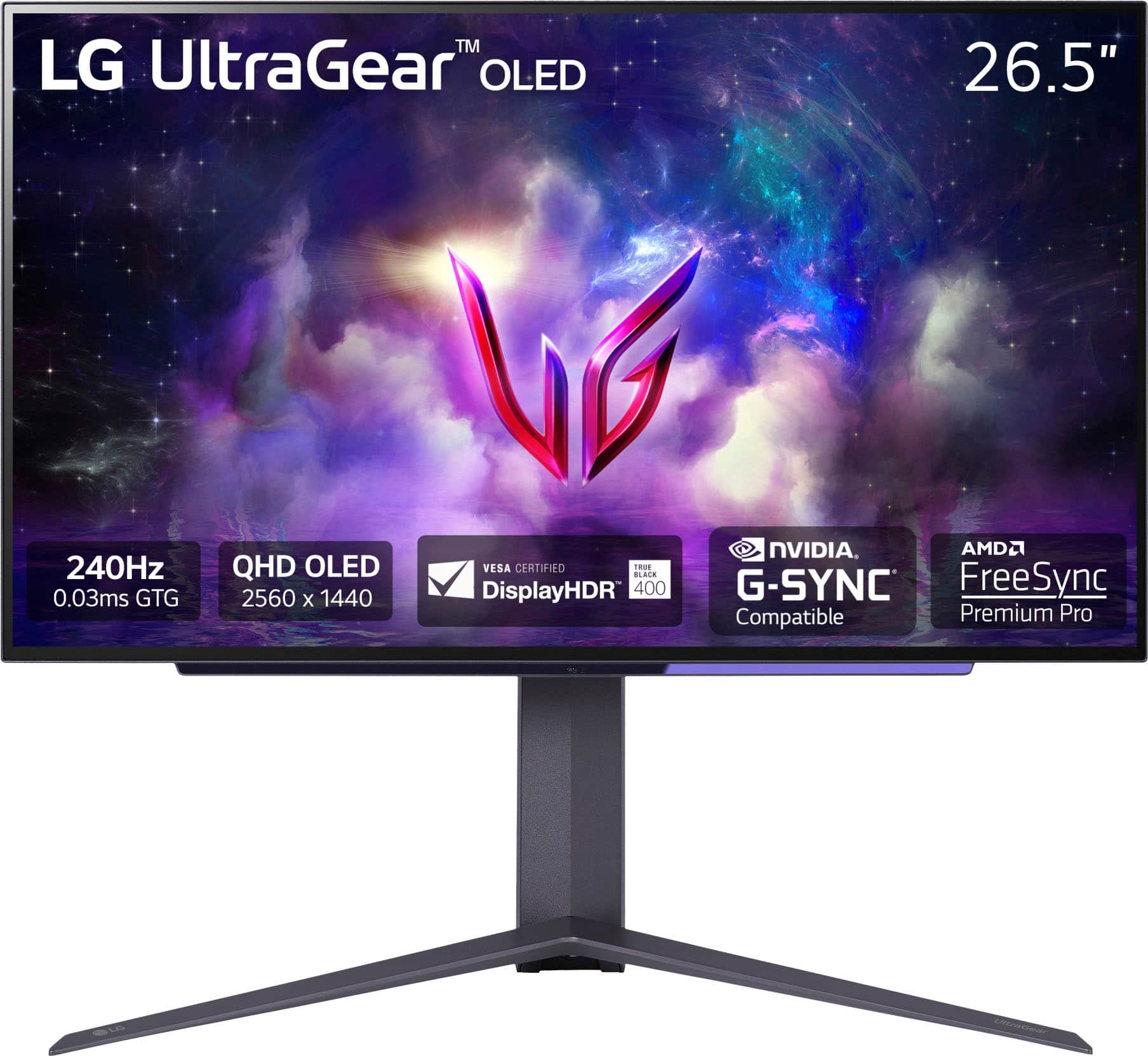
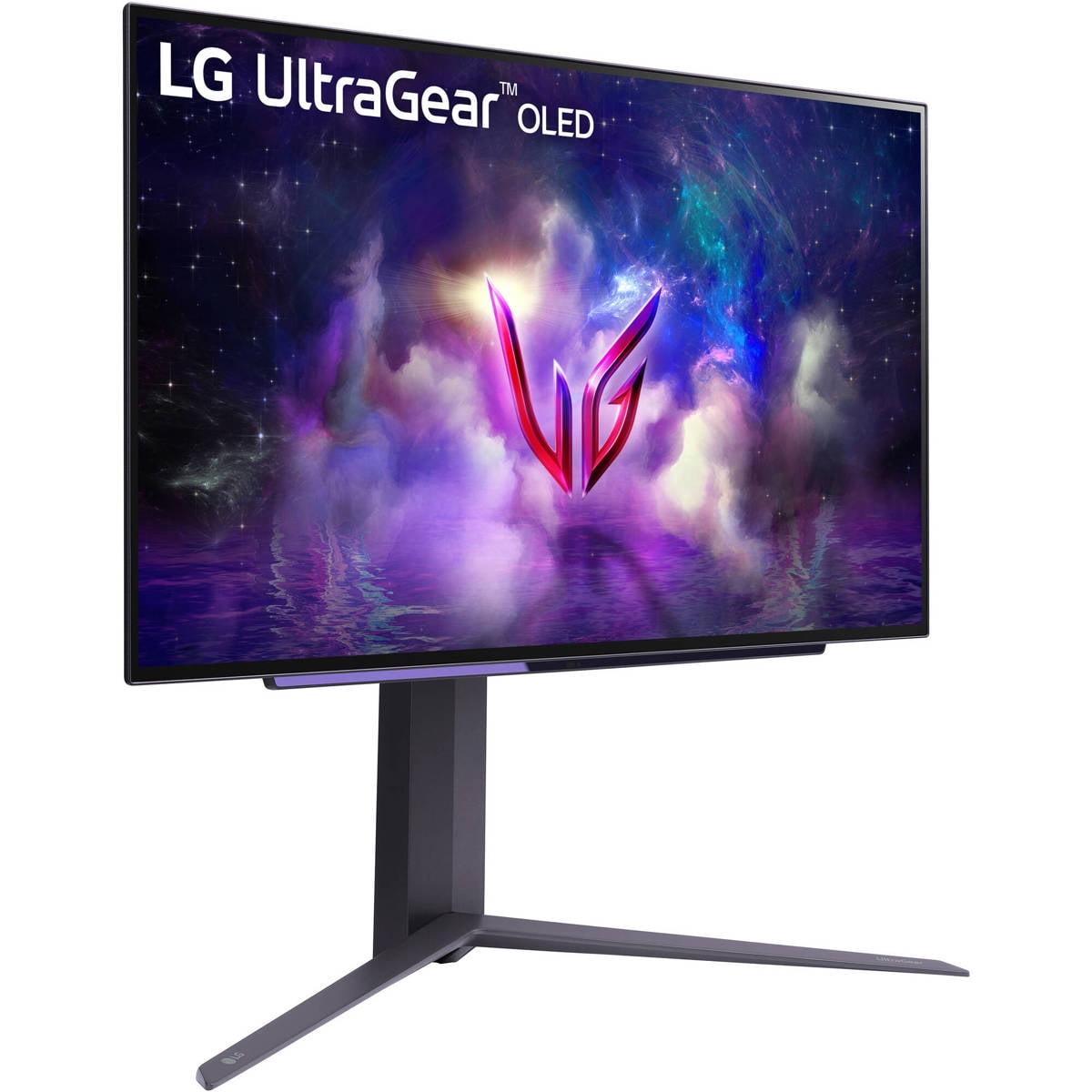
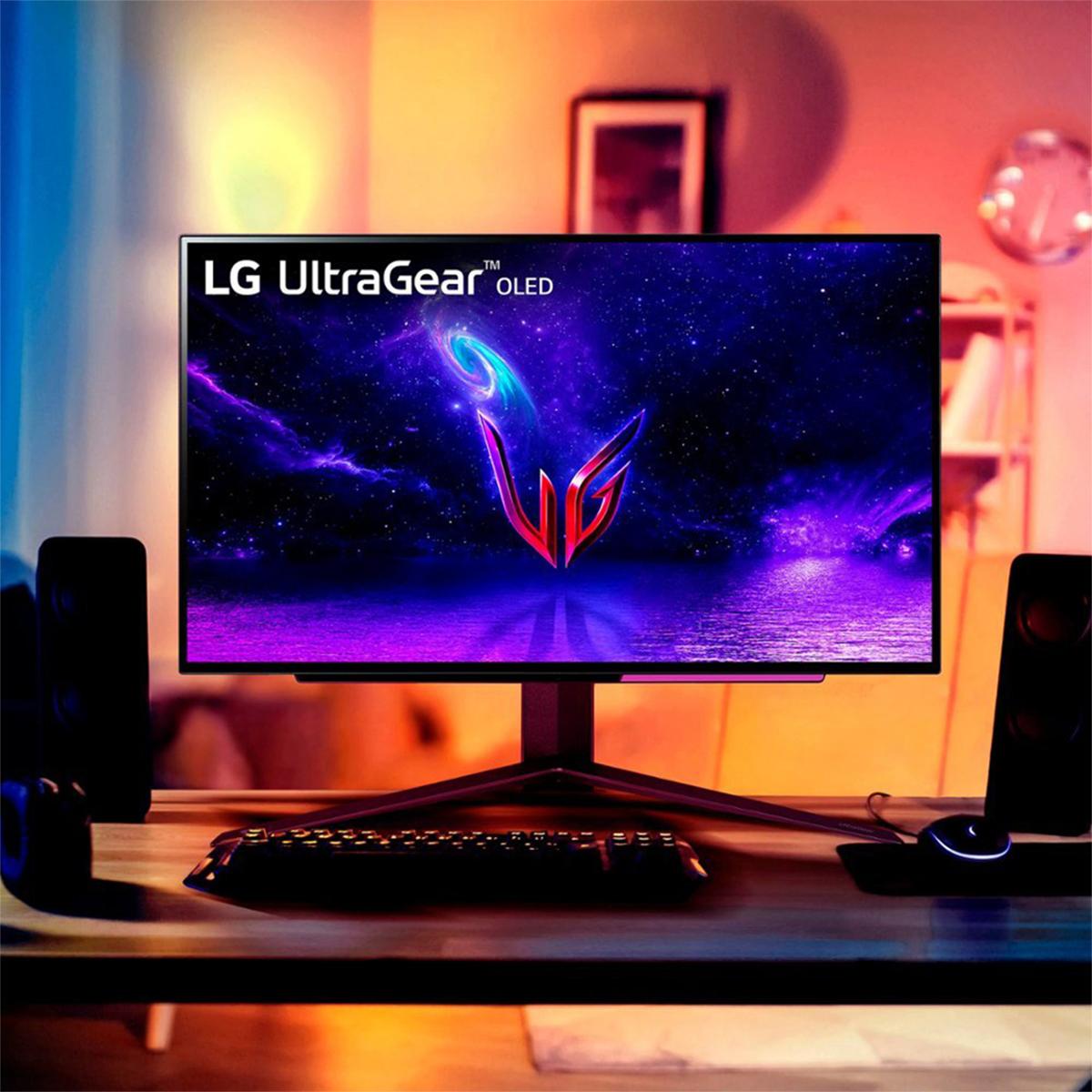
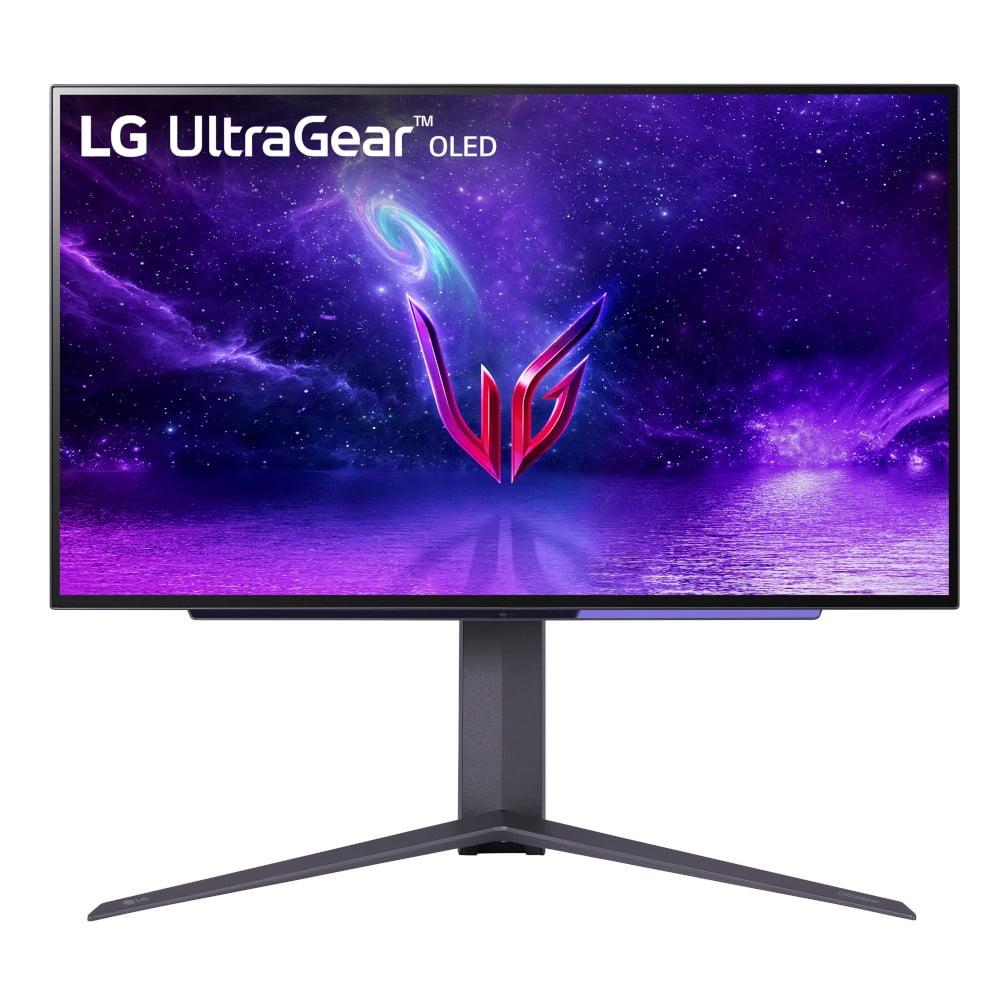
The LG UltraGear 27" OLED, which became available in 2024, takes a radically different approach. LG has taken OLED technology—previously reserved for premium TVs—and adapted it for high-refresh gaming. OLED stands for Organic Light-Emitting Diode, and unlike traditional monitors that use a backlight, each pixel generates its own light. This means true blacks (pixels can turn completely off) and incredible contrast ratios that make games look almost three-dimensional.
Here's where things get interesting. The LG OLED technically wins the numbers game with a 0.03ms response time compared to the BenQ's 0.5ms. That might not sound like much, but in gaming terms, it's massive—the LG is nearly 17 times faster at changing pixel colors.
However, raw response time numbers don't tell the whole story. The BenQ's DyAc⁺ technology creates a different kind of motion clarity. While OLED naturally eliminates ghosting (those trailing shadows behind moving objects), DyAc⁺ specifically targets the blur that occurs when your eyes try to track moving objects on screen. It's like the difference between having perfect vision and having vision that's perfectly adapted to tracking fast-moving targets.
In my experience testing both types of technology, OLED provides cleaner, more natural motion, while DyAc⁺ creates an almost artificial sharpness that some competitive players swear by. It's a matter of preference, but both approaches effectively solve the motion blur problem that plagued earlier high-refresh monitors.
Both monitors hit 240Hz, which has become the sweet spot for competitive gaming. To put this in perspective, a standard 60Hz monitor updates 60 times per second, while these displays update 240 times per second. The difference is immediately noticeable—mouse movements feel more responsive, and fast-paced action appears dramatically smoother.
The BenQ supports Variable Refresh Rate (VRR) and AMD FreeSync, which synchronizes the monitor's refresh rate with your graphics card's frame output. This prevents screen tearing—those horizontal lines that appear when your graphics card and monitor get out of sync. The LG goes further, supporting both FreeSync Premium and NVIDIA G-Sync Compatible, making it more versatile across different graphics card brands.
Input lag—the delay between when you click your mouse and when something happens on screen—is crucial for competitive gaming. Both monitors excel here, but the BenQ has been specifically tuned for tournament play where every millisecond matters. The LG matches this performance while adding more sophisticated image processing, maintaining competitive-level responsiveness without sacrificing visual enhancements.
This is where the LG OLED takes a significant lead. Its 2560×1440 resolution (often called QHD or 1440p) provides 78% more pixels than the BenQ's 1920×1080 (1080p) display. In practical terms, this means text appears sharper, game details are more defined, and you can see more of the game world without everything looking pixelated.
The higher resolution does come with a performance cost—your graphics card has to work harder to render more pixels. However, modern high-end graphics cards handle 1440p quite well at high frame rates, making this less of a concern than it was a few years ago.
Here's where OLED technology truly shines. The LG monitor can display true blacks by completely turning off pixels, creating an infinite contrast ratio. When you're exploring a dark dungeon or playing a horror game, the difference is striking—shadows have depth and detail that simply isn't possible with traditional backlighting.
The BenQ, using TN panel technology, delivers a respectable 1000:1 contrast ratio and focuses on consistent, accurate colors for competitive gaming. It covers the standard sRGB color space adequately, but it can't match the OLED's ability to display the wider DCI-P3 color gamut (98.5% coverage) that makes modern games look more vibrant and lifelike.
HDR (High Dynamic Range) support is where these monitors really show their different philosophies. The LG OLED supports HDR10 with DisplayHDR True Black 400 certification, meaning it can display a wider range of brightness levels from deep blacks to bright highlights. This makes compatible games and content look more realistic and immersive.
The BenQ doesn't support HDR at all. This isn't an oversight—it's a deliberate design choice. BenQ prioritized consistent performance over premium visual features, keeping the monitor focused on competitive gaming where HDR might actually be considered a distraction.
The BenQ produces 320 nits of brightness, making it suitable for well-lit rooms and tournament environments with overhead lighting. Professional gaming often takes place under bright lights, so this additional brightness ensures visibility remains consistent.
The LG OLED typically operates around 200-275 nits in standard mode, though it can hit higher peaks with HDR content. This is bright enough for most gaming environments, but if you game in a very bright room or prefer maximum brightness, the BenQ has an advantage.
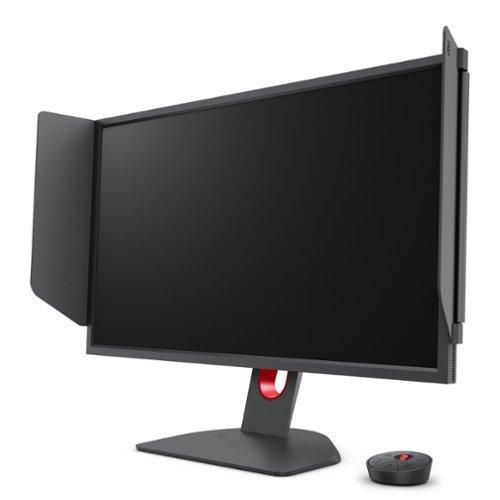
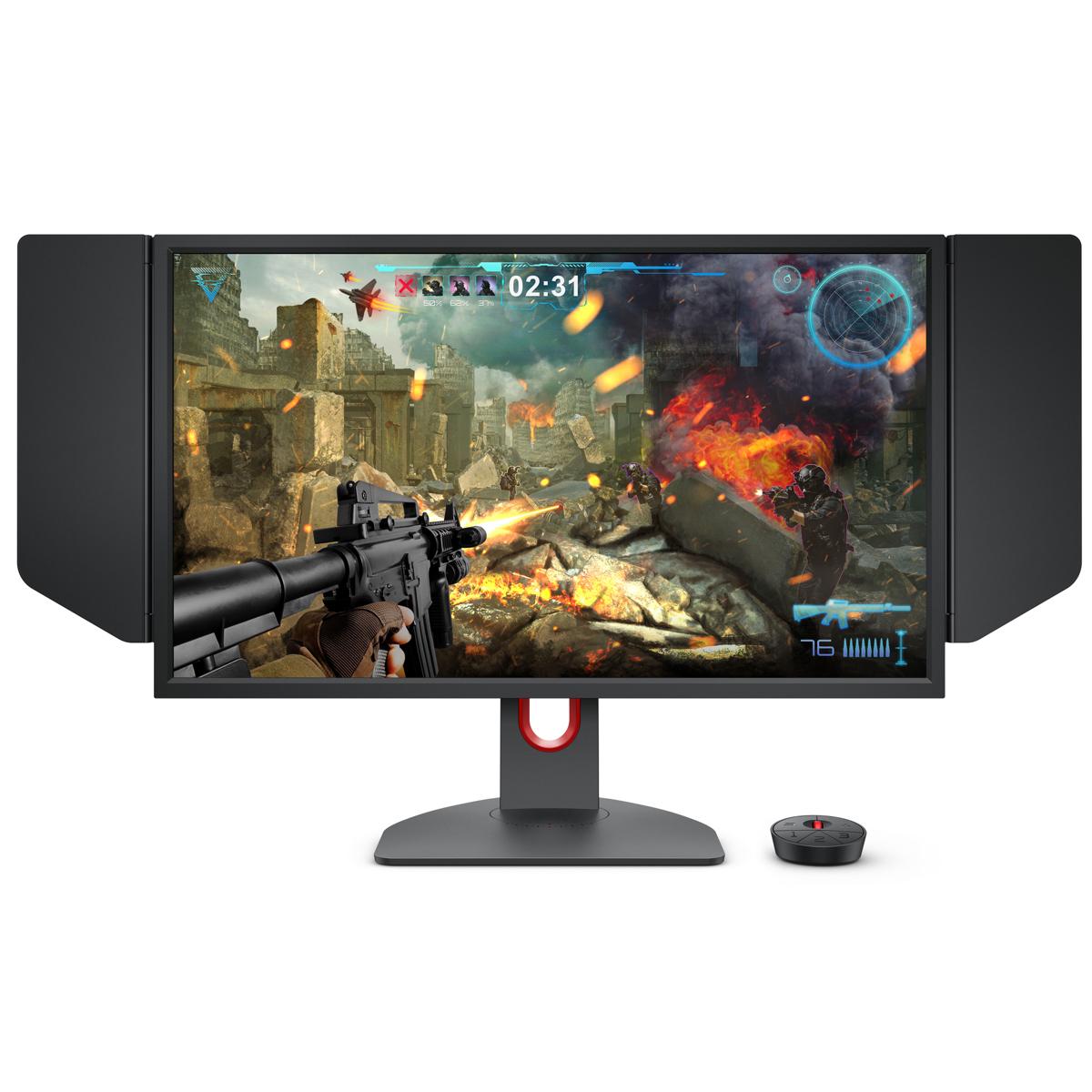
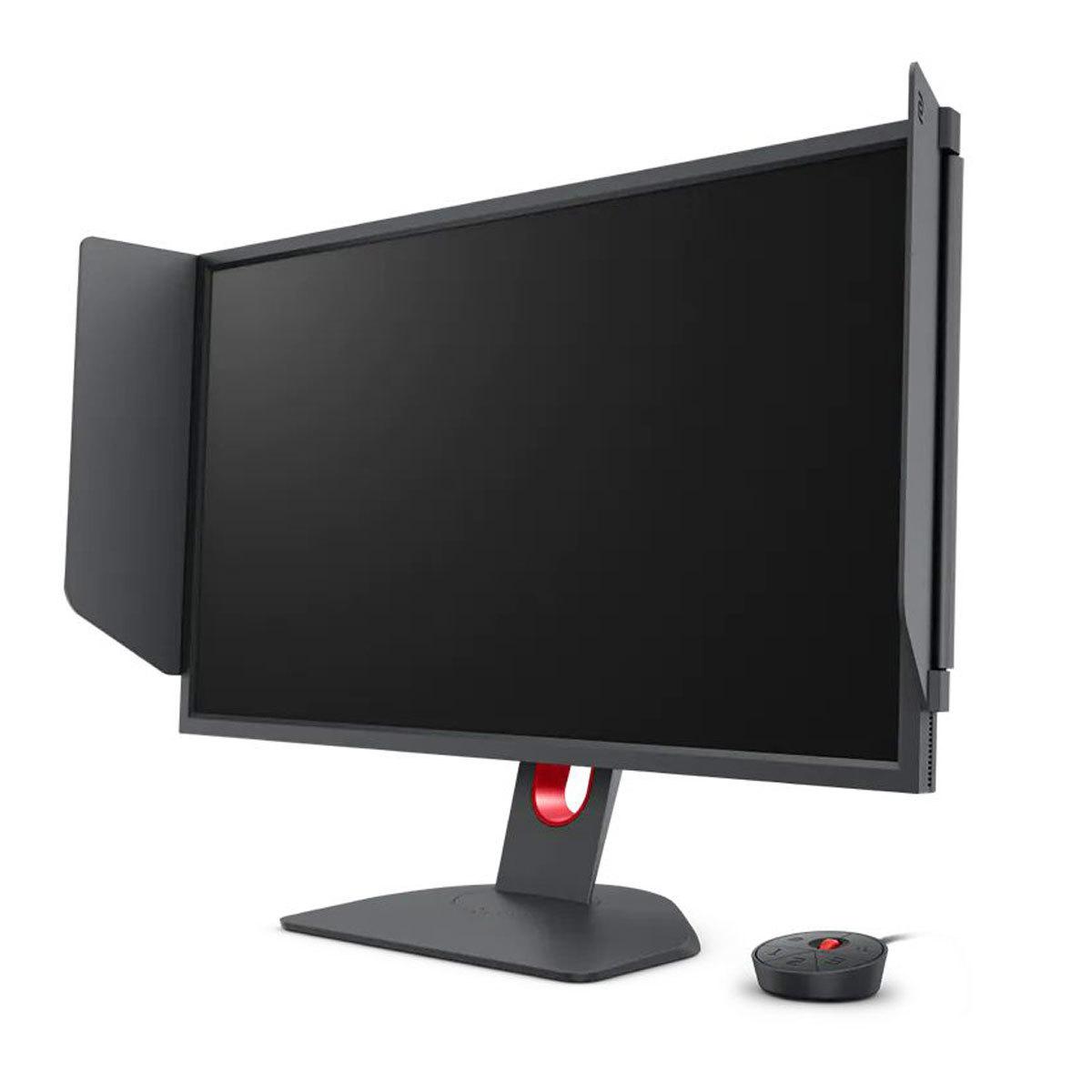
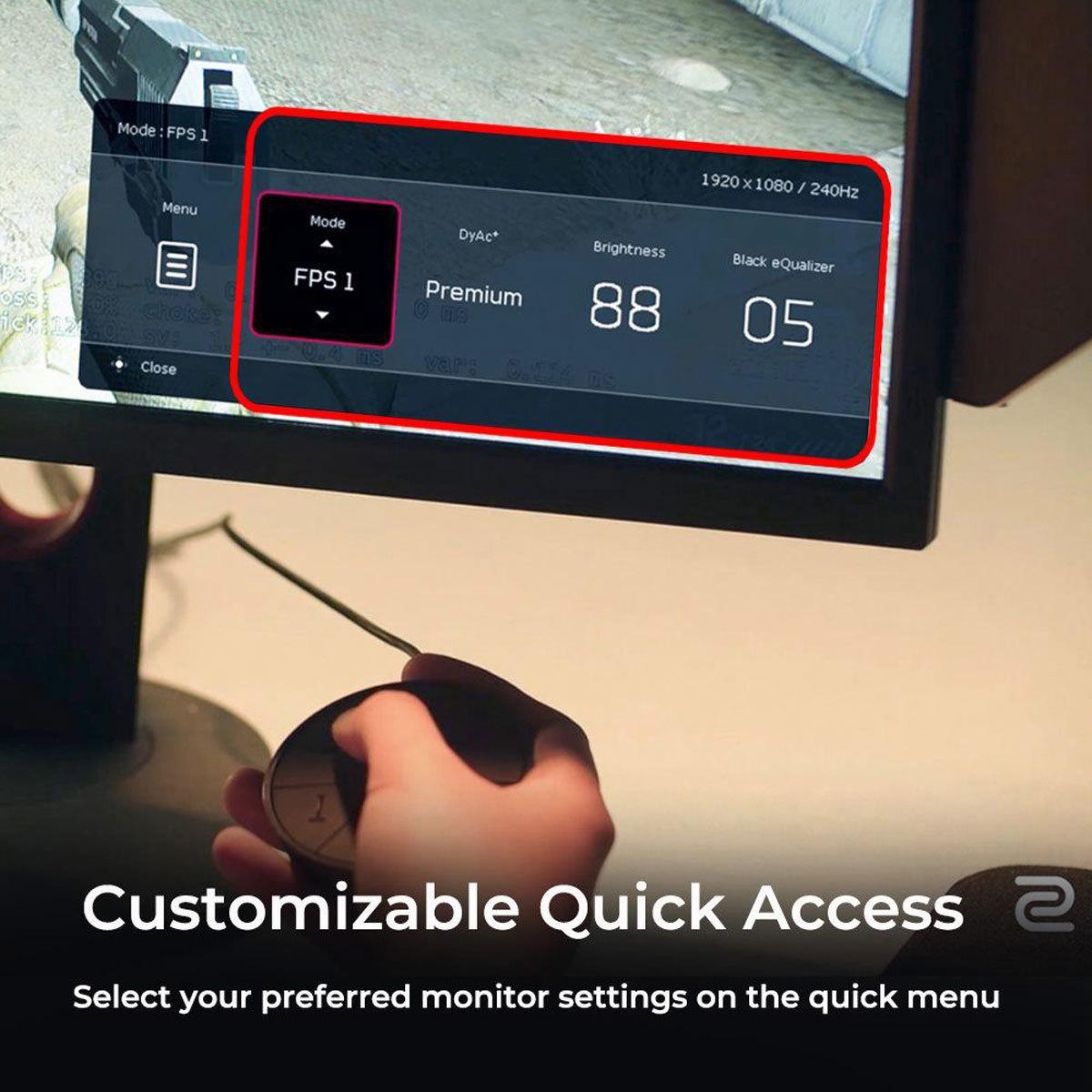
The BenQ includes several features specifically designed for professional use. The S Switch is a wireless remote controller that lets you quickly switch between different monitor settings—incredibly useful when moving between different games or adjusting settings mid-tournament. The detachable shielding hood (essentially side panels) helps block peripheral distractions, a common sight in professional gaming setups.
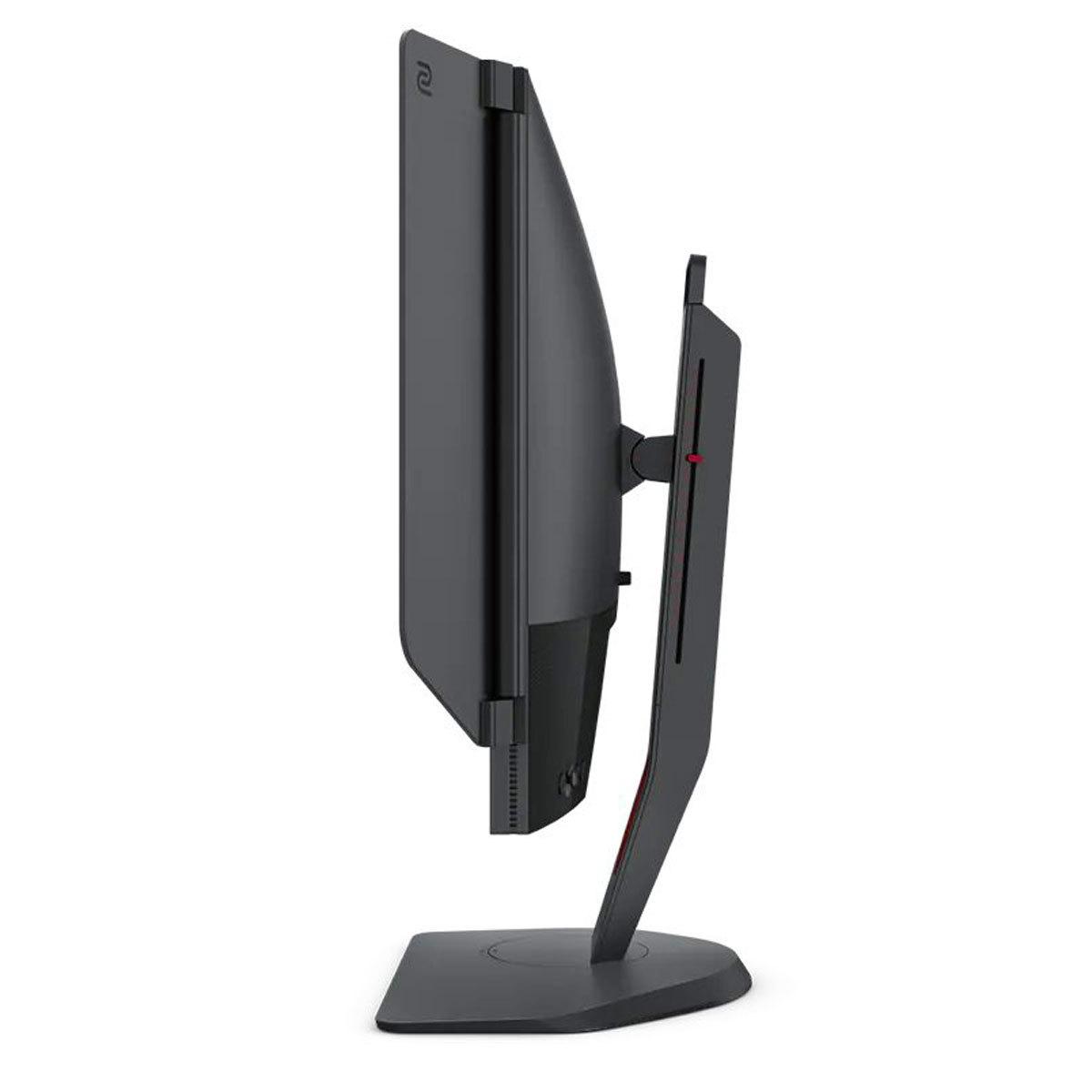
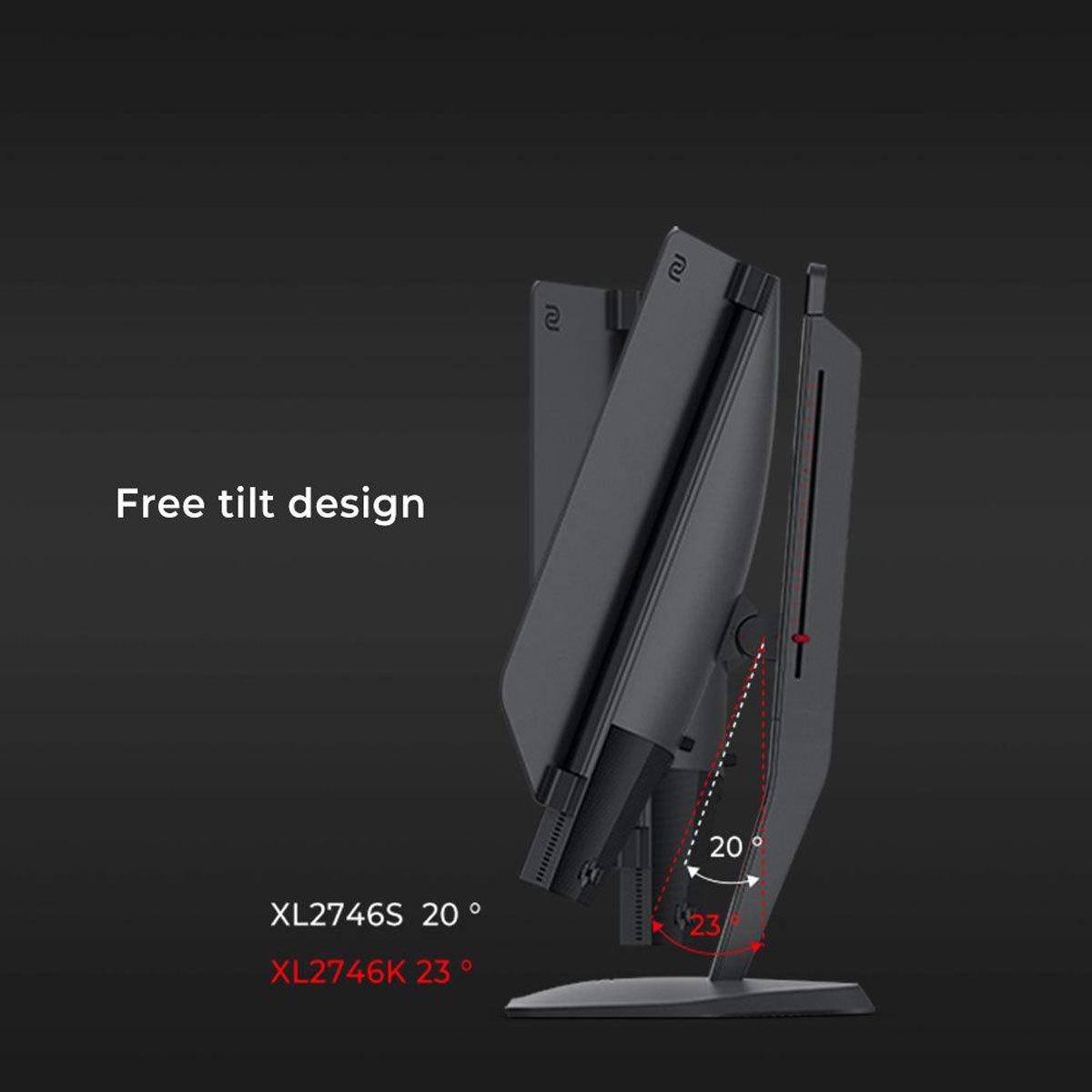
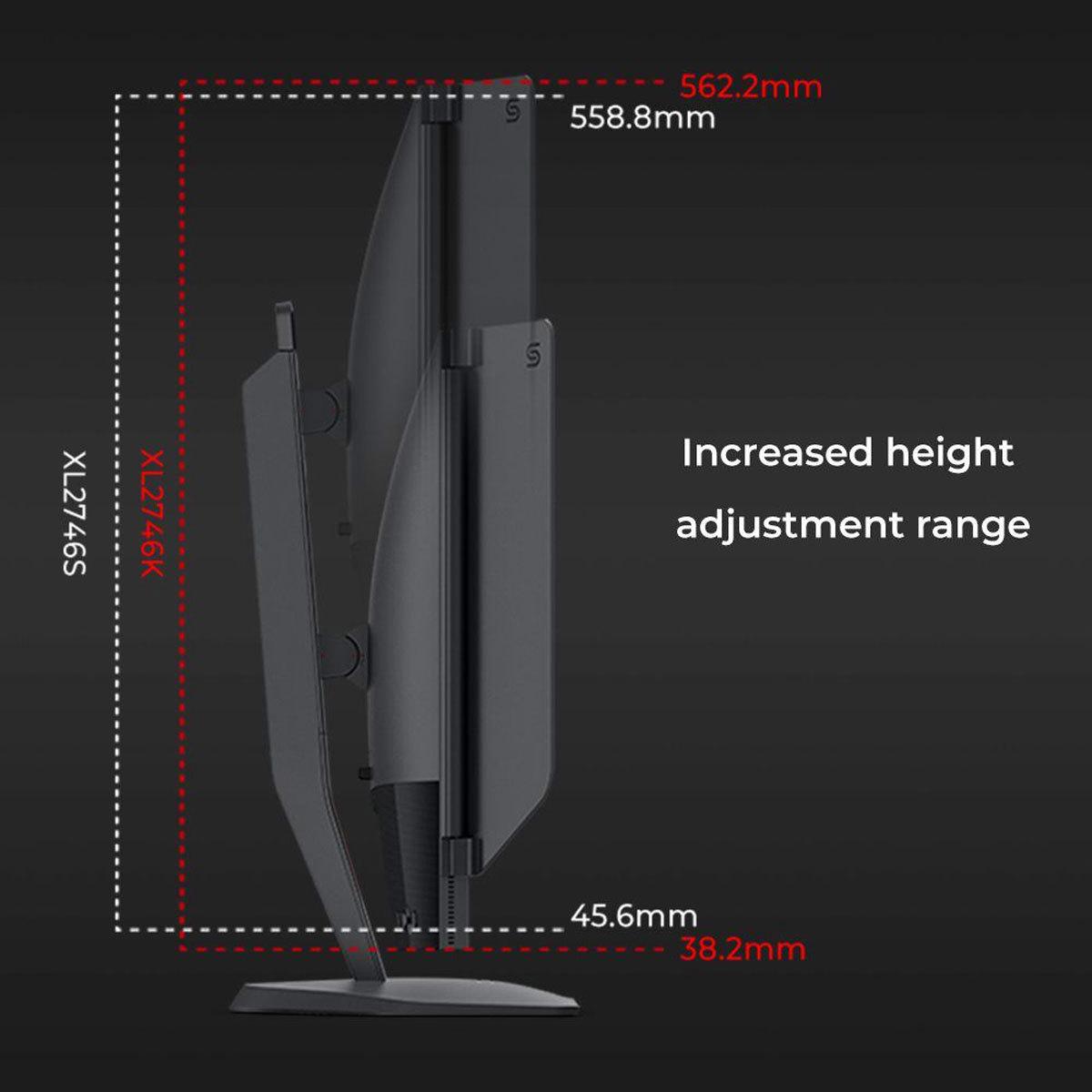
The monitor's stand offers extensive adjustability: 155mm of height adjustment, full 90-degree pivot for portrait mode, 45-degree swivel in both directions, and tilt adjustment from -5 to +23 degrees. This level of adjustability ensures you can find the perfect viewing angle for long gaming sessions.
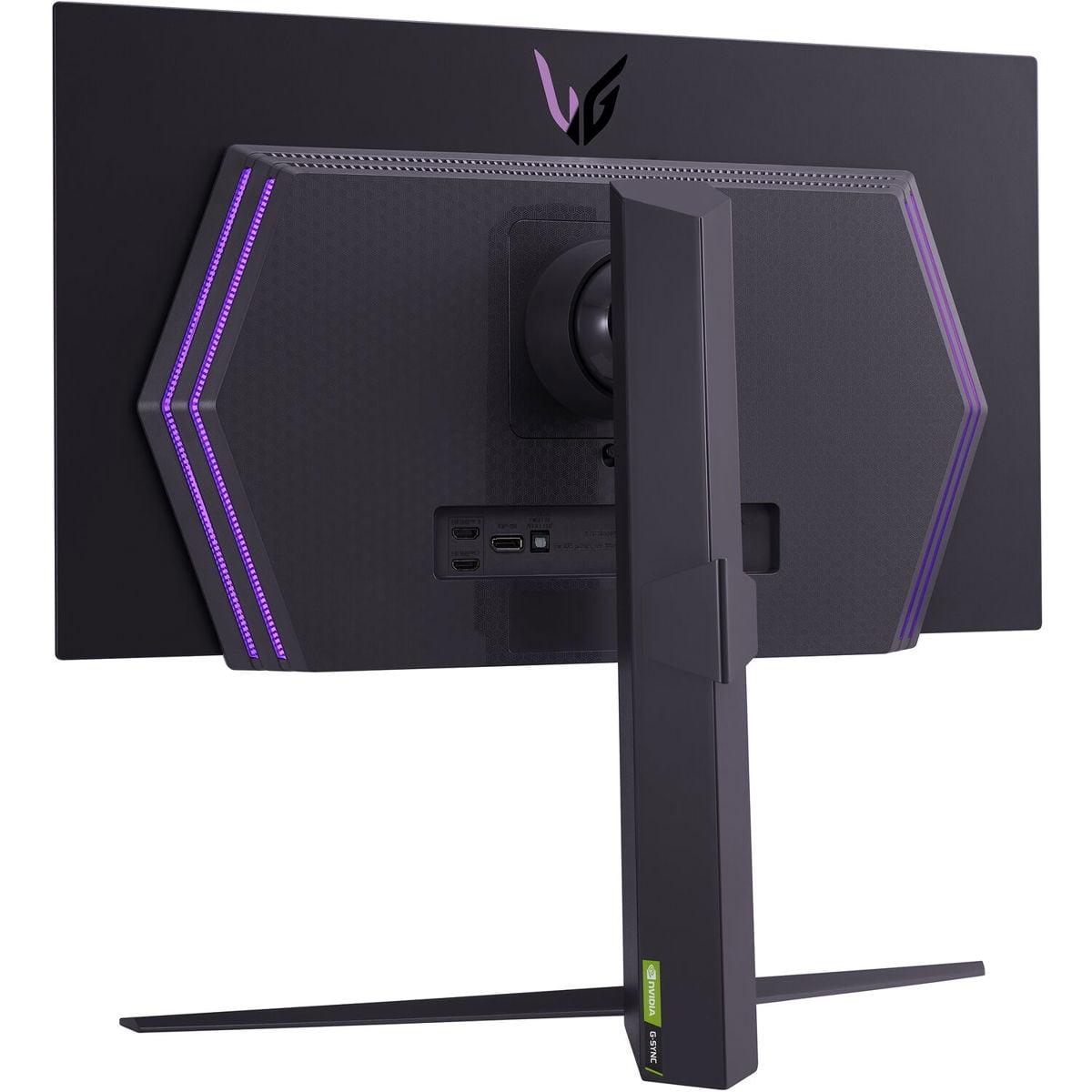
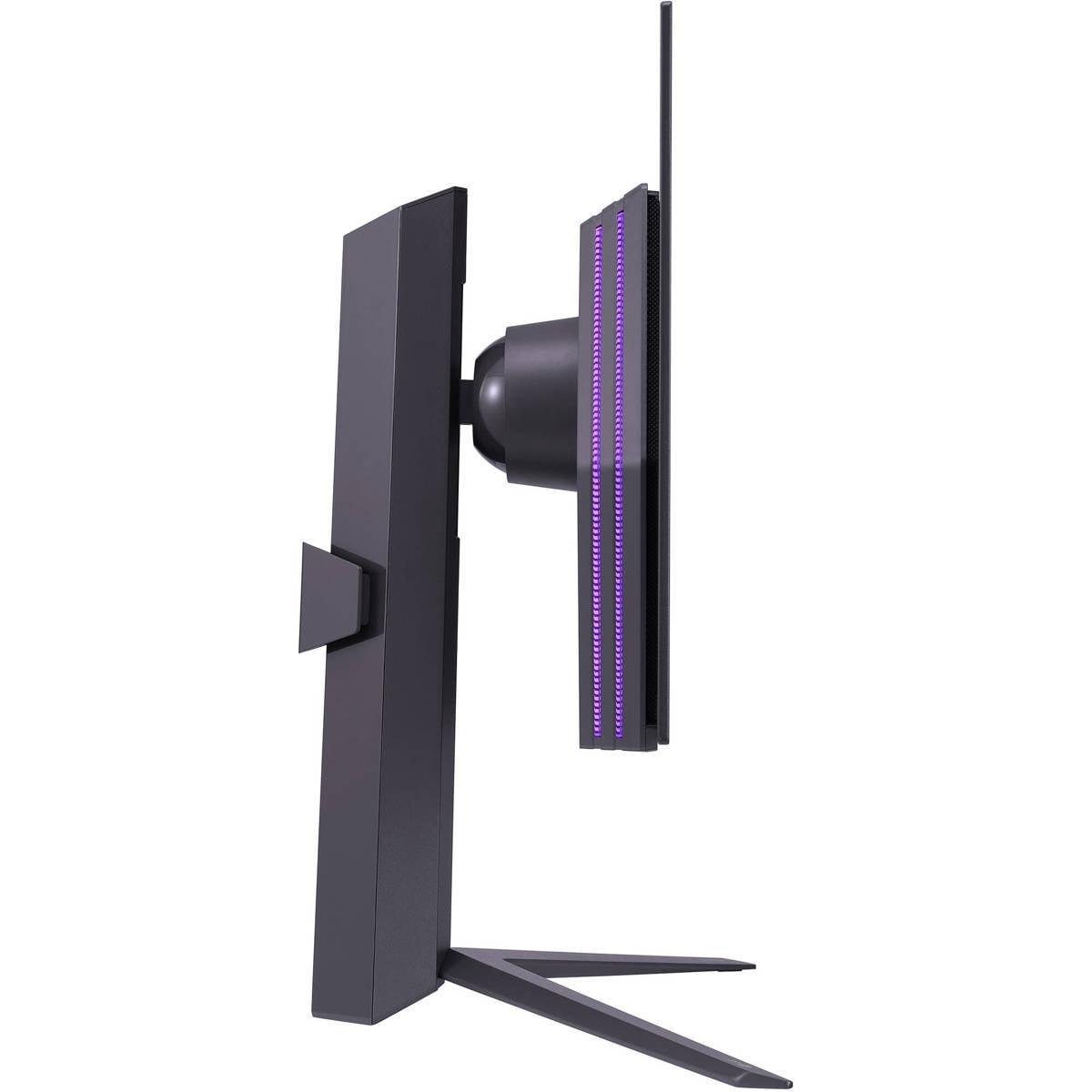
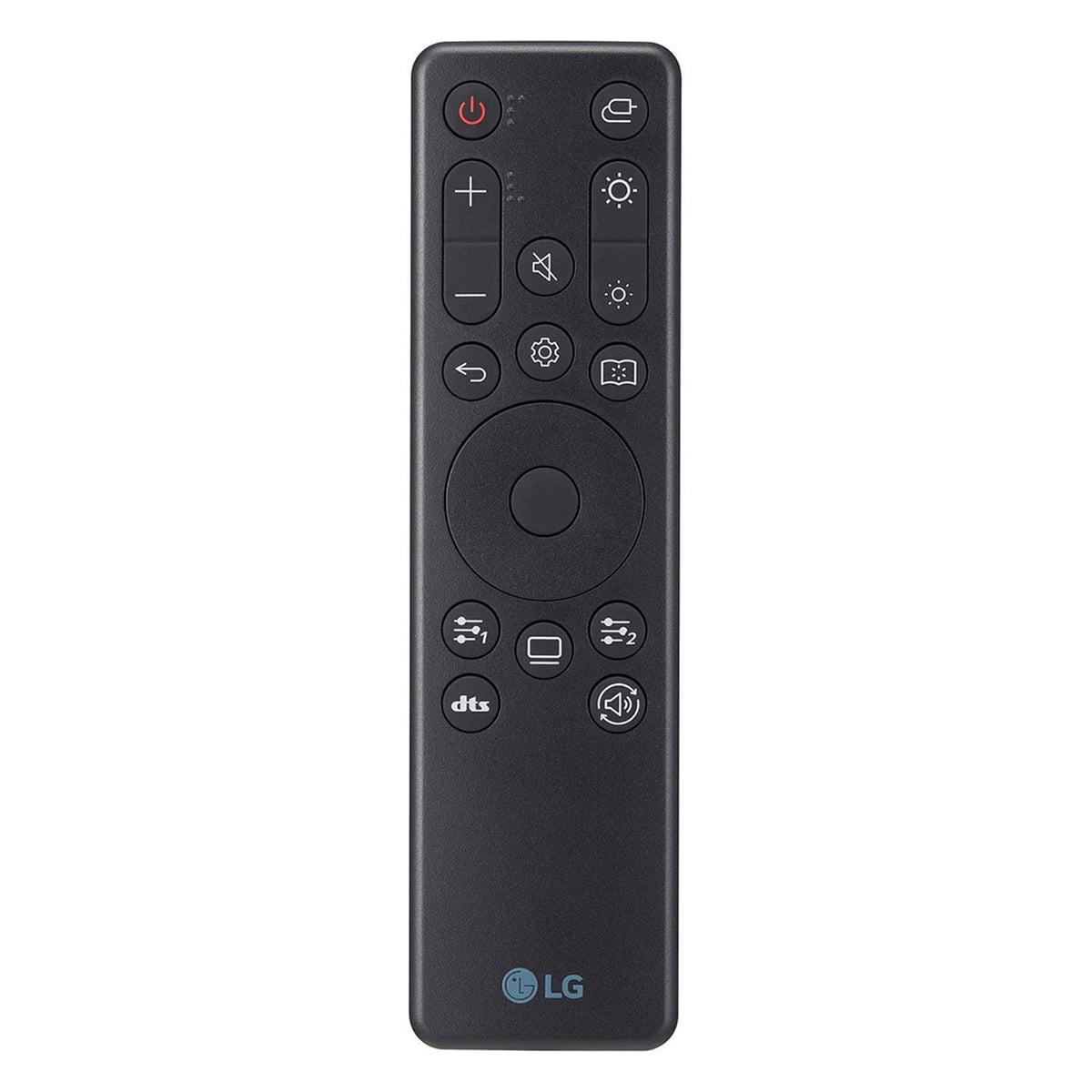
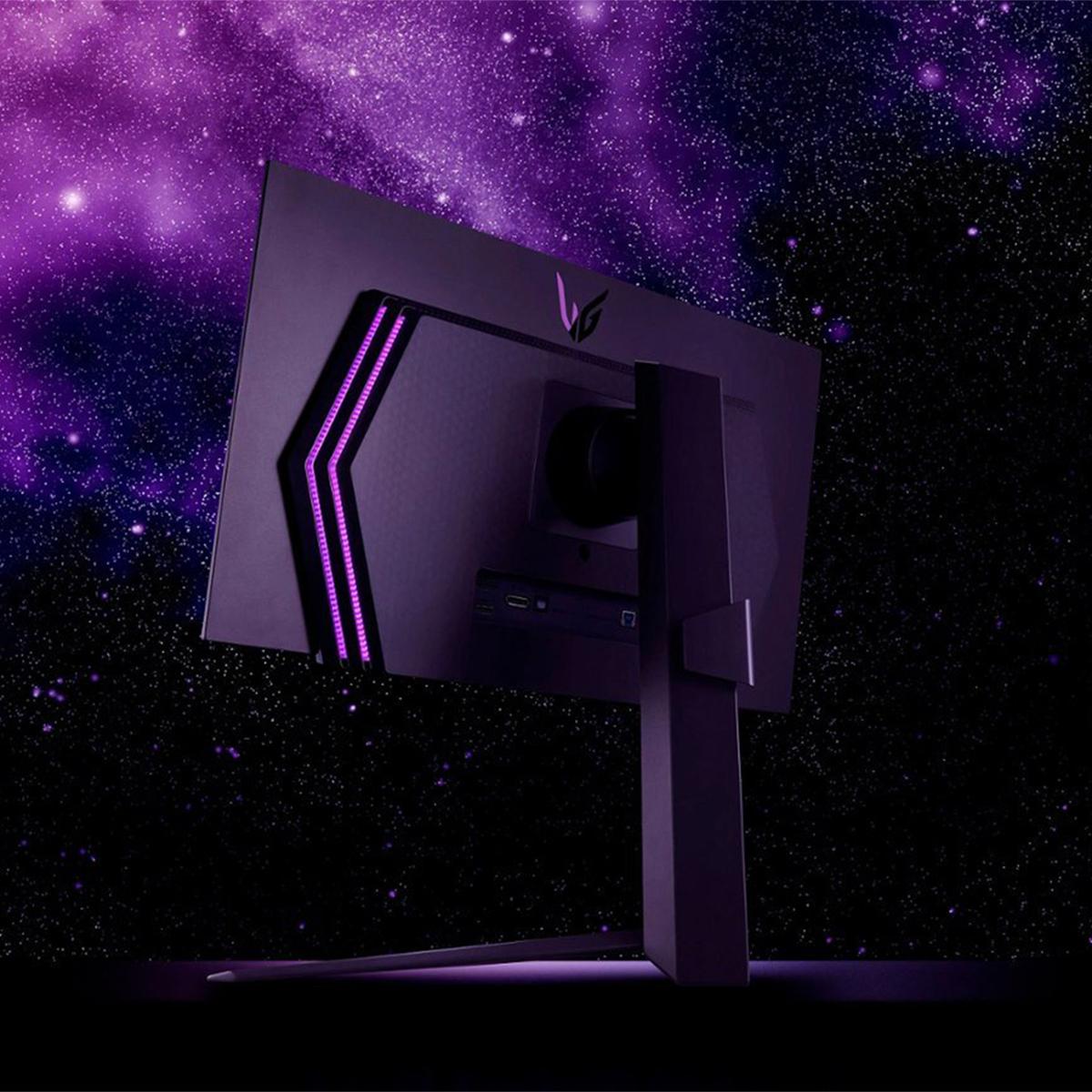
The LG OLED provides good ergonomic adjustments but focuses more on premium features like RGB backlighting and a sleek, virtually bezel-less design. It includes a remote control for easier menu navigation, though some users find the traditional joystick control more intuitive for quick adjustments.
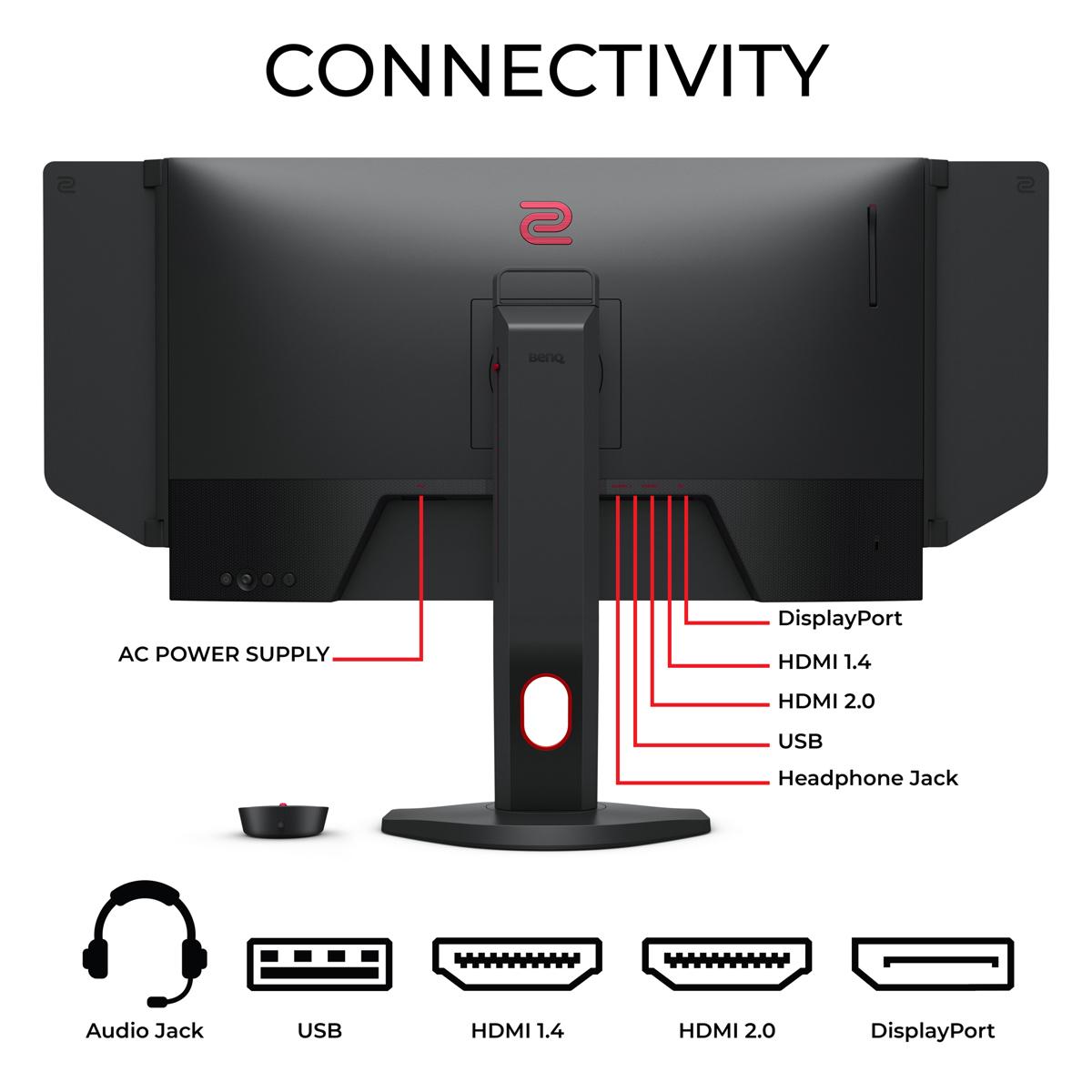
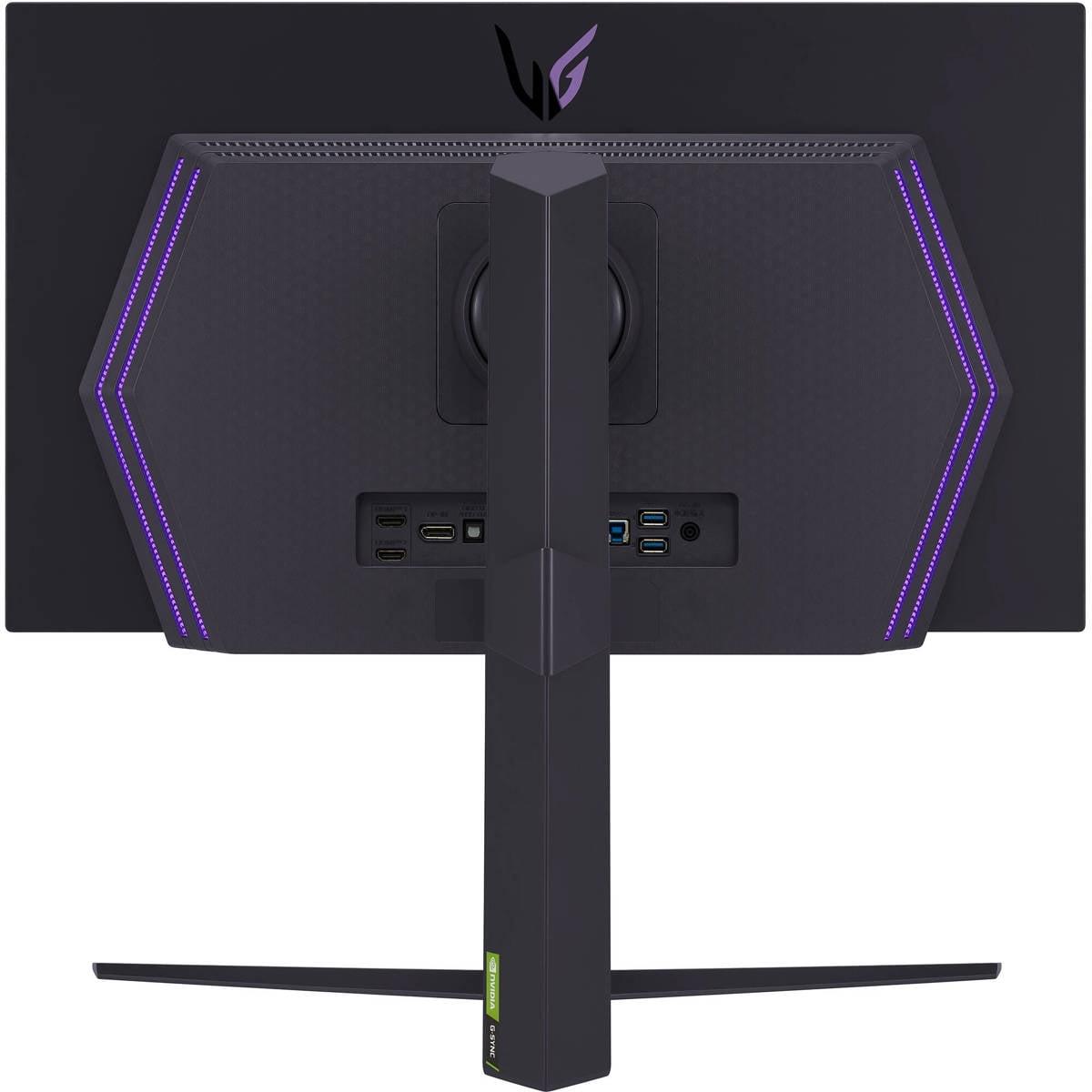
Both monitors offer solid connectivity, but with different focus areas. The BenQ includes three HDMI 2.0 ports and one DisplayPort 1.2, optimized primarily for PC gaming. The LG OLED features two HDMI 2.1 ports and DisplayPort 1.4, making it better suited for next-generation console gaming. HDMI 2.1 supports the full 4K 120Hz capabilities of PlayStation 5 and Xbox Series X consoles, though at 1440p, both consoles can hit their full 120Hz potential.
If you're considering either monitor for home theater use, the LG OLED becomes the clear winner. Its OLED technology, HDR support, and higher resolution make it excellent for watching movies and streaming content. The infinite contrast ratio means dark movie scenes maintain detail without looking washed out, and the color accuracy rivals dedicated home theater displays.
The BenQ, while excellent for gaming, isn't optimized for media consumption. Its TN panel technology, while fast, doesn't provide the viewing angles or color accuracy you'd want for movie watching or content creation.
Both monitors come with solid warranties, though there are some important considerations. The BenQ uses mature TN panel technology with a proven track record of reliability. Professional gaming organizations have used BenQ Zowie monitors for years without major issues, and the three-year warranty reflects this confidence.
The LG OLED introduces newer technology with some inherent risks. OLED panels can potentially develop burn-in—permanent image retention from static elements displayed for extended periods. LG includes OLED Care features to mitigate this risk, but it's something to consider if you plan to use static desktop elements for long periods.
At the time of writing, both monitors are priced competitively within their respective categories, with the OLED commanding a modest premium for its advanced display technology. The price difference has narrowed significantly since OLED gaming monitors first appeared, making the technology more accessible to enthusiast gamers.
Choosing between the BenQ Zowie XL2746K and LG UltraGear 27" OLED ultimately depends on your primary use case and priorities.
The BenQ excels for competitive esports players who need proven, reliable performance. If you're primarily playing first-person shooters, participate in tournaments, or aspire to professional gaming, the BenQ's specialized features and tournament pedigree make it the logical choice. Its DyAc⁺ technology, professional-grade ergonomics, and bright display optimized for competitive environments give it clear advantages in esports scenarios.
The LG OLED better serves gamers who want the best possible visual experience alongside competitive performance. If you play diverse game genres, enjoy single-player adventures, use gaming consoles, or want a display that doubles as an entertainment center, the OLED's superior visual quality and versatility provide better overall value.
For most enthusiast gamers, the LG OLED represents the better long-term investment. Its higher resolution, superior visual quality, and broader compatibility make it more versatile as gaming and entertainment technology continues evolving. However, serious competitive players will appreciate the BenQ's laser focus on performance optimization and proven tournament reliability.
Both monitors represent excellent choices within their intended use cases. The key is honestly assessing how you'll primarily use your display and choosing the technology that best serves those needs.
| BenQ Zowie XL2746K | LG UltraGear 27" OLED |
|---|---|
| Panel Technology - Determines visual quality vs competitive performance | |
| TN (Twisted Nematic) - Fast response, lower visual quality | OLED - Superior contrast and colors, premium technology |
| Resolution - Higher resolution means sharper image quality | |
| 1920 x 1080 (Full HD) - Standard for esports, easier to drive high fps | 2560 x 1440 (QHD) - 78% more pixels, significantly sharper |
| Response Time - How quickly pixels change color (lower is better) | |
| 0.5ms - Excellent for competitive gaming | 0.03ms - Nearly instantaneous, best-in-class |
| Refresh Rate - How many frames displayed per second | |
| 240Hz - Top-tier competitive gaming performance | 240Hz - Matches competitive standard |
| Contrast Ratio - Difference between darkest and brightest pixels | |
| 1000:1 - Adequate for competitive gaming | 1,500,000:1 (infinite) - True blacks, cinema-quality contrast |
| Brightness - Important for well-lit gaming environments | |
| 320 nits - Excellent for tournament/bright room gaming | ~250 nits typical - Best for controlled lighting environments |
| Color Gamut - Range of colors the display can show | |
| sRGB coverage - Standard color space, adequate for gaming | 98.5% DCI-P3 - Wide color gamut, vibrant and accurate colors |
| HDR Support - Enhanced contrast and brightness range | |
| No HDR - Focus on consistent competitive performance | HDR10 with DisplayHDR True Black 400 - Immersive visual experience |
| Motion Technology - Reduces blur during fast movement | |
| DyAc⁺ (Dynamic Accuracy Plus) - Specialized esports motion clarity | Natural OLED response - Zero ghosting, smooth motion |
| Variable Refresh Rate - Eliminates screen tearing | |
| FreeSync, VRR support - Good AMD compatibility | FreeSync Premium + G-Sync Compatible - Broader GPU support |
| Professional Features - Tools for competitive gaming | |
| S Switch controller, Shielding Hood, tournament settings | RGB lighting, remote control, premium design features |
| Connectivity - Ports for different devices | |
| 3x HDMI 2.0, 1x DisplayPort 1.2 - PC gaming focused | 2x HDMI 2.1, 1x DisplayPort 1.4 - Better console compatibility |
| Target Use Case - Who this monitor serves best | |
| Competitive esports, FPS gaming, tournament play | Versatile gaming, content creation, premium visual experience |
| Warranty Coverage - Protection for your investment | |
| 3 years - Reflects mature, reliable TN technology | 2 years - Standard for premium OLED technology |
The BenQ Zowie XL2746K is specifically designed for competitive esports with DyAc⁺ motion blur reduction technology, tournament-grade features like the S Switch controller, and proven reliability in professional gaming environments. While the LG UltraGear 27" OLED offers faster response times, the BenQ provides specialized motion clarity optimized for FPS games and competitive play.
The LG UltraGear 27" OLED delivers significantly superior picture quality with its 2560x1440 resolution (78% more pixels), infinite contrast ratio, true blacks, and 98.5% DCI-P3 color coverage. The BenQ Zowie XL2746K uses 1080p resolution with standard color reproduction focused on competitive gaming rather than visual excellence.
Both excel at motion clarity but use different approaches. The LG OLED achieves 0.03ms response time with natural OLED technology that eliminates ghosting. The BenQ uses DyAc⁺ backlight strobing specifically engineered for tracking moving targets in competitive FPS games, making it preferred by many professional esports players.
The LG UltraGear 27" OLED is better suited for console gaming with HDMI 2.1 ports that fully support PlayStation 5 and Xbox Series X capabilities, plus higher resolution for modern games. The BenQ Zowie XL2746K works with consoles but is optimized primarily for PC competitive gaming.
Only the LG UltraGear 27" OLED supports HDR10 with DisplayHDR True Black 400 certification, providing enhanced contrast and brightness range for compatible games and content. The BenQ Zowie XL2746K deliberately omits HDR to maintain consistent competitive gaming performance.
Value depends on your priorities. The BenQ offers excellent value for competitive esports with proven tournament-grade features at a lower price point. The LG OLED provides superior overall value for versatile gaming with cutting-edge display technology, higher resolution, and broader compatibility.
The BenQ Zowie XL2746K includes 3x HDMI 2.0 and 1x DisplayPort optimized for PC gaming. The LG UltraGear 27" OLED features 2x HDMI 2.1 and DisplayPort 1.4, offering better future-proofing and full compatibility with next-generation consoles.
The BenQ Zowie XL2746K offers comprehensive tournament-grade ergonomics with 155mm height adjustment, full pivot, swivel, and includes professional features like the detachable shielding hood. The LG UltraGear 27" OLED provides standard gaming monitor adjustments with premium design touches.
Choose the BenQ Zowie XL2746K if you primarily play competitive FPS games, participate in tournaments, or want proven esports performance. Choose the LG UltraGear 27" OLED if you play diverse game genres, want superior visual quality, use consoles, or need a versatile display for gaming and entertainment.
We've done our best to create useful and informative comparisons to help you decide what product to buy. Our research uses advanced automated methods to create this comparison and perfection is not possible - please contact us for corrections or questions. These are the sites we've researched in the creation of this article: rtings.com - youtube.com - bestbuy.com - versus.com - youtube.com - versus.com - forums.blurbusters.com - pcmonitors.info - youtube.com - bhphotovideo.com - zowie.benq.com - bhphotovideo.com - device.report - newegg.com - bestbuy.com - displayspecifications.com - provantage.com - zowie.benq.com - smallonlineshop.com.sg - camcor.com - bestbuy.com - bestbuy.com - youtube.com - rtings.com - youtube.com - youtube.com - lg.com - bhphotovideo.com - bestbuy.com - forum.beyond3d.com - youtube.com - lg.com - lg.com - lg.com - techpowerup.com - newegg.com - bestbuy.com - pcmonitors.info - lg.com - lg.com

Privacy Policy
Terms and Conditions - Affiliate Policy
Home Security
© Copyright 2008-2026.
11816 Inwood Rd #1211, Dallas, TX 75244