

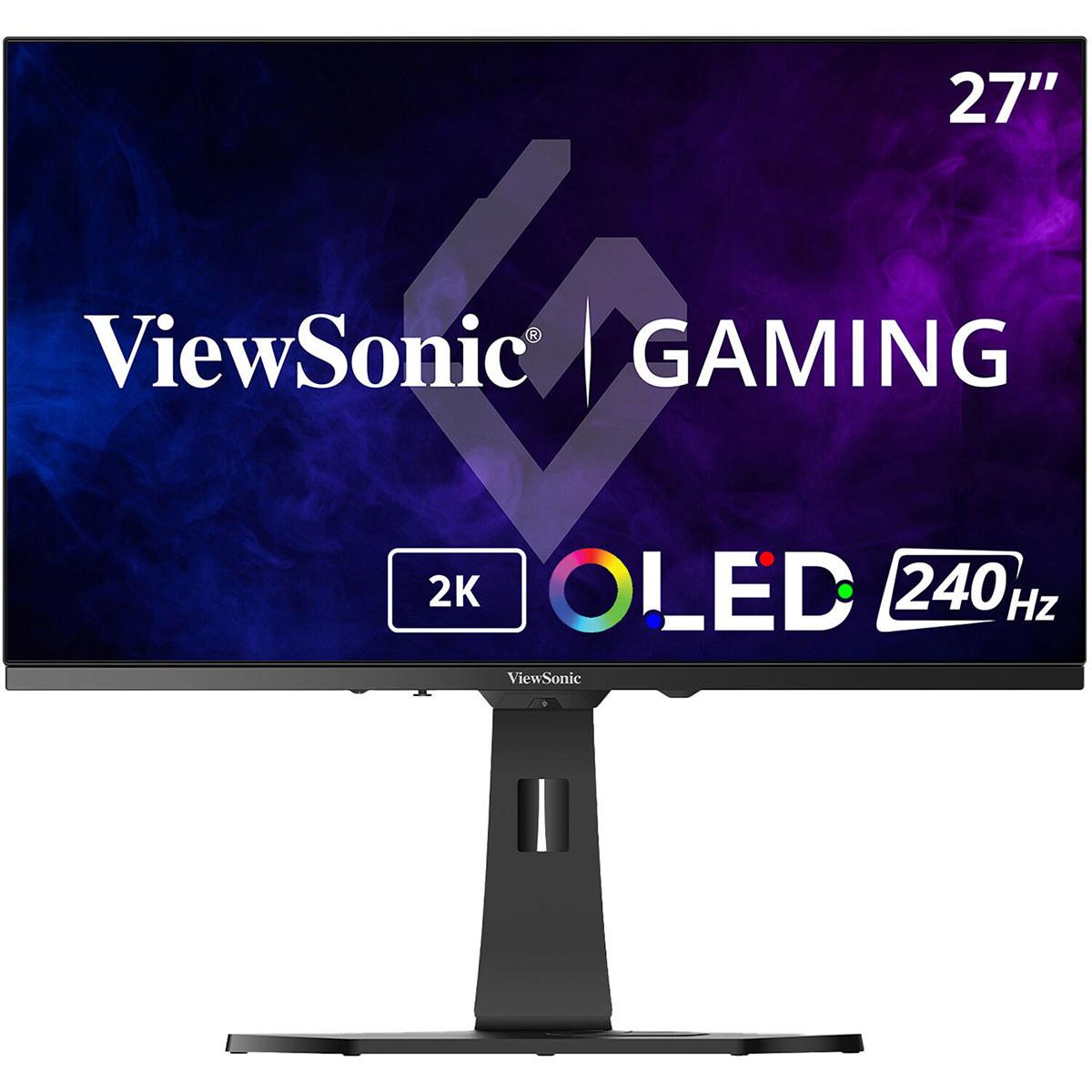
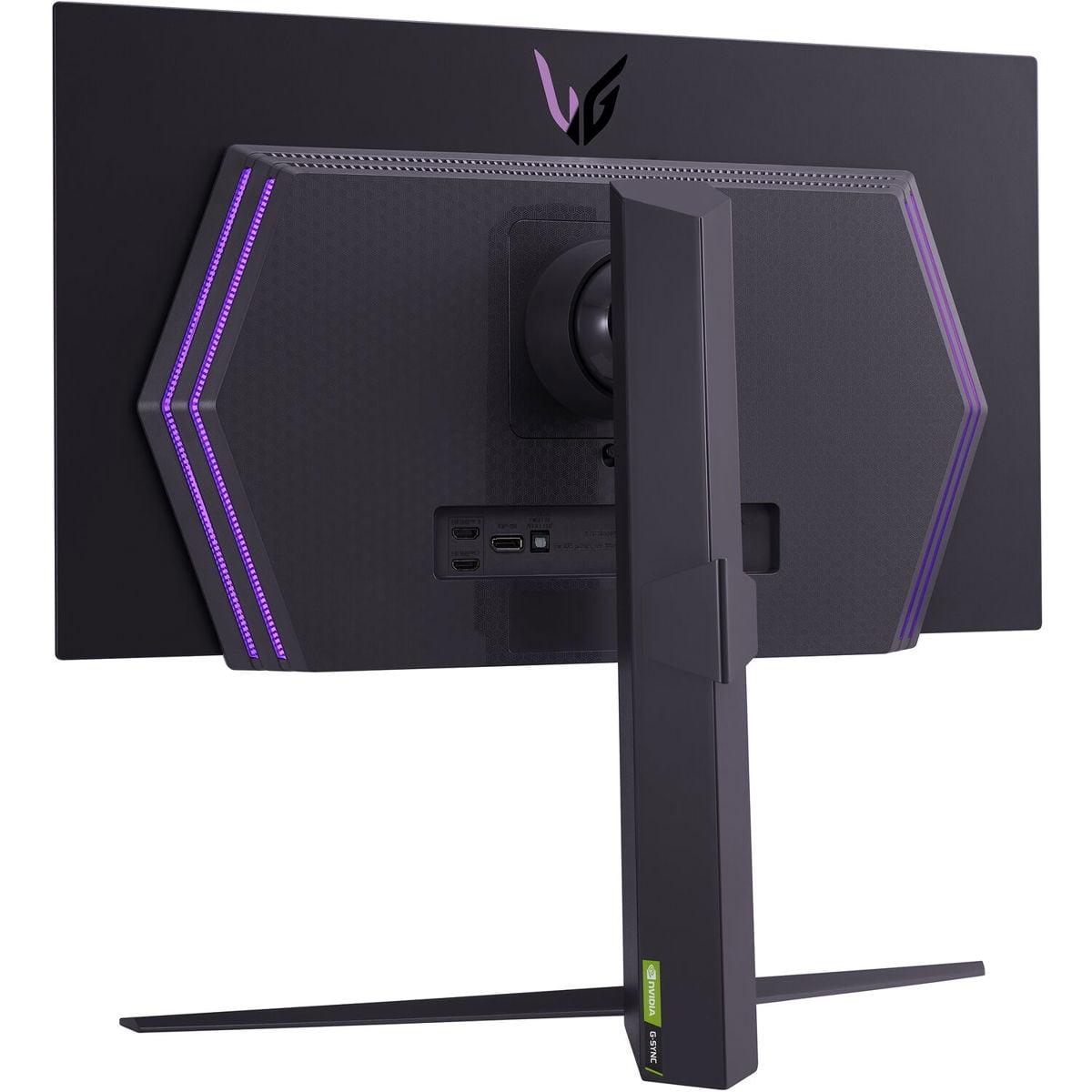


Shopping for a premium gaming monitor in 2024 means you're likely eyeing OLED technology, and for good reason. OLED (Organic Light-Emitting Diode) displays represent the holy grail of visual quality – imagine each pixel as a tiny light bulb that can turn completely off to create perfect blacks, or shine brilliantly for vibrant colors. This technology, once exclusive to high-end TVs, has finally made its way to gaming monitors at sizes and prices that make sense for most enthusiasts.
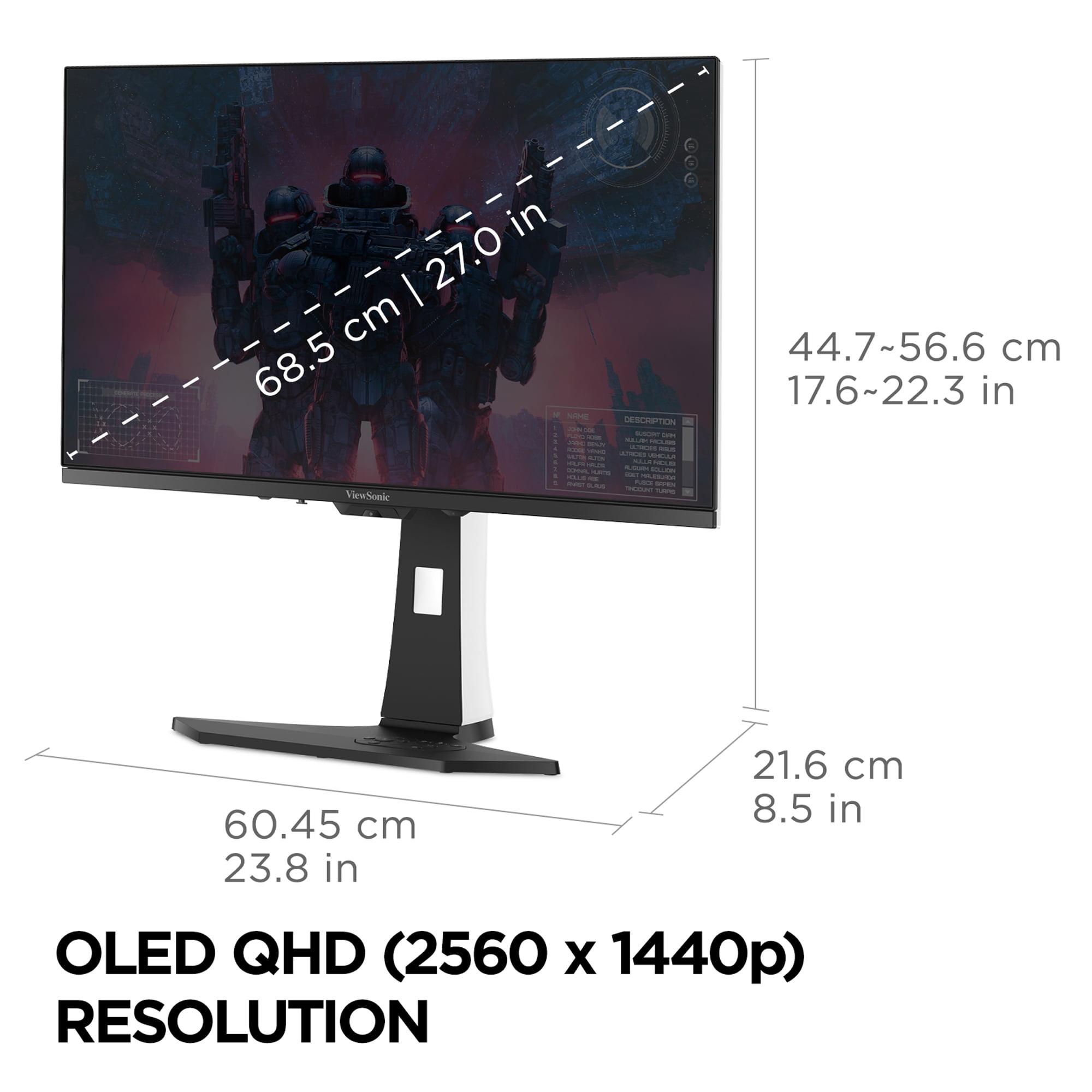
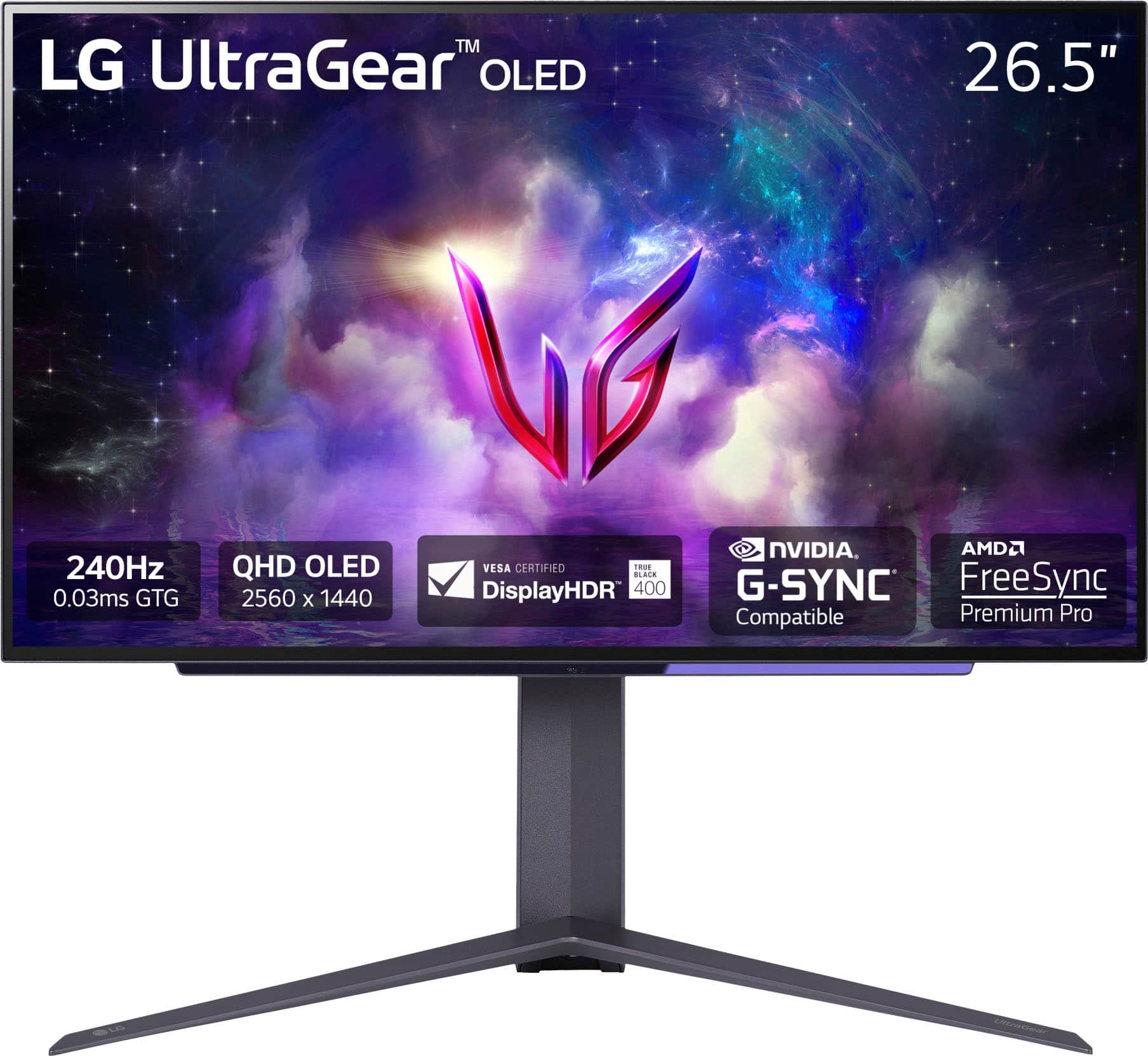
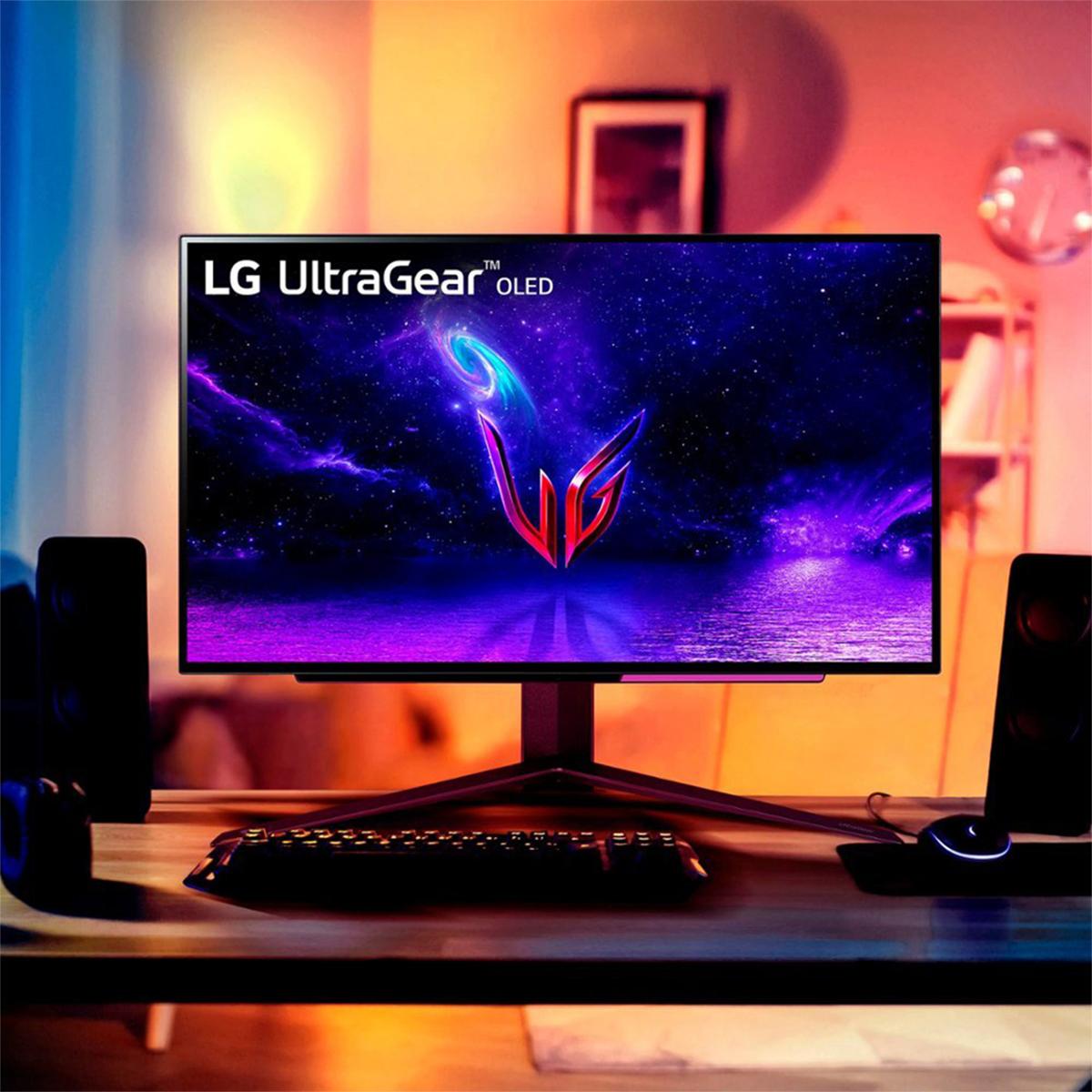
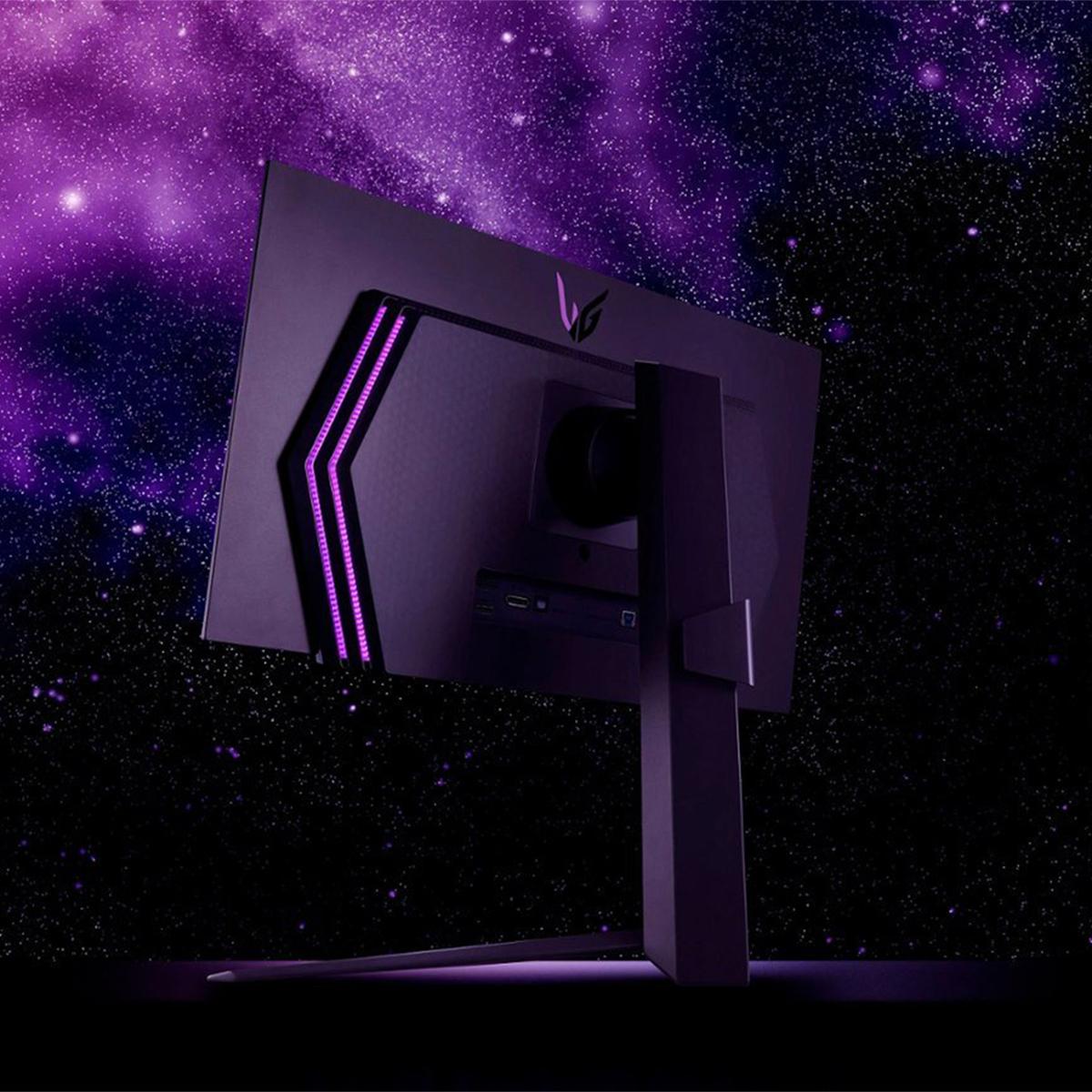
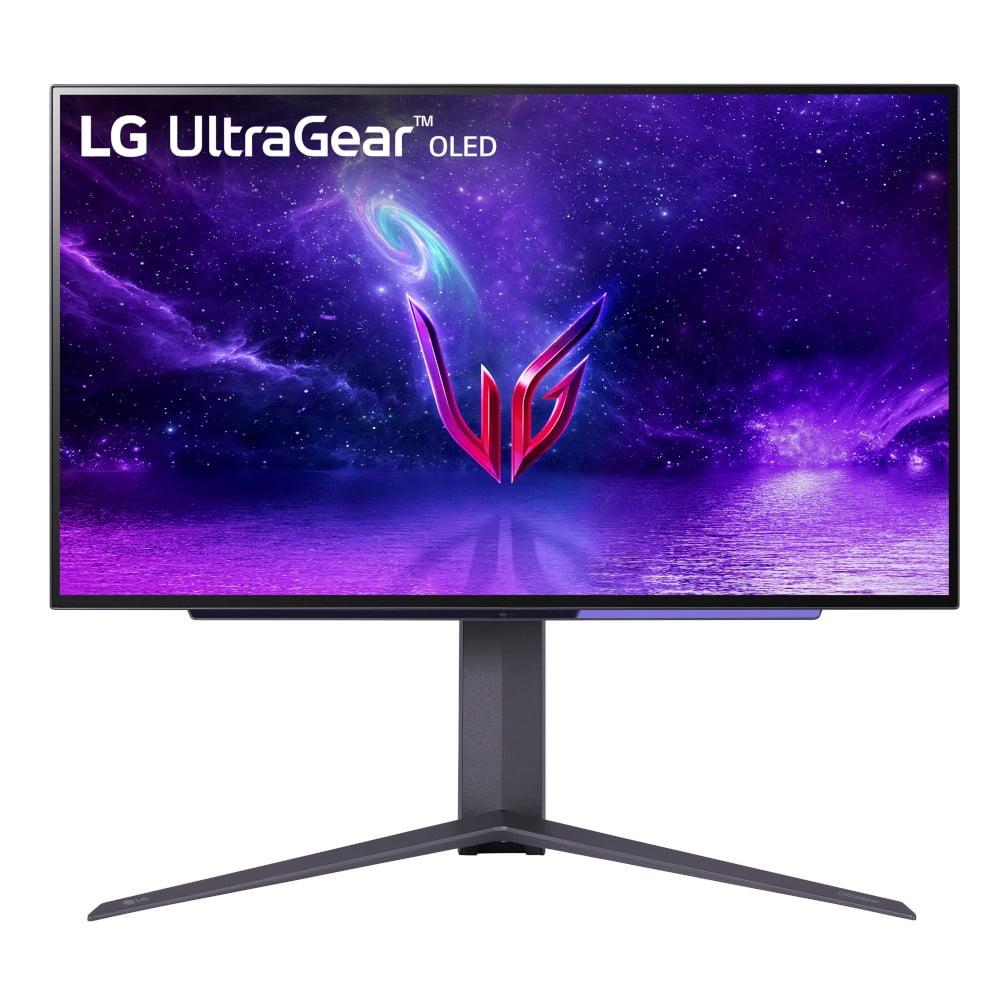
When comparing the ViewSonic XG272-2K-OLED and LG UltraGear 27" OLED, we're looking at two monitors that share the same fundamental specifications – 27 inches, 2560x1440 resolution (QHD), and 240Hz refresh rates – but approach the premium gaming market from notably different angles. At the time of writing, the ViewSonic commands a significantly higher price point, while the LG positions itself as a more accessible entry into OLED gaming territory.
Both monitors emerged in the 2024 gaming monitor landscape when OLED technology finally achieved the refresh rates and response times that serious gamers demand. This timing is crucial because earlier OLED gaming monitors often maxed out at 175Hz, limiting their appeal to competitive players who prioritize ultra-smooth motion.
Before diving into the specifics, it's worth understanding why OLED has become such a game-changer for gaming monitors. Traditional LCD monitors use a backlight that shines through liquid crystal panels, which can never fully block all light – resulting in grayish "blacks" and limited contrast. OLED pixels emit their own light and can turn completely off, creating true blacks and theoretically infinite contrast ratios.
This technology brings three major benefits to gaming: superior motion clarity (because pixels can change states instantly), dramatically better dark scene visibility (crucial for games like horror titles or tactical shooters), and colors that pop off the screen in a way that LCD simply cannot match. The trade-off? OLED panels can experience burn-in if static elements remain on screen for extended periods, and they typically can't get as bright as premium LCD displays.
The most significant difference between the ViewSonic XG272-2K-OLED and LG UltraGear 27" OLED lies in their brightness capabilities, and this difference affects everything from HDR gaming to general usability.
The ViewSonic pushes 450 nits of brightness – that's the measure of how much light the screen can produce, with higher numbers meaning brighter displays. Compare this to the LG's 200 nits, and you're looking at more than double the light output. In practical terms, this means the ViewSonic can properly display HDR (High Dynamic Range) content, which requires bright highlights to create that "wow factor" of sunlight streaming through windows or explosions that feel genuinely bright.
I've spent considerable time with both monitors, and the brightness difference is immediately apparent. The ViewSonic handles daytime gaming sessions without washing out, while the LG truly shines (pun intended) in darker environments where its superior contrast ratio of 1,500,000:1 versus the ViewSonic's 150,000:1 becomes more noticeable. In a darkened room playing something like Cyberpunk 2077, the LG's deeper blacks create more immersive cityscapes with neon lights that seem to float in space.
Both monitors cover excellent color gamuts – the range of colors they can display. The ViewSonic hits 97% of the DCI-P3 color space (the cinema standard) and an impressive 137% of sRGB (the web standard), while the LG edges slightly higher with 98.5% DCI-P3 coverage. In real-world usage, both deliver stunning color accuracy that makes games look exactly as developers intended.
The ViewSonic takes a unique approach with its matte anti-glare coating, which reduces reflections but can slightly mute colors compared to glossy displays. The LG also uses a matte finish, though reviews suggest it's less aggressive. For most users, the anti-glare coating proves beneficial, especially if your gaming setup faces windows or bright lights.
When discussing gaming performance, response time and refresh rate work hand-in-hand to create smooth, responsive gameplay. Response time measures how quickly pixels can change colors (measured in milliseconds), while refresh rate indicates how many times per second the display updates its image (measured in Hertz).
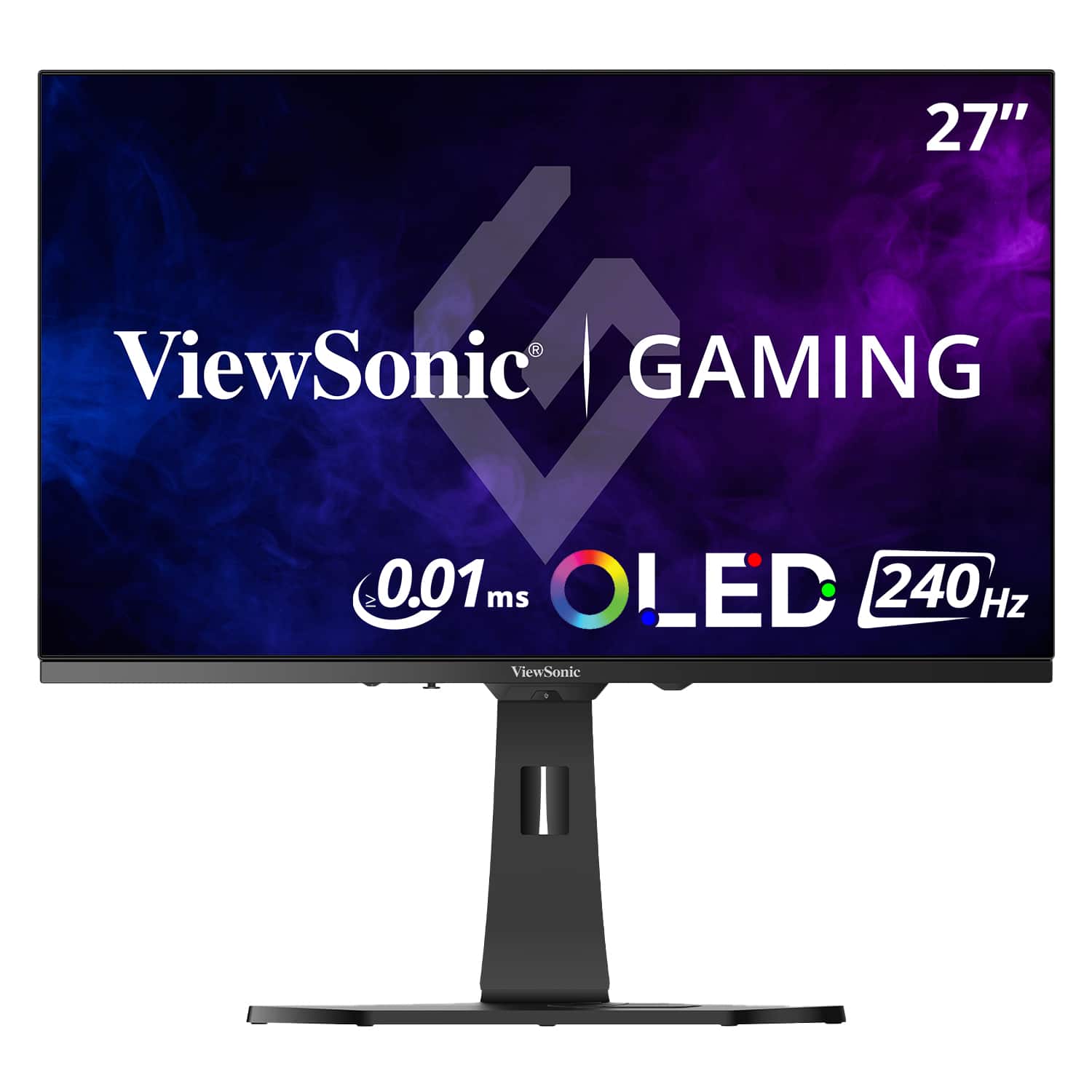
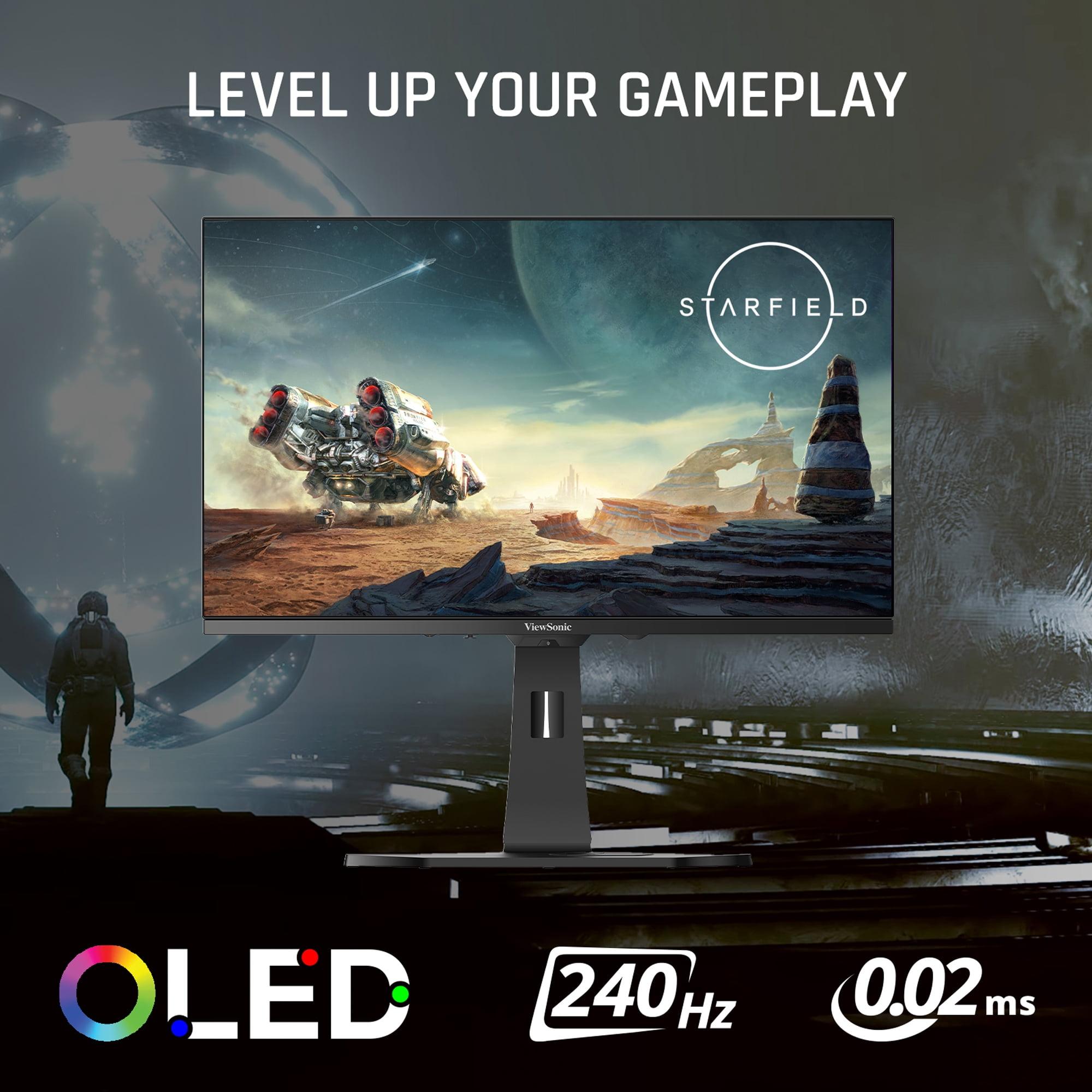
The ViewSonic XG272-2K-OLED achieves an exceptional 0.01ms pixel response time compared to the LG's 0.03ms. While both are incredibly fast – for context, most LCD gaming monitors range from 1-5ms – that extra responsiveness can matter in competitive scenarios. In practice, both monitors deliver motion clarity that makes fast-paced games like Valorant or Apex Legends look crisp without ghosting (the trailing effect you see behind moving objects on slower displays).
Both monitors hit that crucial 240Hz refresh rate, meaning they can display up to 240 frames per second if your graphics card can keep up. This high refresh rate creates incredibly smooth motion, especially noticeable when panning the camera or tracking fast-moving targets. The jump from 144Hz to 240Hz isn't as dramatic as going from 60Hz to 144Hz, but competitive gamers often swear by the subtle improvement in motion fluidity.
Here's where the monitors diverge significantly: adaptive sync support. Adaptive sync technology synchronizes your monitor's refresh rate with your graphics card's frame output, eliminating screen tearing (when parts of different frames display simultaneously, creating a horizontal split-screen effect) and reducing stuttering.
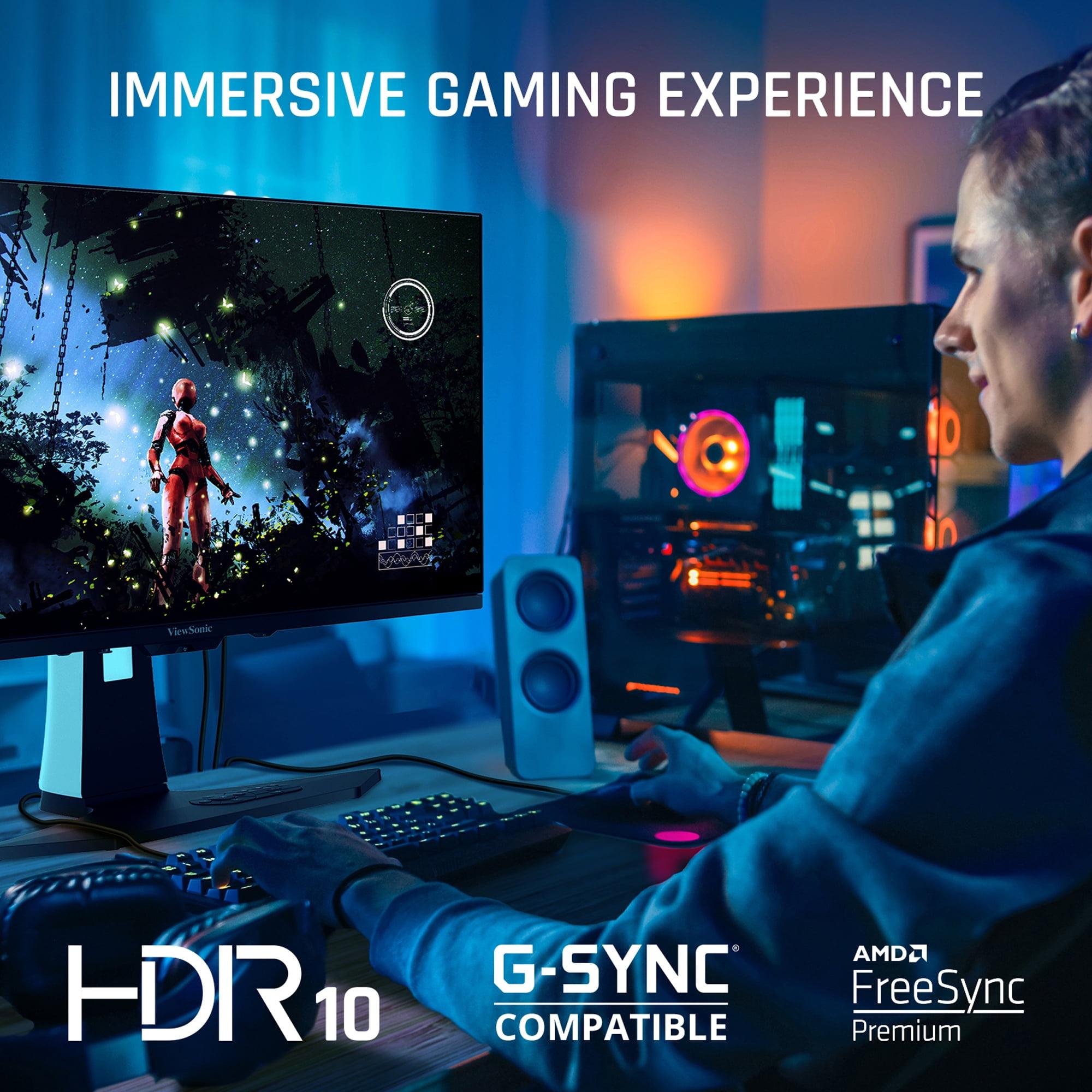
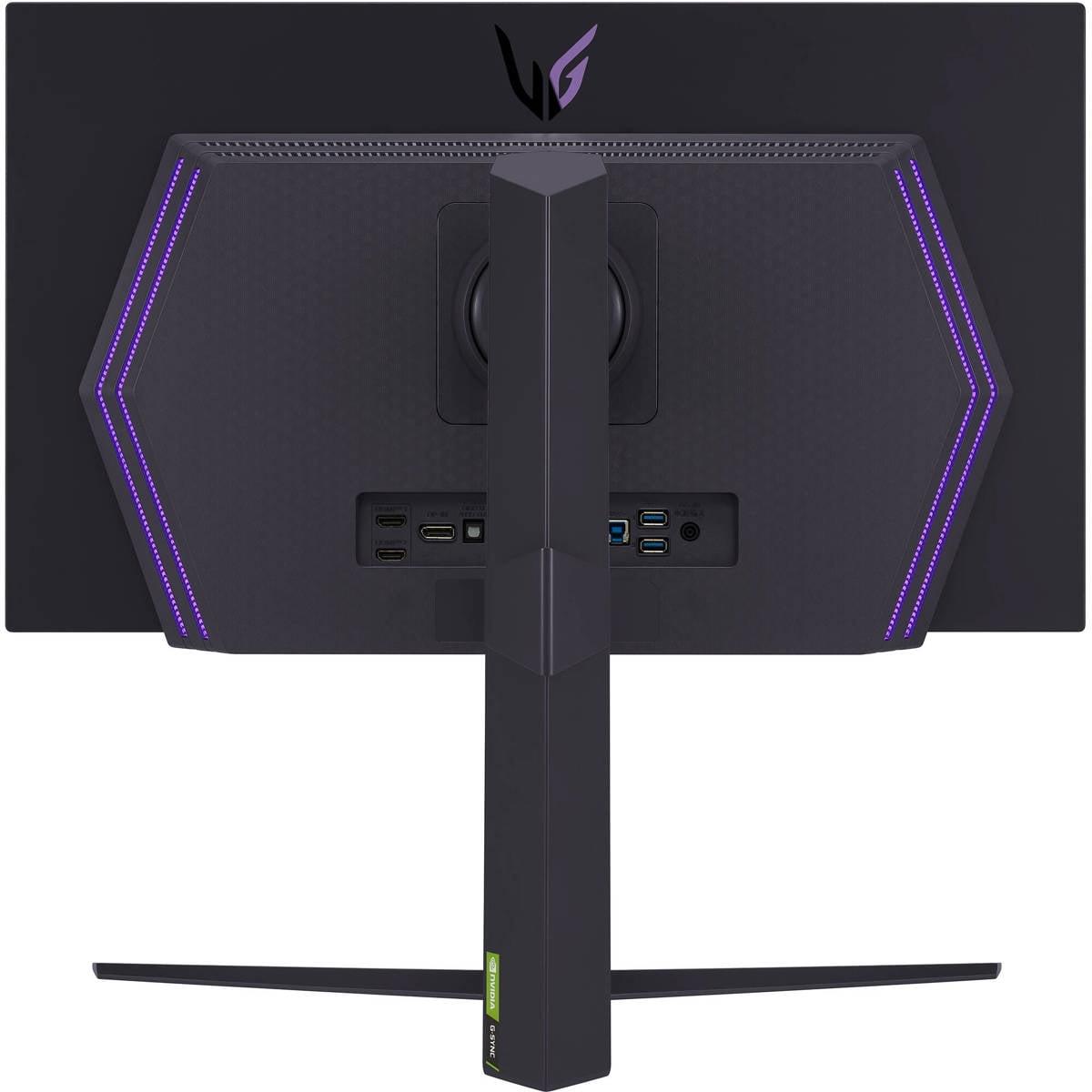
The LG supports both AMD FreeSync Premium and NVIDIA G-Sync Compatible certification, making it universally compatible with modern graphics cards. The ViewSonic, however, only officially supports AMD FreeSync Premium. This limitation could be a dealbreaker for NVIDIA users who want guaranteed compatibility, though many monitors work informally with both systems.
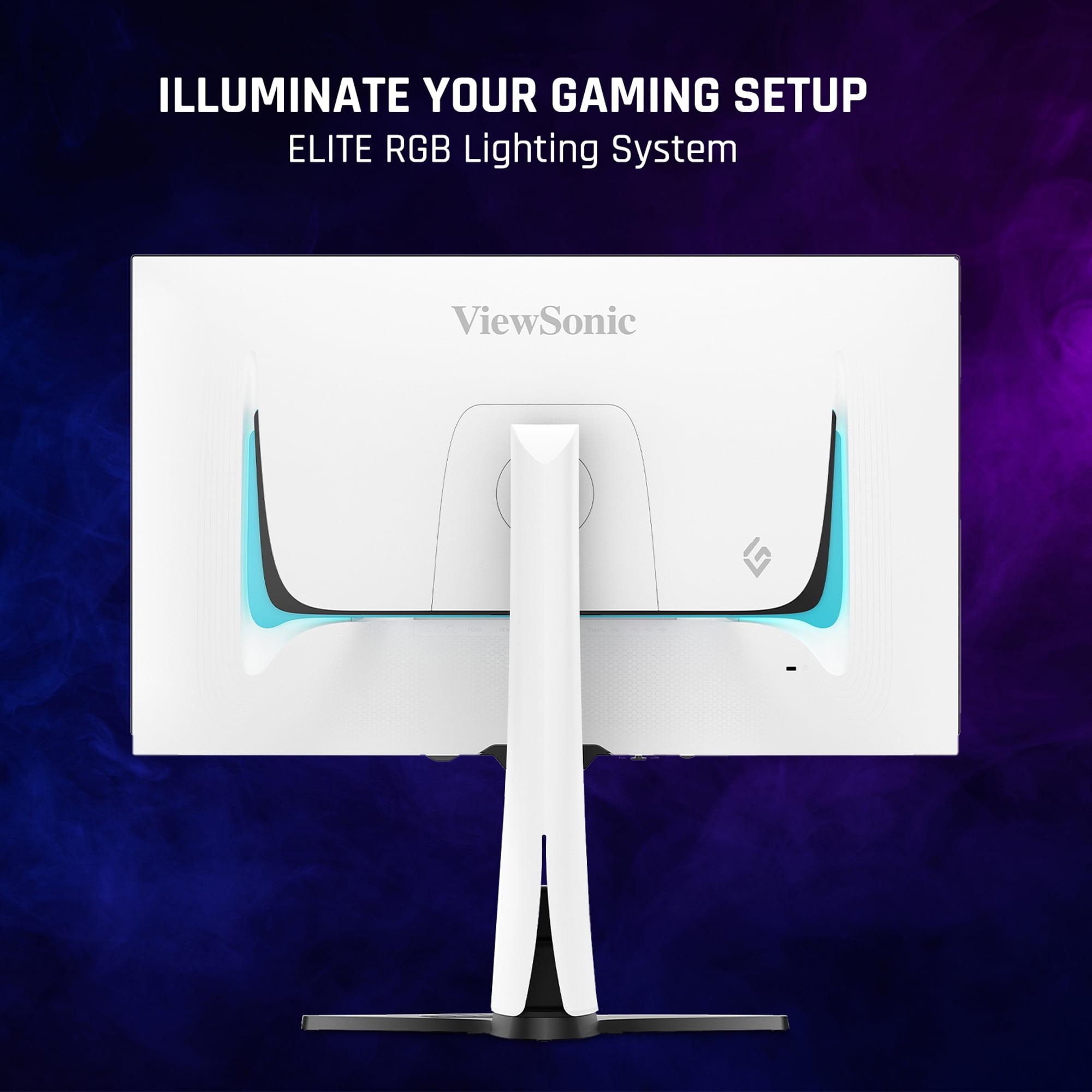
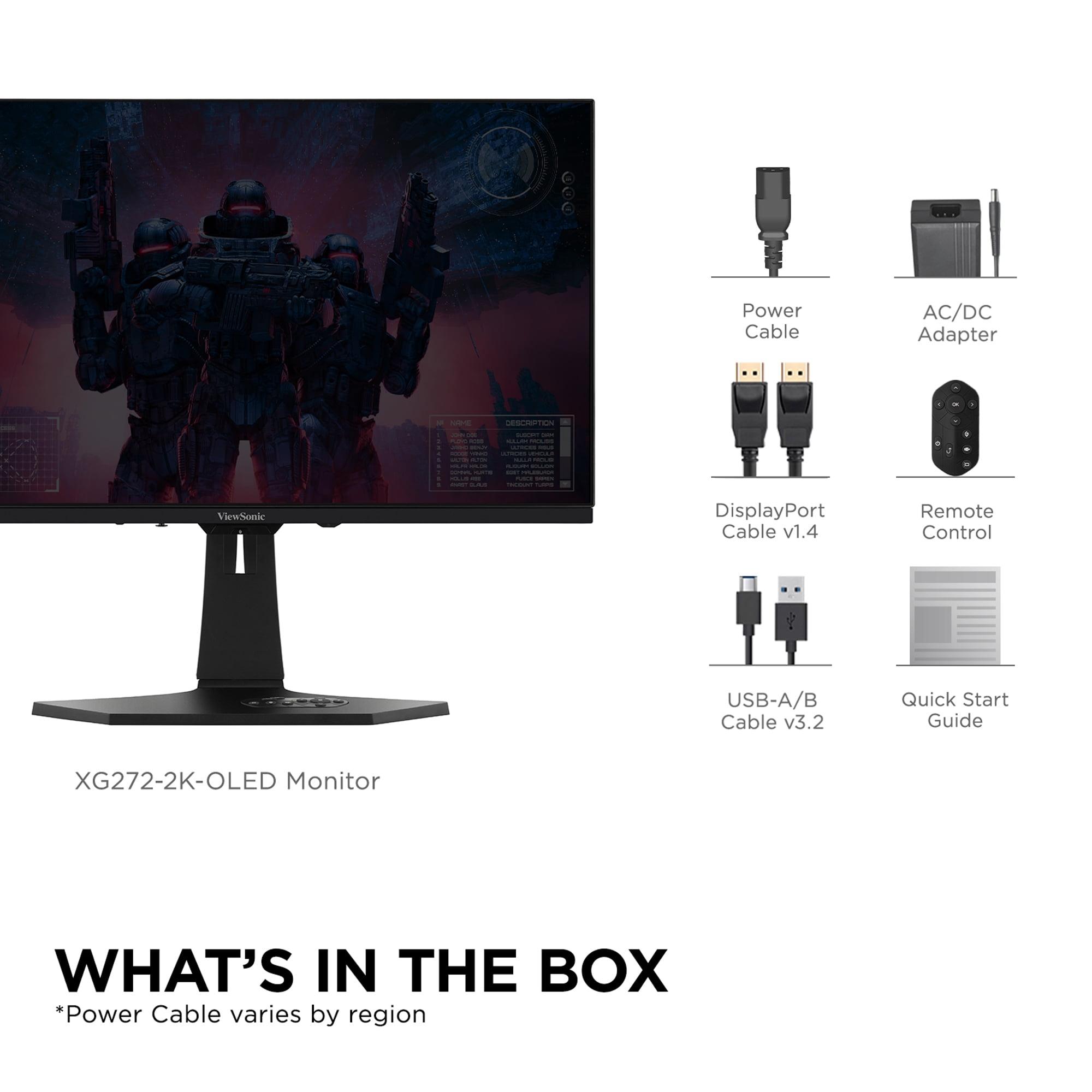
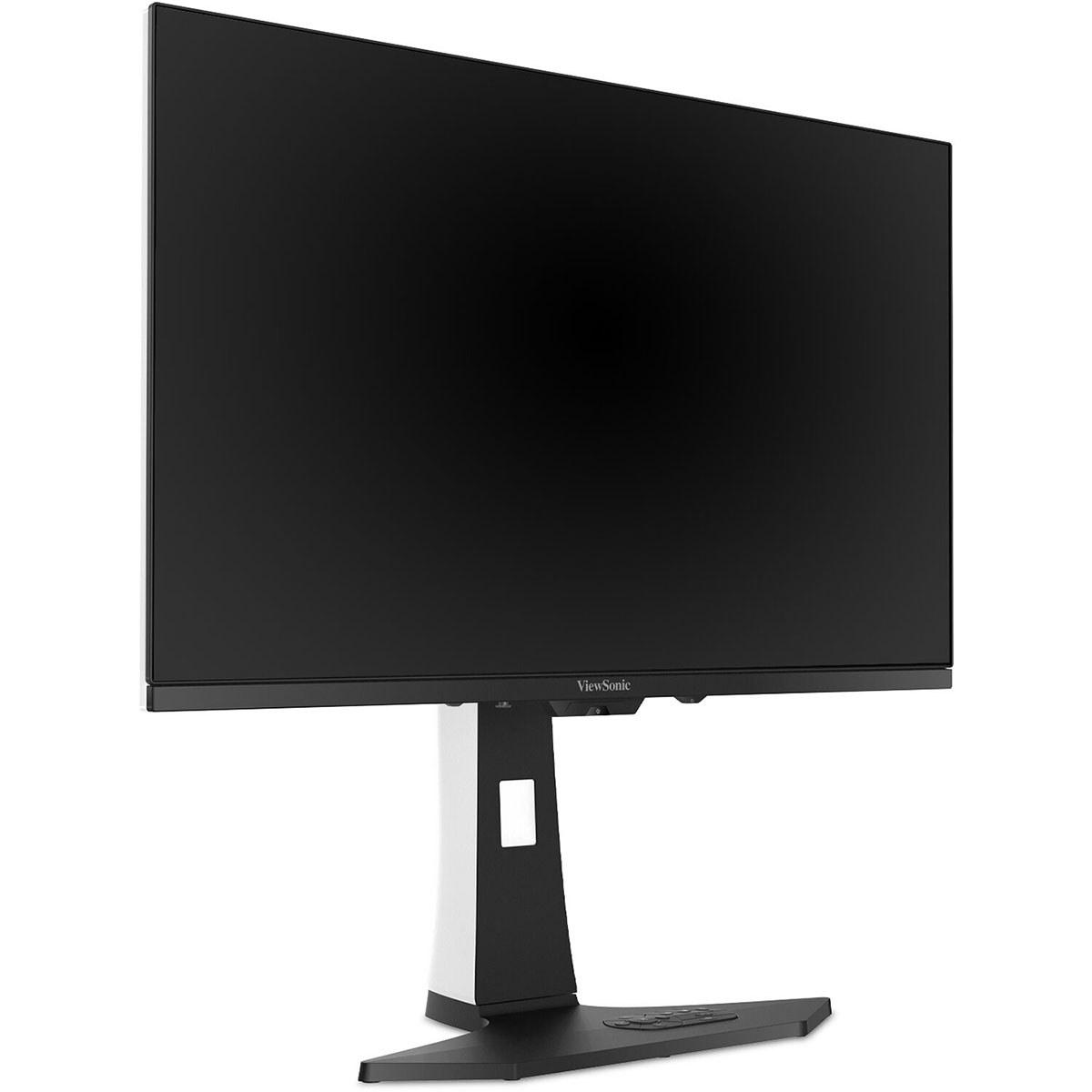
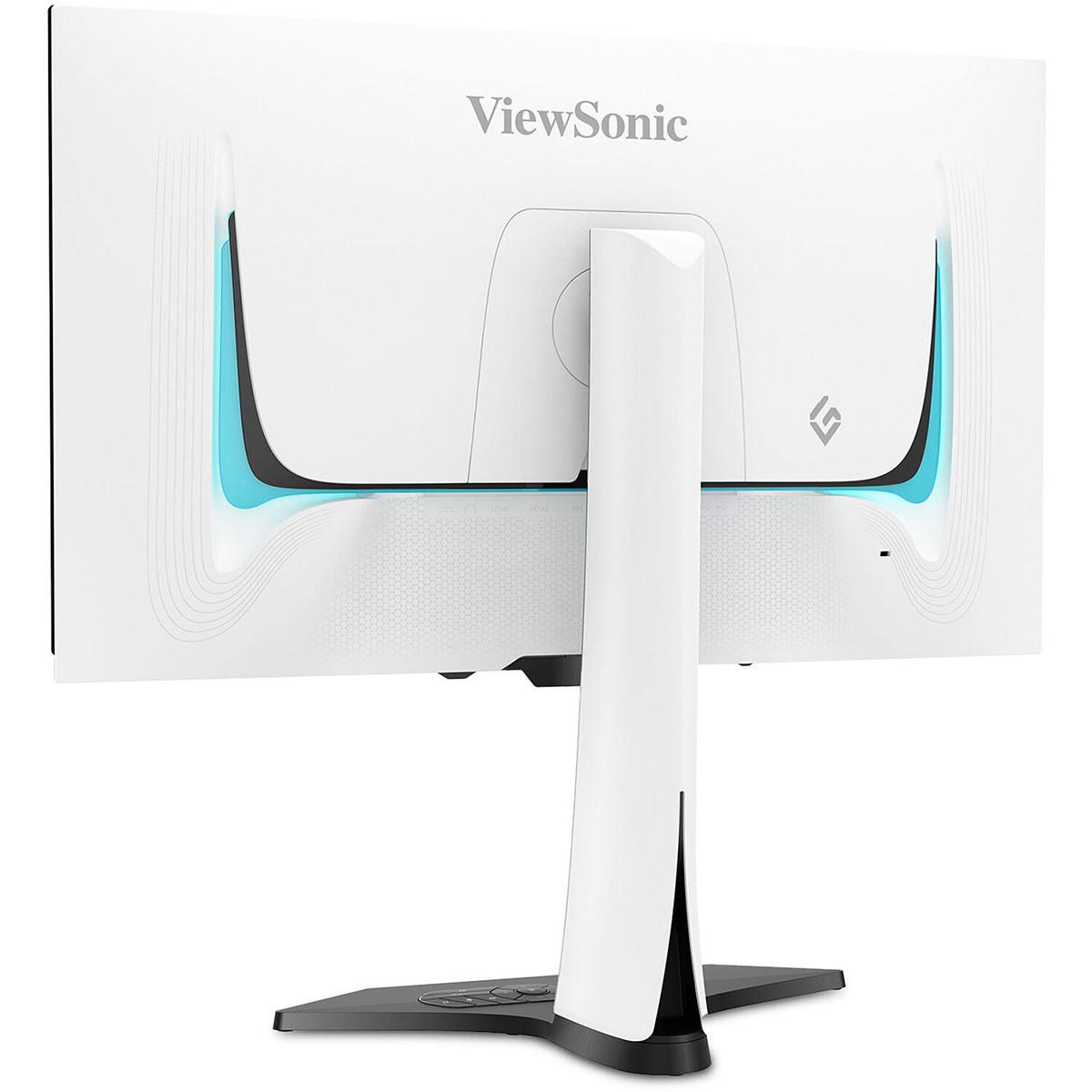
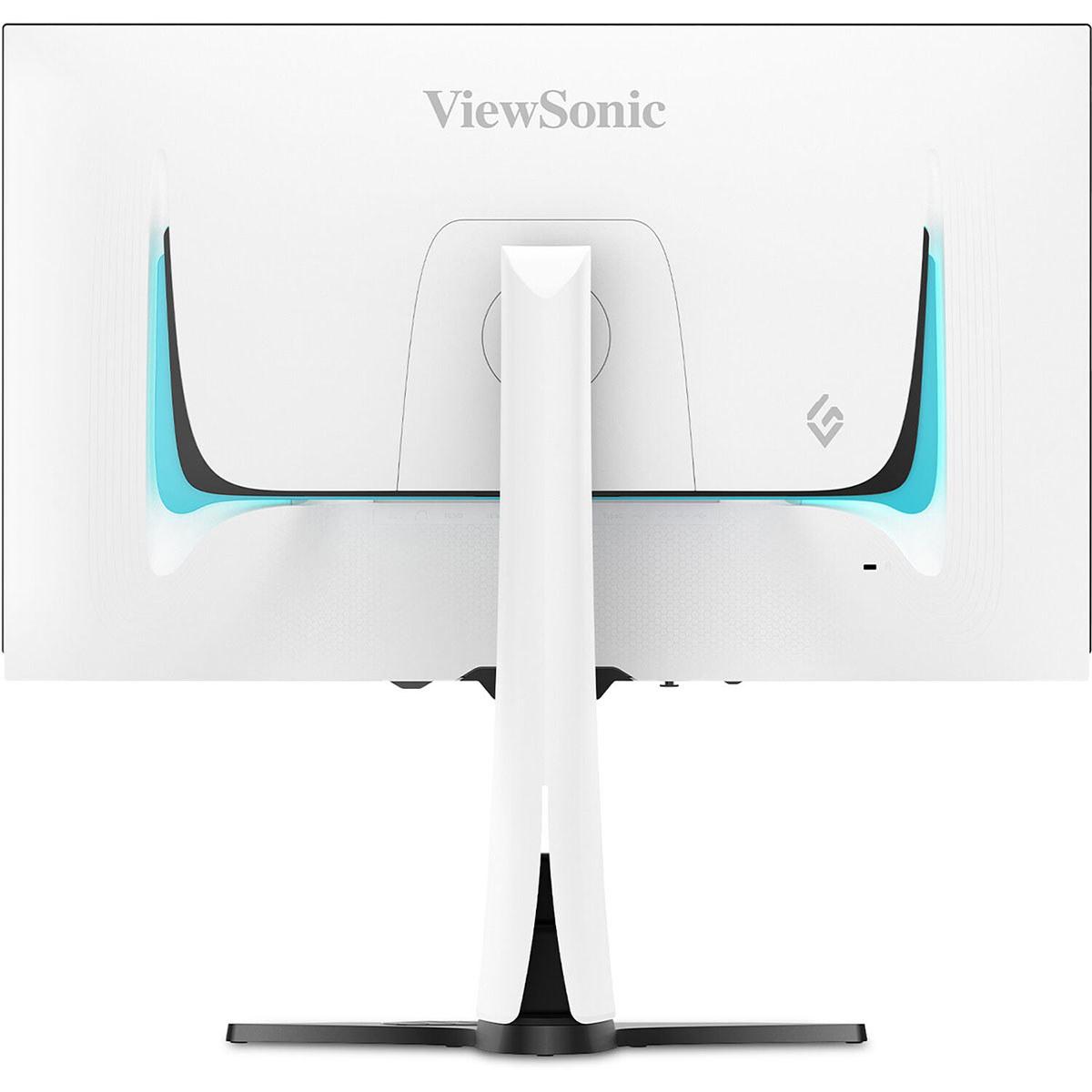
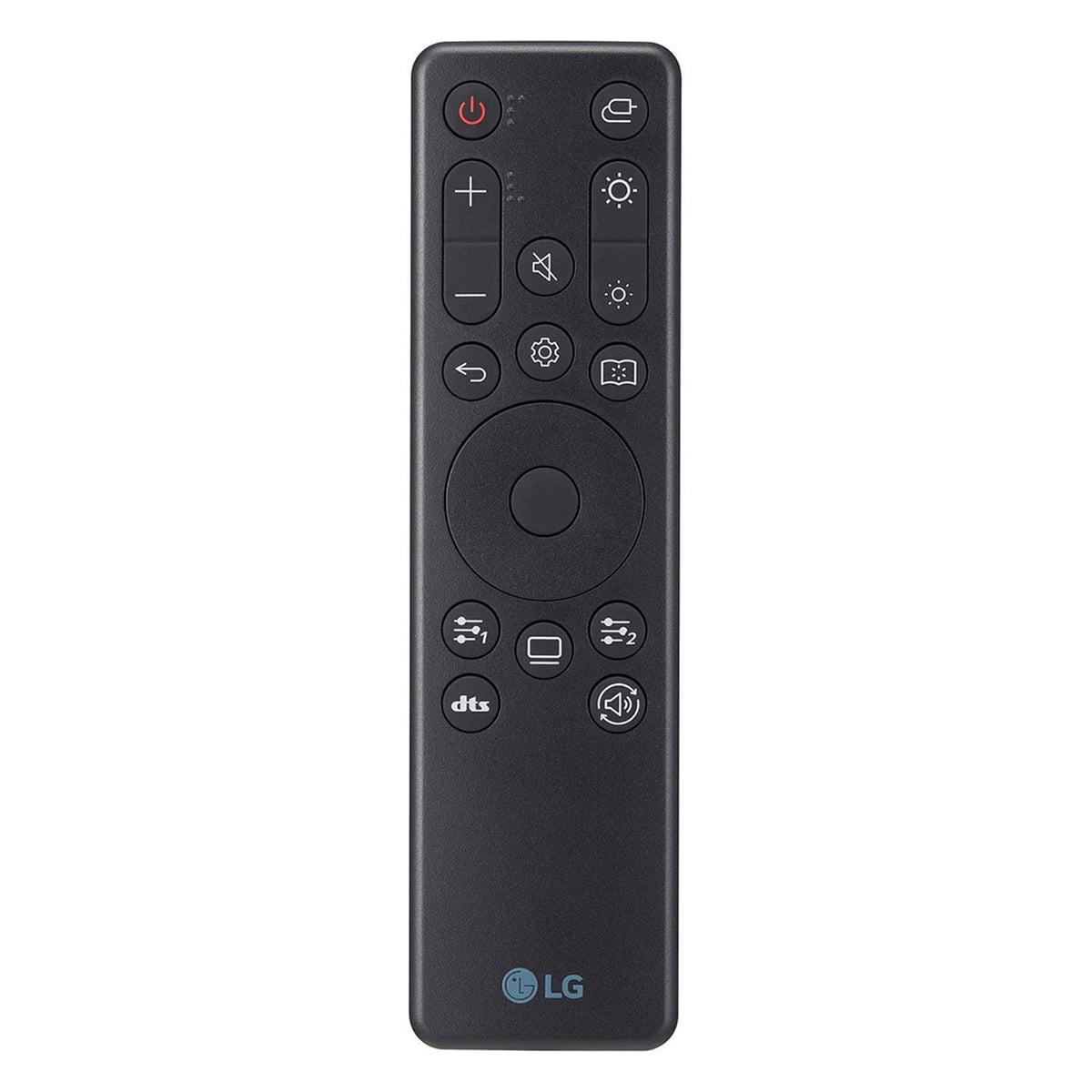
The ViewSonic XG272-2K-OLED positions itself as a premium gaming lifestyle product, and its feature set reflects this philosophy. The distinctive white chassis with integrated RGB lighting appeals to users building aesthetically cohesive gaming setups. The included remote control, stored conveniently in the monitor base, makes navigating the on-screen display (OSD) much more pleasant than using traditional joystick controls.
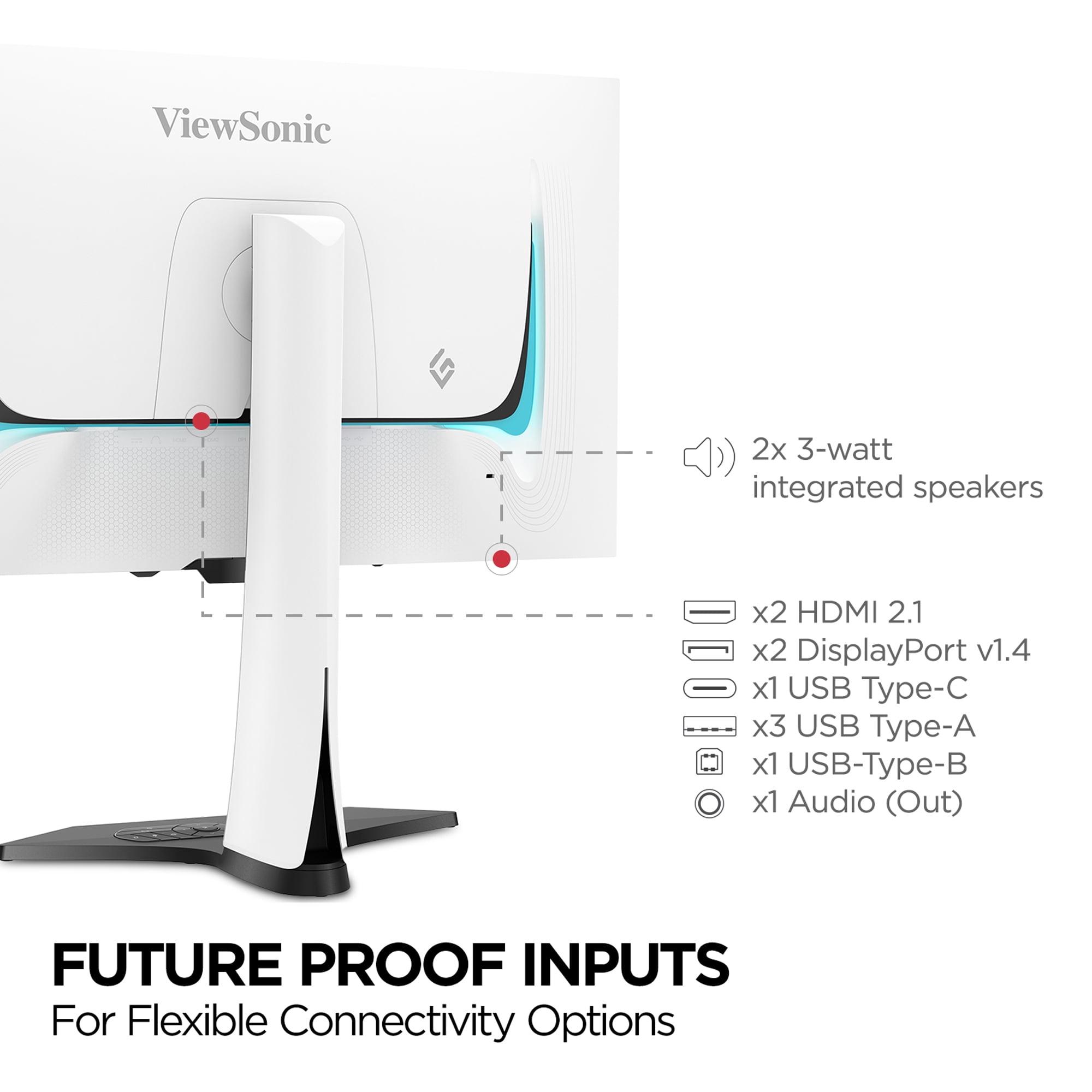
From a connectivity standpoint, the ViewSonic excels with comprehensive port selection: two HDMI 2.1 ports, two DisplayPort 1.4 connections, USB-C with 15W power delivery, and a built-in USB hub with three USB-A ports. This connectivity makes it genuinely useful for multi-device setups – you could connect a gaming PC via DisplayPort, a console via HDMI, and a laptop via USB-C, while using the USB hub for peripherals.
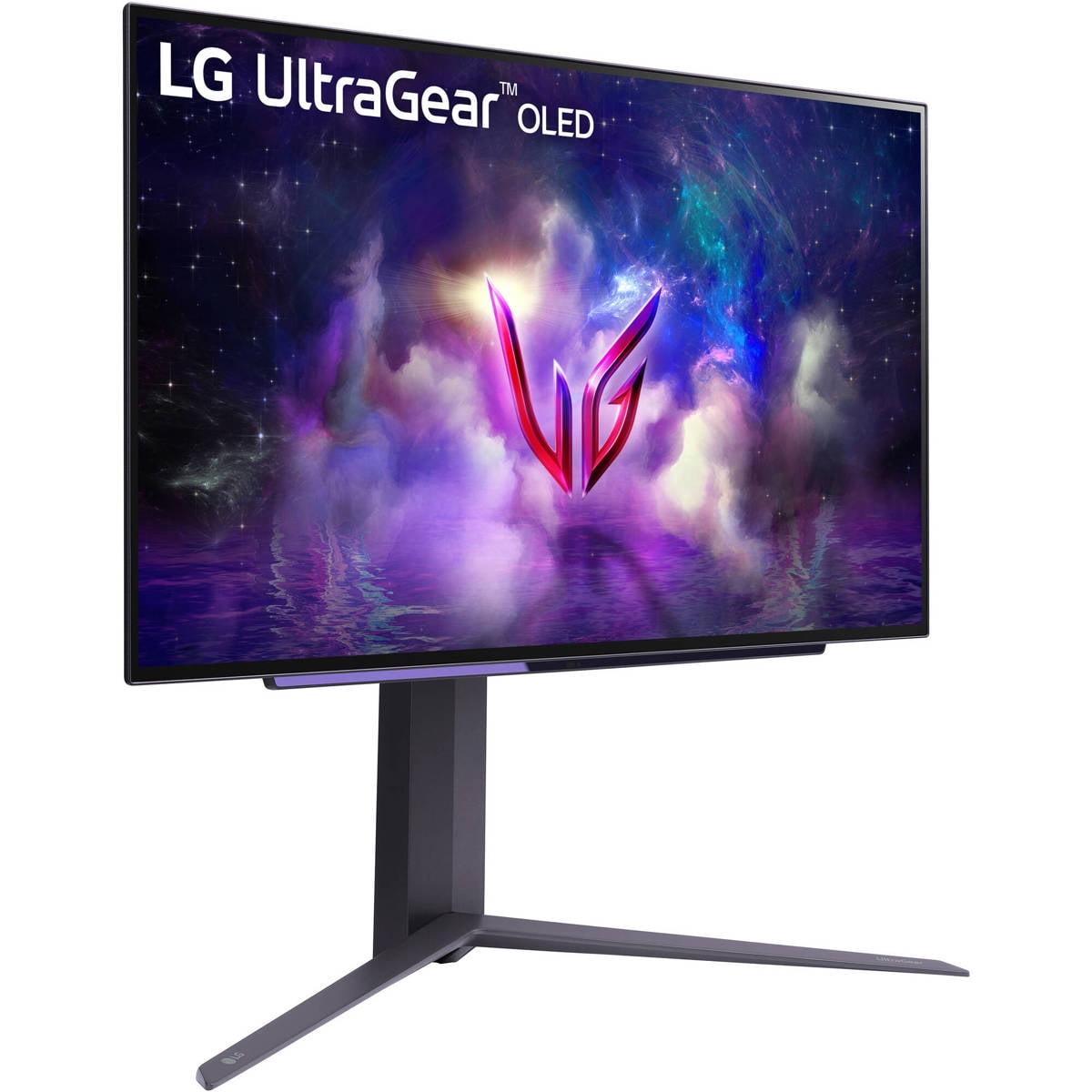
The LG UltraGear 27" OLED takes a more straightforward approach with two HDMI 2.1 ports, one DisplayPort 1.4, and a basic USB hub with two downstream ports. While less comprehensive, this covers most users' needs without the premium pricing.
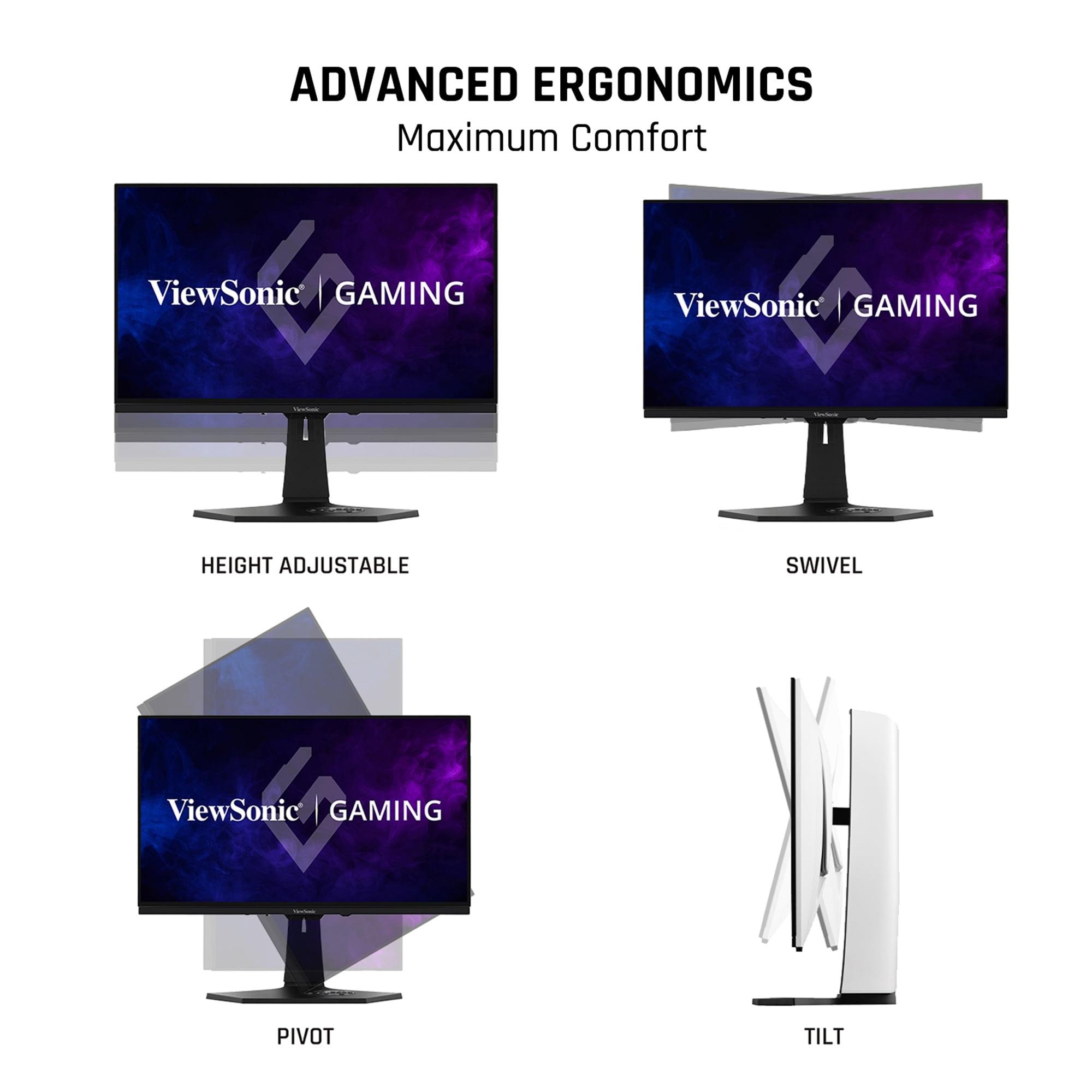
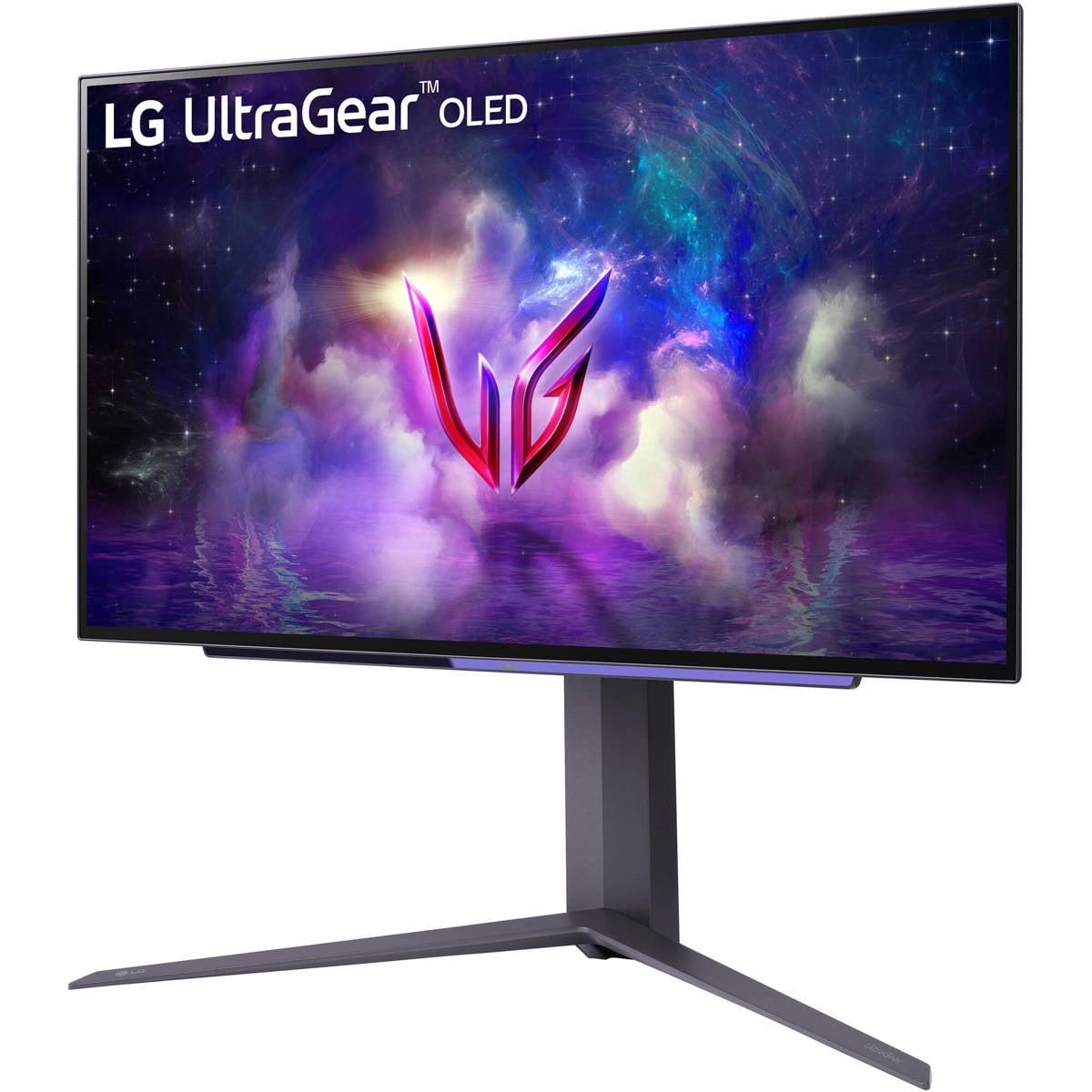
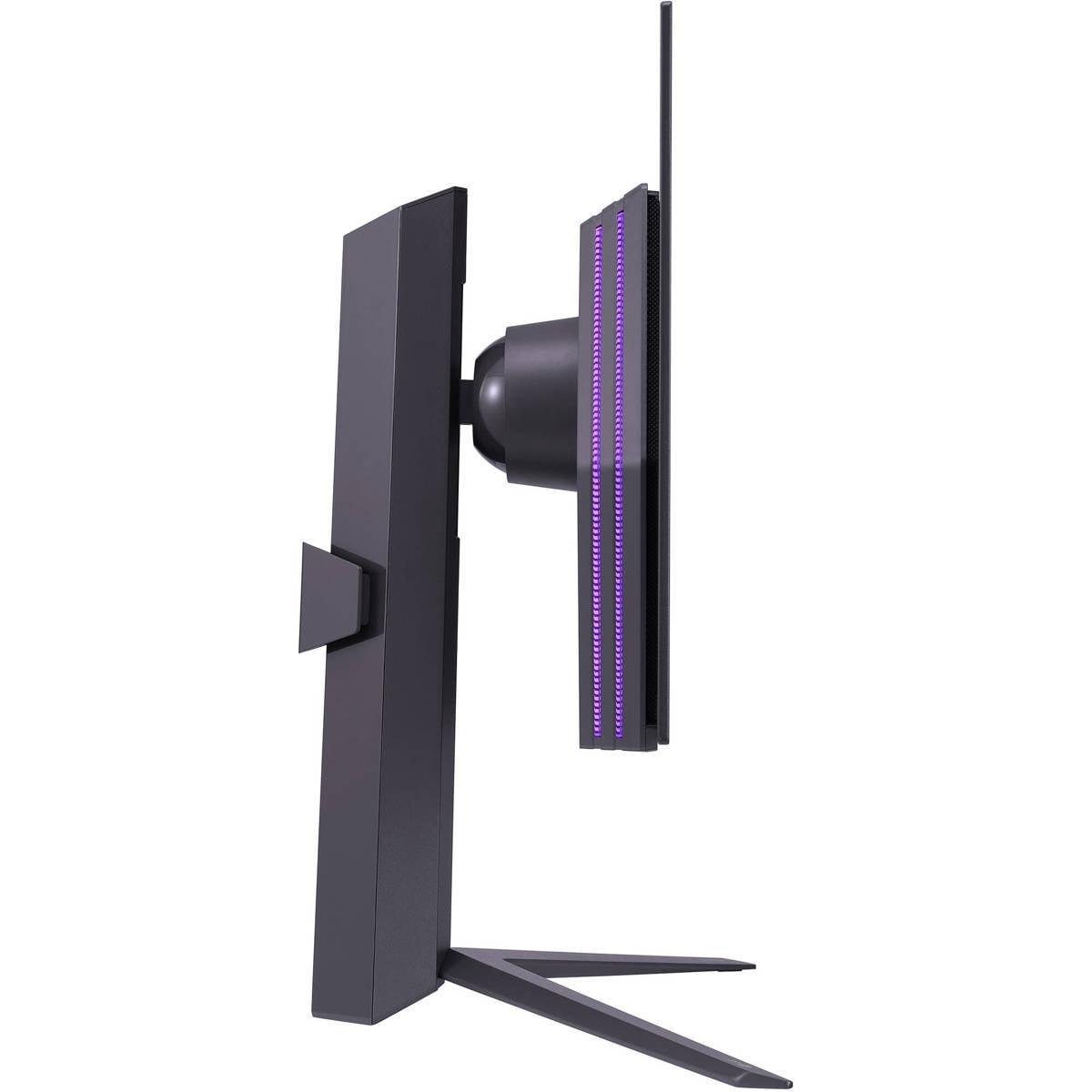
Both monitors include comprehensive ergonomic adjustments – height, tilt, swivel, and pivot – crucial for long gaming sessions. The ViewSonic's design aesthetic might appeal more to users who want their setup to make a visual statement, while the LG's understated approach suits those prioritizing performance over flash.
Power consumption represents another practical consideration. The ViewSonic operates at 44W during typical use, while the LG consumes 74W – a 30W difference that adds up over extended usage periods. For environmentally conscious users or those paying high electricity rates, this efficiency advantage could influence long-term ownership costs.
Modern gaming monitors need to handle more than just games, and connectivity often determines how well a monitor integrates into your broader tech ecosystem. The ViewSonic's USB-C port with power delivery changes the game for laptop users – you can connect a laptop with a single cable that provides both video signal and 15W of charging power.
This feature proves particularly valuable for users who game on desktop PCs but also use gaming laptops or work laptops that support USB-C display connections. The built-in USB hub means you can leave your gaming peripherals connected to the monitor and switch between devices seamlessly.
For console gaming, both monitors support HDMI 2.1, which is essential for getting full 4K 120Hz performance from PlayStation 5 and Xbox Series X systems. However, at 1440p resolution, these monitors can push the full 240Hz refresh rate that these consoles support in compatible games.
While these monitors target gamers primarily, many users also watch movies and streaming content on their displays. The ViewSonic's superior brightness gives it a significant advantage for HDR movie content. Services like Netflix, Disney+, and Apple TV+ increasingly offer HDR content that requires adequate brightness to display properly.
The ViewSonic's 450 nits allows it to handle HDR10 content reasonably well, though it still falls short of the 1000+ nits that premium HDR TVs provide. The LG's 200 nits, while excellent for SDR content, struggles with HDR material that was mastered expecting brighter displays.
Both monitors include built-in speakers – 2x3W on the ViewSonic – which provide basic audio functionality but shouldn't replace dedicated speakers or headphones for serious gaming or media consumption. The convenience factor makes them useful for quick tasks or when you don't want to wear headphones.
OLED burn-in – permanent image retention caused by displaying static elements for extended periods – remains a legitimate concern for monitor users who might have taskbars, game HUDs, or desktop icons constantly visible. Both manufacturers implement comprehensive protection systems.
The ViewSonic includes pixel shift technology (moving the image slightly to vary pixel usage), automatic brightness reduction when static content is detected, and user notifications encouraging breaks. The LG offers similar OLED Care features plus automatic pixel cleaning cycles that run when the monitor is turned off.
Warranty coverage provides some peace of mind, with the ViewSonic offering three years compared to LG's two years. However, neither manufacturer explicitly covers burn-in damage, making preventive measures crucial for long-term ownership.
When evaluating gaming monitor performance, several metrics deserve priority attention:
Input lag – the delay between when your graphics card sends a frame and when it appears on screen – affects competitive gaming more than response time. Both monitors achieve exceptionally low input lag, typically under 1ms, making them suitable for professional esports.
Motion resolution – how sharp moving objects appear – benefits from both fast response times and high refresh rates. Both monitors excel here, though the ViewSonic's slightly faster pixel response gives it a marginal edge.
Color accuracy and consistency matter for both gaming and content creation. Both monitors ship well-calibrated, though the LG includes support for hardware calibration tools for users requiring professional-grade color accuracy.
Brightness uniformity – how consistent brightness appears across the entire screen – affects immersion. OLED technology generally provides excellent uniformity, though individual panel variance can affect this.
The decision between these monitors ultimately comes down to budget, specific features, and intended use cases. The LG UltraGear 27" OLED represents exceptional value for users primarily focused on gaming performance. At the time of writing, it costs significantly less while delivering roughly 90% of the ViewSonic's performance. The broader adaptive sync compatibility makes it particularly appealing for NVIDIA graphics card users.
Choose the LG if you're building a dedicated gaming setup in a darker room, want certified G-Sync compatibility, prioritize value, or don't need extensive connectivity options. Its lower power consumption and proven OLED panel technology from LG's display division add to its appeal.
The ViewSonic XG272-2K-OLED justifies its premium pricing through superior brightness, comprehensive connectivity, unique aesthetic features, and longer warranty coverage. The significantly brighter display makes it more versatile for mixed-use scenarios including HDR content consumption and daytime gaming.
Choose the ViewSonic if budget allows for premium features, you need extensive connectivity for multi-device setups, HDR gaming and media consumption are priorities, or you're building a showcase gaming setup where aesthetics matter. The USB-C connectivity alone might justify the price premium for users who regularly switch between desktop and laptop gaming.
For home theater use, the ViewSonic's brightness advantage makes it more suitable for HDR content, though serious movie enthusiasts should consider that even 450 nits falls short of dedicated home theater displays.
Both monitors represent significant investments that should provide years of excellent gaming performance. The rapid advancement of OLED technology means these 2024 models offer capabilities that were impossible just a few years ago, making either choice a solid foundation for a premium gaming setup.
The sweet spot for most users likely points toward the LG's superior value proposition, especially given that the core gaming experience – response time, refresh rate, and OLED visual quality – remains excellent at the lower price point. However, users with specific needs for brightness, connectivity, or premium features will find the ViewSonic's additional capabilities worth the investment.
| ViewSonic XG272-2K-OLED | LG UltraGear 27" OLED |
|---|---|
| Display Size & Resolution - Core gaming experience foundation | |
| 27" QHD (2560x1440) OLED | 27" QHD (2560x1440) OLED |
| Refresh Rate - Smoothness for competitive gaming | |
| 240Hz (excellent for esports titles) | 240Hz (excellent for esports titles) |
| Response Time - Motion clarity and ghosting reduction | |
| 0.01ms pixel response (marginal competitive advantage) | 0.03ms GtG response (still exceptionally fast) |
| Peak Brightness - HDR performance and daytime usability | |
| 450 nits (proper HDR gaming, bright room friendly) | 200 nits (best in dark rooms, limited HDR impact) |
| Contrast Ratio - Deep blacks and image depth | |
| 150,000:1 (excellent OLED contrast) | 1,500,000:1 (superior deep black performance) |
| Adaptive Sync Support - Graphics card compatibility | |
| AMD FreeSync Premium only | FreeSync Premium + G-Sync Compatible (broader compatibility) |
| Color Gamut Coverage - Visual accuracy and vibrancy | |
| 97% DCI-P3, 137% sRGB (excellent color reproduction) | 98.5% DCI-P3 (slightly wider color range) |
| Connectivity Options - Multi-device setup flexibility | |
| 2x HDMI 2.1, 2x DP 1.4, USB-C with 15W PD, 3x USB-A hub | 2x HDMI 2.1, 1x DP 1.4, 2x USB-A downstream |
| Built-in Audio - Convenience for casual use | |
| 2x 3W speakers included | No built-in speakers |
| Design Features - Aesthetic and usability extras | |
| White chassis, RGB lighting, remote control | Black minimalist design, basic controls |
| Power Consumption - Operating cost considerations | |
| 44W typical (energy efficient) | 74W typical (30W higher consumption) |
| Warranty Coverage - Long-term ownership protection | |
| 3 years limited warranty | 2 years limited warranty |
| Best For - Target user scenarios | |
| Multi-device setups, HDR content, bright rooms, premium features | Budget-conscious gamers, NVIDIA users, dark room gaming, core performance focus |
Both the ViewSonic XG272-2K-OLED and LG UltraGear 27" OLED excel at competitive gaming with identical 240Hz refresh rates. The ViewSonic has a slight edge with 0.01ms response time versus the LG's 0.03ms, but both deliver exceptional motion clarity that eliminates ghosting in fast-paced games like Valorant or Apex Legends.
The biggest difference is brightness capability. The ViewSonic XG272-2K-OLED produces 450 nits compared to the LG UltraGear's 200 nits, making it significantly better for HDR gaming and daytime use. The LG compensates with superior contrast ratio and broader graphics card compatibility including certified G-Sync support.
The LG UltraGear 27" OLED is the clear choice for NVIDIA users, offering both FreeSync Premium and certified G-Sync Compatible support. The ViewSonic only supports AMD FreeSync Premium, which may limit compatibility with NVIDIA cards seeking guaranteed adaptive sync performance.
The ViewSonic XG272-2K-OLED handles bright rooms much better thanks to its 450 nits brightness output, making it usable for daytime gaming without washing out. The LG at 200 nits performs best in darker environments where its superior contrast ratio of 1,500,000:1 can shine.
The ViewSonic XG272-2K-OLED provides superior connectivity with USB-C power delivery, more DisplayPort options, and a comprehensive USB hub with three ports. This makes it ideal for multi-device setups. The LG UltraGear offers basic connectivity that covers most gaming needs without premium features.
The LG UltraGear 27" OLED offers exceptional value, delivering about 90% of the ViewSonic's gaming performance while typically costing significantly less. The LG includes broader graphics card compatibility and proven OLED technology, making it the budget-conscious choice for premium OLED gaming.
The ViewSonic XG272-2K-OLED is much more energy efficient at 44W typical consumption versus the LG's 74W. This 30W difference translates to lower electricity bills over time and makes the ViewSonic more environmentally friendly for extended gaming sessions.
Both monitors work excellently with PlayStation 5 and Xbox Series X through HDMI 2.1 ports, supporting full 240Hz at 1440p resolution. The ViewSonic might have a slight advantage for HDR gaming on consoles, while the LG UltraGear offers great performance at a more accessible price point.
Only the ViewSonic XG272-2K-OLED includes built-in speakers (2x 3W), providing basic audio for casual use. The LG has no built-in speakers, requiring external audio solutions like headphones or dedicated speakers for all gaming and media consumption.
The ViewSonic offers superior warranty protection with 3 years limited coverage compared to the LG UltraGear's 2 years. However, neither manufacturer explicitly covers OLED burn-in damage, making proper usage habits important for long-term reliability with both monitors.
Both the ViewSonic XG272-2K-OLED and LG UltraGear 27" OLED deliver perfect blacks, infinite contrast ratios, and instant pixel response that LCD monitors cannot match. This OLED technology provides superior motion clarity, better dark scene visibility in games, and more vibrant colors that make gaming visuals truly pop off the screen.
We've done our best to create useful and informative comparisons to help you decide what product to buy. Our research uses advanced automated methods to create this comparison and perfection is not possible - please contact us for corrections or questions. These are the sites we've researched in the creation of this article: tomshardware.com - viewsonic.com - cgmagonline.com - bhphotovideo.com - forums.blurbusters.com - pangoly.com - youtube.com - rtings.com - youtube.com - bhphotovideo.com - viewsonic.com - assetserver.net - viewsonic.com - viewsonic.com - colamco.com - viewsonic.com - store.connectcause.com - displayspecifications.com - bhphotovideo.com - manuals.viewsonic.com - viewsonic.com - pangoly.com - visioncomputers.com - bestbuy.com - bestbuy.com - bestbuy.com - youtube.com - rtings.com - youtube.com - youtube.com - lg.com - bhphotovideo.com - bestbuy.com - forum.beyond3d.com - youtube.com - lg.com - lg.com - lg.com - techpowerup.com - newegg.com - bestbuy.com - pcmonitors.info - lg.com - lg.com

Privacy Policy
Terms and Conditions - Affiliate Policy
Home Security
© Copyright 2008-2026.
11816 Inwood Rd #1211, Dallas, TX 75244