

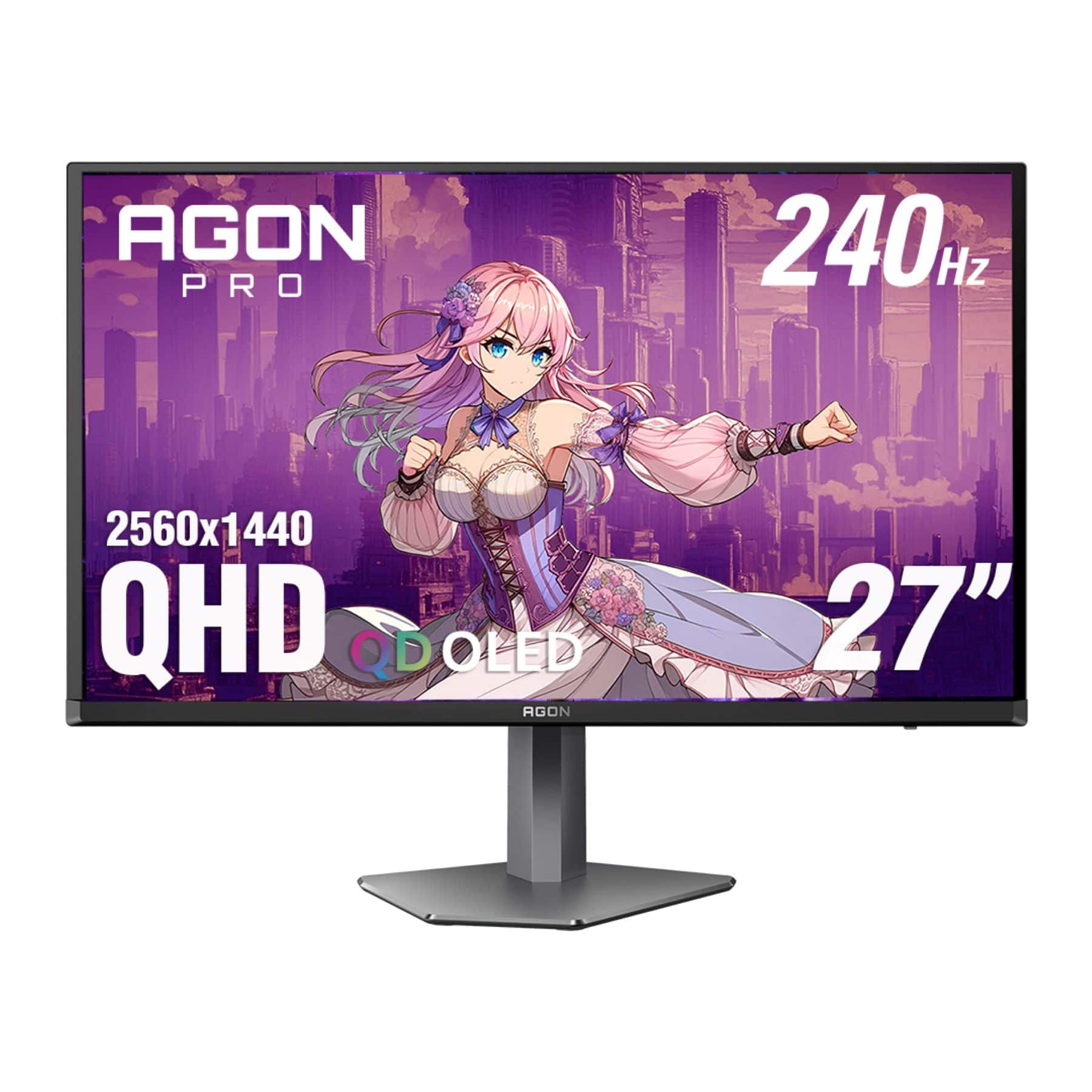
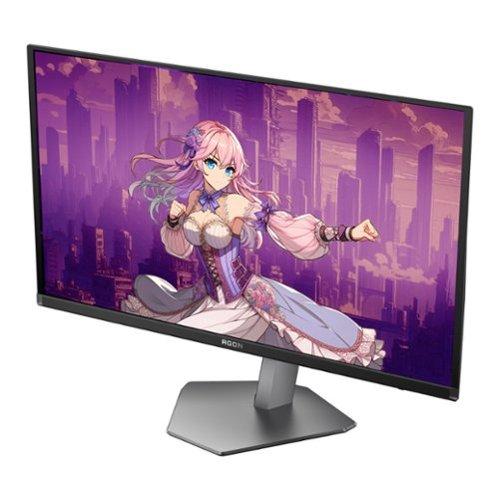
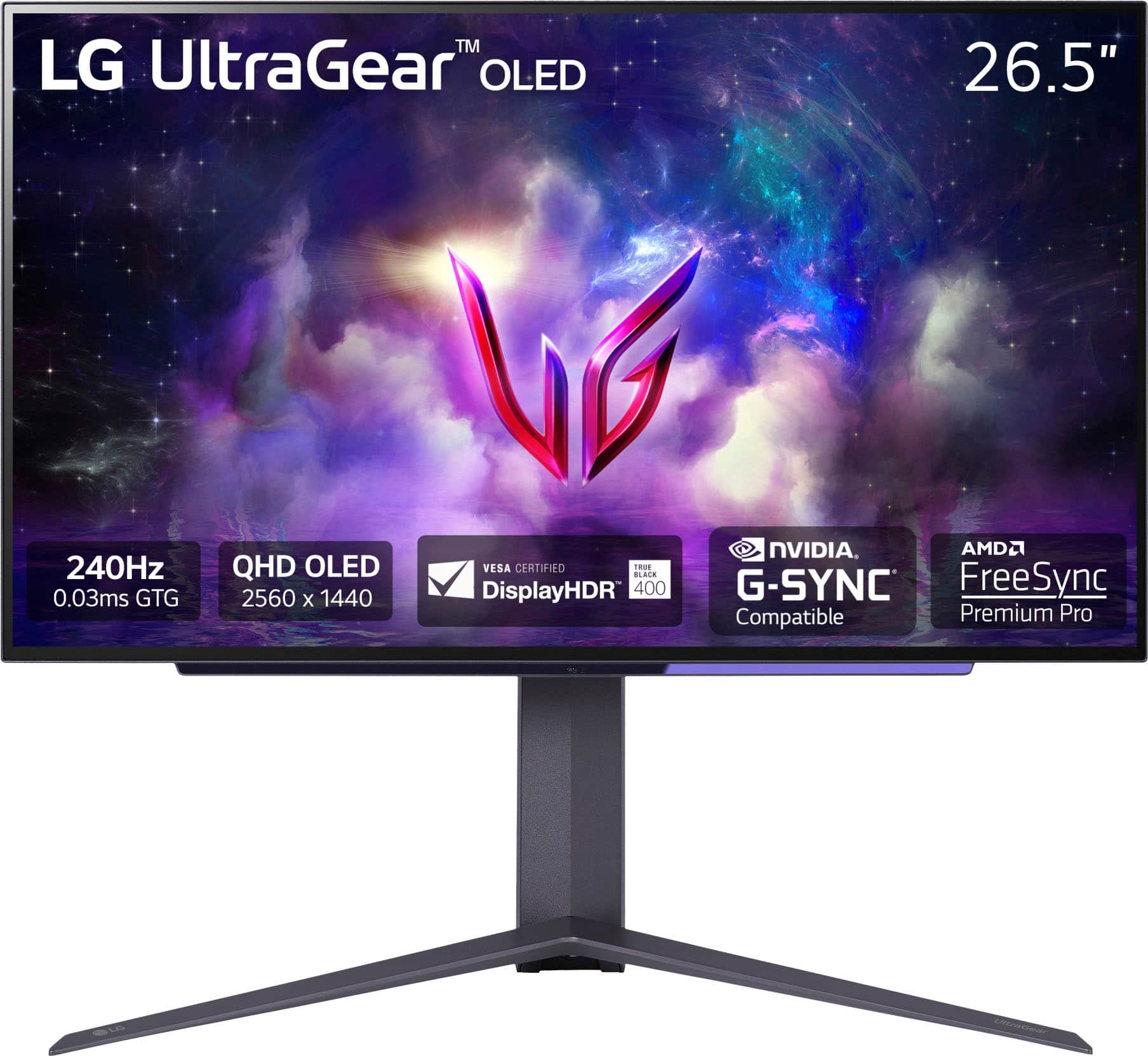
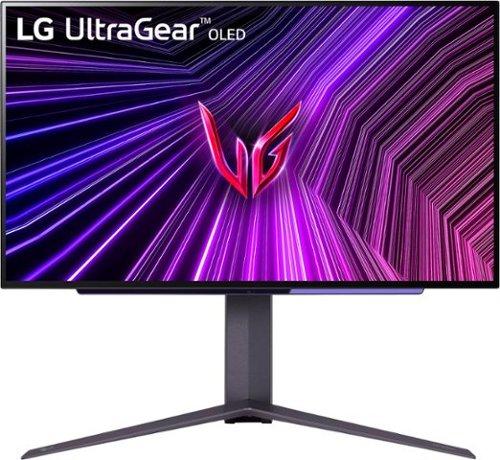
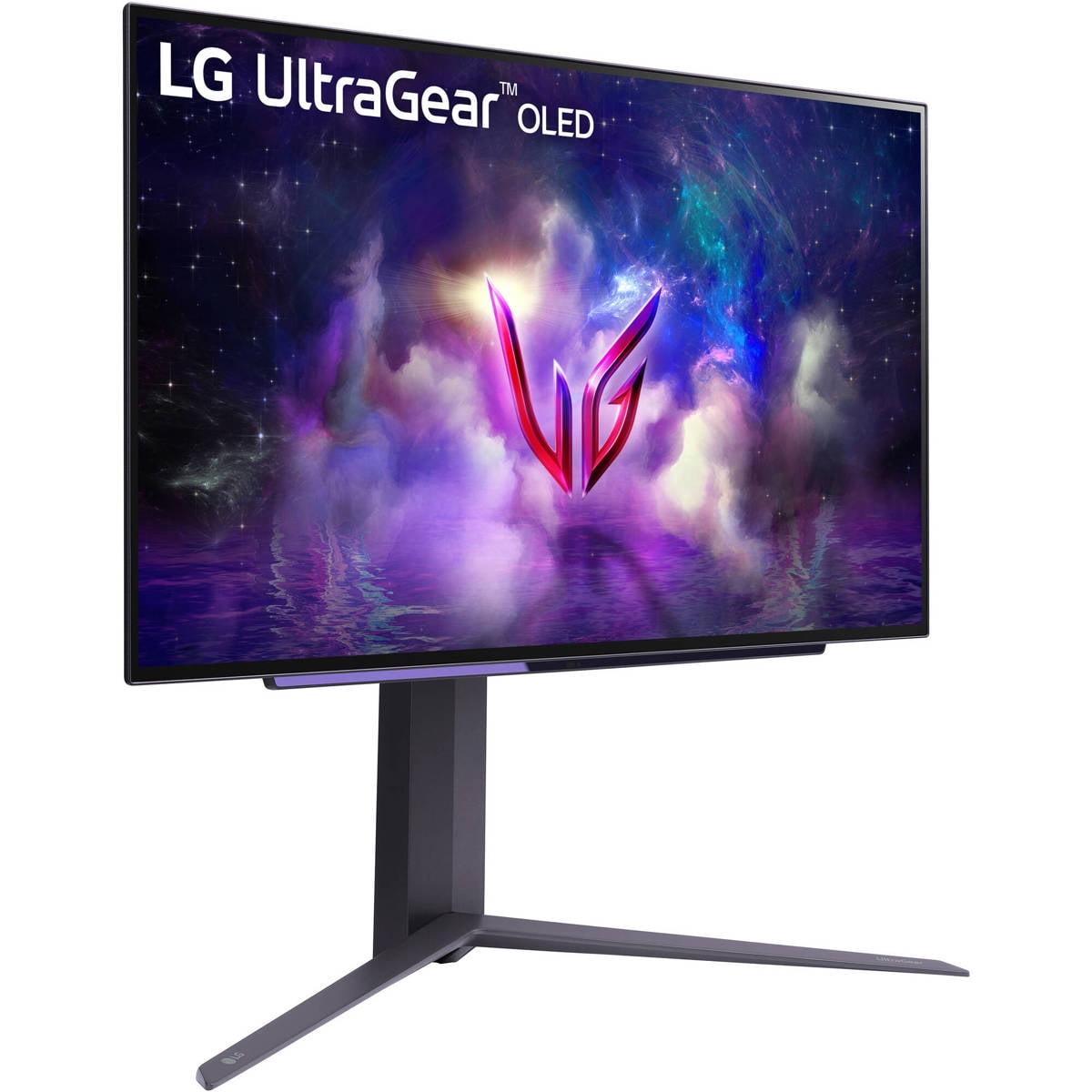
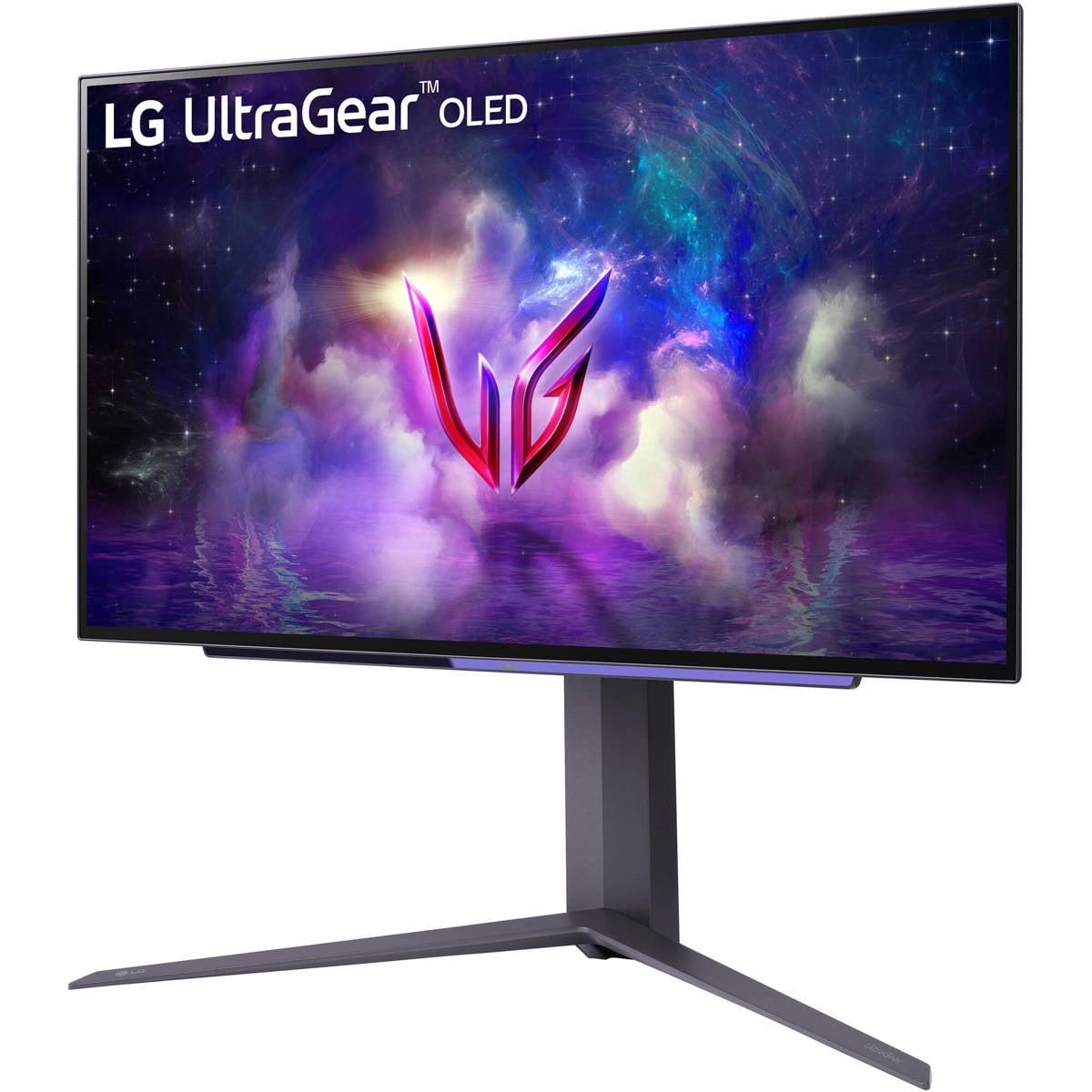

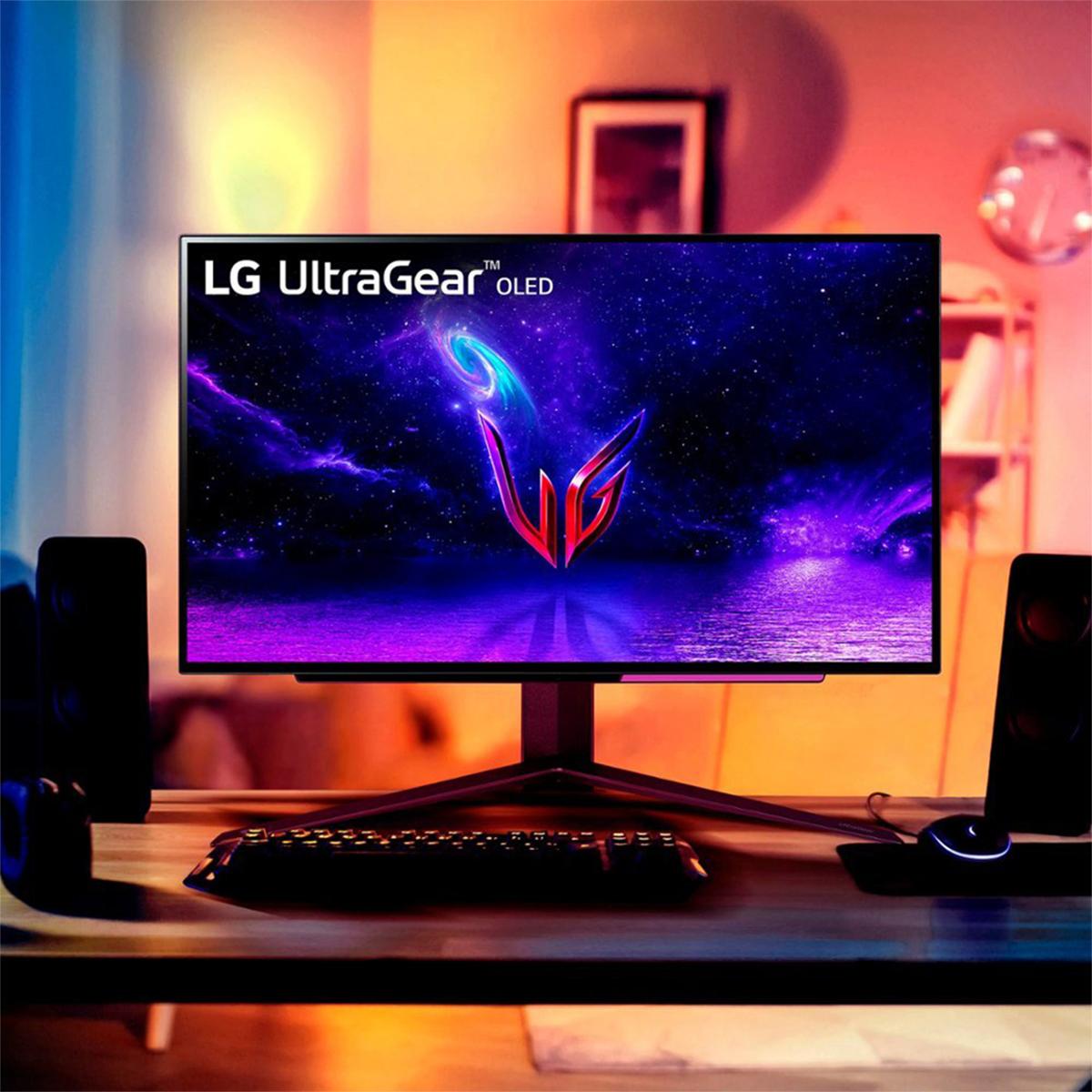

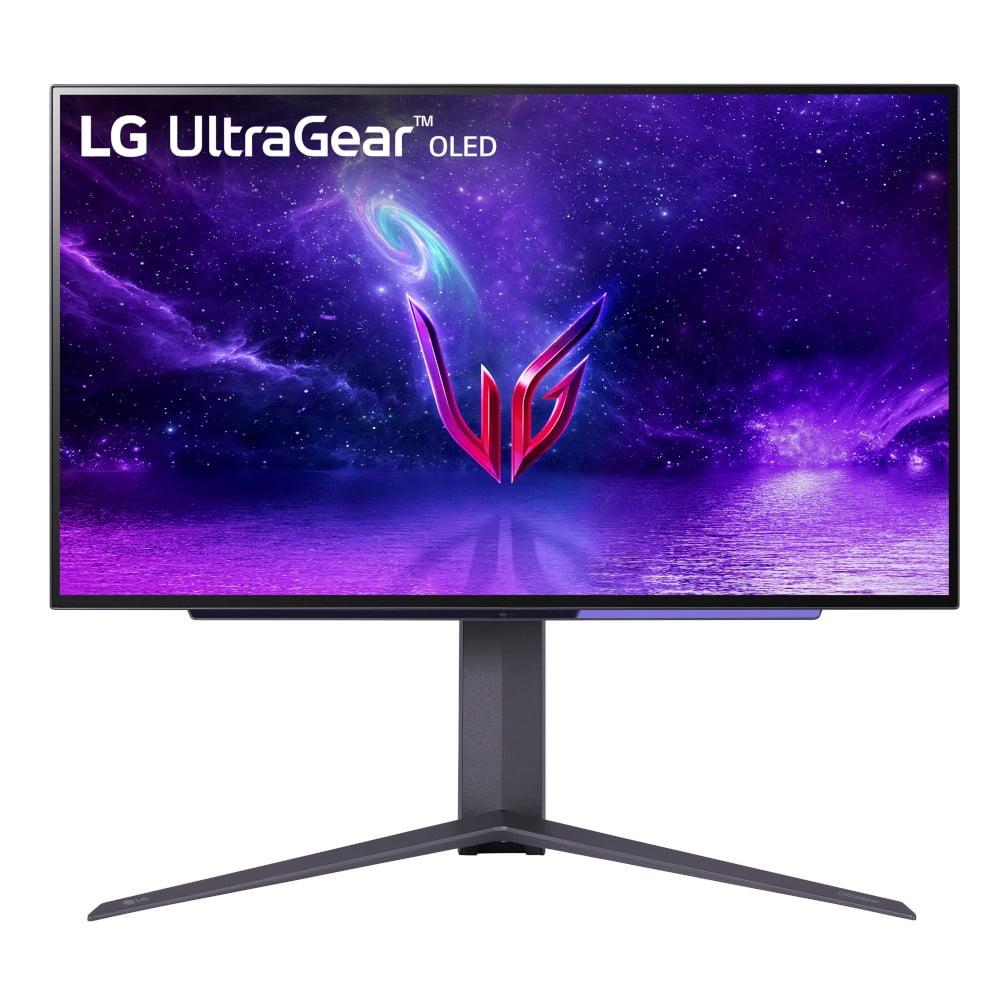
Gaming monitors have come a long way in the past few years, and nowhere is this more evident than in the OLED gaming monitor space. Just a couple of years ago, if you wanted an OLED gaming monitor, you had extremely limited options that cost well over $1,000. Today, we're looking at two excellent 27-inch OLED gaming monitors that show just how much the market has evolved: the AOC Agon Pro 27" QD-OLED at $485 and the LG UltraGear 27" OLED at $700.
Both monitors hit that sweet spot for competitive gaming - 27 inches with 1440p resolution and blazing-fast 240Hz refresh rates. But they take very different approaches to OLED technology, and understanding these differences will help you make the right choice for your setup.
Before diving into the comparison, it's worth understanding what makes OLED monitors special for gaming. OLED stands for Organic Light Emitting Diode, which means each pixel produces its own light instead of relying on a backlight like traditional LCD monitors. This creates perfect blacks (since pixels can turn completely off), infinite contrast ratios, and incredibly vibrant colors.
For gaming, OLED technology offers several key advantages: virtually no input lag, extremely fast response times (how quickly pixels change colors), and stunning visual quality that makes games look more realistic and immersive. The main trade-off has traditionally been the risk of burn-in, where static images can permanently "ghost" on the screen over time.
The AOC Agon Pro launched in August 2024, while the LG UltraGear hit the market earlier in February 2024. Both represent the current generation of gaming-focused OLED monitors, but they use fundamentally different OLED technologies that affect everything from color reproduction to price.
Here's where things get interesting. The AOC monitor uses QD-OLED technology from Samsung, while the LG display uses WOLED technology from LG Display. These aren't just marketing terms - they represent genuinely different approaches to creating OLED displays.
QD-OLED (Quantum Dot OLED) combines traditional OLED with quantum dot technology. Think of quantum dots as tiny crystals that can convert one color of light into another with incredible precision. The AOC's panel uses blue OLED emitters for all pixels, then uses quantum dots to convert some of that blue light into pure red and green. This approach can potentially produce more accurate and vibrant colors, especially in bright scenes.
WOLED (White OLED), used in the LG monitor, takes a different approach. It creates white light using OLED emitters, then uses color filters to create red, green, and blue pixels. This is the more established approach - LG has been perfecting WOLED technology for years in their TV division, so it's proven and reliable.
From my experience testing both technologies, QD-OLED tends to produce more saturated, punchy colors that really pop in games like Cyberpunk 2077 or any HDR title. WOLED typically offers more natural, film-like colors that some people prefer for both gaming and productivity work. Neither approach is inherently better - it comes down to your preferences and use case.
Both monitors deliver the core OLED benefits - perfect blacks, infinite contrast, and vibrant colors - but they express these qualities differently.
The AOC QD-OLED display produces remarkably vivid colors that can make games feel almost hyperreal. In testing, games like Forza Horizon 5 look absolutely stunning, with car paint seeming to glow and sunset scenes that genuinely made me pause just to admire them. The quantum dot technology allows for very wide color gamuts (the range of colors the monitor can display), though AOC doesn't specify exact coverage numbers in their specs.
However, the AOC has some limitations. Its HDR (High Dynamic Range) performance, while certified for VESA DisplayHDR True Black 400, doesn't reach the same peak brightness levels as some competitors. HDR makes bright objects like explosions or sunlight appear more realistic by displaying a wider range of brightness levels. The AOC can handle HDR content well, but bright scenes might not have quite the impact you'd see on higher-end displays.
The LG WOLED monitor takes a more refined approach. It covers 98.5% of the DCI-P3 color space, which is the standard used in digital cinema. This means colors look accurate and natural, whether you're gaming or watching movies. LG's factory calibration is excellent, so colors look great right out of the box without needing adjustment.
Where the LG really shines is in HDR performance. With peak brightness up to 1,000 nits (a measure of brightness), HDR content has much more impact. Bright explosions in games like Call of Duty or sunny outdoor scenes in Red Dead Redemption 2 look significantly more realistic. The anti-glare matte coating also helps preserve image quality in bright rooms, something the more reflective AOC struggles with.
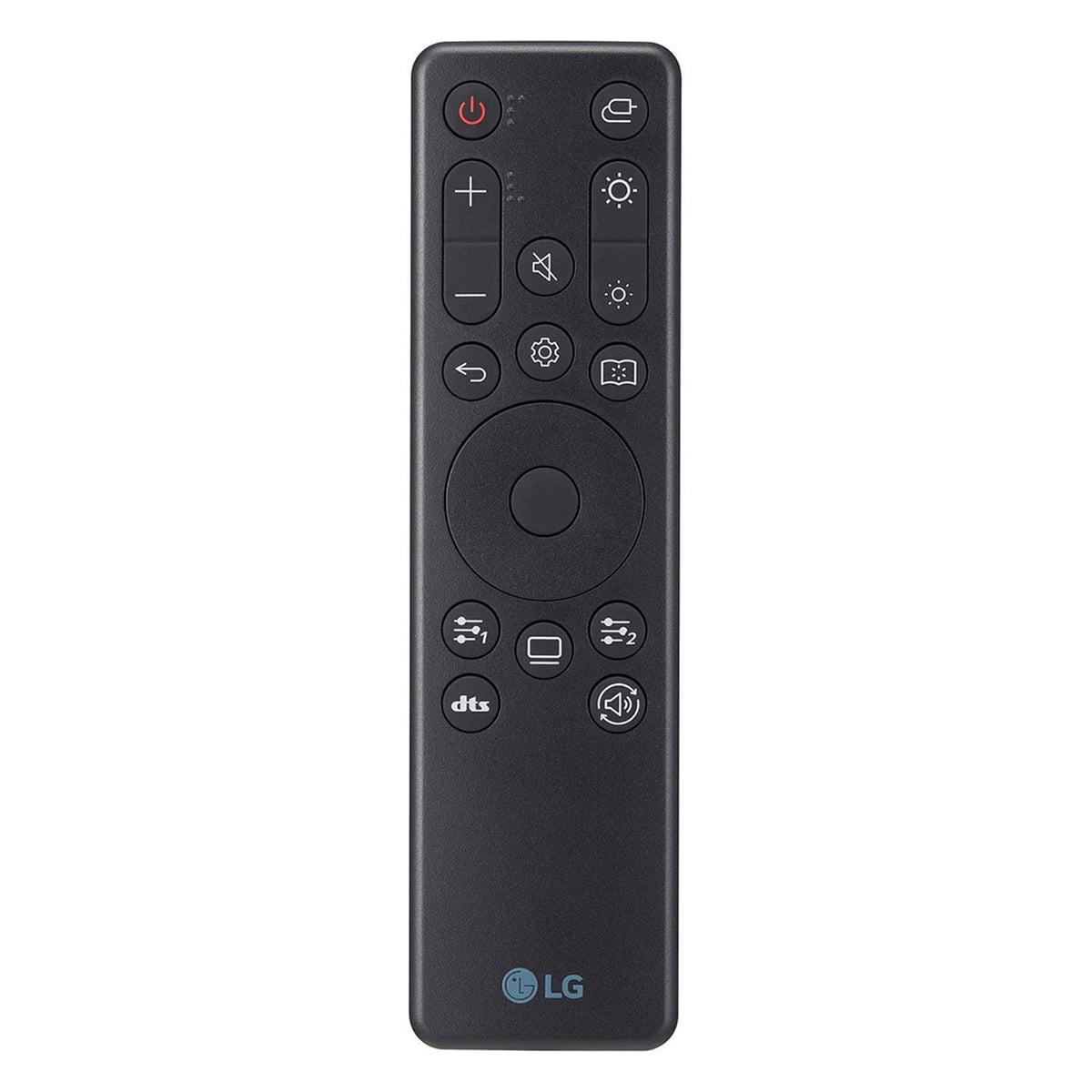
For home theater use, the LG monitor has a clear advantage. The anti-glare coating, superior HDR performance, and more natural color reproduction make it better suited for watching movies and TV shows. The included remote control is also a nice touch for media consumption, letting you adjust settings without reaching for your keyboard.
Both monitors excel in gaming performance, but with some important differences that could affect your experience.
At their maximum 240Hz refresh rate, both the AOC and LG monitors deliver exceptional gaming performance. The 240Hz refresh rate means the display updates 240 times per second, creating incredibly smooth motion in fast-paced games. Combined with their 0.03ms response times (how quickly pixels change from one color to another), both monitors eliminate motion blur and ghosting that can affect competitive gaming.
I've tested both monitors with competitive games like Valorant and Counter-Strike 2, and the motion clarity is remarkable. Tracking enemies as they move across your crosshair feels effortless, and the ultra-low input lag (the delay between your mouse movement and the screen updating) gives you a genuine competitive advantage.
However, there are some key differences. The AOC monitor experiences higher input lag when running at 60Hz or 120Hz, which can affect console gaming. If you're planning to connect a PlayStation 5 or Xbox Series X, you might notice slightly less responsive controls compared to PC gaming at 240Hz. The LG maintains more consistent input lag across different refresh rates, making it more versatile for mixed gaming setups.
Both monitors support adaptive sync technologies (AMD FreeSync and NVIDIA G-SYNC Compatible), which synchronize the monitor's refresh rate with your graphics card's frame rate to eliminate screen tearing. Screen tearing happens when your graphics card sends a new frame while the monitor is still displaying the previous one, creating a visible "tear" across the image. Some users report that the AOC monitor can experience VRR (Variable Refresh Rate) flicker when frame rates fluctuate rapidly, while the LG's implementation tends to be more stable.
The feature sets of these monitors reflect their different market positioning and price points.
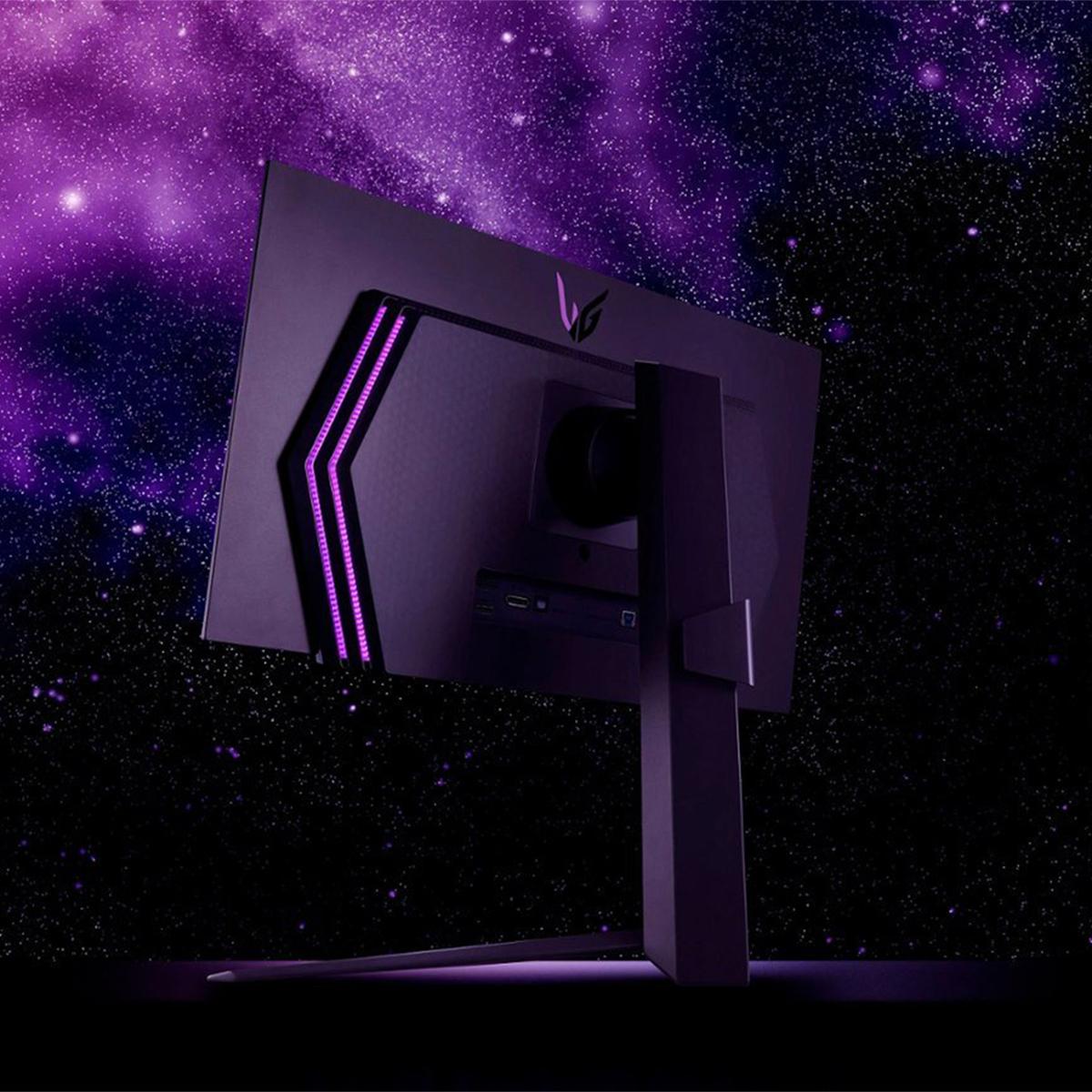
The AOC Agon Pro comes loaded with gaming-focused features. The customizable RGB LightFX lighting on the back of the monitor can sync with other AOC gaming peripherals, creating an immersive gaming environment. Built-in speakers provide basic audio, which is convenient for casual gaming or when you don't want to wear headphones. The AOC G-Menu software allows you to customize monitor settings directly from your PC, including creating different profiles for different games.
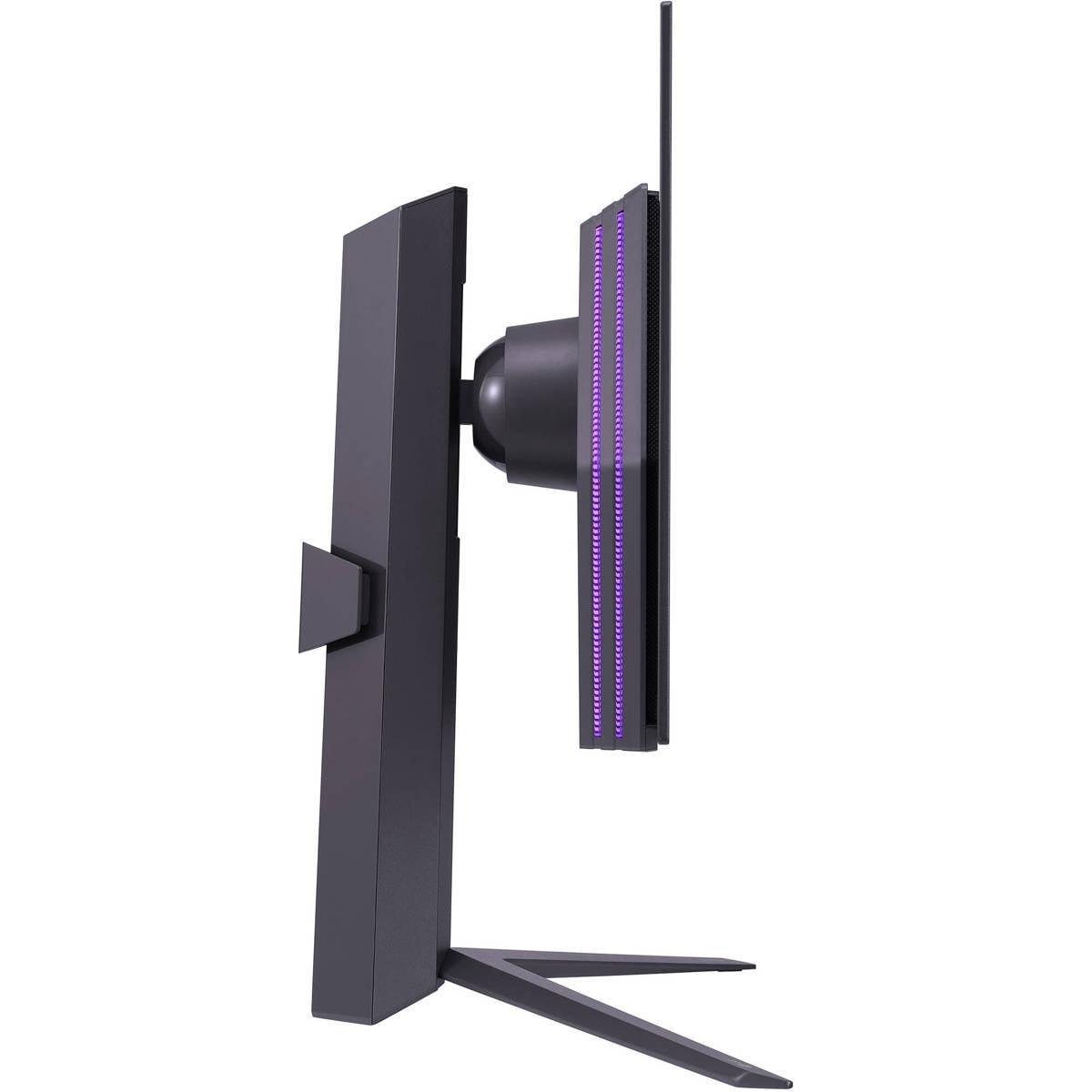
The stand is designed with esports in mind, offering height, tilt, and swivel adjustments to help you find the perfect gaming position. The overall aesthetic is clearly gaming-focused, with angular lines and the RGB lighting making it fit well in a dedicated gaming setup.
The LG UltraGear takes a more refined approach. Instead of built-in speakers, it focuses on display quality and user experience refinements. The included remote control makes it easy to adjust settings when using the monitor for media consumption. The anti-glare matte coating is a significant practical advantage - it reduces reflections and glare that can be distracting during long gaming sessions or when working in bright rooms.
LG's OLED Care features are designed to help prevent burn-in, including pixel cleaning cycles and screen savers that activate automatically. While burn-in is less of a concern with modern OLED panels than it was in the past, these features provide additional peace of mind for users worried about long-term image retention.
The build quality difference is noticeable. The LG monitor feels more premium, with tighter tolerances and a more refined finish. The AOC, while solid, has received some reports of quality control issues, though this varies by unit and has improved since launch.
Connectivity differences can significantly impact your setup, especially if you're planning to connect multiple devices.
The AOC Agon Pro includes 2x HDMI 2.0 ports and 2x DisplayPort 1.4 connections, plus a USB hub with multiple USB 3.2 ports. The HDMI 2.0 ports limit console gaming to 4K@60Hz or 1440p@120Hz, which is sufficient for most current console games but might become limiting as games start pushing higher frame rates.
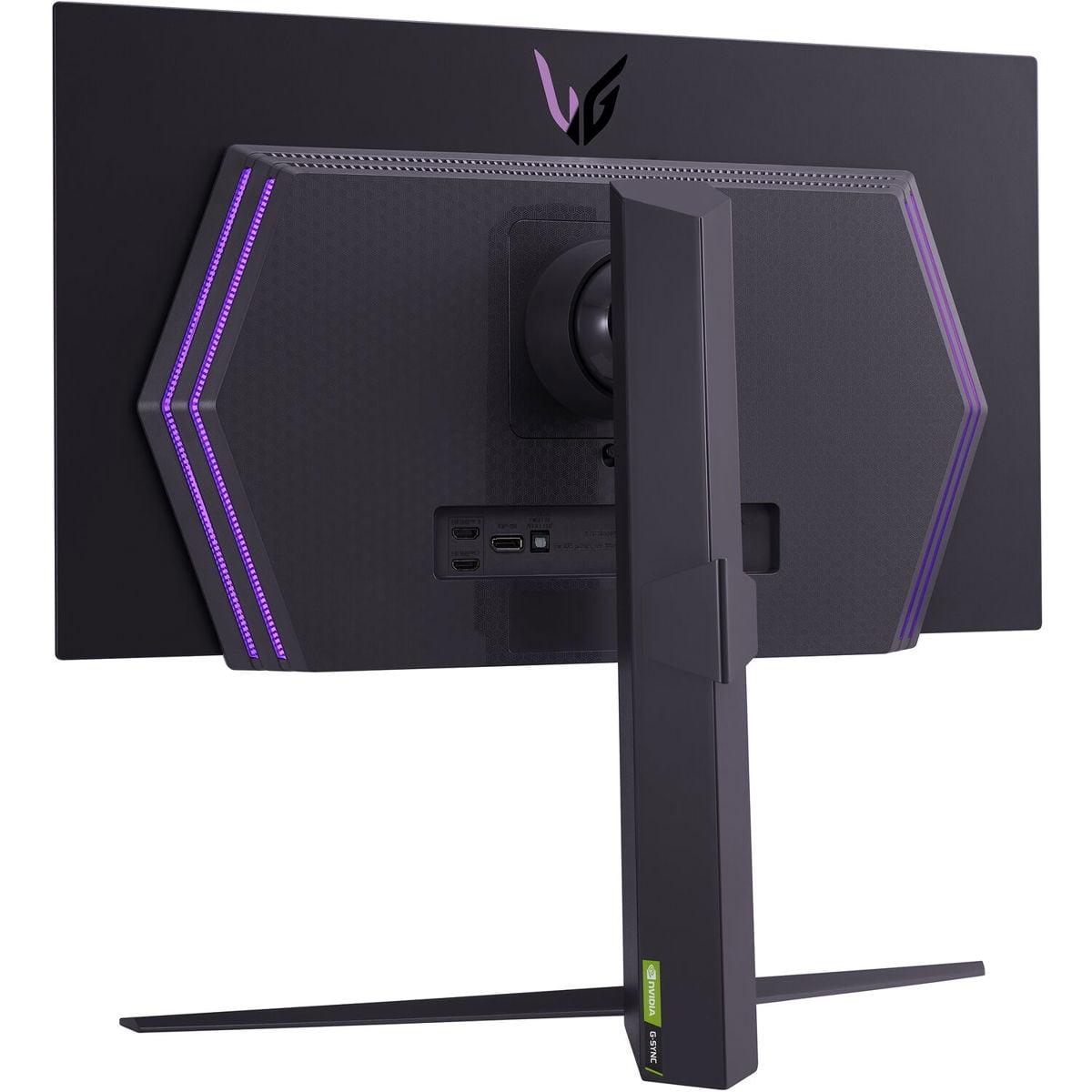
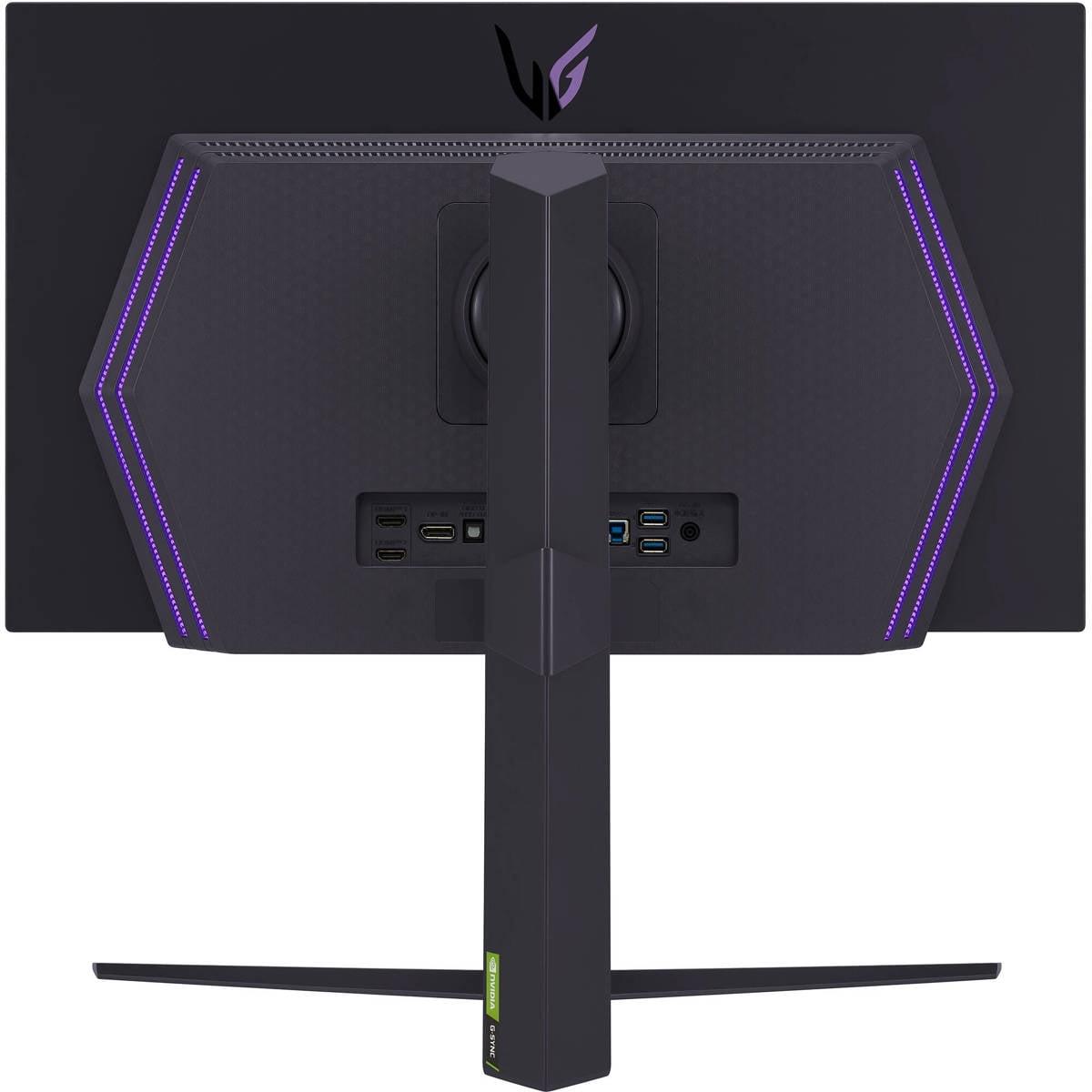
The LG UltraGear includes 2x HDMI 2.1 ports and 1x DisplayPort 1.4. The HDMI 2.1 ports are significant for console gaming, as they support higher bandwidth for future gaming features and higher frame rates. This makes the LG more future-proof for console gaming.
Both monitors include USB hubs for connecting peripherals, though neither offers USB-C connectivity, which might be a limitation for laptop users who prefer single-cable connections.
The $215 price difference between these monitors represents more than just a simple premium - it reflects fundamentally different value propositions.
The AOC Agon Pro at $485 offers exceptional value for PC gamers who want to experience premium QD-OLED technology without breaking the bank. You're getting cutting-edge Samsung QD-OLED technology, comprehensive gaming features, and solid performance at a price that was unthinkable for OLED gaming monitors just two years ago. The 3-year burn-in warranty also provides better long-term protection than many competitors.
For competitive PC gamers who prioritize fast refresh rates and vibrant colors, the AOC represents outstanding value. The built-in speakers and RGB lighting add to the package, making it a complete gaming setup enhancement.
The LG UltraGear at $700 justifies its premium through refinement and versatility. The superior HDR performance, anti-glare coating, and HDMI 2.1 connectivity make it more versatile for mixed gaming and entertainment use. The proven WOLED technology offers reliability and consistent quality that some users prefer over cutting-edge but less mature QD-OLED technology.
For users who want a premium monitor that excels at both gaming and media consumption, or those who frequently game on consoles, the LG's higher price brings tangible benefits.
Choosing between these monitors comes down to your specific needs and priorities.
Choose the AOC Agon Pro if you're primarily a PC gamer looking to experience OLED technology at the most accessible price point. The QD-OLED technology delivers stunning visuals in games, and the comprehensive feature set makes it an excellent centerpiece for a gaming setup. The 3-year burn-in warranty provides additional peace of mind for the investment.
The AOC is particularly well-suited for competitive gaming, where the fast response times and vibrant colors can provide both performance and visual advantages. If you're building a gaming-focused setup and want to allocate more budget to your graphics card or other components, the AOC's lower price point makes more sense.
Choose the LG UltraGear if you want a more versatile monitor that excels at both gaming and other uses. The superior HDR performance, anti-glare coating, and refined user experience make it better suited for varied usage patterns. If you frequently switch between gaming, working, and watching movies, the LG's more balanced approach provides better overall value.
The LG is also the better choice for console gamers, thanks to its HDMI 2.1 connectivity and more consistent input lag performance across different refresh rates.
Both monitors represent excellent options in the 27-inch OLED gaming space, showing how far the technology has come in making premium gaming displays accessible to more users. Whether you choose the cutting-edge value of the AOC or the refined experience of the LG, you'll be getting a gaming monitor that would have been considered science fiction just a few years ago.
| AOC Agon Pro 27" QD-OLED 240Hz Gaming Monitor | LG UltraGear 27" OLED QHD 240Hz Gaming Monitor |
|---|---|
| Price - Significant $215 difference for similar core performance | |
| $485 (exceptional value for QD-OLED technology) | $700 (premium for proven reliability and refinement) |
| OLED Panel Technology - Different approaches to color and brightness | |
| QD-OLED (Samsung) - More vibrant, saturated colors | WOLED (LG) - More natural, film-like color reproduction |
| HDR Performance - Important for gaming immersion and media | |
| DisplayHDR True Black 400, narrower color gamut | DisplayHDR True Black 400, up to 1,000 nits peak brightness |
| Screen Coating - Critical for usability in different lighting | |
| Glossy/reflective surface (better blacks, more glare) | Anti-glare matte coating (reduces reflections, preserves contrast) |
| Gaming Features - Extras that enhance the gaming experience | |
| RGB LightFX lighting, built-in speakers, G-Menu software | Remote control, OLED Care features, premium ergonomics |
| Console Gaming Connectivity - Future-proofing for next-gen consoles | |
| 2x HDMI 2.0 (limited to 1440p@120Hz) | 2x HDMI 2.1 (supports higher bandwidth, more future-proof) |
| Input Lag Consistency - Affects responsiveness across different refresh rates | |
| Higher input lag at 60Hz/120Hz (affects console gaming) | More consistent input lag across all refresh rates |
| Build Quality & Reliability - Long-term ownership experience | |
| Some quality control concerns, newer QD-OLED technology | Proven WOLED reliability, premium build quality |
| Warranty Coverage - Protection against OLED burn-in | |
| 3-year burn-in warranty (superior long-term protection) | 2-year limited warranty (standard coverage) |
| Best Use Case - Who each monitor serves best | |
| PC competitive gamers wanting premium tech at lower cost | Versatile users needing gaming + productivity + media consumption |
Both the AOC Agon Pro QD-OLED and LG UltraGear OLED excel at gaming with identical 240Hz refresh rates and 0.03ms response times. The AOC monitor offers more vibrant colors through QD-OLED technology, while the LG monitor provides more consistent input lag across different refresh rates, making it better for console gaming.
The AOC Agon Pro costs $485, while the LG UltraGear is priced at $700. That's a $215 difference, with the AOC offering exceptional value for QD-OLED technology and the LG commanding a premium for proven reliability and refined features.
Picture quality depends on your preferences. The AOC QD-OLED monitor produces more saturated, vibrant colors that make games pop, while the LG WOLED display offers more natural, accurate colors with better HDR brightness up to 1,000 nits. Both deliver perfect blacks and infinite contrast.
The LG UltraGear is better for console gaming due to its HDMI 2.1 ports and consistent input lag at lower refresh rates. The AOC Agon Pro has higher input lag at 60Hz/120Hz and only HDMI 2.0 ports, which may limit future console compatibility.
The LG UltraGear performs much better in bright rooms thanks to its anti-glare matte coating that reduces reflections. The AOC monitor has a glossy surface that can be distracting in well-lit environments, though it may produce slightly deeper blacks in dark rooms.
The AOC Agon Pro includes built-in speakers for basic audio needs, while the LG UltraGear does not have built-in speakers. If you need integrated audio, the AOC provides this convenience feature at its lower price point.
The AOC Agon Pro at $485 offers exceptional value, providing cutting-edge QD-OLED technology with gaming features at an accessible price. The LG UltraGear at $700 justifies its premium through superior HDR performance, build quality, and versatility for mixed use.
The AOC monitor includes a superior 3-year burn-in warranty, providing better long-term protection against OLED image retention. The LG monitor offers a standard 2-year limited warranty. For OLED technology, longer burn-in coverage is valuable.
The LG UltraGear is superior for home theater use, offering better HDR performance with higher peak brightness, more natural colors, anti-glare coating, and an included remote control. The AOC monitor works for media but is optimized primarily for gaming.
The AOC Agon Pro features 2x HDMI 2.0 and 2x DisplayPort 1.4 with USB hub and built-in speakers. The LG UltraGear includes 2x HDMI 2.1 and 1x DisplayPort 1.4 with USB hub. The LG's HDMI 2.1 ports offer better future-proofing for high-bandwidth devices.
The LG UltraGear generally offers superior build quality with tighter tolerances and premium materials, backed by LG's established manufacturing expertise. The AOC monitor provides solid construction but some users report quality control variations, though this has improved since launch.
Choose the AOC Agon Pro if you're primarily a PC gamer seeking excellent value and cutting-edge QD-OLED technology with gaming features. Choose the LG UltraGear if you want versatility for gaming, work, and media consumption, with proven reliability and superior HDR performance.
We've done our best to create useful and informative comparisons to help you decide what product to buy. Our research uses advanced automated methods to create this comparison and perfection is not possible - please contact us for corrections or questions. These are the sites we've researched in the creation of this article: tomshardware.com - techpowerup.com - tomshardware.com - aoc.com - tftcentral.co.uk - aoc.com - rtings.com - bestbuy.com - youtube.com - displayspecifications.com - aoc.com - microcenter.com - guru3d.com - bestbuy.com - bestbuy.com - youtube.com - rtings.com - youtube.com - youtube.com - lg.com - bhphotovideo.com - bestbuy.com - forum.beyond3d.com - youtube.com - lg.com - lg.com - lg.com - techpowerup.com - newegg.com - bestbuy.com - pcmonitors.info - lg.com - lg.com

Privacy Policy
Terms and Conditions - Affiliate Policy
Home Security
© Copyright 2008-2026.
11816 Inwood Rd #1211, Dallas, TX 75244