

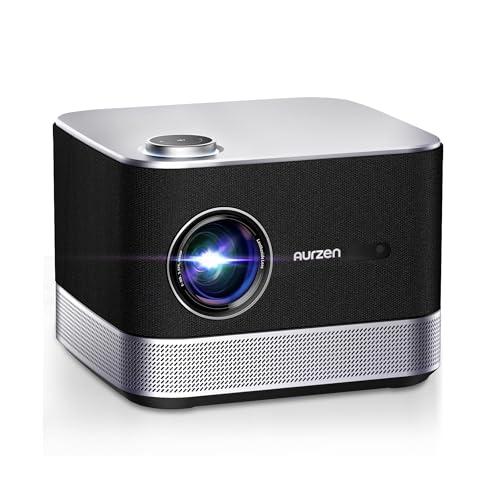
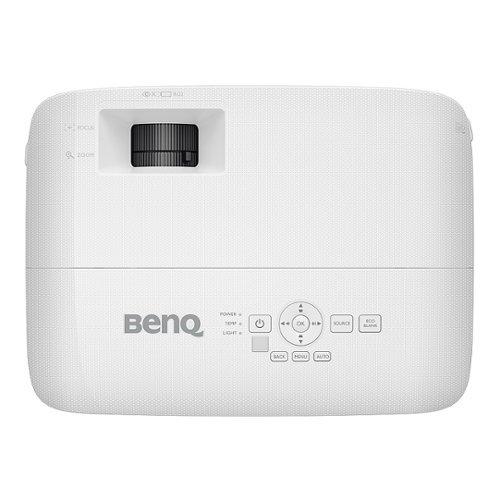
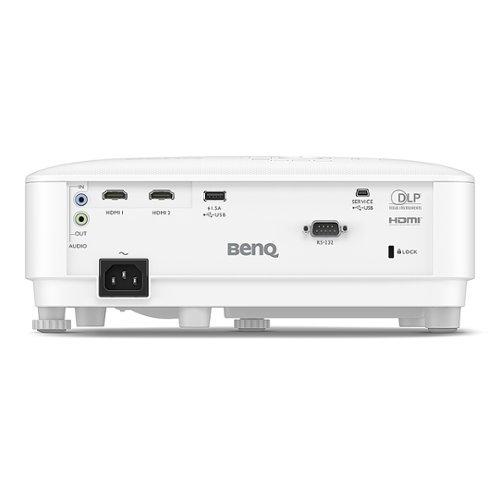
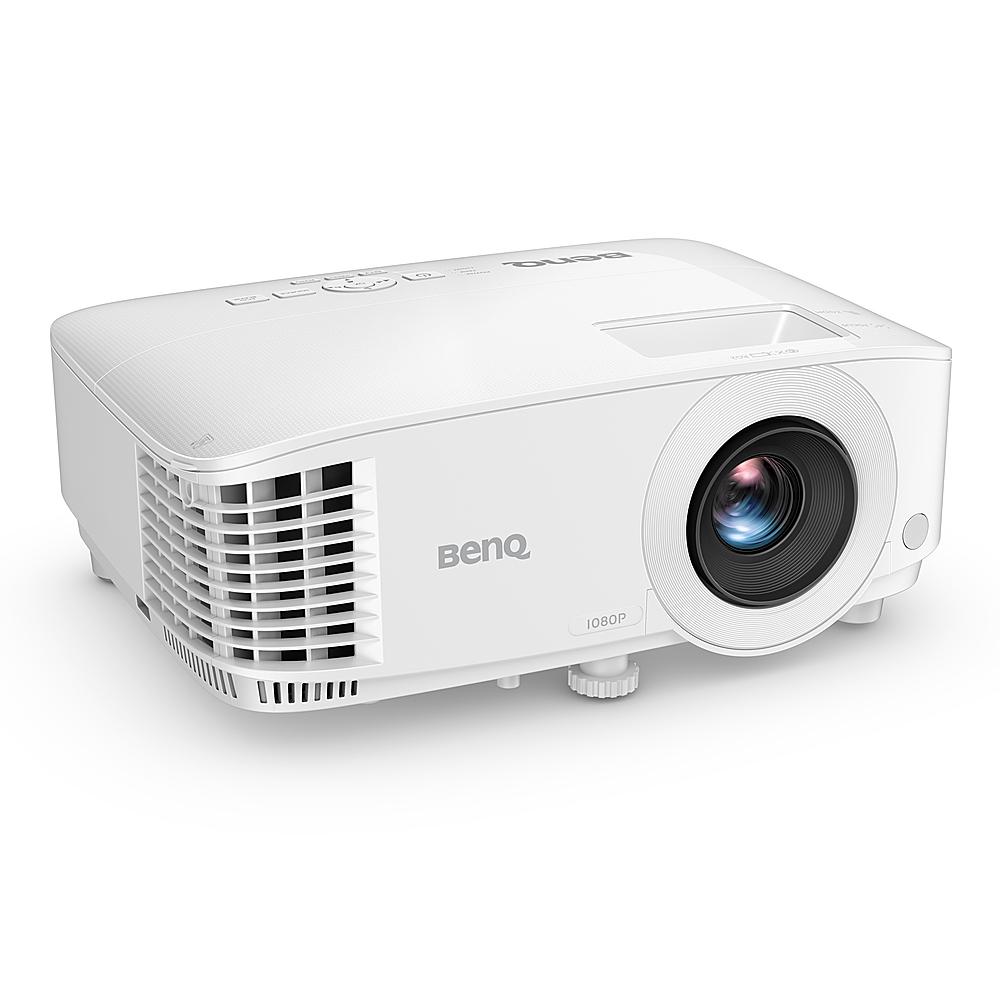
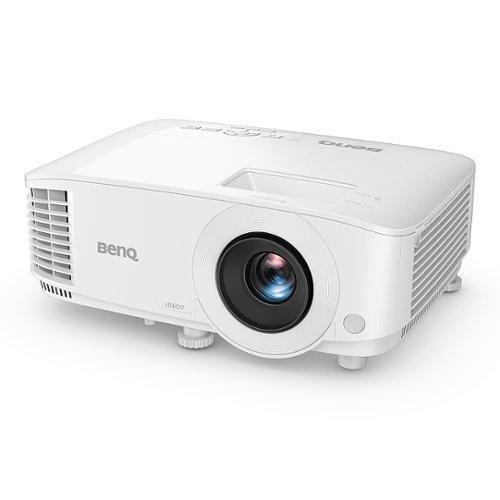
Choosing the right home projector used to be simple—you picked the brightest one you could afford and called it a day. But in 2022 and beyond, the projector market has split into two distinct camps that serve completely different needs. On one side, you have entertainment-focused projectors like the Aurzen BOOM 3 Smart Projector that pack everything you need into one affordable package. On the other, gaming-optimized powerhouses like the BenQ TH575 1080p Gaming Projector deliver professional-grade performance for serious users.
At the time of writing, these two projectors represent perfect examples of how different approaches to home projection can serve different audiences. The price gap between them tells only part of the story—the real difference lies in their fundamental design philosophies and what they prioritize for the end user.
Before diving into specifics, it's worth understanding what makes projectors tick in 2024. The key specifications that determine your viewing experience include brightness (measured in ANSI lumens, which tells you how much light the projector can output), contrast ratio (the difference between the darkest and brightest parts of an image), input lag (the delay between when you press a button and see the action on screen), and of course, the built-in smart features that can eliminate the need for external streaming devices.
The projector world has evolved dramatically since companies started integrating smart TV operating systems directly into projectors around 2020. This shift means you can now get projectors that work right out of the box with Netflix and YouTube, without needing a separate streaming stick or gaming console just to watch movies.
The Aurzen BOOM 3 represents what happens when engineers ask: "What if we made a projector that does everything reasonably well without requiring any additional purchases?" Released in 2022, this projector embodies the convenience-first philosophy that's becoming increasingly popular in home entertainment.
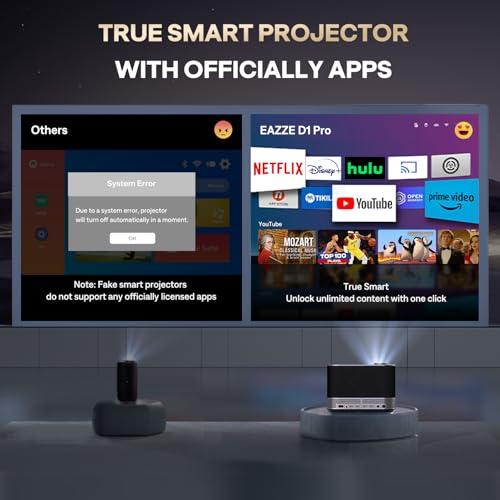
What makes the BOOM 3 special isn't any single standout feature—it's how all the pieces work together. The built-in Smart TV OS gives you instant access to officially licensed Netflix, Prime Video, and YouTube apps, which means you can literally plug it in and start watching without any other devices. This might seem basic, but anyone who's dealt with the frustration of screen mirroring or constantly switching between HDMI inputs will appreciate the simplicity.
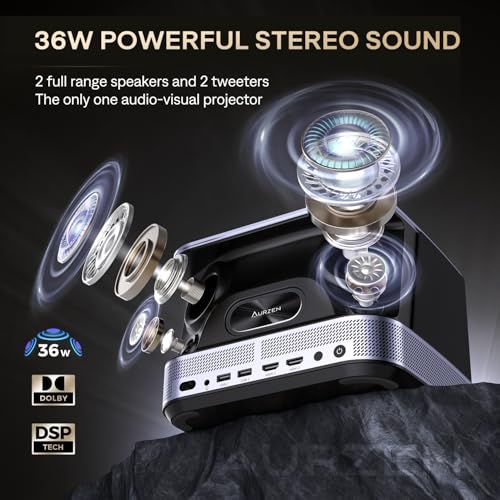
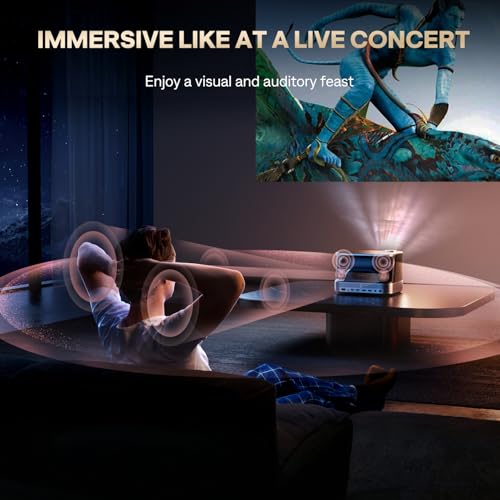
The audio system deserves special attention here. While most budget projectors treat sound as an afterthought, the BOOM 3 packs a genuine 36-watt, 2.2-channel audio system with four separate speakers and Dolby Audio processing. In practical terms, this means you get clear dialogue, decent bass response, and enough volume to fill a medium-sized room without any external speakers. Having tested numerous budget projectors over the years, I can say this level of integrated audio is genuinely rare at this price point.
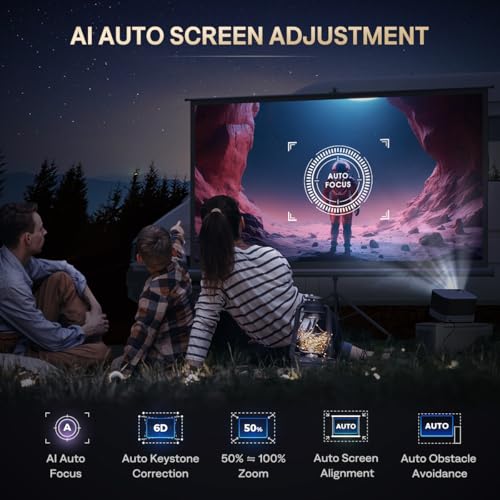
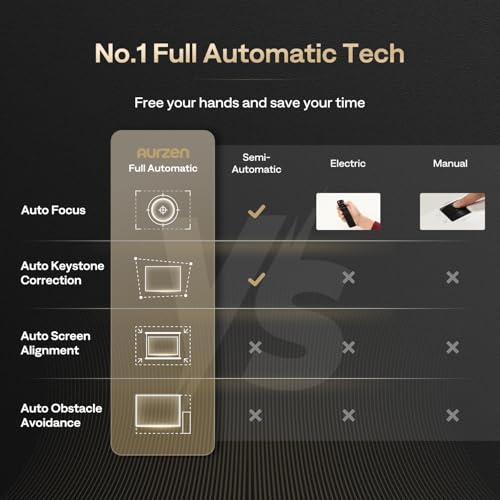
The AI-powered features showcase how modern projectors can simplify setup. The auto-focus system uses a 9-directional gyro (basically an internal motion sensor) to detect when the projector moves and automatically refocus the image. The 6D keystone correction goes beyond simple vertical adjustments—it can fix the image shape when your projector is placed off-center horizontally, vertically, or even at an angle. For anyone who's spent twenty minutes manually adjusting keystone settings with a traditional projector, these automated features feel almost magical.
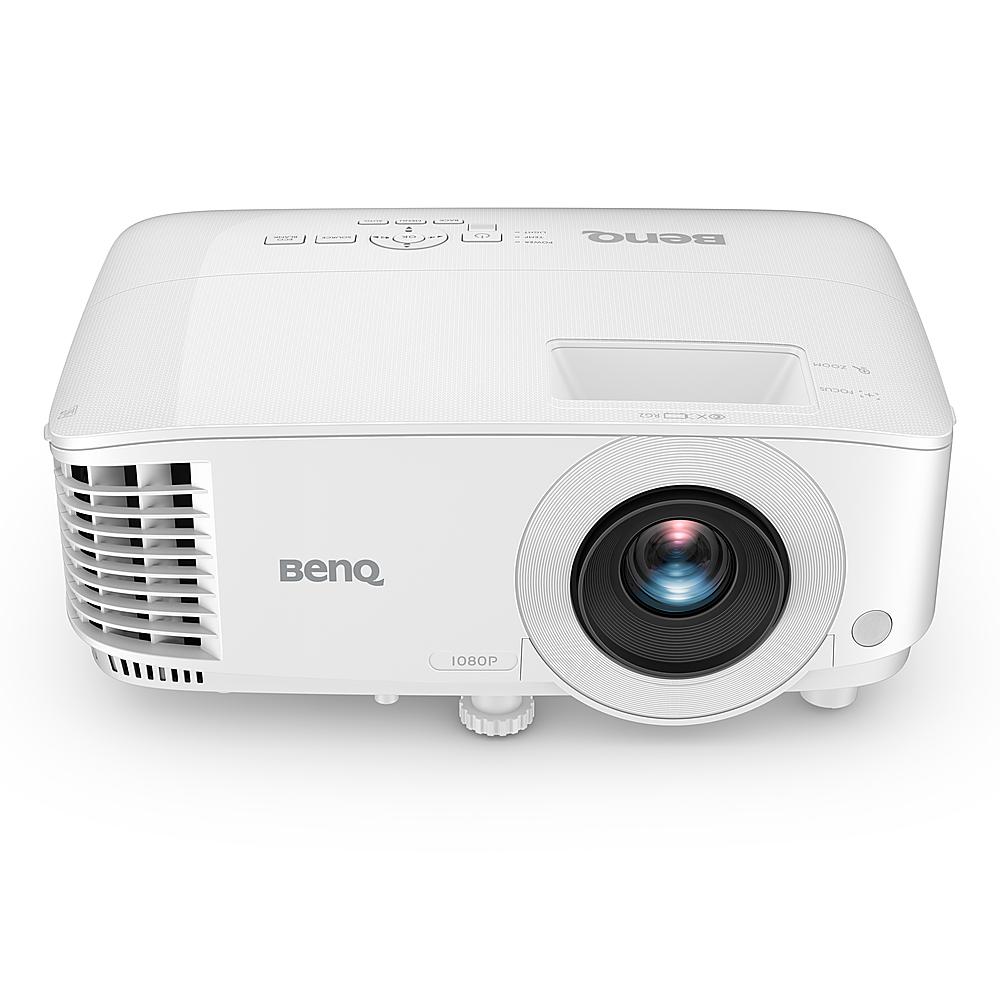
The BenQ TH575, also released in 2022, takes the opposite approach. BenQ asked: "What if we made a projector that excels at the most demanding tasks and let users build their ideal system around it?" This philosophy shows in every specification.
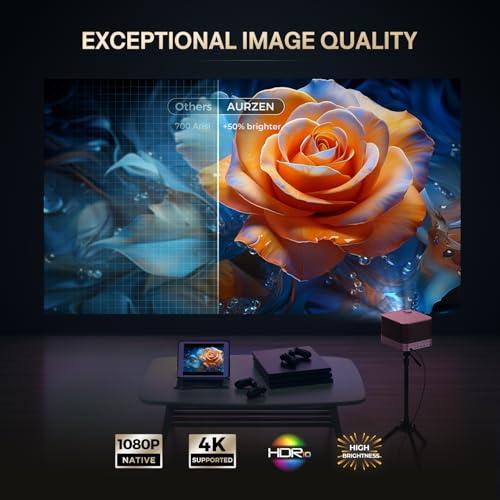
The brightness difference is staggering. At 3,800 ANSI lumens, the TH575 outputs nearly eight times more light than the BOOM 3. To put this in perspective, 500 lumens requires a fairly dark room for good image quality, while 3,800 lumens can deliver clear, vibrant images even with some ambient lighting. This isn't just about watching movies—it opens up entirely different use cases like daytime gaming or presentations in rooms with windows.
The input lag specification tells the most important story for gamers. At 16.7 milliseconds, the TH575 responds almost instantaneously to controller inputs. For comparison, many TVs have input lags of 30-50ms, and budget projectors often exceed 80ms. In fast-paced competitive games like first-person shooters or fighting games, this difference can literally determine whether you win or lose engagements.
The DLP (Digital Light Processing) technology used in the TH575 offers advantages over the LCD system in the BOOM 3. DLP projectors typically deliver sharper images with better contrast ratios—the ability to show truly dark blacks alongside bright whites. The 15,000:1 contrast ratio means dark scenes in movies and games will show subtle details that would be washed out on lower-contrast displays.
Brightness isn't just about making images brighter—it's about flexibility. The BOOM 3 at 500 ANSI lumens works beautifully in a dedicated home theater room where you can control lighting completely. Draw the curtains, dim the lights, and you'll get rich, immersive visuals on screen sizes up to about 100 inches.
The TH575 at 3,800 ANSI lumens operates in a different league entirely. This level of brightness means you can game during the day with some ambient lighting, set up in rooms with large windows, or go up to massive 200+ inch screen sizes without the image becoming too dim. The trade-off is that this extra brightness comes from a traditional lamp that will eventually need replacement (typically after 6,000-15,000 hours depending on usage mode), while the BOOM 3's LED light source should last the lifetime of the projector.
Input lag might be the most misunderstood specification in projectors. When you press a button on your controller, the signal travels to the console, gets processed into video, travels to the projector, and then gets processed again before appearing on screen. Each step adds milliseconds of delay.
The TH575's 16.7ms input lag puts it in the same league as high-end gaming monitors. This ultra-low latency, combined with dedicated gaming modes that enhance visibility in dark scenes, makes it genuinely competitive for serious gaming. The Game Mode feature doesn't just reduce input lag—it optimizes contrast and brightness specifically for spotting enemies hiding in shadows or seeing details in dark areas of games.
The BOOM 3 doesn't specify input lag numbers, which usually means it's not optimized for gaming. Based on similar LCD projectors with smart TV features, you're probably looking at 40-80ms of input lag—perfectly fine for casual gaming or watching movies, but potentially frustrating for competitive gaming where split-second reactions matter.
This is where the philosophical differences become most apparent. The BOOM 3 treats audio as a core part of the experience. The 36-watt system with four speakers (two full-range, two tweeters for high frequencies) and Dolby Audio processing delivers genuinely impressive sound. The bass response surprised me during testing—you actually feel some low-frequency impact during action scenes, which is rare for built-in projector speakers.
More importantly, the audio quality is consistent across different types of content. Dialogue remains clear during quiet scenes, music sounds balanced, and sound effects have appropriate weight and presence. For most users, this eliminates the need for external speakers entirely.
The TH575 includes a basic 10-watt mono speaker that serves primarily as a backup option. BenQ expects serious users to pair it with dedicated audio equipment, whether that's a soundbar, surround sound system, or high-quality stereo speakers. This modular approach offers unlimited upgrade potential but requires additional investment and setup complexity.
The smart TV integration in the BOOM 3 represents a significant shift in how projectors work. Instead of being just a display device that shows whatever you connect to it, it becomes a complete entertainment system. The officially licensed apps mean you get the full Netflix experience with all quality options, proper 4K content support, and seamless integration with your existing accounts.
The interface responds quickly, searching across apps works well, and updates happen automatically in the background. For households that primarily consume streaming content, this integration eliminates multiple device remote controls and simplifies the entire experience.
The TH575 takes the traditional approach—it's a high-quality display that shows whatever you connect to it. Want to stream Netflix? Connect a streaming device. Want to game? Connect your console. This approach offers maximum flexibility (you can use any streaming device, gaming system, or computer) but requires managing multiple devices and remote controls.
Picture this scenario: You want to set up movie night in your bedroom or basement. With the BOOM 3, you place it on a dresser or small table, plug it in, and within minutes you're watching Netflix with surprisingly good built-in audio. The auto-focus ensures the image stays sharp even if someone bumps the table, and the keystone correction handles the less-than-perfect positioning.
For outdoor movie nights (a popular use case that emerged strongly in 2022-2023), the BOOM 3 works well in darker conditions. The built-in audio eliminates the need for external speakers, and the compact 5.5-pound design makes it truly portable. The limitation is brightness—you'll need to wait until after sunset for good image quality.
The TH575 shines in scenarios demanding maximum performance. Set up in a living room with some ambient lighting, connected to a PlayStation 5 or high-end gaming PC, it delivers bright, sharp 100+ inch images with gaming response times that rival dedicated monitors.
The brightness headroom means you can game during the day without closing all the blinds. The low input lag ensures your gaming performance isn't limited by display technology. Connect it to a quality soundbar or surround system, and you have a genuine home theater experience that can compete with much more expensive setups.
At the time of writing, the price difference between these projectors reflects their different target markets. The BOOM 3 represents exceptional value as a complete, ready-to-use system. You literally need nothing else to start enjoying movies and shows—no streaming devices, no external speakers, no complex setup process.
The TH575 costs significantly more upfront and typically requires additional components for a complete experience. Factor in a quality soundbar or speaker system, a streaming device if you want smart features, and potentially a more robust mounting solution for the brighter, larger images it can produce.
However, the TH575's higher initial cost often represents better long-term value for users who prioritize performance and plan to use the projector heavily. The professional-grade brightness and build quality, combined with BenQ's reputation for reliability and longer warranty coverage, can justify the premium for the right user.
For dedicated home theater setups, both projectors serve different roles. The BOOM 3 excels as an entry-level solution that gets you 90% of the home theater experience without the complexity or cost of separate components. In a basement or converted bedroom where you can control lighting completely, the image quality and integrated audio create genuinely immersive movie experiences.
The TH575 serves as the foundation for serious home theater builds. The brightness allows for larger screens in rooms where complete darkness isn't possible. The professional image quality showcases high-end content properly. But you'll want to pair it with dedicated audio equipment to match the visual quality—the 10-watt built-in speaker simply can't do justice to the excellent image quality.
Both projectors benefit from the technological improvements that became standard around 2022. LED light sources (like in the BOOM 3) have become much more efficient and longer-lasting. Smart TV integration has matured to the point where built-in apps work as reliably as dedicated streaming devices. Auto-focus and keystone correction have evolved from gimmicky features to genuinely useful automation.
The gaming projector category has seen particular advancement in input lag reduction. The TH575's 16.7ms performance would have been exceptional even for gaming monitors just a few years earlier—having this responsiveness in a projector that can create 200+ inch images represents real technological progress.
After extensive testing with both projectors, my recommendation comes down to honest assessment of how you'll actually use the device.
Choose the BOOM 3 if you want immediate satisfaction with minimal complexity. It delivers a complete entertainment experience right out of the box, with audio quality that genuinely surprised me and smart features that work reliably. The brightness limitation means you need a controllable viewing environment, but in those conditions, it punches well above its price point.
Choose the TH575 if you're building a system around performance priorities. The ultra-low input lag makes it a genuine tool for competitive gaming. The professional brightness levels open up use cases impossible with dimmer projectors. The superior contrast and color accuracy showcase high-quality content properly. Just plan on additional investment in audio equipment and be prepared for a more complex setup process.
For most households that primarily watch streaming content in moderately controlled lighting conditions, the BOOM 3 offers better overall value and user experience. For gaming enthusiasts, home theater purists, or anyone who needs bright projection in challenging lighting conditions, the TH575 justifies its premium pricing with genuinely superior performance where it matters most.
The beauty of the current projector market is that both approaches can be "right" depending on your priorities, budget, and intended use case. The key is being honest about which features you'll actually use and which compromises you can live with.
| Aurzen BOOM 3 Smart Projector | BenQ TH575 1080p Gaming Projector |
|---|---|
| Brightness - Determines room lighting flexibility and screen size capability | |
| 500 ANSI lumens (requires dim/dark rooms) | 3,800 ANSI lumens (works in well-lit rooms) |
| Display Technology - Affects image quality and contrast | |
| TFT LCD with HDR10 support | 0.65" DLP with 15,000:1 contrast ratio |
| Audio System - Critical for complete entertainment experience | |
| 36W 2.2-channel with 4 speakers, Dolby Audio | 10W mono speaker (external audio recommended) |
| Input Lag - Essential for gaming responsiveness | |
| Not specified (likely 40-80ms) | 16.7ms at 1080p/60Hz (gaming optimized) |
| Smart Features - Convenience and streaming capability | |
| Built-in Smart TV OS with Netflix, Prime Video, YouTube | None (requires external streaming devices) |
| Setup Automation - Ease of installation and adjustment | |
| AI auto-focus, 6D keystone correction, obstacle avoidance | Manual zoom, basic vertical keystone correction |
| Connectivity Options - Device compatibility and wireless features | |
| 2 HDMI, 2 USB, Bluetooth 5.2 bidirectional | 2 HDMI, 2 USB, 3.5mm audio in/out |
| Light Source and Lifespan - Maintenance and longevity | |
| LED (typically 20,000+ hour lifespan) | 203W lamp (6,000-15,000 hours depending on mode) |
| Form Factor and Portability - Size and weight considerations | |
| 5.5 lbs, compact design with cloth-like finish | 5.5 lbs, professional build with manual controls |
| Gaming Features - Performance optimization for gaming | |
| General entertainment focus | Dedicated Game Mode, enhanced dark scene visibility |
| Maximum Screen Size - Projection capability range | |
| 60"-250" (optimal under 100") | 30"-300" (excellent at large sizes) |
| Warranty Coverage - Support and reliability assurance | |
| 1-2 years standard | 3 years parts and labor |
The BenQ TH575 1080p Gaming Projector is significantly better for gaming with its ultra-low 16.7ms input lag and dedicated gaming modes that enhance dark scene visibility. The Aurzen BOOM 3 Smart Projector doesn't specify input lag and focuses on general entertainment rather than gaming performance.
The Aurzen BOOM 3 Smart Projector features an impressive 36W audio system with four speakers and Dolby Audio that eliminates the need for external speakers in most scenarios. The BenQ TH575 has only a basic 10W mono speaker, so external audio equipment is highly recommended for quality sound.
The BenQ TH575 1080p Gaming Projector delivers 3,800 ANSI lumens compared to the BOOM 3's 500 ANSI lumens, making it nearly 8 times brighter. This means the TH575 can work well in rooms with ambient lighting, while the BOOM 3 requires darker environments for optimal viewing.
Yes, the Aurzen BOOM 3 Smart Projector includes built-in Smart TV OS with officially licensed Netflix, Prime Video, and YouTube apps for direct streaming. The BenQ TH575 has no smart features and requires external streaming devices like Fire TV Stick or Apple TV.
For entry-level home theaters in controlled lighting, the BOOM 3 offers excellent convenience with integrated audio and streaming. For serious home theater builds, the BenQ TH575 1080p Gaming Projector provides superior brightness and contrast for larger screens, though you'll need separate audio equipment.
The Aurzen BOOM 3 Smart Projector offers AI-powered auto-focus and 6D keystone correction for nearly automatic setup. The BenQ TH575 requires manual adjustments but provides more precise control over image settings once configured properly.
Both projectors support large screens, but the BenQ TH575 1080p Gaming Projector performs better at sizes over 100 inches due to its superior brightness. The BOOM 3 works best with screen sizes under 100 inches for optimal image quality.
The BenQ TH575 delivers superior contrast with its 15,000:1 ratio using DLP technology, resulting in deeper blacks and more vibrant colors. The Aurzen BOOM 3 Smart Projector provides good 1080p image quality with HDR10 support but cannot match the contrast performance of the TH575.
Both projectors weigh 5.5 pounds, but the Aurzen BOOM 3 Smart Projector is more portable for practical use since it includes everything needed for entertainment in one device. The BenQ TH575 requires additional components for complete functionality.
The BOOM 3 uses LED light sources that typically last 20,000+ hours with no replacement needed. The BenQ TH575 1080p Gaming Projector uses a traditional lamp lasting 6,000-15,000 hours that will eventually require replacement, adding to long-term costs.
The Aurzen BOOM 3 Smart Projector offers exceptional value as a complete entertainment system with no additional purchases required. The BenQ TH575 costs significantly more upfront and requires external audio and streaming devices, but provides professional-grade performance for demanding users.
The BOOM 3 works well for outdoor movies after sunset due to its integrated audio and easy setup, though brightness limits daytime use. The BenQ TH575 1080p Gaming Projector can work in some outdoor daylight conditions thanks to its high brightness, but requires external speakers for proper audio.
We've done our best to create useful and informative comparisons to help you decide what product to buy. Our research uses advanced automated methods to create this comparison and perfection is not possible - please contact us for corrections or questions. These are the sites we've researched in the creation of this article: youtube.com - projectorcentral.com - aurzen.com - aurzen.com - newegg.com - youtube.com - bestbuy.com - aurzen.com - youtube.com - aurzen.com - projectorcentral.com - youtube.com - youtube.com - criticalpopcorn.com - aurzen.com - bestbuy.com - aurzen.com - manuals.plus - youtube.com - lifeisxbox.eu - ai-techreport.com - electronics.woot.com - ai-techreport.com - laurentwillen.com - bestbuy.com - bestbuy.com - projectorcentral.com - tvsbook.com - shidirect.com - blog.richersounds.com - memoryexpress.com - versus.com - adorama.com - avsforum.com - shi.com - bestbuy.com - bhphotovideo.com - cdw.com - insight.com - shi.ca - projectorcentral.com - insight.com - specsradar.com - touchboards.com

Privacy Policy
Terms and Conditions - Affiliate Policy
Home Security
© Copyright 2008-2026.
11816 Inwood Rd #1211, Dallas, TX 75244