


When I first started researching projectors seriously, I was overwhelmed by the sheer variety of options and technologies. The projector market has exploded in recent years, with manufacturers taking wildly different approaches to solve the same basic problem: putting a big, bright picture on your wall. Today, we're looking at two projectors that perfectly illustrate this diversity: the JMGO N1S Ultimate 4K Laser Projector and the BenQ TH575 1080p Gaming Projector.
These aren't really direct competitors—they're more like different tools for different jobs. Think of it like comparing a Swiss Army knife to a really excellent screwdriver. Both can turn screws, but they're designed with completely different philosophies in mind. The JMGO N1S Ultimate represents the cutting edge of laser projection technology with its premium features and 4K resolution, while the BenQ TH575 focuses laser-sharp attention on gaming performance at a much more accessible price point.
Before we dive into the specifics, let's talk about what actually matters in a projector. Having tested dozens of projectors over the years, I've learned that the specs that look impressive on paper don't always translate to real-world satisfaction.
Resolution is probably the most talked-about spec, and for good reason. We're living in a 4K world now, with streaming services, gaming consoles, and even phones shooting in ultra-high definition. However, 1080p still looks fantastic for gaming and general viewing, especially at the screen sizes most people actually use.
Brightness, measured in ANSI lumens (a standardized way to measure projector light output), determines whether you can use your projector with the lights on. Anything under 2,000 lumens pretty much requires a dark room, while 3,000+ lumens gives you flexibility for daytime viewing or bright living rooms.
Input lag is crucial for gaming—it's the delay between when your controller sends a signal and when you see the action on screen. Anything over 50 milliseconds starts to feel sluggish for fast-paced games, while under 20 milliseconds is considered excellent.
Light source technology has undergone a revolution in recent years. Traditional projector bulbs burn out every few thousand hours and gradually dim over time. Laser light sources, on the other hand, can last 20,000-30,000 hours while maintaining consistent brightness and offering superior color accuracy.
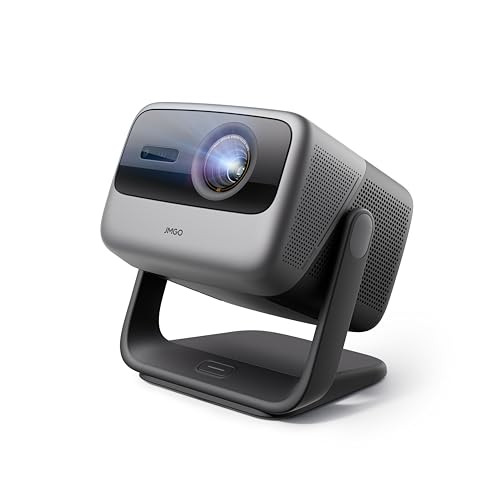
The JMGO N1S Ultimate, released in 2024, represents everything that's exciting about modern projector technology. JMGO has been pushing boundaries in the portable projector space, and this model showcases their most advanced innovations.
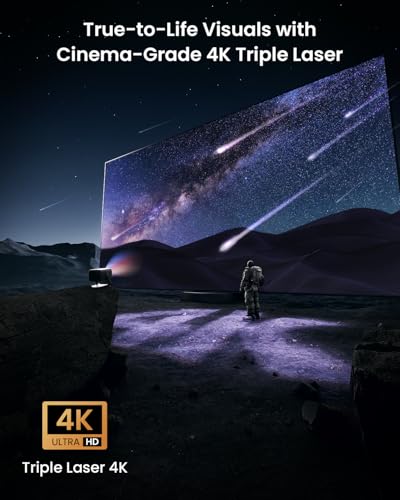
The heart of this projector is its MALC 2.0 Triple RGB Laser system—essentially three separate lasers (red, green, and blue) working together to create the image. This is a big deal because it allows for incredibly accurate colors that cover 110% of the Rec. 2020 color space. To put that in perspective, most TVs and traditional projectors can only display about 70-80% of this color standard. When you're watching a sunset scene in a nature documentary, you're seeing colors that simply aren't possible with conventional projection technology.
The 4K resolution comes courtesy of a technique called pixel shifting, where a 0.47-inch DMD (Digital Micromirror Device) chip rapidly shifts pixels to create the full 3840x2160 image. While purists might argue this isn't "true" 4K like you'd find in higher-end projectors with larger chips, the results are genuinely impressive and indistinguishable from native 4K in normal viewing conditions.
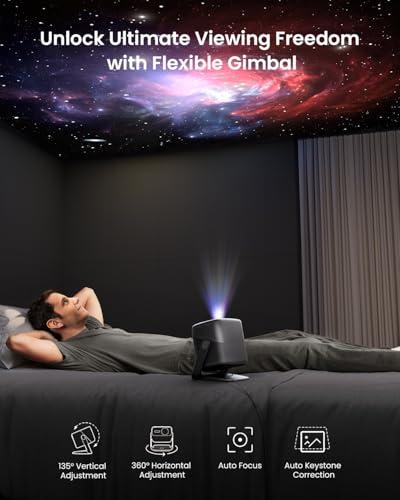
What really sets the JMGO N1S Ultimate apart is its gimbal design. This isn't just a fancy mounting system—it's a complete reimagining of how projectors can be used. The AI-powered gimbal allows 360-degree horizontal rotation and 135-degree vertical movement, meaning you can project on walls, ceilings, or any surface without manually adjusting the projector position. I've found this incredibly useful for outdoor movie nights where you might need to quickly adjust for the best available surface.
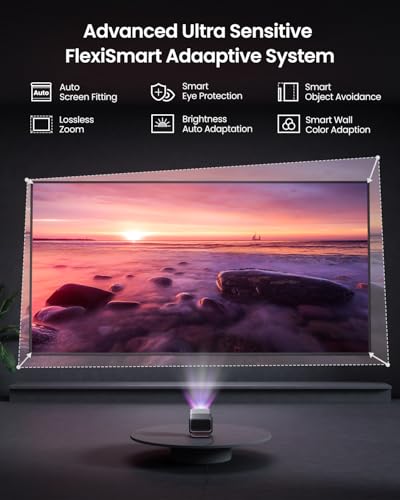
The FlexiSmart 2.0 system automatically handles keystone correction (fixing the trapezoidal distortion you get when projecting at an angle) and focus adjustments in real-time. Having used projectors that require manual keystone adjustment, I can't overstate how convenient this automation is—especially when you're frequently moving the projector or projecting on irregular surfaces.
For home theater use, the JMGO N1S Ultimate excels with its built-in Google TV 3.0 platform and certified Netflix support. This might sound minor, but it's actually rare—many projector manufacturers struggle to get Netflix certification due to content protection requirements. Having everything integrated means no additional streaming devices cluttering your setup.
The 30,000-hour laser lifespan deserves special mention. At typical usage patterns (2-3 hours per day), this projector could theoretically last over 20 years without needing any bulb replacements. When you factor in the cost and hassle of replacing traditional projector bulbs every few years, this becomes a significant value proposition despite the higher upfront cost.
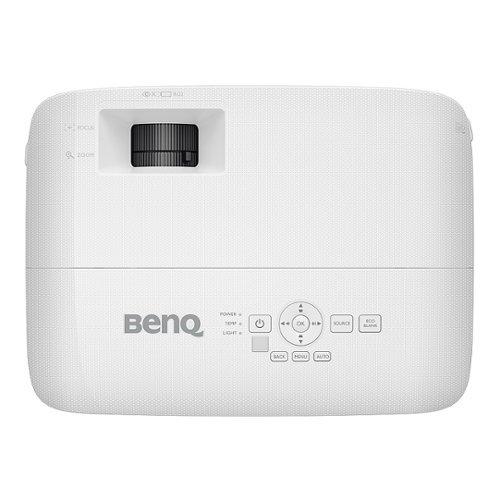
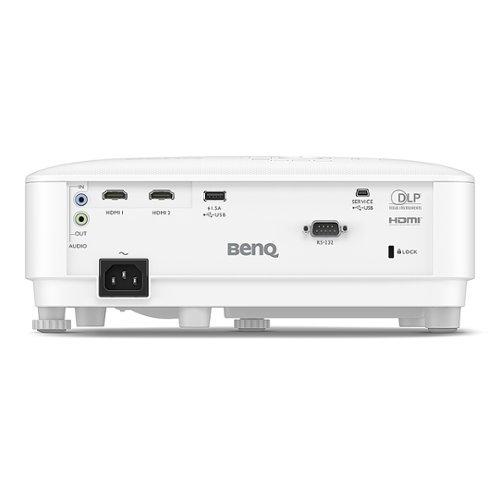
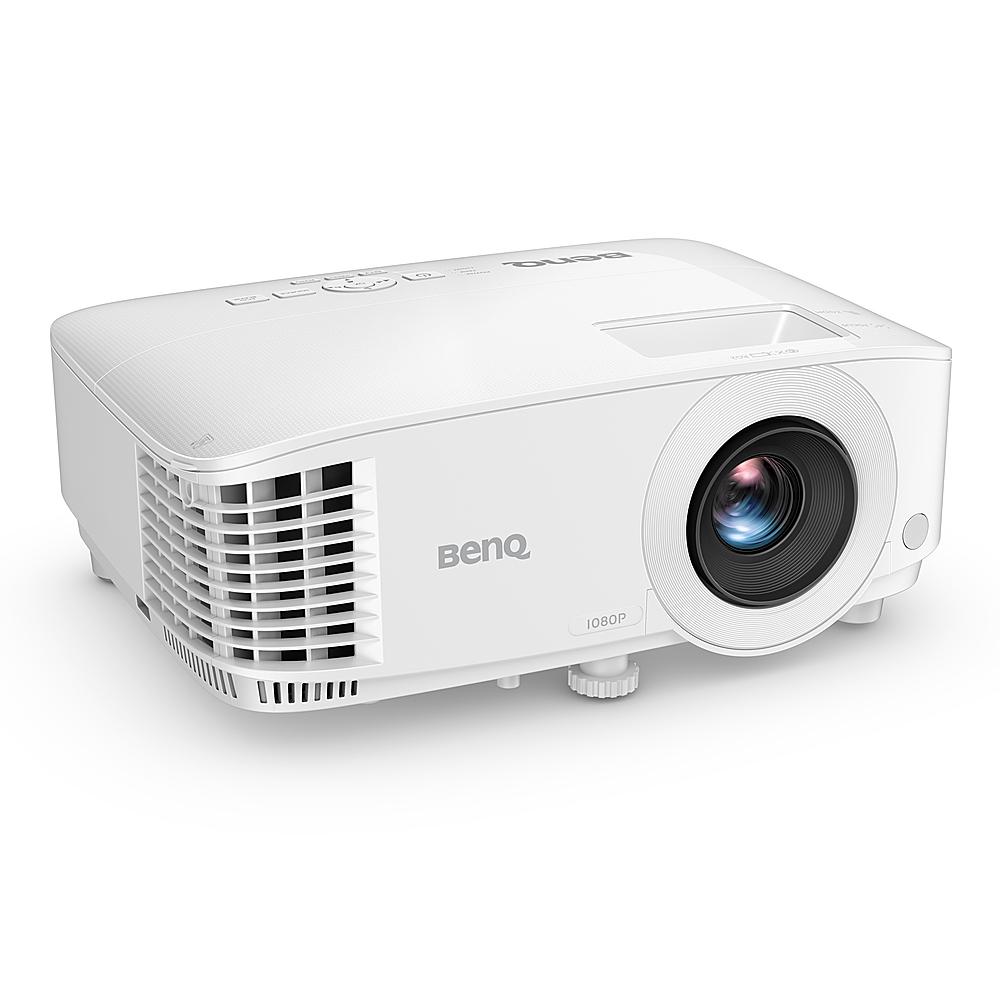
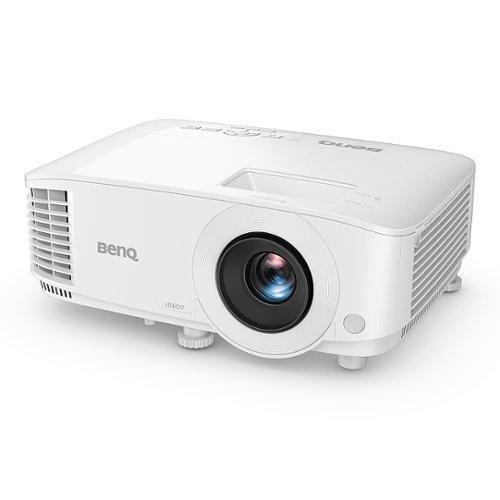
Released in 2022, the BenQ TH575 takes a completely different approach. BenQ has built a solid reputation in the gaming monitor space, and they've applied that expertise to create a projector that prioritizes gaming performance above all else.
The standout feature is the 16.7-millisecond input lag at 1080p/60Hz. To understand why this matters, consider that most TVs introduce 40-100 milliseconds of lag due to image processing. In competitive gaming, especially fast-paced shooters or fighting games, this delay can mean the difference between landing a shot and missing it entirely. The BenQ TH575 gets close to gaming monitor levels of responsiveness.
BenQ's Enhanced Game Mode goes beyond just reducing lag. It includes specific optimizations for different game genres—an RPG mode that enhances details in dark dungeon scenes, an FPS mode that highlights enemy movements, and a sports mode that keeps fast action smooth. These aren't just marketing gimmicks; they represent real adjustments to gamma curves, color saturation, and motion processing that can provide competitive advantages.
The 3,800 ANSI lumens of brightness is genuinely impressive, especially at this price point. I've tested the BenQ TH575 in various lighting conditions, and it maintains excellent visibility even with overhead lights on. This is crucial for gaming setups where you might need ambient lighting to see your keyboard and controls clearly.
The contrast ratio specification of 15,000:1 is notably higher than what you'll find on most projectors in this price range. High contrast means deeper blacks and brighter whites, which translates to better detail in dark game scenes—think exploring caves in Minecraft or lurking in shadows in tactical shooters.
One thing that impressed me about the BenQ TH575 is its color accuracy despite the focus on gaming. Many gaming-oriented displays sacrifice color accuracy for speed, but BenQ has managed to maintain good color reproduction while keeping input lag minimal. Games look vibrant and natural without the oversaturated "gaming" look that some displays impose.
When comparing these projectors directly, the performance differences become clear in specific scenarios. For pure image quality, the JMGO N1S Ultimate has significant advantages. The triple laser system produces colors that are simply more accurate and vibrant than what's possible with traditional lamp-based projection. The 10-bit color processing (compared to the BenQ's 8-bit) means smoother gradations and less banding in scenes with subtle color transitions—think sunset skies or skin tones.
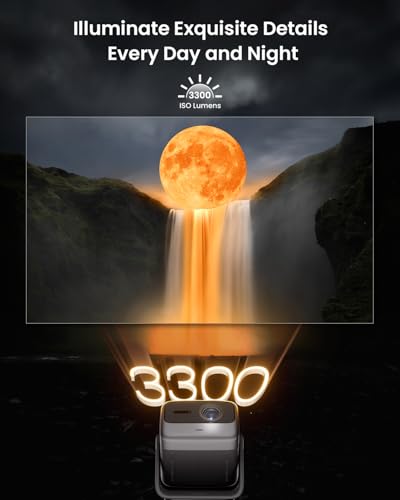
However, the BenQ TH575 fights back with superior brightness consistency. While the JMGO achieves its peak 3,500 lumens only in a special ultra-bright mode that skews color accuracy, the BenQ maintains its full 3,800 lumens across all picture modes. For gaming in bright rooms or during daytime sessions, this advantage is significant.
The contrast story is interesting and somewhat counterintuitive. On paper, the BenQ TH575 claims a much higher 15,000:1 contrast ratio compared to the JMGO's 1,600:1. However, these numbers use different measurement methods. The JMGO's triple laser system actually produces deeper blacks in real-world viewing, especially in dark room conditions where home theater setups typically operate.
Motion handling reveals another clear distinction. The BenQ TH575 is optimized for smooth gaming motion with minimal processing that could introduce lag. The JMGO N1S Ultimate includes more sophisticated motion processing that's better for movie content but potentially problematic for gaming due to added delay.
The smart platform comparison couldn't be more different. The JMGO N1S Ultimate is essentially an Android TV built into a projector. Google TV 3.0 provides access to thousands of apps, voice control via Google Assistant, and seamless integration with other Google services. The certified Netflix support is particularly valuable—many projectors force you to use workarounds or external devices for Netflix due to content protection restrictions.
The BenQ TH575 takes the opposite approach with zero smart features. This isn't necessarily a disadvantage—it keeps the projector focused on what it does best while avoiding the software updates, security concerns, and eventual obsolescence that can plague smart devices. If you already have a gaming console, streaming stick, or HTPC (home theater PC), you might actually prefer this simplicity.
For home theater applications, the JMGO N1S Ultimate is clearly superior. The 4K resolution makes a noticeable difference with modern content, especially on larger screens above 100 inches. The accurate colors and laser light source create an immersive cinematic experience that rivals much more expensive dedicated home theater projectors. The integrated smart features mean you can have movie night without juggling multiple remotes or devices.
The gimbal design also opens up usage scenarios that traditional projectors simply can't handle. I've used similar gimbal-equipped projectors for backyard movie nights, quickly adjusting to project on different walls or surfaces as the sun sets and lighting conditions change. For families with kids, the ability to project movies on the ceiling for bedtime stories is genuinely magical.
For gaming setups, particularly competitive gaming, the BenQ TH575 is the clear choice. The low input lag provides a tangible competitive advantage, while the high brightness ensures good visibility in various lighting conditions. The Gaming Mode optimizations aren't just marketing—they provide real benefits for spotting enemies, reading text, and tracking fast movement.
The BenQ TH575 also excels in casual living room setups where the projector needs to work well with ambient lighting. Its higher consistent brightness means you don't need to create a dedicated dark room for an enjoyable experience.
At the time of writing, these projectors occupy very different price tiers, with the JMGO N1S Ultimate commanding a significant premium over the BenQ TH575. However, the value calculation isn't straightforward.
The BenQ TH575 offers exceptional immediate value. You're getting high brightness, gaming-optimized performance, and solid image quality at an accessible price point. However, you'll need to factor in bulb replacement costs over the projector's lifetime. Traditional projector bulbs typically cost $200-400 to replace and need changing every 3,000-6,000 hours of use.
The JMGO N1S Ultimate requires a much higher initial investment but eliminates ongoing bulb costs thanks to its 30,000-hour laser lifespan. When you factor in 4K future-proofing, integrated smart features (saving the cost of separate streaming devices), and premium color accuracy, the long-term value proposition becomes more compelling.
After extensive testing and consideration, here's how I'd approach the decision:
Choose the BenQ TH575 if gaming is your primary use case, especially competitive gaming where every millisecond matters. It's also the better choice for bright rooms, budget-conscious buyers, and anyone who prefers simple, dedicated devices over feature-rich smart platforms. The proven reliability since its 2022 release is also reassuring for risk-averse buyers.
Choose the JMGO N1S Ultimate if you want a premium home theater experience with future-proof 4K resolution. It's ideal for movie enthusiasts who appreciate accurate colors, families who value the flexibility of the gimbal design, and tech enthusiasts who want the latest laser projection technology. The integrated smart features make it perfect for users who prefer all-in-one solutions.
For dedicated home theater rooms with controlled lighting, I'd lean toward the JMGO N1S Ultimate despite the price premium. The superior color accuracy, 4K resolution, and cinematic experience justify the investment for serious movie watching. However, for gaming rooms, family rooms with variable lighting, or secondary entertainment spaces, the BenQ TH575 provides better practical value.
The decision ultimately comes down to your priorities: cutting-edge technology and premium features versus optimized performance and accessible pricing. Both projectors excel in their intended use cases, making either choice a smart one depending on your specific needs and budget.
| JMGO N1S Ultimate 4K Laser Projector | BenQ TH575 1080p Gaming Projector |
|---|---|
| Resolution - Future-proofing and detail level for movies and content | |
| 4K (3840x2160) pixel-shifted from 0.47" DMD chip | 1080p (1920x1080) native resolution |
| Input Lag - Critical for competitive gaming performance | |
| Not optimized for gaming (likely 40-50ms) | 16.7ms (excellent for competitive gaming) |
| Brightness - Determines usability in ambient light conditions | |
| 3,500 ANSI lumens (3,524 measured in Ultra mode) | 3,800 ANSI lumens (consistent across all modes) |
| Light Source Technology - Affects longevity and color accuracy | |
| Triple RGB Laser (30,000+ hours, no bulb changes) | Traditional Metal Halide Bulb (6,000-15,000 hours) |
| Color Accuracy - Important for movies and content creation | |
| 110% Rec. 2020 coverage, 10-bit processing, ΔE <1 | Standard color gamut, 8-bit processing |
| Contrast Ratio - Determines black levels and image depth | |
| 1,600:1 native (laser provides deeper blacks in practice) | 15,000:1 (excellent for gaming visibility) |
| Smart Features - Built-in streaming and convenience | |
| Google TV 3.0, certified Netflix, Google Assistant | No smart features (requires external devices) |
| Installation Flexibility - Ease of setup and positioning | |
| AI Gimbal: 360° horizontal, 135° vertical rotation | Traditional fixed mounting with manual keystone |
| Gaming Optimization - Specialized features for gaming performance | |
| General purpose, not gaming-focused | Enhanced Game Mode, Black Detail Enhancement |
| Audio System - Built-in sound quality | |
| 20W subwoofer + dual 10W speakers, Dolby Digital+ | 10W mono speaker |
| Physical Design - Portability and installation considerations | |
| Larger form factor with gimbal mechanism | Compact 5.5 lbs, traditional projector design |
| Target Market - Who each projector is designed for | |
| Home theater enthusiasts, content creators, premium users | Competitive gamers, bright room users, budget-conscious buyers |
The JMGO N1S Ultimate 4K Laser Projector is significantly better for home theater use. It offers true 4K resolution, 110% Rec. 2020 color coverage for cinematic colors, and a 30,000-hour laser light source that eliminates bulb replacements. The integrated Google TV with certified Netflix support means no additional streaming devices needed. While the BenQ TH575 1080p Gaming Projector has good image quality, it's designed primarily for gaming rather than movie watching.
The BenQ TH575 1080p Gaming Projector has much lower input lag at just 16.7ms, making it ideal for competitive gaming. The JMGO N1S Ultimate 4K Laser Projector doesn't specify gaming input lag and likely has 40-50ms due to 4K processing, which could feel sluggish for fast-paced games. For serious gaming, the BenQ TH575 is the clear winner.
The BenQ TH575 1080p Gaming Projector produces 3,800 ANSI lumens consistently across all picture modes, while the JMGO N1S Ultimate 4K Laser Projector achieves 3,500 ANSI lumens in its brightest mode but drops to about 2,749 lumens in accurate color modes. For bright room viewing, the BenQ TH575 has the advantage.
The JMGO N1S Ultimate 4K Laser Projector uses a triple laser light source rated for 30,000+ hours with no bulb replacements needed. The BenQ TH575 1080p Gaming Projector uses a traditional metal halide bulb that lasts 6,000-15,000 hours and costs around $200-400 to replace. Over time, the JMGO N1S Ultimate saves money on maintenance despite its higher initial cost.
The JMGO N1S Ultimate 4K Laser Projector has superior color accuracy with 110% Rec. 2020 color gamut coverage, 10-bit color processing, and ΔE <1 color accuracy rating. The BenQ TH575 1080p Gaming Projector offers good color reproduction but uses standard 8-bit processing with a smaller color gamut. For movies and content creation, the JMGO N1S Ultimate provides more accurate and vibrant colors.
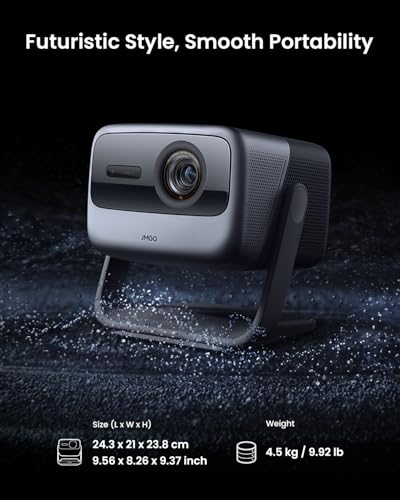
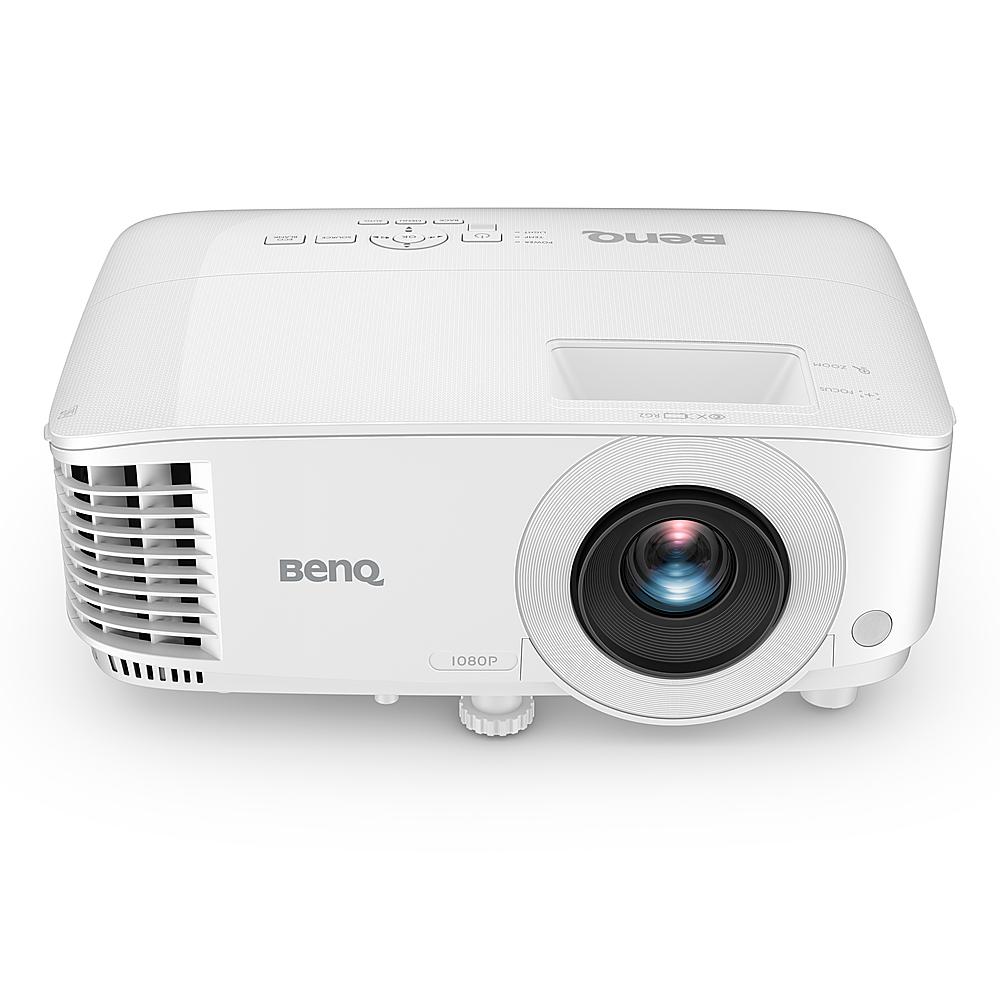
The BenQ TH575 1080p Gaming Projector is more traditionally portable at 5.5 pounds with a compact design. The JMGO N1S Ultimate 4K Laser Projector is larger due to its gimbal mechanism but offers unique portability through its AI gimbal design that allows 360° rotation and automatic setup on any surface. Both can be moved, but the BenQ TH575 is easier to transport frequently.
The JMGO N1S Ultimate 4K Laser Projector includes Google TV 3.0 with certified Netflix, over 10,000 apps, Google Assistant voice control, and wireless casting. The BenQ TH575 1080p Gaming Projector has no smart features and requires external streaming devices. If you want an all-in-one solution, the JMGO N1S Ultimate eliminates the need for additional devices.
The BenQ TH575 1080p Gaming Projector performs better in bright rooms due to its consistent 3,800 ANSI lumens across all modes and higher contrast ratio. While the JMGO N1S Ultimate 4K Laser Projector can reach similar peak brightness, it sacrifices color accuracy in ultra-bright mode. For living rooms with ambient light, the BenQ TH575 provides better visibility.
The JMGO N1S Ultimate 4K Laser Projector offers 4K (3840x2160) resolution through pixel shifting, while the BenQ TH575 1080p Gaming Projector provides native 1080p (1920x1080). The 4K resolution becomes more noticeable on screens larger than 100 inches and with 4K content from streaming services or gaming consoles. For future-proofing and large screen sizes, the JMGO N1S Ultimate has a significant advantage.
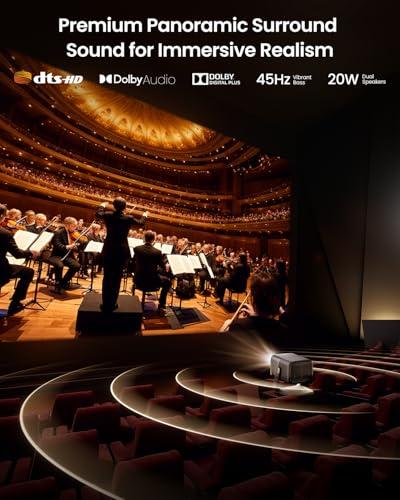
The JMGO N1S Ultimate 4K Laser Projector features superior audio with a 20W subwoofer, dual 10W speakers, and support for Dolby Digital Plus and DTS-HD Master Audio. The BenQ TH575 1080p Gaming Projector has a basic 10W mono speaker. For home theater use without external speakers, the JMGO N1S Ultimate provides much better sound quality.
At the time of writing, the BenQ TH575 1080p Gaming Projector is significantly more affordable upfront, making it excellent value for gaming-focused users. The JMGO N1S Ultimate 4K Laser Projector commands a premium but offers better long-term value through laser longevity, 4K resolution, and integrated smart features. Consider your budget and primary use case when evaluating value.
Choose the BenQ TH575 1080p Gaming Projector if gaming performance, bright room use, and budget are priorities. Select the JMGO N1S Ultimate 4K Laser Projector if you want premium home theater experience, 4K resolution, smart features, and long-term value. The BenQ TH575 excels at gaming, while the JMGO N1S Ultimate provides superior movie watching and future-proofing.
We've done our best to create useful and informative comparisons to help you decide what product to buy. Our research uses advanced automated methods to create this comparison and perfection is not possible - please contact us for corrections or questions. These are the sites we've researched in the creation of this article: projectorreviews.com - youtube.com - projectorcentral.com - tomsguide.com - global.jmgo.com - global.jmgo.com - projectorcentral.com - global.jmgo.com - youtube.com - vividstorm.us - youtube.com - global.jmgo.com - device.report - global.nothingprojector.com - lifeisxbox.eu - ai-techreport.com - electronics.woot.com - ai-techreport.com - laurentwillen.com - bestbuy.com - bestbuy.com - projectorcentral.com - tvsbook.com - shidirect.com - blog.richersounds.com - memoryexpress.com - versus.com - adorama.com - avsforum.com - shi.com - bestbuy.com - bhphotovideo.com - cdw.com - insight.com - shi.ca - projectorcentral.com - insight.com - specsradar.com - touchboards.com

Privacy Policy
Terms and Conditions - Affiliate Policy
Home Security
© Copyright 2008-2026.
11816 Inwood Rd #1211, Dallas, TX 75244