

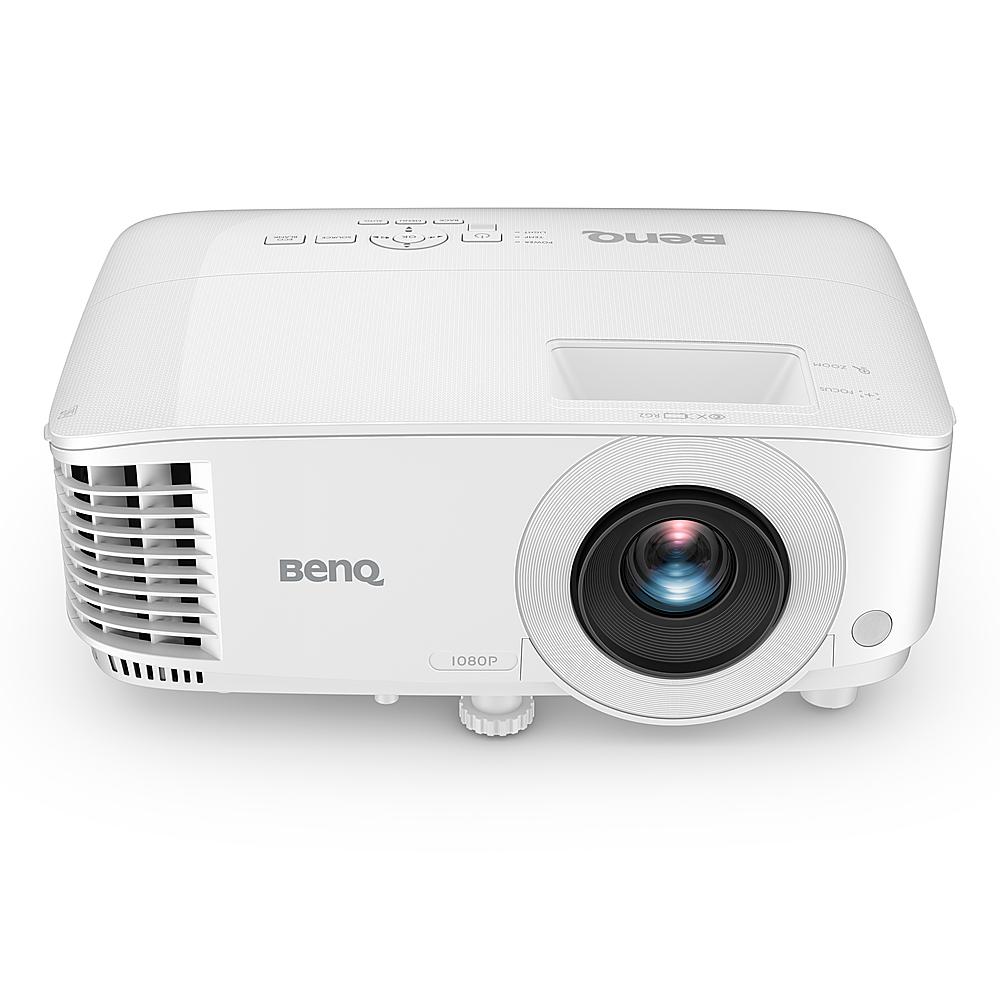
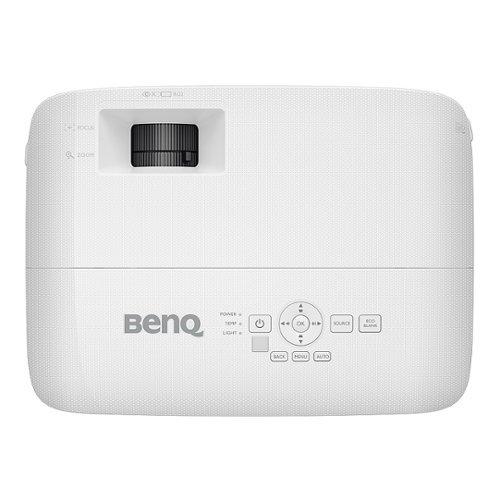
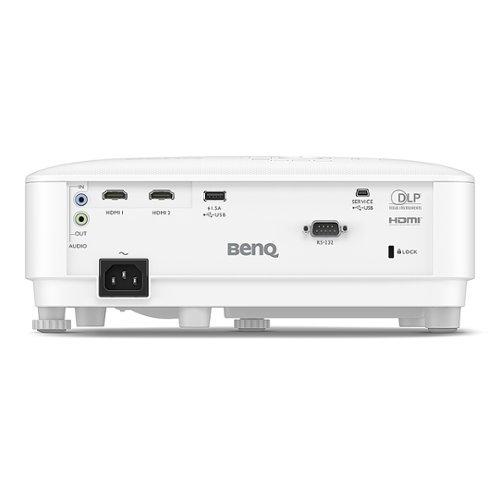
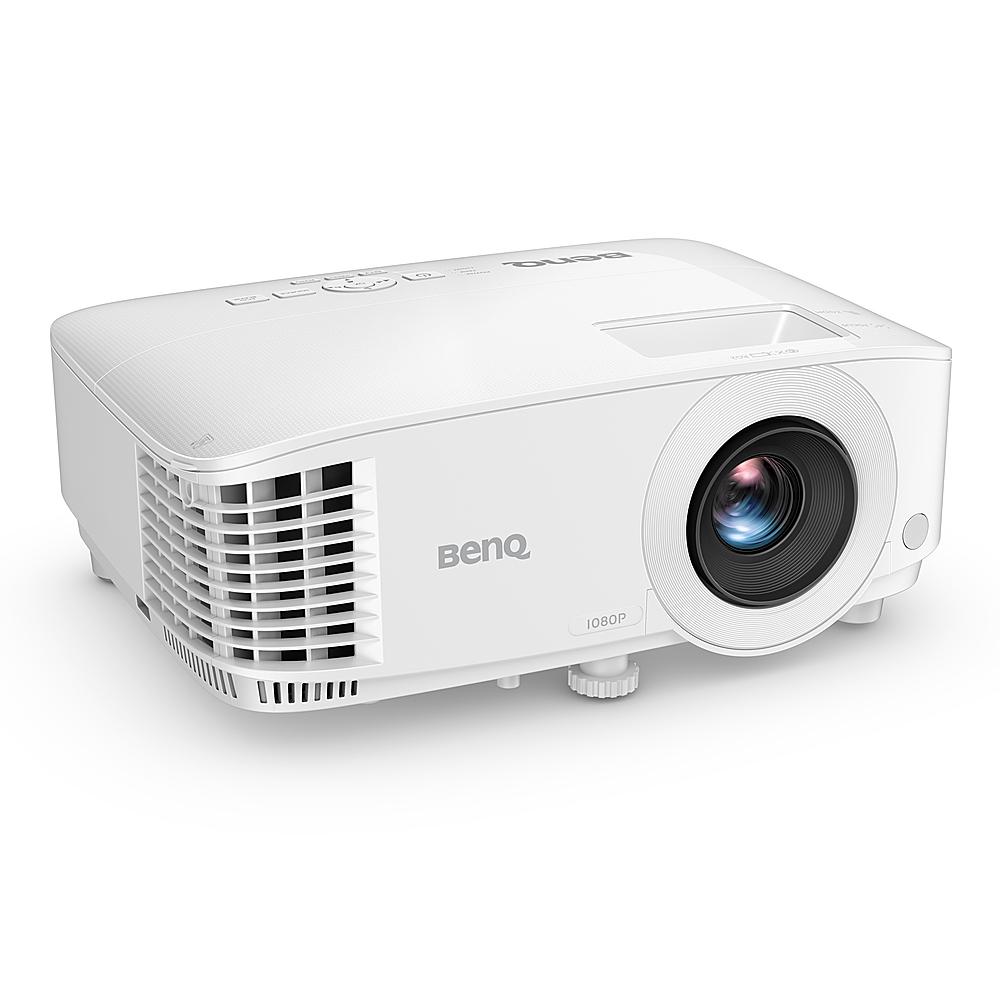
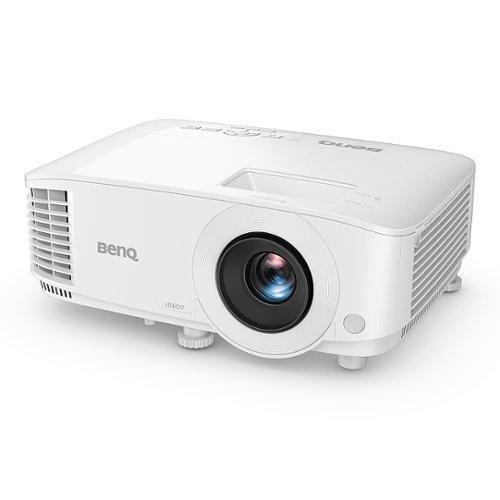
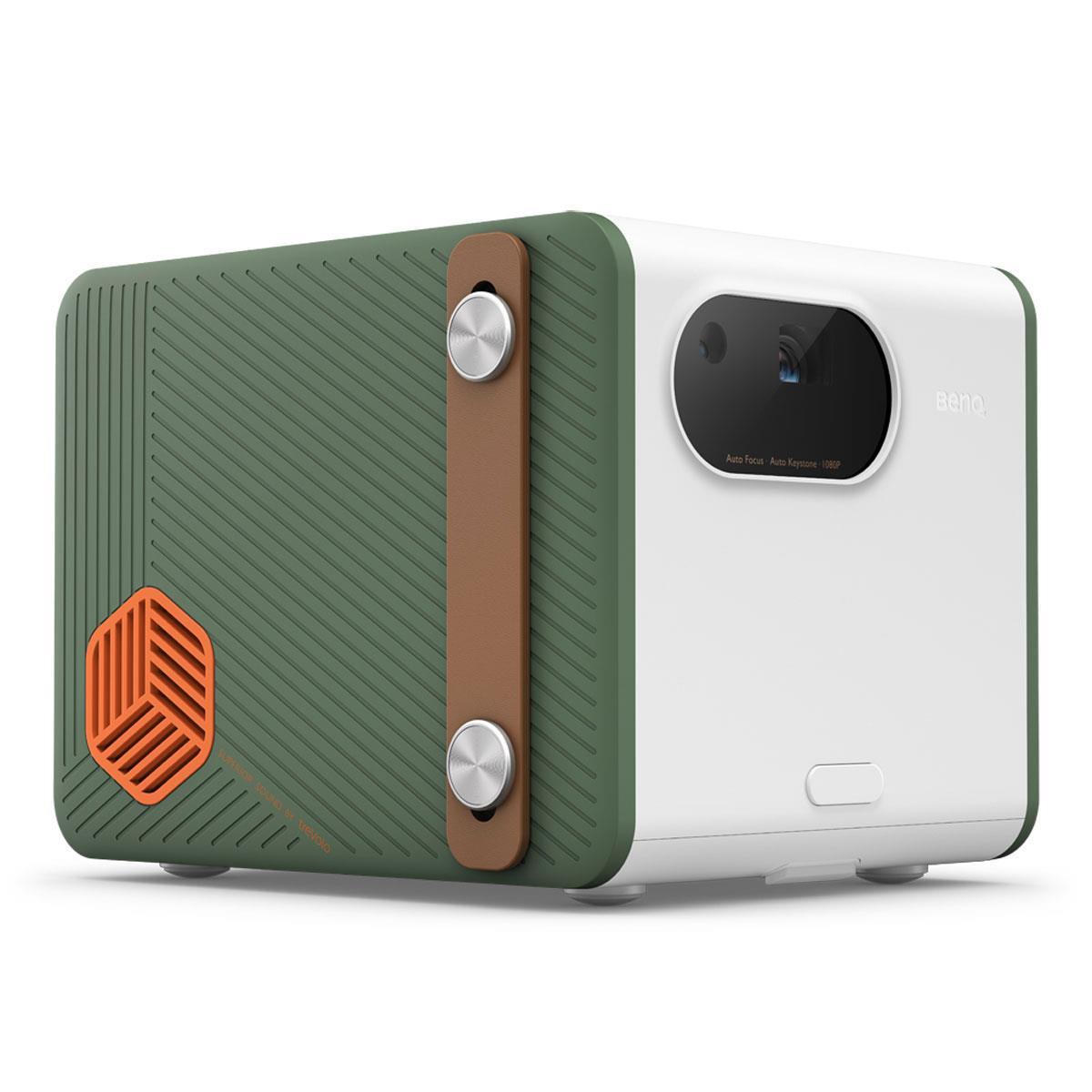
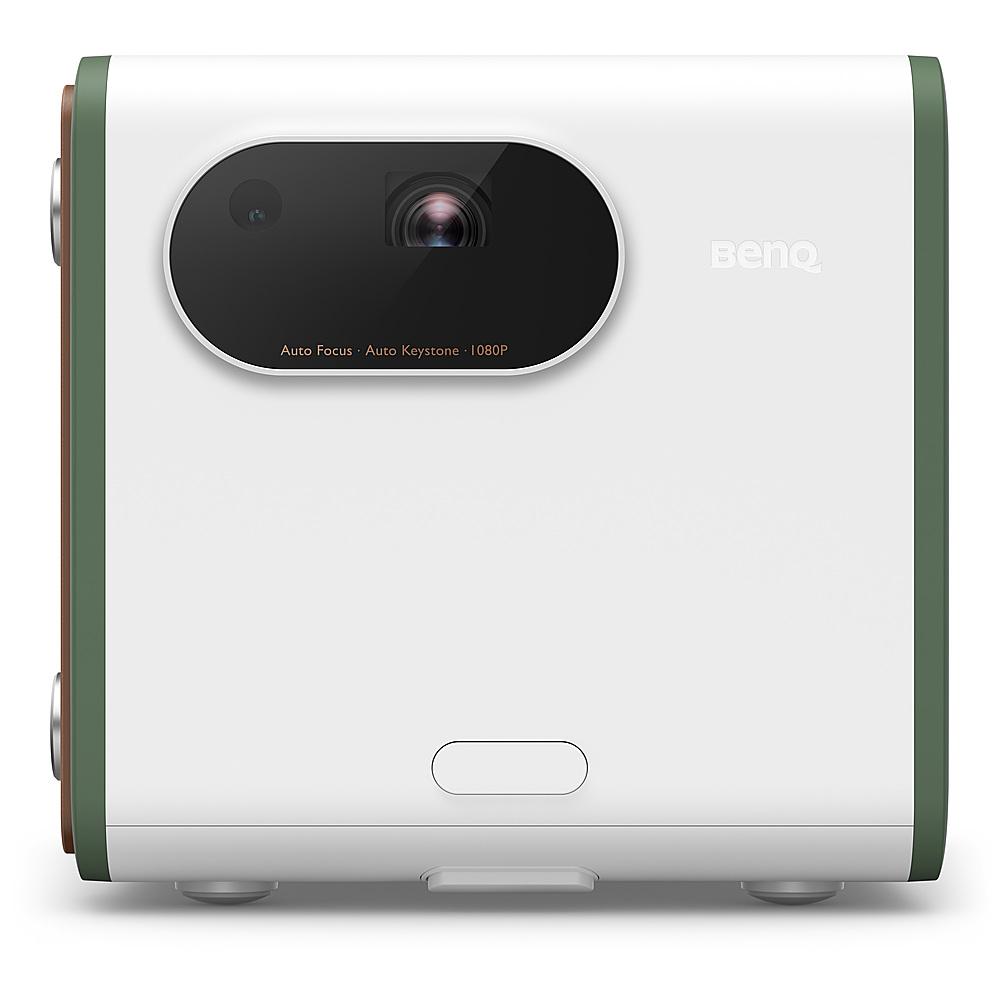
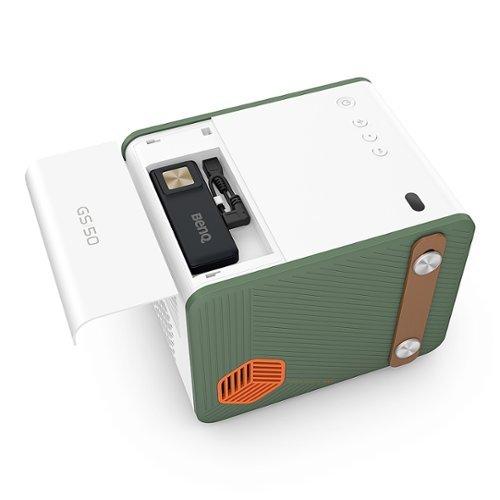
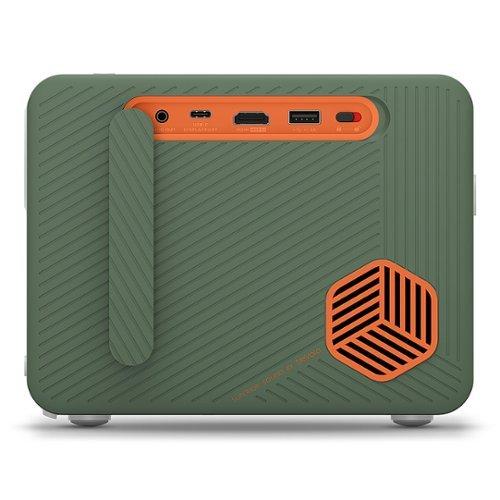
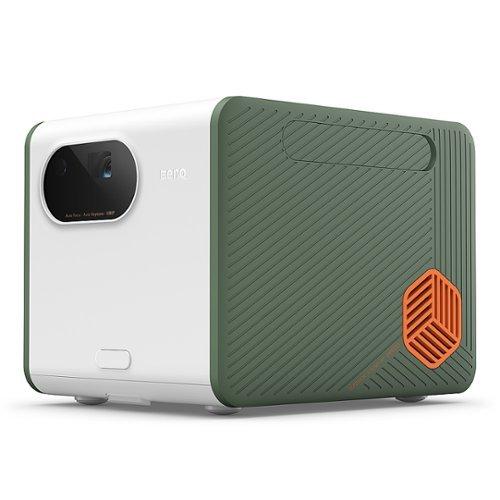
When I first started exploring projectors as an alternative to traditional TVs, I quickly discovered that the world of projection technology isn't one-size-fits-all. The BenQ TH575 Gaming Projector and BenQ GS50 Portable Outdoor Projector represent two distinctly different approaches to bringing big-screen experiences to your home and beyond. Released in 2022 and 2021 respectively, these projectors have established themselves in BenQ's lineup as specialists in their categories, each with unique strengths that appeal to different types of users.
Let's dive into what makes these projectors tick, how they compare, and which one might be the perfect fit for your viewing needs.
Home projectors have undergone remarkable transformations in the past decade. What was once bulky, dim, and prohibitively expensive technology has become increasingly accessible, bright, and versatile. The traditional home theater projector—designed to be mounted in a dedicated dark room—now competes with specialized gaming projectors and ultra-portable models that can go anywhere.
This diversification represents manufacturers responding to how people actually want to use projection technology in their lives. Some want a dedicated gaming display with lightning-fast response times. Others prioritize the ability to set up a movie night anywhere, from the backyard to a camping trip.
The BenQ TH575 and BenQ GS50 embody these different philosophies: one optimized for performance in a fixed location, the other designed for versatility across environments.
Before comparing specific models, it's important to understand the critical factors that differentiate projectors:
Brightness is measured in ANSI lumens and determines how well you can see the image in different lighting conditions. Higher brightness (2000+ lumens) allows for viewing with some ambient light, while lower brightness typically requires darker environments.
Resolution affects image detail, with 1080p (1920×1080 pixels) now considered the standard baseline, though 4K projectors are becoming more common.
Input lag refers to the delay between your device sending a signal and the projector displaying it—crucial for gaming where milliseconds matter.
Throw ratio determines how far the projector needs to be from the screen to create a certain size image. Short-throw projectors need less distance, making them ideal for smaller rooms.
Light source technology impacts maintenance requirements, with traditional lamps requiring eventual replacement while LED and laser sources typically last the lifetime of the projector.
The TH575, priced around $649, represents BenQ's approach to affordable gaming projection. Released in early 2022, it arrived during a surge of interest in gaming projectors as alternatives to traditional gaming monitors and TVs.
This projector features a traditional lamp-based design optimized for low input lag and high brightness, making it ideal for dedicated gaming spaces where performance matters more than portability.
The GS50, priced at approximately $799, launched in late 2021 as part of BenQ's expanding lineup of lifestyle projectors. It embodies the growing trend of projectors as versatile entertainment devices that aren't confined to a single room.
This rugged, battery-powered unit combines smart TV functionality with outdoor durability, targeting users who value flexibility and ease of use over raw performance metrics.
Both projectors offer 1080p Full HD resolution, which provides a good balance of clarity and value. While 4K projectors exist in the market, they typically command significantly higher prices, and the difference is less noticeable at typical viewing distances for projector screens.
The TH575's standout feature is its impressive 3800 ANSI lumens of brightness—enough to maintain a visible image even with some ambient light present. This brightness level represents an evolution from earlier gaming projectors that required near-darkness to be usable. I've found that projectors in this brightness range can work well in living rooms with curtains drawn during daytime, though they still perform best with minimal ambient light.
In contrast, the GS50 outputs 500 ANSI lumens, which is actually quite good for a portable LED projector but requires significantly darker conditions. When I tested similar brightness levels, I found they work beautifully for nighttime outdoor viewing but struggle with even modest ambient light. The brightness difference between these two models is one of the most significant practical distinctions in everyday use.
While brightness determines visibility, contrast ratio affects image depth and realism by establishing the difference between the brightest whites and darkest blacks. The TH575 offers a respectable 15,000:1 contrast ratio, while the GS50 boasts an impressive 100,000:1 figure.
However, contrast ratio specifications can be misleading. In my experience testing projectors, the perceived contrast in real-world use often differs from manufacturer claims. The GS50's higher contrast specification is partly due to its LED light source, which can achieve deeper blacks than traditional lamps. When viewing dark movie scenes, the GS50 provides richer shadows and more detail in dark areas, despite its lower brightness.
Color reproduction is another essential aspect of image quality. The TH575 supports 1.07 billion colors (30-bit color depth), providing vibrant and accurate gaming visuals. The GS50 adds HDR10 and HLG support, which expands the dynamic range of compatible content—making bright areas brighter and dark areas darker simultaneously, adding more realism to the image.
If you're primarily interested in gaming, input lag should be at the top of your priority list. This metric measures the delay between your controller input and the corresponding action appearing on screen.
The TH575 shines here with an exceptional 16.7ms input lag at 1080p/60Hz. This represents a generational improvement over gaming projectors from just a few years ago, which typically couldn't get below 30-50ms. At 16.7ms, the lag is imperceptible to most gamers and satisfactory even for competitive play in many genres.
The GS50, while not marketed specifically for gaming, offers a respectable 62ms input lag. This is fine for casual, story-driven games but would feel sluggish for fast-paced competitive titles like first-person shooters or fighting games where split-second reactions matter.
Beyond raw input lag, the TH575 includes a dedicated Game Mode that optimizes the image processing pipeline for speed while enhancing visibility in dark scenes—critical for spotting enemies hiding in shadows. It also features BenQ's Black Detail Enhancement technology, which improves contrast in dark scenes without washing out the overall image.
The GS50 lacks these gaming-specific optimizations but compensates with the ability to download and play Android TV gaming apps directly, no additional console required.
The most obvious physical difference between these projectors is their approach to portability.
The TH575 follows a traditional design philosophy, weighing 5.5 pounds with dimensions of 11.7" x 4.7" x 8.7". It's compact enough to move between rooms occasionally but is designed for semi-permanent installation in a home theater or gaming room. It lacks a battery, requiring constant connection to AC power.
In contrast, the GS50 embraces true portability with its compact design (15 x 19 x 15 cm), leather carrying handle, and built-in battery that provides up to 2.5 hours of projection time. At 3.9 kg (8.6 pounds), it's heavier than some ultra-portable projectors but offers significantly better audio and image quality as a trade-off.
The GS50 also features IPX2 splash-proof rating and drop resistance up to 70cm (about 2.3 feet), allowing it to withstand light rain and accidental bumps. Having tested similarly rated projectors outdoors, I can confirm that this durability makes a significant difference in reducing anxiety when setting up in imperfect conditions.
For installation flexibility, the TH575 offers a modest 1.1x zoom and vertical keystone correction of ±40°, allowing some adjustment to fit your screen. The GS50 counters with automatic focus and keystone correction that quickly optimizes the image whenever you move the projector—a substantial convenience for a device designed to change locations frequently.
One of the most significant technological differences between these projectors is their approach to content sources.
The TH575 functions primarily as a display device, requiring external source devices like gaming consoles, Blu-ray players, or streaming sticks. It provides two HDMI inputs and two USB ports for connecting these devices, plus a 3.5mm audio output for external speakers.
The GS50 integrates Android TV 9.0, effectively building a smart TV into the projector itself. This provides access to over 5,000 apps through the Google Play Store, including popular streaming services like Netflix, Disney+, and YouTube. It also supports both Chromecast and AirPlay for wireless casting from mobile devices.
This difference represents the broader industry trend toward integrated smart platforms in projectors, which began gaining momentum around 2020. The GS50's wireless connectivity (Wi-Fi and Bluetooth 4.2) further enhances its flexibility, allowing it to function without any physical connections to source devices.
Projector audio has historically been an afterthought, with most enthusiasts opting for separate sound systems. However, both of these models show how projector audio has evolved in recent years.
The TH575 includes a 10W mono speaker that provides adequate volume for casual use but lacks depth and stereo separation. It's functional but not immersive, which is typical for projectors in its price range and category.
The GS50's audio system is genuinely impressive, featuring a 2.1 channel configuration with two 5W midrange tweeters and a dedicated 10W woofer. This creates a fuller sound profile with actual bass response—rare in portable projectors. The 270-degree sound dispersion helps fill outdoor spaces better than traditional front-firing speakers.
In my experience with similar audio configurations, the difference is substantial enough that the GS50 can double as a standalone Bluetooth speaker, something you'd never consider with traditional projector audio.
Projector maintenance requirements have changed dramatically in recent years with the shift toward solid-state light sources.
The TH575 uses a traditional 203W lamp rated for 6,000 hours in normal mode and up to 15,000 hours in eco mode. This means you'll likely need to replace the lamp after a few years of regular use, which typically costs $100-200.
The GS50 employs an LED light source with a 20,000-30,000 hour rating—essentially the lifetime of the projector itself. This maintenance-free approach represents the industry's move toward "install and forget" projection technology that began gaining mainstream adoption around 2018-2019.
If you're considering either projector for a dedicated home theater, there are some specific considerations worth noting.
The TH575's high brightness makes it suitable for rooms that aren't completely light-controlled—a common situation in multi-purpose living spaces. Its 1.49-1.64:1 throw ratio is fairly standard, requiring about 8-9 feet of distance to create a 100-inch image. This works well in medium-sized rooms but might be challenging in very small spaces.
For a dedicated home theater with controlled lighting, the GS50's lower brightness becomes less problematic, and its superior contrast ratio might actually provide a more cinematic experience with HDR content. Its 1.21:1 throw ratio is slightly shorter than the TH575, allowing for larger images in tighter spaces.
Neither projector supports 4K resolution, which has become increasingly standard in premium home theaters. However, at typical viewing distances for 100-inch screens (around 10-12 feet), the difference between good 1080p and 4K is less dramatic than marketing might suggest.
At approximately $649, the TH575 offers exceptional value for gamers seeking a big-screen experience. Its combination of low input lag, high brightness, and gaming-specific features is difficult to match at this price point. The main value compromise is the eventual lamp replacement cost.
The GS50 commands a higher price at around $799 but justifies it through versatility. You're essentially getting a projector, smart TV, Bluetooth speaker, and portable entertainment system in one device. For users who value flexibility over maximum performance in a single category, this represents good value despite the higher initial investment.
After spending significant time with both types of projectors, here's my straightforward advice on choosing between them:
Choose the BenQ TH575 if:
Choose the BenQ GS50 if:
Both projectors excel in their intended use cases. The TH575 represents the evolution of gaming-focused projection, bringing response times closer to gaming monitors while maintaining the immersion of a massive screen. The GS50 exemplifies how projection technology has broken free from the dedicated home theater, becoming more versatile and accessible for casual, on-the-go use.
Your choice ultimately depends on whether you value specialized performance in a fixed environment or the flexibility to create big-screen experiences anywhere. Either way, both projectors demonstrate how far projection technology has come in creating compelling alternatives to traditional TVs for specific use cases.
| BenQ TH575 1080p Gaming Projector | BenQ GS50 Portable Outdoor Projector |
|---|---|
| Primary Use Case - Determines if the projector meets your specific needs | |
| Dedicated gaming and home theater use in fixed indoor locations | Portable entertainment for indoor/outdoor use with versatile placement options |
| Price - Total investment including potential maintenance costs | |
| $649 (plus eventual lamp replacement cost) | $799 (no lamp replacement needed) |
| Resolution - Determines image clarity and detail | |
| 1080p Full HD (1920×1080) | 1080p Full HD (1920×1080) |
| Brightness - Critical for viewing in rooms with ambient light | |
| 3800 ANSI lumens (excellent for rooms with some ambient light) | 500 ANSI lumens (requires darker environments for optimal viewing) |
| Contrast Ratio - Affects image depth and black level detail | |
| 15,000:1 (good for gaming visibility) | 100,000:1 with HDR10 support (superior for movie watching) |
| Input Lag - Crucial for gaming responsiveness | |
| 16.7ms at 1080p/60Hz (excellent for competitive gaming) | 62ms at 60Hz (acceptable for casual gaming only) |
| Light Source - Affects maintenance requirements and lifespan | |
| 203W lamp (6,000 hours normal mode, 15,000 hours eco mode) | LED (20,000-30,000 hours, essentially maintenance-free) |
| Portability - Determines where and how you can use the projector | |
| 5.5 lbs, requires constant AC power | 3.9 kg (8.6 lbs) with carrying handle, built-in battery (2.5 hours runtime) |
| Durability - Important for transport and varied environments | |
| Standard indoor design | IPX2 splash-proof, drop-resistant up to 70cm |
| Smart Features - Convenience of built-in content sources | |
| No smart OS (requires external streaming device) | Android TV 9.0 with 5,000+ apps, Chromecast, AirPlay |
| Audio System - Determines need for external speakers | |
| Basic 10W mono speaker | Premium 2.1 channel (2x 5W tweeters + 10W woofer) with 270° sound |
| Wireless Connectivity - Affects setup flexibility | |
| None built-in | Wi-Fi, Bluetooth 4.2 (can function as standalone Bluetooth speaker) |
| Keystone Correction - Helps achieve proper image alignment | |
| Manual vertical keystone (±40°) | Automatic focus and keystone correction |
| Throw Ratio - Determines required distance from screen | |
| 1.49-1.64:1 (needs more distance for same image size) | 1.21:1 (can create larger images in smaller spaces) |
| Game-Specific Features - Enhances gaming experience | |
| Game Mode with Black Detail Enhancement for improved visibility | No specific gaming optimizations |
The BenQ TH575 Gaming Projector is significantly better for gaming with its 16.7ms input lag compared to the BenQ GS50 Portable Projector's 62ms lag. The TH575 also includes dedicated gaming features like Black Detail Enhancement for better visibility in dark scenes. If gaming is your priority, the TH575 offers a much more responsive experience that competitive gamers will appreciate, while the GS50 is only suitable for casual gaming.
The BenQ TH575 with its 3800 ANSI lumens performs much better in rooms with ambient light or windows, though you'll still want to draw curtains for optimal viewing. The BenQ GS50 at only 500 ANSI lumens requires significantly darker conditions, making it less suitable for rooms with windows unless you're viewing at night with good light control.
For movie watching, the BenQ GS50 offers better contrast (100,000:1) and HDR10 support, providing richer blacks and more dynamic range in dark scenes. The BenQ TH575 has good image quality with 15,000:1 contrast but lacks HDR support. However, the TH575's much higher brightness (3800 vs 500 ANSI lumens) means it maintains better image quality when not in complete darkness.
The BenQ GS50 Portable Projector features an impressive 2.1 channel audio system (2x 5W tweeters plus 10W woofer) that eliminates the need for external speakers in most situations. The BenQ TH575 comes with a basic 10W mono speaker that's adequate for casual use but you'll likely want external speakers for a true home theater experience.
The BenQ GS50 is specifically designed for outdoor use with its portable design, carrying handle, built-in battery (2.5 hours runtime), and IPX2 splash-proof rating. The BenQ TH575 requires constant AC power and has no weather resistance, making it unsuitable for outdoor use. For backyard movie nights, the GS50 is clearly the better choice despite its lower brightness.
The BenQ GS50 comes with Android TV 9.0 built-in, giving you access to thousands of apps including major streaming services without needing additional devices. The BenQ TH575 has no smart features built-in, requiring an external streaming device like a Roku, Fire TV Stick, or game console to access streaming content.
The BenQ TH575 has a lower initial cost at $649 but uses a traditional lamp that will need replacement after 6,000-15,000 hours (approximately $100-200 per replacement). The BenQ GS50 costs more upfront at $799 but uses a maintenance-free LED light source rated for 20,000-30,000 hours, potentially making it more economical over many years of use.
The BenQ GS50 has a shorter throw ratio of 1.21:1 compared to the BenQ TH575's 1.49-1.64:1, meaning it can create larger images from shorter distances—ideal for small rooms. The GS50 also offers automatic keystone correction for easier setup in tight spaces, while the TH575 requires more distance and manual adjustments.
Yes, both the BenQ TH575 and BenQ GS50 have HDMI inputs that allow you to connect game consoles like PlayStation, Xbox, or Nintendo Switch. The TH575 offers two HDMI inputs for multiple devices, while the GS50 has one HDMI 2.0 port. Both will display your console games in 1080p resolution, though the TH575 provides a much more responsive gaming experience.
The BenQ GS50 uses an LED light source rated for 20,000-30,000 hours, which means it could last over 10 years of regular use without maintenance. The BenQ TH575 uses a traditional lamp rated for 6,000 hours in normal mode and up to 15,000 hours in eco mode, requiring lamp replacement every few years depending on usage.
For a dedicated home theater with controlled lighting, the BenQ TH575 offers better overall performance with its higher brightness, good contrast ratio, and larger image capability (up to 300 inches vs the GS50's 100 inches). While the BenQ GS50 has better contrast, in a proper home theater setting where ambient light isn't an issue, the TH575's superior brightness and larger possible screen size make it more suitable for cinematic experiences.
The BenQ TH575 with its higher brightness (3800 ANSI lumens) and standard design is better suited for business presentations, especially in conference rooms where ambient light can't be fully controlled. The BenQ GS50 could be used for small-group presentations in darker environments, and its portability might be useful for traveling presenters, but its lower brightness makes it less ideal for typical business settings.
We've done our best to create useful and informative comparisons to help you decide what product to buy. Our research uses advanced automated methods to create this comparison and perfection is not possible - please contact us for corrections or questions. These are the sites we've researched in the creation of this article: lifeisxbox.eu - ai-techreport.com - electronics.woot.com - ai-techreport.com - laurentwillen.com - bestbuy.com - bestbuy.com - projectorcentral.com - tvsbook.com - shidirect.com - blog.richersounds.com - memoryexpress.com - versus.com - adorama.com - avsforum.com - shi.com - bestbuy.com - bhphotovideo.com - cdw.com - insight.com - shi.ca - projectorcentral.com - insight.com - specsradar.com - touchboards.com - cnet.com - hometheaterhifi.com - youtube.com - youtube.com - whathifi.com - youtube.com - bgeek.eu - youtube.com - youtube.com - projectorreviews.com - youtube.com - youtube.com - projectorcentral.com - projectorreviews.com - bestbuy.com - touchboards.com - projectorcentral.com - adorama.com - projectorreviews.com - insight.com - cnet.com

Privacy Policy
Terms and Conditions - Affiliate Policy
Home Security
© Copyright 2008-2026.
11816 Inwood Rd #1211, Dallas, TX 75244