

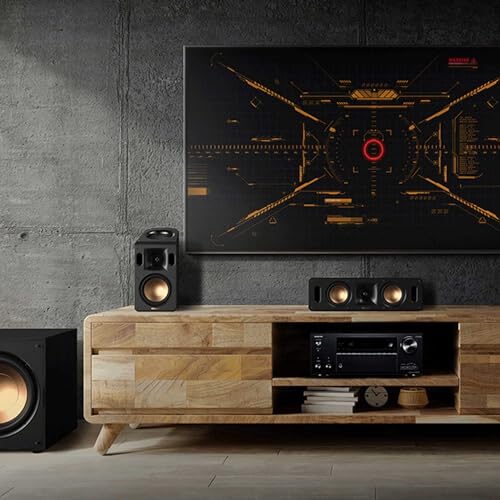
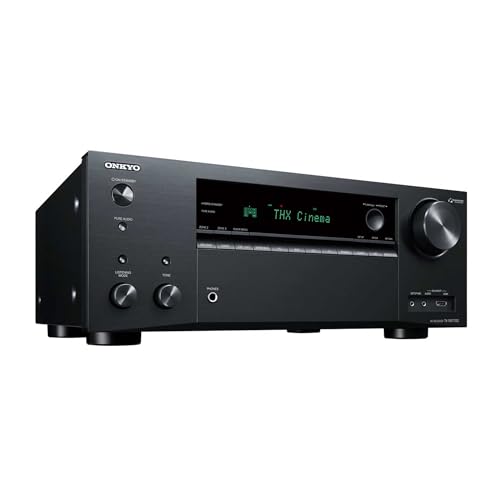
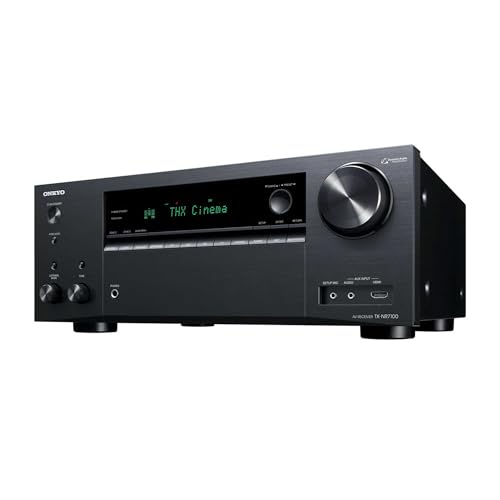
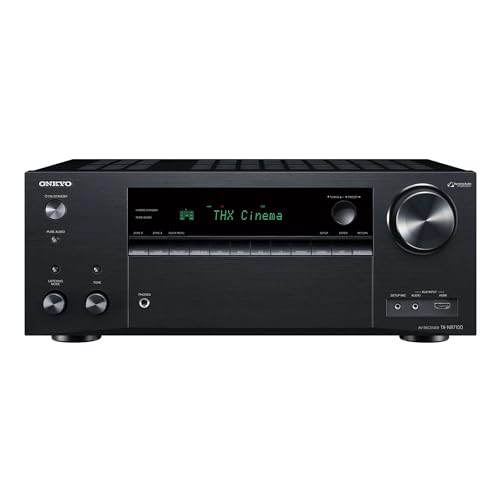

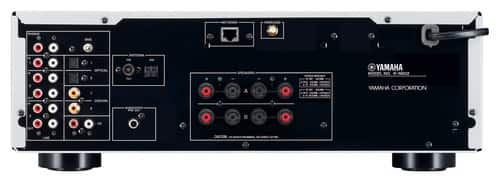
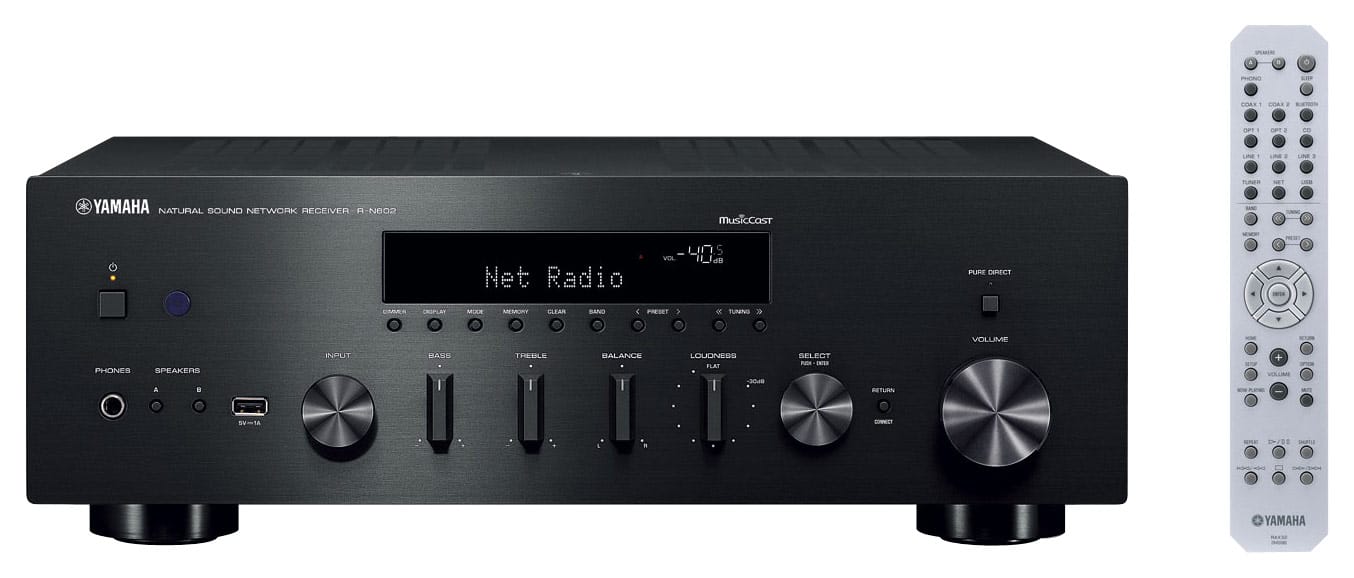
When shopping for a new receiver, you might find yourself comparing products that seem similar but actually serve completely different purposes. The Onkyo TX-NR7100 and Yamaha R-N602 represent two fundamentally different philosophies in home audio—and understanding these differences is crucial to making the right choice for your setup.
Before diving into specifics, let's clarify what we're dealing with here. An AV receiver like the Onkyo TX-NR7100 is essentially the command center of a home theater system. It handles multiple audio channels (think surround sound), processes video signals, and switches between different HDMI sources. These receivers prioritize versatility and feature breadth—they're designed to do everything reasonably well.
A network stereo receiver like the Yamaha R-N602 takes the opposite approach. It focuses exclusively on two-channel stereo sound with modern streaming capabilities added in. This represents the traditional hi-fi philosophy: instead of trying to do everything, concentrate all your engineering resources on making stereo music sound absolutely incredible.
The key considerations when choosing between these approaches include your primary use case (home theater vs. music listening), whether you need video processing capabilities, how important surround sound is to you, and whether you prefer a specialized tool or an all-in-one solution.
The Yamaha R-N602 launched in 2015, making it nearly a decade old at the time of writing. Don't let that age fool you though—in the world of stereo audio, good design principles are timeless. The fundamentals of amplifying a stereo signal haven't changed dramatically, and Yamaha's focus on pure audio quality means this receiver hasn't become obsolete the way video-heavy products might.
The Onkyo TX-NR7100 represents the current generation of AV receivers, having arrived in 2022. This timing matters because it includes the latest video processing standards like HDMI 2.1, which weren't available when the Yamaha launched. However, this also means the Onkyo carries the complexity of modern AV receivers, with all the potential reliability issues that come with cramming so many features into one box.
On paper, the power specifications look straightforward: the Yamaha R-N602 delivers 80 watts per channel across two channels, while the Onkyo TX-NR7100 provides 100 watts per channel across nine channels. But power ratings in audio are notoriously misleading, and real-world performance tells a different story.
The Yamaha uses what's called ToP-ART (Total Purity Audio Reproduction Technology), which is Yamaha's approach to minimizing signal degradation throughout the amplification process. This involves using high-quality components from input to output and designing the circuit paths to maintain signal purity. The result is that those 80 watts often sound more powerful and controlled than higher-rated amplifiers using cheaper components.
More concerning for the Onkyo TX-NR7100 are user reports suggesting the amplifier feels underpowered despite its 100-watt rating. Multiple users mention needing to set volume levels around 60 out of 100 for moderate listening levels, which is unusually high. Some attribute this to cost-cutting in the amplifier section—the TX-NR7100 is notably lighter than previous Onkyo models, which often indicates smaller transformers and power supplies.
This highlights a crucial point: total harmonic distortion (THD) and power delivery consistency matter more than peak wattage numbers. The Yamaha's 0.04% THD specification suggests very clean power delivery, while user feedback indicates the Onkyo may struggle with dynamic peaks despite its higher rating.
When it comes to pure stereo music reproduction, the Yamaha R-N602 has several significant advantages. First, it includes a Pure Direct mode that bypasses unnecessary circuitry like tone controls and extra buffer stages. This creates the shortest possible signal path from input to speakers, reducing opportunities for distortion or coloration.
The Yamaha also features a high-end Burr-Brown DAC (digital-to-analog converter) that supports DSD files up to 5.6MHz. DSD is a high-resolution audio format that some audiophiles prefer for its natural sound characteristics. More importantly, the DAC implementation focuses entirely on stereo performance rather than being part of a complex multichannel processor.
Perhaps most notably for vinyl enthusiasts, the Yamaha R-N602 includes what reviewers consistently describe as an exceptional MM phono stage (the circuitry that amplifies and equalizes signals from turntables). Professional reviews note this phono section performs "well above expectations for an integrated unit," rivaling dedicated phono preamps costing hundreds of dollars on their own.
The Onkyo TX-NR7100 takes a different approach. While it includes a basic MM phono input, this clearly isn't the priority. Instead, the focus is on multichannel processing and surround sound formats. User feedback on stereo performance is mixed—some praise improved dynamics over older receivers, while others describe disappointing sound quality with reduced bass response and poor soundstaging.
This is where the Onkyo TX-NR7100 should shine, and in many ways it delivers. The receiver carries THX Certified Select designation, meaning it has passed thousands of tests to ensure reference-quality audio performance for cinema applications. It supports all the latest surround formats including Dolby Atmos and DTS:X.
Dolby Atmos adds a vertical dimension to surround sound by including height channels that can be either ceiling-mounted speakers or special upward-firing speakers. The TX-NR7100 can process up to 5.1.4 configurations (five main channels, one subwoofer, four height channels) or 7.1.2 setups. For systems without height speakers, it includes Dolby Atmos Height Virtualization, which uses psychoacoustic processing to simulate overhead effects through your existing speakers.
The AccuEQ room calibration system measures your room's acoustics and adjusts the receiver's output to compensate for issues like standing waves and speaker placement problems. While not as sophisticated as some competing systems, it provides meaningful improvements in most rooms.
However, user feedback reveals concerning inconsistencies in the Onkyo TX-NR7100's performance. While some users report excellent surround sound with impressive dynamics, others describe disappointing results even in home theater applications, with one detailed review mentioning "nearly gone" low-end response and poor dialogue clarity.
The video capabilities represent perhaps the starkest difference between these receivers. The Yamaha R-N602 has absolutely zero video processing—no HDMI ports, no video inputs or outputs of any kind. It's purely an audio component.
The Onkyo TX-NR7100, by contrast, offers comprehensive video processing that would have been considered high-end just a few years ago. It supports 8K/60Hz and 4K/120Hz passthrough, which means it can handle the highest resolution content from sources like gaming consoles or streaming devices without degrading the signal.
For gamers, the TX-NR7100 includes HDMI 2.1 features like VRR (Variable Refresh Rate), which eliminates screen tearing, and ALLM (Auto Low Latency Mode), which automatically switches to a low-latency mode when gaming consoles are detected. These features are crucial for competitive gaming or getting the most out of PlayStation 5 and Xbox Series X consoles.
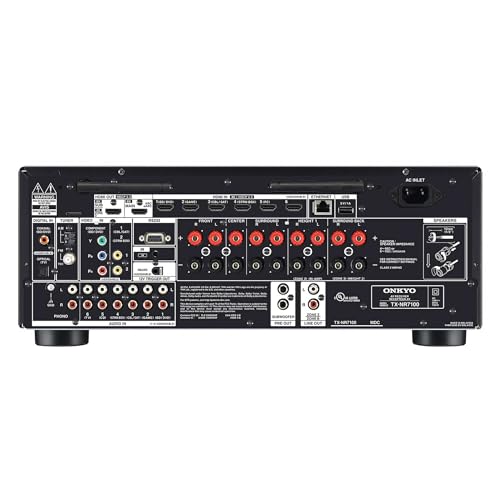
The receiver also supports modern HDR (High Dynamic Range) formats including HDR10+, Dolby Vision, and HLG (Hybrid Log Gamma). These formats provide wider color gamuts and better contrast ratios compared to standard video. With six HDMI 2.1 inputs and two outputs, the TX-NR7100 can serve as a comprehensive HDMI switching hub for your entertainment system.
Both receivers offer network streaming capabilities, but with different priorities and implementations.
The Yamaha R-N602 supports Yamaha's MusicCast multi-room system, which allows you to group multiple compatible Yamaha devices throughout your home for synchronized playback. It includes AirPlay (the original version) for streaming from Apple devices and supports various music streaming services. The interface is generally praised as intuitive and responsive.
The Onkyo TX-NR7100 offers broader streaming support including Chromecast Built-in, AirPlay 2, and DTS Play-Fi for multi-room audio. It supports more streaming platforms and offers more flexible multi-room configurations, including Zone 2 HDMI capability that can send independent video and audio to a second room.
However, user feedback consistently notes that the Onkyo's interface can be "klunky" compared to competitors, and some users report connectivity issues with certain streaming services.
The Yamaha R-N602 offers basic multi-room functionality through MusicCast, allowing you to stream the same music to compatible speakers throughout your home.
The Onkyo TX-NR7100 provides more sophisticated multi-zone capabilities. Zone 2 can receive its own HDMI input, meaning you could watch different content in your main room and a bedroom simultaneously. Zone 3 provides audio-only output to additional rooms. This flexibility makes the Onkyo more suitable for complex multi-room installations, though it also adds complexity to the setup process.
This is where the age difference between these products becomes apparent. The Yamaha R-N602, despite being from 2015, benefits from Yamaha's reputation for building reliable, long-lasting audio equipment. The company has decades of experience in stereo amplifier design, and the focused approach means fewer potential failure points.
The Onkyo TX-NR7100 presents a more complex reliability picture. While some users report excellent performance and reliability, others note concerning issues. The receiver is notably lighter than previous Onkyo models, which typically indicates smaller power supplies and transformers—components that directly affect long-term reliability and performance consistency.
User feedback reveals a polarized experience with the TX-NR7100. Positive reviews describe "great sound" and easy setup, while negative reviews mention issues with power delivery, dialogue clarity, and overall satisfaction levels that led some users to return the unit.
At the time of writing, these receivers occupy different price tiers, which reflects their different target markets and capabilities.
The Yamaha R-N602, being an older model, typically sells for significantly less than current receivers with similar features. For users who don't need video processing or surround sound, it represents exceptional value—you're getting high-end stereo amplification with modern streaming features at a price that would be difficult to match with separate components.
The Onkyo TX-NR7100 commands a premium price that reflects its comprehensive feature set and modern video capabilities. However, the mixed user feedback raises questions about whether it delivers commensurate value. The combination of reported power delivery issues and build quality concerns suggests this may not be the best choice at its price point, despite the impressive feature list.
The technology landscape has shifted significantly since the Yamaha R-N602 launched in 2015. Streaming services have become more prevalent, high-resolution audio has gained mainstream acceptance, and wireless connectivity has improved dramatically. However, the core mission of stereo audio reproduction hasn't changed, which is why this receiver remains relevant.
The Onkyo TX-NR7100 includes cutting-edge video processing that wasn't available in 2015, particularly the HDMI 2.1 features crucial for modern gaming. However, it also carries the complexity burden of current AV receivers, which attempt to integrate so many features that reliability and performance consistency can suffer.
You're primarily interested in music listening and don't need video processing capabilities. This receiver excels for vinyl enthusiasts who want an integrated phono stage that rivals much more expensive dedicated units. It's also ideal if you prefer reliability and simplicity over extensive features, or if you're building a dedicated two-channel system for critical music listening.
The Yamaha makes sense for bedrooms, offices, or dedicated listening rooms where video isn't needed. It's particularly appealing if you want a "set it and forget it" solution that will provide years of reliable service.
You need a complete home theater solution with modern video processing capabilities. Despite the mixed user feedback, it remains one of the more affordable ways to get HDMI 2.1 features for gaming, comprehensive surround sound processing, and multi-room capabilities in a single box.
The Onkyo makes sense for main home theater rooms where you need to connect multiple HDMI sources, want immersive surround sound, and can tolerate some potential setup complexity. It's particularly suitable if you're gaming on current-generation consoles that benefit from 4K/120Hz and VRR support.
However, given the reliability concerns and mixed user feedback, I'd recommend auditioning the TX-NR7100 carefully before purchase, and considering alternatives from Yamaha or Denon if your budget allows.
These receivers represent two completely different approaches to home audio. The Yamaha R-N602 is a focused specialist that excels at its intended purpose—delivering exceptional stereo music reproduction with modern conveniences. The Onkyo TX-NR7100 is an ambitious generalist that attempts to handle every aspect of modern home theater.
Your choice should be based primarily on whether you need video processing and surround sound capabilities, as the audio-only Yamaha simply cannot fulfill home theater requirements. Conversely, if you're primarily interested in stereo music listening, the Yamaha's focused approach likely delivers better performance per dollar than the feature-heavy but potentially problematic Onkyo.
In my experience, specialized audio equipment often provides better long-term satisfaction than Swiss Army knife solutions, particularly when reliability and consistent performance matter more than having every possible feature.
| Onkyo TX-NR7100 | Yamaha R-N602 |
|---|---|
| Channel Configuration - Determines surround sound capabilities and room filling power | |
| 9.2 channels (supports full Dolby Atmos/DTS:X setups) | 2.0 channels (stereo only, can add subwoofer for 2.1) |
| Power Output - Affects volume levels and speaker compatibility | |
| 100W per channel (users report needing high volume settings) | 80W per channel (clean power with ToP-ART design) |
| Video Processing - Essential for modern home theater setups | |
| Full HDMI 2.1 suite: 8K/60Hz, 4K/120Hz, VRR, ALLM for gaming | None - audio-only receiver with no video capabilities |
| Audio Quality Focus - Where engineering resources are concentrated | |
| Multi-format processing with mixed user feedback on stereo performance | Dedicated stereo optimization with Pure Direct mode and premium DAC |
| HDMI Connectivity - Determines source device compatibility | |
| 6 HDMI 2.1 inputs, 2 outputs with eARC support | No HDMI ports - requires separate video switching |
| Phono Stage Quality - Critical for vinyl enthusiasts | |
| Basic MM phono input (adequate but not premium) | Exceptional integrated phono stage rivals dedicated units |
| Surround Sound Formats - Immersive audio capabilities | |
| Dolby Atmos, DTS:X, THX Certified Select | Not applicable (stereo receiver) |
| Multi-Room Capabilities - Whole home audio flexibility | |
| Zone 2 HDMI + Zone 3 audio, DTS Play-Fi, Chromecast | Basic MusicCast multi-room audio streaming |
| Release Year - Indicates feature currency and long-term support | |
| 2022 (current generation with latest standards) | 2015 (mature design focused on timeless audio quality) |
| Build Quality Reputation - Affects reliability and longevity | |
| Mixed user feedback, lighter construction than previous models | Yamaha's established reputation for durable stereo equipment |
| Setup Complexity - Time and expertise required for optimization | |
| Complex multi-channel calibration, "klunky" interface per users | Simple stereo setup with intuitive controls |
| Streaming Services - Built-in platform support | |
| Comprehensive: Spotify, TIDAL, Chromecast, AirPlay 2 | MusicCast ecosystem with major streaming services |
The Onkyo TX-NR7100 is a 9.2-channel AV receiver designed for home theater systems with surround sound and video processing capabilities. The Yamaha R-N602 is a 2-channel stereo receiver focused exclusively on music listening with no video features. They serve completely different purposes despite both being audio receivers.
The Onkyo TX-NR7100 is specifically designed for home theaters with Dolby Atmos, DTS:X support, and HDMI 2.1 video processing. The Yamaha R-N602 cannot be used for home theater as it only supports stereo audio and has no video processing capabilities.
Yes, both the Onkyo TX-NR7100 and Yamaha R-N602 support popular streaming services like Spotify and offer Wi-Fi connectivity. However, the Yamaha focuses specifically on music streaming quality, while the Onkyo includes streaming as part of its broader feature set.
The Yamaha R-N602 typically delivers superior stereo music performance due to its dedicated two-channel design, Pure Direct mode, and premium DAC. The Onkyo TX-NR7100 focuses on multichannel processing, and user feedback on its stereo music quality is mixed.
The Onkyo TX-NR7100 supports 8K/60Hz and 4K/120Hz video passthrough with HDMI 2.1 features for gaming. The Yamaha R-N602 has no video capabilities whatsoever as it's an audio-only receiver.
The Yamaha R-N602 excels for vinyl with its exceptional built-in phono stage that rivals dedicated phono preamps. The Onkyo TX-NR7100 includes only a basic MM phono input that's adequate but not premium quality.
The Onkyo TX-NR7100 can power up to 9 speakers plus 2 subwoofers in configurations like 5.1.4 or 7.1.2 for immersive surround sound. The Yamaha R-N602 powers only 2 main speakers but can add a subwoofer for 2.1 setup.
The Yamaha R-N602 is much simpler to set up as it's a straightforward stereo receiver with intuitive controls. The Onkyo TX-NR7100 requires complex multichannel calibration and has what users describe as a "klunky" interface.
Both support multi-room audio, but differently. The Onkyo TX-NR7100 offers Zone 2 HDMI and Zone 3 audio outputs for independent content in different rooms. The Yamaha R-N602 supports MusicCast for synchronized music throughout compatible Yamaha devices.
The Yamaha R-N602 benefits from Yamaha's reputation for building durable stereo equipment and has fewer complex components that could fail. The Onkyo TX-NR7100 has mixed user feedback regarding reliability and build quality compared to previous Onkyo models.
The Onkyo TX-NR7100 excellently supports PlayStation 5 and Xbox Series X with HDMI 2.1 features like Variable Refresh Rate and Auto Low Latency Mode. The Yamaha R-N602 cannot connect to gaming consoles as it lacks HDMI inputs entirely.
Value depends on your needs. The Yamaha R-N602 offers exceptional value for dedicated music listening with premium stereo components at its price point. The Onkyo TX-NR7100 provides comprehensive home theater features but has mixed performance feedback that may affect its overall value proposition.
We've done our best to create useful and informative comparisons to help you decide what product to buy. Our research uses advanced automated methods to create this comparison and perfection is not possible - please contact us for corrections or questions. These are the sites we've researched in the creation of this article: crutchfield.com - prohifi.in - bestbuy.com - h-m-entertainment.com - audiosciencereview.com - crutchfield.ca - soundandvision.com - avsforum.com - avgadgets.com - youtube.com - onkyo.com - crutchfield.com - onkyo.com - accessories4less.com - klipsch.com - youtube.com - listenup.com - intl.onkyo-av.com - bestbuy.com - 420spotshop.com - support.onkyousa.com - theaudiophileman.com - crutchfield.com - forums.whathifi.com - usa.yamaha.com - youtube.com - hifiengine.com - yamaha.com - adorama.com - parts-express.com - usa.yamaha.com - audiosciencereview.com

Privacy Policy
Terms and Conditions - Affiliate Policy
Home Security
© Copyright 2008-2026.
11816 Inwood Rd #1211, Dallas, TX 75244