


When diving into home audio, you'll quickly discover two distinct approaches: traditional stereo receivers and modern home theater receivers. While both can play music and connect to various sources, they serve fundamentally different purposes. Let's explore how these two popular models represent each philosophy.
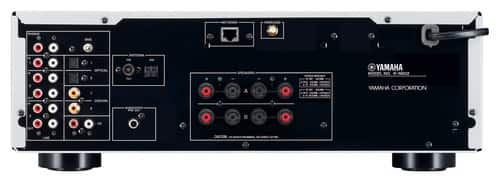
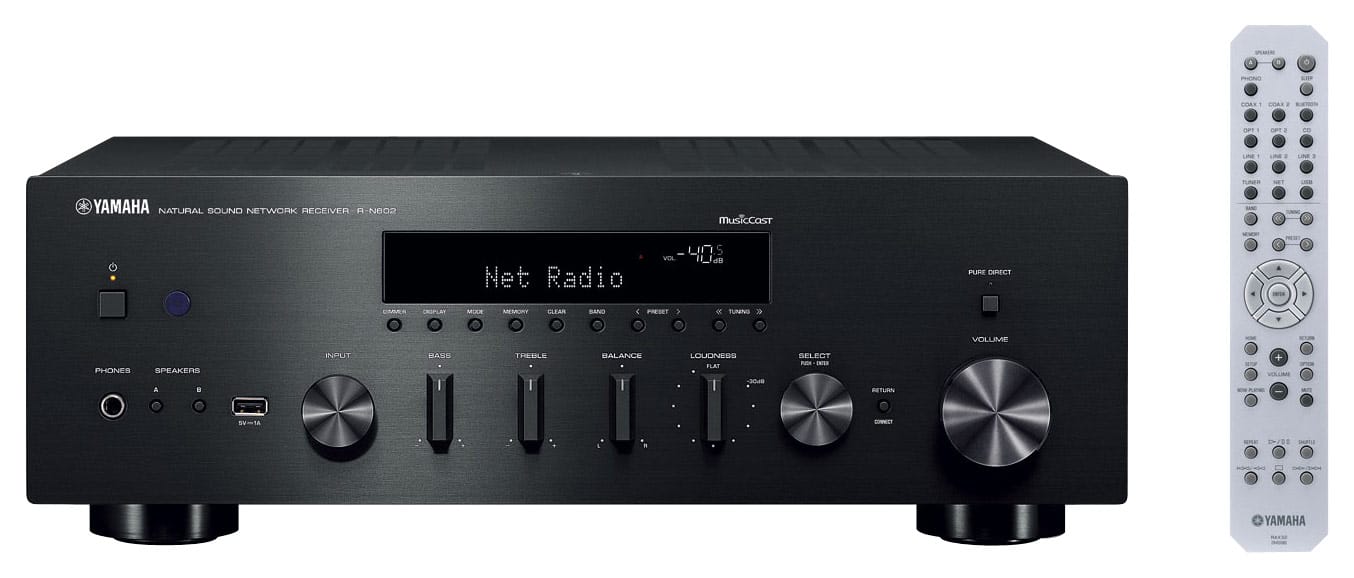
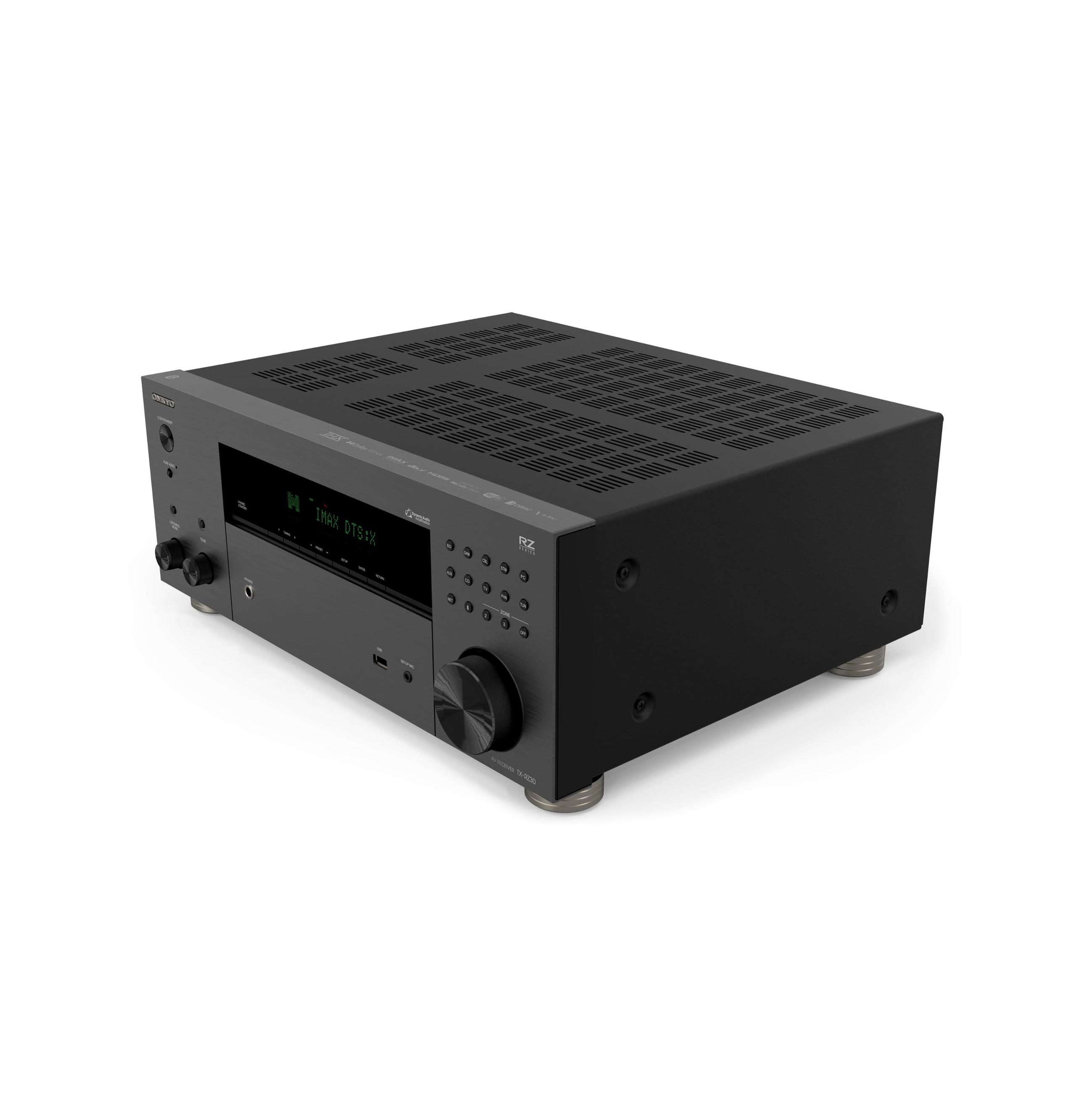
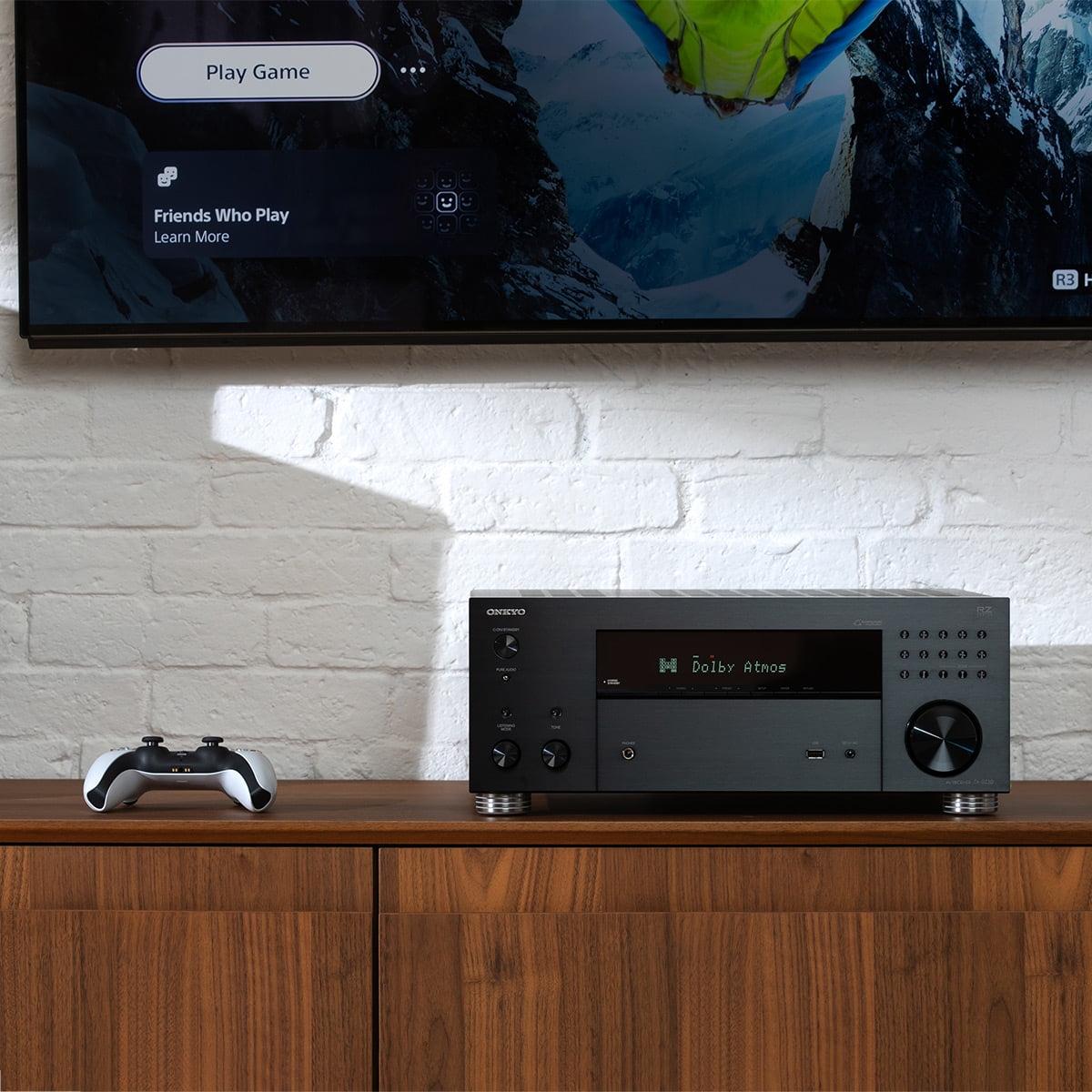
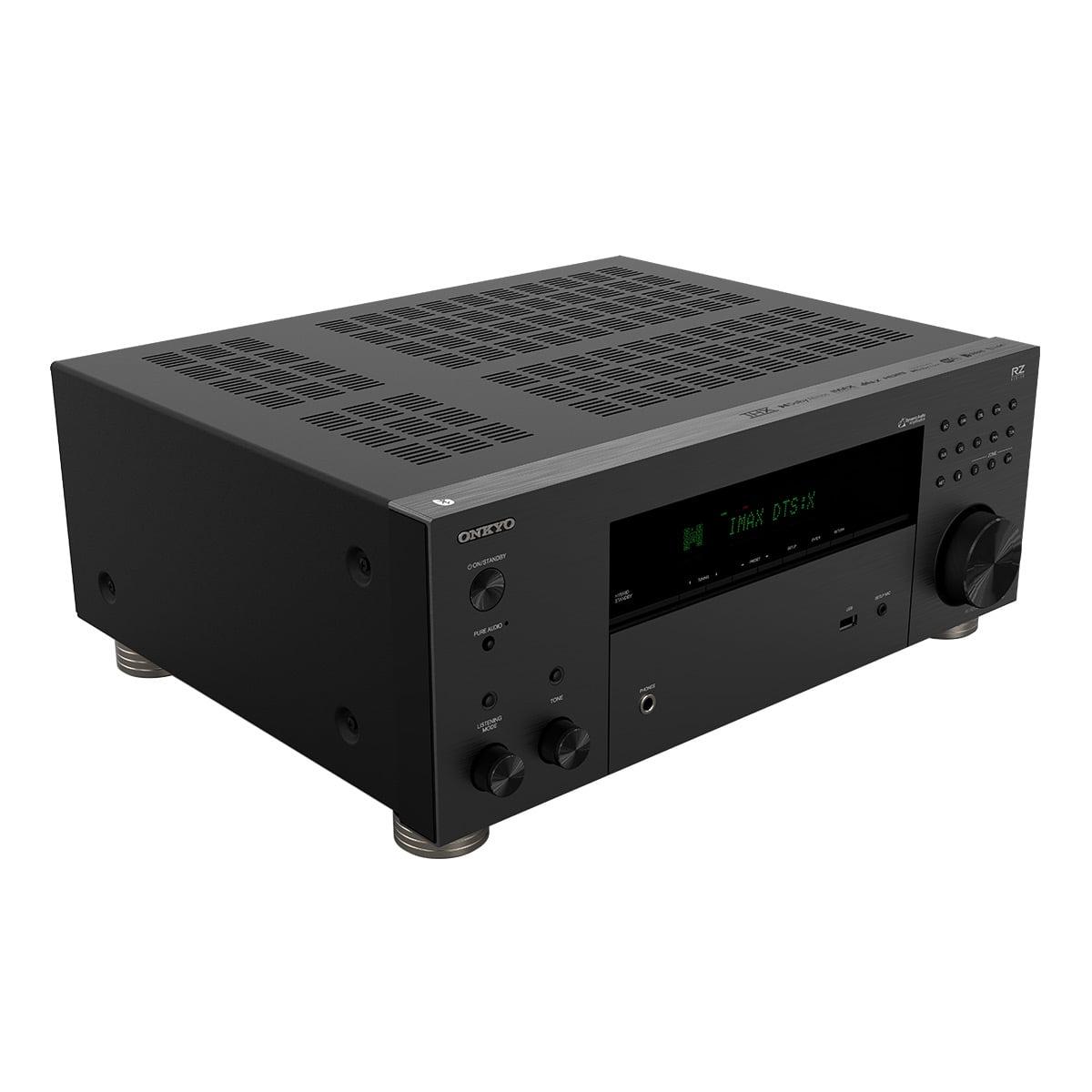
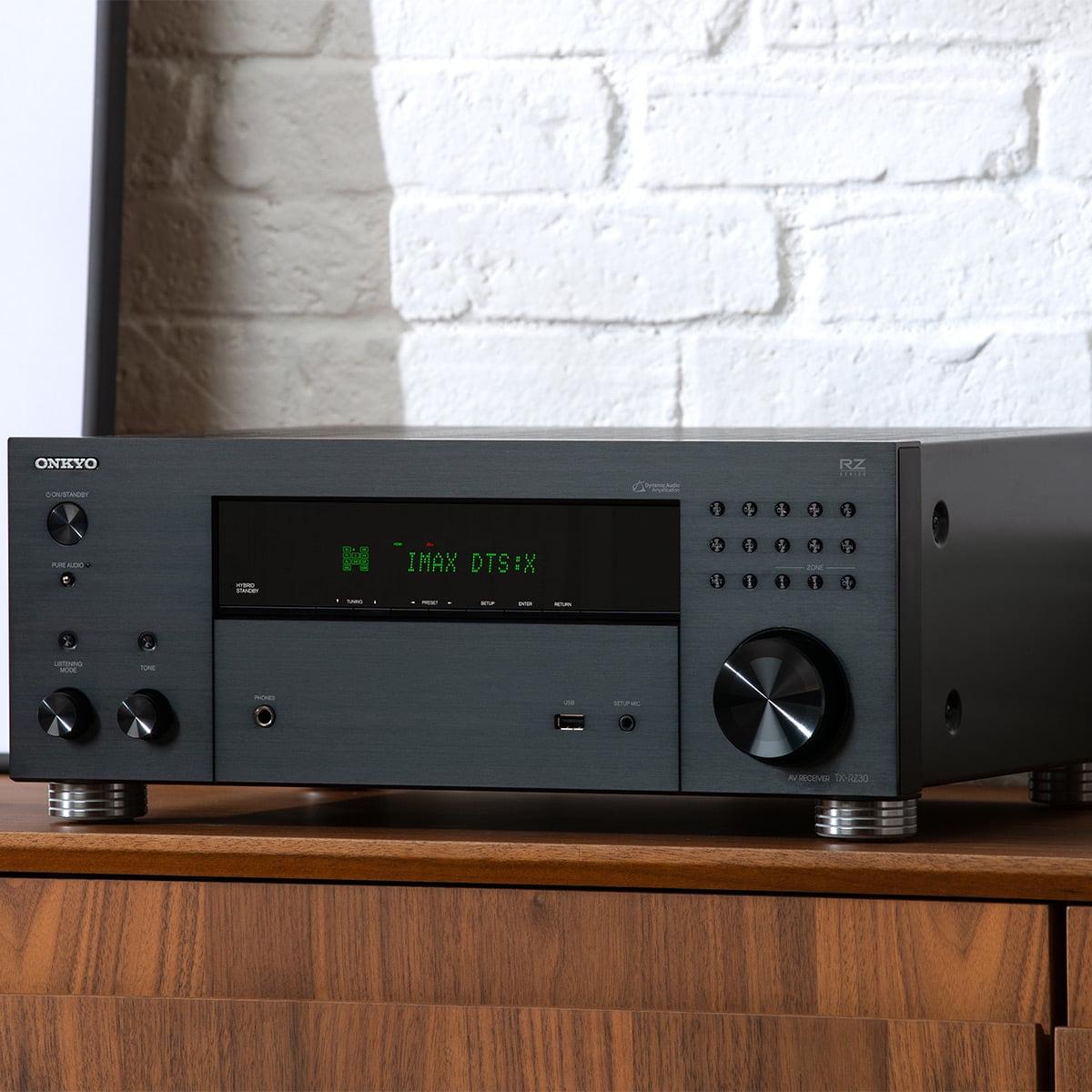
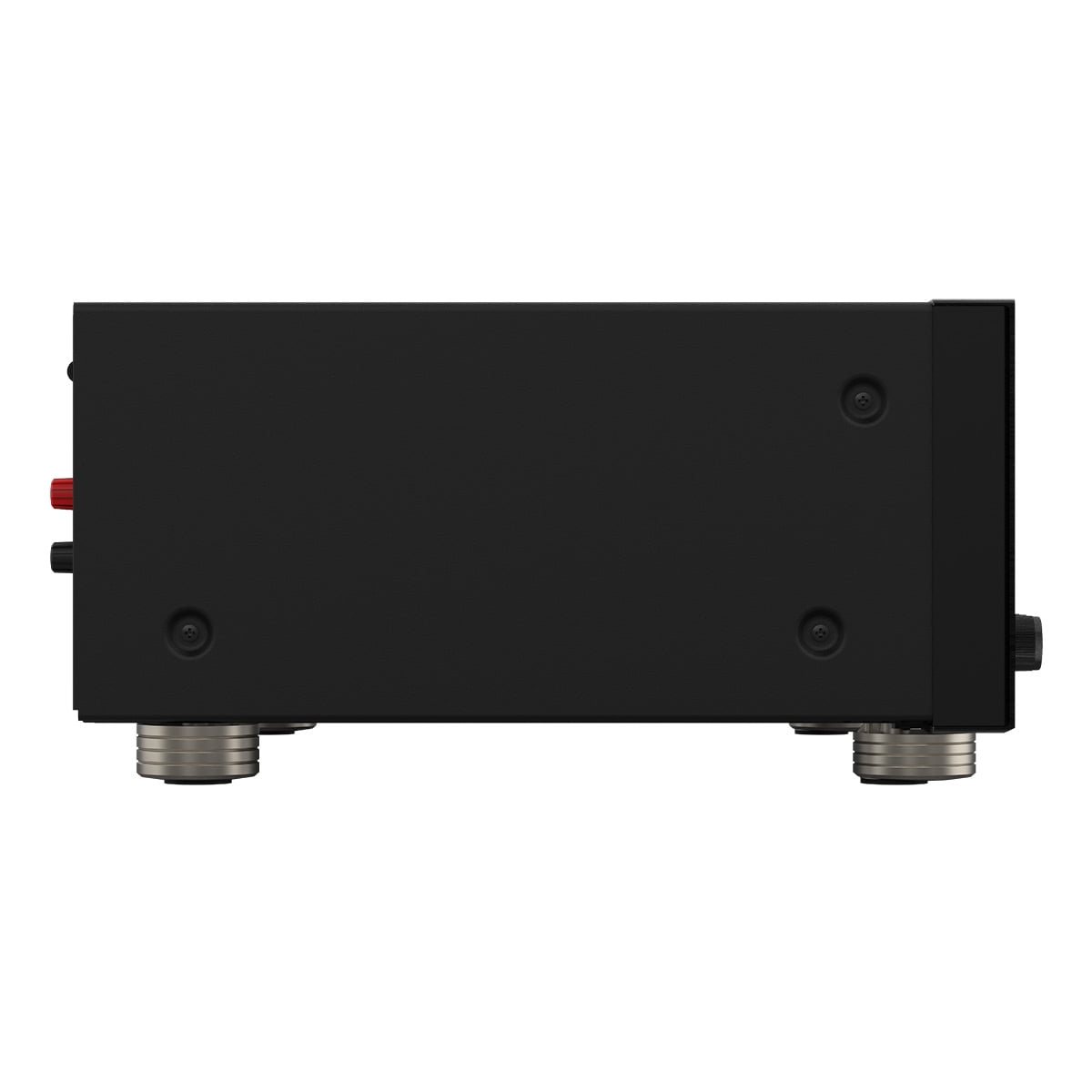
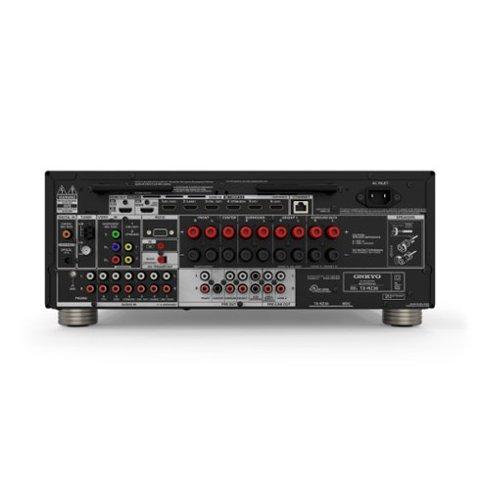
The Yamaha R-N602 ($649) follows the classic stereo receiver tradition, focusing on delivering high-quality two-channel audio. Released in 2015, it bridges the gap between traditional hi-fi and modern streaming capabilities. Meanwhile, the Onkyo TX-RZ30 ($1,199), announced for late 2024, represents the latest in home theater technology with its 9.2 channels and extensive processing capabilities.
Before comparing specific features, it's important to understand what you're trying to achieve with your audio setup. A stereo receiver like the R-N602 excels at creating an accurate soundstage - the three-dimensional space where instruments and voices appear to be positioned when listening to music. Home theater receivers like the TX-RZ30 prioritize immersive surround sound, with speakers positioned around the room to create a more enveloping experience.
Room size and layout play a crucial role in your decision. The R-N602 works well in traditional rectangular rooms where you can position two speakers optimally for stereo listening. The TX-RZ30 offers more flexibility for irregular room shapes through its Dirac Live room correction, which automatically adjusts speaker output to compensate for room acoustics.
The R-N602's two-channel design focuses all its power and processing on stereo playback. Its 80 watts per channel (into 8 ohms) provides clean, detailed sound for most speakers. The amplifier section uses Yamaha's ToP-ART design, which minimizes signal path length and maintains signal purity.
The TX-RZ30 offers more power at 100 watts per channel across nine channels, but its strength lies in its processing flexibility. It can upmix stereo content to use all speakers or maintain pure two-channel playback. The inclusion of Dirac Live room correction - a sophisticated system that measures and corrects for room acoustics - can significantly improve sound quality in challenging spaces.
This is where the differences become most apparent. The R-N602 cannot process surround sound formats - it's strictly stereo. The TX-RZ30, however, supports the latest formats including Dolby Atmos and DTS:X, which add height channels for more immersive sound. It also includes IMAX Enhanced certification, ensuring compatibility with IMAX's optimized content.
For gaming, the TX-RZ30 includes HDMI 2.1 features like Variable Refresh Rate (VRR) and Auto Low Latency Mode (ALLM), which help maintain smooth gameplay and minimize audio/video lag. The R-N602 lacks these gaming-specific features.
Both receivers embrace modern streaming, but with different approaches. The R-N602 includes built-in WiFi, Bluetooth, and support for services like Spotify and Pandora. Its MusicCast feature allows wireless multi-room audio with other Yamaha devices.
The TX-RZ30 expands these capabilities with newer standards like AirPlay 2, Chromecast built-in, and compatibility with both Sonos and DTS Play-Fi multi-room systems. It also includes more HDMI ports (6 inputs/2 outputs) compared to the R-N602's none, making it more suitable for connecting multiple video sources.
While the R-N602 costs significantly less, it's important to consider what you're getting for your money. If your primary focus is music listening in a single room, its dedicated two-channel design provides excellent value. The build quality and sound performance remain competitive even years after its release.
The TX-RZ30's higher price includes more channels, more power, and more processing capabilities. The included Dirac Live license alone would cost several hundred dollars if purchased separately. For home theater enthusiasts, the additional cost can be justified by its flexibility and future-proof features.
The R-N602 shines in music-focused setups, particularly with vinyl as it includes a quality phono preamp for turntables. Its simple operation and focused feature set make it ideal for listeners who prioritize music over movies.
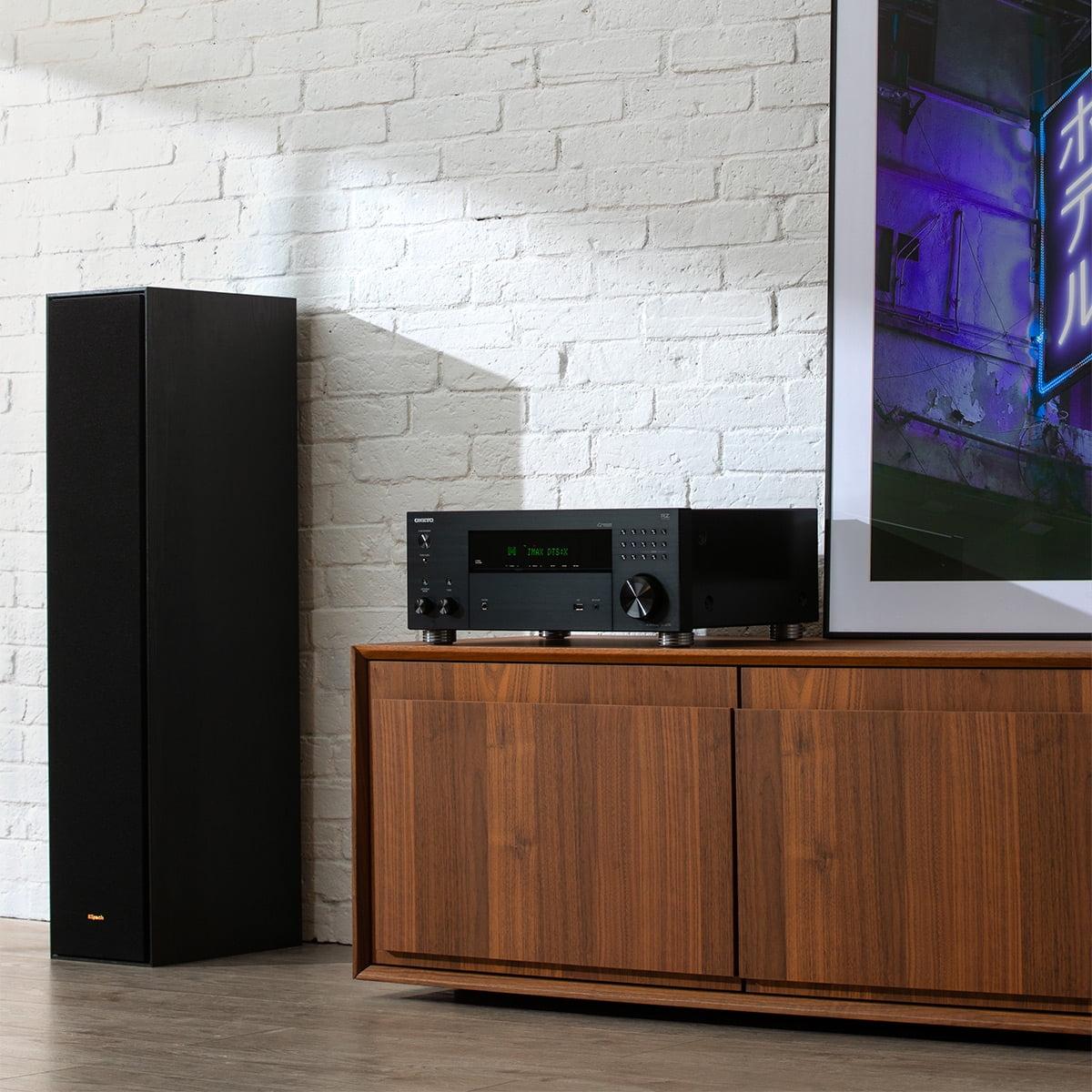
The TX-RZ30 suits mixed-use rooms where you might watch movies one day and listen to music the next. Its processing power can create convincing surround effects from stereo sources or maintain pure two-channel playback when desired.
Choose the R-N602 if:
Choose the TX-RZ30 if:
The decision ultimately comes down to your priorities and how you plan to use the system. The R-N602 excels at its focused purpose, while the TX-RZ30 offers more flexibility at a higher price point. Both represent solid values within their respective categories, provided they align with your needs.
| Yamaha R-N602 | Onkyo TX-RZ30 |
|---|---|
| Price - Total investment required | |
| $649 (strong value for stereo) | $1,199 (premium features justify cost) |
| Channels - Determines surround capability | |
| 2.0 stereo only | 9.2 channels with Dolby Atmos/DTS:X |
| Power Output - Impacts speaker compatibility and room size | |
| 80W per channel into 8 ohms | 100W per channel into 8 ohms |
| Room Correction - Helps optimize sound for your space | |
| None | Dirac Live with full bandwidth calibration |
| Video Capabilities - Important for home theater use | |
| No video processing | 8K/4K passthrough, HDR10+, Dolby Vision |
| HDMI Ports - Determines source device flexibility | |
| None | 6 inputs, 2 outputs (HDMI 2.1) |
| Streaming Support - Modern connectivity options | |
| Bluetooth, AirPlay, MusicCast | Bluetooth aptX HD, AirPlay 2, Chromecast, DTS Play-Fi, Sonos |
| Multi-room Audio - Whole home audio capability | |
| Limited to MusicCast ecosystem | Multiple options (Sonos, DTS Play-Fi, Zone 2/3) |
| Phono Input - For turntable connectivity | |
| High-quality MM phono stage | Basic MM phono input |
| Build Quality - Long-term durability | |
| Premium stereo components, aluminum front panel | THX Certified, discrete amplification |
| Release Date - Feature relevance | |
| 2015 (mature platform) | 2024 (latest technology) |
| Primary Use Case - Best application | |
| Dedicated music listening, vinyl focus | Home theater, gaming, multi-purpose rooms |
The Yamaha R-N602 is specifically designed for music with its dedicated two-channel design and high-quality stereo components. While the Onkyo TX-RZ30 is capable of excellent music playback, the R-N602 offers more focused stereo performance for pure music listening.
The Onkyo TX-RZ30 is significantly better for movies with its 9.2 channels, Dolby Atmos, and DTS:X support. The Yamaha R-N602 cannot process surround sound, making it unsuitable for home theater use.
The Yamaha R-N602 costs $649, while the Onkyo TX-RZ30 is priced at $1,199. The price difference reflects their different capabilities and target uses.
The Onkyo TX-RZ30 is excellent for gaming with HDMI 2.1 features like VRR and ALLM. The R-N602 isn't designed for gaming use.
The Yamaha R-N602 is simpler to set up due to its two-channel design. The TX-RZ30 requires more setup time due to multiple speakers and room correction configuration.
The Onkyo TX-RZ30 is more future-proof with HDMI 2.1, 8K support, and the latest audio formats. The R-N602 is more focused on traditional stereo playback.
We've done our best to create useful and informative comparisons to help you decide what product to buy. Our research uses advanced automated methods to create this comparison and perfection is not possible - please contact us for corrections or questions. These are the sites we've researched in the creation of this article: theaudiophileman.com - crutchfield.com - forums.whathifi.com - usa.yamaha.com - youtube.com - hifiengine.com - yamaha.com - adorama.com - parts-express.com - usa.yamaha.com - audiosciencereview.com - youtube.com - onkyo.com - cnet.com - audioholics.com - theabsolutesound.com - bestbuy.com - audiosciencereview.com - onkyo.com - onkyo.com - ecoustics.com - cine-craft.de

Privacy Policy
Terms and Conditions - Affiliate Policy
Home Security
© Copyright 2008-2026.
11816 Inwood Rd #1211, Dallas, TX 75244