

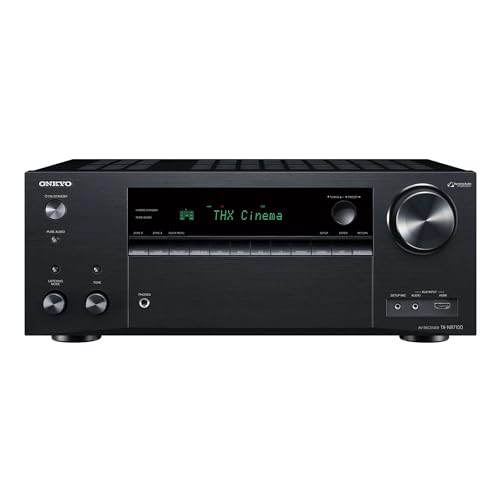
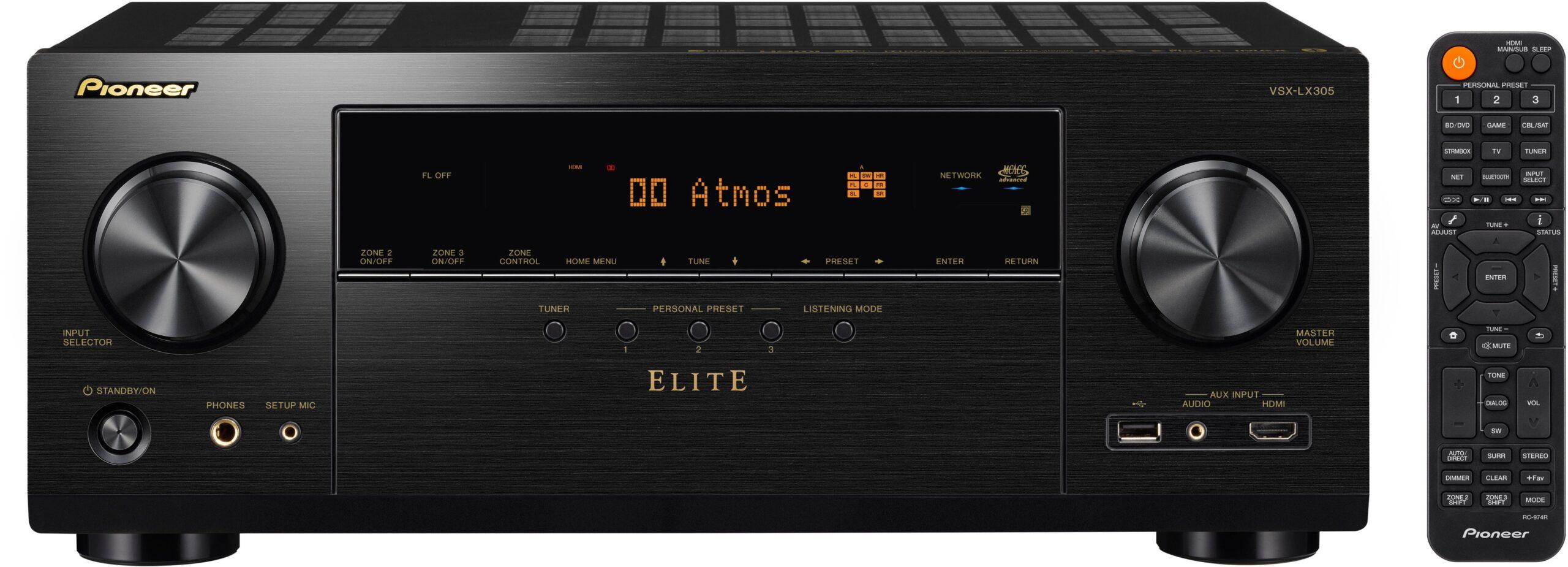
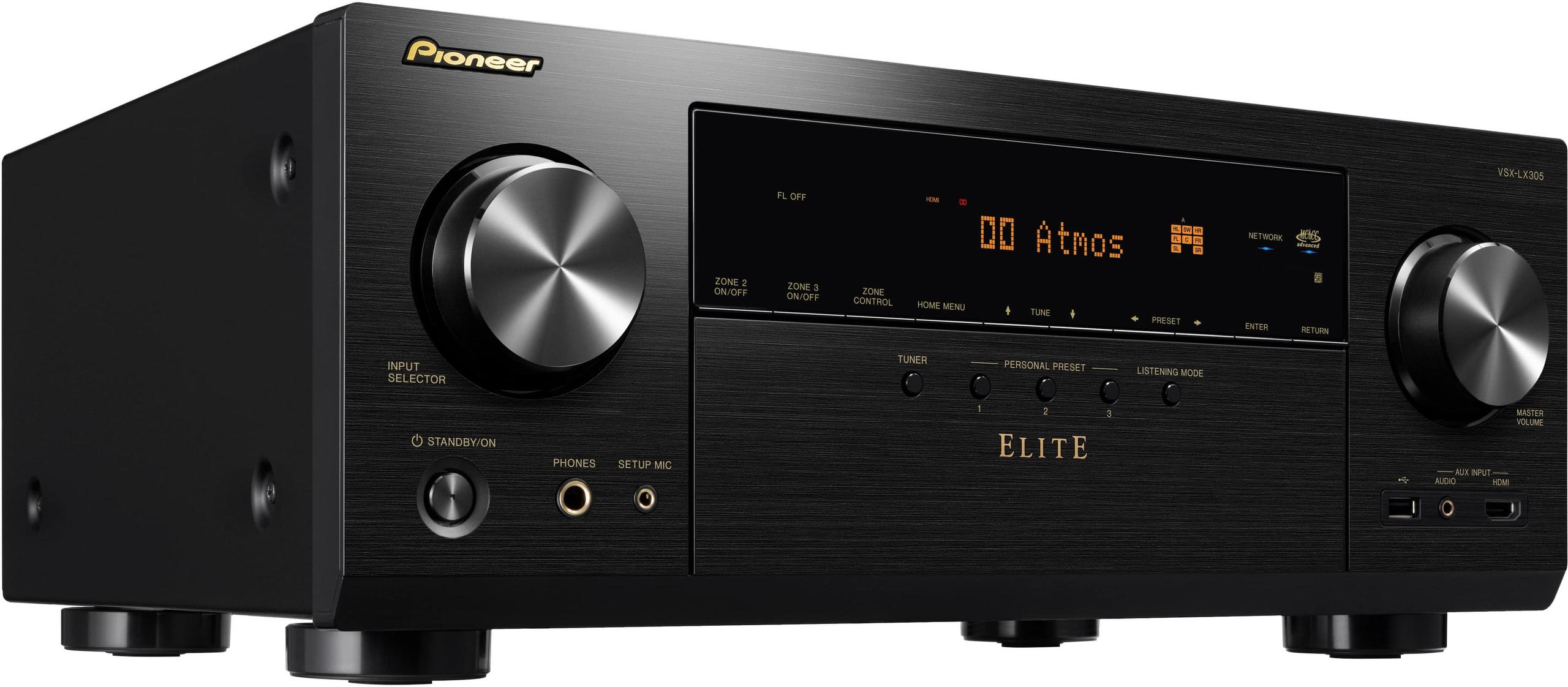
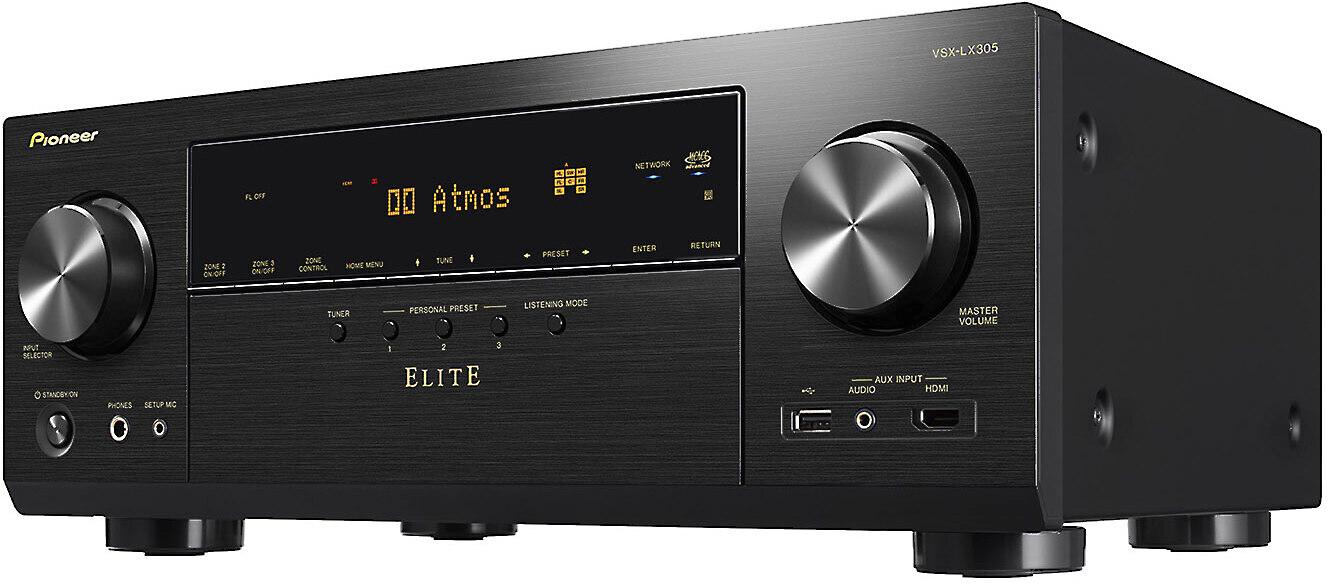
When shopping for a high-end AV receiver in 2024, you'll quickly discover that many models share remarkably similar specifications on paper. This is especially true when comparing the Onkyo TX-NR7100 and Pioneer Elite VSX-LX305 – two 9.2-channel receivers that launched in 2021 and appear nearly identical at first glance. However, as we've learned through extensive research into user experiences and expert reviews, the devil is truly in the details when it comes to these sophisticated home theater components.
Both receivers emerged during a pivotal time for home theater technology. The 2021 launch coincided with the rollout of HDMI 2.1, 8K video support, and next-generation gaming consoles that demanded new levels of video processing power. Since their release, the streaming landscape has evolved significantly, with more content available in immersive audio formats like Dolby Atmos, making the room correction and audio processing capabilities of these receivers even more critical for getting the most out of your investment.
Before diving into the specifics of these two models, it's worth understanding what makes a modern AV receiver so central to a great home theater experience. Think of your receiver as the conductor of an orchestra – it takes audio and video signals from multiple sources, processes them according to sophisticated algorithms, amplifies the audio to drive your speakers, and routes video to your display with the highest possible quality.
The "9.2" designation means these receivers can power nine main speakers plus two subwoofers simultaneously. This translates to immersive surround sound configurations like 5.1.4 (five main speakers, one subwoofer, four height speakers) or 7.1.2 (seven main speakers, one subwoofer, two height speakers). These configurations support object-based audio formats like Dolby Atmos, where sound effects can be precisely positioned in three-dimensional space around your listening position.
What sets modern receivers apart from earlier generations is their integration of streaming services, room correction technology, and advanced video processing. The best receivers today can automatically calibrate your speakers based on your room's acoustics, stream music directly from popular services, and handle the most demanding video formats including 8K resolution.
Here's where things get interesting with the Onkyo TX-NR7100 and Pioneer Elite VSX-LX305. These receivers aren't just similar by coincidence – they're built on the same underlying platform following Onkyo's acquisition of Pioneer's AV division. This shared heritage means they have identical power amplification sections, similar internal layouts, and remarkably comparable feature sets.
Both receivers deliver 100 watts per channel across all nine channels, measured under the standard FTC conditions (8-ohm loads, 20Hz to 20kHz frequency range, with only two channels driven simultaneously). This power rating represents clean, distortion-free output that can drive most home theater speakers to satisfying volume levels in typical rooms.
The significance of this shared platform becomes apparent when you realize that choosing between them isn't about fundamental performance differences, but rather about which implementation details and additional features matter most for your specific setup and preferences.
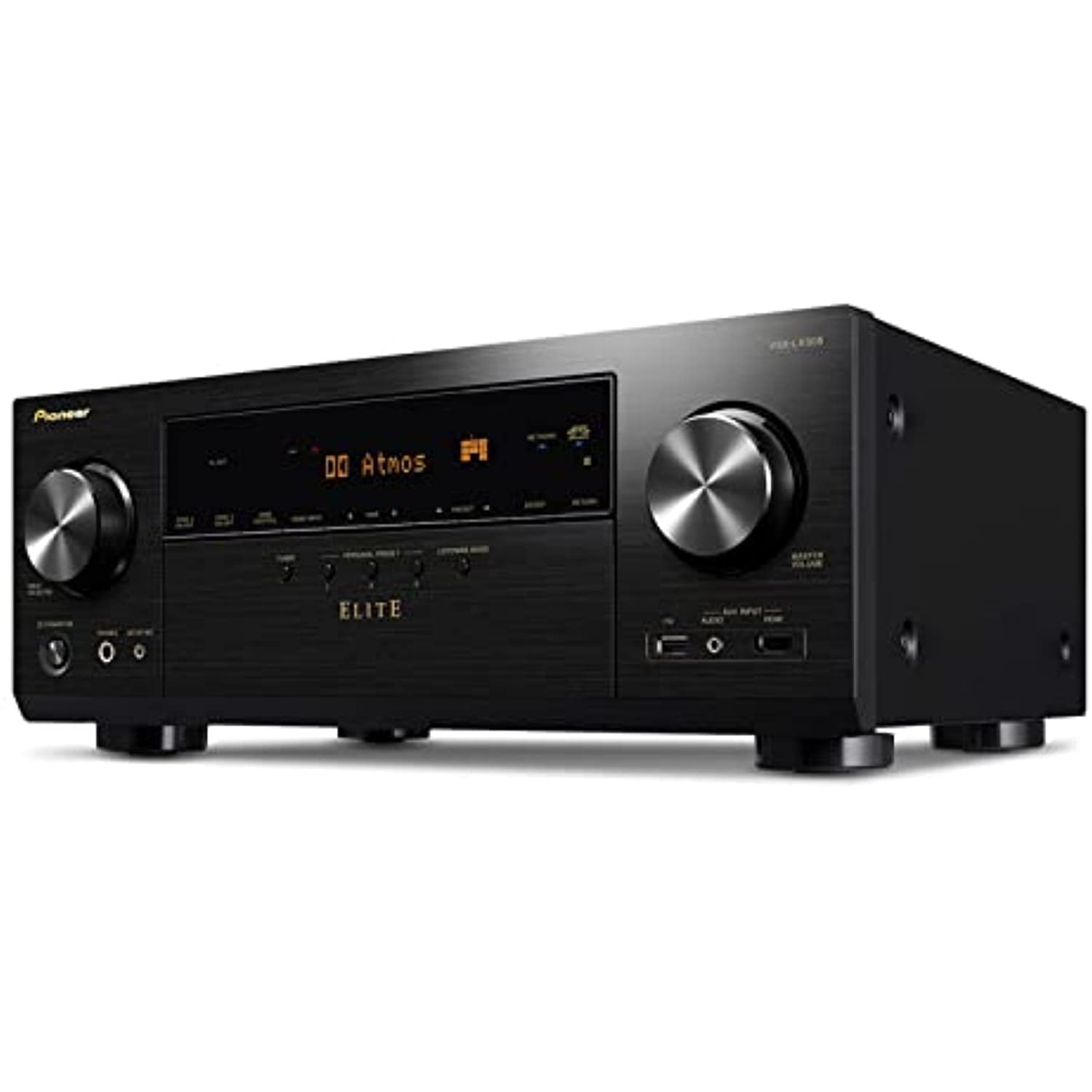
When it comes to pure audio performance, both receivers excel at their primary job of delivering immersive surround sound. They support all the major audio formats you'll encounter: Dolby Atmos and DTS:X for object-based surround sound, plus high-resolution formats like DTS-HD Master Audio and Dolby TrueHD that preserve every detail from Blu-ray soundtracks.
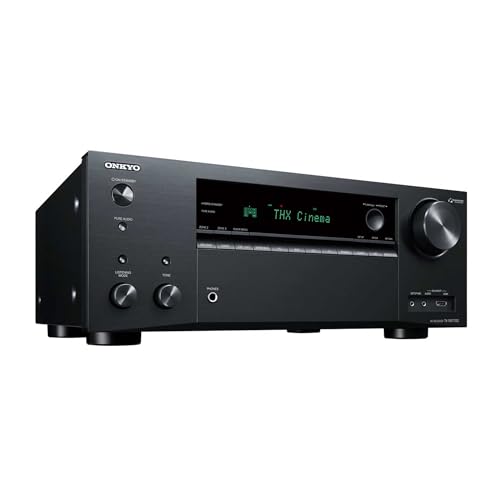
The Onkyo TX-NR7100 carries THX Select certification, which means it has passed rigorous testing to ensure it meets reference-level performance standards. THX certification isn't just marketing – it represents measurable performance criteria for distortion levels, frequency response, and dynamic range. This certification provides confidence that the receiver will accurately reproduce the filmmaker's intended audio experience.
However, our research uncovered a significant concern with the TX-NR7100 that potential buyers need to understand. Independent testing has documented an undisclosed protection mode that activates if the receiver clips (distorts) during operation. When this happens, the receiver permanently reduces its output to approximately 15% of rated power – dropping from 100 watts to around 15 watts per channel – until you physically unplug the power cord. The receiver provides no indication this limiting is active, meaning you could experience severely reduced performance without realizing why.
This protection mode issue is particularly concerning because it affects the receiver's fundamental reliability. While some users argue this rarely impacts real-world listening, others consider it a serious design flaw that could manifest during dynamic movie scenes or when driving demanding speakers.
The Pioneer VSX-LX305, by contrast, shows no documented evidence of similar protection mode behavior in our research. This suggests more reliable long-term performance, though it lacks the THX certification that validates the Onkyo's audio accuracy.
From a technical perspective, the TX-NR7100 features a more advanced digital-to-analog converter (DAC) with 384kHz/32-bit capability compared to the Pioneer's 192kHz/24-bit specification. The DAC is the component that converts digital audio signals into analog signals for amplification. Higher specifications generally indicate better potential for accurate sound reproduction, though the audible difference between these particular implementations is likely minimal in real-world use.
Perhaps the most significant difference between these receivers lies in their room correction capabilities. Room correction technology analyzes your listening space and automatically adjusts the audio output to compensate for acoustic issues like reflections, standing waves, and speaker placement compromises.
The Onkyo TX-NR7100 includes Dirac Live room correction, which is typically a several-hundred-dollar upgrade on competing receivers. Dirac Live is considered among the most sophisticated room correction systems available, using advanced algorithms to measure your room's acoustic response and create custom filters that optimize sound quality for your specific space.
The calibration process involves placing a measurement microphone at multiple positions throughout your listening area (up to 13 positions with Dirac Live) and playing test tones through each speaker. The system then analyzes how your room affects the sound and creates custom equalization curves that can dramatically improve clarity, imaging, and bass response.
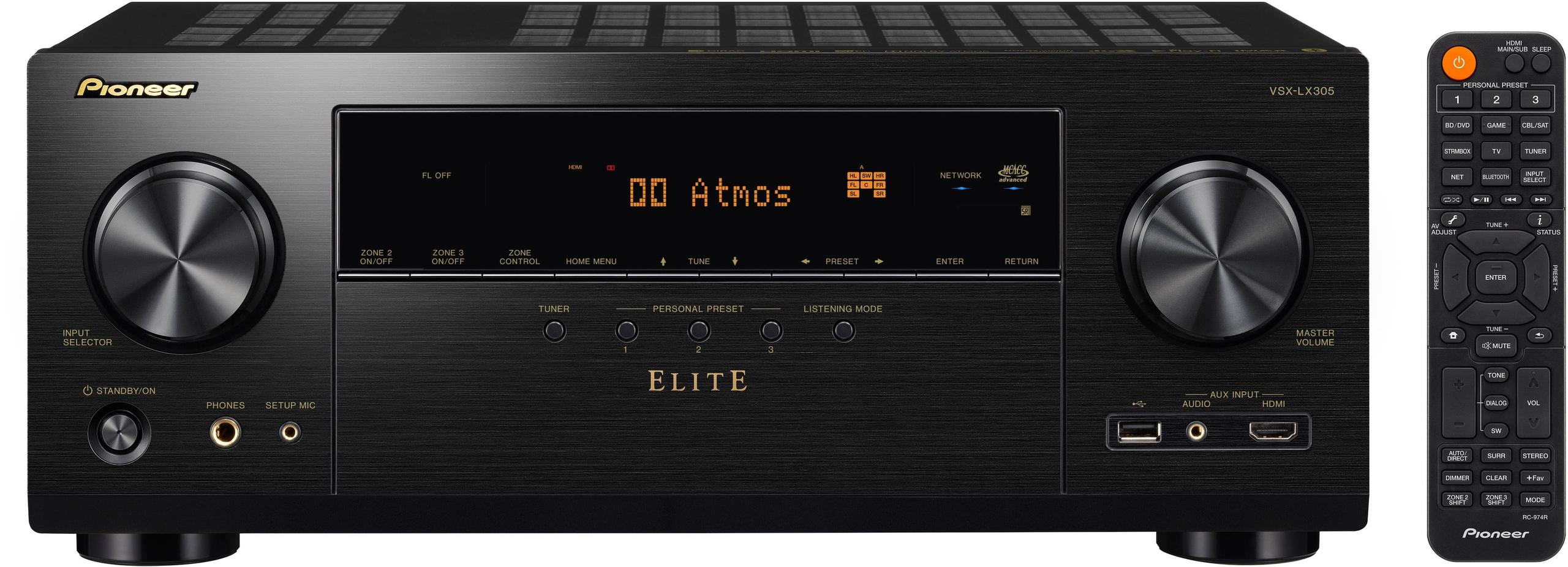
In comparison, the Pioneer VSX-LX305 uses Advanced MCACC (Multi-Channel Acoustic Calibration), which is Pioneer's proprietary room correction system. While MCACC is competent and includes features like automatic phase control and subwoofer equalization, it's generally considered less sophisticated than Dirac Live in terms of measurement accuracy and correction capabilities.
For many users, the inclusion of Dirac Live alone justifies choosing the TX-NR7100, as this feature can transform a good-sounding system into an exceptional one. However, this advantage must be weighed against the receiver's documented reliability issues.
Both receivers excel at video processing and gaming, incorporating HDMI 2.1 technology that supports the latest video standards including 8K resolution at 60Hz and 4K at 120Hz. These capabilities are essential for next-generation gaming consoles like the PlayStation 5 and Xbox Series X, which can output 4K games at high refresh rates for smoother, more responsive gameplay.
The gaming-specific features include Variable Refresh Rate (VRR), which eliminates screen tearing by synchronizing the display's refresh rate with the gaming console's output; Auto Low Latency Mode (ALLM), which automatically switches your TV to its lowest-latency mode for gaming; and Quick Frame Transport (QFT), which reduces input lag for more responsive controls.
Where these receivers diverge is in HDR (High Dynamic Range) support. The Pioneer VSX-LX305 supports HDR10+, an advanced HDR format that provides scene-by-scene optimization for better contrast and color accuracy. The TX-NR7100 lacks HDR10+ support, though it handles the more common HDR10 and Dolby Vision formats without issue.
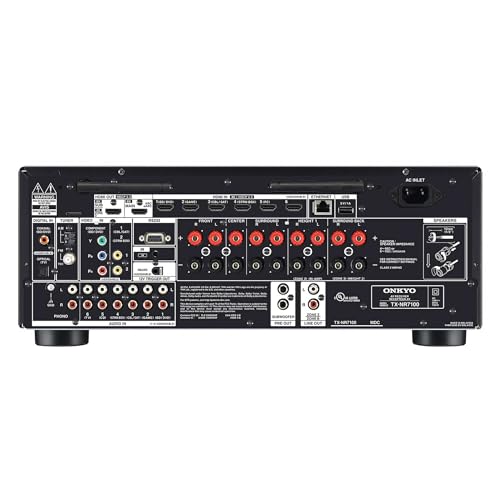
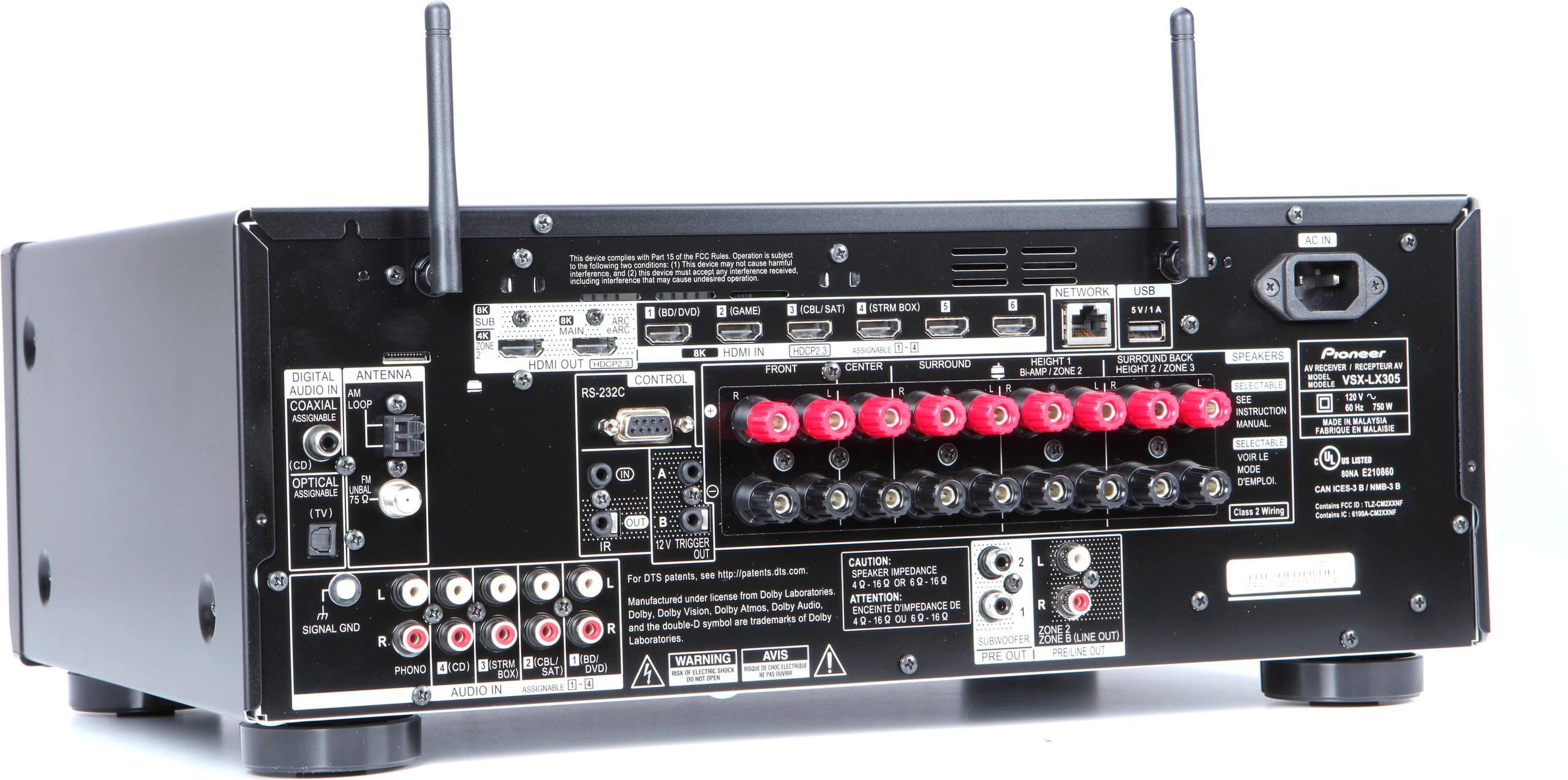
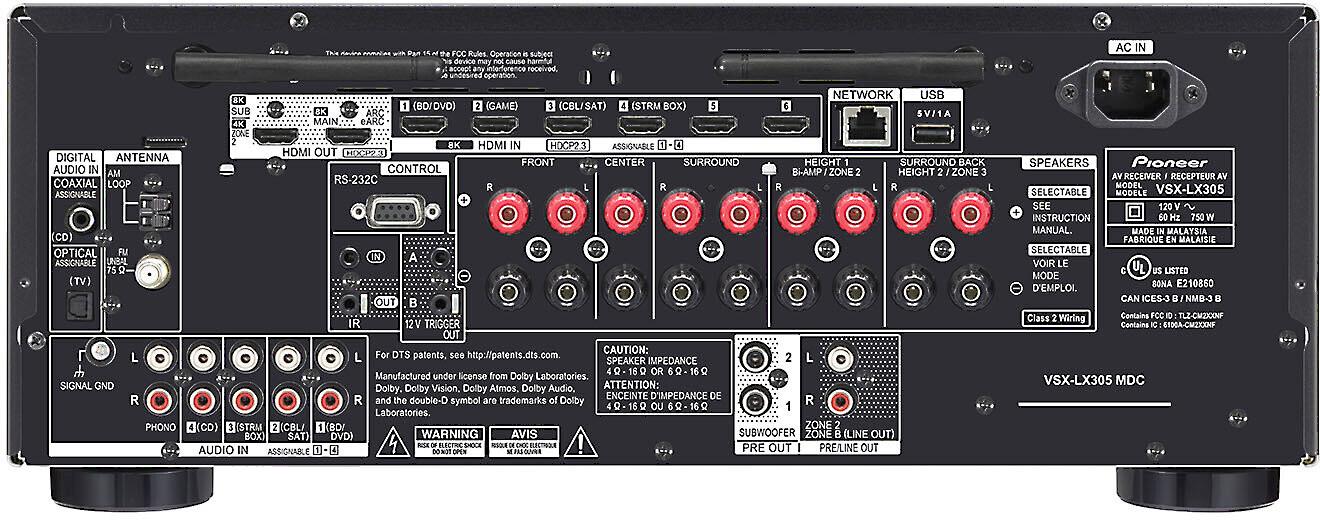
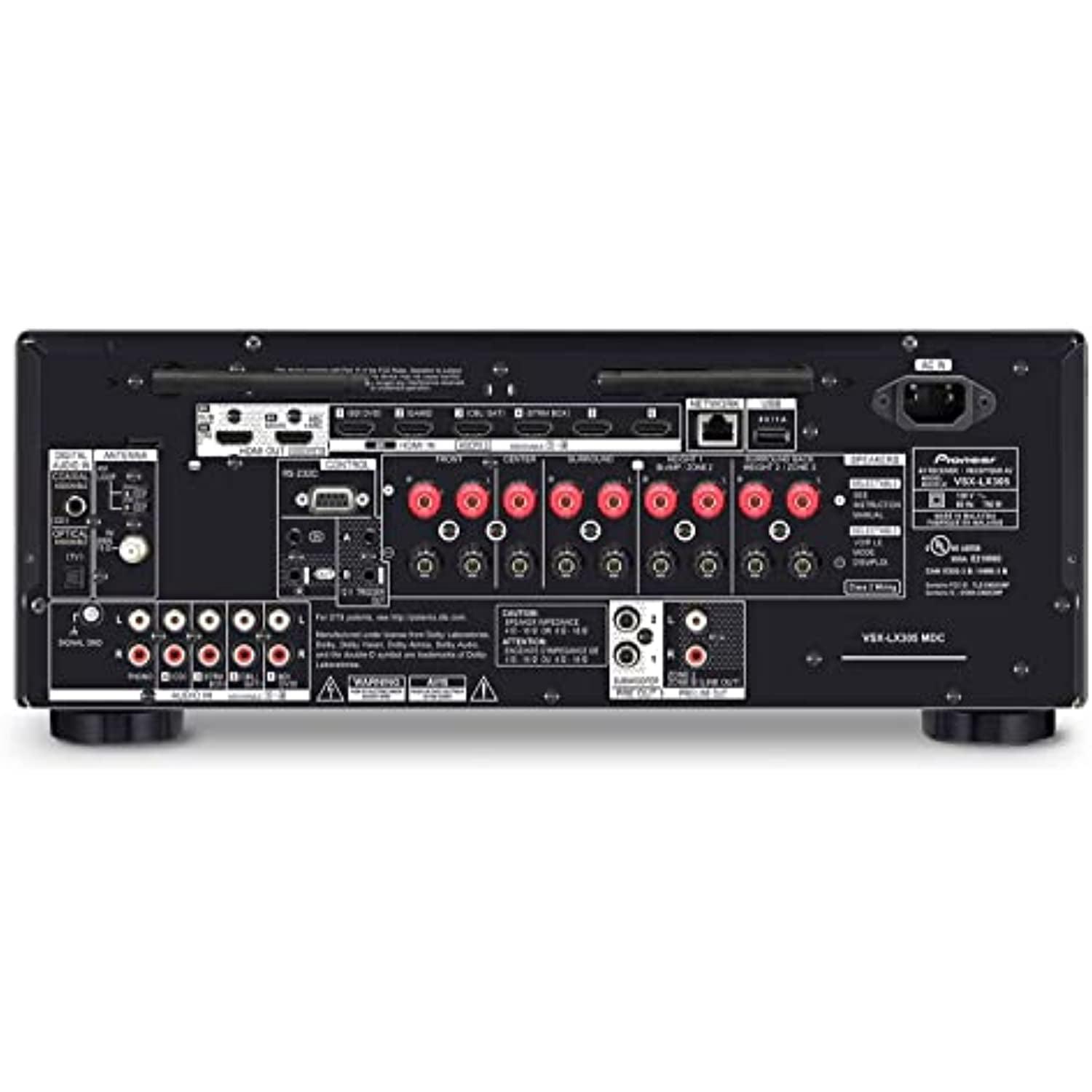
The Onkyo provides slightly more connectivity options with seven HDMI inputs compared to the Pioneer's six, and it retains legacy analog video connections (composite and component inputs) that the VSX-LX305 omits. These legacy connections might seem outdated, but they're valuable for connecting older gaming consoles, camcorders, or other vintage equipment that serious enthusiasts often want to integrate into modern systems.
The connectivity differences between these receivers extend beyond video inputs to analog audio connections, which can significantly impact system flexibility. The TX-NR7100 offers six pairs of analog RCA inputs compared to four on the VSX-LX305. This difference matters if you have multiple analog sources like CD players, tape decks, or high-end streaming DACs that you prefer to connect directly.
Both receivers include phono inputs with built-in preamps for connecting turntables directly, eliminating the need for separate phono preamps for vinyl enthusiasts. However, some users report that the phono stage performance is adequate rather than exceptional, suggesting that serious vinyl listeners might still prefer external phono preamps for optimal sound quality.
For streaming and network connectivity, both receivers support the major platforms including Spotify, Tidal, and various internet radio services. The VSX-LX305 includes Amazon Music integration that the TX-NR7100 lacks, which could influence streaming-focused users.
Both models support multi-room audio through various protocols including Chromecast built-in, AirPlay 2, and DTS Play-Fi. The Onkyo additionally carries "Works with Sonos" certification, providing better integration with existing Sonos multi-room systems.
An interesting technical detail is the TX-NR7100's support for aptX and aptX-HD Bluetooth transmission. This feature allows you to stream high-quality audio to Bluetooth headphones with lower latency than standard Bluetooth, making it practical for late-night movie watching without disturbing others.
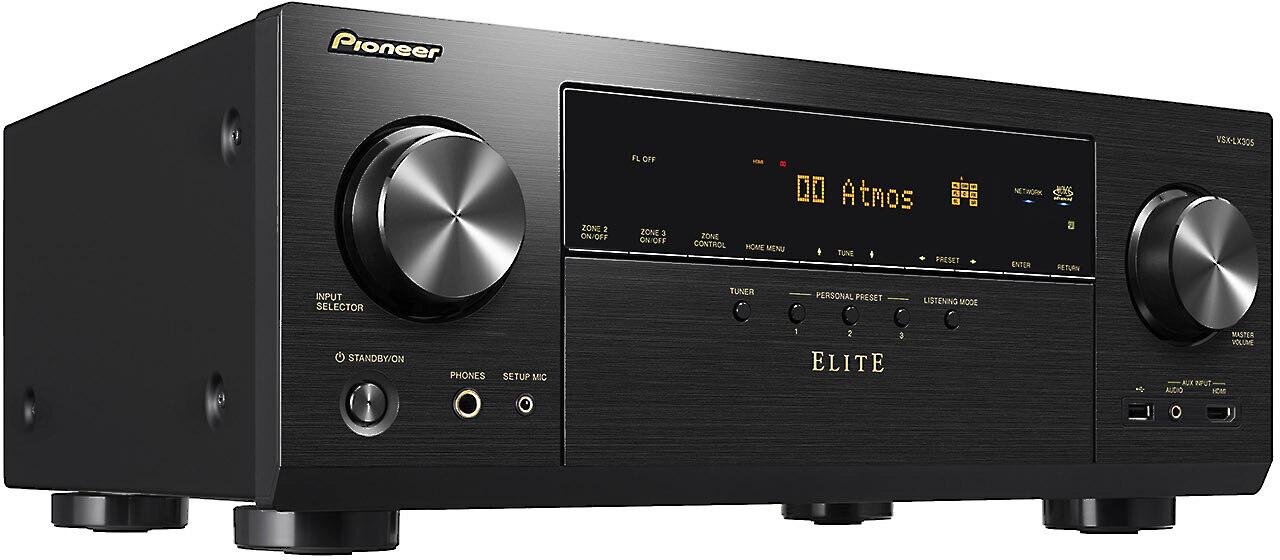
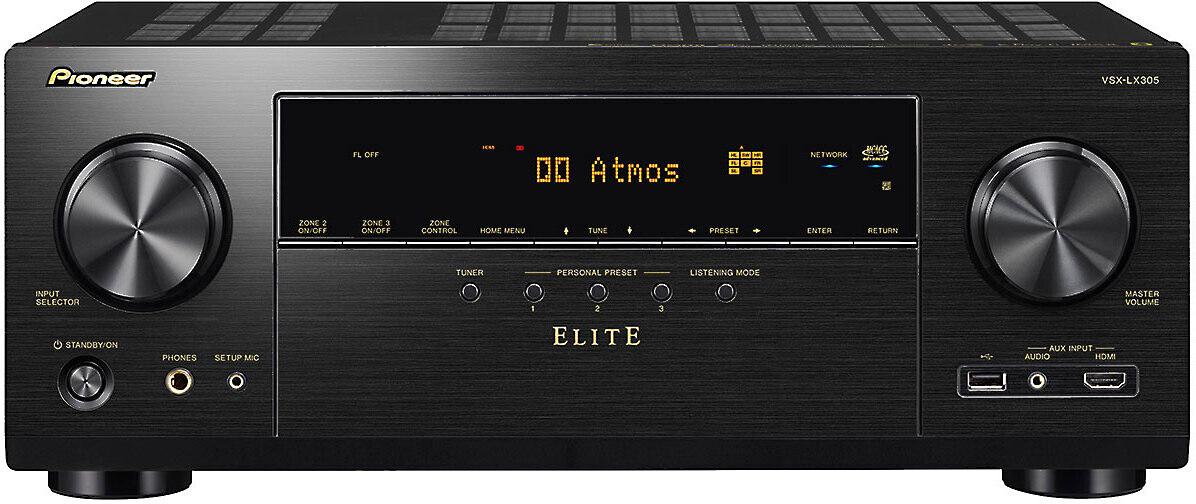
Physical construction reveals subtle but potentially important differences. The TX-NR7100 is slightly larger and heavier, which typically indicates more robust power supply components and better heat dissipation. However, the documented protection mode issue raises questions about the long-term reliability of its power management systems.
The VSX-LX305 takes a cleaner design approach, eliminating legacy video connections and focusing on modern connectivity. This streamlined approach potentially reduces complexity and failure points, though it sacrifices some flexibility for users with diverse source components.
Both receivers incorporate substantial heat sinks and cooling strategies necessary for 9-channel amplification, but proper ventilation remains crucial for long-term reliability. Based on user reports, both models can run warm during extended high-volume operation, making adequate ventilation space essential.
After extensive research into user experiences, expert reviews, and technical specifications, clear recommendations emerge based on different user priorities and risk tolerances.
Choose the Onkyo TX-NR7100 if room correction is your primary concern and you're willing to manage potential reliability issues. The inclusion of Dirac Live represents exceptional value at this price point, potentially transforming your system's sound quality in ways that justify the receiver's other compromises. This choice makes sense for audio enthusiasts who listen at moderate volumes and can work around the protection mode issue, or for users with diverse source equipment who need the additional analog connectivity options.
The TX-NR7100 also appeals to users who value THX certification and want confidence that their receiver meets reference performance standards. If you have older gaming consoles or analog video equipment, the legacy video inputs provide integration options that the Pioneer lacks.
However, the documented power limiting behavior represents a fundamental reliability concern that affects the receiver's core functionality. Users who drive their systems hard, have demanding speakers, or simply want worry-free operation should carefully consider this limitation.
Choose the Pioneer Elite VSX-LX305 for reliable, consistent performance without documented behavioral quirks. This receiver makes sense for users who prioritize long-term reliability over maximum features, or who primarily use modern digital sources that don't require extensive analog connectivity.
The VSX-LX305 offers better HDR support through HDR10+ compatibility, making it more future-proof for advanced video content. Its cleaner design philosophy and the absence of reported protection mode issues suggest more predictable performance over time.
At the time of writing, both receivers occupy similar price ranges in the premium mid-tier market, making the decision primarily about feature priorities rather than budget constraints. The TX-NR7100 typically offers better value on paper due to Dirac Live inclusion, but this advantage is complicated by its reliability concerns.
These receivers represent an interesting case study in how similar specifications can hide important practical differences. The Onkyo TX-NR7100 offers superior features and exceptional value through Dirac Live room correction, but carries documented reliability concerns that could significantly impact user experience. The Pioneer Elite VSX-LX305 provides solid, reliable performance with fewer standout features but greater peace of mind.
For most users building a serious home theater system, the VSX-LX305 represents the safer choice that delivers excellent performance without the risk of unexpected behavior changes. However, audio enthusiasts who understand the limitations and can work within them may find the TX-NR7100's advanced room correction capabilities too valuable to pass up.
The evolution of AV receiver technology since these models launched in 2021 has been primarily incremental, focusing on streaming service additions and minor feature refinements rather than fundamental performance improvements. This means both receivers remain competitive with current offerings, making them solid choices for users who can find them at attractive prices.
Ultimately, your choice should reflect your priorities: maximum features and room correction capabilities with some risk tolerance, or reliable performance with fewer standout features but greater confidence in long-term operation.
| Onkyo TX-NR7100 | Pioneer Elite VSX-LX305 |
|---|---|
| Power Output - Both deliver identical amplification for most speakers | |
| 100W per channel (8Ω, 2ch driven) | 100W per channel (8Ω, 2ch driven) |
| Room Correction - Critical for optimizing sound in your specific space | |
| Dirac Live (professional-grade, typically $500+ upgrade) | Advanced MCACC (good but less sophisticated) |
| Audio Certification - Guarantees reference-level performance standards | |
| THX Select Certified | No THX certification |
| Digital Processing - Higher specs indicate better potential audio quality | |
| 384kHz/32-bit DAC | 192kHz/24-bit DAC |
| Power Reliability - Major concern affecting long-term usability | |
| Documented power limiting issue (drops to 15W after clipping) | No reported protection mode problems |
| HDMI Inputs - More inputs mean connecting more devices without switching | |
| 7 HDMI inputs (6 rear HDMI 2.1 + 1 front) | 6 HDMI inputs (all HDMI 2.1) |
| HDR Video Support - Important for premium streaming and gaming | |
| HDR10, Dolby Vision, HLG | HDR10, HDR10+, Dolby Vision, HLG |
| Analog Audio Inputs - Matters if you have multiple analog sources | |
| 6 pairs of RCA inputs + phono input | 4 pairs of RCA inputs + phono input |
| Legacy Video Support - Essential for retro gaming and older equipment | |
| Composite and component video inputs included | No legacy video inputs |
| Streaming Services - Built-in apps eliminate need for separate devices | |
| Spotify, Tidal, Deezer, TuneIn | Spotify, Tidal, Deezer, Amazon Music, TuneIn |
| Multi-room Audio - Allows music throughout the house | |
| Chromecast, AirPlay 2, DTS Play-Fi, Works with Sonos | Chromecast, AirPlay 2, DTS Play-Fi |
| Bluetooth Quality - Higher codecs mean better wireless audio | |
| Transmit: SBC/aptX/aptX-HD, Receive: SBC/AAC | Standard Bluetooth (codec details not specified) |
| Physical Size - Consider your equipment rack space | |
| 435×380×177mm, 11kg (slightly larger) | 435×371×173mm, 10.4kg (more compact) |
| Best For - Who should choose each receiver | |
| Audio enthusiasts wanting Dirac Live who can manage reliability risks | Users prioritizing consistent performance and worry-free operation |
For most home theater setups, the Pioneer Elite VSX-LX305 is the safer choice due to its reliable performance and lack of documented issues. However, the Onkyo TX-NR7100 offers superior room correction with Dirac Live, which can dramatically improve sound quality if you're willing to accept its power limiting concerns.
The biggest difference is room correction technology. The Onkyo TX-NR7100 includes professional-grade Dirac Live room correction, while the Pioneer VSX-LX305 uses the less sophisticated MCACC system. The Onkyo also has a documented power limiting issue that the Pioneer doesn't have.
Yes, both the Onkyo TX-NR7100 and Pioneer Elite VSX-LX305 fully support Dolby Atmos, DTS:X, and all modern surround sound formats. They can both handle immersive audio configurations like 5.1.4 or 7.1.2 speaker layouts for three-dimensional sound.
Both receivers offer excellent HDMI 2.1 support with 8K/60Hz and 4K/120Hz capabilities. The Pioneer VSX-LX305 has a slight edge with HDR10+ support that the Onkyo TX-NR7100 lacks, but the Onkyo provides more total HDMI inputs (7 vs 6) and includes legacy video connections.
Absolutely. Both the Onkyo TX-NR7100 and Pioneer Elite VSX-LX305 excel at gaming with full support for Variable Refresh Rate (VRR), Auto Low Latency Mode (ALLM), and Quick Frame Transport (QFT) features that next-gen consoles require for optimal performance.
The Onkyo TX-NR7100 typically offers better value on paper due to its inclusion of Dirac Live room correction, which is usually a expensive upgrade. However, the Pioneer VSX-LX305 may provide better long-term value due to its superior reliability and lack of performance-limiting issues.
Yes, both receivers support direct streaming from popular services. The Onkyo TX-NR7100 includes Spotify, Tidal, and Deezer, while the Pioneer Elite VSX-LX305 adds Amazon Music to that list. Both also support Chromecast, AirPlay 2, and Bluetooth streaming.
There's no power difference - both the Onkyo TX-NR7100 and Pioneer VSX-LX305 deliver identical 100 watts per channel across all nine channels. However, the Onkyo has a documented issue where it can drop to just 15 watts per channel after clipping, requiring a power cycle to reset.
The Onkyo TX-NR7100 is better for analog connectivity, offering six pairs of RCA inputs compared to four on the Pioneer VSX-LX305. The Onkyo also retains composite and component video inputs that the Pioneer eliminates, making it better for older equipment.
Both have room correction, but there's a significant difference in quality. The Onkyo TX-NR7100 includes Dirac Live, which is considered professional-grade room correction. The Pioneer Elite VSX-LX305 uses MCACC, which is competent but less sophisticated than Dirac Live.
The Pioneer Elite VSX-LX305 appears more reliable based on available evidence. The Onkyo TX-NR7100 has a documented power limiting protection mode that can severely reduce performance after the receiver clips, with no user indication when this occurs.
Yes, both the Onkyo TX-NR7100 and Pioneer Elite VSX-LX305 work with Amazon Alexa and Google Assistant for voice control. The Onkyo also carries "Works with Sonos" certification for better integration with existing Sonos multi-room systems.
We've done our best to create useful and informative comparisons to help you decide what product to buy. Our research uses advanced automated methods to create this comparison and perfection is not possible - please contact us for corrections or questions. These are the sites we've researched in the creation of this article: crutchfield.com - prohifi.in - bestbuy.com - h-m-entertainment.com - audiosciencereview.com - crutchfield.ca - soundandvision.com - avsforum.com - avgadgets.com - youtube.com - onkyo.com - crutchfield.com - onkyo.com - accessories4less.com - klipsch.com - youtube.com - listenup.com - intl.onkyo-av.com - bestbuy.com - 420spotshop.com - support.onkyousa.com - bestbuy.com - hifiheaven.net - forums.redflagdeals.com - audiosciencereview.com - sound-advice.online - pioneerav.ca - pioneerhomeusa.com - crutchfield.com - av-connection.com - pioneerhomeusa.com - avnirvana.com - walmart.com - bestbuy.com

Privacy Policy
Terms and Conditions - Affiliate Policy
Home Security
© Copyright 2008-2026.
11816 Inwood Rd #1211, Dallas, TX 75244