

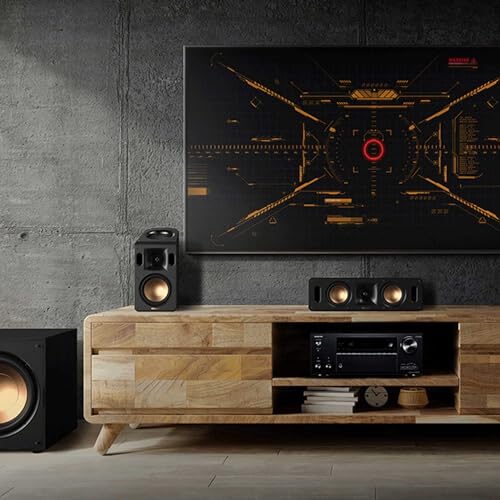
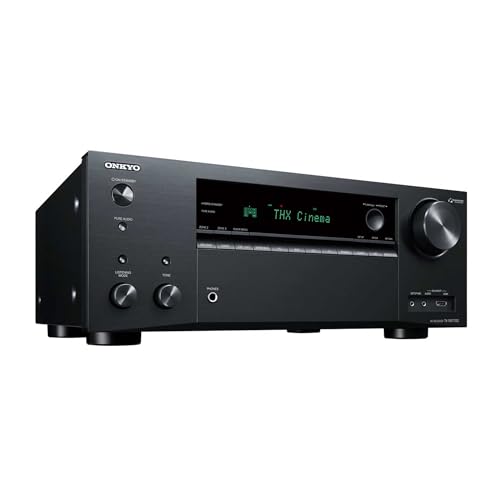
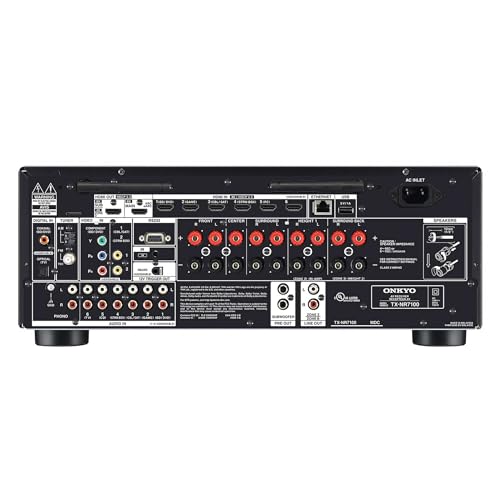
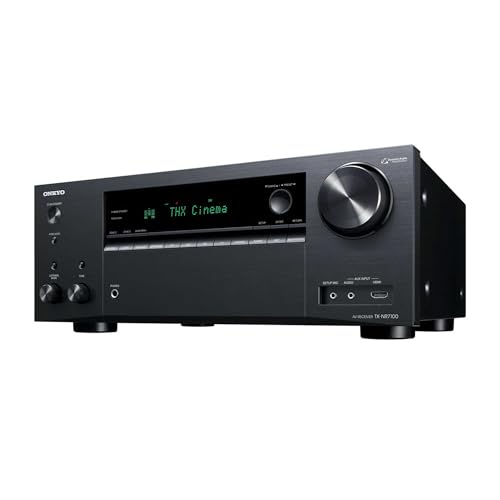
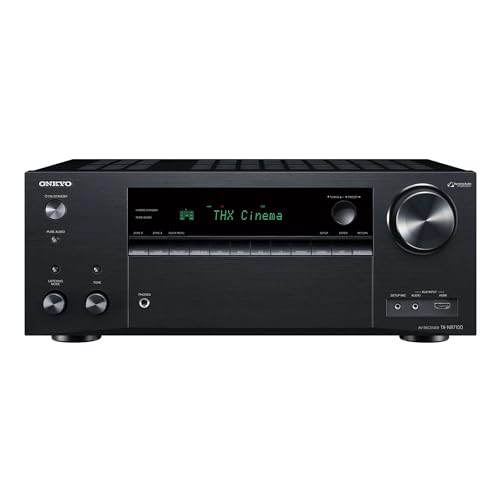
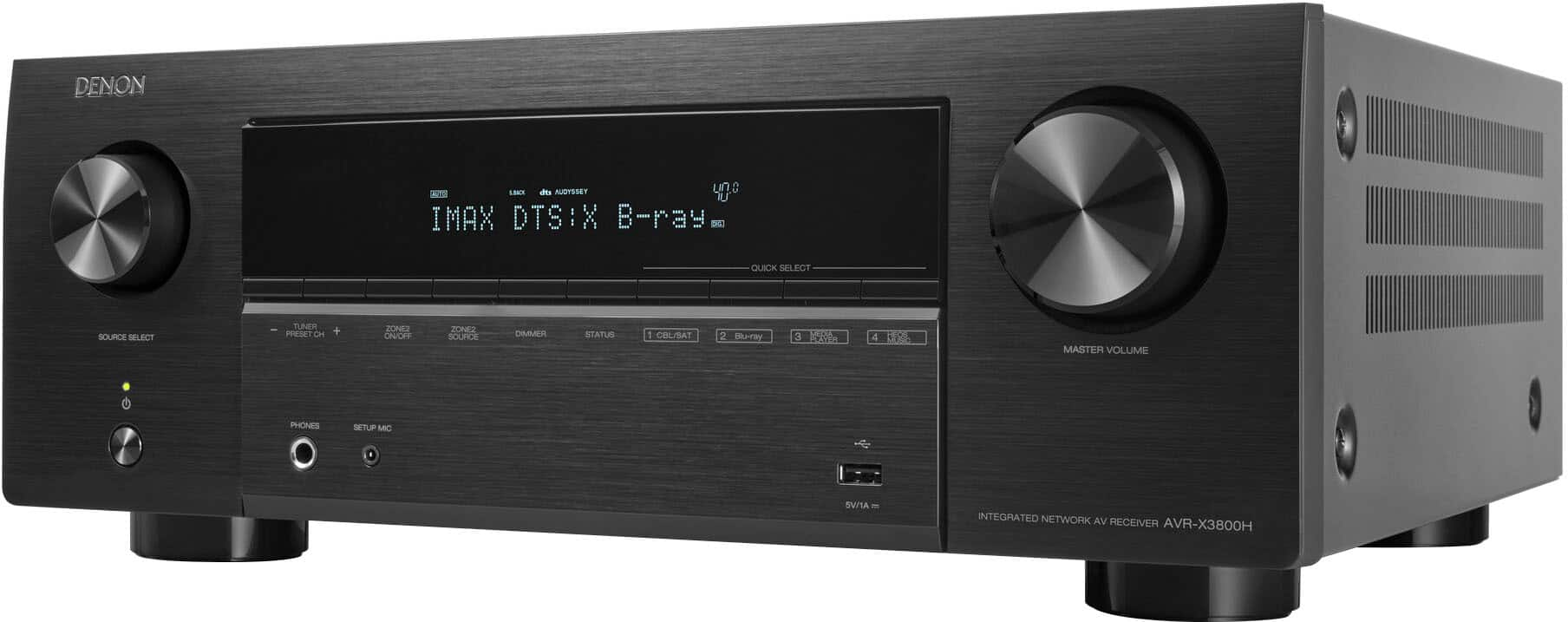
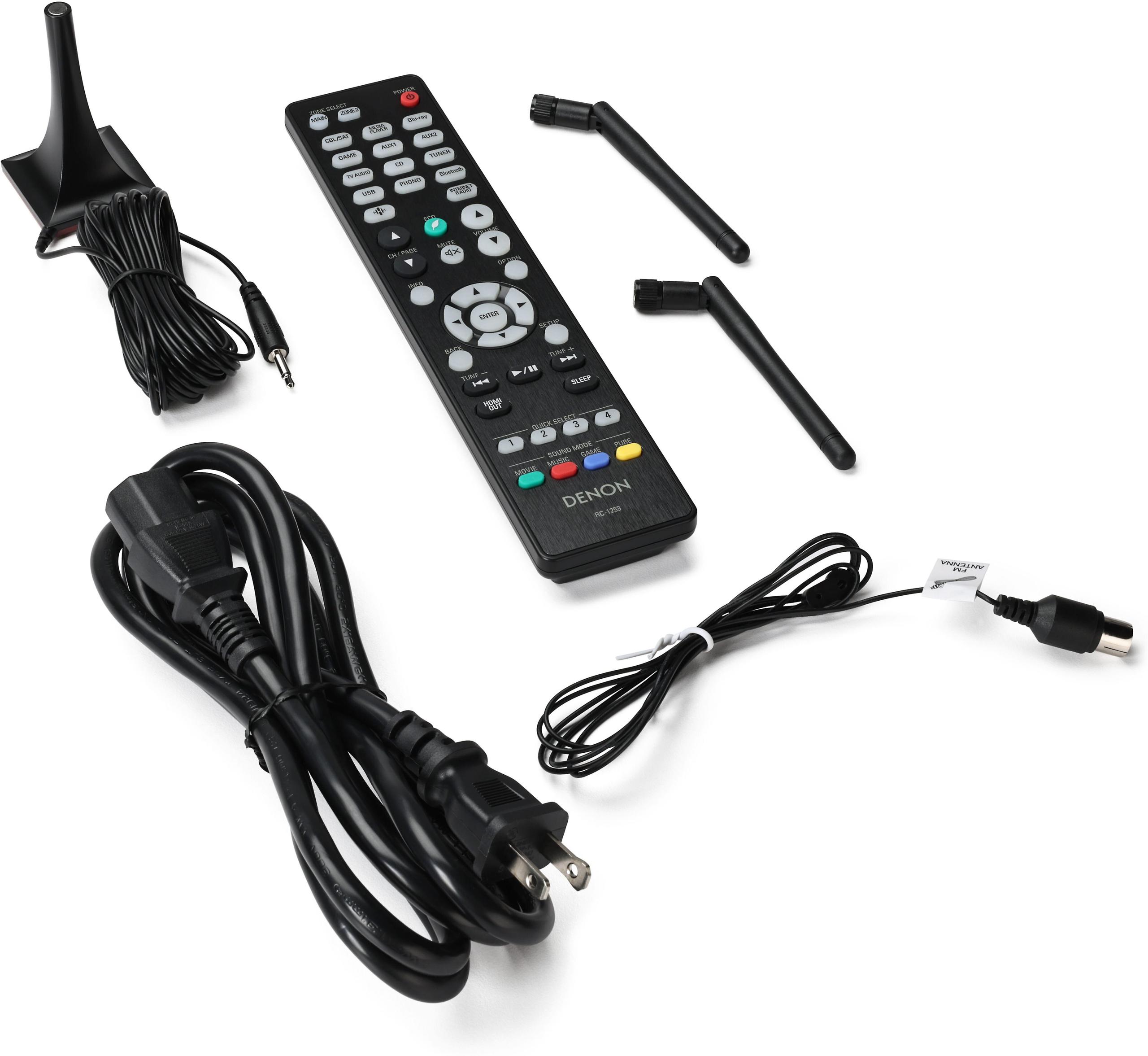
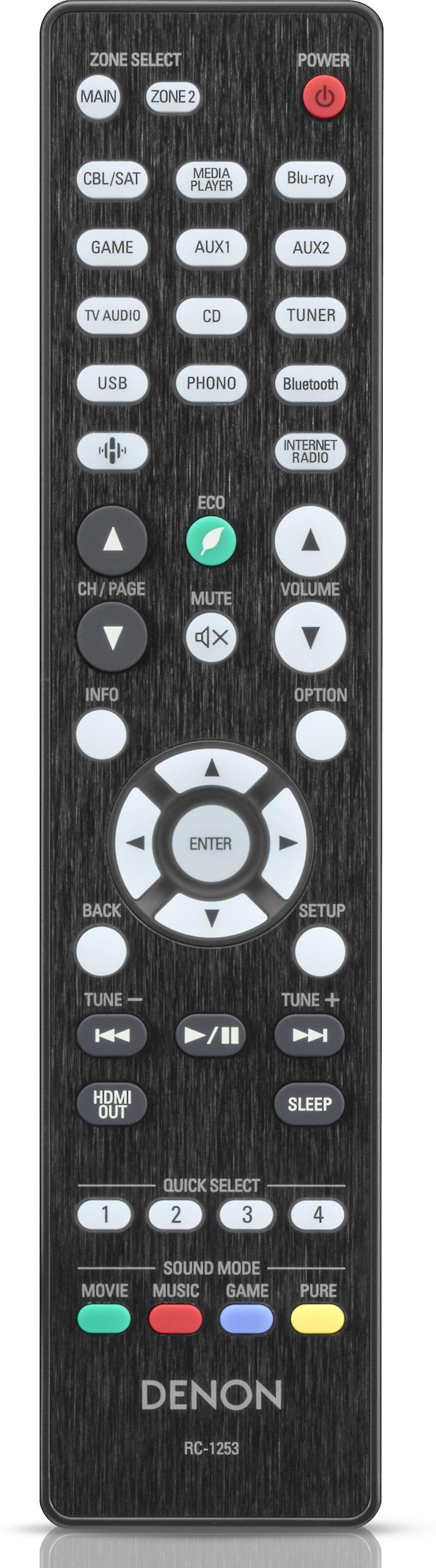

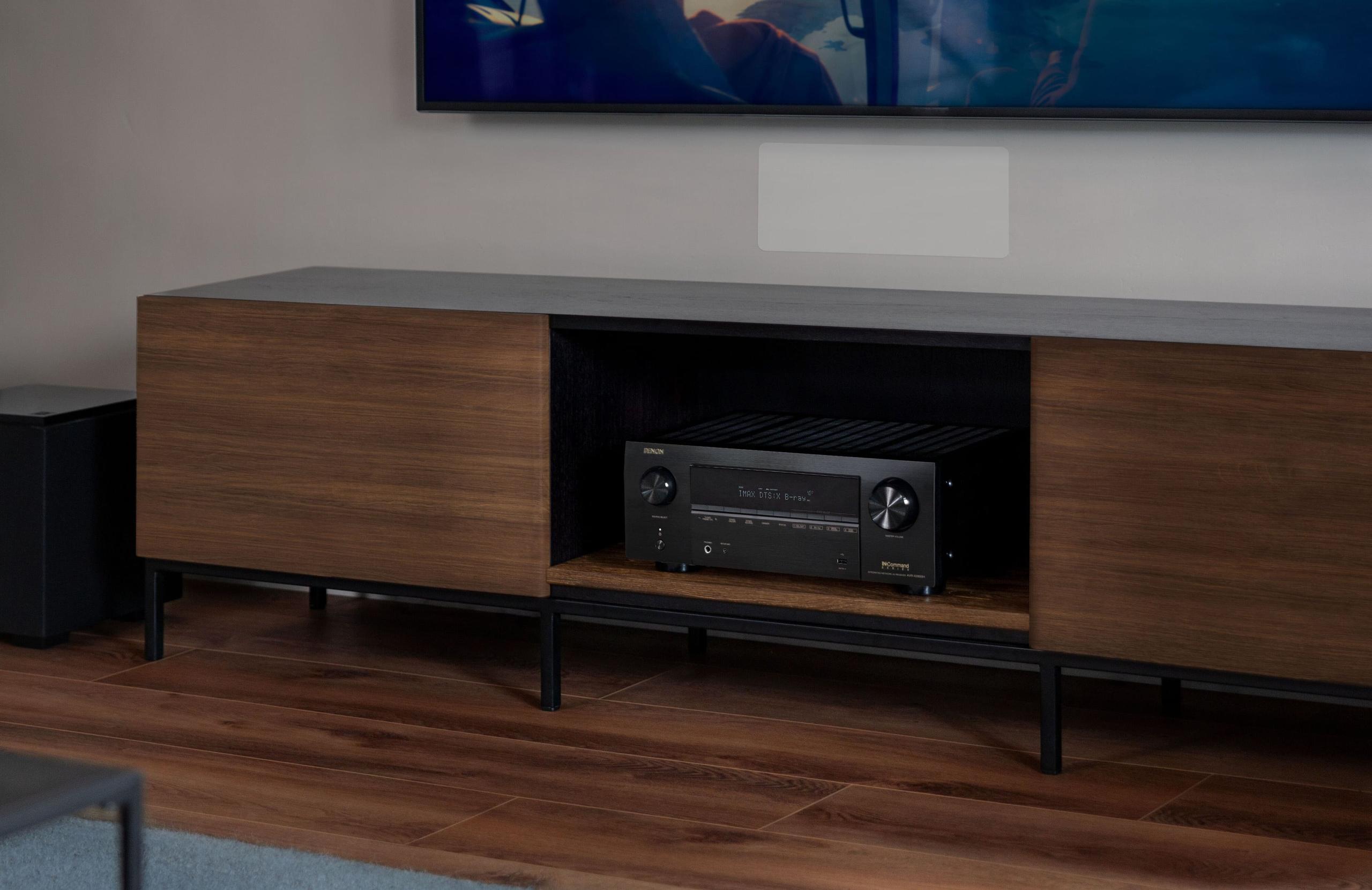
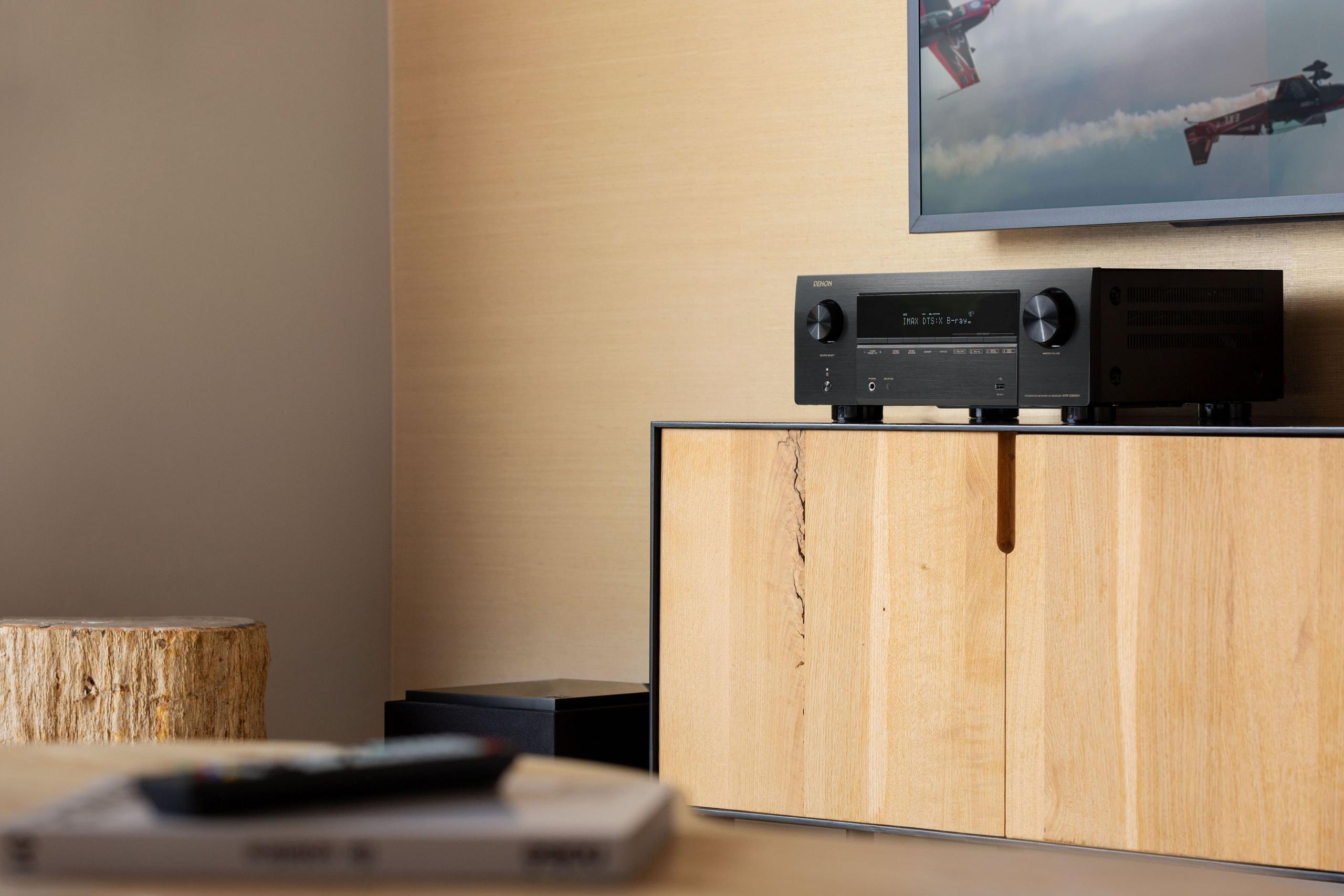
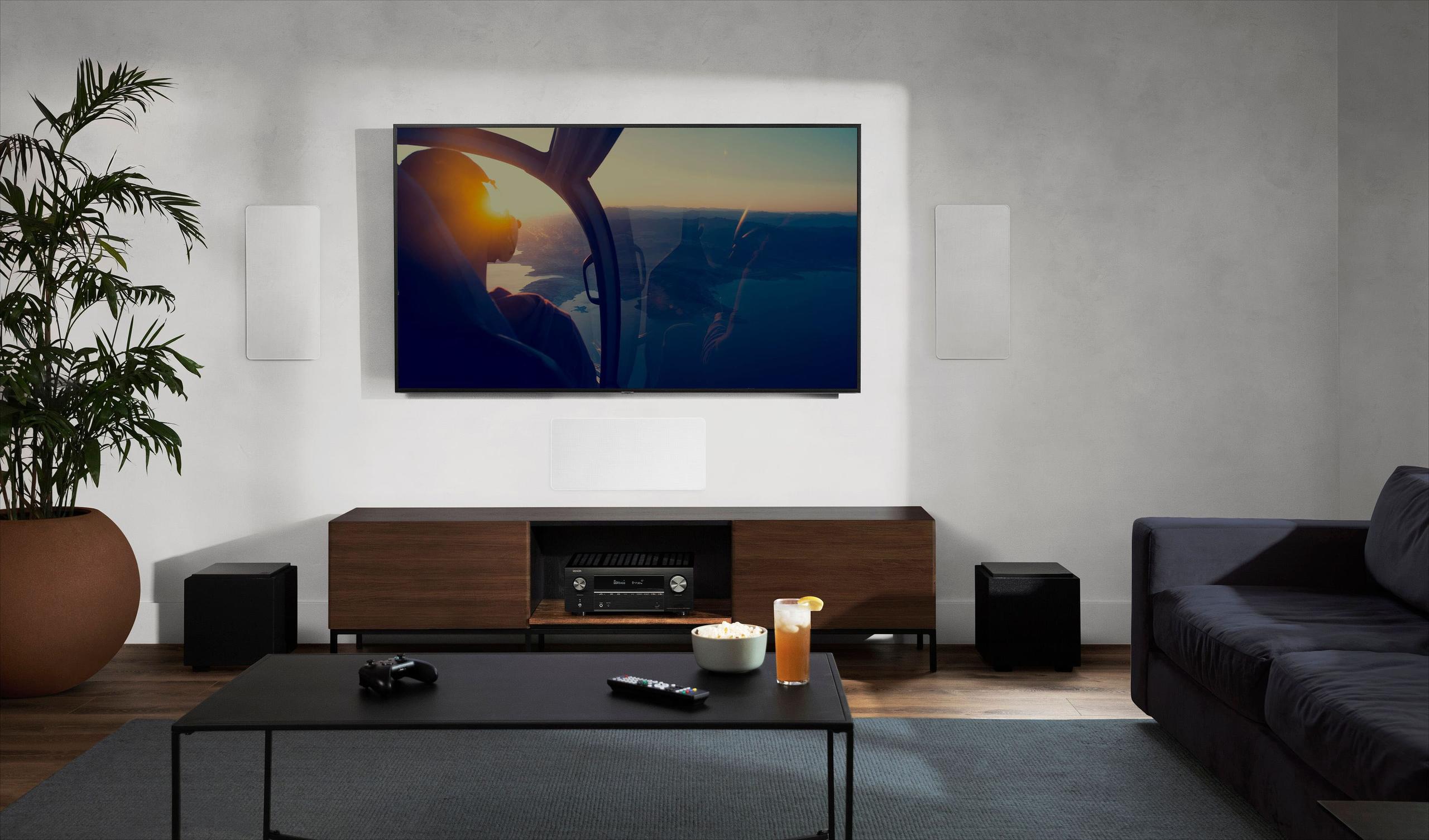
Shopping for an AV receiver can feel overwhelming, especially when you're comparing two excellent options like the Onkyo TX-NR7100 and Denon AVR-X3800H. Both receivers landed in 2021 and 2022 respectively, riding the wave of HDMI 2.1 adoption and 8K video support that became essential during the console gaming boom. At the time of writing, these receivers compete directly in the premium mid-range segment, typically priced within $100-200 of each other.
The fundamental question isn't whether these are good receivers – they're both excellent. Instead, it's about understanding their different philosophies and which approach better matches your needs and future plans.
Before diving into the comparison, let's establish what makes a great AV receiver in 2024. These devices serve as the brain of your home theater, handling everything from decoding surround sound formats to switching between your gaming console, streaming device, and Blu-ray player. Think of them as a sophisticated audio mixer, video switcher, and amplifier rolled into one box.
The "9-channel" designation means both the Onkyo TX-NR7100 and Denon AVR-X3800H can power nine speakers simultaneously. This enables immersive audio formats like Dolby Atmos and DTS:X, which add height channels above your listening position to create a true 3D soundscape. You might configure them as 5.1.4 (five main speakers, one subwoofer, four height speakers) or 7.1.2 (seven main speakers, one subwoofer, two height speakers).
What separates good receivers from great ones comes down to several key factors: how clean and powerful the amplification is, how effectively they correct for your room's acoustic problems, their connectivity options, and crucially – their ability to grow with your system over time.
The Onkyo TX-NR7100 and Denon AVR-X3800H represent distinctly different design philosophies, and understanding this difference is crucial to making the right choice.
Onkyo's approach with the TX-NR7100 focuses on delivering maximum value and performance out of the box. They've included premium room correction software that would normally cost hundreds of dollars extra, integrated seamlessly with popular streaming ecosystems, and earned THX certification – a rigorous testing standard that ensures the receiver meets professional audio-visual quality benchmarks. The trade-off? Limited expandability options.

Denon's AVR-X3800H takes a more expandable approach. While it costs slightly more initially and charges extra for premium room correction, it offers superior long-term flexibility. You can expand it to handle eleven channels instead of nine, connect up to four subwoofers with independent control, and even use it as a pure preamp/processor with external amplifiers down the road.
Here's where these receivers diverge most dramatically, and it's honestly the deciding factor for many buyers. Room correction technology analyzes how your speakers sound in your actual room and automatically adjusts the audio to compensate for acoustic problems like reflections, standing waves, and frequency response irregularities.
The Onkyo TX-NR7100 includes Dirac Live room correction software built-in – a feature that represents hundreds of dollars in added value. Dirac Live is widely considered the gold standard for room correction because it addresses both frequency response (making sure all frequencies are balanced) and time-domain issues (ensuring sounds from different speakers arrive at your ears simultaneously). Based on our research into user experiences, the difference is immediately audible: dialog becomes clearer, bass tightens up, and the overall soundstage becomes more coherent and natural.
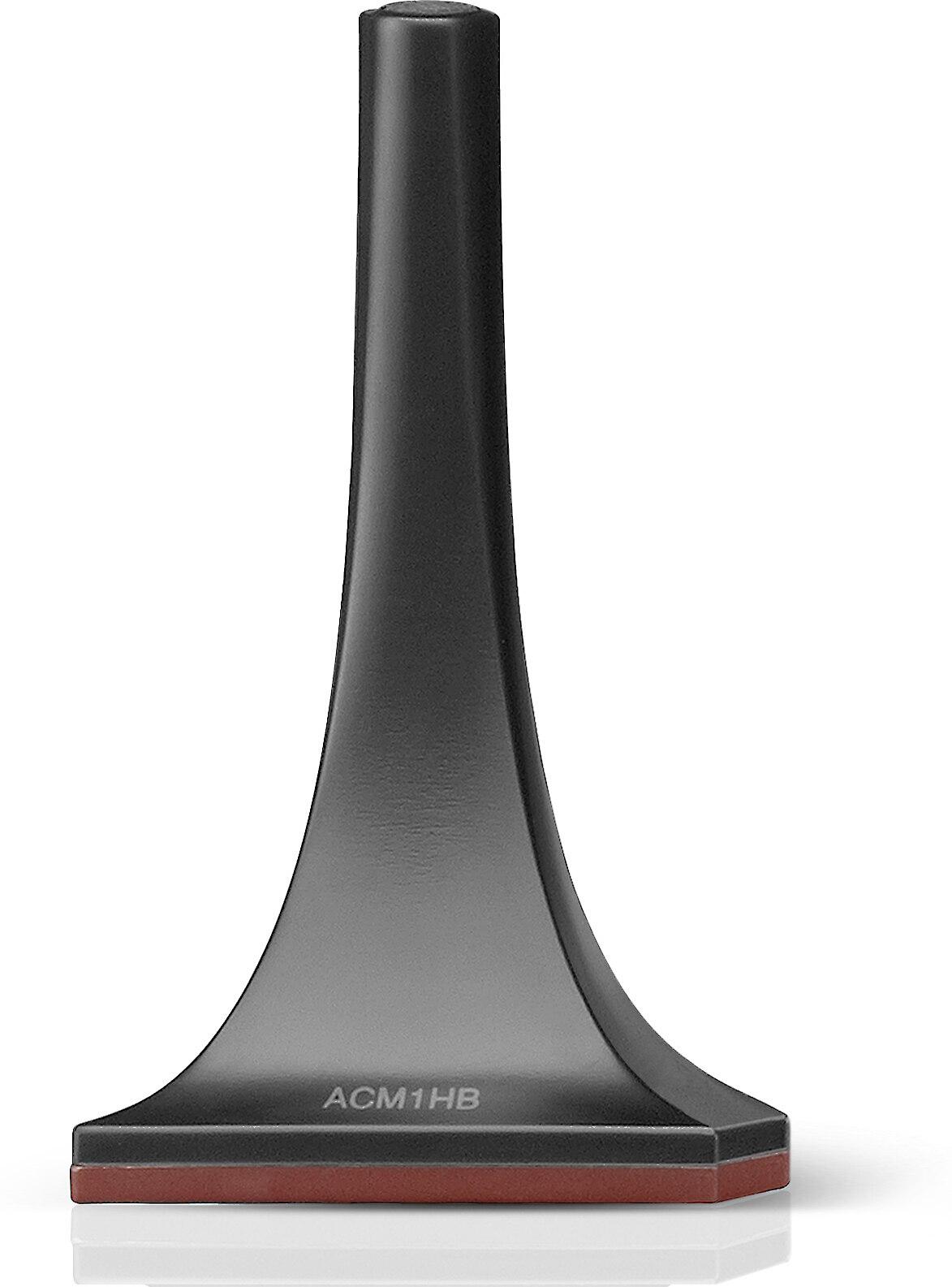
The Denon AVR-X3800H ships with Audyssey MultEQ XT32, which is capable room correction software but not quite at Dirac's level. However, Denon offers Dirac Live as an optional upgrade, with pricing tiers ranging from basic frequency correction to full bandwidth correction with advanced bass management. The catch? You're looking at additional costs of $250-600 depending on which features you want.
From a practical standpoint, if you're planning to use the receiver in a challenging acoustic environment – like a room with hard surfaces, odd dimensions, or multiple subwoofers – the Onkyo's included Dirac Live represents exceptional value. However, if you're willing to invest more for the most advanced bass management features, Denon's optional Dirac Live implementation offers more comprehensive control.
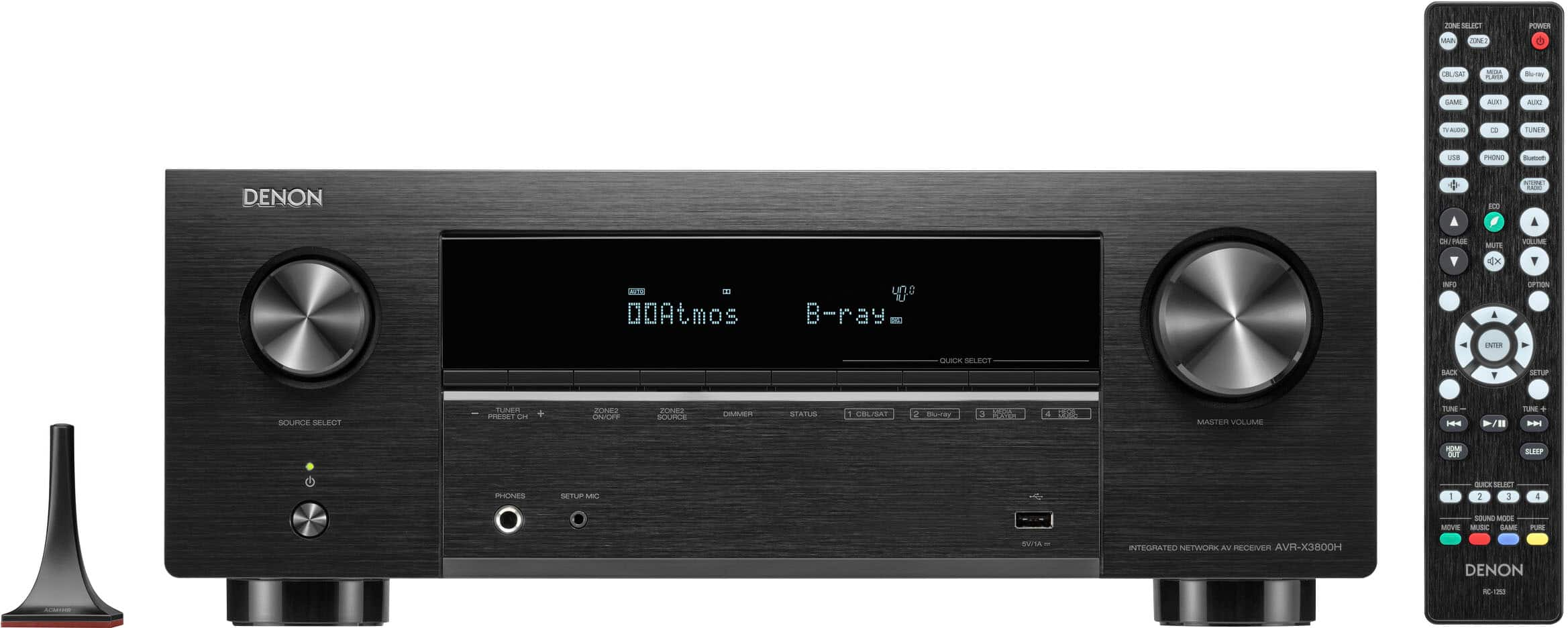
Both receivers deliver solid amplification, though with slightly different approaches. The Onkyo TX-NR7100 provides 100 watts per channel, while the Denon AVR-X3800H delivers 105 watts per channel. In practical terms, this 5-watt difference is negligible – you'd need to double the power to achieve a noticeable 3dB increase in volume.
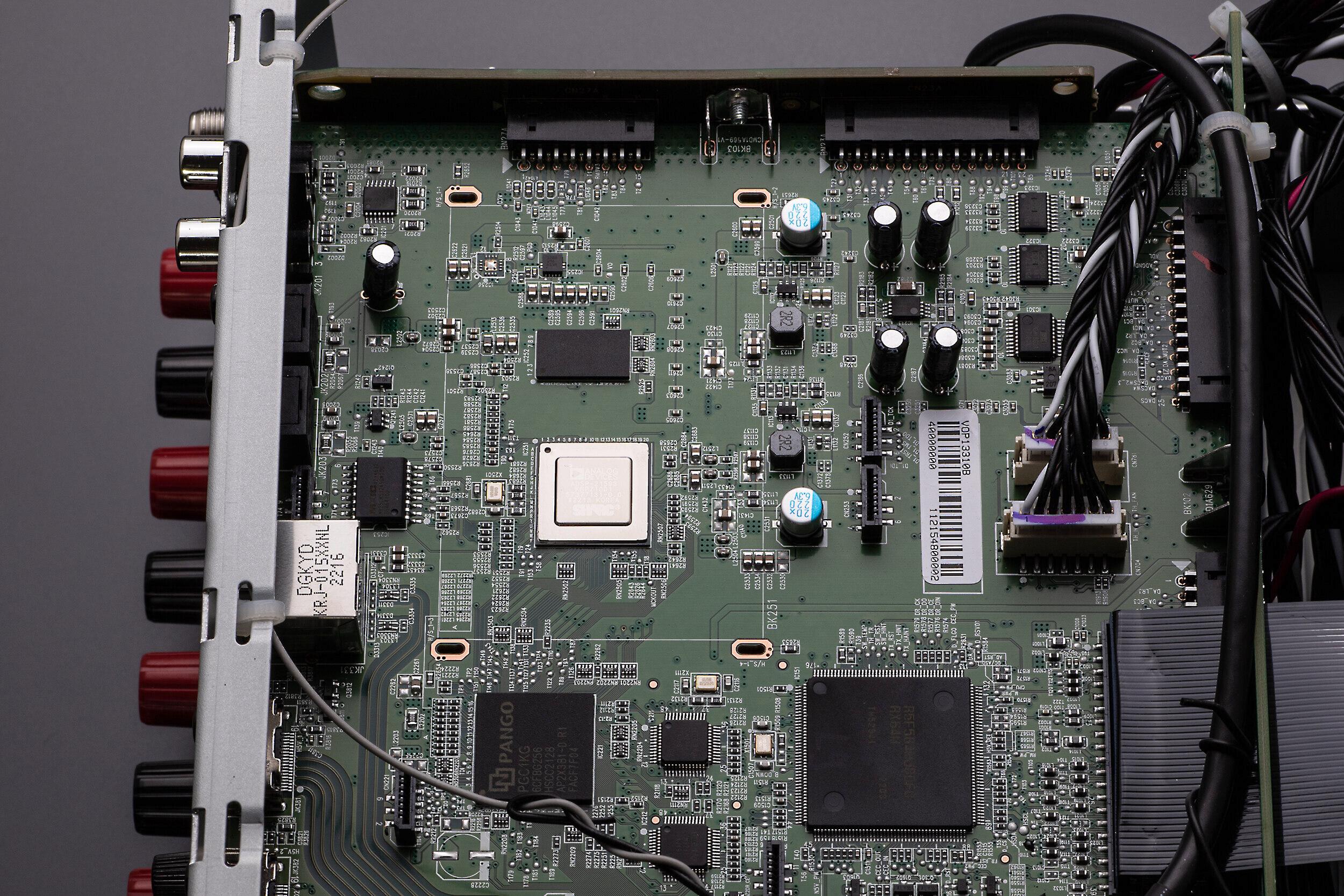
More important than raw wattage are the amplifier designs themselves. The Onkyo uses Dynamic Audio Amplification with discrete output stages and Wide Range Amp Technology (WRAT), which prevents phase shifting that can blur the stereo image. The Denon employs discrete high-current power transistors across all channels with advanced Class AB topology.
Based on professional reviews we've analyzed, both receivers drive speakers confidently and maintain clean, detailed sound even at high volumes. The Onkyo tends to present a slightly more neutral, reference-quality sound signature thanks to its THX certification, while the Denon offers a touch more warmth and musicality. Neither approach is inherently better – it's more about personal preference.
What matters more for most users is that both receivers can easily drive typical home theater speakers (with 4-8 ohm impedance) to satisfying volume levels in medium to large rooms. If you're planning to use extremely demanding speakers or want to fill a very large space, you might consider adding external amplification – which brings us to a crucial difference.
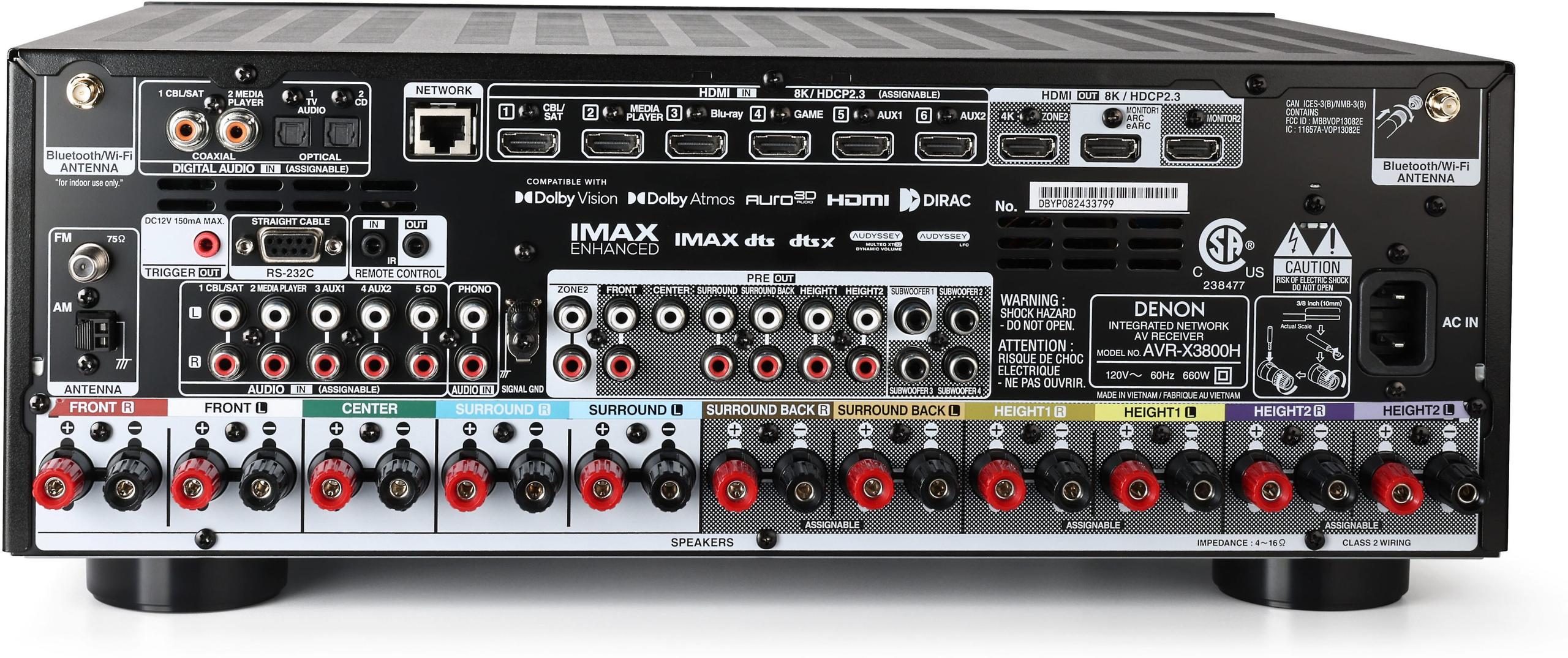
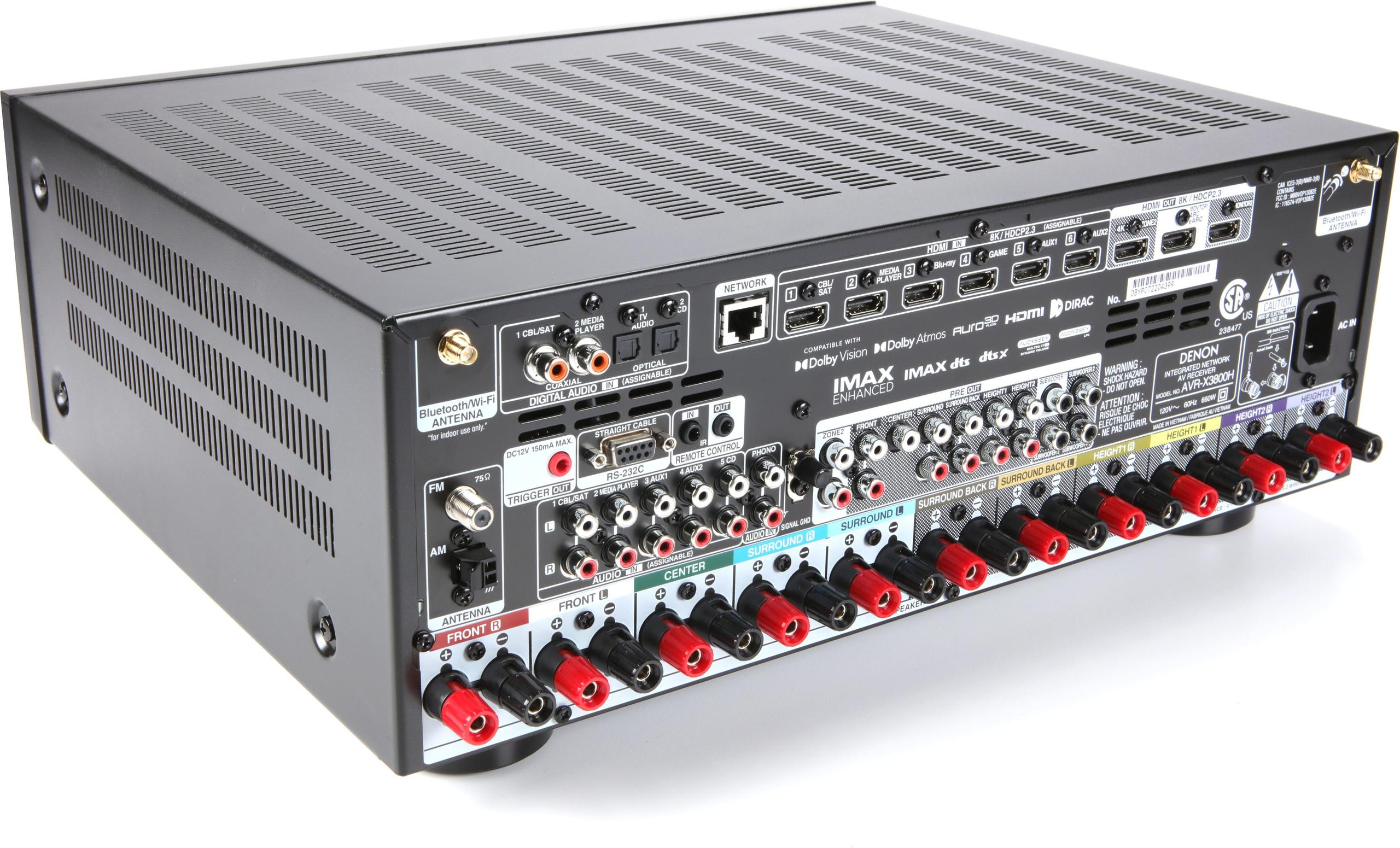
This is where the Denon AVR-X3800H pulls significantly ahead. The Denon includes 11.4-channel preamp outputs, meaning you can connect external power amplifiers to drive additional speakers or boost power to existing ones. You can even bypass the internal amplifiers entirely and use it as a pure preamp/processor – essentially future-proofing your investment if you later want to upgrade to high-end external amplification.
The Onkyo TX-NR7100 lacks preamp outputs entirely. This isn't necessarily a problem if you're building a system you plan to keep as-is, but it does limit your options if your needs change. You're locked into the nine-channel configuration with no expansion path.
This difference extends to subwoofer management as well. The Denon offers four independent subwoofer outputs with individual level and delay controls, allowing you to optimize bass response throughout your room by strategically placing multiple subwoofers. The Onkyo provides two subwoofer outputs, but they're not independently controllable.
For serious home theater enthusiasts or anyone with a larger room, multiple subwoofers can dramatically improve bass response. The ability to fine-tune each subwoofer's contribution helps eliminate the uneven bass response that plagues many rooms, where some seating positions get boomy bass while others sound thin.
The Onkyo TX-NR7100 offers superior smart home integration and streaming capabilities. It's "Works with Sonos" certified, meaning it can become part of your whole-home Sonos ecosystem when paired with a Sonos Port. This integration allows you to use your home theater speakers as a Sonos zone, controlled through the Sonos app alongside other Sonos speakers throughout your house.
The Onkyo also includes Google Chromecast built-in, enabling direct casting from any Chromecast-compatible app on your phone or tablet. Perhaps more importantly for music lovers, it supports Dolby Atmos Music natively through services like Tidal and Amazon Music HD, delivering immersive audio without needing additional hardware.
The Denon AVR-X3800H counters with its HEOS multi-room platform, which works well if you're already invested in Denon/Marantz gear but isn't as universally compatible. It lacks built-in Chromecast support and requires an external streaming device like Apple TV 4K or Amazon Fire TV to access Dolby Atmos Music.
For HDMI connectivity, the Onkyo provides seven HDMI 2.1 inputs versus the Denon's six, though the Denon offers three HDMI outputs compared to Onkyo's two. Both support the latest gaming features like Variable Refresh Rate (VRR) and Auto Low Latency Mode (ALLM), essential for next-generation console gaming.
Both receivers handle the essential surround sound formats – Dolby Atmos, DTS:X, and IMAX Enhanced – with aplomb. However, the Denon AVR-X3800H supports additional formats like Auro-3D and 360 Reality Audio, providing broader compatibility with emerging content standards.
The Onkyo TX-NR7100 focuses on executing the most important formats exceptionally well rather than supporting every possible codec. Its THX certification ensures that Dolby and DTS content sounds exactly as the content creators intended, which matters more for most users than having support for rarely-encountered audio formats.
Based on extensive user feedback and professional reviews, both receivers deliver excellent performance in typical home theater scenarios. The Onkyo TX-NR7100 consistently impresses with its out-of-the-box sound quality, thanks largely to the included Dirac Live room correction. Users frequently note improved dialog clarity and more coherent surround effects compared to previous receivers without advanced room correction.
The Denon AVR-X3800H shines in more complex installations, particularly those involving multiple subwoofers or challenging room acoustics. Its superior bass management capabilities and expandability options make it the preferred choice for custom installers and serious enthusiasts building high-end systems.
For music listening, both receivers perform admirably. The Onkyo maintains its neutral, reference-quality presentation, while the Denon offers slightly more warmth and dimensionality that some users prefer for extended music sessions.
At the time of writing, these receivers typically trade within $100-200 of each other, making the value comparison particularly interesting. The Onkyo TX-NR7100 includes several hundred dollars worth of software and features (Dirac Live, Sonos certification, THX certification) that would cost extra with other manufacturers. For buyers who want excellent performance immediately without additional upgrades, it represents exceptional value.
The Denon AVR-X3800H requires higher upfront investment to reach its full potential, but offers superior long-term value for expanding systems. If you plan to upgrade speakers, add more subwoofers, or eventually move to external amplification, the Denon's expandability justifies its higher total cost of ownership.
The decision between these receivers comes down to your priorities and future plans. Choose the Onkyo TX-NR7100 if you want the best possible performance and features for your money right now. Its included Dirac Live room correction, superior streaming integration, and THX certification make it ideal for users who want a complete, optimized solution without ongoing investments.
The Onkyo is particularly well-suited for medium-sized rooms (up to about 3,000 cubic feet), fixed speaker configurations, and users who value seamless smart home integration. If you're building a 5.1.4 or 7.1.2 Atmos system and don't anticipate major changes, the Onkyo delivers everything you need with room to spare.
Select the Denon AVR-X3800H if system flexibility and future expansion matter more than immediate savings. Its preamp outputs, advanced bass management, and 11-channel processing capability make it the better choice for evolving systems or challenging installations. The Denon suits larger rooms, users planning multiple subwoofers, or anyone who might want to upgrade to external amplification later.
The Denon also makes sense if you're already invested in the HEOS ecosystem or prefer having the option to upgrade room correction features piecemeal rather than getting everything upfront.
Both the Onkyo TX-NR7100 and Denon AVR-X3800H are excellent receivers that will serve most users well for years to come. The Onkyo offers better immediate value and ease of use, while the Denon provides superior long-term flexibility and advanced features for serious enthusiasts.
In our analysis, the Onkyo emerges as the better choice for most buyers due to its included premium features and superior smart home integration. However, if you're building a high-end system or value future expandability above all else, the Denon justifies its higher total cost through its advanced capabilities and upgrade potential.
Either way, you're getting a receiver that will dramatically improve your home theater experience compared to basic models, with the processing power and connectivity to handle whatever content and sources you throw at it.
| Onkyo TX-NR7100 | Denon AVR-X3800H |
|---|---|
| Channel Configuration - Determines maximum speaker layout options | |
| 9.2 channels (9 amplified + 2 subwoofer outputs) | 9.4 channels (9 amplified + 4 independent subwoofer outputs) |
| Maximum Channel Processing - Future expansion capability | |
| 9.1 channels maximum (no expansion possible) | 11.4 channels with external amplifiers |
| Power Output - Driving capability for speakers | |
| 100W per channel (8Ω, 2ch driven) | 105W per channel (8Ω, 2ch driven) |
| Room Correction - Critical for optimizing sound in your space | |
| Dirac Live included (premium $250-600 value) | Audyssey MultEQ XT32 included; Dirac Live optional ($250-600 extra) |
| Preamp Outputs - Ability to add external amplifiers | |
| None (limits future upgrades) | 11.4-channel preamp outputs (full expandability) |
| Subwoofer Management - Bass optimization capability | |
| 2 subwoofer outputs (not independent) | 4 independent subwoofer outputs with individual controls |
| HDMI Connectivity - Gaming and video device connections | |
| 7 HDMI 2.1 inputs, 2 outputs | 6 HDMI 2.1 inputs, 3 outputs |
| Smart Home Integration - Streaming and voice control features | |
| Works with Sonos certified, Chromecast built-in, native Dolby Atmos music | HEOS multi-room platform, requires external streamer for Dolby Atmos music |
| Audio Format Support - Surround sound compatibility | |
| Dolby Atmos, DTS:X, IMAX Enhanced, THX Certified | Dolby Atmos, DTS:X, IMAX Enhanced, Auro-3D, 360 Reality Audio |
| Best For - Ideal use cases | |
| Immediate optimization with premium features included | Future expandability and advanced bass management |
Both the Onkyo TX-NR7100 and Denon AVR-X3800H are excellent for home theater, but they serve different needs. The Onkyo TX-NR7100 offers better immediate value with included Dirac Live room correction and THX certification, making it ideal for most home theater setups. The Denon AVR-X3800H is better for larger or more complex installations requiring multiple subwoofers or future expansion capabilities.
The biggest difference is expandability. The Onkyo TX-NR7100 is a complete 9-channel solution with premium room correction included but no expansion options. The Denon AVR-X3800H can expand to 11 channels with external amplifiers and offers superior subwoofer management with four independent outputs versus the Onkyo's two non-independent outputs.
The Onkyo TX-NR7100 includes Dirac Live room correction built-in at no extra cost, which is considered premium technology. The Denon AVR-X3800H comes with Audyssey MultEQ XT32 and offers Dirac Live as an optional upgrade for additional cost. For immediate optimization without extra investment, the Onkyo provides better value.
The Onkyo TX-NR7100 is a 9.2-channel receiver supporting up to 9.1 channel processing. The Denon AVR-X3800H is a 9.4-channel receiver that can process up to 11.4 channels when expanded with external amplifiers. Both support Dolby Atmos and DTS:X configurations like 5.1.4 or 7.1.2.
Both receivers excel at music playback. The Onkyo TX-NR7100 offers a neutral, reference-quality sound signature thanks to its THX certification and built-in streaming with native Dolby Atmos music support. The Denon AVR-X3800H provides slightly warmer sound and more comprehensive audio format support but requires external devices for Dolby Atmos music streaming.
The Denon AVR-X3800H offers full expandability with 11.4-channel preamp outputs, allowing you to add external amplifiers or use it as a preamp/processor. The Onkyo TX-NR7100 has no preamp outputs, limiting you to its built-in 9-channel configuration with no expansion possibilities.
The Onkyo TX-NR7100 provides 7 HDMI 2.1 inputs and 2 outputs, while the Denon AVR-X3800H offers 6 HDMI 2.1 inputs and 3 outputs. Both support 8K/60Hz, 4K/120Hz, and gaming features like VRR and ALLM. The choice depends on whether you need more inputs or outputs for your setup.
The Denon AVR-X3800H excels with four independent subwoofer outputs that can be individually controlled for optimal bass response in larger rooms. The Onkyo TX-NR7100 has two subwoofer outputs that are not independently controllable, which is sufficient for most home theater setups but limits bass optimization options.
The Onkyo TX-NR7100 provides superior smart integration with Works with Sonos certification, Chromecast built-in, and native support for major streaming services with Dolby Atmos music. The Denon AVR-X3800H uses the HEOS platform for multi-room audio but lacks built-in Chromecast and requires external streamers for advanced audio formats.
The Onkyo TX-NR7100 delivers 100 watts per channel while the Denon AVR-X3800H provides 105 watts per channel. This 5-watt difference is negligible in real-world use - both receivers can drive typical home theater speakers to satisfying volumes in medium to large rooms.
Both the Onkyo TX-NR7100 and Denon AVR-X3800H support essential gaming features like HDMI 2.1, VRR, ALLM, and 4K/120Hz pass-through. The Onkyo has one more HDMI input which might be useful for multiple gaming consoles, while both provide low-latency processing suitable for competitive gaming.
The Onkyo TX-NR7100 typically offers better immediate value by including premium features like Dirac Live room correction and THX certification that would cost extra elsewhere. The Denon AVR-X3800H provides better long-term value if you plan system expansion or need advanced bass management, though it requires higher initial investment to reach full potential.
We've done our best to create useful and informative comparisons to help you decide what product to buy. Our research uses advanced automated methods to create this comparison and perfection is not possible - please contact us for corrections or questions. These are the sites we've researched in the creation of this article: crutchfield.com - prohifi.in - bestbuy.com - h-m-entertainment.com - audiosciencereview.com - crutchfield.ca - soundandvision.com - avsforum.com - avgadgets.com - youtube.com - onkyo.com - crutchfield.com - onkyo.com - accessories4less.com - klipsch.com - youtube.com - listenup.com - intl.onkyo-av.com - bestbuy.com - 420spotshop.com - support.onkyousa.com - soundandvision.com - denon.com - valueelectronics.com - abt.com - bestbuy.com - crutchfield.com - audioadvice.com - snapav.com - theaudiosolutions.com - forums.audioholics.com - videoandaudiocenter.com

Privacy Policy
Terms and Conditions - Affiliate Policy
Home Security
© Copyright 2008-2026.
11816 Inwood Rd #1211, Dallas, TX 75244