


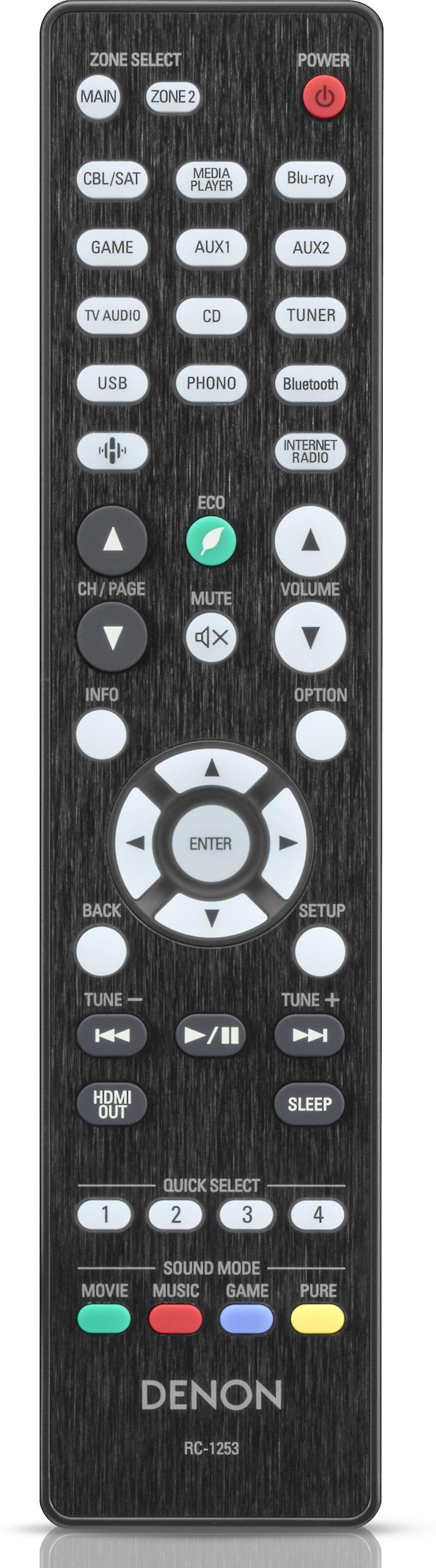
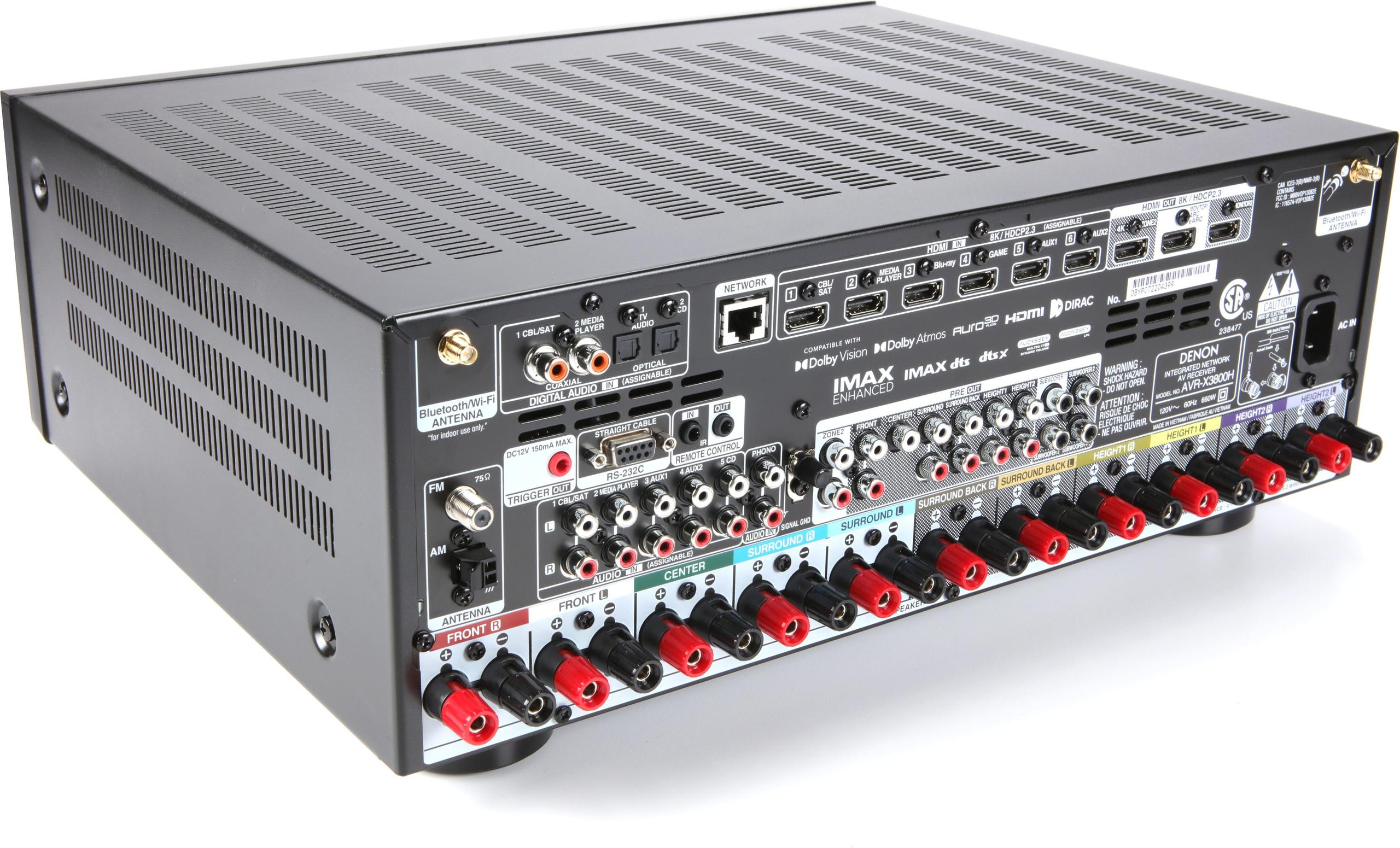
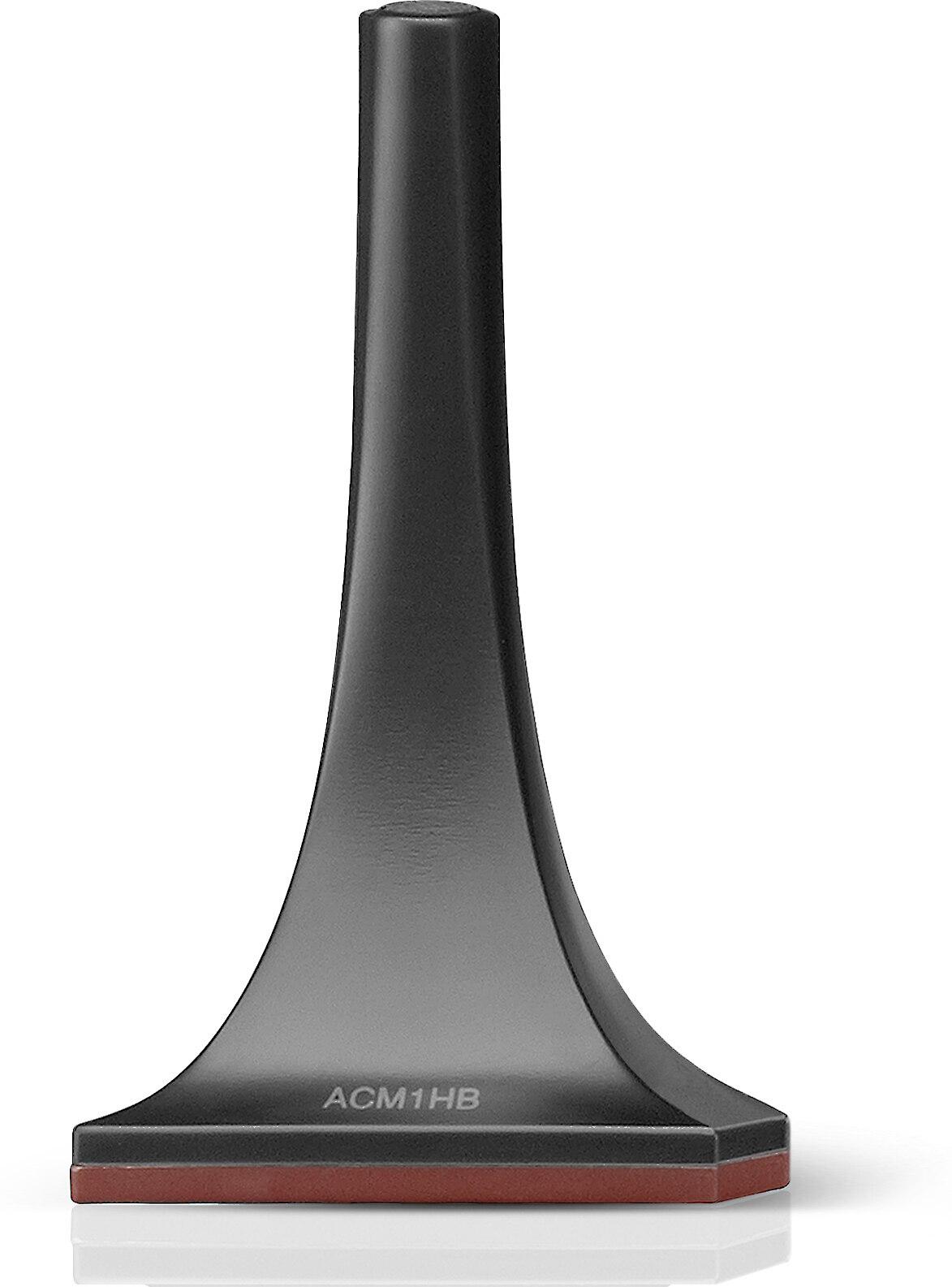
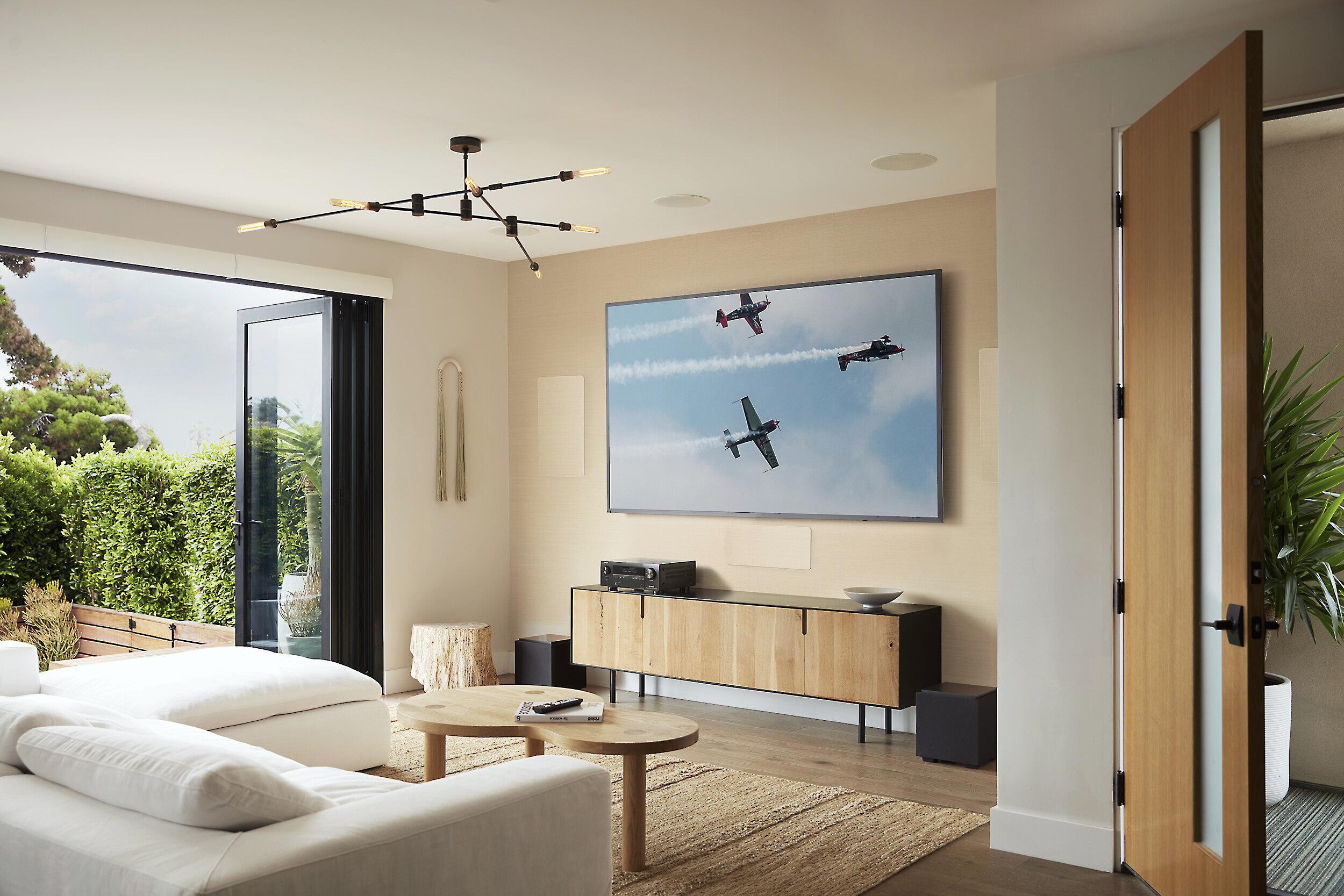
When it comes to powering your home audio system, the Yamaha R-N602 at $649 and Denon AVR-X3800H at $1,700 represent two distinct approaches to home audio. Let's explore how these receivers differ and which might be right for your needs.
Home audio receivers come in two main flavors: stereo receivers focused on two-channel music reproduction, and AV receivers designed for both music and home theater. The Yamaha R-N602, released in 2015, represents a traditional stereo approach with modern network features, while the Denon AVR-X3800H from 2022 showcases the latest in home theater technology.
The tech landscape has changed significantly since 2015. While the Yamaha's basic stereo amplification remains solid, newer receivers like the Denon have embraced HDMI 2.1, 8K video, and advanced gaming features. However, this doesn't automatically make newer better - it depends entirely on your needs.
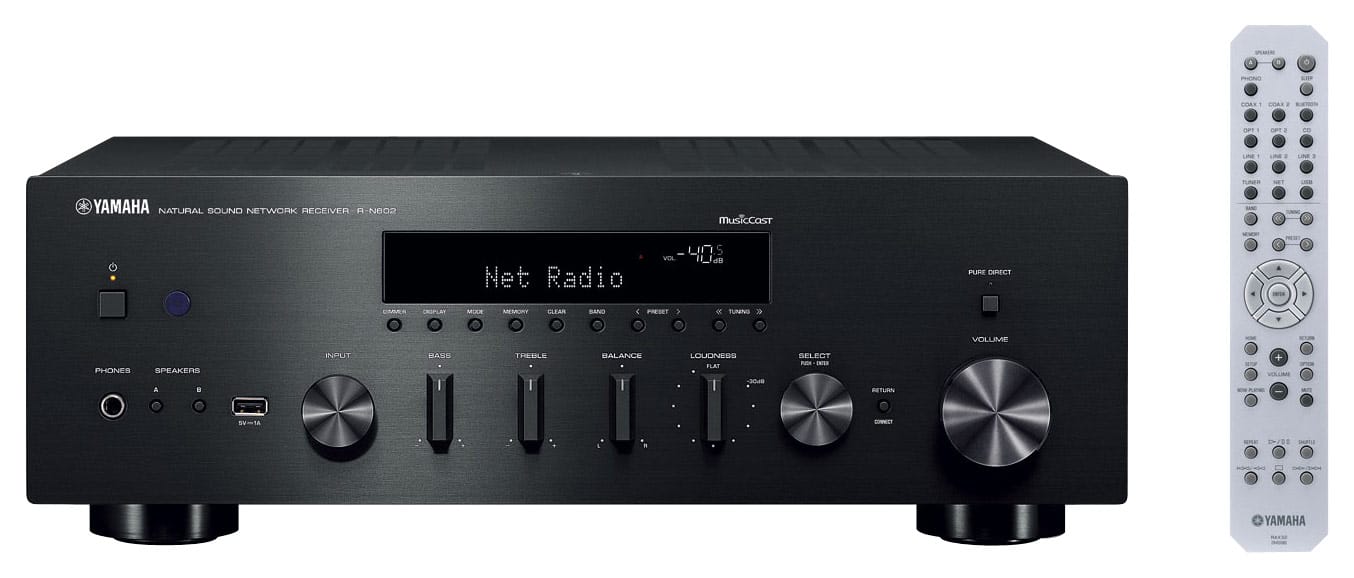
The Yamaha R-N602 delivers 80 watts per channel into 8 ohms with remarkably low distortion. Its ToP-ART design (Total Purity Audio Reproduction Technology) focuses on short signal paths and high-quality components. In practice, this means cleaner, more detailed stereo sound - particularly noticeable with high-resolution audio files and vinyl records.
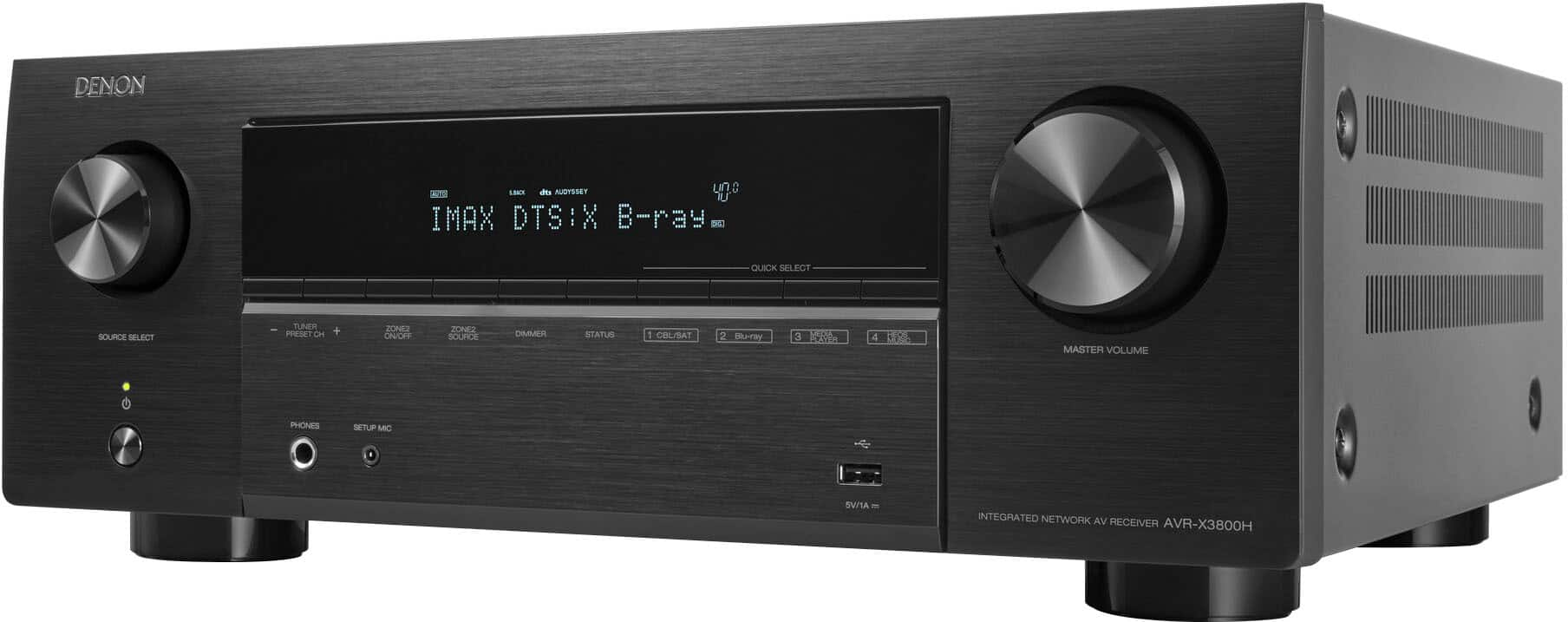
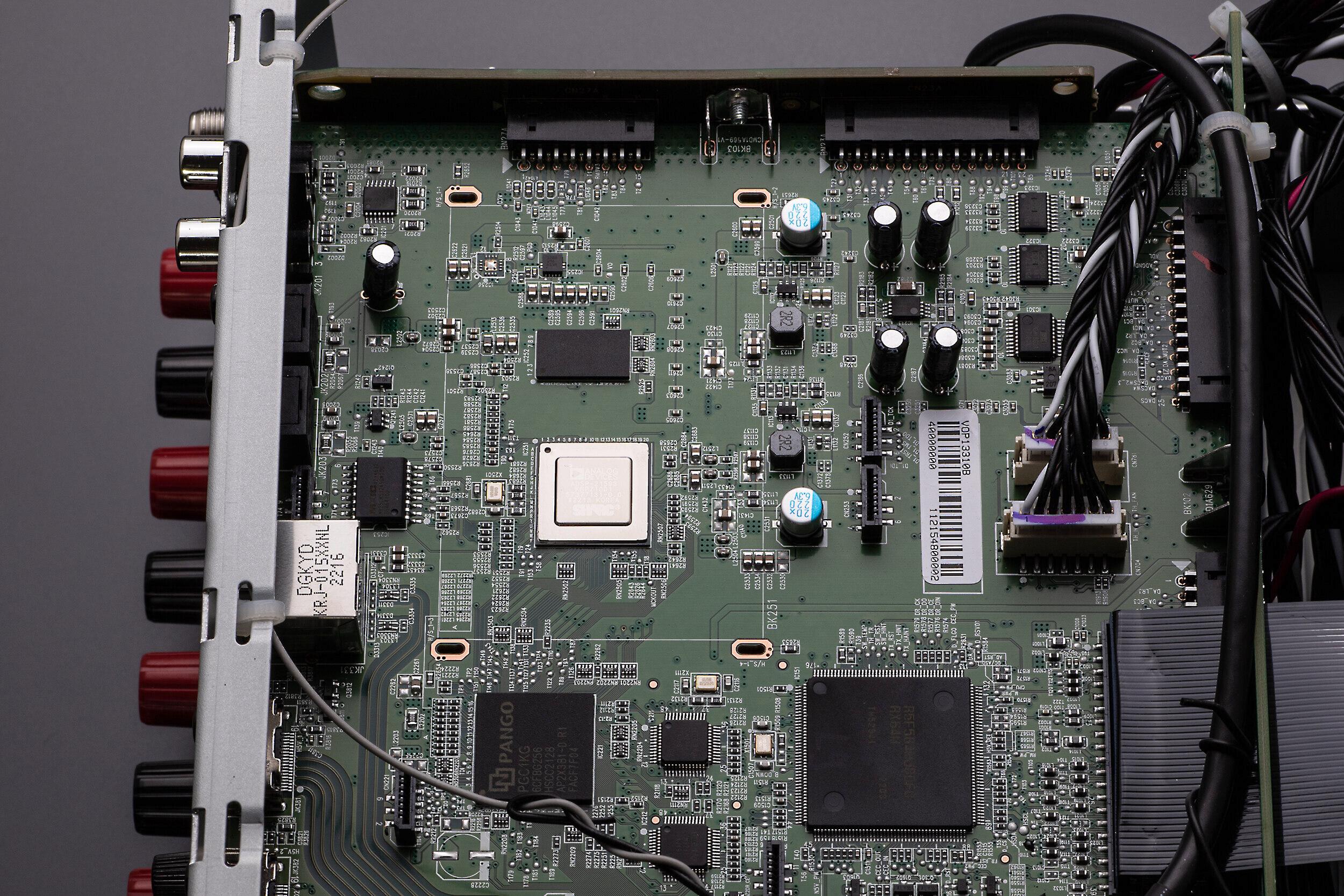
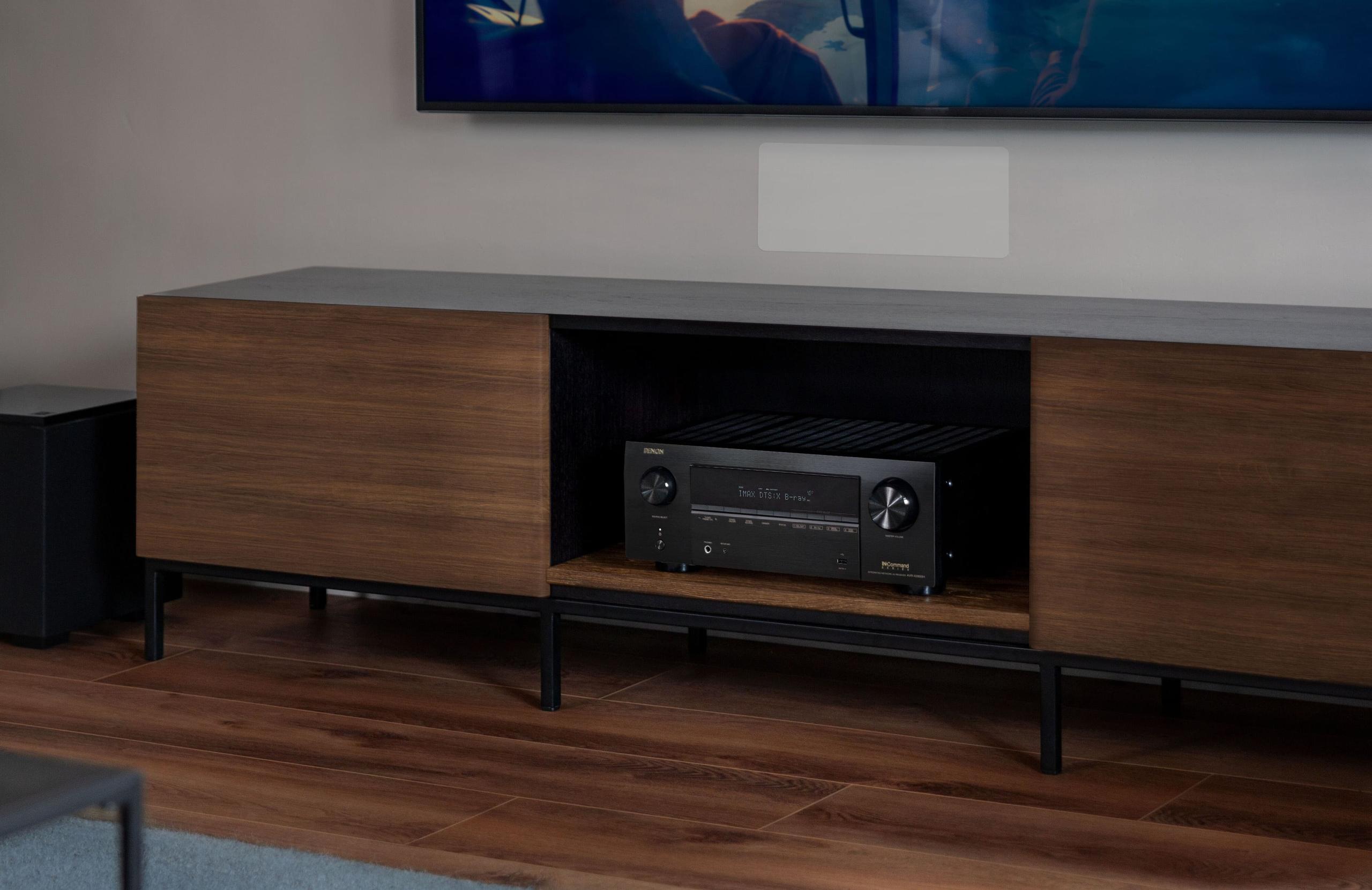
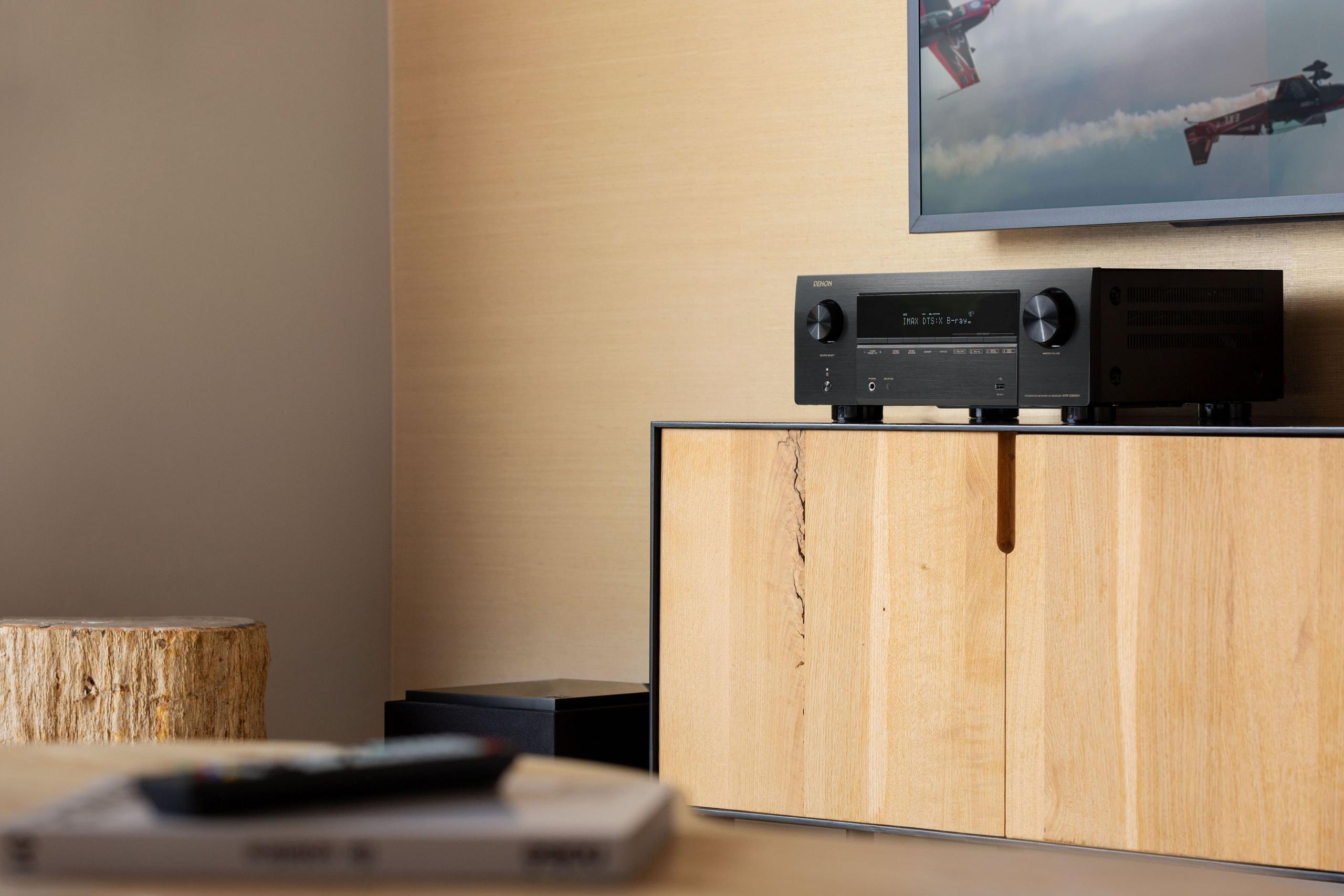
The Denon AVR-X3800H provides 105 watts per channel and processes up to 11.4 channels simultaneously. Its modern DSP chips handle complex room correction and immersive audio formats like Dolby Atmos and DTS:X. The Denon's Audyssey MultEQ XT32 room correction (which measures and adjusts for your room's acoustics) is notably more sophisticated than the Yamaha's basic tone controls.
For pure stereo listening, the Yamaha's focused design can deliver more refined sound. However, the Denon's additional power and processing provide more flexibility and better performance for home theater use.
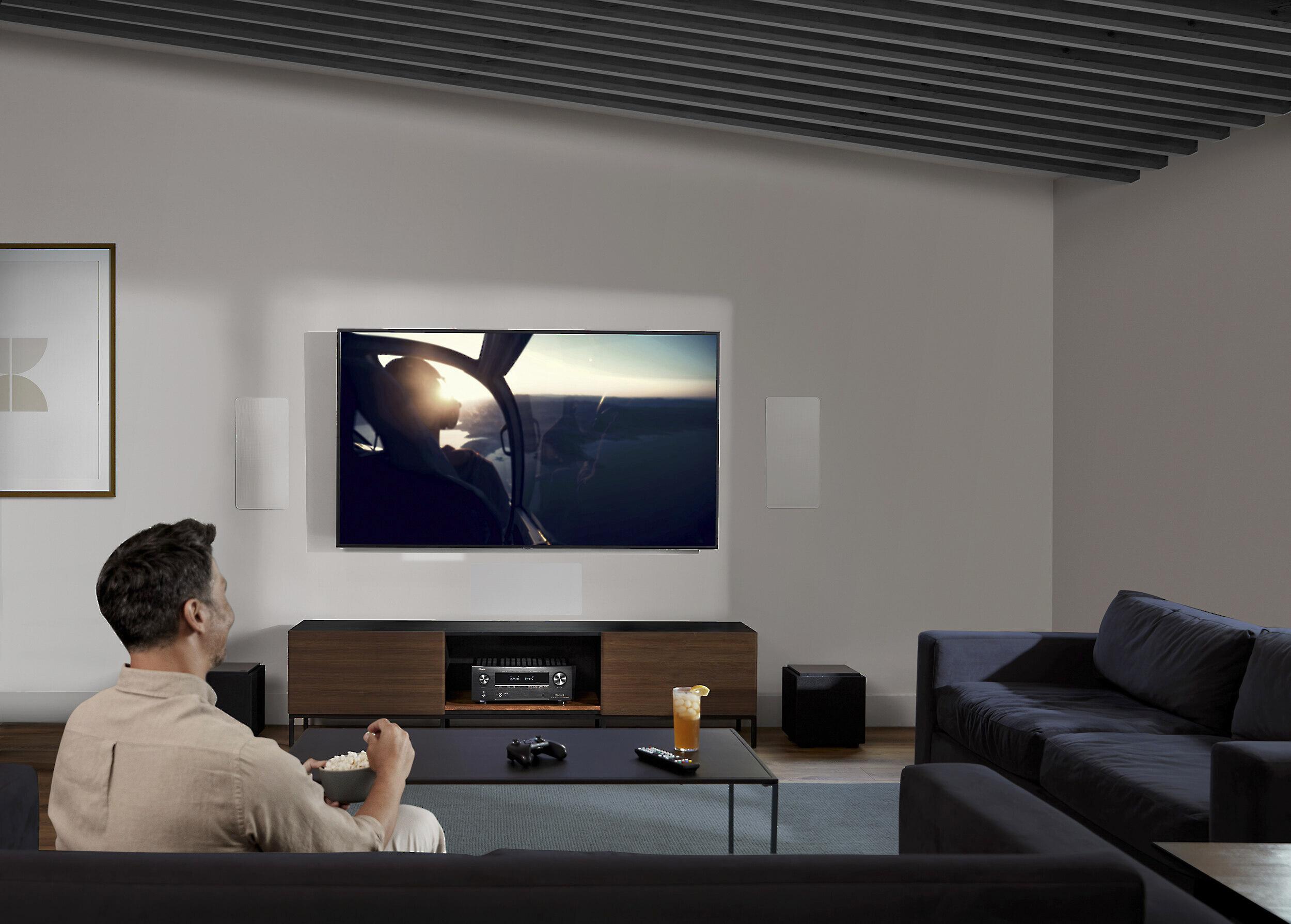
Both receivers handle high-resolution audio, but there are important differences:
Yamaha R-N602:
Denon AVR-X3800H:
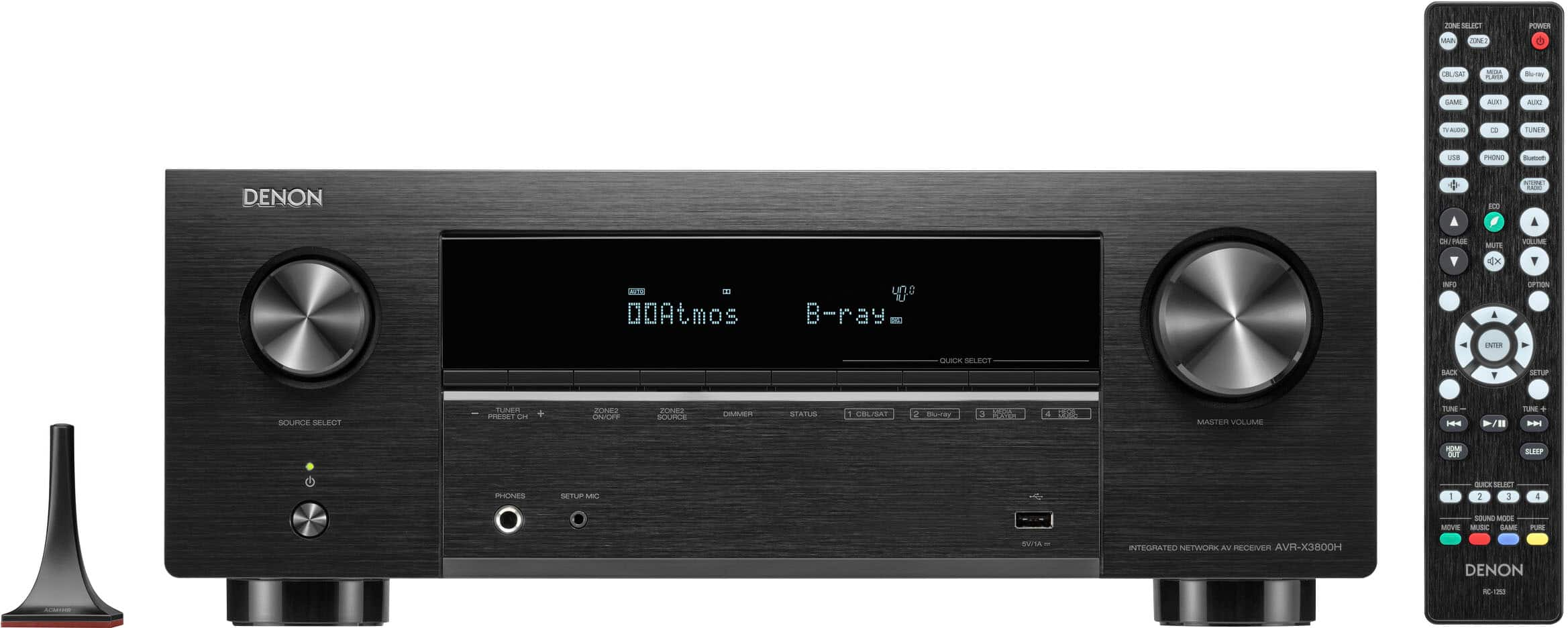
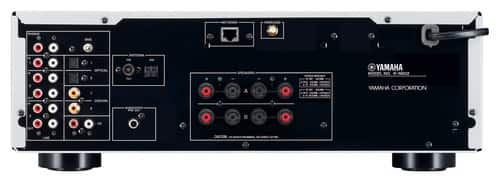
The Yamaha offers essential modern features like Wi-Fi, Bluetooth, and MusicCast multi-room audio. Its front USB port handles iPod/iPhone connections and USB drives, while digital inputs accommodate TV and CD player connections.
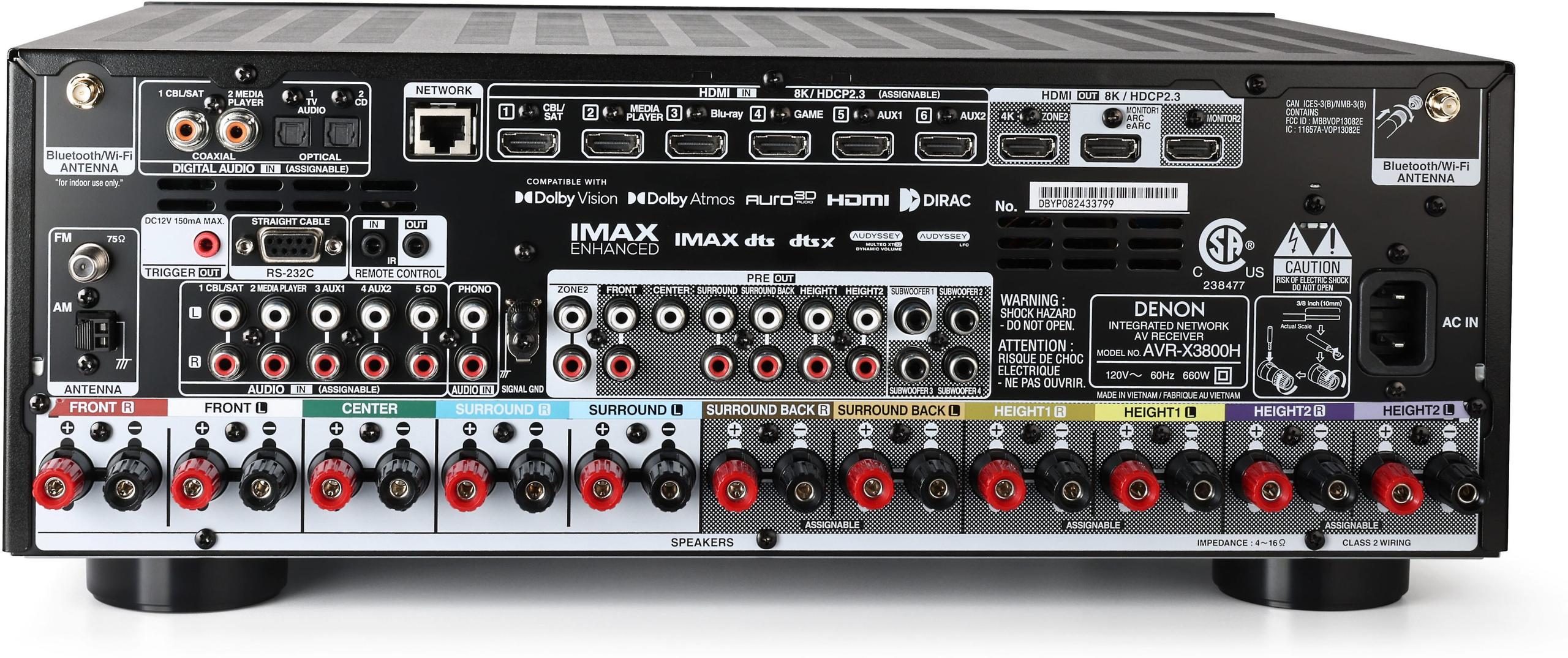
The Denon dramatically expands connectivity with:
For dedicated music listening, especially with vinyl, the Yamaha R-N602 shines. Its phono preamp and Pure Direct mode deliver excellent analog performance. The simpler signal path can provide more transparent sound for stereo sources.
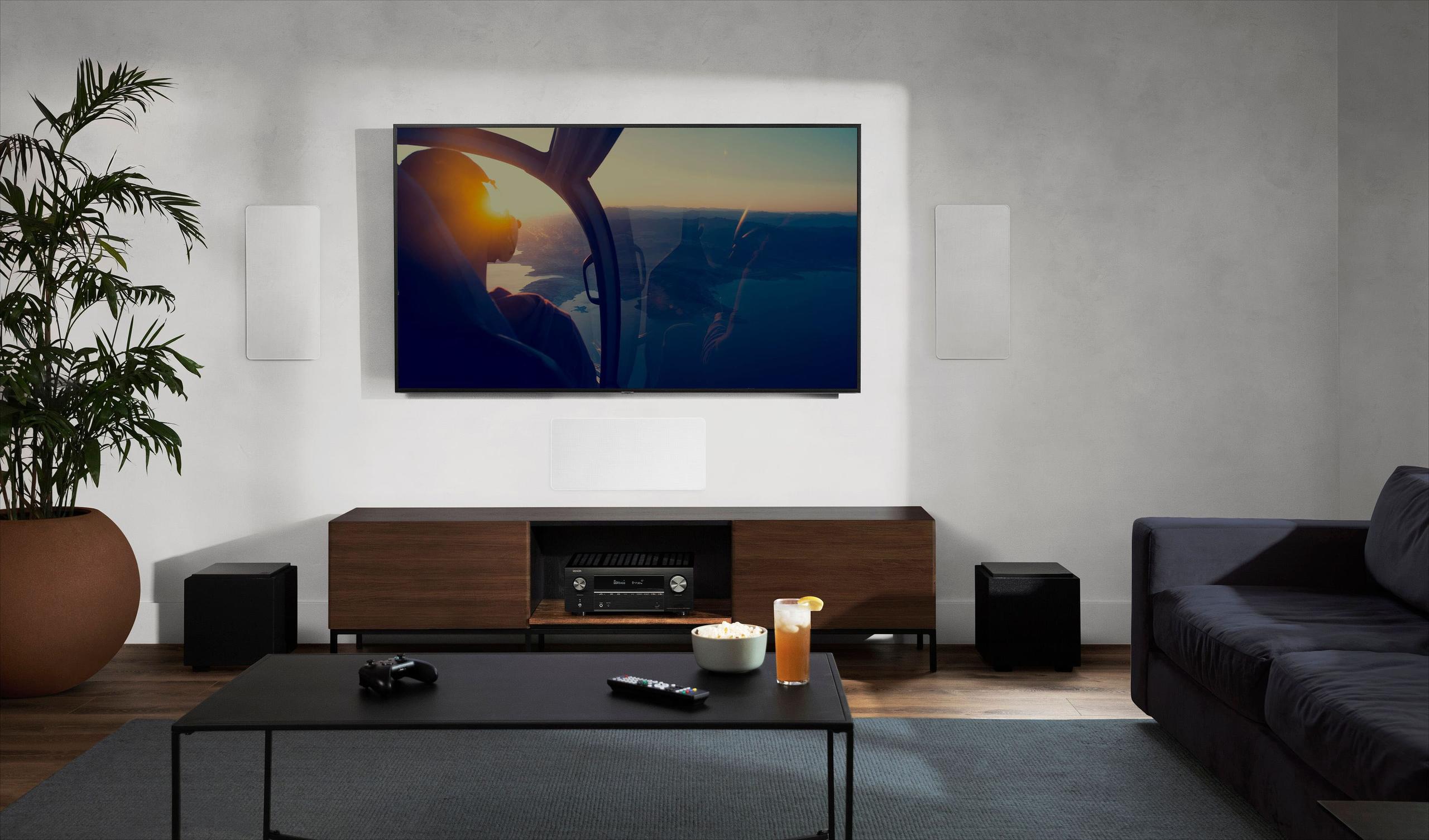
The Denon AVR-X3800H excels here. Its ability to process 11.4 channels, support for immersive audio formats, and sophisticated room correction create a more engaging movie experience. The additional power and advanced bass management also help with dynamic movie soundtracks.
While the Yamaha wasn't designed with gaming in mind, the Denon offers specific gaming features:
The Yamaha R-N602's $649 price reflects its focused approach. For stereo listening, particularly with analog sources, it offers excellent value. Its network features add convenience without compromising core audio performance.
The Denon AVR-X3800H's $1,700 price tag buys significantly more capability. However, this value depends on using its advanced features. For a simple stereo setup, much of its processing power would go unused.
Choose the Yamaha R-N602 if:
Choose the Denon AVR-X3800H if:
The Denon's HDMI 2.1 ports and 8K support provide more longevity for video features. However, the Yamaha's focus on audio fundamentals means it should remain relevant for music playback for many years.
Remember that both receivers serve different primary purposes. The Yamaha excels at its focused mission of high-quality stereo reproduction, while the Denon offers a full-featured home theater command center. Your choice should align with your primary use case rather than just features or specifications.
| Yamaha R-N602 | Denon AVR-X3800H |
|---|---|
| Price Point - Key factor in value assessment | |
| $649 MSRP | $1,700 MSRP |
| Power Output - Determines speaker compatibility and room size capability | |
| 80W per channel (2 channels) | 105W per channel (9 channels) |
| Audio Channels - Impacts overall system flexibility | |
| 2.0 stereo only | 9.4 channels with 11.4 processing |
| Room Correction - Critical for optimal sound in your space | |
| Basic tone controls only | Audyssey MultEQ XT32 + optional Dirac Live |
| Video Capabilities - Essential for home theater use | |
| No video processing, no HDMI | 8K/60Hz, 4K/120Hz, HDR, 6 HDMI 2.1 inputs |
| High-Resolution Audio Support - Important for music quality | |
| DSD 2.8/5.6MHz, 192kHz/24-bit PCM | DSD, 192kHz/24-bit PCM, Dolby Atmos, DTS:X |
| Network Features - Affects streaming capabilities | |
| MusicCast, WiFi, Bluetooth | HEOS, AirPlay 2, WiFi, Bluetooth, Voice Control |
| Phono Input - Critical for vinyl listeners | |
| High-quality MM phono stage | Basic MM phono input |
| Gaming Features - Relevant for modern gaming setups | |
| None | VRR, ALLM, QFT, 4K/120Hz support |
| Multi-room Capability - Important for whole-home audio | |
| Basic MusicCast support | Advanced HEOS with zone 2/3 support |
| Release Date - Indicates technology generation | |
| 2015 | 2022 |
| Primary Use Case - Helps determine best fit | |
| Dedicated stereo music listening | Home theater and gaming with music capability |

Privacy Policy
Terms and Conditions - Affiliate Policy
Home Security
© Copyright 2008-2026.
11816 Inwood Rd #1211, Dallas, TX 75244