

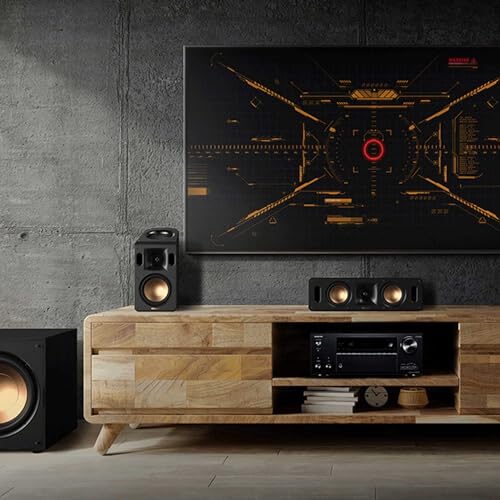
When you're building a home theater system, the AV receiver serves as the brain of your entire setup. It's the device that takes audio and video signals from all your sources—streaming boxes, gaming consoles, Blu-ray players—and routes them to your speakers and TV. Think of it as a sophisticated traffic controller that also happens to amplify sound and process complex audio formats.
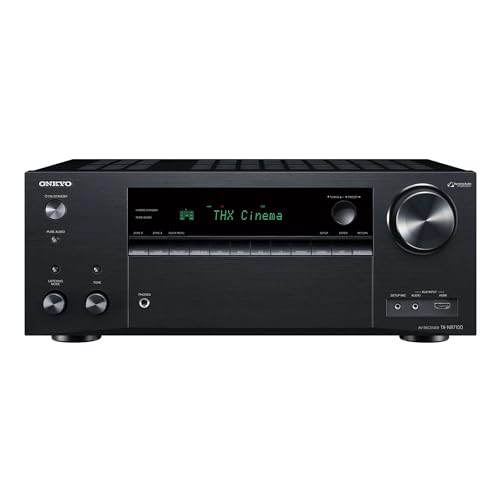
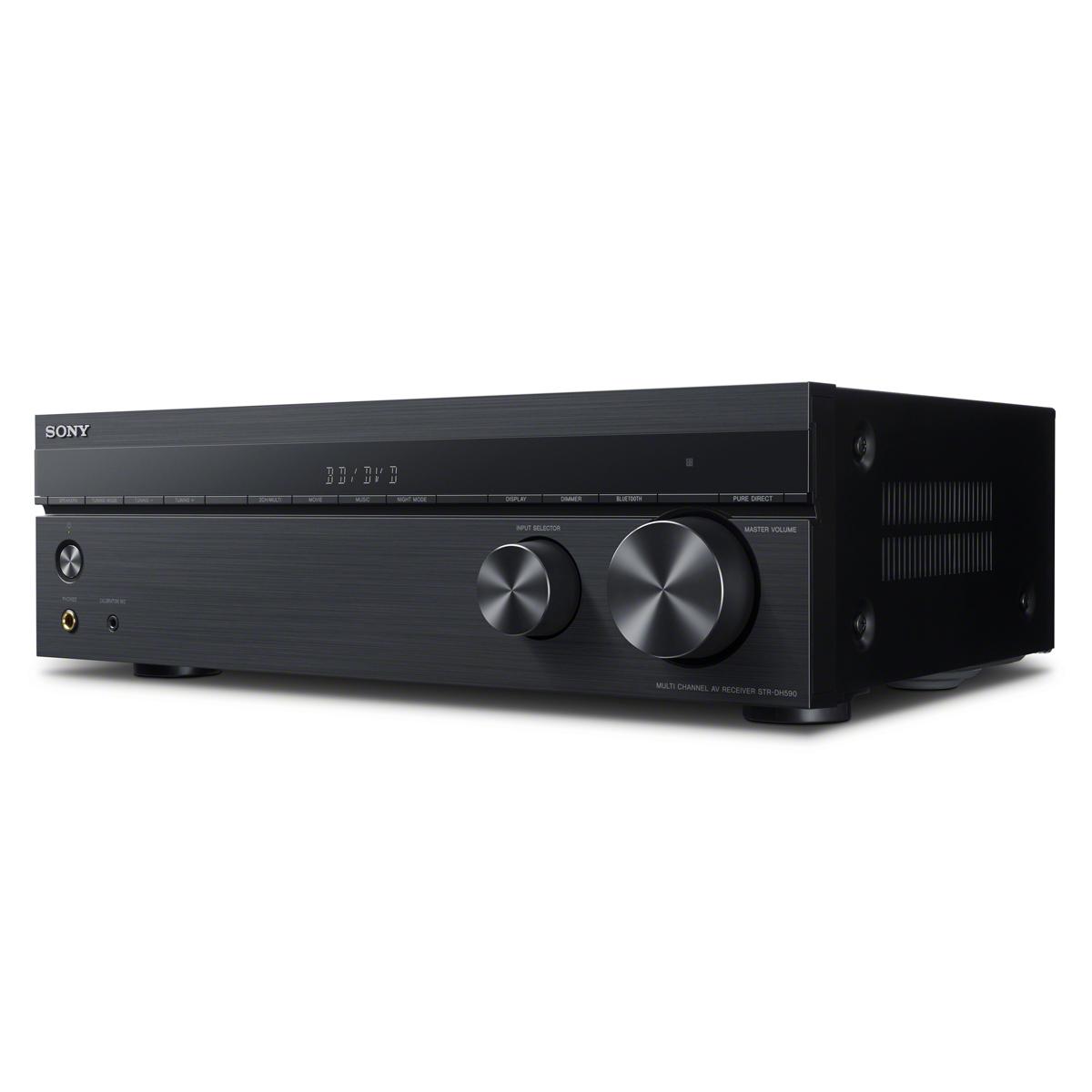
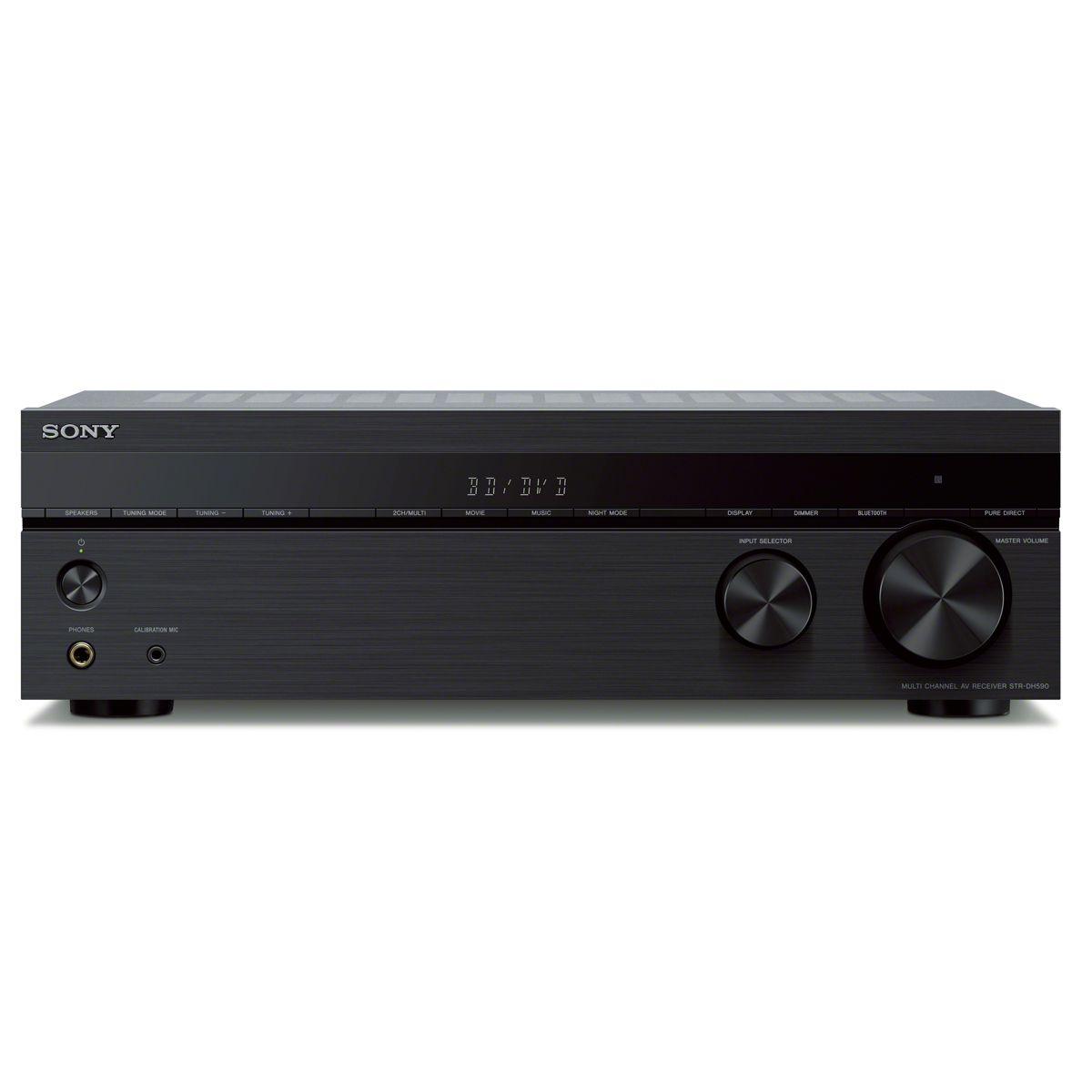
The challenge is that AV receivers span an enormous range of capabilities and prices. At the time of writing, you can find basic models for under $500, while premium units can cost well over $1,000. Today, we're comparing two receivers that perfectly illustrate this spectrum: the Sony STR-DH590, an entry-level 5.2-channel receiver from 2018, and the Onkyo TX-NR7100, a flagship 9.2-channel receiver that represents current-generation technology.
Before diving into specifics, it's worth understanding what separates a basic receiver from a premium one. Channel count is the most obvious difference—this refers to how many individual speakers the receiver can power. The numbers work like this: a 5.2 receiver can drive five main speakers (front left/right, center, rear left/right) plus two subwoofers. A 9.2 receiver adds four more channels, typically used for height speakers that create overhead sound effects.
But channel count is just the beginning. Modern receivers also need to decode various audio formats—essentially different ways of encoding surround sound information. Older formats like Dolby Digital work fine for basic surround sound, but newer formats like Dolby Atmos create three-dimensional soundscapes by precisely placing individual sounds in space around you. This is where the gap between entry-level and premium receivers becomes enormous.
Video capabilities matter just as much today. With 4K TVs becoming standard and 8K TVs emerging, your receiver needs to handle high-resolution video without compromising quality. Gaming has pushed requirements even higher—the latest PlayStation and Xbox consoles can output 4K video at 120 frames per second, requiring receivers with cutting-edge HDMI technology.
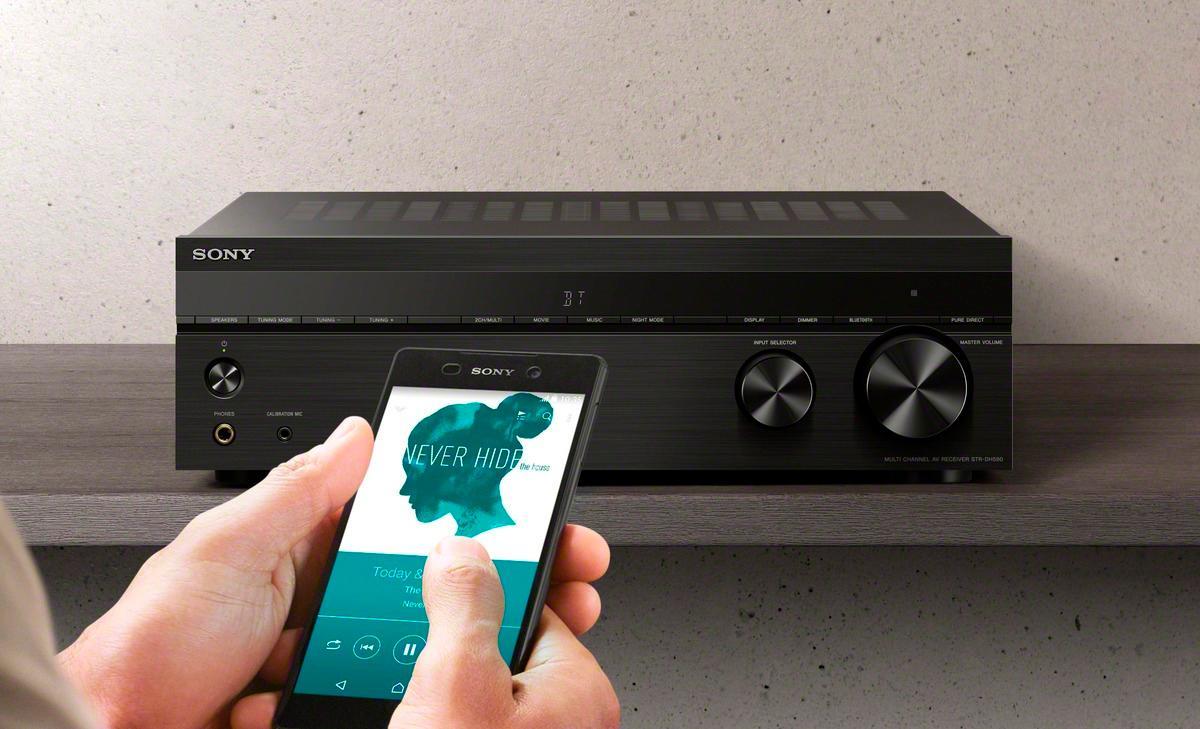
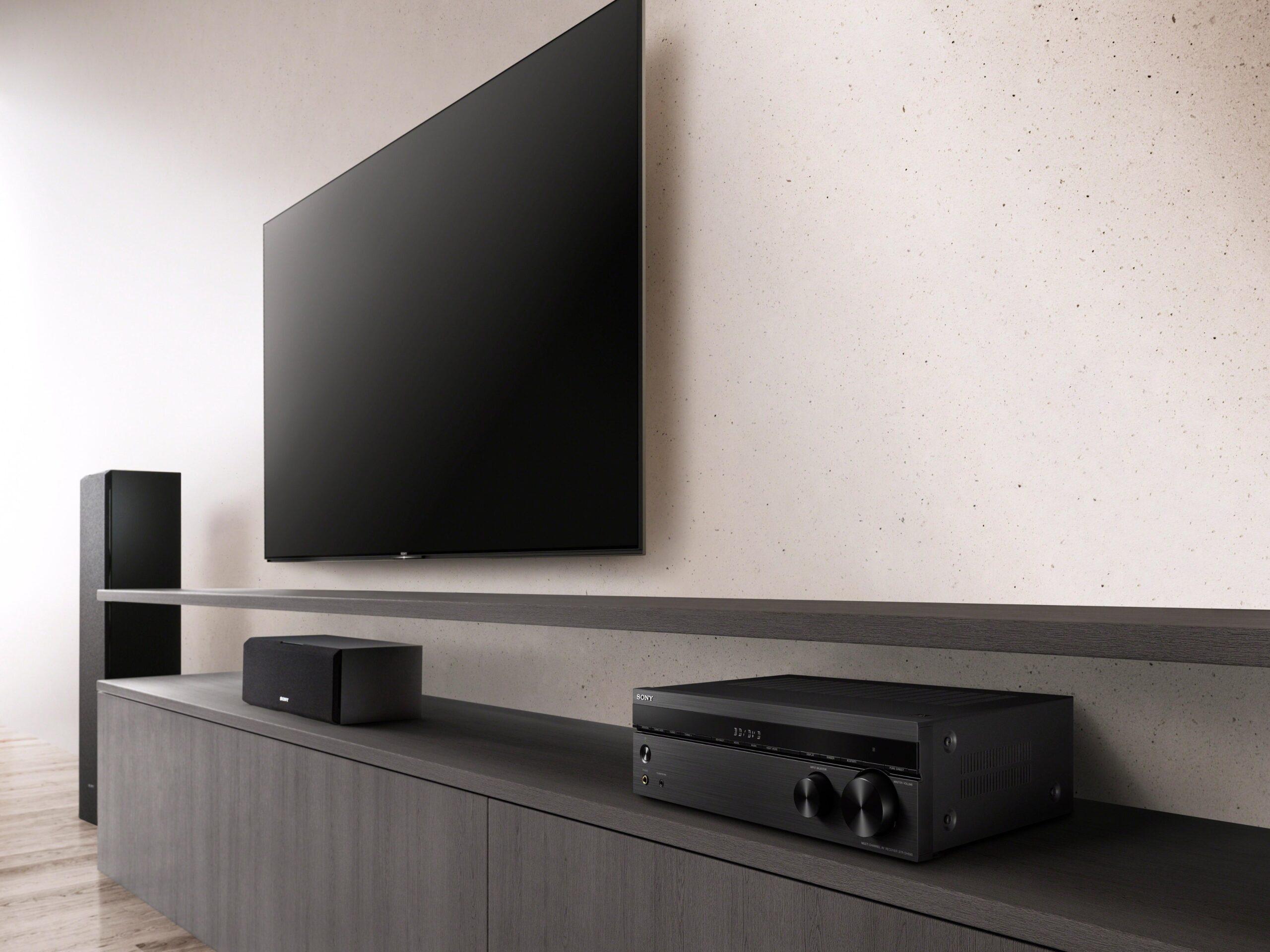
The Sony STR-DH590 represents the traditional approach to budget home theater. Released in 2018, it focuses on delivering solid 5.1 surround sound without unnecessary complexity. Sony positioned it as an affordable way to get cinema-quality audio in smaller to medium-sized rooms.
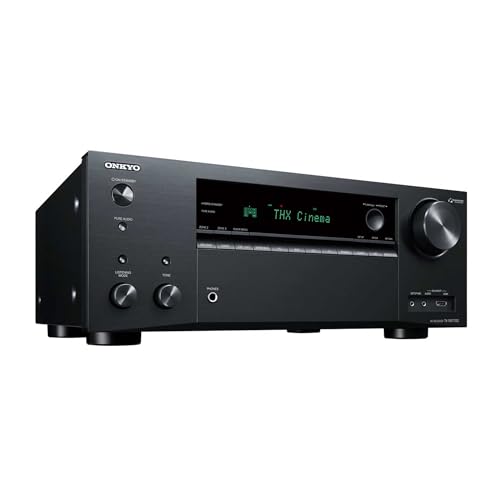
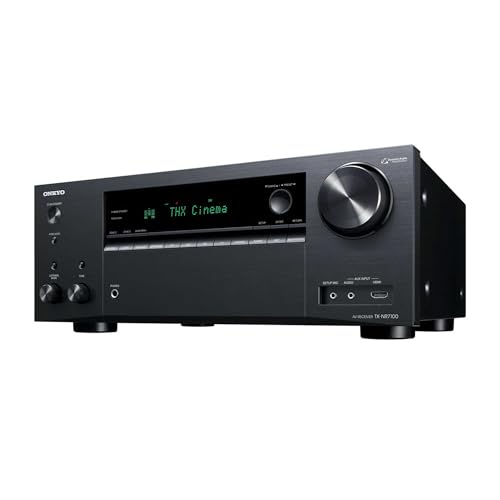
The Onkyo TX-NR7100, meanwhile, is designed for enthusiasts who want the full modern home theater experience. It supports the latest audio formats, offers extensive connectivity, and includes advanced room correction technology. Onkyo built this receiver for people planning long-term systems that can grow and adapt over time.
The most fundamental difference between these receivers is their amplification capabilities. The Sony STR-DH590 delivers 145 watts per channel into 6-ohm speakers, which translates to roughly 90 watts into the more common 8-ohm speakers. This is plenty of power for most bookshelf speakers and smaller tower speakers in typical living rooms.
The Onkyo TX-NR7100 provides 100 watts per channel into 8-ohm speakers, which might seem lower on paper. However, Onkyo's amplifier design includes what they call Dynamic Audio Amplification—essentially, the receiver can deliver much more power during brief, demanding moments. More importantly, you get nine amplified channels instead of five.
Those extra channels unlock modern surround sound formats. While the Sony is limited to traditional 5.1 surround sound layouts, the Onkyo can power height speakers for Dolby Atmos. This means sounds can move not just around you horizontally, but also overhead—helicopters actually sound like they're flying above your head, rain falls from the ceiling, and explosions have proper vertical dimension.
The power specifications tell only part of the story. In practice, both receivers provide adequate volume for their intended applications. The Sony excels in smaller rooms where its clean, straightforward amplification shines. The Onkyo handles complex, demanding content better, especially in larger spaces where its sophisticated power management and additional channels make a real difference.
This is where the technological generation gap becomes most apparent. The Sony STR-DH590 supports legacy surround sound formats well—Dolby Digital, DTS, and even high-resolution variants like DTS-HD Master Audio. For movies from the early 2000s through roughly 2016, it delivers exactly what those soundtracks were designed for.
However, the industry moved toward object-based audio starting around 2014. Instead of encoding sounds for specific speaker channels, newer formats like Dolby Atmos encode individual sound objects with location metadata. This allows the receiver to precisely place each sound in three-dimensional space, adapting to your specific speaker layout. The Sony simply cannot process these formats—it's like trying to run modern smartphone apps on a flip phone.
The Onkyo TX-NR7100 excels here. It's THX Certified, meaning it passed thousands of rigorous tests to ensure reference-quality performance. More importantly, it supports IMAX Enhanced certification, which guarantees that IMAX-produced content plays back exactly as the filmmakers intended. When watching movies like "Dune" or "Top Gun: Maverick" that were mixed in IMAX theaters, the difference is immediately noticeable.
Our research into user reviews consistently shows that the Onkyo creates convincing sound bubbles around listeners. Height effects feel natural rather than gimmicky, and the receiver handles complex action sequences without the muddiness that plagues some competitors. The Sony, while limited to traditional surround sound, actually performs quite well within those constraints—its sound remains clean and focused, though obviously less immersive.
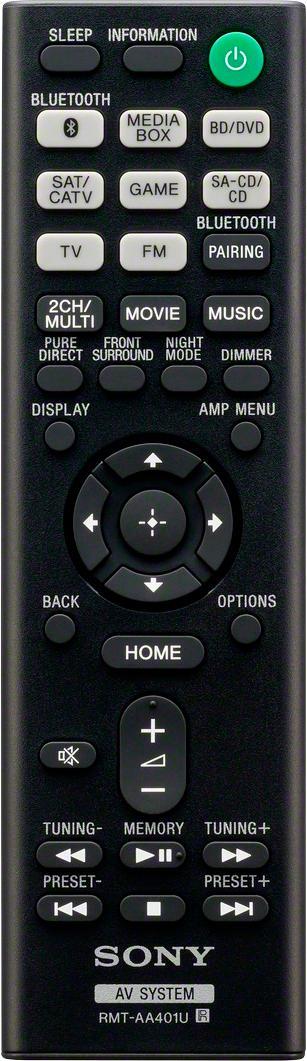
For music listening, the situation becomes more interesting. The Sony STR-DH590 includes a Pure Direct mode that bypasses all digital processing, feeding music signals directly to the amplifiers. This creates a cleaner signal path that many music enthusiasts prefer. The Onkyo, being optimized for complex movie soundtracks, doesn't prioritize stereo music reproduction quite as heavily, though it certainly handles music competently.
The HDMI connectivity gap between these receivers is enormous. The Sony STR-DH590, being a 2018 design, offers four HDMI inputs supporting 4K video at up to 60 frames per second. This was perfectly adequate when most 4K content ran at 30fps or 60fps, and gaming consoles topped out at 4K/60fps.
Fast-forward to today, and the landscape has changed dramatically. The PlayStation 5 and Xbox Series X can output 4K video at 120 frames per second for smoother gaming. Many high-end TVs now support these higher frame rates, creating visibly smoother motion during fast-paced games. The Sony cannot pass through these signals—games will still work, but you're forced back to 60fps.
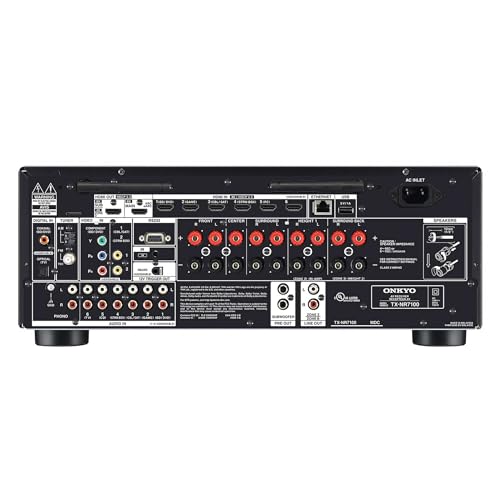
The Onkyo TX-NR7100 addresses this with seven HDMI inputs, six of which support the latest HDMI 2.1 specification. This enables 4K/120fps gaming, 8K video at 60fps, and advanced gaming features like Variable Refresh Rate (VRR) that eliminates screen tearing. For serious gamers, these features represent a significant quality improvement.
Even more importantly, the Onkyo supports enhanced HDR formats including HDR10+ and Dolby Vision. HDR (High Dynamic Range) makes bright scenes brighter and dark scenes darker, creating more realistic contrast. The newer HDR formats use dynamic metadata to optimize every scene individually, rather than applying static settings to entire movies. Both receivers support basic HDR, but the Onkyo's support for advanced variants provides noticeably better picture quality with compatible content.
This category reveals perhaps the starkest difference between these receivers. The Sony STR-DH590 predates the streaming revolution—it includes basic Bluetooth connectivity and that's essentially it for wireless features. There's no Wi-Fi, no built-in streaming services, and no smart home integration. You'll need external devices like Apple TV, Roku, or Chromecast to access modern streaming content.
The Onkyo TX-NR7100 takes the opposite approach, building comprehensive streaming capabilities directly into the receiver. It supports major services like Spotify, Tidal, and Amazon Music natively. More importantly, it includes multiple wireless protocols: AirPlay 2 for Apple devices, Chromecast built-in for Android, and DTS Play-Fi for multi-room audio. You can stream music from your phone, voice control through Alexa or Google Assistant, and integrate with existing smart home setups.
The Bluetooth implementation also differs significantly. The Sony uses basic SBC and AAC codecs, which provide acceptable quality for casual listening. The Onkyo includes aptX and aptX HD support, which delivers CD-quality audio over Bluetooth. This makes a real difference when streaming music wirelessly—vocals sound clearer, instruments have better separation, and overall fidelity improves noticeably.
Every room affects sound differently. Hard surfaces create reflections, soft furnishings absorb certain frequencies, and speaker placement impacts how everything blends together. Room correction technology attempts to measure these effects and compensate automatically.
The Sony STR-DH590 includes Digital Cinema Auto Calibration (DCAC), which uses a basic measurement microphone to set speaker levels and distances. It's functional but limited—the system makes one measurement from your primary listening position and applies broad corrections. For smaller, simpler rooms, this often works adequately.
The Onkyo TX-NR7100 offers two room correction systems. AccuEQ provides automatic calibration similar to Sony's system but with more sophisticated processing. More importantly, it includes Dirac Live, a professional-grade room correction system that takes multiple measurements throughout your listening area and applies precise corrections to individual frequency bands.
Based on user feedback we've analyzed, Dirac Live makes a substantial difference in challenging rooms. It can tame boomy bass, clarify muddy dialogue, and improve overall balance in ways that basic systems cannot match. The setup process is more involved, requiring either a smartphone app or laptop software, but the results justify the effort for serious listeners.
Modern homes often benefit from multi-room audio—playing different music in different areas simultaneously. The Sony STR-DH590 offers no multi-room capabilities whatsoever. It's designed as a single-room solution.
The Onkyo TX-NR7100 supports multiple zones, allowing you to send different audio to other rooms while maintaining your main home theater setup. You can watch a movie in surround sound while someone else listens to music in the kitchen, all controlled from the same receiver. This flexibility becomes increasingly valuable as homes become more connected.
Gaming has become a major driver of AV receiver technology. The Sony STR-DH590, being a pre-gaming-boom design, handles gaming adequately but without any special optimizations. Input lag—the delay between controller input and screen response—remains reasonable, but the receiver lacks modern gaming features entirely.
The Onkyo TX-NR7100 was designed with modern gaming in mind. Beyond supporting 4K/120fps, it includes Auto Low Latency Mode (ALLM), which automatically switches TVs to their lowest-lag game modes. Variable Refresh Rate (VRR) eliminates screen tearing during rapid motion. Quick Frame Transport (QFT) reduces motion blur. These features combine to create noticeably smoother, more responsive gaming experiences.
The Sony STR-DH590 makes sense for specific situations. If you're setting up a basic home theater in a smaller room, don't plan to expand beyond 5.1 surround sound, and already own streaming devices, it provides solid performance at an accessible price point. Its Pure Direct mode actually makes it appealing for music-focused users who prefer minimal processing. Secondary rooms, guest houses, or budget-conscious buyers who prioritize proven functionality over cutting-edge features should consider this route.
However, the Sony's limitations are significant. No Dolby Atmos support means missing out on modern movie soundtracks entirely. Limited HDMI inputs become constraining quickly—you'll struggle to connect a gaming console, streaming box, cable box, and Blu-ray player simultaneously. Most critically, its 2018 technology feels increasingly dated as streaming quality improves and gaming demands increase.
The Onkyo TX-NR7100 suits buyers planning serious, long-term home theater systems. If you want Dolby Atmos, plan to add height speakers, own current-generation gaming consoles, or frequently stream high-quality content, its advantages justify the higher cost. The receiver grows with your system—start with 5.1 speakers and add height channels later, or begin with a basic setup and expand over years.
More importantly, the Onkyo provides future-proofing that extends its useful life. 8K support, advanced HDMI features, and comprehensive streaming capabilities mean it'll remain relevant as technology continues advancing. The room correction alone often improves budget speakers enough to delay expensive upgrades.
These receivers serve fundamentally different markets, making direct comparison somewhat unfair. The Sony STR-DH590 delivers exactly what it promises—competent 5.1 surround sound at an attractive price. For buyers with simple needs and tight budgets, it remains a reasonable choice despite its age.
The Onkyo TX-NR7100 represents a significant step up in capability and complexity. Its comprehensive feature set, modern connectivity, and room for growth make it ideal for enthusiasts building systems they'll enjoy for years. The price premium reflects genuine technological advances and capabilities that the Sony simply cannot match.
At the time of writing, the price difference between these receivers reflects their capability gap accurately. Budget-conscious buyers should consider whether spending more initially saves money long-term by avoiding the need for earlier upgrades. Serious home theater enthusiasts will find the Onkyo's advanced features essential rather than optional.
The choice ultimately depends on your priorities: proven simplicity and value with the Sony, or comprehensive capability and future-proofing with the Onkyo. Both achieve their design goals effectively, just for very different users and scenarios.
| Onkyo TX-NR7100 | Sony STR-DH590 |
|---|---|
| Channel Configuration - Determines speaker layout possibilities | |
| 9.2 channels (supports Dolby Atmos height speakers) | 5.2 channels (traditional surround sound only) |
| Power Output - Affects volume and speaker compatibility | |
| 100W per channel (8Ω), dynamic power up to 250W | 145W per channel (6Ω), ~90W per channel (8Ω) |
| Modern Audio Format Support - Essential for new movie soundtracks | |
| Dolby Atmos, DTS:X, IMAX Enhanced, THX Certified | Dolby Digital, DTS-HD Master (no Atmos support) |
| HDMI Connectivity - Future-proofing for gaming and 8K content | |
| 7 HDMI inputs (6 with HDMI 2.1), 8K/60Hz, 4K/120Hz support | 4 HDMI inputs (HDMI 2.0), 4K/60Hz maximum |
| Gaming Features - Critical for PS5/Xbox Series X owners | |
| VRR, ALLM, QFT support for smooth 4K/120Hz gaming | Basic 4K/60Hz passthrough, no advanced gaming features |
| Room Correction Technology - Optimizes sound for your specific room | |
| Dirac Live + AccuEQ (professional-grade calibration) | DCAC (basic automatic calibration) |
| Streaming and Smart Features - Built-in convenience vs external devices | |
| Wi-Fi, AirPlay 2, Chromecast, Spotify, voice control | Bluetooth only, requires external streaming devices |
| Multi-Room Audio - Expanding beyond single room setups | |
| Zone 2/3 support with independent audio feeds | No multi-room capabilities |
| Bluetooth Audio Quality - Wireless music streaming fidelity | |
| aptX/aptX HD support for CD-quality wireless audio | Basic SBC/AAC codecs only |
| Release Year - Technology generation and future relevance | |
| Current generation (modern HDMI 2.1 standards) | 2018 design (pre-gaming boom, limited connectivity) |
The biggest difference is channel count and audio capabilities. The Onkyo TX-NR7100 is a 9.2-channel receiver that supports modern Dolby Atmos height speakers for immersive 3D sound, while the Sony STR-DH590 is a 5.2-channel receiver limited to traditional flat surround sound layouts.
The Onkyo TX-NR7100 is significantly better for serious home theater use. It supports Dolby Atmos, DTS:X, and IMAX Enhanced formats that modern movies are mixed in, plus it's THX Certified for reference-quality performance. The Sony STR-DH590 only handles older surround sound formats.
Both handle 4K video, but with major differences. The Sony STR-DH590 supports 4K up to 60fps, which works with older consoles. The Onkyo TX-NR7100 supports 4K at 120fps plus 8K video, making it compatible with PlayStation 5 and Xbox Series X advanced gaming features.
The Onkyo TX-NR7100 has comprehensive built-in streaming with Wi-Fi, AirPlay 2, Chromecast, Spotify, and voice control support. The Sony STR-DH590 has only basic Bluetooth and requires external streaming devices like Apple TV or Roku for modern streaming services.
The Onkyo TX-NR7100 provides 7 HDMI inputs with modern HDMI 2.1 support, while the Sony STR-DH590 offers 4 HDMI inputs with older HDMI 2.0 technology. More inputs mean you can connect more devices without switching cables.
For pure stereo music, the Sony STR-DH590 has an edge with its Pure Direct mode that bypasses digital processing for cleaner sound. However, the Onkyo TX-NR7100 offers better wireless music streaming with aptX HD Bluetooth and comprehensive streaming service integration.
No, only the Onkyo TX-NR7100 supports Dolby Atmos and other modern 3D audio formats. The Sony STR-DH590 cannot process Dolby Atmos at all, limiting you to traditional 5.1 surround sound from older movies and shows.
The Onkyo TX-NR7100 includes professional-grade Dirac Live room correction plus AccuEQ calibration, which precisely optimizes sound for your specific room. The Sony STR-DH590 has basic DCAC calibration that provides simple automatic setup but less sophisticated optimization.
The Onkyo TX-NR7100 supports multi-zone audio, allowing you to play different content in other rooms simultaneously. The Sony STR-DH590 has no multi-room capabilities and works only as a single-room solution.
The Onkyo TX-NR7100 is much more future-proof with 8K support, HDMI 2.1, modern gaming features, and current-generation streaming capabilities. The Sony STR-DH590 was released in 2018 and lacks support for newer technologies that are becoming standard.
The Sony STR-DH590 delivers 145W per channel into 6-ohm speakers (about 90W into 8-ohm), while the Onkyo TX-NR7100 provides 100W per channel into 8-ohm speakers with dynamic power up to 250W for demanding moments. Both offer adequate power for most home theater setups.
Choose the Sony STR-DH590 if you want basic 5.1 surround sound on a budget and already own streaming devices. Choose the Onkyo TX-NR7100 if you want modern Dolby Atmos, plan to expand your system, own current gaming consoles, or want comprehensive streaming and smart home integration built-in.
We've done our best to create useful and informative comparisons to help you decide what product to buy. Our research uses advanced automated methods to create this comparison and perfection is not possible - please contact us for corrections or questions. These are the sites we've researched in the creation of this article: crutchfield.com - prohifi.in - bestbuy.com - h-m-entertainment.com - audiosciencereview.com - crutchfield.ca - soundandvision.com - avsforum.com - avgadgets.com - youtube.com - onkyo.com - crutchfield.com - onkyo.com - accessories4less.com - klipsch.com - youtube.com - listenup.com - intl.onkyo-av.com - bestbuy.com - 420spotshop.com - support.onkyousa.com - hifipicks.com - crutchfield.com - walmart.com - us.community.sony.com - perfectacoustic.co.uk - sony.com - merlinstv.com - worldwidestereo.com - sony.com - sonylatvija.com - audioadvice.com - youtube.com - videoandaudiocenter.com - justanswer.com

Privacy Policy
Terms and Conditions - Affiliate Policy
Home Security
© Copyright 2008-2026.
11816 Inwood Rd #1211, Dallas, TX 75244