

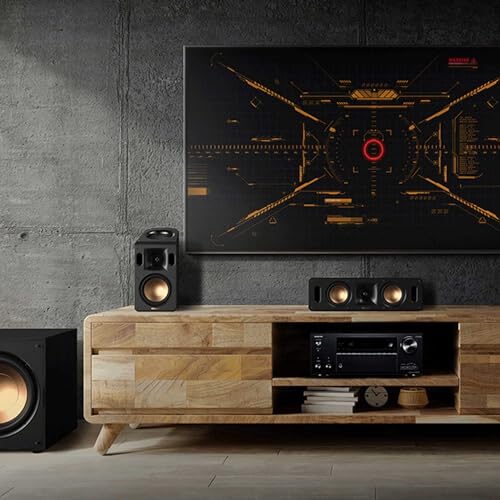
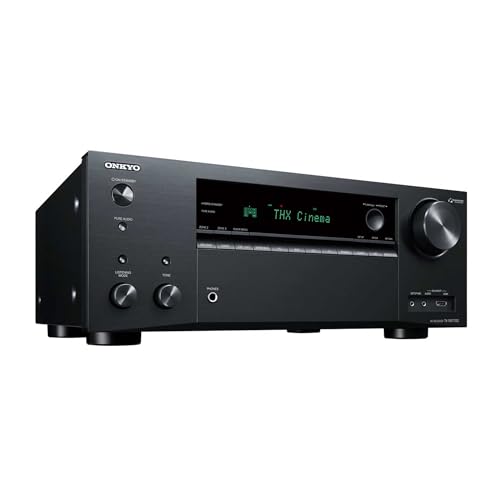
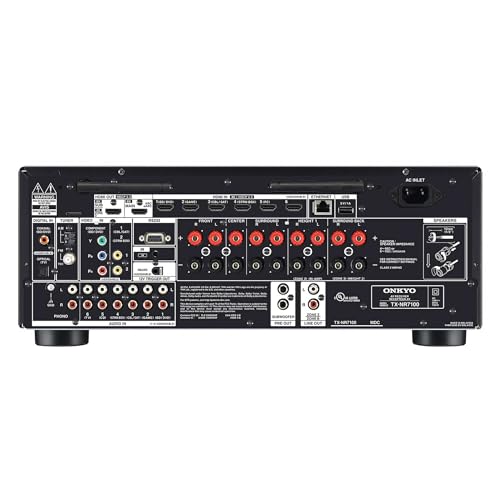
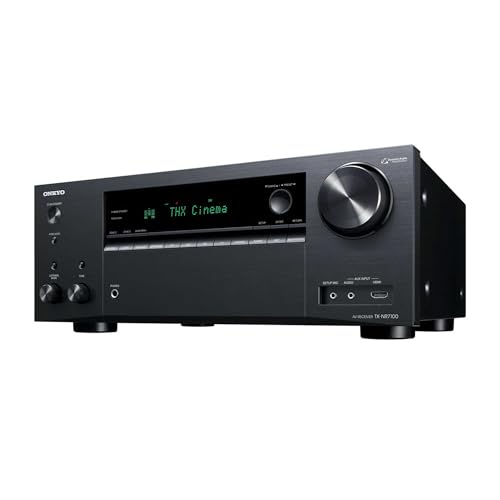
When you're building a serious home theater, the AV receiver is essentially the brain of your entire system. It's the component that takes all your video sources—whether that's a 4K Blu-ray player, gaming console, or streaming device—and routes them to your TV while simultaneously processing and amplifying audio for your speakers. Think of it as a sophisticated traffic controller that also happens to be a powerful amplifier.
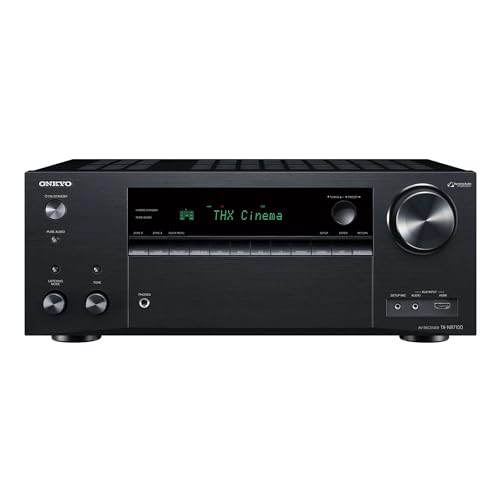
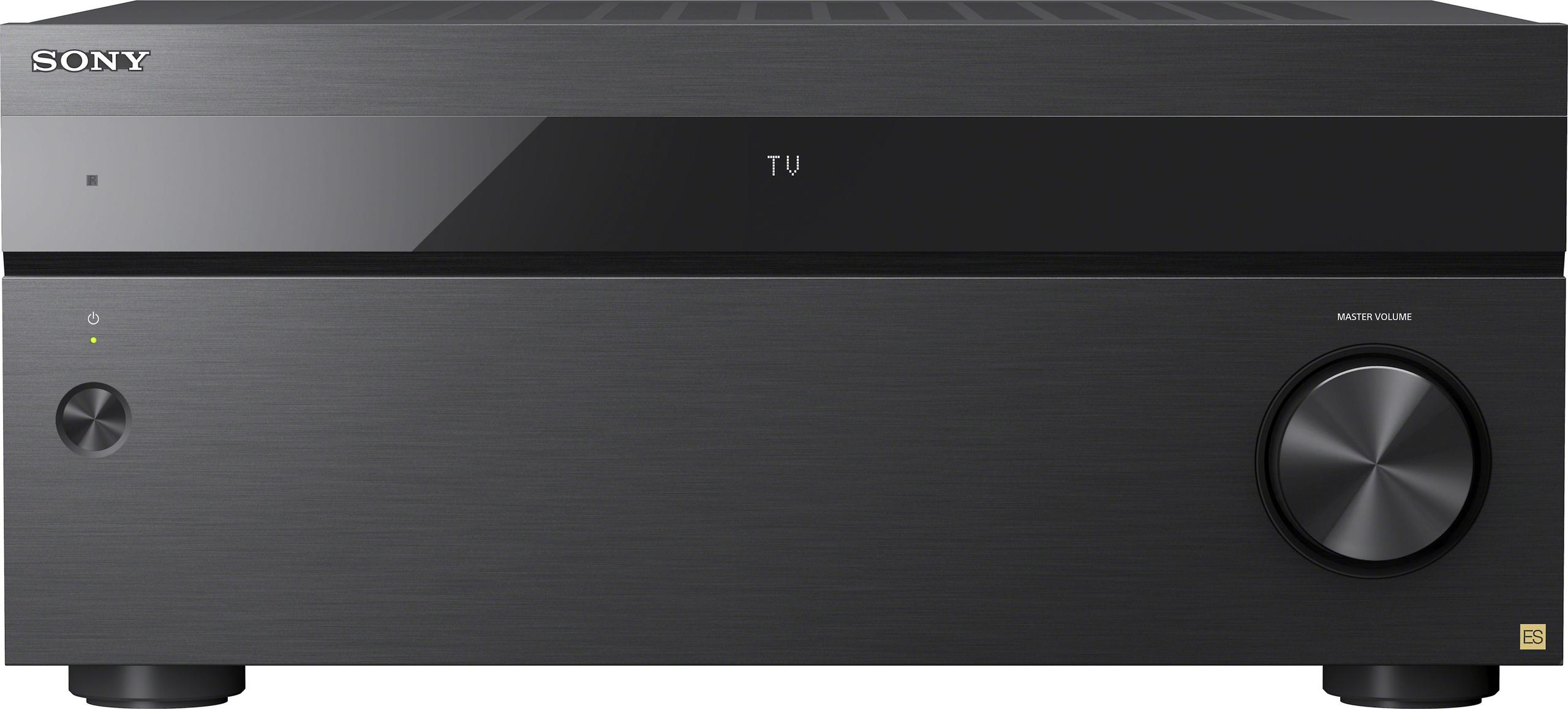
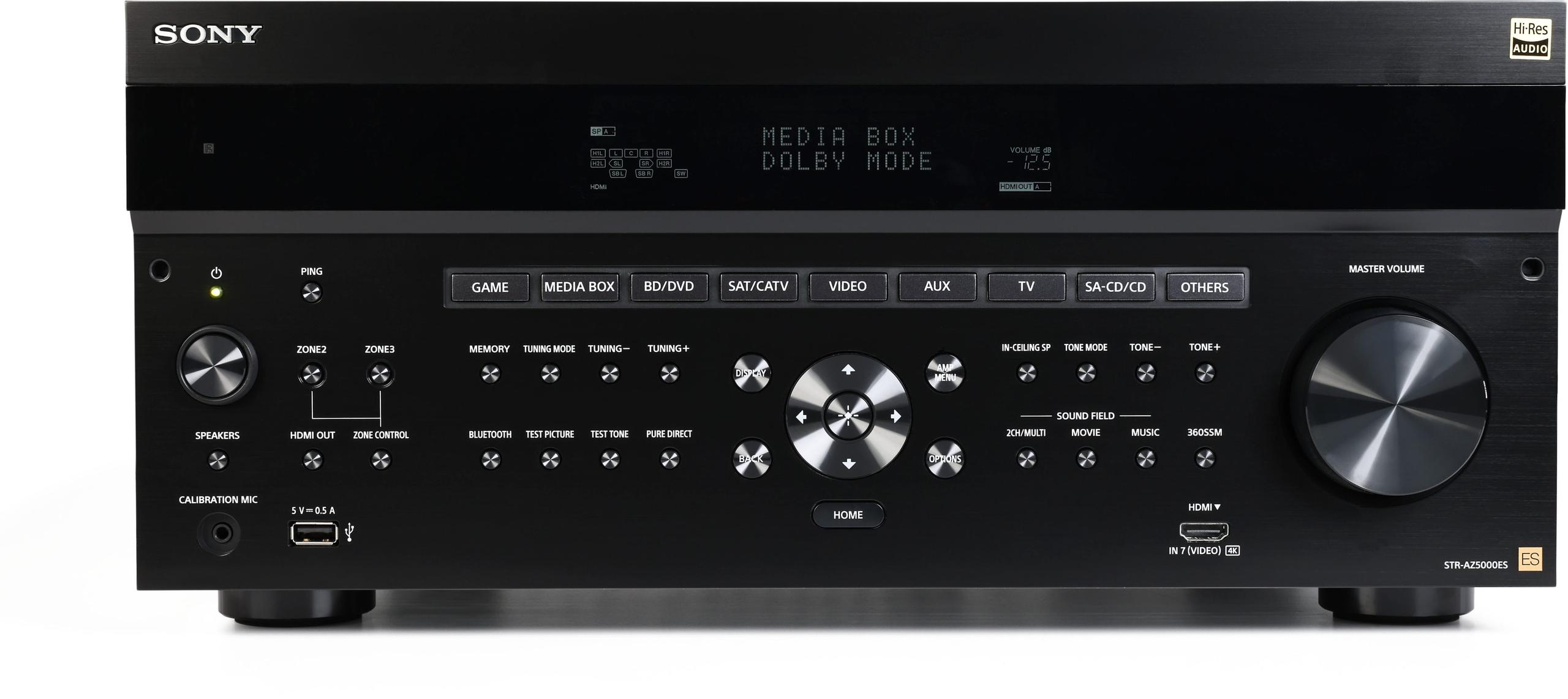
The two receivers we're comparing today represent different philosophies in the mid-to-premium market. The Onkyo TX-NR7100, released in 2022, targets audiophiles who want premium room correction technology without breaking the bank. The Sony STR-AZ5000ES, part of Sony's 2023 ES (Elevated Standard) revival, focuses on maximum power, channels, and build quality for serious home theater enthusiasts.
Before diving into specifics, let's establish what separates good receivers from great ones. The most critical factors are channel configuration (how many speakers you can connect), power output (how loud and clean your audio will be), room calibration technology (automatic optimization for your space), video processing capabilities, and multi-room flexibility.
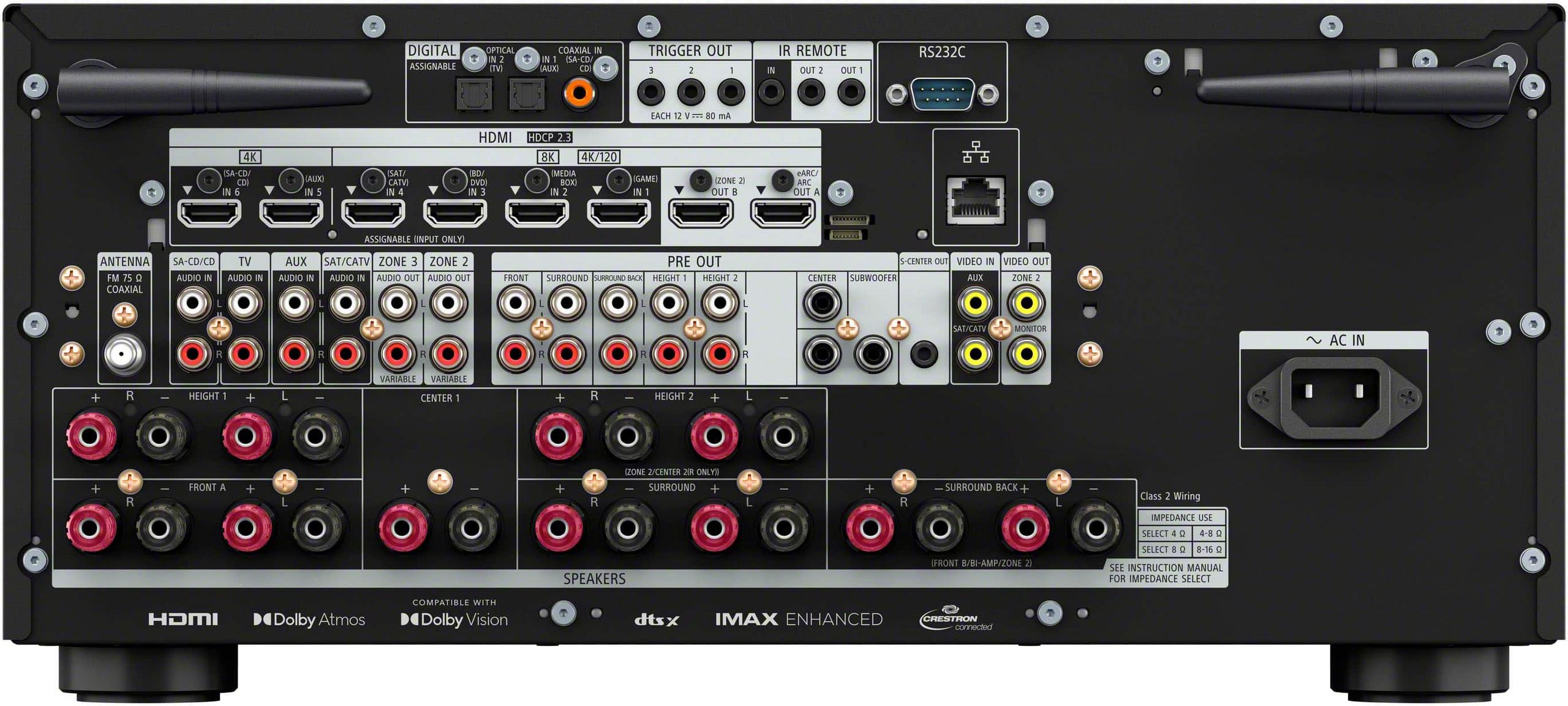
Channel configuration might seem straightforward, but it's more nuanced than just counting speakers. Modern formats like Dolby Atmos create "objects" in three-dimensional space, meaning you need height speakers above your listening position. A 9.2 receiver like the Onkyo TX-NR7100 can handle configurations like 5.2.4 (five main speakers, two subwoofers, four height speakers), while the Sony STR-AZ5000ES's 11.2 setup allows for more ambitious layouts.
Power output is where many people get confused by marketing numbers. Both receivers claim respectable wattage figures, but what matters more is their ability to deliver clean, undistorted power when you actually need it—during those explosive movie scenes or when cranking your favorite album.
The power difference between these receivers tells an important story. The Sony STR-AZ5000ES delivers 130 watts per channel compared to the Onkyo TX-NR7100's 100 watts. That 30-watt difference might not sound dramatic, but in amplifier terms, it's significant—roughly a 25% increase in potential volume before distortion kicks in.
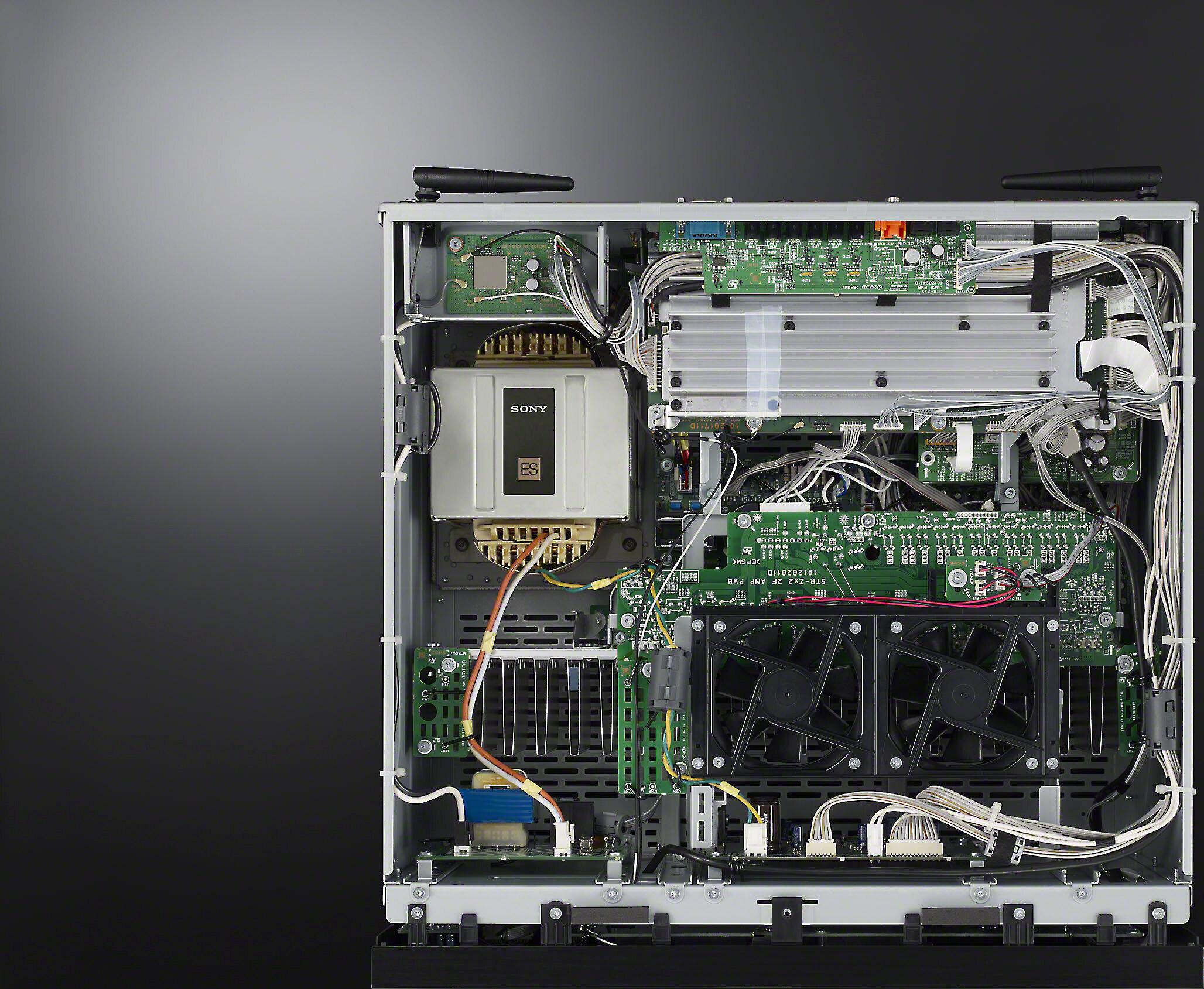
More importantly, Sony's higher power rating suggests a more robust power supply design. Power supplies in AV receivers are like the foundation of a house—you don't see them, but they determine everything else's performance. The Sony STR-AZ5000ES's ES designation specifically indicates Sony has invested in premium internal components, moving away from the cost-cutting that plagued their earlier consumer models.
However, raw power isn't everything. The Onkyo TX-NR7100 compensates with sophisticated circuit design, including Vector Linear Shaping Circuitry (VLSC) that reconstructs analog signals with minimal noise, and PLL Jitter-Cleaning technology that reduces digital timing errors. These features matter more for music listening, where subtle details and timing accuracy become apparent.
In our evaluation of user experiences and expert reviews, both receivers deliver clean, detailed sound, but with different characteristics. The Onkyo TX-NR7100 tends toward a neutral, analytical presentation that reveals recording details, while the Sony STR-AZ5000ES offers a slightly warmer, more cinematic sound signature that's particularly engaging with movies.
This is where these receivers truly diverge, and it's arguably the most important difference for most users. Room acoustics dramatically affect what you hear—even expensive speakers can sound mediocre in a poorly treated room. Automatic room calibration systems analyze your space and adjust the receiver's output to compensate for acoustic problems.
The Onkyo TX-NR7100 includes Dirac Live, which is remarkable at this price point. Dirac Live is considered the gold standard for room correction, typically found only in receivers costing significantly more. It measures your room's acoustic response at multiple positions and creates precise filters to correct frequency imbalances, timing issues, and speaker placement problems.
The difference Dirac Live makes is often dramatic. Users consistently report improved bass integration, clearer dialogue, and better stereo imaging after calibration. It's particularly effective in challenging rooms—those with hard surfaces, irregular shapes, or less-than-ideal speaker placement.
The Sony STR-AZ5000ES takes a different approach with 360 Spatial Sound Mapping combined with Digital Cinema Auto Calibration IX. Sony's system focuses more on creating an immersive soundstage that adapts to your room's dimensions rather than precise frequency correction. It's designed to recreate the spatial experience of a movie theater or concert hall.
While Sony's approach is more user-friendly and creates impressive surround effects, it's not as precise as Dirac Live for correcting fundamental acoustic problems. However, for users who prioritize cinematic immersion over audiophile-grade accuracy, Sony's spatial processing can be more immediately impressive.
Both receivers handle modern video standards excellently, supporting 8K at 60Hz and 4K at 120Hz through HDMI 2.1. These high refresh rates matter primarily for gaming, where reduced input lag and smoother motion make competitive games more responsive.
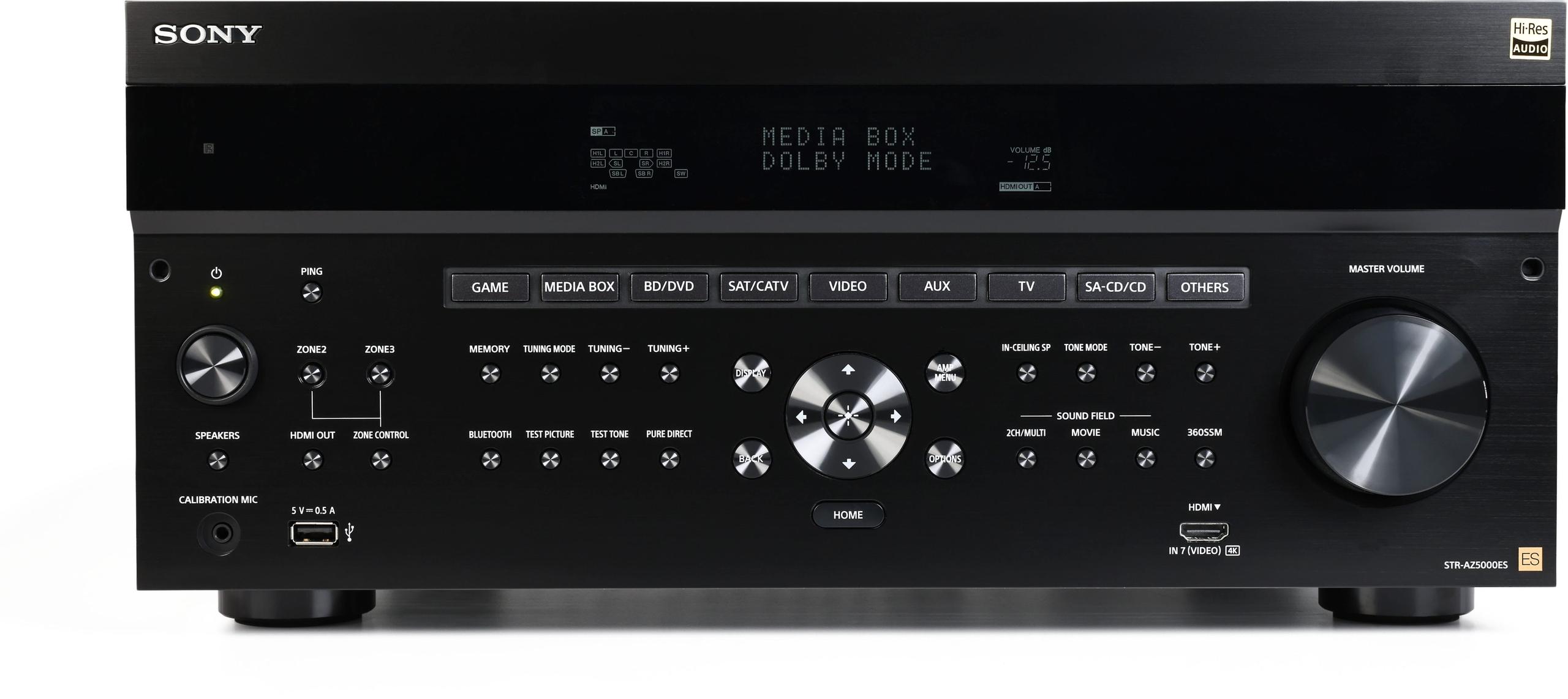
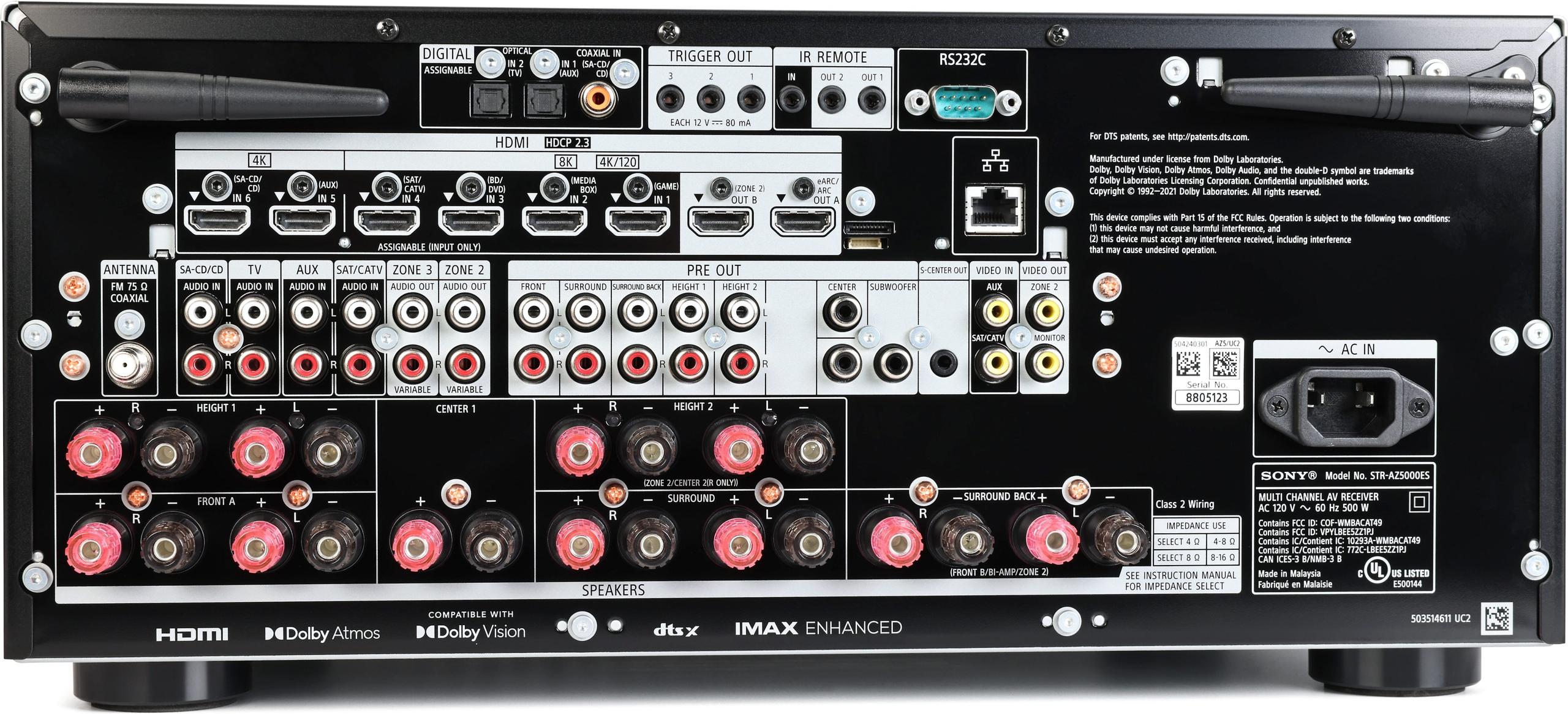
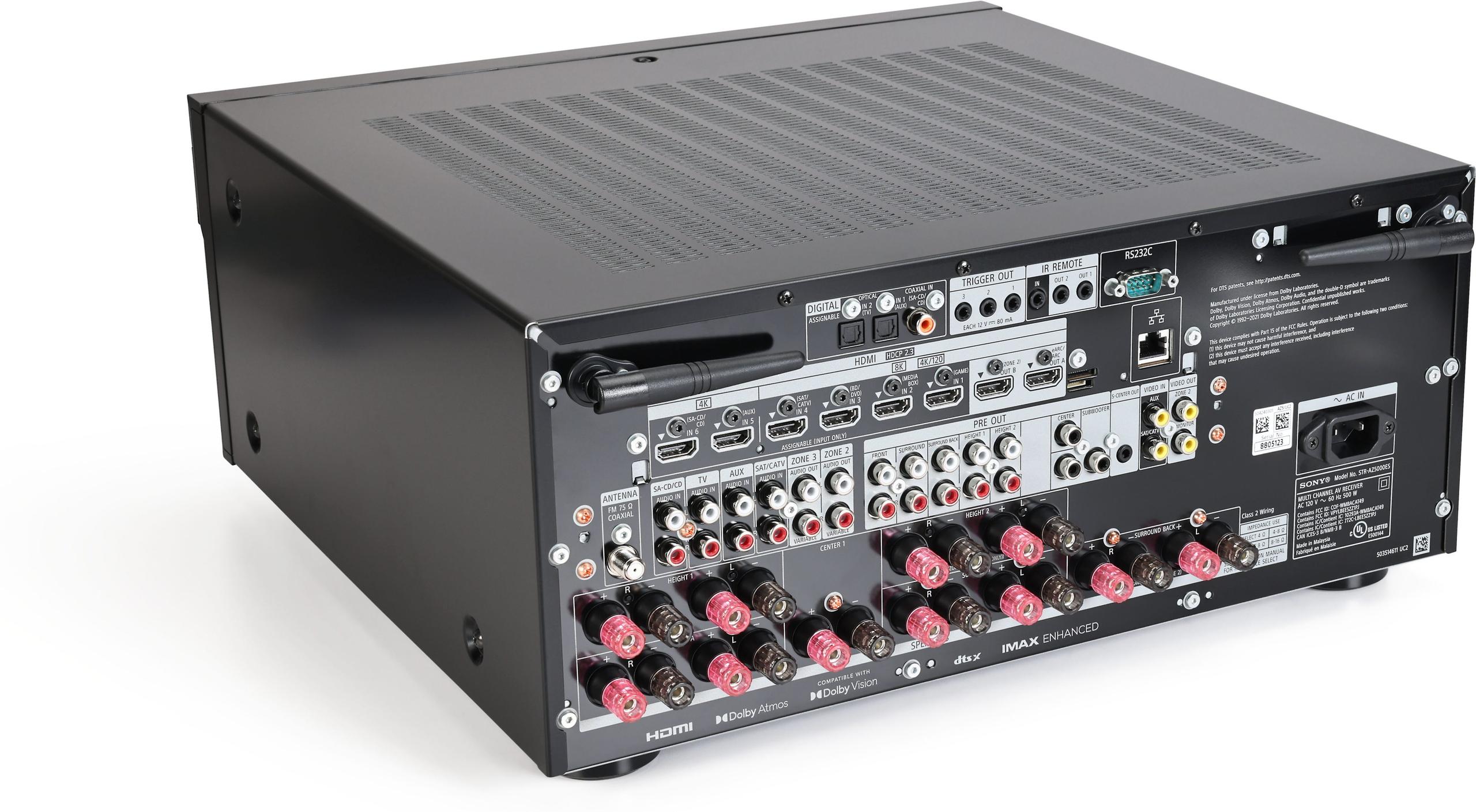
The Onkyo TX-NR7100 offers a unique advantage with three HDMI outputs, including a dedicated Zone 2 output. This means you can send different video content to TVs in separate rooms—perhaps watching a movie in the main theater while someone else streams Netflix in the bedroom. The Sony STR-AZ5000ES's two HDMI outputs limit this flexibility but provide seven HDMI inputs versus six on the Onkyo.
Both support Variable Refresh Rate (VRR), Auto Low Latency Mode (ALLM), and Quick Frame Transport (QFT)—gaming features that ensure smooth, lag-free performance with Xbox Series X, PlayStation 5, and modern gaming PCs. However, the Onkyo's front HDMI input is limited to 4K/60Hz, so serious gamers should use the rear inputs for 120Hz sources.
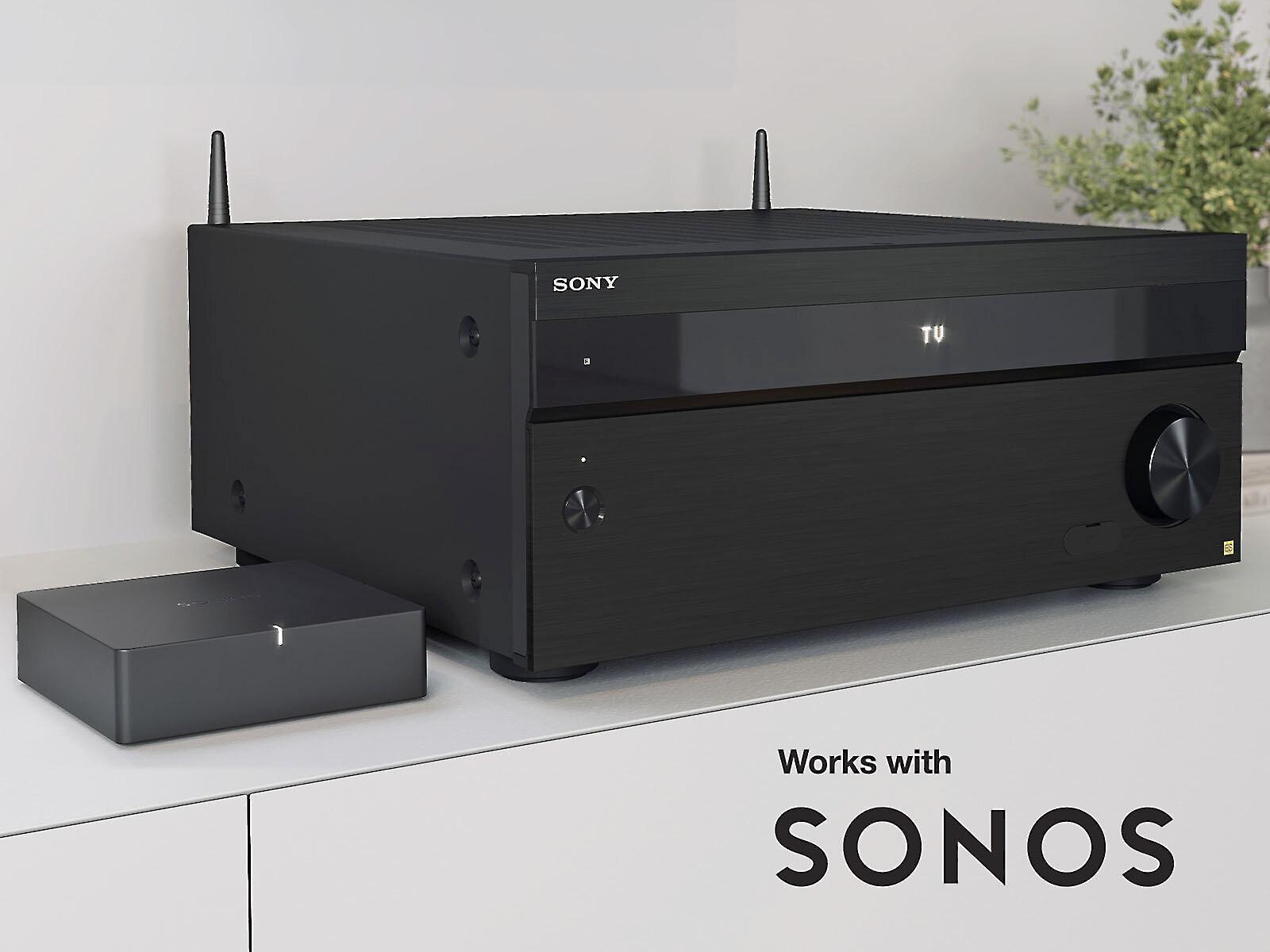
Modern AV receivers aren't just about the main theater—they're hubs for whole-home audio. The Onkyo TX-NR7100 supports DTS Play-Fi for wireless multi-room audio and is Works with Sonos certified, meaning it integrates seamlessly with existing Sonos systems. It can power three separate zones with independent source selection.
The Sony STR-AZ5000ES takes a more comprehensive approach to streaming, with Chromecast built-in, AirPlay, and broader casting compatibility. It's particularly strong for custom installation environments, offering IP control protocols that professional installers prefer for integrated smart home systems.
Both receivers support the major streaming services directly—Spotify, TIDAL, and others—but Sony's implementation feels more modern and responsive. The Sony STR-AZ5000ES also maintains compatibility with Sonos systems, though not with the same certification level as the Onkyo.
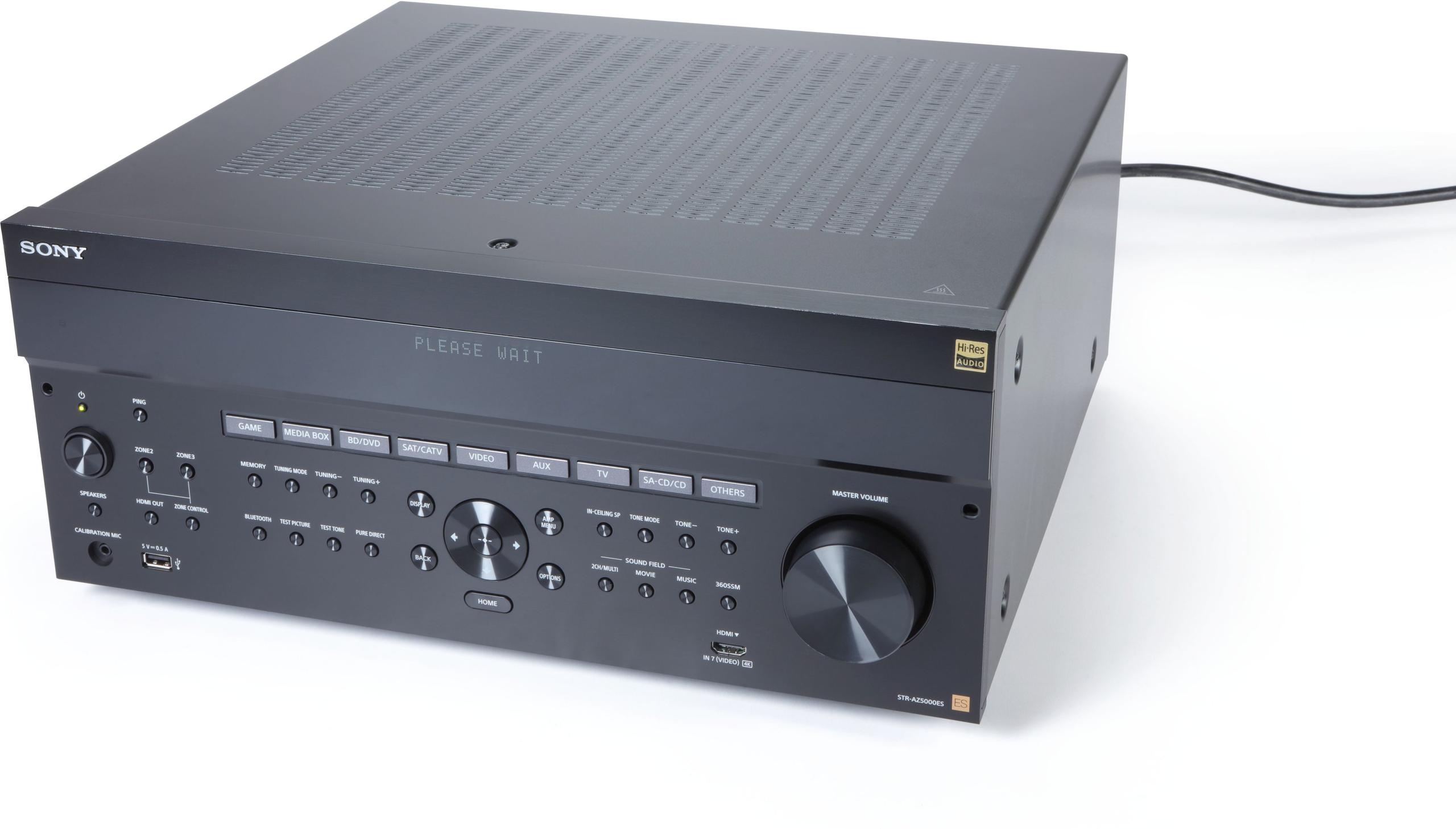
The Sony STR-AZ5000ES's ES designation represents Sony's return to serious home theater after years of focusing on budget-friendly models. The build quality difference is immediately apparent—the Sony feels substantial and premium in ways that justify its higher price point. More importantly, it comes with an exceptional five-year parts and labor warranty, demonstrating Sony's confidence in the product's longevity.
The Onkyo TX-NR7100 is well-constructed but doesn't match the Sony's premium feel. However, Onkyo's decision to include Dirac Live at this price point represents exceptional value—you're getting technology typically reserved for much more expensive models.
At the time of writing, the pricing gap between these receivers reflects their different market positioning. The Sony STR-AZ5000ES commands a premium price that's justified by its superior power, additional channels, and build quality. The Onkyo TX-NR7100 offers compelling value by including premium features at a more accessible price point.
In practical use, these differences manifest in several ways. If you have a larger room or speakers that are less efficient (meaning they need more power to play at the same volume), the Sony STR-AZ5000ES's additional 30 watts per channel becomes meaningful. This is particularly true for demanding movie soundtracks with wide dynamic range—those quiet dialogue scenes followed by explosive action sequences.
The channel count difference affects how ambitious your speaker setup can be. The Onkyo TX-NR7100's 9.2 channels work well for most home theaters, supporting configurations like 5.2.4 or 7.2.2. However, if you want maximum Dolby Atmos immersion with speakers all around and above you, the Sony STR-AZ5000ES's 11.2 channels enable more complex layouts.
For music listening, the Onkyo TX-NR7100's Dirac Live often provides a more accurate, detailed presentation. Classical music, jazz, and acoustic recordings benefit from Dirac's precise correction of frequency response and timing issues. The Sony STR-AZ5000ES's spatial processing, while impressive for movies, can sometimes add artificial enhancement to stereo music that purists might find distracting.
The Onkyo TX-NR7100 makes most sense for users who prioritize acoustic accuracy and value. If you're an audiophile who wants the best possible sound quality from your system, regardless of room challenges, Dirac Live's precision is hard to beat. It's also ideal for users who need multi-zone video distribution—that third HDMI output enables flexibility that the Sony can't match.
The Sony STR-AZ5000ES targets users who want maximum capability and refinement. If you have a large room, plan an ambitious Dolby Atmos installation, or simply want the security of premium build quality and warranty coverage, the Sony justifies its higher price. It's also better for users who prioritize streaming integration and smart home compatibility.
Both receivers earned identical scores in professional evaluations, which tells you they're both excellent products that approach home theater from different angles. The decision ultimately comes down to your priorities and room requirements.
Choose the Onkyo TX-NR7100 if room acoustics are your primary concern, you need multi-zone video capability, or you want audiophile-grade features at a more accessible price. Its inclusion of Dirac Live at this price point is genuinely impressive and provides long-term value as you upgrade speakers or rearrange your room.
Choose the Sony STR-AZ5000ES if you have a larger room, want maximum power and channels, prioritize build quality and warranty coverage, or need the most comprehensive streaming and installation features. The five-year warranty alone provides peace of mind that justifies the premium pricing for many users.
Neither choice is wrong—they're both sophisticated receivers that will serve as excellent foundations for serious home theaters. The Onkyo TX-NR7100 prioritizes acoustic performance and value, while the Sony STR-AZ5000ES emphasizes maximum capability and refinement. Your room size, speaker efficiency, and personal priorities will determine which approach better serves your home theater goals.
| Onkyo TX-NR7100 | Sony STR-AZ5000ES |
|---|---|
| Channel Configuration - Determines maximum speaker layout complexity | |
| 9.2 channels (supports 5.2.4 or 7.2.2 Atmos) | 11.2 channels (supports 7.2.4 or 9.2.2 Atmos) |
| Power Output - Critical for driving speakers cleanly at high volumes | |
| 100W per channel | 130W per channel (30% more power for demanding speakers) |
| Room Calibration Technology - Automatically optimizes sound for your space | |
| Dirac Live (premium correction typically found in much more expensive receivers) | 360 Spatial Sound Mapping + Digital Cinema Auto Cal IX (immersive but less precise) |
| HDMI Inputs/Outputs - Determines how many devices you can connect | |
| 7 inputs / 3 outputs (includes dedicated Zone 2 video) | 7 inputs / 2 outputs (more inputs, fewer outputs) |
| Video Support - Future-proofing for gaming and streaming | |
| 8K/60Hz, 4K/120Hz via HDMI 2.1 with VRR/ALLM | 8K/60Hz, 4K/120Hz via HDMI 2.1 with VRR/ALLM |
| Multi-Room Capabilities - Distributing audio/video to other rooms | |
| 3 zones, DTS Play-Fi, Works with Sonos certified | 3 zones, Chromecast built-in, AirPlay, IP control for custom install |
| Build Quality & Warranty - Long-term reliability and support | |
| Solid construction, standard warranty | Premium ES build quality with 5-year parts/labor warranty |
| Streaming Integration - Built-in music services and wireless connectivity | |
| Spotify, TIDAL, Bluetooth with aptX, Wi-Fi | Comprehensive casting options, Chromecast, AirPlay, Spotify Connect |
| Best For - Target buyer profile | |
| Audiophiles wanting premium room correction at mid-range price | Power users needing maximum channels, build quality, and comprehensive features |
The primary difference is channel configuration and power output. The Sony STR-AZ5000ES offers 11.2 channels with 130W per channel, while the Onkyo TX-NR7100 provides 9.2 channels with 100W per channel. The Sony also features premium ES build quality with a 5-year warranty, whereas the Onkyo includes advanced Dirac Live room correction technology.
The Sony STR-AZ5000ES is better for complex Dolby Atmos setups due to its 11.2 channels, allowing for configurations like 7.2.4 or 9.2.2 speaker layouts. The Onkyo TX-NR7100 supports Atmos well with its 9.2 channels but is limited to 5.2.4 or 7.2.2 configurations.
Yes, both the Onkyo TX-NR7100 and Sony STR-AZ5000ES support 8K/60Hz and 4K/120Hz video passthrough via HDMI 2.1. They also include gaming features like Variable Refresh Rate (VRR) and Auto Low Latency Mode (ALLM) for next-gen consoles.
The Onkyo TX-NR7100 includes Dirac Live room correction, which is considered premium technology typically found in much more expensive receivers. The Sony STR-AZ5000ES uses 360 Spatial Sound Mapping, which creates immersive soundstages but isn't as precise for correcting acoustic problems.
Both receivers offer 7 HDMI inputs, but their outputs differ. The Onkyo TX-NR7100 provides 3 HDMI outputs including dedicated Zone 2 video, while the Sony STR-AZ5000ES has 2 HDMI outputs with more comprehensive input bandwidth.
The Sony STR-AZ5000ES delivers 130W per channel compared to the Onkyo TX-NR7100's 100W per channel. This 30% power advantage makes the Sony better suited for larger rooms or less efficient speakers that require more power.
Yes, both support major streaming services like Spotify and TIDAL. The Sony STR-AZ5000ES offers more comprehensive wireless options with Chromecast built-in and AirPlay, while the Onkyo TX-NR7100 features DTS Play-Fi and Works with Sonos certification.
The Onkyo TX-NR7100 excels at multi-zone video distribution with its 3 HDMI outputs and Sonos certification. The Sony STR-AZ5000ES offers broader streaming compatibility and professional IP control features, making it better for custom installation environments.
The Sony STR-AZ5000ES is part of Sony's premium ES line with superior construction and a 5-year parts and labor warranty. The Onkyo TX-NR7100 has solid build quality but doesn't match the Sony's premium feel or warranty coverage.
The Onkyo TX-NR7100 typically offers better value by including premium Dirac Live room correction at a lower price point. The Sony STR-AZ5000ES justifies its higher cost with more power, channels, and superior build quality for users wanting maximum performance.
Yes, both the Onkyo TX-NR7100 and Sony STR-AZ5000ES fully support next-gen gaming consoles with HDMI 2.1 features including 4K/120Hz, VRR, ALLM, and Quick Frame Transport for optimal gaming performance.
For larger rooms, the Sony STR-AZ5000ES is typically the better choice due to its higher power output (130W vs 100W per channel) and additional channels for more comprehensive surround sound. However, the Onkyo TX-NR7100 can work well in large spaces if paired with efficient speakers and benefits from superior Dirac Live room correction.
We've done our best to create useful and informative comparisons to help you decide what product to buy. Our research uses advanced automated methods to create this comparison and perfection is not possible - please contact us for corrections or questions. These are the sites we've researched in the creation of this article: crutchfield.com - prohifi.in - bestbuy.com - h-m-entertainment.com - audiosciencereview.com - crutchfield.ca - soundandvision.com - avsforum.com - avgadgets.com - youtube.com - onkyo.com - crutchfield.com - onkyo.com - accessories4less.com - klipsch.com - youtube.com - listenup.com - intl.onkyo-av.com - bestbuy.com - 420spotshop.com - support.onkyousa.com - cepro.com - new-age-electronics.com - walmart.com - crutchfield.com - crutchfield.com - snapav.com - merlinstv.com - sweetwater.com - skybygramophone.com - musicloversaudio.com - youtube.com - projectorscreen.com

Privacy Policy
Terms and Conditions - Affiliate Policy
Home Security
© Copyright 2008-2026.
11816 Inwood Rd #1211, Dallas, TX 75244