

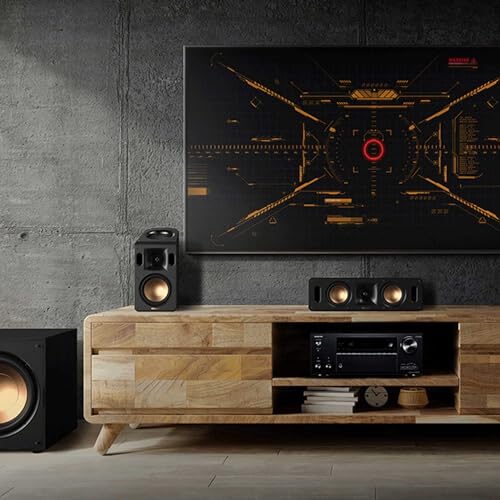
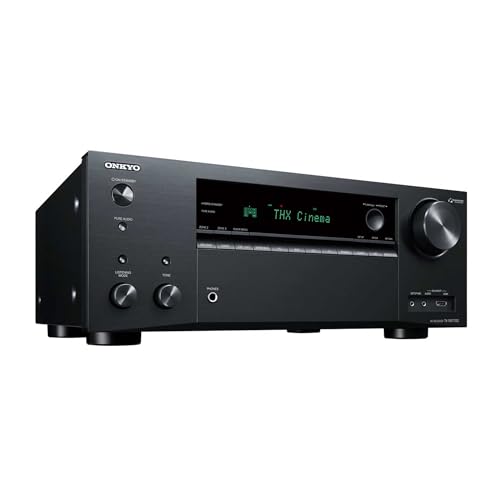
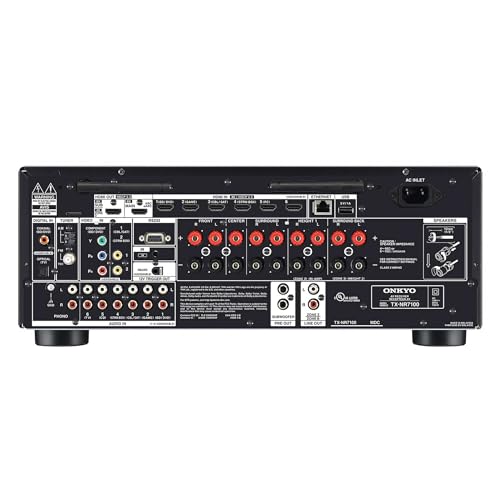
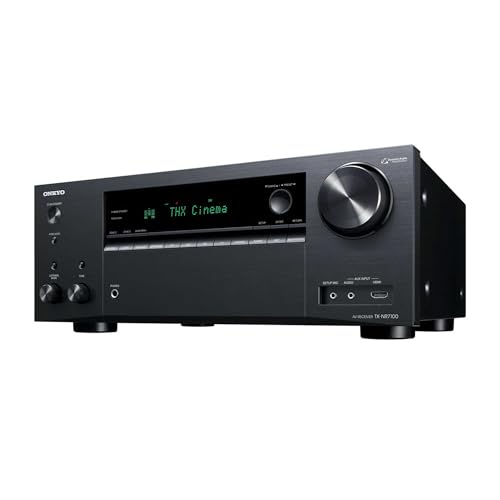
When building a home theater system, the AV receiver acts as the brain of your entire setup. It's the component that takes all your video sources—streaming devices, game consoles, Blu-ray players—and routes them to your TV while simultaneously powering your speakers and creating that immersive surround sound experience. Getting this choice right matters enormously because it affects everything from how good your movies sound to how easy your system is to use day-to-day.
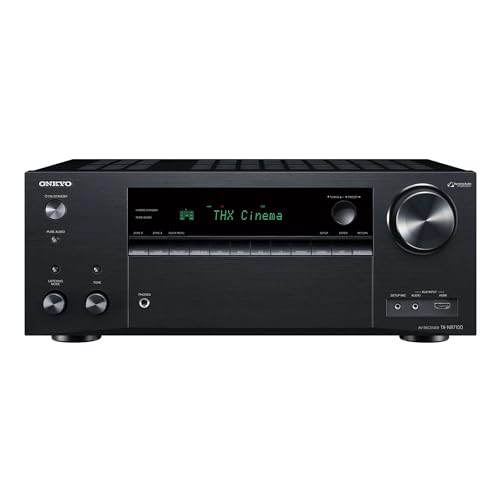
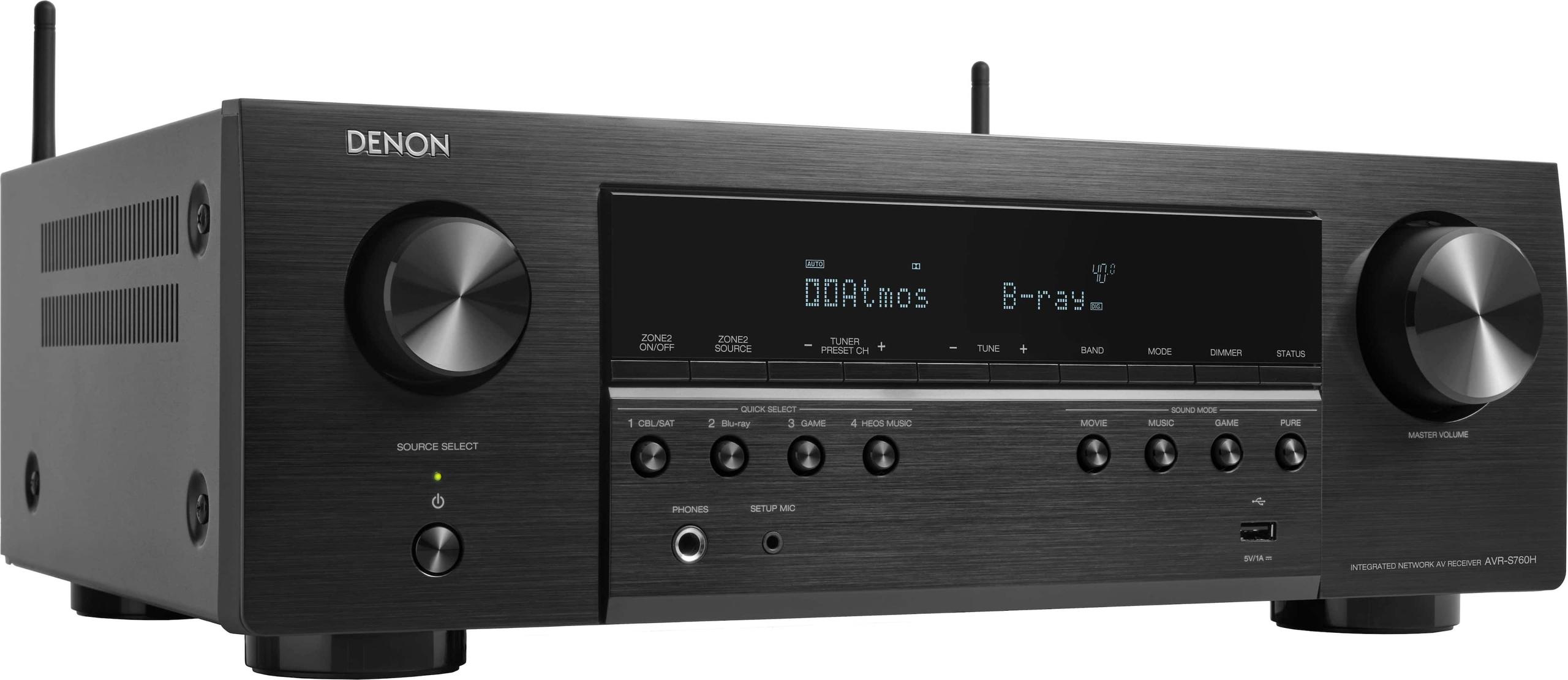
The Onkyo TX-NR7100 and Denon AVR-S760H represent two compelling but distinctly different approaches to home theater audio. Released in 2021, both receivers support the latest 8K video standards and modern surround sound formats, but they target different users with different priorities. Understanding these differences will help you choose the receiver that best matches your needs and budget.
Before diving into the specifics, let's establish what matters most in an AV receiver. The channel count—like 7.2 or 9.2—tells you how many speakers the receiver can power independently. The first number represents main speakers (front, center, surround), while the second indicates subwoofer outputs. Power output, measured in watts per channel, determines how loud your system can play and how well it drives demanding speakers.
Room correction technology has become increasingly important. This feature uses microphones to measure how sound bounces around your specific room, then adjusts the audio output to compensate for acoustic problems. It's like having a professional audio engineer tune your system automatically.
HDMI connectivity handles video switching—taking multiple sources and routing them to your TV—while also supporting advanced video formats like 4K, 8K, and HDR (High Dynamic Range, which makes images look more realistic with better contrast and colors). Modern receivers also include networking features for streaming music and integrating with smart home systems.
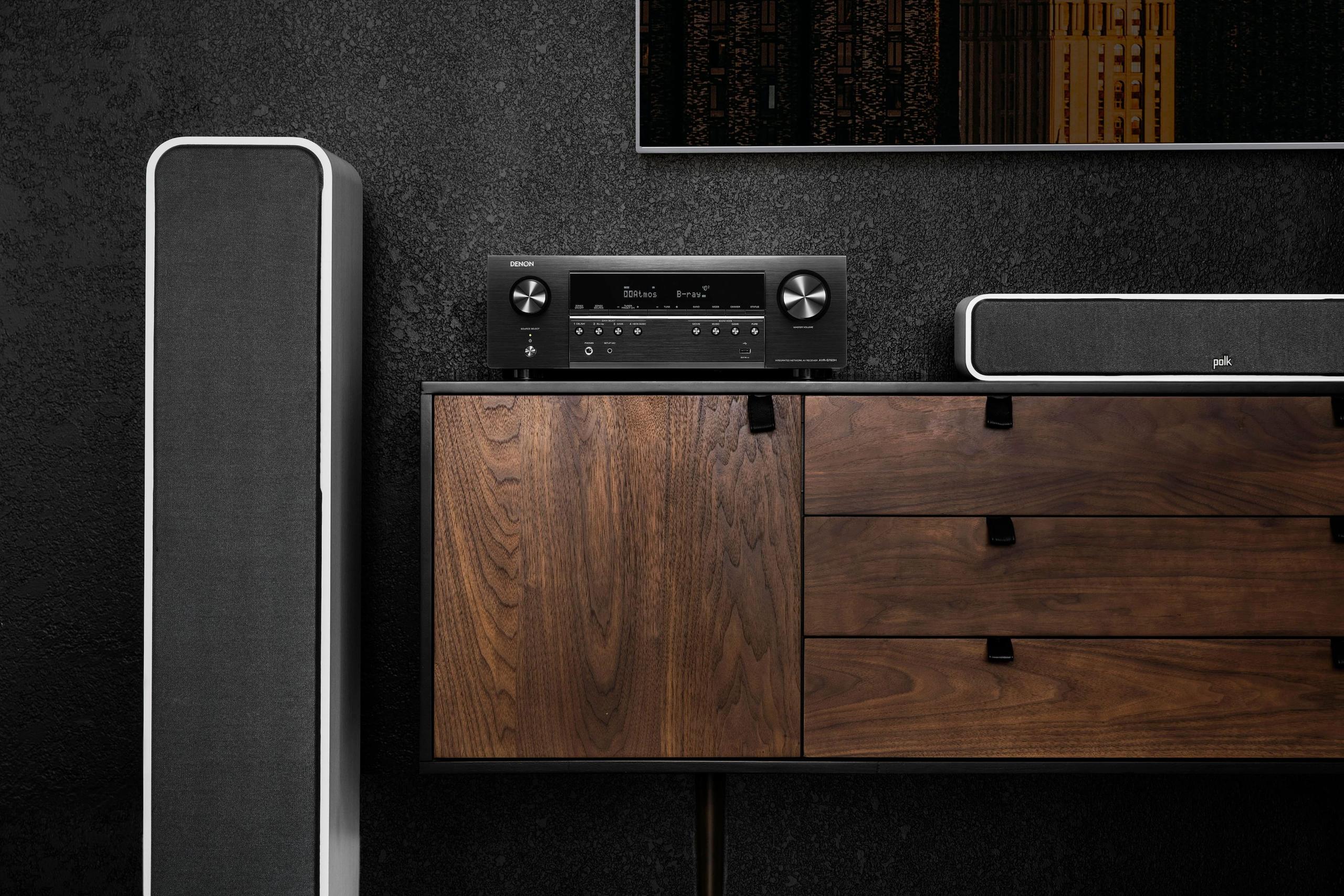
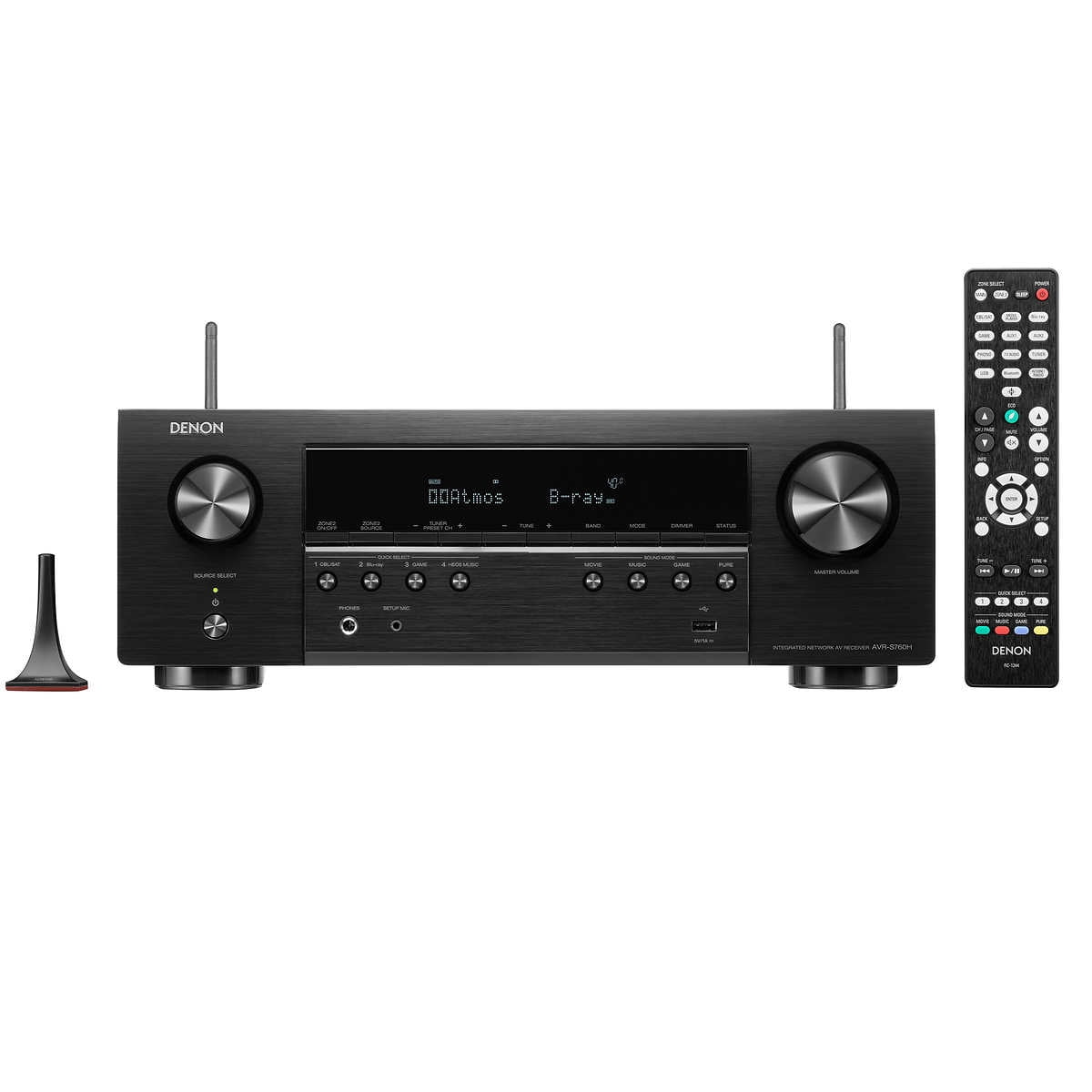
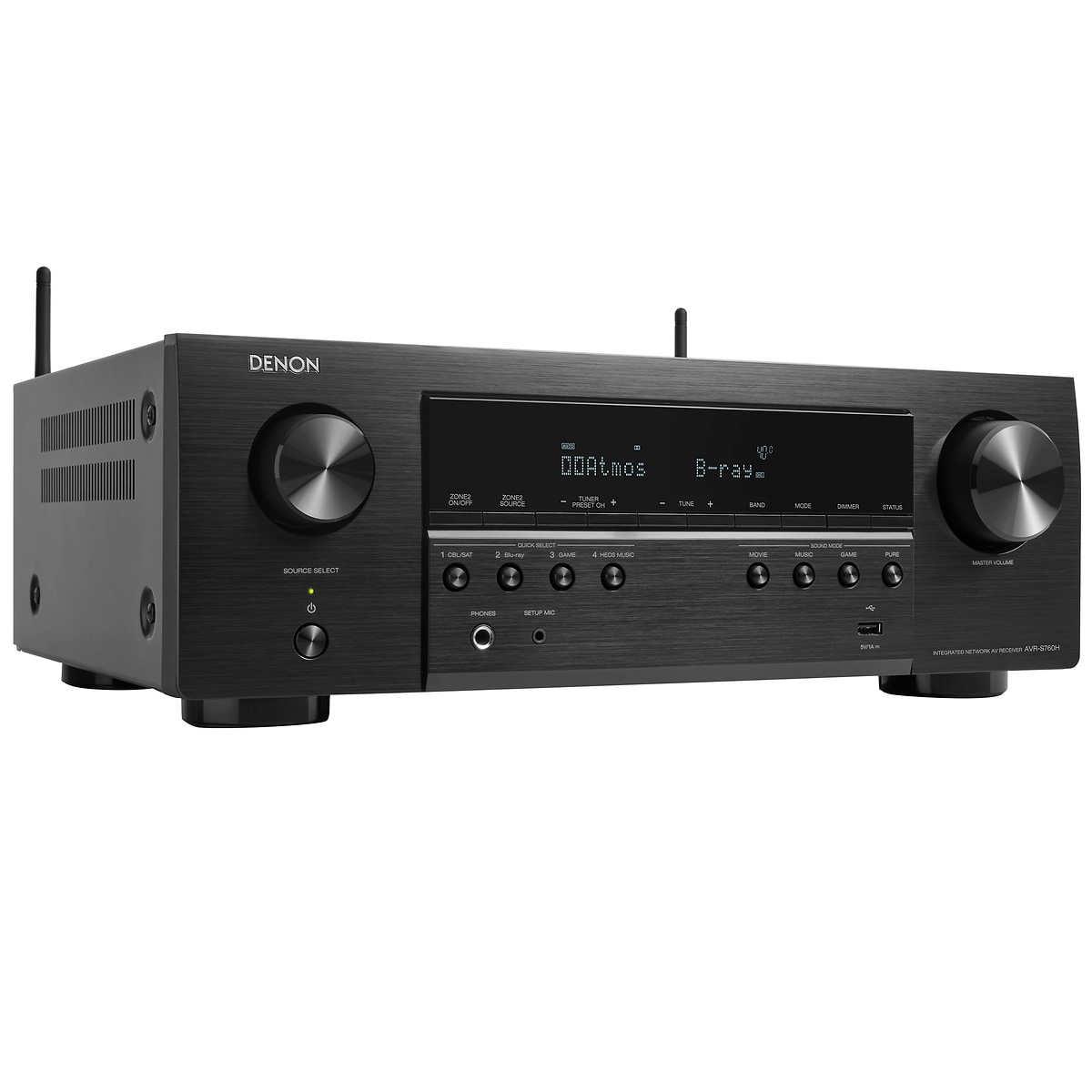
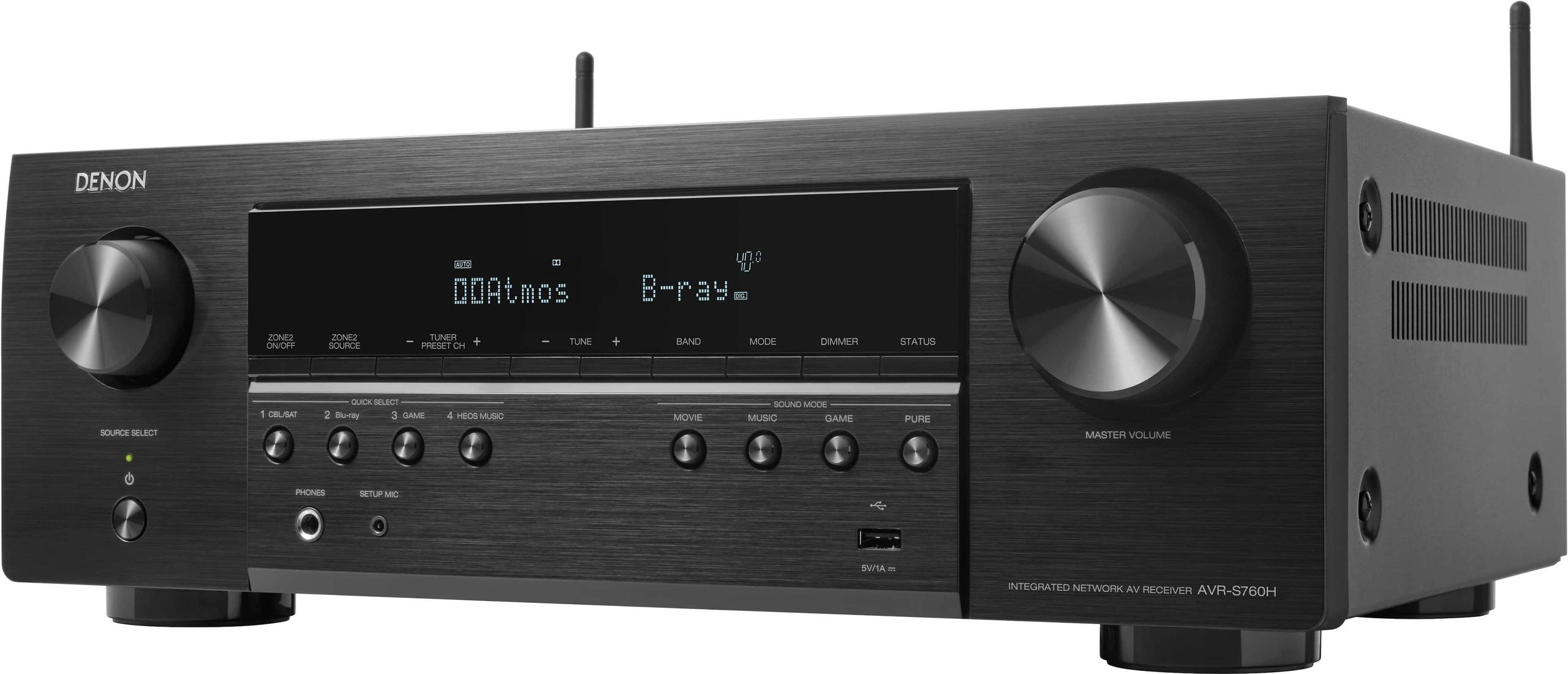
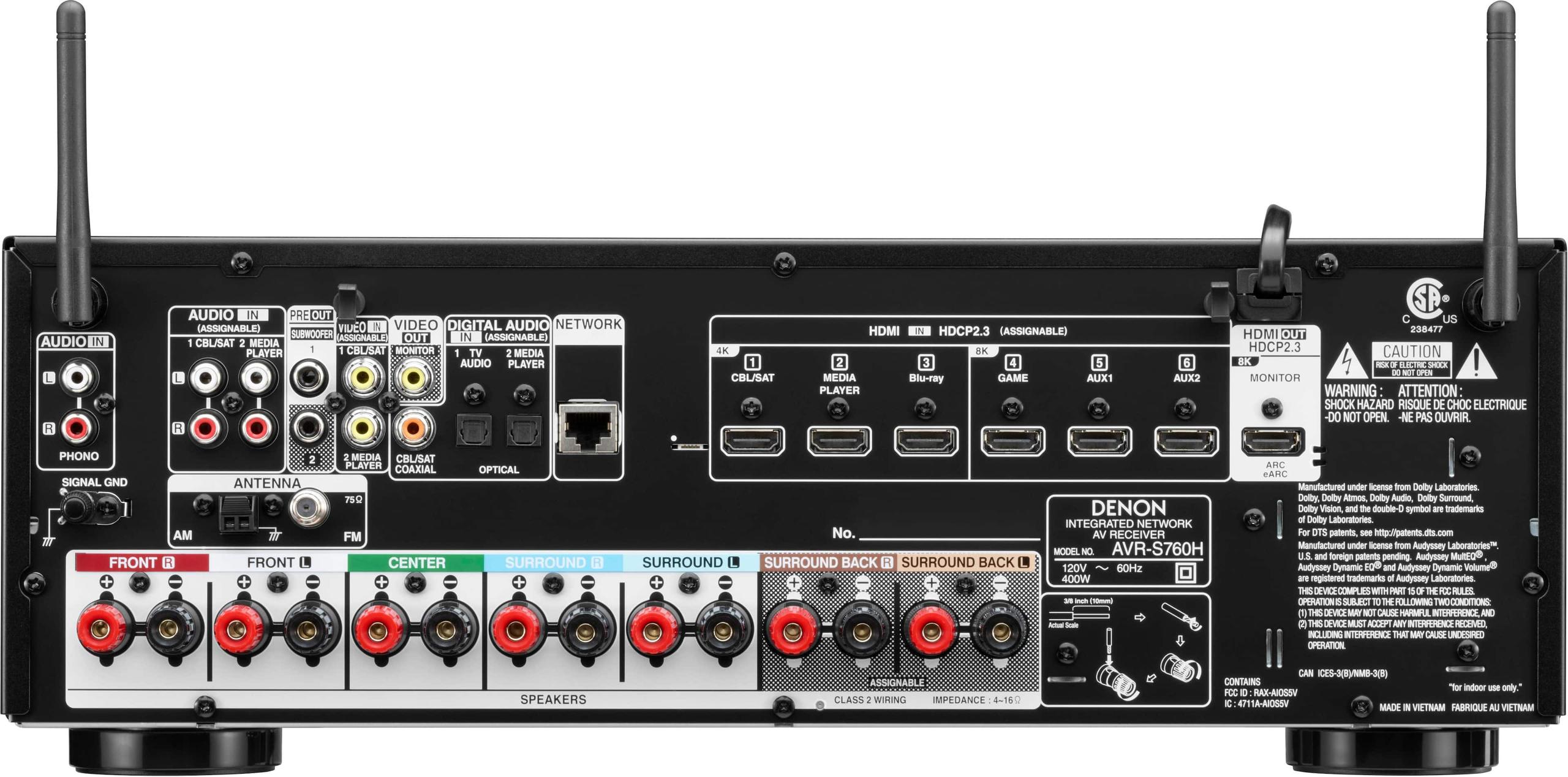
The Denon AVR-S760H positions itself as a mainstream performer, offering 7.2 channels with 75 watts per channel. It's designed for users who want excellent performance without complexity, featuring Denon's reputation for reliability and user-friendly setup processes.
The Onkyo TX-NR7100, on the other hand, delivers 9.2 channels with 100 watts per channel and includes premium features typically found in much more expensive receivers. At the time of writing, aggressive pricing has made it remarkably affordable for what it offers, representing one of the best values in the AV receiver market.
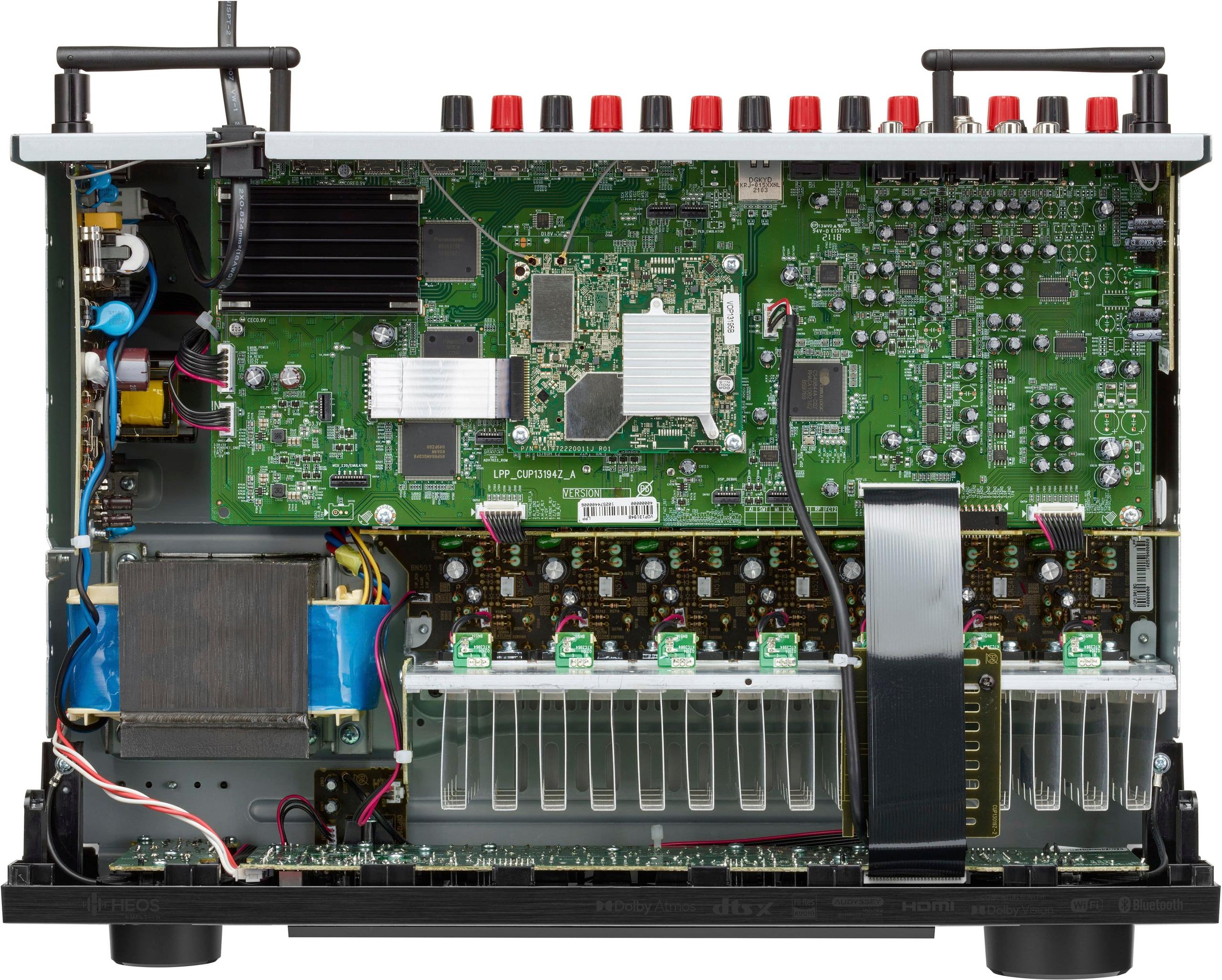
The power difference between these receivers extends beyond simple wattage numbers. The Onkyo TX-NR7100 employs what the company calls Dynamic Audio Amplification, which uses a high-current power supply design. In practical terms, this means the receiver can deliver sudden bursts of power when music or movie soundtracks demand it—think of the moment when a movie explosion happens or a symphony reaches its crescendo.
This high-current capability makes the Onkyo more compatible with demanding speakers. Some speakers are harder to drive than others (this relates to their impedance and sensitivity ratings), and the TX-NR7100's robust amplification handles these challenging loads better than the Denon's more modest 75-watt design.
However, power isn't everything. In smaller to medium-sized rooms with efficient speakers, the Denon AVR-S760H provides perfectly adequate volume and sound quality. The key is matching your receiver to your room size and speaker selection.
This is where the channel count difference becomes crucial. Modern surround sound formats like Dolby Atmos add height channels—speakers mounted on or in your ceiling—to create a three-dimensional soundscape. The Onkyo TX-NR7100 supports configurations like 5.1.4 (five main speakers, one subwoofer, four height speakers) or 7.1.2 (seven main speakers, one subwoofer, two height speakers).
The Denon AVR-S760H is limited to 5.1.2 configurations due to its seven-channel architecture. While this still delivers excellent Dolby Atmos performance, the four-height-speaker setup possible with the Onkyo creates a more enveloping overhead effect. If you're building a dedicated home theater room and want the most immersive experience possible, those extra channels matter significantly.
Both receivers include Dolby Atmos Height Virtualization, which creates the illusion of overhead sound using only traditional speakers. This feature works surprisingly well but can't match the realism of actual height speakers.
Here's where these receivers diverge most dramatically in their approach to audio optimization. The Denon AVR-S760H uses Audyssey MultEQ XT, a room correction system that's become synonymous with user-friendly setup. The process involves placing a microphone at your listening position while the receiver plays test tones, measuring how your room affects sound reproduction.
Audyssey excels at simplicity. It guides you through the process step-by-step and generally produces good results with minimal user intervention. The system effectively reduces room resonances (those boomy frequencies that make some notes sound louder than others) and balances speaker levels automatically.
The Onkyo TX-NR7100 includes Dirac Live room correction, which represents a significant step up in sophistication and capability. Dirac Live is the same technology found in receivers costing twice as much. It offers more precise frequency response correction and superior bass management, often dramatically improving sound clarity and stereo imaging (how well you can locate instruments and voices in the soundstage).
However, Dirac Live requires more user involvement. You can use up to 13 measurement positions around your seating area, and the software provides detailed graphs showing what corrections it's making. For users willing to invest the time, the results typically exceed what Audyssey can achieve.
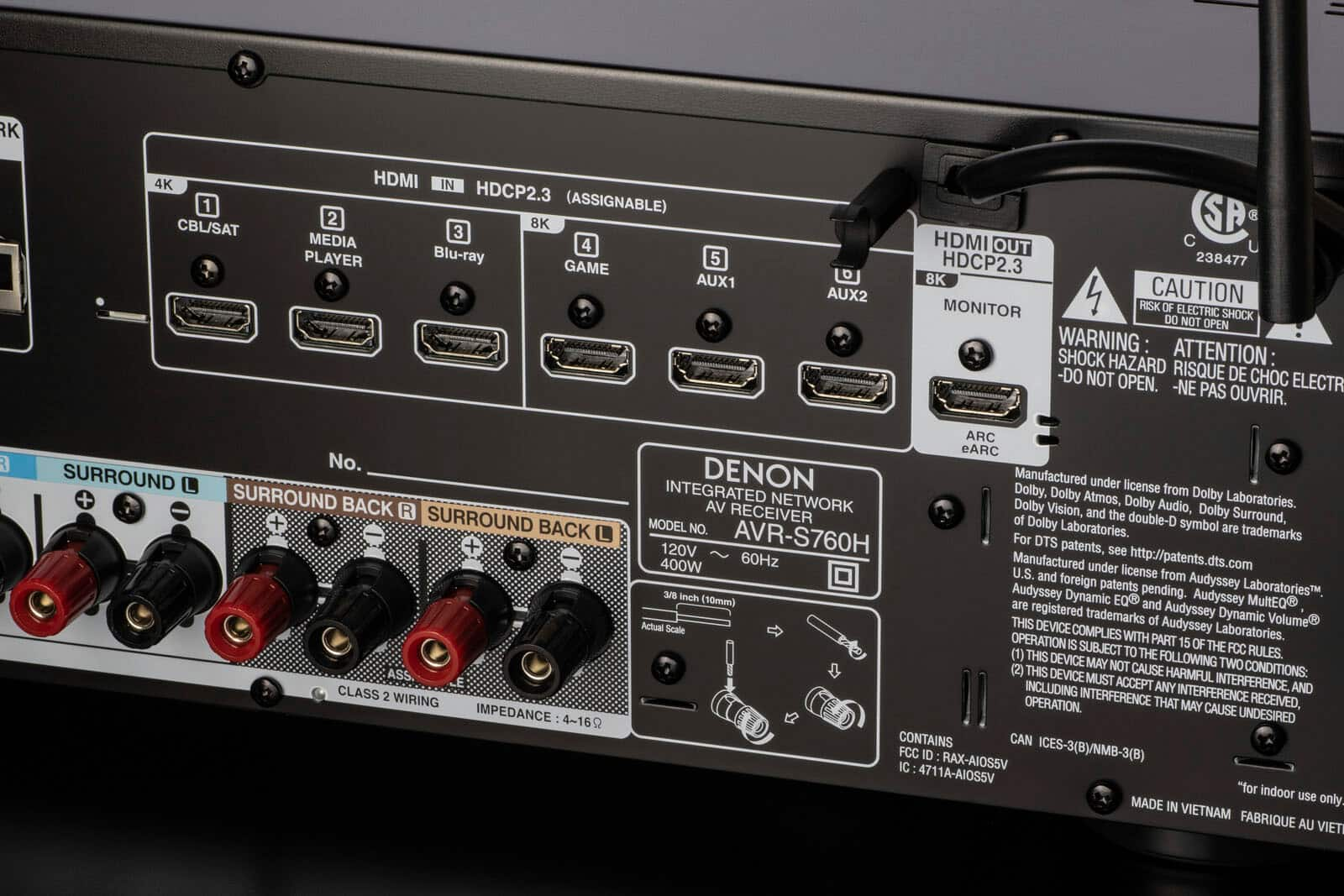
Both receivers support the latest HDMI 2.1 standards, handling 8K video at 60Hz and 4K video at 120Hz—important for next-generation gaming consoles like PlayStation 5 and Xbox Series X. They also support Variable Refresh Rate (VRR) and Auto Low Latency Mode (ALLM), gaming features that reduce input lag and eliminate screen tearing.
The Denon AVR-S760H distinguishes itself with superior video upscaling capabilities. It can take 1080p Blu-rays or streaming content and upscale them directly to 8K resolution, potentially improving image quality on 8K displays. The Onkyo TX-NR7100 only upscales to 4K, though this limitation matters primarily for users with 8K TVs—still a small market segment at the time of writing.
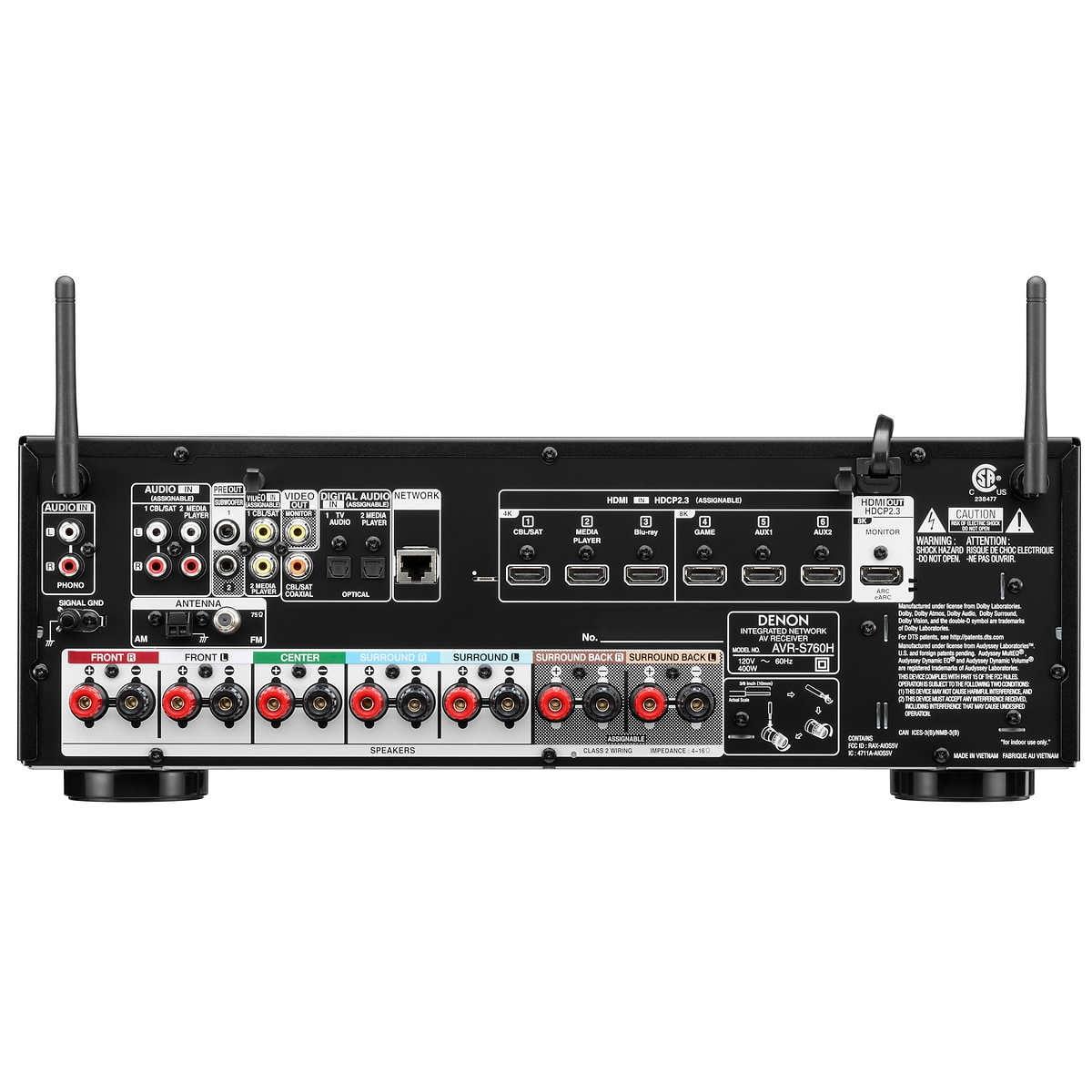
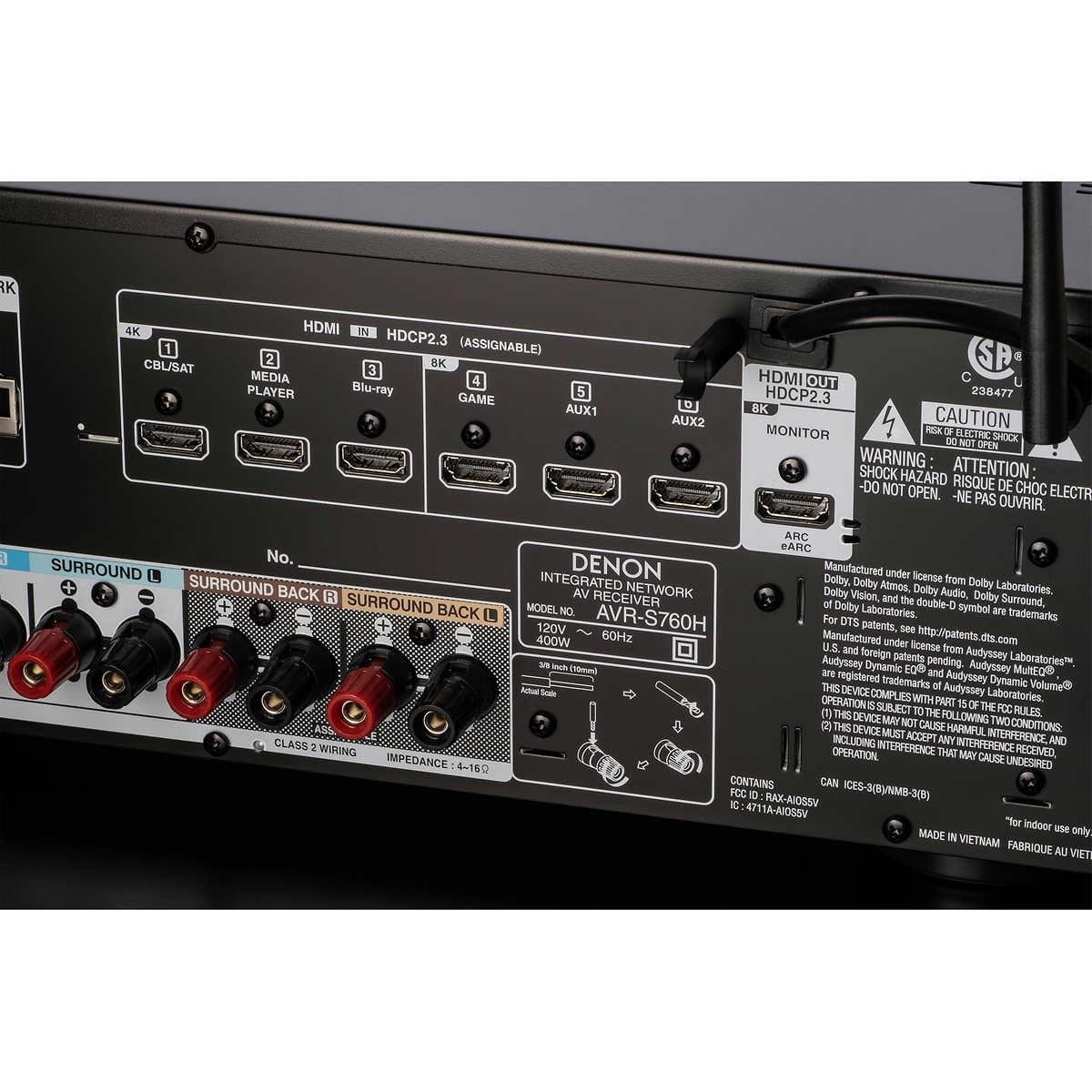
Where the Onkyo gains advantage is in connectivity flexibility. It offers seven HDMI inputs versus six on the Denon, plus two HDMI outputs compared to the Denon's single output. The second HDMI output enables Zone 2 video, allowing you to send different content to a second display—useful for multi-room installations or basement/bedroom extensions of your home theater system.
Modern AV receivers serve double duty as whole-house audio systems, and these two take notably different approaches. The Denon AVR-S760H features HEOS technology, Denon's comprehensive multi-room platform. HEOS creates a seamless network of compatible speakers throughout your home, allowing you to play different music in different rooms or sync everything for house-wide audio.
HEOS integrates with major streaming services like Spotify, Amazon Music, and Tidal, plus voice assistants including Amazon Alexa and Google Assistant. The mobile app is intuitive and reliable, making it easy to control your music from anywhere in the house.
The Onkyo TX-NR7100 takes a different approach with Works with Sonos certification. If you already have or plan to build a Sonos speaker system, this receiver integrates beautifully, supporting up to three independent zones with Sonos Pass-Through features. This matters most for users already invested in the Sonos ecosystem or those who prefer Sonos's approach to multi-room audio.
The Onkyo also includes a unique feature: aptX and aptX HD Bluetooth support. These advanced Bluetooth codecs provide higher-quality wireless audio transmission than standard Bluetooth, with aptX HD supporting near-CD-quality streaming from compatible phones and tablets. Most competing receivers, including the Denon, stick with basic Bluetooth codecs.
The Onkyo TX-NR7100 carries THX Select certification, meaning it has passed thousands of rigorous tests to ensure cinema-quality audio reproduction. THX certification includes specific requirements for amplifier performance, noise levels, and surround sound processing. While not essential for good performance, it provides confidence that the receiver meets professional audio standards.
The receiver also supports IMAX Enhanced content, which optimizes audio processing for movies and streaming content created with IMAX technology. As more streaming services add IMAX Enhanced titles, this feature becomes increasingly valuable for home theater enthusiasts.
The Denon AVR-S760H doesn't carry these premium certifications but focuses on proven reliability and comprehensive features for mainstream users. It includes Energy Star certification, indicating efficient power consumption—a consideration for users concerned about electricity costs.
This is where personal preference and technical comfort level become important factors. The Denon AVR-S760H prioritizes ease of use, with setup assistants that guide you through speaker configuration, network connection, and room correction. The on-screen menus are clear and logically organized, making it straightforward to adjust settings or switch between sources.
The Onkyo TX-NR7100 offers more comprehensive control options but requires greater user involvement to achieve optimal results. The Dirac Live setup process, while more capable than Audyssey, demands more time and technical understanding. Users comfortable with audio concepts will appreciate the detailed control options, while others might find them overwhelming.
Both receivers include mobile apps for control, though user reviews consistently favor Denon's app for reliability and interface design. The Onkyo app functions well but occasionally requires troubleshooting connection issues.
At the time of writing, the Onkyo TX-NR7100 represents exceptional value due to significant price reductions from its original launch price. You're getting features typically found in much more expensive receivers—particularly Dirac Live room correction and nine-channel amplification—at mainstream pricing. This makes it especially attractive for serious home theater enthusiasts.
However, value isn't just about features per dollar. The Denon AVR-S760H offers the peace of mind that comes with proven reliability and established customer support. Denon has consistently supported older receivers with firmware updates and maintains a comprehensive service network.
The Onkyo brand experienced ownership changes following financial difficulties, though the new ownership (Premium Audio Company) has continued product development and support. Still, this history might concern users prioritizing long-term reliability and service availability.
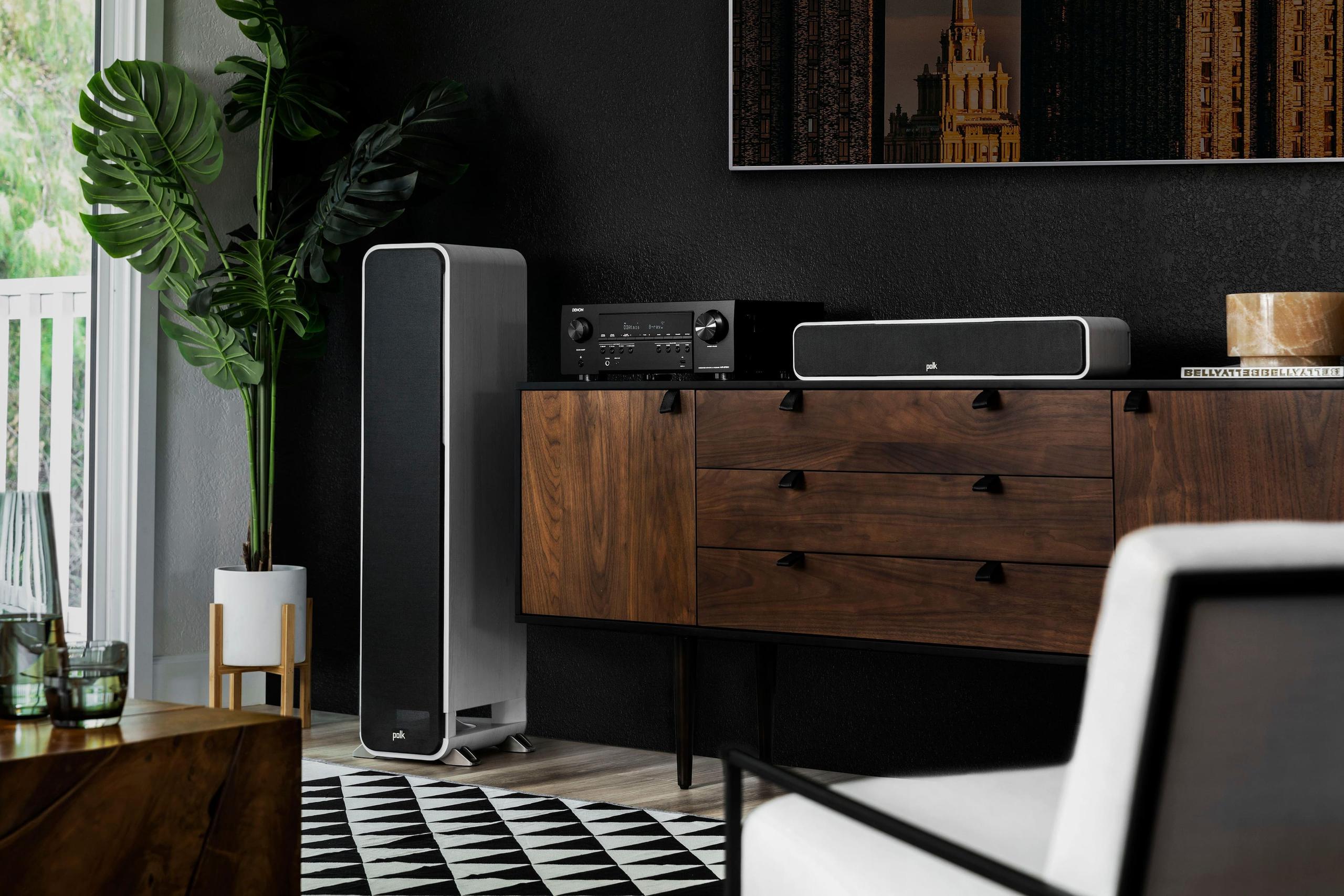
Choose the Denon AVR-S760H if you want a receiver that works excellently out of the box with minimal fuss. It's ideal for living room theaters where ease of use matters more than ultimate performance, and where the seven-channel limitation isn't restrictive. The superior video upscaling benefits users with large collections of non-4K content, and the HEOS integration is perfect for whole-house audio needs.
The Onkyo TX-NR7100 makes sense for dedicated home theater rooms where maximum performance justifies additional setup complexity. If you're planning a 5.1.4 or 7.1.2 Dolby Atmos configuration, need multiple zones, or want the absolute best room correction available at this price point, the extra capabilities are worthwhile.
For most users building their first serious home theater, the Denon provides an excellent balance of performance and usability. Experienced enthusiasts who understand the value of features like Dirac Live and don't mind investing time in setup will find the Onkyo delivers premium performance at an accessible price point.
Consider your room size, speaker plans, and technical comfort level. Both receivers will deliver excellent performance in appropriate applications, but choosing the right one for your specific needs ensures you'll be happy with your investment for years to come.
| Onkyo TX-NR7100 | Denon AVR-S760H |
|---|---|
| Channel Configuration - Determines maximum speaker layout possibilities | |
| 9.2 channels (enables 5.1.4 or 7.1.2 Dolby Atmos) | 7.2 channels (limited to 5.1.2 Dolby Atmos) |
| Power Output - Affects volume capability and speaker compatibility | |
| 100W per channel (drives demanding speakers better) | 75W per channel (adequate for most speakers) |
| Room Correction Technology - Critical for optimizing sound in your space | |
| Dirac Live (professional-grade, precise optimization) | Audyssey MultEQ XT (user-friendly, good results) |
| HDMI Inputs/Outputs - Determines device connectivity options | |
| 7 inputs / 2 outputs (more flexibility for multiple displays) | 6 inputs / 1 output (sufficient for most setups) |
| Video Upscaling - Improves quality of non-4K content | |
| 1080p to 4K only | 1080p direct to 8K (better for older content libraries) |
| Multi-Room Audio Platform - Whole-house music distribution | |
| Works with Sonos (integrates with existing Sonos systems) | HEOS built-in (comprehensive standalone solution) |
| Premium Audio Certifications - Guarantees cinema-quality performance | |
| THX Select certified, IMAX Enhanced support | None (relies on proven Denon engineering) |
| Bluetooth Audio Quality - Wireless streaming capability | |
| aptX HD support (near-CD quality wireless) | Standard Bluetooth codecs only |
| Setup Complexity - Time investment required for optimal performance | |
| Advanced (rewards technical users with superior results) | Beginner-friendly (excellent performance out-of-the-box) |
| Brand Reliability History - Long-term support considerations | |
| Recent ownership changes, aggressive current pricing | Established brand with consistent support record |
The Onkyo TX-NR7100 delivers 100 watts per channel compared to the Denon AVR-S760H's 75 watts per channel. The Onkyo's higher power output means it can drive demanding speakers more effectively and play louder without distortion, making it better suited for larger rooms or less efficient speakers.
The Onkyo TX-NR7100 supports 9.2 channels, allowing for configurations like 5.1.4 or 7.1.2 Dolby Atmos setups with four height speakers. The Denon AVR-S760H supports 7.2 channels, limiting you to 5.1.2 configurations with two height speakers. For maximum Dolby Atmos immersion, the Onkyo provides more flexibility.
The Denon AVR-S760H is significantly easier to set up thanks to its user-friendly Audyssey room correction and intuitive setup wizards. The Onkyo TX-NR7100 offers more advanced features like Dirac Live room correction, but requires more technical knowledge and time investment to achieve optimal results.
Yes, both the Onkyo TX-NR7100 and Denon AVR-S760H support 8K/60Hz and 4K/120Hz video passthrough with HDMI 2.1. They also include gaming features like Variable Refresh Rate (VRR) and Auto Low Latency Mode (ALLM) for PlayStation 5 and Xbox Series X compatibility.
The Onkyo TX-NR7100 includes Dirac Live room correction, which is considered superior to the Denon AVR-S760H's Audyssey MultEQ XT. Dirac Live provides more precise frequency response correction and better bass management, but requires more user involvement to set up properly.
The Denon AVR-S760H features built-in HEOS technology for comprehensive whole-house audio with easy app control and streaming service integration. The Onkyo TX-NR7100 offers Works with Sonos certification, making it ideal if you already have or plan to build a Sonos speaker system throughout your home.
The Onkyo TX-NR7100 currently offers exceptional value due to significant price reductions, providing premium features like Dirac Live and 9-channel amplification typically found in much more expensive receivers. The Denon AVR-S760H provides solid value for mainstream users prioritizing reliability and ease of use.
Both the Onkyo TX-NR7100 and Denon AVR-S760H fully support Dolby Atmos, DTS:X, and other immersive audio formats. The key difference is that the Onkyo can accommodate more height speakers for a more enveloping 3D audio experience in dedicated home theater rooms.
The Onkyo TX-NR7100 provides 7 HDMI inputs and 2 outputs, while the Denon AVR-S760H offers 6 HDMI inputs and 1 output. The Onkyo's extra input and second output provide more flexibility for connecting multiple devices and supporting multi-room video setups.
The Onkyo TX-NR7100 includes THX certification, IMAX Enhanced support, and aptX HD Bluetooth for higher-quality wireless audio. The Denon AVR-S760H features superior video upscaling that can enhance 1080p content directly to 8K resolution, plus Denon's reputation for long-term reliability.
For dedicated home theaters, the Onkyo TX-NR7100 is the better choice due to its 9-channel configuration enabling more immersive Dolby Atmos setups, THX certification ensuring cinema-quality performance, and superior Dirac Live room correction. The extra power also helps in larger rooms with demanding speakers.
Casual users should consider the Denon AVR-S760H for its user-friendly setup, reliable performance, and excellent integration with streaming services through HEOS. While the Onkyo TX-NR7100 offers more features, the Denon provides everything most users need with less complexity and proven long-term support.
We've done our best to create useful and informative comparisons to help you decide what product to buy. Our research uses advanced automated methods to create this comparison and perfection is not possible - please contact us for corrections or questions. These are the sites we've researched in the creation of this article: crutchfield.com - prohifi.in - bestbuy.com - h-m-entertainment.com - audiosciencereview.com - crutchfield.ca - soundandvision.com - avsforum.com - avgadgets.com - youtube.com - onkyo.com - crutchfield.com - onkyo.com - accessories4less.com - klipsch.com - youtube.com - listenup.com - intl.onkyo-av.com - bestbuy.com - 420spotshop.com - support.onkyousa.com - crutchfield.com - audioadvice.com - bestbuy.com - denon.com - bestbuy.com - smarthomescope.com - bestbuy.com - bombayaudio.com - manuals.denon.com - cocoontech.com - zkelectronics.com

Privacy Policy
Terms and Conditions - Affiliate Policy
Home Security
© Copyright 2008-2026.
11816 Inwood Rd #1211, Dallas, TX 75244