

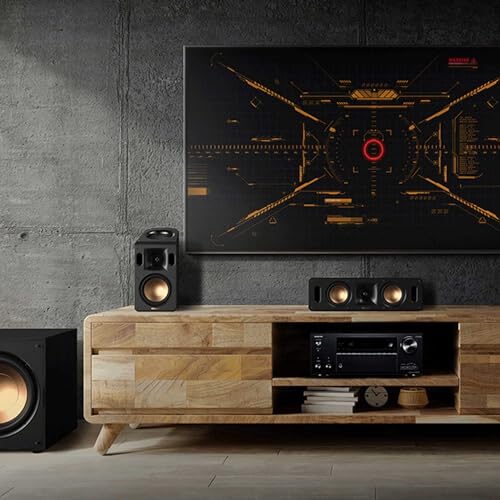
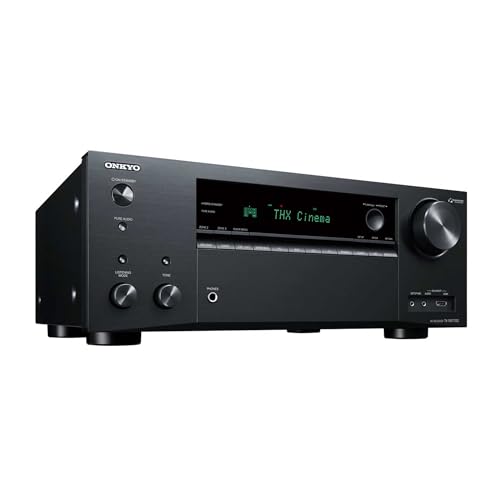
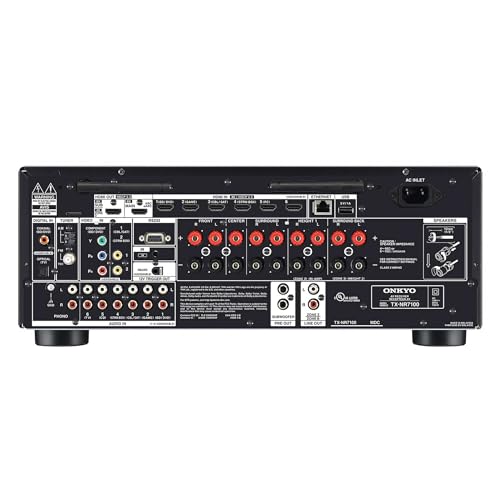
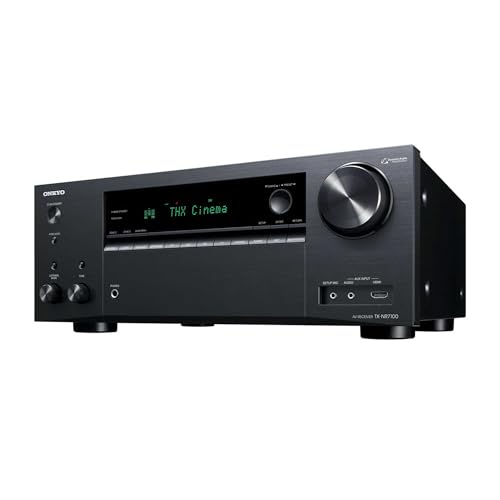
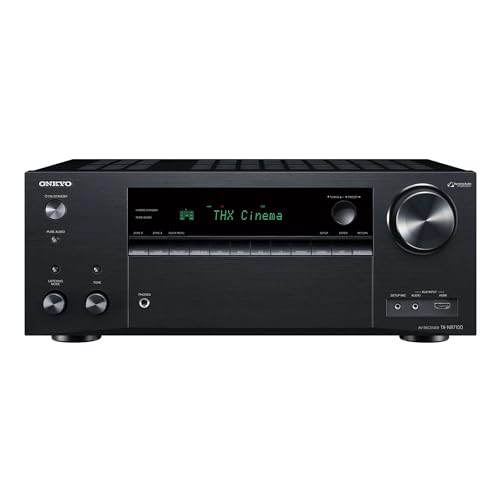
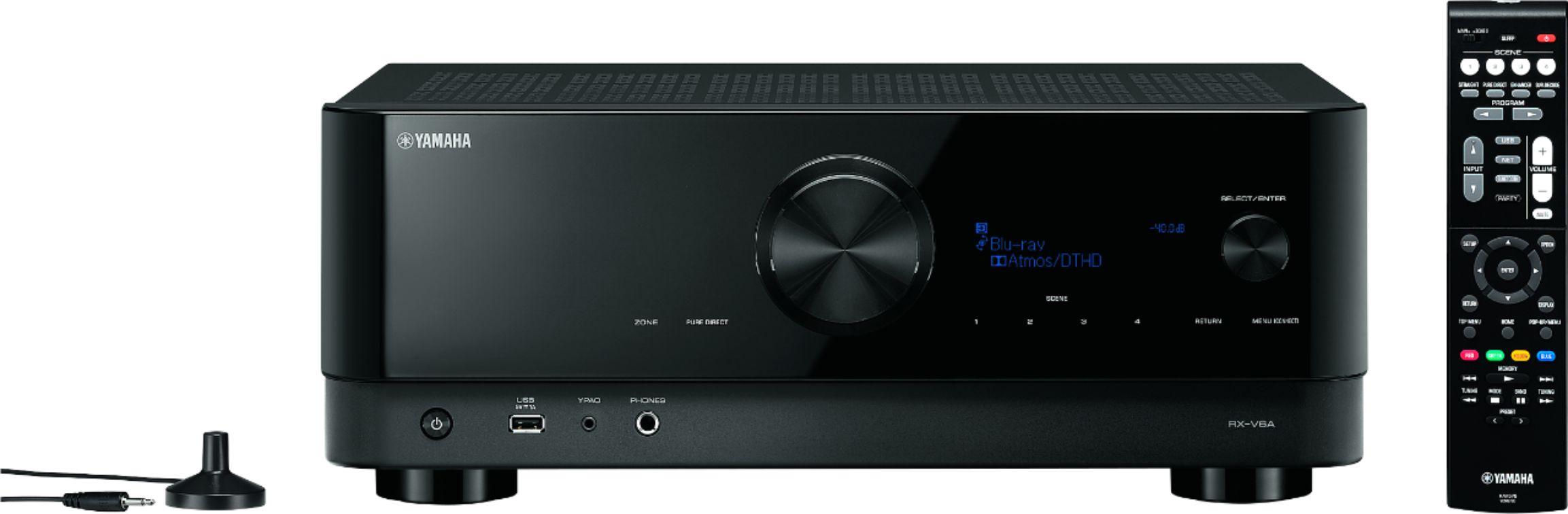
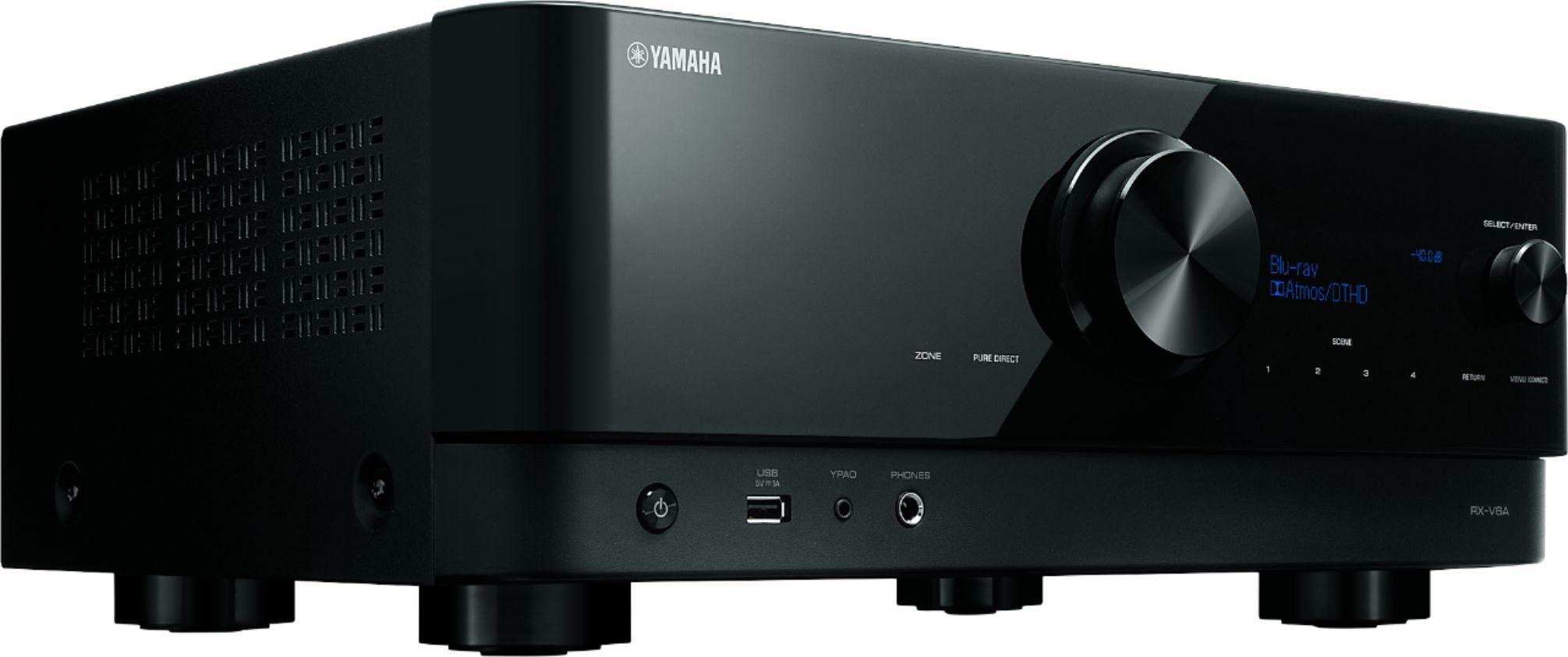
When you're building a serious home theater system, the AV receiver becomes the beating heart that brings everything together. It's the command center that takes signals from your streaming devices, game consoles, and Blu-ray players, then amplifies and processes them into the immersive surround sound and stunning visuals that make movie night feel like a trip to the cinema.
The challenge lies in choosing the right receiver for your needs and budget. Today, we're comparing two popular mid-range options that take notably different approaches: the Onkyo TX-NR7100 and the Yamaha RX-V6A. Both launched in the early 2020s—the Yamaha in 2020 and the Onkyo following in 2021—during a period of rapid advancement in home theater technology, particularly around 8K video support and next-generation gaming features.
Before diving into the specifics, let's establish what matters most when evaluating AV receivers. The fundamental job of any receiver is threefold: amplify audio signals to power your speakers, process surround sound formats like Dolby Atmos (which adds overhead sound effects), and handle video switching between your various sources.
The key specifications that separate good receivers from great ones include channel count (how many speakers you can connect), power output (how loud and dynamic your system can get), video processing capabilities (upscaling lower-resolution content and supporting the latest formats), and room correction technology (automatic calibration that optimizes sound for your specific space).
What makes modern receivers particularly complex is their dual role as both audio powerhouses and video processing centers. They need to handle everything from streaming music wirelessly to passing through 8K video signals without introducing lag or quality loss.
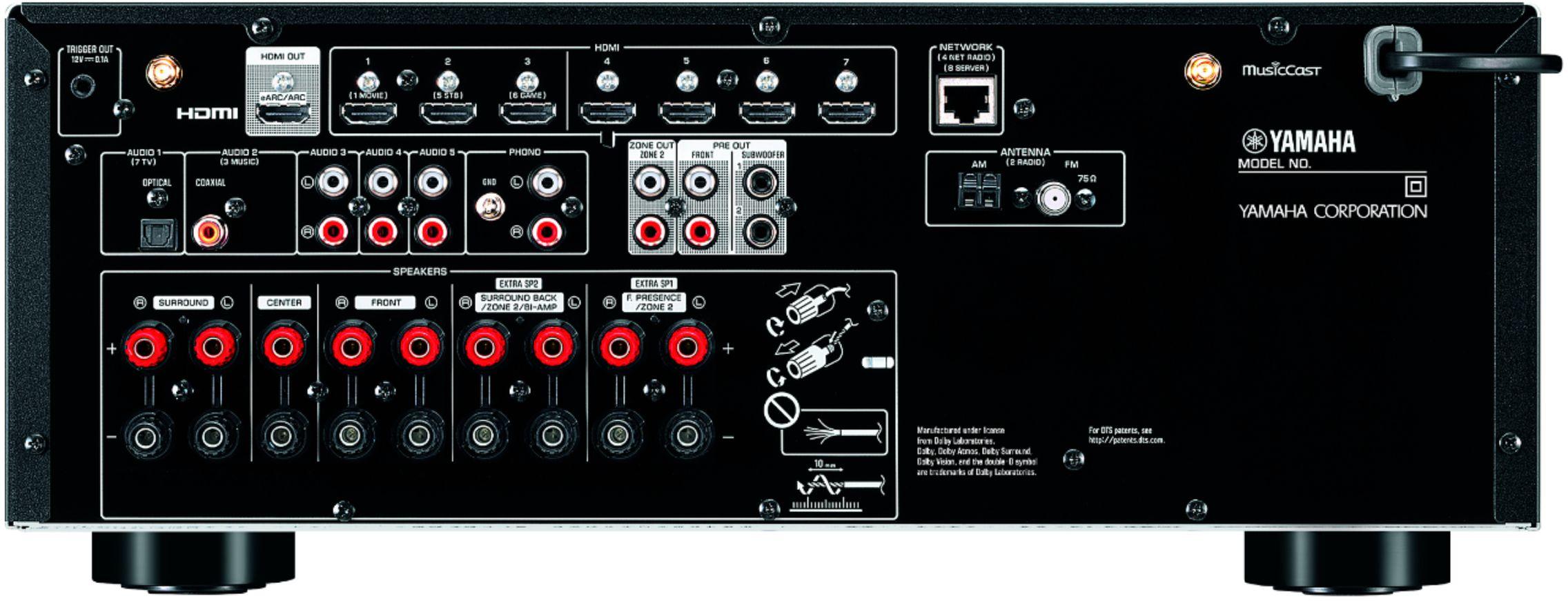
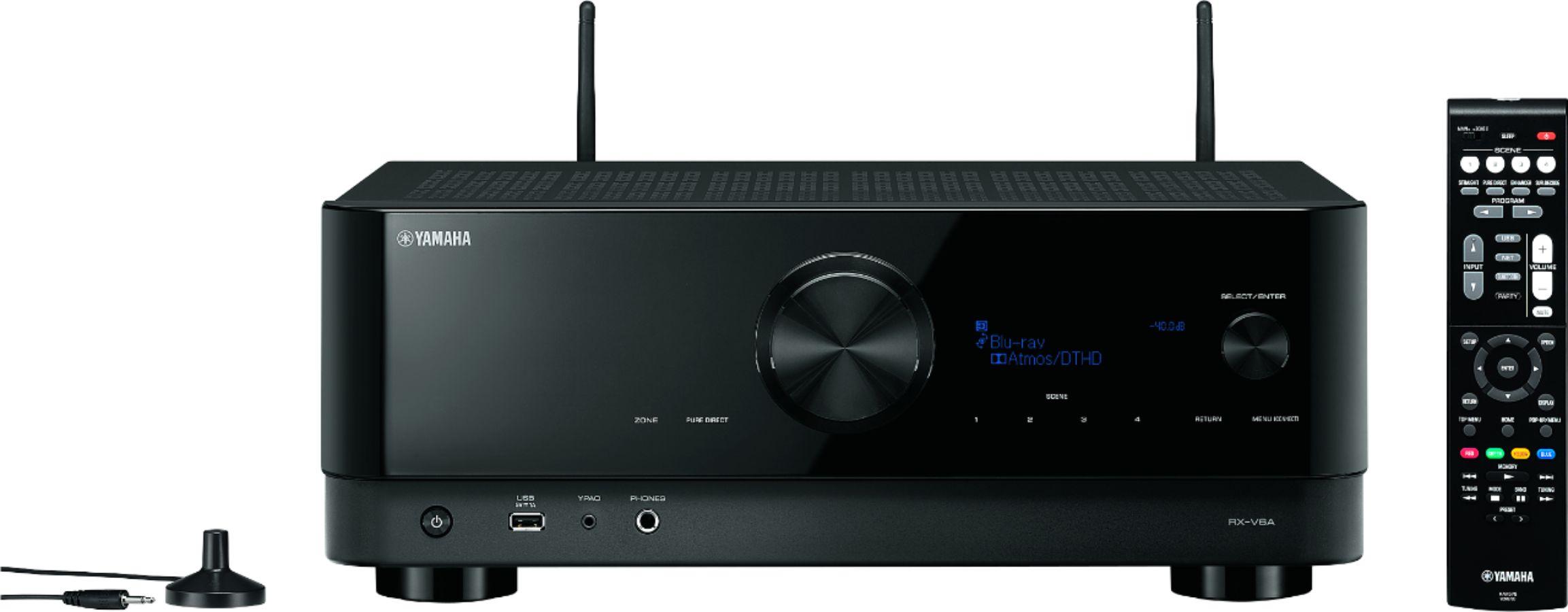
The most immediately obvious difference between these receivers is their channel configuration. The Onkyo TX-NR7100 offers a 9.2-channel setup, meaning it can power nine main speakers plus two subwoofers. The Yamaha RX-V6A provides a 7.2-channel configuration—seven main speakers and two subwoofers.
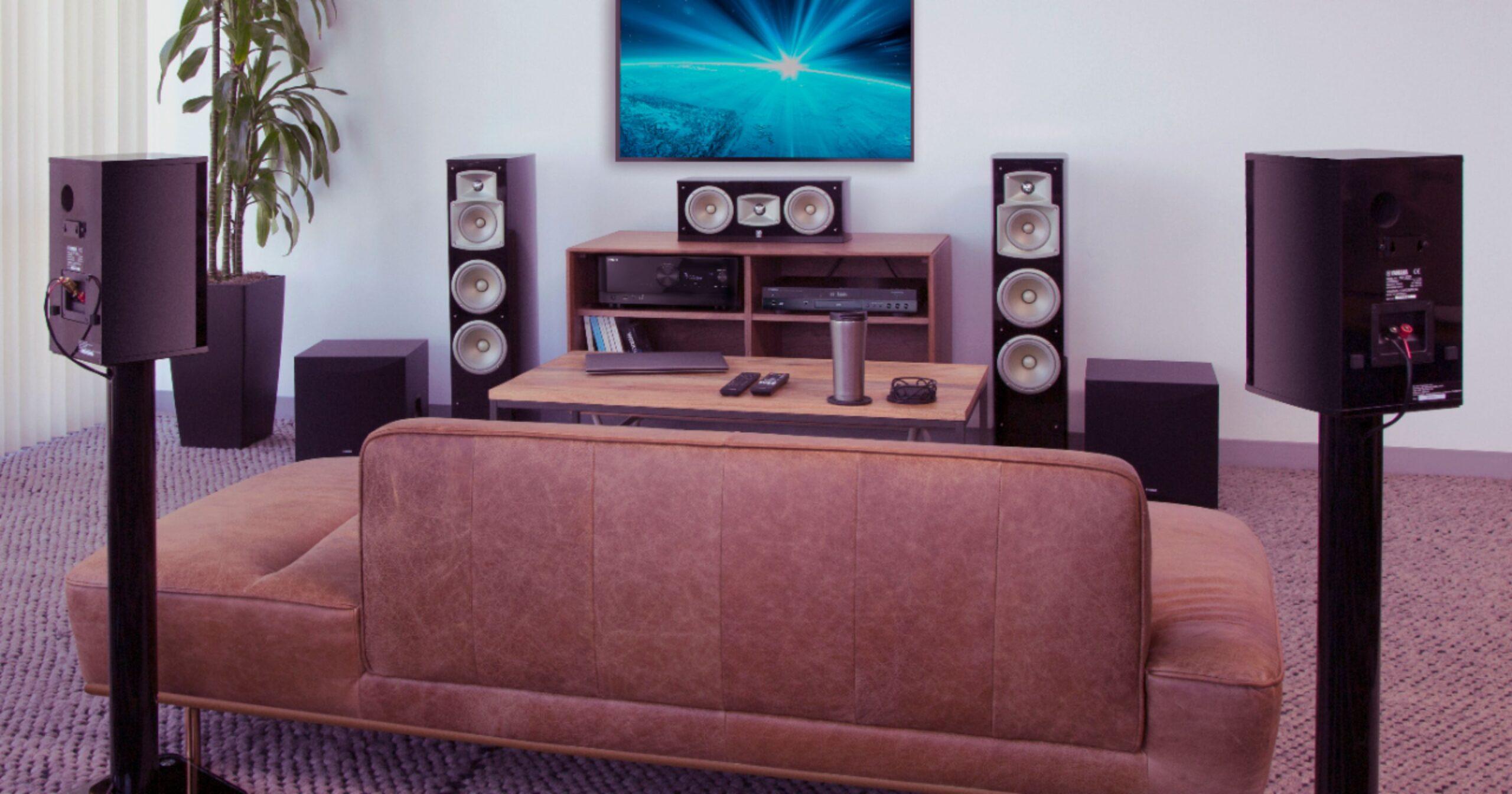
This isn't just about bigger numbers looking impressive on spec sheets. Those extra two channels in the Onkyo open up significantly more flexibility for creating immersive surround sound experiences. With nine channels, you can run a full 7.1 surround setup (seven speakers around the room) while simultaneously powering two height speakers for Dolby Atmos effects that seem to come from above your head.
Alternatively, you could configure it as a 5.1.4 system—five main speakers, one subwoofer, and four height speakers—which creates an even more enveloping three-dimensional soundscape. The Yamaha RX-V6A, while limited to seven channels, still handles the most common configurations effectively, including 7.1 traditional surround or 5.1.2 Atmos setups.
For most living rooms, seven channels provide plenty of immersion. However, if you're planning a dedicated home theater room or have a larger space where you want maximum audio impact, those extra channels in the Onkyo TX-NR7100 become genuinely valuable rather than just marketing fluff.
Both receivers deliver identical power ratings of 100 watts per channel when measured under standardized conditions (8-ohm impedance, two channels driven). This means neither has an inherent advantage in raw amplification strength—they should play equally loud with the same speakers.
However, power ratings only tell part of the story. The quality of that power delivery matters enormously for audio performance. Our research into user experiences and expert reviews reveals interesting patterns in how these receivers perform under real-world conditions.
The Onkyo TX-NR7100 incorporates Onkyo's Dynamic Audio Amplification technology, which uses discrete output stage circuitry and a high-current power supply design. This architecture excels at delivering instantaneous bursts of power during dynamic movie scenes—think explosions, gunfire, or orchestral crescendos. Users consistently report that the Onkyo creates a more visceral, impactful sound during action sequences.
The Yamaha RX-V6A takes a different approach with its more conservative amplifier design. While it may not deliver the same peak dynamics as the Onkyo, it provides remarkably consistent performance across different volume levels and maintains composure during demanding passages without showing signs of strain.
This difference becomes particularly relevant during extended listening sessions. Several users have reported that the Onkyo TX-NR7100 occasionally engages its protection circuits during very loud or sustained playback, despite featuring superior cooling with an aluminum heatsink and internal fan. Meanwhile, the Yamaha RX-V6A, with its simpler fanless design, maintains steady operation without thermal shutdowns.
Modern AV receivers don't just amplify signals—they perform sophisticated digital processing to optimize audio quality and create convincing surround sound effects. Both receivers support the essential modern audio formats including Dolby Atmos and DTS:X, but they implement room correction technology quite differently.
The Onkyo TX-NR7100 includes built-in Dirac Live room correction, which represents a significant value proposition. Dirac Live typically costs several hundred dollars as a separate upgrade and is considered among the most sophisticated room correction systems available. It analyzes your room's acoustic properties using microphone measurements from up to 13 different positions, then applies precise digital filters to compensate for room-induced distortions.
Users who take the time to properly calibrate Dirac Live report dramatically improved soundstage clarity, better bass integration, and more natural dialogue reproduction. However, the system requires patience and technical comfort—the calibration process can be complex, and optimal results often require manual fine-tuning after the automated measurements.
The Yamaha RX-V6A uses Yamaha's YPAO (Yamaha Parametric room Acoustic Optimizer) system with R.S.C. (Reflected Sound Control). While not as sophisticated as Dirac Live on paper, YPAO offers a more streamlined user experience. It measures room acoustics from up to eight positions and automatically adjusts speaker distances, levels, and crossover frequencies.
YPAO's strength lies in its reliability and ease of use. Most users can complete calibration in 15-20 minutes with consistently good results, while Dirac Live might require hours of tweaking for optimal performance. For users who want good sound without becoming acoustic engineers, YPAO represents the more practical choice.
The video processing capabilities reveal perhaps the starkest difference between these receivers' design philosophies. The Onkyo TX-NR7100 positions itself aggressively toward future technologies, while the Yamaha RX-V6A focuses on delivering solid performance with current standards.
The Onkyo's video processing prowess centers on its comprehensive upscaling capabilities. It can take 1080p content and upscale it to both 4K and 8K resolution, and can even upscale native 4K content to 8K. This future-oriented approach becomes valuable as 8K displays become more common and affordable. The receiver's six HDMI 2.1 inputs support full 40Gbps bandwidth, enabling 8K/60Hz and 4K/120Hz pass-through without compression.
For gamers, this translates to support for next-generation consoles running at their full potential. The Onkyo TX-NR7100 includes comprehensive gaming features like Variable Refresh Rate (VRR), which eliminates screen tearing, Auto Low Latency Mode (ALLM), which minimizes input lag, and Quick Frame Transport (QFT), which reduces motion blur during fast-paced gaming.
The Yamaha RX-V6A handles current video standards capably, supporting 8K/60Hz and 4K/120Hz pass-through, but limits its upscaling to 4K resolution. For users with current-generation 4K displays, this limitation rarely matters in practical use. The Yamaha's video processing focuses on reliability and compatibility rather than bleeding-edge features.
Both receivers support the full range of HDR (High Dynamic Range) formats including HDR10+, Dolby Vision, and HLG, ensuring compatibility with premium streaming content and UHD Blu-rays. The difference lies primarily in long-term future-proofing rather than immediate capabilities.
Modern AV receivers need to integrate seamlessly with various smart home and streaming ecosystems. Both receivers offer comprehensive wireless connectivity including Wi-Fi, Bluetooth, and AirPlay 2, but they differentiate themselves through ecosystem integration and multi-room capabilities.
The Onkyo TX-NR7100 takes a more inclusive approach to streaming services and multi-room audio. It includes built-in Chromecast, supports DTS Play-Fi, and carries "Works with Sonos" certification. This broad compatibility means it can integrate into various existing multi-room setups regardless of brand. The receiver supports three independent zones, including a dedicated HDMI output for Zone 2, allowing different video content in separate rooms.
Yamaha's approach centers on its proprietary MusicCast ecosystem. The Yamaha RX-V6A serves as a MusicCast hub, enabling wireless multi-room audio when paired with other MusicCast-compatible devices. While this creates a more integrated experience within Yamaha's ecosystem, it requires commitment to their specific platform for optimal functionality.
The Onkyo includes an interesting audio quality advantage in its Bluetooth implementation. Unlike most receivers that use standard SBC or AAC Bluetooth codecs, it supports aptX and aptX HD, which deliver noticeably better wireless audio quality. This becomes particularly valuable when using high-quality Bluetooth headphones for late-night movie watching.
Our analysis of long-term user experiences reveals important differences in thermal management and overall reliability between these receivers. The Onkyo TX-NR7100 features more sophisticated cooling with an aluminum heatsink and internal fan, theoretically providing better heat dissipation for sustained high-power operation.
However, real-world user reports present a paradox: despite superior cooling hardware, some Onkyo owners experience periodic activation of protection modes during demanding playback sessions. This suggests that while the cooling system is more advanced, the receiver's power supply or amplifier stages may be designed with tighter thermal tolerances.
The Yamaha RX-V6A, with its simpler fanless design and basic heatsink, consistently demonstrates more predictable operation. Users report reliable performance during extended high-volume sessions without unexpected shutdowns or protection mode activation. Yamaha's more conservative thermal design appears to prioritize consistent operation over peak performance.
This reliability difference becomes crucial for users who regularly push their systems hard—whether for action movies at reference volumes or extended music listening sessions. While the Onkyo offers more features and capabilities, the Yamaha provides greater confidence in consistent performance.
In dedicated home theater applications, both receivers excel but serve different priorities. The Onkyo TX-NR7100 creates a more dynamic, visceral experience during action sequences. Its superior channel count allows for more sophisticated Atmos configurations that enhance overhead effects and spatial immersion.
Professional reviews consistently highlight the Onkyo's ability to create convincing three-dimensional soundscapes when properly configured with four or more height speakers. The built-in Dirac Live correction, when properly calibrated, delivers remarkable clarity and precision in speaker positioning that can rival significantly more expensive processors.
The Yamaha RX-V6A provides a more balanced, musical presentation that works exceptionally well for mixed-use systems. Its sound signature tends to be more neutral, making it equally suitable for music listening and movie watching. The Cinema DSP processing adds convincing spatial effects without the complexity of extensive Atmos speaker installation.
For users prioritizing ease of setup and reliable performance, the Yamaha represents the safer choice. Its YPAO calibration typically produces good results quickly, and the receiver operates predictably across various content types and volume levels.
The decision between these receivers ultimately depends on your priorities, technical comfort level, and system ambitions. The Onkyo TX-NR7100 serves users who want maximum flexibility and future-proofing, particularly those planning complex Atmos installations or 8K video integration. Its advanced features like Dirac Live and comprehensive multi-room capabilities justify the additional complexity for enthusiasts willing to invest time in optimization.
Choose the Onkyo if you're building a dedicated home theater room, plan to use four or more height speakers for Atmos, need 8K video processing, or want the most advanced room correction available at this price point. It's also the better choice for users integrating into existing Sonos multi-room systems or those who prioritize maximum streaming service compatibility.
The Yamaha RX-V6A appeals to users who value reliable, consistent performance above cutting-edge features. Its simpler setup process, proven thermal stability, and neutral sound signature make it ideal for mixed-use systems in main living areas. The MusicCast integration provides a clear upgrade path for wireless multi-room audio within Yamaha's ecosystem.
Choose the Yamaha if you want straightforward setup with good results, prioritize long-term reliability, prefer fanless operation, or are building a MusicCast-based multi-room system. It's also the sensible choice for users with current-generation 4K displays who don't need 8K processing in the immediate future.
Both receivers offer strong value propositions at their respective price points, but they serve different user profiles. The Onkyo TX-NR7100 maximizes features and capabilities per dollar spent, while the Yamaha RX-V6A optimizes reliability and ease of use per dollar invested. Your choice should align with whether you prefer maximum capability with some complexity, or proven performance with streamlined operation.
| Onkyo TX-NR7100 | Yamaha RX-V6A |
|---|---|
| Channel Configuration - Determines maximum speaker setup flexibility | |
| 9.2 channels (allows 7.1.2 or 5.1.4 Atmos configurations) | 7.2 channels (supports 7.1 or 5.1.2 Atmos setups) |
| Power Output - Both provide identical amplification strength | |
| 100W per channel (8Ω, 2ch driven) | 100W per channel (8Ω, 2ch driven) |
| Room Correction - Critical for optimizing sound in your space | |
| Built-in Dirac Live (professional-grade, complex setup) | YPAO R.S.C. (reliable, user-friendly calibration) |
| Video Upscaling - Future-proofing for display upgrades | |
| 1080p→4K/8K, 4K→8K upscaling | Up to 4K 60p 4:4:4 upscaling only |
| HDMI 2.1 Inputs - Essential for gaming and 8K sources | |
| 7 inputs (6 rear HDMI 2.1 at 40Gbps, 1 front) | 7 inputs (HDMI 2.1 support via firmware) |
| Multi-Zone Capability - For whole-home audio distribution | |
| 3 zones with Zone 2 HDMI video output | 2 zones with Zone 2 preamp output only |
| Thermal Management - Impacts long-term reliability | |
| Aluminum heatsink + fan (occasionally enters protection mode) | Fanless design with basic cooling (more consistent operation) |
| Bluetooth Audio Quality - Matters for wireless headphone use | |
| aptX/aptX HD support (superior wireless audio quality) | Standard SBC/AAC codecs |
| Multi-Room Ecosystem - Determines expansion compatibility | |
| Works with Sonos, Chromecast, DTS Play-Fi | MusicCast ecosystem integration |
| Gaming Features - Important for console and PC gaming | |
| Full VRR, ALLM, QFT, QMS support | Gaming features included but less comprehensive |
| Release Year - Indicates feature currency and support lifespan | |
| 2021 (newer with latest video processing) | 2020 (proven platform with established reliability) |
The Onkyo TX-NR7100 offers 9.2 channels compared to the Yamaha RX-V6A's 7.2 channels. This means the Onkyo can power two additional speakers, making it better for complex Dolby Atmos setups like 7.1.2 or 5.1.4 configurations. The Yamaha RX-V6A handles standard 7.1 surround and basic Atmos setups effectively.
Yes, both the Onkyo TX-NR7100 and Yamaha RX-V6A support 8K/60Hz and 4K/120Hz video pass-through. However, the Onkyo TX-NR7100 goes further with 8K upscaling capabilities, while the Yamaha only upscales to 4K resolution.
The Yamaha RX-V6A has proven more reliable in real-world use, with users reporting consistent operation without thermal shutdowns. The Onkyo TX-NR7100, despite having better cooling hardware, occasionally enters protection mode during demanding sessions. For worry-free operation, the Yamaha RX-V6A is the safer choice.
The Onkyo TX-NR7100 includes built-in Dirac Live room correction, which is professional-grade but requires technical knowledge to optimize. The Yamaha RX-V6A uses YPAO room correction, which is more user-friendly and delivers good results with minimal setup effort.
The Onkyo TX-NR7100 offers more comprehensive gaming features including full Variable Refresh Rate (VRR), Auto Low Latency Mode (ALLM), and Quick Frame Transport (QFT) support. While the Yamaha RX-V6A includes gaming features, the Onkyo TX-NR7100 provides superior compatibility with PlayStation 5 and Xbox Series X.
Both receivers offer 7 HDMI inputs, but the Onkyo TX-NR7100 has 6 rear HDMI 2.1 inputs plus 1 front input, while the Yamaha RX-V6A distributes its inputs differently. The Onkyo provides more full-bandwidth HDMI 2.1 connections for high-resolution sources.
The Onkyo TX-NR7100 supports 3 zones including Zone 2 HDMI video output, making it better for whole-home entertainment systems. The Yamaha RX-V6A supports 2 zones with preamp outputs, which is sufficient for basic multi-room setups but less flexible than the Onkyo TX-NR7100.
Yes, both the Onkyo TX-NR7100 and Yamaha RX-V6A fully support Dolby Atmos and DTS:X surround sound formats. The difference lies in speaker configuration flexibility, where the Onkyo TX-NR7100 can accommodate more height speakers for enhanced overhead effects.
The Onkyo TX-NR7100 offers superior Bluetooth quality with aptX and aptX HD codec support, delivering higher fidelity wireless audio. The Yamaha RX-V6A uses standard SBC and AAC codecs, which are adequate but not as high-quality as the Onkyo TX-NR7100's advanced Bluetooth implementation.
Both receivers support voice control through Alexa and Google Assistant. The Onkyo TX-NR7100 offers broader compatibility with Works with Sonos certification and multiple streaming platforms. The Yamaha RX-V6A integrates well with Yamaha's MusicCast ecosystem for seamless multi-room audio.
The Yamaha RX-V6A is more beginner-friendly with its straightforward YPAO calibration system and intuitive interface. The Onkyo TX-NR7100 offers more advanced features but requires more technical knowledge to optimize, especially the Dirac Live room correction system.
Choose the Onkyo TX-NR7100 for maximum features, future-proofing, and complex home theater setups with extensive speaker configurations. Choose the Yamaha RX-V6A for reliable performance, easier setup, and consistent operation without the complexity of the Onkyo TX-NR7100.
We've done our best to create useful and informative comparisons to help you decide what product to buy. Our research uses advanced automated methods to create this comparison and perfection is not possible - please contact us for corrections or questions. These are the sites we've researched in the creation of this article: crutchfield.com - prohifi.in - bestbuy.com - h-m-entertainment.com - audiosciencereview.com - crutchfield.ca - soundandvision.com - avsforum.com - avgadgets.com - youtube.com - onkyo.com - crutchfield.com - onkyo.com - accessories4less.com - klipsch.com - youtube.com - listenup.com - intl.onkyo-av.com - bestbuy.com - 420spotshop.com - support.onkyousa.com - soundandvision.com - soundandvision.com - bestbuy.com - hometechnologyreview.com - usa.yamaha.com - au.yamaha.com - bestbuy.com - manual.yamaha.com - hifireport.com - my.yamaha.com - shop.usa.yamaha.com - crutchfield.com

Privacy Policy
Terms and Conditions - Affiliate Policy
Home Security
© Copyright 2008-2026.
11816 Inwood Rd #1211, Dallas, TX 75244