

When you're building a serious home theater system, the AV receiver becomes the beating heart of your setup. It's the command center that takes all your video sources, processes surround sound formats, amplifies audio to your speakers, and routes everything where it needs to go. Getting this choice right can make the difference between a good system and one that truly transports you into your favorite movies and music.
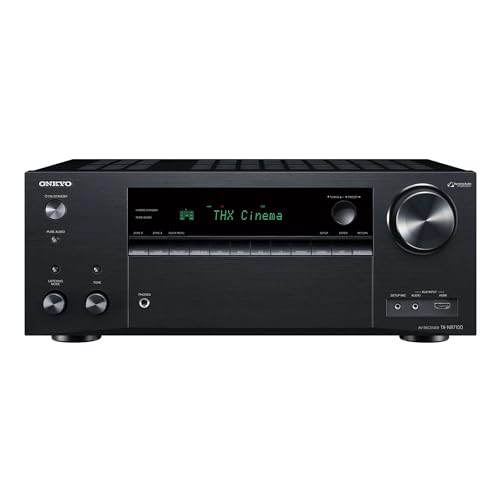
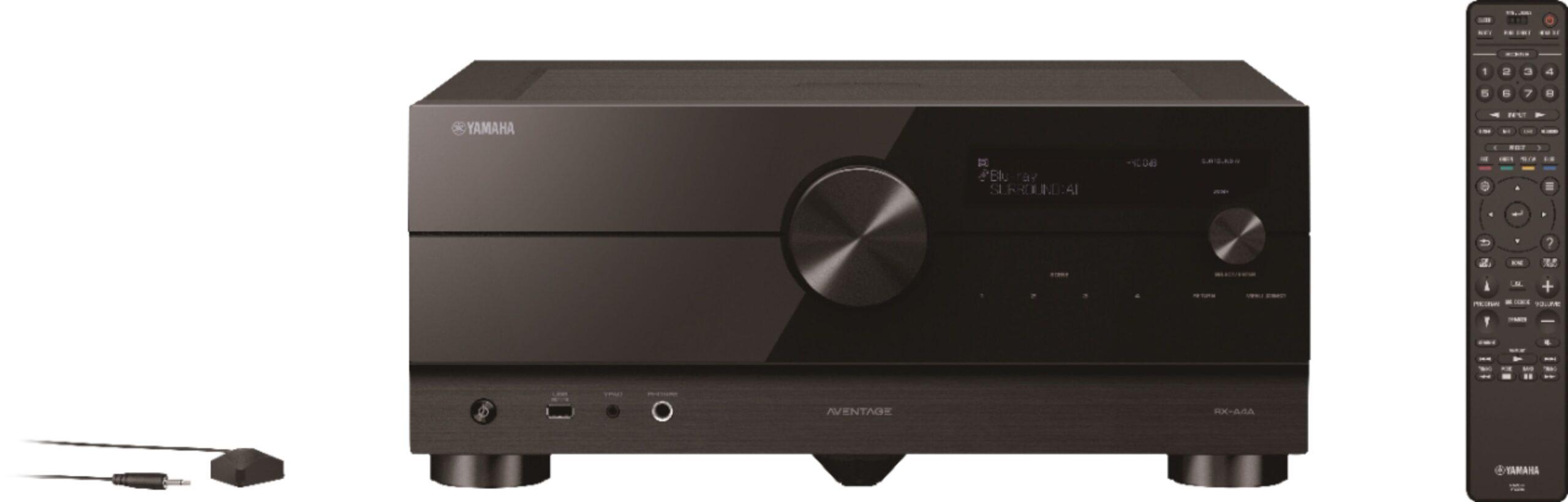
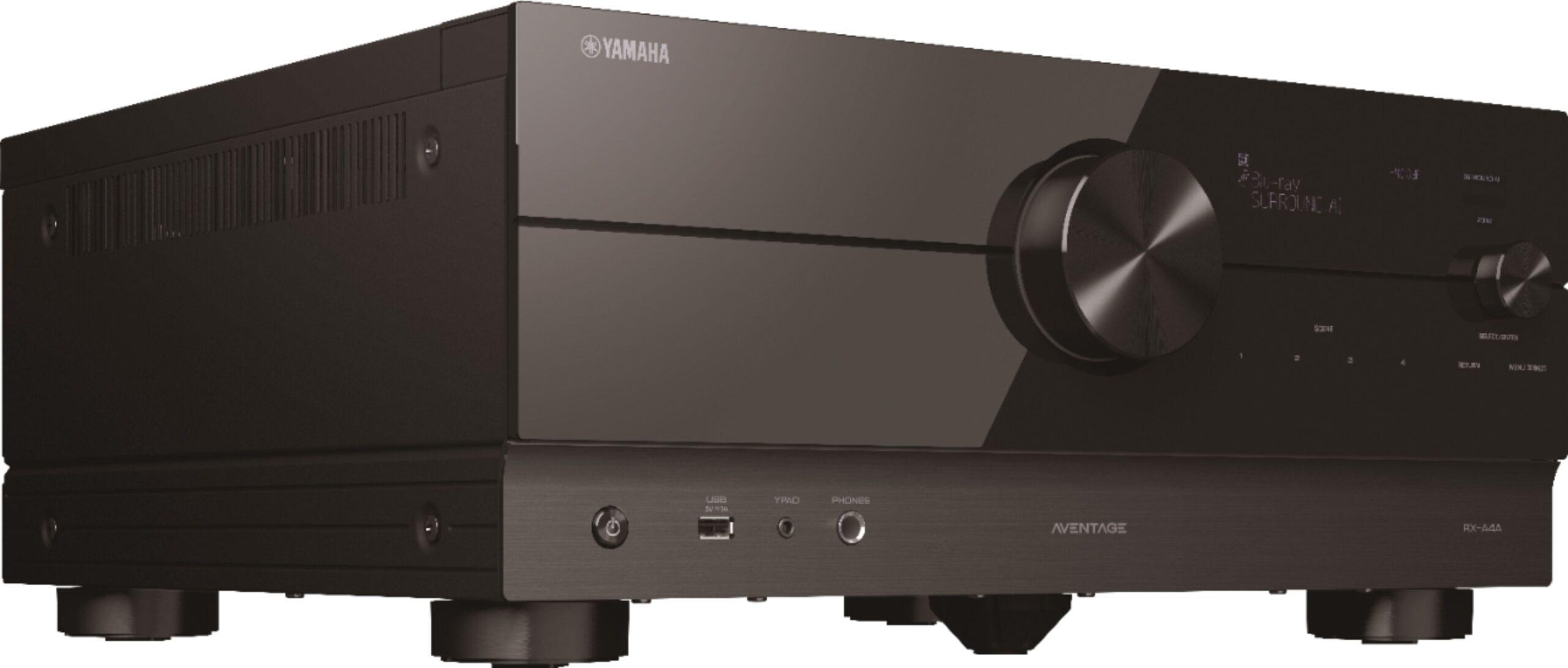
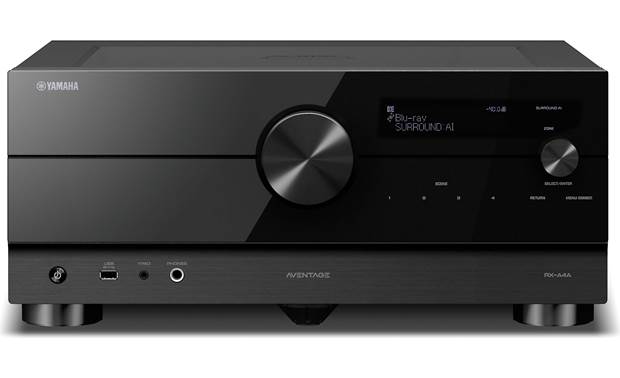
Today we're comparing two receivers that launched in 2021 and represent different philosophies in home theater design: the Onkyo TX-NR7100 and the Yamaha AVENTAGE RX-A4A. Both support modern 8K video and immersive Dolby Atmos audio, but they take distinctly different approaches to get there.
Before diving into specifics, let's establish what really matters in an AV receiver. The most fundamental consideration is channel configuration – essentially, how many speakers the receiver can power simultaneously. This directly impacts what kind of surround sound layouts you can create in your room.
Power output, measured in watts per channel, determines how loud your system can play and how well it can drive demanding speakers. However, raw wattage numbers can be misleading since manufacturers measure them under different conditions. What's more important is understanding how much clean, undistorted power the receiver can deliver to your specific speakers.
Audio processing capabilities determine which surround sound formats your receiver can decode. Modern formats like Dolby Atmos and DTS:X create "object-based" surround sound, where sounds can be precisely positioned anywhere in a 3D space around you, including overhead. This creates a much more immersive experience than traditional channel-based surround sound.
Room correction systems automatically adjust your system's sound to compensate for your room's acoustic properties. Every room has unique characteristics – hard surfaces that create reflections, furniture that absorbs sound, and room dimensions that emphasize or cancel certain frequencies. Good room correction can transform a mediocre-sounding system into something truly spectacular.
Video capabilities have become increasingly important as 4K and 8K displays become mainstream. Your receiver needs to handle not just resolution, but also high dynamic range (HDR) formats that provide better contrast and color, plus gaming-specific features like variable refresh rate (VRR) that eliminate screen tearing.
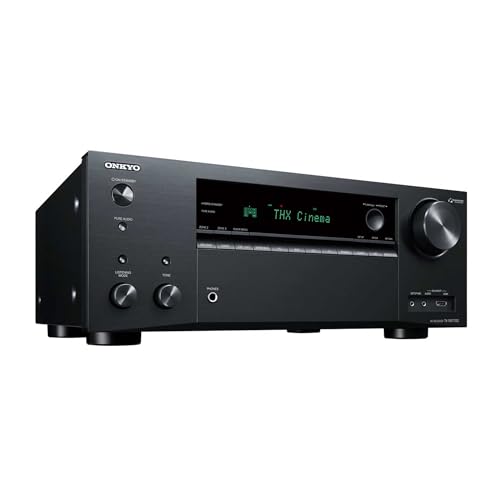
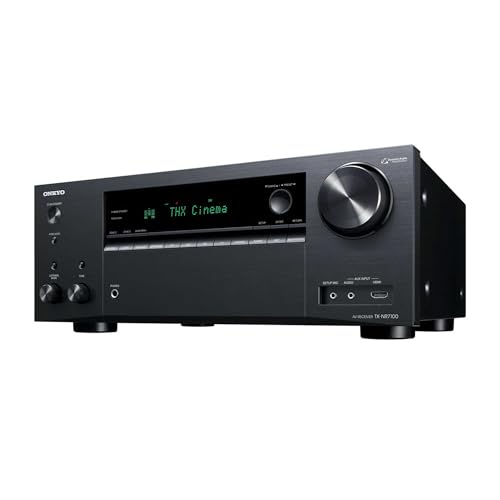
The Onkyo TX-NR7100 represents the "maximum flexibility" approach. With 9 amplifier channels in a 9.2 configuration, it can power complex speaker layouts without requiring additional amplification. At 100 watts per channel (measured at 8 ohms, 20Hz-20kHz with 2 channels driven), it provides solid power while focusing on channel count and advanced features.
The Yamaha AVENTAGE RX-A4A takes the "refined power" approach. Its 7 channels deliver 110 watts each under the same measurement conditions, providing 10% more power per channel. Yamaha has focused on delivering exceptional audio quality and reliability rather than maximizing channel count.
These design philosophies create different strengths that appeal to different types of users and room setups.
The channel count difference between these receivers fundamentally changes what you can do with them. The Onkyo TX-NR7100's 9 channels enable ambitious Dolby Atmos configurations like 5.1.4 (five main channels, one subwoofer, four height speakers) or 7.1.2 (seven main channels, one subwoofer, two height speakers) without needing external amplification.
This flexibility becomes crucial in larger rooms where you want maximum immersion. Height speakers in Atmos systems create the illusion that helicopters are flying directly overhead or that rain is falling from the ceiling. With more height speakers, these effects become more convincing and enveloping.
The Yamaha RX-A4A's 7 channels limit you to configurations like 5.1.2 for Atmos or traditional 7.1 surround. While this covers most home theater needs, expanding to more complex layouts requires external amplification, adding cost and complexity.
However, there's a compelling argument for the Yamaha's approach. Those 7 channels receive more power each, which can translate to better dynamics and more authoritative sound, especially with demanding speakers. In smaller to medium-sized rooms, having fewer but more powerful channels often produces better results than spreading power across more channels.
The 110-watt versus 100-watt difference might seem minor, but it's part of a broader story about how these receivers handle power. The Yamaha RX-A4A uses what Yamaha calls "High Slew Rate Amplification," which focuses on delivering power quickly and cleanly when music demands it. This contributes to the Yamaha's reputation for excellent dynamics – the ability to reproduce the sudden, powerful sounds that make action scenes exciting.
The Onkyo TX-NR7100 employs Dynamic Audio Amplification with a high-current power supply design. This architecture prioritizes instantaneous power delivery for complex, multi-channel content. In practice, this means the Onkyo excels when all 9 channels are working hard during intense movie scenes.
Our research into user experiences reveals an interesting pattern: the Yamaha tends to sound more effortless and composed, while the Onkyo delivers more visceral impact when everything is working correctly. However, some users report thermal protection issues with the Onkyo TX-NR7100 during demanding use, despite its aluminum heatsink and cooling fan. The Yamaha RX-A4A, conversely, rarely triggers protection modes even without active cooling.
This is where the Onkyo TX-NR7100 pulls significantly ahead. It includes Dirac Live room correction, which many consider the gold standard for acoustic calibration. Dirac Live analyzes your room using multiple measurement positions and creates precise corrections for frequency response, timing, and phase issues.
The difference is substantial. Where basic room correction systems make broad adjustments, Dirac Live can address specific problems like a bass null at your listening position or harsh reflections from a nearby wall. Users consistently report that Dirac Live transforms their systems, often describing the improvement as "night and day."
The Yamaha RX-A4A uses YPAO (Yamaha Parametric Acoustic Optimizer) with R.S.C. (Reflected Sound Control). While competent, YPAO doesn't match Dirac Live's sophistication. It provides good basic correction but lacks the precision tuning capabilities that audio enthusiasts crave.
For many users, this difference alone justifies choosing the Onkyo. Room acoustics affect sound quality more than most other factors, and having superior correction can make a modest speaker system sound better than expensive speakers in an uncorrected room.
Through our analysis of user feedback and professional reviews, clear sonic personalities emerge. The Onkyo TX-NR7100 delivers what many describe as "neutral and cinema-focused" sound. It doesn't impose its own character on the audio, instead focusing on accurate reproduction of what's in the source material. This approach works particularly well for movies, where you want to hear exactly what the sound engineers intended.
The Yamaha AVENTAGE RX-A4A exhibits Yamaha's traditional sonic signature: clean, natural, and slightly warm. This character works exceptionally well for music reproduction. Many users who upgraded from other brands specifically mention how much better their music collections sound through the Yamaha.
Neither approach is objectively better – it depends on your priorities. If you primarily watch movies and want the most accurate reproduction possible, the Onkyo's neutral approach serves you well. If you're equally passionate about music and movies, the Yamaha's more musical character might be more satisfying long-term.
Both receivers launched in 2021 with full HDMI 2.1 support, which was crucial timing. The new gaming consoles from Sony and Microsoft, plus the latest graphics cards, all benefit from HDMI 2.1's increased bandwidth and gaming-specific features.
The Onkyo TX-NR7100 offers more ambitious video processing, upscaling content from 1080p all the way to 8K resolution. It can also upscale 4K content to 8K, which could be useful as 8K displays become more common. The receiver supports HDR10+, Dolby Vision, and HLG (Hybrid Log-Gamma) for broadcast HDR content.
The Yamaha RX-A4A focuses on excellent 4K processing, upscaling to 4K 60p with 4:4:4 chroma sampling. This technical specification ensures text and graphics remain sharp when upscaling from lower resolutions. While it doesn't offer 8K upscaling, the quality of its 4K processing is exceptional.
For gamers, both receivers support the holy trinity of HDMI 2.1 gaming features: Variable Refresh Rate (VRR) eliminates screen tearing, Auto Low Latency Mode (ALLM) reduces input lag, and Quick Frame Transport (QFT) minimizes latency further.
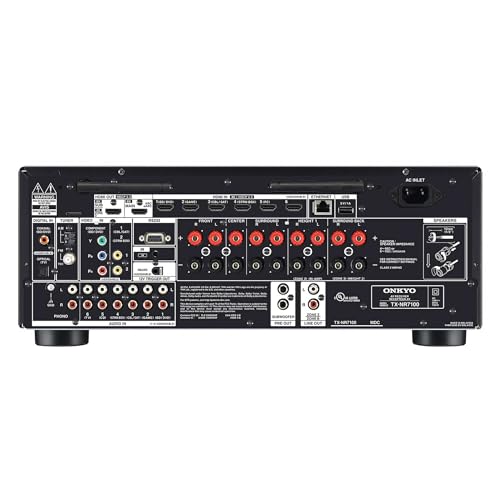
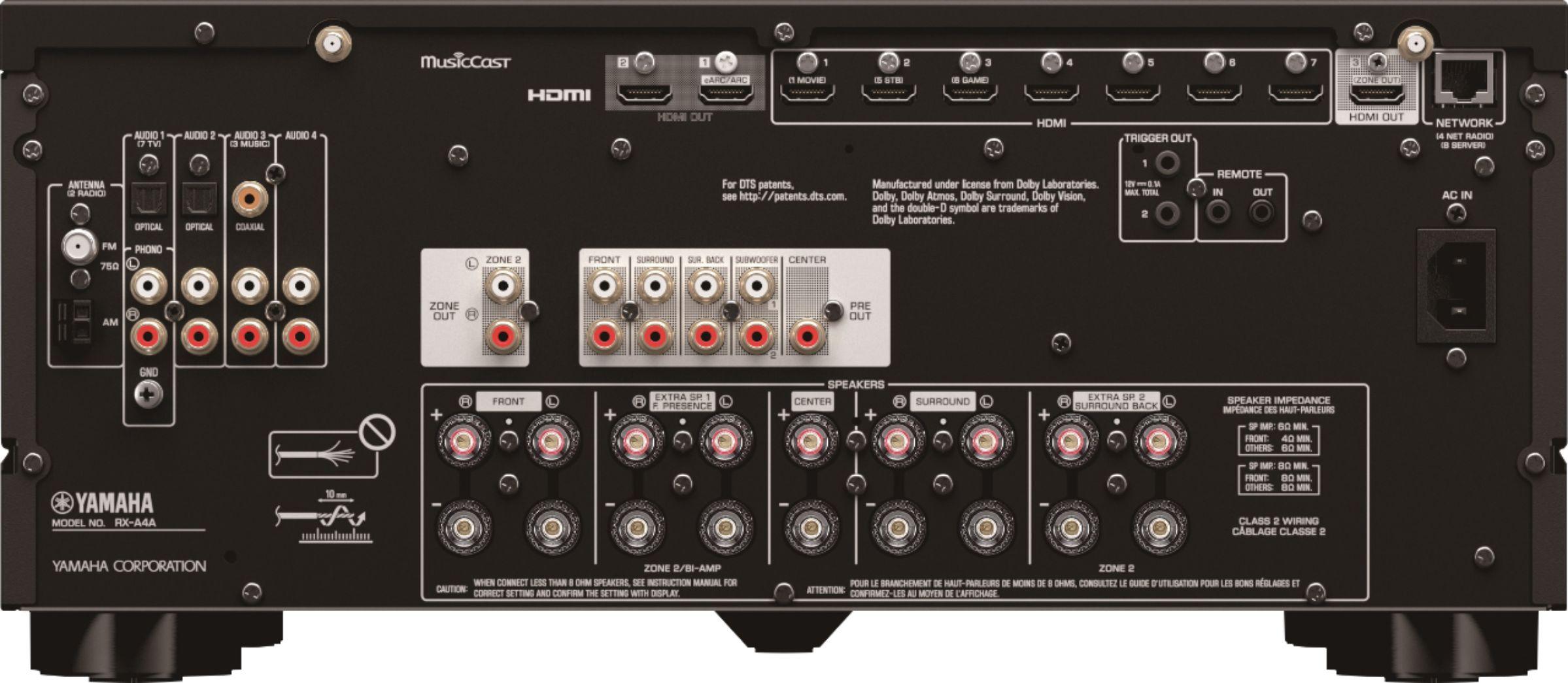
The HDMI input layout differs strategically. The Onkyo TX-NR7100 provides 7 HDMI inputs and 2 outputs, with the second output dedicated to Zone 2 operation. This setup works well for multi-zone systems where you want to send different content to another room.
The Yamaha RX-A4A offers 7 HDMI inputs but 3 outputs, providing more flexibility for multiple displays in the main theater room. This configuration better serves users with projector and TV combinations or multiple gaming setups.
Both receivers embrace modern streaming, but with different ecosystems. The Onkyo TX-NR7100 supports Chromecast built-in, DTS Play-Fi, Apple AirPlay 2, and maintains compatibility with Sonos systems. Its Bluetooth implementation includes aptX and aptX HD codecs, providing higher-quality wireless audio than standard Bluetooth.
The Yamaha RX-A4A integrates into Yamaha's MusicCast ecosystem, which excels at multi-room audio coordination. MusicCast allows seamless music streaming across multiple Yamaha devices throughout your home. It also supports AirPlay 2 and voice control through Alexa, Google Assistant, and Siri.
The Onkyo TX-NR7100's additional channels enable more sophisticated multi-zone setups. It can power Zone 2 and Zone 3 speakers directly while maintaining full surround sound in the main room. The Zone 2 HDMI output allows completely independent video content in a second room.
The Yamaha RX-A4A supports Zone 2 operation but may require external amplification for powered speakers in the second zone while running complex surround sound in the main room.
At the time of writing, these receivers typically price within 10-15% of each other, with the Onkyo TX-NR7100 commanding a slight premium for its additional channels and advanced room correction.
The value equation depends heavily on your specific needs. The Onkyo's extra channels and Dirac Live room correction could easily save you $1000+ compared to buying external amplification and room correction software separately. For users who need these features, the Onkyo represents exceptional value.
However, the Yamaha RX-A4A's higher per-channel power output and proven reliability create their own value proposition. Users who don't need 9+ channels often find the Yamaha provides better long-term satisfaction through consistent, trouble-free operation.
This brings us to a crucial consideration: thermal management. Despite the Onkyo TX-NR7100's aluminum heatsink and cooling fan, some users report occasional thermal protection mode activation during demanding use. While this protects the receiver from damage, it can interrupt your viewing experience.
The Yamaha RX-A4A has earned a reputation for stable operation. Its conservative thermal design means it rarely needs to throttle performance, even during extended high-volume use. For users who push their systems hard regularly, this reliability advantage becomes significant.
You're building an ambitious home theater with 9+ speakers and want maximum flexibility without external amplification. The Dirac Live room correction alone makes this receiver worthwhile for audio enthusiasts who want to optimize their system's performance. It's ideal for larger rooms where complex Atmos layouts create truly immersive experiences.
The Onkyo also suits users who need advanced multi-zone capabilities, particularly those wanting independent video content in multiple rooms. If you're technically inclined and enjoy fine-tuning your system's performance, the comprehensive adjustment options and superior room correction provide endless optimization opportunities.
You prioritize reliable, consistent performance over maximum channel count. The higher per-channel power output and stable thermal design make this receiver ideal for users who want to "set it and forget it." It's particularly well-suited for music lovers who want exceptional audio quality without complexity.
The Yamaha works best in small to medium-sized rooms where 7 channels provide sufficient coverage. If you value proven reliability and prefer simpler setup processes, the Yamaha's approach will likely provide greater long-term satisfaction.
Both receivers represent excellent approaches to modern home theater, but they serve different user needs. The Onkyo TX-NR7100 maximizes flexibility and features, making it ideal for enthusiasts who want to create complex, optimized systems. The Yamaha AVENTAGE RX-A4A focuses on refined performance and reliability, serving users who want exceptional quality without complexity.
Your choice should align with your room size, speaker ambitions, and tolerance for technical optimization. Neither receiver will disappoint, but understanding these fundamental differences ensures you choose the one that best matches your home theater goals and preferences.
In our evaluation, the decision often comes down to a simple question: Do you need more than 7 channels of amplification? If yes, and you're willing to work with Dirac Live's advanced room correction, the Onkyo provides unmatched value and flexibility. If 7 channels suffice and you prioritize reliable, effortless performance, the Yamaha delivers refined quality that will satisfy for years to come.
| Onkyo TX-NR7100 | Yamaha AVENTAGE RX-A4A |
|---|---|
| Channel Configuration - Determines maximum speaker layout flexibility | |
| 9.2 channels (enables 5.1.4 or 7.1.2 Atmos without external amps) | 7.2 channels (limited to 5.1.2 Atmos or requires external amplification) |
| Power Output - Affects volume capability and speaker compatibility | |
| 100W per channel (8Ω, 2ch driven) | 110W per channel (8Ω, 2ch driven) - 10% more power |
| Room Correction - Critical for optimizing sound in your specific room | |
| Dirac Live (industry-leading precision correction) | YPAO R.S.C. (good basic correction, less sophisticated) |
| HDMI Connectivity - Determines source and display flexibility | |
| 7 inputs, 2 outputs (better for multi-zone video) | 7 inputs, 3 outputs (more display flexibility in main room) |
| Video Processing - Future-proofs your investment | |
| 8K upscaling from 4K and 1080p sources | 4K upscaling to 60p 4:4:4 (excellent quality, no 8K) |
| Multi-Zone Capability - Enables whole-home audio/video | |
| 3 zones with Zone 2 HDMI output (independent video content) | 2 zones (simpler but sufficient for most users) |
| Thermal Management - Affects long-term reliability | |
| Aluminum heatsink + fan (some users report protection mode issues) | Conservative design (rare overheating, proven reliability) |
| Bluetooth Audio Quality - Impacts wireless listening experience | |
| aptX and aptX HD support (superior wireless audio quality) | Standard Bluetooth codecs (adequate for most users) |
| Sound Character - Influences musical and movie enjoyment | |
| Neutral, cinema-focused (accurate reproduction) | Clean, natural, slightly warm (musical and engaging) |
| Setup Complexity - Determines ease of installation | |
| Advanced with extensive calibration options (enthusiast-friendly) | Streamlined setup with intelligent features (user-friendly) |
The Onkyo TX-NR7100 offers 9.2 channels compared to the Yamaha AVENTAGE RX-A4A's 7.2 channels. This means the Onkyo can power two additional speakers, enabling more complex Dolby Atmos configurations like 5.1.4 or 7.1.2 without requiring external amplification.
The Yamaha AVENTAGE RX-A4A delivers 110 watts per channel compared to the Onkyo TX-NR7100's 100 watts per channel. While the difference is modest, the Yamaha provides 10% more power to each connected speaker, which can result in better dynamics and volume capability.
The Onkyo TX-NR7100 features Dirac Live room correction, considered industry-leading for precision acoustic calibration. The Yamaha RX-A4A uses YPAO R.S.C., which provides good basic correction but isn't as sophisticated as Dirac Live for fine-tuning room acoustics.
The Onkyo TX-NR7100 is better for large Atmos installations due to its 9 amplifier channels. This allows configurations with four height speakers (5.1.4) or seven main channels plus two height speakers (7.1.2) without external amplification. The Yamaha RX-A4A is limited to smaller Atmos configurations.
Both the Onkyo TX-NR7100 and Yamaha AVENTAGE RX-A4A support 8K/60Hz pass-through via HDMI 2.1. However, the Onkyo also offers 8K upscaling from 4K and 1080p sources, while the Yamaha focuses on excellent 4K processing without 8K upscaling.
The Yamaha AVENTAGE RX-A4A has a stronger reputation for reliability. Some users report thermal protection issues with the Onkyo TX-NR7100 during demanding use, despite its cooling fan. The Yamaha's conservative thermal design rarely triggers protection modes.
Both the Onkyo TX-NR7100 and Yamaha RX-A4A feature 7 HDMI 2.1 inputs. The difference lies in outputs: the Onkyo has 2 HDMI outputs (better for multi-zone video), while the Yamaha has 3 outputs (more flexibility for multiple displays in the main room).
The Yamaha AVENTAGE RX-A4A typically excels for music with its clean, natural sound signature that many describe as more musical. The Onkyo TX-NR7100 offers neutral, cinema-focused reproduction that's excellent for movies but may be less engaging for music-only listening.
Yes, both the Onkyo TX-NR7100 and Yamaha RX-A4A support HDMI 2.1 gaming features including Variable Refresh Rate (VRR), Auto Low Latency Mode (ALLM), and Quick Frame Transport (QFT). Both can handle 4K/120Hz gaming from next-gen consoles.
The Onkyo TX-NR7100 provides more comprehensive multi-room capabilities with 3 zones and Zone 2 HDMI output for independent video content. The Yamaha RX-A4A supports 2 zones and integrates well with Yamaha's MusicCast ecosystem for whole-home audio.
Both receivers support standard streaming services and AirPlay 2. The Onkyo TX-NR7100 offers superior Bluetooth with aptX and aptX HD codecs for higher-quality wireless audio. The Yamaha RX-A4A focuses on MusicCast integration and voice control compatibility.
Choose the Onkyo TX-NR7100 if you want maximum channel flexibility, advanced room correction, and don't mind occasional thermal management quirks. Choose the Yamaha AVENTAGE RX-A4A if you prioritize reliability, higher per-channel power, and prefer simpler setup with proven performance.
We've done our best to create useful and informative comparisons to help you decide what product to buy. Our research uses advanced automated methods to create this comparison and perfection is not possible - please contact us for corrections or questions. These are the sites we've researched in the creation of this article: crutchfield.com - prohifi.in - bestbuy.com - h-m-entertainment.com - audiosciencereview.com - crutchfield.ca - soundandvision.com - avsforum.com - avgadgets.com - youtube.com - onkyo.com - crutchfield.com - onkyo.com - accessories4less.com - klipsch.com - youtube.com - listenup.com - intl.onkyo-av.com - bestbuy.com - 420spotshop.com - support.onkyousa.com - bestbuy.com - hifiheaven.net - forums.audioholics.com - avsforum.com - crutchfield.com - crutchfield.com - usa.yamaha.com - ooberpad.com - bestbuy.com - usa.yamaha.com - audioadvice.com - avnirvana.com

Privacy Policy
Terms and Conditions - Affiliate Policy
Home Security
© Copyright 2008-2026.
11816 Inwood Rd #1211, Dallas, TX 75244