


When you're building a home theater system, the AV receiver is arguably the most important component you'll choose. It's the brain that processes all your audio and video signals, amplifies sound to your speakers, and connects everything from your gaming console to your streaming devices. Getting this choice wrong means compromising your entire entertainment experience for years to come.
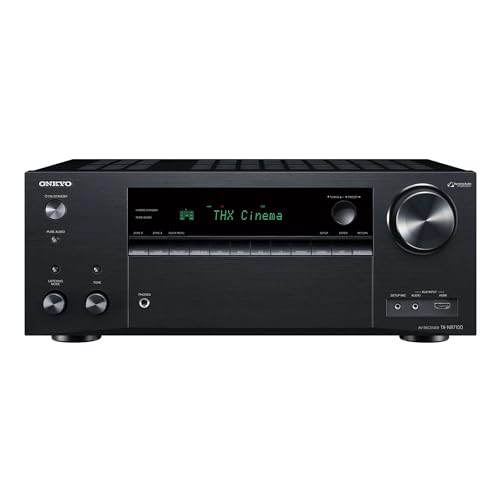
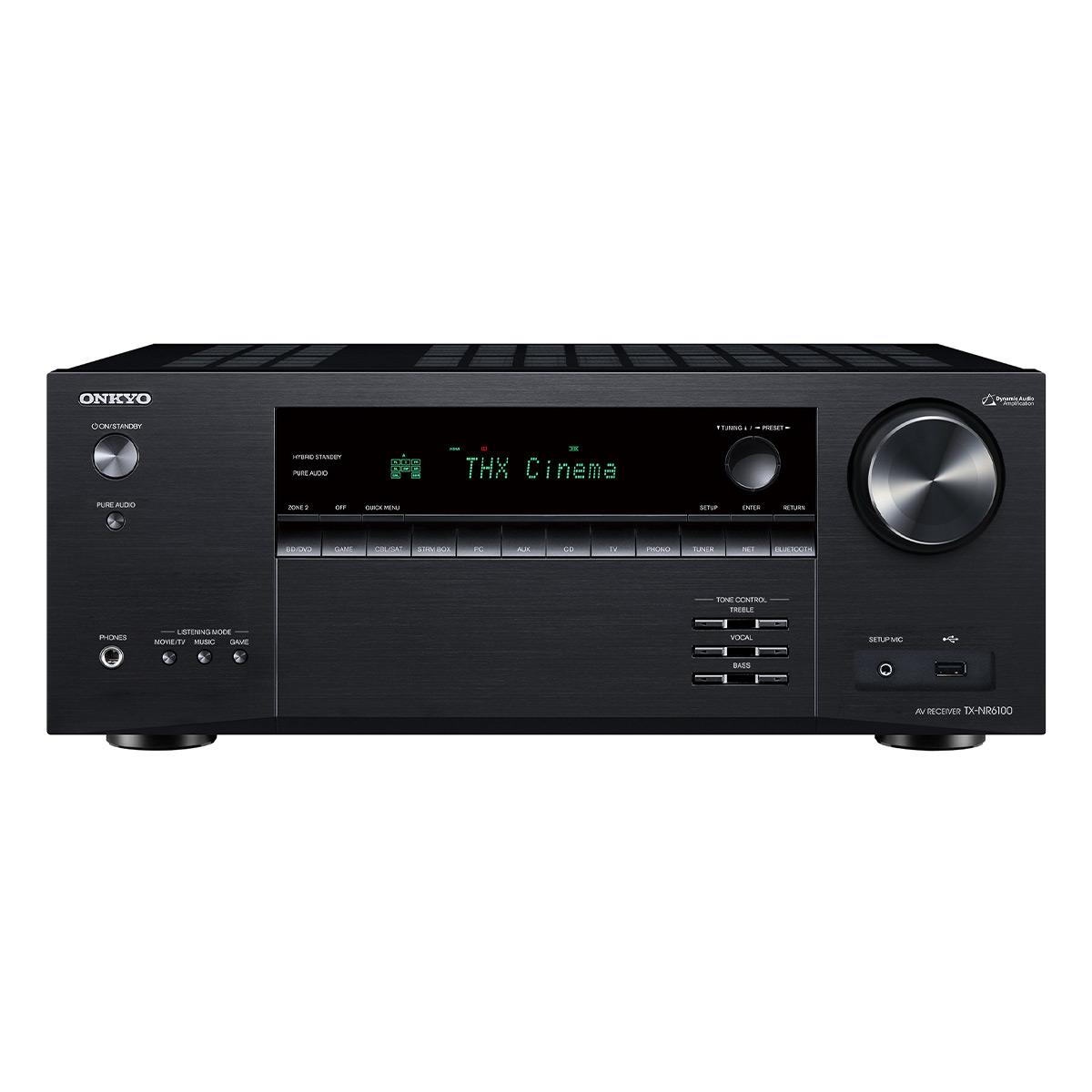
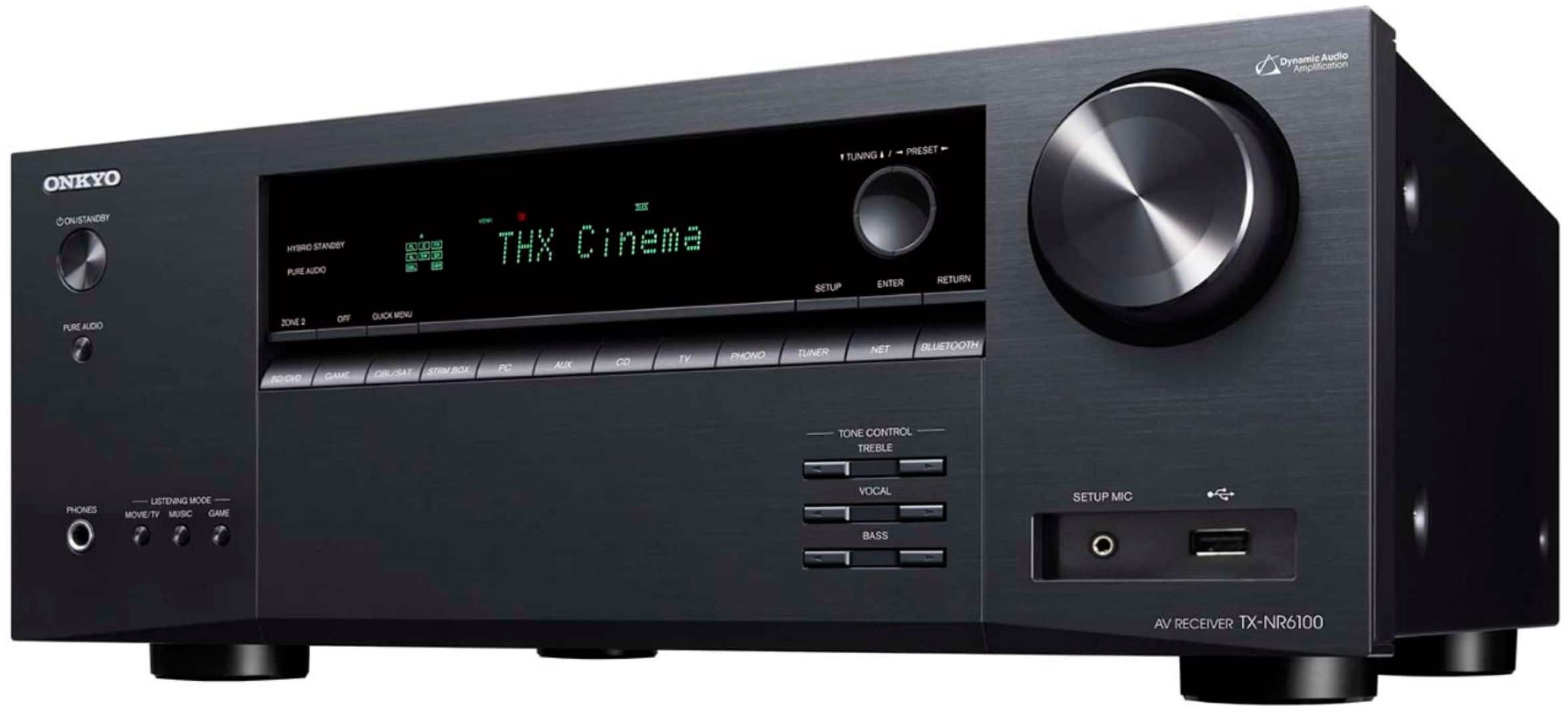
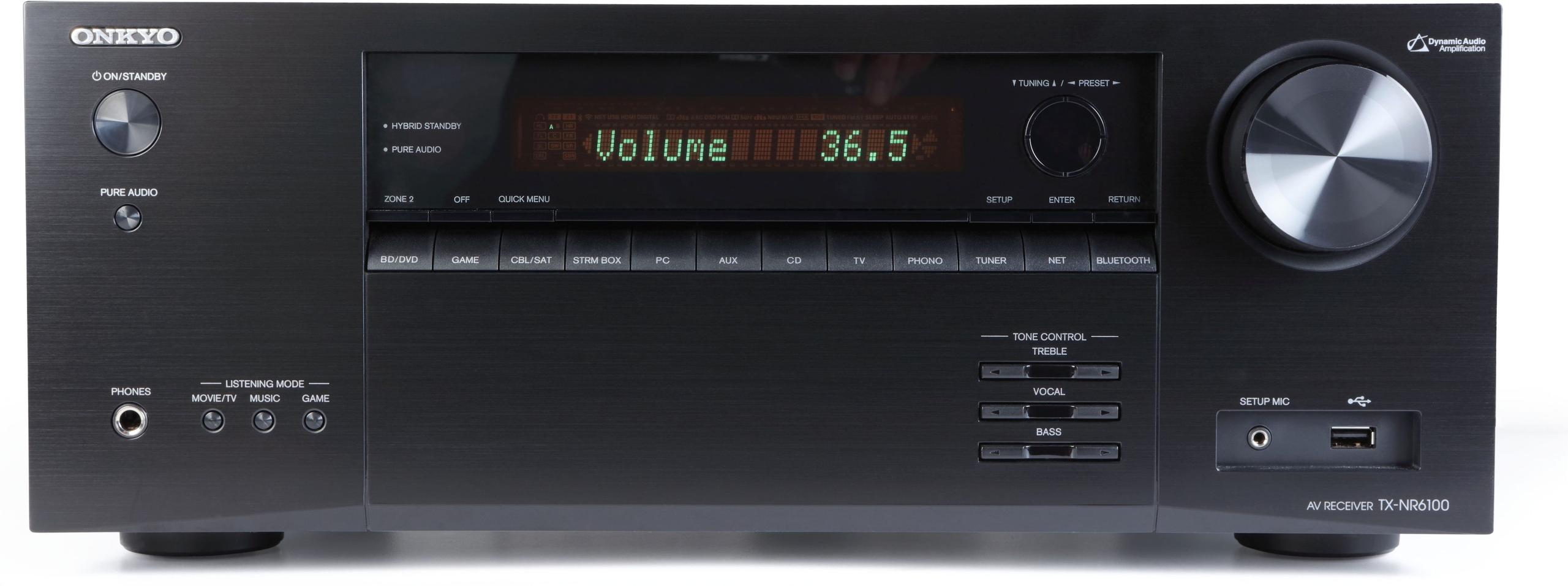
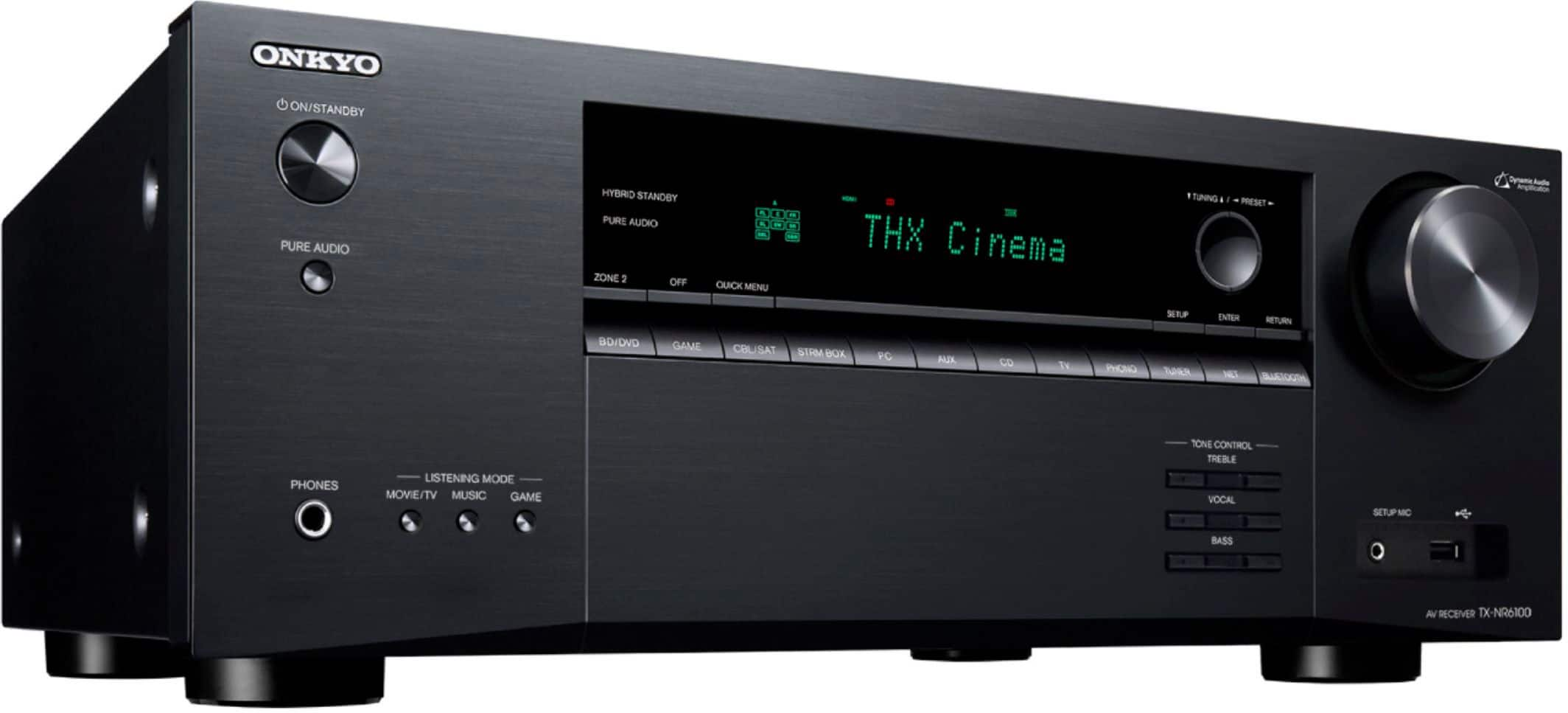
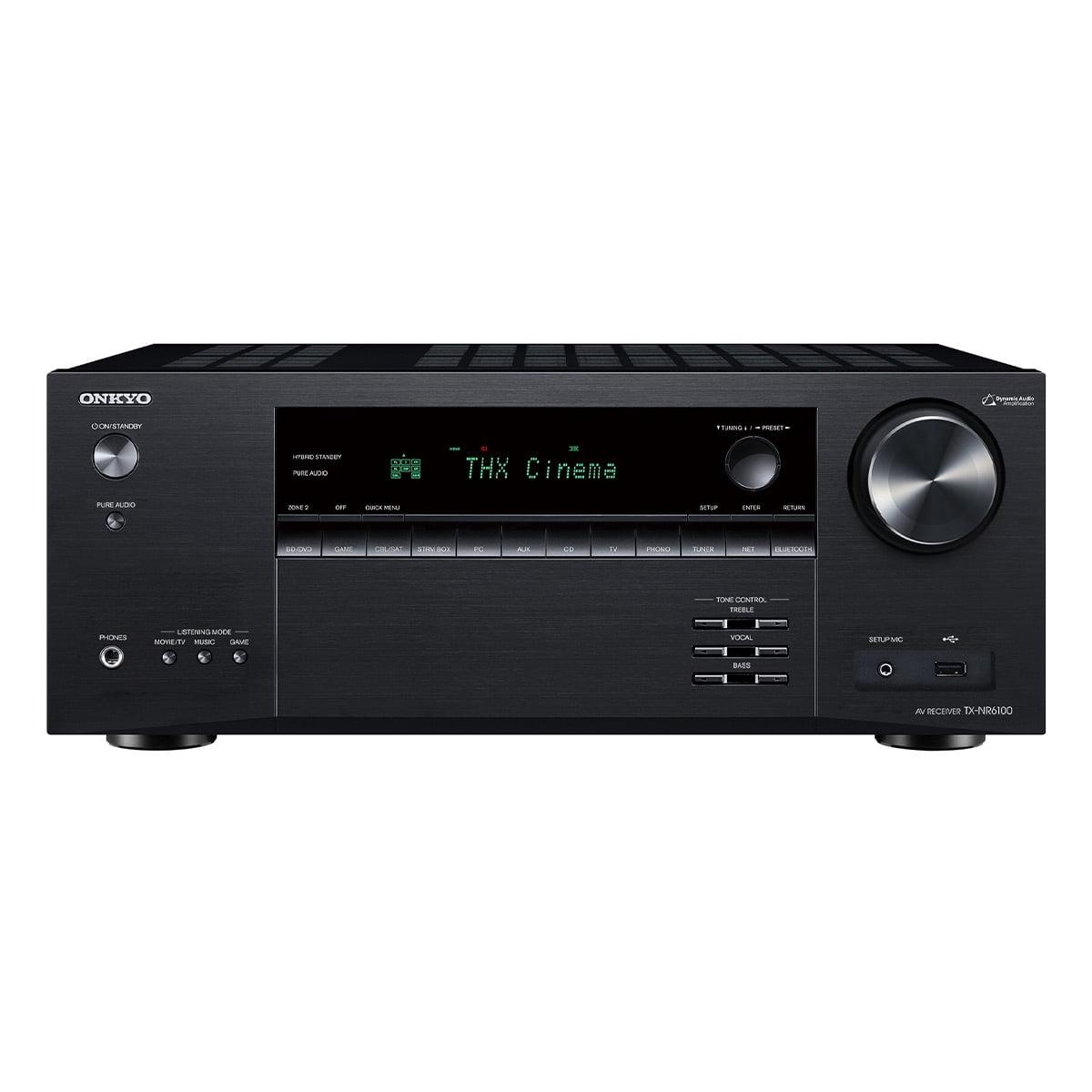
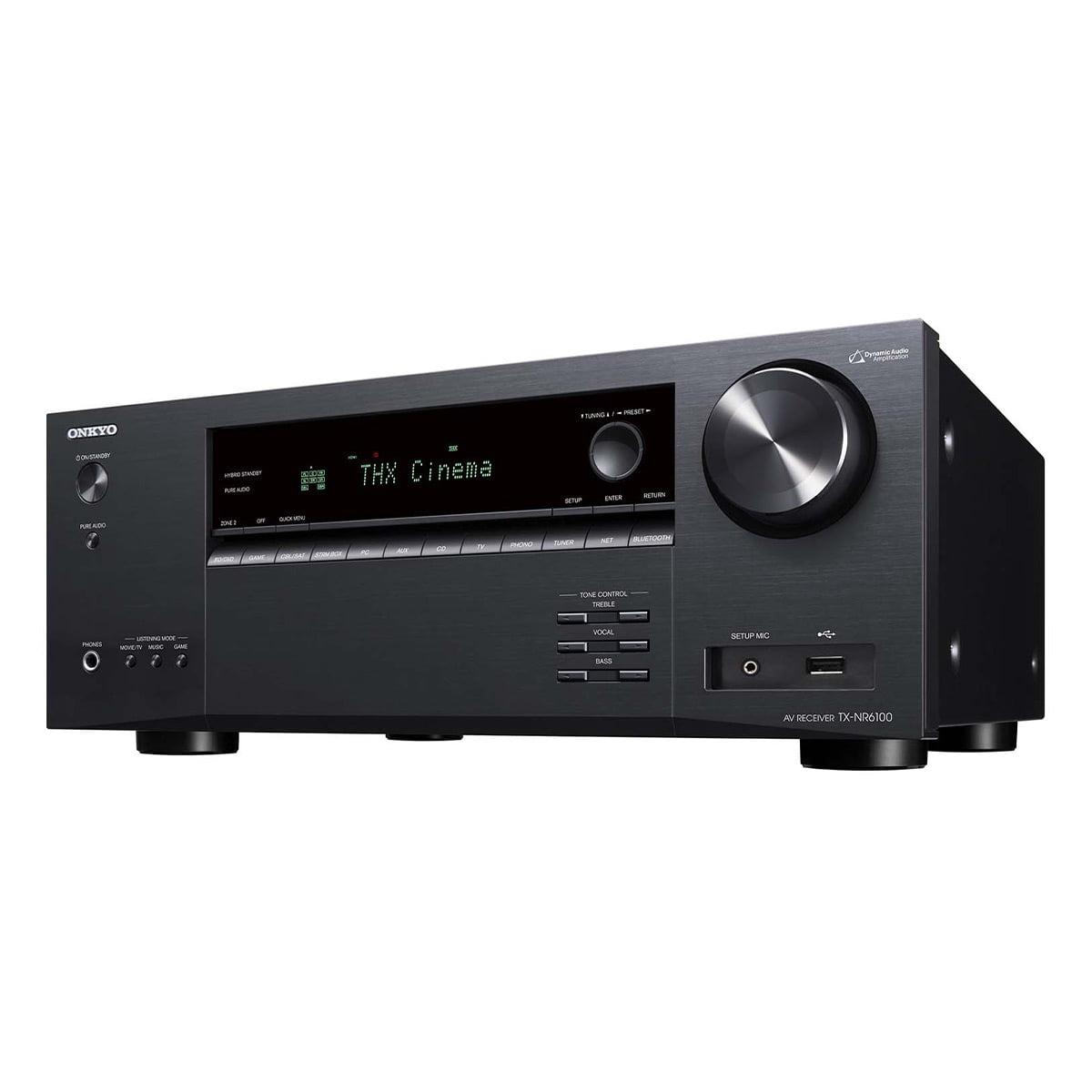
Today we're comparing two popular Onkyo receivers that often compete for the same buyers: the TX-NR7100 and the TX-NR6100. Both are THX Certified, both deliver solid performance, but they take different approaches to home theater audio. Understanding these differences will help you make the right choice for your specific needs and budget.
Before diving into specifics, let's establish what makes an AV receiver tick. The channel count (like 7.2 or 9.2) tells you how many speakers the receiver can power. The first number represents full-range speakers (front, center, surround), while the number after the decimal indicates subwoofer outputs. More channels mean more flexibility for advanced surround sound formats like Dolby Atmos, which adds overhead speakers to create a three-dimensional audio experience.
Power output, measured in watts per channel, determines how loud and dynamic your system can get. However, raw wattage isn't everything – the quality of that power, how cleanly it's delivered, and how well the receiver manages different speaker loads matter just as much.
Modern receivers also serve as video switching hubs, routing 4K and 8K signals between your sources and display. HDMI 2.1 support has become crucial for gaming and next-generation content, enabling features like 120Hz refresh rates and variable refresh rate (VRR) technology that eliminates screen tearing.
Room correction technology addresses the biggest challenge in home audio: your listening room. Even expensive speakers sound mediocre in a room with poor acoustics. Advanced room correction systems measure your room's response and automatically adjust the receiver's output to compensate for reflections, standing waves, and other acoustic problems.
The most obvious difference between these receivers is channel count. The TX-NR7100 offers 9.2 channels versus the TX-NR6100's 7.2 configuration. But what does this actually mean for your listening experience?
The TX-NR7100's extra channels enable more sophisticated Dolby Atmos setups. You can configure it as either 7.2.2 (seven main speakers, two subwoofers, two height speakers) or 5.2.4 (five main speakers, two subwoofers, four height speakers). That 5.2.4 configuration is particularly compelling because it allows overhead sound to come from four distinct locations above your seating area, creating a more convincing "sound bubble" effect.
In contrast, the TX-NR6100 maxes out at 5.2.2 Dolby Atmos. This still delivers impressive immersive audio – most people find properly set up 5.2.2 systems quite satisfying. The limitation becomes apparent in larger rooms or when you want the most advanced Atmos experience possible.
Based on our research of user experiences, the difference in immersion between 5.2.2 and 5.2.4 setups is noticeable but not dramatic for most content. Movie soundtracks with aggressive Atmos mixing show the biggest benefit from additional height channels. However, the 5.2.2 configuration covers the vast majority of home theater needs effectively.
The channel advantage also matters for multi-zone audio. The TX-NR7100 can dedicate some of its channels to powering speakers in other rooms, while still maintaining a full surround setup in your main theater. The TX-NR6100 requires more compromises when splitting audio between zones.
Here's where these receivers diverge significantly. The TX-NR7100 includes Dirac Live room correction built-in – a professional-grade system typically found in much more expensive receivers. Dirac Live analyzes your room using up to 13 measurement positions, then creates precise filters to optimize frequency response, timing, and imaging.
The sophistication of Dirac Live is impressive. It doesn't just adjust overall frequency response like basic room correction systems. Instead, it analyzes how sound arrives at your listening position from different directions and times, then applies complex filters to create a more accurate soundstage. Professional reviewers consistently praise how Dirac Live transforms challenging rooms, improving dialogue clarity, bass integration, and overall musical staging.
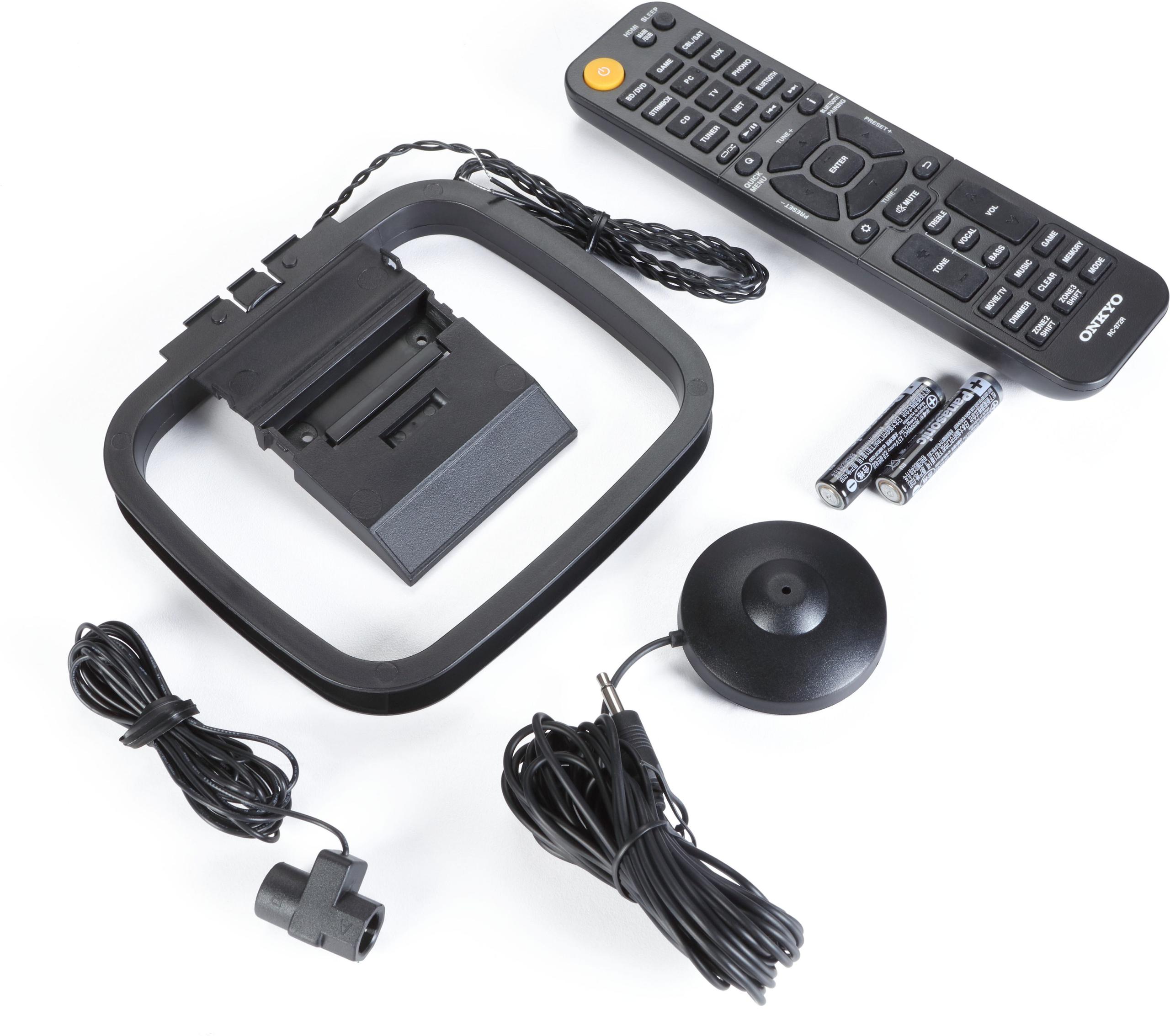
The TX-NR6100 uses Onkyo's AccuEQ Advance with AccuReflex technology. This system is less sophisticated than Dirac Live but offers something valuable: simplicity. Setup involves placing a microphone at your main listening position and letting the receiver automatically calibrate. Most users find AccuEQ produces good results without the complexity of multiple measurement positions.
Interestingly, some users actually prefer AccuEQ's approach. They find Dirac Live's extensive options overwhelming and appreciate AccuEQ's "set it and forget it" philosophy. For rooms with reasonable acoustics, AccuEQ delivers solid performance improvements without requiring acoustic knowledge or patience for extended calibration sessions.
The practical impact varies significantly based on your room. If you're dealing with challenging acoustics – hard surfaces, odd dimensions, or awkward speaker placement – Dirac Live's advanced capabilities become much more valuable. In acoustically friendly rooms, AccuEQ often provides sufficient optimization.
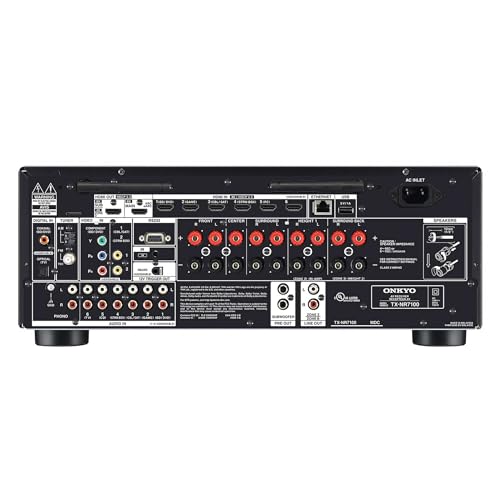
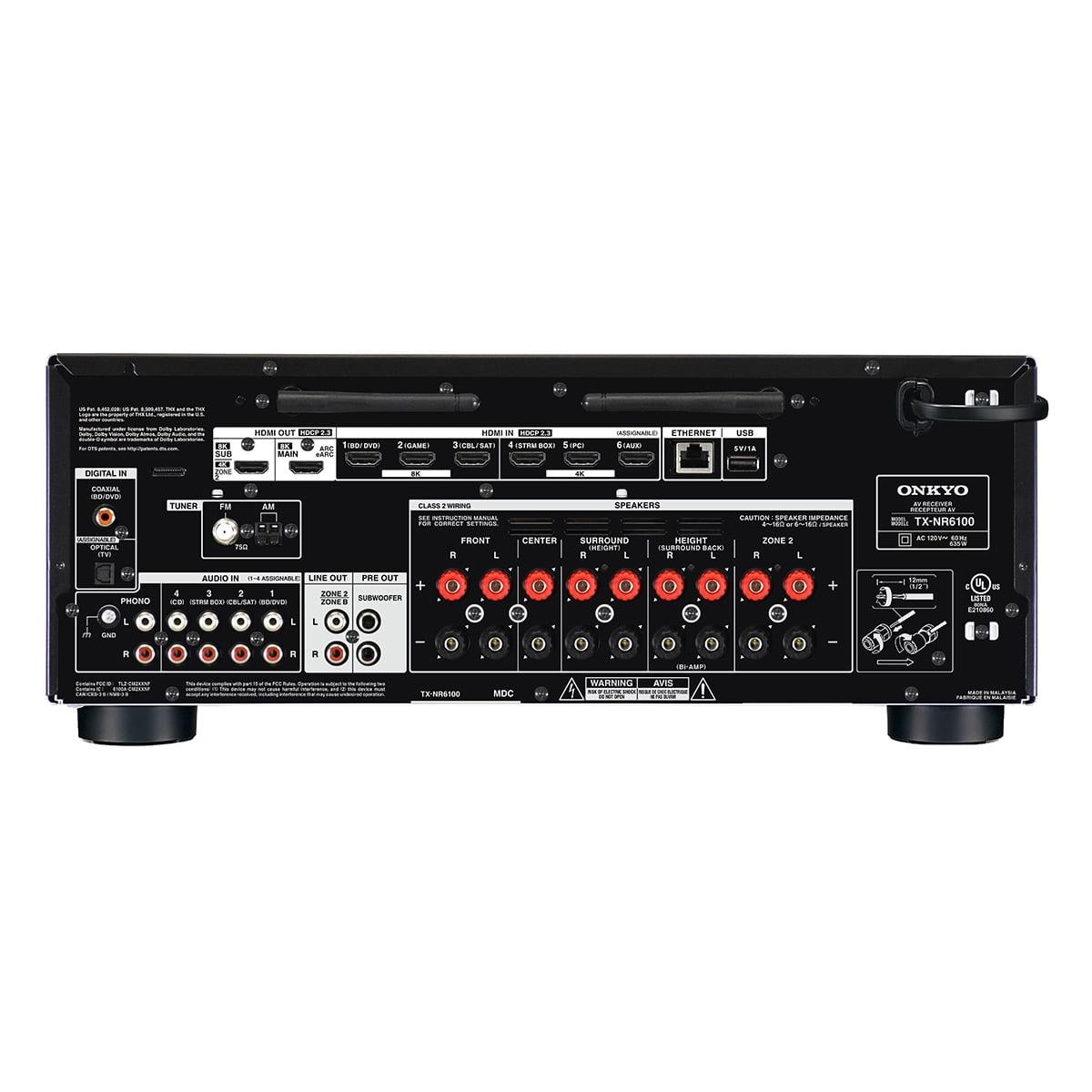
Both receivers support HDMI 2.1, but with different implementations. The TX-NR7100 offers seven HDMI inputs with six supporting full HDMI 2.1 capabilities (40Gbps bandwidth, 8K/60Hz, 4K/120Hz). The front input is limited to HDMI 2.0 specifications, but rear inputs handle the latest gaming consoles and streaming devices without compromise.
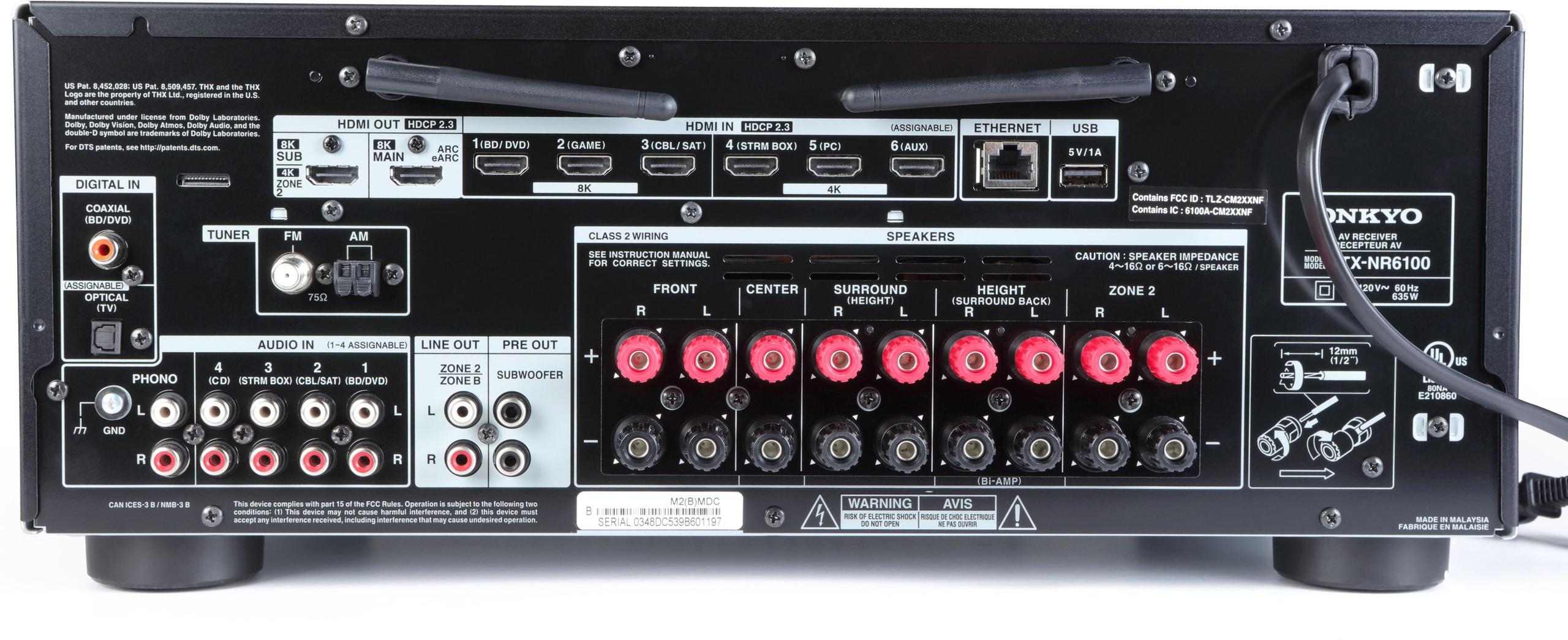
The TX-NR6100 provides six HDMI inputs, with three supporting HDMI 2.1 features. The remaining inputs support 4K/60Hz, which covers most current sources but offers less flexibility for future expansion.
For gaming enthusiasts, both receivers support crucial HDMI 2.1 features: Variable Refresh Rate (VRR) eliminates screen tearing, Auto Low Latency Mode (ALLM) automatically switches to game mode for minimal lag, and Quick Frame Transport (QFT) reduces motion blur. These features work with PlayStation 5, Xbox Series X/S, and modern PC graphics cards.
The extra HDMI input on the TX-NR7100 matters more than you might expect. Modern home theaters easily accumulate sources: gaming consoles, streaming devices, cable boxes, disc players, and media servers. Running out of inputs means constantly swapping cables or buying HDMI switchers that introduce potential compatibility issues.
Multi-zone capability lets you play different audio sources in different rooms simultaneously. The TX-NR7100 supports three zones, while the TX-NR6100 handles two zones. Both include Zone 2 HDMI output, enabling independent video and audio feeds to secondary displays.
The three-zone capability of the TX-NR7100 opens interesting possibilities for whole-home audio. You could have a movie playing in your main theater, music streaming to your kitchen, and a different playlist in your bedroom – all controlled from a single receiver. The dedicated zone outputs maintain full surround sound in your main room while powering speakers elsewhere.
The TX-NR6100's two-zone system covers most realistic scenarios. You can maintain your main theater setup while powering a second zone, or switch between full 7.2-channel mode and a 5.2-channel plus Zone 2 configuration using dedicated speaker terminals. This flexibility is particularly useful for smaller homes where you might want background music in adjacent areas during movies.
Both receivers integrate with modern multi-room ecosystems including Sonos, Chromecast, AirPlay 2, and DTS Play-Fi. This means your receiver becomes part of a larger whole-home audio system, controlled through smartphone apps and voice assistants.
Despite their different channel counts, both receivers deliver identical power output: 100 watts per channel into 8-ohm speakers. This specification deserves context – these are honest watts, measured under stringent conditions with low distortion across the full audio spectrum. Many competing receivers inflate their power ratings using more favorable test conditions.
Both receivers employ Onkyo's Dynamic Audio Amplification with discrete output stages and high-current power supplies. This architecture delivers instantaneous power for dynamic passages – think explosions in action movies or sudden orchestral crescendos. The ability to handle these peaks without compression separates quality receivers from budget alternatives.
Vector Linear Shaping Circuitry (VLSC) reconstructs analog signals from digital sources with minimal noise. While this technology appears in both receivers' front channels, the sonic benefits are subtle but measurable. VLSC reduces the digital harshness that can make extended listening sessions fatiguing.
Our research into user experiences reveals both receivers handle demanding speakers effectively. They drive typical 8-ohm bookshelf and tower speakers to satisfying levels, though users with very inefficient speakers (below 86dB sensitivity) might want to consider external amplification for maximum dynamics.
Music reproduction quality appears virtually identical between models. Both deliver neutral, balanced sound with solid midrange clarity and extended highs. Neither receiver imposes a particular sonic signature, allowing your speakers and room acoustics to determine the final sound character.
Released in 2021, both receivers arrived during the streaming revolution. They include built-in Wi-Fi, Bluetooth transmission and reception, and support for major streaming services including Spotify, TIDAL, Deezer, and Amazon Music HD.
The Bluetooth implementation deserves special mention. Both receivers support aptX and aptX HD codecs for higher-quality wireless transmission. More importantly, they can transmit audio to Bluetooth headphones with low latency modes that maintain lip-sync accuracy during movie watching – a feature surprisingly rare in competing receivers.
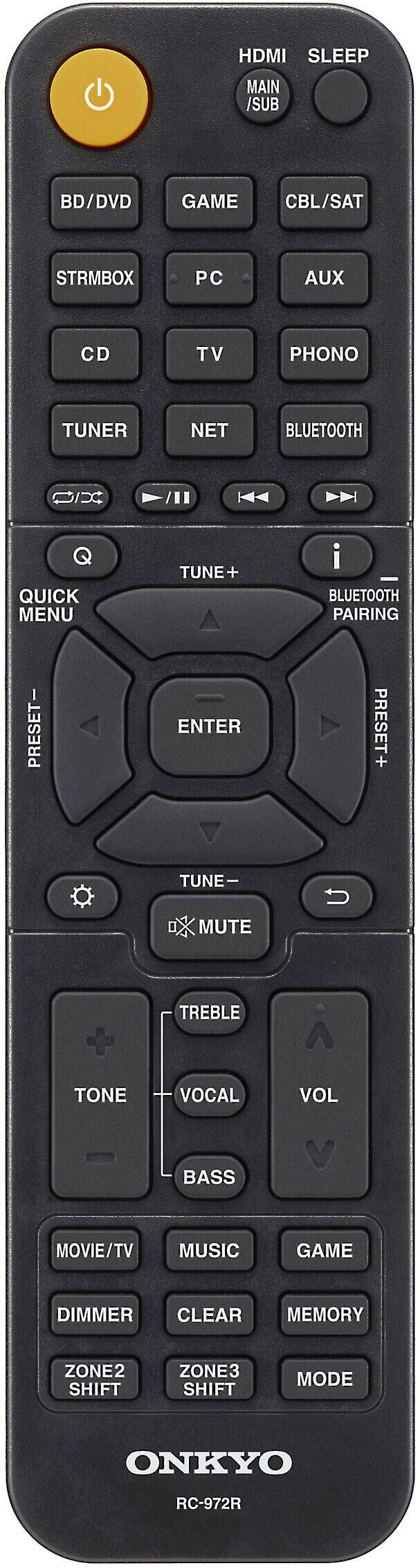
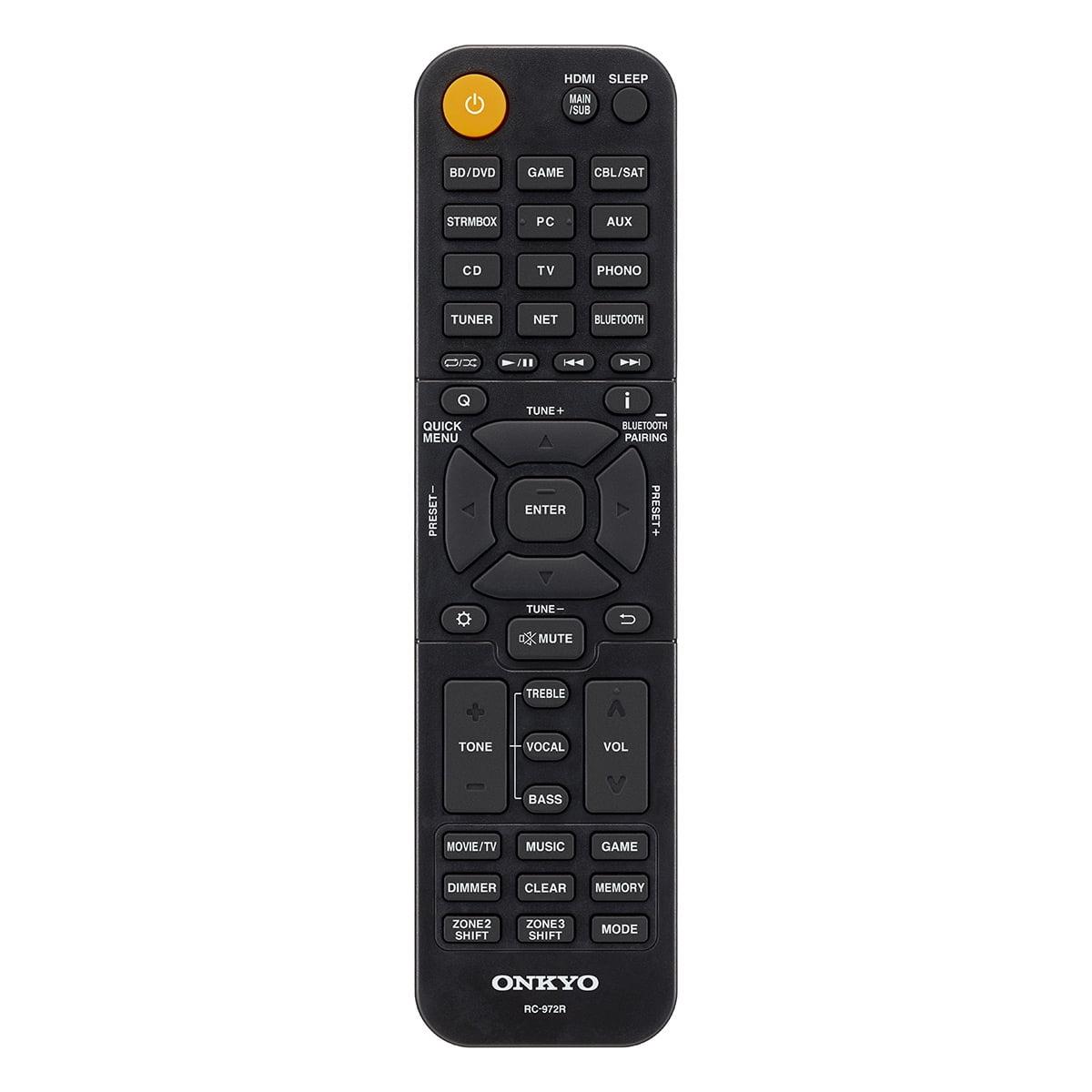
Voice assistant integration works with both Amazon Alexa and Google Assistant, though you'll need separate smart speakers to enable voice control. The Onkyo Control app provides comprehensive system control from smartphones and tablets, including access to streaming services and system settings.
Since their release, streaming quality has continued improving with lossless audio from services like Apple Music and Amazon Music HD. Both receivers handle these high-resolution streams effectively, though the ultimate quality depends more on your speakers and room acoustics than the receiver's streaming capabilities.
At the time of writing, the TX-NR6100 typically costs significantly less than the TX-NR7100 – often $200-300 difference depending on sales and availability. This price gap makes the value equation compelling for most buyers.
The TX-NR6100 delivers roughly 90% of the TX-NR7100's performance at approximately 60% of the cost. Unless you specifically need the advanced features of the higher model, this represents exceptional value in the competitive AV receiver market.
For context, comparable receivers from Denon, Marantz, or Yamaha with similar feature sets often cost more than either Onkyo model. The inclusion of THX certification, HDMI 2.1 support, and quality room correction at these price points is genuinely impressive.
The TX-NR7100 makes sense for specific scenarios. If you're building a dedicated home theater with ceiling-mounted Atmos speakers and want the most immersive experience possible, the 5.2.4 configuration capability justifies the extra cost. The advanced Dirac Live room correction also provides significant value if you're dealing with challenging acoustics or want professional-level optimization.
Multi-zone enthusiasts will appreciate the three-zone capability, especially if you're planning whole-home audio integration. The extra HDMI inputs also matter for users with many sources or plans for future expansion.
The TX-NR6100 covers the vast majority of home theater scenarios effectively. Its 5.2.2 Dolby Atmos capability satisfies most listeners, the AccuEQ room correction handles typical rooms well, and the six HDMI inputs accommodate standard source collections. The significant cost savings can be redirected toward better speakers or acoustic treatments – often providing more audible improvement than receiver upgrades.
For first-time home theater builders, the TX-NR6100's simplicity and value proposition are particularly appealing. You get professional-grade audio processing, modern connectivity, and room optimization without paying for advanced features you might never use.
Choose the TX-NR7100 if you're building a no-compromise home theater, have a challenging room requiring advanced calibration, or need extensive multi-zone capability. The extra channels, professional room correction, and additional connectivity justify the higher cost for demanding applications.
The TX-NR6100 represents better value for most buyers. It delivers excellent performance, handles modern gaming and streaming requirements, and provides effective room optimization at a significantly lower price. The money saved can improve other aspects of your system or simply stay in your wallet.
Both receivers will serve you well for years to come. The question isn't really about audio quality – that's similar between models. Instead, focus on whether you need the TX-NR7100's advanced features enough to justify its higher cost. For most home theater enthusiasts, the answer is probably no, making the TX-NR6100 the smarter choice.
| Onkyo TX-NR7100 | Onkyo TX-NR6100 |
|---|---|
| Channel Configuration - Determines surround sound flexibility and Atmos capabilities | |
| 9.2 channels (supports 7.2.2 or 5.2.4 Dolby Atmos) | 7.2 channels (supports up to 5.2.2 Dolby Atmos) |
| Power Output - Both deliver identical clean power for most speakers | |
| 100W per channel (8 ohms, 20Hz-20kHz, 0.08% THD) | 100W per channel (8 ohms, 20Hz-20kHz, 0.08% THD) |
| Room Calibration - Critical for optimizing sound in your specific room | |
| Dirac Live (professional-grade, up to 13 measurement positions) | AccuEQ Advance with AccuReflex (simpler, effective for most rooms) |
| HDMI Inputs - More inputs mean fewer cable swaps and better future-proofing | |
| 7 inputs (6 HDMI 2.1 rear, 1 HDMI 2.0 front) | 6 inputs (3 HDMI 2.1, 3 HDMI 2.0) |
| HDMI 2.1 Features - Essential for modern gaming and 8K content | |
| 8K/60Hz, 4K/120Hz, VRR, ALLM, QFT on 6 inputs | 8K/60Hz, 4K/120Hz, VRR, ALLM, QFT on 3 inputs |
| Multi-Zone Capability - For playing audio in multiple rooms simultaneously | |
| 3 zones (main + 2 independent zones) | 2 zones (main + 1 independent zone) |
| Zone 2 HDMI Output - Enables independent video/audio to second display | |
| Yes, supports independent content | Yes, supports independent content |
| THX Certification - Ensures cinema-reference audio quality | |
| THX Certified Select | THX Certified Select |
| Streaming Services - Both include comprehensive smart features | |
| Spotify, TIDAL, Amazon Music HD, Chromecast, AirPlay 2, DTS Play-Fi | Spotify, TIDAL, Amazon Music HD, Chromecast, AirPlay 2, DTS Play-Fi |
| Bluetooth Audio Quality - Superior codec support for wireless listening | |
| Bi-directional with aptX/aptX HD (rare feature) | Bi-directional with aptX/aptX HD (rare feature) |
| Best For - Target user scenarios based on feature differences | |
| Advanced home theaters, challenging acoustics, multi-zone setups | Standard home theaters, first-time buyers, value-conscious users |
The primary difference is channel configuration: the Onkyo TX-NR7100 is a 9.2-channel receiver while the Onkyo TX-NR6100 is a 7.2-channel receiver. This means the TX-NR7100 can power more speakers and supports more advanced Dolby Atmos configurations like 5.2.4 or 7.2.2, while the TX-NR6100 maxes out at 5.2.2 Dolby Atmos setups.
The Onkyo TX-NR7100 offers superior Dolby Atmos capabilities with support for up to four height speakers in a 5.2.4 configuration, creating more immersive overhead sound effects. The Onkyo TX-NR6100 supports 5.2.2 Dolby Atmos, which still delivers excellent surround sound but with fewer height channels for overhead effects.
Yes, both the Onkyo TX-NR7100 and Onkyo TX-NR6100 deliver identical power output of 100 watts per channel into 8-ohm speakers with the same low distortion specifications. The power difference lies in the number of channels, not the strength of each individual amplifier.
The Onkyo TX-NR7100 features professional-grade Dirac Live room correction with support for up to 13 measurement positions, offering more sophisticated acoustic optimization. The Onkyo TX-NR6100 uses AccuEQ Advance with AccuReflex technology, which is simpler to use but less advanced than Dirac Live.
The Onkyo TX-NR7100 provides 7 HDMI inputs (6 HDMI 2.1 rear inputs plus 1 HDMI 2.0 front input), while the Onkyo TX-NR6100 offers 6 HDMI inputs (3 HDMI 2.1 and 3 HDMI 2.0). Both support 8K/60Hz and 4K/120Hz video on their HDMI 2.1 inputs.
Yes, both the Onkyo TX-NR7100 and Onkyo TX-NR6100 fully support modern gaming consoles like PlayStation 5 and Xbox Series X/S with HDMI 2.1 features including Variable Refresh Rate (VRR), Auto Low Latency Mode (ALLM), and Quick Frame Transport (QFT) for lag-free gaming.
The Onkyo TX-NR7100 supports 3-zone audio distribution, allowing you to play different sources in three separate rooms simultaneously. The Onkyo TX-NR6100 supports 2-zone audio, which covers most multi-room scenarios but offers less flexibility for whole-home audio systems.
Yes, both the Onkyo TX-NR7100 and Onkyo TX-NR6100 include built-in streaming services like Spotify, TIDAL, Amazon Music HD, and Deezer. They also support Chromecast built-in, AirPlay 2, DTS Play-Fi, and work with voice assistants like Alexa and Google Assistant.
The Onkyo TX-NR6100 typically offers better value for most users, delivering about 90% of the performance of the higher-end model at a significantly lower cost. The Onkyo TX-NR7100 is worth the premium only if you specifically need the extra channels, advanced room correction, or additional HDMI inputs.
Yes, both the Onkyo TX-NR7100 and Onkyo TX-NR6100 are THX Certified and support the same audio formats including Dolby Atmos, DTS:X, Dolby TrueHD, and DTS-HD Master Audio. They also handle high-resolution audio files up to 24-bit/192kHz and DSD formats.
The Onkyo TX-NR6100 is generally easier to set up due to its simpler AccuEQ room correction system that requires minimal user input. The Onkyo TX-NR7100's Dirac Live system offers superior results but requires more time and technical knowledge to optimize properly.
For most first-time home theater builders, the Onkyo TX-NR6100 is the better choice due to its excellent performance, easier setup, and better value proposition. Choose the Onkyo TX-NR7100 only if you're planning a dedicated theater room with ceiling-mounted Atmos speakers or need extensive multi-zone audio distribution.
We've done our best to create useful and informative comparisons to help you decide what product to buy. Our research uses advanced automated methods to create this comparison and perfection is not possible - please contact us for corrections or questions. These are the sites we've researched in the creation of this article: crutchfield.com - prohifi.in - bestbuy.com - h-m-entertainment.com - audiosciencereview.com - crutchfield.ca - soundandvision.com - avsforum.com - avgadgets.com - youtube.com - onkyo.com - crutchfield.com - onkyo.com - accessories4less.com - klipsch.com - youtube.com - listenup.com - intl.onkyo-av.com - bestbuy.com - 420spotshop.com - support.onkyousa.com - bestbuy.com - avsforum.com - crutchfield.com - homecinemachoice.com - camelcamelcamel.com - onkyo.com - audioadvice.com - assets.onkyo-av.com - intl.onkyo-av.com - audioadvice.com - onkyo.com

Privacy Policy
Terms and Conditions - Affiliate Policy
Home Security
© Copyright 2008-2026.
11816 Inwood Rd #1211, Dallas, TX 75244