

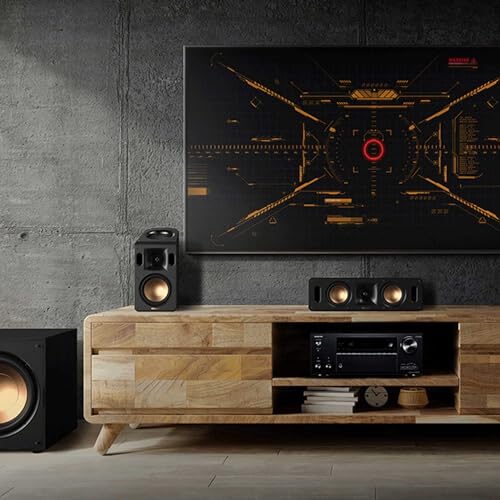
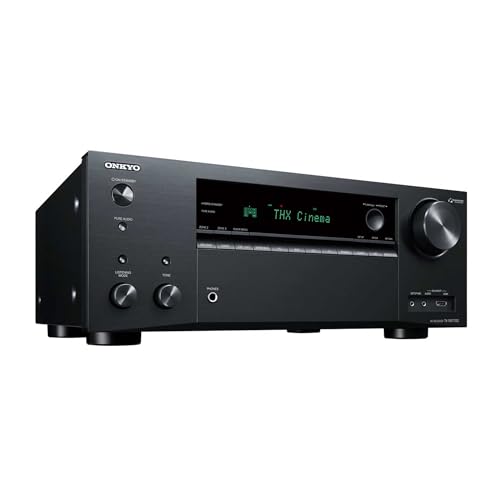
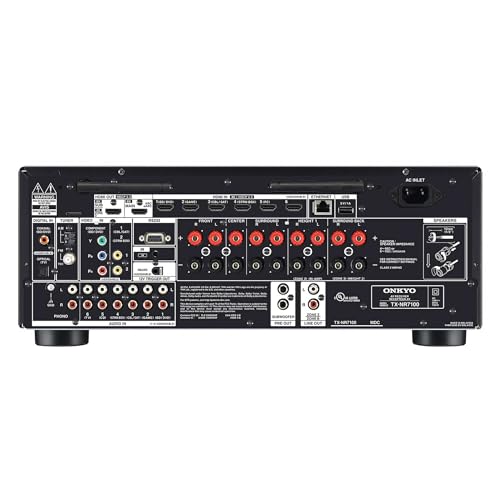
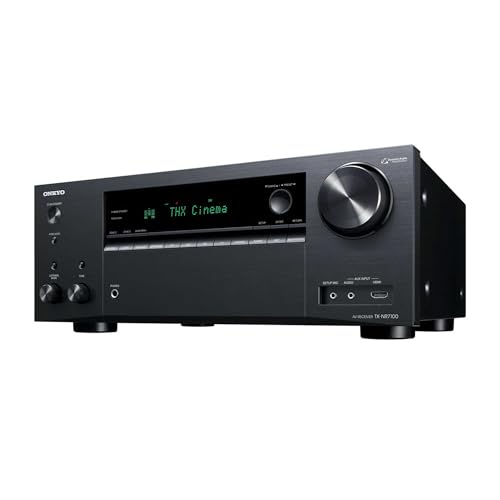
When you're building a serious home theater, the AV receiver is arguably the most important decision you'll make. It's the brain that processes all your audio and video, the muscle that powers your speakers, and the hub that connects everything together. Today we're comparing two very different approaches to this challenge: the Onkyo TX-NR7100, a mid-range powerhouse that punches well above its weight class, and the Denon AVR-A1H, a no-compromise flagship that represents the pinnacle of home theater engineering.
Before diving into specifics, let's establish what makes an AV receiver truly great. At its core, an AV receiver combines several critical functions into one box. It's an amplifier that powers your speakers, a video processor that handles your 4K and 8K sources, a surround sound decoder that creates those immersive Dolby Atmos effects, and increasingly, a streaming hub for your music services.
The most important performance characteristics boil down to a few key areas. Amplification quality determines how well your speakers will perform – this isn't just about raw power, but also about clean, distortion-free delivery that won't strain or damage your drivers. Audio processing capability affects how convincingly your receiver can create that three-dimensional soundscape that makes movies feel real. Video handling ensures your gaming and movie content looks its absolute best without any lag or quality loss. Finally, room correction technology can literally transform your listening experience by automatically adjusting for your room's acoustic quirks.
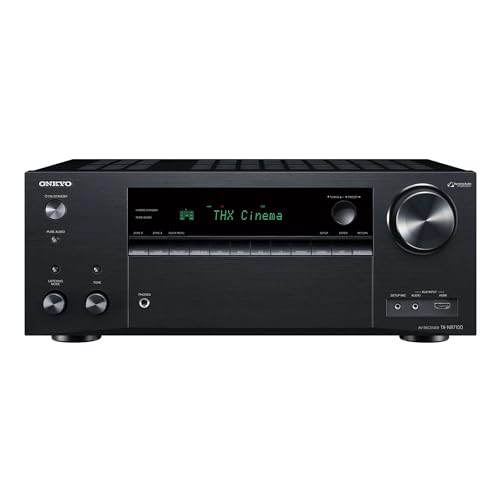
The Onkyo TX-NR7100 launched in 2021 as part of Onkyo's resurgence following their financial difficulties in the late 2010s. At the time of writing, it represents exceptional value in the mid-range category, typically priced around the $1,000 mark. This 9.2-channel receiver includes features you'd normally expect to pay significantly more for, most notably Dirac Live room correction software that usually costs extra on competing models.
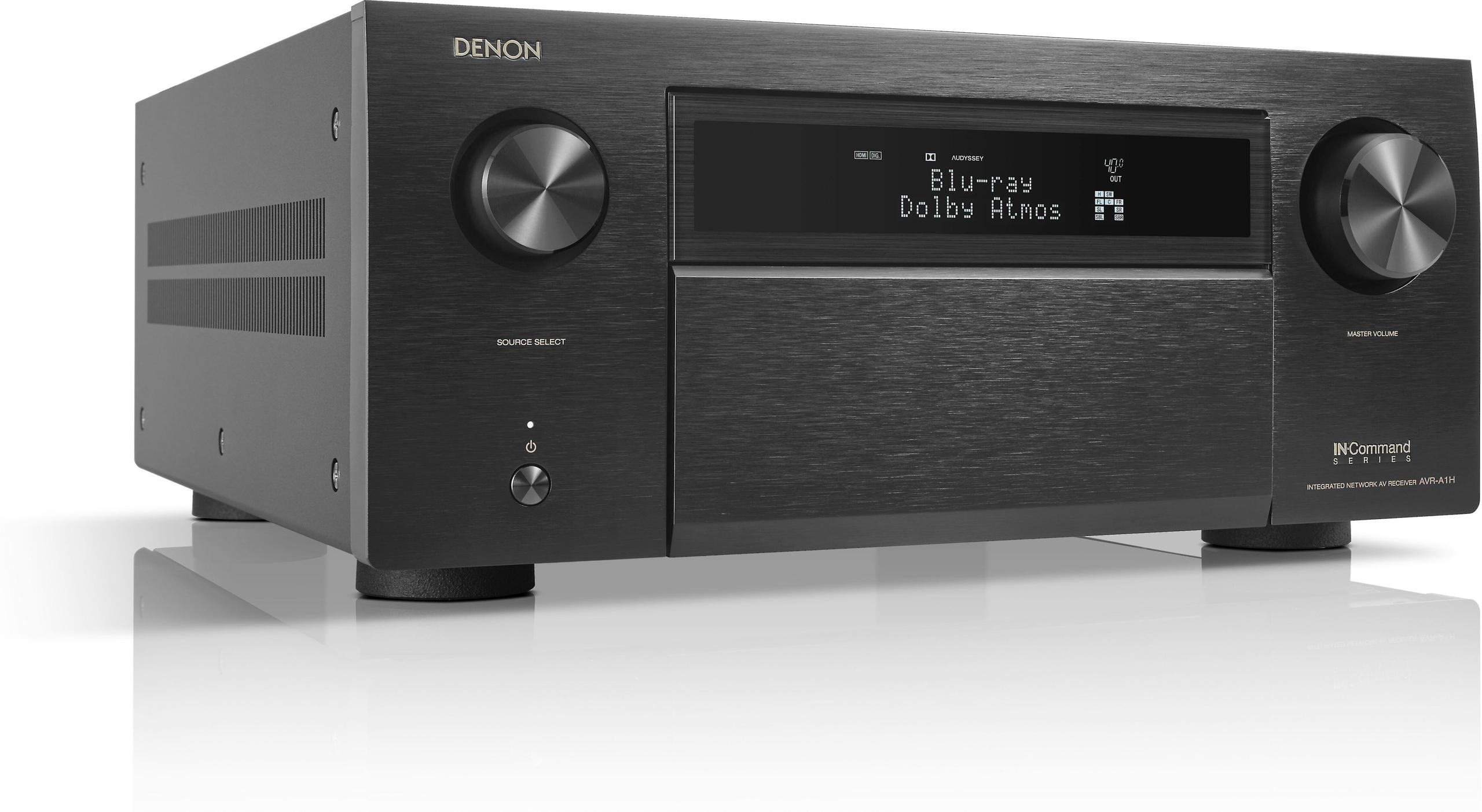
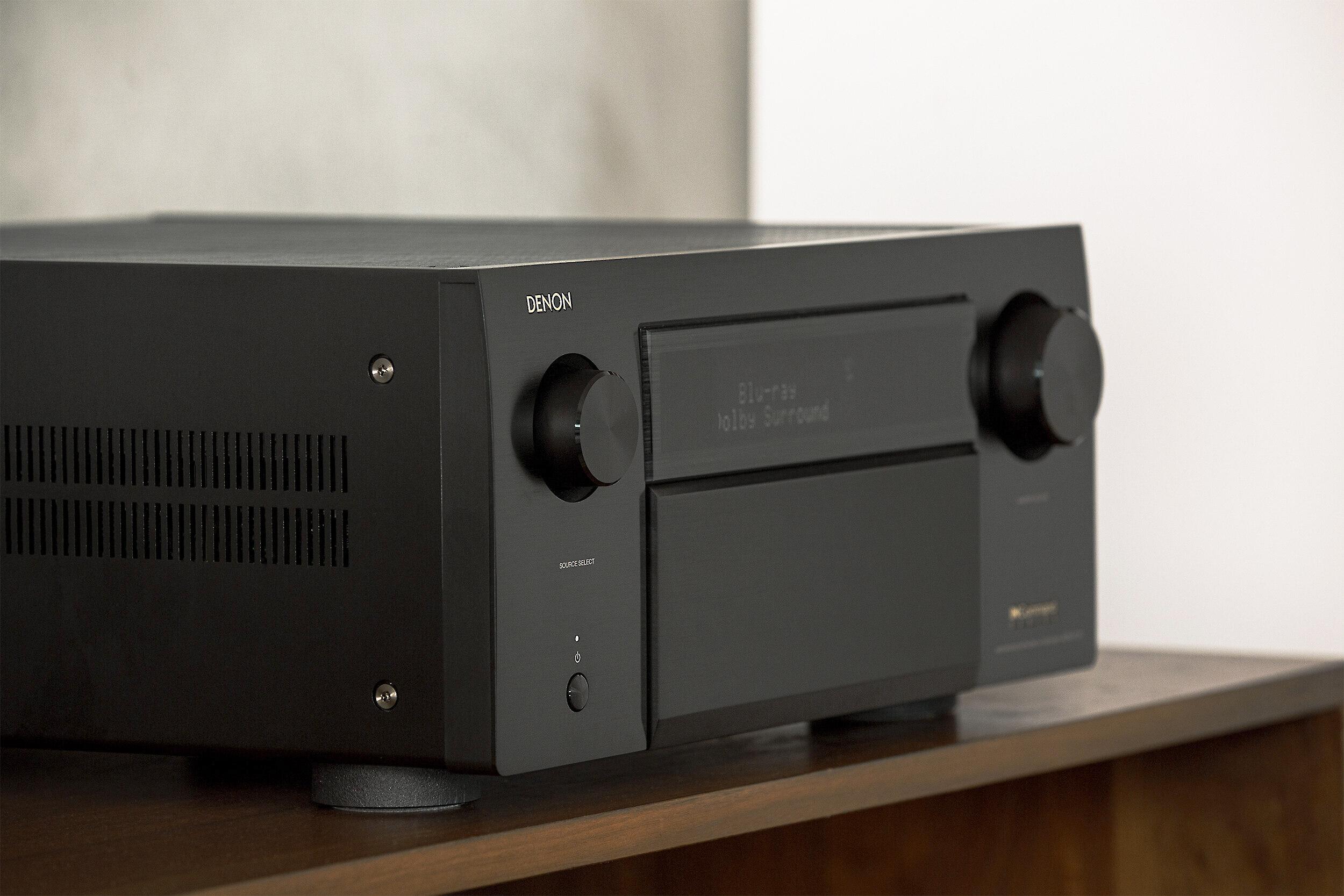
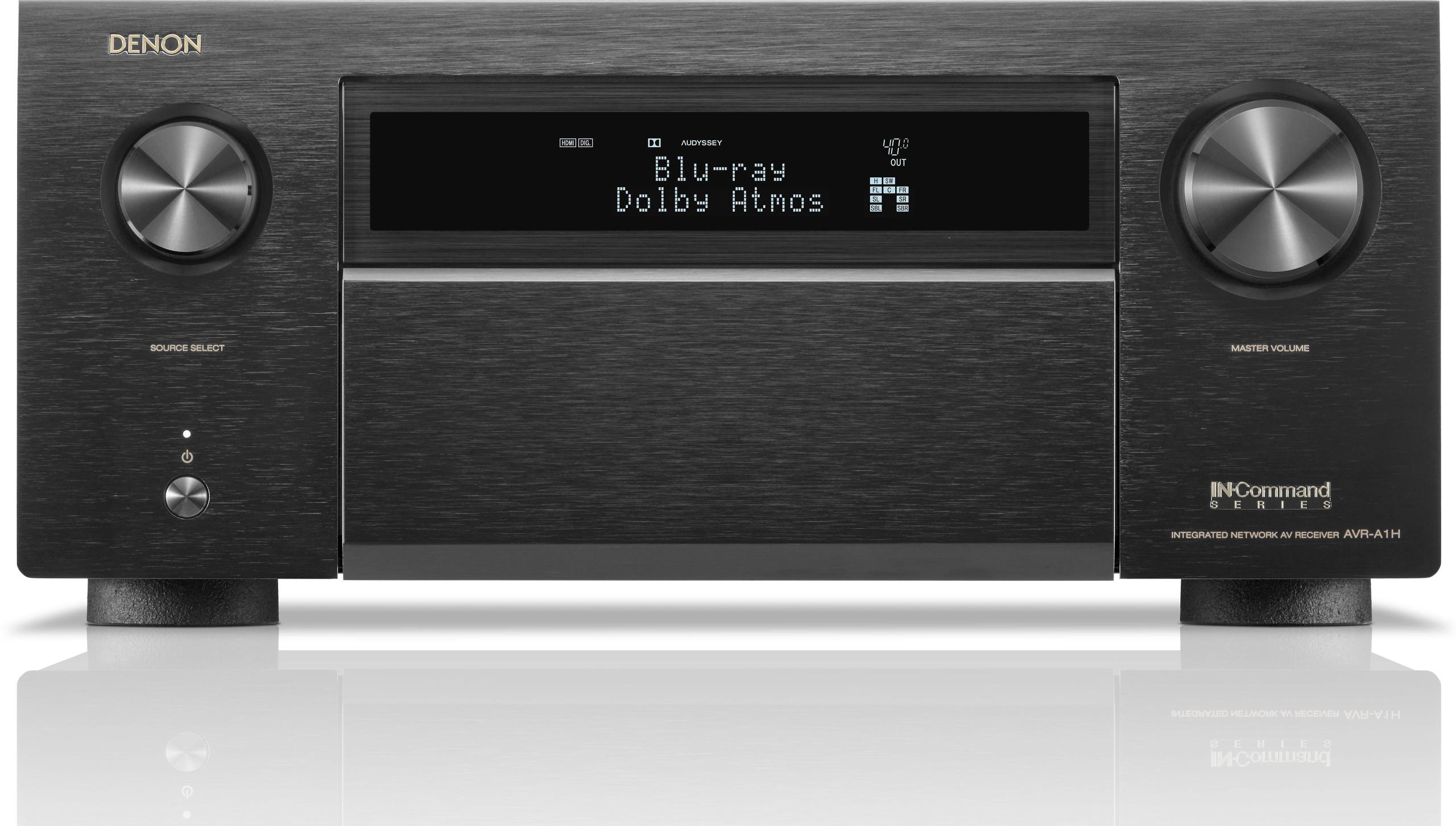
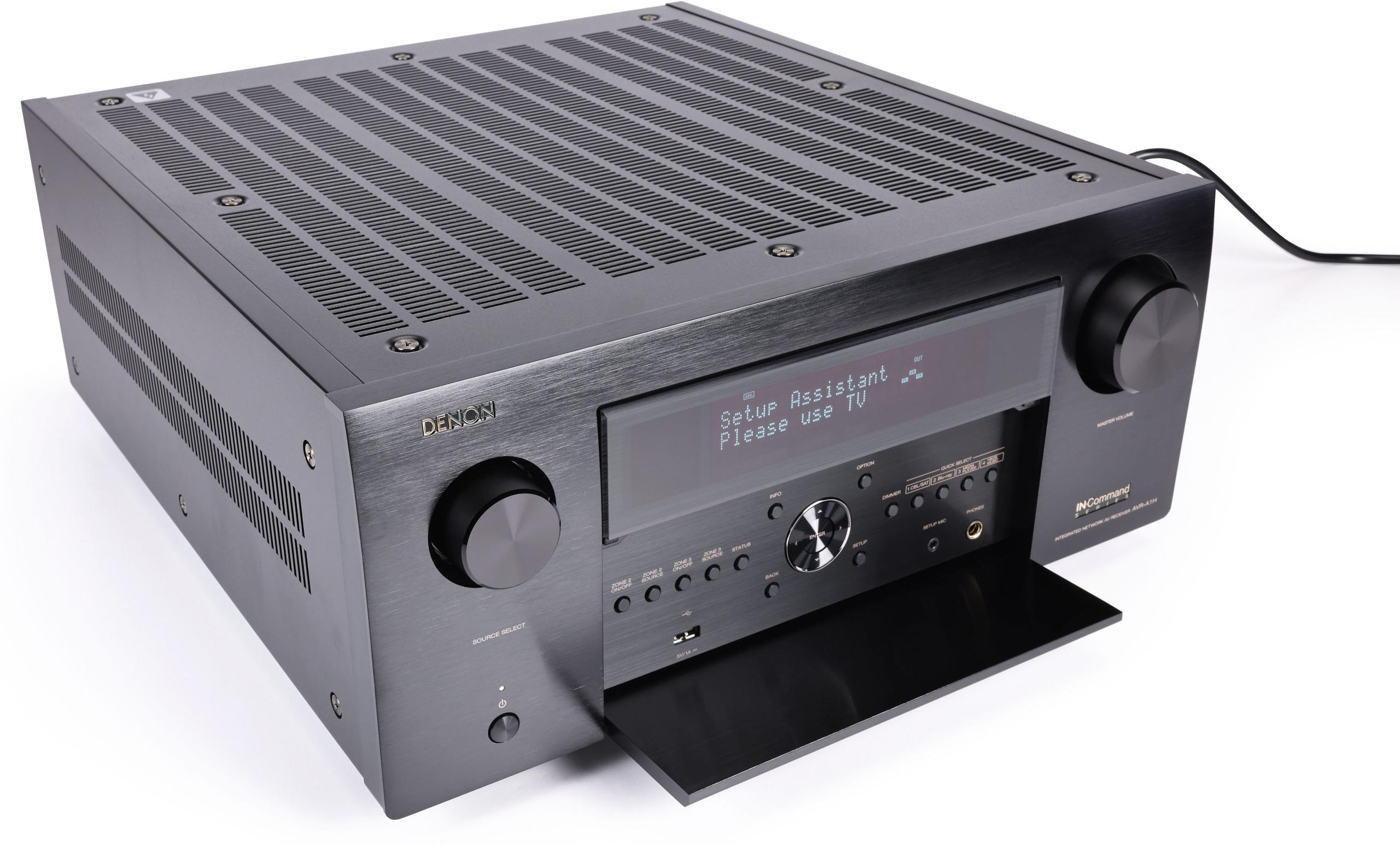
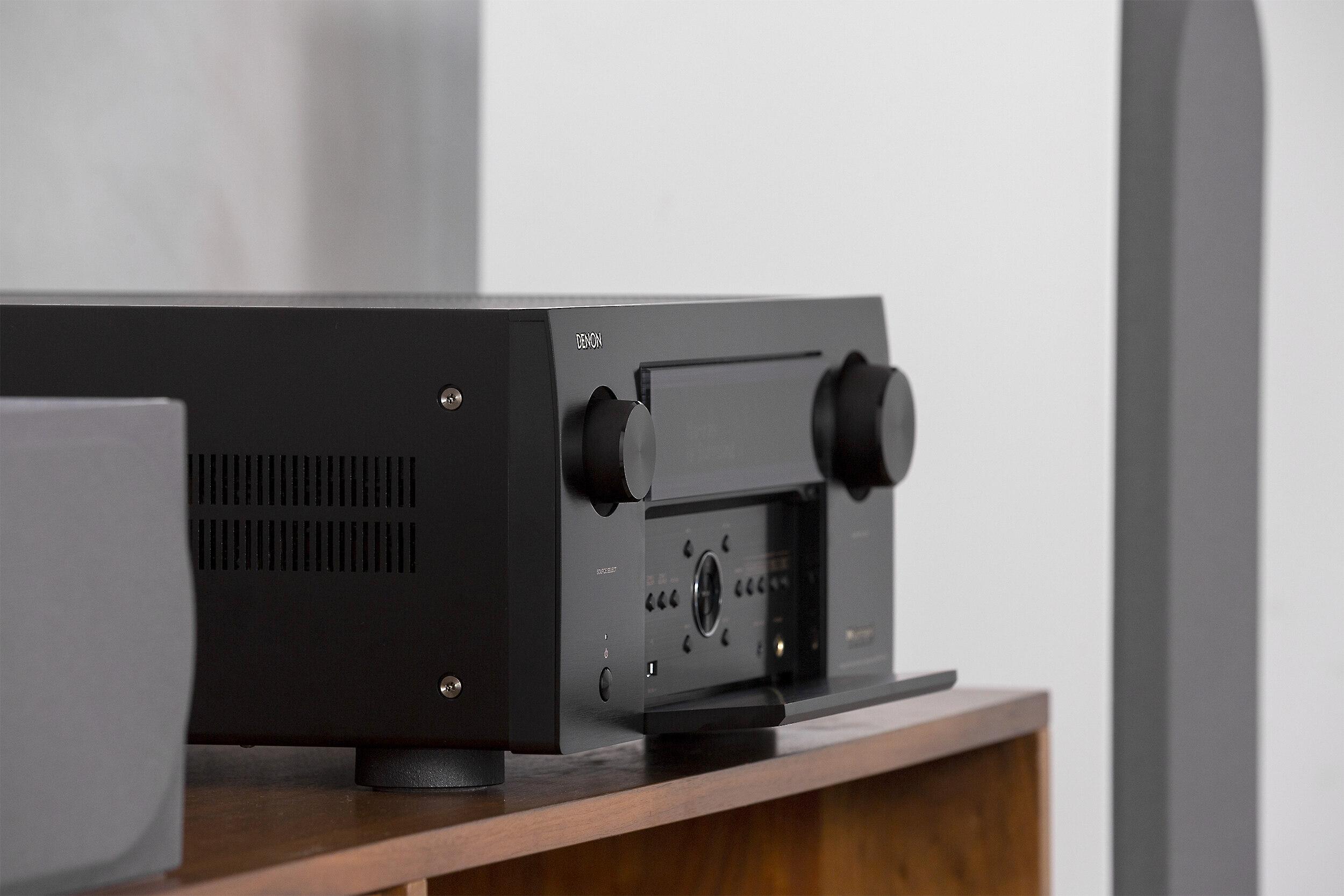
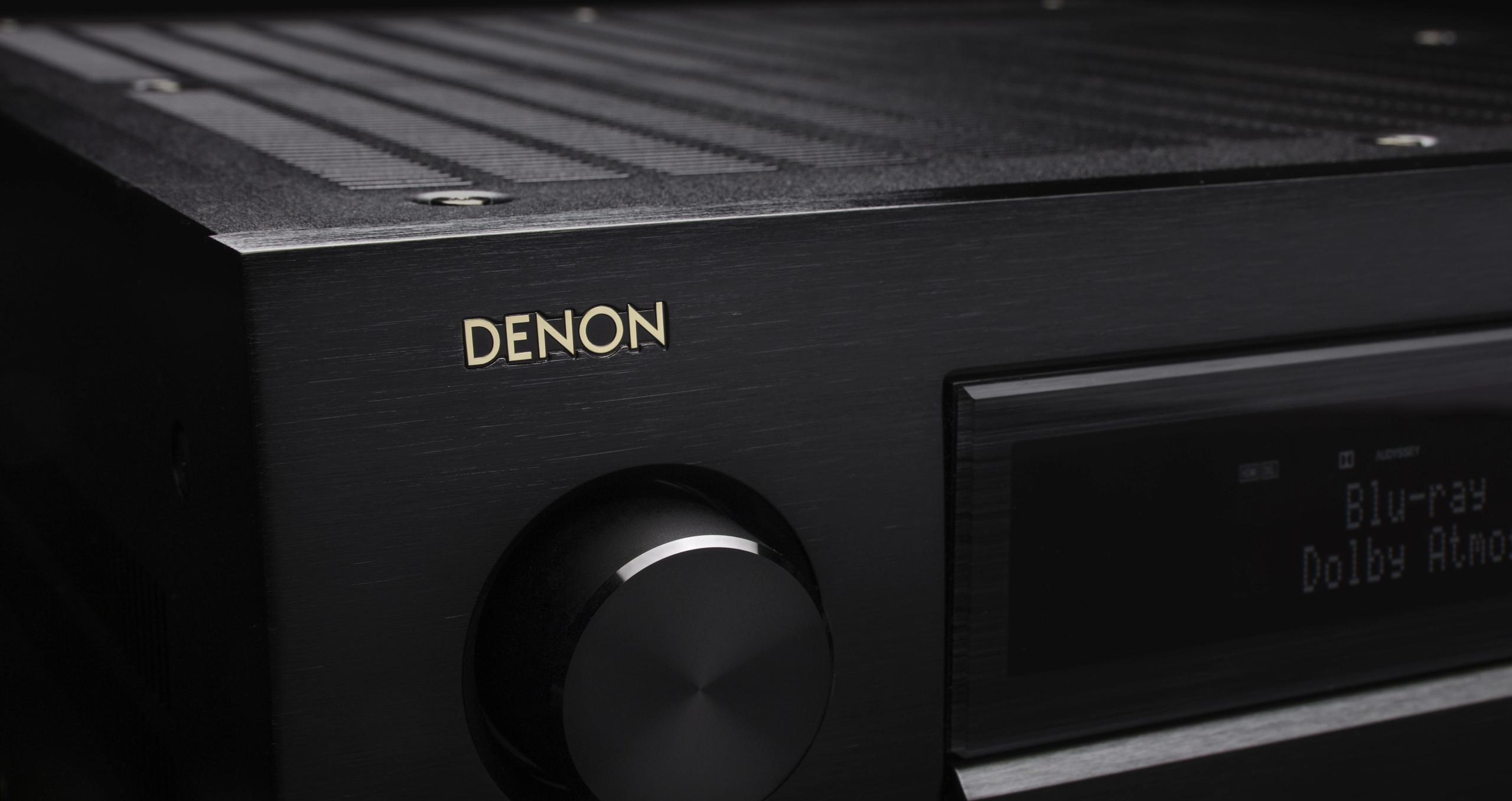
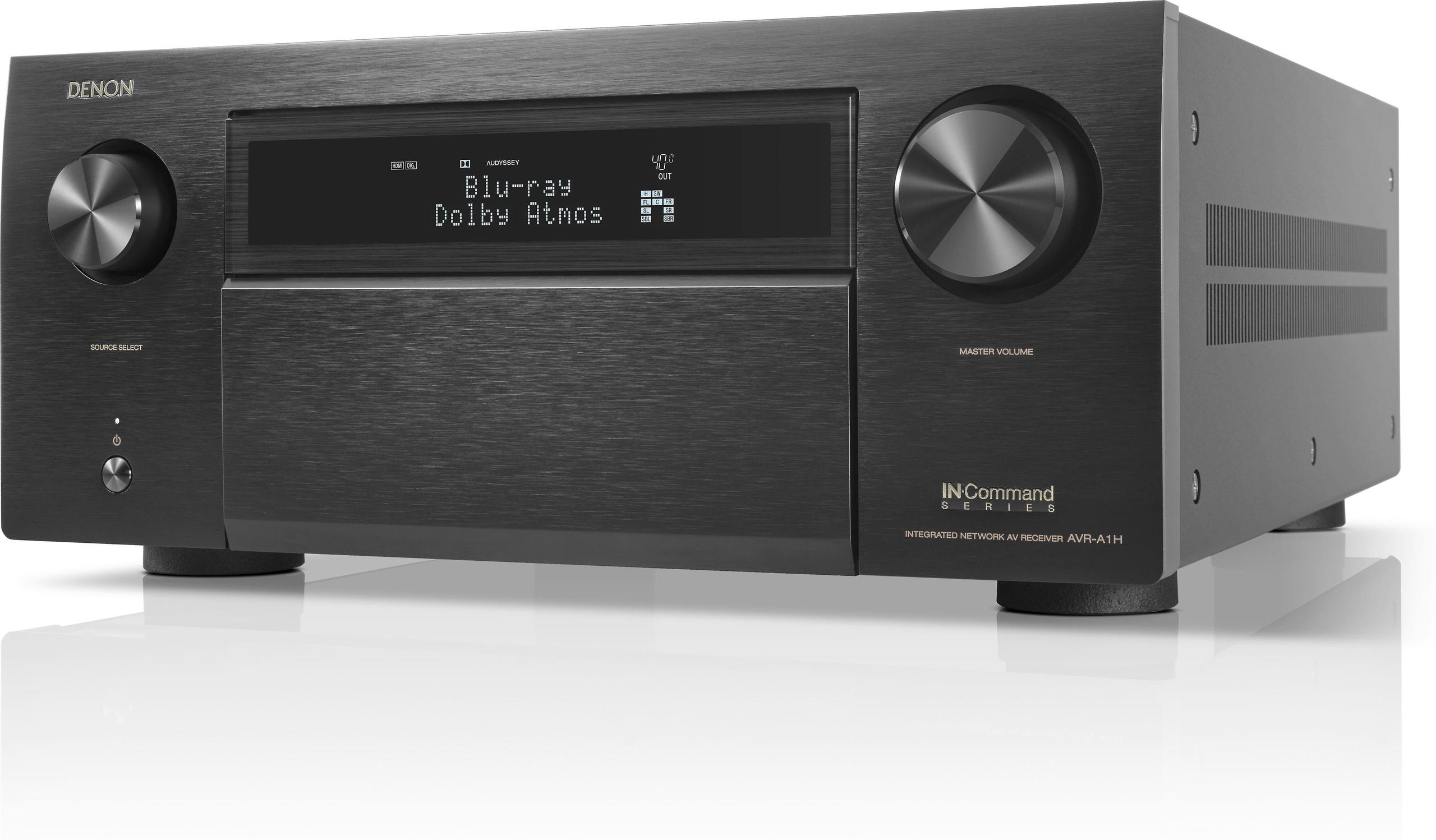
The Denon AVR-A1H, released in 2022, takes an entirely different approach. This is Denon's flagship model, priced at roughly five times the Onkyo's cost, but offering capabilities that justify serious consideration for high-end installations. With 15 amplifier channels and build quality that reflects decades of Japanese engineering expertise, it's designed for enthusiasts who want the absolute best regardless of budget constraints.
The amplifier section reveals the first major difference between these receivers. The Onkyo TX-NR7100 delivers 100 watts per channel across its 9 channels, which sounds impressive on paper. However, our research into user experiences and professional measurements reveals a concerning issue: the receiver can enter an undocumented "limp mode" that drastically reduces power output to just 15% of its rated specification. This means during certain operating conditions, you might only get 15 watts per channel instead of the promised 100 watts, with no indication that this has happened. The only way to reset this condition is to completely power cycle the unit – not just use the power button, but actually unplug it.
This power limiting behavior represents a significant reliability concern. While many users never encounter this issue during normal operation, it's particularly problematic for those who push their systems hard or have demanding speakers. The good news is that when operating normally, the Onkyo TX-NR7100 delivers clean, dynamic sound with its THX certification ensuring reference-level performance standards.
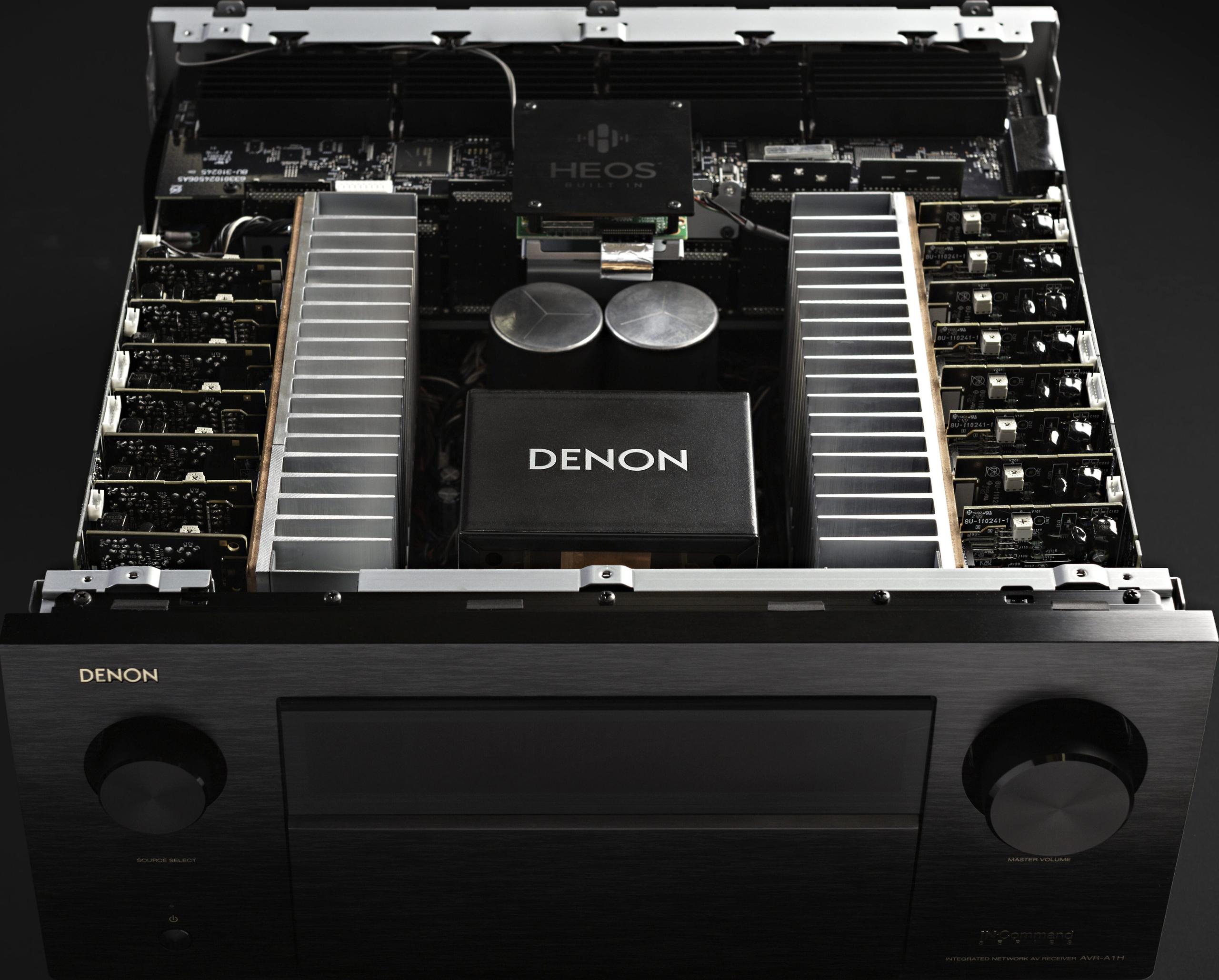
The Denon AVR-A1H takes a completely different approach. Its 15-channel amplifier delivers 150 watts per channel with a monolithic design that uses discrete, custom-made high-current power transistors. At 71 pounds, this receiver's substantial weight indicates serious power supply and thermal management – critical factors for consistent performance during extended listening sessions. Professional reviews consistently praise its ability to drive demanding speakers without strain, and there are no documented power limiting issues.
Here's where the philosophical differences become most apparent. The Onkyo TX-NR7100 with its 9.2 channels can create impressive surround sound configurations like 5.1.4 (five main speakers, one subwoofer, four height speakers) or 7.1.2 setups. For most home theaters, this provides excellent immersion with overhead effects that make movie soundtracks come alive.
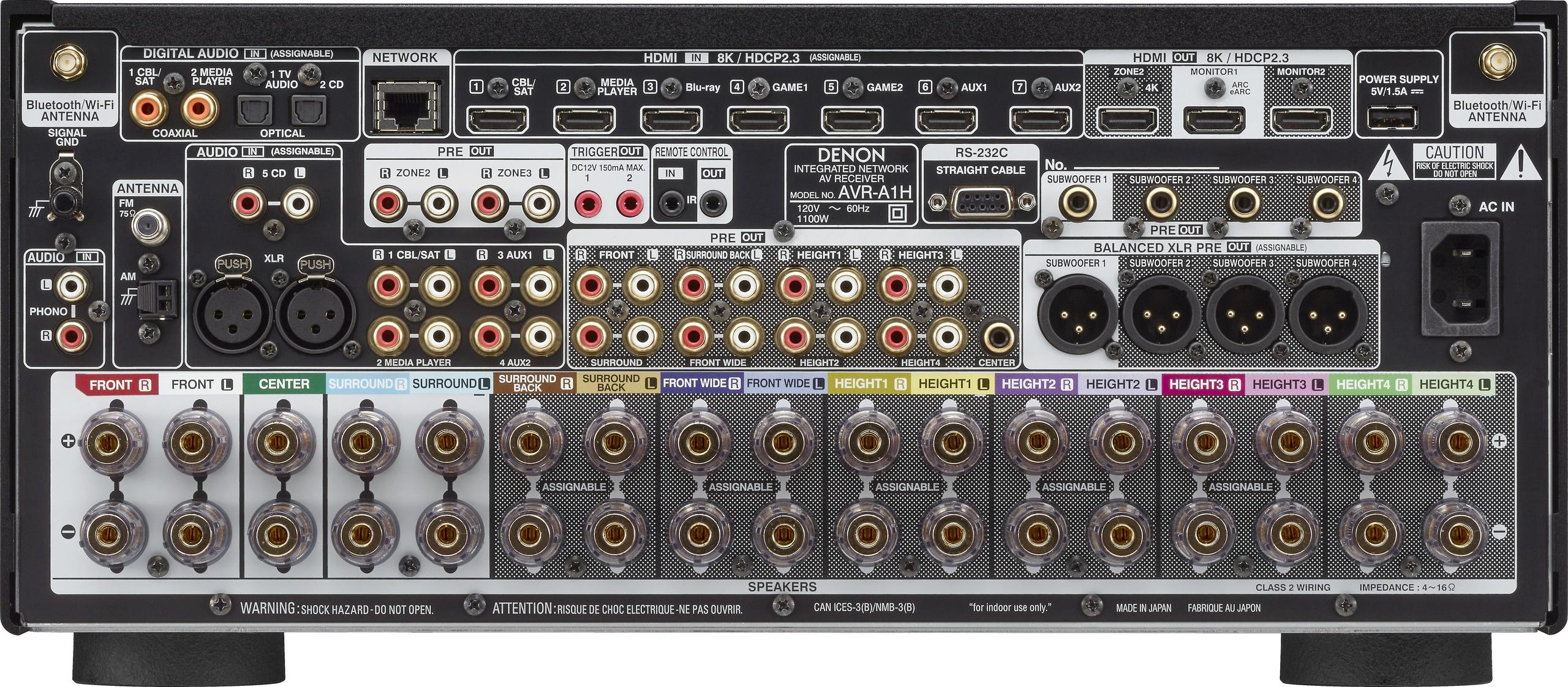
The Denon AVR-A1H with 15.4 channels enables configurations that would make professional cinemas jealous – think 9.4.6 setups with nine main speakers, four subwoofers, and six height speakers. This level of channel count transforms large rooms into truly enveloping audio environments where sound effects can move seamlessly around and above listeners with pinpoint accuracy.
Room correction technology might be the most underappreciated aspect of modern AV receivers, yet it can transform your listening experience more dramatically than upgrading speakers or amplifiers. Your room's acoustics – its size, shape, furniture, and wall materials – significantly color what you hear. Room correction systems measure these characteristics and automatically adjust the receiver's output to compensate.
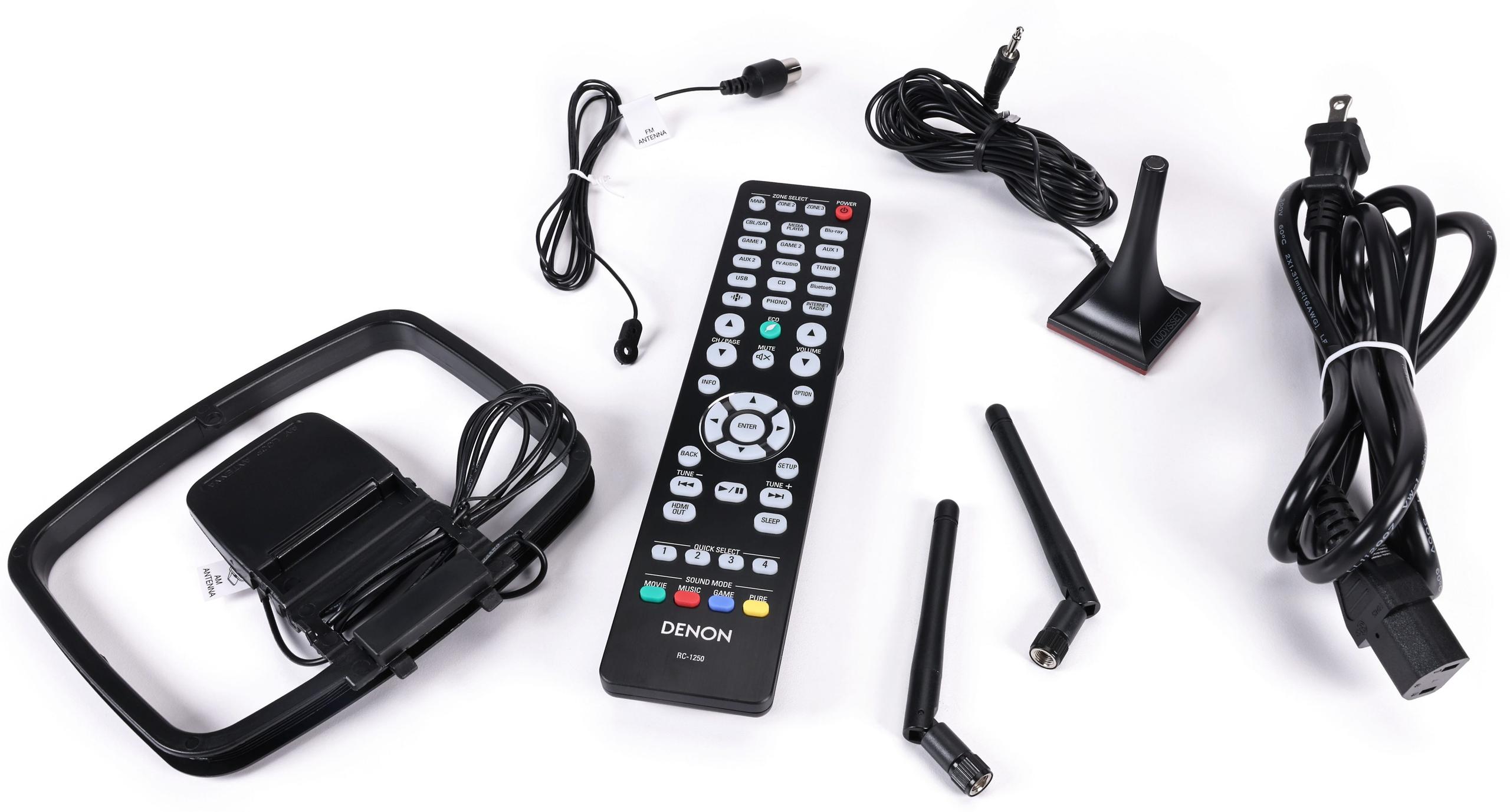
The Onkyo TX-NR7100 includes Dirac Live room correction at no additional cost, which represents exceptional value. Dirac Live is widely considered among the best room correction systems available, typically requiring separate purchase on other receivers. The software can measure up to 13 positions in your room, creating a detailed acoustic map that enables precise calibration. The process involves placing a measurement microphone at various listening positions while the system plays test tones, then automatically adjusting frequency response, timing, and levels for optimal sound.
The Denon AVR-A1H includes Audyssey Multi EQ XT32, Denon's own room correction system that's quite capable in its own right. However, it also supports Dirac Live as an optional upgrade, though this requires separate purchase. For most users, Audyssey provides excellent results, but the flexibility to upgrade to Dirac Live later appeals to serious enthusiasts.
Both receivers handle modern video standards admirably, but with some important distinctions. The Onkyo TX-NR7100 supports 8K video pass-through and 4K at 120Hz, crucial for next-generation gaming consoles like PlayStation 5 and Xbox Series X. Gaming-specific features like Variable Refresh Rate (VRR) – which eliminates screen tearing – and Auto Low Latency Mode (ALLM) – which reduces input lag – work flawlessly across all HDMI inputs.
Real-world gaming testing reveals the Onkyo TX-NR7100 delivers zero perceptible lag when playing demanding titles at 4K/120Hz, making it excellent for serious gamers. The receiver's HDMI implementation proved rock-solid during extended gaming sessions, with no handshaking issues or signal dropouts.
The Denon AVR-A1H matches these video capabilities while adding 8K upscaling, which can improve the appearance of lower-resolution content on 8K displays. Its more robust video processing hardware provides additional headroom for future format support, though both receivers should remain current for several years given their comprehensive HDMI 2.1 implementation.
Physical construction reveals another major difference between these approaches. The Onkyo TX-NR7100 uses standard AV receiver construction with adequate cooling and component quality for its price point. However, the documented power limiting issue raises questions about thermal management and protection circuit implementation.
The Denon AVR-A1H employs what Denon calls a three-layer chassis design with extensive heat dissipation and gold-plated connections throughout. Its Japanese manufacturing emphasizes component quality and longevity – this receiver is built to operate reliably for decades. Professional reviews consistently note the A1H's exceptional build quality and thermal management, crucial factors for long-term reliability in demanding installations.
Modern AV receivers must excel beyond traditional home theater duties, serving as streaming hubs for music services and multiroom audio systems. The Onkyo TX-NR7100 includes built-in access to major streaming services like Spotify, TIDAL, and Amazon Music, plus unique Bluetooth capabilities with aptX and aptX-HD codec support. These codecs provide significantly better wireless audio quality than standard Bluetooth, making wireless headphone use more enjoyable for late-night movie watching.
The receiver also integrates with various multiroom systems including Chromecast, AirPlay 2, and DTS Play-Fi, plus works with Sonos systems through certification. This flexibility allows seamless integration into existing smart home ecosystems.
The Denon AVR-A1H centers around Denon's HEOS multiroom platform, providing tight integration with other HEOS-enabled devices throughout the home. Voice control through Alexa and Google Assistant feels more natural and responsive compared to the Onkyo's implementation. Professional-grade connectivity includes XLR subwoofer outputs alongside traditional RCA connections, appealing to users with high-end subwoofers that benefit from balanced connections.
The decision ultimately depends on matching receiver capabilities to your specific needs and budget constraints.
Choose the Onkyo TX-NR7100 if you're building a serious home theater on a reasonable budget. Despite its power limiting concerns, it delivers excellent performance for most users, especially those with efficient speakers in medium-sized rooms. The included Dirac Live room correction alone justifies much of its cost, and gaming performance rivals far more expensive options. It's particularly appealing for users who prioritize value and don't need maximum channel count or absolute reliability.
However, be aware that the power limiting issue could affect your experience, particularly if you have demanding speakers or listen at high volumes. Consider this receiver if you're comfortable with occasional technical quirks in exchange for premium features at a reasonable price point.
Choose the Denon AVR-A1H if you're building a reference-quality home theater where performance matters more than budget constraints. Its 15-channel capability enables surround sound configurations that smaller receivers simply cannot match. The flagship build quality and Japanese engineering provide confidence in long-term reliability without technical compromises.
This receiver makes most sense for large dedicated theater rooms with demanding speakers, complex multiroom requirements, or situations where absolute reliability is crucial. If you're investing heavily in high-end speakers and acoustical treatments, the A1H's capabilities will scale appropriately with your system's potential.
At the time of writing, these receivers represent fundamentally different value propositions. The Onkyo TX-NR7100 offers roughly 80% of flagship performance at 20% of flagship cost, making it exceptional value despite documented reliability concerns. For most home theater enthusiasts, it provides more than adequate performance with premium features typically found on far more expensive models.
The Denon AVR-A1H delivers uncompromising flagship performance for those who demand the absolute best. Its substantially higher cost buys you professional-grade reliability, extensive channel count, and build quality that should provide decades of trouble-free operation.
Both receivers excel in their intended markets. The Onkyo democratizes high-end home theater features for budget-conscious enthusiasts, while the Denon provides no-compromise performance for serious installations. Your choice should align with your room size, speaker requirements, budget constraints, and tolerance for occasional technical quirks. Either way, you'll end up with a receiver that can create truly impressive home theater experiences that rival commercial cinemas.
| Onkyo TX-NR7100 | Denon AVR-A1H |
|---|---|
| Channel Count - Determines maximum speaker configuration and room coverage | |
| 9.2 channels (supports up to 5.1.4 Dolby Atmos) | 15.4 channels (enables up to 9.4.6 configurations) |
| Power Output - Critical for driving speakers and room size capability | |
| 100W per channel (with documented power limiting issues) | 150W per channel (monolithic design, no limiting problems) |
| Room Correction - Most impactful feature for sound quality | |
| Dirac Live included (exceptional value) | Audyssey included, Dirac Live optional upgrade |
| Build Quality - Affects long-term reliability and performance | |
| Standard construction, documented technical quirks | 71-pound flagship build, Japanese manufacturing |
| HDMI Connectivity - Essential for modern gaming and video | |
| 7 HDMI 2.1 inputs, 2 outputs (excellent gaming performance) | 7 HDMI inputs, 3 outputs (additional flexibility) |
| Video Support - Future-proofing for displays and gaming | |
| 8K/60Hz, 4K/120Hz with VRR/ALLM support | 8K/60Hz with upscaling, 4K/120Hz with full gaming features |
| Streaming Integration - Modern connectivity requirements | |
| Built-in services, unique aptX Bluetooth, multi-platform support | HEOS ecosystem, voice control, professional connectivity |
| Multi-Zone Capability - Whole-home audio expansion | |
| 3-zone support with flexible configuration | Advanced multi-room with HEOS integration |
| THX Certification - Reference-level performance guarantee | |
| THX Certified Select (cinema-quality standards) | Not THX certified (but exceeds performance standards) |
| Value Proposition - Cost versus capability analysis | |
| Exceptional features-per-dollar despite technical concerns | Premium pricing for flagship performance and reliability |
| Best For - Target user scenarios | |
| Budget-conscious enthusiasts, medium rooms, gaming focus | Large theaters, demanding speakers, no-compromise installations |
The primary difference is channel count and target market. The Onkyo TX-NR7100 is a 9.2-channel mid-range receiver that offers excellent value with premium features like included Dirac Live room correction. The Denon AVR-A1H is a flagship 15.4-channel receiver designed for high-end home theaters with no-compromise performance and build quality.
For most small to medium home theaters, the Onkyo TX-NR7100 provides more than adequate performance. Its 9.2 channels can create impressive 5.1.4 Dolby Atmos setups that work excellently in typical living rooms and dedicated theater spaces under 300 square feet.
Yes, both the Onkyo TX-NR7100 and Denon AVR-A1H fully support PlayStation 5 and Xbox Series X with 4K/120Hz pass-through, Variable Refresh Rate (VRR), and Auto Low Latency Mode (ALLM). Gaming performance is excellent on both models with zero perceptible lag.
The Onkyo TX-NR7100 includes Dirac Live room correction at no additional cost, which is exceptional value since this software typically requires separate purchase. The Denon AVR-A1H includes Audyssey room correction with optional Dirac Live upgrade available for purchase.
The Onkyo TX-NR7100 can power up to 9 speakers plus 2 subwoofers directly. The Denon AVR-A1H can power up to 15 speakers plus 4 subwoofers, enabling much more complex surround sound configurations like 9.4.6 Dolby Atmos setups.
The Denon AVR-A1H offers superior long-term reliability with its 71-pound flagship construction and Japanese manufacturing quality. The Onkyo TX-NR7100 has documented power limiting issues that can reduce performance, though many users never encounter these problems during normal operation.
Yes, both the Onkyo TX-NR7100 and Denon AVR-A1H support 8K/60Hz video pass-through along with 4K/120Hz for gaming. The Denon also includes 8K upscaling capabilities for improving lower-resolution content on 8K displays.
The Onkyo TX-NR7100 offers exceptional value with premium features like Dirac Live room correction, THX certification, and excellent gaming performance at a mid-range price point. The Denon AVR-A1H provides flagship performance but at a significantly higher cost that's only justified for high-end installations.
Both receivers excel at Dolby Atmos processing. The Onkyo TX-NR7100 can create convincing 5.1.4 or 7.1.2 Atmos setups, while the Denon AVR-A1H enables more immersive configurations up to 9.4.6 with its additional channels providing superior overhead effects placement.
The Onkyo TX-NR7100 includes more built-in streaming services and unique aptX Bluetooth support for higher-quality wireless audio. The Denon AVR-A1H focuses on the HEOS ecosystem with excellent voice control integration and professional-grade connectivity options.
Yes, both receivers integrate with smart home systems. The Onkyo TX-NR7100 supports multiple platforms including Chromecast, AirPlay 2, and works with Sonos systems. The Denon AVR-A1H provides deep integration with Alexa and Google Assistant through its HEOS platform.
For large dedicated theater rooms with demanding speakers, the Denon AVR-A1H is the better choice. Its 15 channels of amplification, superior power delivery, and flagship build quality can handle complex installations that would challenge the Onkyo TX-NR7100's capabilities.
We've done our best to create useful and informative comparisons to help you decide what product to buy. Our research uses advanced automated methods to create this comparison and perfection is not possible - please contact us for corrections or questions. These are the sites we've researched in the creation of this article: crutchfield.com - prohifi.in - bestbuy.com - h-m-entertainment.com - audiosciencereview.com - crutchfield.ca - soundandvision.com - avsforum.com - avgadgets.com - youtube.com - onkyo.com - crutchfield.com - onkyo.com - accessories4less.com - klipsch.com - youtube.com - listenup.com - intl.onkyo-av.com - bestbuy.com - 420spotshop.com - support.onkyousa.com - 7review.com - hometheatreexperts.in - abt.com - soundandvision.com - stereonet.com - audiolab.com - capitalsound.ca - crutchfield.com - audioholics.com - valueelectronics.com - theaudiosolutions.com - capitolhometheater.com - audioadvice.com

Privacy Policy
Terms and Conditions - Affiliate Policy
Home Security
© Copyright 2008-2026.
11816 Inwood Rd #1211, Dallas, TX 75244