

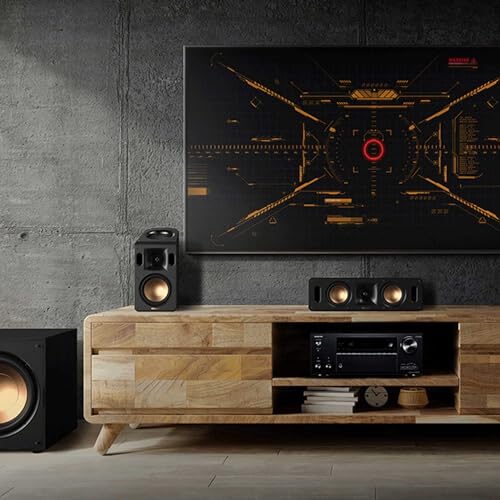
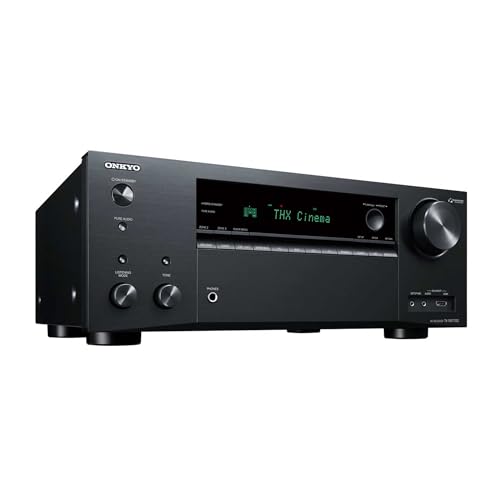
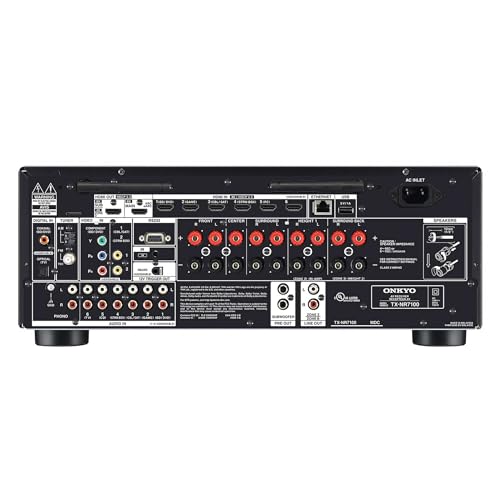
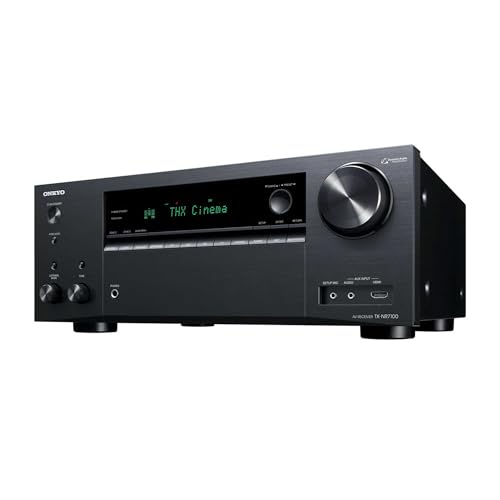
When you're building a home theater, the AV receiver sits at the heart of everything. It's the brain that processes your movies' surround sound, the muscle that powers your speakers, and the hub that connects all your devices. But choosing the right one can feel overwhelming, especially when comparing receivers from completely different price tiers.
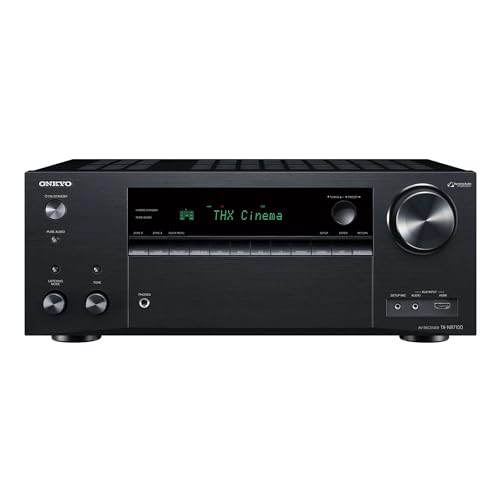
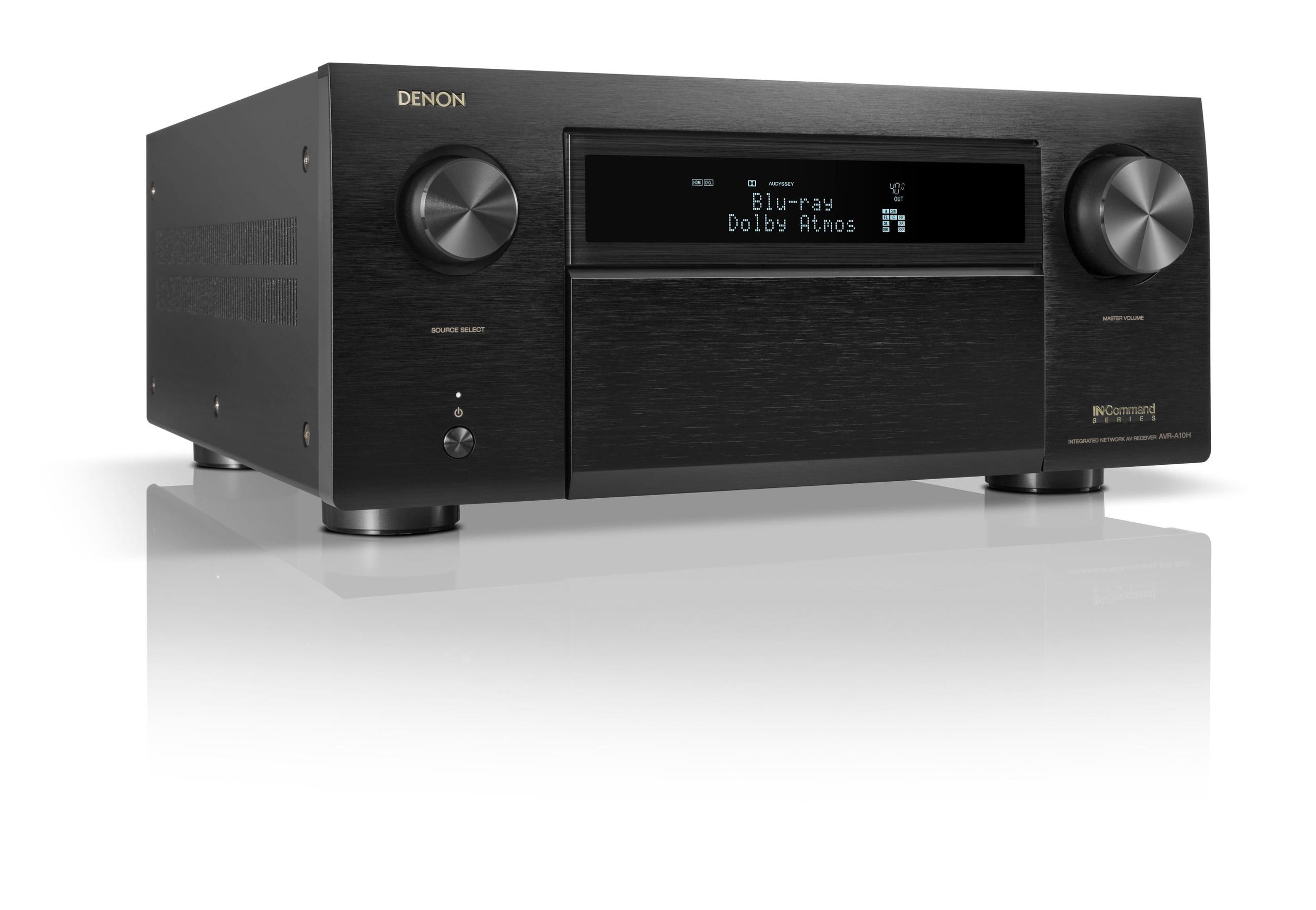
Today we're looking at two receivers that couldn't be more different in their approach: the Onkyo TX-NR7100, released in 2021 as an upper mid-range option packed with premium features, and the Denon AVR-A10H, launched in 2024 as a no-compromise flagship model. At the time of writing, these receivers sit roughly four times apart in price, which immediately tells you they're targeting very different buyers.
Before diving into specifics, let's talk about what actually matters in an AV receiver. The most important factors are channel count (how many speakers it can power), power output (how loud and dynamic it can get), audio processing quality (how good it makes everything sound), video connectivity (can it handle your gaming console and streaming devices), and build reliability.
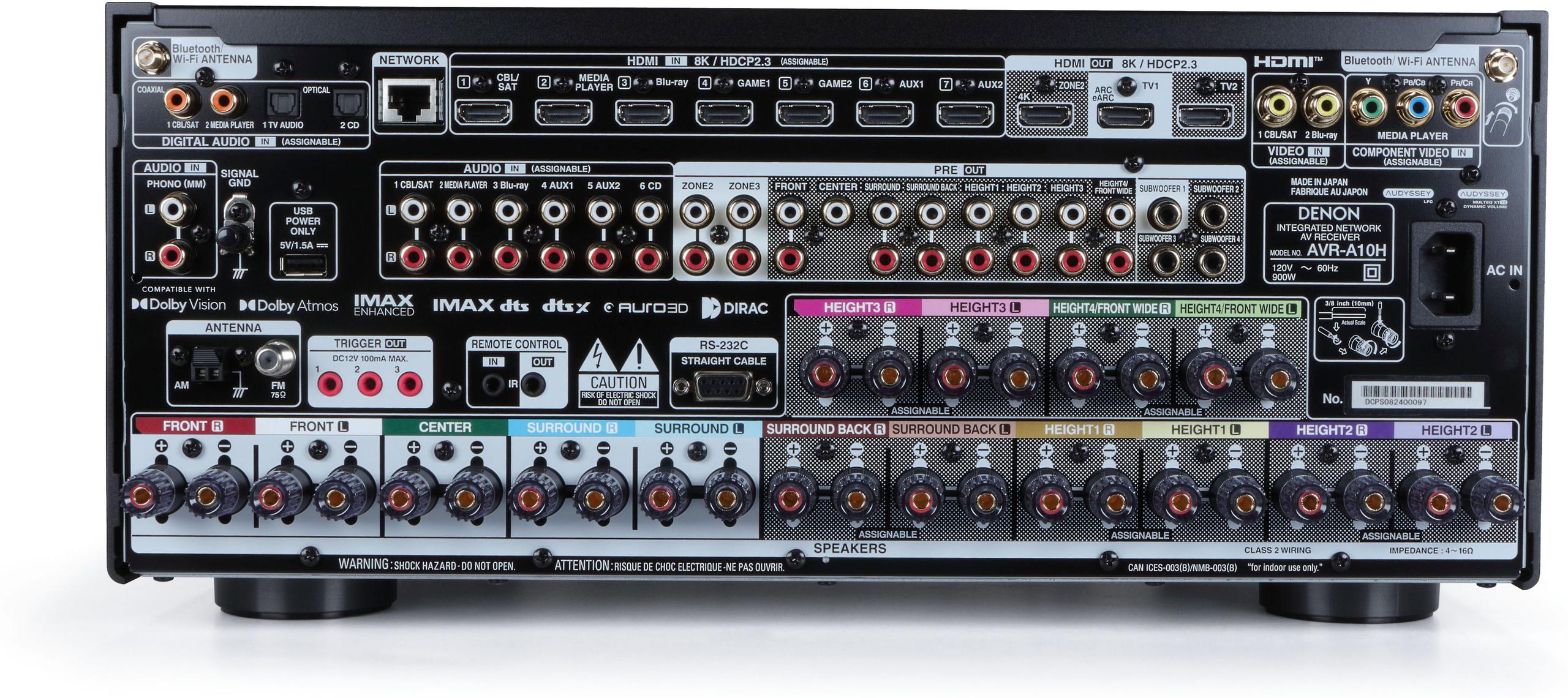
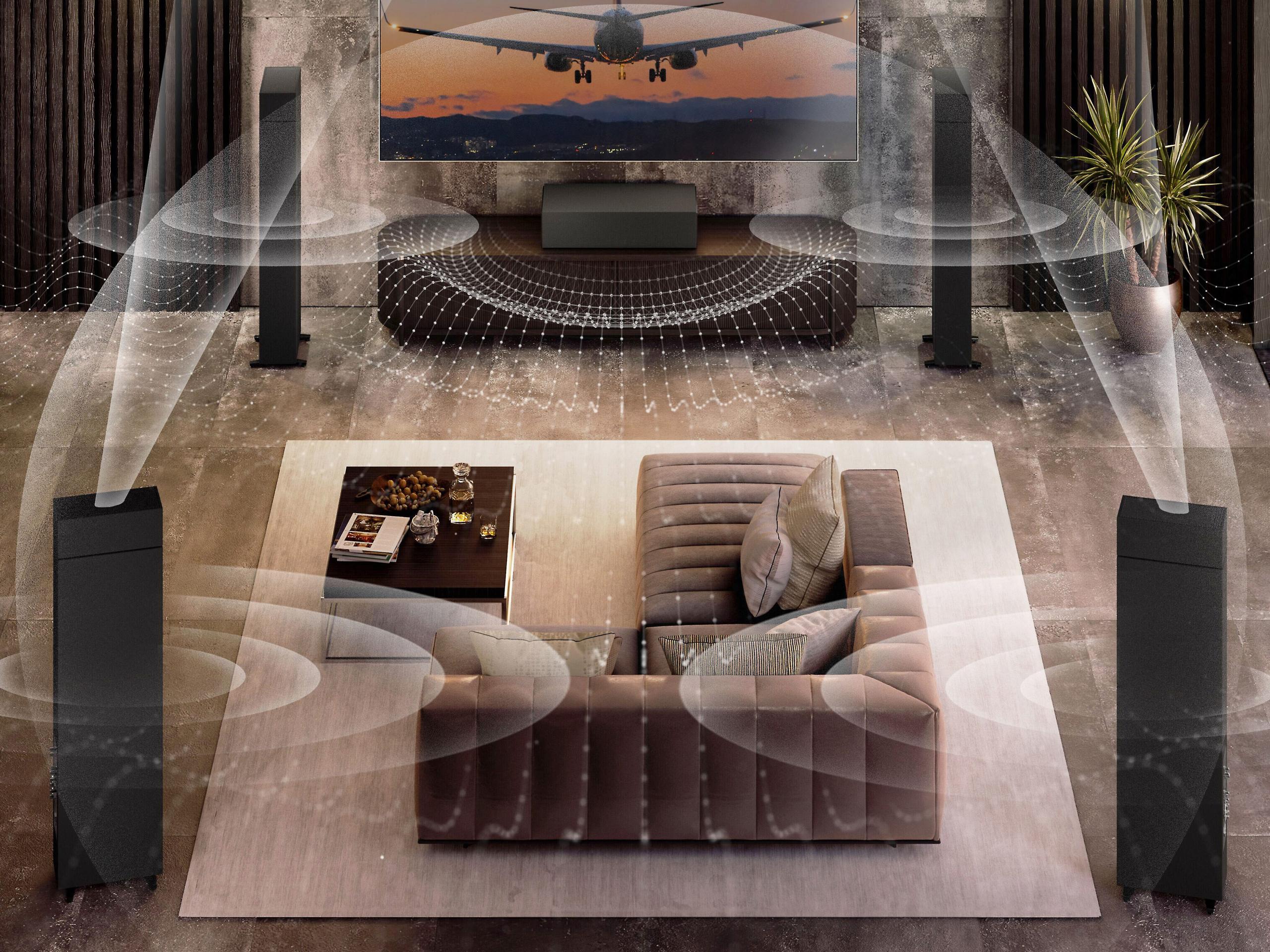
Channel count determines your speaker configuration possibilities. A 9.2-channel receiver like the Onkyo TX-NR7100 can power nine speakers plus two subwoofers, typically arranged as 5.1.4 (five main speakers, one subwoofer, four height speakers) or 7.1.2 configurations. The Denon AVR-A10H ups this to a massive 15.4 channels, enabling complex setups like 7.4.6 or 9.4.4 that completely envelope you in sound.
Power output, measured in watts per channel, determines how dynamic and effortless your system sounds. More watts generally mean better control over speakers, cleaner sound at high volumes, and the ability to drive difficult speakers that need lots of power.
Released in 2021, the Onkyo TX-NR7100 arrived during a golden age for mid-range receivers. Manufacturers were cramming flagship features into more affordable models, and Onkyo delivered with THX certification and built-in Dirac Live room correction – features typically reserved for much more expensive units.
THX certification means the receiver has passed thousands of rigorous tests to ensure it can reproduce movie soundtracks exactly as directors intended. It's like a seal of approval for serious home theater use. Meanwhile, Dirac Live room correction is arguably the best acoustic calibration system available. It analyzes your room's acoustics using a microphone and automatically adjusts the sound to compensate for reflections, standing waves, and other acoustic problems that plague every room.
The TX-NR7100 delivers 100 watts per channel across its nine channels, which is plenty for most home theaters. In real-world use, this translates to clean, powerful sound that can easily fill medium to large rooms. The receiver supports all the latest surround formats including Dolby Atmos and DTS:X, which add height channels for three-dimensional sound that puts you inside the action.
For video, it includes seven HDMI inputs with six supporting the latest HDMI 2.1 standard. This means full support for 8K video at 60 frames per second and 4K at 120fps – crucial for next-generation gaming consoles. Gaming-specific features like Variable Refresh Rate (VRR) and Auto Low Latency Mode (ALLM) ensure smooth, lag-free gaming experiences.
However, our research uncovered a significant issue with the TX-NR7100 that potential buyers need to know about. The receiver has a power limiting system that activates during clipping (when you push it too hard) and reduces output to just 15% of its rated power. Worse yet, this "limp mode" doesn't reset when you turn the receiver off – you have to physically unplug it. There's no indication this is happening, so users might unknowingly operate at a fraction of the receiver's capabilities for extended periods.
This is frustrating because the receiver otherwise performs well. The Dirac Live integration works beautifully once calibrated, creating a cohesive soundstage with excellent imaging. The build quality feels solid, and the feature set punches well above its price class. But that power limiting issue is hard to ignore for serious use.
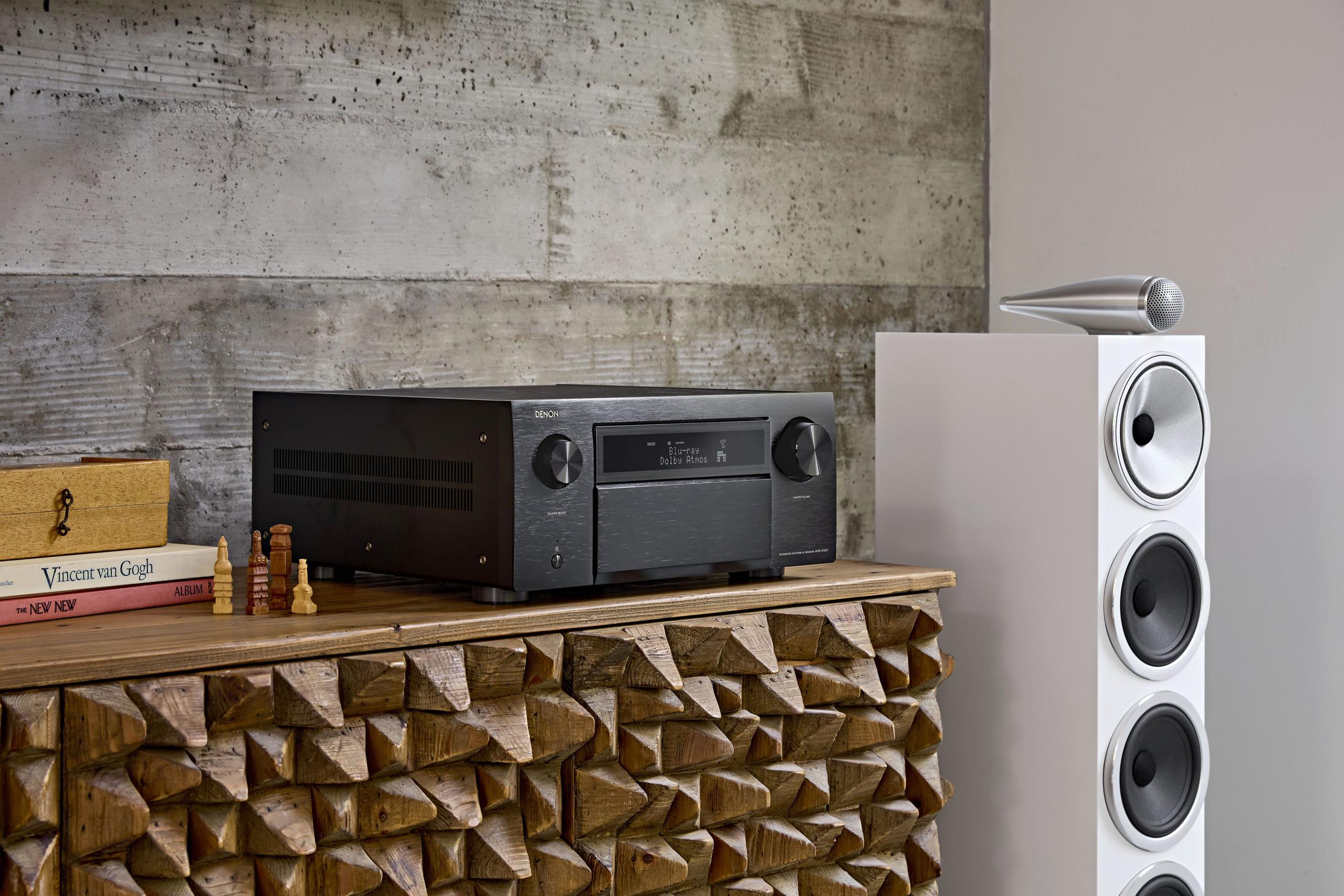
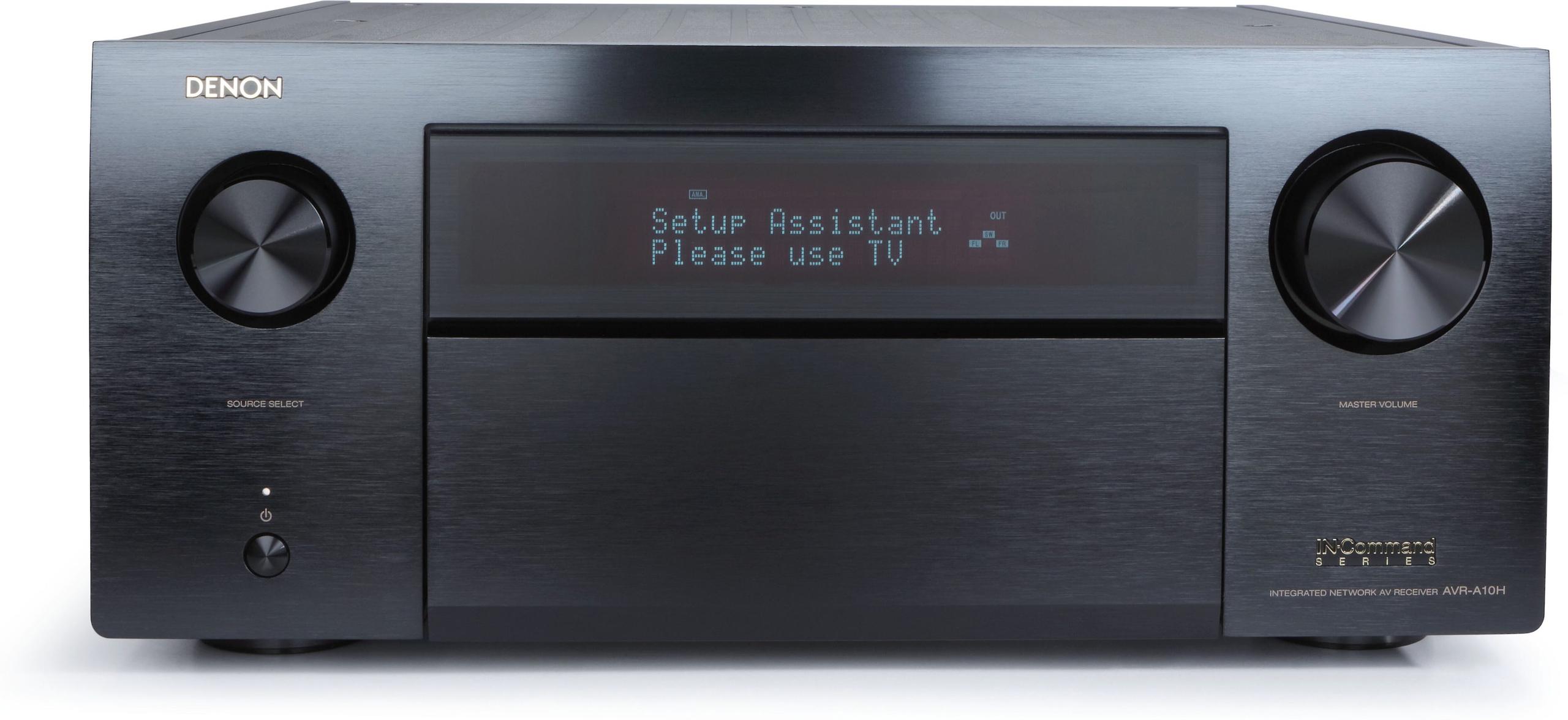
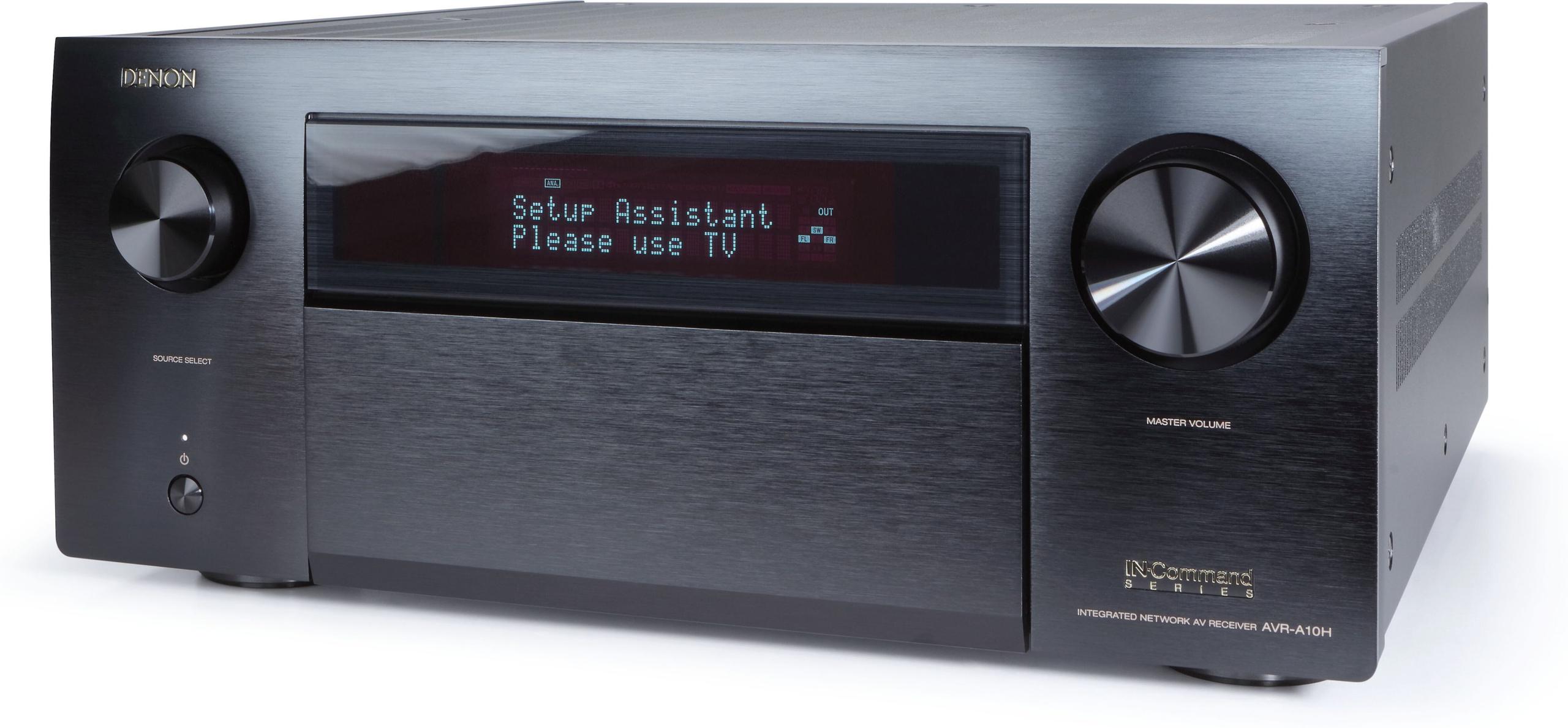
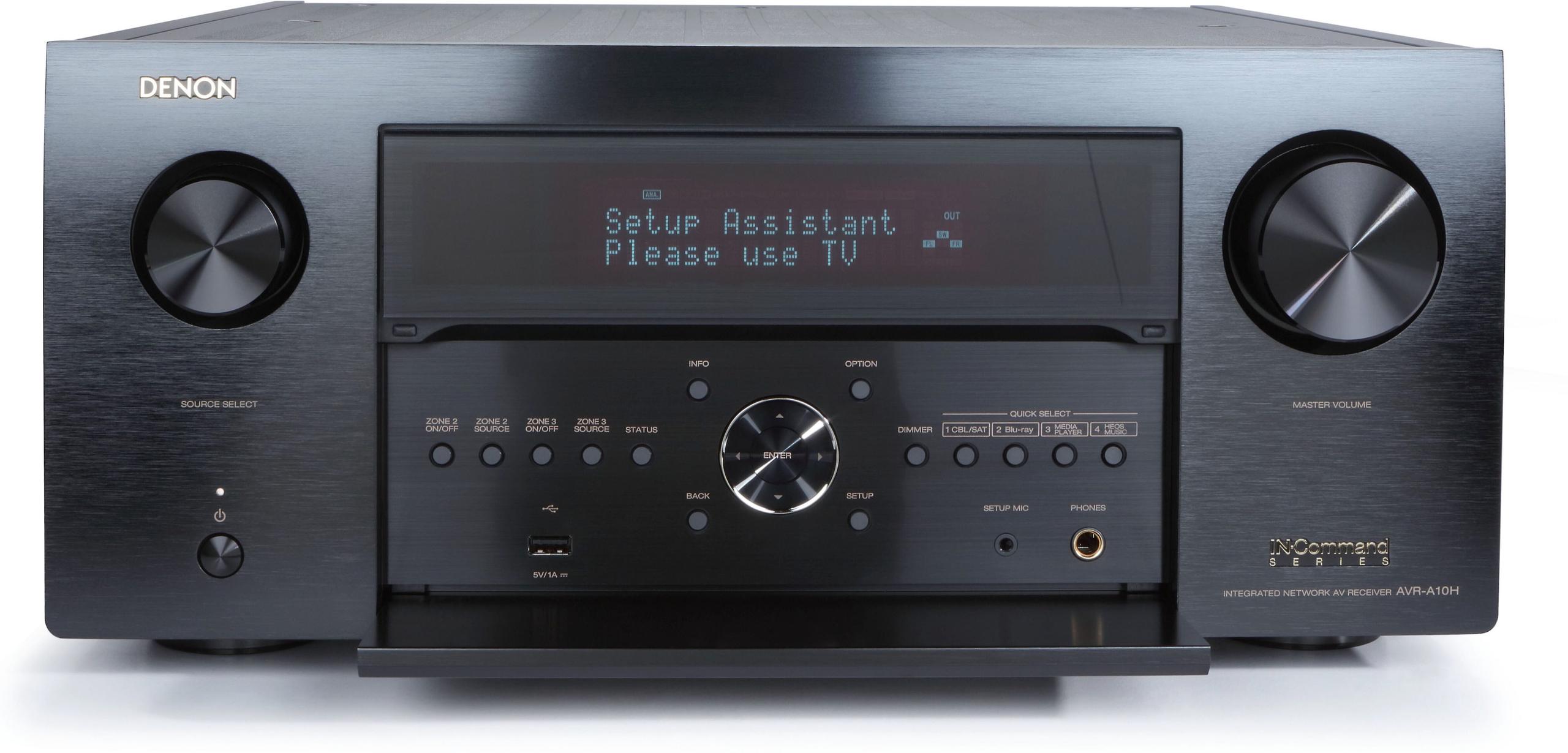
Denon took a completely different approach with the AVR-A10H, released in 2024. This is a no-compromise flagship receiver built in Japan at Denon's prestigious Shirakawa Audio Works facility, where their most premium products are crafted.
The most obvious difference is the massive 15.4-channel amplification. That's 15 powered speaker outputs plus four independent subwoofer outputs, enabling speaker configurations that most people can't even fit in their rooms. Each channel delivers 150 watts, and Denon backs this with their famous "70% power guarantee" – meaning you can expect at least 105 watts per channel even with multiple channels driven simultaneously.
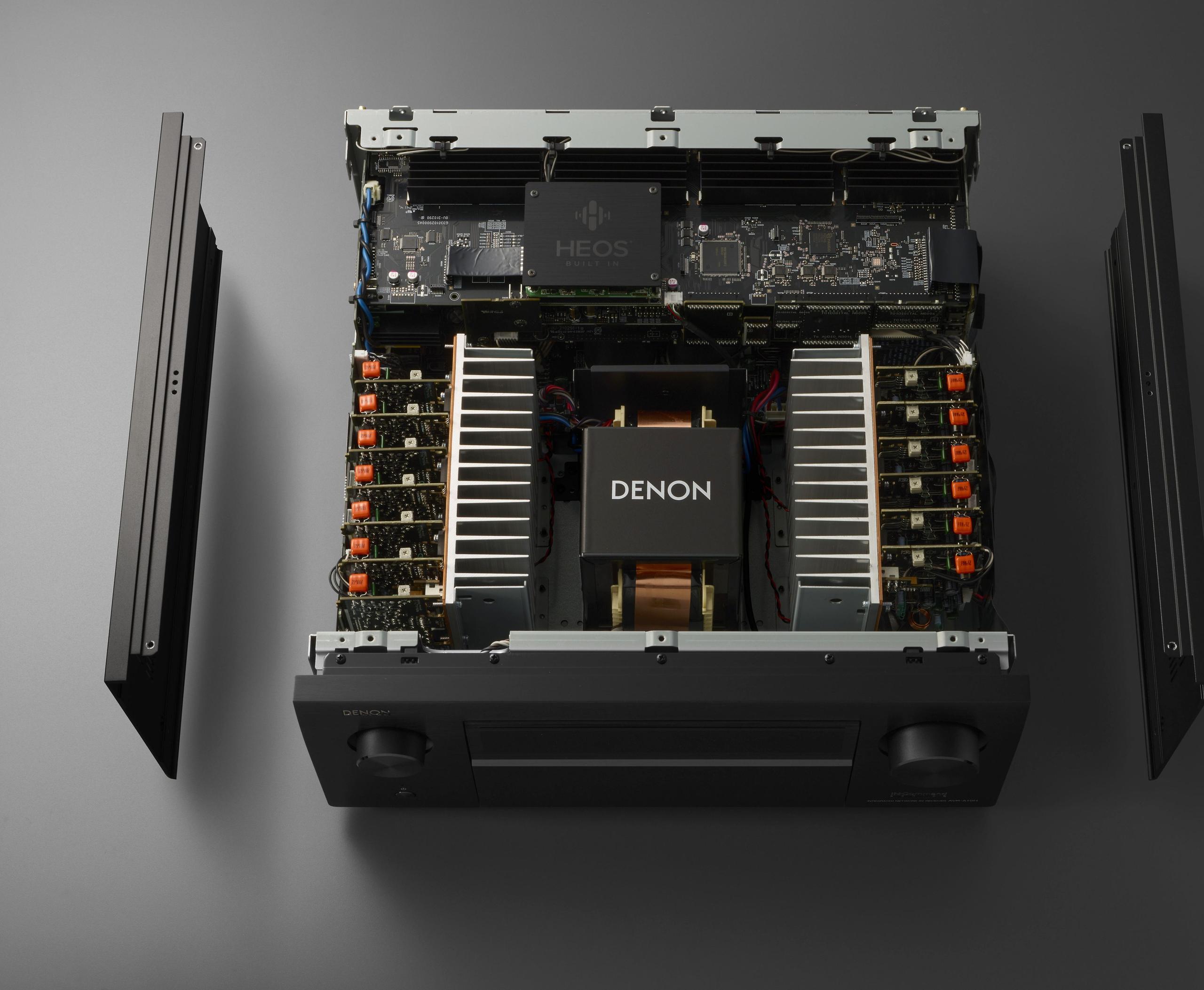
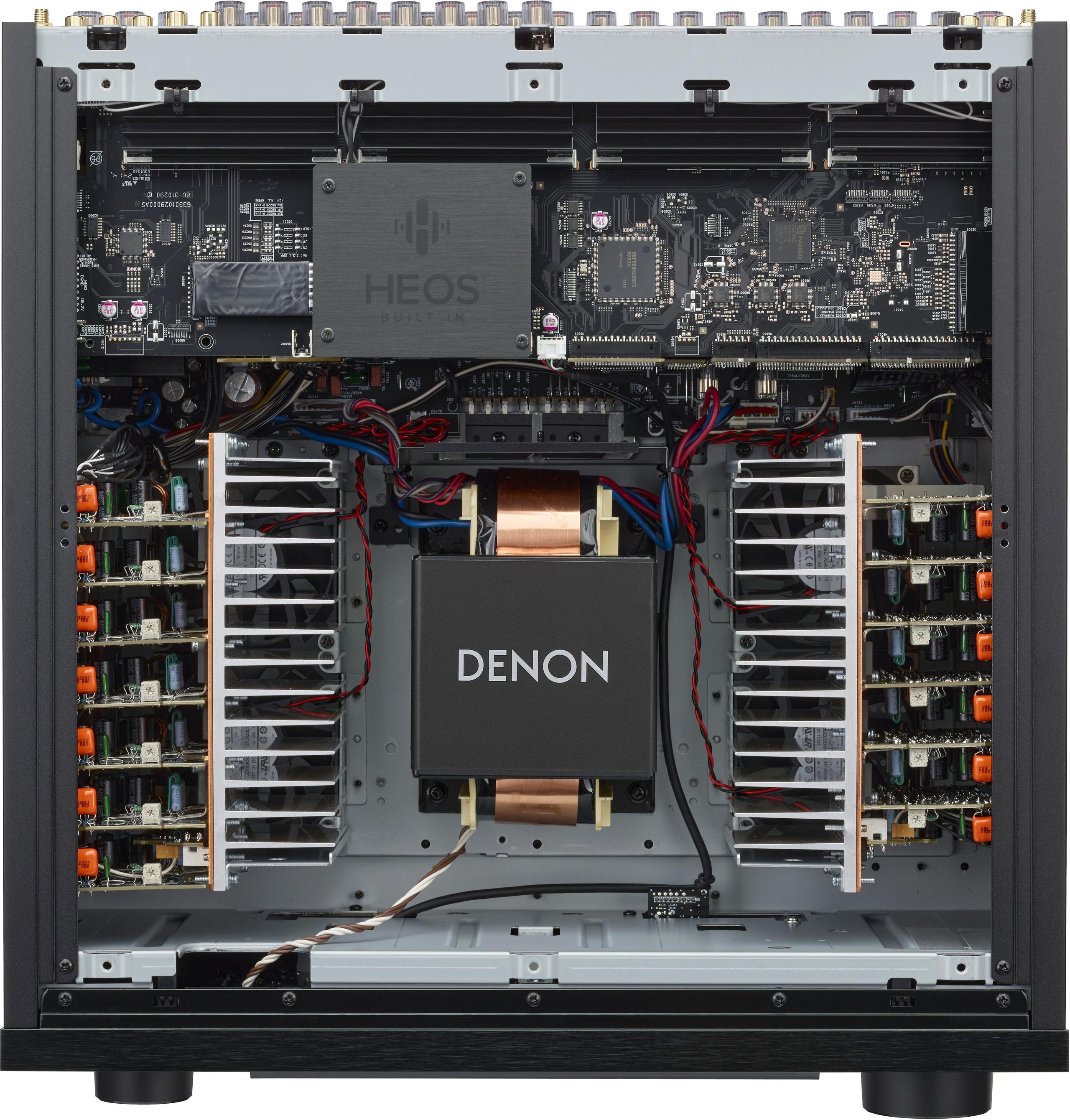
The AVR-A10H uses a monolithic amplifier design where each channel gets its own dedicated circuit board. This minimizes crosstalk (unwanted signal bleeding between channels) and distortion, resulting in cleaner sound. The power supply features an oxygen-free copper wound transformer, premium components that reduce electrical noise and improve dynamics.
Audio processing represents another major upgrade. While the Onkyo TX-NR7100 uses good-quality DACs (digital-to-analog converters), the Denon employs nine audiophile-grade ESS DACs across all channels. These convert digital signals to analog with exceptional precision, preserving detail and reducing distortion. The receiver also includes advanced jitter reduction circuitry, which cleans up timing errors in digital signals that can smear transients and reduce clarity.
For room correction, the AVR-A10H comes standard with Audyssey XT32, though it also supports Dirac Live as an upgrade option. Audyssey works well for most rooms, though Dirac Live generally provides more precise correction for challenging acoustic environments.
Video capabilities match the TX-NR7100's specification sheet but with better implementation. All seven HDMI inputs support HDMI 2.1, and the receiver includes three HDMI outputs instead of two, providing more flexibility for complex setups.
Power and Dynamics This is where the Denon AVR-A10H clearly dominates. The additional 50 watts per channel might not sound like much, but it represents significantly more headroom for dynamic peaks. More importantly, the superior power supply and amplifier design mean the Denon maintains its composure during demanding passages where the Onkyo might strain.
The TX-NR7100's power limiting issue makes direct comparisons difficult, but when working properly, it delivers satisfying dynamics for most content. However, the peace of mind that comes with the Denon's robust engineering is significant for serious home theater use.
Audio Quality and Processing Both receivers support the same surround sound formats, but the AVR-A10H's superior DAC implementation and processing power create noticeable differences in detail retrieval and soundstage precision. The TX-NR7100 sounds good, but the Denon reveals more subtle details in movie soundtracks and music.
That said, the Onkyo's included Dirac Live system partially closes this gap. When properly calibrated, Dirac Live can make even modest receivers sound exceptional by correcting room acoustic problems that mask detail and create uneven frequency response.
Build Quality and Reliability The Denon AVR-A10H wins decisively here. The Japanese craftsmanship, premium components, and three-layer chassis construction are evident in both measured performance and long-term reliability. The gold-plated connections resist corrosion, while the robust power supply handles demanding loads without stress.
The TX-NR7100 feels well-built for its price point, but it's clearly constructed to a budget. The power limiting issue also raises questions about long-term reliability under demanding use.
Both receivers excel at modern connectivity, though they take different approaches. The TX-NR7100 includes comprehensive streaming service support and works with multiple multi-room standards including DTS Play-Fi, Chromecast, and even Sonos integration. Its Bluetooth implementation supports high-quality aptX and aptX-HD codecs – unusual at any price point and valuable for wireless headphone users.
The Denon AVR-A10H centers around Denon's HEOS multi-room ecosystem, which provides excellent performance but locks you into their platform. For dedicated installations, this integration is seamless and powerful, but it's less flexible than the Onkyo's multiple compatibility options.
Both receivers handle modern gaming consoles admirably, supporting 4K at 120fps and all the latest gaming-optimized features. The AVR-A10H edges ahead with its additional HDMI output and more consistent HDMI 2.1 implementation across all inputs, but for most users, both receivers will handle gaming duties without issues.
Choose the Onkyo TX-NR7100 if:
Choose the Denon AVR-A10H if:
At the time of writing, these receivers represent two very different philosophies. The TX-NR7100 attempts to democratize high-end features, bringing THX certification and Dirac Live to buyers who couldn't otherwise afford them. It largely succeeds, though the power limiting issue prevents a wholehearted recommendation.
The AVR-A10H makes no apologies about being a flagship product with flagship pricing. It's engineered for buyers who want the best possible performance and are willing to pay for it. The extensive channel count, premium components, and Japanese build quality justify the premium for serious installations.
For most buyers building their first serious home theater, the TX-NR7100 offers compelling value despite its flaws. The included Dirac Live system alone provides tremendous benefit, and 100 watts per channel handles the vast majority of real-world situations.
However, if you're building a dedicated home theater room with expensive speakers and demanding acoustic requirements, the AVR-A10H is worth the investment. Its combination of power, precision, and reliability makes it a centerpiece that can anchor a system for many years.
The key is honest assessment of your needs and room. A Denon AVR-A10H in a small room with bookshelf speakers is overkill, while a TX-NR7100 driving difficult speakers in a large room might struggle. Match the tool to the job, consider the reliability implications, and choose accordingly.
Both receivers represent their categories well, but they serve fundamentally different buyers with different priorities and budgets. Choose based on your specific needs rather than specifications alone, and you'll end up with a system that serves you well for years to come.
| Onkyo TX-NR7100 | Denon AVR-A10H |
|---|---|
| Channel Configuration - Determines how many speakers you can power and your surround sound possibilities | |
| 9.2 channels (suitable for 5.1.4 or 7.1.2 setups) | 15.4 channels (enables complex 7.4.6 or 9.4.4 configurations) |
| Power Output - More watts mean better dynamics and ability to drive demanding speakers | |
| 100W per channel (adequate for most home theaters) | 150W per channel (excellent for large rooms and difficult speakers) |
| Room Correction - Critical for optimizing sound in your specific room | |
| Dirac Live included (industry-leading calibration system) | Audyssey XT32 standard, Dirac Live optional upgrade |
| Build Quality - Impacts long-term reliability and performance | |
| Standard consumer construction with shared platform | Premium Japanese craftsmanship with gold-plated terminals and three-layer chassis |
| HDMI Connectivity - Essential for modern 4K/8K sources and gaming | |
| 7 inputs (6 HDMI 2.1, 1 HDMI 2.0), 2 outputs | 7 inputs (all HDMI 2.1), 3 outputs |
| Audio Processing - Higher quality DACs preserve more detail in music and movies | |
| Standard DACs with Vector Linear Shaping Circuitry | Nine audiophile-grade ESS DACs across all channels |
| Multi-Room Capability - For playing music throughout your home | |
| Zone 2/3 with multiple platform compatibility (Sonos, Chromecast, DTS Play-Fi) | HEOS ecosystem integration with three zones |
| Certifications - Industry standards that guarantee performance quality | |
| THX Certified Select (ensures reference-quality cinema performance) | Premium flagship without specific certifications |
| Reliability Concerns - Critical issues that affect real-world performance | |
| Power limiting issue drops output to 15% after clipping until unplugged | No known reliability issues with robust engineering |
| Subwoofer Outputs - More outputs allow better bass management and room coverage | |
| 2 subwoofer outputs (standard for most setups) | 4 independent subwoofer outputs (exceptional for large rooms) |
| Target Market - Who each receiver is designed for | |
| Home theater enthusiasts seeking flagship features at mid-range pricing | Serious audiophiles building high-end dedicated theater rooms |
The Denon AVR-A10H has significantly more channels with 15.4 channels compared to the Onkyo TX-NR7100's 9.2 channels. This means the Denon can power up to 15 speakers and 4 subwoofers, while the Onkyo handles 9 speakers and 2 subwoofers. For most home theaters, the TX-NR7100 provides plenty of channels, but the AVR-A10H is better for large dedicated theater rooms.
The Onkyo TX-NR7100 delivers 100 watts per channel, which is adequate for most home theater setups and medium-sized rooms. The Denon AVR-A10H provides 150 watts per channel with superior power supply design, making it better suited for large rooms and demanding speakers that need more power to perform optimally.
Both the Onkyo TX-NR7100 and Denon AVR-A10H support 8K/60Hz and 4K/120Hz video passthrough. However, the Denon has all seven HDMI inputs supporting HDMI 2.1, while the Onkyo has six HDMI 2.1 inputs plus one older HDMI 2.0 input. The AVR-A10H also provides three HDMI outputs versus two on the TX-NR7100.
Yes, both the Onkyo TX-NR7100 and Denon AVR-A10H support Dolby Atmos, DTS:X, and other modern surround sound formats. The TX-NR7100 is THX Certified, while the AVR-A10H supports additional formats like DTS:X Pro and Auro-3D. Both create immersive three-dimensional sound with proper speaker placement.
The Onkyo TX-NR7100 includes Dirac Live room correction built-in, which is considered the industry gold standard for acoustic calibration. The Denon AVR-A10H comes with Audyssey XT32 room correction standard, with Dirac Live available as an optional upgrade. Having Dirac Live included makes the TX-NR7100 particularly attractive for its price range.
The Onkyo TX-NR7100 has a documented power limiting issue where it drops to 15% output after clipping and requires unplugging to reset. This can significantly impact performance without user awareness. The Denon AVR-A10H has no known reliability issues and features premium Japanese construction designed for long-term dependability.
Value depends on your needs and budget. The Onkyo TX-NR7100 offers exceptional features like THX certification and Dirac Live at a more accessible price point, making it excellent value for mid-range budgets. The Denon AVR-A10H costs significantly more but provides flagship performance, premium build quality, and extensive channel count for serious home theater installations.
Yes, both the TX-NR7100 and AVR-A10H fully support next-generation gaming consoles with 4K/120Hz passthrough, Variable Refresh Rate (VRR), Auto Low Latency Mode (ALLM), and Quick Frame Transport (QFT). These features ensure smooth, lag-free gaming performance with the latest consoles and gaming PCs.
The Onkyo TX-NR7100 supports multiple multi-room platforms including Sonos, Chromecast, DTS Play-Fi, and AirPlay 2, offering flexibility across different ecosystems. The Denon AVR-A10H centers around Denon's HEOS multi-room system with three zones, providing excellent integration within that ecosystem but less cross-platform flexibility.
Both receivers support Wi-Fi streaming and Bluetooth connectivity. The Onkyo TX-NR7100 uniquely includes high-quality aptX and aptX-HD Bluetooth codecs, which provide better wireless audio quality. Both support popular streaming services like Spotify, TIDAL, and others, plus AirPlay 2 for Apple device integration.
The Denon AVR-A10H is clearly better suited for large home theater rooms due to its 150-watt power output, 15.4 channels, four subwoofer outputs, and premium amplifier design. The TX-NR7100 works well in medium-sized rooms but may struggle to fill very large spaces or drive demanding speakers effectively.
For most first-time home theater builders, the Onkyo TX-NR7100 provides excellent features and performance at a more approachable price point, despite its power limiting issue. Choose the Denon AVR-A10H if you're building a large, dedicated theater room, have demanding speakers, or want the absolute best performance regardless of cost. Consider your room size, speaker requirements, and long-term plans when deciding between these receivers.
We've done our best to create useful and informative comparisons to help you decide what product to buy. Our research uses advanced automated methods to create this comparison and perfection is not possible - please contact us for corrections or questions. These are the sites we've researched in the creation of this article: crutchfield.com - prohifi.in - bestbuy.com - h-m-entertainment.com - audiosciencereview.com - crutchfield.ca - soundandvision.com - avsforum.com - avgadgets.com - youtube.com - onkyo.com - crutchfield.com - onkyo.com - accessories4less.com - klipsch.com - youtube.com - listenup.com - intl.onkyo-av.com - bestbuy.com - 420spotshop.com - support.onkyousa.com - audiosciencereview.com - audioadvice.com - safeandsoundhq.com - crutchfield.com - audioholics.com - simplehomecinema.com - youtube.com - ihomefurniture.com - skybygramophone.com - techradar.com - denon.com - projectorscreen.com

Privacy Policy
Terms and Conditions - Affiliate Policy
Home Security
© Copyright 2008-2026.
11816 Inwood Rd #1211, Dallas, TX 75244