


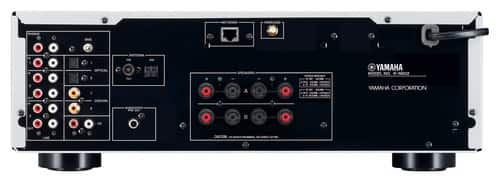
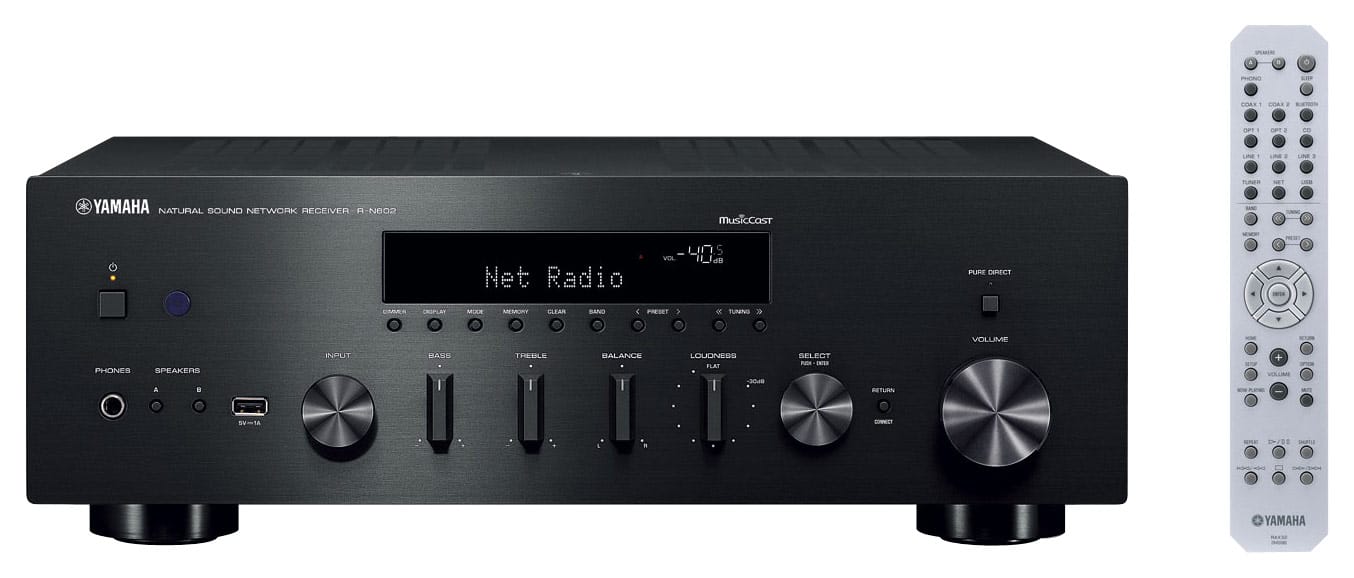
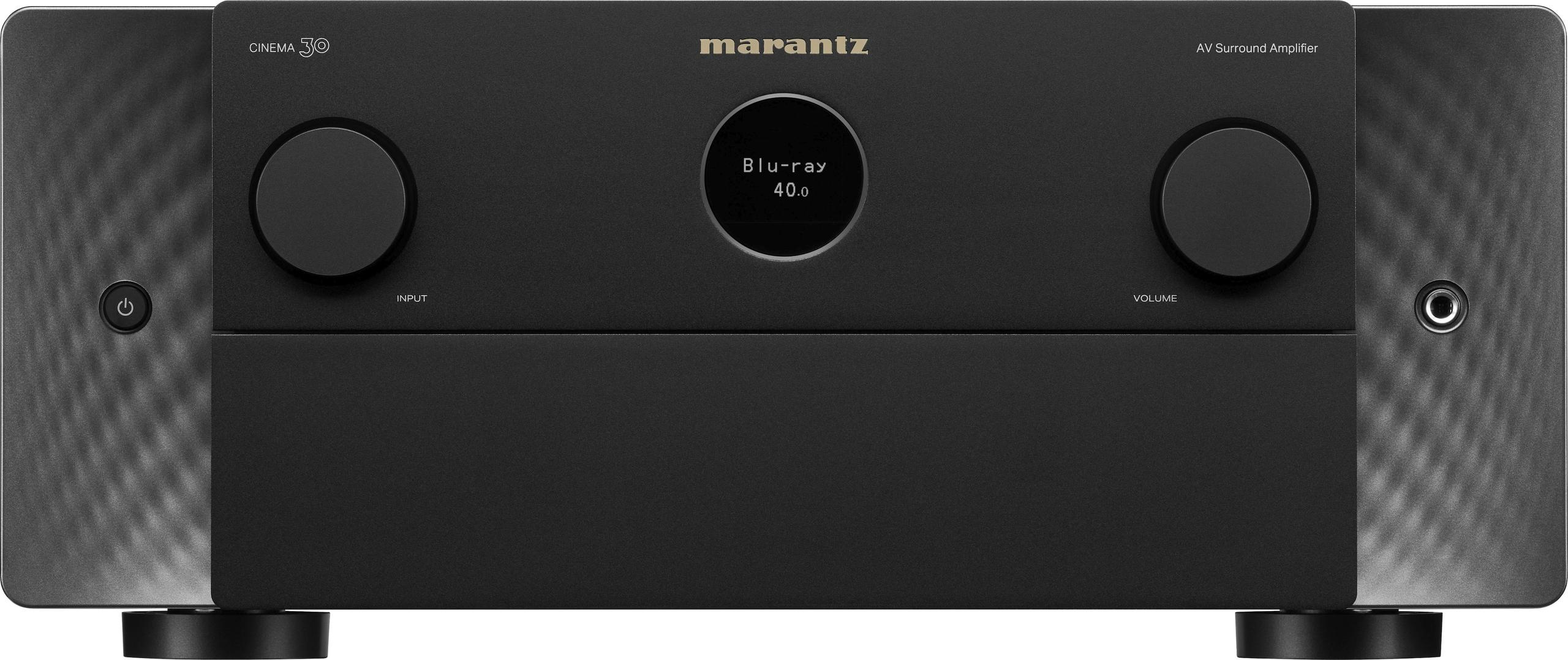
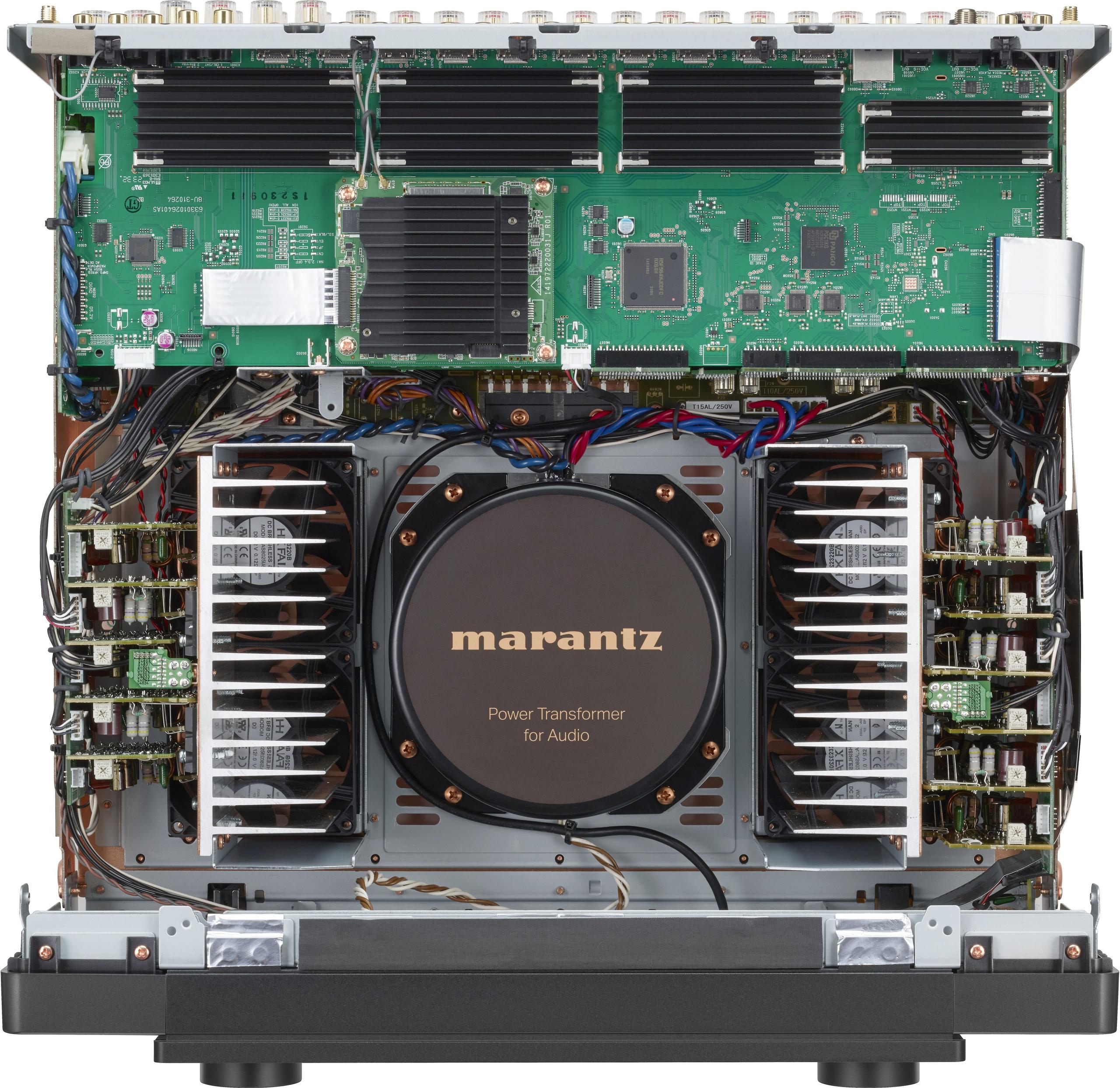
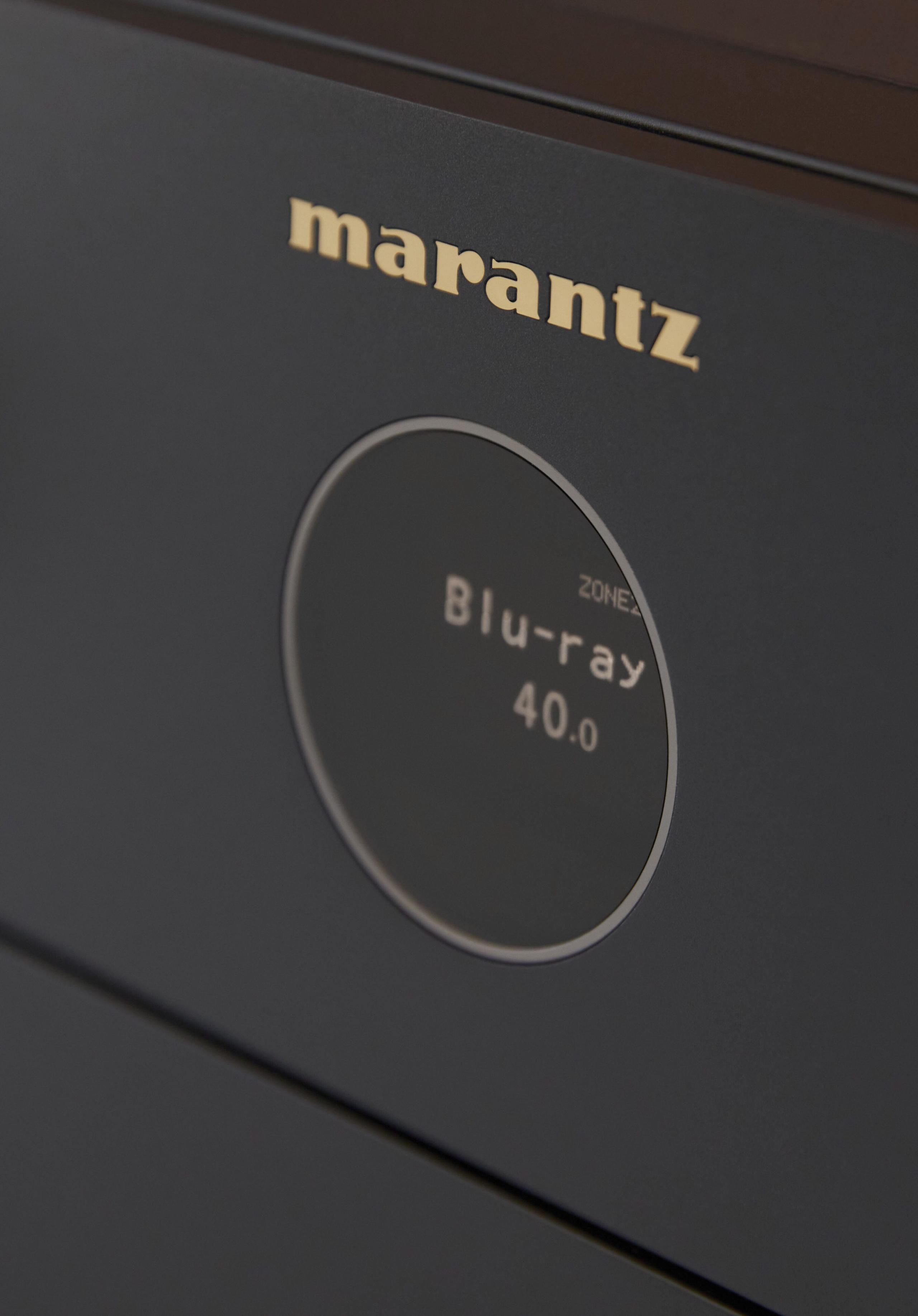
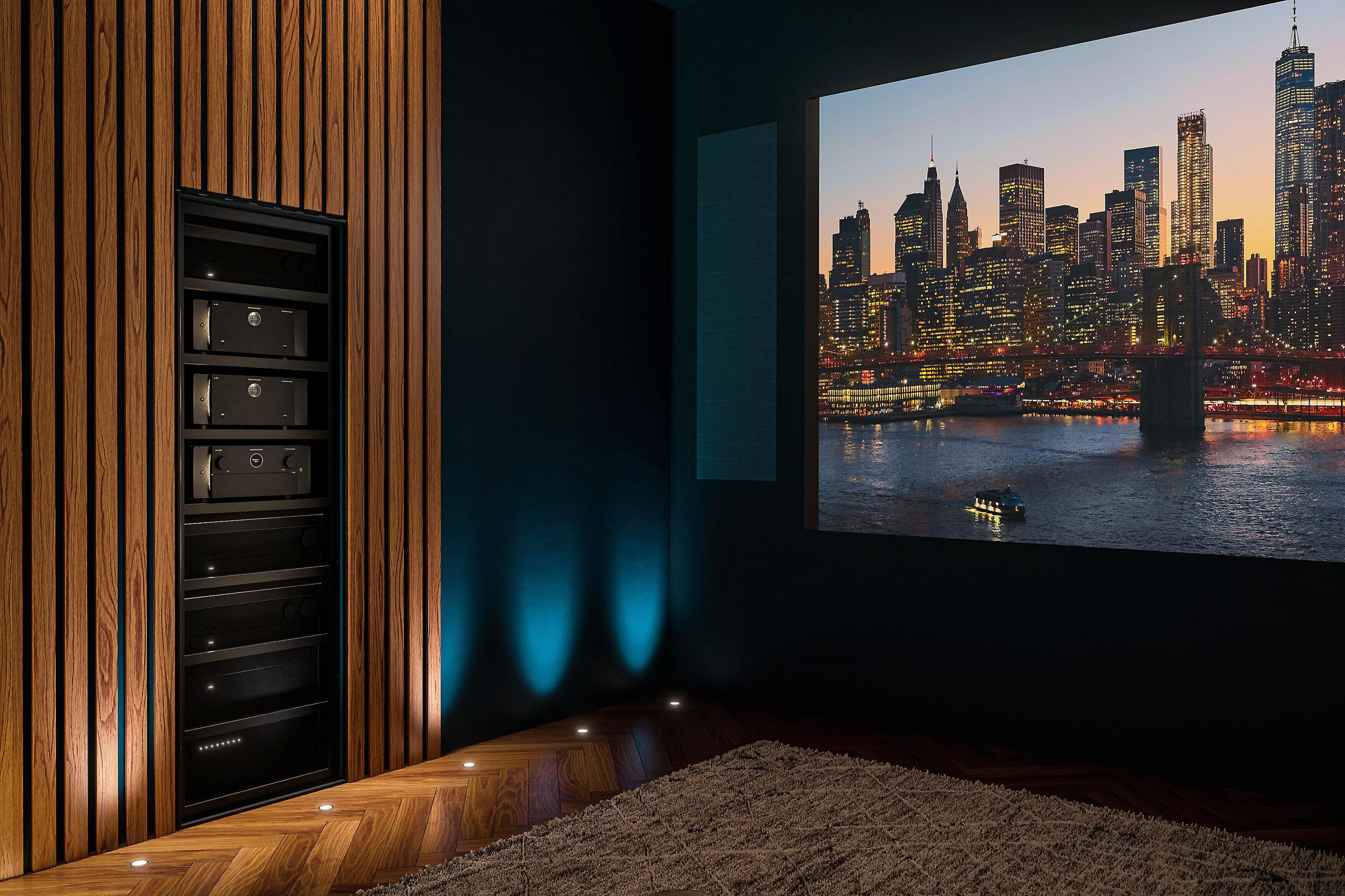
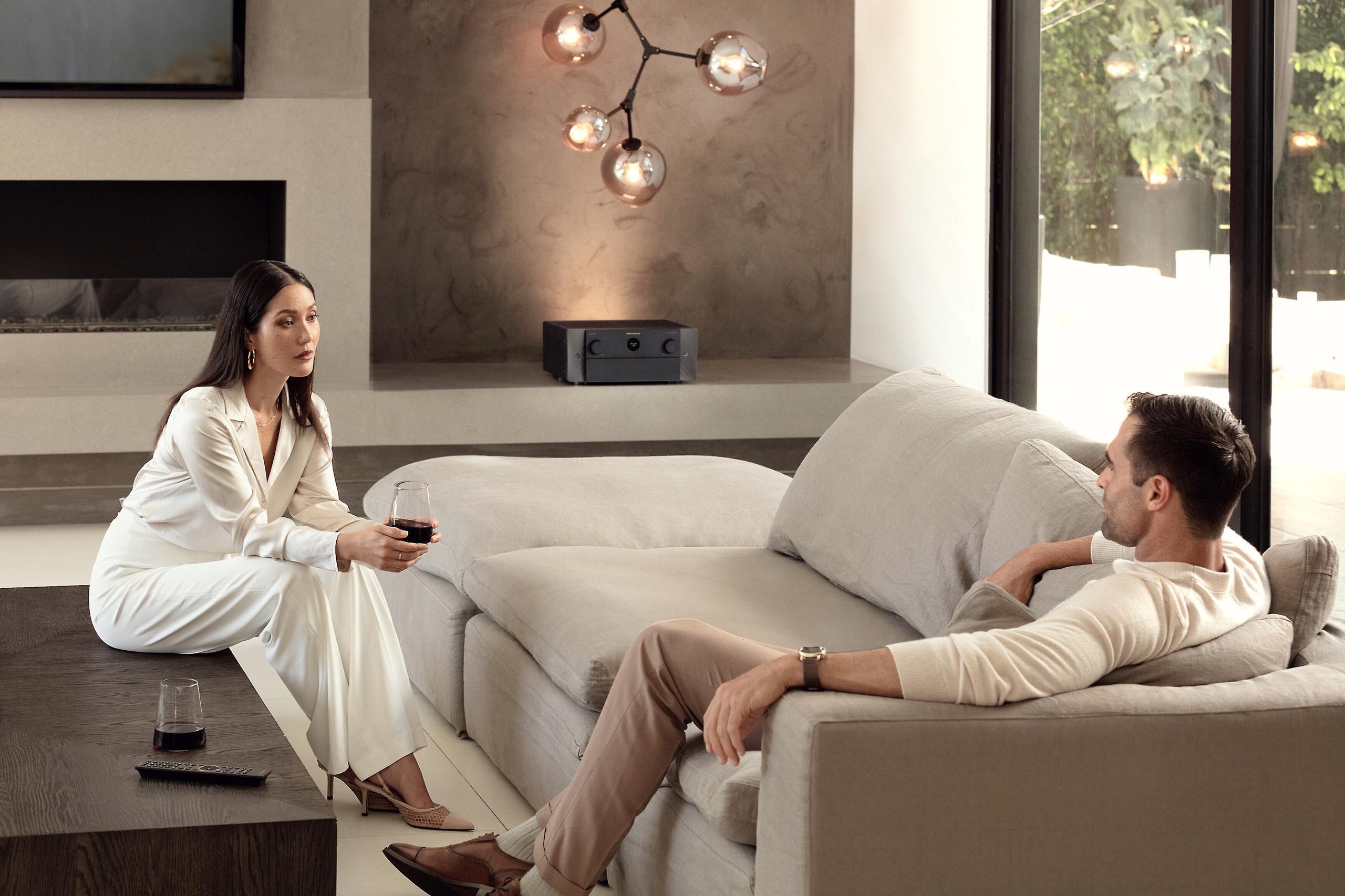
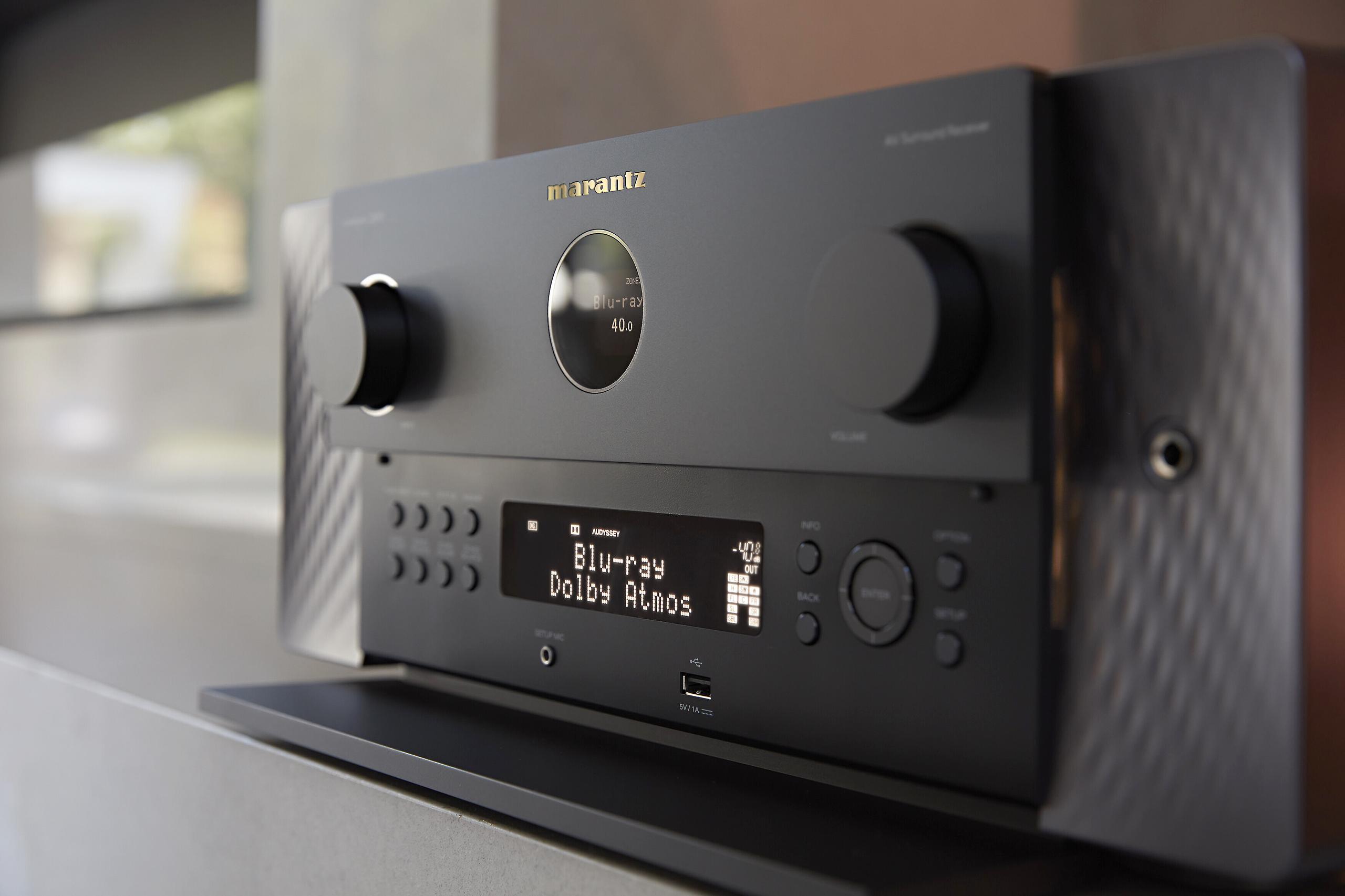
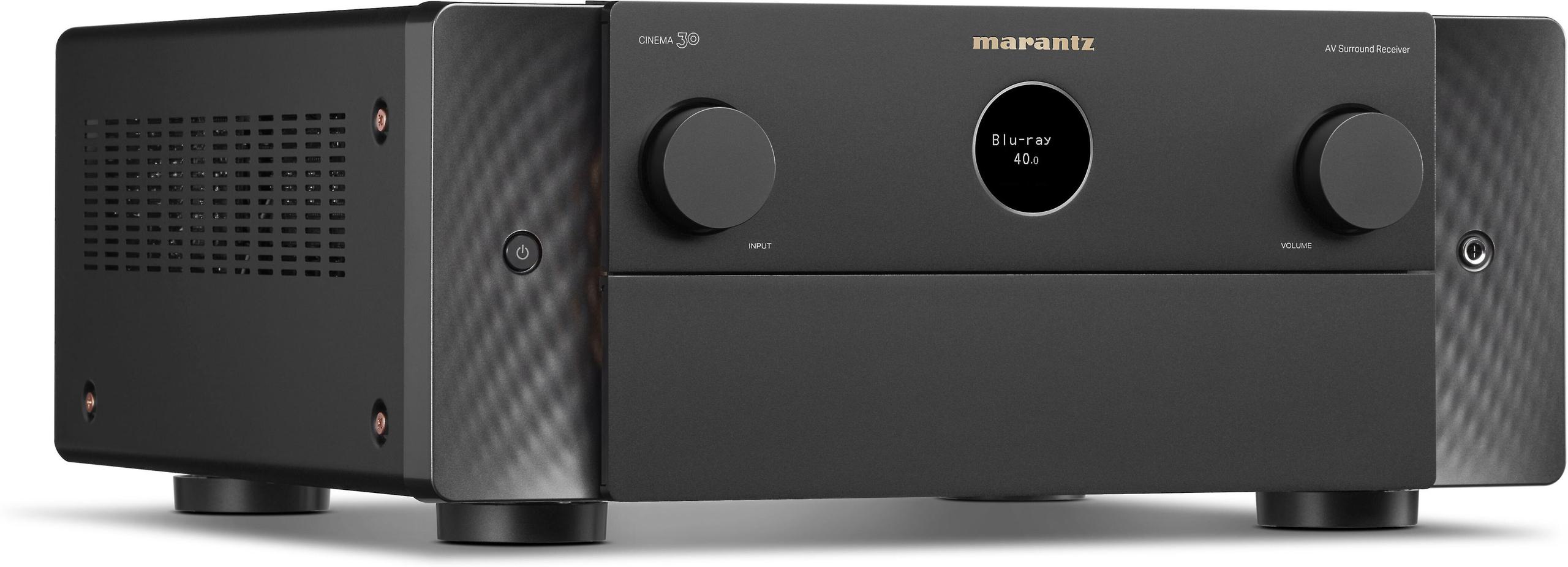
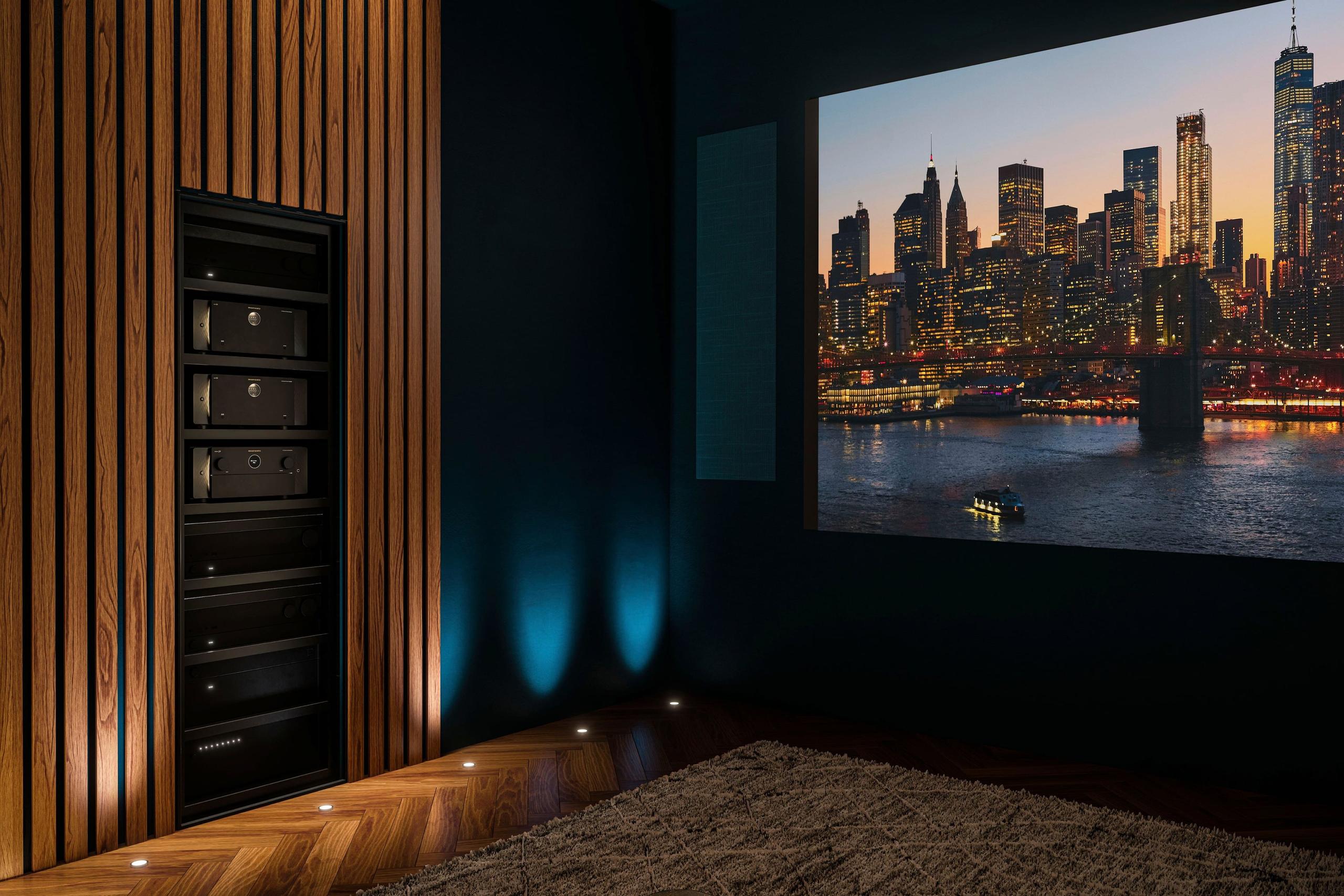
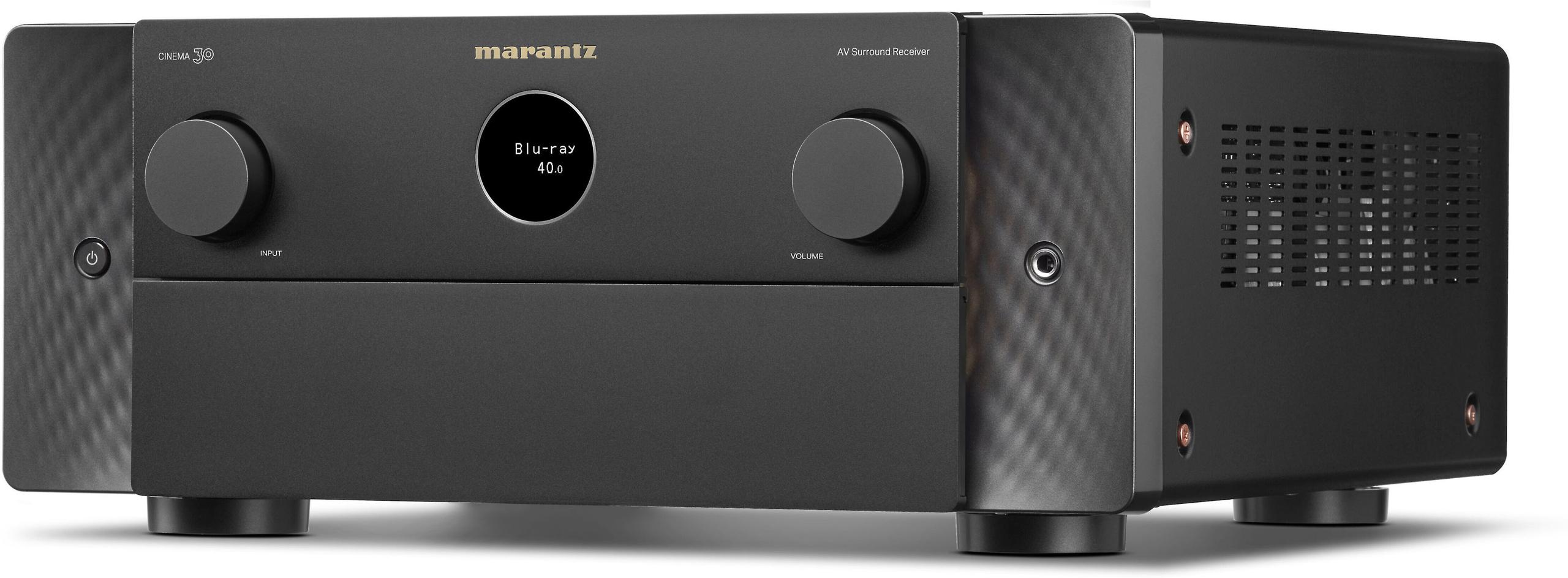
When it comes to home audio, choosing between a dedicated stereo receiver and a home theater receiver isn't just about channel count - it's about matching your listening habits, room setup, and budget with the right technology. Let's dive into two very different approaches to home audio: the Yamaha R-N602 ($649) and the Marantz CINEMA 30 ($4,475).
Modern network receivers have evolved significantly from their traditional predecessors. They now serve as the hub for both digital and analog sources, handling everything from vinyl records to high-resolution streaming. While both units we're examining can play music, they take fundamentally different approaches to home entertainment.
The R-N602, released in 2016, represents a focus on high-quality two-channel audio with network features. The CINEMA 30, launched in 2023, exemplifies the latest in home theater technology, supporting advanced formats like Dolby Atmos and 8K video.
The R-N602 shines in stereo music reproduction, particularly with its Pure Direct mode that bypasses unnecessary circuits for cleaner sound. Its 80 watts per channel might seem modest compared to the CINEMA 30's 140 watts, but in a typical room with efficient speakers, it's more than adequate. The built-in phono preamp for turntables is particularly well-implemented, offering excellent detail and warmth for vinyl enthusiasts.
The CINEMA 30 handles music differently, using sophisticated digital processing. While it can certainly deliver excellent stereo performance, its real strength lies in its ability to upmix stereo content to multiple channels using Dolby Surround or DTS Neural:X, creating an immersive listening experience.
Here's where the differences become stark. The R-N602 is limited to basic stereo for movies and TV shows. While this might be fine for casual viewing, you'll miss out on surround effects and dialog clarity benefits that dedicated center channels provide.
The CINEMA 30 excels with movies, supporting up to 11.4 channels (meaning 11 main speakers and 4 subwoofers). It processes advanced formats like Dolby Atmos, which adds height channels for sounds that move overhead, creating a truly three-dimensional sound field. For movie enthusiasts, this immersion is transformative.
The R-N602 offers basic tone controls and a loudness feature that boosts bass and treble at lower volumes. It's straightforward but effective for simple setups.
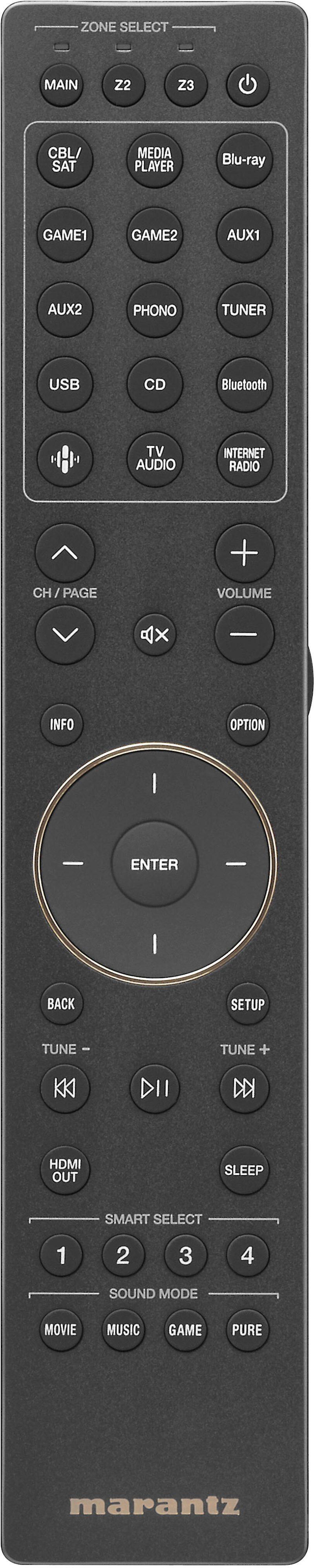
The CINEMA 30 includes sophisticated room correction through Audyssey MultEQ XT32, which uses a microphone to measure your room's acoustics and adjust the sound accordingly. It can even optimize multiple subwoofers independently - a game-changer for achieving smooth bass response throughout your room. The optional Dirac Live upgrade offers even more precise calibration.
Both receivers handle high-resolution audio, but the CINEMA 30 offers more comprehensive format support and processing power. The R-N602 can play DSD and 24-bit/192kHz PCM files, which covers most audiophile needs. However, the CINEMA 30 adds support for newer formats and more sophisticated processing.
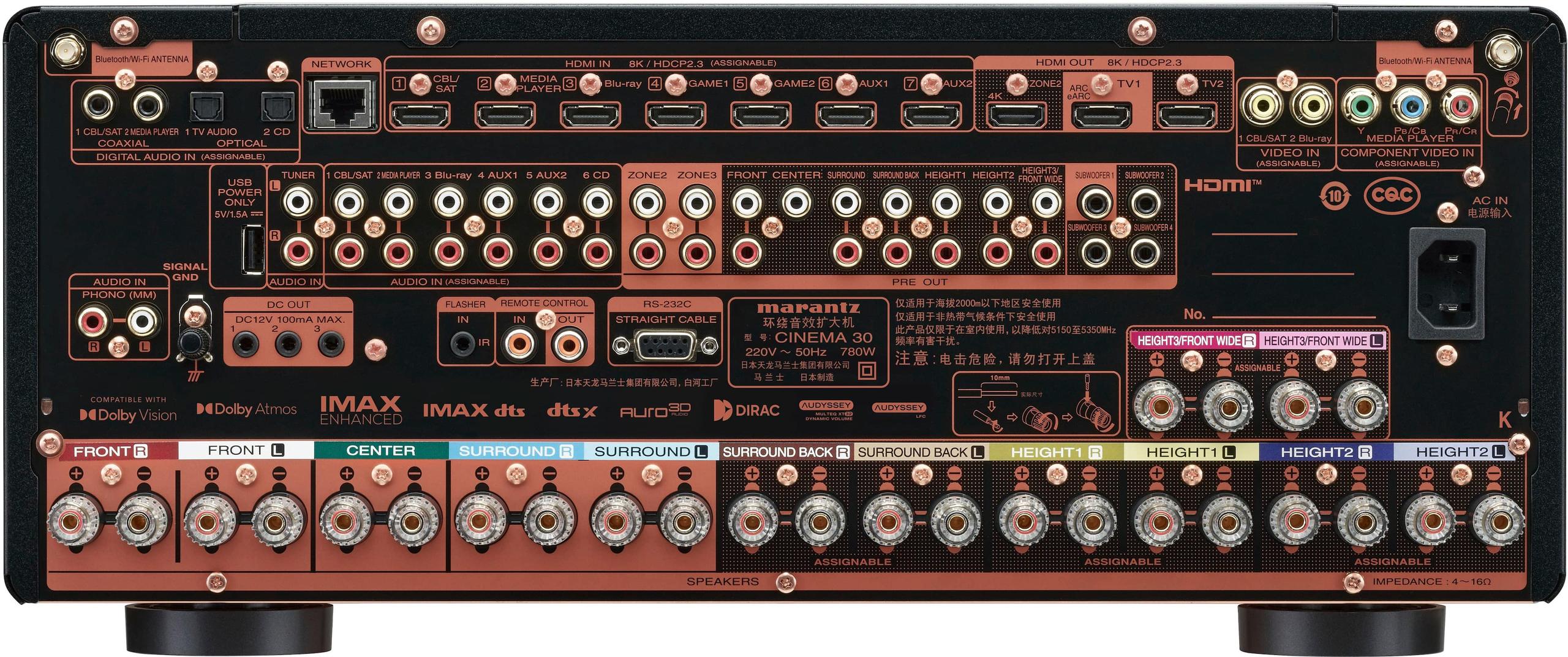
The R-N602 doesn't process video at all - it's purely an audio device. The CINEMA 30 includes state-of-the-art video processing, supporting 8K resolution, 4K at 120Hz for gaming, and advanced HDR formats like Dolby Vision. It can even upscale lower-resolution content to 8K.
Both units offer network streaming, but with different approaches. The R-N602 uses Yamaha's MusicCast system for multi-room audio and supports popular services like Spotify and Pandora. The CINEMA 30 uses the more modern HEOS platform, offering expanded streaming options and better integration with other compatible devices.
At $649, the R-N602 represents excellent value for music lovers who don't need surround sound. Its build quality and audio performance punch above its price point, especially for vinyl playback.
The CINEMA 30 at $4,475 is a significant investment, but it's competitive in the high-end home theater market. Its processing power, build quality, and feature set justify the price for serious home theater enthusiasts.
For a typical living room setup, the R-N602 works well with a pair of bookshelf or tower speakers. It's simple to operate and provides excellent sound for both background listening and focused music sessions.
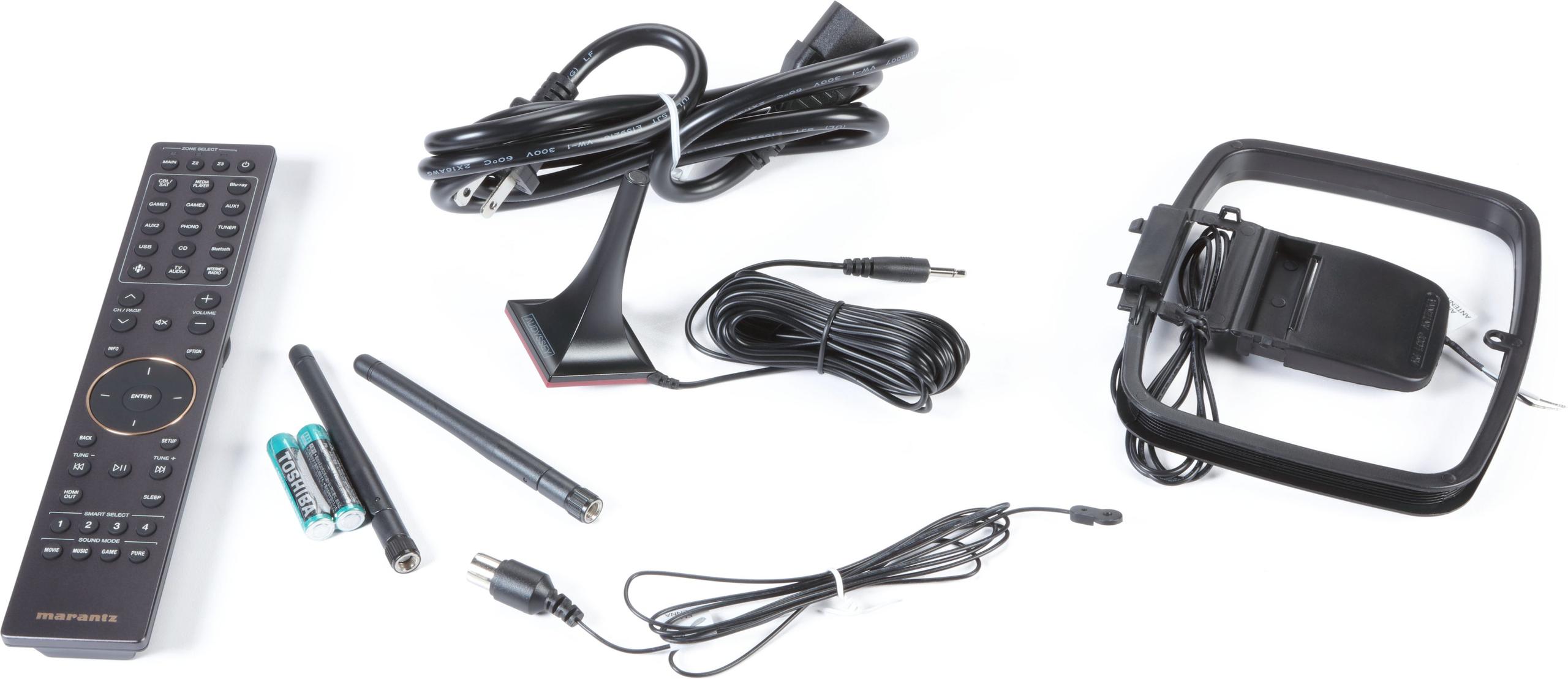
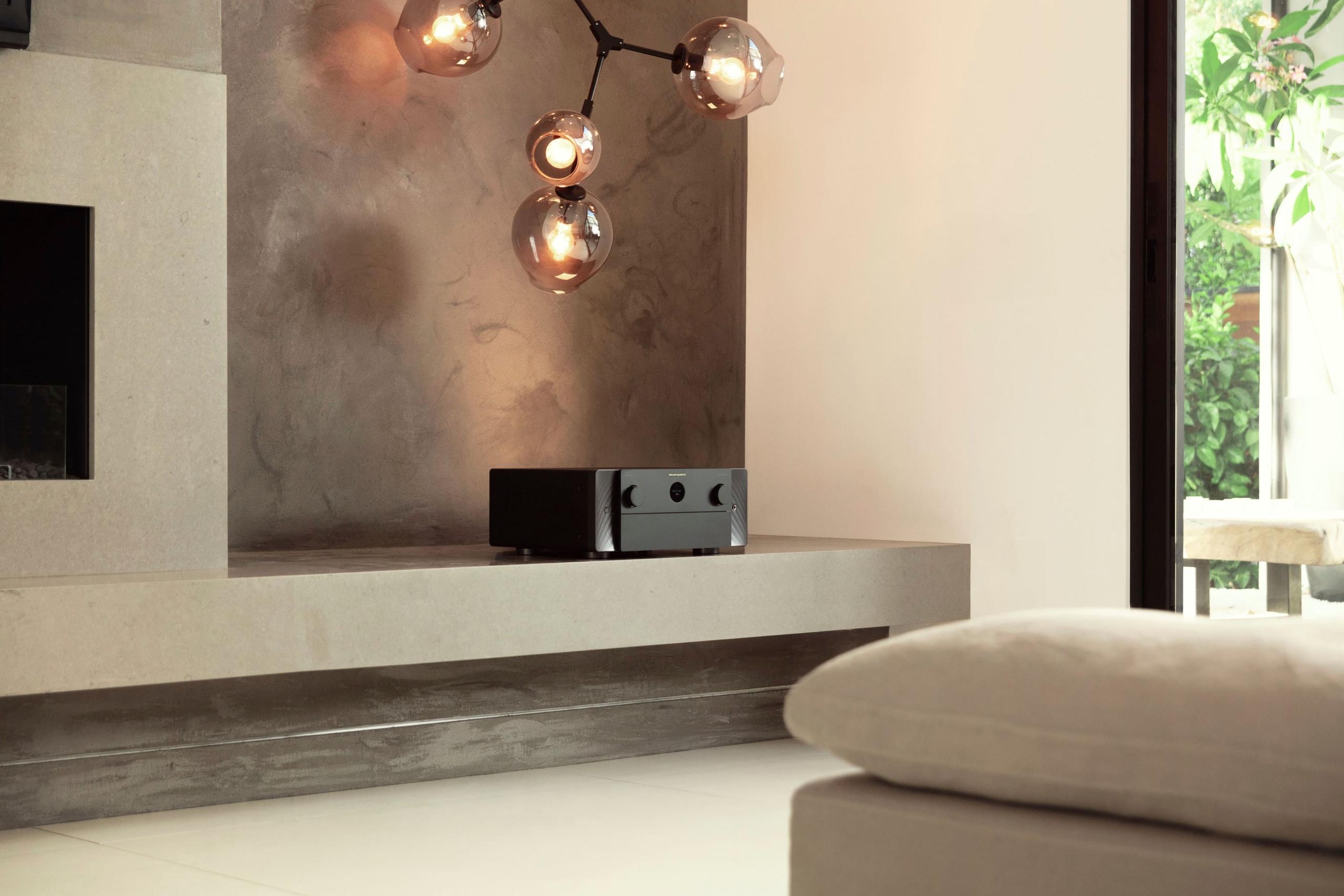
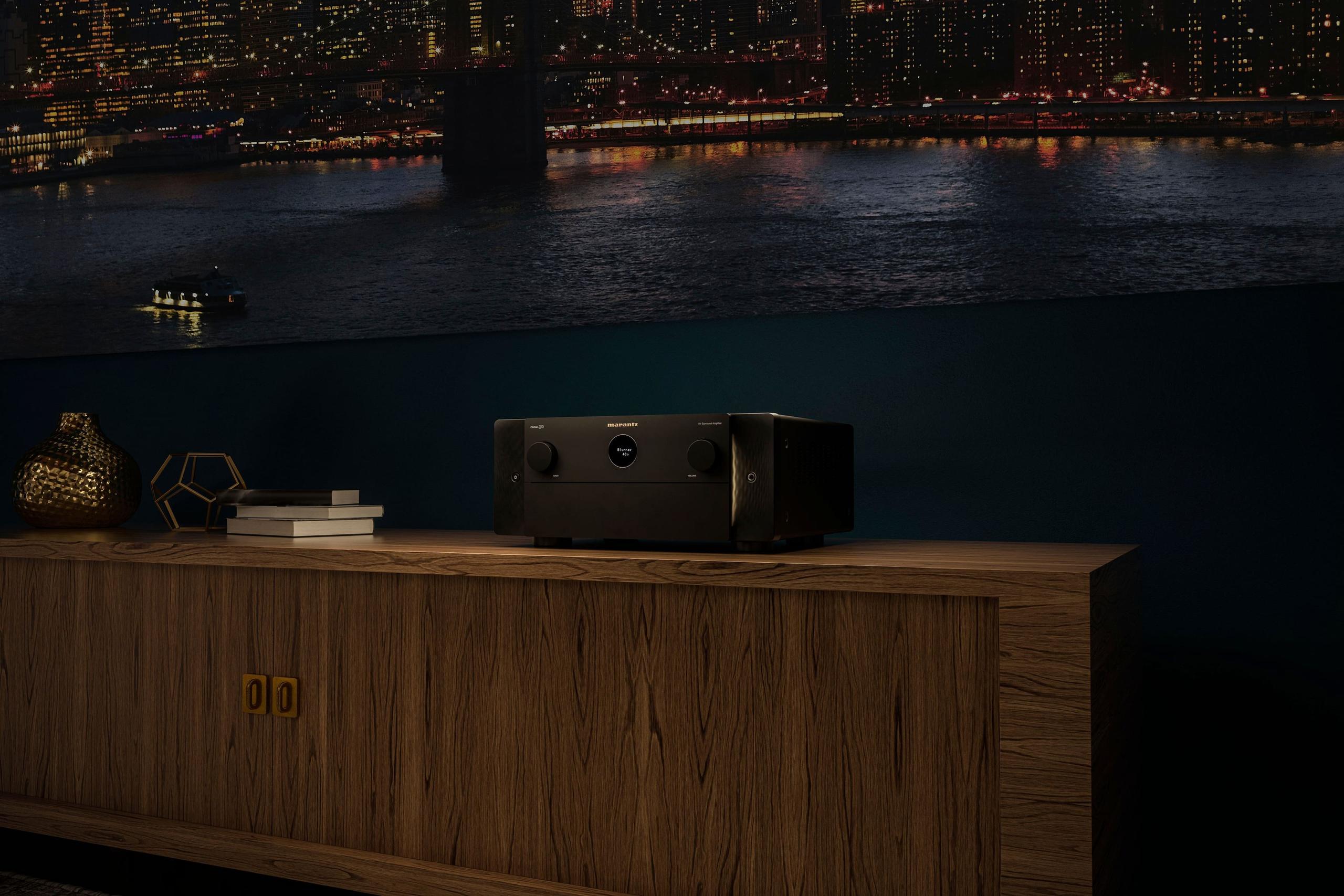
The CINEMA 30 shines in dedicated home theaters or larger living rooms where its processing power and multiple channels create an immersive environment. It's particularly impressive with action movies and modern gaming consoles that support 4K/120Hz.
The R-N602, being from 2016, lacks some modern features but remains capable for stereo playback. Its network features, while dated, still work well for basic streaming needs.
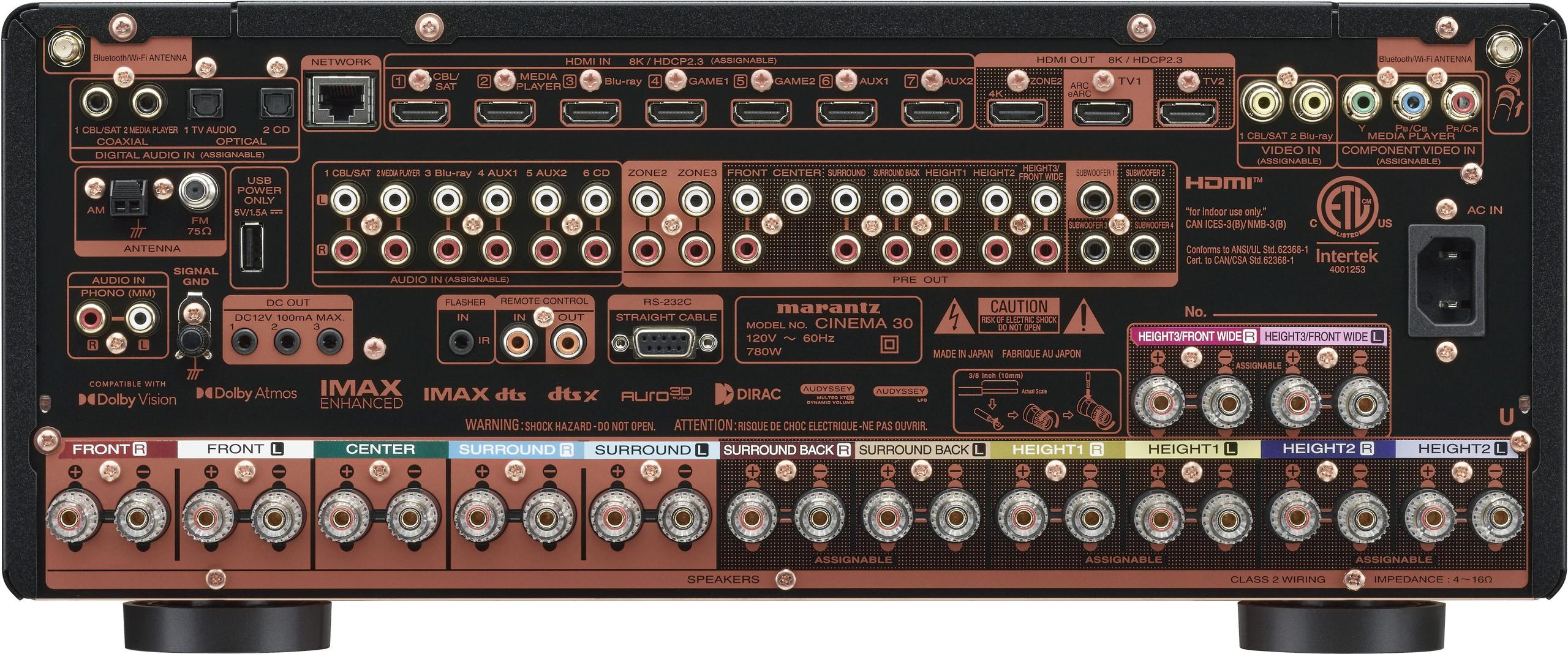
The CINEMA 30 is thoroughly modern, with HDMI 2.1 ports supporting the latest video standards and processing capabilities that should remain relevant for years to come.
Choose the R-N602 if:
Choose the CINEMA 30 if:
Both receivers excel at their intended purposes, but they serve very different needs. The R-N602 remains a compelling choice for music enthusiasts who want quality stereo without complexity. The CINEMA 30 represents the cutting edge of home theater technology, offering a future-proof solution for those who want the ultimate in audio and video processing.
Remember, the best choice depends on your specific needs and how you plan to use the system. Consider your room size, existing equipment, and whether you might want to expand your system in the future.
| Yamaha R-N602 | Marantz CINEMA 30 |
|---|---|
| Power Output - Determines speaker compatibility and room-filling capability | |
| 80W per channel (2 channels) - Sufficient for most stereo setups | 140W per channel (11 channels) - Powerful enough for large theater rooms |
| Audio Processing - Affects sound quality and format support | |
| Basic stereo processing, Pure Direct mode for improved clarity | Advanced processing with Dolby Atmos, DTS:X Pro, Auro 3D support |
| Room Correction - Important for optimizing sound in your space | |
| Basic tone controls only | Audyssey MultEQ XT32 and optional Dirac Live for precise calibration |
| Video Capabilities - Critical for home theater use | |
| No video processing | 8K/60Hz, 4K/120Hz, HDR formats, HDMI 2.1 features |
| Digital Audio Inputs - Flexibility for modern sources | |
| 2 optical, 2 coaxial inputs | 2 optical, 2 coaxial, 7 HDMI inputs |
| Streaming Capabilities - Access to music services | |
| MusicCast, AirPlay, Bluetooth, basic streaming services | HEOS, AirPlay 2, Bluetooth, comprehensive streaming support |
| Multi-room Audio - Whole-home audio potential | |
| Basic MusicCast zones | Advanced HEOS multi-room with video distribution |
| Phono Input - For vinyl playback | |
| High-quality MM phono stage | Basic MM phono input included |
| Build Quality - Durability and performance | |
| Good quality components, standard chassis | Premium components, copper-plated chassis, toroidal transformer |
| Price - Value proposition | |
| $649 - Excellent value for stereo | $4,475 - Premium pricing for advanced features |
| Dimensions - Space requirements | |
| 435 x 151 x 392mm (compact) | 442 x 457 x 189mm (larger installation needed) |
| Future Proofing - Long-term viability | |
| 2016 design, limited upgradeability | Current tech, firmware upgradeable, HDMI 2.1 |
The Yamaha R-N602 is specifically designed for music playback and offers excellent stereo performance at $649. While the Marantz CINEMA 30 can play music well, its $4,475 price reflects its focus on home theater capabilities rather than pure music reproduction.
The main difference is their purpose: the R-N602 is a stereo receiver for music, while the CINEMA 30 is a full home theater receiver supporting surround sound, multiple video inputs, and advanced audio processing.
The Yamaha R-N602 is ideal for small rooms, offering sufficient power for stereo speakers. The CINEMA 30 might be overkill unless you plan to use multiple speakers in a surround setup.
No, both receivers have built-in amplification. However, the CINEMA 30 offers pre-outs if you want to add external amplifiers later.
Yes, both have phono inputs for turntables. The R-N602's phono stage is particularly well-regarded for vinyl playback.
Both support streaming, but differently. The R-N602 uses MusicCast, while the CINEMA 30 uses the more modern HEOS platform with broader service support.
The Marantz CINEMA 30 supports up to 8K video and all modern video formats. The R-N602 doesn't process video at all - it's audio-only.
The R-N602 supports two speakers (stereo), while the CINEMA 30 can handle up to 11 speakers plus 4 subwoofers.
The CINEMA 30 is significantly better for gaming, with HDMI 2.1 support, 4K/120Hz capability, and surround sound processing. The R-N602 only provides basic stereo sound.
Both support multi-room audio, but the CINEMA 30's HEOS system is more advanced and can distribute both audio and video to different rooms.
The Marantz CINEMA 30 is more future-proof with its current technology and upgradeability. The R-N602, while still capable, uses older technology from 2016.
We've done our best to create useful and informative comparisons to help you decide what product to buy. Our research uses advanced automated methods to create this comparison and perfection is not possible - please contact us for corrections or questions. These are the sites we've researched in the creation of this article: theaudiophileman.com - crutchfield.com - forums.whathifi.com - usa.yamaha.com - youtube.com - hifiengine.com - yamaha.com - adorama.com - parts-express.com - usa.yamaha.com - audiosciencereview.com - hometheaterhifi.com - valueelectronics.com - youtube.com - everydayaudiophile.com - safeandsoundhq.com - marantz.com - marantz.com - marantz.com - projectorscreen.com - audioholics.com - stereonet.com - stereonet.com

Privacy Policy
Terms and Conditions - Affiliate Policy
Home Security
© Copyright 2008-2026.
11816 Inwood Rd #1211, Dallas, TX 75244