

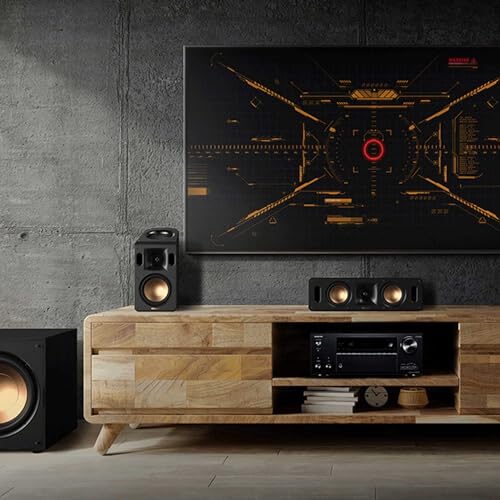
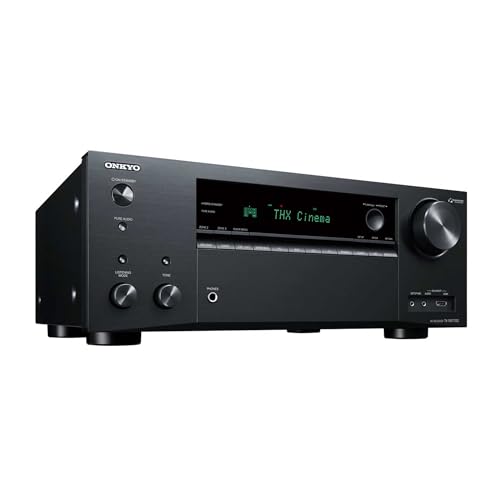
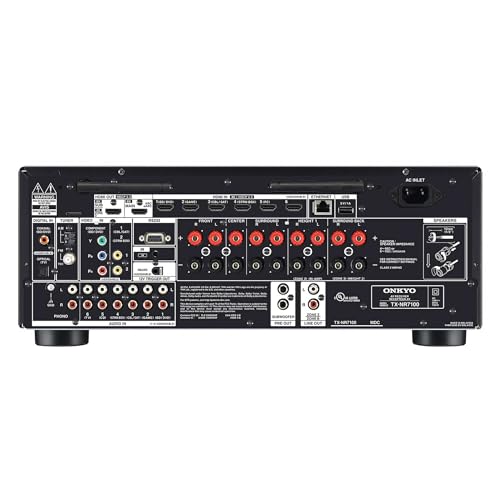
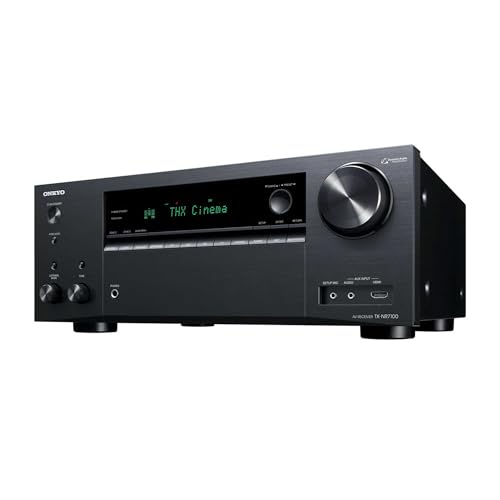
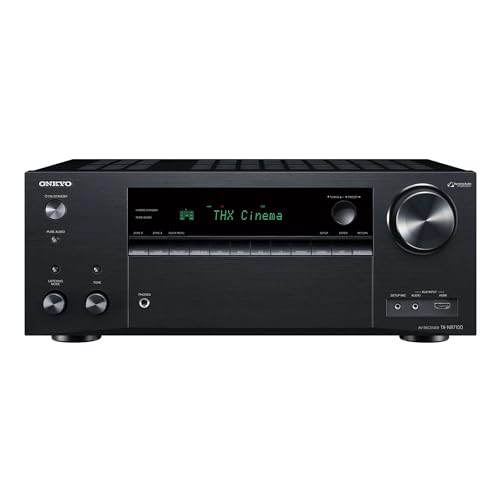
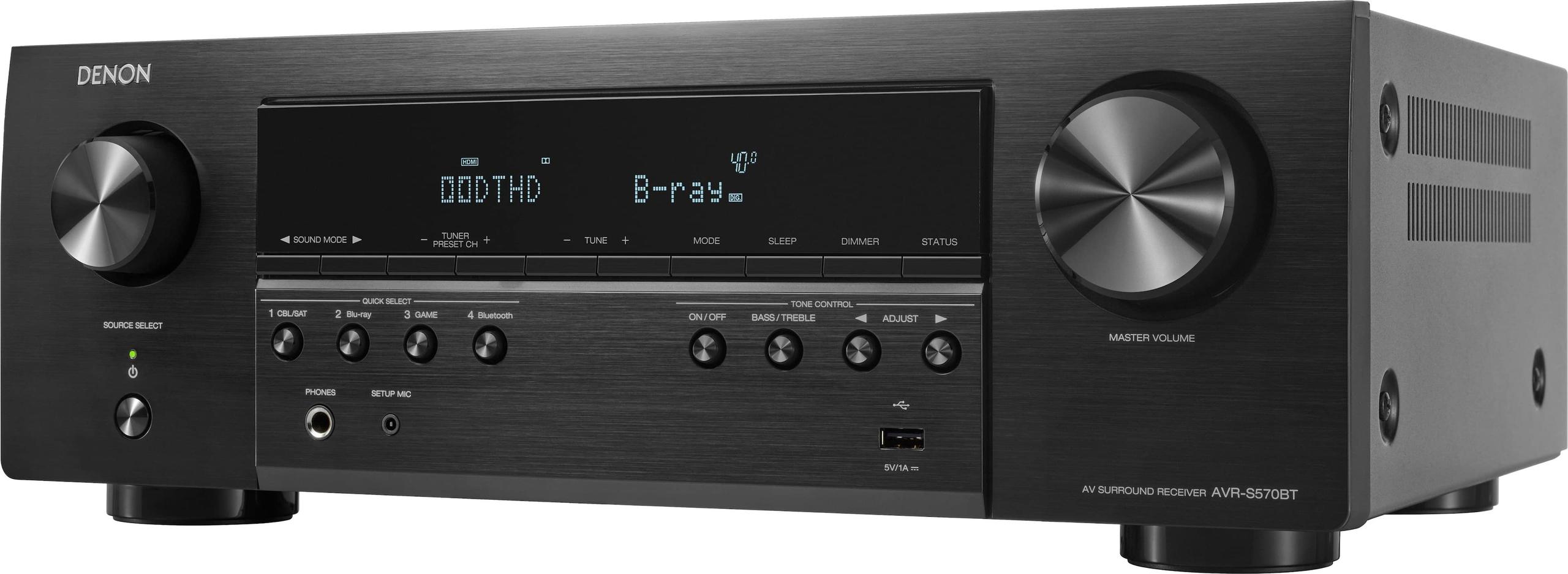
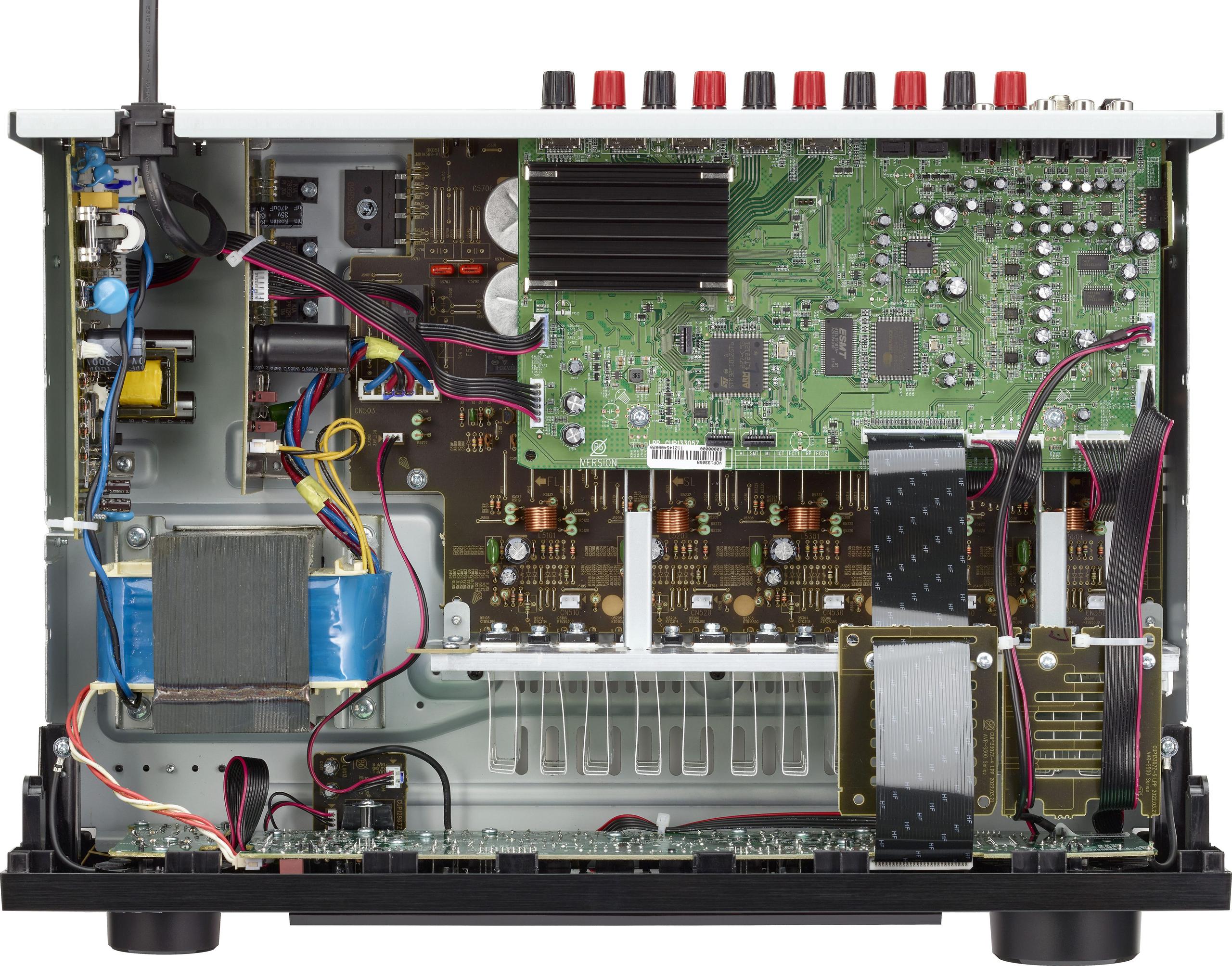
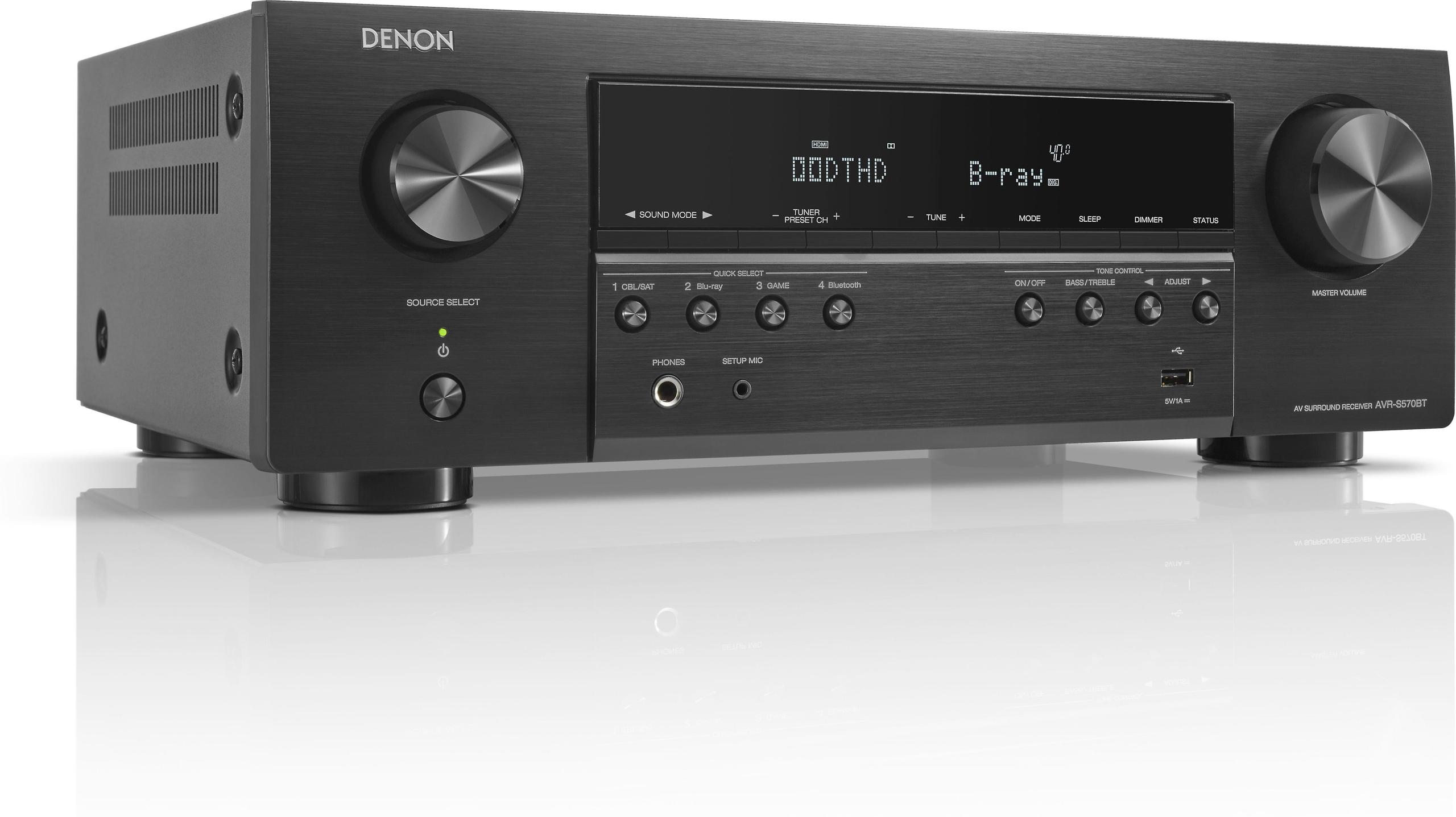
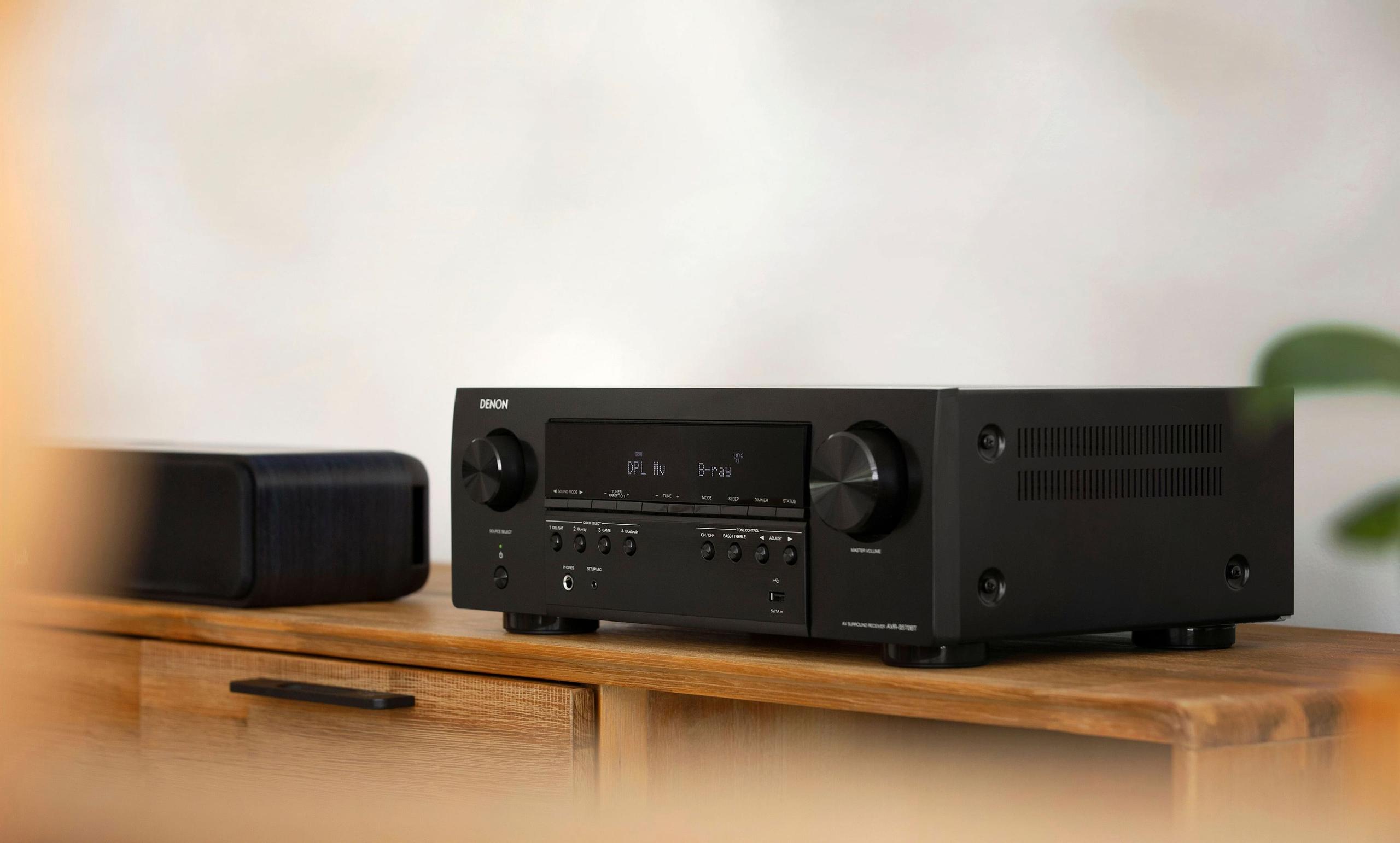
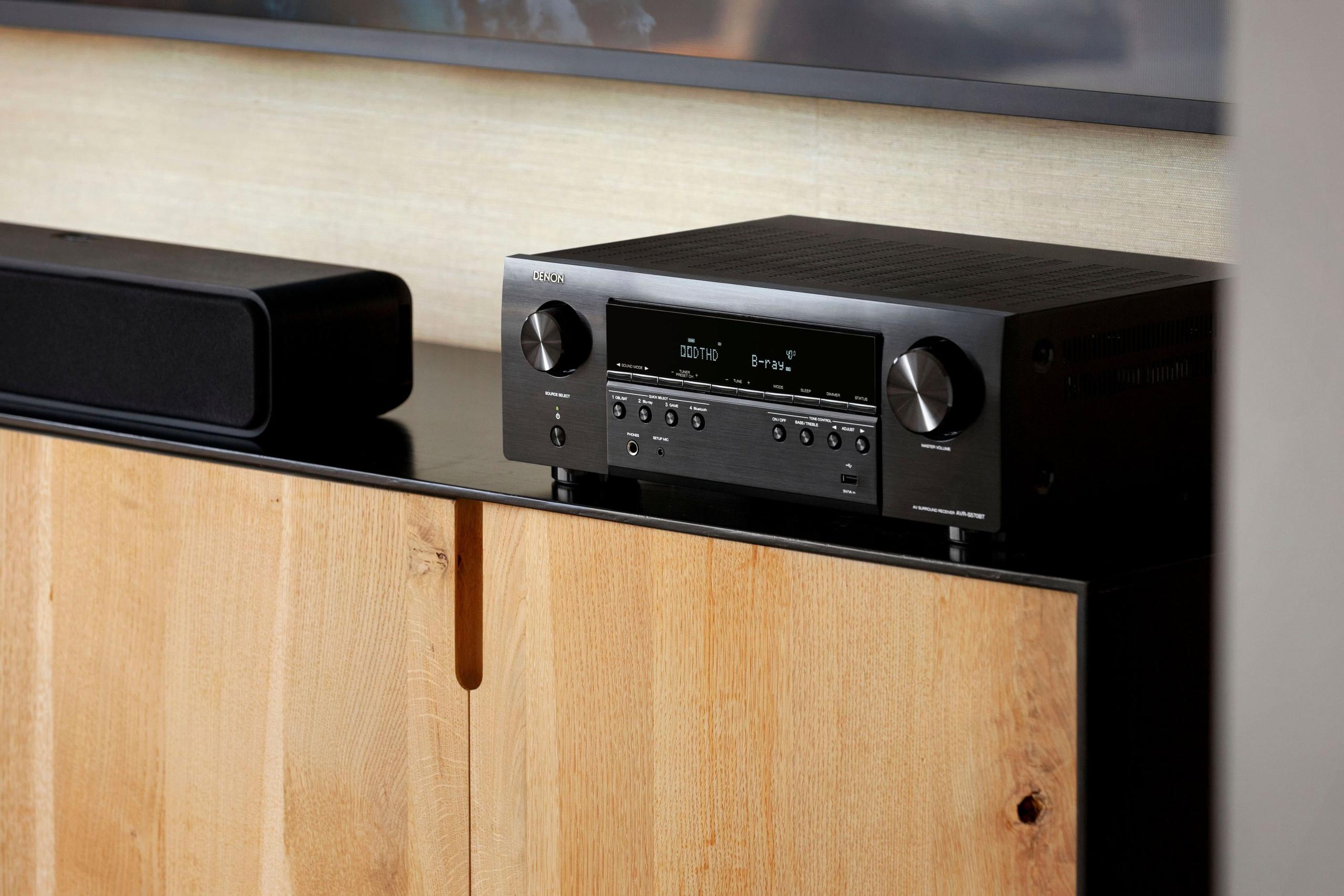
When you're building a home theater, the AV receiver acts as the brain of your entire system. It's the hub that connects all your devices, processes your audio and video signals, and powers your speakers. But choosing the right receiver can feel overwhelming, especially when comparing vastly different price tiers like the premium Onkyo TX-NR7100 and the budget-friendly Denon AVR-S570BT.
These two receivers represent completely different approaches to home theater. The TX-NR7100, released in 2021, targets serious enthusiasts with advanced features like professional room correction and support for complex Dolby Atmos speaker layouts. The AVR-S570BT, launched in 2022, focuses on delivering modern features at an accessible price point for newcomers to home theater.
Before diving into specifics, let's establish what really matters in an AV receiver. The most critical factors are channel configuration (how many speakers you can connect), power output (how loud and clean your audio will be), room correction technology (software that optimizes sound for your specific space), and connectivity options (the inputs and outputs for all your devices).
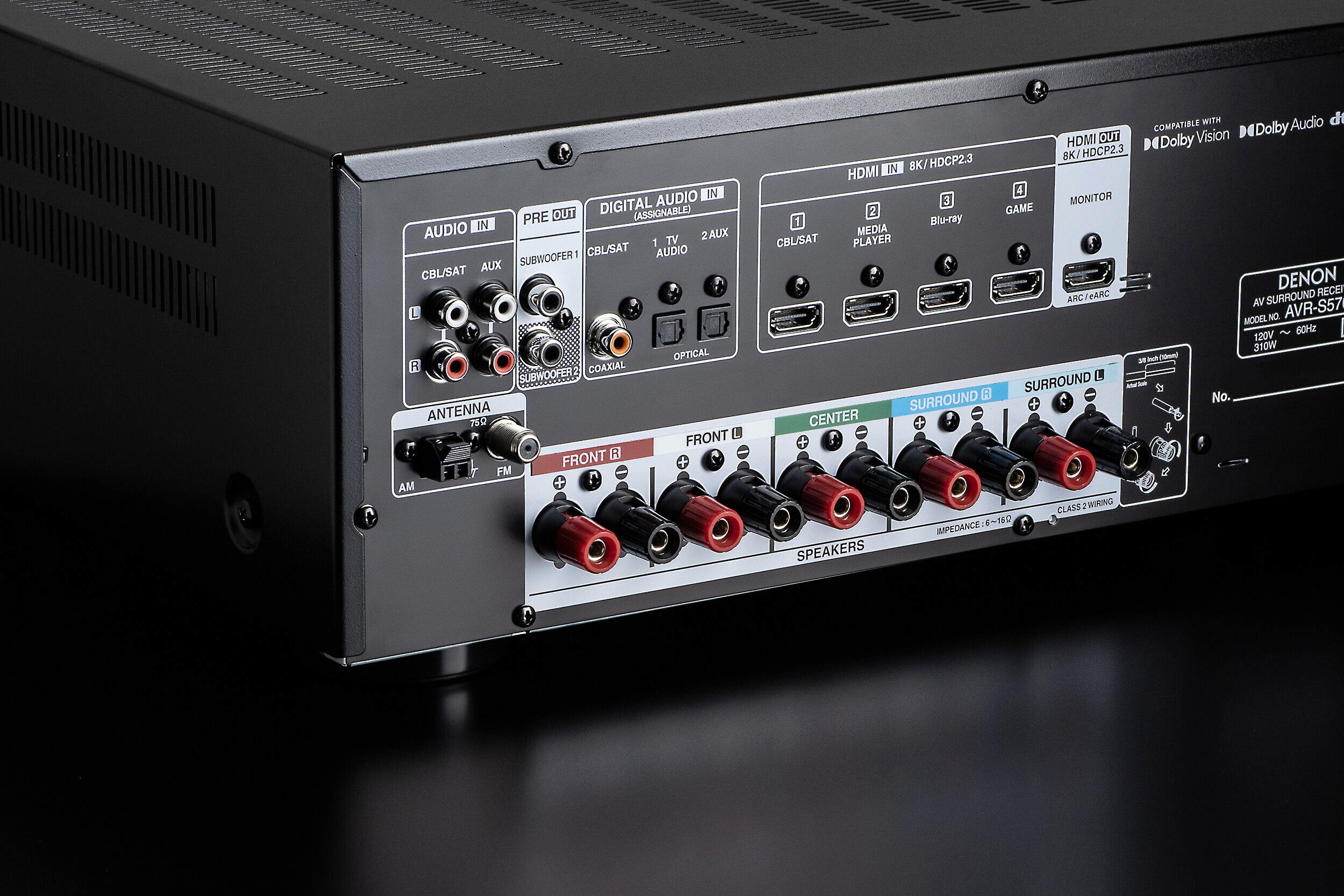
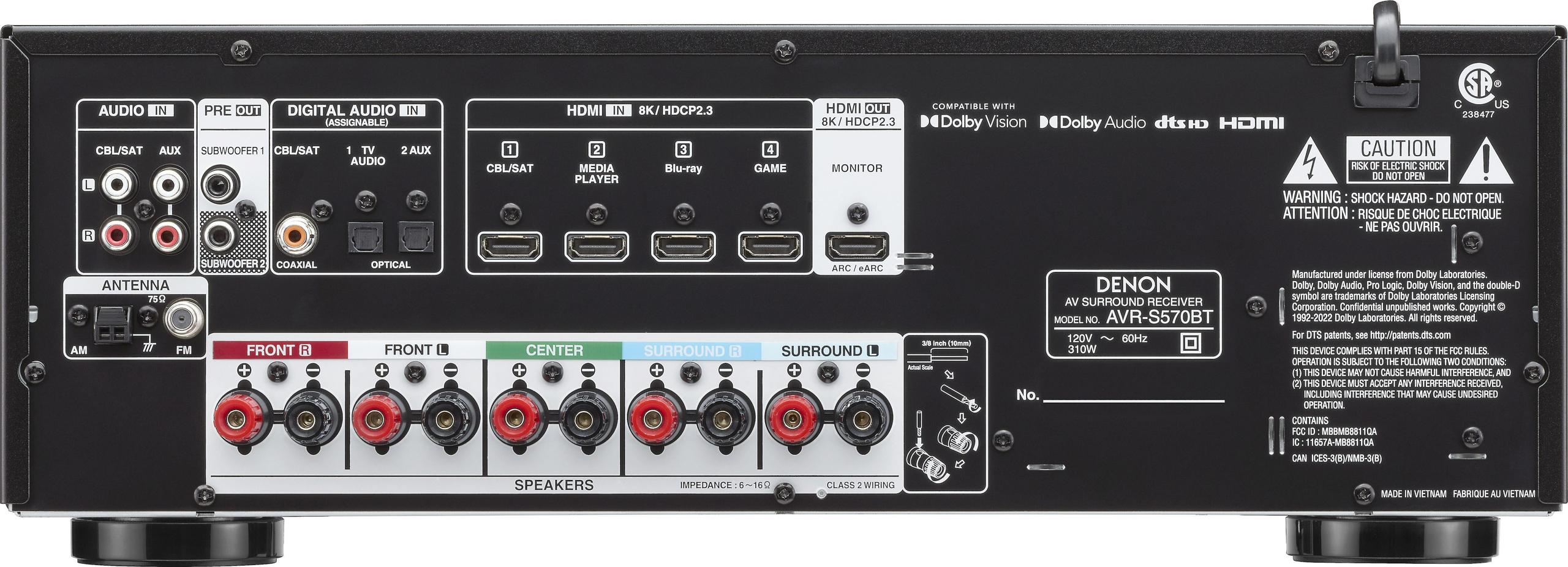
Channel configuration is probably the most fundamental difference you'll encounter. A 5.2 receiver like the Denon AVR-S570BT can power five main speakers plus two subwoofers - perfect for traditional surround sound. A 9.2 receiver like the Onkyo TX-NR7100 can handle nine speakers plus two subwoofers, enabling advanced Dolby Atmos setups with overhead speakers that create truly three-dimensional sound.
Room correction has become increasingly important as more people recognize that even expensive speakers can sound mediocre in poorly treated rooms. This technology uses microphones to measure how sound bounces around your space, then adjusts the audio output to compensate for acoustic problems like echo, dead spots, or boomy bass.
The Onkyo TX-NR7100 and Denon AVR-S570BT represent opposite ends of the home theater spectrum, though both incorporate modern video standards like 8K support and gaming-optimized features. At the time of writing, you're looking at roughly a four-fold price difference, with the Onkyo positioned as a premium mid-tier option and the Denon as an entry-level choice.
This price gap isn't just about brand positioning - it reflects fundamentally different feature sets and target audiences. The TX-NR7100 includes professional-grade room correction software that typically costs hundreds of dollars separately, while the AVR-S570BT focuses on ease of use and essential features without the complexity.
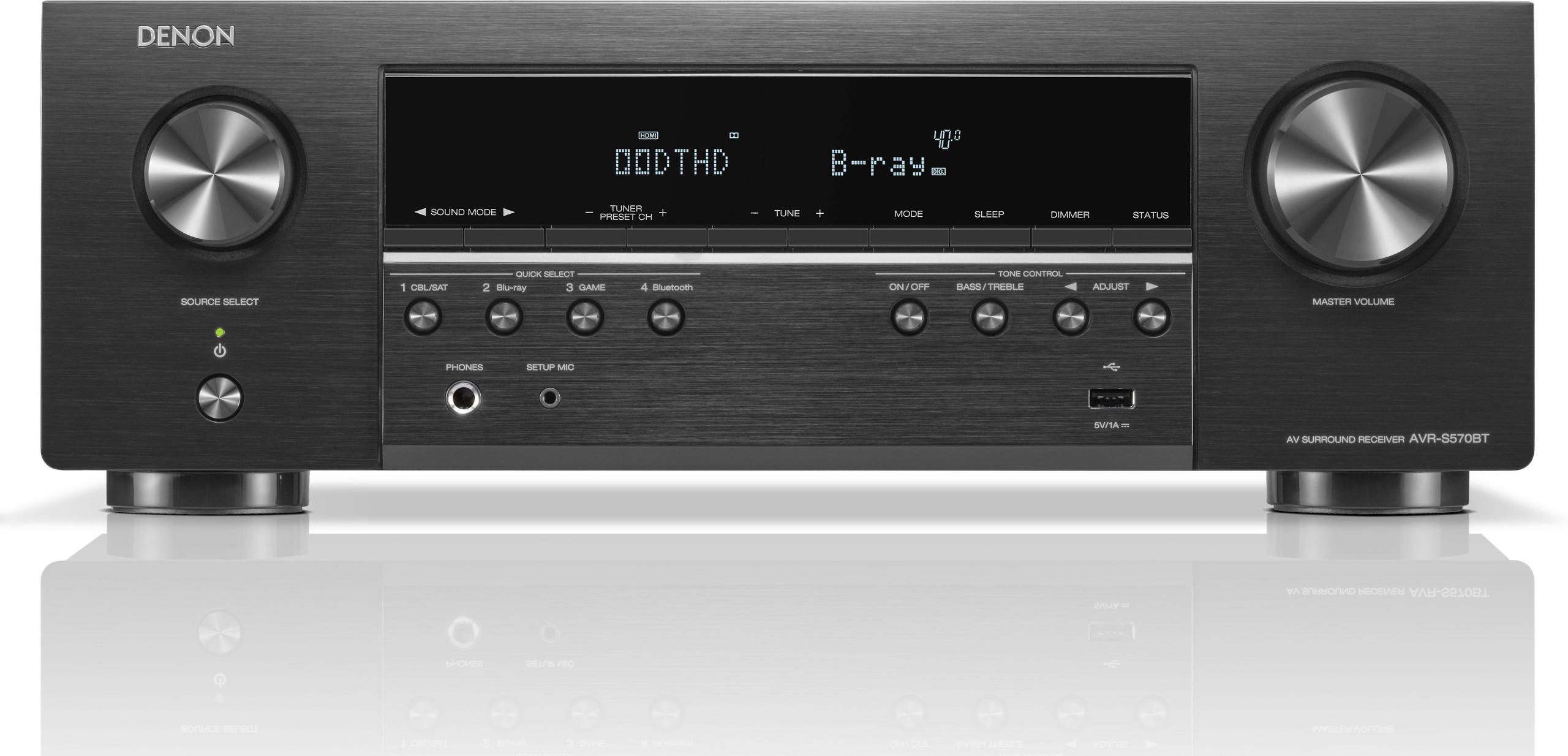
When evaluating AV receivers, power output tells only part of the story. The TX-NR7100 delivers 100 watts per channel across all nine channels, while the AVR-S570BT provides 70 watts across its five channels. But raw wattage numbers can be misleading - what matters more is how cleanly that power is delivered and how well the receiver handles dynamic audio passages.
Our research into user experiences reveals that the Onkyo TX-NR7100 generally provides impressive dynamics and detail, with many users reporting significant improvements over their previous receivers. However, professional testing has uncovered a concerning technical issue: the unit can enter an undocumented "limp mode" after clipping (distorting due to overdriven input), reducing its output to just 15% of rated power without any indication to the user. This mode only resets by physically unplugging the unit, not through the power button.
This technical flaw represents a significant concern for the TX-NR7100, especially since most users wouldn't realize their receiver is operating at reduced power. It suggests that some of the positive user experiences might actually be from units running at full capacity, while others experiencing disappointing performance might unknowingly be dealing with this power limitation.
The Denon AVR-S570BT, while less powerful on paper, appears to deliver its rated power more consistently. User reports consistently describe adequate volume levels for small to medium rooms, though some note that bass response can feel light when using the receiver's subwoofer outputs rather than powered speakers.
This is where the two receivers diverge most dramatically. The TX-NR7100 includes Dirac Live room correction at no additional cost - a feature that typically costs $500 or more when purchased separately for other receivers. Dirac Live is considered the gold standard for room correction, using sophisticated algorithms to analyze your room's acoustic properties and adjust the audio accordingly.
Users consistently describe Dirac Live's results as transformative. One detailed review noted sound becoming "more precise than I had ever heard it" with "unbelievable depth of space" after calibration. The system uses up to 17 measurement points throughout your listening area to build a comprehensive acoustic map, though it requires purchasing a separate measurement microphone (the miniDSP UMIK-1 is commonly recommended).
The calibration process itself can be complex, requiring patience and some technical knowledge. The Dirac Live software has had reliability issues, with some users needing to use older software versions to complete calibration successfully. However, for those willing to invest the time, the results can be dramatic.
In contrast, the AVR-S570BT uses Denon's Audyssey room correction system, which focuses on simplicity over sophistication. The setup process is consistently described as "quick and easy," typically taking about 15 minutes with the included microphone. While Audyssey doesn't offer the advanced capabilities of Dirac Live, it provides meaningful improvements for most rooms without requiring technical expertise.
For many users, especially those new to home theater, Audyssey's simpler approach may actually be preferable. It delivers noticeable improvements without the potential frustration of complex calibration procedures or software compatibility issues.
The channel count difference between these receivers becomes most apparent with Dolby Atmos content. Dolby Atmos adds height information to surround sound, placing audio objects not just around you but above you as well. This creates a true three-dimensional soundstage that can make movie scenes feel incredibly immersive.
The TX-NR7100 can drive complex Atmos configurations like 5.2.4 (five main speakers, two subwoofers, four height speakers) or 7.2.2 (seven main speakers, two subwoofers, two height speakers). Users with proper Atmos setups consistently praise the receiver's object placement and panning effects, describing seamless movement of sound effects through three-dimensional space.
The AVR-S570BT can decode Dolby Atmos content but cannot drive height speakers due to its 5.2 channel limitation. Instead, it uses virtualization technology to simulate height effects through your main speakers. While this provides some benefit, it cannot match the impact of actual overhead speakers.
This represents perhaps the most significant functional difference between the receivers. If you want true Dolby Atmos with height speakers, the Denon simply cannot deliver that experience, while the Onkyo excels at it.
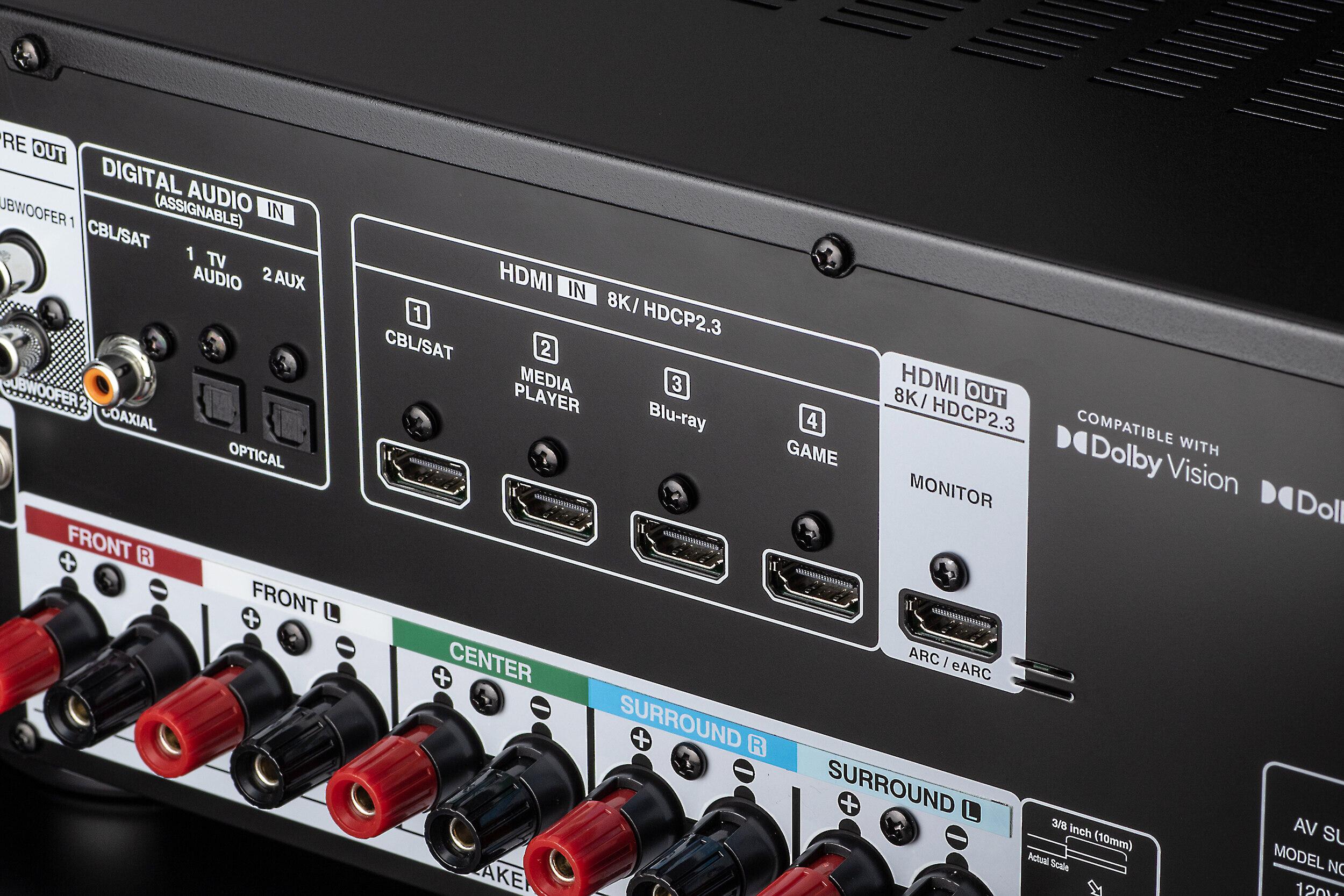
Both receivers support modern video standards including 8K resolution at 60Hz and 4K at 120Hz - important for next-generation gaming consoles and high-end video sources. However, their connectivity options differ substantially.
The TX-NR7100 provides seven HDMI 2.1 inputs with two outputs, accommodating complex setups with multiple gaming consoles, streaming devices, and Blu-ray players. Users particularly appreciate the fast HDMI switching and seamless handling of PlayStation 5 and Xbox Series X gaming at 4K 120Hz.
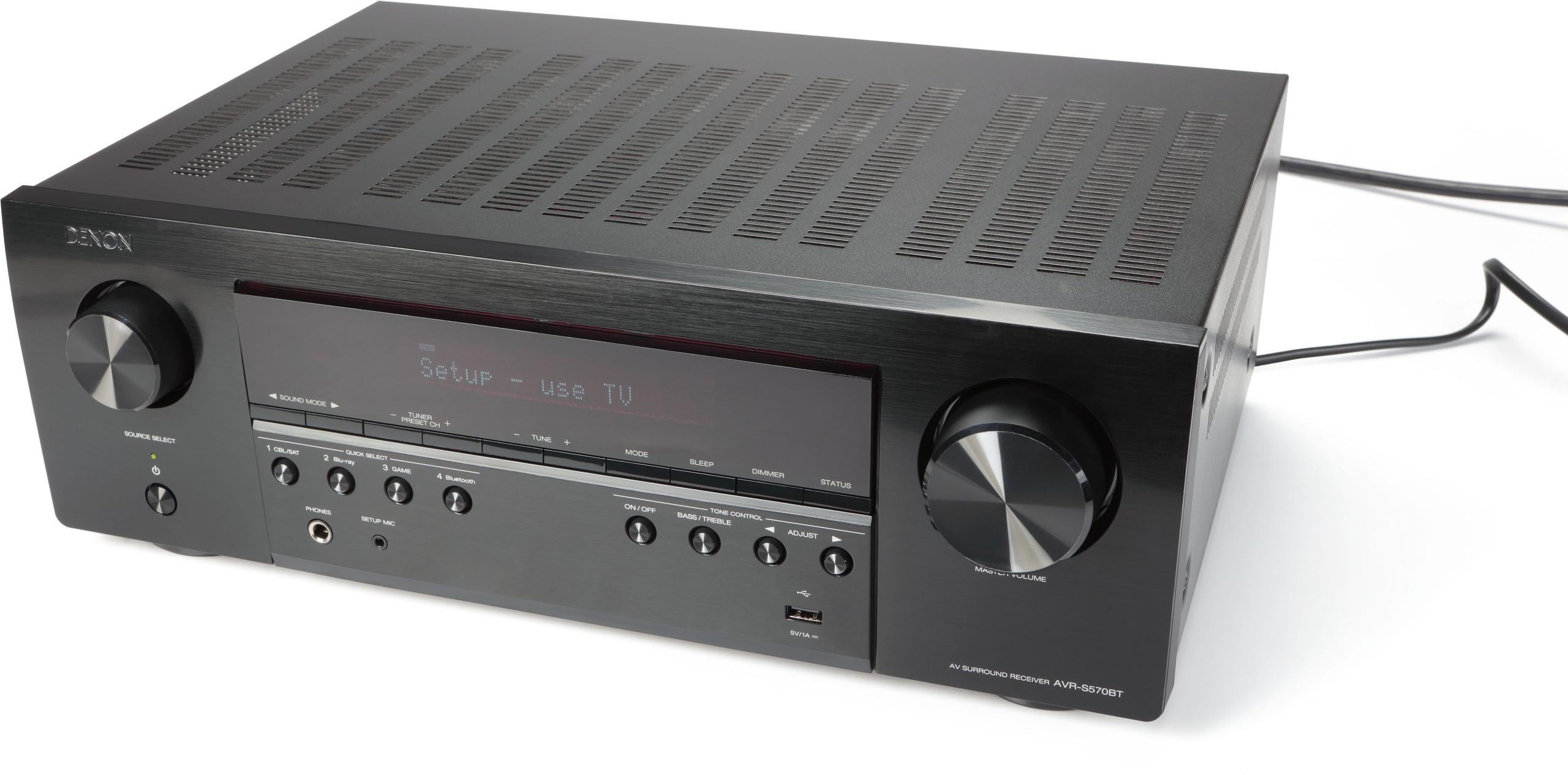
The AVR-S570BT offers four HDMI 2.1 inputs with one output - adequate for most basic setups but potentially limiting as you add more sources. For someone with just a TV, one gaming console, and a streaming device, this is perfectly sufficient. But if you envision multiple game consoles, a separate Blu-ray player, and various streaming devices, you might quickly run out of inputs.
Both receivers support gaming-optimized features like Variable Refresh Rate (VRR), which synchronizes the display refresh rate with the source frame rate to eliminate screen tearing, and Auto Low Latency Mode (ALLM), which automatically switches TVs to their lowest-latency mode for gaming.
The Onkyo TX-NR7100 shines in multi-zone applications, capable of powering three separate audio zones simultaneously. This could mean your main 5.1 home theater system, stereo speakers in the kitchen, and background music on a patio - all from one receiver. This capability typically requires much more expensive equipment, making the TX-NR7100 exceptional value for those wanting whole-home audio integration.
The AVR-S570BT has more limited multi-zone functionality, appropriate for its entry-level positioning. While it can send audio to a second zone, it lacks the sophisticated multi-room capabilities of its more expensive competitor.
The TX-NR7100 carries THX certification, meaning it has passed thousands of rigorous tests to ensure reference-quality audio reproduction. THX certification isn't just marketing - it guarantees specific performance standards for cinema, gaming, music, and surround sound modes.
Users consistently note that THX processing enhances staging and storytelling, particularly in science fiction content where it adds scale and ambiance. The certification ensures that movies sound as their creators intended, with proper dynamic range and frequency response.
The AVR-S570BT lacks THX certification but still processes audio competently within its design parameters. For casual viewing, the difference might not be immediately apparent, but serious movie enthusiasts often find THX processing delivers more engaging experiences.
This is where our research reveals significant differences in user satisfaction. The Denon AVR-S570BT consistently receives praise for its user-friendly experience. Setup is straightforward, the interface is intuitive, and the unit generally operates reliably. Users describe 15-minute setup times and trouble-free operation as standard experiences.
The TX-NR7100 presents a more complex picture. While many users praise its sound quality and feature set, there are concerning reliability reports. Some units have experienced complete failures within six months, persistent crackling sounds, or required multiple factory resets during initial setup. The menu interface is frequently described as "clunky" compared to competitors.
Additionally, the Dirac Live software integration has proven problematic for some users, requiring specific older software versions to work properly. While the audio results can be spectacular, the path to achieving them isn't always smooth.
Both receivers support the latest gaming features, but their implementations differ. The TX-NR7100 excels with multiple HDMI 2.1 inputs, making it ideal for users with both PlayStation 5 and Xbox Series X consoles who want to avoid constantly switching cables. The fast HDMI switching and robust processing handle high-frame-rate gaming without issues.
The AVR-S570BT provides the same core gaming features but with more limited connectivity. For single-console households, this poses no problems, but enthusiasts with multiple gaming systems might find the input limitation frustrating.
Both receivers support the Variable Refresh Rate and Auto Low Latency Mode features that modern gaming demands, ensuring smooth, responsive gameplay without the traditional audio delays associated with AV receivers.
Since these receivers were released in 2021-2022, the home theater landscape has continued evolving. 8K content remains limited, making both receivers somewhat future-proofed for video. However, gaming at 4K 120Hz has become more common, validating the HDMI 2.1 implementation in both units.
The most significant development has been increased awareness of room correction importance, making the Dirac Live inclusion in the TX-NR7100 even more valuable. Meanwhile, simplified setup processes like those in the AVR-S570BT have become increasingly important as home theater adoption broadens beyond traditional enthusiasts.
The decision between these receivers ultimately depends on your specific needs, budget, and tolerance for complexity. The TX-NR7100 makes sense for dedicated home theater enthusiasts who want the best possible audio experience and have the budget, space, and patience for a sophisticated system. Its Dirac Live room correction alone can transform mediocre-sounding rooms into acoustic showcases, and the additional channels enable truly immersive Dolby Atmos experiences.
However, the reliability concerns and complex setup process mean it's not for everyone. If you want plug-and-play simplicity or are building your first home theater system, the learning curve might be frustrating.
The AVR-S570BT excels at bringing modern home theater features to budget-conscious users who prioritize simplicity and reliability. It provides excellent value for small to medium rooms where 5.2 channels offer adequate coverage, and its straightforward operation makes it accessible to newcomers.
For apartment dwellers, small homes, or anyone who doesn't plan to install ceiling speakers for Dolby Atmos, the Denon delivers remarkable capability at an accessible price point. Its 8K support and gaming features ensure it won't become obsolete quickly, even at its entry-level positioning.
The roughly four-fold price difference at the time of writing reflects not just more channels, but entirely different approaches to home theater. The Onkyo targets users who view their home theater as a long-term investment worthy of complexity and occasional frustration in pursuit of reference-quality performance. The Denon serves users who want modern features without the hassle, delivered reliably at a price that won't break the bank.
Both receivers succeed at their intended missions, making the choice less about which is "better" and more about which better matches your specific situation, technical comfort level, and home theater ambitions.
| Onkyo TX-NR7100 | Denon AVR-S570BT |
|---|---|
| Channel Configuration - Determines speaker layout possibilities and Dolby Atmos capability | |
| 9.2 channels (enables height speakers for true Dolby Atmos) | 5.2 channels (traditional surround only, no height speakers) |
| Power Output - Affects volume levels and speaker driving capability | |
| 100W per channel across 9 channels | 70W per channel across 5 channels |
| Room Correction Technology - Critical for optimizing sound in your specific space | |
| Dirac Live (professional-grade, typically $500+ separate purchase) | Audyssey (basic but effective, included microphone) |
| HDMI Connectivity - Number of devices you can connect simultaneously | |
| 7 HDMI 2.1 inputs, 2 outputs (ideal for complex gaming setups) | 4 HDMI 2.1 inputs, 1 output (adequate for basic setups) |
| Video Support - Future-proofing for gaming and streaming | |
| 8K/60Hz, 4K/120Hz with VRR/ALLM gaming features | 8K/60Hz, 4K/120Hz with VRR/ALLM gaming features |
| THX Certification - Ensures reference-quality cinema audio reproduction | |
| THX Certified Select (passed rigorous audio quality tests) | No THX certification |
| Multi-Zone Audio - Ability to play different audio in separate rooms | |
| 3 zones (main 5.1 + 2 stereo zones for whole-home audio) | Limited multi-zone capability |
| Setup Complexity - How easy it is to get up and running | |
| Complex setup, requires patience and technical knowledge | Quick 15-minute setup with guided assistant |
| Reliability Track Record - Based on user reports and reviews | |
| Mixed reports, some units failing within 6 months | Generally reliable with consistent positive feedback |
| Best Use Case - Who should choose this receiver | |
| Dedicated home theater enthusiasts wanting Dolby Atmos height speakers | Budget-conscious users in smaller spaces prioritizing simplicity |
The biggest difference is channel configuration. The Onkyo TX-NR7100 is a 9.2-channel receiver that supports Dolby Atmos with height speakers, while the Denon AVR-S570BT is a 5.2-channel receiver limited to traditional surround sound. The TX-NR7100 targets serious home theater enthusiasts, while the AVR-S570BT serves budget-conscious users wanting modern features.
The Onkyo TX-NR7100 is significantly better for Dolby Atmos because it can power actual height speakers for true 3D audio. It supports configurations like 5.2.4 or 7.2.2 with overhead speakers. The Denon AVR-S570BT can only virtualize Atmos effects through your main speakers, which doesn't provide the same immersive experience as real height channels.
Yes, both the TX-NR7100 and AVR-S570BT support 8K/60Hz and 4K/120Hz video with modern gaming features like Variable Refresh Rate (VRR) and Auto Low Latency Mode (ALLM). However, the Onkyo TX-NR7100 has more HDMI inputs (7 vs 4) for connecting multiple gaming consoles and sources.
The Onkyo TX-NR7100 includes Dirac Live room correction, considered the gold standard for acoustic optimization. This professional-grade system typically costs hundreds of dollars separately. The Denon AVR-S570BT uses Audyssey room correction, which is simpler and easier to set up but less sophisticated than Dirac Live.
Yes, the Denon AVR-S570BT provides 70 watts per channel, which is adequate for small to medium rooms with typical bookshelf or tower speakers. However, the TX-NR7100 delivers 100 watts per channel across more channels, making it better for larger rooms or demanding speakers.
The Denon AVR-S570BT is much easier to set up, with users consistently reporting 15-minute setup times using the guided assistant. The Onkyo TX-NR7100 requires more technical knowledge and patience, especially for Dirac Live calibration, though it offers superior results when properly configured.
The Onkyo TX-NR7100 excels at multi-zone audio, supporting three separate zones including a main 5.1 system plus two stereo zones. The Denon AVR-S570BT has limited multi-zone capabilities suitable only for basic two-zone setups.
Value depends on your needs. The Denon AVR-S570BT offers exceptional value for budget-conscious buyers wanting modern features like 8K support and gaming optimization. The TX-NR7100 provides premium value for enthusiasts because it includes expensive Dirac Live room correction and supports advanced speaker configurations.
User reports suggest the Denon AVR-S570BT has better reliability with consistent positive feedback and trouble-free operation. The Onkyo TX-NR7100 has mixed reliability reports, with some units experiencing failures or requiring technical troubleshooting, though many users report excellent performance.
For single-console gaming, both work well with modern features like VRR and ALLM. However, the TX-NR7100 is better for complex gaming setups because it has seven HDMI inputs versus four on the AVR-S570BT, allowing multiple consoles without constantly switching cables.
You need the extra channels of the Onkyo TX-NR7100 if you want Dolby Atmos height speakers, plan to bi-amp your main speakers, or need multi-zone audio throughout your home. If you're satisfied with traditional 5.1 surround sound in one room, the Denon AVR-S570BT provides all necessary channels.
Beginners should typically choose the Denon AVR-S570BT because it's easier to set up, more reliable, and provides modern features without complexity. The TX-NR7100 is better for experienced users who want advanced features like Dirac Live room correction and are comfortable with more complex setup procedures.
We've done our best to create useful and informative comparisons to help you decide what product to buy. Our research uses advanced automated methods to create this comparison and perfection is not possible - please contact us for corrections or questions. These are the sites we've researched in the creation of this article: crutchfield.com - prohifi.in - bestbuy.com - h-m-entertainment.com - audiosciencereview.com - crutchfield.ca - soundandvision.com - avsforum.com - avgadgets.com - youtube.com - onkyo.com - crutchfield.com - onkyo.com - accessories4less.com - klipsch.com - youtube.com - listenup.com - intl.onkyo-av.com - bestbuy.com - 420spotshop.com - support.onkyousa.com - bestbuy.com - parts-express.com - bestbuy.com - audiosciencereview.com - crutchfield.com - audiolab.com - bestbuy.com - denon.com - audioadvisor.com - avsforum.com - en.community.sonos.com

Privacy Policy
Terms and Conditions - Affiliate Policy
Home Security
© Copyright 2008-2026.
11816 Inwood Rd #1211, Dallas, TX 75244