


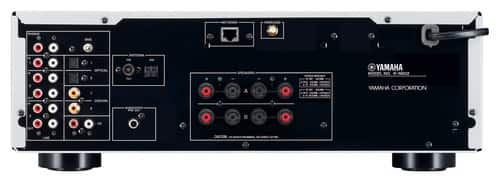
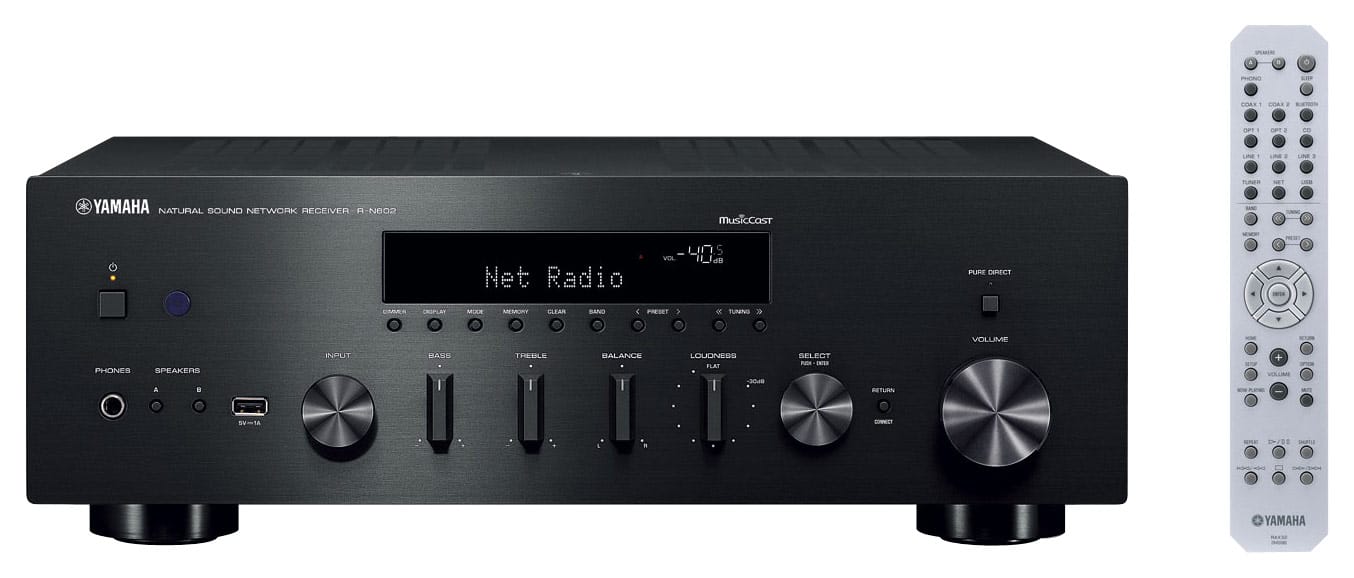
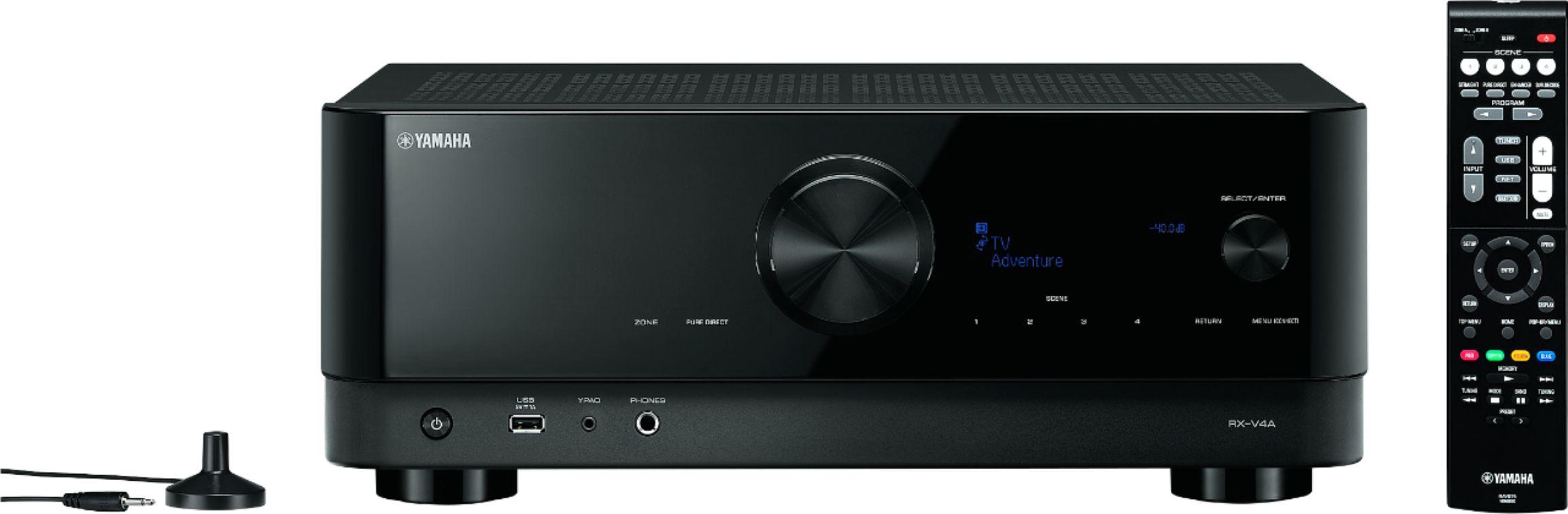
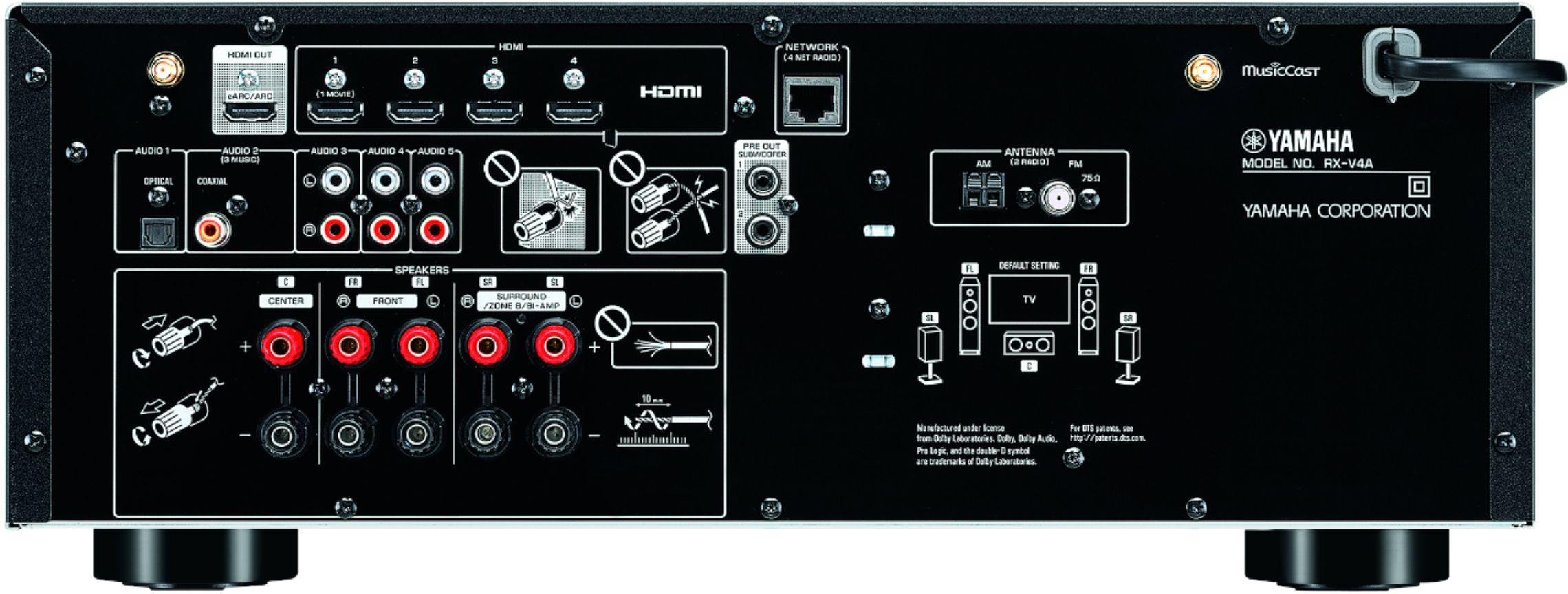
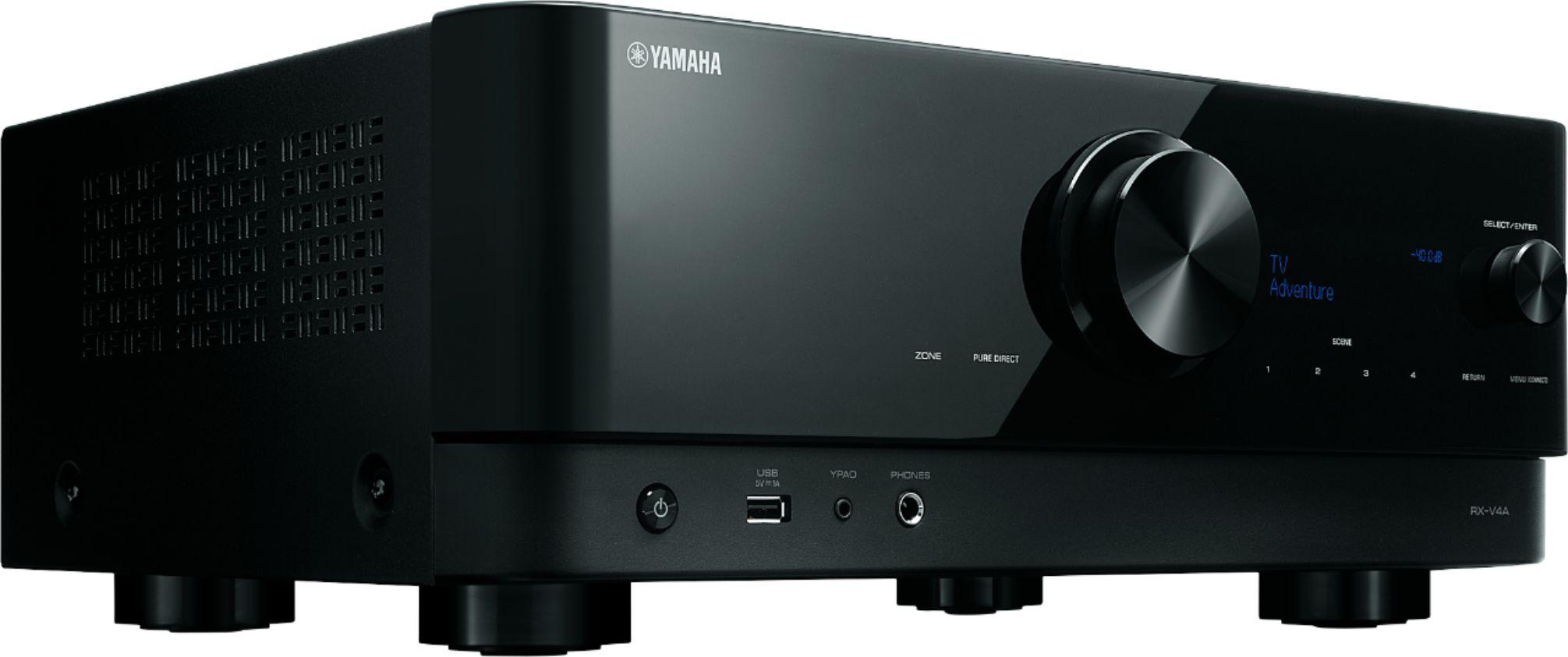
Today we're comparing two popular Yamaha receivers that serve different purposes but share some DNA: the Yamaha R-N602 Network Stereo Receiver ($599) and the Yamaha RX-V4A 5.2 Channel AV Receiver ($399). While both can serve as the heart of your audio system, they take distinctly different approaches.
Network receivers have evolved significantly in recent years, becoming sophisticated hubs that handle everything from traditional audio sources to streaming services and smart home integration. The key distinction between stereo and AV receivers lies in their primary focus - stereo receivers prioritize two-channel music performance, while AV receivers balance multi-channel movie sound with music playback.
The R-N602, released in 2015, represents Yamaha's high-end stereo approach. It delivers 80 watts per channel into 8 ohms with exceptional clarity, using Yamaha's proprietary ToP-ART (Total Purity Audio Reproduction Technology) design. This architecture minimizes signal path length and uses carefully selected components to maintain audio purity.
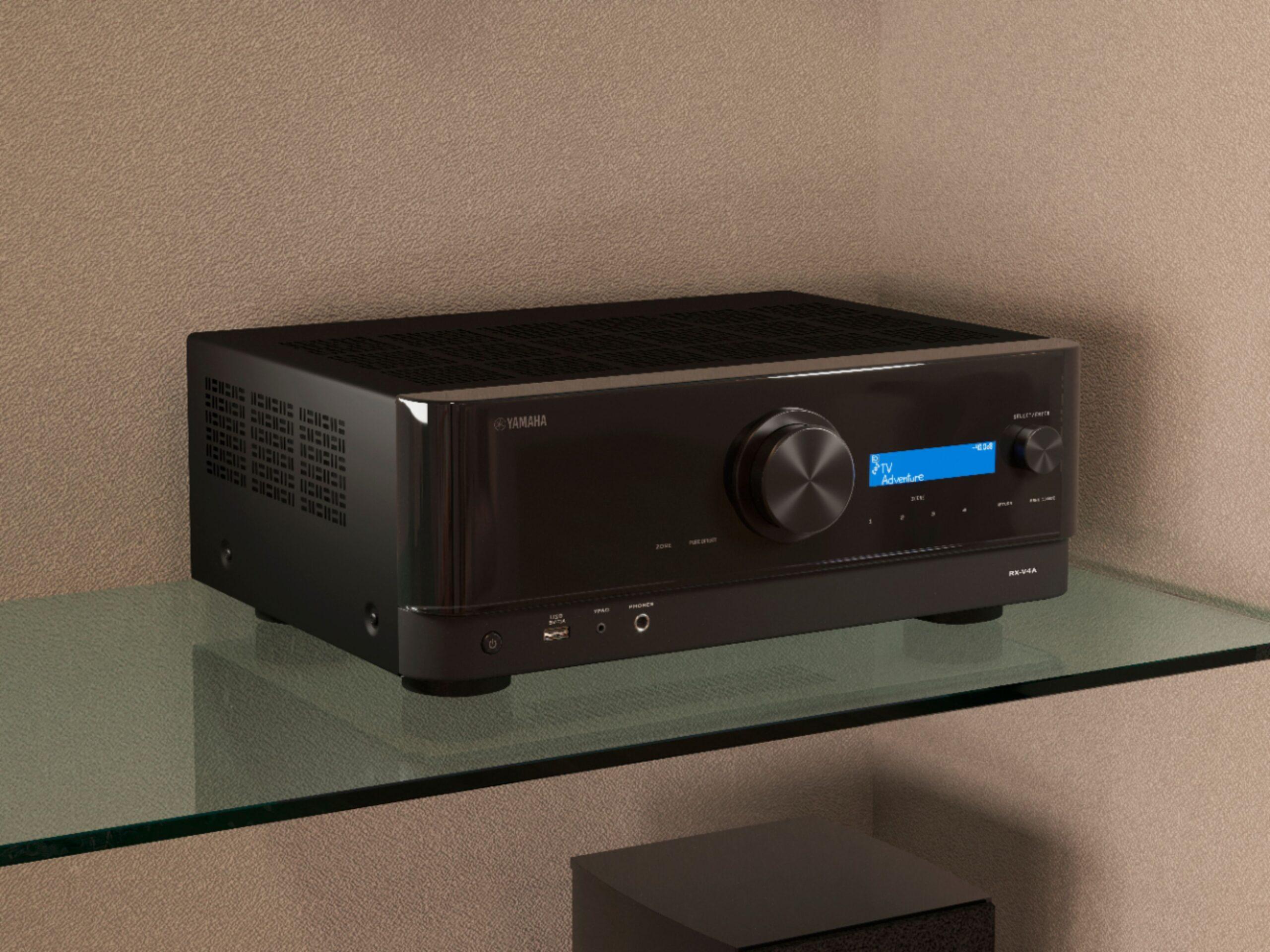
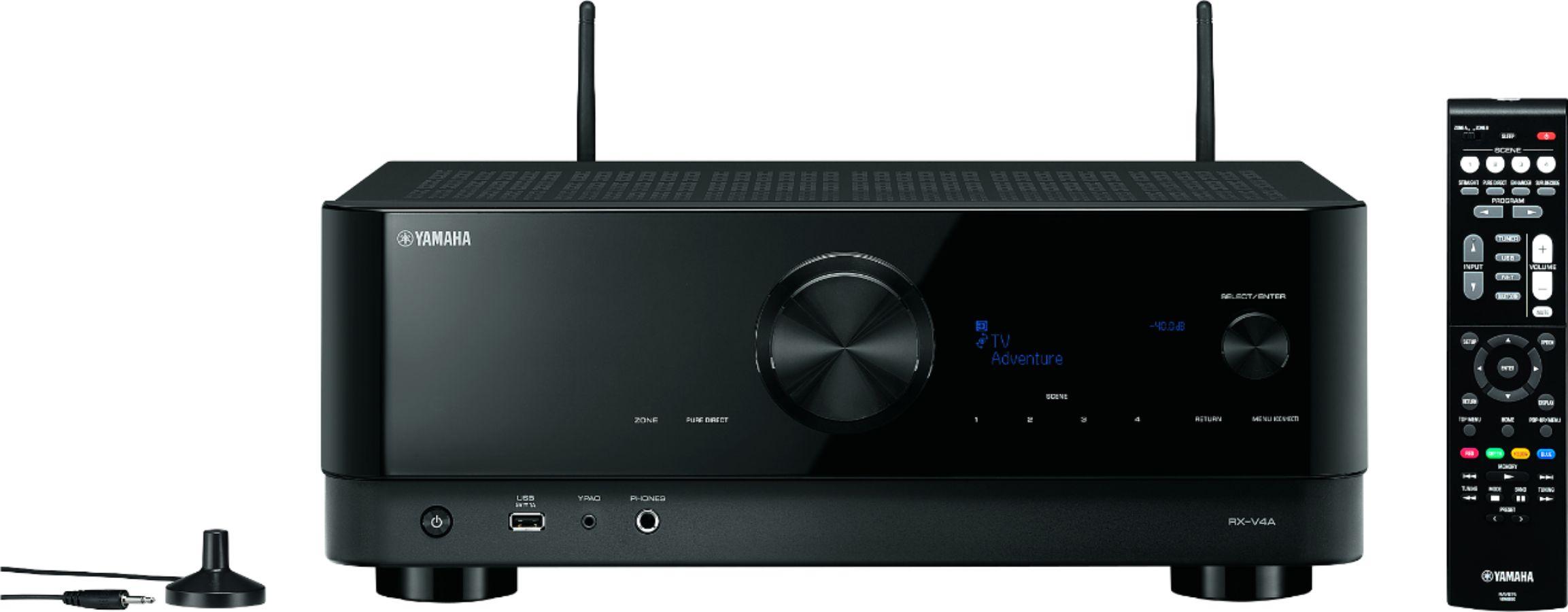
In contrast, the RX-V4A, launched in 2020, splits its power across five channels plus two subwoofer outputs. While each channel receives similar power (80 watts into 8 ohms), the amplifier design prioritizes flexibility for surround sound over absolute stereo performance.
The R-N602 shines in music reproduction, particularly with its high-quality Burr-Brown 192kHz/24-bit DAC (Digital-to-Analog Converter). This component transforms digital signals into analog sound with exceptional detail and warmth. The receiver also includes a quality phono preamp for turntables, something the RX-V4A lacks.
In stereo listening tests, the R-N602 demonstrates superior soundstage width and depth - meaning instruments and vocals appear to occupy distinct spaces in the listening area. Its Pure Direct mode bypasses unnecessary circuits for the cleanest possible signal path.
The RX-V4A handles music competently but prioritizes movie performance. Its newer DSP (Digital Signal Processor) offers modern features like Compressed Music Enhancer, which attempts to restore detail to compressed digital files like MP3s.
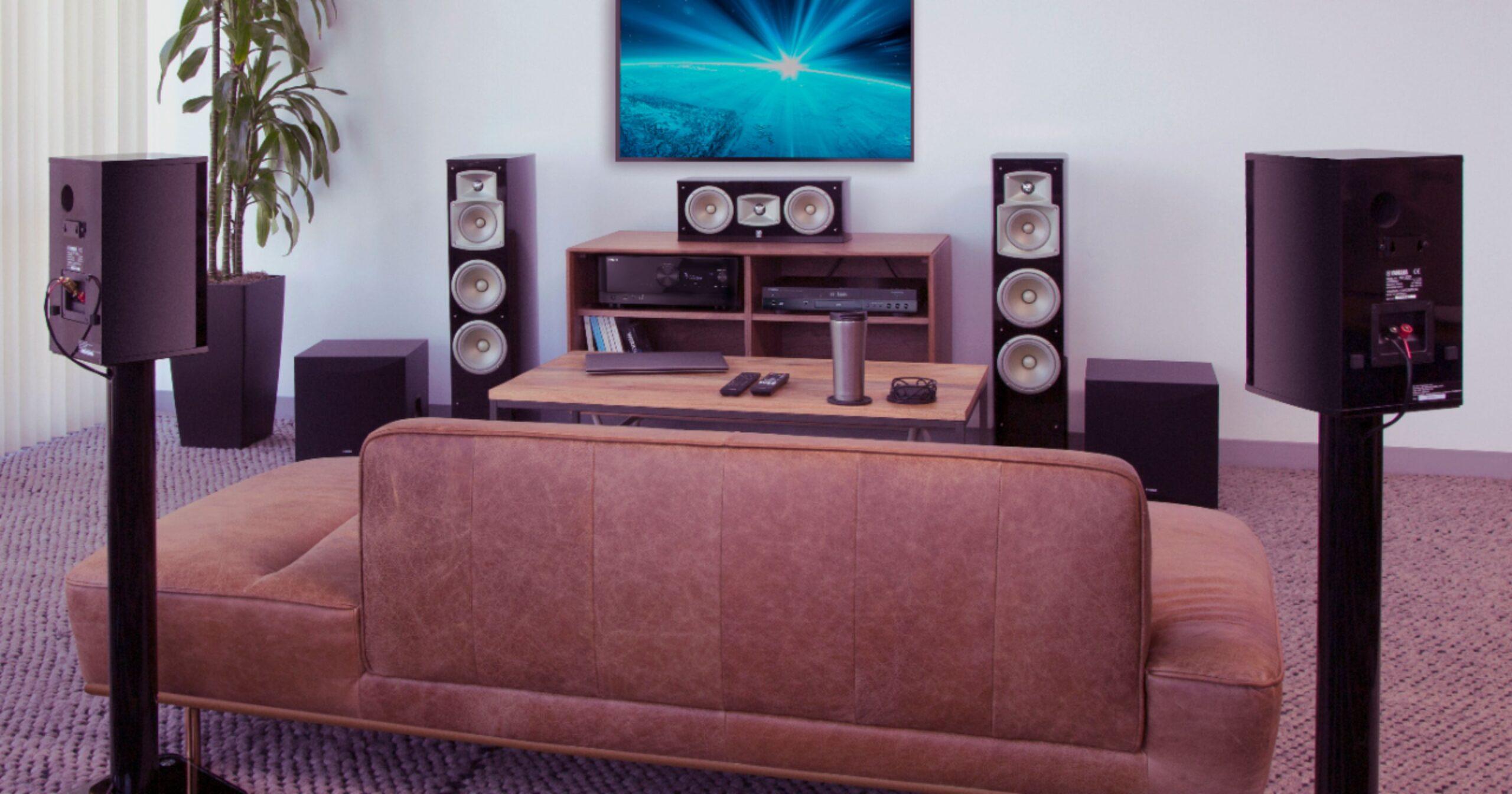
Here's where the RX-V4A steps ahead. Its 5.2 configuration supports traditional surround sound formats, creating an immersive experience with sound coming from multiple directions. The receiver includes Yamaha's YPAO room correction system, which uses a microphone to measure your room's acoustics and adjust speaker settings automatically.
While the R-N602 can serve as part of a video system through its digital inputs, it lacks HDMI connections and surround processing entirely. It's simply not designed for home theater use.
The RX-V4A brings significant advantages for video enthusiasts and gamers:
These features matter increasingly as modern TVs and gaming consoles push technical boundaries. The R-N602, being a stereo receiver, handles no video signals at all.
Both receivers support Yamaha's MusicCast multi-room audio system, allowing music streaming throughout your home. They also handle popular services like Spotify, Amazon Music, and Tidal.
The R-N602 includes some features the newer RX-V4A lacks, like native DSD (Direct Stream Digital) playback support, which some audiophiles prefer for its potential sonic benefits. However, the RX-V4A offers more modern network stability and faster response times through its updated processor.
At $599, the R-N602 costs more than the $399 RX-V4A, yet offers fewer channels and no video support. This seeming contradiction makes sense when you consider its focus on audio quality:
The RX-V4A delivers remarkable value for home theater enthusiasts:
Consider these scenarios:
The R-N602, despite its age, remains relevant for music enthusiasts. Its core audio performance holds up well, and its network features continue to receive updates. However, it lacks modern conveniences like voice assistant integration.
The RX-V4A represents current technology, particularly in video handling and gaming support. Its primary limitation is the lack of height channel support for Dolby Atmos, which some competing receivers offer at similar prices.
For pure music listening, the R-N602 delivers superior performance and remains a solid choice in 2024. Its higher price reflects its audio-first design philosophy and component quality.
The RX-V4A offers tremendous value for home theater enthusiasts, gamers, and those wanting a versatile entertainment hub. While it may not match the R-N602's stereo performance, it provides features and flexibility that many users will find more practical.
Choose based on your primary use case rather than price alone. Both receivers excel at their intended purposes, and either can serve as the foundation of an excellent audio system.
| Yamaha R-N602 Network Stereo Receiver | Yamaha RX-V4A 5.2 Channel AV Receiver |
|---|---|
| Price - Investment consideration | |
| $599 (premium stereo focus) | $399 (value multi-channel) |
| Power Output - Determines speaker compatibility and room-filling capability | |
| 80W x 2 channels (high-quality stereo implementation) | 80W x 5 channels (distributed for surround sound) |
| Audio Processing - Affects sound quality and format support | |
| High-end Burr-Brown 192kHz/24-bit DAC, Pure Direct mode | Standard DAC with YPAO room correction, Compressed Music Enhancer |
| Source Connectivity - Determines system flexibility | |
| 5 analog inputs, phono, optical/coaxial digital, no HDMI | 4 HDMI 2.1 inputs, 1 optical, 1 coaxial, 3 analog inputs |
| Video Capabilities - Important for home theater use | |
| No video processing | 8K/60Hz, 4K/120Hz, HDR10+, VRR, ALLM |
| Network Features - Enables streaming and multi-room audio | |
| MusicCast, AirPlay, DSD native playback | MusicCast, voice control, modern streaming services |
| Special Features - Unique capabilities that add value | |
| ToP-ART design, high-grade audio components, phono preamp | Gaming features, YPAO calibration, surround sound processing |
| Primary Use Case - Who should buy this model | |
| Dedicated music listeners, vinyl enthusiasts | Home theater, gaming, multi-purpose entertainment |
| Future Proofing - Long-term value consideration | |
| Limited to audio advances, solid core performance | Modern video standards, lacking only Atmos support |
| Build Quality - Affects durability and sound quality | |
| Premium audio components, dual power supplies | Standard components, optimized for multi-channel |
The Yamaha R-N602 is superior for music playback, with higher-quality audio components and a dedicated stereo design. Its premium DAC and Pure Direct mode deliver better stereo imaging and detail compared to the RX-V4A.
The Yamaha RX-V4A is significantly better for gaming, featuring HDMI 2.1 with 4K/120Hz support, Variable Refresh Rate (VRR), and Auto Low Latency Mode (ALLM). The R-N602 doesn't process video signals at all.
Both receivers support multi-room audio through MusicCast, but the RX-V4A offers more flexibility with Zone 2 capabilities and surround speaker options.
We've done our best to create useful and informative comparisons to help you decide what product to buy. Our research uses advanced automated methods to create this comparison and perfection is not possible - please contact us for corrections or questions. These are the sites we've researched in the creation of this article: theaudiophileman.com - crutchfield.com - forums.whathifi.com - usa.yamaha.com - youtube.com - hifiengine.com - yamaha.com - adorama.com - parts-express.com - usa.yamaha.com - audiosciencereview.com - bestbuy.com - europe.yamaha.com - audioadvice.com - crutchfield.com - usa.yamaha.com - my.yamaha.com - bestbuy.com - crutchfield.com - proaudiobrands.com - justanswer.com - avstore.in

Privacy Policy
Terms and Conditions - Affiliate Policy
Home Security
© Copyright 2008-2026.
11816 Inwood Rd #1211, Dallas, TX 75244