

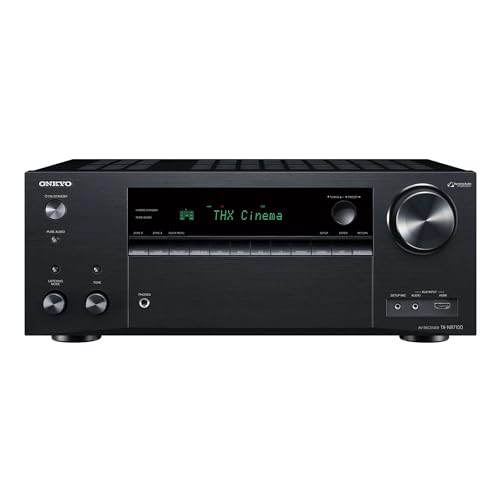
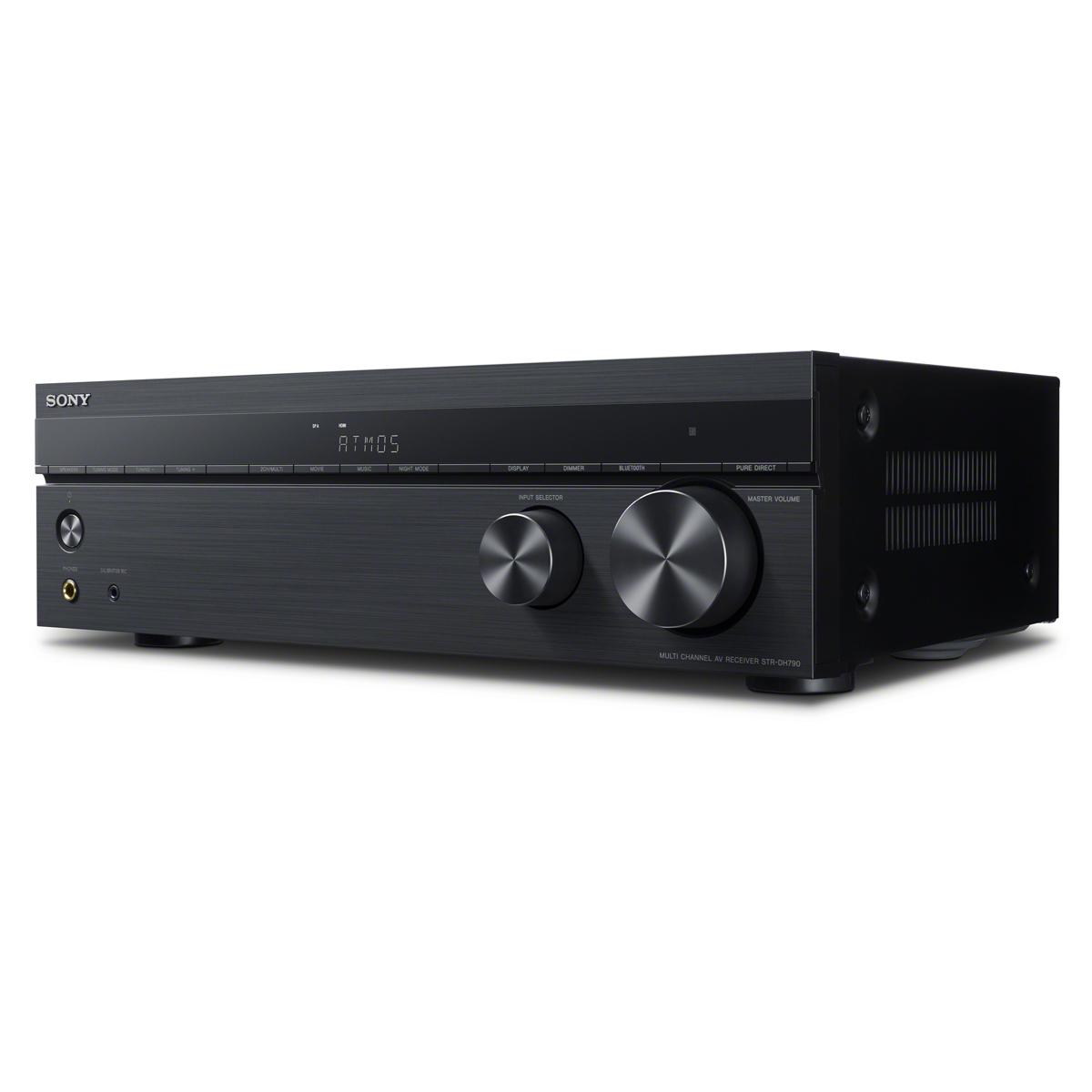
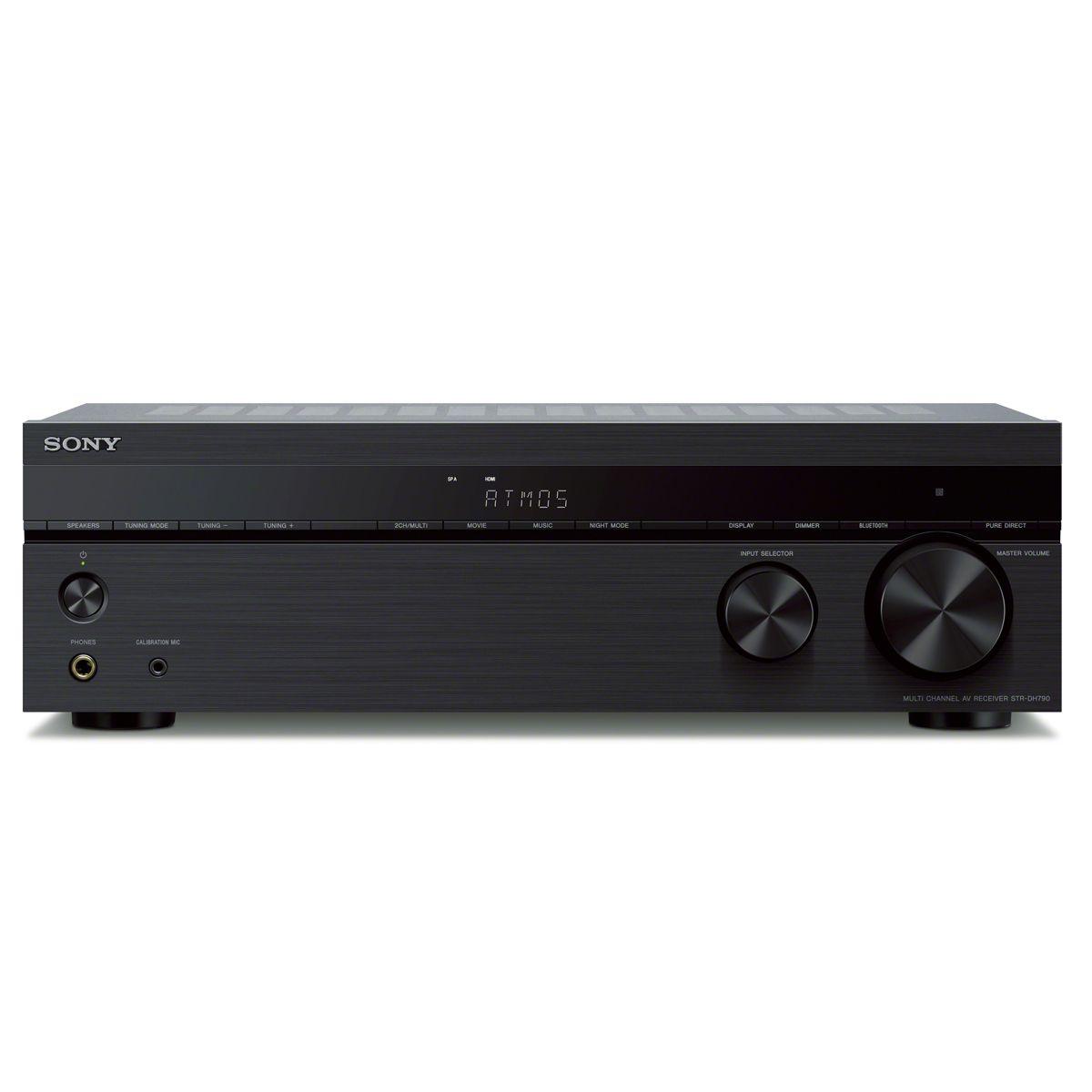
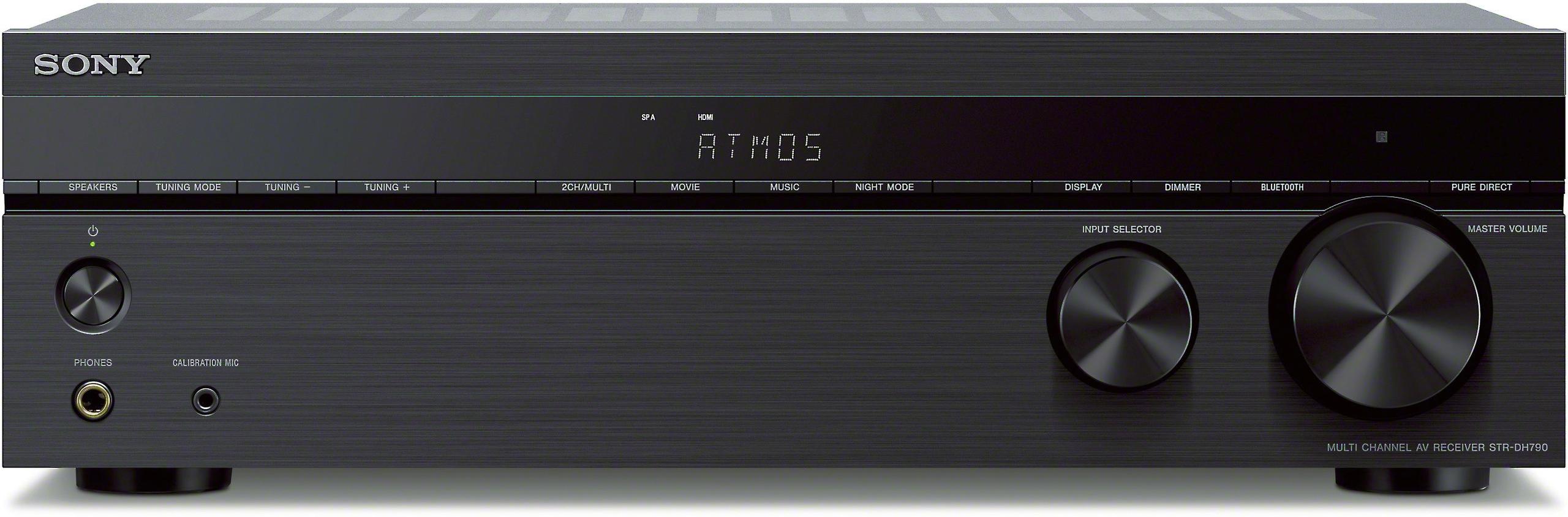
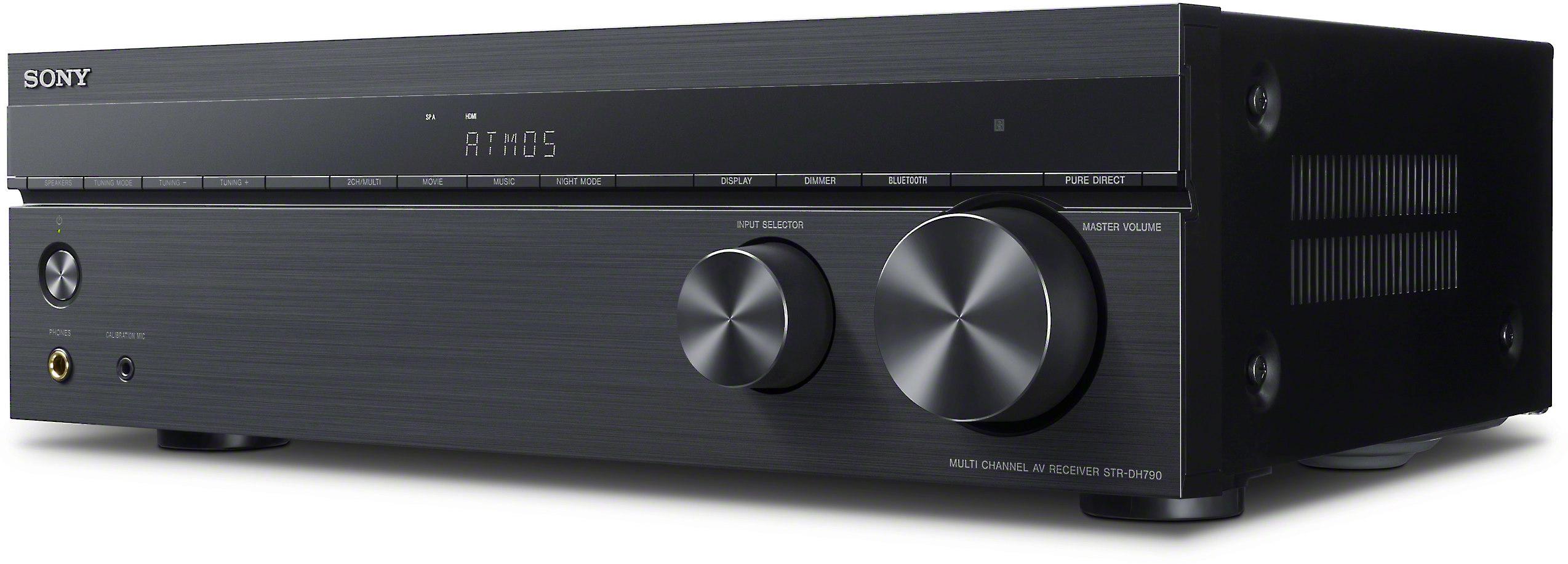
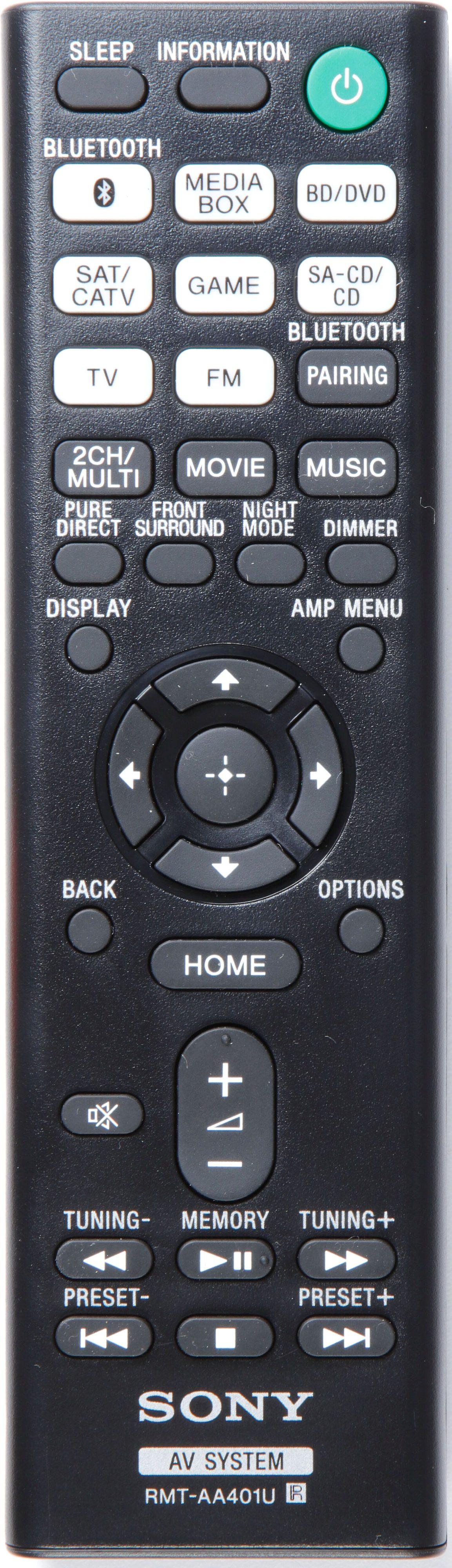
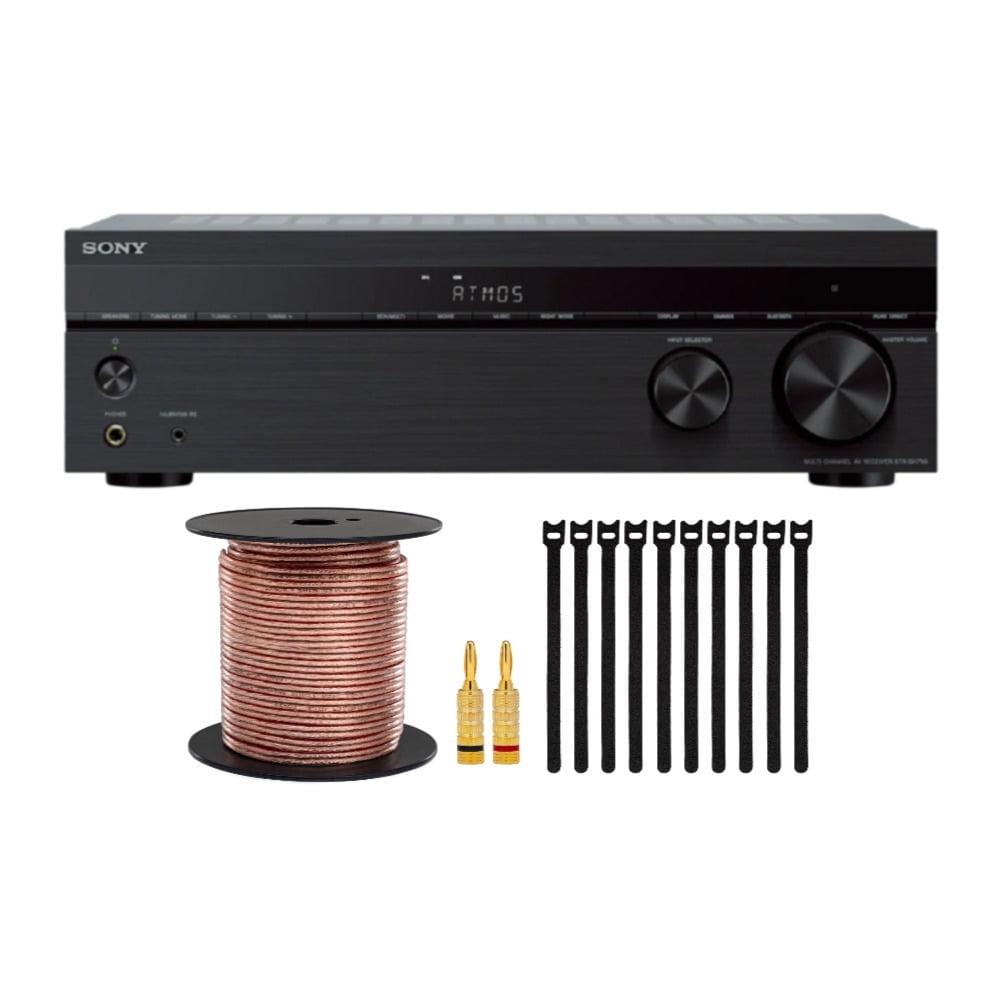
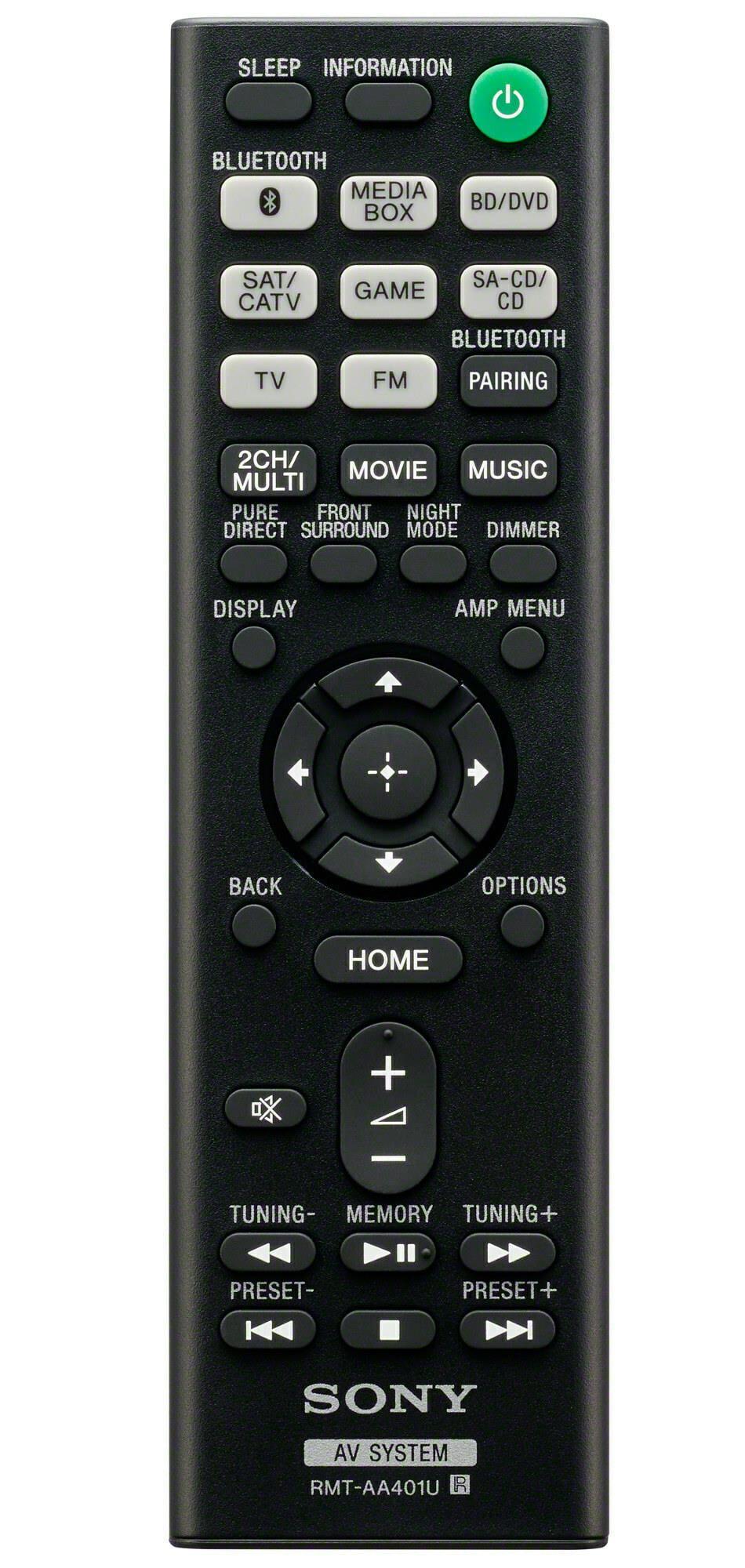
When you're shopping for an AV receiver—the brain of your home theater system that handles all your audio and video switching while powering your speakers—you'll quickly discover there are receivers for every budget and need. Today we're comparing two models that perfectly illustrate the spectrum: the feature-packed Onkyo TX-NR7100 released in 2021, and the budget-friendly Sony STR-DH790 from 2018.
These receivers represent fundamentally different approaches to home theater. The Onkyo TX-NR7100 is a premium unit loaded with cutting-edge technology and professional-grade features, while the Sony STR-DH790 focuses on delivering essential surround sound capabilities at an accessible price point. Understanding their differences will help you decide which philosophy matches your needs and budget.
Before diving into specifics, it's worth understanding what separates a basic receiver from a premium one. All AV receivers perform the same core functions: they take audio and video signals from your sources (like Blu-ray players or gaming consoles), process and enhance them, then send video to your TV while amplifying audio for your speakers.
The differences lie in how well they do these jobs and what extra capabilities they offer. Premium receivers like the Onkyo TX-NR7100 include sophisticated room correction systems that analyze your space and automatically adjust the sound to compensate for acoustic problems. They support more audio channels for immersive overhead sound, offer more powerful amplifiers, and future-proof your setup with the latest video standards.
Budget receivers like the Sony STR-DH790 stick to the essentials, providing solid performance for basic surround sound setups without the complexity or cost of advanced features. Both approaches have merit—it depends on your priorities and how much you want to invest in your audio experience.
The most fundamental difference between these receivers is their power output and channel configuration. The Onkyo TX-NR7100 delivers 100 watts per channel into 8-ohm speakers and a substantial 220 watts per channel into 6-ohm loads. The Sony STR-DH790 provides 90 watts per channel into 6-ohm speakers—seemingly similar until you understand what this means in practice.
Power output in receivers is more complex than simple wattage numbers suggest. The Onkyo's ability to deliver over double the power into demanding speaker loads means it can drive speakers more effectively, maintain cleaner sound at higher volumes, and handle dynamic peaks in movie soundtracks without strain. If you've ever noticed your receiver struggling during loud action sequences—dialogue becoming unclear or bass getting muddy—inadequate power is often the culprit.
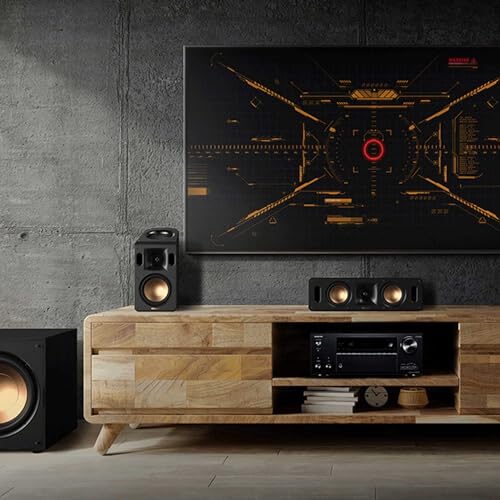
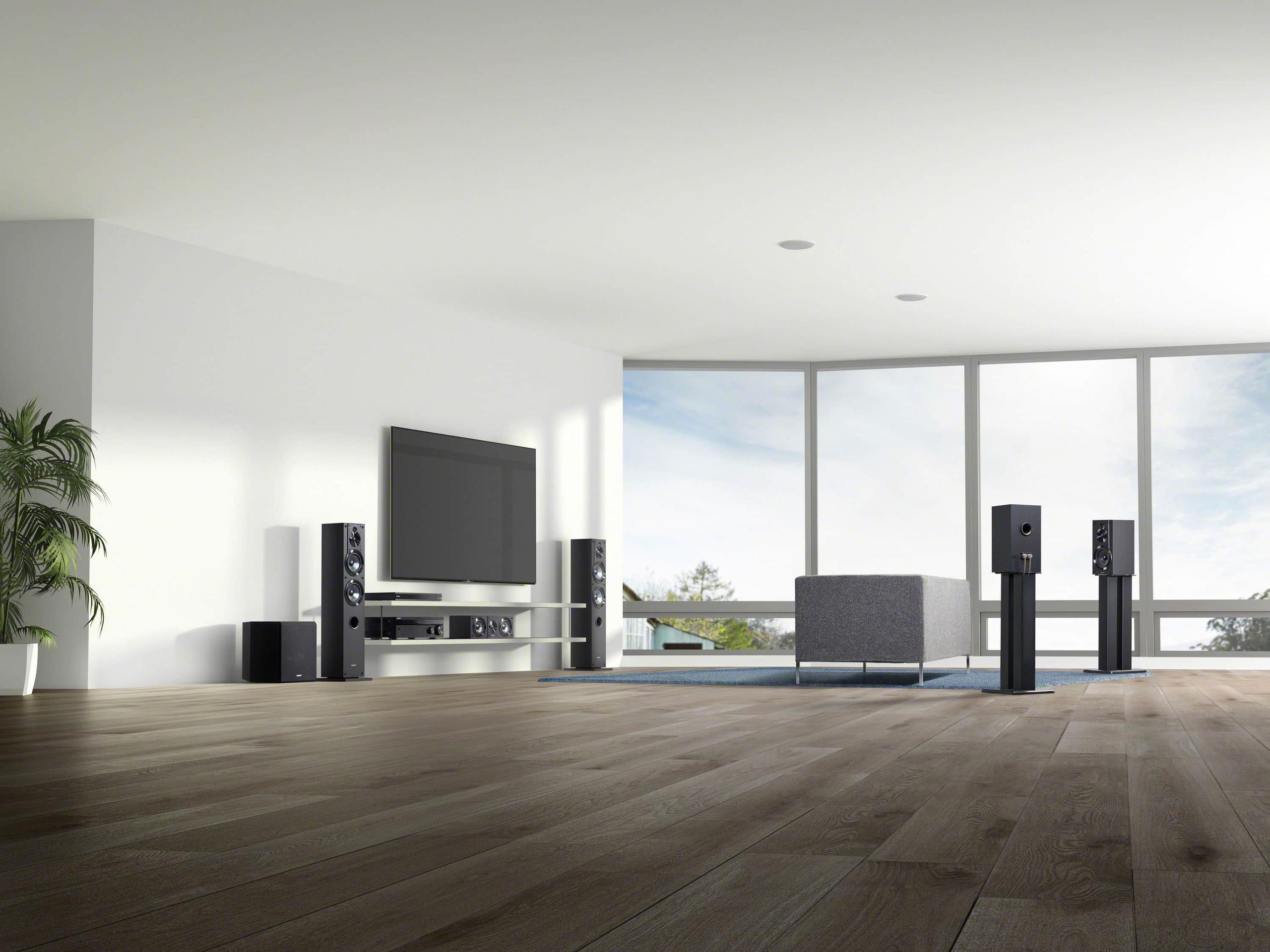
The channel configuration difference is equally significant. The Onkyo TX-NR7100 supports 9.2 channels, enabling speaker setups like 5.1.4 (five main speakers, one subwoofer, four height speakers) or 7.1.2 configurations. These additional channels create the overhead sound effects that make Dolby Atmos content truly immersive—helicopters flying overhead, rain falling from above, or ambient effects that surround you completely.
The Sony STR-DH790 maxes out at 7.2 channels, supporting traditional surround sound setups like 7.1 but lacking the processing power for true height channels. While it can process Dolby Atmos signals, it uses "virtualization" technology to simulate overhead effects through your existing speakers rather than dedicating separate drivers to height channels.
This is where the Onkyo TX-NR7100 truly separates itself from budget competition. It includes Dirac Live room correction—a professional-grade system that uses advanced algorithms to analyze your room's acoustics and automatically adjust the receiver's output to compensate for reflections, resonances, and other acoustic problems that muddy the sound.
Room correction is genuinely transformative. Most listening rooms have acoustic issues: hard surfaces that create reflections, furniture that absorbs certain frequencies, or room dimensions that emphasize or cancel specific tones. Dirac Live measures these problems using a calibration microphone, then applies sophisticated digital filters to counteract them. The result is cleaner dialogue, tighter bass, and a more spacious soundstage.
The Sony STR-DH790 includes Digital Cinema Auto Calibration (D.C.A.C.), which is essentially level and delay adjustment—it ensures all speakers are playing at the same volume and that sound reaches your ears simultaneously. While helpful for basic setup, it doesn't address the fundamental acoustic problems that Dirac Live tackles.
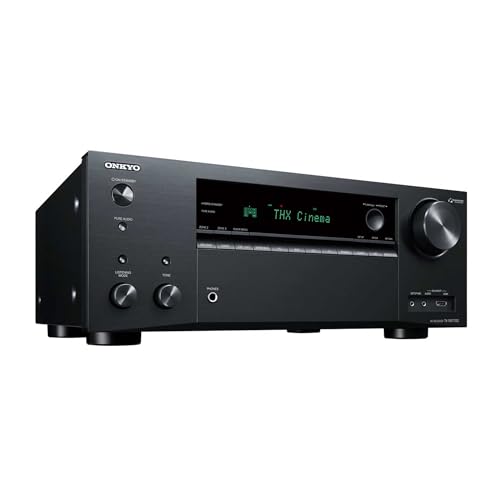
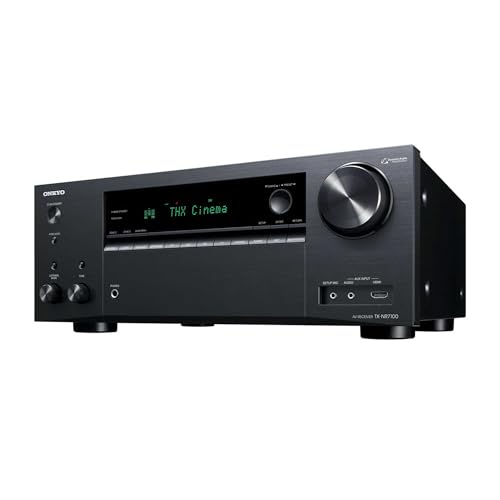
The Onkyo TX-NR7100 also carries THX certification, meaning it has passed thousands of rigorous tests to ensure reference-quality audio performance. It supports IMAX Enhanced content, delivering the audio experience exactly as IMAX engineers intended. These certifications matter because they guarantee the receiver can accurately reproduce the soundtracks as filmmakers mixed them.
The three-year gap between these receivers' releases becomes most apparent in their video capabilities. When the Sony STR-DH790 launched in 2018, 4K content was still emerging and 8K was purely theoretical. Its HDMI 2.0 inputs handle 4K/60Hz video perfectly well for movies and most content.
However, the gaming landscape shifted dramatically with the 2020 releases of PlayStation 5 and Xbox Series X consoles. These systems can output 4K at 120 frames per second—double the frame rate of traditional content—for incredibly smooth gaming. The Sony STR-DH790 can't pass these high-frame-rate signals, forcing gamers to connect directly to their TVs and lose surround sound processing.
The Onkyo TX-NR7100 addresses this with HDMI 2.1 inputs supporting 4K/120Hz and even 8K/60Hz video. While 8K content remains scarce, the 4K/120Hz capability is immediately relevant for serious gamers. The receiver also supports Variable Refresh Rate (VRR), Auto Low Latency Mode (ALLM), and Quick Frame Transport (QFT)—gaming-specific technologies that reduce input lag and eliminate screen tearing.
Beyond gaming, the Onkyo TX-NR7100 supports HDR10+ in addition to the standard HDR10 and Dolby Vision formats both receivers handle. HDR10+ uses dynamic metadata to optimize brightness and color on a scene-by-scene basis, similar to Dolby Vision, providing better picture quality from compatible content.
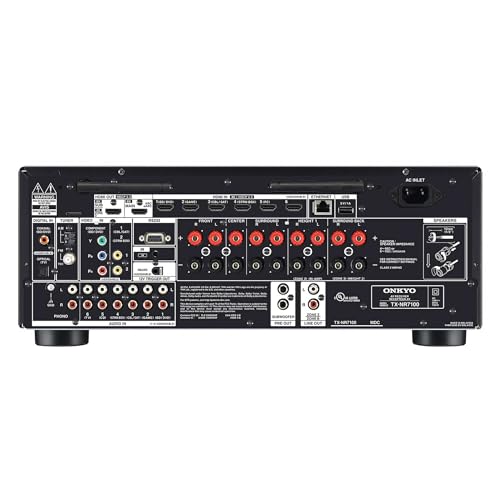
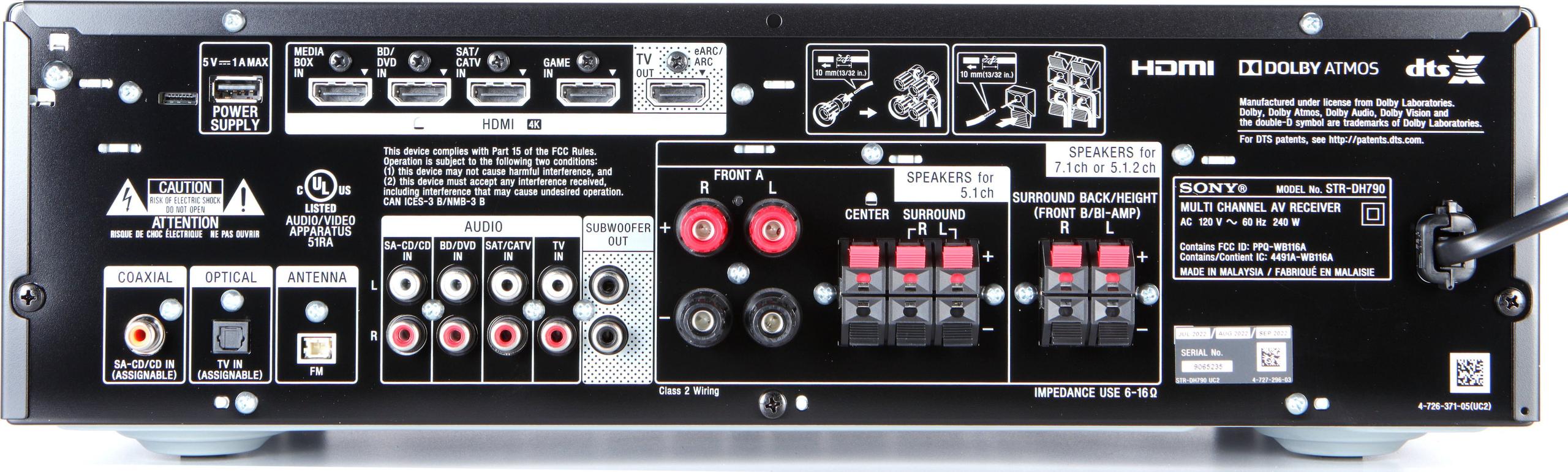
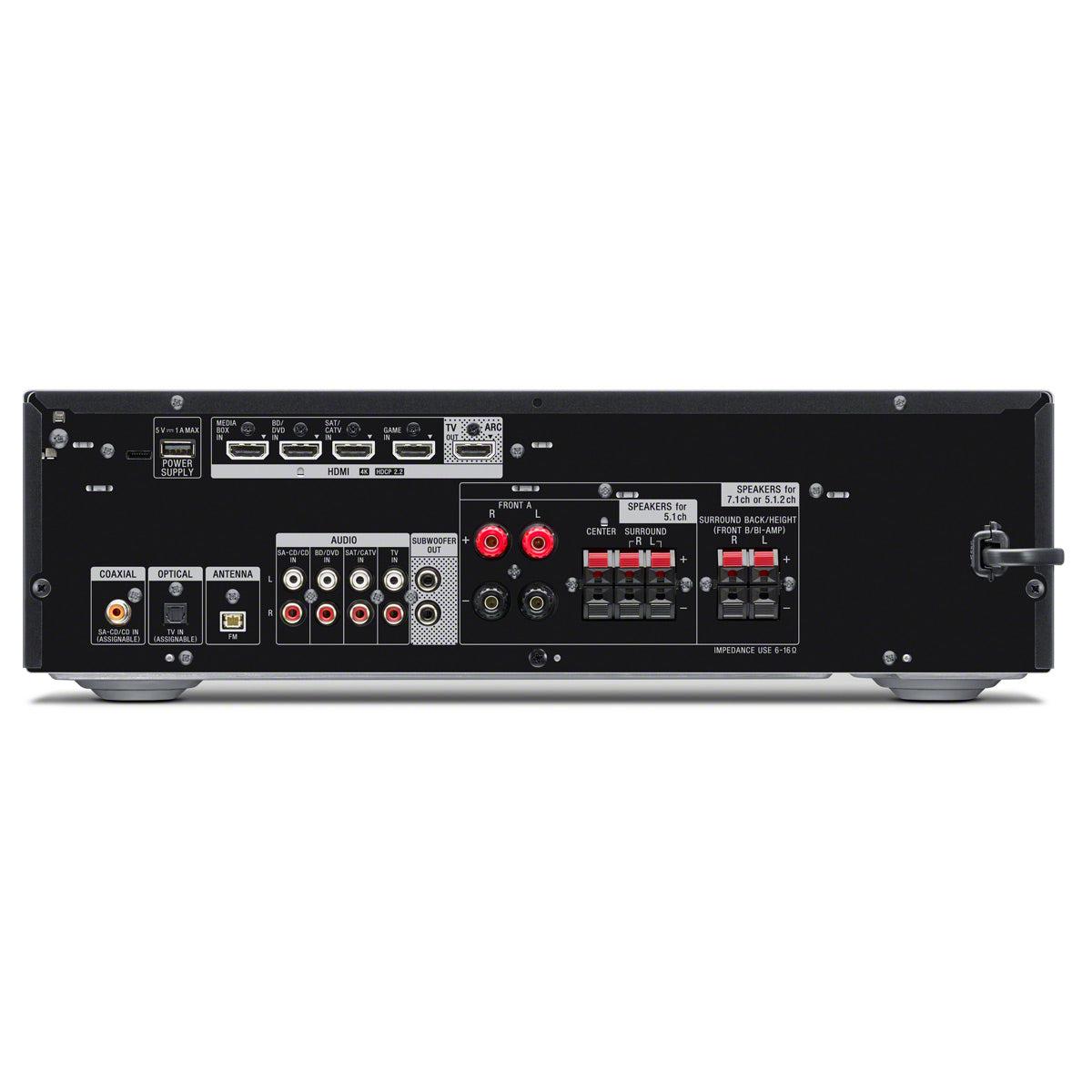
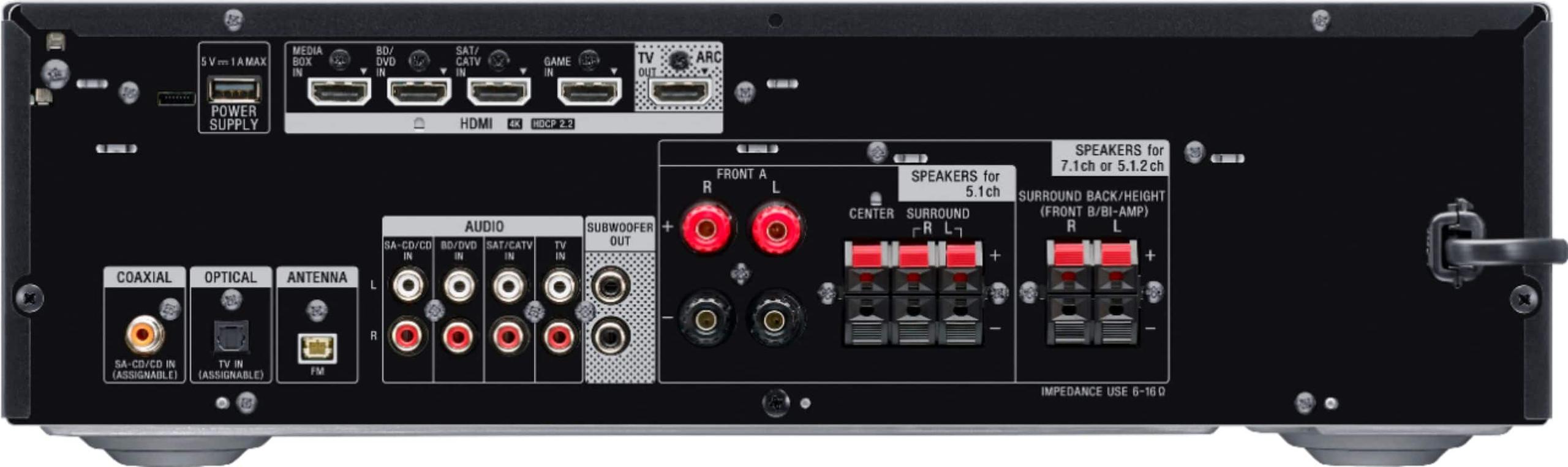
The Onkyo TX-NR7100 provides seven HDMI inputs compared to the Sony STR-DH790's four—a significant difference if you have multiple source devices. Modern setups often include gaming consoles, streaming devices, Blu-ray players, cable boxes, and perhaps a PC or laptop. With only four inputs, the Sony forces you to choose which devices get direct connections.
The Onkyo TX-NR7100 also offers two HDMI outputs versus Sony's single output, enabling multi-zone video distribution. You could send different content to your main theater and a bedroom TV simultaneously, or duplicate the same signal to multiple displays.
For audio connectivity, the Onkyo TX-NR7100 includes a phono input with built-in preamp for connecting turntables—a feature completely absent from the Sony STR-DH790. With vinyl's resurgence, this omission is increasingly noticeable. The Onkyo also provides more analog inputs overall and includes professional control interfaces like RS-232 for integration with home automation systems.
The Onkyo TX-NR7100 transforms into a whole-home audio hub with three-zone capability, letting you send different music to different rooms while maintaining independent volume and source control. The second zone even includes HDMI video output, so you could watch different content in your bedroom while someone else uses the main theater.
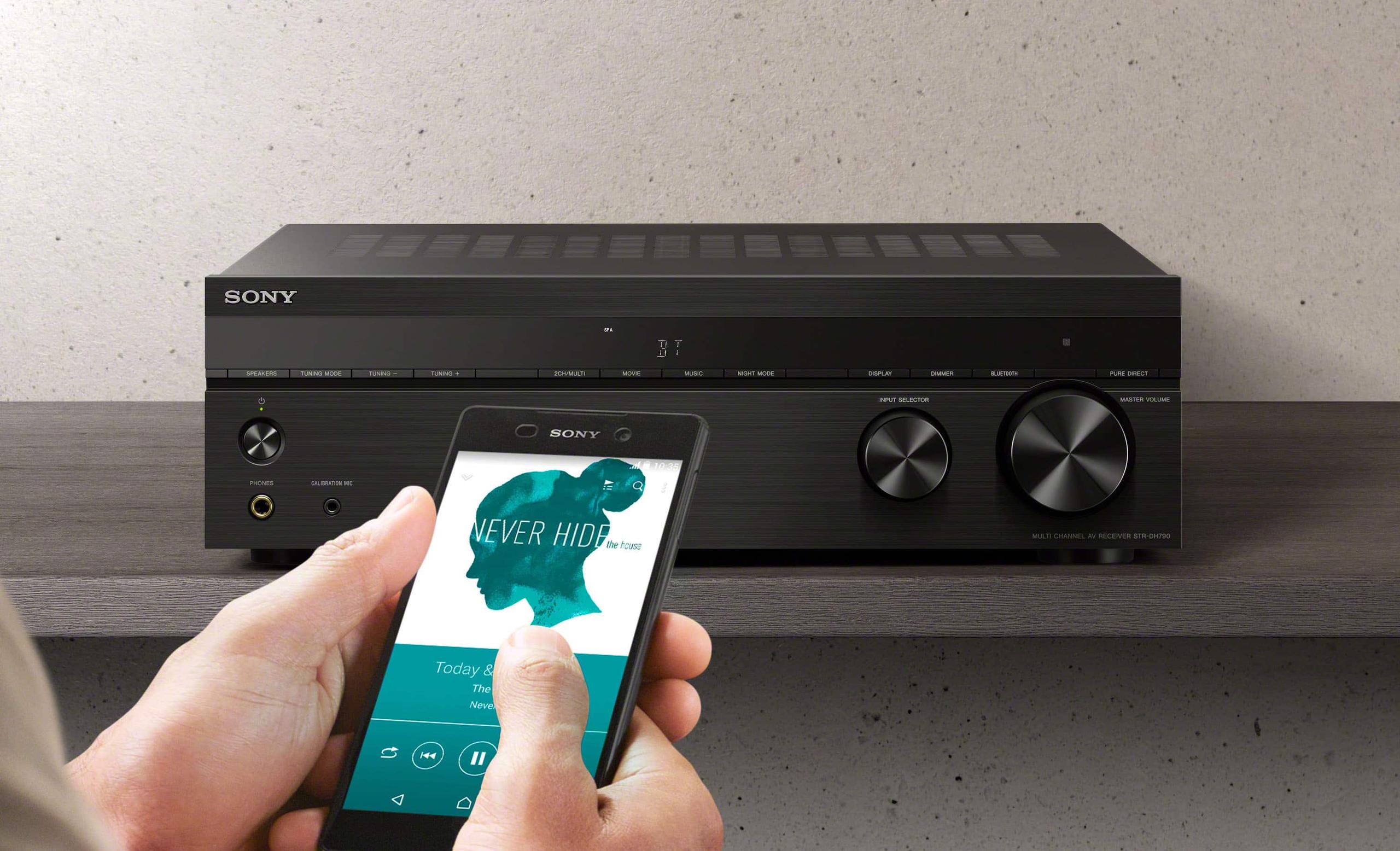
The wireless capabilities tell a similar story. The Sony STR-DH790 offers basic Bluetooth connectivity for streaming music from phones or tablets. The Onkyo TX-NR7100 includes Wi-Fi, advanced Bluetooth with aptX and aptX-HD codecs for higher-quality wireless audio, plus support for AirPlay 2, Chromecast, and DTS Play-Fi. It integrates with streaming services directly and works with voice assistants like Alexa and Google Assistant.
These features might seem like luxury extras, but they fundamentally change how you interact with your system. Instead of reaching for remotes and navigating menus, you can simply ask Alexa to play jazz in the living room or use your phone to start music throughout the house.
Our research into user reviews reveals distinct patterns for each receiver. Onkyo TX-NR7100 owners consistently praise the dramatic improvement in sound quality, particularly the immersive Atmos experience and powerful bass response. The Dirac Live room correction receives specific acclaim for transforming problematic rooms into enjoyable listening spaces.
However, complexity is a recurring concern. Multiple users described feeling overwhelmed by the setup process and extensive customization options. Some experienced Bluetooth connectivity issues, and a few reported reliability problems after extended use. The consensus seems to be that when properly configured, the Onkyo TX-NR7100 delivers exceptional performance, but reaching that point requires patience and technical comfort.
Sony STR-DH790 users emphasize the straightforward setup and reliable operation. The guided on-screen setup process receives particular praise, making it genuinely plug-and-play for most installations. Users appreciate features like night mode for clearer dialogue and find the power adequate for typical home theater setups.
The criticisms center on audio quality limitations. Several audiophile users found the sound quality disappointing compared to older receivers, describing a flattened soundstage and reduced dynamics, particularly with music playback. The limited connectivity becomes problematic as users acquire more devices, and the basic room correction leaves acoustic problems unaddressed.
These receivers serve fundamentally different users and scenarios. The Onkyo TX-NR7100 makes sense if you're building a dedicated home theater, have multiple source devices, want the best possible surround sound experience, or need multi-room capabilities. It's also the clear choice for serious gamers who need 4K/120Hz support or anyone planning to keep their receiver for many years.
At the time of writing, the Onkyo TX-NR7100 typically costs roughly double the Sony STR-DH790, reflecting its advanced feature set and newer technology. This price difference is justified if you'll use the additional capabilities, but represents poor value if you only need basic surround sound.
The Sony STR-DH790 excels for straightforward home theater setups where simplicity and reliability matter more than ultimate performance. It's ideal for smaller rooms, apartment dwellers who can't utilize massive power output anyway, or anyone who finds complex receivers intimidating.
Consider the Sony STR-DH790 if you primarily watch streaming content through your TV's built-in apps, have a modest speaker setup, prefer simple operation over extensive features, or want to experience surround sound without breaking the budget. It handles the basics very well and won't overwhelm you with options you'll never use.
The Onkyo TX-NR7100 is worth the investment if you have a dedicated theater room, own hard-to-drive speakers, want professional-grade room correction, need extensive connectivity, plan to use height speakers for Atmos, or want a receiver that will remain current as technology evolves.
Ultimately, both receivers succeed in their intended roles. The Sony STR-DH790 proves that you don't need to spend premium dollars to enjoy surround sound, while the Onkyo TX-NR7100 demonstrates what's possible when you prioritize performance and features over simplicity. Your choice should align with both your current needs and how you envision your system growing over the next five to seven years.
| Onkyo TX-NR7100 | Sony STR-DH790 |
|---|---|
| Channel Configuration - Determines surround sound capabilities and speaker setup options | |
| 9.2 channels (supports height speakers for true Dolby Atmos) | 7.2 channels (traditional surround, Atmos via virtualization) |
| Power Output - Critical for driving speakers effectively and maintaining clean sound at higher volumes | |
| 100W per channel (8Ω) / 220W per channel (6Ω) | 90W per channel (6Ω) |
| Room Correction - Essential for optimizing sound quality in real-world rooms | |
| Dirac Live professional room correction with acoustic analysis | Basic D.C.A.C. level/delay adjustment only |
| HDMI Video Support - Future-proofing for gaming consoles and 8K content | |
| 8K/60Hz, 4K/120Hz with HDMI 2.1 and gaming features (VRR, ALLM) | 4K/60Hz maximum with HDMI 2.0 |
| HDMI Connectivity - Number of devices you can connect directly | |
| 7 inputs, 2 outputs (accommodates complex setups) | 4 inputs, 1 output (limited for multiple devices) |
| Multi-Room Audio - Ability to play different content in separate rooms | |
| 3-zone capability with independent source control | No multi-room functionality |
| Wireless Streaming - Modern connectivity options for music and control | |
| Wi-Fi, advanced Bluetooth (aptX-HD), AirPlay 2, Chromecast, voice control | Basic Bluetooth only |
| Turntable Support - For vinyl record playback | |
| Built-in phono preamp included | No phono input (requires external preamp) |
| Audio Certifications - Quality assurance for cinema-grade performance | |
| THX Certified, IMAX Enhanced | No premium certifications |
| Setup Complexity - Time and technical knowledge required | |
| Complex but comprehensive with extensive customization | Simple plug-and-play with guided setup |
| Target User - Who benefits most from each receiver's approach | |
| Enthusiasts wanting premium features and future-proofing | Casual users seeking reliable basic surround sound |
The primary difference is that the Onkyo TX-NR7100 is a premium 9.2-channel receiver with advanced features like Dirac Live room correction and 8K video support, while the Sony STR-DH790 is a budget-friendly 7.2-channel receiver focused on essential surround sound capabilities. The Onkyo offers more power, channels, and future-proofing features.
The Onkyo TX-NR7100 delivers superior sound quality with 220W per channel, professional Dirac Live room correction, and THX certification. The Sony STR-DH790 provides decent sound for the price but lacks advanced audio processing and room optimization features that significantly improve audio performance.
Yes, both the Onkyo TX-NR7100 and Sony STR-DH790 support Dolby Atmos. However, the Onkyo can utilize dedicated height speakers for true overhead sound effects, while the Sony uses virtualization technology to simulate height effects through existing speakers, resulting in a less immersive experience.
The Onkyo TX-NR7100 is significantly better for gaming with HDMI 2.1 support for 4K/120Hz gaming, plus VRR, ALLM, and QFT features that reduce input lag. The Sony STR-DH790 only supports 4K/60Hz, making it incompatible with next-gen gaming console capabilities.
The Onkyo TX-NR7100 provides 7 HDMI inputs and 2 outputs, accommodating multiple source devices and multi-zone setups. The Sony STR-DH790 offers 4 HDMI inputs and 1 output, which may be limiting if you have many devices like gaming consoles, streaming boxes, and Blu-ray players.
The Sony STR-DH790 is much easier to set up with its straightforward plug-and-play design and guided on-screen setup process. The Onkyo TX-NR7100 offers extensive customization options but requires more technical knowledge and time to configure properly for optimal performance.
The Onkyo TX-NR7100 offers comprehensive wireless streaming with Wi-Fi, advanced Bluetooth (aptX-HD), AirPlay 2, Chromecast, and built-in streaming services. The Sony STR-DH790 only provides basic Bluetooth connectivity for streaming music from phones and tablets.
Only the Onkyo TX-NR7100 includes a built-in phono preamp for direct turntable connection. The Sony STR-DH790 lacks a phono input, so you'd need to purchase a separate phono preamp to connect a turntable.
The Onkyo TX-NR7100 offers full 3-zone multi-room capability, allowing different music in separate rooms with independent volume and source control. The Sony STR-DH790 has no multi-room functionality and can only power speakers in a single room.
The Onkyo TX-NR7100 delivers 100W per channel (8Ω) and 220W per channel (6Ω), providing significantly more power than the Sony STR-DH790's 90W per channel (6Ω). This extra power means cleaner sound at higher volumes and better performance with demanding speakers.
The Sony STR-DH790 offers excellent value for basic surround sound needs with its lower price point and essential features. The Onkyo TX-NR7100 provides better value for enthusiasts who will utilize its advanced features like room correction, multi-room audio, and future-proof video standards.
Choose the Sony STR-DH790 if you want simple, reliable surround sound for casual viewing in smaller rooms with a limited budget. Choose the Onkyo TX-NR7100 if you're building a dedicated home theater, need multiple zones, want the best audio quality with room correction, or require future-proofing for 8K and high-frame-rate gaming.
We've done our best to create useful and informative comparisons to help you decide what product to buy. Our research uses advanced automated methods to create this comparison and perfection is not possible - please contact us for corrections or questions. These are the sites we've researched in the creation of this article: crutchfield.com - prohifi.in - bestbuy.com - h-m-entertainment.com - audiosciencereview.com - crutchfield.ca - soundandvision.com - avsforum.com - avgadgets.com - youtube.com - onkyo.com - crutchfield.com - onkyo.com - accessories4less.com - klipsch.com - youtube.com - listenup.com - intl.onkyo-av.com - bestbuy.com - 420spotshop.com - support.onkyousa.com - bestbuy.com - ynetnews.com - walts.com - sony.ca - walmart.com - videoandaudiocenter.com - abcwarehouse.com - crutchfield.com - sony.co.uk - sony.ie - youtube.com

Privacy Policy
Terms and Conditions - Affiliate Policy
Home Security
© Copyright 2008-2026.
11816 Inwood Rd #1211, Dallas, TX 75244