


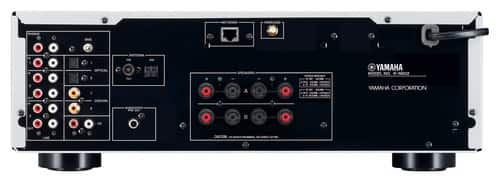
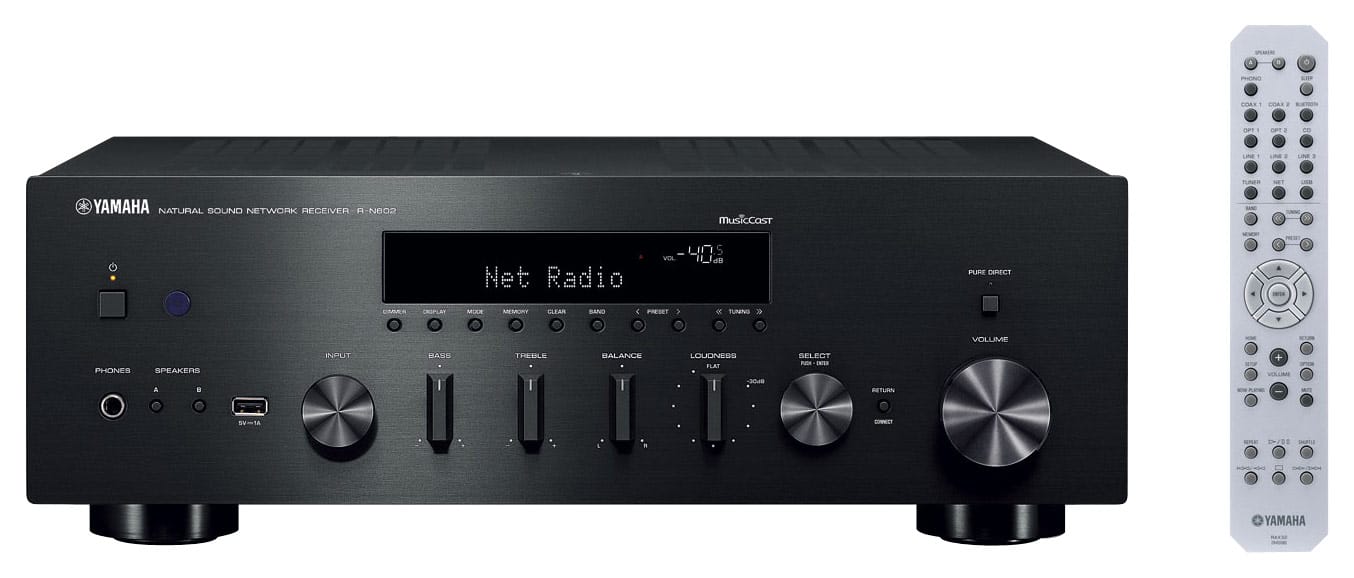
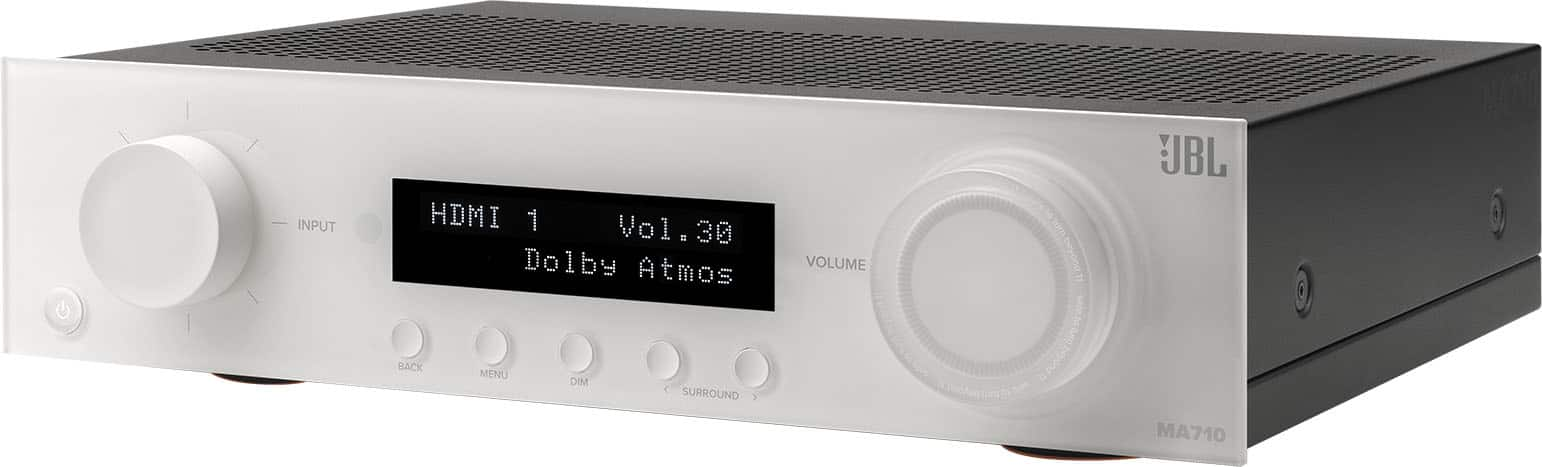
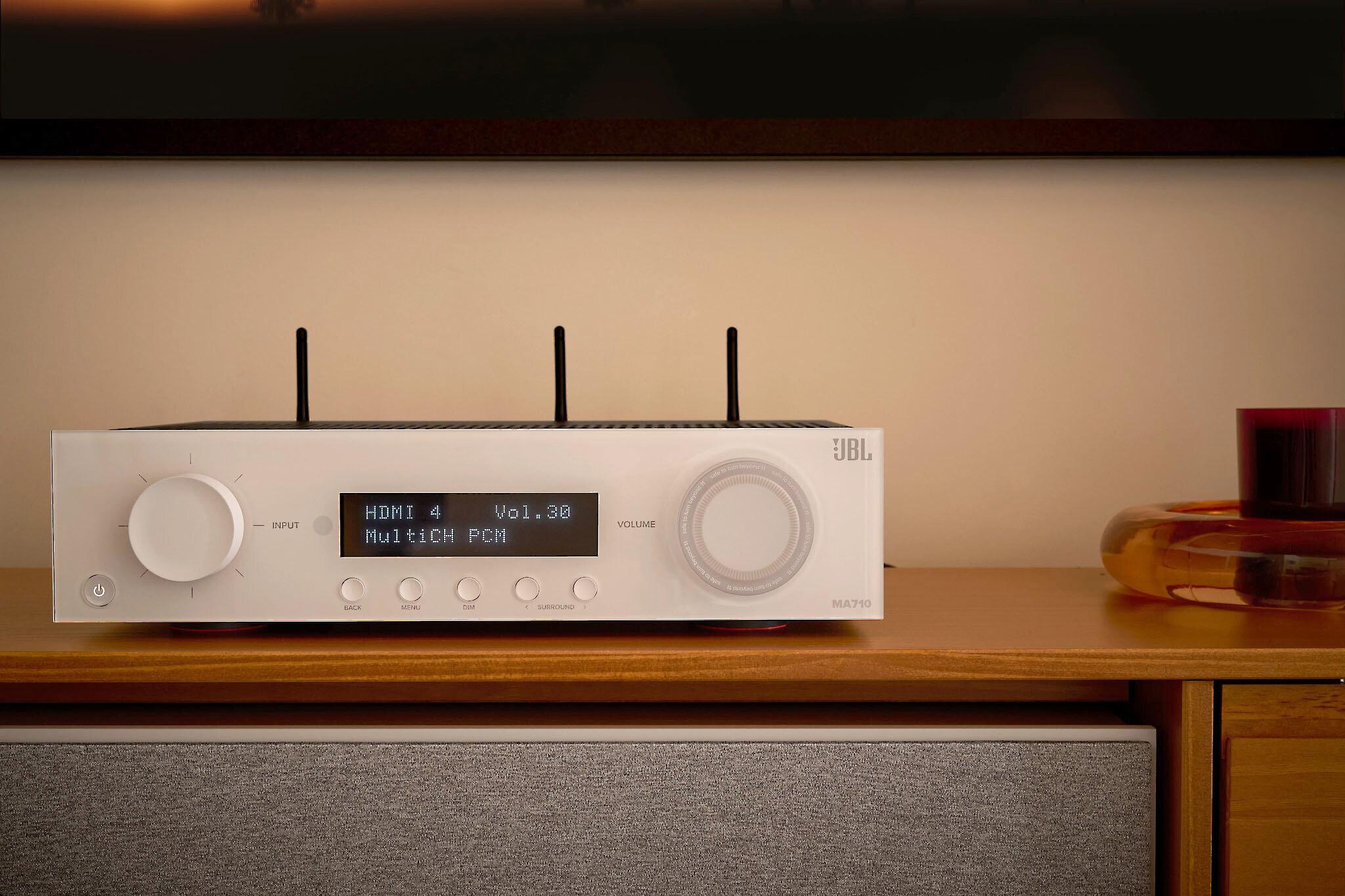
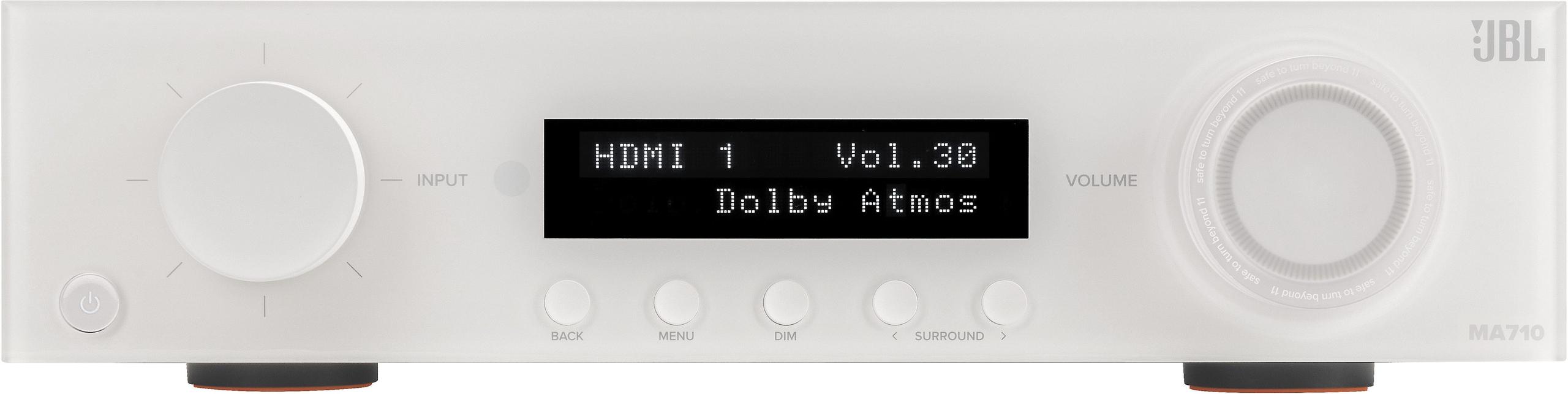
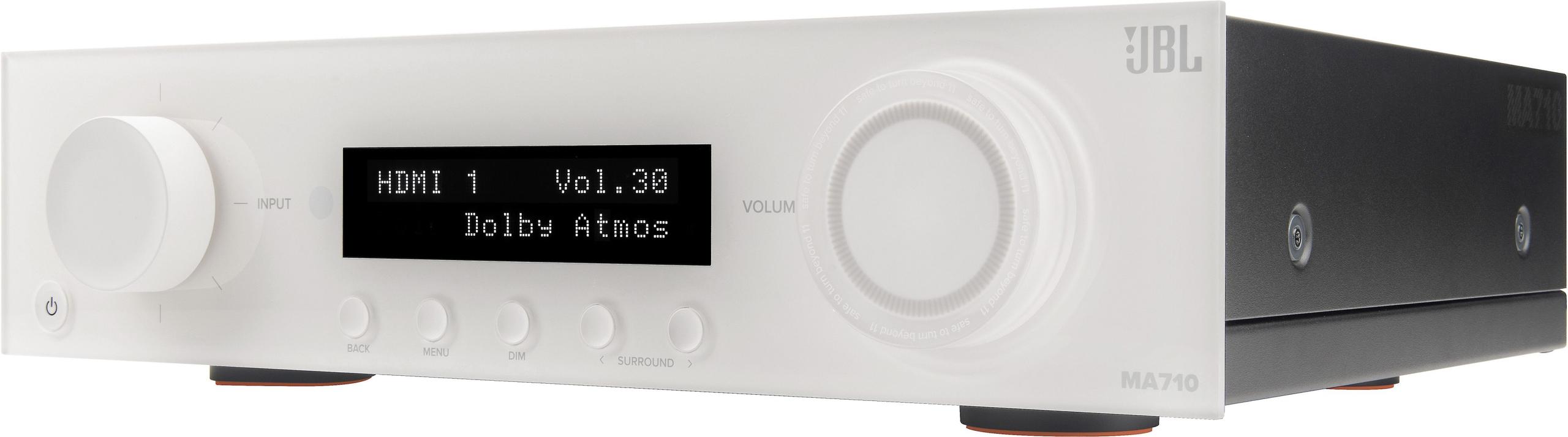
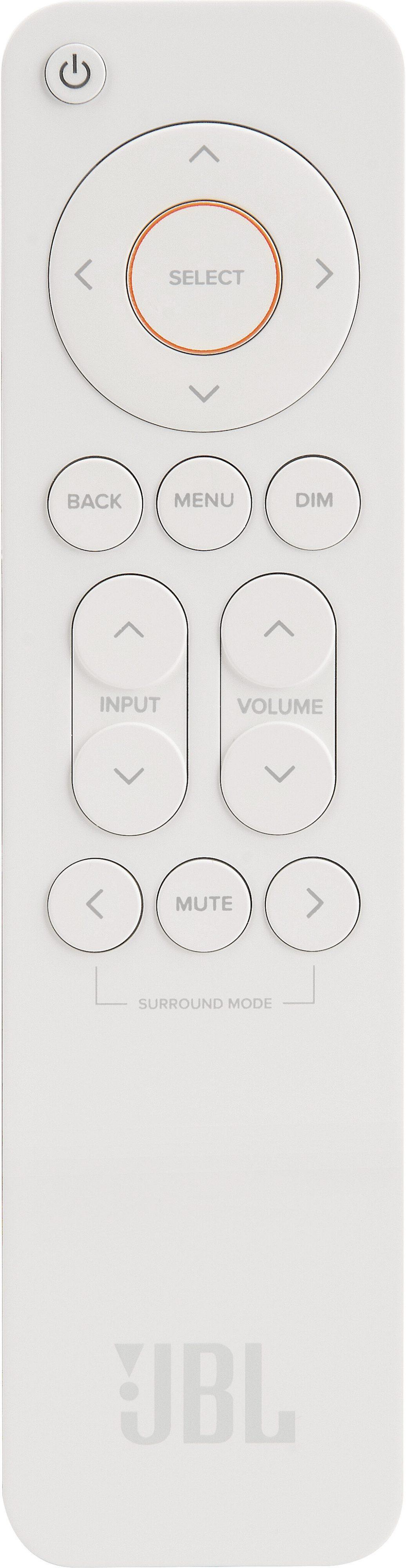
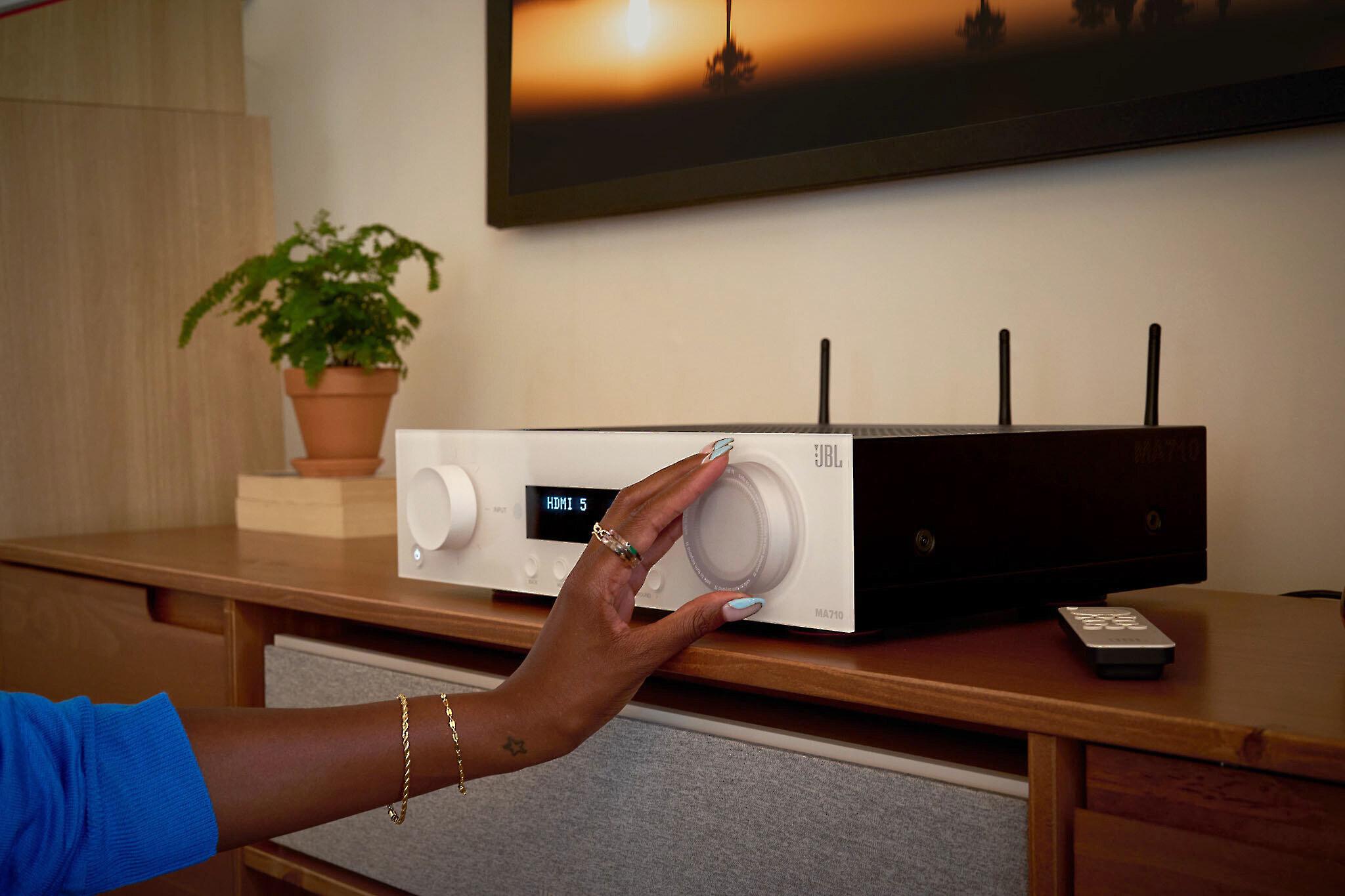
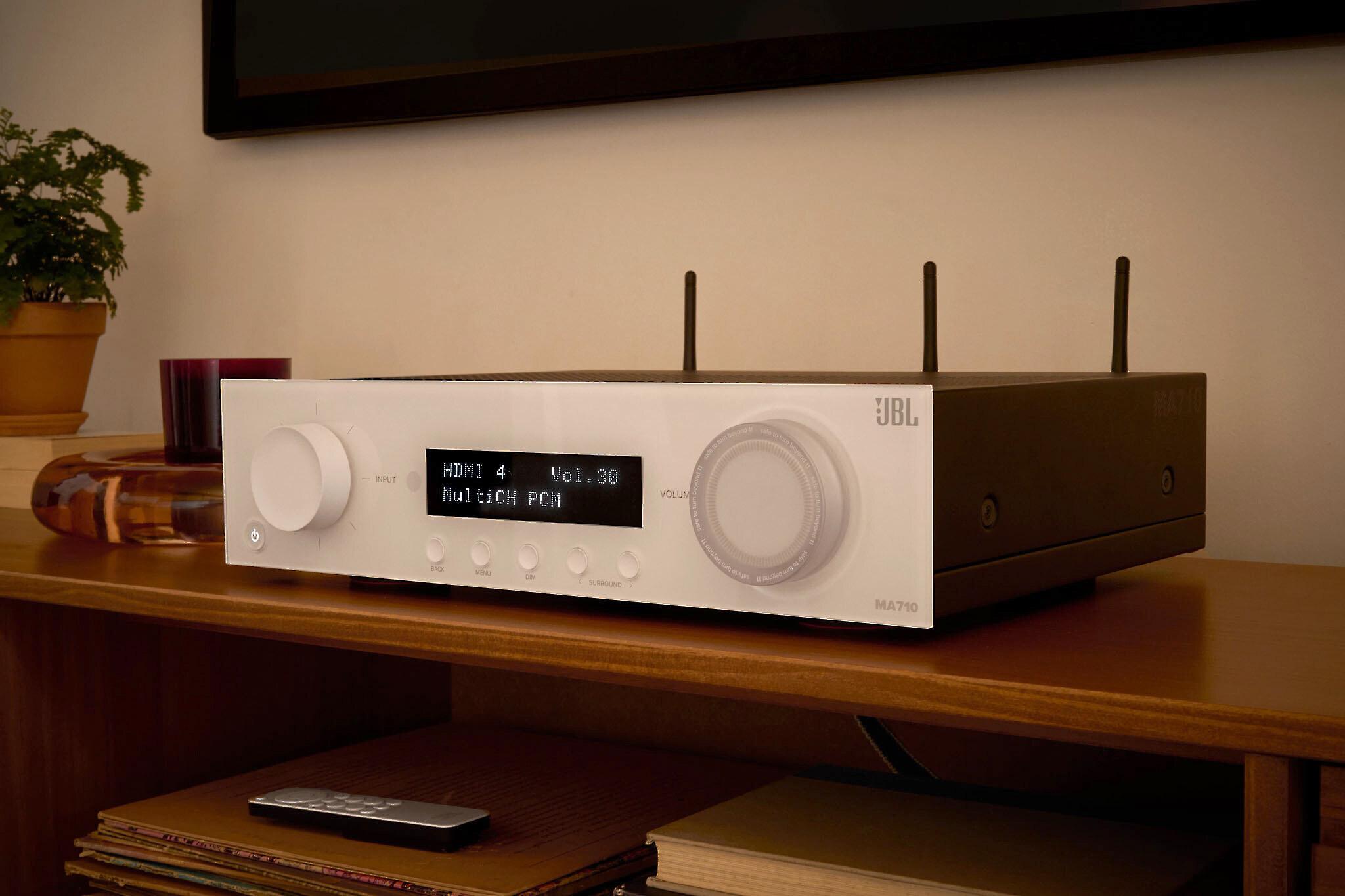
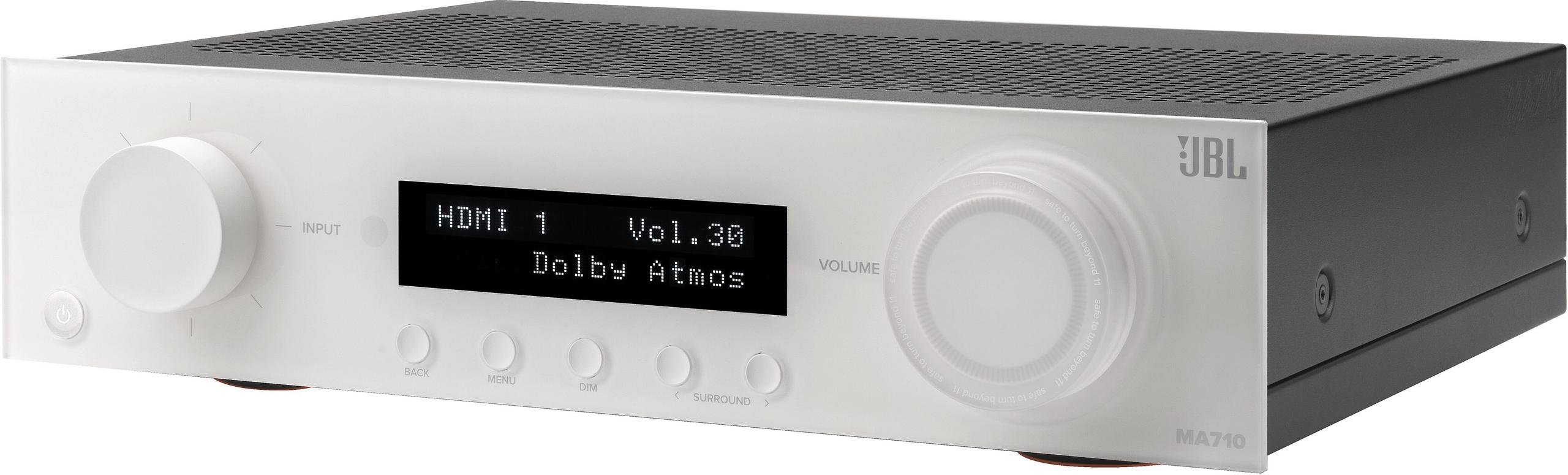
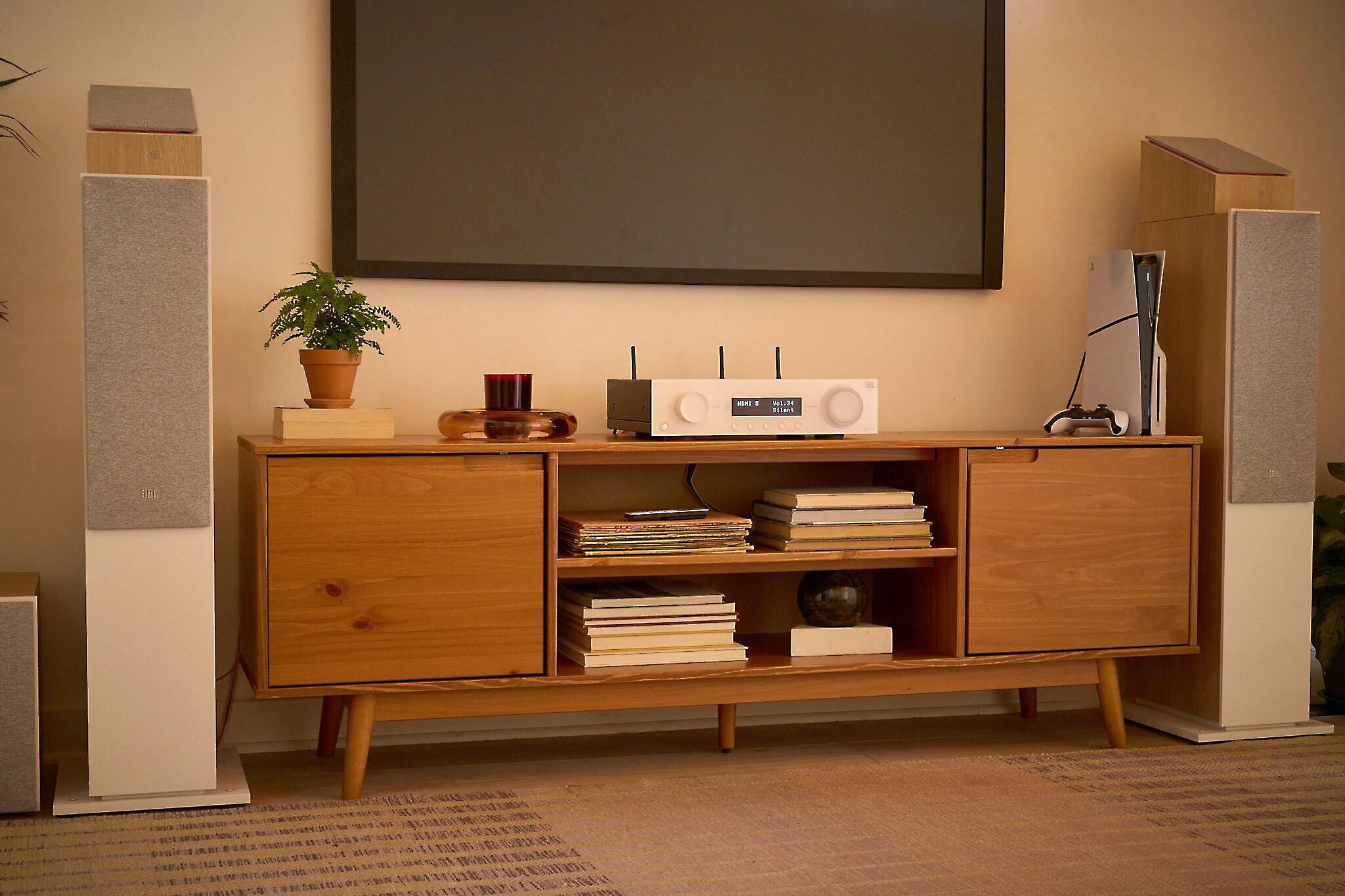
Over the past decade, home audio has split into two distinct paths - traditional stereo for music purists and multi-channel AV receivers for home theater enthusiasts. Let's compare the Yamaha R-N602 ($649) and JBL MA710 ($679) to understand these different approaches.
Stereo receivers like the R-N602 focus on high-quality two-channel audio, a tradition dating back to the golden age of hi-fi. Released in 2016, it represents Yamaha's blend of classic audio engineering with modern connectivity. In contrast, the MA710, released in early 2024, exemplifies the latest in home theater technology with 7.2 channels and 8K video support.
The core difference lies in their fundamental design goals. The Yamaha dedicates all its engineering and amplification to two channels, while the JBL splits its resources across seven channels plus two subwoofers. This creates an inherent trade-off between focused stereo performance and immersive surround capability.
When choosing between these approaches, start by considering your main use case. The Yamaha R-N602 excels at music reproduction, with its high-current amplification delivering 80 watts per channel. Its "Pure Direct" mode bypasses unnecessary circuits for the cleanest possible sound - a feature music enthusiasts particularly value.
The JBL MA710 offers greater flexibility with 110 watts per channel across seven channels. While this might seem more powerful on paper, remember that power is split across more channels. Its strength lies in creating an immersive sphere of sound for movies and games through Dolby Atmos and DTS:X processing.
The Yamaha's ToP-ART (Total Purity Audio Reproduction Technology) design shows in its musical presentation. The BurrBrown 192kHz/24-bit DAC (Digital-to-Analog Converter) handles high-resolution audio with precision, while the dedicated phono input for turntables has received particular praise for its warmth and detail.
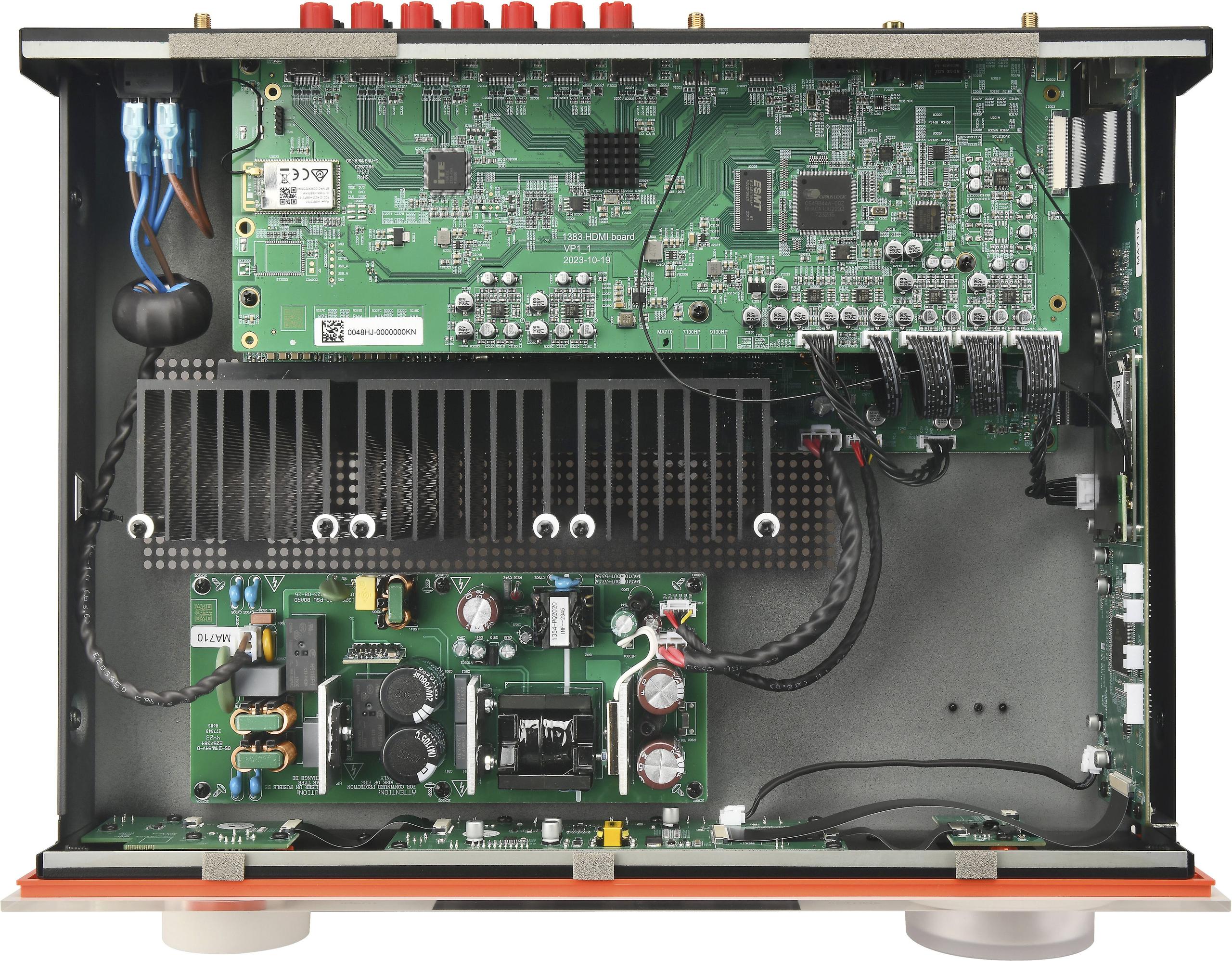
The JBL handles music capably through its modern Class D amplification, which runs cooler and more efficiently than traditional designs. However, its processing focuses on surround sound, potentially adding complexity to the signal path for stereo content. That said, its newer DAC technology and streaming capabilities (including aptX HD Bluetooth) offer some advantages over the Yamaha's 2016-era implementations.
Here's where the receivers diverge dramatically. The MA710 creates a three-dimensional soundfield through Dolby Atmos, which adds height channels to traditional surround sound. This means sounds can appear to come from above, creating more realistic effects for movies and games. Its support for modern gaming features like Variable Refresh Rate (VRR) and Auto Low Latency Mode (ALLM) also makes it future-proof for gaming setups.
The R-N602 is limited to stereo, though it can feed a subwoofer through its mono output. While this works fine for music, you'll miss out on discrete surround effects in movies and games. Some users compensate by using high-quality bookshelf speakers in a near-field setup, but it's not the same as true surround sound.
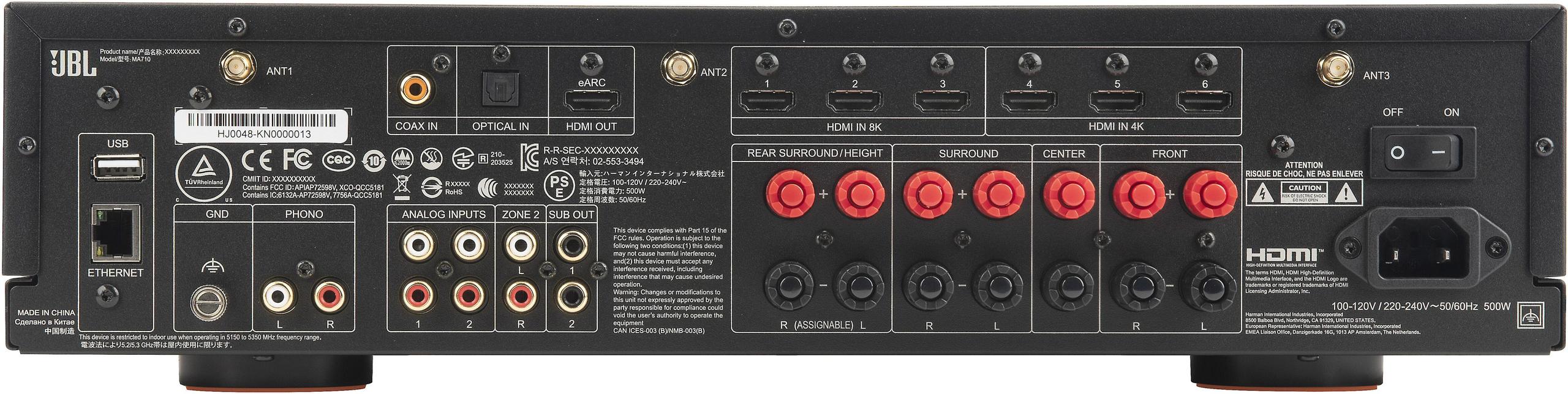
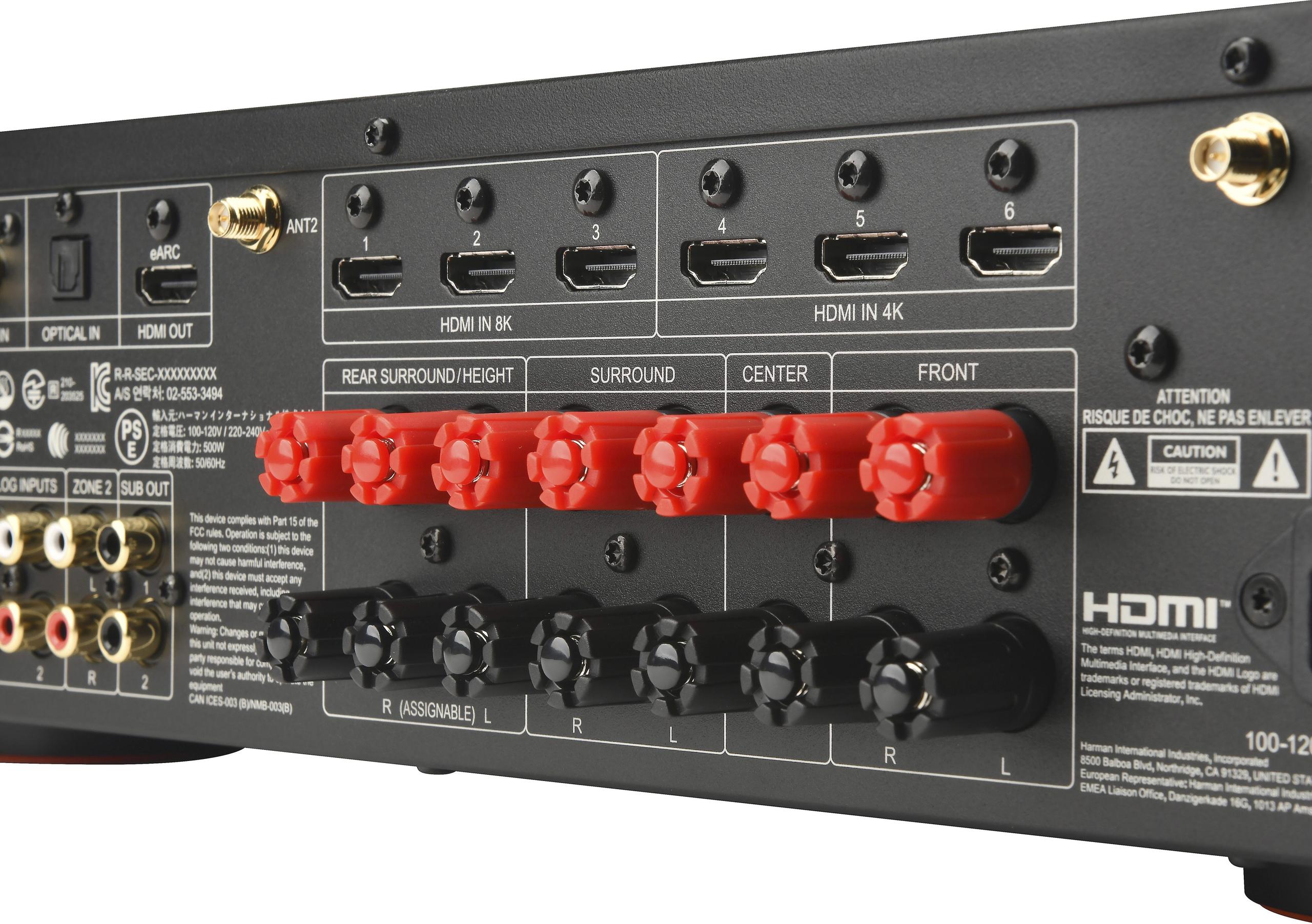
The JBL's HDMI 2.1 ports support 8K/60Hz and 4K/120Hz passthrough, along with HDR10+ and Dolby Vision. This matters for the latest gaming consoles and high-end TVs. The Yamaha has no video capabilities - it's purely an audio device.
Both receivers embrace streaming, but differently. The Yamaha supports services like Pandora and Spotify through its MusicCast platform, while the JBL offers more modern implementations through Apple AirPlay 2 and Google Chromecast. The Yamaha's network features, while functional, show their age compared to current standards.
The JBL's HDMI connectivity makes it more versatile for modern home theaters, easily switching between gaming consoles, streaming boxes, and cable/satellite receivers. The Yamaha's optical and coaxial inputs handle digital audio but require separate video connections.
The Yamaha shines with analog sources, especially vinyl. Its moving magnet phono stage has received particular praise for its musical presentation. The JBL includes a phono input but it's not the focus of the design.
At similar price points ($649 for the Yamaha vs $679 for the JBL), these receivers offer different kinds of value. The R-N602 provides exceptional stereo performance and build quality focused on music reproduction. The MA710 offers more features and flexibility for mixed-use scenarios.
Consider future upgrades too. The Yamaha's stereo-only design means you'd need to replace it entirely to add surround sound. The JBL provides room to grow, supporting various speaker configurations from 2.0 up to 7.2.
Both receivers excel in their intended roles. The Yamaha R-N602 represents the traditional audiophile approach, focusing on music reproduction quality above all else. The JBL MA710 embraces modern home theater needs with broad format support and gaming features. Your choice should align with how you'll primarily use the system and what kind of experience matters most to you.
| Yamaha R-N602 | JBL MA710 |
|---|---|
| Power Output - Determines speaker compatibility and volume capability | |
| 80W per channel (2 channels, 8 ohms) | 110W per channel (7 channels, 8 ohms) |
| Audio Architecture - Impacts overall sound quality | |
| Traditional Class A/B amplification with ToP-ART design | Modern Class D amplification with digital processing |
| Channel Configuration - Defines system flexibility | |
| 2.1 channels (stereo + subwoofer) | 7.2 channels (surround + dual subwoofers) |
| Video Capabilities - Essential for home theater use | |
| No video processing | 8K/60Hz, 4K/120Hz, HDR10+, Dolby Vision |
| Digital Audio Processing - Affects sound format compatibility | |
| Basic stereo processing, no surround decoding | Dolby Atmos, DTS:X, advanced room correction |
| Streaming Features - Important for modern content access | |
| MusicCast, AirPlay, Bluetooth 2.1 | Chromecast, AirPlay 2, Bluetooth 5.3 with aptX HD |
| Analog Capabilities - Critical for vinyl and legacy sources | |
| High-quality phono stage, multiple analog inputs | Basic phono input, fewer analog connections |
| Digital Inputs - Flexibility for modern sources | |
| 2 optical, 2 coaxial, USB | 6 HDMI 2.1, 1 optical, 1 coaxial |
| Release Date & Price - Considers value proposition | |
| 2016 - $649 | 2024 - $679 |
| Best Use Case - Who should buy this | |
| Dedicated music listening, vinyl enthusiasts | Home theater, gaming, multi-purpose rooms |
The Yamaha R-N602 ($649) is superior for music, with dedicated two-channel design and high-quality analog components. While the JBL MA710 ($679) plays music well, its design prioritizes surround sound over pure stereo performance.
The JBL MA710 is designed for home theater with 7.2 channels and Dolby Atmos support. The Yamaha R-N602 only offers stereo sound, making it less suitable for movie watching.
The JBL MA710 offers more modern streaming features with Chromecast, AirPlay 2, and Bluetooth 5.3. The Yamaha R-N602's older MusicCast system and Bluetooth 2.1 work but aren't as current.
At just $30 more, the JBL MA710 offers significantly more features and flexibility than the Yamaha R-N602, especially for home theater use. However, dedicated music listeners might prefer the Yamaha's focused approach.
The Yamaha R-N602 has a superior phono stage and analog-focused design, making it the better choice for vinyl enthusiasts. The JBL MA710's phono input is functional but not a primary feature.
The JBL MA710 fully supports modern gaming consoles with HDMI 2.1, 4K/120Hz, and VRR features. The Yamaha R-N602 cannot process video signals and only handles stereo audio.
The JBL MA710, released in 2024, offers more future-proof features like 8K video, modern gaming support, and current streaming standards. The Yamaha R-N602 (2016) is more limited in technological advancement.
The JBL MA710 supports up to 7 speakers plus 2 subwoofers. The Yamaha R-N602 connects only 2 speakers (with A/B switching) and one subwoofer.
For stereo music, the Yamaha R-N602 typically offers better sound quality. For movies and surround content, the JBL MA710 provides superior performance with its multi-channel capabilities.
Both work well in small rooms, but the Yamaha R-N602 might be more appropriate since smaller spaces often don't benefit from full surround sound setups.
The Yamaha R-N602 is simpler to set up due to fewer channels and options. The JBL MA710 requires more setup time but includes automatic room calibration to help optimize performance.
Neither requires an additional amplifier - both are integrated receivers with built-in amplification. The Yamaha R-N602 offers 80W per channel for stereo, while the JBL MA710 provides 110W per channel across seven channels.
We've done our best to create useful and informative comparisons to help you decide what product to buy. Our research uses advanced automated methods to create this comparison and perfection is not possible - please contact us for corrections or questions. These are the sites we've researched in the creation of this article: theaudiophileman.com - crutchfield.com - forums.whathifi.com - usa.yamaha.com - youtube.com - hifiengine.com - yamaha.com - adorama.com - parts-express.com - usa.yamaha.com - audiosciencereview.com - bestbuy.com - musicdirect.com - safeandsoundhq.com - bestbuy.com - bestbuy.com - puretheatre.com - crutchfield.com - mm.jbl.com - av-connection.com - electronics.woot.com - worldwidestereo.com - th.jbl.com - skybygramophone.com

Privacy Policy
Terms and Conditions - Affiliate Policy
Home Security
© Copyright 2008-2026.
11816 Inwood Rd #1211, Dallas, TX 75244