

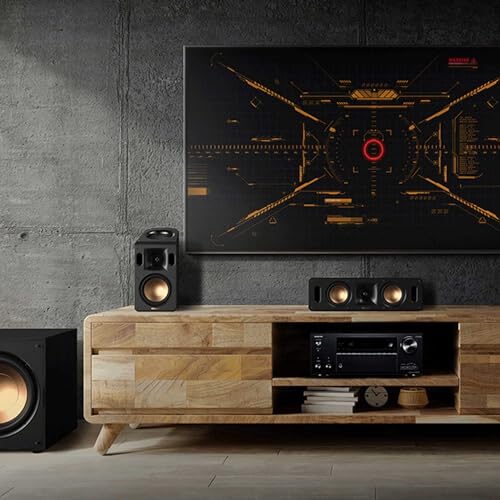
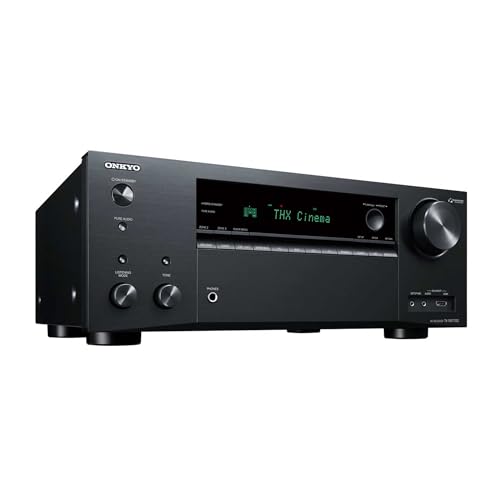
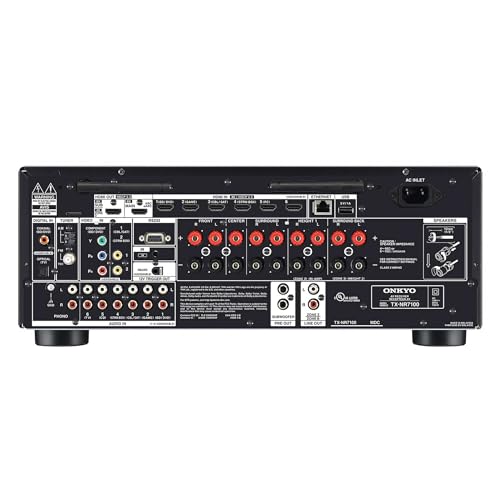
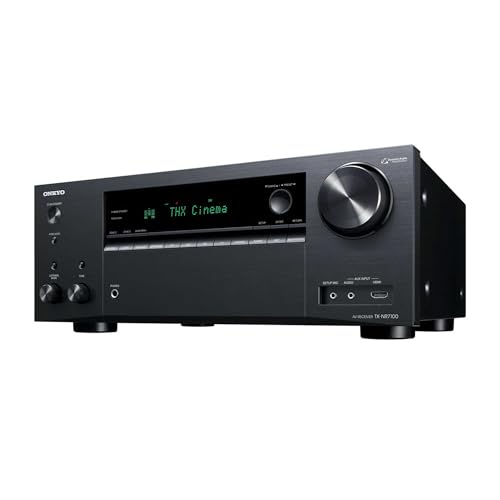
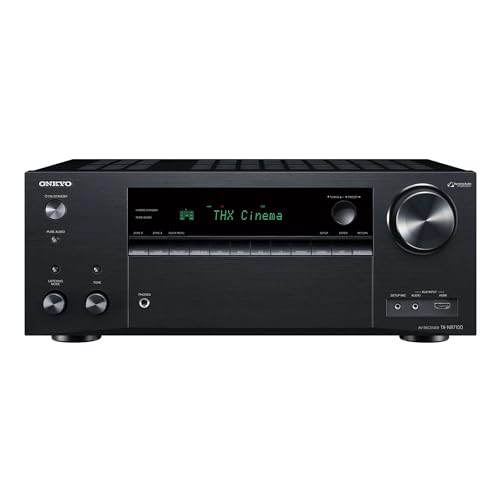
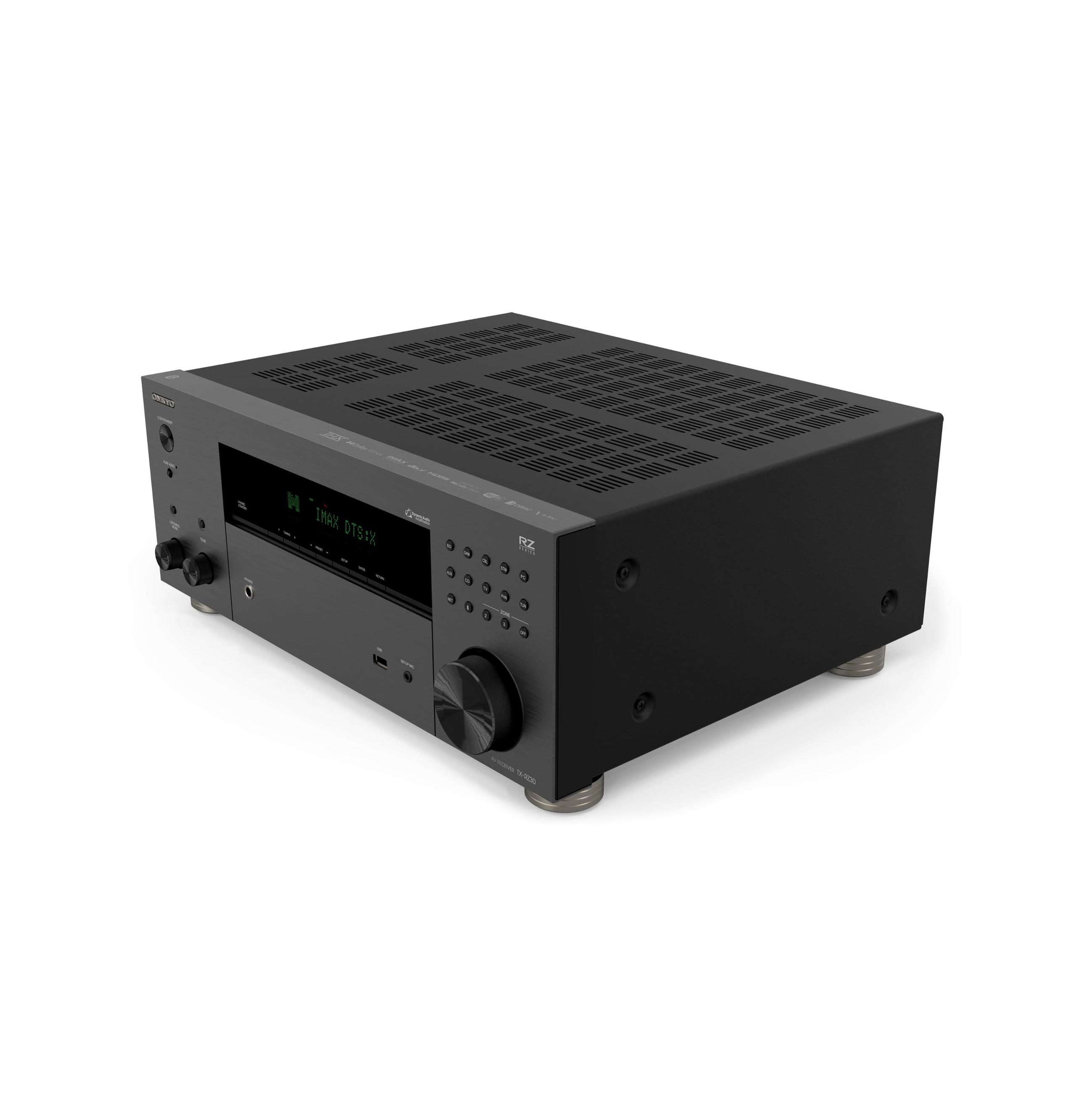
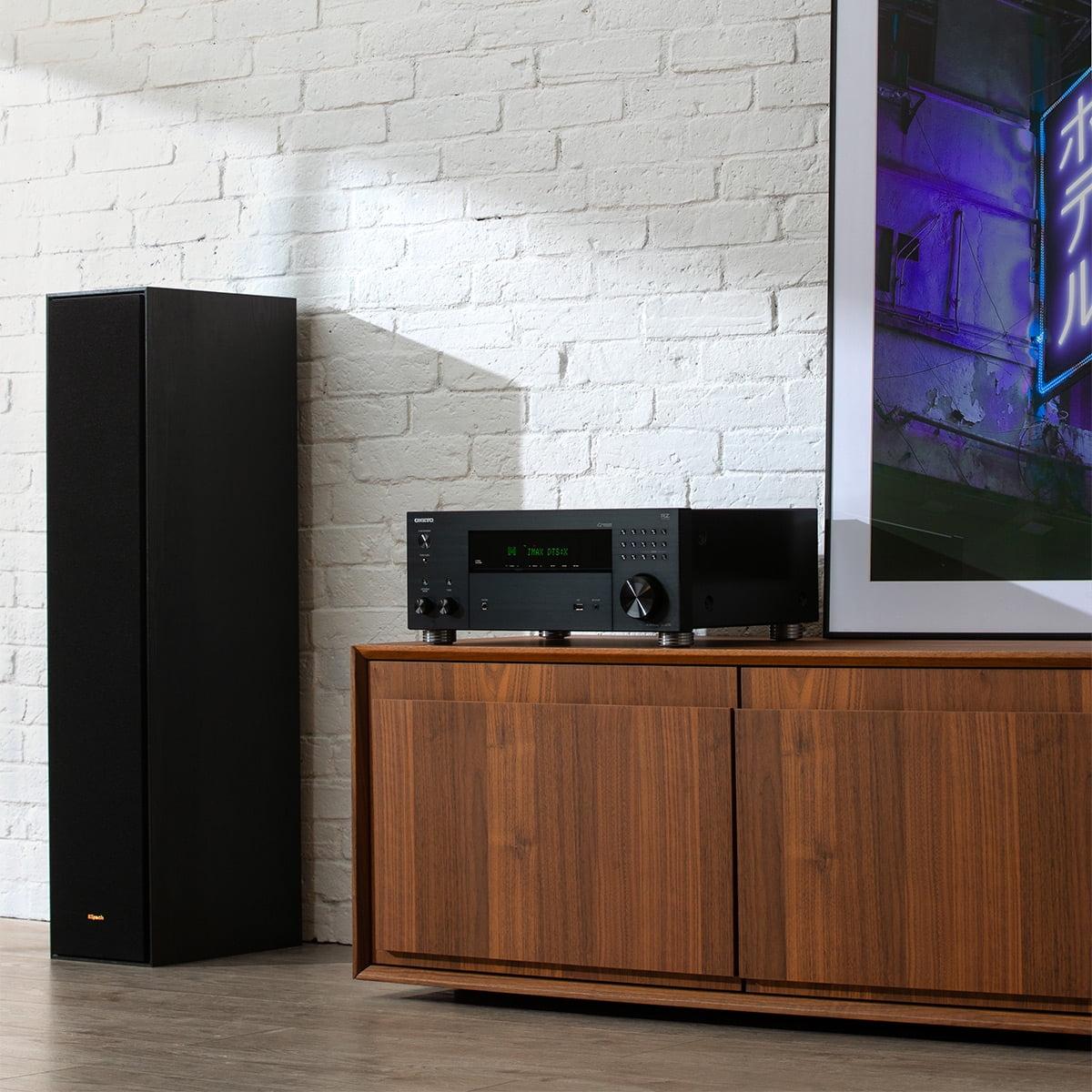
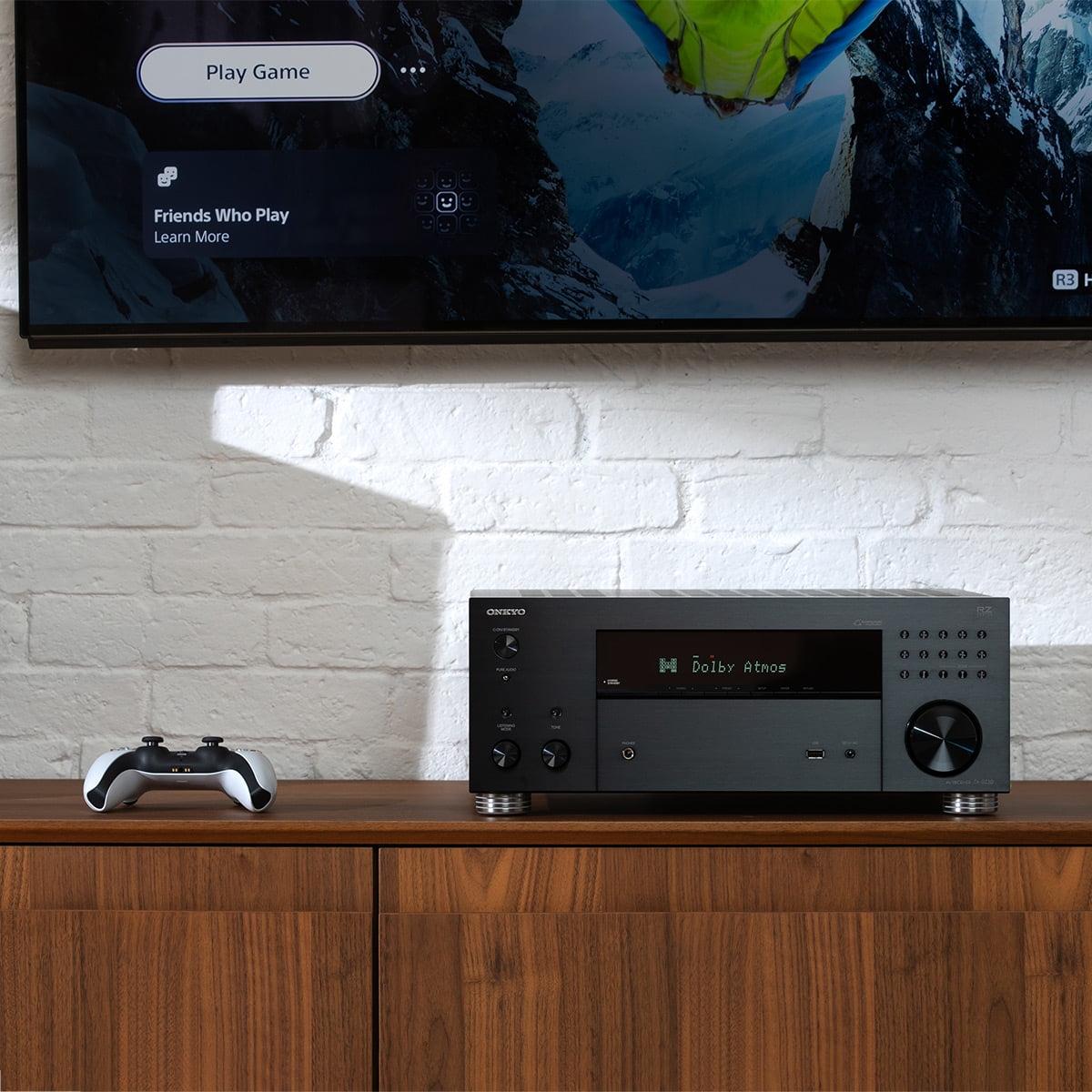
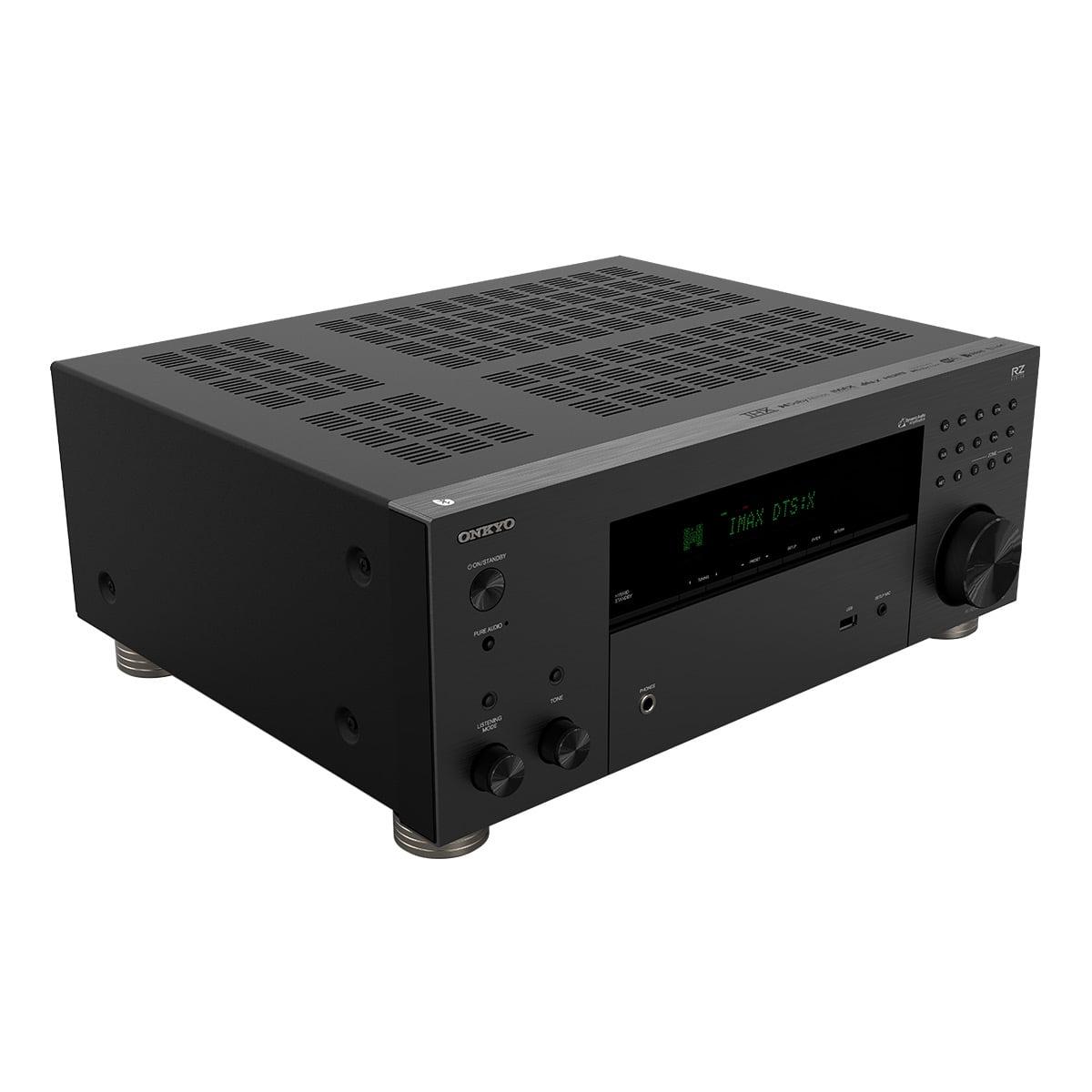
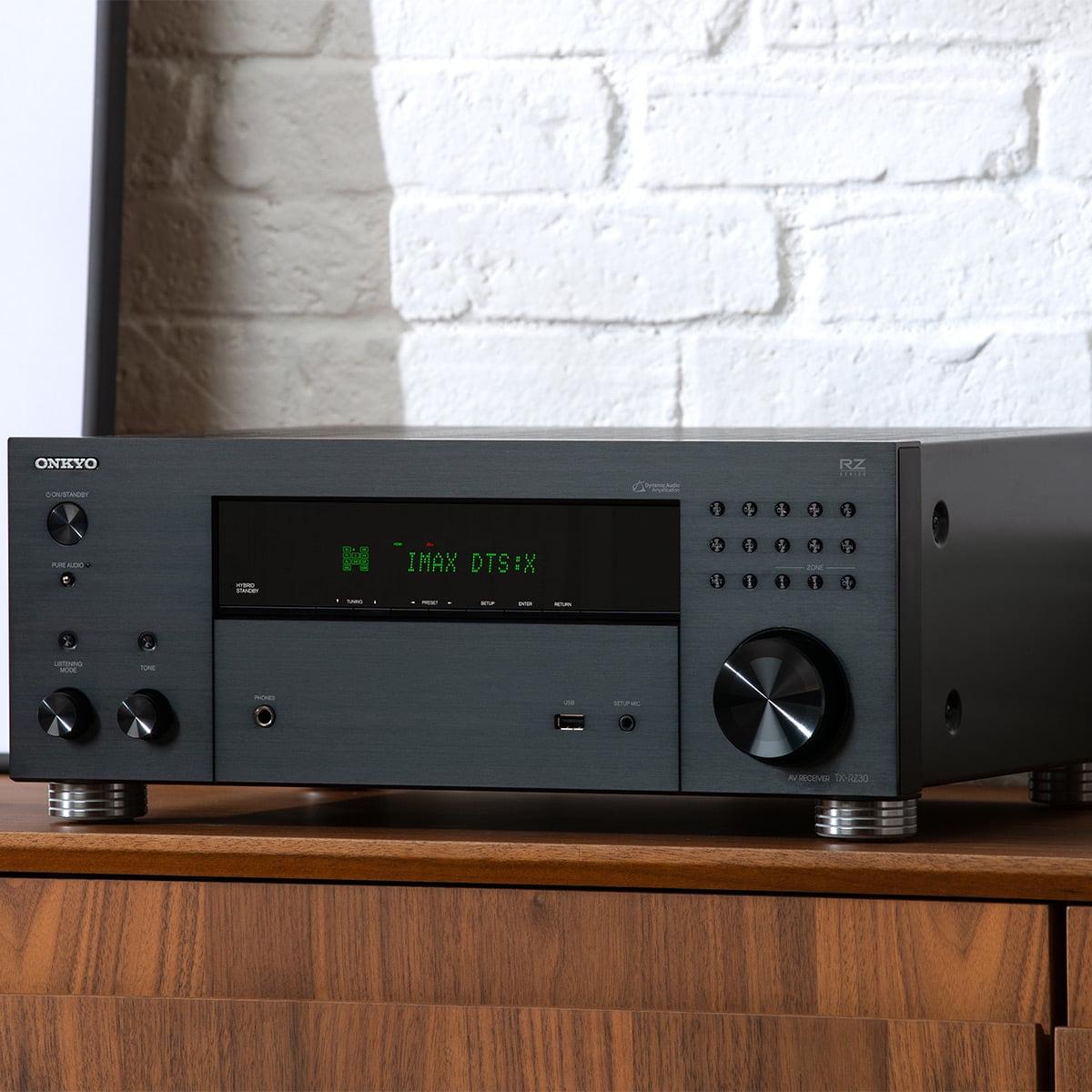
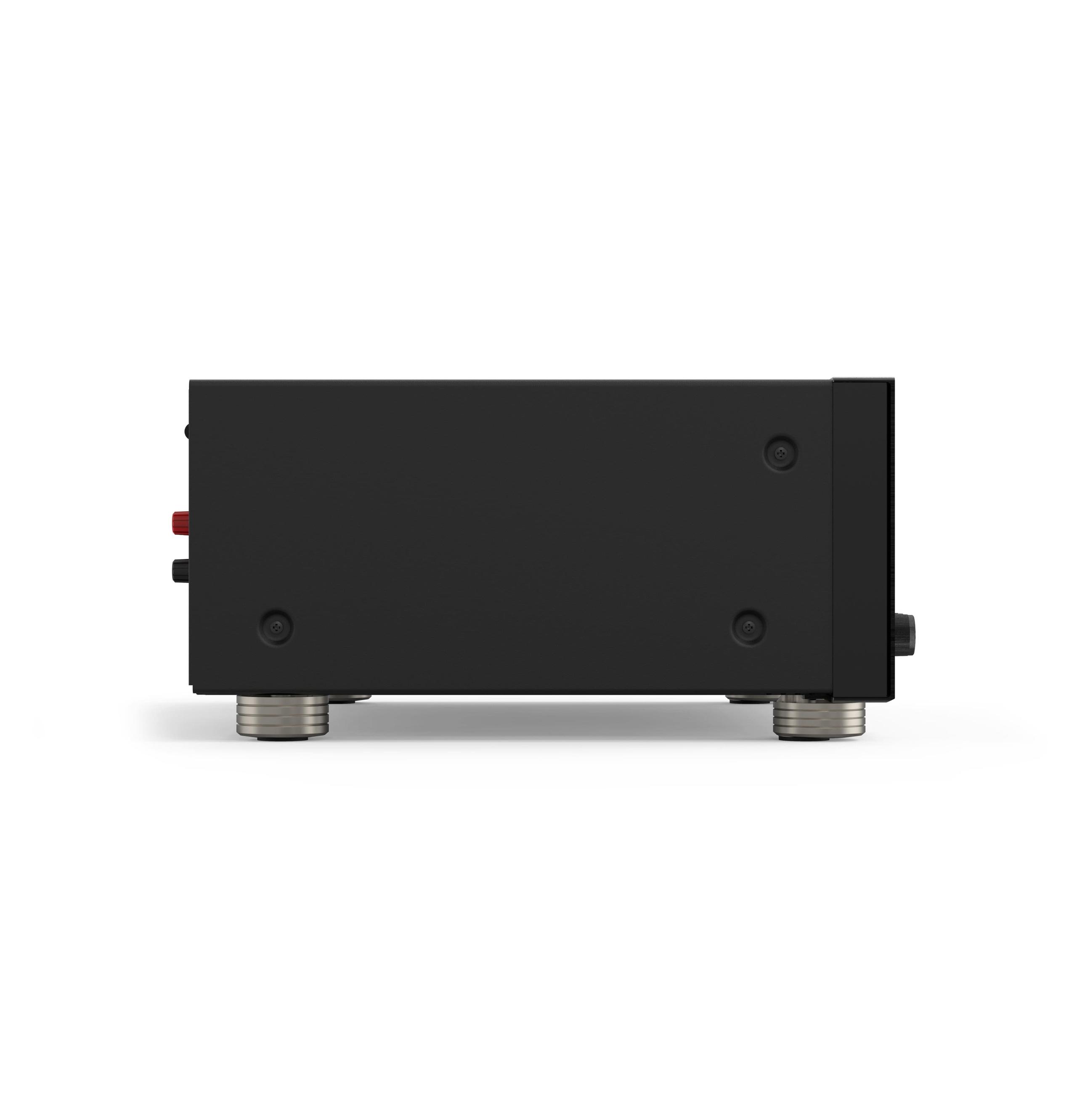
If you're building a serious home theater system, choosing the right AV receiver is one of your most important decisions. The receiver acts as mission control for your entire setup, handling everything from amplifying sound to switching between video sources. Today we're comparing two compelling options from Onkyo: the TX-NR7100 and the newer TX-RZ30. Both are 9.2-channel receivers, but they take notably different approaches to delivering immersive audio.
Before diving into specifics, let's clarify what "9.2-channel" actually means. The "9" refers to the main speaker channels - think front left/right, center, side surrounds, rear surrounds, and height speakers for overhead effects. The "2" indicates dual independent subwoofer outputs, though this is where our first major difference appears. The TX-NR7100 actually processes 9.1 channels (single sub output), while the TX-RZ30 delivers true 9.2 processing with independent dual subwoofer control.
This distinction matters more than you might think. Independent subwoofer outputs allow for more sophisticated bass management and room correction, letting you fine-tune low-frequency response across different areas of your room. It's like having two bass instruments that can play different notes versus two playing in unison.
Both receivers support modern immersive audio formats like Dolby Atmos and DTS:X, which create three-dimensional soundscapes by bouncing audio off your ceiling or using dedicated height speakers. These formats transform movie watching from hearing sounds to feeling like you're inside the action.
The TX-NR7100 launched in 2021 as the flagship of Onkyo's mid-range NR Series. At the time of writing, it typically sells for significantly less than its original retail price, making it an attractive value proposition. The receiver earned praise for bringing premium features to a more accessible price point.
The TX-RZ30, released in 2024, represents Onkyo's entry into their premium RZ Series lineup. Despite being the "entry-level" RZ model, it commands a notably higher price than the NR7100 - roughly double at the time of writing. This price difference reflects not just newer technology, but a fundamentally different target audience.
Since the NR7100's release, the AV receiver landscape has evolved considerably. HDMI 2.1 has become standard rather than cutting-edge, 8K content is slowly emerging, and gaming features like Variable Refresh Rate (VRR) have become must-haves for console gamers. The TX-RZ30 incorporates these advances more comprehensively.
Both receivers deliver identical power specifications on paper - 100 watts per channel into 8 ohms across their nine amplified channels. However, power ratings only tell part of the story. The real question is how cleanly and dynamically they deliver that power when you're actually watching movies or listening to music.
Based on our research into user experiences and expert reviews, both receivers demonstrate solid amplification quality with low distortion figures. The TX-NR7100 consistently receives praise for its dynamic range and ability to handle complex surround soundtracks without strain. Users frequently note how it brings clarity to busy action sequences where lesser receivers might blur details together.
The TX-RZ30, being part of Onkyo's premium RZ series, incorporates what the company calls "audiophile-grade components" in its amplification section. While both receivers share similar power output specifications, the RZ30's component selection and circuit design lean toward the reference-quality approach found in higher-end audio equipment.
What matters most for home theater performance isn't just raw power, but how that power translates into real-world dynamics. Both receivers handle the explosive moments in action films well, but they also excel at the subtle details - the rustle of leaves in a quiet scene, the precise placement of dialogue, and the natural decay of musical instruments.
Here's where these two receivers diverge most dramatically. Room acoustics can make or break any audio system, and both receivers tackle this challenge differently.
The TX-NR7100 includes two calibration systems: Onkyo's proprietary AccuEQ and a basic version of Dirac Live room correction. AccuEQ handles the fundamentals well, automatically setting speaker distances, levels, and basic EQ curves. The inclusion of Dirac Live was notable when the receiver launched, as this technology typically appeared in much more expensive equipment.
However, the NR7100's Dirac Live implementation has limitations. It primarily focuses on lower frequencies and doesn't offer the full-bandwidth correction that audio enthusiasts crave. Think of it as getting a taste of premium room correction without the full meal.
The TX-RZ30 changes this equation entirely. It includes Dirac Live Full Bandwidth as standard equipment, meaning it can correct acoustic issues across the entire frequency spectrum. This comprehensive approach can transform problematic rooms into acoustically balanced listening spaces.
More significantly, the RZ30 supports an optional upgrade called Dirac Live Bass Control (DLBC). This advanced feature treats your subwoofers and main speakers as a unified system, optimizing bass response throughout your entire seating area rather than just at one listening position. For dedicated home theaters, this represents a meaningful leap in acoustic performance.
From our research into user feedback, the difference is immediately audible in most rooms. The TX-RZ30 consistently delivers more even bass response, clearer dialogue, and better imaging (the ability to pinpoint where sounds originate). Users upgrading from basic room correction often describe it as hearing their speakers properly for the first time.
Modern AV receivers need to handle today's sources while remaining relevant for years to come. Both receivers support the current standards, but with different approaches.
The TX-NR7100 offers seven HDMI inputs, which often proves advantageous for users with multiple gaming consoles, streaming devices, and other sources. All inputs support 8K/60Hz and 4K/120Hz video passthrough, essential for next-generation gaming consoles. The receiver also includes gaming-specific features like Auto Low Latency Mode (ALLM) and Variable Refresh Rate (VRR), which reduce input lag and eliminate screen tearing.
The TX-RZ30 counters with six HDMI inputs, but all six are HDMI 2.1a compliant with full 40 Gbps bandwidth. This means every input can handle the highest-quality video signals without compromise. The receiver also supports more advanced HDR formats, including HDR10+ and enhanced gaming features like Source-Based Tone Mapping (SBTM), which optimizes HDR performance for each connected device.
For legacy equipment, the TX-RZ30 includes more comprehensive analog inputs, including component and composite video connections that the NR7100 lacks. This consideration matters if you're connecting older gaming systems, VCRs, or other vintage equipment.
This represents perhaps the most significant philosophical difference between these receivers. The TX-NR7100 follows a more traditional approach - it's designed to be a complete solution that handles most users' needs without requiring additional equipment.
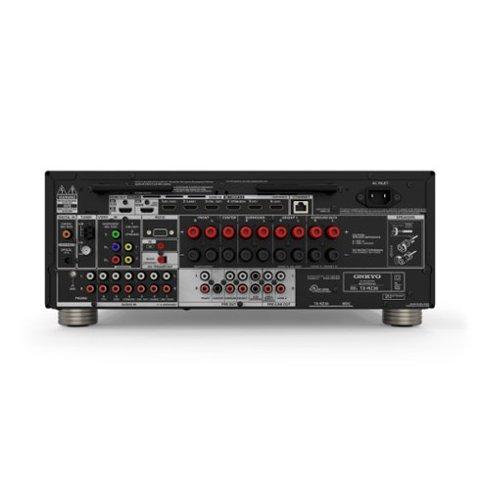
The TX-RZ30 takes an expandable approach. It includes full pre-amplifier outputs for all 9.2 channels, meaning you can connect external power amplifiers to any or all speakers in your system. This flexibility becomes valuable as your system evolves or if you want to drive particularly demanding speakers.
Pre-outs essentially turn your receiver into a sophisticated processor that can leverage unlimited amplification power. If you start with modest bookshelf speakers but later upgrade to large tower speakers, you can add a dedicated power amplifier without replacing your entire receiver.
The TX-NR7100 doesn't offer this expandability for main channels, though it does provide zone outputs for multi-room audio. This limitation isn't necessarily a drawback - most users never need external amplification - but it does represent a ceiling on system growth.
Both receivers handle immersive audio formats, but with different configuration options. The TX-NR7100 offers more flexibility in speaker layouts. You can configure it for various Dolby Atmos setups, use it for multi-zone audio throughout your home, or create hybrid configurations that balance immersive audio with whole-house functionality.
The TX-RZ30 focuses more narrowly on single-room optimization. Despite its 9.2 processing capability, you're limited to either 7.2.2 or 5.2.4 configurations - you must choose between rear surround speakers or additional height speakers, but can't have both without external amplification. This limitation reflects the receiver's design philosophy: deliver the best possible performance in one room rather than spreading capabilities across multiple zones.
For dedicated home theaters, this specialization often proves beneficial. The independent dual subwoofer outputs allow for more sophisticated bass management than single-sub systems, and the advanced room correction works better when focused on optimizing one space rather than multiple rooms.
Based on extensive research into user reviews and expert evaluations, both receivers deliver excellent performance, but with different strengths.
The TX-NR7100 consistently earns praise for its reliability and ease of use. Users appreciate its straightforward setup process and the way it handles various content types without requiring constant adjustments. Movie soundtracks sound dynamic and engaging, with clear dialogue and impactful surround effects. Music playback receives positive feedback for its neutral tonal balance and good imaging.
The TX-RZ30 typically receives more enthusiastic reviews from serious home theater builders. The advanced room correction capabilities consistently impress users, with many noting immediate improvements in bass response and overall system coherence. However, some users find the additional setup complexity challenging, particularly when optimizing the Dirac Live calibration.
Both receivers handle challenging acoustic material well. Complex action sequences remain intelligible, and the overhead effects in Atmos content create convincing three-dimensional soundscapes. The key difference lies in how much fine-tuning each receiver allows - the RZ30 enables more precise optimization at the cost of additional complexity.
At the time of writing, the price difference between these receivers is substantial - the TX-RZ30 costs roughly double the TX-NR7100. This gap raises important questions about value and necessity.
The TX-NR7100 represents exceptional value for most home theater enthusiasts. It delivers flagship-level features at a more accessible price point, making high-quality surround sound achievable without premium pricing. For users who want excellent performance without the complexity of advanced calibration, it's difficult to find better value.
The TX-RZ30 targets a different market segment - users who prioritize ultimate performance and future expandability over initial cost savings. The advanced room correction alone can transform challenging acoustic environments in ways that justify the price premium for serious enthusiasts. The expandability options provide insurance against future upgrade needs.
Choose the TX-NR7100 if you want excellent home theater performance without paying premium prices. It's ideal for users building family room systems or those who need multi-zone audio capabilities. The receiver excels when you want flagship features with straightforward operation, and the additional HDMI inputs often prove valuable for users with multiple source devices.
The TX-NR7100 also makes sense if you're not planning significant system expansion. Its integrated approach works well for users who want to buy once and enjoy their system without constant tinkering or upgrades.
Choose the TX-RZ30 if you're building a dedicated home theater and want the best possible acoustic performance. The advanced room correction capabilities can transform challenging rooms in ways that basic calibration cannot match. The expandability options make it future-proof against component upgrades or speaker changes.
The TX-RZ30 is also the better choice if you have particularly demanding acoustic requirements - large rooms, difficult layouts, or speakers that benefit from external amplification. The independent dual subwoofer outputs enable bass management techniques that single-sub systems cannot achieve.
Both receivers represent excellent choices within their respective market segments. The TX-NR7100 delivers outstanding performance and features at a more accessible price point, making high-quality home theater achievable for more users. Its broader feature set, including multi-zone capabilities and additional HDMI inputs, serves a wider range of use cases.
The TX-RZ30 justifies its premium pricing through advanced room correction technology and comprehensive expandability options. For users building dedicated home theaters or those with challenging acoustic requirements, these features can make a meaningful difference in system performance.
The choice ultimately depends on your priorities: exceptional value and broader functionality with the TX-NR7100, or specialized performance and future-proofing with the TX-RZ30. Both will deliver years of excellent home theater enjoyment - the question is which approach better matches your specific needs and budget.
| Onkyo TX-NR7100 | Onkyo TX-RZ30 |
|---|---|
| Channel Processing - Determines subwoofer control flexibility | |
| 9.1 channels (single subwoofer output) | 9.2 channels (independent dual subwoofer outputs) |
| Room Correction - Most important factor for sound quality | |
| Basic Dirac Live + AccuEQ (limited frequency range) | Dirac Live Full Bandwidth + optional DLBC upgrade |
| Pre-Amplifier Outputs - Critical for system expandability | |
| Zone and subwoofer pre-outs only | Full 9.2 channel pre-outs for external amplification |
| HDMI Connectivity - Affects how many sources you can connect | |
| 7 HDMI inputs (6 rear HDMI 2.1, 1 front HDMI 2.0) | 6 HDMI inputs (all HDMI 2.1a with 40Gbps bandwidth) |
| Video Processing - Important for gaming and 8K content | |
| 4K upscaling, HDR10/Dolby Vision, gaming features | 8K upscaling, HDR10+/Dolby Vision/HLG, advanced gaming |
| Multi-Zone Audio - Enables whole-home audio distribution | |
| Zone 2 & 3 support with independent sources | No multi-zone capability (single room focus) |
| Speaker Configuration Options - Flexibility in Atmos setups | |
| Flexible configurations including 7.1.4 potential | Limited to 7.2.2 or 5.2.4 (choose rear or height speakers) |
| Release Year & Technology Platform | |
| 2021 (proven reliability, mature platform) | 2024 (latest HDMI standards, newest features) |
| THX Certification - Guarantees cinema-quality audio standards | |
| THX Certified Select | THX Certified Select with audiophile-grade components |
| Target User & Value Proposition | |
| Excellent features at accessible pricing | Premium performance with expansion capability |
The Onkyo TX-NR7100 provides exceptional value for most users, delivering flagship-level features at a more accessible price point. The Onkyo TX-RZ30 costs significantly more but justifies the premium through advanced room correction and expandability options that benefit serious home theater enthusiasts.
The primary difference lies in room correction capabilities and expandability. The TX-NR7100 includes basic Dirac Live correction, while the TX-RZ30 features full-bandwidth Dirac Live with optional bass control upgrades. The RZ30 also provides complete pre-amplifier outputs for external amplification expansion.
The Onkyo TX-RZ30 excels in dedicated theater applications thanks to its advanced room correction technology and independent dual subwoofer outputs. However, the TX-NR7100 delivers excellent home theater performance at a lower cost and may be sufficient for most installations.
Yes, both the Onkyo TX-NR7100 and TX-RZ30 fully support Dolby Atmos, DTS:X, and other immersive audio formats. Both are THX Certified and deliver 100 watts per channel across their nine amplified channels for dynamic surround sound performance.
Only the Onkyo TX-RZ30 provides full pre-amplifier outputs for all 9.2 channels, allowing complete external amplification expansion. The TX-NR7100 lacks main channel pre-outs, limiting future amplification upgrades to zone and subwoofer connections only.
Both receivers support 8K/60Hz and 4K/120Hz video passthrough with gaming features like VRR and ALLM. The TX-RZ30 offers more comprehensive HDR support including HDR10+ and advanced features like Source-Based Tone Mapping for optimized gaming performance.
The Onkyo TX-RZ30 significantly outperforms the TX-NR7100 in room correction capabilities. The RZ30 includes full-bandwidth Dirac Live correction across all frequencies, while the NR7100's Dirac Live implementation is limited to lower frequencies only.
Yes, both the Onkyo TX-NR7100 and TX-RZ30 support major streaming platforms, AirPlay 2, Chromecast, Bluetooth, and Wi-Fi connectivity. Both also work with voice assistants and offer comprehensive wireless audio streaming capabilities.
Both receivers deliver 100 watts per channel and handle most speakers well. However, the Onkyo TX-RZ30 provides expandability through its pre-amplifier outputs, allowing you to add dedicated power amplifiers for very large or inefficient speakers. The TX-NR7100 is limited to its internal amplification only.
We've done our best to create useful and informative comparisons to help you decide what product to buy. Our research uses advanced automated methods to create this comparison and perfection is not possible - please contact us for corrections or questions. These are the sites we've researched in the creation of this article: crutchfield.com - prohifi.in - bestbuy.com - h-m-entertainment.com - audiosciencereview.com - crutchfield.ca - soundandvision.com - avsforum.com - avgadgets.com - youtube.com - onkyo.com - crutchfield.com - onkyo.com - accessories4less.com - klipsch.com - youtube.com - listenup.com - intl.onkyo-av.com - bestbuy.com - 420spotshop.com - support.onkyousa.com - youtube.com - onkyo.com - cnet.com - audioholics.com - theabsolutesound.com - bestbuy.com - audiosciencereview.com - onkyo.com - onkyo.com - ecoustics.com - cine-craft.de

Privacy Policy
Terms and Conditions - Affiliate Policy
Home Security
© Copyright 2008-2026.
11816 Inwood Rd #1211, Dallas, TX 75244