

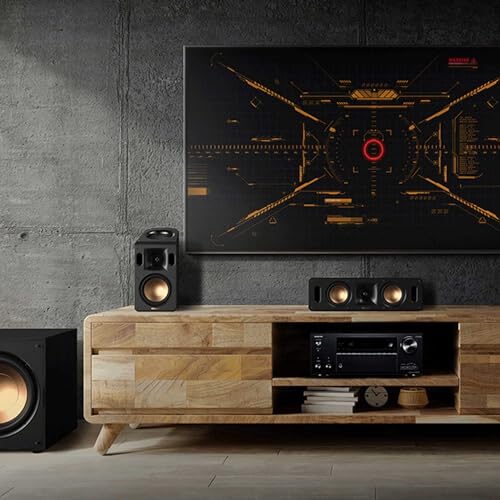
When you're building a serious home theater, your AV receiver is arguably the most important component you'll choose. It's the brain that processes all your audio and video signals, amplifies sound to your speakers, and connects everything from your gaming consoles to your streaming devices. Getting this choice right means years of amazing movie nights and immersive gaming sessions. Getting it wrong? Well, you'll be reminded of that mistake every time you sit down to watch something.
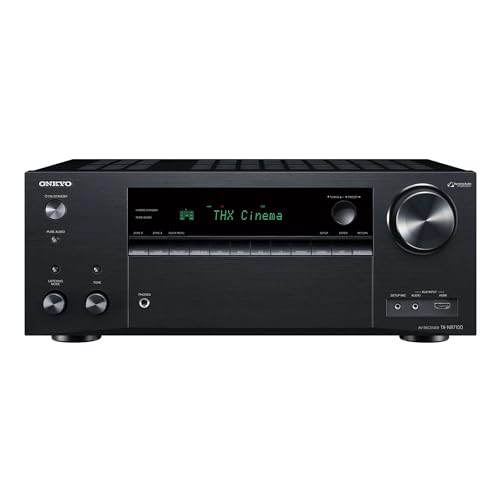
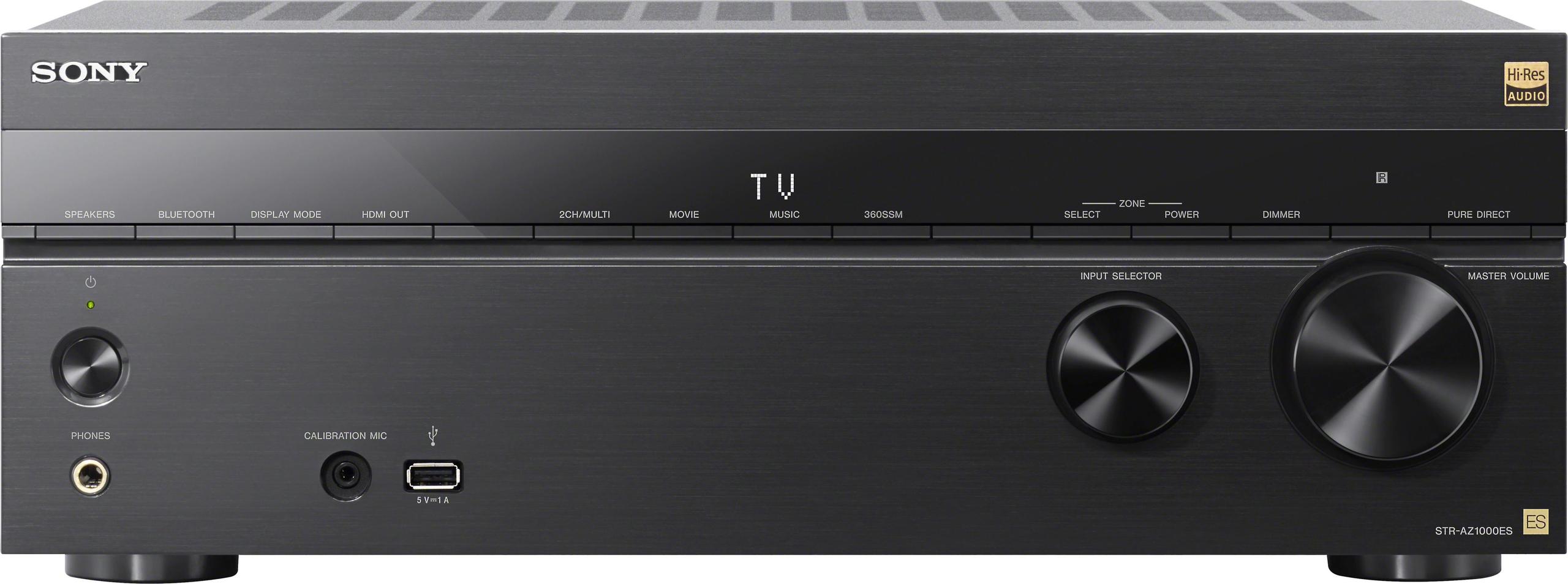
Today we're comparing two receivers that approach home theater very differently: the Onkyo TX-NR7100 and the Sony ES STR-AZ1000ES. Both launched around 2022-2023, representing the latest thinking in receiver design, but they serve quite different audiences despite their similar price points at the time of writing.
Before diving into these specific models, let's talk about what really matters in an AV receiver. The most obvious spec is channel count - this tells you how many speakers the receiver can power simultaneously. A 7.2 receiver can handle seven main speakers plus two subwoofers, while a 9.2 receiver adds two more channels for height or surround speakers.
Power output, measured in watts per channel, determines how loud your system can play and how well it handles demanding audio passages. However, raw wattage numbers can be misleading - the quality of that power delivery matters enormously. Some receivers sound strained at their rated power, while others maintain crystal-clear audio even when pushed hard.
Video processing capabilities have become equally important. Modern receivers need to handle 8K video signals, support High Dynamic Range (HDR) for better contrast and colors, and include gaming-friendly features like Variable Refresh Rate (VRR) that eliminates screen tearing.
Room correction technology is perhaps the most underappreciated feature. Your room's acoustics dramatically affect how your speakers sound - hardwood floors, large windows, and furniture placement all impact audio quality. Advanced room correction systems use microphones to measure your room's acoustic signature, then automatically adjust the receiver's output to compensate for acoustic problems.
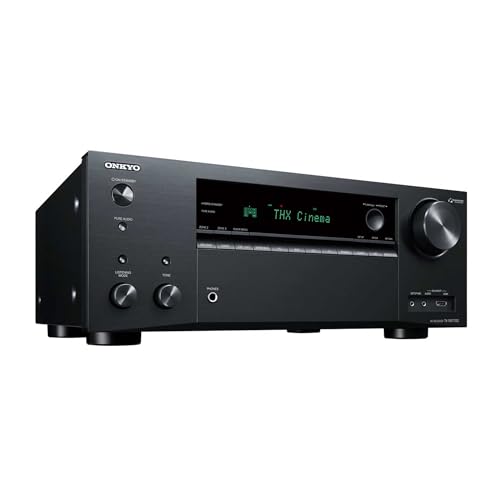
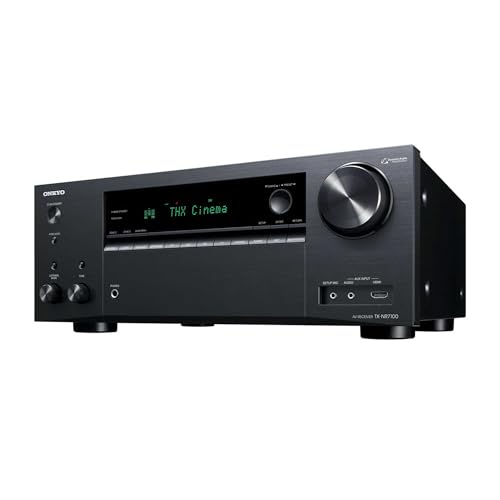
The Onkyo TX-NR7100 represents the "more is more" approach to home theater. With 9.2 channels of amplification, seven HDMI 2.1 inputs, and THX certification, it's designed for enthusiasts who want maximum flexibility and performance. Onkyo has always catered to the serious home theater crowd, and this receiver continues that tradition.
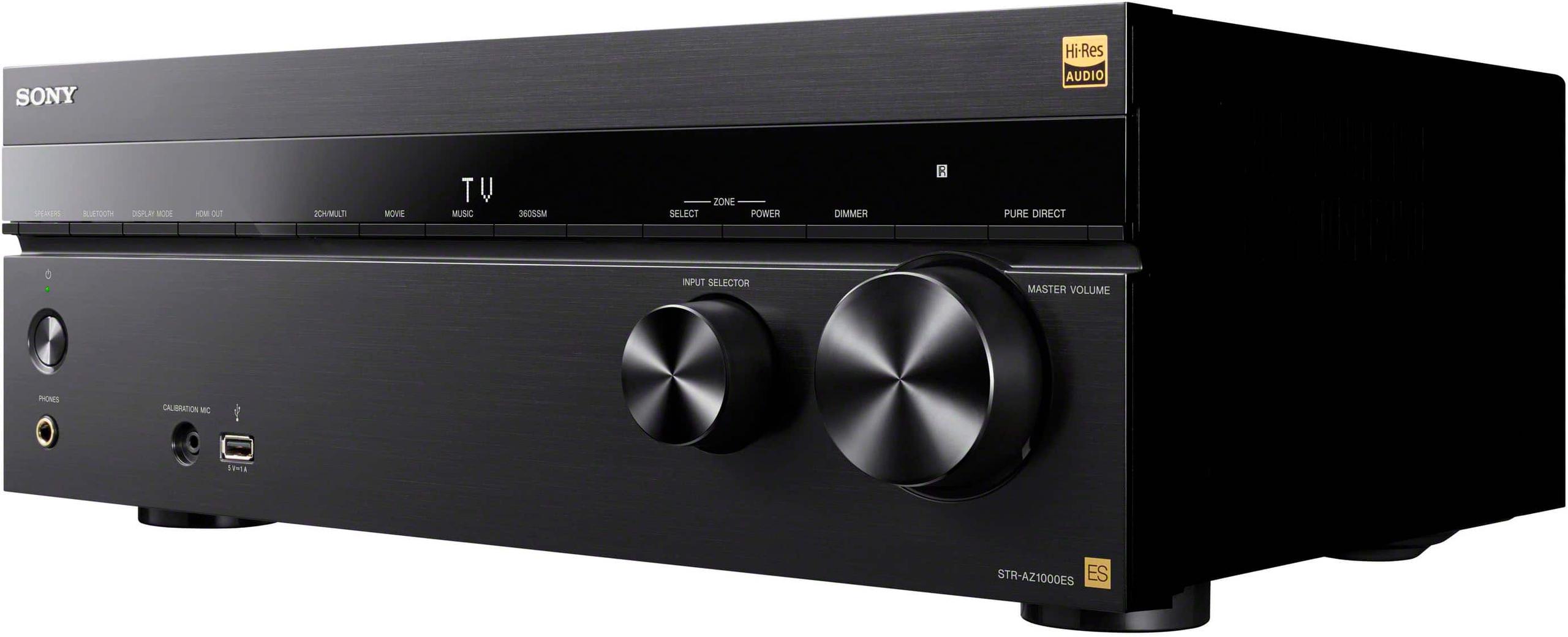
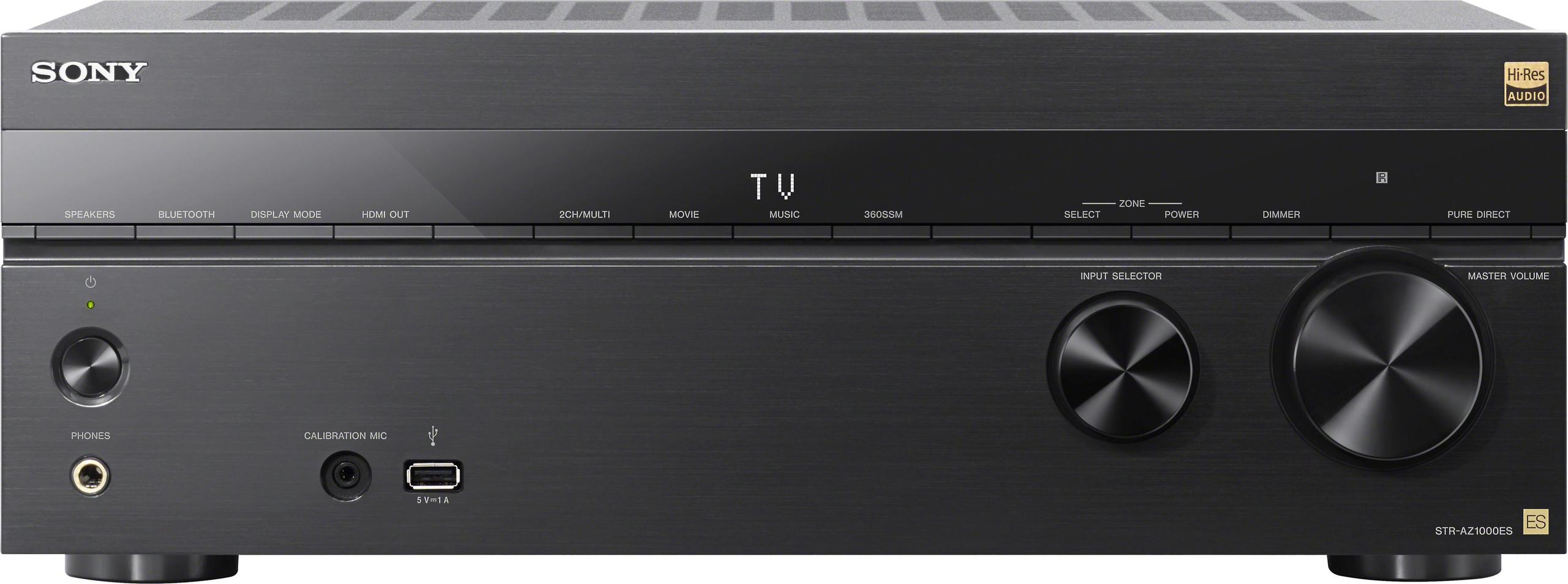
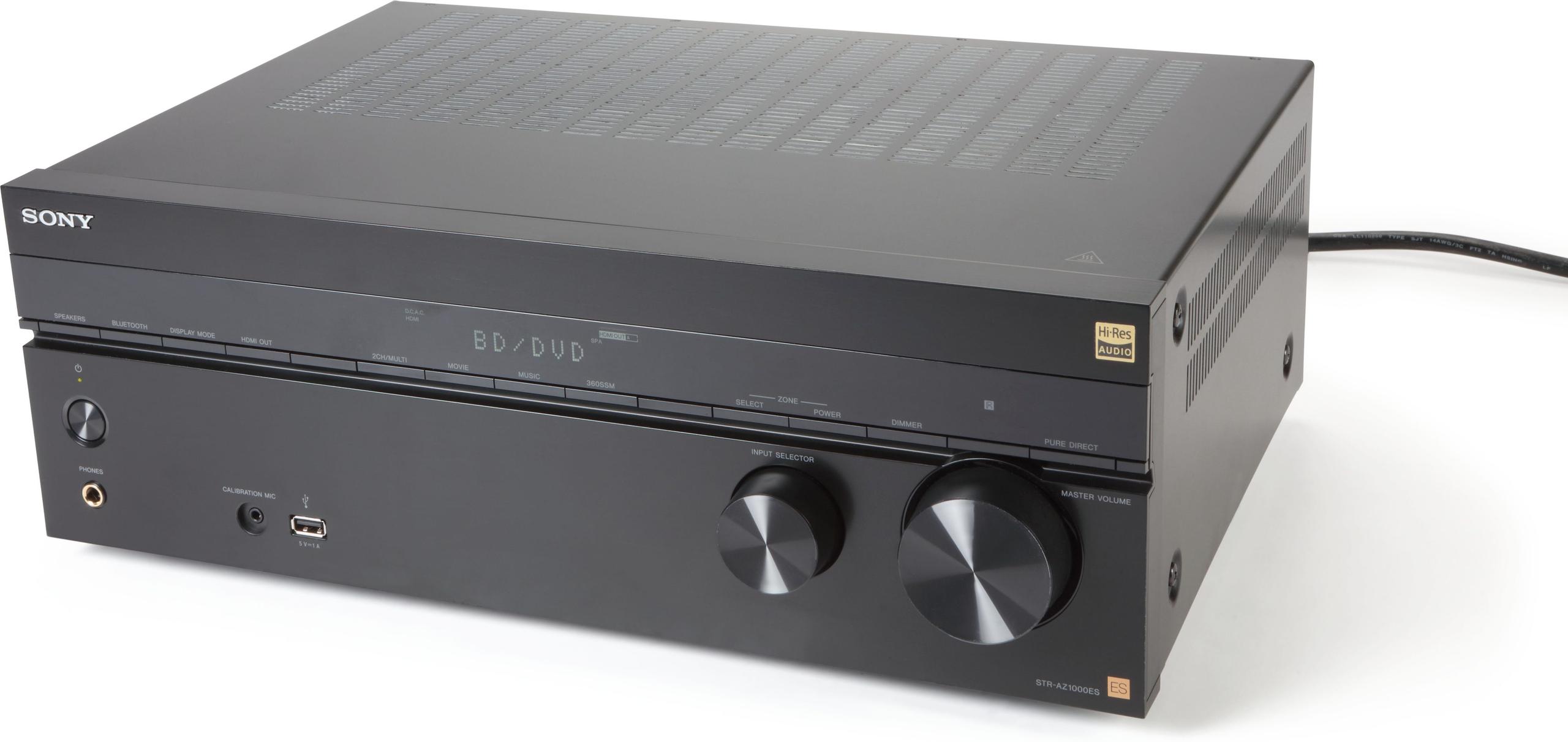
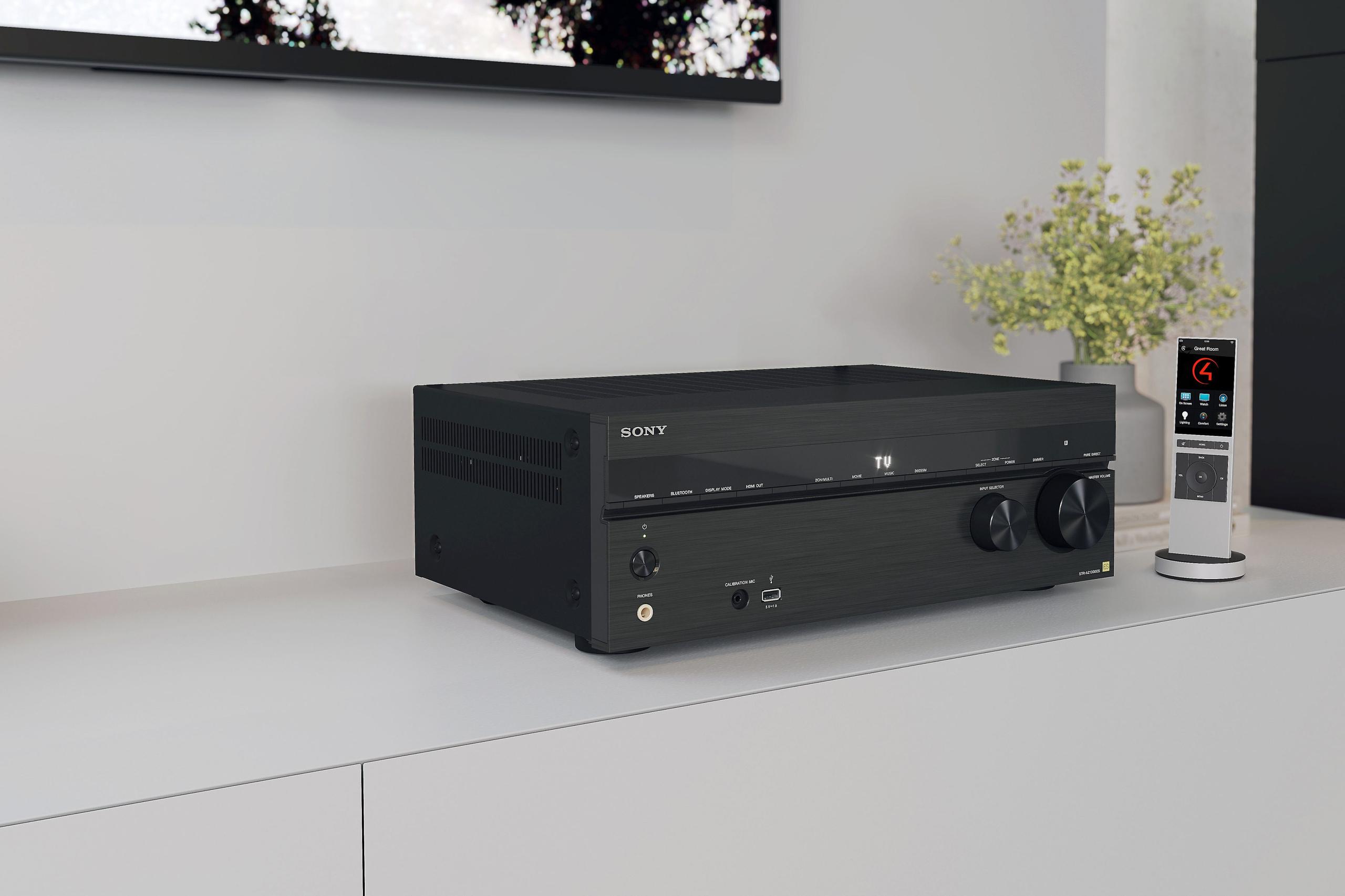
The Sony ES STR-AZ1000ES takes a more refined approach. Part of Sony's premium ES (Elevated Standard) line, it focuses on build quality, integration with Sony's ecosystem, and sophisticated audio processing. The ES badge has historically meant exceptional reliability and premium components, backed by extended warranties that reflect Sony's confidence in these products.
The most fundamental difference between these receivers is channel configuration. The Onkyo TX-NR7100 offers 9.2 channels compared to Sony's 7.2 setup, and this isn't just about bragging rights.
Those extra two channels unlock more sophisticated Dolby Atmos configurations. While the Sony STR-AZ1000ES can handle a 5.1.2 Atmos setup (five main speakers, one subwoofer, two height channels), the Onkyo TX-NR7100 can do 5.1.4 or 7.1.2 configurations. That means four height speakers creating a true audio dome around your seating position, or seven main speakers with two height channels for incredibly precise surround effects.
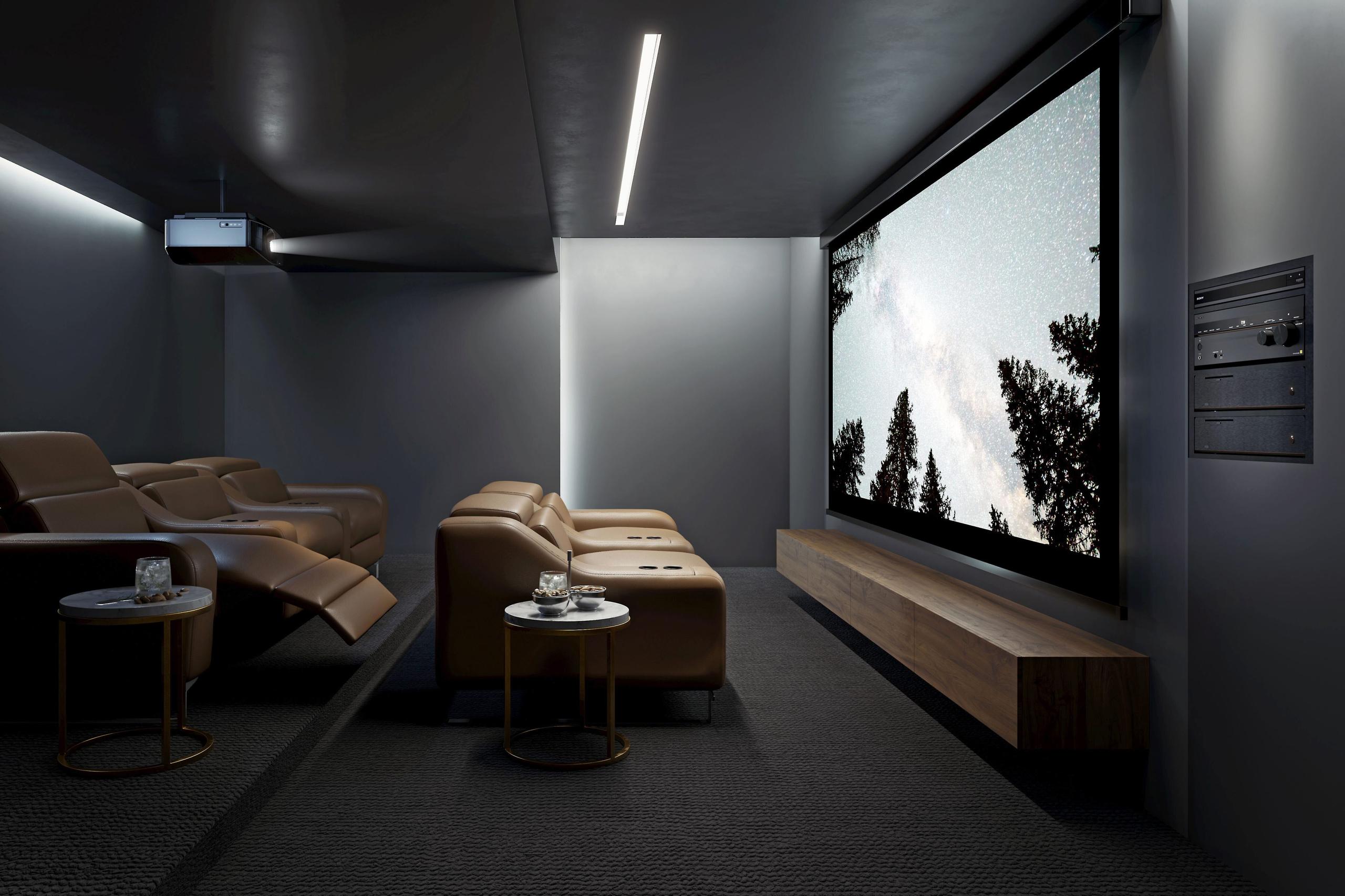
In practical terms, this matters most in larger rooms. If you're setting up a dedicated theater room or have a large open-concept living space, those extra channels create noticeably more immersive audio. The difference between two and four height speakers is dramatic - sound effects don't just come from "somewhere above" but move convincingly across the ceiling.
For smaller rooms or more casual setups, the Sony's 7.2 configuration proves perfectly adequate. Most people will be thoroughly satisfied with a well-calibrated 5.1.2 or 7.1 system, especially in rooms under 400 square feet.
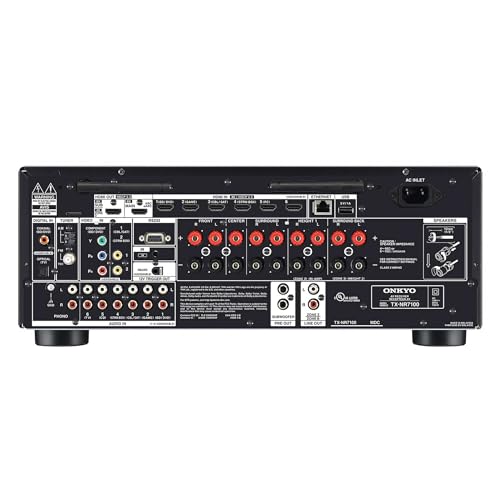
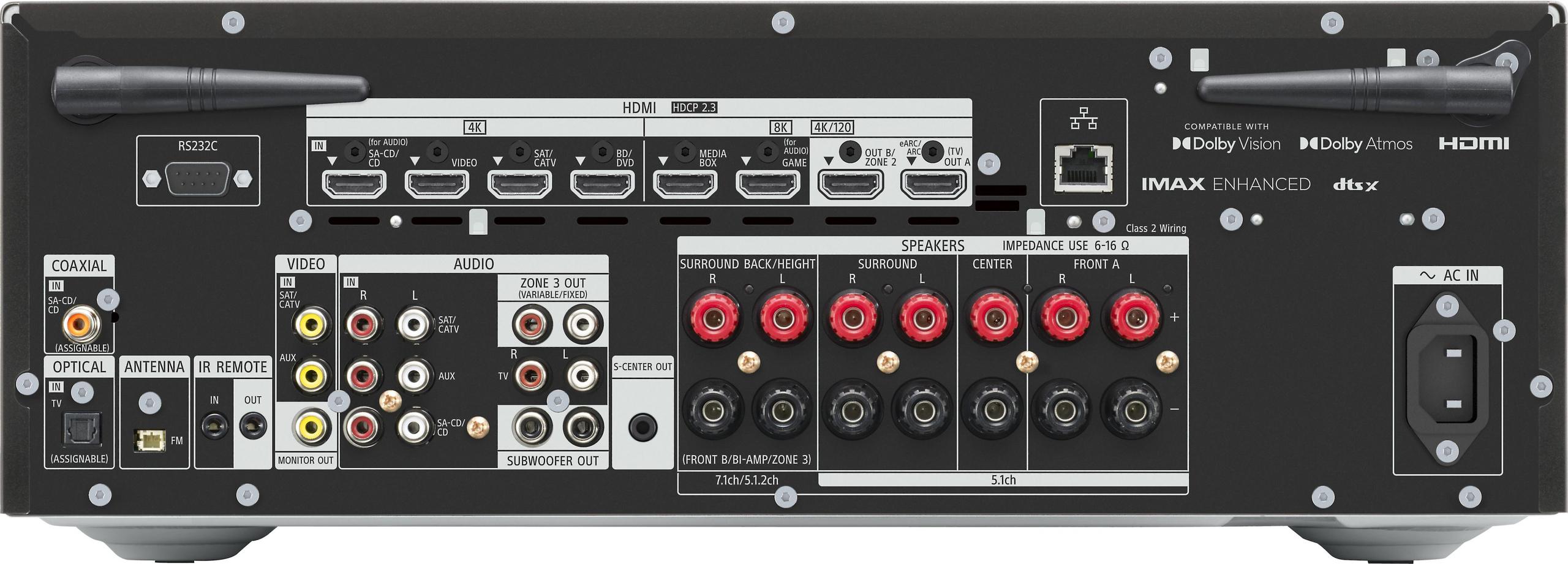
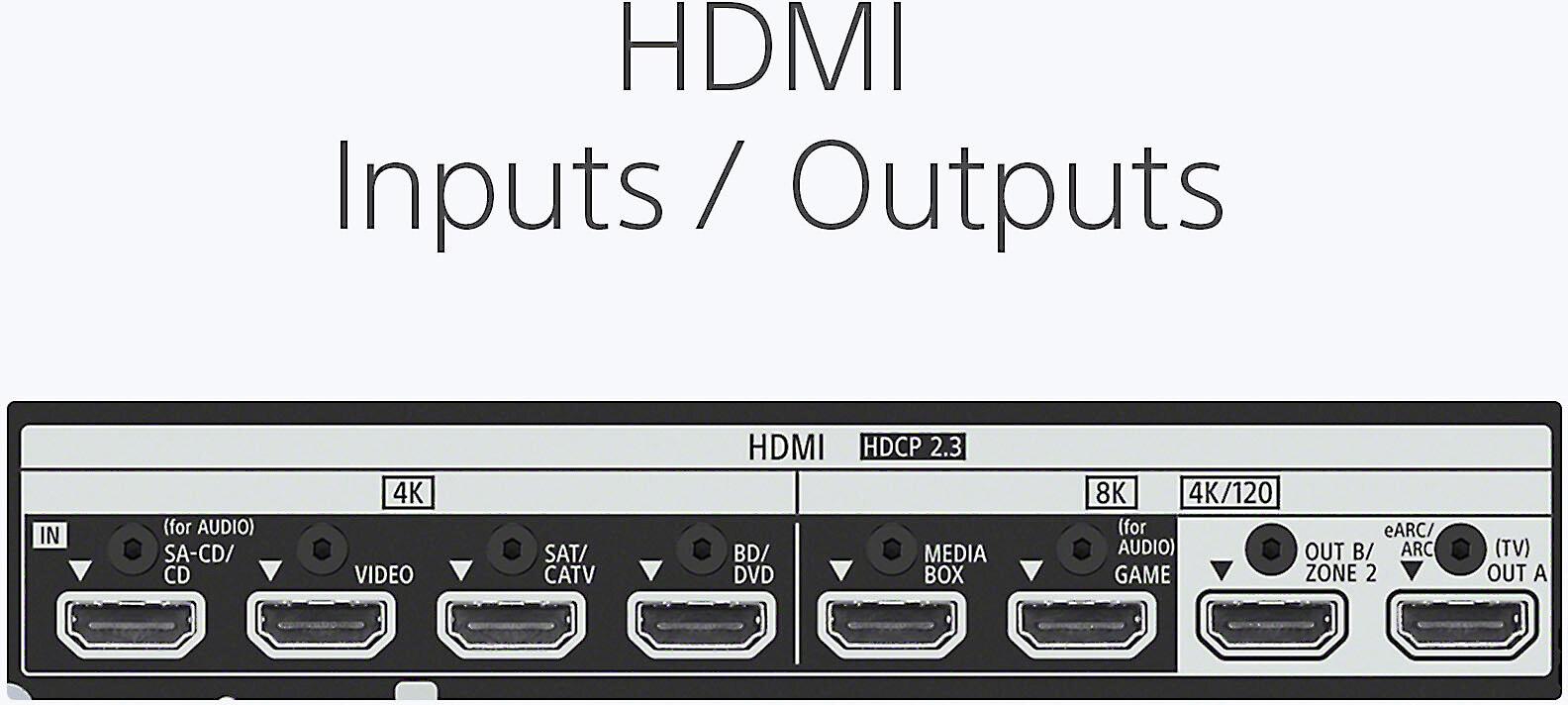
Here's where the Onkyo TX-NR7100 absolutely dominates. It provides seven HDMI 2.1 inputs compared to just two on the Sony STR-AZ1000ES. This might seem like overkill until you start counting your devices.
Consider a typical modern setup: PlayStation 5, Xbox Series X, Nintendo Switch, Apple TV 4K, cable box, and maybe a PC for gaming or streaming. That's already six HDMI connections, and we haven't even considered a Blu-ray player or second gaming console. The Onkyo handles this easily, while the Sony forces you into constant cable swapping or using your TV's HDMI inputs for some devices.
HDMI 2.1 specifically matters for 8K video and 4K gaming at 120Hz - features that future-proof your setup as content and gaming capabilities evolve. The Sony's limitation to just two HDMI 2.1 inputs feels shortsighted, especially considering this receiver's expected 7-10 year lifespan.
The practical impact extends beyond simple convenience. When you route everything through your receiver, you get consistent audio processing and room correction for all sources. Using your TV's HDMI inputs often means bypassing these audio enhancements, defeating much of the purpose of owning a quality receiver.
Both receivers deliver 100 watts per channel into 8-ohm speakers, but their sonic personalities differ significantly. The Onkyo TX-NR7100 carries THX certification, meaning it passed thousands of rigorous tests to ensure reference-quality cinema sound reproduction. THX receivers typically emphasize dynamic range, precise dialogue reproduction, and the ability to reproduce movie soundtracks exactly as directors intended.
Our research into professional reviews and user experiences reveals the Onkyo excels at creating that "wall of sound" effect that makes action movies feel visceral. Explosions have proper weight and impact, dialogue stays intelligible even during chaotic scenes, and surround effects move convincingly around the room. The built-in Dirac Live room correction system - typically found only in much more expensive receivers - automatically optimizes the sound for your specific room layout and speaker placement.
However, there's a concerning reliability quirk with the Onkyo TX-NR7100: if the receiver ever clips (distorts due to being overdriven), it enters an ECO mode that severely limits power output to around 40 watts until you physically unplug and reconnect the power cord. This protection mechanism, while preventing damage, can be frustrating during loud movie scenes or parties.
The Sony STR-AZ1000ES takes a more balanced approach to sound reproduction. ES-series receivers historically excel at both movies and music, and this model continues that tradition. Sony's 360 Reality Audio technology creates an unusually spacious, three-dimensional soundstage that makes music listening particularly engaging. Where many receivers sound clinical or overly bright with music, the Sony maintains natural tonal balance across genres.
The build quality difference is immediately apparent when handling these receivers. The Sony feels substantial and well-damped, with the premium component selection that ES-series products are known for. This translates to lower noise floors, better channel separation, and more refined sound quality overall.
Room correction technology might be the most important feature most people ignore. Even expensive speakers sound mediocre in acoustically problematic rooms, while modest speakers can sound spectacular with proper room treatment and correction.
The Onkyo TX-NR7100 includes Dirac Live, considered among the most sophisticated room correction systems available. Dirac Live measures your room at multiple listening positions (up to 13 measurement points), then applies complex mathematical algorithms to compensate for acoustic problems. The system can correct frequency response issues, reduce harmful reflections, and even adjust timing between speakers to create more coherent soundstaging.
The setup process requires some technical patience - you'll spend 30-45 minutes taking measurements and fine-tuning settings - but the results are transformative. Rooms with challenging acoustics suddenly sound balanced and controlled. Bass becomes tighter and more accurate, dialogue clarity improves dramatically, and stereo imaging sharpens considerably.
Sony's D.C.A.C. EX system is more traditional but still effective. It's simpler to use than Dirac Live, requiring just a few measurement positions, but doesn't provide the same level of sophisticated correction. For most users, D.C.A.C. EX delivers noticeable improvements without requiring technical expertise.
Both receivers support the expected streaming services - Spotify, TIDAL, Pandora - along with AirPlay 2, Chromecast, and voice control through Alexa or Google Assistant. However, their implementation differs significantly.
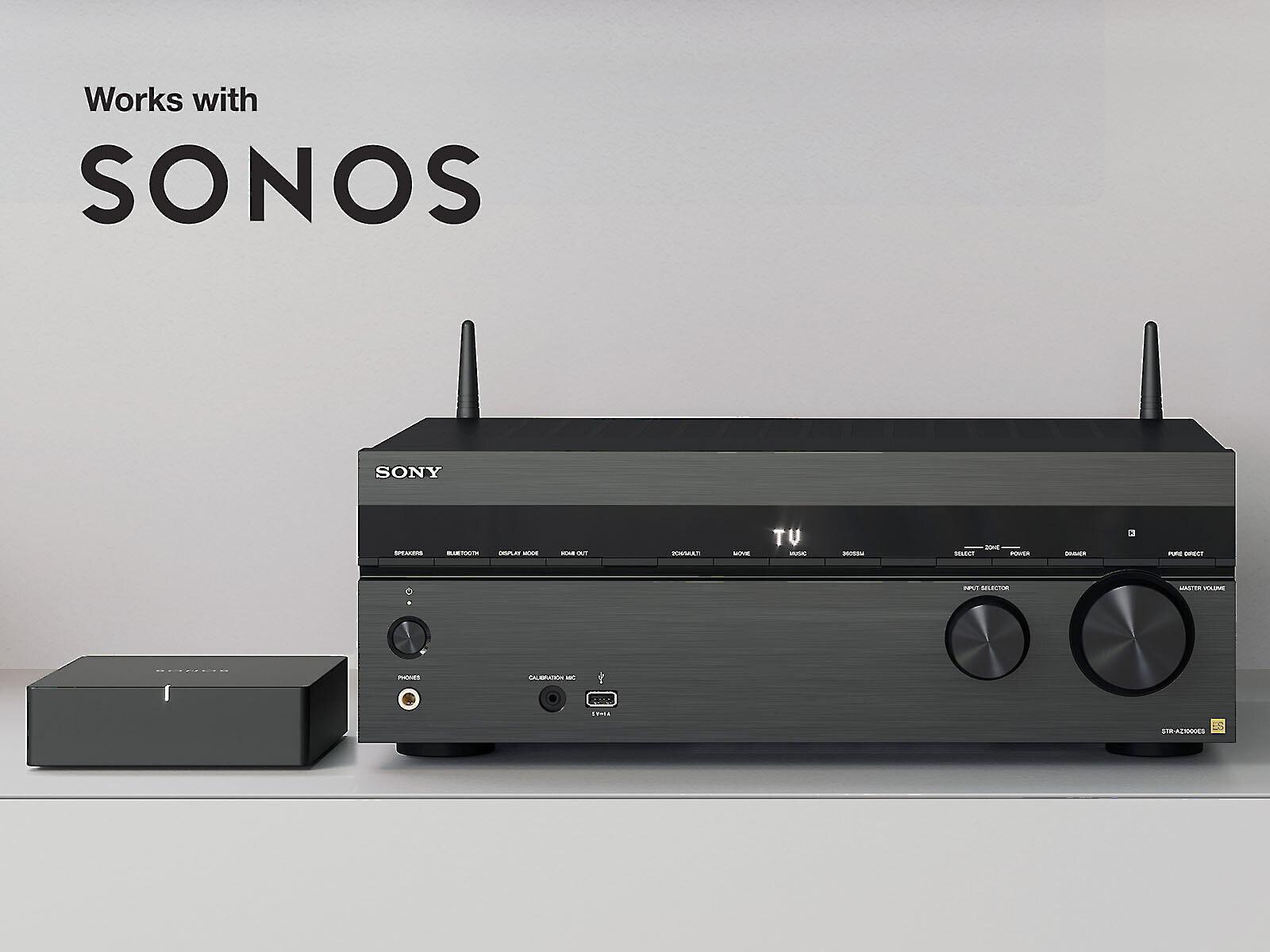
The Onkyo TX-NR7100 offers more comprehensive multi-room audio support, including compatibility with Sonos systems. This matters if you're building a whole-home audio system or want to extend music throughout multiple zones. The Onkyo app provides reasonably intuitive control over these features, though it's not quite as polished as dedicated streaming apps.
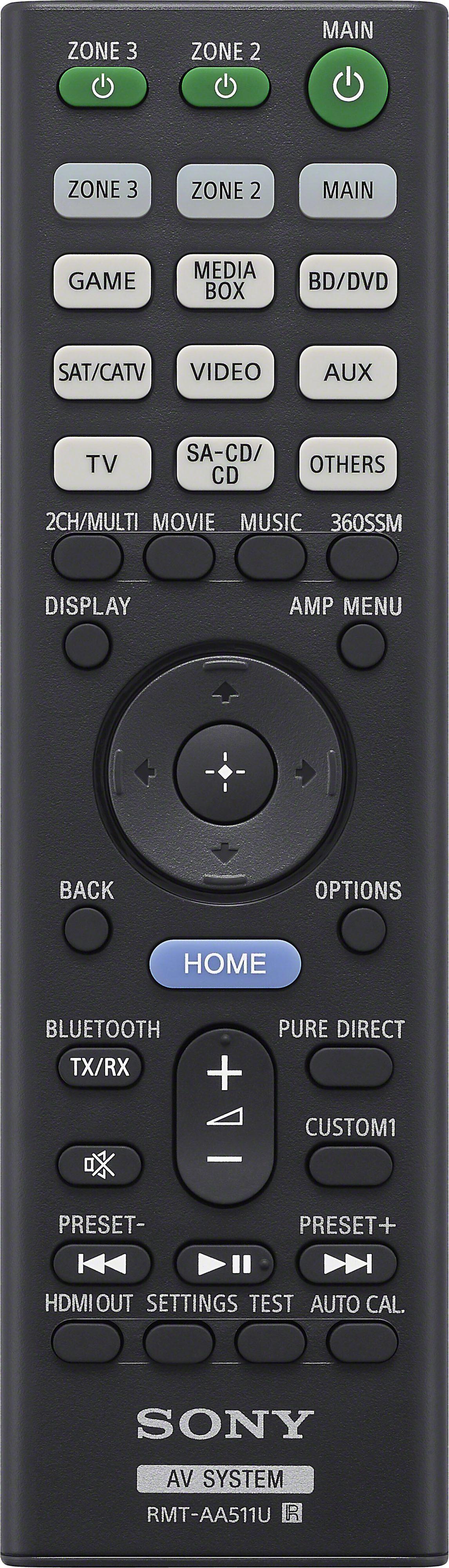
The Sony STR-AZ1000ES integrates exceptionally well with Sony TVs through Bravia Sync, allowing single-remote control of the entire system. This seamless integration is genuinely convenient for Sony ecosystem users. However, the Sony has a glaring weakness in multi-zone control - there's no app support for controlling secondary zones. You must physically walk to the receiver and use the included remote, which feels antiquated in 2023.
Speaking of remotes, the Sony's included remote draws consistent criticism for feeling cheap and lacking backlighting. For a premium receiver, this seems like an odd cost-cutting measure.
Both receivers support modern gaming features like Auto Low Latency Mode (ALLM), which automatically reduces input lag when gaming signals are detected, and Variable Refresh Rate (VRR), which eliminates screen tearing. These features work seamlessly with PlayStation 5, Xbox Series X, and modern gaming PCs.
The Onkyo TX-NR7100 has a clear advantage for serious gamers simply due to its HDMI input count. If you own multiple consoles plus a gaming PC, the Onkyo eliminates the need for external HDMI switches or constant cable swapping.
Both receivers handle 4K gaming at 120Hz without issues, and their 8K support future-proofs your setup as 8K gaming becomes more prevalent over the receivers' expected lifespan.
The Sony STR-AZ1000ES benefits from ES-series build standards, which historically mean premium component selection, extensive quality testing, and exceptional reliability. Sony backs this confidence with a five-year parts and labor warranty - significantly longer than the typical one or two-year coverage most receivers receive.
This extended warranty coverage represents real value. AV receivers are complex devices with multiple circuit boards, dozens of HDMI processing chips, and sophisticated cooling systems. Having five-year coverage provides peace of mind and suggests Sony expects this receiver to operate reliably for many years.
The Onkyo TX-NR7100 uses more conventional build standards, though still solid for its price class. However, some professional measurements revealed performance inconsistencies and the aforementioned ECO mode quirk that could frustrate users during demanding audio passages.
The Onkyo TX-NR7100 makes sense for enthusiasts building serious home theater systems. If you have a dedicated theater room, multiple gaming consoles, or want maximum speaker configuration flexibility, the Onkyo's extra channels and extensive HDMI connectivity justify the choice. The included Dirac Live room correction alone often costs hundreds of dollars when purchased separately.
Choose the Onkyo if you prioritize ultimate flexibility, have multiple HDMI sources, or want the most immersive possible surround sound experience. It's particularly well-suited for larger rooms where the additional channels create meaningful improvement.
The Sony STR-AZ1000ES suits users who value refinement over raw capability. If you own Sony TVs, prefer music listening alongside movies, or want the security of extended warranty coverage, the Sony provides excellent performance in a more elegant package. Its superior build quality should translate to years of reliable service.
Choose the Sony if you have simpler connectivity needs, prioritize build quality and reliability, or want seamless integration with Sony's ecosystem. It's ideal for smaller to medium-sized rooms where 7.2 channels provide sufficient coverage.
At the time of writing, both receivers occupied similar price ranges, making this decision about priorities rather than budget constraints. The Onkyo TX-NR7100 offers more raw capability - more channels, more inputs, more sophisticated room correction. It's the choice for enthusiasts who want maximum flexibility and performance.
The Sony STR-AZ1000ES emphasizes quality over quantity. Better build standards, extended warranty coverage, and more refined audio processing make it appealing for users who prioritize long-term reliability and seamless operation.
For most buyers, the HDMI connectivity difference alone tilts the scales toward the Onkyo. Seven HDMI 2.1 inputs versus two simply provides much more practical utility in modern entertainment systems. However, if you can work within the Sony's connectivity limitations and value its premium build quality, it remains an excellent choice.
Both receivers represent solid engineering and will satisfy most home theater enthusiasts. Your choice should align with your specific needs, room size, and long-term expansion plans. Either way, you're getting a capable foundation for years of impressive home entertainment.
| Onkyo TX-NR7100 | Sony ES STR-AZ1000ES |
|---|---|
| Channel Configuration - Determines speaker layout flexibility and immersion level | |
| 9.2 channels (supports 5.1.4 or 7.1.2 Atmos setups) | 7.2 channels (limited to 5.1.2 or 7.1 configurations) |
| HDMI 2.1 Inputs - Critical for multiple gaming consoles and 8K sources | |
| 7 HDMI 2.1 inputs + 2 outputs (handles complex setups) | 2 HDMI 2.1 inputs + 2 outputs (requires input switching) |
| Power Output - Affects maximum volume and dynamic range | |
| 100W per channel (with ECO mode limitation quirk) | 100W per channel (up to 150W in high-performance mode) |
| Room Correction Technology - Optimizes sound for your specific room acoustics | |
| Dirac Live (professional-grade, 13 measurement points) | D.C.A.C. EX (Sony proprietary, simpler setup) |
| Build Quality & Warranty - Impacts long-term reliability and service coverage | |
| Standard build, 1-2 year warranty | ES-series premium components, 5-year warranty |
| Multi-Zone Audio Control - Important for whole-home audio systems | |
| Full app control for Zone 2/3 with Sonos compatibility | No app support (requires physical remote at receiver) |
| Video Processing - Handles latest gaming and streaming formats | |
| 8K/60Hz, 4K/120Hz, HDR10+, Dolby Vision, gaming features | 8K/60Hz, 4K/120Hz, HDR10+, Dolby Vision, IMAX Enhanced |
| Smart Features & Ecosystem Integration | |
| Comprehensive streaming, THX certification | 360 Reality Audio, seamless Sony TV integration |
| Target User - Who each receiver serves best | |
| Enthusiasts with complex setups and larger rooms | Sony ecosystem users prioritizing build quality |
The primary difference is channel configuration and connectivity. The Onkyo TX-NR7100 offers 9.2 channels with 7 HDMI 2.1 inputs, while the Sony STR-AZ1000ES provides 7.2 channels with only 2 HDMI 2.1 inputs. This makes the Onkyo better for complex home theater setups with multiple sources.
For dedicated home theaters, the Onkyo TX-NR7100 excels with THX certification, 9.2 channels supporting advanced Dolby Atmos configurations, and Dirac Live room correction. The Sony STR-AZ1000ES works well for smaller theaters but is limited by fewer channels and HDMI inputs.
The Onkyo TX-NR7100 can easily handle multiple gaming consoles with its 7 HDMI 2.1 inputs, supporting PlayStation 5, Xbox Series X, Nintendo Switch, and more simultaneously. The Sony STR-AZ1000ES with only 2 HDMI 2.1 inputs requires input switching or using TV inputs for additional consoles.
The Sony STR-AZ1000ES features premium ES-series build quality with a 5-year warranty, indicating superior component selection and reliability. The Onkyo TX-NR7100 uses standard build quality with typical 1-2 year warranty coverage.
The Onkyo TX-NR7100 includes Dirac Live, a professional-grade room correction system with up to 13 measurement points for precise acoustic optimization. The Sony STR-AZ1000ES uses Sony's D.C.A.C. EX system, which is effective but less sophisticated than Dirac Live.
Both receivers handle music well, but the Sony STR-AZ1000ES has an edge with 360 Reality Audio technology and ES-series audio components designed for balanced music reproduction. The Onkyo TX-NR7100 is more cinema-focused with THX certification.
Yes, both the Onkyo TX-NR7100 and Sony STR-AZ1000ES support 8K/60Hz and 4K/120Hz video pass-through with HDR formats including Dolby Vision and HDR10+. However, the Onkyo offers more HDMI 2.1 inputs for multiple 8K sources.
The Onkyo TX-NR7100 provides superior multi-room capabilities with full app control for Zone 2/Zone 3 and Sonos compatibility. The Sony STR-AZ1000ES lacks app support for multi-zone control, requiring physical operation at the receiver.
Both receivers deliver 100 watts per channel, but the Sony STR-AZ1000ES can reach up to 150W in high-performance mode. The Onkyo TX-NR7100 has a concerning ECO mode that limits power to 40W if clipping occurs until the power cord is disconnected.
Both the Onkyo TX-NR7100 and Sony STR-AZ1000ES support Alexa, Google Assistant, AirPlay 2, and Chromecast. However, the Sony integrates exceptionally well with Sony TVs through Bravia Sync for unified control.
The Onkyo TX-NR7100 with 9.2 channels supports advanced configurations like 5.1.4 or 7.1.2 Dolby Atmos setups with four height speakers. The Sony STR-AZ1000ES with 7.2 channels is limited to 5.1.2 or 7.1 configurations with fewer height channels.
The Sony STR-AZ1000ES provides better long-term value through premium build quality and 5-year warranty coverage, while the Onkyo TX-NR7100 offers more immediate functionality with superior connectivity and channel flexibility for complex home theater systems.
We've done our best to create useful and informative comparisons to help you decide what product to buy. Our research uses advanced automated methods to create this comparison and perfection is not possible - please contact us for corrections or questions. These are the sites we've researched in the creation of this article: crutchfield.com - prohifi.in - bestbuy.com - h-m-entertainment.com - audiosciencereview.com - crutchfield.ca - soundandvision.com - avsforum.com - avgadgets.com - youtube.com - onkyo.com - crutchfield.com - onkyo.com - accessories4less.com - klipsch.com - youtube.com - listenup.com - intl.onkyo-av.com - bestbuy.com - 420spotshop.com - support.onkyousa.com - ecoustics.com - electronics.sony.com - youtube.com - crutchfield.com - audioadvice.com - abt.com - merlinstv.com - worldwidestereo.com - snapav.com - overtureav.com - sony.ca - audioholics.com

Privacy Policy
Terms and Conditions - Affiliate Policy
Home Security
© Copyright 2008-2026.
11816 Inwood Rd #1211, Dallas, TX 75244