

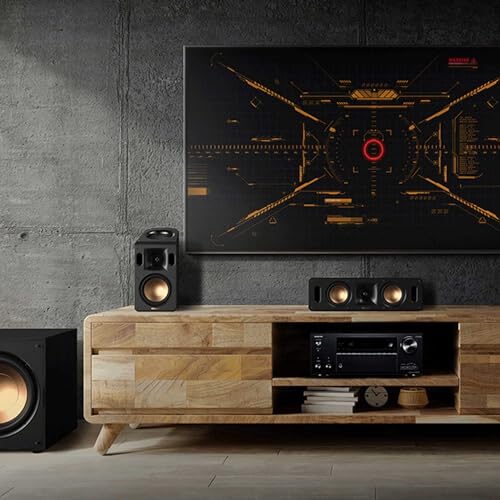
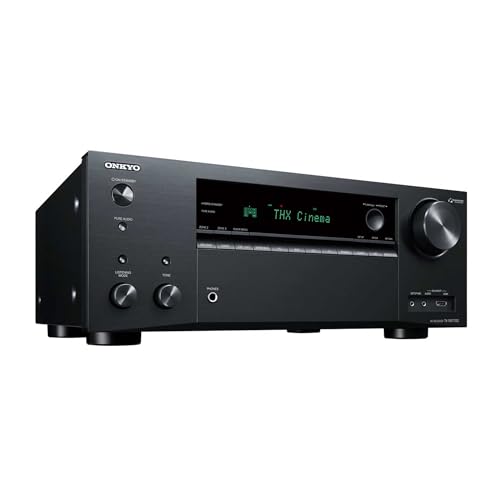
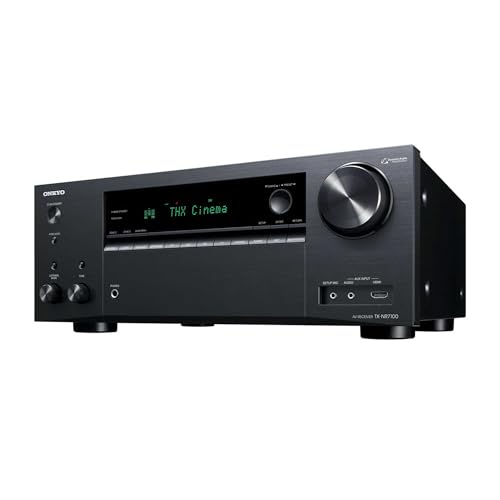
When you're setting up a home theater, the AV receiver becomes the beating heart of your entertainment system. It's the command center that takes all your video sources—gaming consoles, streaming devices, Blu-ray players—and routes them to your TV while simultaneously powering your speakers and processing surround sound. But with so many options available, picking the right receiver can feel overwhelming.
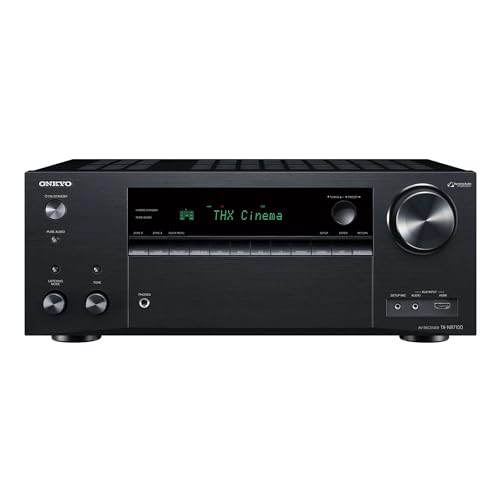
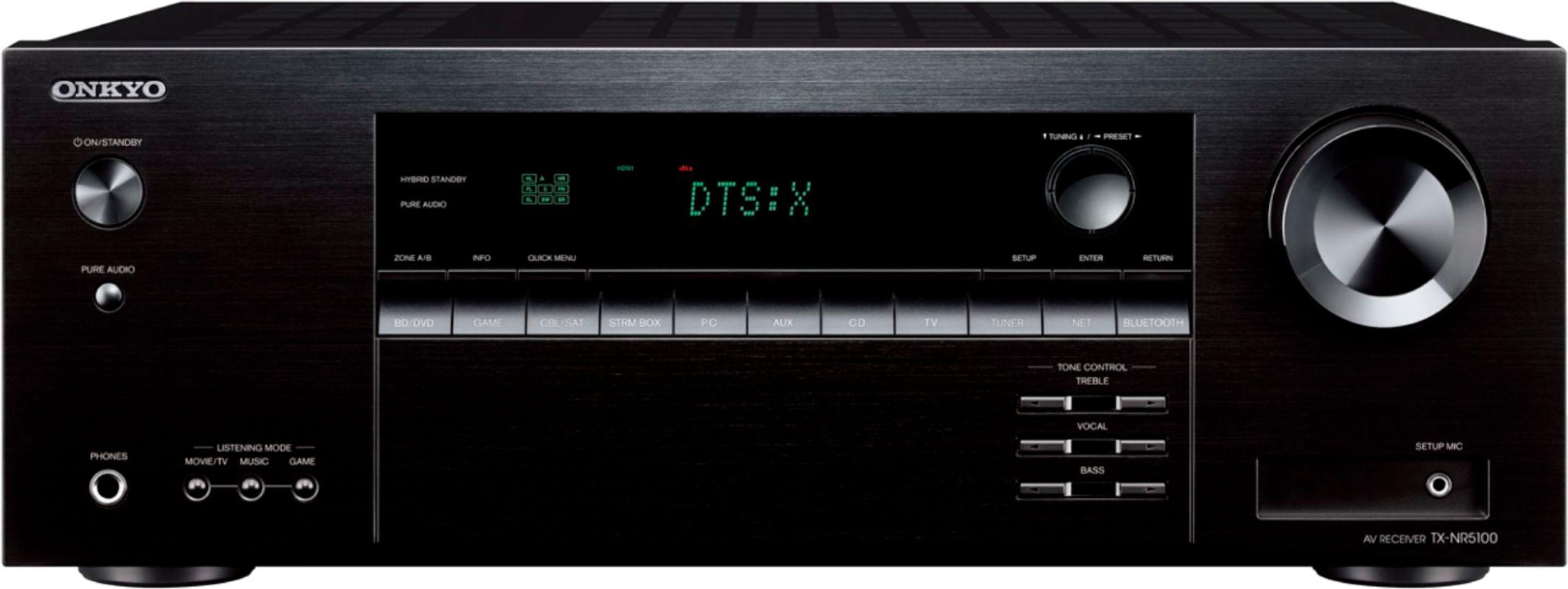
Today we're comparing two popular Onkyo receivers that represent different approaches to modern home theater: the flagship TX-NR7100 and the budget-friendly TX-NR5100. Both launched in 2021 and offer impressive capabilities for their respective price points, but they serve very different audiences and room sizes.
Before diving into specifics, let's establish what separates good receivers from great ones. The most critical factors include channel configuration (how many speakers you can connect), power output (how loud and clear those speakers will sound), room correction technology (software that optimizes sound for your specific space), and connectivity options for all your devices.
At the time of writing, the receiver market has been rapidly evolving. The introduction of HDMI 2.1 in recent years brought support for 8K video and high-refresh gaming, while advanced room correction systems that were once exclusive to professional installations have trickled down to consumer models. Both receivers we're examining benefit from these technological advances, though to different degrees.
The TX-NR7100 represents Onkyo's flagship offering in their NR series. It's designed for serious home theater enthusiasts who want professional-grade features and have the room size to justify them. Think of it as the receiver for someone who's already caught the home theater bug and wants to do things right.
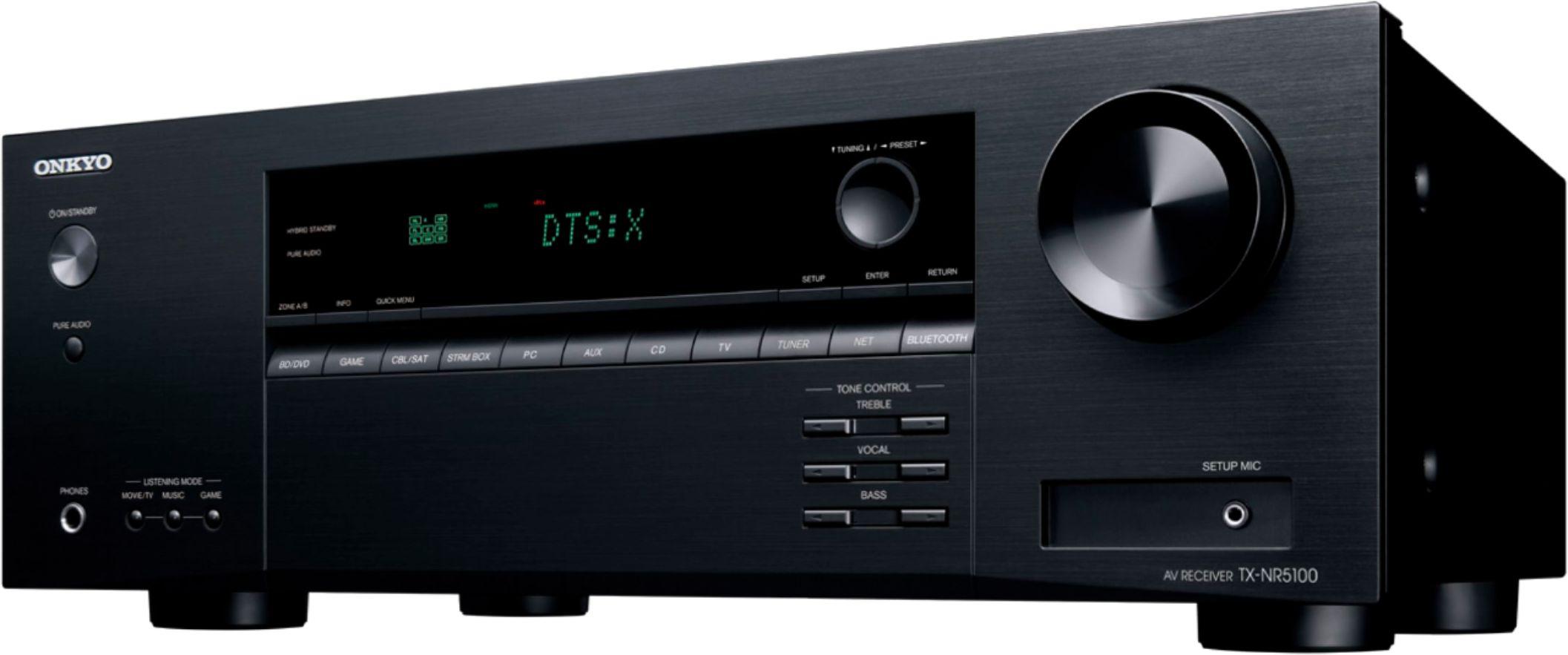
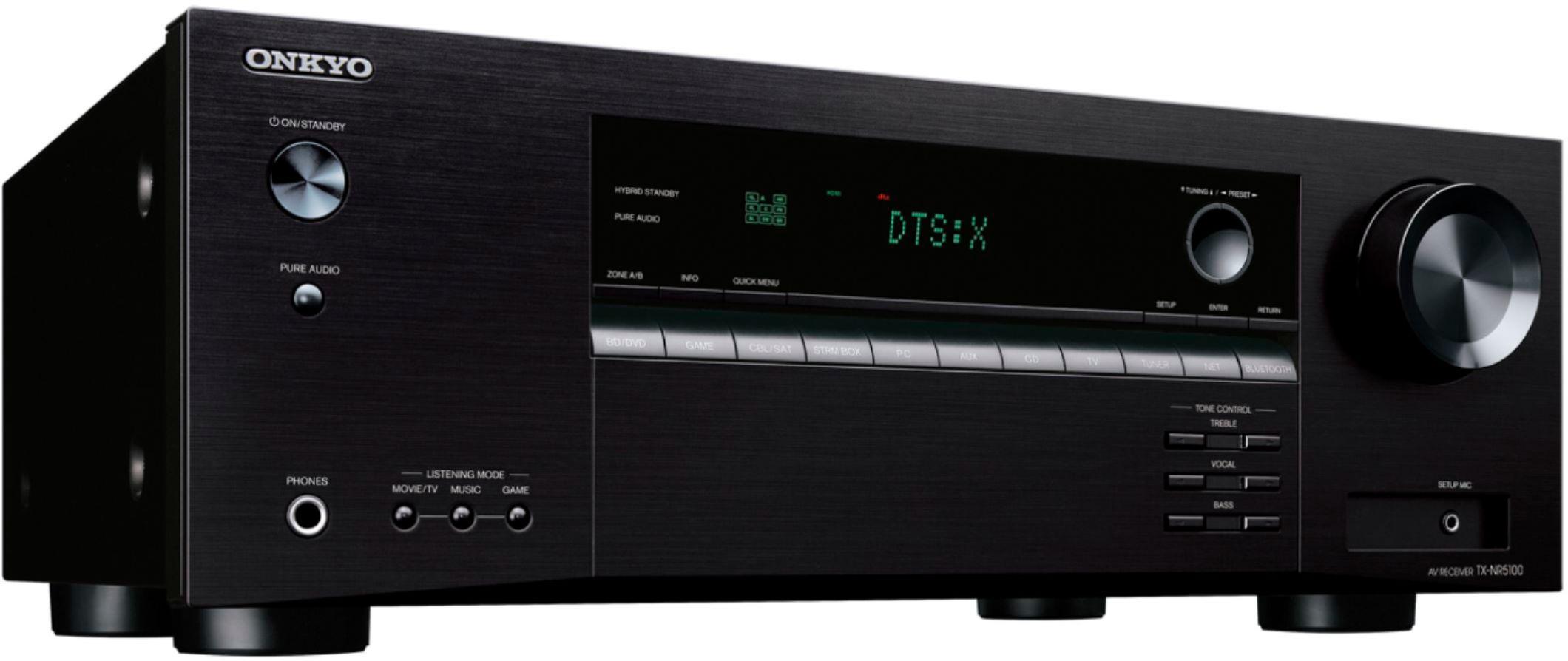
The TX-NR5100, meanwhile, targets budget-conscious buyers who still want modern capabilities. It's perfect for someone upgrading from an older receiver or building their first serious home theater system without breaking the bank.
At the time of writing, you'll typically find the TX-NR5100 priced significantly lower than the TX-NR7100—we're talking about roughly half the cost. This price difference reflects some fundamental capability gaps that we'll explore.
The most obvious difference between these receivers is their channel configuration. The TX-NR7100 offers 9.2 channels, meaning it can power nine speakers plus two subwoofers simultaneously. The TX-NR5100 provides 7.2 channels—seven speakers and two subwoofers.
This might seem like a small difference, but those extra two channels unlock significantly more sophisticated speaker layouts. With the TX-NR7100, you can run a 7.2.2 Dolby Atmos setup (seven main speakers, two subwoofers, and two overhead speakers) or even a 5.2.4 configuration (five main speakers, two subwoofers, and four height speakers for truly immersive overhead effects).
The TX-NR5100 limits you to simpler configurations like 5.1.2 Atmos setups. While this still delivers impressive surround sound, you won't get the same level of audio immersion that comes from having sounds precisely placed all around and above you.
Power output tells a similar story. The TX-NR7100 delivers 100 watts per channel, while the TX-NR5100 provides 80 watts per channel. Both measurements use the same testing standard (8 ohms, 20Hz-20kHz, 0.08% THD with 2 channels driven), making them directly comparable.
In practical terms, this power difference becomes noticeable in larger rooms or with less efficient speakers. If you're filling a space larger than 300 square feet or using speakers that need more juice to come alive, the TX-NR7100's extra headroom will be audible. For smaller rooms, the TX-NR5100's power output proves perfectly adequate.
Here's where these receivers diverge most dramatically. The TX-NR7100 includes Dirac Live room correction built-in and ready to use—a feature that's genuinely transformative for audio quality.
Room correction technology addresses a fundamental problem: every room has acoustic quirks. Hard surfaces create reflections, furniture absorbs certain frequencies, and room dimensions cause standing waves that muddy the sound. Without correction, even expensive speakers can sound mediocre in a typical living room.
Dirac Live represents the gold standard in consumer room correction. It analyzes your room's acoustic signature using multiple measurement positions (up to 13 with the full software) and then applies precise digital filters to compensate for problems. The result is dramatically improved clarity, better bass response, and more accurate stereo imaging.
Based on our research into user experiences, the difference Dirac Live makes is immediately audible. Dialogue becomes clearer, bass sounds tighter and more controlled, and the overall soundstage opens up significantly. It's the kind of upgrade that makes you rediscover your music collection.
The TX-NR5100 uses Onkyo's AccuEQ room correction system instead. AccuEQ handles basic speaker distance measurements and level matching, and user reports suggest it works well for straightforward setups. However, it lacks the sophisticated frequency response correction that makes Dirac Live so effective.
If you're serious about audio quality, this difference alone might justify the TX-NR7100's higher price. Dirac Live typically costs $200-300 as standalone software, so you're getting significant value built into the receiver.
Beyond room correction, these receivers differ in their fundamental audio processing capabilities. The TX-NR7100 employs a 32-bit/384kHz DAC (digital-to-analog converter), while the TX-NR5100 uses a 24-bit/192kHz DAC.
DACs convert digital audio signals into analog signals that your speakers can reproduce. Higher bit depths and sample rates theoretically allow for more accurate conversion, though the practical differences become subtle with high-quality recordings. The TX-NR7100's superior DAC primarily benefits those playing high-resolution audio files or using lossless streaming services.
The TX-NR7100 also carries THX certification, meaning it passed thousands of rigorous tests for audio and video reproduction. THX certification ensures the receiver meets specific performance standards for frequency response, distortion, and noise levels. While not essential, it provides confidence that the receiver will handle demanding content accurately.
Both receivers support all modern audio formats including Dolby Atmos, DTS:X, Dolby TrueHD, and DTS-HD Master Audio. They also include Dolby Atmos Height Virtualizer, which simulates overhead effects through your existing speakers when you don't have dedicated height speakers installed.
Both receivers excel in video capabilities, reflecting their 2021 design. Each includes HDMI 2.1 support with 8K/60Hz and 4K/120Hz passthrough—crucial for next-generation gaming consoles and future 8K content.
Gaming features deserve special attention. Both receivers support Variable Refresh Rate (VRR), which eliminates screen tearing; Auto Low Latency Mode (ALLM), which reduces input lag; and Quick Frame Transport (QFT), which minimizes display delay. These features ensure smooth, responsive gaming with PlayStation 5, Xbox Series X, or high-end PCs.
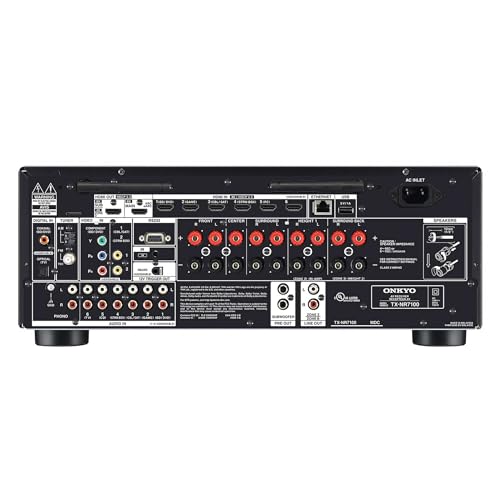
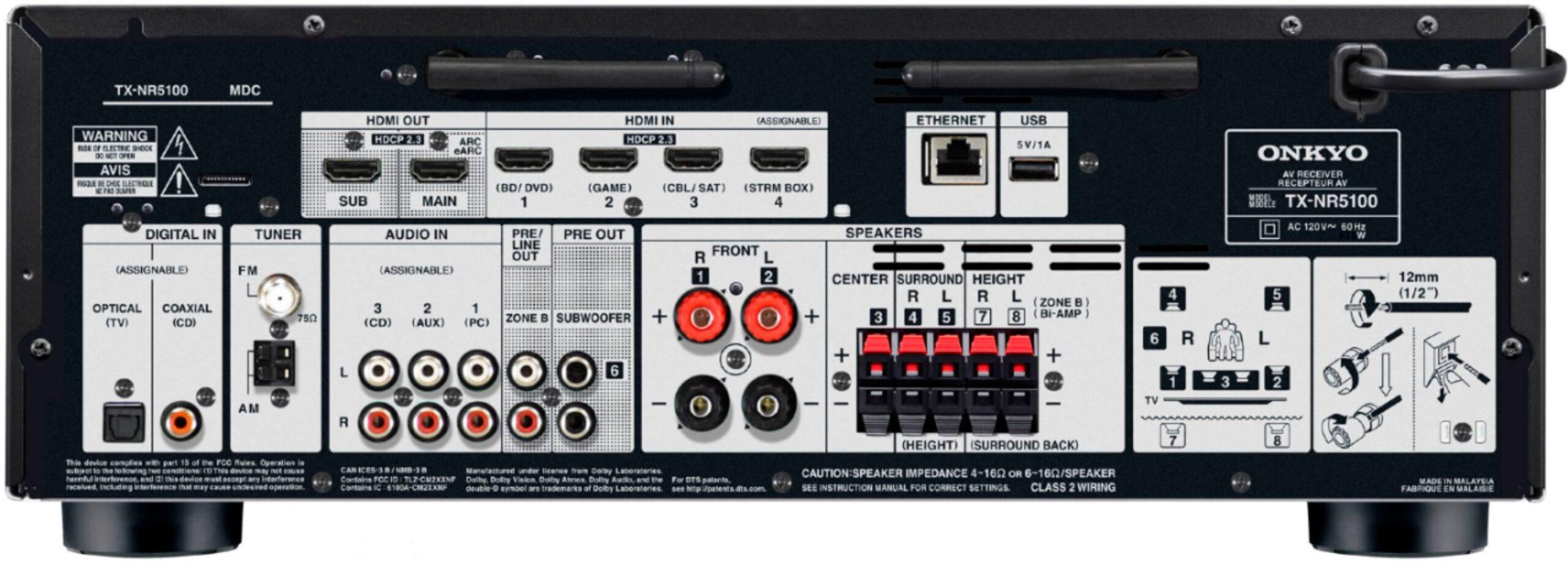
The TX-NR7100 provides more connectivity options with seven HDMI inputs versus four on the TX-NR5100. This difference matters if you're connecting multiple gaming consoles, streaming devices, and other sources. Running out of HDMI inputs forces you to constantly swap cables or buy additional HDMI switches.
Both receivers support HDR formats including HDR10+, Dolby Vision, and HLG, ensuring compatibility with the latest streaming content and Ultra HD Blu-rays. They also feature eARC (Enhanced Audio Return Channel), which lets you send high-quality audio from your TV's apps back to the receiver for processing.
Modern receivers serve as more than just home theater hubs—they're whole-home audio distributors and smart home integration points. Both receivers include Chromecast built-in, Apple AirPlay 2, and DTS Play-Fi for wireless music streaming. They also support voice control through Amazon Alexa and Google Assistant.
The TX-NR7100 offers more sophisticated multi-zone capabilities with three zones total (main room plus two additional zones). This allows independent music playback in different rooms, each with its own volume and source selection. The TX-NR5100 provides basic multi-zone functionality but with fewer options.
Both receivers include built-in streaming services like Spotify, TIDAL, and Deezer, eliminating the need for separate streaming devices in many cases. They also feature advanced Bluetooth transmission with aptX HD codec support, delivering higher-quality wireless audio than standard Bluetooth.
Physical construction reveals another difference between these models. The TX-NR7100 weighs considerably more (11kg vs 8.4kg), indicating more robust internal components and a beefier power supply. This extra mass typically correlates with better heat dissipation and longer component life under demanding use.
User reports suggest both receivers offer solid reliability, though the TX-NR5100 has one notable cost-cutting measure: it uses spring clip connectors for center and surround speakers instead of binding posts. While spring clips work fine, binding posts provide more secure connections and accommodate a wider range of speaker wire types.
The TX-NR7100 includes pre-amplifier outputs—connections that let you add external amplifiers later. This expandability means you can start with the receiver's built-in amplification and upgrade to separate power amplifiers as your system evolves. The TX-NR5100 lacks these outputs, limiting future expansion options.
Based on user feedback and expert reviews, both receivers perform well within their intended applications. The TX-NR5100 consistently receives praise for delivering impressive sound quality at its price point. Users upgrading from older receivers report significant improvements in clarity and dynamics.
The TX-NR7100 earns particular acclaim for its Dirac Live implementation. Users frequently mention how room correction transforms their listening experience, making modest speakers sound significantly better and resolving long-standing acoustic issues.
For home theater use specifically, both receivers handle action movies and concert content effectively. The TX-NR7100's additional channels and power provide more convincing surround effects in larger rooms, while the TX-NR5100 proves entirely adequate for apartment or smaller home installations.
Music reproduction shows a clearer difference. The TX-NR7100's superior DAC and room correction deliver more refined musical performance, particularly noticeable with acoustic recordings and jazz. The TX-NR5100 handles music competently but lacks the finesse of its more expensive sibling.
The TX-NR5100 represents exceptional value for buyers entering modern home theater. At its typical pricing, you get 8K video capabilities, Dolby Atmos processing, and comprehensive streaming features that would have cost significantly more just a few years ago. It's an excellent choice for apartments, smaller homes, or anyone prioritizing budget over ultimate performance.
The TX-NR7100 justifies its higher cost through genuinely premium features. Dirac Live room correction alone provides value that serious listeners will appreciate for years. Combined with additional channels, superior build quality, and expansion capabilities, it represents a solid long-term investment for committed home theater enthusiasts.
Choose the TX-NR5100 if you have a room under 300 square feet, want modern gaming and streaming capabilities on a budget, plan a simple 5.1.2 Dolby Atmos setup, or are making your first serious receiver purchase. Its combination of features and pricing makes it hard to beat for straightforward home theater applications.
Select the TX-NR7100 if you have a larger room, want professional-grade audio optimization, plan extensive Atmos configurations with seven or more speakers, need comprehensive multi-zone functionality, or value long-term expandability. The premium price buys meaningful performance advantages that will serve you well for many years.
Both receivers succeed in their respective roles, but the TX-NR7100 offers a more future-proof foundation for serious home theater systems. The TX-NR5100 provides an accessible entry point into modern AV technology without sacrificing essential features. Your choice ultimately depends on room size, budget constraints, and how seriously you take audio quality—but either receiver will deliver years of reliable entertainment.
| Onkyo TX-NR7100 | Onkyo TX-NR5100 |
|---|---|
| Channel Configuration - Determines speaker layout possibilities and room coverage | |
| 9.2 channels (enables 7.2.2 or 5.2.4 Atmos setups) | 7.2 channels (limited to 5.1.2 Atmos configurations) |
| Power Output - Critical for larger rooms and demanding speakers | |
| 100W per channel (8 ohms, 0.08% THD) | 80W per channel (8 ohms, 0.08% THD) |
| Room Correction - Most impactful feature for sound quality optimization | |
| Dirac Live (professional-grade, up to 13 measurement points) | AccuEQ (basic automated setup and level matching) |
| Audio Processing - Affects high-resolution music and streaming quality | |
| 32-bit/384kHz DAC with THX certification | 24-bit/192kHz DAC (adequate for most content) |
| HDMI Connectivity - Important for multiple gaming/streaming devices | |
| 7 HDMI 2.1 inputs, 2 outputs (40Gbps bandwidth) | 4 HDMI 2.1 inputs, 2 outputs (40Gbps bandwidth) |
| Video Support - Essential for next-gen gaming and 8K content | |
| 8K/60Hz, 4K/120Hz, VRR, ALLM, HDR10+, Dolby Vision | 8K/60Hz, 4K/120Hz, VRR, ALLM, HDR10+, Dolby Vision |
| Multi-Zone Audio - Enables whole-home audio distribution | |
| 3 zones with independent HDMI output to Zone 2 | 2 zones with basic audio distribution |
| Future Expansion - Pre-amp outputs allow external amplifier upgrades | |
| Full pre-amp outputs for all channels | No pre-amp outputs (limits future expansion) |
| Build Quality - Indicates component robustness and longevity | |
| 11kg weight, robust power supply, binding posts all channels | 8.4kg weight, spring clips for surround speakers |
| Target Room Size - Determines which receiver suits your space | |
| Large rooms (300+ sq ft) and open concepts | Small to medium rooms (under 300 sq ft) |
| Best For - Primary use case recommendations | |
| Serious enthusiasts wanting professional features and expansion | Budget-conscious buyers seeking modern 8K capabilities |
The primary difference is channel configuration and power. The TX-NR7100 offers 9.2 channels at 100 watts per channel, while the TX-NR5100 provides 7.2 channels at 80 watts per channel. The TX-NR7100 also includes professional Dirac Live room correction, whereas the TX-NR5100 uses basic AccuEQ calibration.
Choose the TX-NR5100 if you have a smaller room, limited budget, and want modern AV features without complexity. Select the TX-NR7100 if you have a larger space, prioritize audio quality, plan an extensive speaker setup, or want future expansion capabilities. Both receivers excel in their respective categories.
We've done our best to create useful and informative comparisons to help you decide what product to buy. Our research uses advanced automated methods to create this comparison and perfection is not possible - please contact us for corrections or questions. These are the sites we've researched in the creation of this article: crutchfield.com - prohifi.in - bestbuy.com - h-m-entertainment.com - audiosciencereview.com - crutchfield.ca - soundandvision.com - avsforum.com - avgadgets.com - youtube.com - onkyo.com - crutchfield.com - onkyo.com - accessories4less.com - klipsch.com - youtube.com - listenup.com - intl.onkyo-av.com - bestbuy.com - 420spotshop.com - support.onkyousa.com - crutchfield.com - hifiheaven.net - youtube.com - bestbuy.com - audioholics.com - onkyo.com - support.onkyousa.com - bestbuy.com - onkyo.com - audiolab.com - support.onkyousa.com - youtube.com

Privacy Policy
Terms and Conditions - Affiliate Policy
Home Security
© Copyright 2008-2026.
11816 Inwood Rd #1211, Dallas, TX 75244