

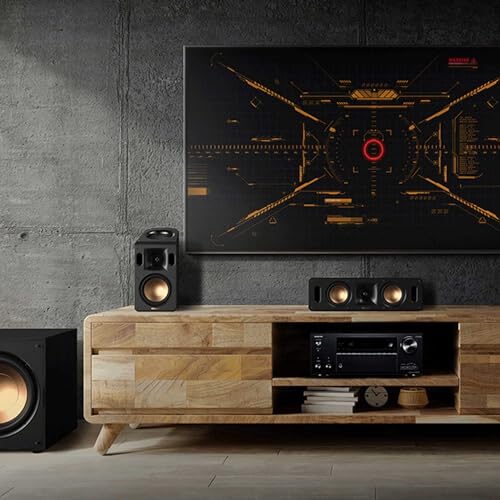
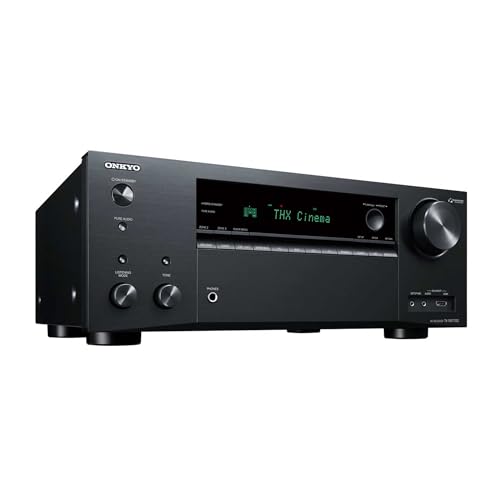
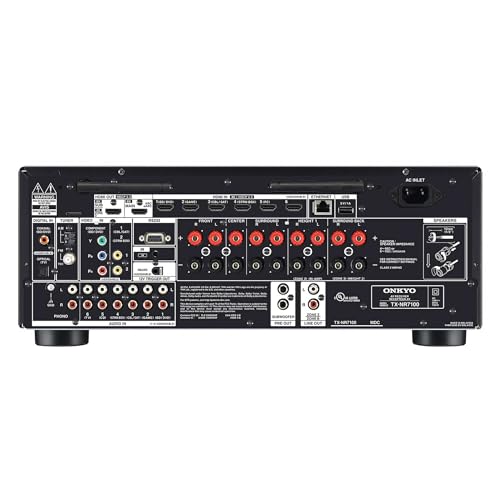
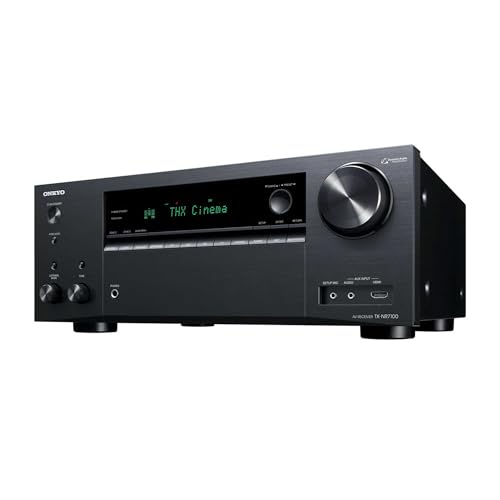
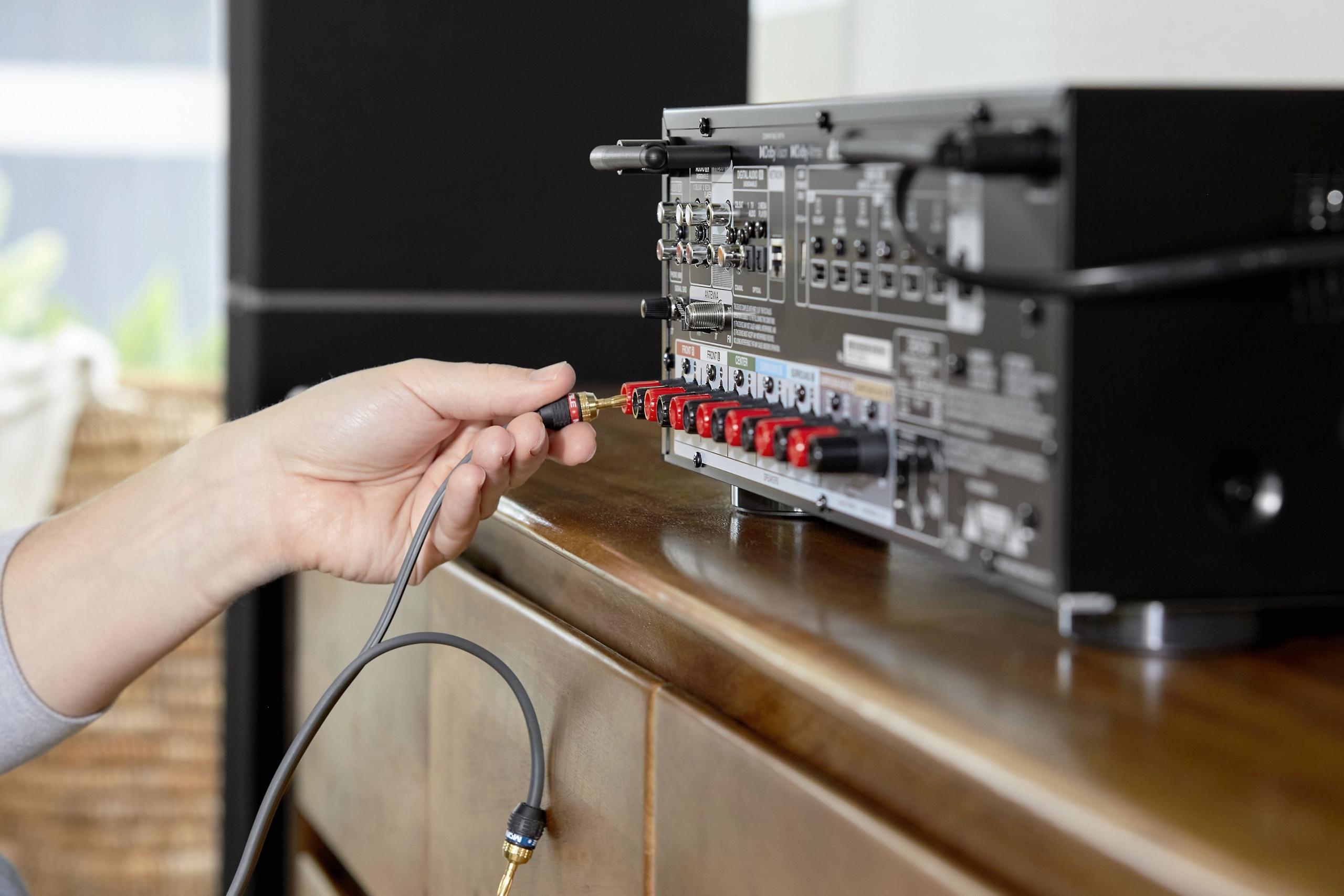
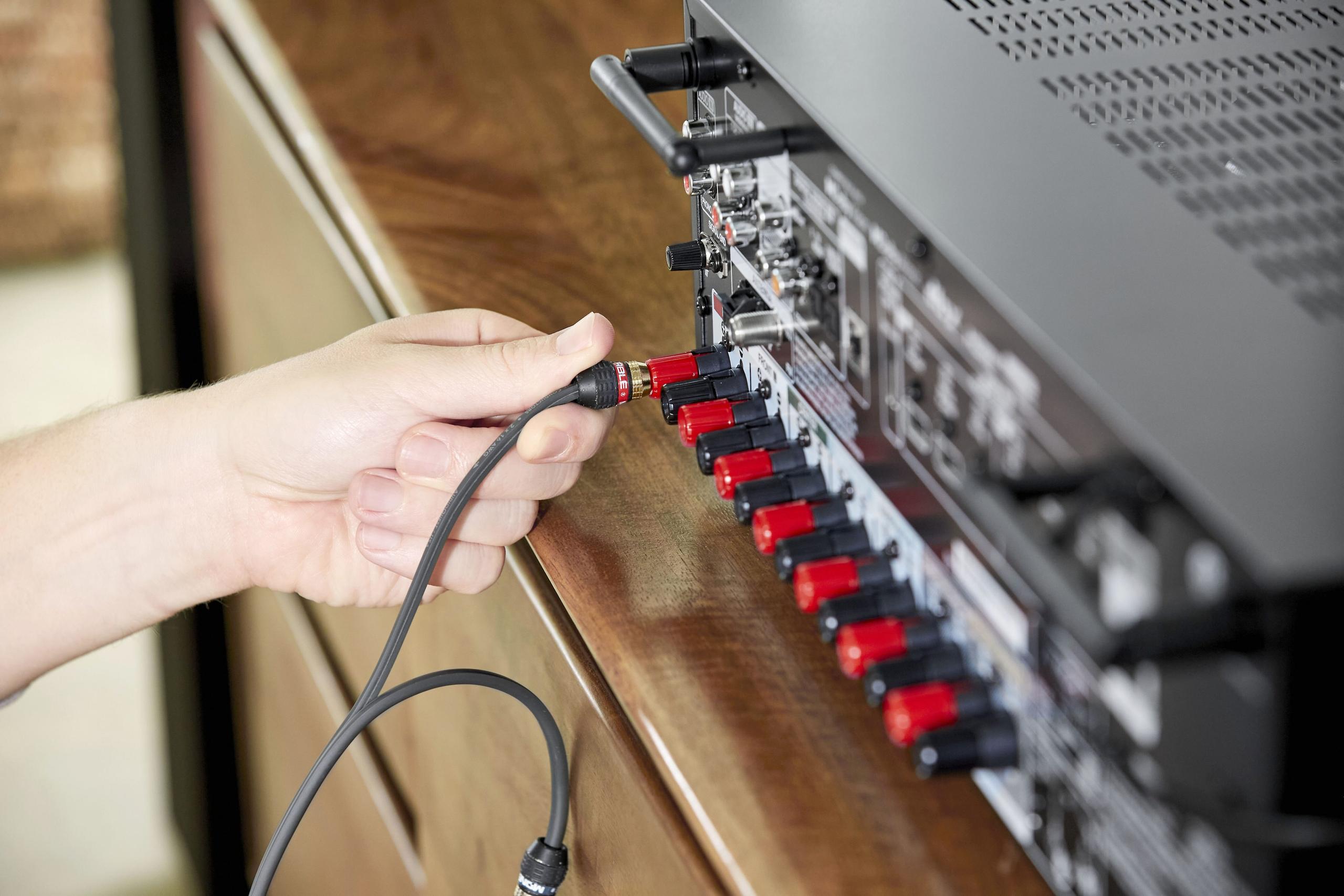
When you're building a home theater system, the AV receiver is like the brain of the entire operation. It takes all your different audio and video sources—your streaming device, game console, Blu-ray player—and routes them to your TV and speakers while adding processing power to make everything sound and look better. But with so many models on the market, picking the right one can feel overwhelming.
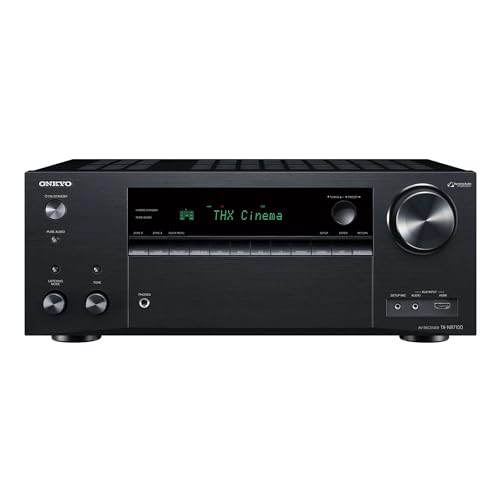
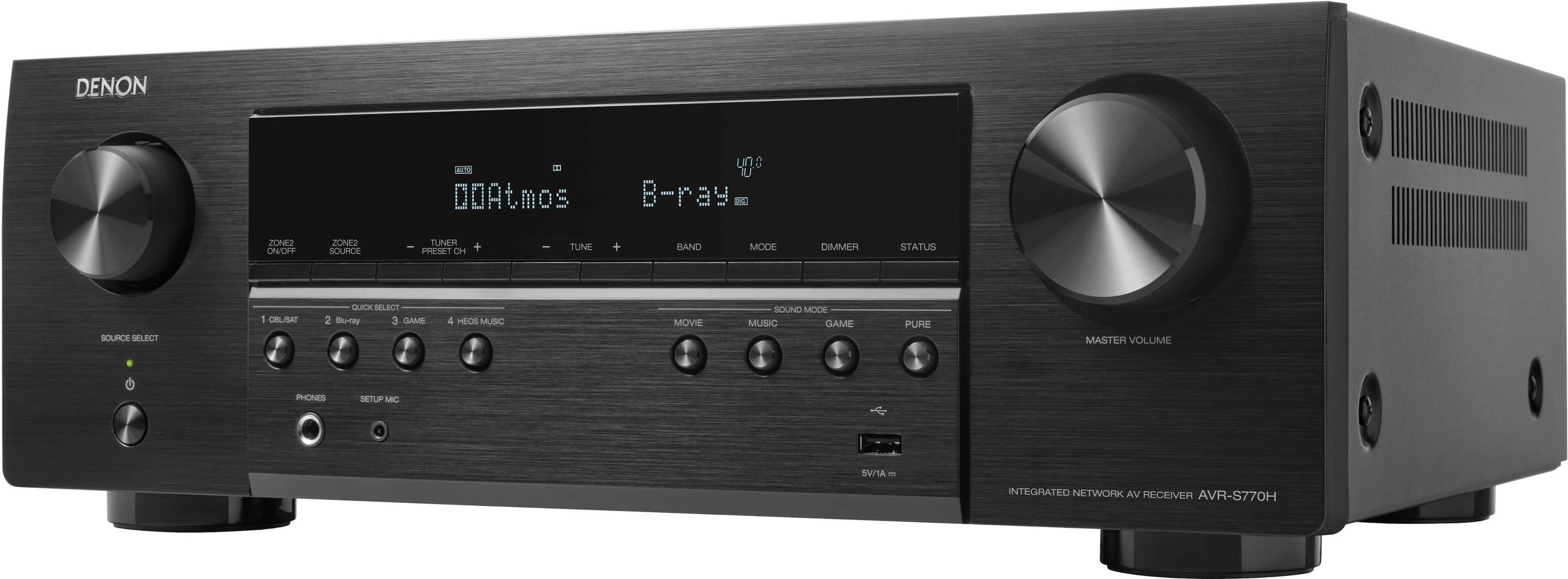
Today we're comparing two receivers that represent different approaches to home theater: the Onkyo TX-NR7100 and the Denon AVR-S770H. These aren't just random picks—they illustrate a classic choice many buyers face between a feature-packed enthusiast model and a streamlined mainstream option.
Before diving into these specific models, it's worth understanding what separates good receivers from great ones. The most obvious difference is channel count—that's the number of separate speaker outputs the receiver can power. A 5.1 system has five main speakers plus a subwoofer, while a 7.2 system adds two more speakers and can handle two subwoofers.
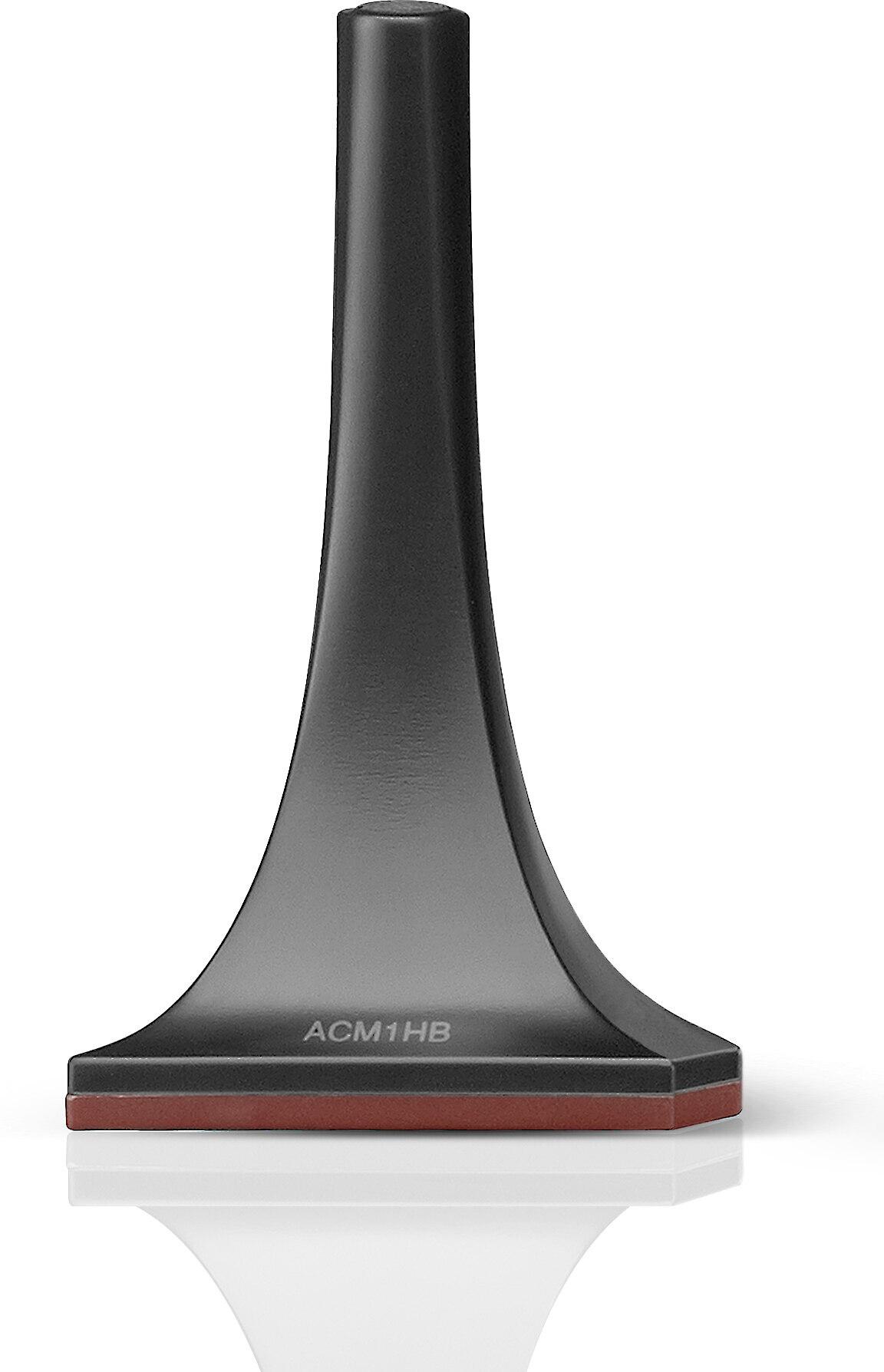
But channel count is just the beginning. Room correction technology might be the most important feature you've never heard of. Your listening room dramatically affects how speakers sound—hard surfaces create reflections, furniture absorbs certain frequencies, and room dimensions create acoustic problems. Advanced room correction systems use microphones to measure these issues and automatically adjust the audio to compensate.
Power output matters too, but not always in the way you'd expect. More watts per channel generally means the ability to drive speakers louder and with better control, especially in larger rooms. However, the quality of that power—how clean it is and how the amplifier behaves under stress—often matters more than the raw numbers.
Video processing has become increasingly complex as well. Modern receivers need to handle 4K and 8K video signals, support various HDR (High Dynamic Range) formats that make images more vivid, and provide gaming-specific features like variable refresh rates that reduce screen tearing.
The Onkyo TX-NR7100, released in 2022, positions itself as an enthusiast's dream at a reasonable price. It packs 9 channels of amplification, advanced Dirac Live room correction, and extensive connectivity into a receiver that typically costs significantly less than competitors with similar features.
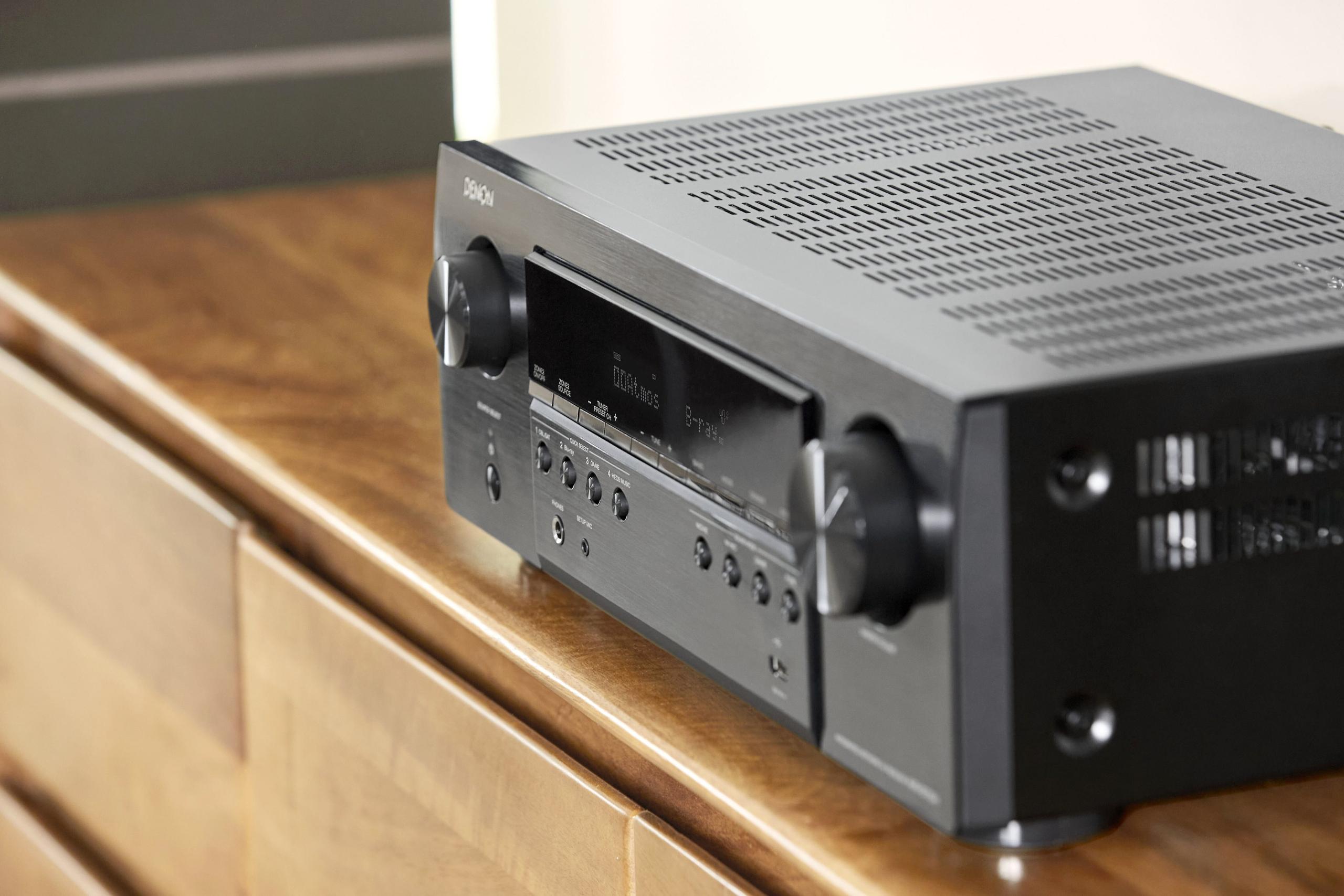
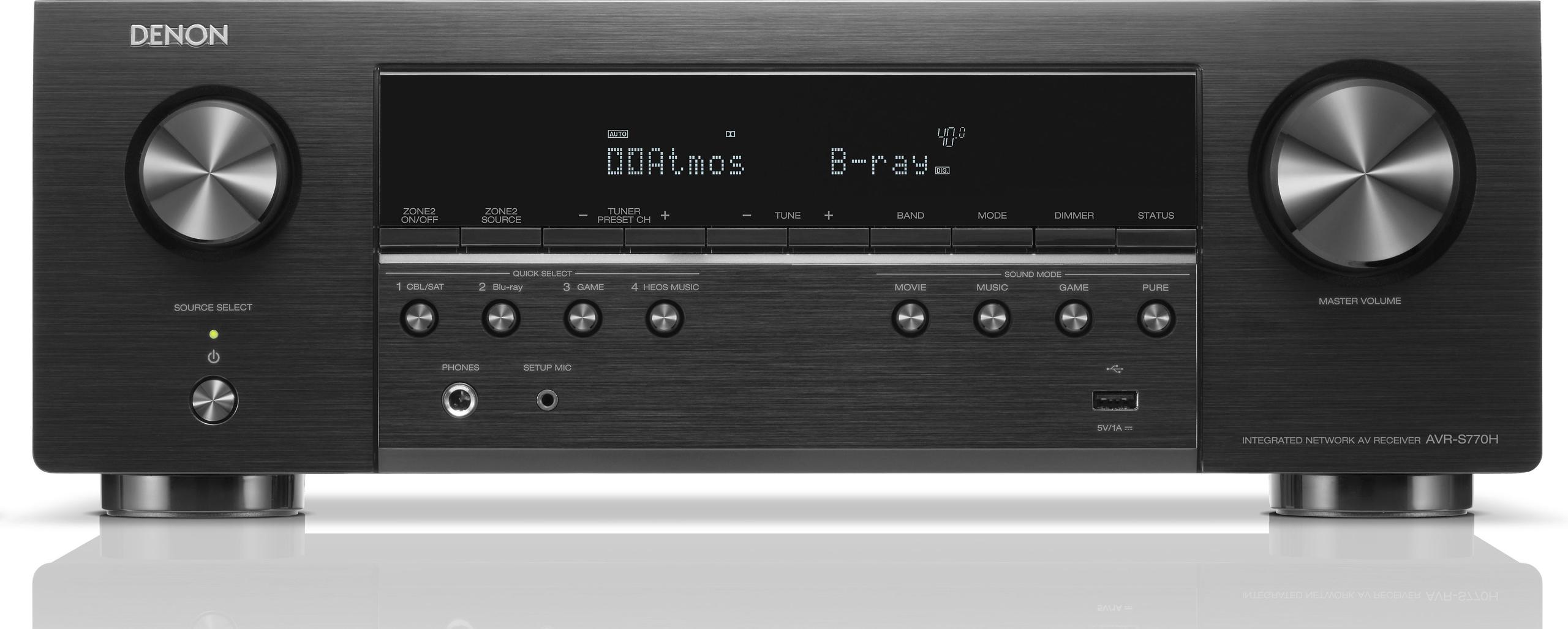
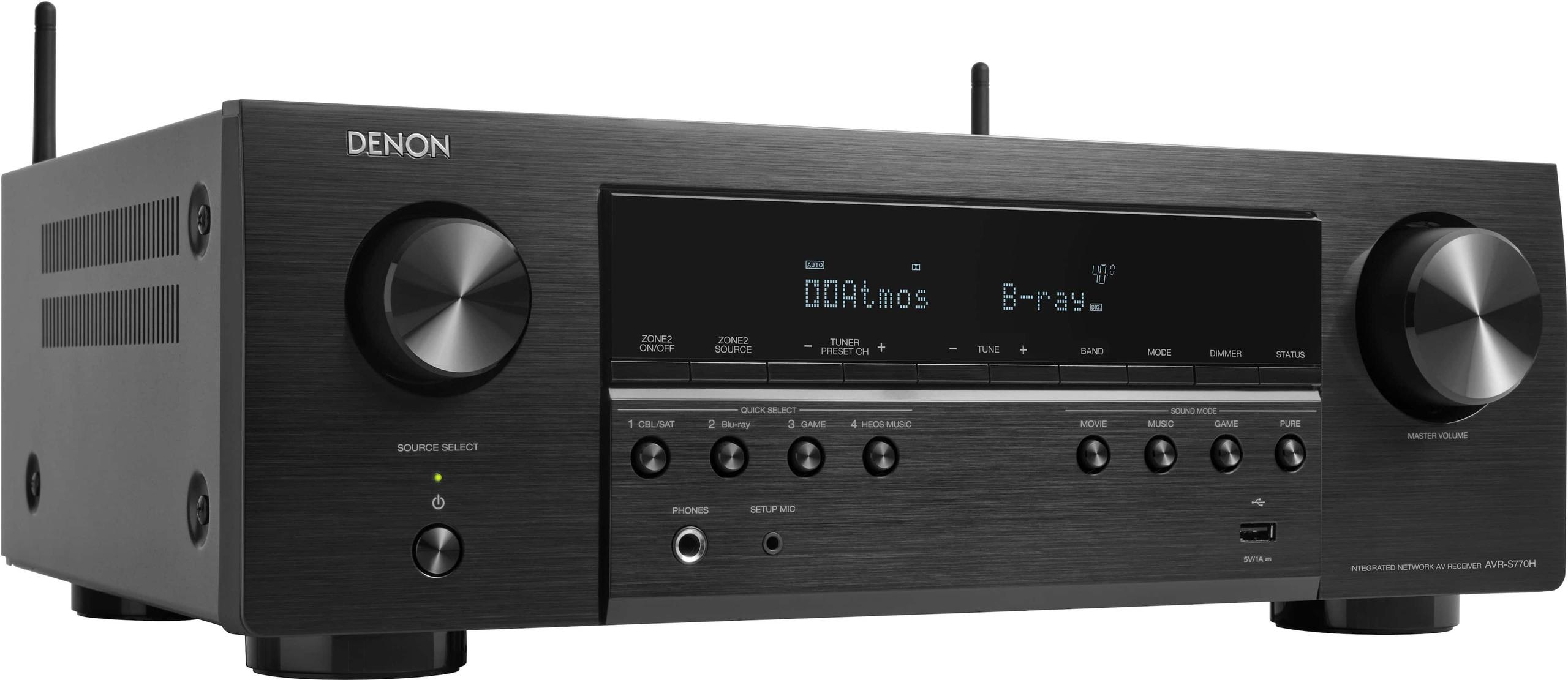
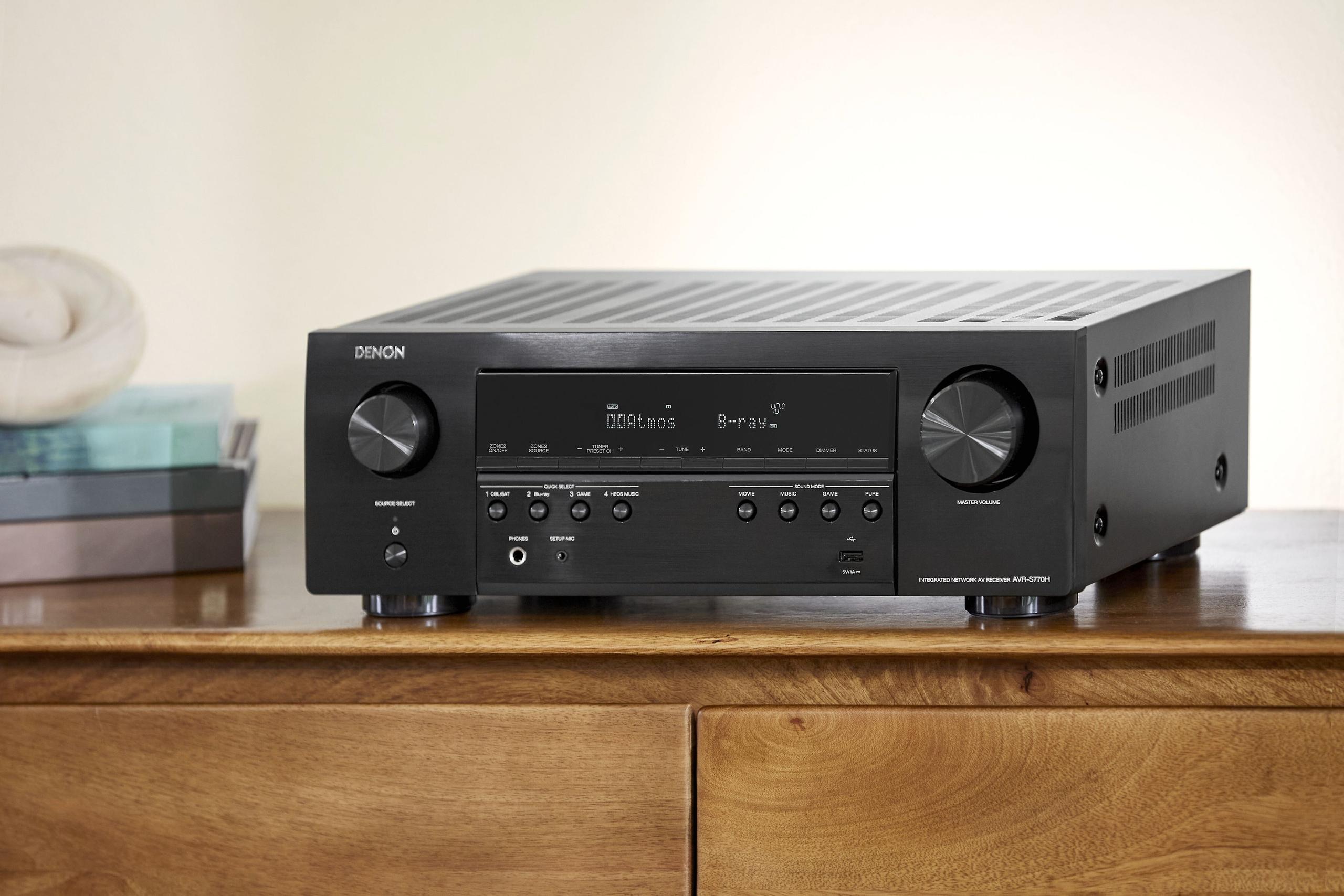
The Denon AVR-S770H, arriving in 2023, takes a different approach. It focuses on delivering essential modern features—7 channels, solid 8K video support, and reliable performance—without the complexity that can intimidate mainstream users.
Here's where things get interesting and a bit controversial. On paper, the Onkyo TX-NR7100 seems like a clear winner with 9 channels pumping out 100 watts each, compared to the Denon AVR-S770H's 7 channels at 75 watts. That extra power and those additional channels open up exciting possibilities for speaker placement.
With 9 channels, you can run a 5.1.4 setup—that means your usual five speakers and subwoofer, plus four height speakers mounted on or in your ceiling for true overhead effects in Dolby Atmos movies. Alternatively, you could go 7.1.2 with seven main-level speakers and two height channels. The Denon AVR-S770H maxes out at 5.1.2, which still provides impressive surround sound but can't match the full immersion of four height speakers.
But here's where our research uncovered a significant issue with the Onkyo TX-NR7100. Independent testing revealed that when this receiver's amplifier clips—meaning it's pushed beyond its limits—it enters what techs call a "protection mode" but doesn't tell you about it. Instead of delivering 100 watts per channel, it quietly drops to about 15 watts and stays there until you physically unplug the unit from the wall.
This isn't just a technical curiosity; it's a real-world problem. Imagine watching an action movie where explosions should be thunderous but instead sound wimpy, and you have no idea why. Many users probably experience this reduced performance without realizing their receiver is essentially running in limp mode.
The Denon AVR-S770H, while less powerful on paper, appears to behave more predictably under stress. Sometimes reliability trumps raw specifications.
If you take away just one thing from this comparison, let it be this: room correction technology can transform your listening experience more than any other single feature. And this is where the Onkyo TX-NR7100 truly shines.
Dirac Live, the room correction system included with the Onkyo, is typically a premium add-on costing hundreds of dollars on other receivers. It works by playing test tones through your speakers while measuring the sound with a microphone at multiple positions in your room. Then it creates a digital filter that corrects for acoustic problems—reducing harsh reflections, smoothing out frequency response, and even fixing timing issues when sound from different speakers reaches your ears at slightly different times.
The difference is genuinely audible. Dialogue becomes clearer, bass sounds tighter and more controlled, and the overall soundstage—your perception of where instruments and effects are positioned—becomes more precise and realistic. Recent firmware updates in 2024 have further improved Dirac Live's performance on the Onkyo TX-NR7100.
The Denon AVR-S770H uses Audyssey MultEQ, which is Denon's entry-level room correction system. While it handles basic speaker distance and level matching, it can't perform the sophisticated frequency and timing corrections that Dirac Live offers. Think of it as the difference between adjusting your TV's brightness versus having a professional calibrator optimize every aspect of the picture.
For many users, especially those in acoustically challenging rooms with hard floors, high ceilings, or irregular shapes, the superior room correction alone might justify choosing the Onkyo TX-NR7100—if you can live with the power limiting concerns.
Both receivers handle modern video requirements well, supporting 8K video passthrough and 4K at high refresh rates important for gaming. The Onkyo TX-NR7100 offers more HDMI inputs (seven versus six), which matters if you have multiple game consoles, streaming devices, and other sources.
For gaming specifically, both support Variable Refresh Rate (VRR) that eliminates screen tearing, Auto Low Latency Mode (ALLM) that reduces input lag, and Quick Frame Transport (QFT) for smoother motion. These features work with modern gaming consoles like the PlayStation 5 and Xbox Series X to provide the best possible gaming experience.
The Onkyo TX-NR7100 also supports IMAX Enhanced content, which provides optimized settings for IMAX-formatted movies and shows. While this content is still relatively rare, it's a nice future-proofing feature for movie enthusiasts.
Modern AV receivers aren't just about processing audio and video—they're smart home devices that need to integrate with your streaming services, voice assistants, and multi-room audio systems.
The Onkyo TX-NR7100 takes a more open approach to integration. It's certified to work with Sonos systems (with an additional Sonos Port device), supports Google Chromecast built-in, Apple AirPlay 2, and DTS Play-Fi for multi-room audio. It also includes bi-directional Bluetooth, meaning you can stream music from your phone to the receiver or send audio from the receiver to Bluetooth headphones—handy for late-night movie watching.
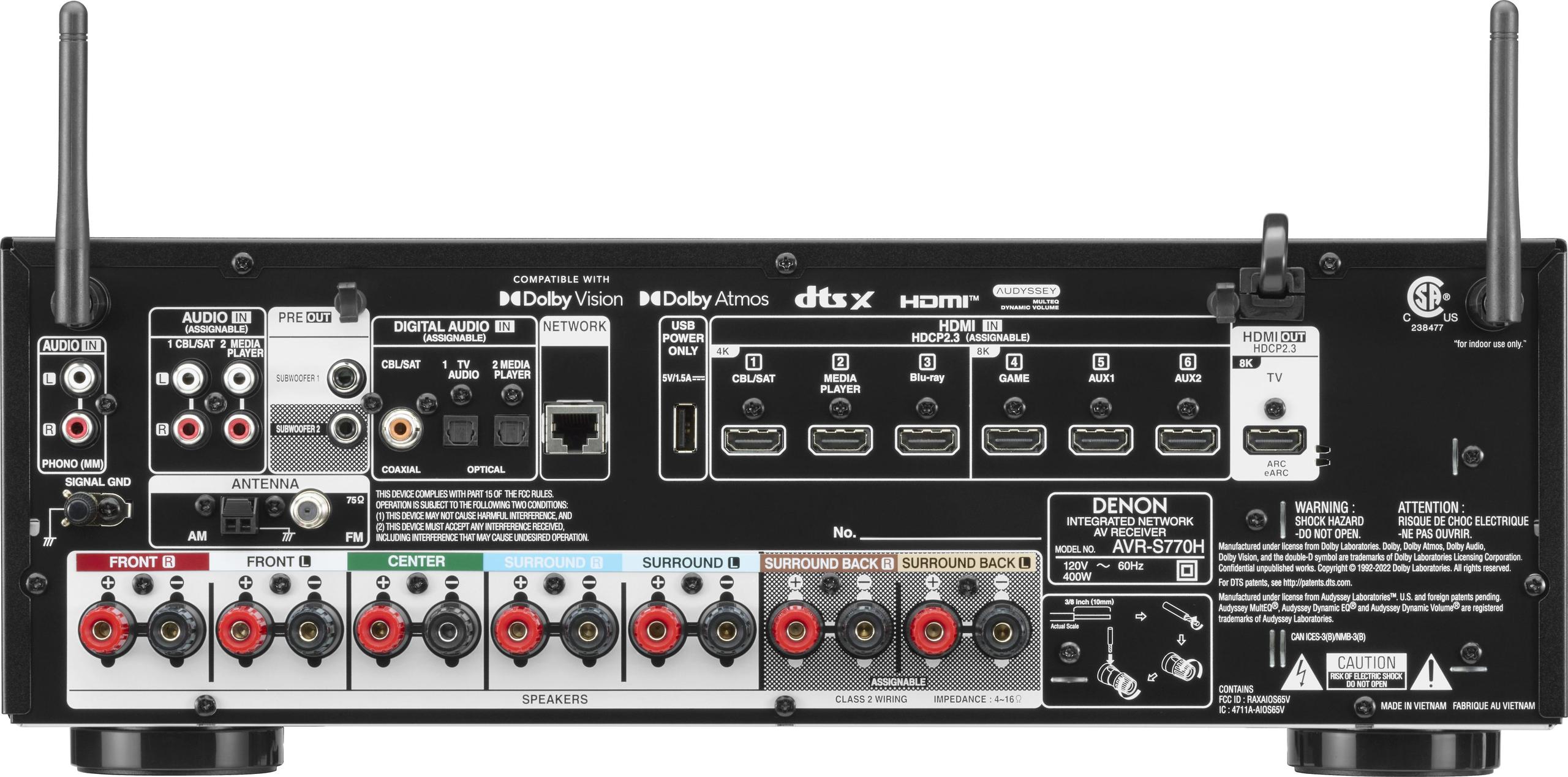
The Denon AVR-S770H integrates primarily with Denon's own HEOS ecosystem for multi-room audio and includes built-in support for major voice assistants. It also includes a phono input with preamp, which is great news for vinyl enthusiasts who won't need a separate component to connect their turntable.
Beyond specifications and features, how do these receivers actually sound? Based on extensive user feedback and professional reviews, the picture is mixed.
The Denon AVR-S770H consistently receives praise for reliable, balanced sound quality. It doesn't add coloration to music or movie soundtracks, presenting audio in a neutral way that lets your speakers' character come through. For music listening, it handles everything from jazz to rock to classical with competence, and movie soundtracks benefit from solid bass management and clear dialogue reproduction.
The Onkyo TX-NR7100 presents a more complex picture. When working properly, users report excellent dynamics and detail, especially with properly calibrated Dirac Live room correction. The additional channels create genuinely immersive experiences with Dolby Atmos content, and the receiver handles demanding speakers well.
However, our research into professional measurements reveals concerning audio performance issues beyond the power limiting problem. Tests showed higher than expected distortion levels and noise floor problems that affect overall audio quality. While many users don't notice these issues in typical listening, they represent a quality control concern for a receiver at this price point.
So who should choose which receiver? The decision comes down to your priorities, room size, and tolerance for potential issues.
Choose the Denon AVR-S770H if you want a reliable, straightforward receiver that handles modern audio and video formats without fuss. It's perfect for small to medium-sized rooms where 5.1.2 channel capability is sufficient. The built-in phono preamp makes it especially appealing if you're into vinyl records. At its typical price point, it represents solid value for mainstream users who want modern features without complexity.
The Denon AVR-S770H also makes sense if you're building a multi-room system around Denon's HEOS platform or if you simply prefer the peace of mind that comes with choosing a receiver known for consistent behavior.
Consider the Onkyo TX-NR7100 if you have a larger room, want the most immersive possible surround sound experience, and place high value on advanced room correction. The Dirac Live system alone could justify the higher price for users in acoustically challenging spaces. The additional channels enable speaker configurations that the Denon simply cannot match.
However, and this is a significant caveat, the documented reliability issues make the Onkyo TX-NR7100 a riskier choice. If you go this route, buy from a retailer with a generous return policy and be prepared to return the unit if you experience the power limiting problems or other issues.
At the time of writing, both receivers represent their respective market segments well, but they serve different types of users. The Denon AVR-S770H is the safer, more predictable choice that delivers modern home theater capabilities without drama. It won't impress audiophile friends with exotic features, but it will provide years of reliable entertainment.
The Onkyo TX-NR7100 offers genuinely premium features at a competitive price, with room correction technology that usually costs much more. For users who need its additional channels and can benefit from advanced acoustic optimization, it could be transformative. But the reliability concerns mean you should approach it with caution and have a backup plan.
In most cases, I lean toward recommending the Denon AVR-S770H for its combination of modern features, reliable performance, and straightforward operation. Unless you specifically need the extra channels or have a room that would dramatically benefit from Dirac Live room correction, the Denon provides better peace of mind and still delivers an excellent home theater experience.
Your AV receiver is the foundation of your home theater system, and it needs to work reliably for years. While features and specifications matter, consistent performance matters more. Choose the receiver that best matches your needs, room, and tolerance for potential complications—your future movie nights depend on it.
| Onkyo TX-NR7100 | Denon AVR-S770H |
|---|---|
| Amplifier Channels - Determines maximum speaker configuration and immersion level | |
| 9 channels at 100W each (enables 5.1.4 or 7.1.2 setups) | 7 channels at 75W each (limited to 5.1.2 maximum) |
| Room Correction Technology - Most impactful feature for sound quality in real rooms | |
| Dirac Live (premium system typically costing $200+ extra) | Audyssey MultEQ (basic entry-level calibration) |
| Power Reliability - Critical for consistent performance | |
| ⚠️ Power limiting issue reduces output to 15% when clipped | Reliable power delivery without known limiting issues |
| HDMI Inputs/Outputs - Affects how many devices you can connect | |
| 7 inputs, 2 outputs (6 rear inputs support full 8K/4K specs) | 6 inputs, 2 outputs (3 inputs support 8K/60Hz) |
| Video Support - Future-proofing for gaming and streaming | |
| 8K/60Hz, 4K/120Hz, IMAX Enhanced, HDR10+, Dolby Vision | 8K/60Hz, 4K/120Hz, HDR10+, Dolby Vision (no IMAX Enhanced) |
| Smart Home Integration - Determines ecosystem compatibility | |
| Works with Sonos, Chromecast, AirPlay 2, DTS Play-Fi | HEOS multi-room, Alexa/Google/Siri voice control |
| Audio Streaming Services - Built-in platform support | |
| Spotify, TIDAL, Amazon Music HD, Pandora, Deezer | Requires external devices for most Dolby Atmos music |
| Bluetooth Capabilities - Wireless audio flexibility | |
| Bi-directional (stream to/from receiver, aptX HD support) | Standard receiver mode only |
| Vinyl Support - Important for record collectors | |
| No built-in phono preamp (requires external preamp) | Built-in MM phono preamp included |
| Multi-Zone Audio - Whole-home audio distribution | |
| 3 zones with flexible source routing | Zone 2 support, integrates with HEOS speakers |
| Measured Audio Performance - Technical quality metrics | |
| Poor distortion measurements, reliability concerns | Consistent, reliable performance in testing |
The Onkyo TX-NR7100 includes Dirac Live room correction, which is a premium system that typically costs hundreds of dollars as an add-on feature. Dirac Live makes sophisticated adjustments to both frequency response and timing to optimize sound for your specific room. The Denon AVR-S770H uses Audyssey MultEQ, which is an entry-level system that handles basic speaker distance and level matching but can't perform the advanced corrections that Dirac Live offers.
The Onkyo TX-NR7100 has 9 channels of amplification, allowing for configurations like 5.1.4 (five main speakers, one subwoofer, four height speakers) or 7.1.2 setups. The Denon AVR-S770H maxes out at 7 channels, supporting up to 5.1.2 configurations (five main speakers, one subwoofer, two height speakers). The Onkyo provides more flexibility for immersive Dolby Atmos experiences.
The Onkyo TX-NR7100 is theoretically better suited for large rooms with its 100 watts per channel across 9 channels. However, testing has revealed power limiting issues where the unit reduces output significantly when pushed hard. The Denon AVR-S770H offers 75 watts per channel across 7 channels with more reliable power delivery, making it actually more dependable for consistent performance in larger spaces.
Yes, both the Onkyo TX-NR7100 and Denon AVR-S770H support 8K/60Hz and 4K/120Hz video passthrough. They both include gaming-specific features like Variable Refresh Rate (VRR), Auto Low Latency Mode (ALLM), and support for HDR formats. The Onkyo TX-NR7100 has one additional HDMI input and supports IMAX Enhanced content.
The Denon AVR-S770H has shown more consistent reliability in user reports and testing. The Onkyo TX-NR7100 has documented issues with power limiting that can reduce output to 15% of rated power without warning when the amplifier clips. This reliability concern makes the Denon the safer choice for most users.
The Denon AVR-S770H includes a built-in MM phono preamp, so you can connect most turntables directly. The Onkyo TX-NR7100 does not have a built-in phono preamp, so you'll need an external preamp or a turntable with a built-in preamp to connect vinyl players.
The Onkyo TX-NR7100 provides broader ecosystem compatibility with "Works with Sonos" certification, Google Chromecast built-in, Apple AirPlay 2, and DTS Play-Fi support. The Denon AVR-S770H focuses primarily on Denon's HEOS ecosystem but includes comprehensive voice control support for Alexa, Google Assistant, and Siri.
The Onkyo TX-NR7100 has native support for Spotify, TIDAL, Amazon Music HD, Pandora, and Deezer built into the receiver. The Denon AVR-S770H requires external streaming devices for most services, particularly for Dolby Atmos music content, but integrates well with HEOS-enabled devices throughout your home.
The Denon AVR-S770H typically offers better value for mainstream users, providing reliable performance with modern features at a lower price point. The Onkyo TX-NR7100 includes premium features like Dirac Live room correction that normally cost much more, but reliability concerns affect its overall value proposition.
Yes, the Onkyo TX-NR7100 has a documented power limiting problem where it reduces output dramatically when pushed beyond its limits, with no user notification. Users must unplug the unit to reset it. The Denon AVR-S770H doesn't have any widely reported reliability issues and maintains consistent performance.
The Denon AVR-S770H is more beginner-friendly with straightforward setup, reliable operation, and fewer complex features that could confuse new users. The built-in phono preamp and HEOS integration make it plug-and-play for most users. The Onkyo TX-NR7100 offers more advanced features but requires more technical knowledge to optimize and troubleshoot potential issues.
Both the Onkyo TX-NR7100 and Denon AVR-S770H support Dolby Atmos, but the Onkyo can create more immersive experiences with its 9-channel capability allowing for 5.1.4 setups with four height speakers. The Denon is limited to 5.1.2 configurations with two height speakers, which still provides good Atmos effects but less overhead immersion than the Onkyo TX-NR7100 can deliver.
We've done our best to create useful and informative comparisons to help you decide what product to buy. Our research uses advanced automated methods to create this comparison and perfection is not possible - please contact us for corrections or questions. These are the sites we've researched in the creation of this article: crutchfield.com - prohifi.in - bestbuy.com - h-m-entertainment.com - audiosciencereview.com - crutchfield.ca - soundandvision.com - avsforum.com - avgadgets.com - youtube.com - onkyo.com - crutchfield.com - onkyo.com - accessories4less.com - klipsch.com - youtube.com - listenup.com - intl.onkyo-av.com - bestbuy.com - 420spotshop.com - support.onkyousa.com - bestbuy.com - listenup.com - avnirvana.com - bestbuy.com - crutchfield.com - bhphotovideo.com - denon.com - bestbuy.com - denon.com - audioadvice.com - audioadvice.com - avsforum.com

Privacy Policy
Terms and Conditions - Affiliate Policy
Home Security
© Copyright 2008-2026.
11816 Inwood Rd #1211, Dallas, TX 75244