


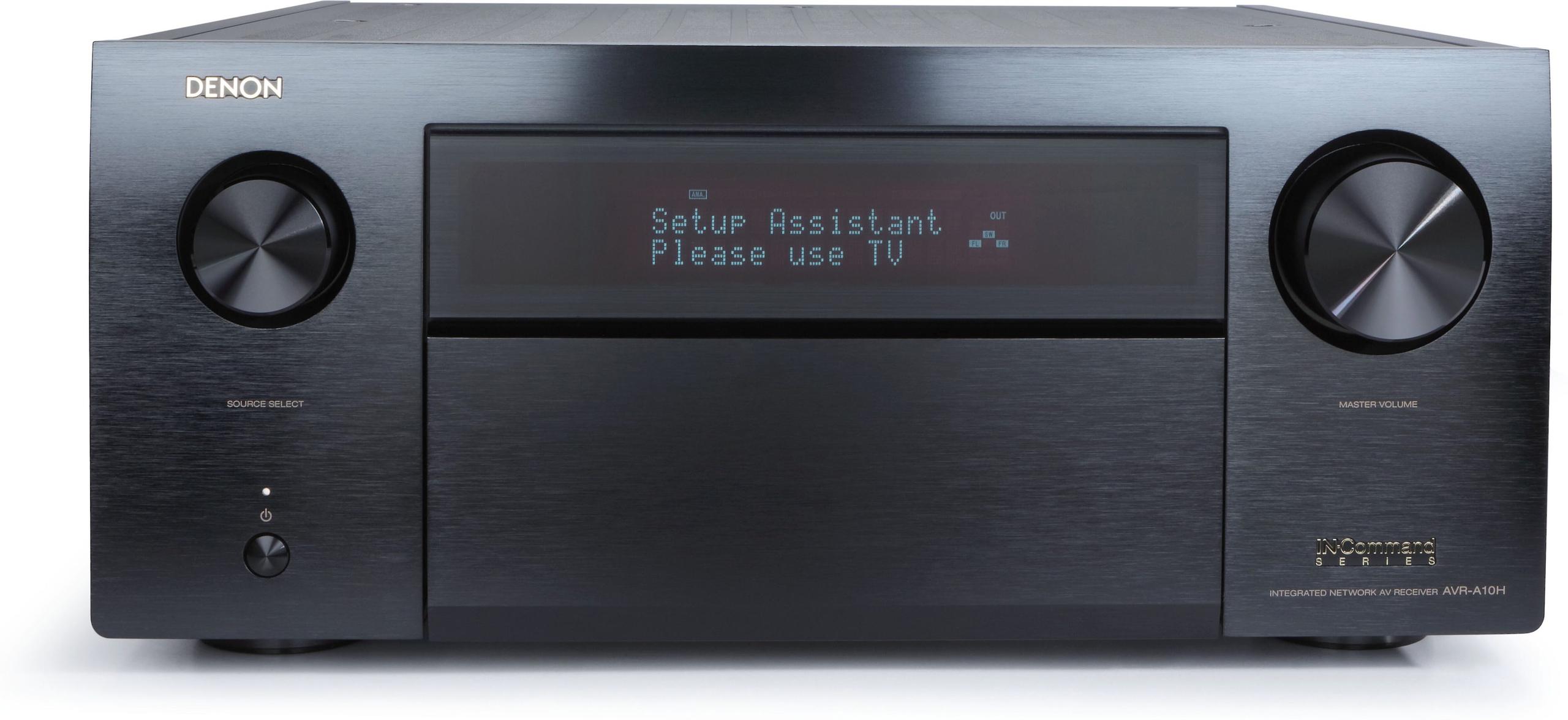
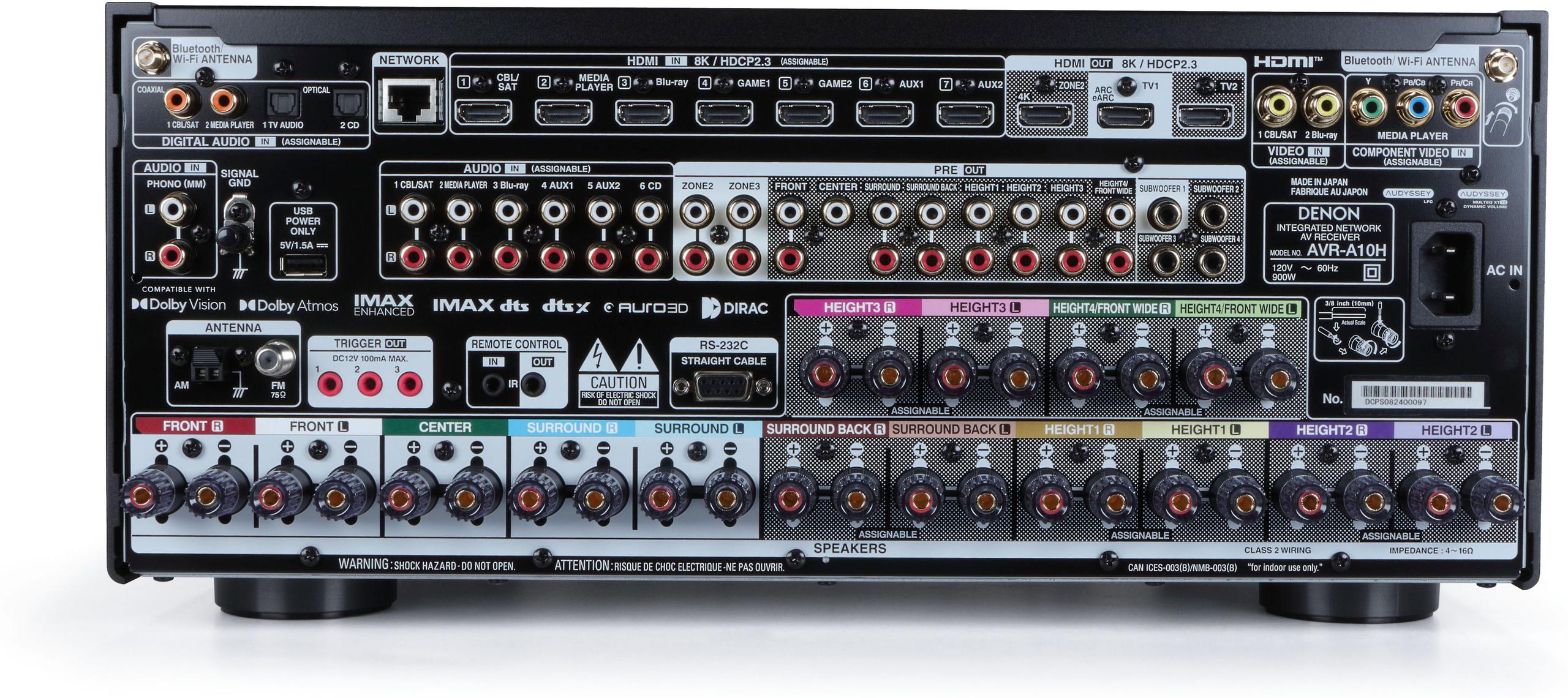
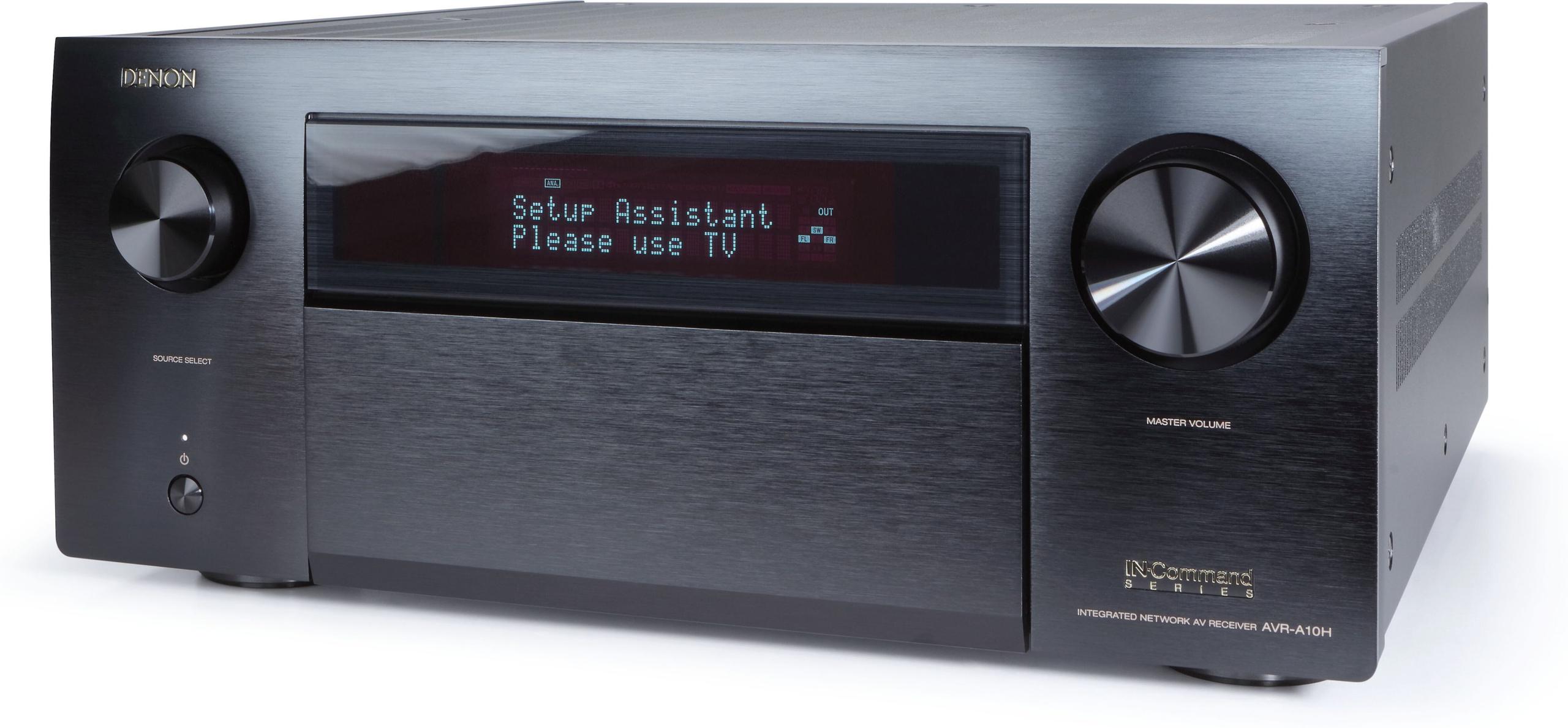
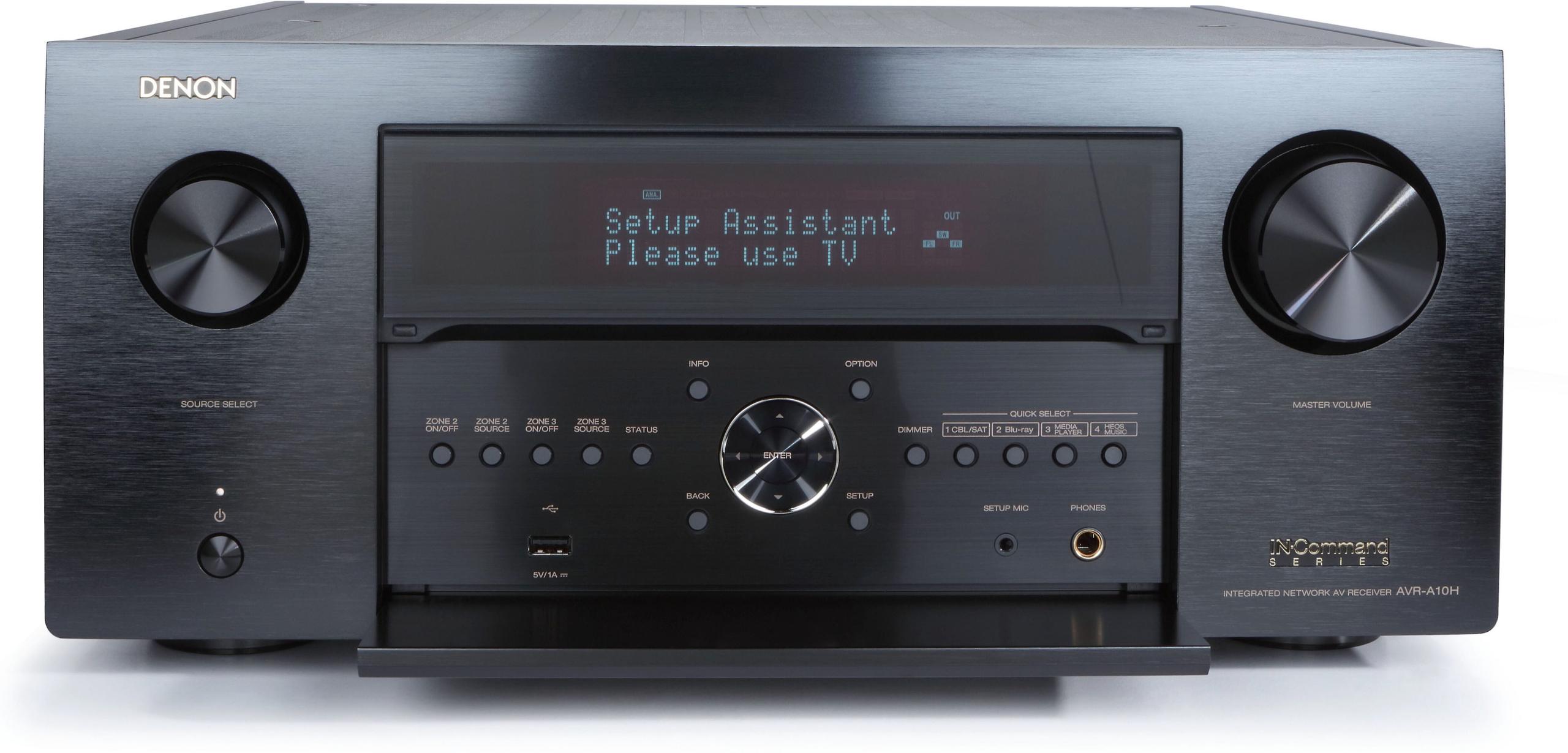
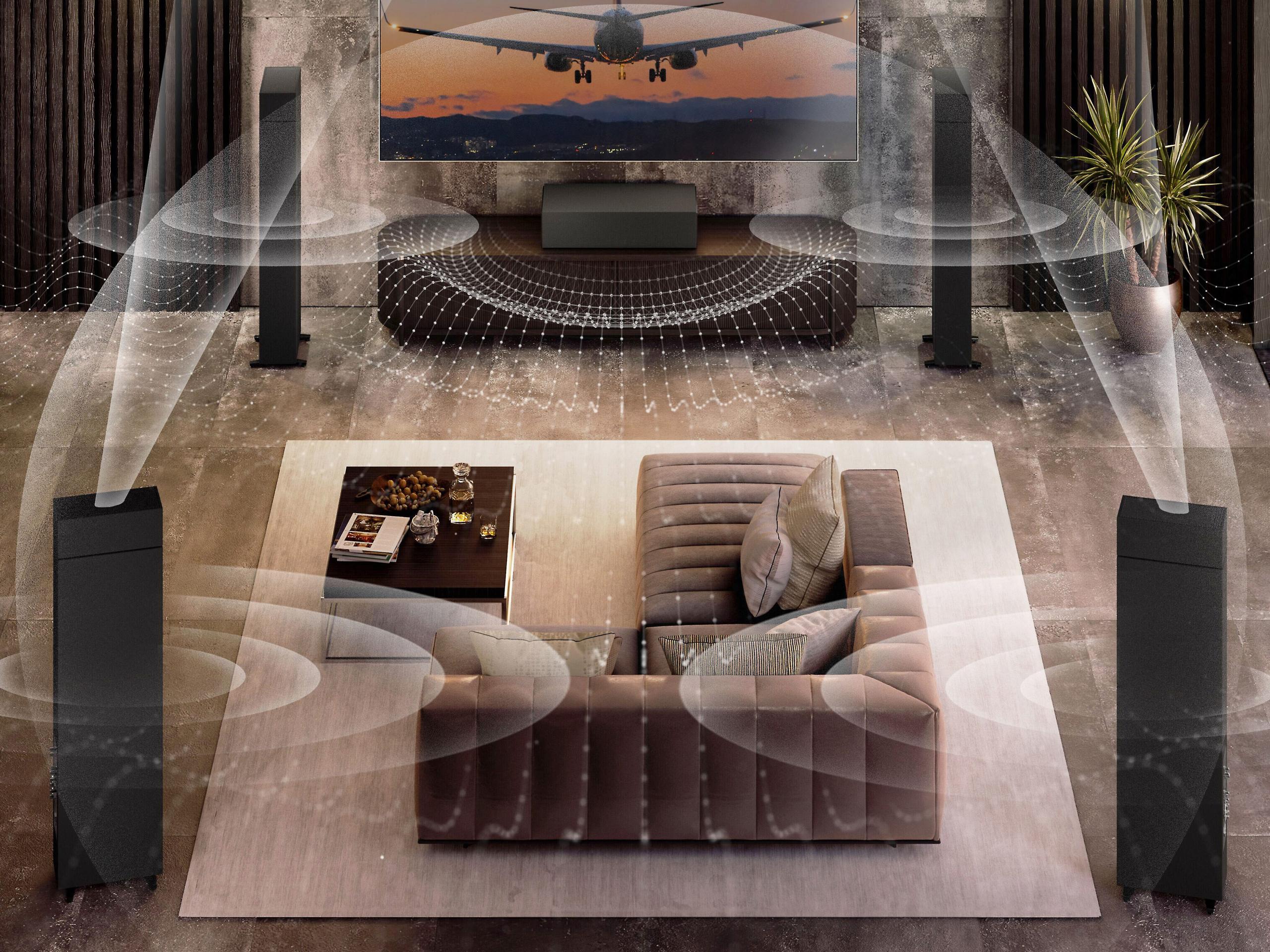
When shopping for a home audio receiver, the first decision is often between a stereo receiver for music or a full home theater receiver for movies and gaming. Let's compare two excellent but very different options: the $649 Yamaha R-N602 stereo receiver and the $4,699 Denon AVR-A10H home theater receiver.
Home audio receivers serve as the command center of your sound system, handling input switching, audio processing, and amplification. Stereo receivers focus on 2-channel music reproduction, while AV receivers add video processing and support for surround sound formats. The technology has evolved significantly - modern receivers now include network streaming, room correction, and sophisticated digital processing.
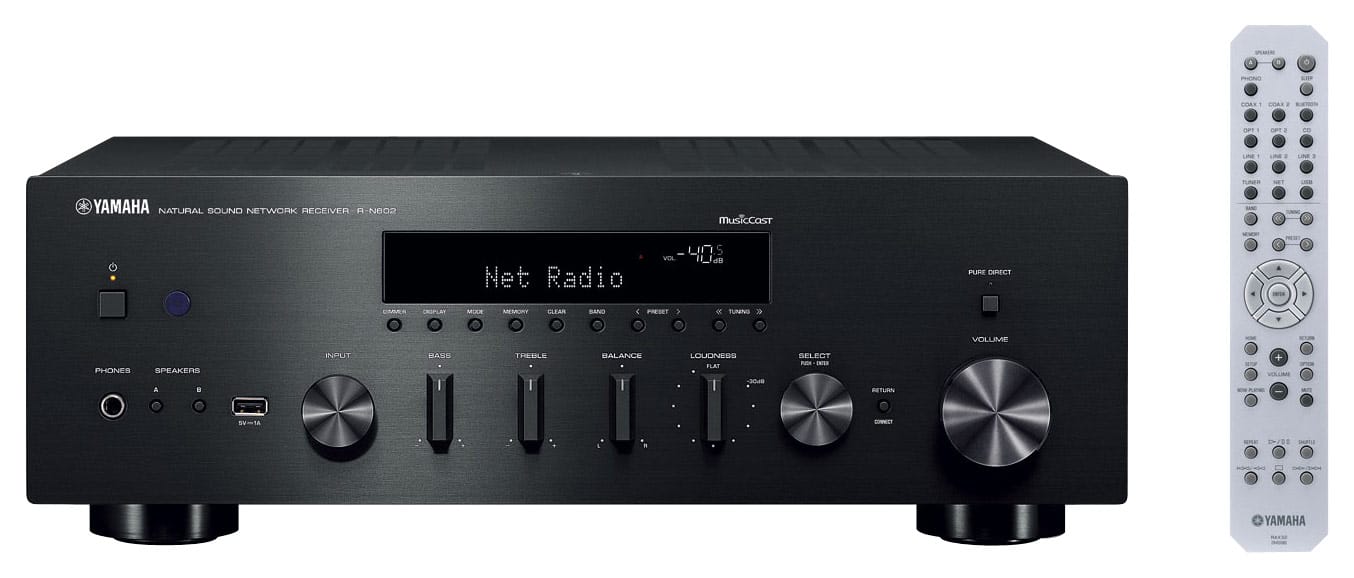
The R-N602 delivers 80 watts per channel into two speakers - plenty for most stereo setups in medium-sized rooms. Its ToP-ART amplification design focuses on maintaining signal purity through carefully selected components and short signal paths.
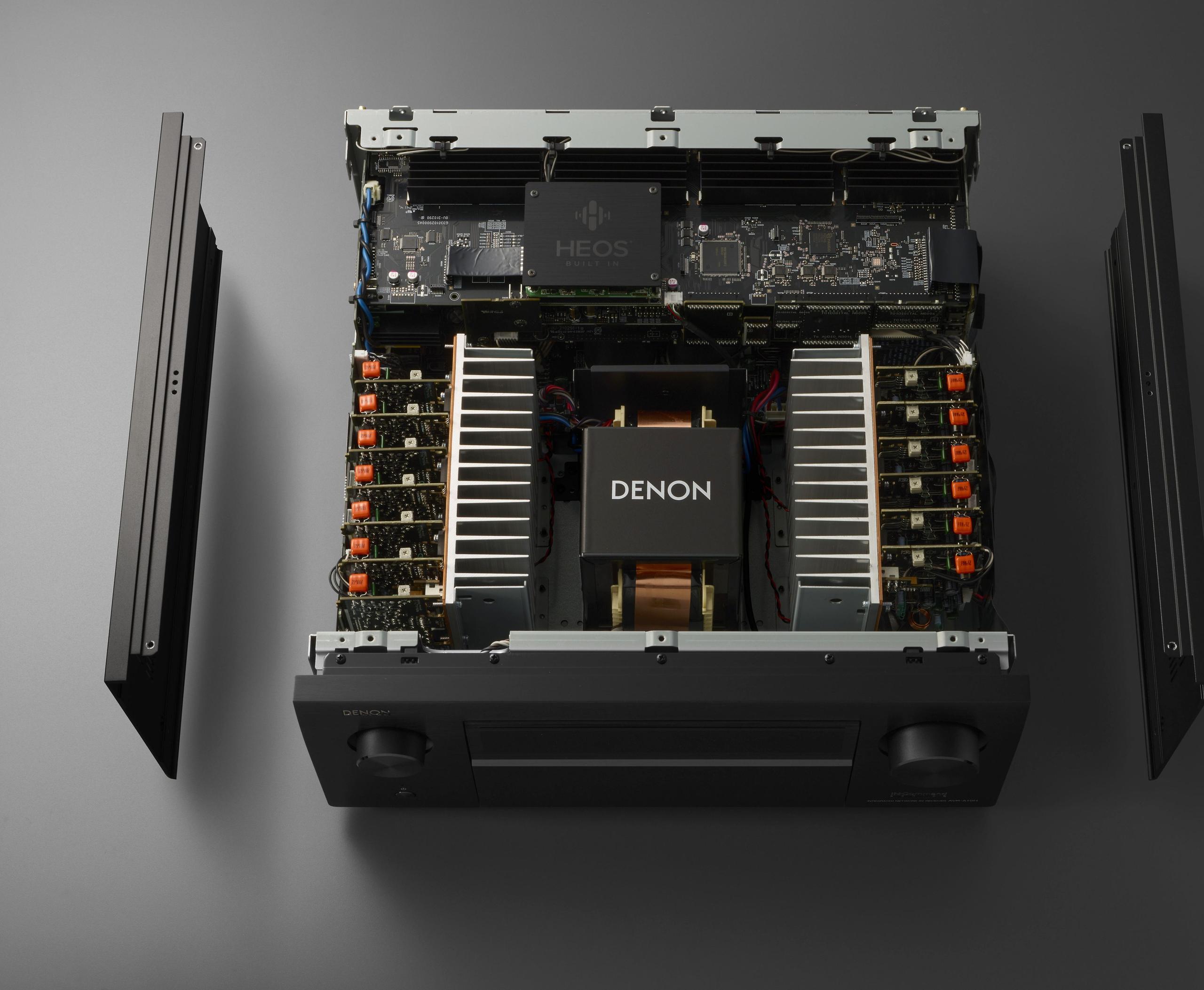
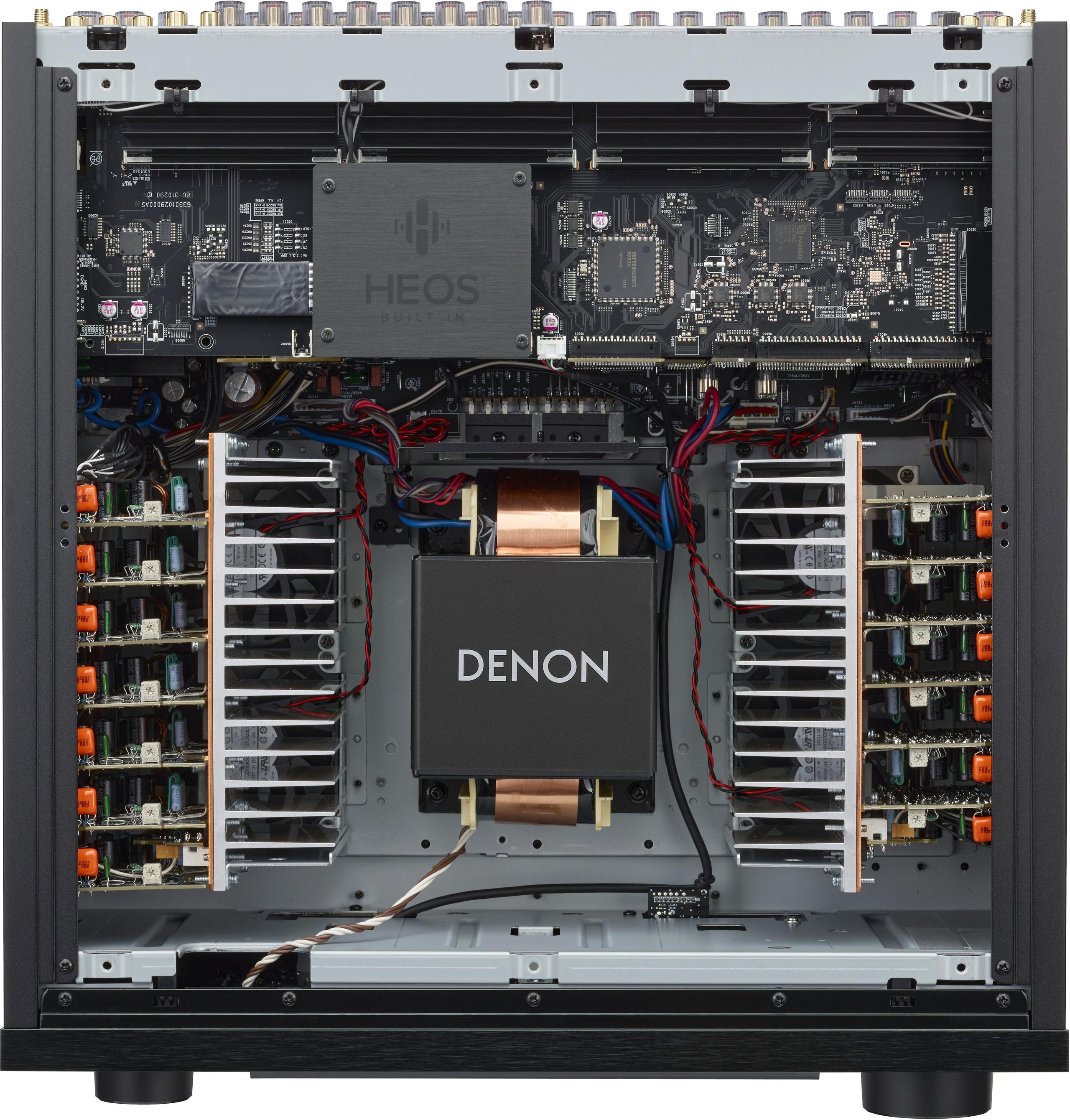
The AVR-A10H provides 150 watts across 13 channels, using separate amplifier modules to minimize interference between channels. This higher power rating becomes important when driving multiple speakers simultaneously in a home theater setup.
For music, the R-N602 shines with its Pure Direct mode, which bypasses unnecessary circuitry for the cleanest possible sound. Its high-quality DAC (Digital-to-Analog Converter) handles high-resolution audio up to 24-bit/192kHz.
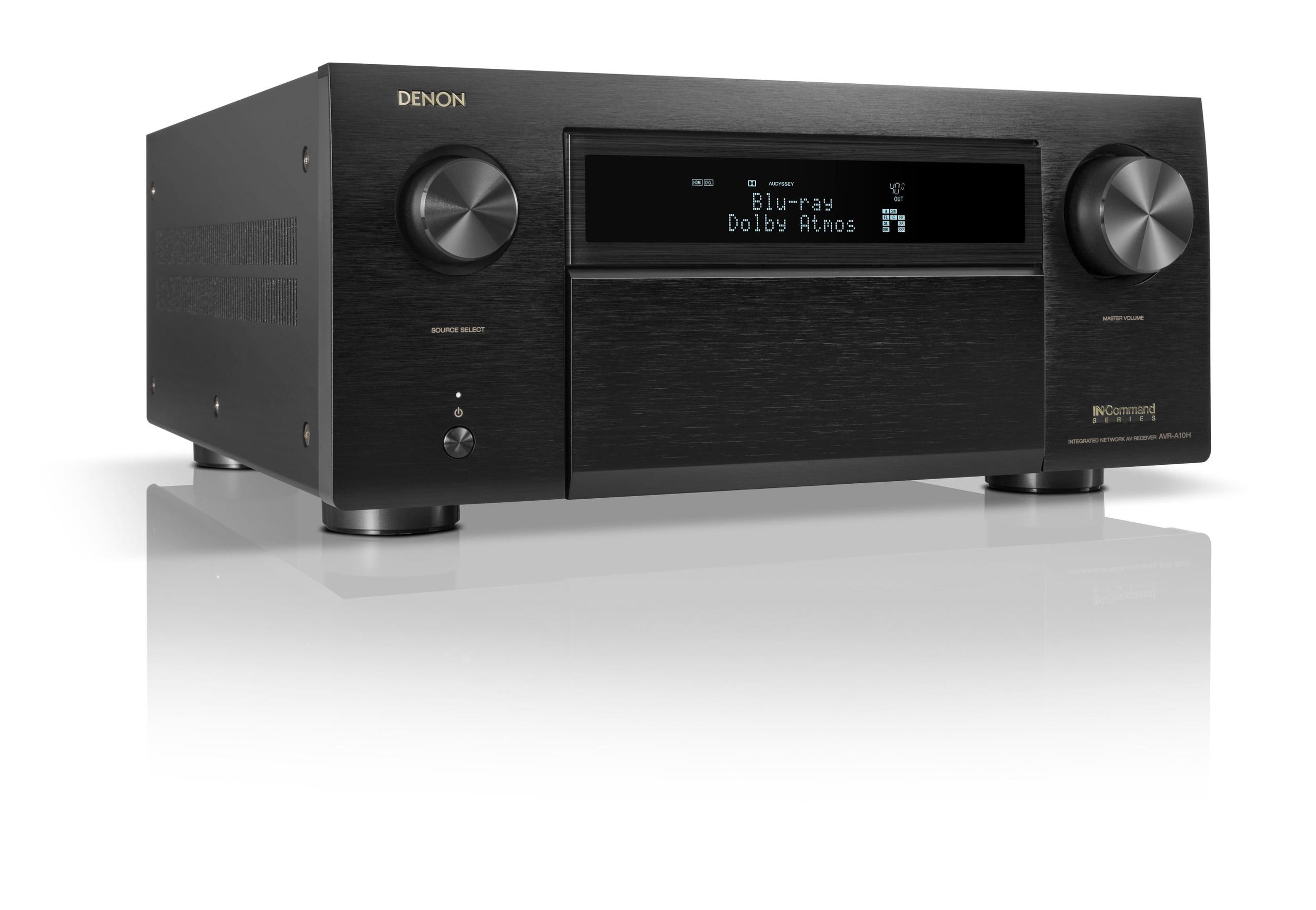
The AVR-A10H takes processing to another level with nine separate ESS DAC chips, advanced room correction through Dirac Live, and support for every major surround format including Dolby Atmos and DTS:X Pro. This processing power is essential for properly rendering modern movie soundtracks.
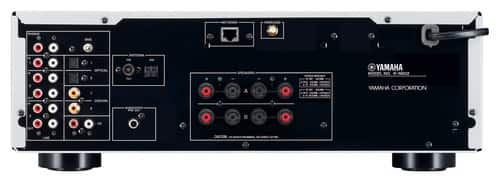
The 2016-released R-N602 includes network streaming, Bluetooth, and digital inputs, but lacks HDMI connections. While this limits its home theater use, it excels at its intended purpose of high-quality music playback.
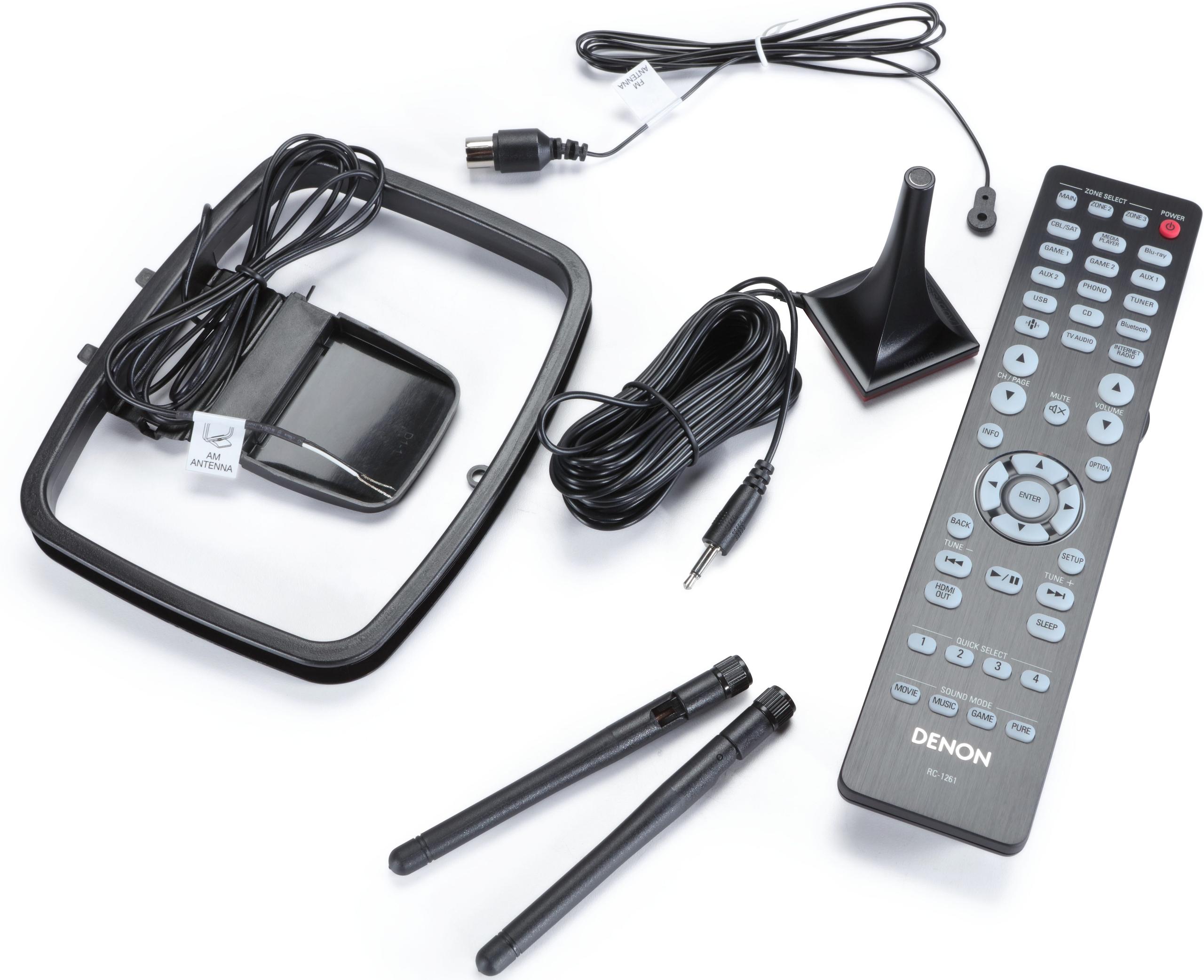
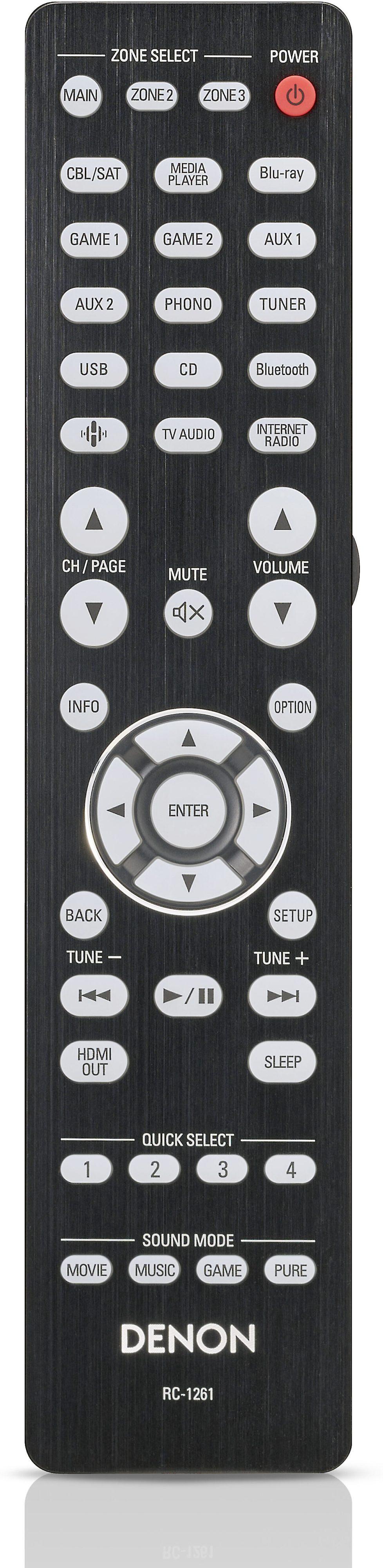
Released in 2023, the AVR-A10H represents the current state of the art with HDMI 2.1 ports supporting 8K video, 4K/120Hz gaming, and eARC for simplified TV audio. Its network features include voice control and multi-room audio through HEOS.
The R-N602's focused design delivers excellent stereo imaging and detail. Its phono preamp is particularly praised for vinyl playback, producing warm, engaging sound. The Pure Direct mode noticeably improves clarity by eliminating unnecessary processing.
The AVR-A10H can certainly play music well, with its powerful amplification and sophisticated processing potentially offering better room correction. However, some audiophiles prefer the simpler signal path of a dedicated stereo receiver for critical music listening.
The R-N602 can technically connect to a TV through its optical input, but lacks surround processing and video switching. It's limited to 2.1 channels (stereo plus subwoofer).
The AVR-A10H excels here, handling complex Dolby Atmos soundtracks with up to 13 speakers and 4 subwoofers. Its video processing ensures compatibility with the latest gaming consoles and streaming devices, while advanced room correction optimizes sound for your specific space.
The R-N602 represents excellent value for a high-quality stereo system. Its network features and build quality compete with more expensive models, particularly for vinyl enthusiasts.
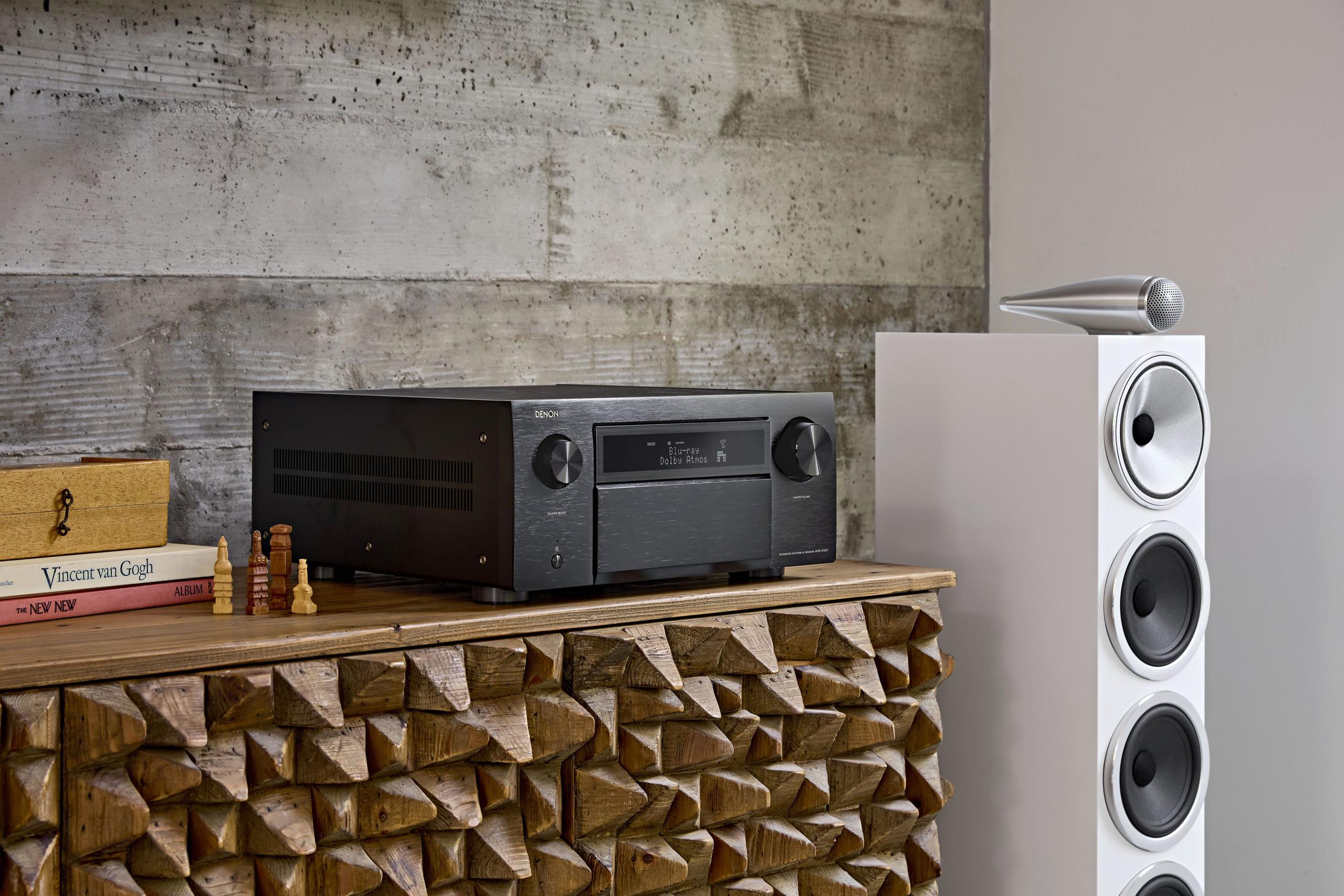
The AVR-A10H's higher price reflects its extensive feature set and processing power. For a dedicated home theater, its capabilities justify the investment, especially considering it replaces several separate components.
Since the R-N602's 2016 release, network streaming has become more sophisticated, but its core stereo performance remains competitive. The AVR-A10H represents seven years of advancement in processing power, room correction, and video capabilities.
The most significant changes have been in HDMI features (8K, gaming support) and immersive audio processing - areas where the AVR-A10H excels but which aren't relevant to the R-N602's focused music mission.
Both receivers should provide many years of service. The R-N602's simpler design has fewer potential points of failure, while the AVR-A10H's modular construction allows for potential repairs of individual channels.
Consider that HDMI standards continue to evolve - today's 8K support might not match future requirements. However, the core audio capabilities of both units will remain useful for many years.
The choice between the Yamaha R-N602 and Denon AVR-A10H ultimately comes down to your primary use case and budget. For dedicated music listening, especially vinyl, the R-N602 delivers exceptional performance at a reasonable price. If you're building a home theater or want the flexibility for future expansion, the AVR-A10H's advanced processing and extensive connectivity make it a worthy investment despite the higher cost.
| Yamaha R-N602 | Denon AVR-A10H |
|---|---|
| Price Point - Initial Investment Required | |
| $649 (excellent value for stereo) | $4,699 (premium home theater investment) |
| Channel Configuration - Determines speaker setup possibilities | |
| 2.1 channels (stereo + subwoofer) | 13.4 channels (full home theater with height speakers) |
| Power Output - Impacts speaker compatibility and room size | |
| 80W per channel into 8Ω (2 channels) | 150W per channel into 8Ω (13 channels) |
| DAC Quality - Affects digital audio reproduction | |
| Single Burr-Brown 192kHz/24-bit DAC | Nine ESS DACs with AL32 Processing |
| Video Capabilities - Essential for home theater use | |
| No HDMI, no video processing | 8K/60Hz, 4K/120Hz, HDR10+, Dolby Vision |
| Audio Format Support - Determines content compatibility | |
| Stereo PCM up to 192kHz/24-bit, DSD 5.6MHz | Dolby Atmos, DTS:X Pro, Auro 3D, 360 Reality Audio |
| Room Correction - Optimizes sound for your space | |
| Basic tone controls only | Dirac Live + Audyssey MultEQ XT32 |
| Connectivity - Source device compatibility | |
| Digital optical/coax, USB, phono, analog inputs | 7 HDMI 2.1, digital inputs, phono, extensive analog |
| Streaming Features - Modern content access | |
| AirPlay, Bluetooth, MusicCast | HEOS, AirPlay 2, Bluetooth, voice control |
| Phono Stage Quality - Vinyl playback performance | |
| High-quality MM stage with dedicated circuit | Basic MM stage (home theater focused) |
| Multi-room Capability - Whole-home audio options | |
| Basic MusicCast zones | Advanced HEOS with independent source selection |
| Build Quality - Construction and reliability | |
| Traditional stereo design, ToP-ART construction | Premium components, monolithic amp design |
| Future Proofing - Long-term viability | |
| Limited by 2016 feature set but solid audio core | Current tech with expansion capability |
The $649 Yamaha R-N602 is optimized for music playback with its focused 2-channel design and high-quality stereo processing. While the $4,699 Denon AVR-A10H can play music well, the R-N602's simpler signal path often provides better stereo performance for dedicated music listening.
The Denon AVR-A10H is designed specifically for home theater with 13.4 channels and complete surround sound processing. The R-N602 is limited to 2.1 channels and lacks HDMI connections, making it unsuitable for modern home theater setups.
The primary difference is their purpose - the R-N602 is a stereo receiver for music, while the AVR-A10H is a full home theater receiver supporting multiple speakers, 8K video, and immersive audio formats.
Both support music streaming, but differently. The R-N602 offers MusicCast, AirPlay, and Bluetooth, while the AVR-A10H provides more advanced streaming through HEOS, AirPlay 2, and voice control integration.
The AVR-A10H is significantly better for gaming with HDMI 2.1 ports supporting 4K/120Hz and 8K/60Hz, plus advanced gaming features. The R-N602 isn't designed for gaming use.
No, both receivers include built-in amplification. The R-N602 provides 80W per channel for two speakers, while the AVR-A10H delivers 150W per channel across 13 channels.
The AVR-A10H is more future-proof with current HDMI 2.1 specifications and expandability options. The R-N602, while older, remains capable for its primary purpose of stereo music playback.
The $4,000 price difference is only worth it if you need home theater capabilities. For pure music listening, the R-N602 provides excellent value at $649.
We've done our best to create useful and informative comparisons to help you decide what product to buy. Our research uses advanced automated methods to create this comparison and perfection is not possible - please contact us for corrections or questions. These are the sites we've researched in the creation of this article: theaudiophileman.com - crutchfield.com - forums.whathifi.com - usa.yamaha.com - youtube.com - hifiengine.com - yamaha.com - adorama.com - parts-express.com - usa.yamaha.com - audiosciencereview.com - audiosciencereview.com - audioadvice.com - safeandsoundhq.com - crutchfield.com - audioholics.com - simplehomecinema.com - youtube.com - ihomefurniture.com - skybygramophone.com - techradar.com - denon.com - projectorscreen.com

Privacy Policy
Terms and Conditions - Affiliate Policy
Home Security
© Copyright 2008-2026.
11816 Inwood Rd #1211, Dallas, TX 75244