


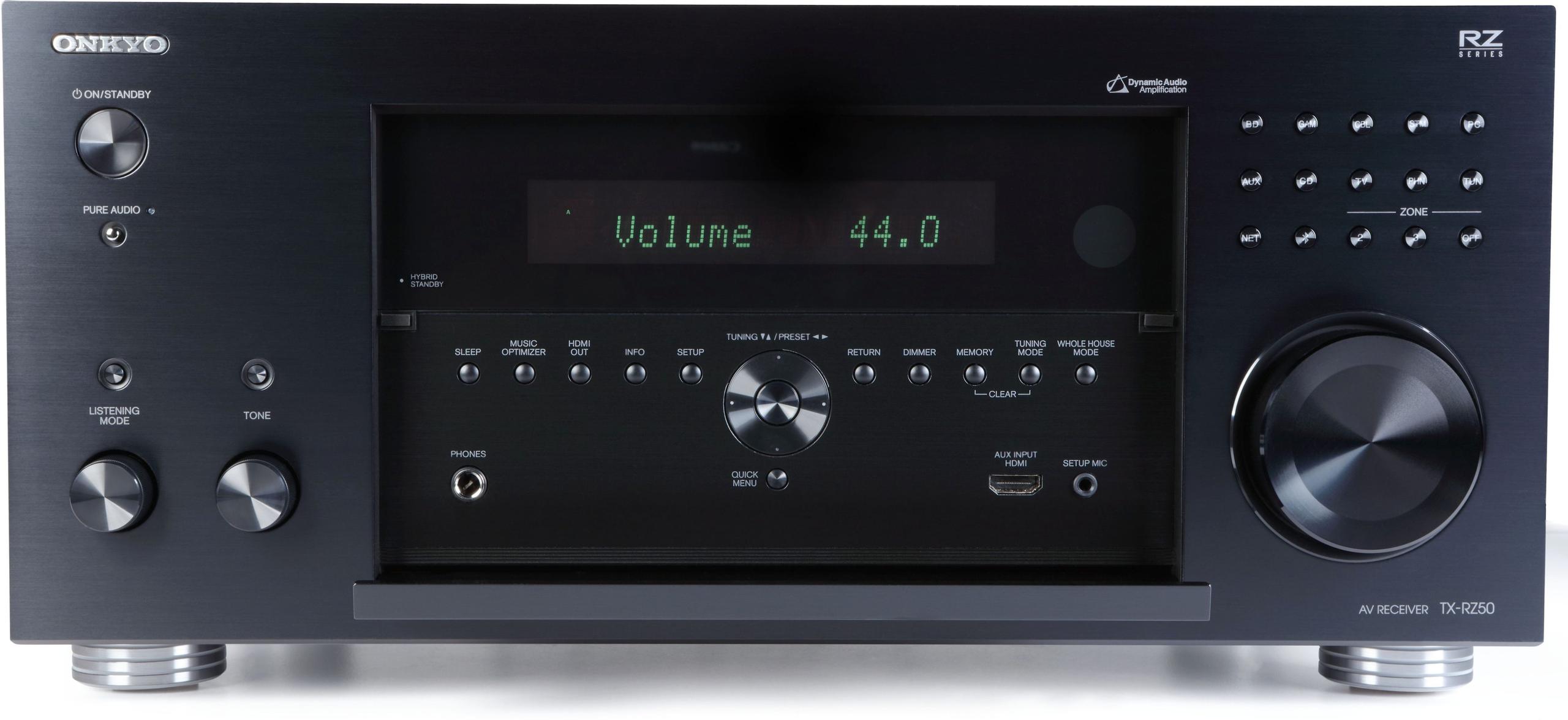
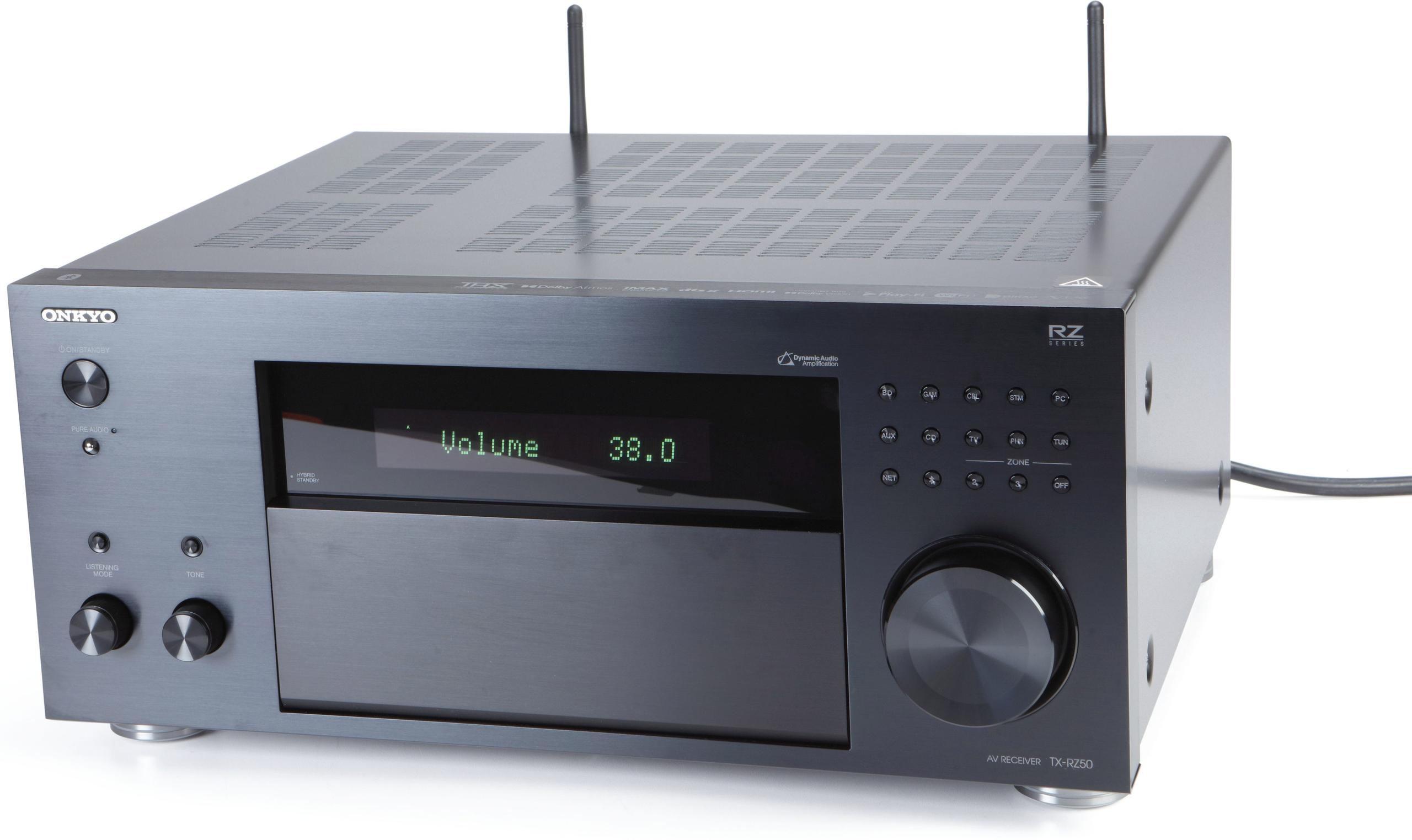
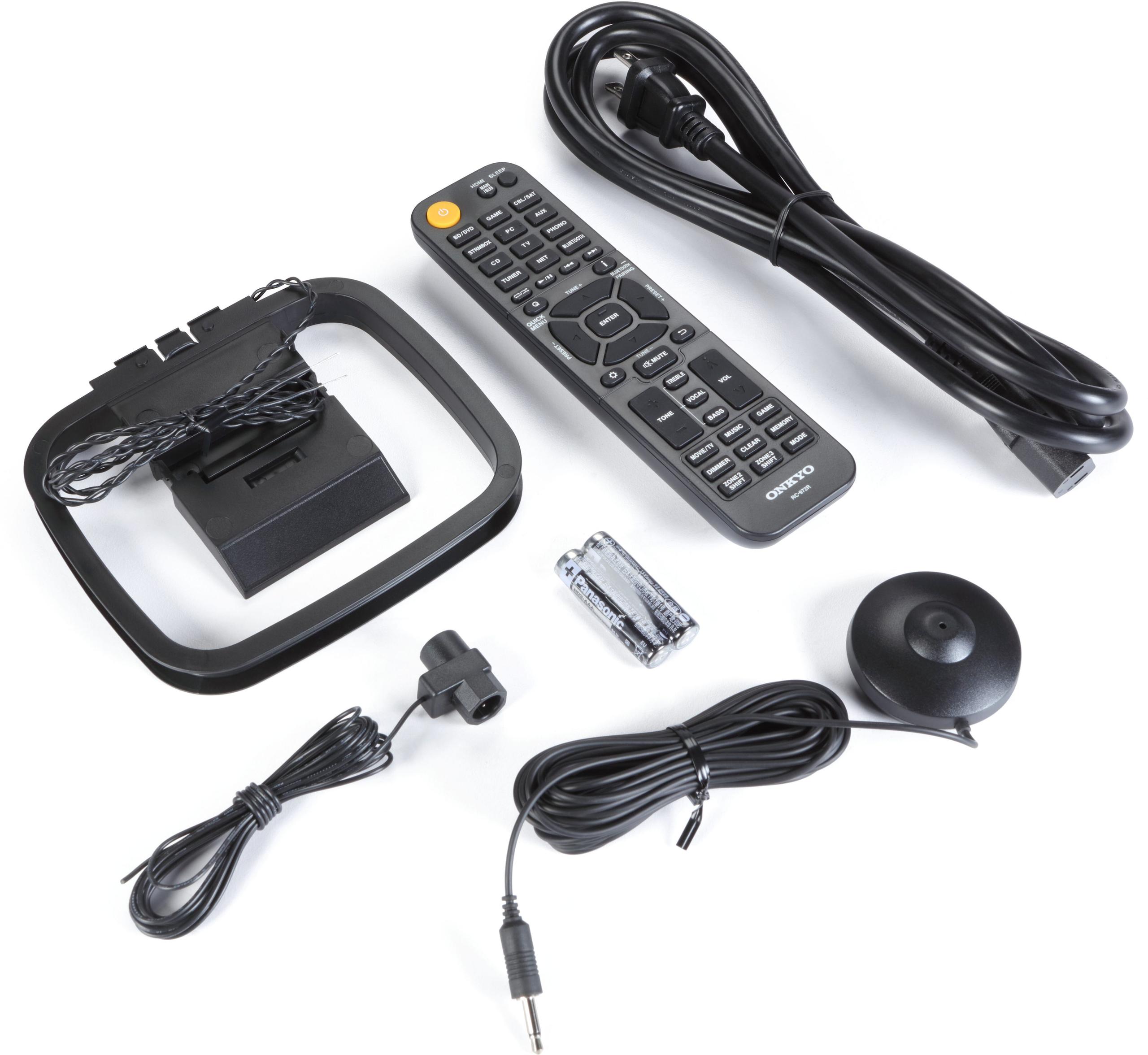
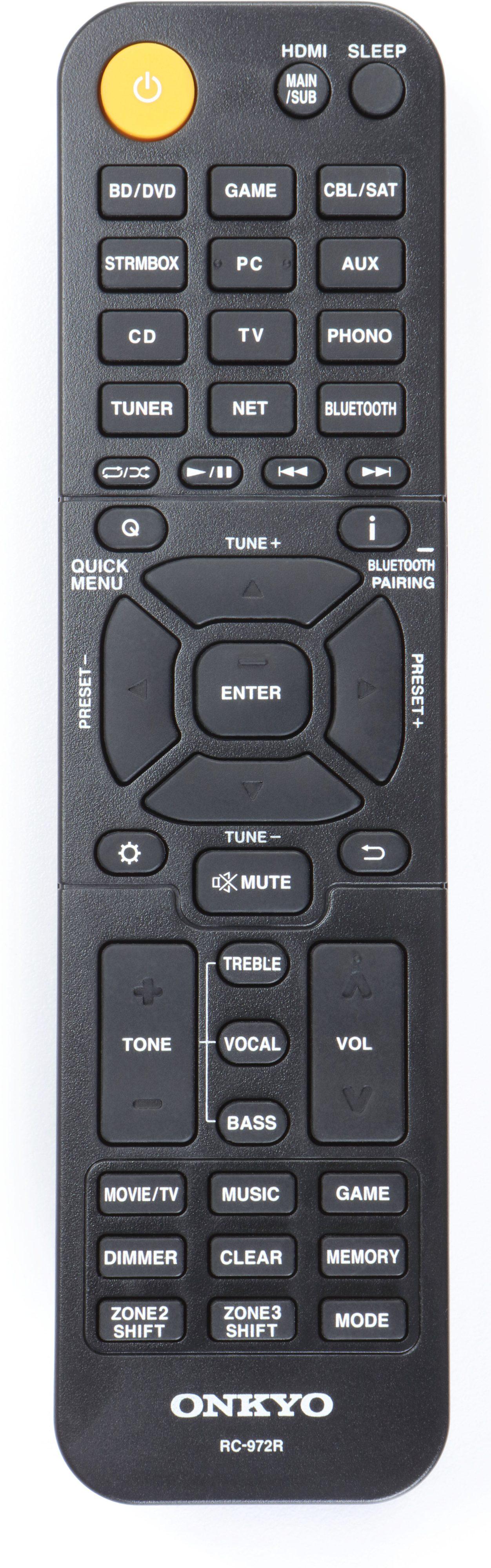
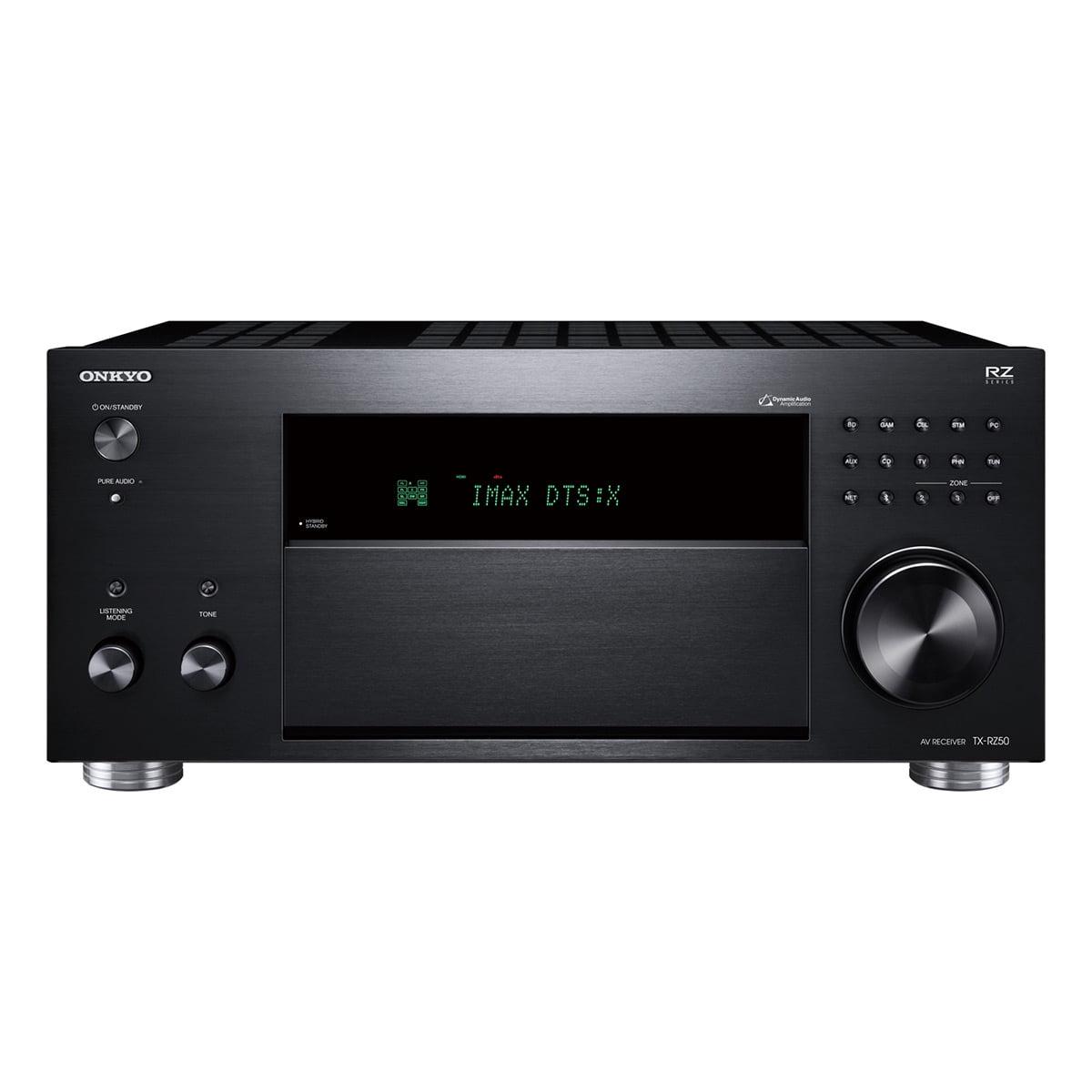
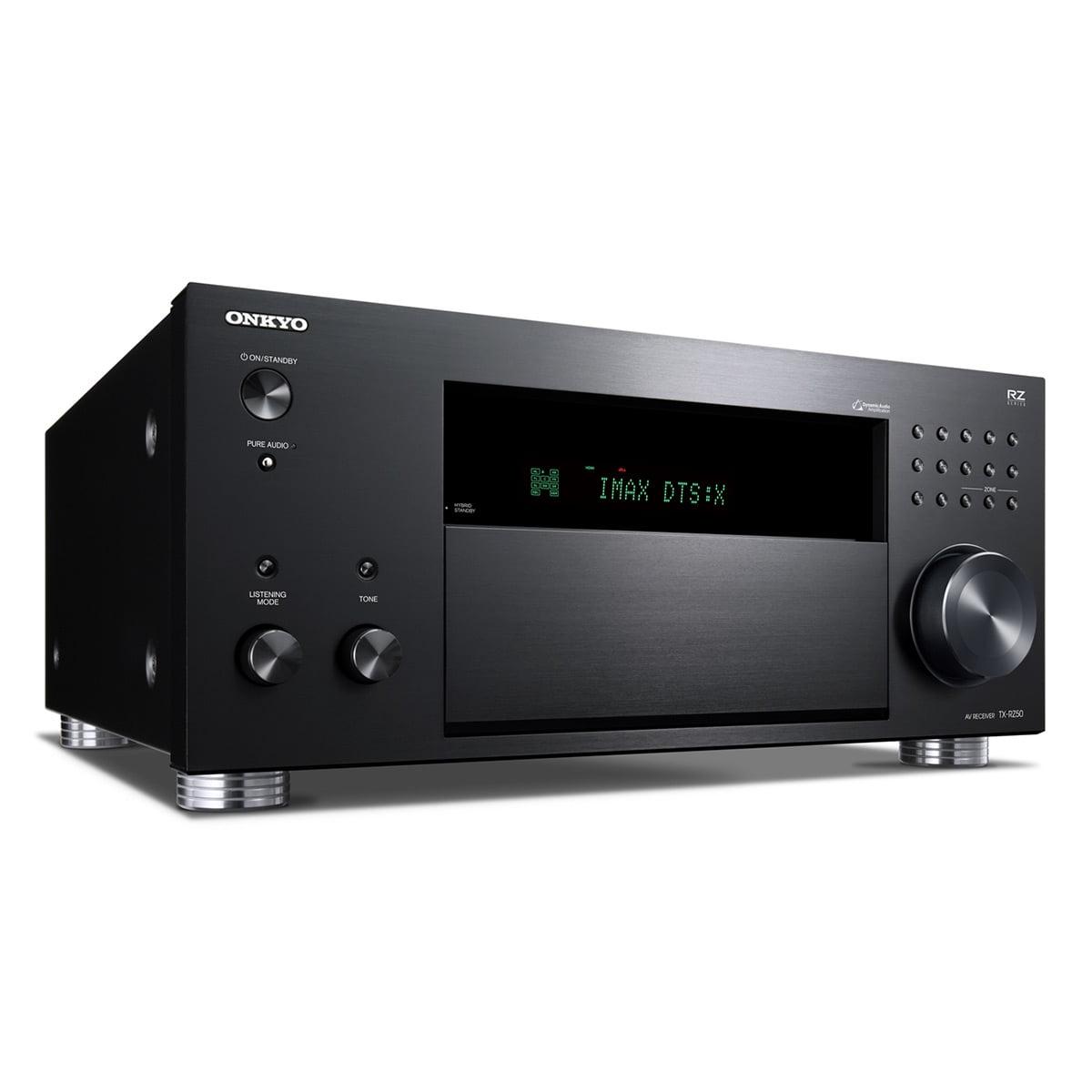
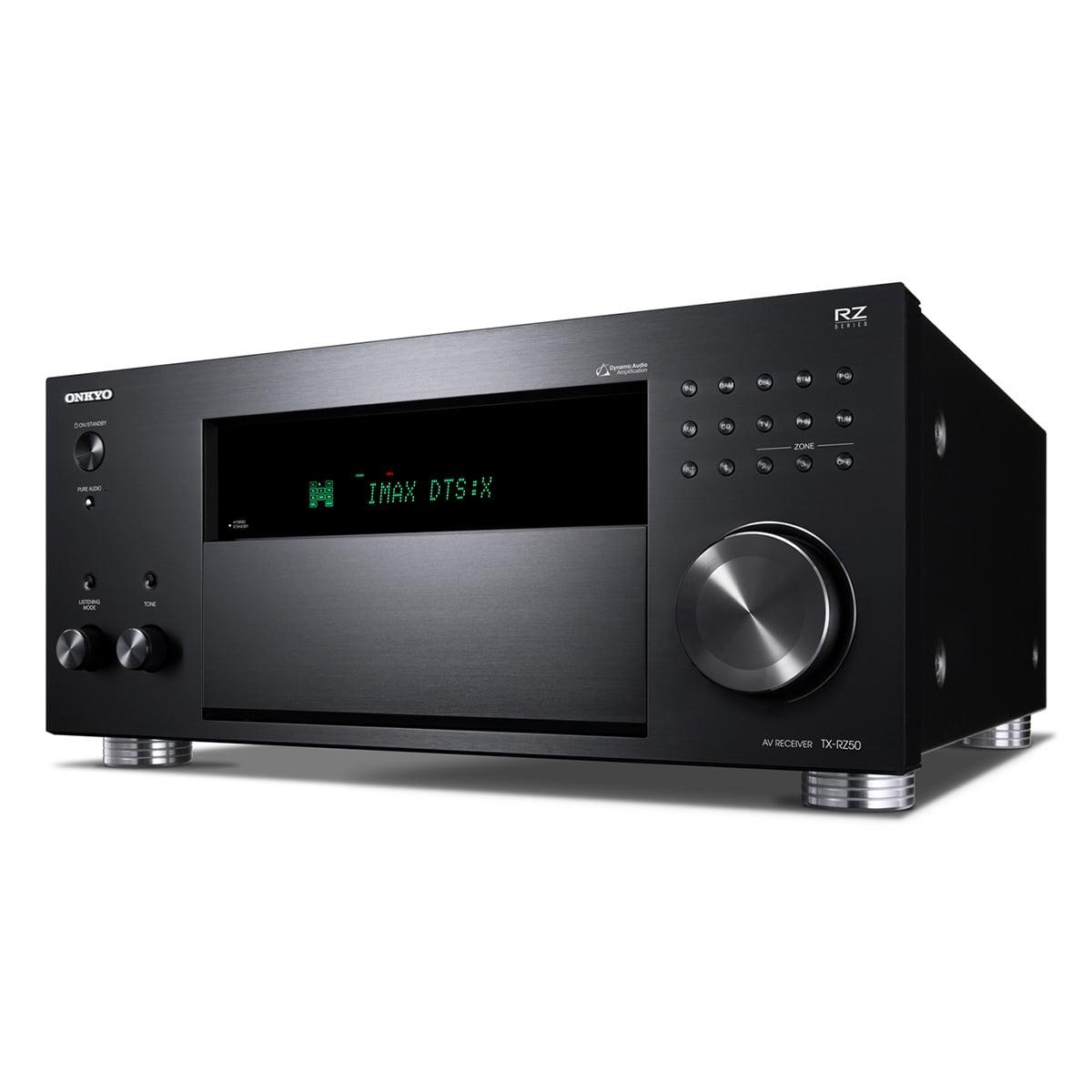
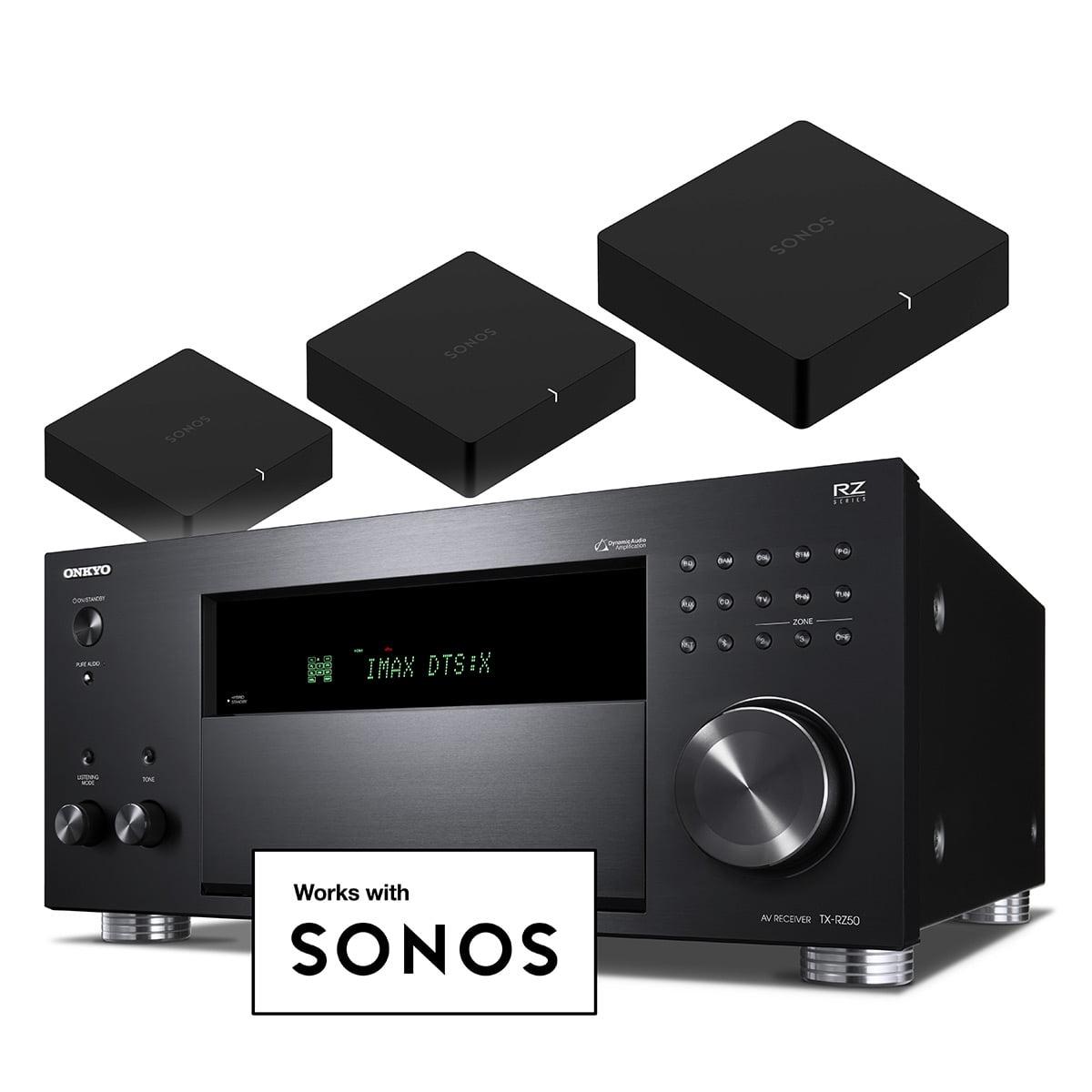
The world of home audio can be complex, especially when comparing different approaches to high-quality sound. Today we're looking at two distinct solutions: the Yamaha R-N602 ($649.99) and the Onkyo TX-RZ50 ($1,399.00). While both are technically "receivers," they serve notably different purposes in the home audio landscape.
Home audio receivers act as the command center for your sound system, but they're not all created equal. The R-N602, released in 2015, represents a traditional stereo approach focused on music reproduction. In contrast, the TX-RZ50, launched in 2021, embodies the modern home theater receiver with its extensive surround sound capabilities and latest video processing features.
The fundamental difference lies in their design philosophy: the Yamaha prioritizes pure two-channel audio performance, while the Onkyo aims to be an all-in-one entertainment hub. This distinction shapes everything from their feature sets to their ideal use cases.
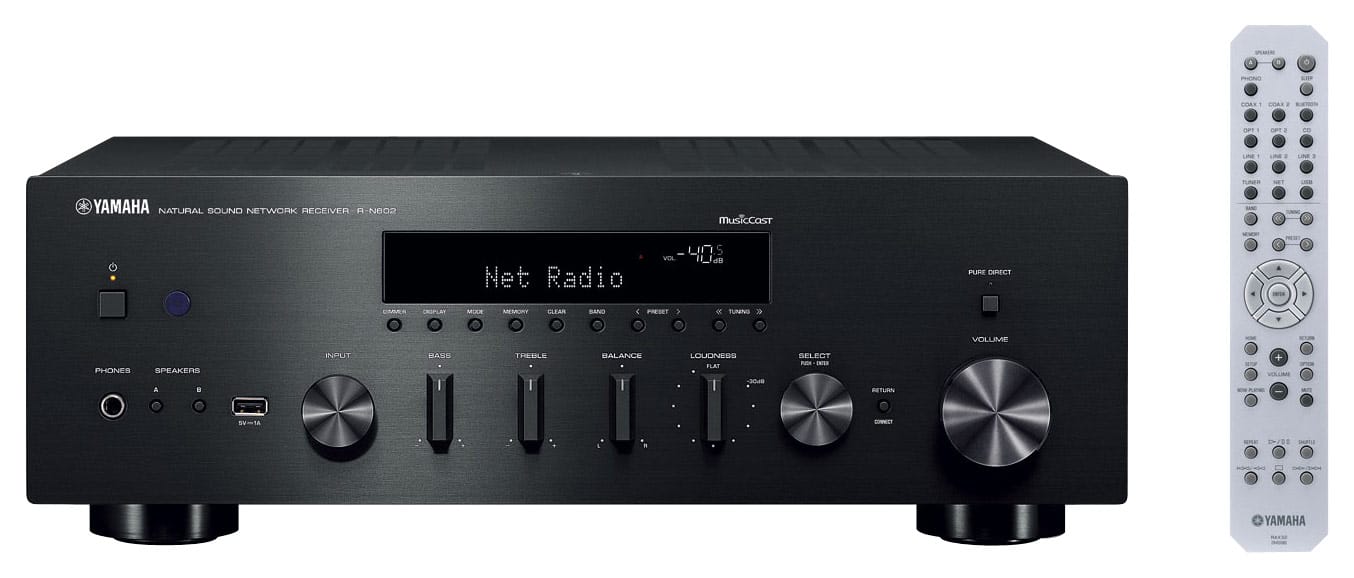
The Yamaha R-N602 delivers 80 watts per channel into 8 ohms with extremely low distortion (0.04%). This focused power delivery, combined with Yamaha's ToP-ART design (which stands for Total Purity Audio Reproduction Technology), results in exceptionally clean stereo playback. Having tested similar Yamaha stereo receivers, I can attest to their ability to create a precise stereo image with excellent depth and detail.
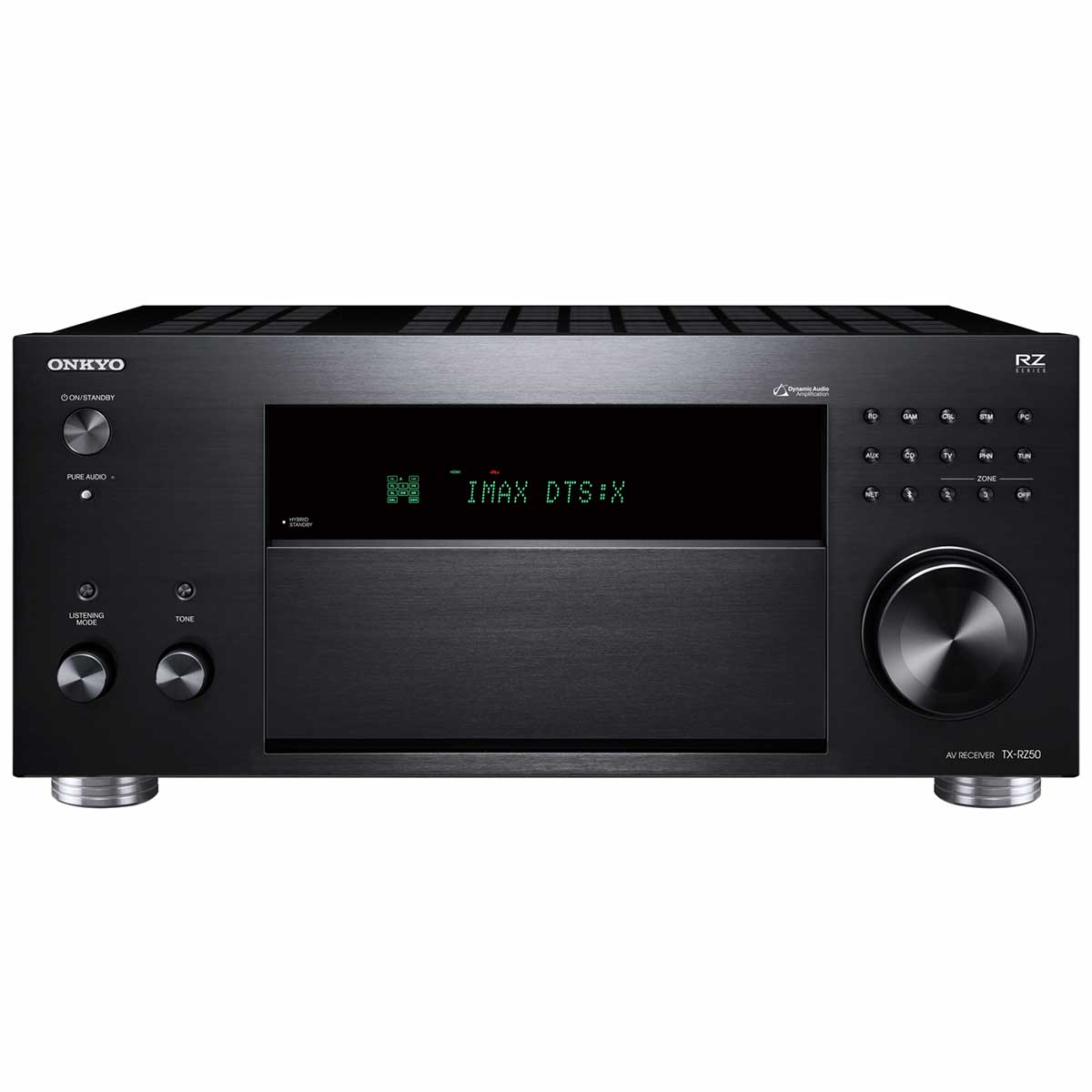
The Onkyo TX-RZ50 takes a different approach, offering 120 watts per channel across nine channels. While each individual channel might not match the Yamaha's stereo performance, the Onkyo provides something entirely different: immersive surround sound. Its THX Certified Select certification ensures it meets strict performance standards for home theater use.
Here's where we see the generational gap between these units. The Yamaha's digital section, while competent, reflects its 2015 origins. It handles high-resolution audio up to 192kHz/24-bit and DSD, but lacks modern room correction features.
The Onkyo showcases current technology with Dirac Live room correction, which uses sophisticated measurements to optimize sound for your specific space. This feature alone can make a dramatic difference in real-world performance, especially in challenging room acoustics.
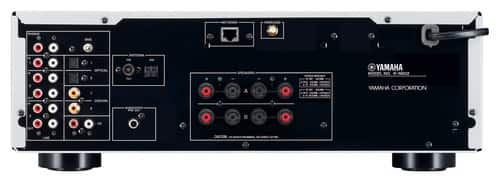
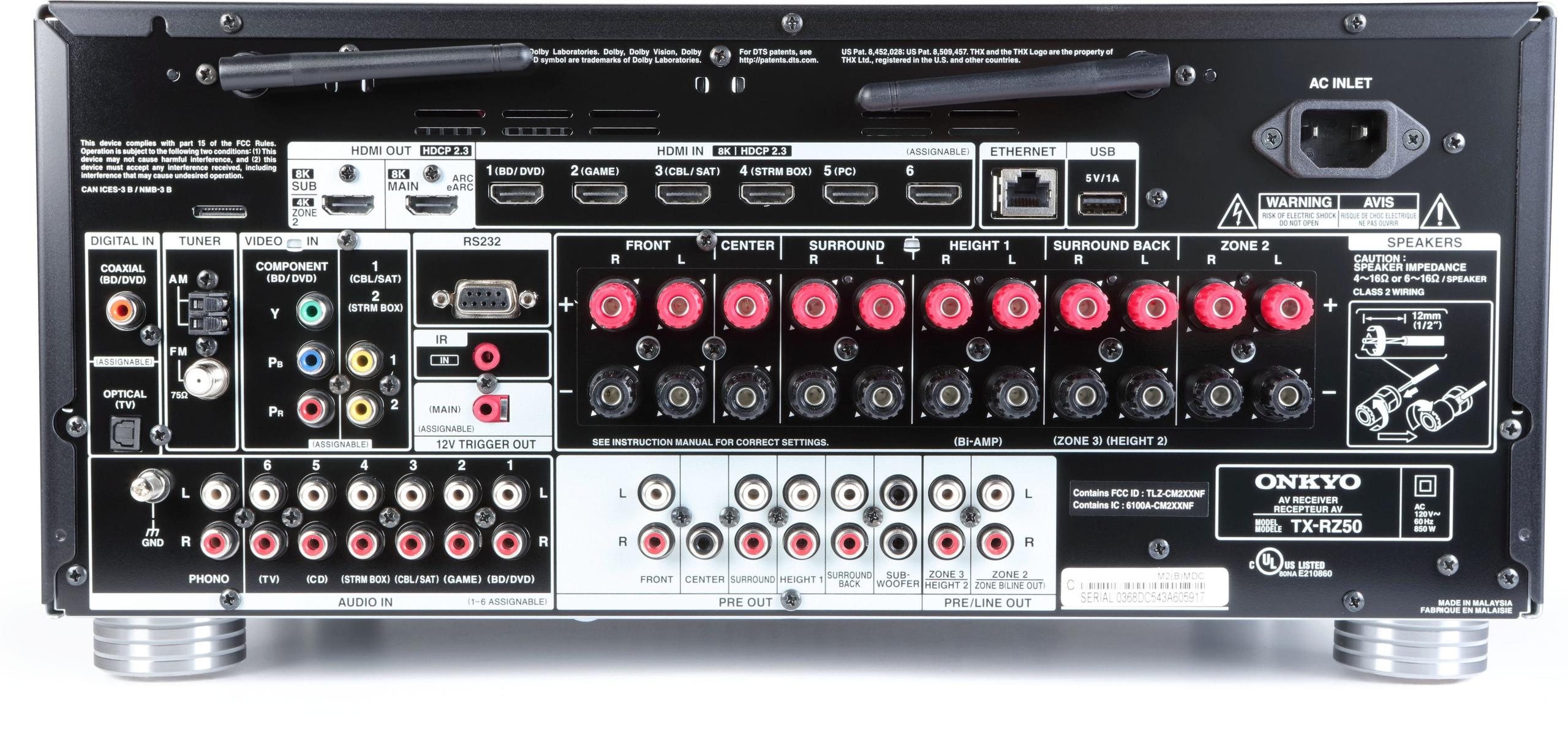
Both receivers offer extensive connectivity, but with different priorities:
Yamaha R-N602:
Onkyo TX-RZ50:
The streaming landscape has evolved significantly since the R-N602's release. While it supports major services through MusicCast, the TX-RZ50 offers more current integration with platforms like Chromecast built-in, AirPlay 2, and DTS Play-Fi. Both support Spotify Connect, but the Onkyo's newer platform provides better overall streaming flexibility.
The Yamaha R-N602 excels at pure music reproduction. Its Pure Direct mode bypasses unnecessary circuitry, delivering a clean, uncolored sound that music enthusiasts will appreciate. The dedicated phono stage performs admirably with vinyl, showing Yamaha's understanding of traditional audio sources.
The Onkyo TX-RZ50 handles music differently. While it can't quite match the Yamaha's stereo purity, it offers more flexibility in how you experience music. Want to use all speakers for music? The Onkyo's processing can create an engaging multi-channel experience from stereo sources.
This is where the fundamental differences become most apparent. The Yamaha, being stereo-only, requires external solutions for surround sound. The Onkyo, however, delivers a complete home theater experience with support for the latest formats like Dolby Atmos and DTS:X. Its video processing capabilities make it future-proof for next-generation gaming and video content.
The price difference between these units ($649.99 vs $1,399.00) reflects their different capabilities and target markets. The Yamaha offers excellent value for stereo enthusiasts, while the Onkyo justifies its higher price through expanded functionality and newer technology.
Choose the Yamaha R-N602 if:
Choose the Onkyo TX-RZ50 if:
Both receivers represent different approaches to home audio, but their age difference is worth considering. The Yamaha's core stereo performance remains relevant, but its digital features show their age. The Onkyo's modern feature set makes it more future-proof, especially regarding video capabilities and streaming integration.
In my experience, the choice often comes down to use case rather than absolute performance. Music enthusiasts might prefer the Yamaha's focused approach, while home theater fans will appreciate the Onkyo's flexibility and features. Consider your primary use case carefully when making your decision.
| Yamaha R-N602 | Onkyo TX-RZ50 |
|---|---|
| Price - Base investment required | |
| $649.99 - Better value for pure stereo | $1,399.00 - Premium for home theater features |
| Channel Configuration - Determines system flexibility | |
| 2.0 channel stereo only | 9.2 channels, expandable to 11.2 |
| Power Output - Impacts speaker compatibility and room size | |
| 80W per channel (2 channels) into 8 ohms | 120W per channel (9 channels) into 8 ohms |
| Room Correction - Critical for optimal sound in your space | |
| None | Advanced Dirac Live (full 20Hz-20kHz range) |
| Video Capabilities - Important for home theater use | |
| No video processing | 8K/60Hz, 4K/120Hz, VRR, ALLM, HDR10+ |
| HDMI Ports - Determines source device flexibility | |
| None | 6 inputs (3x 40Gbps, 3x 24Gbps), 2 outputs |
| Audio Format Support - Affects content compatibility | |
| PCM up to 192kHz/24-bit, DSD 5.6MHz | Dolby Atmos, DTS:X, THX Certified Select |
| Streaming Features - Controls wireless playback options | |
| MusicCast, AirPlay, Bluetooth | Chromecast, AirPlay 2, DTS Play-Fi, Bluetooth |
| Phono Input - Important for vinyl playback | |
| High-quality MM phono stage | Basic MM phono input |
| Multi-room Capability - Enables whole-home audio | |
| MusicCast wireless only | Zone 2 HDMI, powered audio zones |
| Year Released - Indicates technology generation | |
| 2015 - Mature but dated platform | 2021 - Current technology generation |
| Special Features - Additional functionality | |
| Pure Direct mode, ToP-ART design | Gaming features, 8K upscaling, voice control |
The Yamaha R-N602 is superior for pure music listening, with its dedicated two-channel design and high-quality stereo amplification. While the Onkyo TX-RZ50 plays music well, its design prioritizes home theater performance.
The main difference is their purpose - the Yamaha R-N602 is a stereo receiver for music, while the Onkyo TX-RZ50 is a 9.2-channel home theater receiver that can handle both movies and music.
The Onkyo TX-RZ50 offers full HDMI connectivity with modern features like 8K/4K passthrough. The Yamaha R-N602 can only receive audio from a TV through optical or coaxial inputs, with no video processing.
The Onkyo TX-RZ50 is significantly better for movies, offering Dolby Atmos and DTS:X support with 9.2 channels. The Yamaha R-N602 is limited to stereo sound only.
Yes, but differently. The Onkyo TX-RZ50 offers modern platforms like Chromecast, AirPlay 2, and DTS Play-Fi, while the Yamaha R-N602 uses their MusicCast system with more limited options.
The Onkyo TX-RZ50 is significantly better for gaming, with HDMI 2.1 features like VRR and ALLM. The Yamaha R-N602 isn't designed for gaming use.
Yes, both have phono inputs, but the Yamaha R-N602 has a higher-quality phono stage specifically designed for vinyl enthusiasts.
The Onkyo TX-RZ50 is more future-proof with its 8K video support and modern streaming platforms. The Yamaha R-N602, released in 2015, uses older technology.
The Yamaha R-N602 costs $649.99, while the Onkyo TX-RZ50 is $1,399.00 - the price difference reflects their different capabilities and features.
The Yamaha R-N602 is simpler to set up due to its two-channel design. The Onkyo TX-RZ50 requires more setup time but includes room correction software to help optimize the sound.
The Onkyo TX-RZ50 can power up to 9 speakers plus 2 subwoofers. The Yamaha R-N602 only supports two main speakers.
For stereo music, the Yamaha R-N602 offers excellent two-channel performance. For movies and surround sound, the Onkyo TX-RZ50 provides superior multi-channel audio quality.
We've done our best to create useful and informative comparisons to help you decide what product to buy. Our research uses advanced automated methods to create this comparison and perfection is not possible - please contact us for corrections or questions. These are the sites we've researched in the creation of this article: theaudiophileman.com - crutchfield.com - forums.whathifi.com - usa.yamaha.com - youtube.com - hifiengine.com - yamaha.com - adorama.com - parts-express.com - usa.yamaha.com - audiosciencereview.com - bestbuy.com - audioadvice.com - bestbuy.com - youtube.com - 7review.com - assets.onkyo-av.com - avsforum.com - youtube.com - onkyo.com - support.onkyousa.com - avsforum.com - stereoindex.com - forums.audioholics.com - audioholics.com

Privacy Policy
Terms and Conditions - Affiliate Policy
Home Security
© Copyright 2008-2026.
11816 Inwood Rd #1211, Dallas, TX 75244