


When considering the Yamaha R-N602 ($649) and Marantz NR1510 ($499), we're really comparing two different approaches to home audio. Let's explore how these receivers serve different needs and help you decide which matches your listening habits best.
Today's receivers need to handle everything from vinyl records to 4K streaming, but they take different paths to get there. The R-N602 is a dedicated stereo receiver, focusing on delivering the best possible two-channel audio. The NR1510, as an AV receiver, spreads its capabilities across multiple channels for surround sound.
These fundamentally different approaches matter because they affect everything from sound quality to how you'll use the device in your home. Think of it like choosing between a sports car and an SUV - both are vehicles, but they're optimized for different purposes.
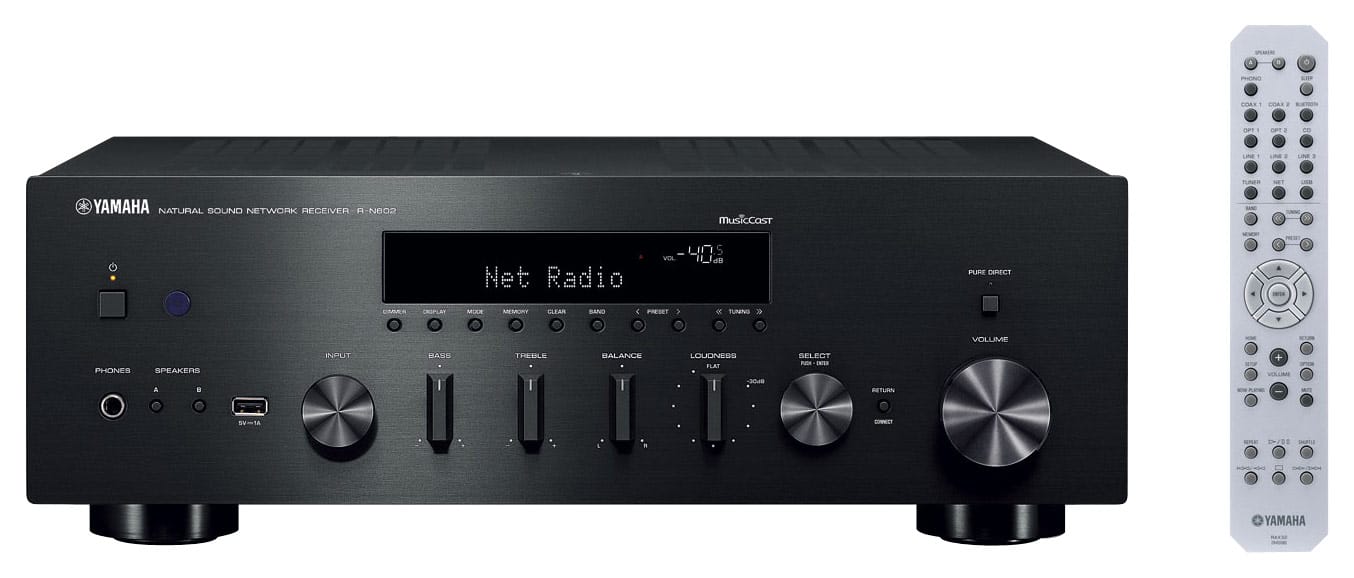
The Yamaha R-N602 shines in stereo performance, using higher-grade components in its two-channel design. Its ToP-ART (Total Purity Audio Reproduction Technology) architecture minimizes signal interference by keeping audio pathways short and symmetrical. The result is cleaner, more detailed sound - especially noticeable with high-resolution audio files or vinyl records.
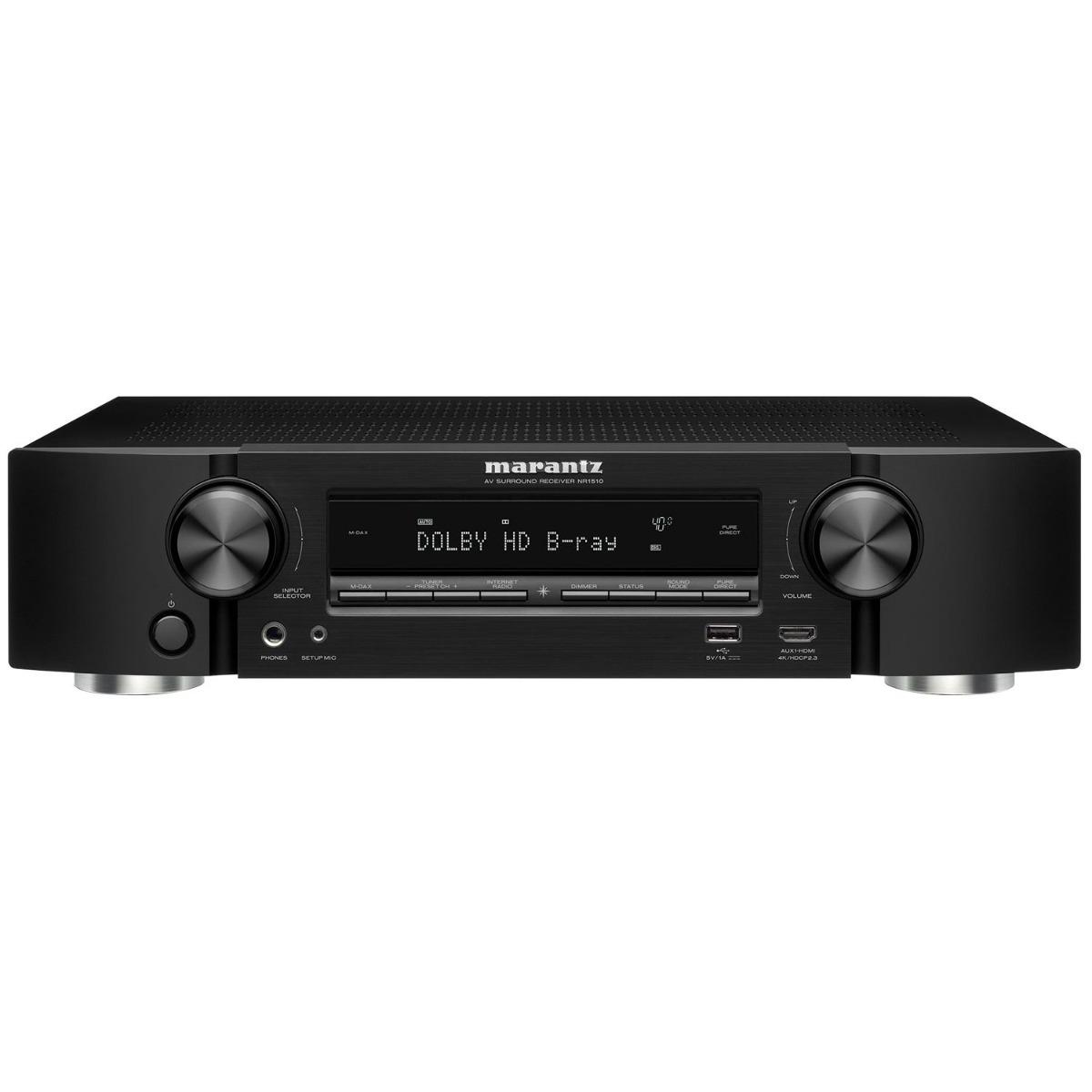
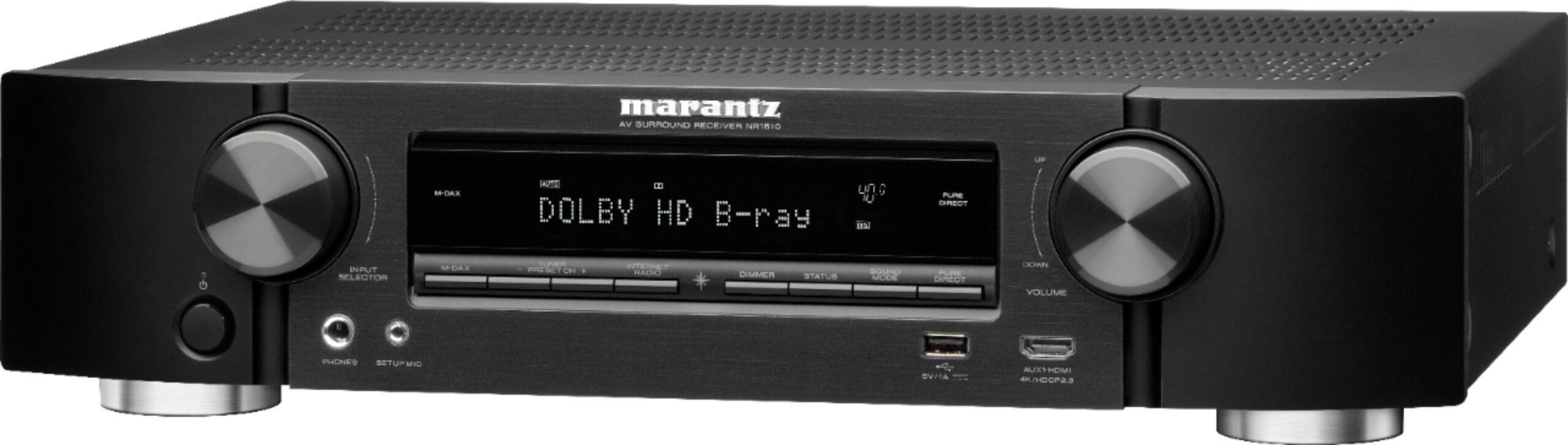
The Marantz NR1510 takes a different approach, splitting its processing power and amplification across five channels. While it handles surround sound well, its stereo performance shows compromises. Each channel receives 50 watts (compared to the R-N602's 80 watts per channel), and the digital-to-analog conversion isn't quite as refined.
Here's where things get interesting. The R-N602 uses a high-end Burr-Brown DAC (Digital-to-Analog Converter) focused solely on two-channel audio. This dedicated approach allows for better handling of high-resolution formats like DSD and 24-bit/192kHz PCM files.
The NR1510 processes multiple digital streams simultaneously for surround sound, which is impressive but can introduce more digital noise into the signal path. However, it includes Audyssey room correction - a significant advantage for challenging room acoustics that the R-N602 lacks.
Both receivers embrace modern streaming, but with different priorities:
The R-N602's MusicCast system works particularly well for whole-home audio, while the NR1510's HEOS platform offers broader compatibility with other brands. Both support major streaming services, but the NR1510's newer platform provides slightly better integration with current services.
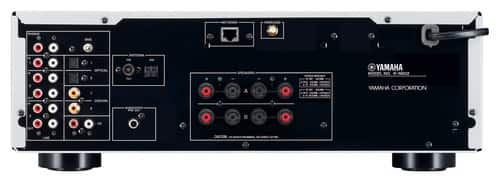
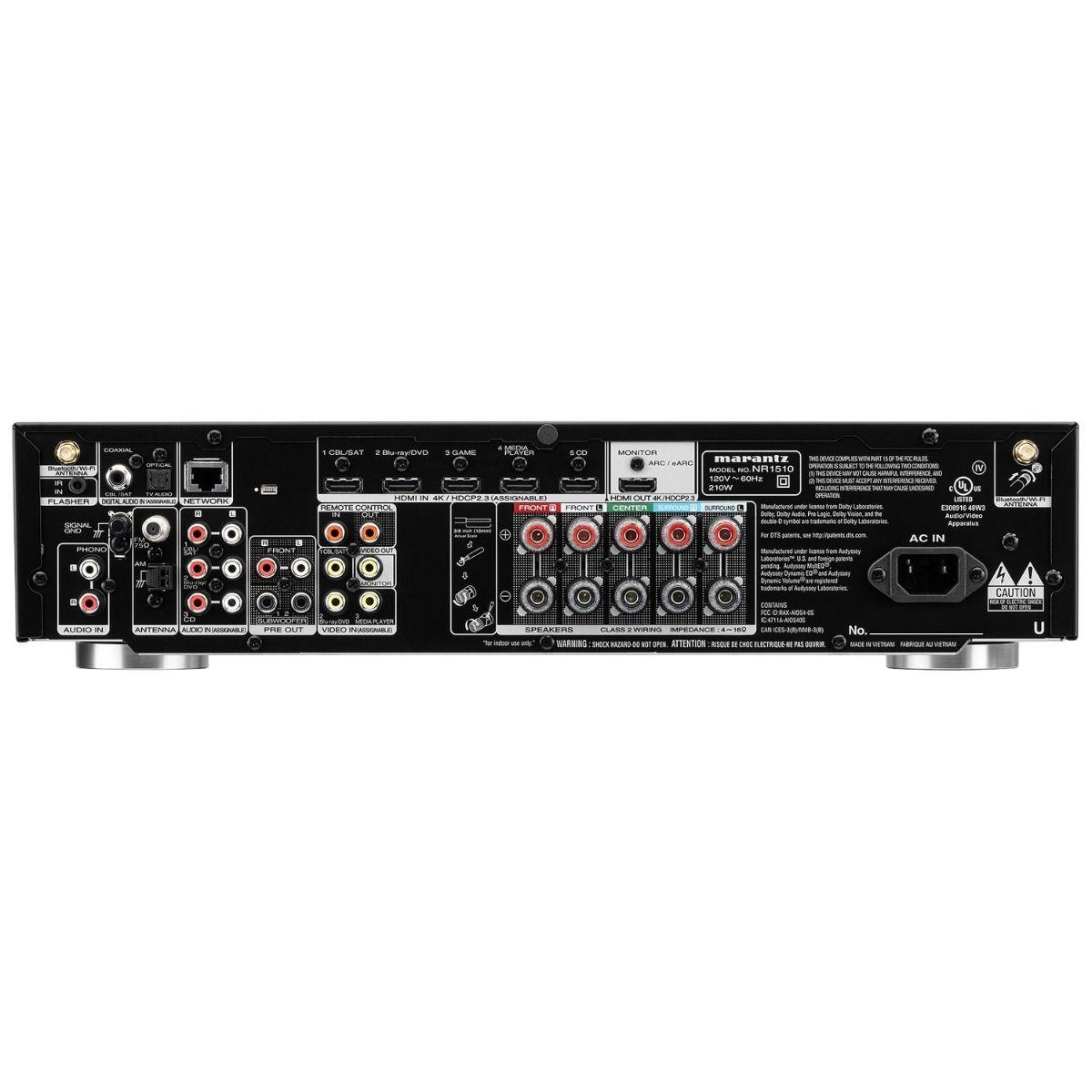
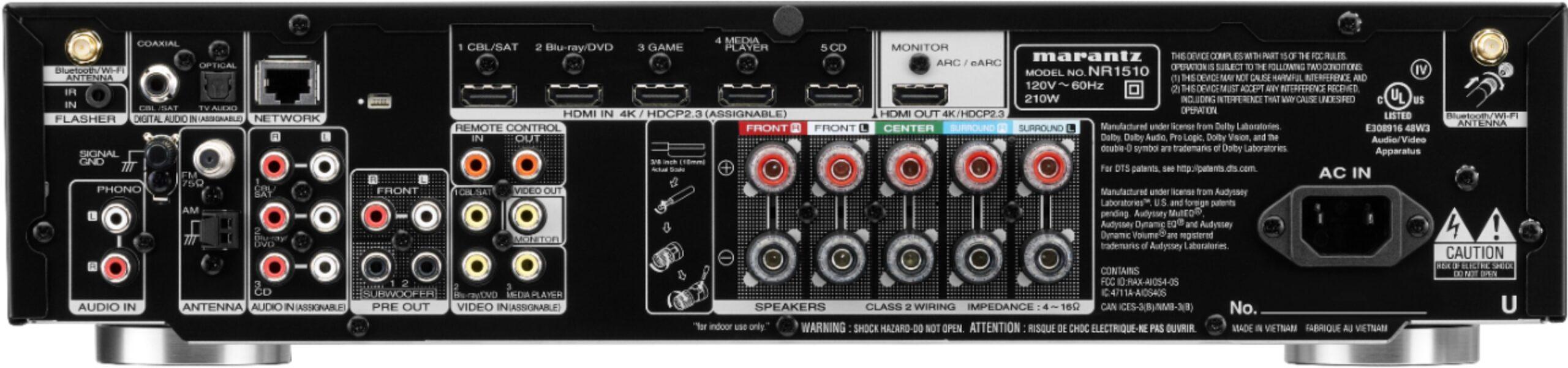
The R-N602 provides extensive audio inputs, including a quality phono stage for turntables. The NR1510 offers more HDMI connections (6 inputs/1 output) with modern features like eARC and 4K/60Hz passthrough - essential for current home theater setups.
For pure music enjoyment, the R-N602 has a clear advantage. Its focused design delivers:
The NR1510 excels here with:
Released in 2019, the NR1510 brings newer technology but makes compromises to hit its price point. The R-N602, though older, focuses its budget on audio quality rather than spreading it across multiple features.
Consider these value factors:
Since these models' releases, we've seen improvements in wireless connectivity and streaming integration. However, the fundamental strengths remain relevant - the R-N602's superior stereo performance and the NR1510's versatility for home theater.
The biggest changes have been in the video domain, where HDMI 2.1 features are becoming standard. The NR1510's HDMI 2.0b specification remains capable but isn't future-proofed for 8K or high-frame-rate 4K gaming.
Start by being honest about your primary use case. If you spend 80% of your time listening to music, the R-N602 will serve you better. If you're building a home theater system or want surround sound for gaming, the NR1510 is the clear choice.
Remember that both units are competent devices - they just excel at different tasks. Consider your room setup, existing equipment, and future plans when making your decision. Either way, you'll get a capable receiver that can serve as the heart of your home entertainment system for years to come.
| Yamaha R-N602 | Marantz NR1510 |
|---|---|
| Channel Configuration - Determines core functionality and use case | |
| 2.1 channels (stereo + subwoofer) | 5.2 channels (surround sound + dual subwoofers) |
| Power Output - Affects speaker compatibility and room-filling capability | |
| 80W per channel (8 ohms) | 50W per channel (8 ohms) |
| Audio Processing - Impacts sound quality and format support | |
| High-end Burr-Brown DAC, 192kHz/24-bit | Standard DAC with Audyssey MultEQ room correction |
| Video Capabilities - Critical for home theater use | |
| Basic HDMI switching only | 4K/60Hz, HDR, Dolby Vision support |
| Music Streaming Features - Affects everyday usability | |
| MusicCast, AirPlay, Bluetooth, Spotify Connect | HEOS, AirPlay 2, Bluetooth, Multiple streaming services |
| Physical Audio Inputs - Important for system expansion | |
| 5 analog inputs, phono input, optical/coaxial digital | 3 analog inputs, phono input, optical/coaxial digital |
| HDMI Connectivity - Essential for modern AV systems | |
| None (audio-focused design) | 6 inputs/1 output with eARC |
| Room Correction - Helps optimize sound for your space | |
| None | Audyssey MultEQ with Dynamic EQ/Volume |
| Form Factor - Consider your available space | |
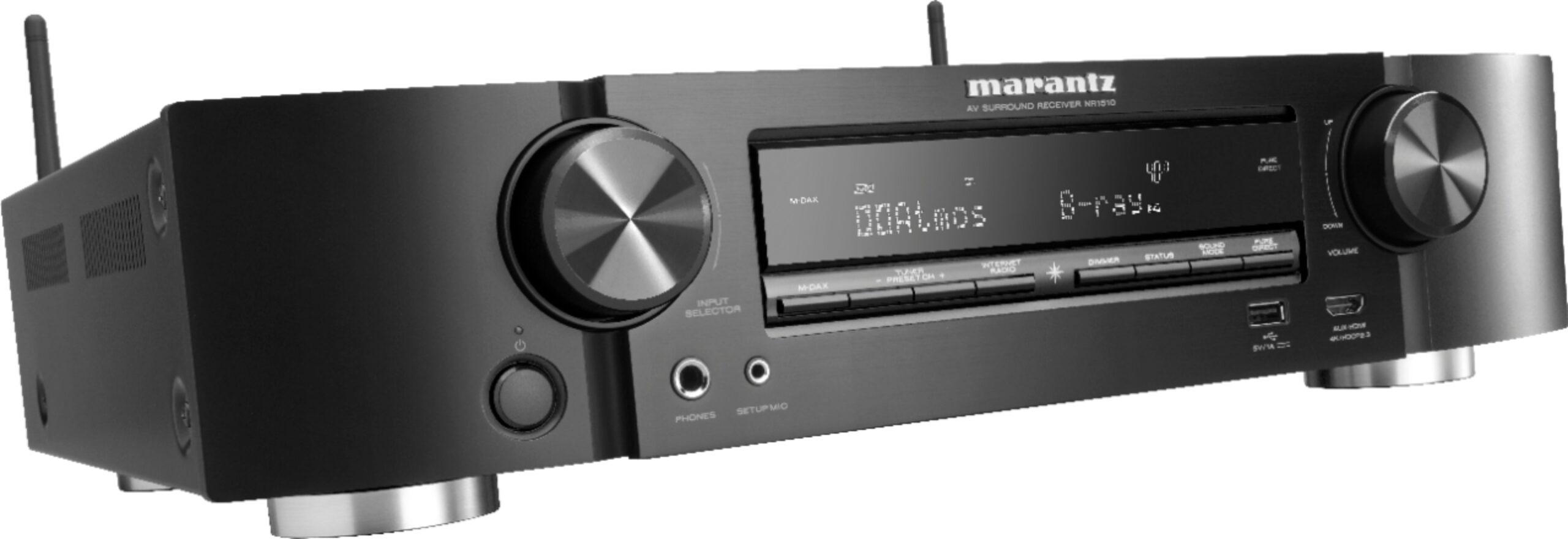
| Standard receiver height (6.125") | Slim design (4.125" height) |
| Price - Value proposition | |
| $649 (premium for audio quality) | $499 (feature-rich, compromise on power) |
| Primary Use Case - Most important decision factor | |
| Optimized for music listening | Designed for home theater and gaming |
The Yamaha R-N602 is significantly better for music, with its dedicated 2-channel design and higher-quality audio components. It delivers 80 watts per channel compared to the Marantz NR1510's 50 watts, resulting in cleaner, more detailed music playback.
The Marantz NR1510 is superior for movies, offering 5.2 channel surround sound, 4K video support, and Audyssey room correction. The R-N602 is limited to stereo sound only.
Yes, both receivers include a built-in phono preamp for connecting turntables. The R-N602 has a higher quality phono stage optimized for vinyl playback.
The Marantz NR1510 is better for gaming, offering surround sound and HDMI 2.0 support with 4K/60Hz capability. The R-N602 isn't designed for gaming use.
The Marantz NR1510 fully supports 4K video with HDR, while the R-N602 doesn't handle video processing.
The Marantz NR1510 supports two subwoofers, while the R-N602 has a single subwoofer output.
We've done our best to create useful and informative comparisons to help you decide what product to buy. Our research uses advanced automated methods to create this comparison and perfection is not possible - please contact us for corrections or questions. These are the sites we've researched in the creation of this article: theaudiophileman.com - crutchfield.com - forums.whathifi.com - usa.yamaha.com - youtube.com - hifiengine.com - yamaha.com - adorama.com - parts-express.com - usa.yamaha.com - audiosciencereview.com - bestbuy.com - upscaleaudio.com - youtube.com - hometheatreexperts.in - audiolab.com - crutchfield.com - flanners.com - manuals.marantz.com - marantz.com - youtube.com

Privacy Policy
Terms and Conditions - Affiliate Policy
Home Security
© Copyright 2008-2026.
11816 Inwood Rd #1211, Dallas, TX 75244