

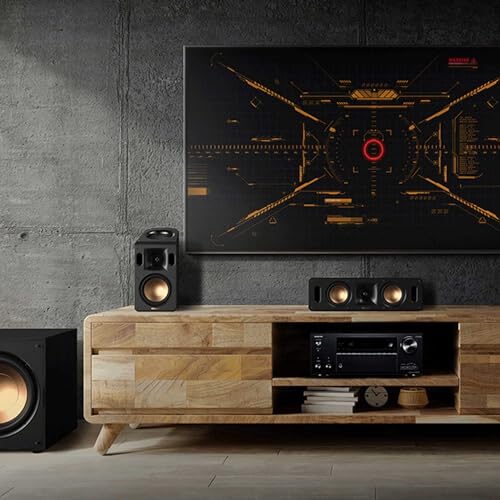
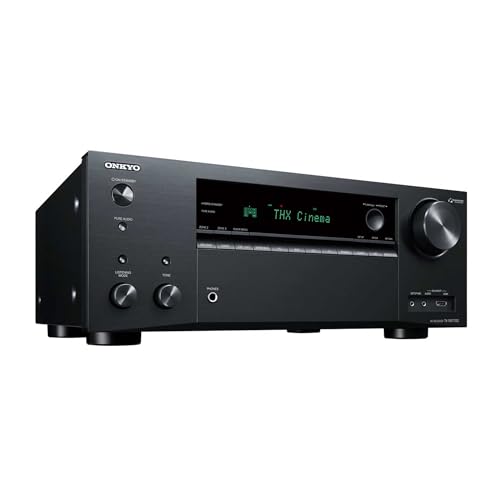
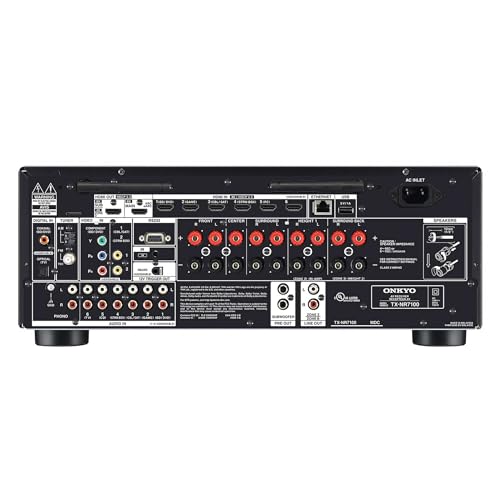
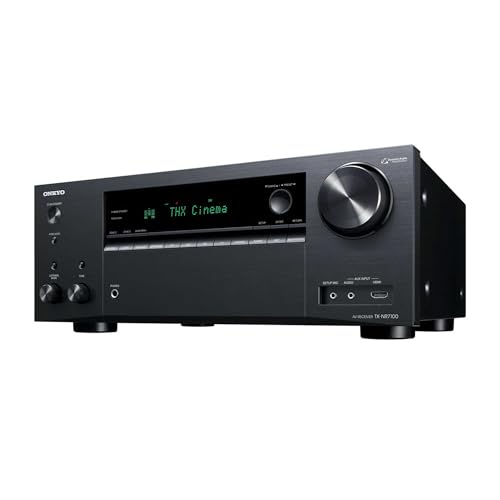
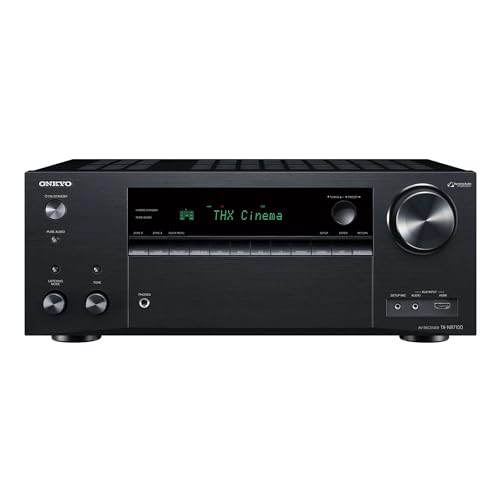
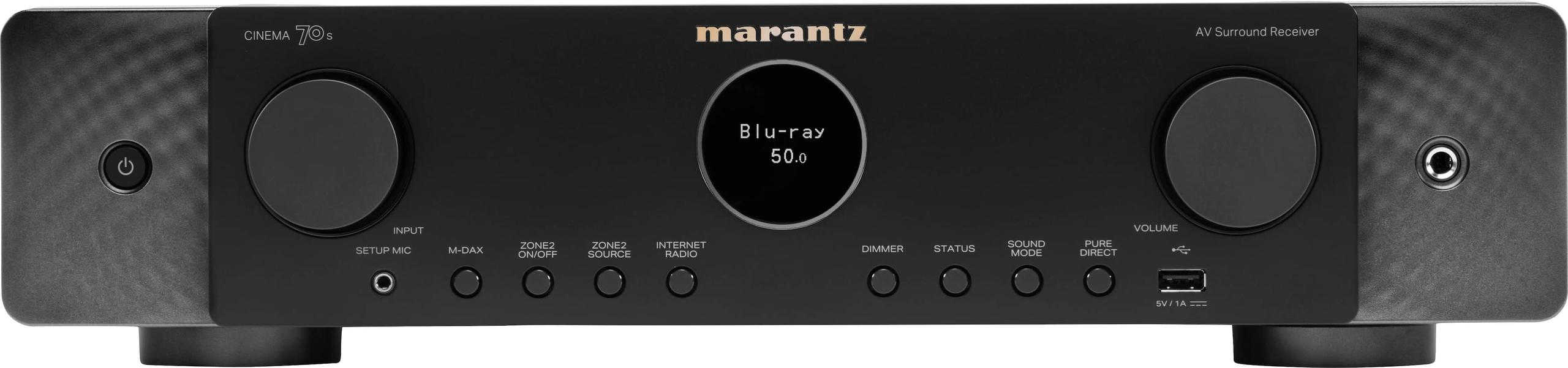

When it comes to building a home theater that truly impresses, your AV receiver choice matters more than you might think. It's the brain of your entire system, processing everything from Netflix streams to Blu-ray discs while powering your speakers and managing all those HDMI cables. Today we're comparing two very different approaches to this challenge: the Onkyo TX-NR7100 and the Marantz Cinema 70S.
These receivers, both released in 2022, represent fundamentally different philosophies. The Onkyo TX-NR7100 is a full-size powerhouse designed for serious home theater enthusiasts who want every possible feature and maximum flexibility. The Marantz Cinema 70S takes a more refined approach, packing premium sound quality into a space-saving design that fits where traditional receivers simply won't.
Before diving into specifics, let's talk about what really matters in an AV receiver. Think of it as the conductor of your home theater orchestra – it needs to coordinate everything perfectly while delivering enough power to make your speakers sing.
The most crucial factor is channel configuration, which determines how many speakers you can connect and power simultaneously. More channels mean more immersive surround sound, especially with formats like Dolby Atmos that add height speakers above your listening position. Power output measured in watts per channel tells you how loud and dynamic your system can get, though this number can be misleading without understanding your speakers' efficiency.
Audio processing capabilities determine which surround sound formats your receiver can decode. Modern formats like Dolby Atmos and DTS:X create three-dimensional soundscapes that traditional 5.1 surround simply can't match. Video processing has become equally important, with 8K support and gaming features like Variable Refresh Rate (VRR) becoming standard expectations.
Room correction technology uses microphones to measure your room's acoustics and automatically adjusts the sound to compensate for problems like echoes or bass buildup. This can make the difference between muddy, boomy audio and crystal-clear dialogue that doesn't get lost in action scenes.
The power difference between these receivers tells an interesting story. The Onkyo TX-NR7100 delivers 100 watts per channel across its 9.2-channel configuration, while the Marantz Cinema 70S provides 50 watts across 7.2 channels. But raw numbers don't tell the whole story.
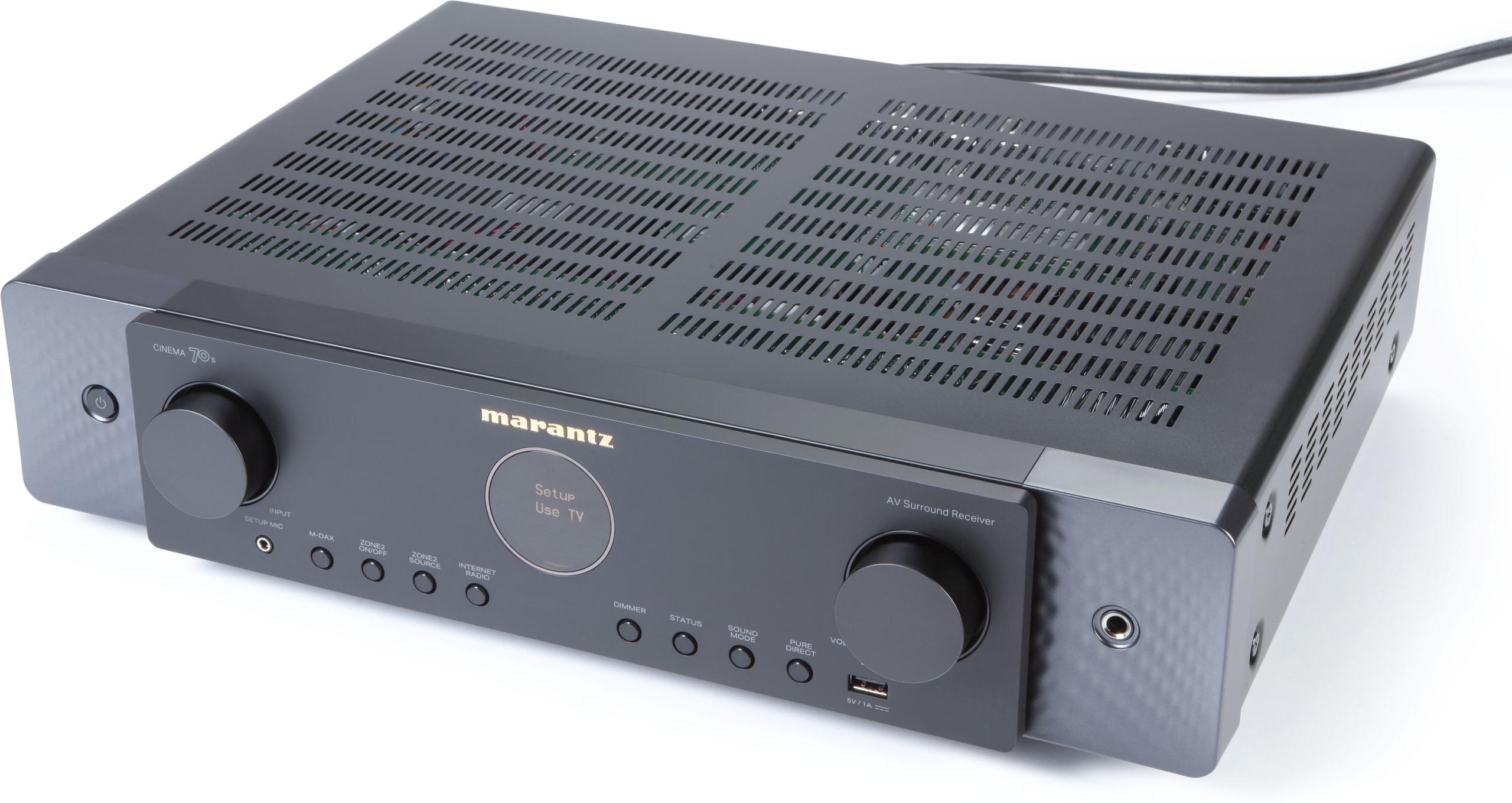
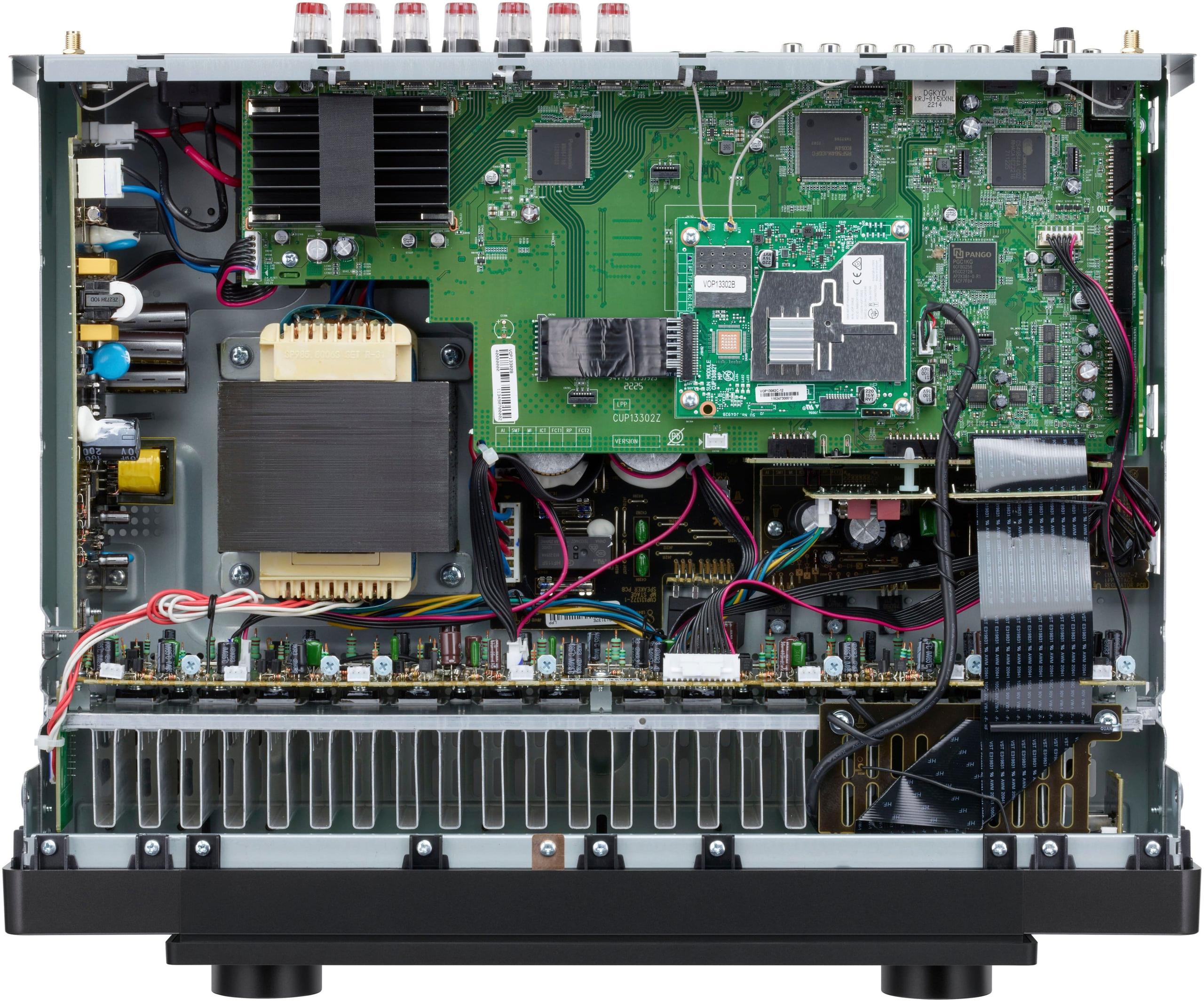
The TX-NR7100 uses Onkyo's Dynamic Audio Amplification with discrete output stage circuitry – fancy terms that essentially mean each channel gets its own dedicated amplification components rather than sharing resources. This approach delivers what engineers call "instantaneous high-current power," which translates to better handling of sudden loud sounds like explosions or orchestral crescendos. In practice, this means the Onkyo can drive demanding speakers that need lots of current to perform their best.
The Cinema 70S takes a different approach with Marantz's HDAM (Hyper Dynamic Amplifier Module) circuitry. This proprietary technology focuses on maintaining signal purity rather than maximum power output. HDAM modules use discrete components instead of integrated circuits, creating what Marantz calls their signature "musical" sound. Users consistently describe this as warmer and more natural, especially with dialogue and music.
Through extensive research of user experiences and professional reviews, a clear pattern emerges: the Onkyo excels in large rooms and with power-hungry speakers, while the Marantz delivers more refined sound quality in appropriately sized spaces. The TX-NR7100 can fill a 400+ square foot dedicated theater room, but the Cinema 70S creates a more intimate, engaging experience in living rooms and smaller media spaces.
Both receivers support the latest surround sound formats, but they implement them differently. The Onkyo TX-NR7100 carries THX Certified Select status, meaning it has passed thousands of rigorous tests for cinema-quality playback. It also supports IMAX Enhanced, which processes soundtracks specifically mixed for IMAX theaters. These certifications matter because they ensure the receiver reproduces sound exactly as filmmakers intended.
The TX-NR7100's 9.2-channel configuration allows for more complex Dolby Atmos setups, including 7.1.2 (seven main speakers, one subwoofer, two height speakers) or 5.1.4 (five main speakers, one subwoofer, four height speakers). More height speakers create better overhead effects – imagine raindrops falling around you or helicopters passing overhead with precise positioning.
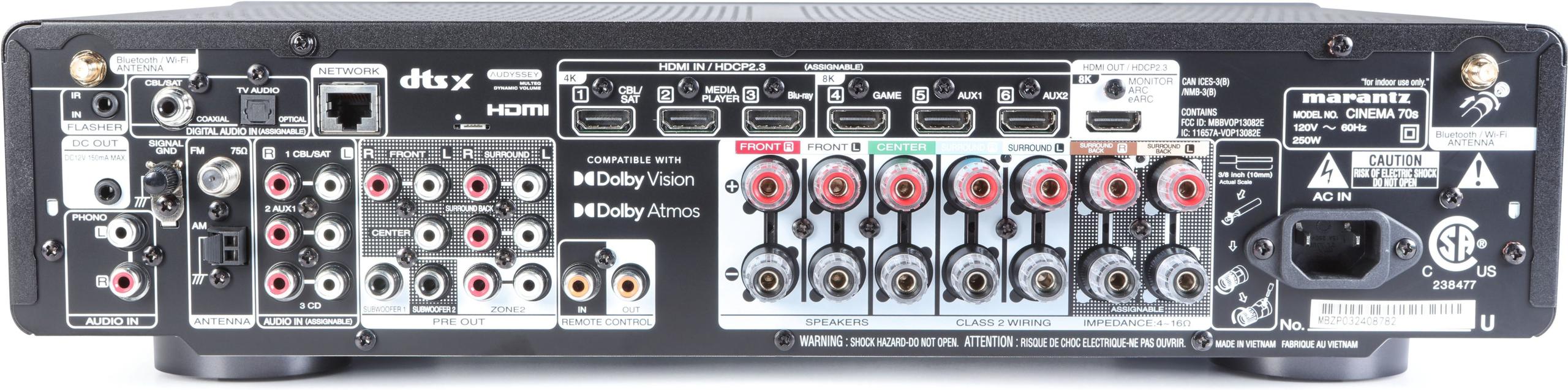
The Marantz Cinema 70S maxes out at 7.2 channels, limiting Dolby Atmos to 5.1.2 configurations. However, user feedback consistently praises its handling of Dolby Atmos Music, a newer format that places you in the middle of musical performances. The Cinema 70S excels at creating what reviewers call "seamless 360-degree presentation" without sonic gaps or inconsistencies.
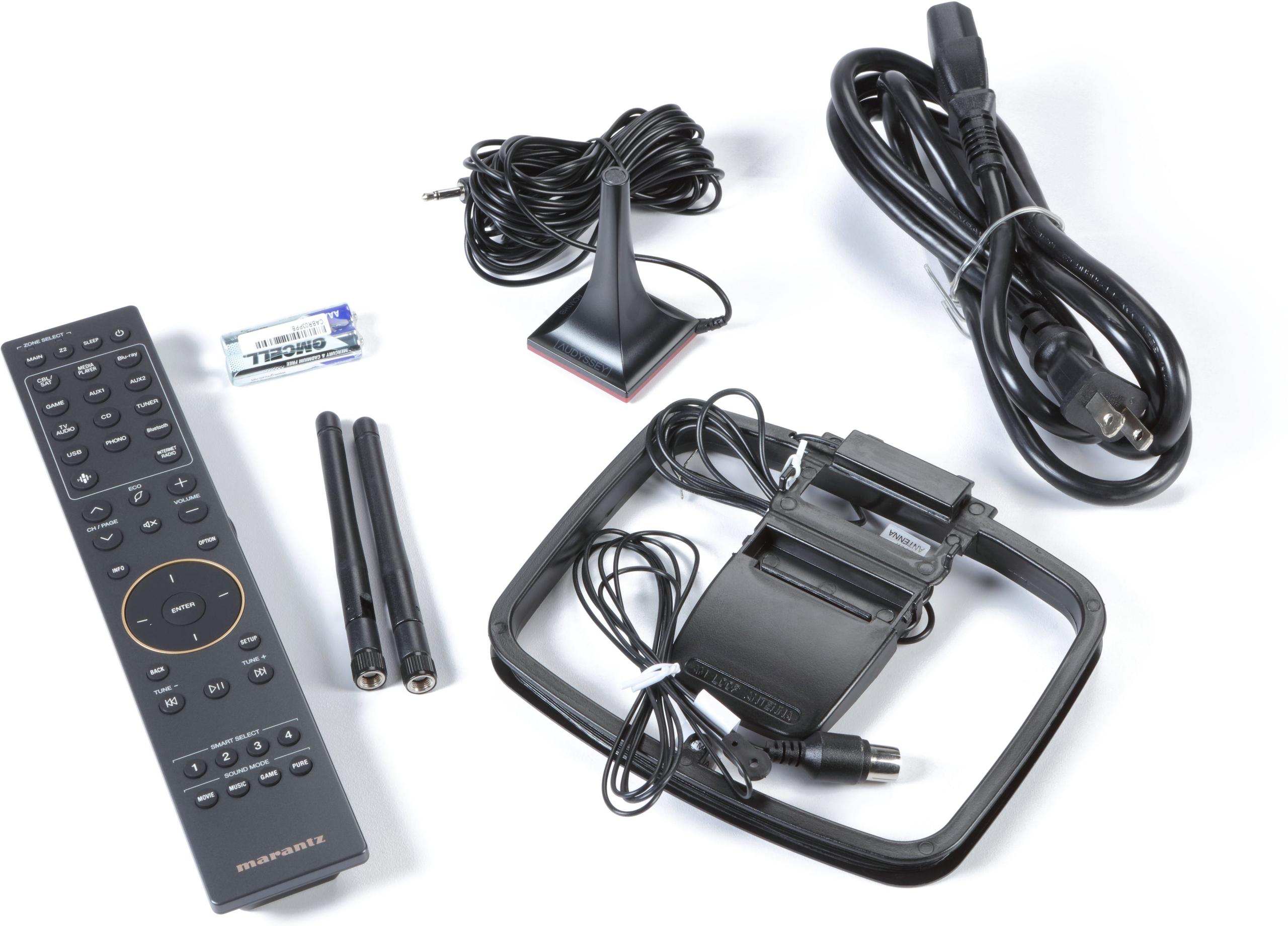
Room correction represents another key difference. The TX-NR7100 includes both Onkyo's AccuEQ system and Dirac Live, a premium room correction technology that can dramatically improve sound in problematic rooms. Dirac Live analyzes up to 13 measurement positions and creates detailed frequency and phase corrections. The Cinema 70S uses Audyssey MultEQ XT, which is effective but less sophisticated than Dirac Live.
Since 2022, gaming has become a major consideration for AV receivers. Both the PlayStation 5 and Xbox Series X support 4K resolution at 120 frames per second, requiring receivers that can handle this massive bandwidth without introducing lag.
The Onkyo TX-NR7100 absolutely dominates in this category. All six rear HDMI inputs support both 8K at 60Hz and 4K at 120Hz, with full support for gaming features like Variable Refresh Rate (which eliminates screen tearing), Auto Low Latency Mode (which bypasses unnecessary video processing), and Quick Frame Transport (which reduces input lag). User reports consistently mention zero perceptible lag when gaming, with PlayStation 5 titles running "buttery smooth" at 4K/120Hz.
The Cinema 70S supports these gaming features but on fewer inputs – only three of its six HDMI inputs handle 8K passthrough. For most users, this is sufficient, but it limits flexibility if you have multiple next-generation consoles or plan to add 8K sources in the future.
Both receivers handle HDR (High Dynamic Range) formats including HDR10+, Dolby Vision, and HLG, which dramatically improve picture quality with compatible content. The difference lies in implementation: the TX-NR7100 processes video through all inputs at full bandwidth, while the Cinema 70S reserves its best capabilities for specific inputs.
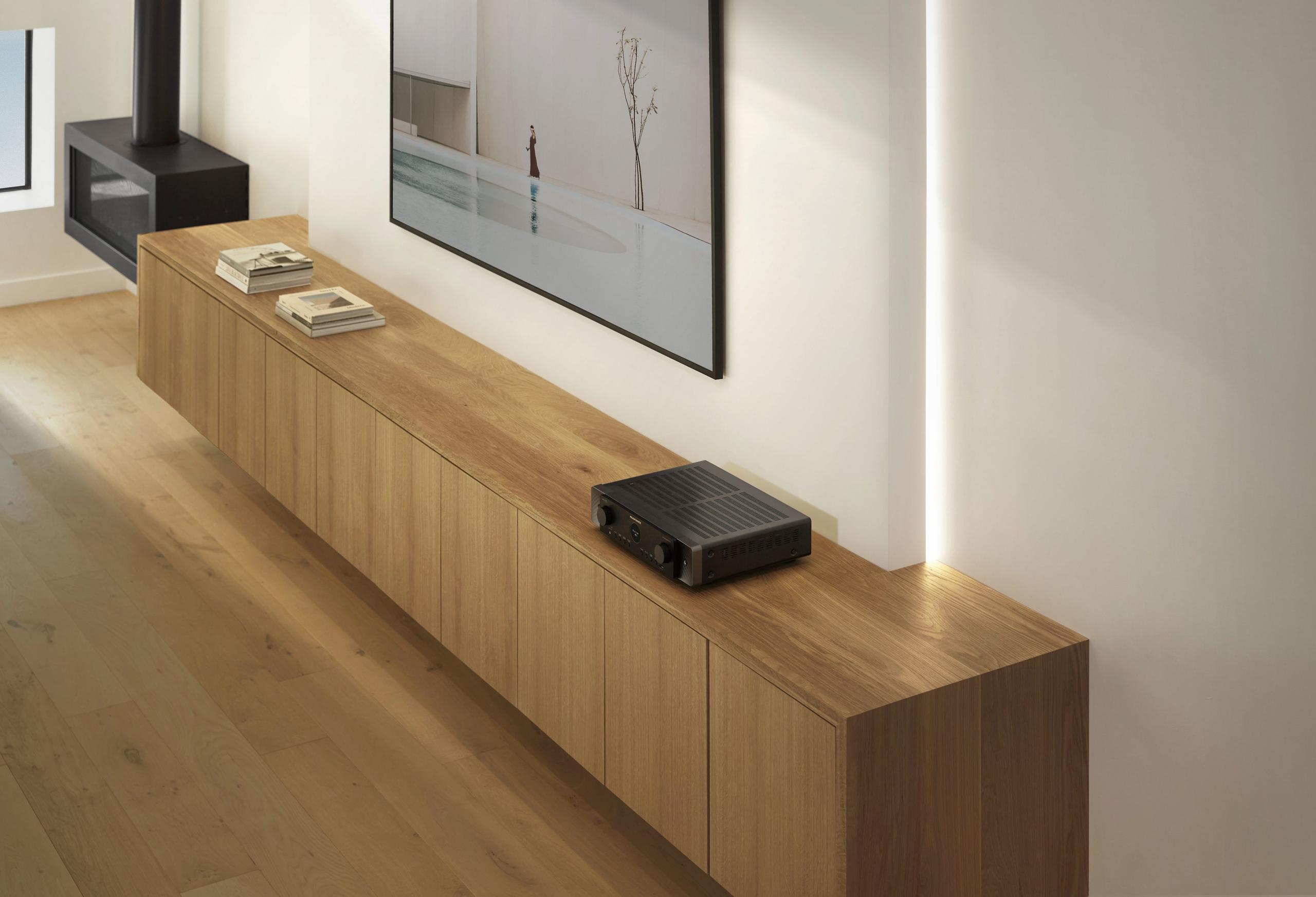
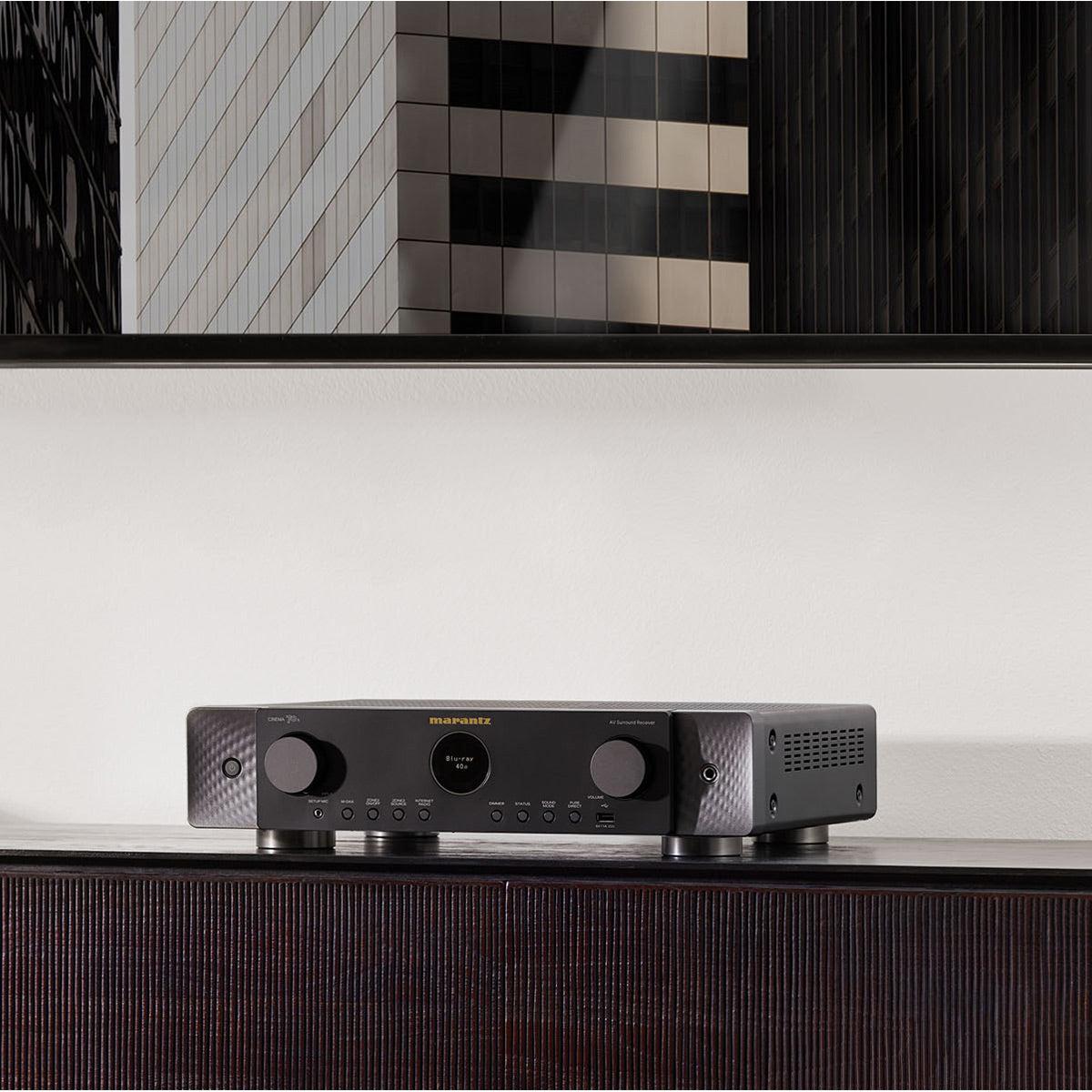
Here's where the Marantz Cinema 70S reveals its secret weapon: size. At just 4.3 inches tall compared to the TX-NR7100's 6.7 inches, the Cinema 70S fits in spaces where traditional receivers simply won't work. This half-height design has revolutionized installation options, fitting into low-profile media consoles and custom cabinetry that would require extensive modification for a full-size receiver.
The size difference isn't just about fitting into tight spaces – it affects heat generation and ventilation requirements. The Cinema 70S runs cooler due to its more efficient design, while the TX-NR7100 requires proper ventilation to maintain optimal performance during extended listening sessions.
Weight tells another part of the story: the TX-NR7100 weighs 35.3 pounds compared to the Cinema 70S's 19.2 pounds. This reflects the Onkyo's larger power supply and more robust internal components, but it also means more challenging installation in wall-mounted or shelf scenarios.
Modern AV receivers need to integrate seamlessly with streaming services, voice assistants, and multi-room audio systems. Both receivers excel here, but with different strengths.
The TX-NR7100 provides seven HDMI inputs (six rear, one front) compared to the Cinema 70S's six inputs. This might seem minor, but when you're connecting multiple game consoles, streaming devices, and Blu-ray players, every input counts. The Onkyo also includes Zone 2 HDMI output, allowing independent video feeds to second rooms – perfect for watching different content in the bedroom while the family uses the main theater.
Both receivers support the major streaming platforms through HEOS integration, including Spotify, Tidal, Amazon Music HD, and Deezer. They also work with Apple AirPlay 2, Google Assistant, and Amazon Alexa. The TX-NR7100 adds Bluetooth transmission with aptX HD codec, which provides higher-quality wireless audio to headphones – a unique feature among AV receivers at this price point.
Multi-room capabilities differ significantly: the TX-NR7100 supports three zones compared to the Cinema 70S's two zones. This allows for more complex whole-home audio setups, though most users won't need this level of complexity.
This is where personal preference becomes crucial. Based on extensive analysis of user feedback and professional reviews, these receivers have distinctly different sonic signatures.
The Onkyo TX-NR7100 prioritizes dynamics and impact. Users consistently describe "thunderous" bass response and excellent separation during complex action sequences. However, some listeners find it less refined with stereo music, describing the sound as "analytical" rather than "musical." The TX-NR7100 excels at creating what reviewers call "ominous and heavy" soundscapes that put you in the middle of movie action.
The Marantz Cinema 70S follows Marantz's audiophile heritage with warmer, more musical reproduction. Users report superior dialogue clarity and better stereo imaging. When playing Dolby Atmos music tracks, listeners describe feeling "firmly in the middle of the dance floor" with precise instrument placement. The Cinema 70S handles both movies and music with equal skill, making it ideal for systems that serve dual purposes.
At higher volume levels, differences become more pronounced. The TX-NR7100 maintains composure until pushed beyond reasonable limits, while the Cinema 70S reaches its comfortable maximum sooner but maintains its refined character throughout its operating range.
At the time of writing, these receivers compete in similar price ranges, making value comparison crucial. The TX-NR7100 typically costs less per channel and per feature, offering exceptional value for buyers who want maximum capability. You're getting more amplification, more processing power, and more connectivity options for your money.
The Cinema 70S commands a premium for its compact design and refined sound quality. You're paying more per watt of amplification, but you're also getting Marantz's reputation for musical accuracy and premium build quality. The question becomes whether these intangible qualities justify the higher cost per specification.
Consider total system cost too. The TX-NR7100 can drive more demanding speakers effectively, potentially saving money on speaker upgrades. The Cinema 70S works best with efficient speakers, which might require more careful (and expensive) selection.
After analyzing hundreds of user experiences and professional evaluations, clear patterns emerge for optimal use cases.
Choose the Onkyo TX-NR7100 if you have a dedicated home theater room larger than 300 square feet, want maximum Dolby Atmos flexibility with 7+ channels, game frequently with next-generation consoles, or have speakers that benefit from high-current amplification. It's also the clear choice if you prioritize features and connectivity over compact size, or if you want the most capabilities per dollar spent.
The Marantz Cinema 70S makes more sense if you have space constraints requiring a half-height receiver, value refined sound quality over maximum power, use your system equally for movies and high-resolution music, or need the receiver to blend aesthetically in a living space. It's ideal for 5.1.2 Dolby Atmos setups in smaller rooms and appeals to users who appreciate Marantz's audiophile heritage.
These receivers represent two valid but different approaches to home theater. The Onkyo TX-NR7100 offers superior value for feature-focused buyers wanting maximum flexibility and future-proofing. Its comprehensive gaming support, extensive connectivity, and powerful amplification make it ideal for dedicated theater rooms.
The Marantz Cinema 70S justifies its premium through refined sound quality and space-saving design. It's the better choice for living room installations where aesthetics matter and where its musical prowess can be appreciated with both movies and music.
Neither receiver is universally superior – they excel in different scenarios. Your room size, existing speakers, primary use case, and installation constraints should drive your decision. Both represent solid values in their respective categories, but they serve distinctly different needs in the modern home theater landscape.
| Onkyo TX-NR7100 | Marantz Cinema 70S |
|---|---|
| Channels & Power Output - Determines speaker count and room size capability | |
| 9.2 channels, 100W per channel (drives larger Atmos setups and demanding speakers) | 7.2 channels, 50W per channel (optimized for smaller rooms with efficient speakers) |
| Maximum Dolby Atmos Configuration - More height speakers create better overhead effects | |
| Up to 7.1.2 or 5.1.4 (supports complex immersive audio with multiple height speakers) | Limited to 5.1.2 (sufficient for most living rooms but less flexibility) |
| HDMI Inputs & 8K/4K Gaming Support - Critical for modern consoles and future sources | |
| 7 HDMI inputs, all 6 rear support 8K/60Hz + 4K/120Hz (maximum gaming compatibility) | 6 HDMI inputs, only 3 support 8K passthrough (adequate for most setups) |
| Room Correction Technology - Automatically optimizes sound for your specific space | |
| Dual system: AccuEQ + premium Dirac Live (dramatically improves problematic rooms) | Audyssey MultEQ XT (effective but less sophisticated than Dirac Live) |
| Physical Size - Half-height design fits where full-size receivers won't | |
| Full-size: 17.1" x 15.4" x 6.7", 35.3 lbs (requires standard rack space) | Compact: 17.4" x 15.1" x 4.3", 19.2 lbs (fits in low-profile installations) |
| Sound Signature - Affects both movie and music enjoyment | |
| Dynamic, cinema-focused with powerful bass (excels at action movies, less refined for music) | Warm, musical character with superior dialogue clarity (excellent for both movies and music) |
| Multi-Zone Capability - Allows independent audio in different rooms | |
| 3 zones with Zone 2 HDMI output (comprehensive whole-home audio flexibility) | 2 zones (adequate for most multi-room needs) |
| Premium Certifications - Ensures reference-quality processing | |
| THX Certified Select + IMAX Enhanced (cinema-grade audio processing) | No premium certifications (relies on Marantz's audiophile tuning) |
| Bluetooth Audio Quality - Higher codecs improve wireless headphone performance | |
| Transmission with aptX HD support (unique feature for premium wireless audio) | Standard Bluetooth without advanced transmission codecs |
The Onkyo TX-NR7100 delivers 100 watts per channel compared to the Marantz Cinema 70S at 50 watts per channel. For larger home theater rooms or speakers that require more power, the TX-NR7100 is the clear winner and can drive demanding speakers more effectively.
The Onkyo TX-NR7100 supports 9.2 channels, allowing for more complex Dolby Atmos setups like 7.1.2 or 5.1.4 configurations. The Marantz Cinema 70S maxes out at 7.2 channels, limiting you to 5.1.2 Atmos setups. If you want maximum surround sound flexibility, the Onkyo offers more options.
The Onkyo TX-NR7100 excels for gaming with all six rear HDMI inputs supporting 4K/120Hz and 8K/60Hz passthrough. The Marantz Cinema 70S supports these gaming features but only on three of its six HDMI inputs. For serious gamers with multiple next-gen consoles, the TX-NR7100 provides better connectivity.
The Marantz Cinema 70S has a major advantage with its half-height design at just 4.3 inches tall, fitting in spaces where traditional receivers won't work. The Onkyo TX-NR7100 is a full-size receiver at 6.7 inches tall, requiring standard rack space. For compact installations, the Cinema 70S is specifically designed for tight spaces.
The Marantz Cinema 70S typically sounds more musical and refined, especially for stereo music playback, thanks to Marantz's audiophile-focused design philosophy. The Onkyo TX-NR7100 prioritizes dynamic home theater performance over musical refinement. If you listen to music as much as movies, the Cinema 70S offers superior sound quality.
The Onkyo TX-NR7100 provides seven HDMI inputs (six rear, one front) with full 8K support on all rear inputs. The Marantz Cinema 70S offers six HDMI inputs with 8K support on only three inputs. The TX-NR7100 provides more connectivity options for multiple sources like game consoles, streaming devices, and Blu-ray players.
The Onkyo TX-NR7100 includes both AccuEQ and premium Dirac Live room correction, which can dramatically improve sound in problematic rooms. The Marantz Cinema 70S uses Audyssey MultEQ XT, which is effective but less sophisticated. For rooms with acoustic challenges, the TX-NR7100's Dirac Live system offers superior correction capabilities.
The Marantz Cinema 70S is specifically designed for smaller spaces with its compact form factor and 50-watt amplification that's ideal for living room environments. The Onkyo TX-NR7100 is better suited for dedicated home theater rooms due to its size and power output. For living room installations, the Cinema 70S is the more appropriate choice.
The Onkyo TX-NR7100 typically offers more features, channels, and power per dollar spent, making it excellent value for buyers who want maximum capabilities. The Marantz Cinema 70S costs more per watt but provides premium sound quality and compact design. Value depends on whether you prioritize features and power or refined sound and space-saving design.
Yes, both the Onkyo TX-NR7100 and Marantz Cinema 70S support Dolby Atmos, DTS:X, and other modern surround formats. The key difference is that the TX-NR7100 can handle more complex Atmos configurations with its additional channels, while the Cinema 70S is limited to simpler but still effective 5.1.2 setups.
Both receivers offer similar setup complexity with on-screen menus and smartphone apps. The Marantz Cinema 70S may have a slight edge in user-friendliness due to Marantz's focus on refined interfaces. The Onkyo TX-NR7100 offers more customization options but can be more complex to configure. Neither is particularly difficult for users comfortable with modern electronics.
The Onkyo TX-NR7100 supports three audio zones with Zone 2 HDMI output for independent video feeds to other rooms. The Marantz Cinema 70S supports two zones, which is adequate for most multi-room needs. Both work with popular streaming platforms and voice assistants. For extensive whole-home audio, the TX-NR7100 offers more flexibility.
We've done our best to create useful and informative comparisons to help you decide what product to buy. Our research uses advanced automated methods to create this comparison and perfection is not possible - please contact us for corrections or questions. These are the sites we've researched in the creation of this article: crutchfield.com - prohifi.in - bestbuy.com - h-m-entertainment.com - audiosciencereview.com - crutchfield.ca - soundandvision.com - avsforum.com - avgadgets.com - youtube.com - onkyo.com - crutchfield.com - onkyo.com - accessories4less.com - klipsch.com - youtube.com - listenup.com - intl.onkyo-av.com - bestbuy.com - 420spotshop.com - support.onkyousa.com - trustedreviews.com - audioadvisor.com - camelcamelcamel.com - crutchfield.com - tomsguide.com - snapav.com - youtube.com - upscaleaudio.com - walmart.com - youtube.com - audiosciencereview.com

Privacy Policy
Terms and Conditions - Affiliate Policy
Home Security
© Copyright 2008-2026.
11816 Inwood Rd #1211, Dallas, TX 75244