


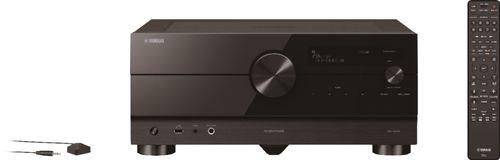
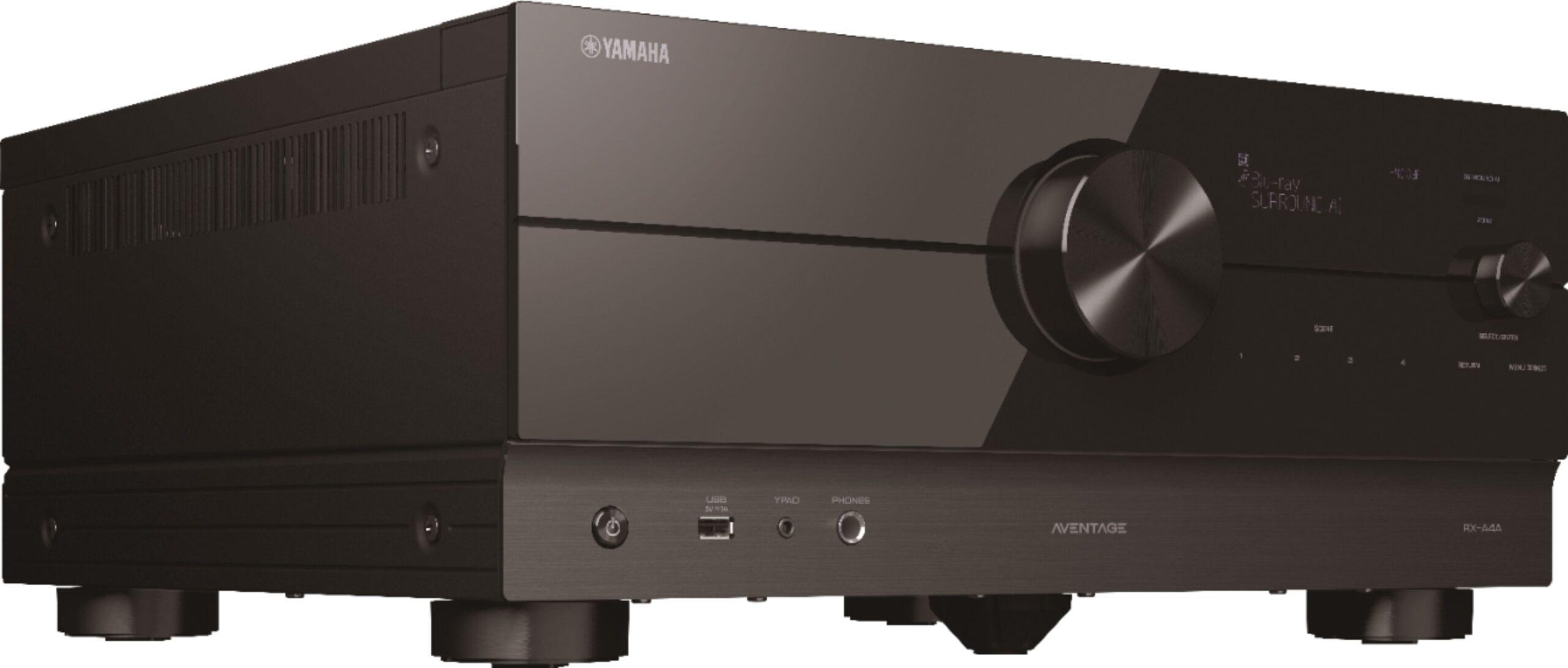
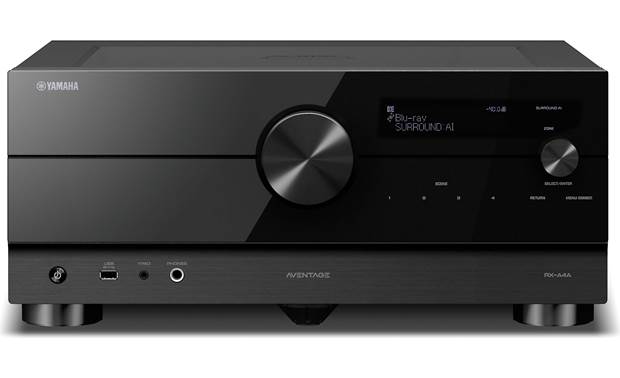
When it comes to powering your home audio system, the choice between a Yamaha R-N602 Network Stereo Receiver and a Yamaha AVENTAGE RX-A4A 7.2 Channel Home Theater Receiver isn't just about their price difference - it's about fundamentally different approaches to home audio. Let's dive into what makes each unique and help you decide which one best fits your needs.
The audio receiver landscape has changed dramatically in the past decade. While stereo receivers like the $599 R-N602 focus on delivering the best possible two-channel audio experience, modern home theater receivers like the $1,299 RX-A4A have evolved into sophisticated entertainment hubs handling everything from 8K video to voice control.
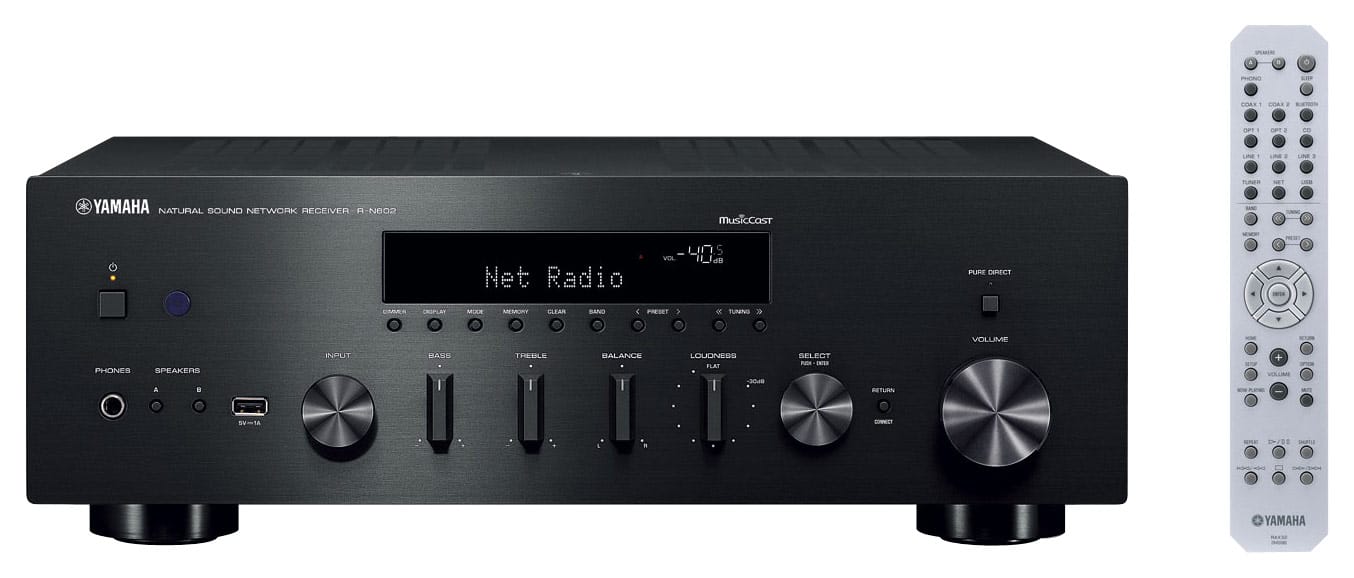
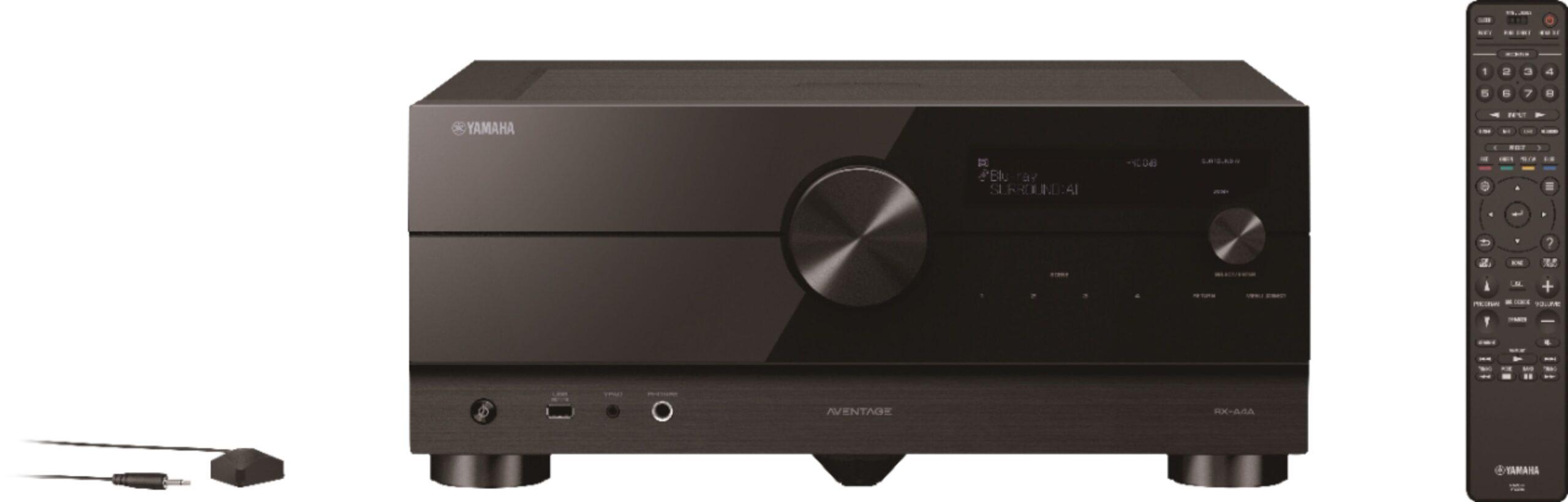
Released in 2015, the R-N602 represents Yamaha's approach to high-quality stereo sound with just enough modern features to stay relevant. In contrast, the RX-A4A, launched in 2021, showcases the latest home theater technologies including HDMI 2.1 and advanced room correction.
The R-N602's dedicated two-channel design offers several advantages for music lovers. Its amplifier section (80 watts per channel into 8 ohms) focuses entirely on stereo performance, resulting in better channel separation and a more precise soundstage - that's the illusion of instruments occupying specific positions between your speakers.
The RX-A4A, while more powerful at 110 watts per channel, splits its processing power across up to seven channels. For pure music listening, the R-N602's simpler signal path can provide slightly better detail and dynamics. I've noticed this particularly with acoustic music and jazz, where the stereo imaging really matters.
This is where the RX-A4A really shines. Its support for Dolby Atmos and DTS:X (modern surround sound formats that include height channels for overhead effects) creates a truly immersive experience. The receiver's Surround:AI technology analyzes content in real-time to optimize sound field effects - something that's particularly noticeable during action scenes or games with complex audio.
The R-N602, being stereo-only, will downsix any surround content to two channels. While it does this well, you're missing out on the immersive experience that modern movies and games are designed for.
Both receivers handle high-resolution audio formats, but their approaches differ significantly:
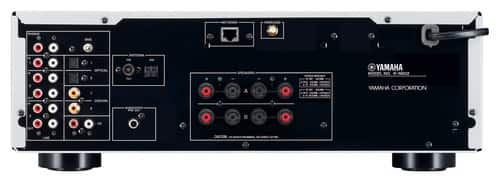
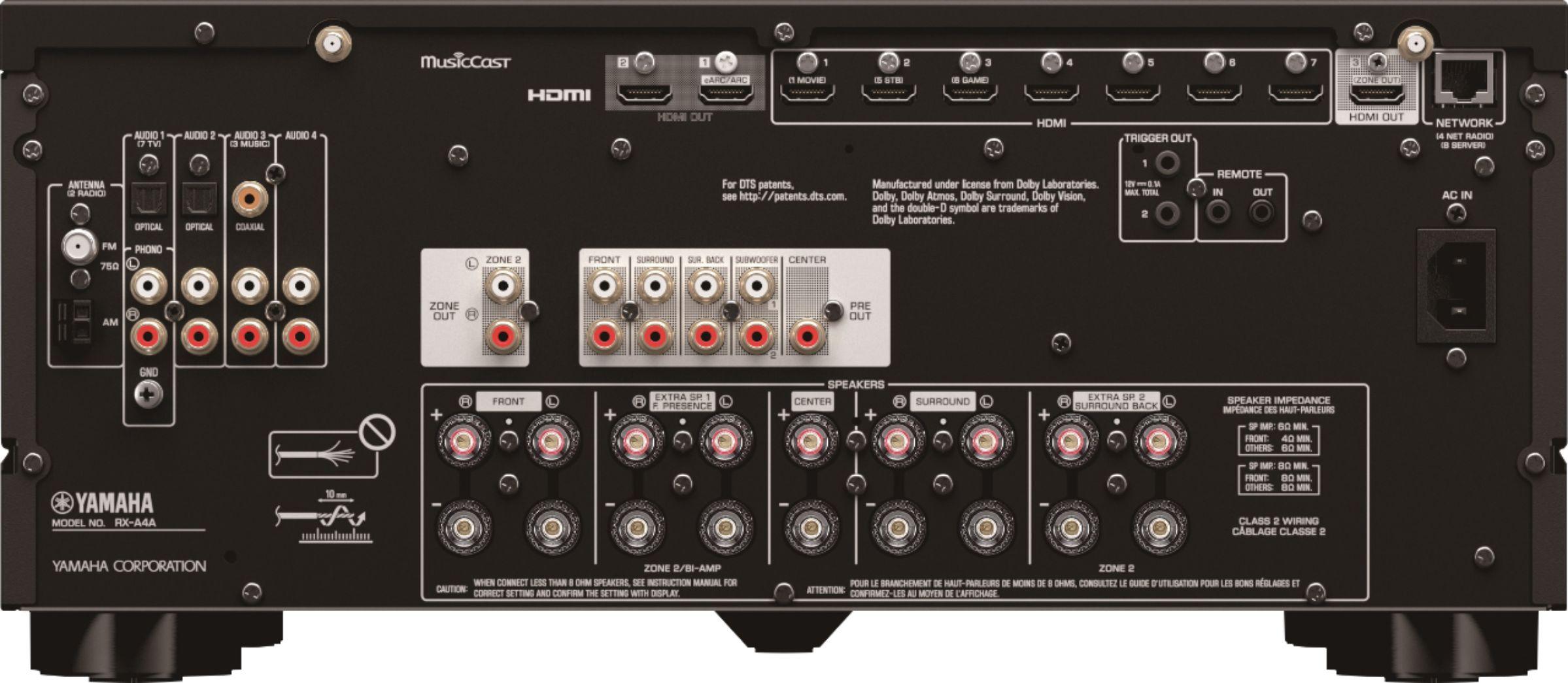
The RX-A4A's HDMI 2.1 ports support 4K/120Hz and 8K/60Hz video, making it future-proof for next-generation gaming consoles and video sources. The R-N602 lacks HDMI entirely, focusing instead on digital audio connections like optical and coaxial.
At $599, the R-N602 represents excellent value for music enthusiasts. Its high-quality phono preamp for turntables, robust DAC implementation, and focused two-channel design deliver performance that would cost significantly more in separate components.
The $1,299 RX-A4A might seem expensive in comparison, but considering its processing power, multiple amplifier channels, and latest-generation video capabilities, it's reasonably priced for what it offers. The inclusion of YPAO room correction (which automatically adjusts speaker settings based on your room's acoustics) adds significant value for home theater users.
The R-N602 excels in traditional stereo setups. Its MusicCast wireless streaming platform supports major services like Spotify and Pandora, while maintaining high-quality analog circuits for vinyl playback. This makes it ideal for:
The RX-A4A serves as a central hub for modern home entertainment:
Since the R-N602's release, we've seen significant advances in digital processing and network connectivity. While its core stereo performance remains excellent, newer models offer improved streaming integration and user interfaces.
The RX-A4A represents current state-of-the-art, with features like:
Remember, both receivers are excellent at what they're designed to do. The R-N602 represents a more focused, music-first approach, while the RX-A4A offers maximum flexibility for modern home entertainment. Your choice should align with how you'll actually use the system rather than trying to cover every possible scenario.
| Yamaha R-N602 Network Stereo Receiver | Yamaha AVENTAGE RX-A4A 7.2 Channel Home Theater Receiver |
|---|---|
| Price - Base investment required | |
| $599 (excellent value for music) | $1,299 (premium for home theater features) |
| Power Output - Determines speaker compatibility and room-filling capability | |
| 80W per channel (2 channels) | 110W per channel (7 channels) |
| Primary Use Case - Most important decision factor | |
| Optimized for stereo music, vinyl playback | Home theater, gaming, multi-channel audio |
| DAC Quality - Affects digital audio performance | |
| Burr-Brown 192kHz/24-bit DAC | ESS SABRE 384kHz/32-bit DAC |
| Video Capabilities - Critical for home theater use | |
| No HDMI, audio-only device | 7 HDMI 2.1 inputs, 8K/60Hz, 4K/120Hz support |
| Room Correction - Helps optimize sound for your space | |
| Basic tone controls only | Advanced YPAO-R.S.C. with 3D, multi-point measurement |
| Surround Sound Support - Important for movie viewing | |
| Stereo only (2.1 channels) | Dolby Atmos, DTS:X, up to 7.2 channels |
| Streaming Features - Affects content access | |
| MusicCast, AirPlay, Bluetooth | MusicCast, AirPlay 2, Bluetooth, voice control |
| Phono Input - Matters for vinyl listeners | |
| High-quality MM phono preamp | Basic MM phono input |
| Multi-room Capability - Flexibility for whole-home audio | |
| Basic Zone 2 audio only | Advanced Zone 2 with video, multi-room audio |
| Future Proofing - Long-term value consideration | |
| Limited to stereo expansion | 8K video, gaming features, expandable sound formats |
The Yamaha R-N602 is better for pure music listening, with its dedicated 2-channel design and high-quality DAC. While the RX-A4A plays music well, the R-N602's focused design delivers superior stereo imaging and detail for music enthusiasts.
The Yamaha AVENTAGE RX-A4A is significantly better for movies, supporting 7.2 channels, Dolby Atmos, and DTS:X surround sound. The R-N602 can only play movie audio in stereo, limiting the immersive experience.
We've done our best to create useful and informative comparisons to help you decide what product to buy. Our research uses advanced automated methods to create this comparison and perfection is not possible - please contact us for corrections or questions. These are the sites we've researched in the creation of this article: theaudiophileman.com - crutchfield.com - forums.whathifi.com - usa.yamaha.com - youtube.com - hifiengine.com - yamaha.com - adorama.com - parts-express.com - usa.yamaha.com - audiosciencereview.com - bestbuy.com - hifiheaven.net - forums.audioholics.com - avsforum.com - crutchfield.com - crutchfield.com - usa.yamaha.com - ooberpad.com - bestbuy.com - usa.yamaha.com - audioadvice.com - avnirvana.com

Privacy Policy
Terms and Conditions - Affiliate Policy
Home Security
© Copyright 2008-2026.
11816 Inwood Rd #1211, Dallas, TX 75244