


When setting up a home audio system, one of the biggest decisions is choosing between a dedicated stereo receiver or a full home theater AV receiver. Let's compare the Yamaha R-N602 stereo receiver and Yamaha RX-V6A AV receiver to help you make the right choice for your needs.
At their core, both products aim to be the heart of your audio system, but they take fundamentally different approaches. A stereo receiver focuses on delivering the best possible two-channel audio experience, while an AV receiver handles multiple audio channels and video switching for home theater setups.
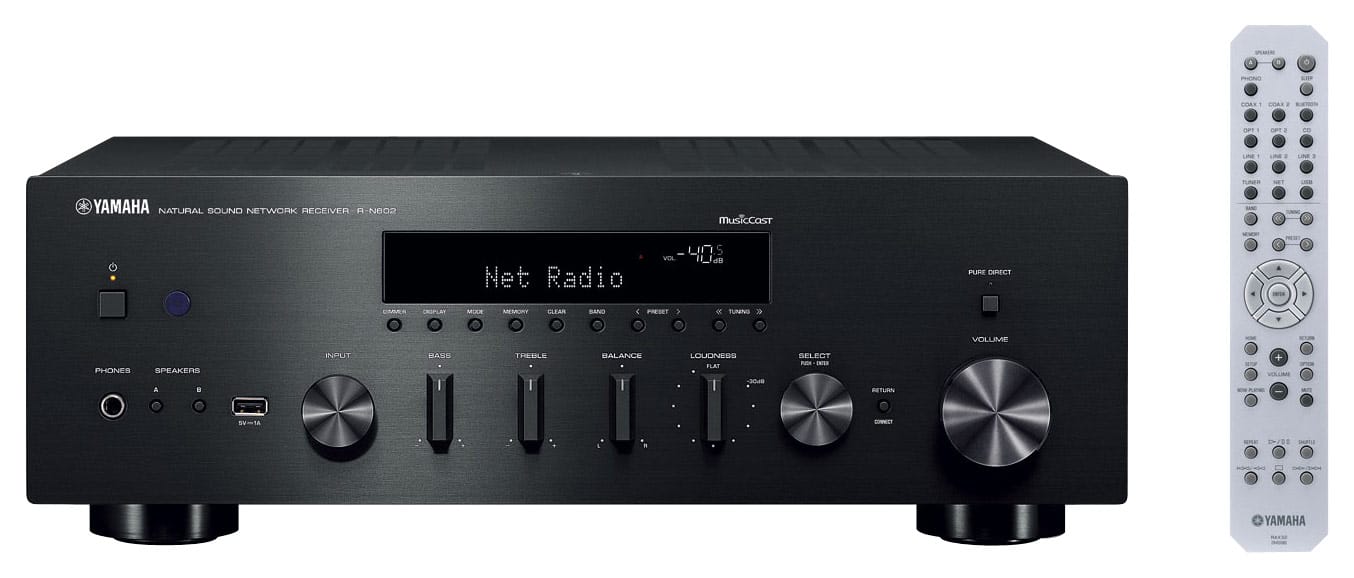
The R-N602 ($599) represents Yamaha's audiophile-focused approach to stereo, featuring high-end audio components and circuitry designed specifically for music playback. Released in 2015, it brought network streaming capabilities to traditional stereo receiver design.
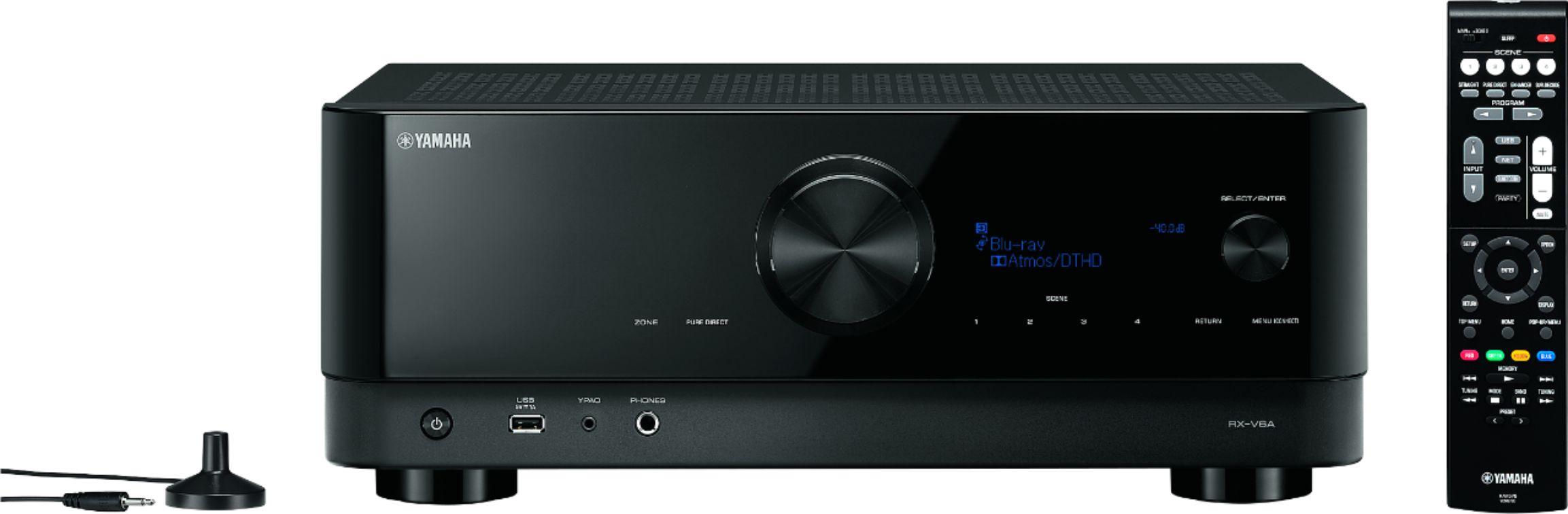
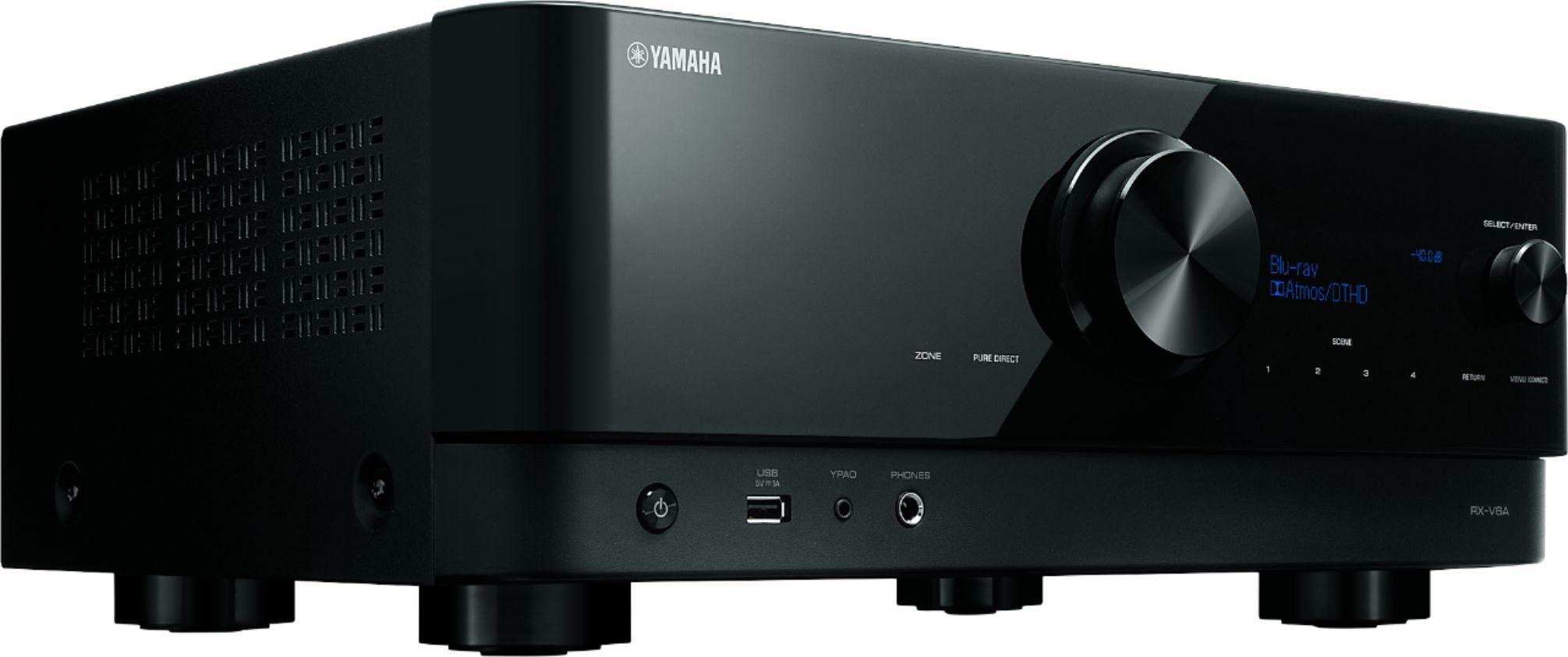
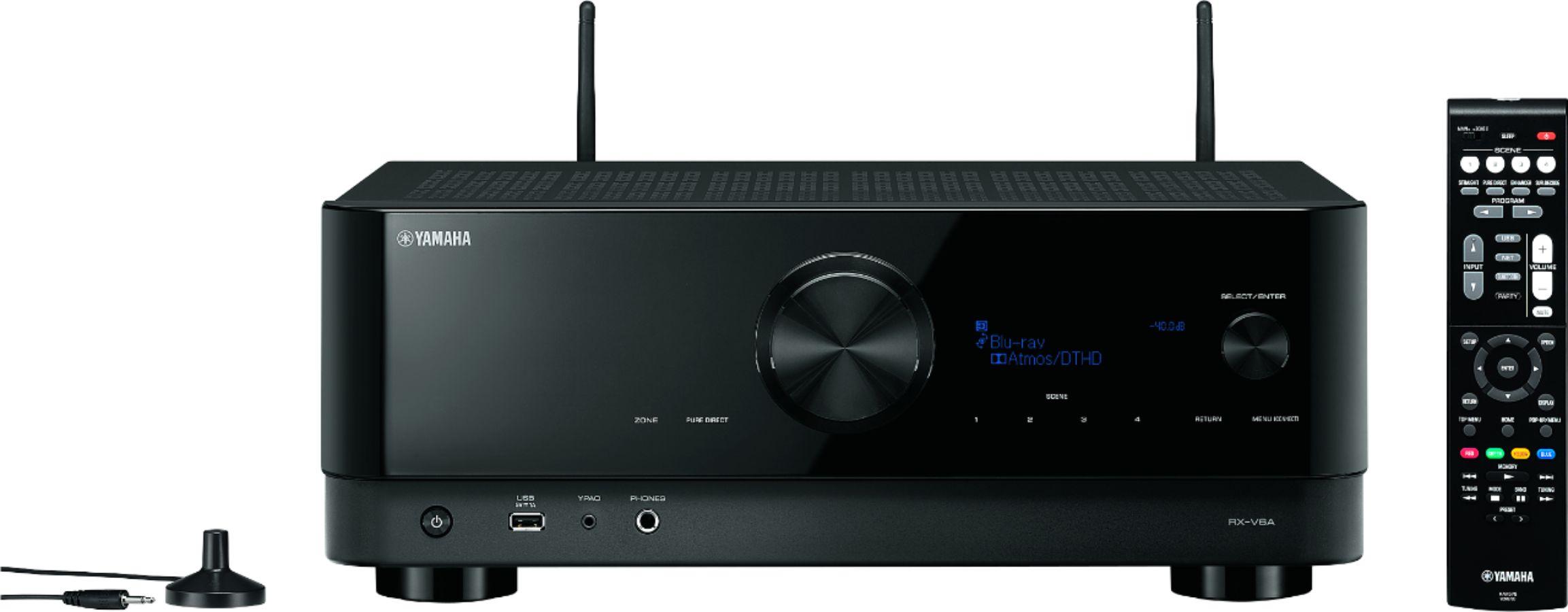
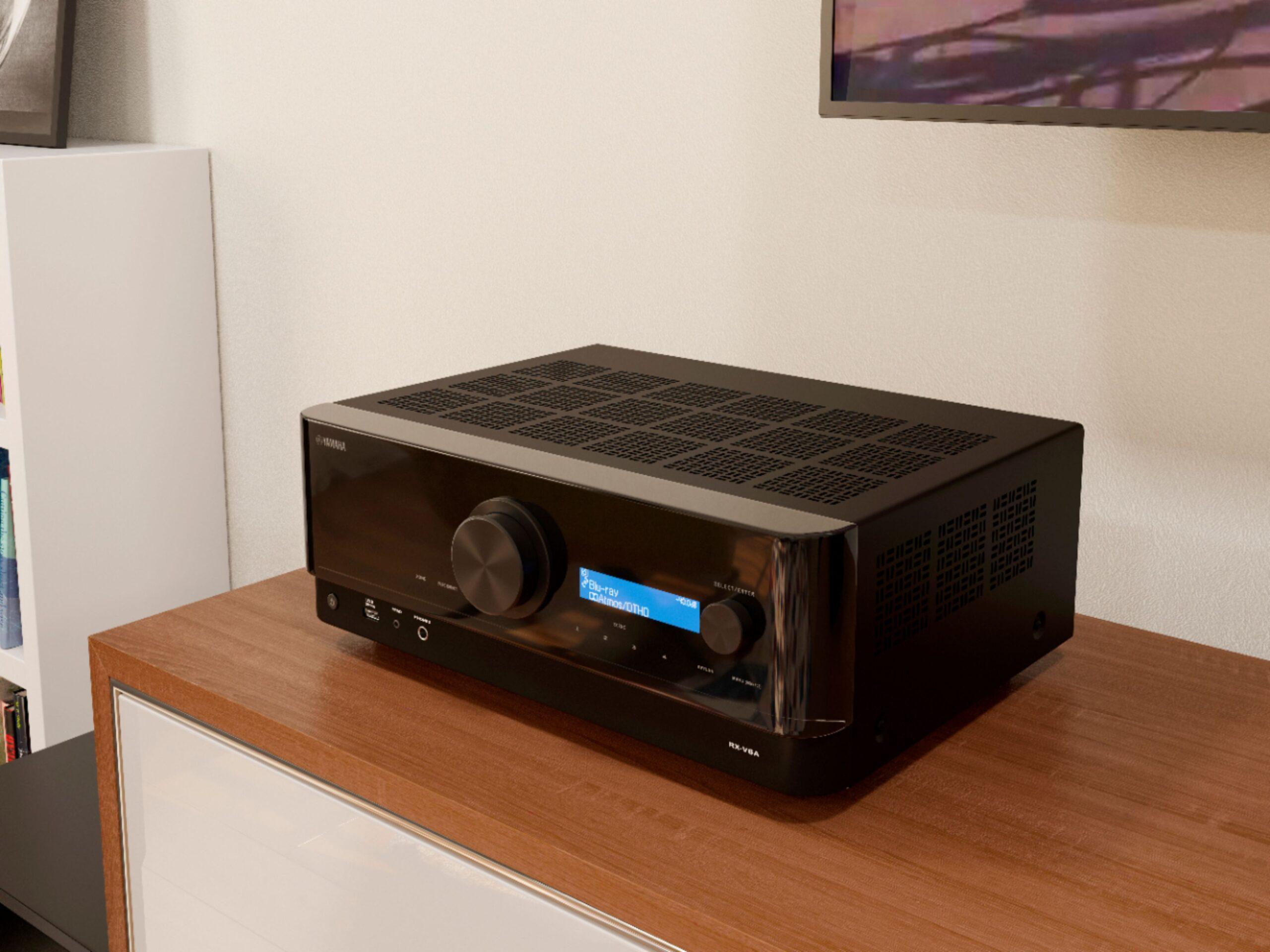
The RX-V6A ($599), launched in 2020, showcases modern home theater technology with HDMI 2.1 support, advanced room correction, and support for the latest surround sound formats. It's designed to be future-proof while still delivering quality audio performance.
The R-N602 shines in pure music reproduction. Its ToP-ART (Total Purity Audio Reproduction Technology) design minimizes signal path length and uses higher-grade components in the analog section. The dedicated stereo DAC (Digital-to-Analog Converter) handles high-resolution audio up to 384kHz/32-bit, though real-world content rarely exceeds 192kHz/24-bit.
In comparison, the RX-V6A uses a more modern but mainstream DAC configuration. While it can handle similar high-resolution formats, its circuitry is optimized for multiple channels rather than maximizing stereo performance. However, it does include Yamaha's "Pure Direct" mode, which bypasses unnecessary circuitry for better stereo playback.
Here's where the RX-V6A clearly pulls ahead. With support for Dolby Atmos and DTS:X (formats that enable sound to appear to come from above), it creates a truly immersive experience. The built-in YPAO (Yamaha Parametric room Acoustic Optimizer) system uses a microphone to measure your room's acoustics and adjusts the sound accordingly - something the R-N602 lacks entirely.
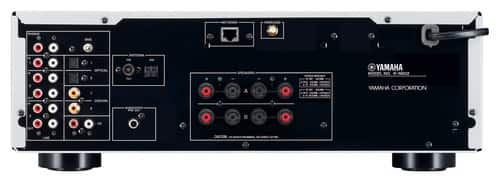
The R-N602 can connect to a TV through its optical input, but it will only output stereo sound. For movie watching, it downmixes all surround content to two channels.
Both receivers offer similar power on paper:
However, the R-N602's power supply and amplifier section are optimized for two channels, while the RX-V6A must divide its resources among seven channels. This means the R-N602 typically has more headroom and better control when driving demanding speakers.
Both receivers offer network streaming, but with different implementations:
The R-N602 features:
The RX-V6A adds:
The R-N602 focuses on audio connections:
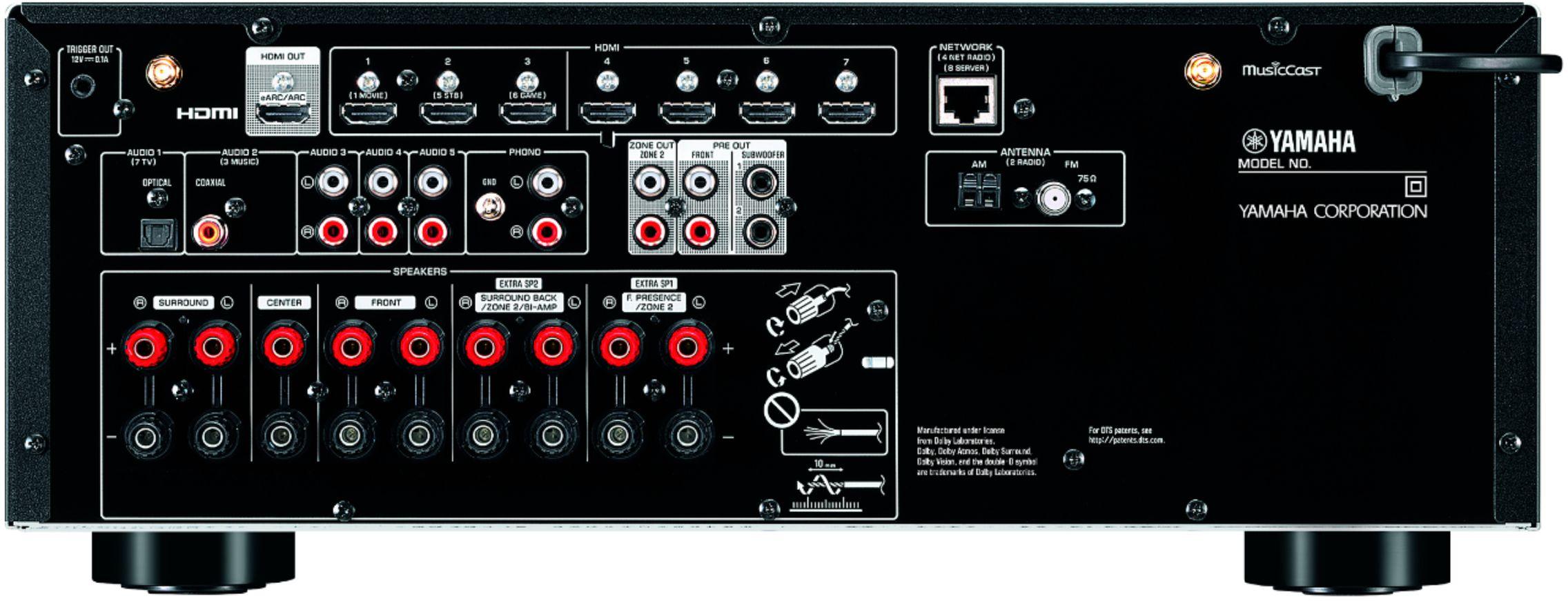
The RX-V6A offers more modern connectivity:
The identical price points ($599) make this decision more about use case than budget. However, consider these factors:
Choose the R-N602 if:
Choose the RX-V6A if:
For most modern homes where the audio system serves multiple purposes - gaming, movies, and music - the RX-V6A makes more sense. Its flexibility and feature set provide more value, even if it doesn't quite match the R-N602's stereo performance.
However, if you're building a dedicated music listening system and don't need surround sound, the R-N602's focused design and superior stereo performance make it the better choice. Its simplified signal path and optimized components will provide a more engaging music experience.
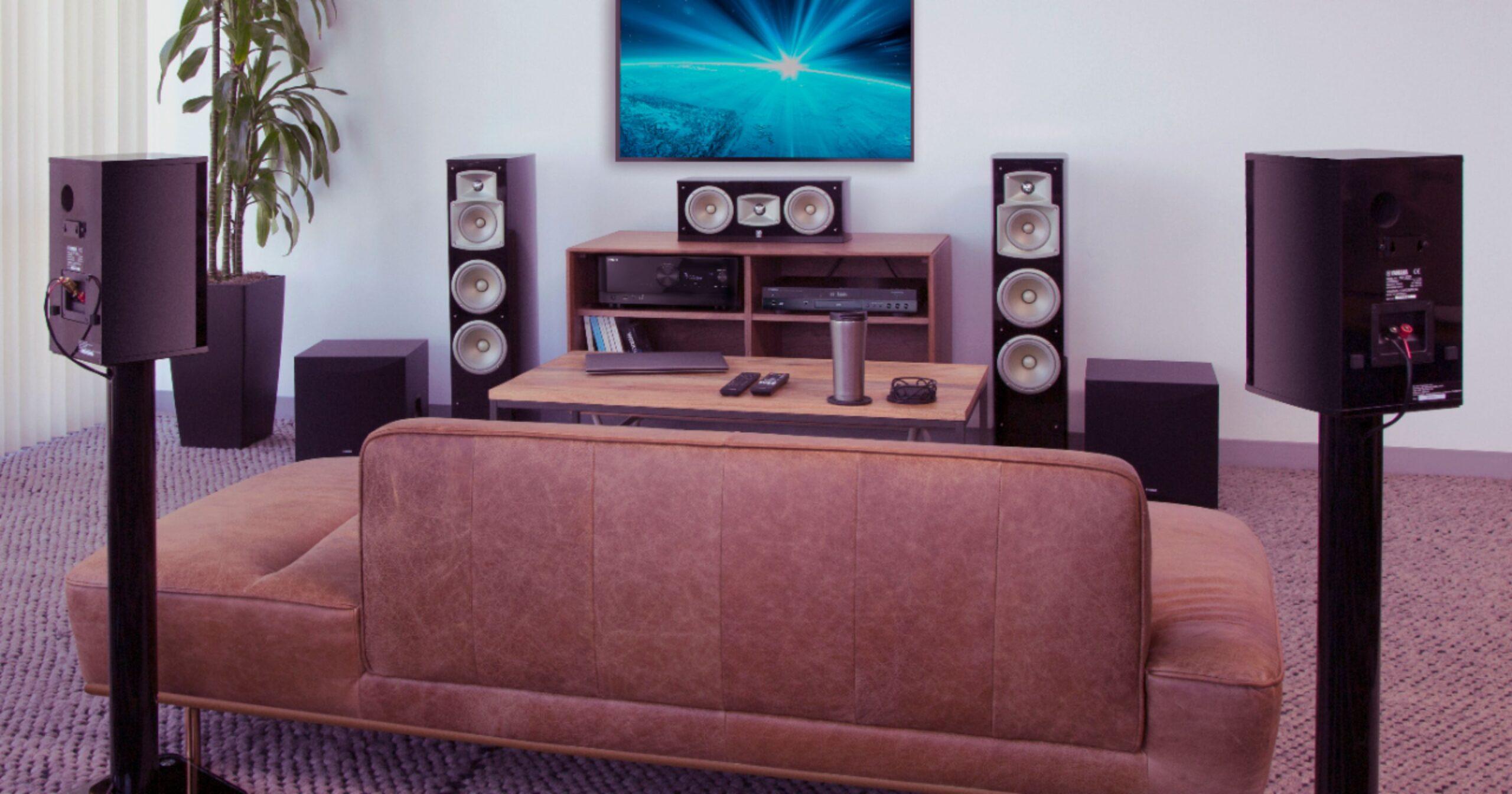
Consider your room size and setup too. The R-N602 works well in small to medium rooms where stereo can create an engaging soundstage. The RX-V6A shines in dedicated home theater spaces where its surround capabilities can be fully utilized.
Remember that while both are excellent devices, they serve different primary purposes. Choose based on how you'll actually use the system rather than getting caught up in features you might never use.
| Yamaha R-N602 Network Stereo Receiver | Yamaha RX-V6A 7.2 Channel AV Receiver |
|---|---|
| Primary Purpose - Determines core functionality | |
| Dedicated stereo music receiver | Multi-channel home theater receiver |
| Power Output - Impacts speaker compatibility and volume capability | |
| 80W x 2 channels (optimized for stereo) | 100W x 7 channels (divided among speakers) |
| Audio Processing - Affects sound quality and format support | |
| High-end stereo DAC, Pure Direct mode | Dolby Atmos, DTS:X, YPAO room correction |
| Digital Inputs - Determines connectivity options | |
| Optical, Coaxial, USB, No HDMI | 7 HDMI 2.1 inputs, Optical, Coaxial, USB |
| Streaming Capabilities - Important for modern content access | |
| WiFi, Bluetooth, MusicCast, DLNA | WiFi, Bluetooth, AirPlay 2, MusicCast, Voice Control |
| Special Features - Added functionality beyond core features | |
| Phono input, ToP-ART design, Network streaming | Gaming features (VRR/ALLM), Zone 2, Multi-channel processing |
| Room Calibration - Affects sound optimization | |
| None | YPAO with multi-point measurement |
| Video Support - Critical for home theater use | |
| No video switching | 8K/60Hz, 4K/120Hz, HDR formats |
| Price Point - Value consideration | |
| $599 (focused on audio quality) | $599 (more features, divided resources) |
| Best Use Case - Helps determine ideal buyer | |
| Dedicated music listening, audiophile focus | Multi-purpose home theater, gaming, music |
The Yamaha R-N602 is superior for pure music listening, with dedicated high-end audio components and optimized stereo circuitry. While the RX-V6A plays music well, its resources are divided among multiple channels.
Both the Yamaha R-N602 and RX-V6A are priced at $599, making the choice more about features and use case than budget.
Yes, both have phono inputs, but the R-N602 has a higher-quality phono preamp designed specifically for vinyl playback.
Both support Yamaha's MusicCast multi-room system, but the RX-V6A offers additional Zone 2 capabilities for powered multi-room setups.
We've done our best to create useful and informative comparisons to help you decide what product to buy. Our research uses advanced automated methods to create this comparison and perfection is not possible - please contact us for corrections or questions. These are the sites we've researched in the creation of this article: theaudiophileman.com - crutchfield.com - forums.whathifi.com - usa.yamaha.com - youtube.com - hifiengine.com - yamaha.com - adorama.com - parts-express.com - usa.yamaha.com - audiosciencereview.com - soundandvision.com - soundandvision.com - bestbuy.com - hometechnologyreview.com - usa.yamaha.com - au.yamaha.com - bestbuy.com - manual.yamaha.com - hifireport.com - my.yamaha.com - shop.usa.yamaha.com - crutchfield.com

Privacy Policy
Terms and Conditions - Affiliate Policy
Home Security
© Copyright 2008-2026.
11816 Inwood Rd #1211, Dallas, TX 75244