


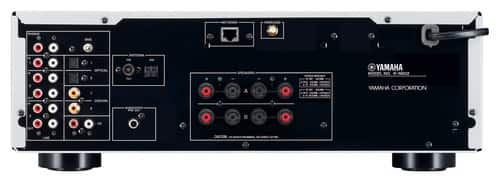
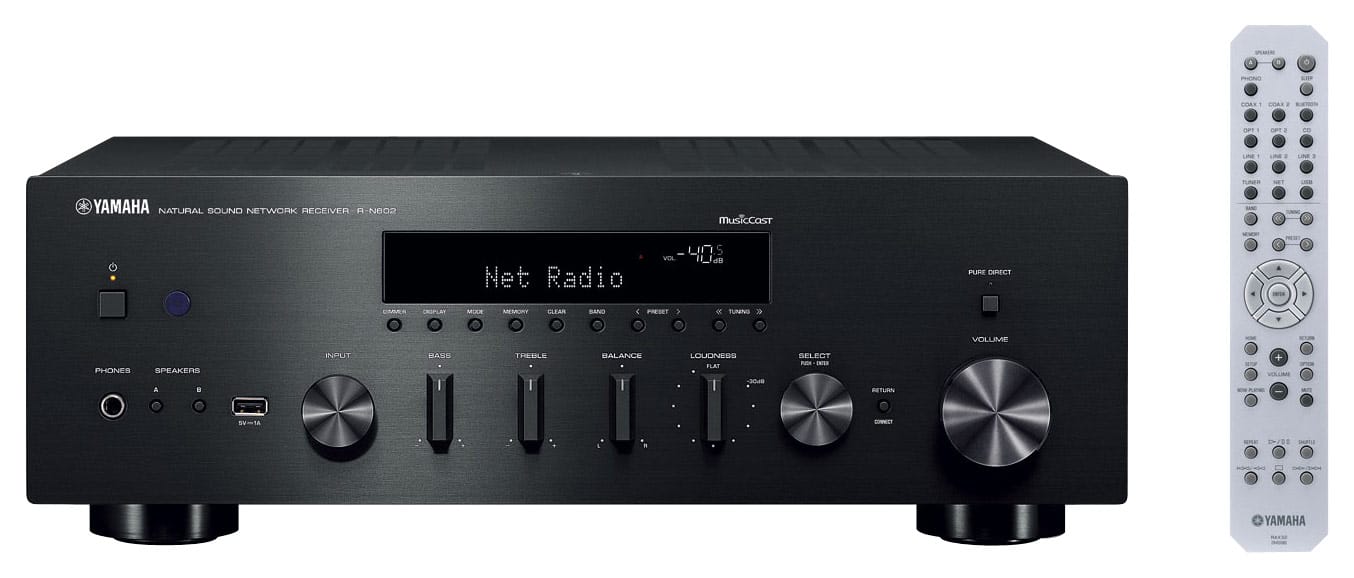
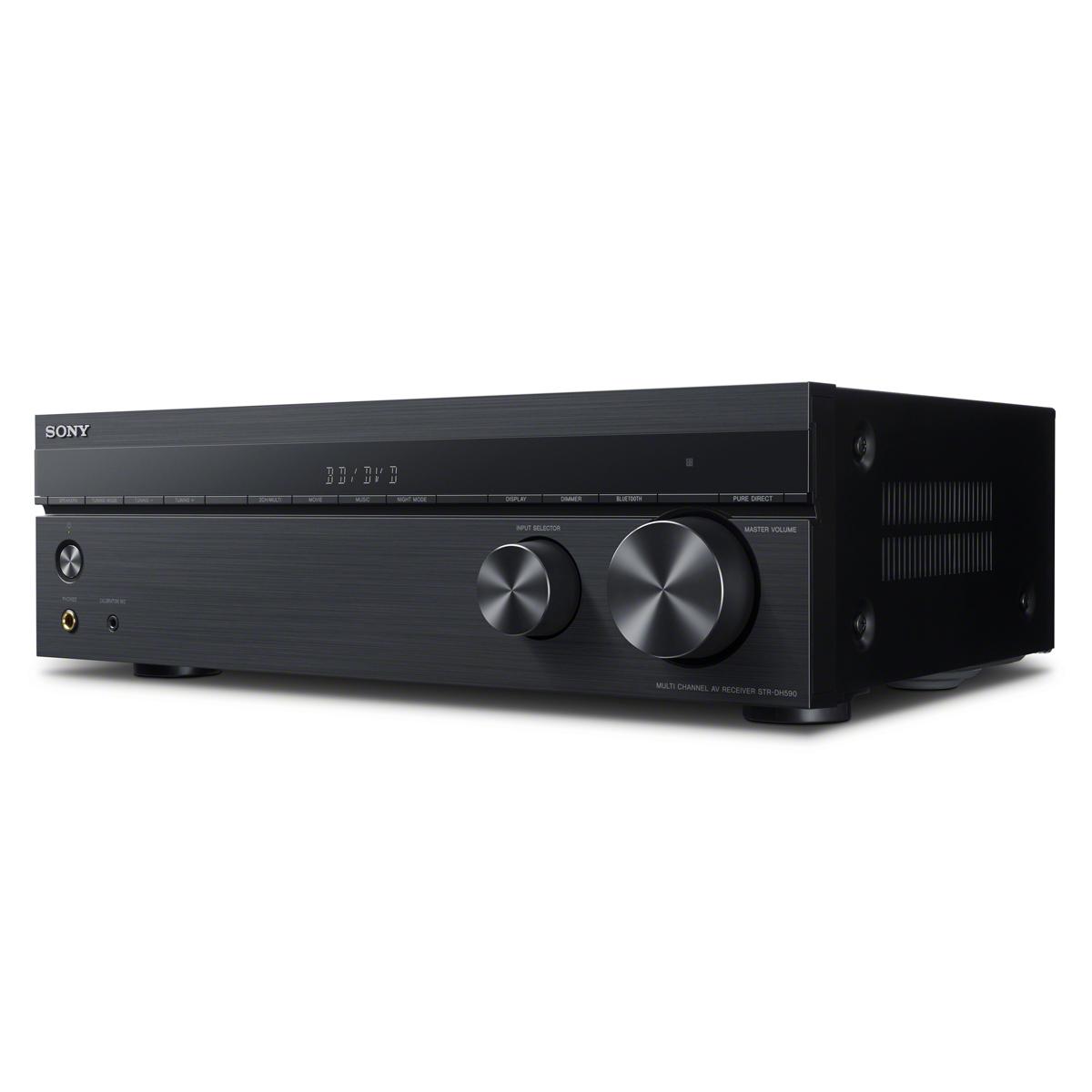
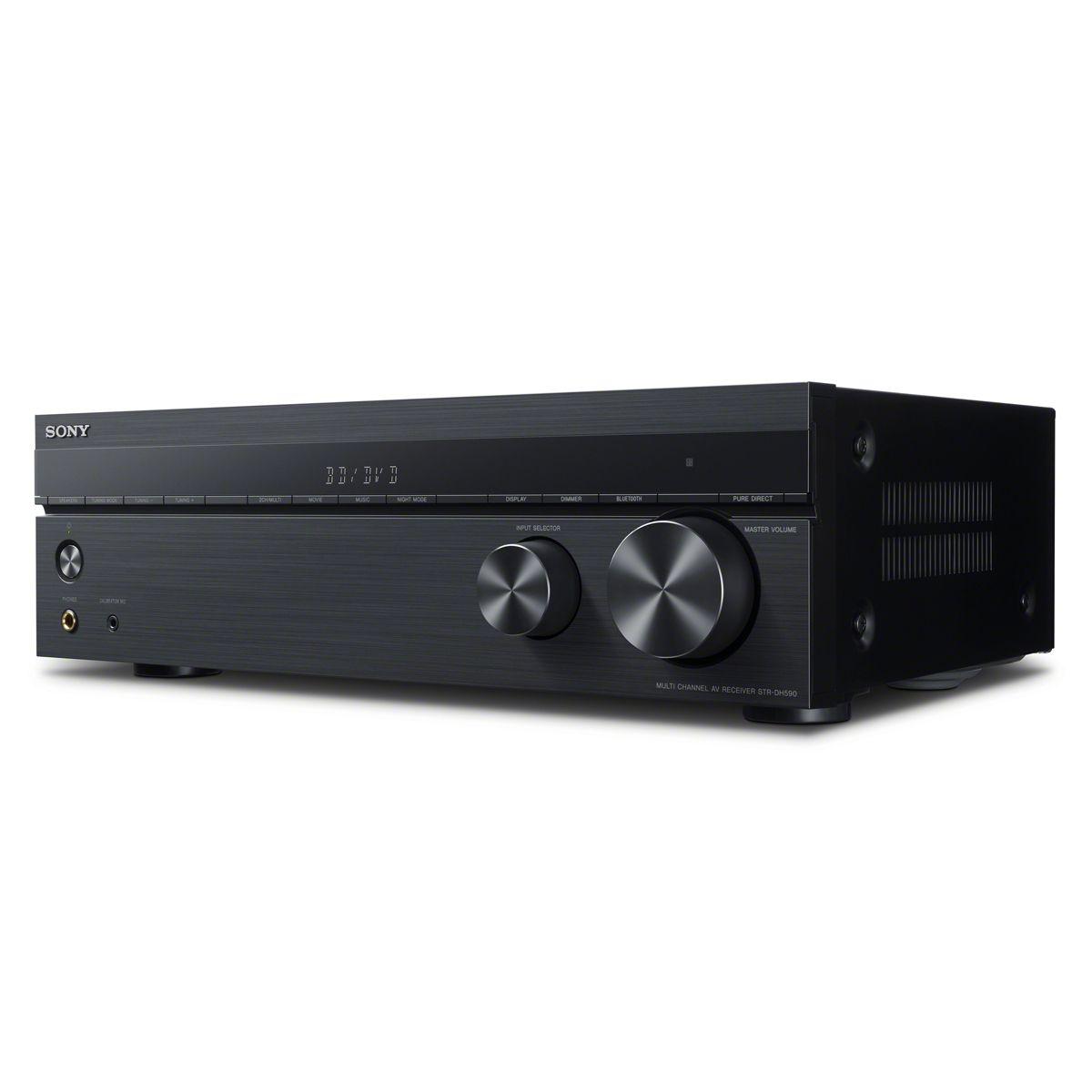
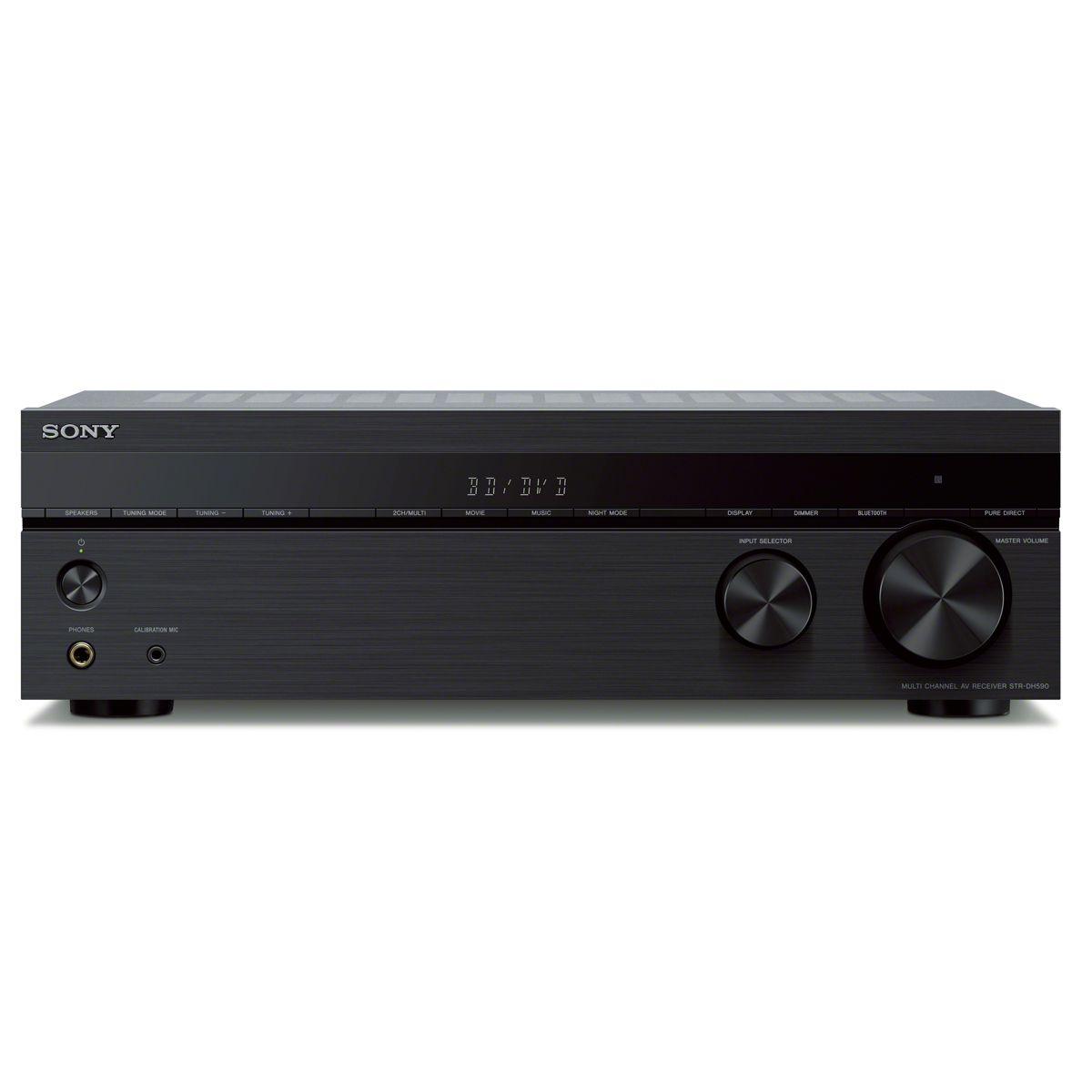
When setting up a home audio system, one of the first big decisions is whether to invest in a dedicated stereo receiver or go with a home theater AV receiver. The Yamaha R-N602 ($649) and Sony STR-DH590 ($279) represent these two distinct approaches, each with unique strengths that suit different needs.
Network stereo receivers like the R-N602 (released 2016) focus on delivering the highest possible two-channel audio quality. They dedicate their entire build budget to premium audio components rather than splitting resources across video processing and multiple amplifier channels. In contrast, AV receivers like the STR-DH590 (released 2018) serve as complete home theater hubs, managing both audio and video while powering multiple speakers for surround sound.
The R-N602 shines brightest with music, using high-end components like a Burr-Brown 192kHz/24-bit DAC (digital-to-analog converter) that transforms digital audio into exceptionally clean analog signals. Its amplifier section delivers 80 watts per channel into 8 ohms with very low distortion (0.04% THD), providing plenty of clean power for most speakers.
In comparison, the STR-DH590 offers respectable but not exceptional stereo performance. Its 90 watts per channel (into 6 ohms) provides similar power, but the amplifier design prioritizes efficiency and cost-effectiveness over absolute fidelity. While casual listeners might not notice much difference, critical music fans will appreciate the R-N602's more refined sound, especially in areas like:
Here's where the STR-DH590 takes the lead. Its 5.2-channel design supports full surround sound setups, with dedicated processing for formats like:
The receiver can create an immersive sound field that places you in the middle of the action - something the R-N602 simply can't match with its stereo-only design.
The R-N602 offers impressive network capabilities:
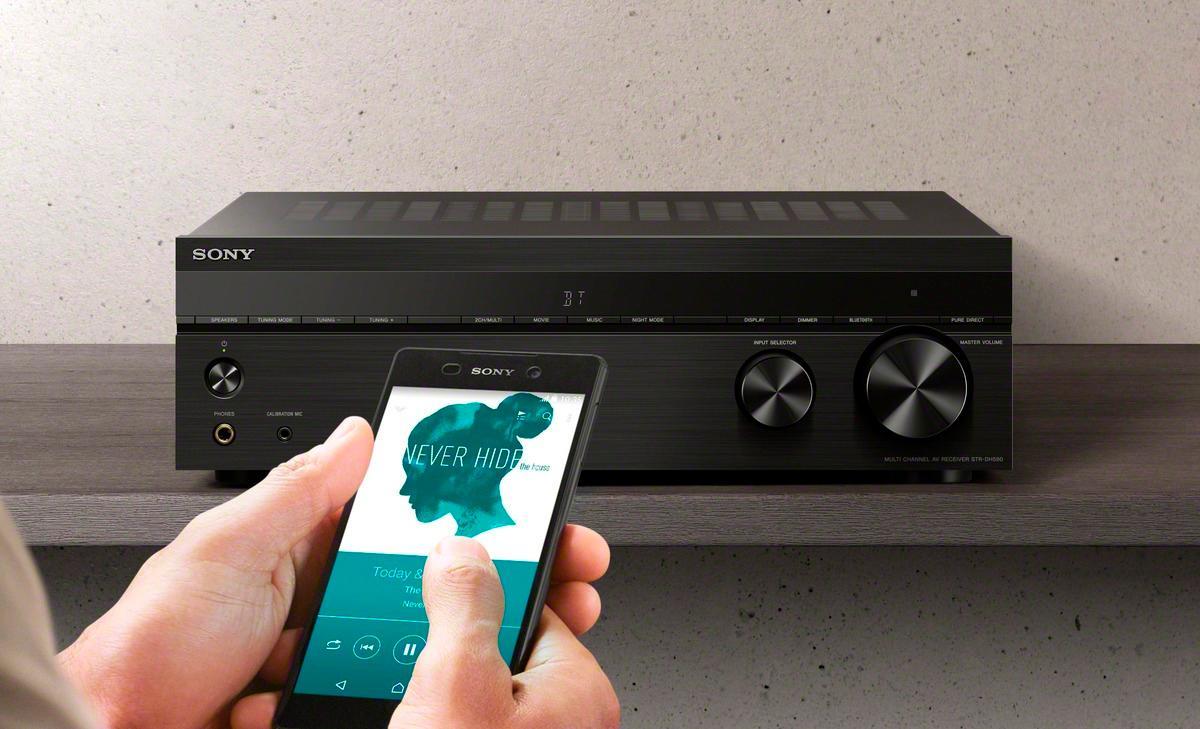
The STR-DH590 is more basic in this regard, offering only Bluetooth connectivity. However, it makes up for this with extensive video features.
The STR-DH590 serves as a capable video switcher with:
The R-N602 handles no video signals at all - it's purely an audio device.
In practice, the R-N602 excels at creating an engaging music listening experience. Its network features make streaming convenient while maintaining high audio quality. The included phono input (for turntables) adds value for vinyl enthusiasts, and MusicCast integration enables whole-home audio setups.
However, its lack of HDMI connectivity means you'll need to route video connections directly to your TV and potentially use additional cables for audio. This can complicate setup in modern home theaters.
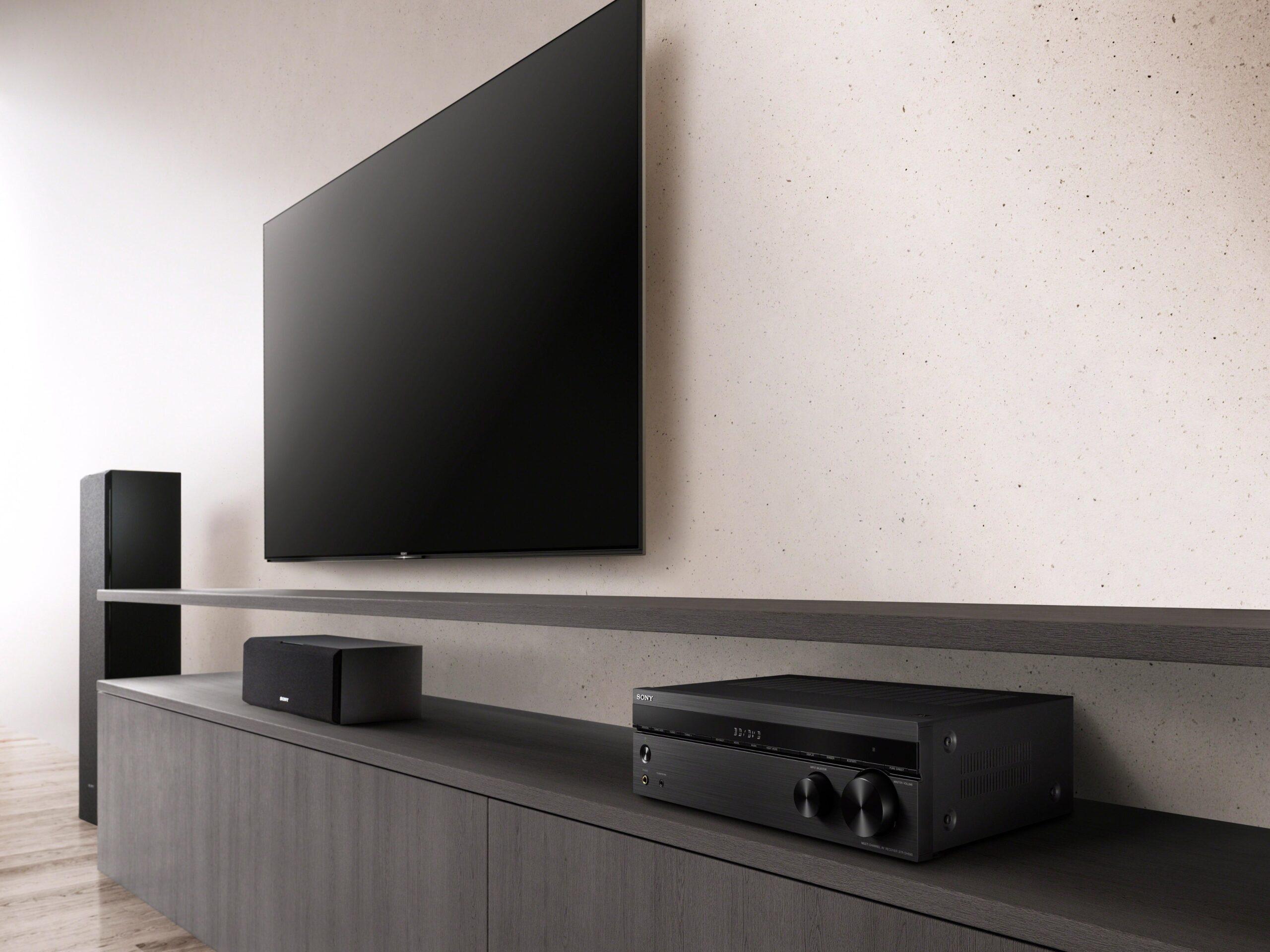
The STR-DH590 shines as a home theater hub. Its auto-calibration system helps optimize speaker settings for your room, and having all HDMI devices connected through one unit simplifies operation. While its music performance isn't quite audiophile-grade, it's more than adequate for most listeners and offers the flexibility of surround sound for movies and games.
Since these models' releases, we've seen several technological advances:
While neither unit includes these newer features, they both remain capable performers in their respective roles.
Consider these key factors when choosing between the Yamaha R-N602 and Sony STR-DH590:
Your choice ultimately depends on how you weigh these factors against your specific needs and preferences. Both units excel in their intended roles - it's just a matter of matching those capabilities to your requirements.
| Yamaha R-N602 | Sony STR-DH590 |
|---|---|
| Current Price - Key factor in value assessment | |
| $649 | $279 |
| Core Design - Determines primary use case | |
| 2-channel stereo receiver optimized for music | 5.2 channel AV receiver for home theater |
| Power Output - Affects speaker compatibility and room size | |
| 80W/channel (8Ω, 20Hz-20kHz, 0.04% THD) | 90W/channel (6Ω, 20Hz-20kHz, 0.09% THD) |
| Audio Processing - Impacts sound quality and format support | |
| High-end Burr-Brown 192kHz/24-bit DAC, Pure Direct mode | Dolby Digital, DTS-HD Master Audio, Digital Cinema Auto Calibration |
| Network Features - Important for streaming and connectivity | |
| WiFi, Ethernet, MusicCast, AirPlay, built-in streaming services | Bluetooth only |
| Video Capabilities - Critical for home theater use | |
| None | 4K/60Hz HDR passthrough, 4 HDMI inputs, HDCP 2.2 |
| Special Audio Features - Affects versatility | |
| Phono input, high-res audio support up to 192/24, gapless playback | 5.2 surround sound, dual subwoofer outputs |
| Multi-room Capability - Important for whole-home audio | |
| Yes, via MusicCast wireless system | No |
| Physical Design - Impacts installation and durability | |
| Premium build, aluminum front panel, 9.8kg weight | Standard build, plastic front panel, 7.1kg weight |
| Future Expandability - Consider long-term needs | |
| Limited to 2.1 channels, focuses on audio quality upgrades | 5.2 channels max, good for basic home theater |
The Yamaha R-N602 is superior for music, offering higher-quality audio components and dedicated stereo performance. Its premium DAC and amplifier section are specifically designed for optimal music playback.
Yes, but differently. The Sony STR-DH590 uses HDMI connections for modern simplicity. The Yamaha R-N602 requires optical or analog audio connections from the TV.
The Yamaha R-N602 costs $649, while the Sony STR-DH590 is priced at $279, making the Sony more budget-friendly.
The Sony STR-DH590 is better for movies, offering 5.2 surround sound, HDMI switching, and modern video format support like 4K HDR.
Yes, but the Yamaha R-N602 offers more streaming options with WiFi, AirPlay, and built-in streaming services. The Sony STR-DH590 only offers Bluetooth streaming.
If space is limited and you mainly listen to music, choose the Yamaha R-N602. For movie watching, the Sony STR-DH590 is better, even in small spaces.
The Yamaha R-N602 has a built-in phono preamp for turntables. The Sony STR-DH590 requires an external phono preamp.
The Sony STR-DH590 offers more future-proofing for home theater with 4K HDR support. The Yamaha R-N602 is more future-proof for audio quality and streaming features.
Yes, both receivers require separate speakers. The Yamaha R-N602 needs two speakers for stereo, while the Sony STR-DH590 can support up to 5 speakers plus subwoofers.
The Yamaha R-N602 has superior stereo sound quality. The Sony STR-DH590 offers good overall sound with the advantage of surround capabilities.
Both can handle multiple devices. The Sony offers 4 HDMI inputs for video devices, while the Yamaha provides multiple analog and digital audio inputs.
The Sony STR-DH590 has auto-calibration and simpler HDMI connectivity. The Yamaha R-N602 requires more manual setup but isn't complicated for a basic stereo system.
We've done our best to create useful and informative comparisons to help you decide what product to buy. Our research uses advanced automated methods to create this comparison and perfection is not possible - please contact us for corrections or questions. These are the sites we've researched in the creation of this article: theaudiophileman.com - crutchfield.com - forums.whathifi.com - usa.yamaha.com - youtube.com - hifiengine.com - yamaha.com - adorama.com - parts-express.com - usa.yamaha.com - audiosciencereview.com - hifipicks.com - crutchfield.com - walmart.com - us.community.sony.com - perfectacoustic.co.uk - sony.com - merlinstv.com - worldwidestereo.com - sony.com - sonylatvija.com - audioadvice.com - youtube.com - videoandaudiocenter.com - justanswer.com

Privacy Policy
Terms and Conditions - Affiliate Policy
Home Security
© Copyright 2008-2026.
11816 Inwood Rd #1211, Dallas, TX 75244