

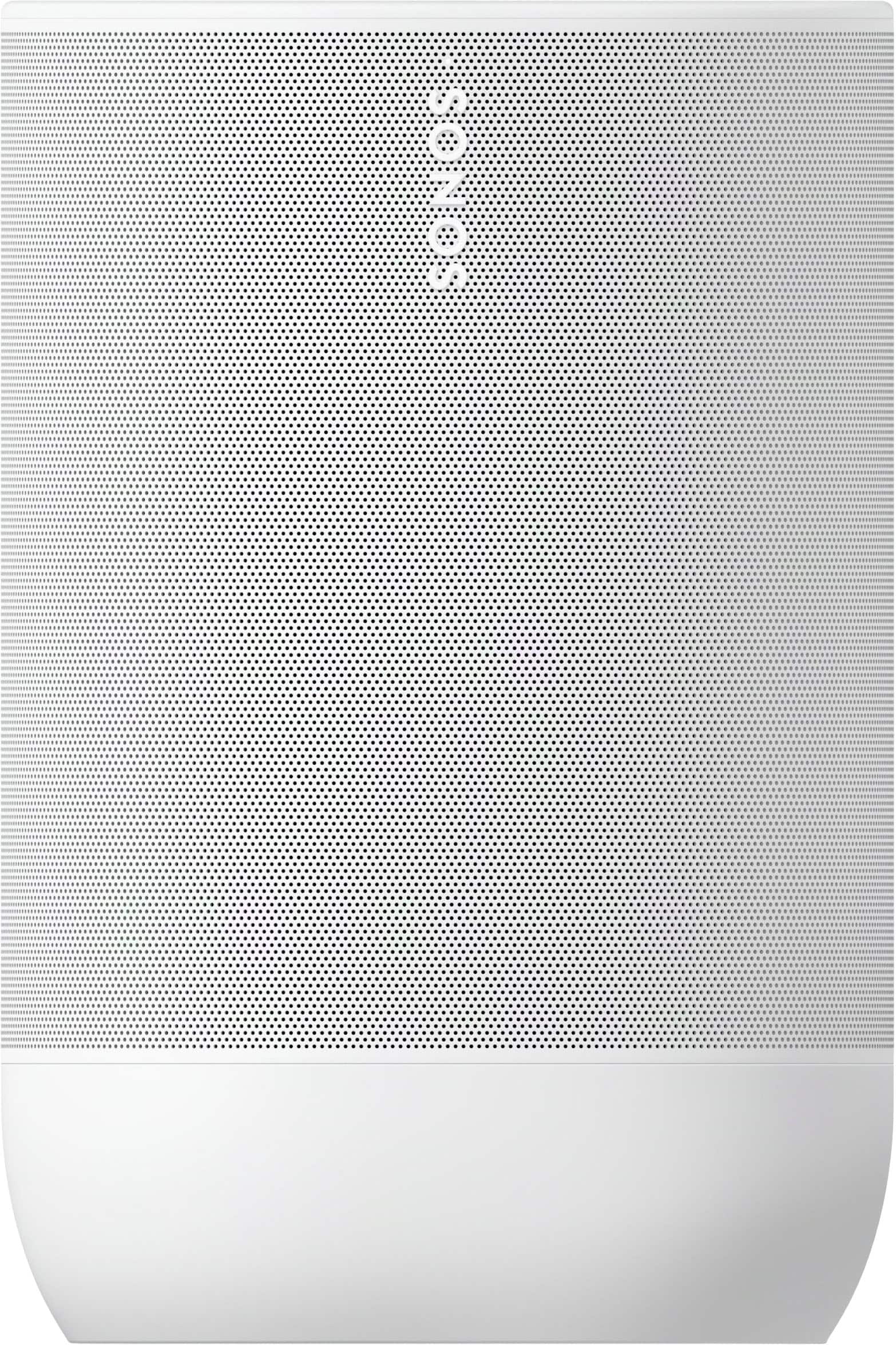
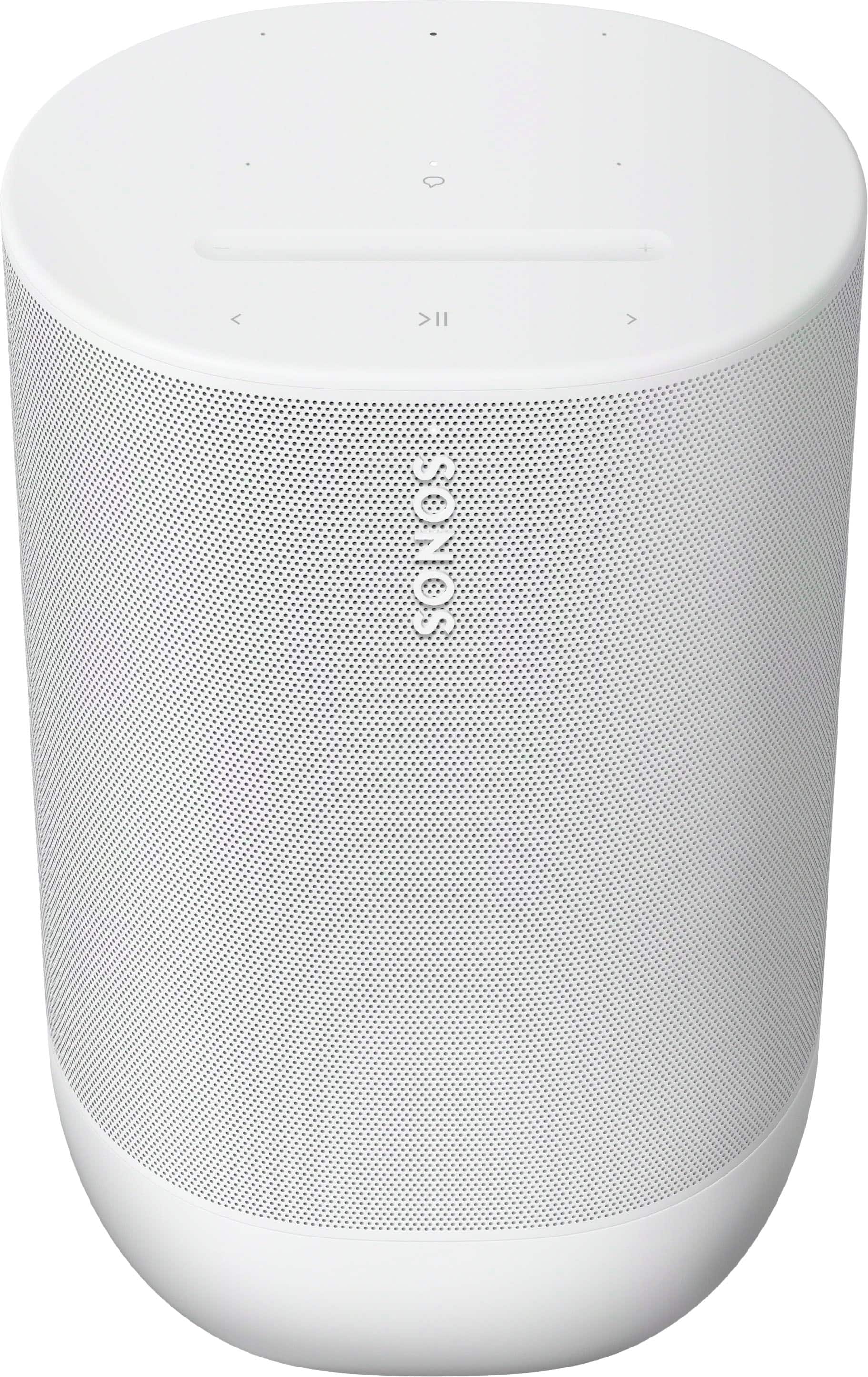
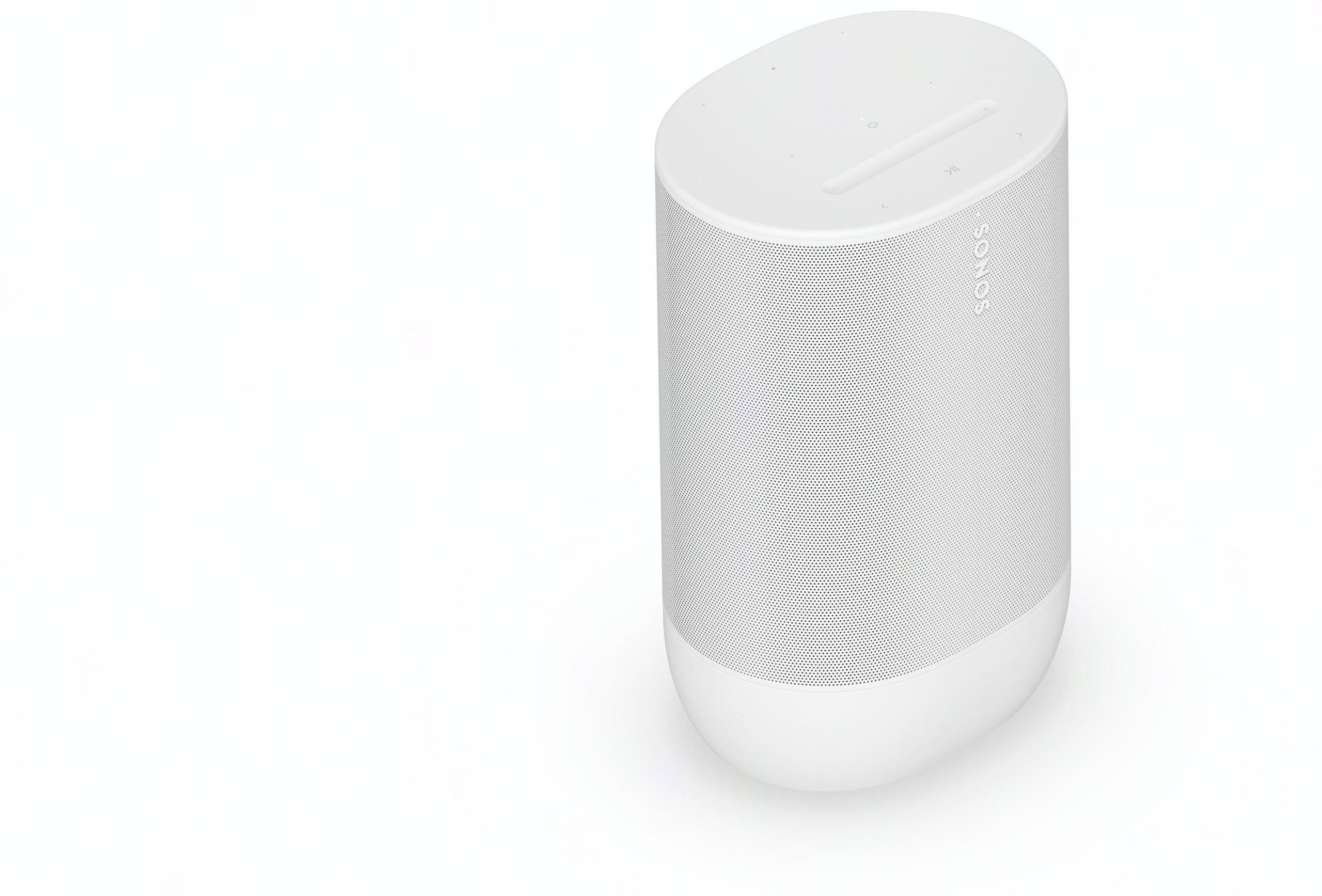
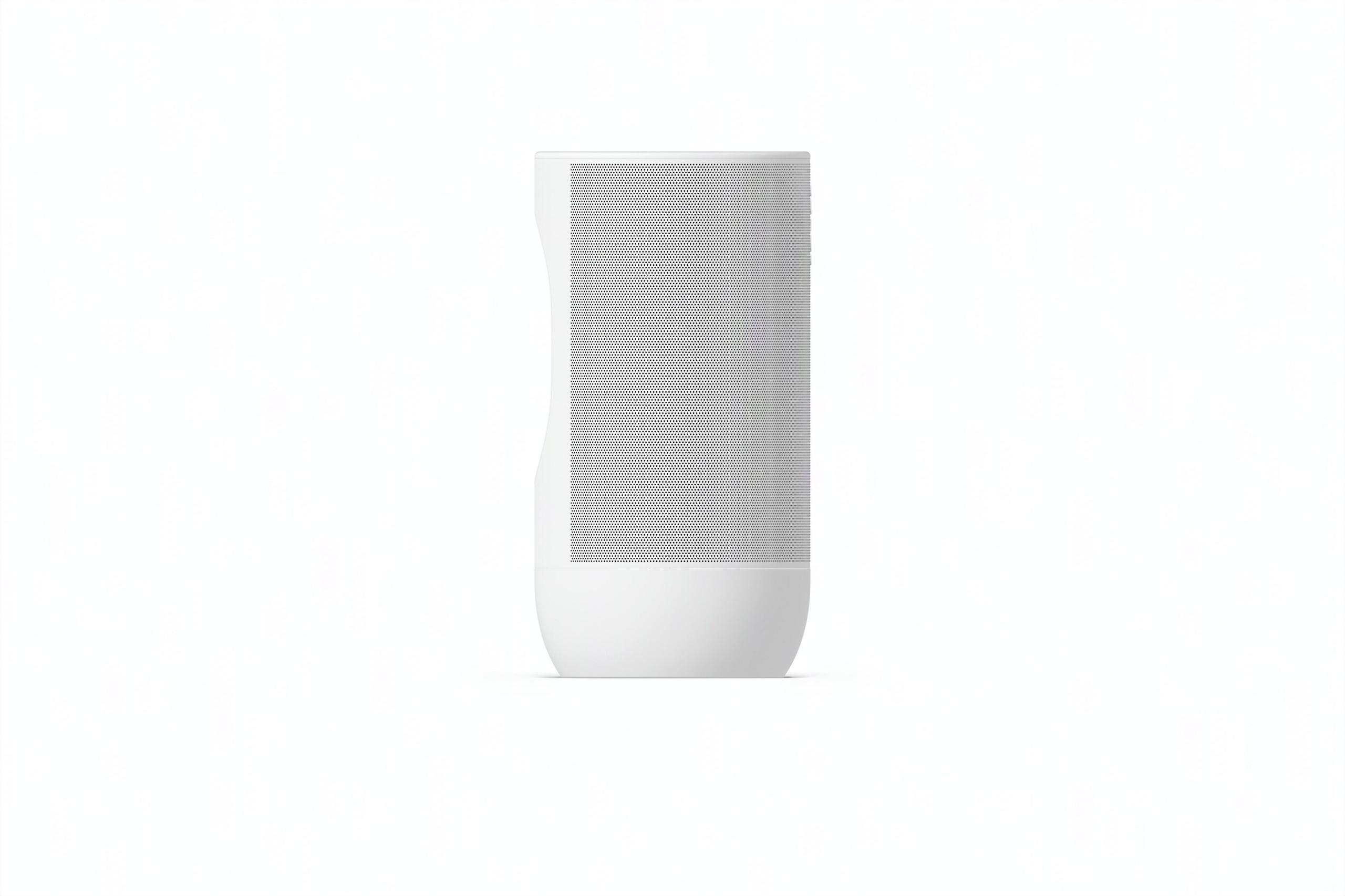
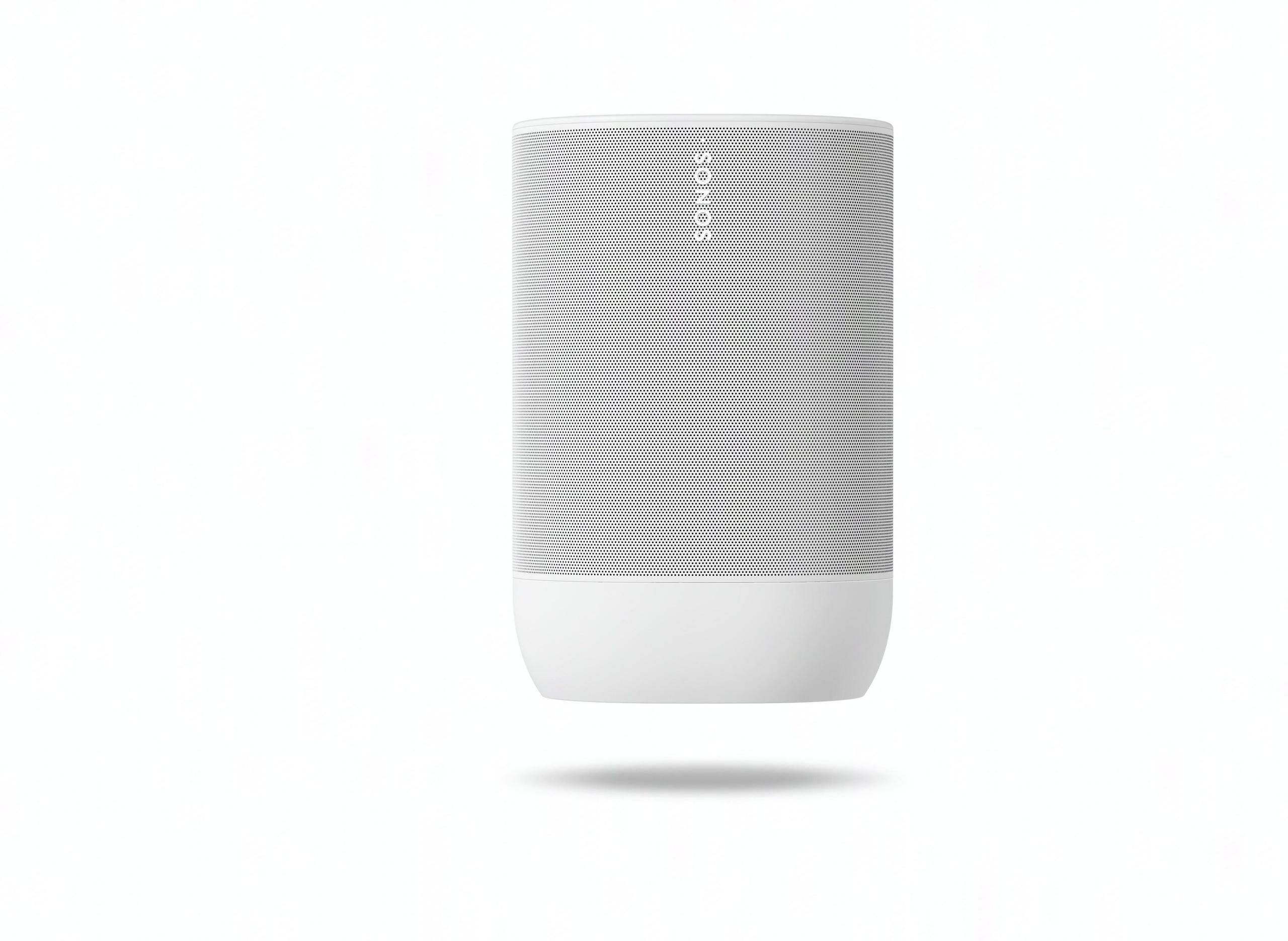
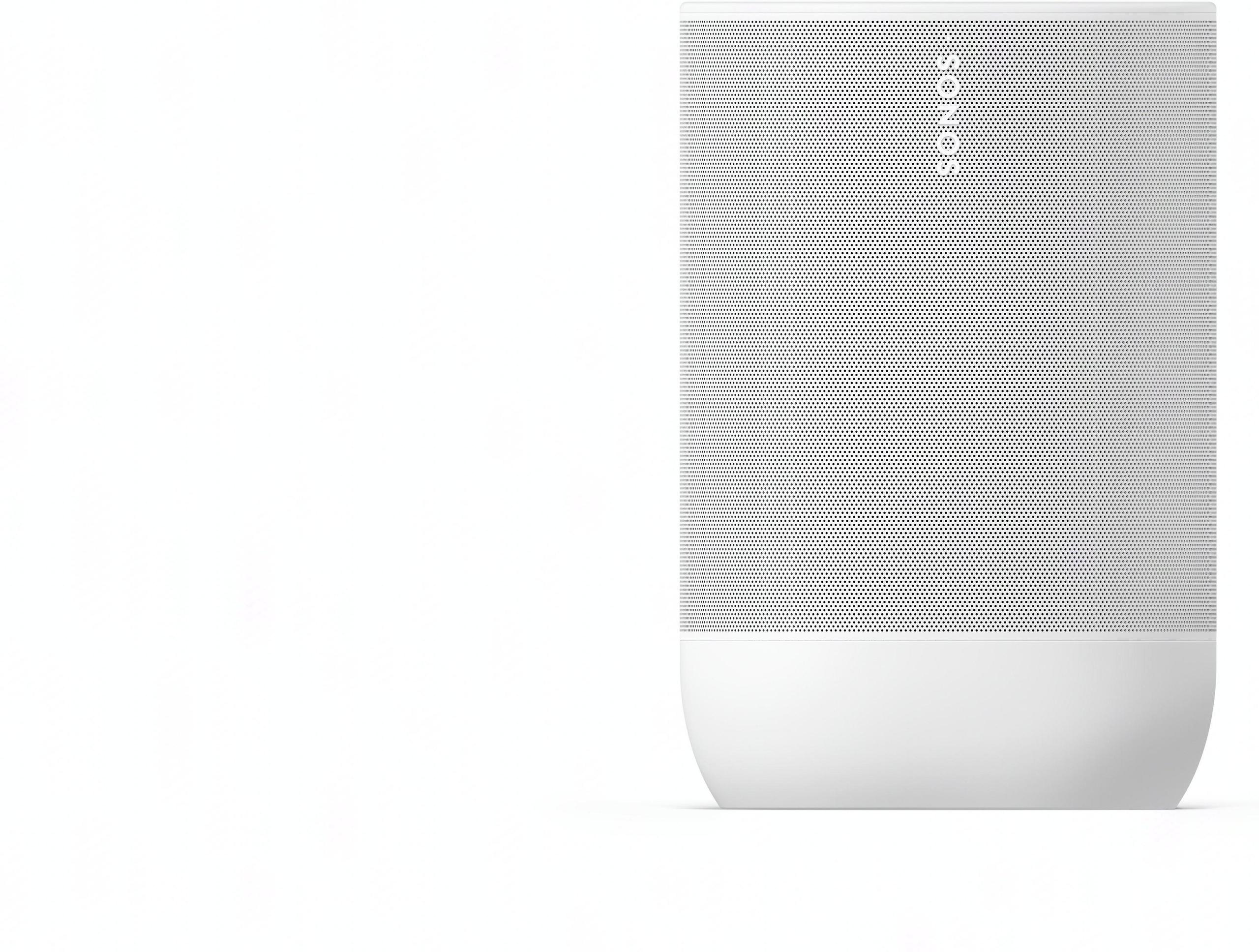
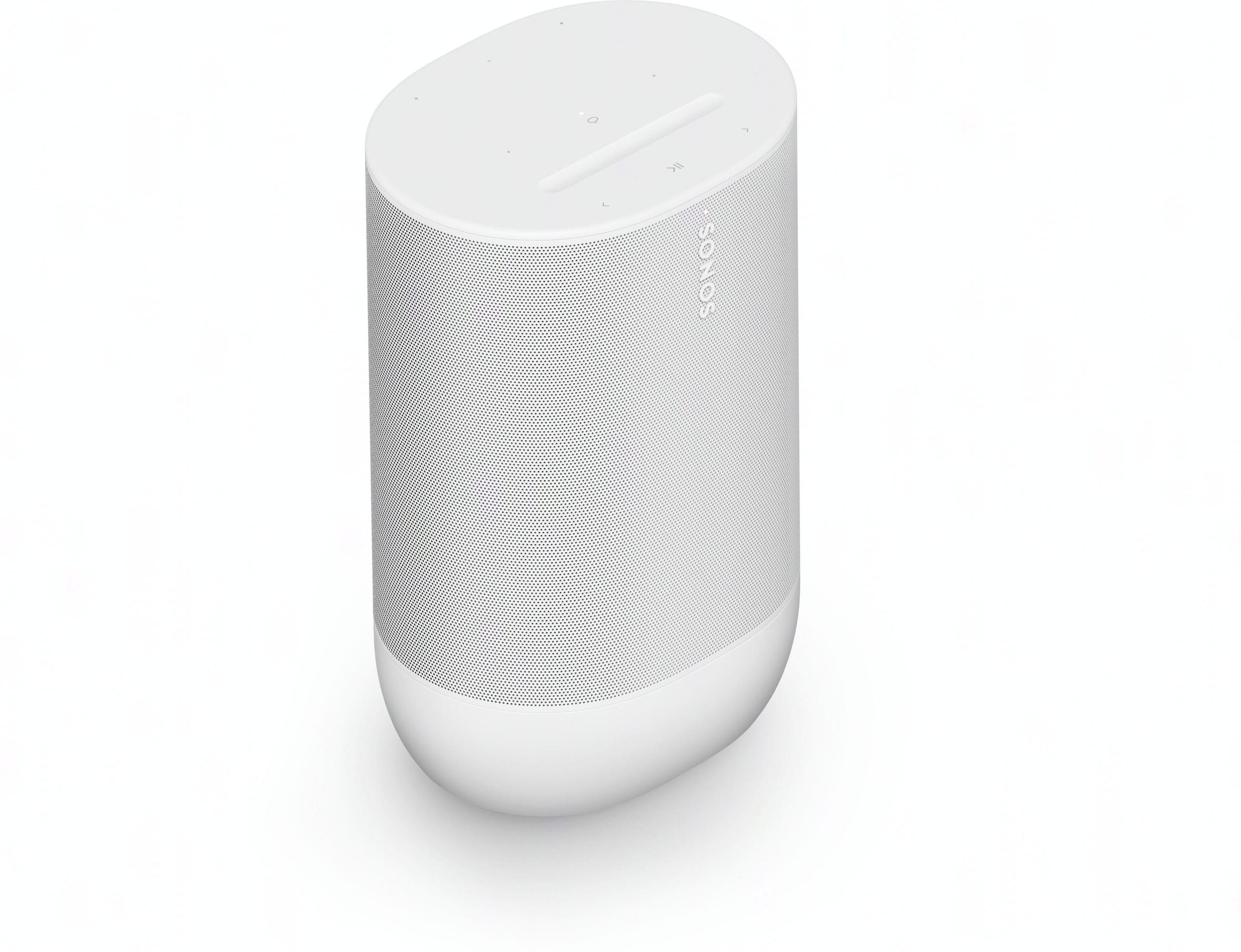
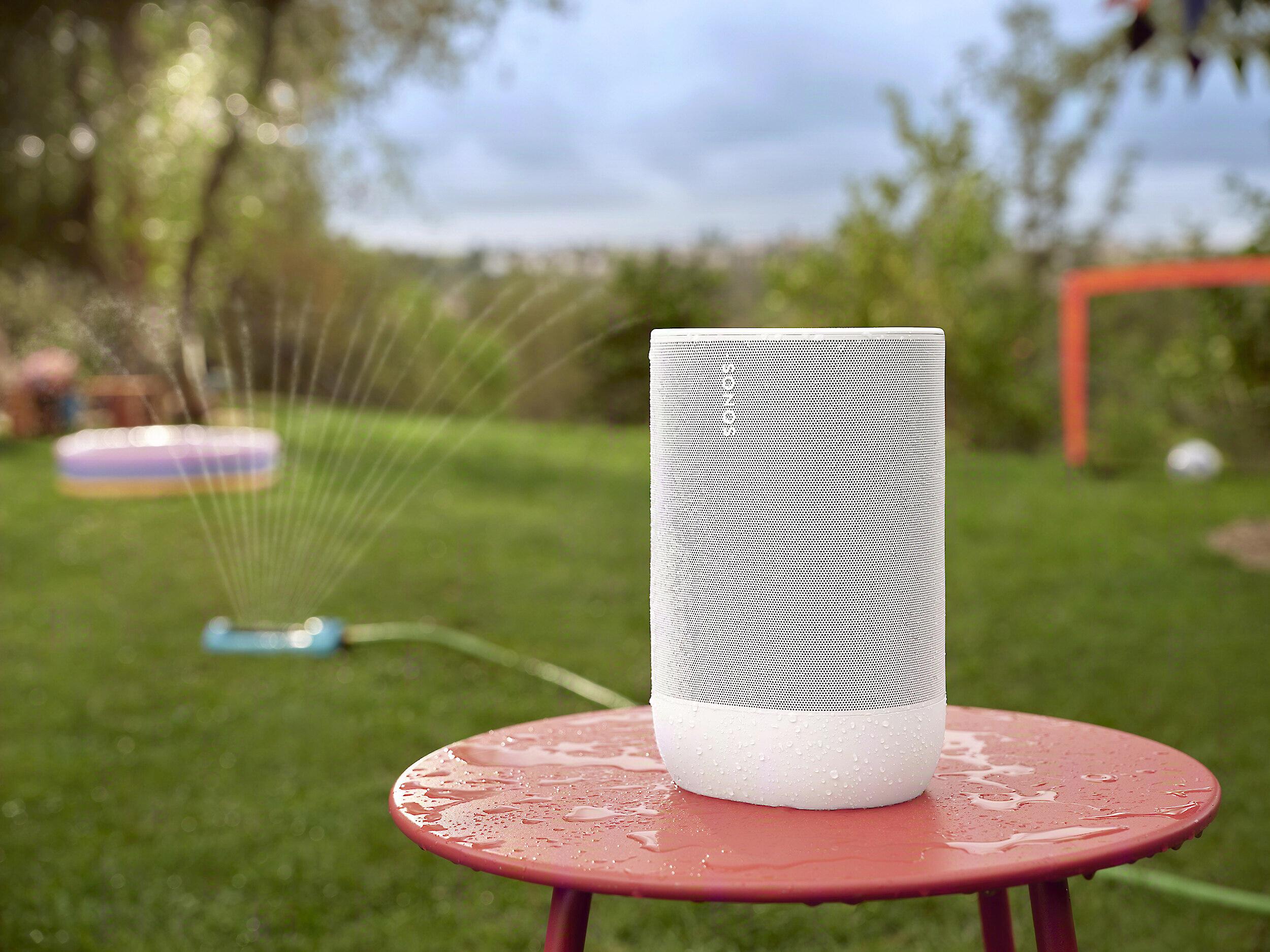
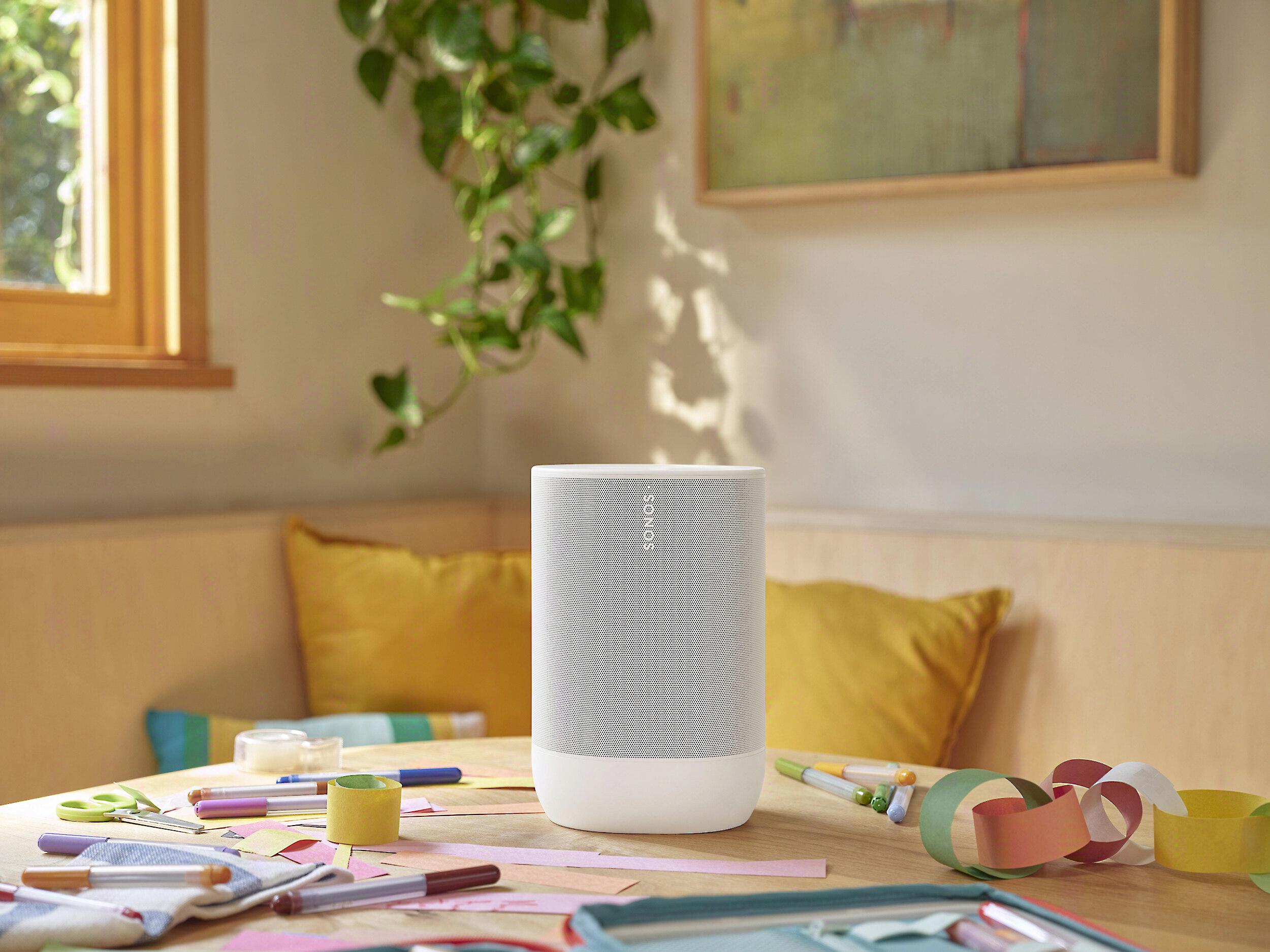
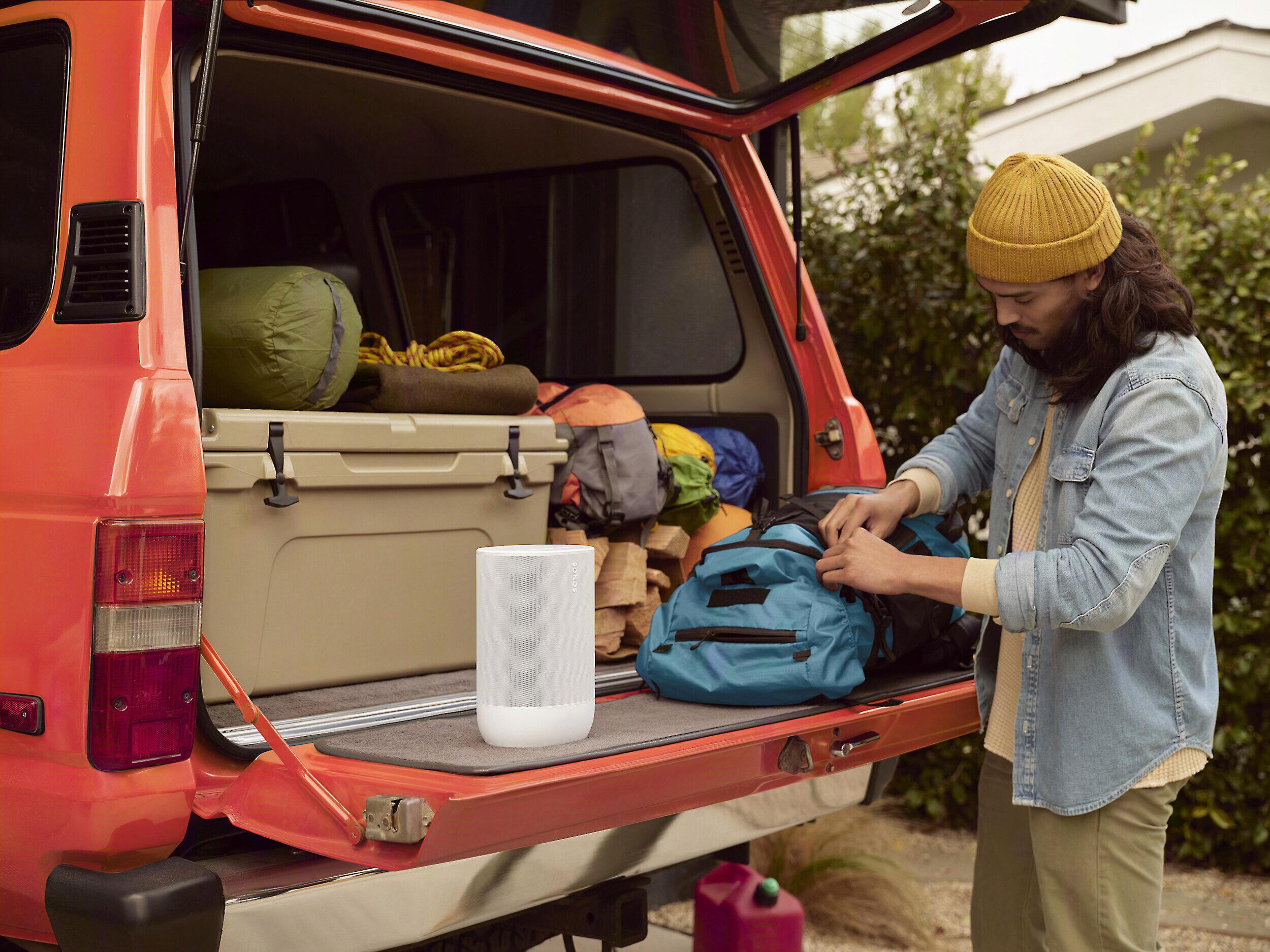
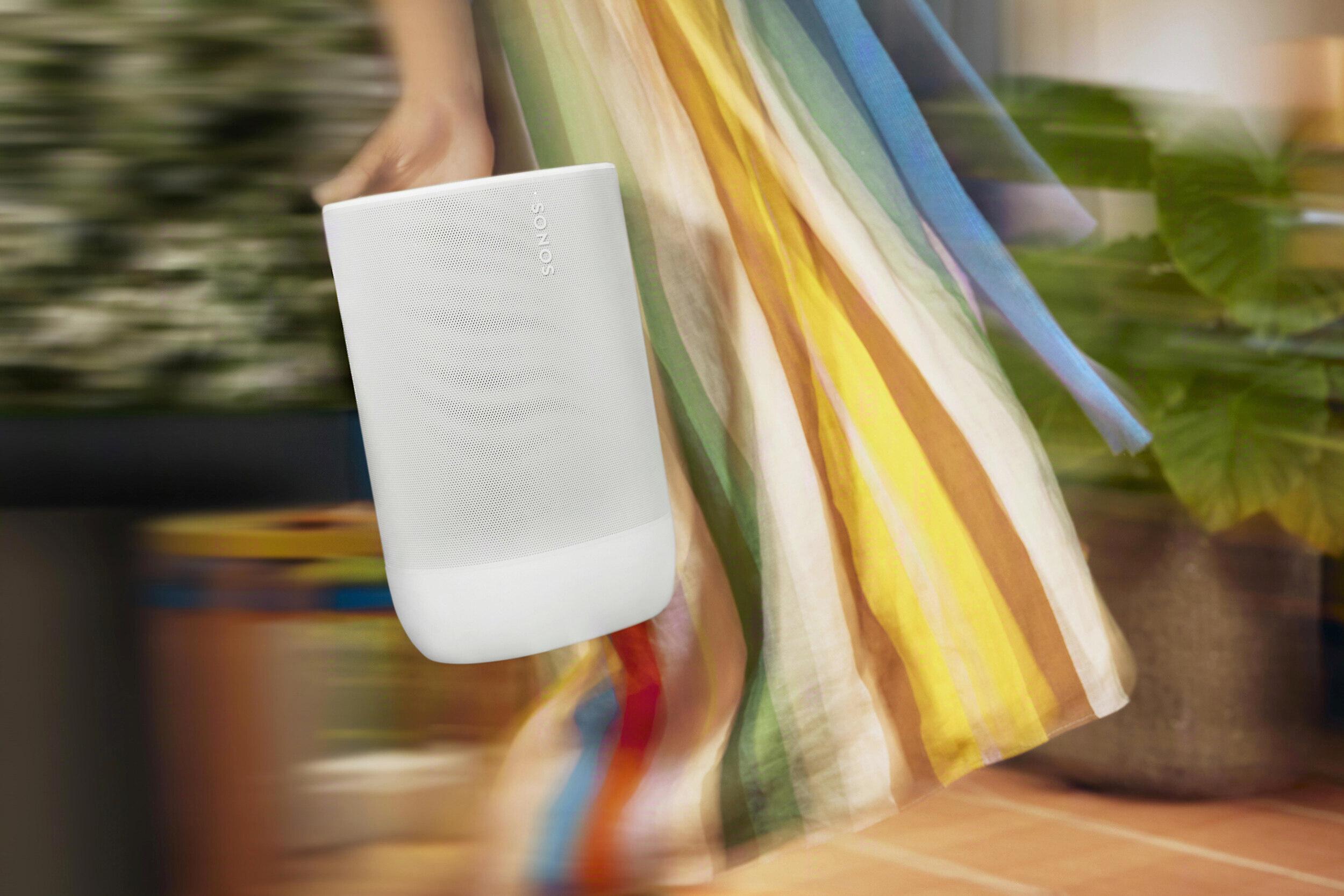
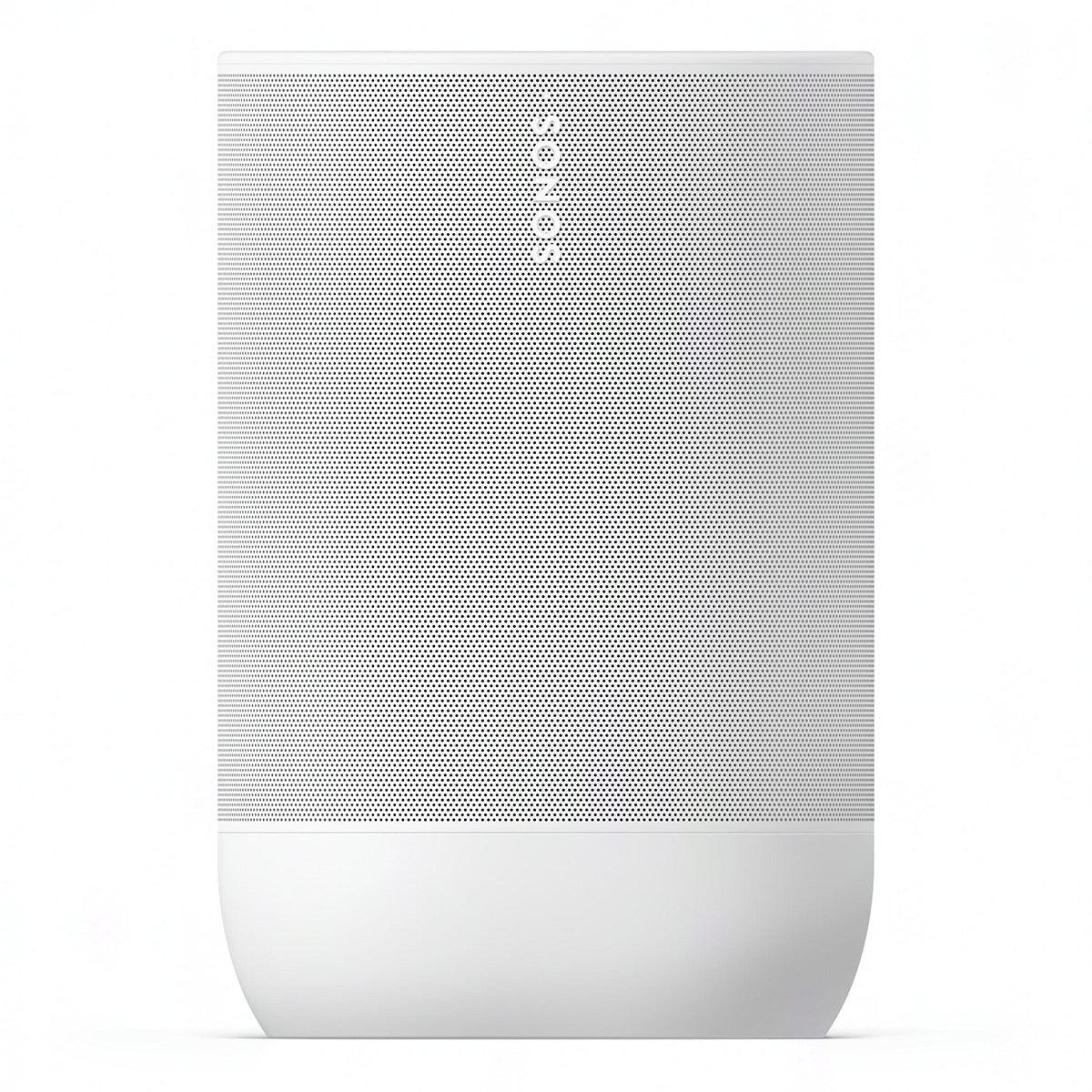
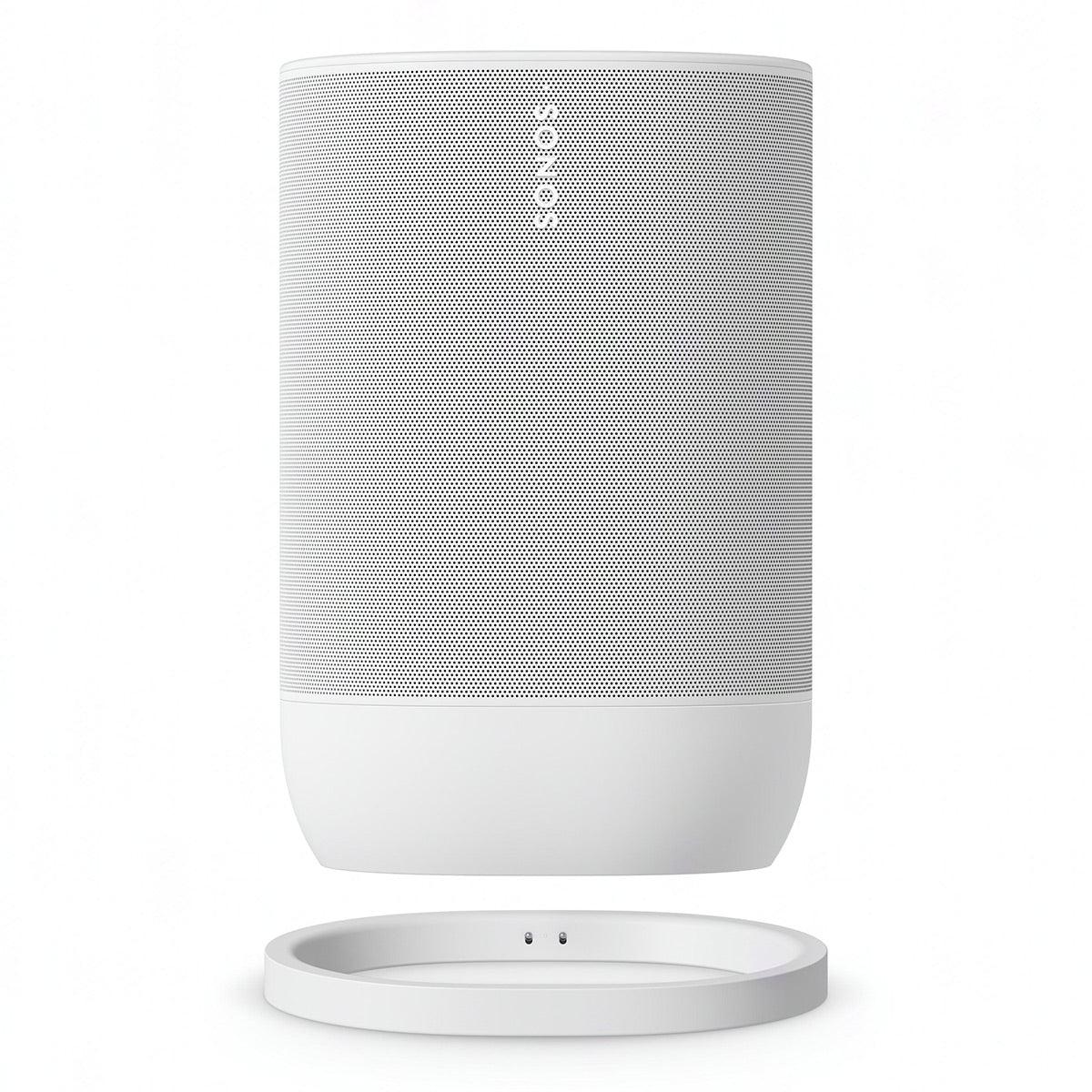
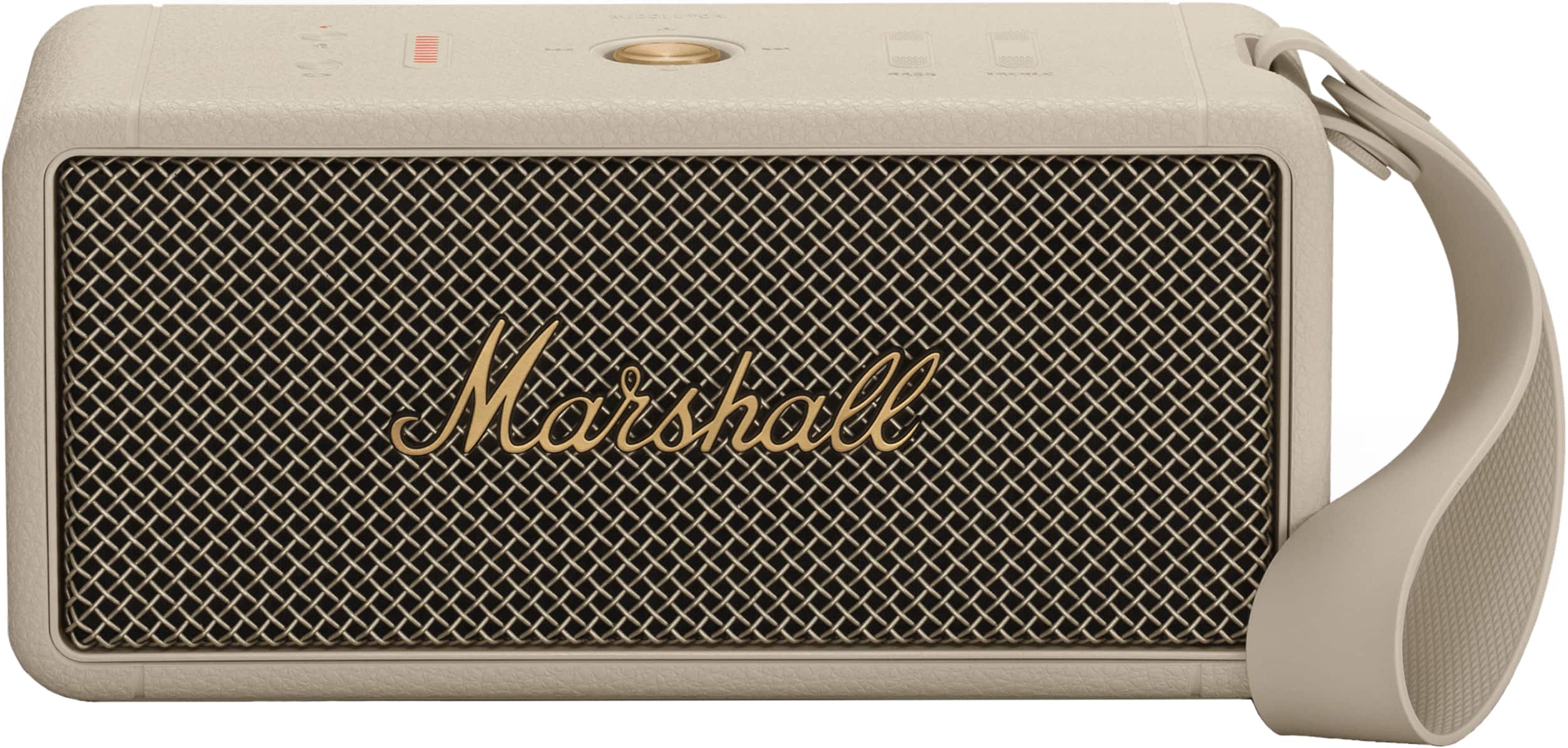
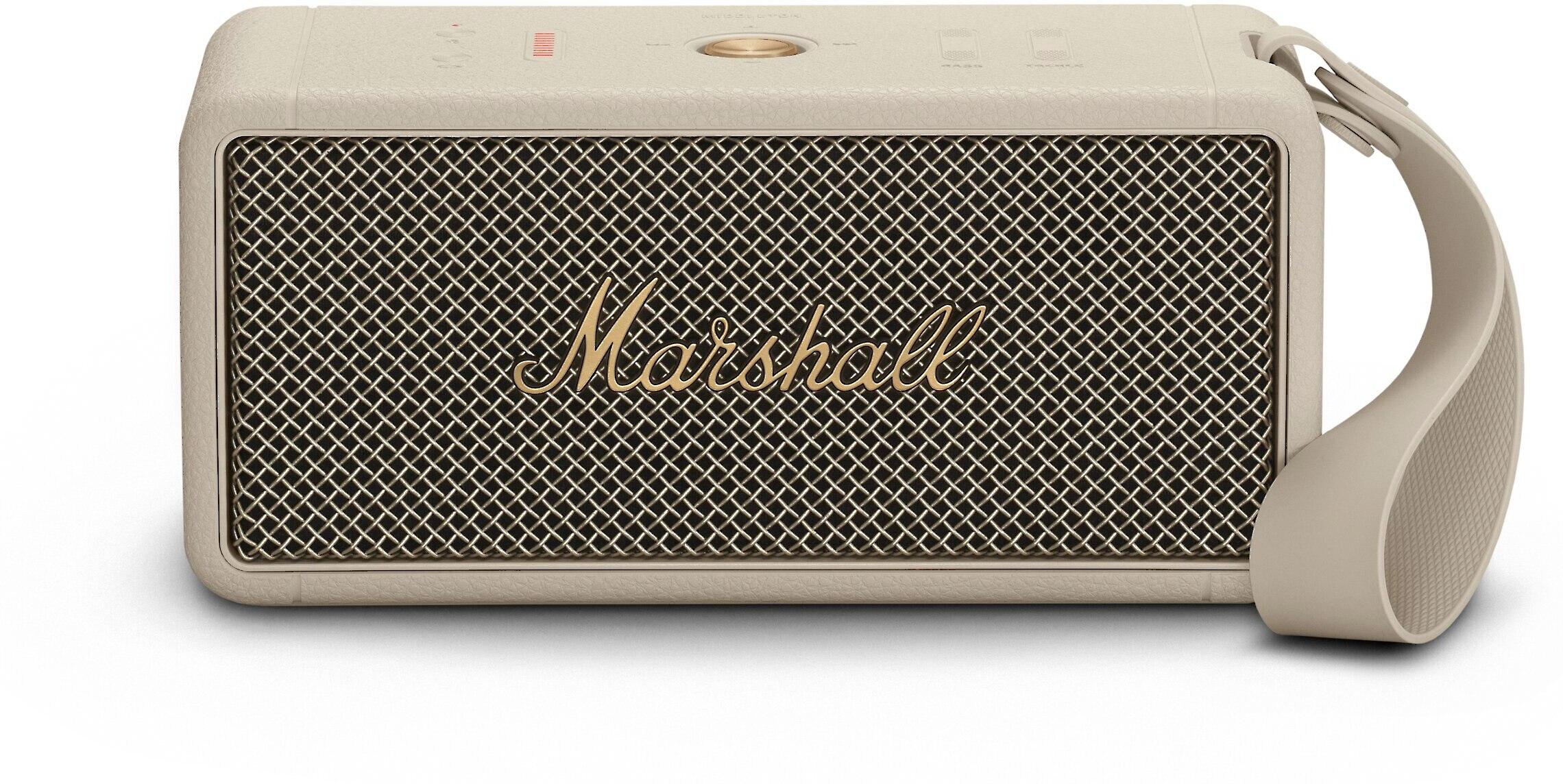


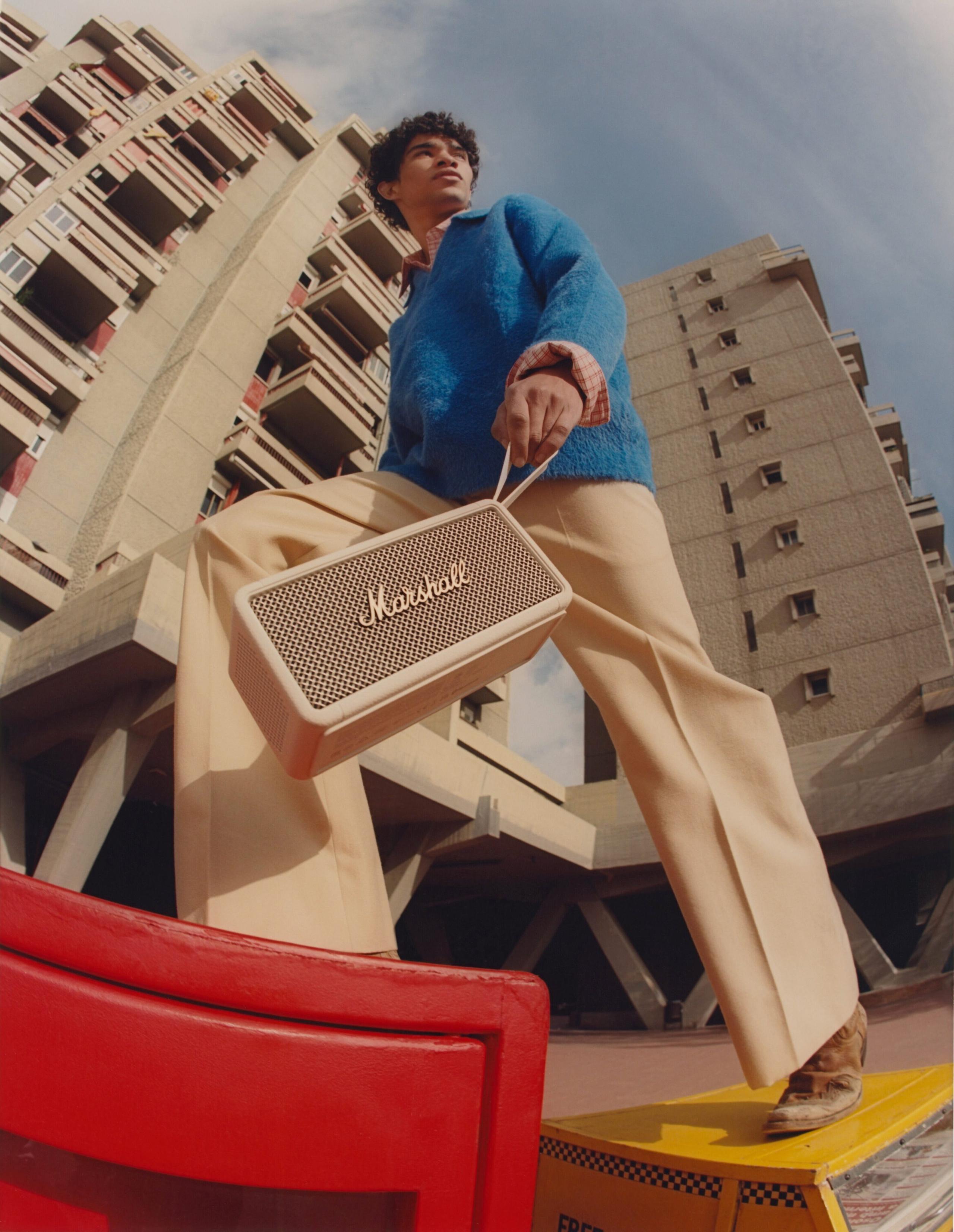



The portable premium speaker market has evolved significantly in recent years, with manufacturers pushing the boundaries of what's possible in mobile audio. Today we're comparing two standout options: the Sonos Move 2 ($359) and the Marshall Middleton ($199), both aiming to deliver room-filling sound in a portable package.
Premium portable speakers have become increasingly sophisticated, bridging the gap between traditional Bluetooth speakers and high-end home audio systems. These devices need to balance several crucial factors: sound quality, durability, battery life, and smart features. The best options deliver impressive audio while withstanding the elements and offering enough battery life for extended outdoor use.
The Sonos Move 2, released in September 2023, represents a significant upgrade over its predecessor. The most notable improvements include doubled battery life (now 24 hours), a new dual-tweeter system for true stereo sound, and enhanced bass response. Meanwhile, the Marshall Middleton, launched in January 2023, introduced the brand's True Stereophonic technology, which creates a more immersive soundstage than traditional portable speakers.
The Move 2's dual-tweeter design marks a significant advancement in portable speaker technology. Unlike single-tweeter systems, this configuration creates genuine stereo separation, making it easier to distinguish individual instruments and vocals in complex recordings. The speaker uses Trueplay tuning - think of it as having a sound engineer constantly adjusting your speaker's output to match your environment. Whether you're in your living room or on your patio, the Move 2 automatically optimizes its sound every 60 seconds.
The bass response is particularly impressive for a portable unit, thanks to a precision-tuned woofer in a sealed enclosure. This design choice helps prevent the muddy bass often found in portable speakers, instead delivering clean, punchy low frequencies that don't overwhelm the mids and highs.
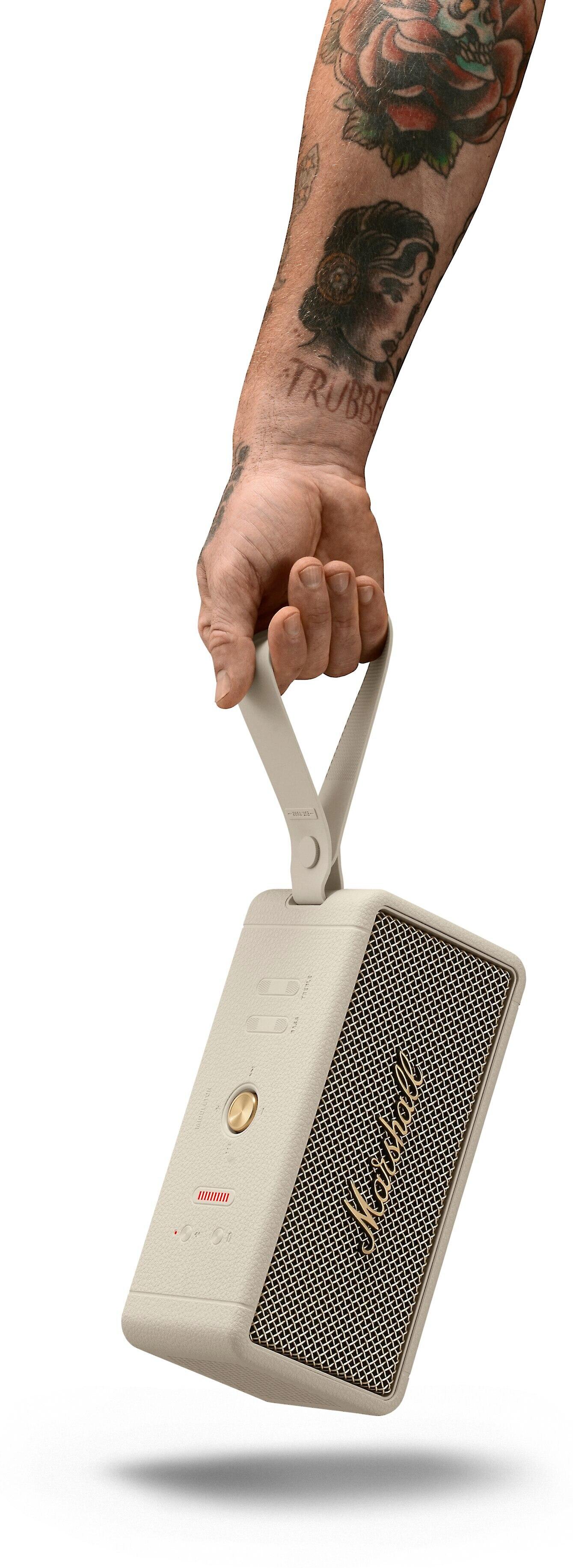
Marshall's approach differs significantly, focusing on raw power and traditional audio controls. The Middleton uses four drivers (two woofers and two tweeters) combined with passive radiators to create what Marshall calls True Stereophonic sound. This system excels at producing high volumes without distortion, making it particularly effective for outdoor use where sound can easily dissipate.
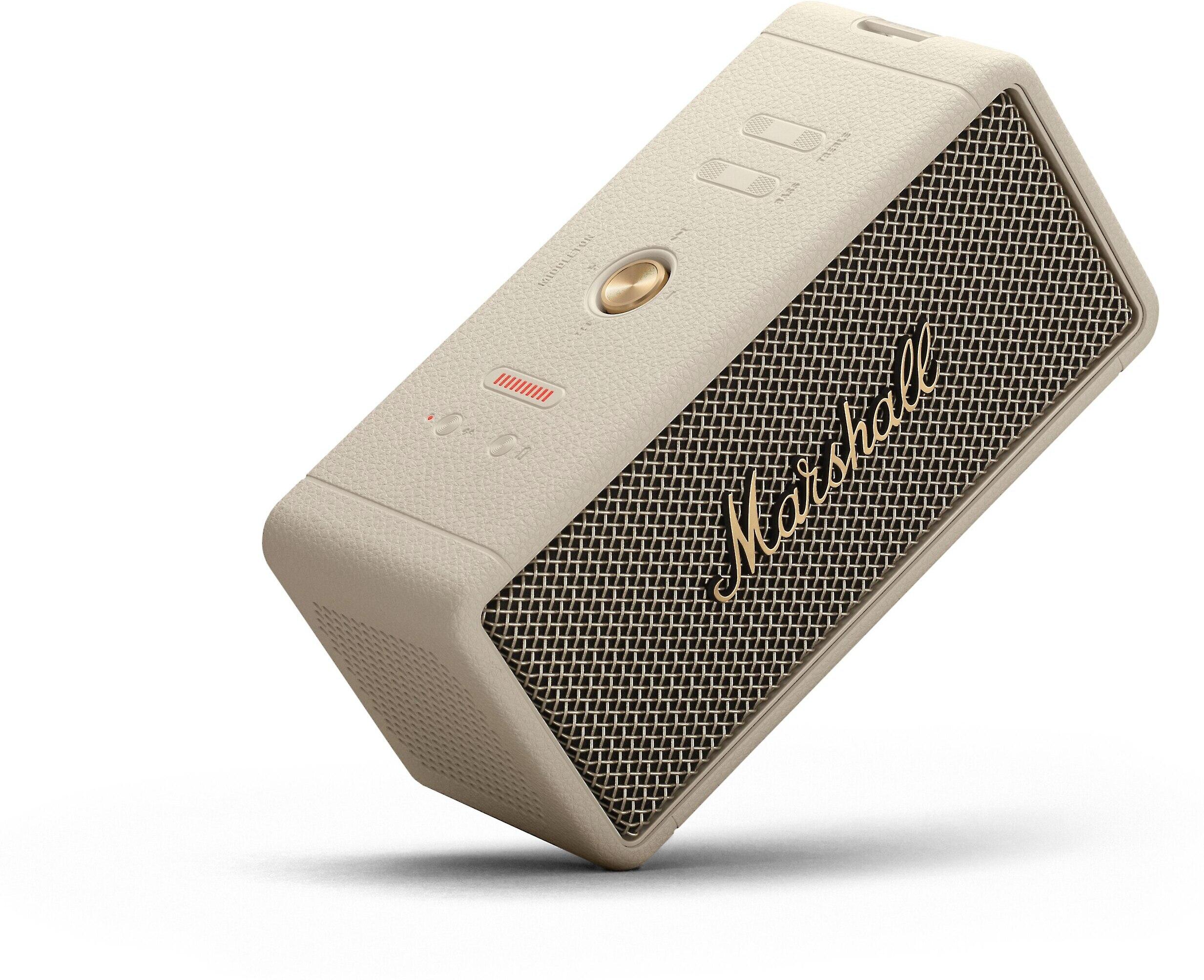
The physical bass and treble controls on the Middleton offer a more hands-on approach to sound customization. While this might seem old-school compared to the Move 2's automatic adjustment, many users prefer the tactile control over their audio profile.
The Move 2 shines in this category with its dual approach to connectivity. The Wi-Fi capability allows it to integrate seamlessly with your home network, enabling features like multi-room audio and high-resolution streaming. When you leave home, it automatically switches to Bluetooth mode. This flexibility means you're not sacrificing quality at home for the sake of portability.
The Middleton takes a simpler approach with Bluetooth 5.1 as its sole connection method. While this might seem limiting, it makes the speaker more straightforward to use and potentially more reliable in certain situations. The Stack Mode feature, which allows multiple Middleton speakers to work together, partially makes up for the lack of Wi-Fi connectivity.
Both speakers are built to withstand outdoor use, but their approaches differ:
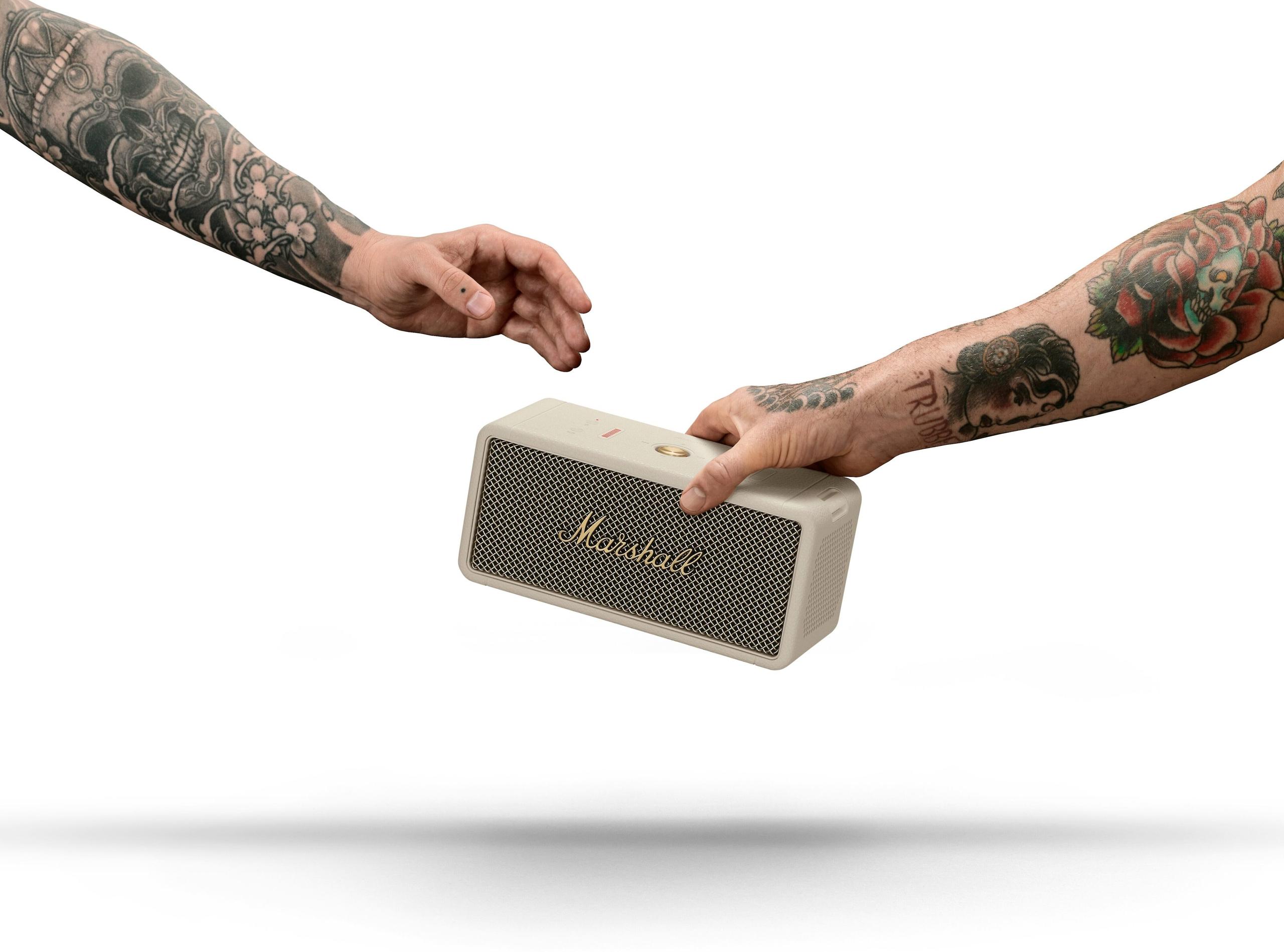
In terms of design aesthetics, the Move 2 embraces modern minimalism with clean lines and subtle controls. The Middleton, true to Marshall's heritage, features the brand's classic amp-inspired design with brass accents and textured covering.
Battery technology has improved significantly in recent years, and both speakers reflect this:
The Move 2's wireless charging base is particularly convenient for home use, as you can simply place the speaker on it without thinking about cables. However, the Middleton's USB-C charging is more universal and potentially more practical for travel.
When considering value, we need to look beyond just the price difference:
Sonos Move 2 at $359:
Marshall Middleton at $199:
Your choice should ultimately depend on how you plan to use the speaker most often:
Choose the Move 2 if:
Choose the Middleton if:
Both speakers represent excellent choices in the premium portable category, but they serve slightly different use cases. The Move 2 is more versatile and future-proof, while the Middleton offers a more focused, traditional approach to portable audio at a lower price point.
Remember that the best choice for you depends on your specific needs and how you plan to use the speaker most often. Consider your priorities regarding sound quality, portability, durability, and smart features when making your decision.
| Sonos Move 2 | Marshall Middleton |
|---|---|
| Price - Initial investment consideration | |
| $359 | $199 |
| Sound Architecture - Determines audio quality and stereo separation | |
| Dual tweeters + precision woofer with automatic tuning | Two 3" woofers + two 0.6" tweeters with passive radiators |
| Power Output - Impacts maximum volume and clarity | |
| Not specified by manufacturer | 60W total (2x20W woofers, 2x10W tweeters) |
| Battery Life - Critical for extended portable use | |
| 24 hours playback | 20+ hours playback |
| Weather Resistance - Determines outdoor usability | |
| IP56 (splash and dust resistant) | IP67 (fully waterproof and dustproof) |
| Connectivity Options - Affects flexibility and ecosystem integration | |
| WiFi + Bluetooth 5.0, AirPlay 2, Voice Assistant support | Bluetooth 5.1 only |
| Charging Options - Impacts convenience | |
| Wireless charging base + USB-C | USB-C only |
| Smart Features - Additional functionality | |
| Auto Trueplay tuning, voice control, multi-room audio | Stack Mode for multiple speakers, physical EQ controls |
| Size and Weight - Portability factor | |
| 9.53 x 6.29 x 4.96 inches, 6.61 lbs | 9.06 x 4.31 x 3.75 inches, 4.0 lbs |
| Sound Customization - Control over audio profile | |
| App-based EQ with automatic environmental adjustment | Physical bass and treble knobs, companion app EQ |
| Multi-Speaker Features - Expandability options | |
| Full Sonos ecosystem integration, stereo pairing, multi-room | Stack Mode for wireless connection between multiple units |
| Device Controls - Ease of use | |
| Touch controls, app control, voice commands | Physical buttons and knobs, app control |
| Additional Features - Extra value considerations | |
| Line-in audio input, replaceable battery, handles overheating | Carrying strap included, more durable build |
The Sonos Move 2 is better for users wanting smart features and multi-room audio, while the Marshall Middleton is better for those prioritizing durability and value. The Move 2 offers superior audio processing and ecosystem integration, but costs $160 more.
The Sonos Move 2 delivers more refined, balanced sound with automatic room adjustment. The Marshall Middleton offers powerful, raw sound with manual EQ control. Both provide excellent audio, but the Move 2's processing gives it a slight edge in sound quality.
The Marshall Middleton has superior durability with an IP67 rating, making it fully waterproof and dustproof. The Sonos Move 2 has an IP56 rating, offering good protection against splashes but less overall weather resistance.
The Sonos Move 2 offers 24 hours of playback, while the Marshall Middleton provides 20+ hours. Both speakers will last through multiple days of regular use on a single charge.
The Marshall Middleton is simpler to use with straightforward physical controls. The Sonos Move 2 has more features but requires some familiarity with the app and smart functions.
Yes, both speakers offer multi-speaker capabilities. The Sonos Move 2 integrates with the entire Sonos ecosystem for multi-room audio, while the Marshall Middleton offers Stack Mode to connect multiple Middleton units.
The Marshall Middleton typically plays louder and has better weather resistance for outdoor events. The Sonos Move 2 offers more refined sound but may not reach the same maximum volume levels.
The Sonos Move 2 supports both Amazon Alexa and Sonos Voice Control. The Marshall Middleton does not have voice assistant capabilities.
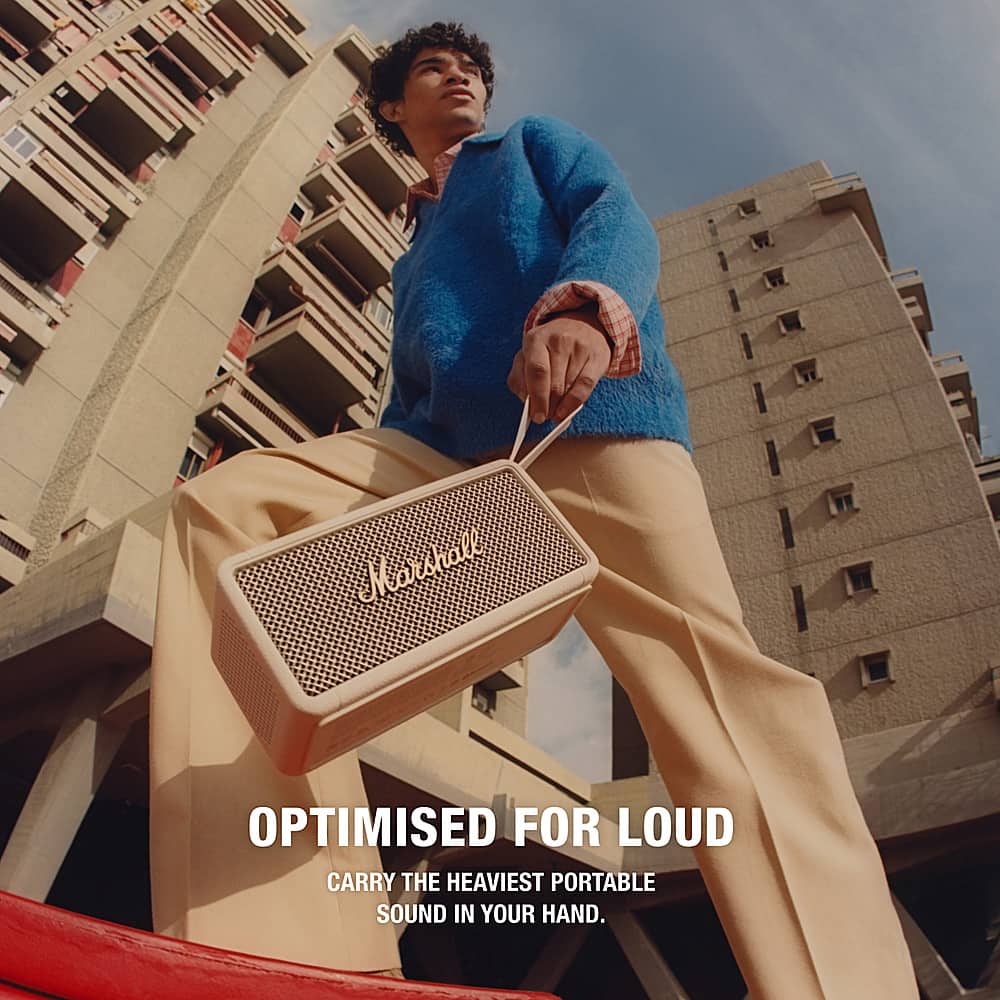
The Marshall Middleton is more portable at 4.0 pounds with a carrying strap included. The Sonos Move 2 is heavier at 6.61 pounds but still manageable for occasional moving.
Both offer sound adjustment options. The Marshall Middleton has physical bass and treble knobs plus app EQ. The Sonos Move 2 uses app-based EQ and automatic environmental adjustment.
The Marshall Middleton at $199 offers better value for pure audio performance. The Sonos Move 2 at $359 costs more but includes additional features like WiFi connectivity and smart capabilities.
Yes, both the Sonos Move 2 and Marshall Middleton work with any Bluetooth-enabled device. The Move 2 also offers additional features like AirPlay 2 for Apple devices.
We've done our best to create useful and informative comparisons to help you decide what product to buy. Our research uses advanced automated methods to create this comparison and perfection is not possible - please contact us for corrections or questions. These are the sites we've researched in the creation of this article: cnet.com - shop.menshealth.com - youtube.com - whathifi.com - 9to5toys.com - abt.com - youtube.com - ceiling-speakers.co.uk - sonos.com - youtube.com - bhphotovideo.com - t3.com - whatsthebest.co.uk - youtube.com - techradar.com - timesofindia.indiatimes.com - crutchfield.com - bestbuy.com - camelcamelcamel.com - marshall.com - marshall.com - crutchfield.com - corporatespecialties.com - rtings.com - itworld.com.my

Privacy Policy
Terms and Conditions - Affiliate Policy
Home Security
© Copyright 2008-2026.
11816 Inwood Rd #1211, Dallas, TX 75244