

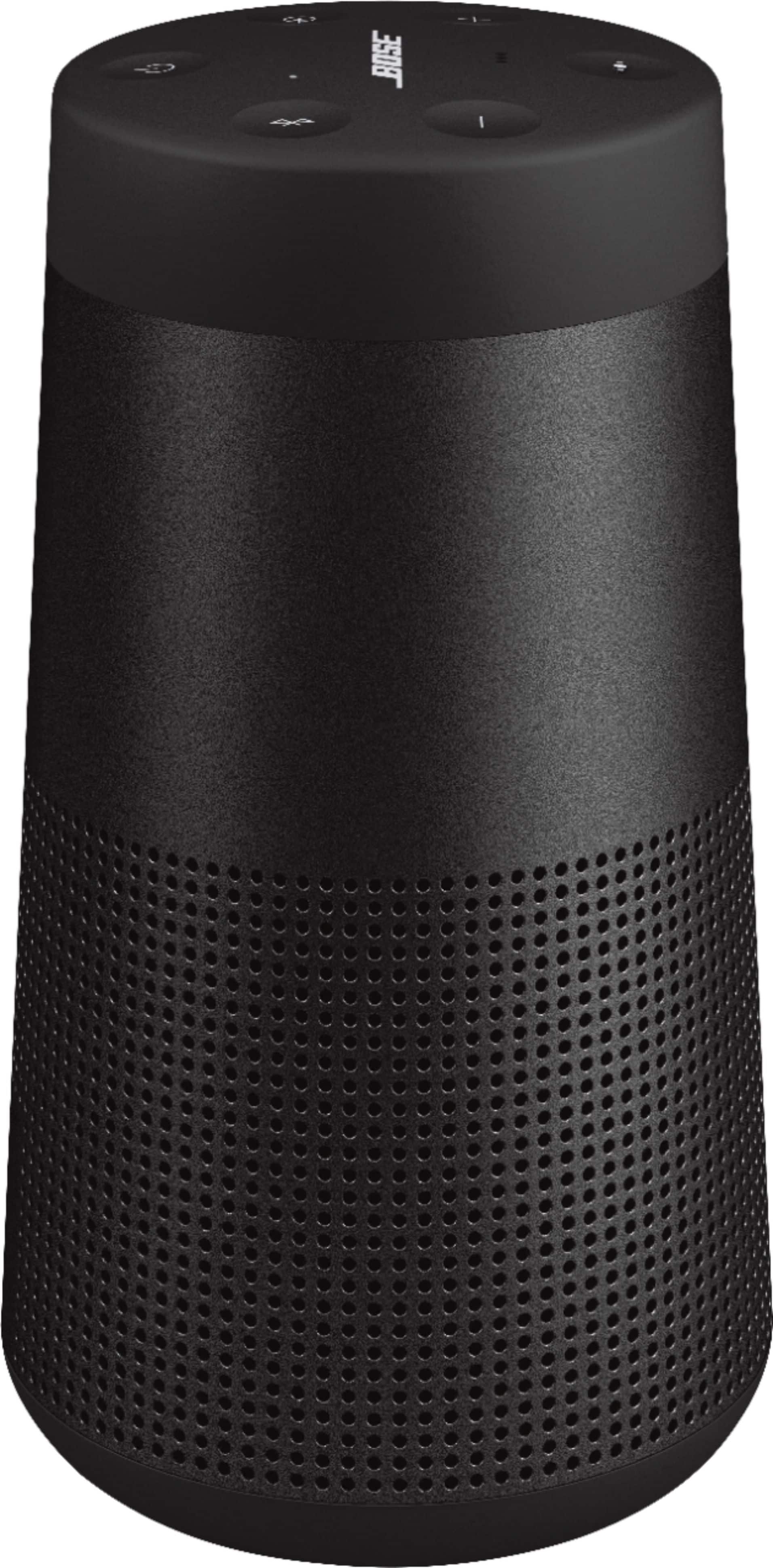
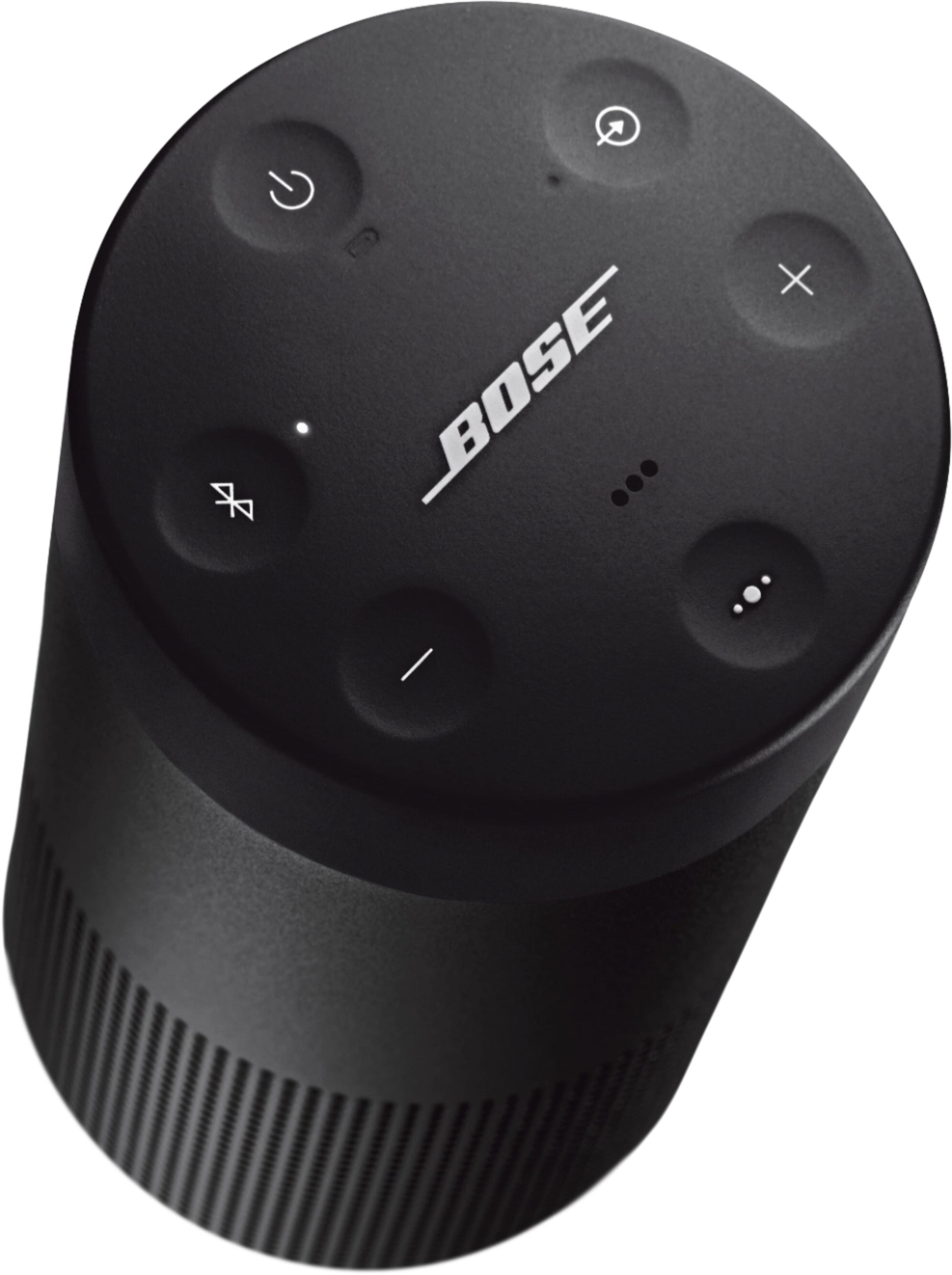
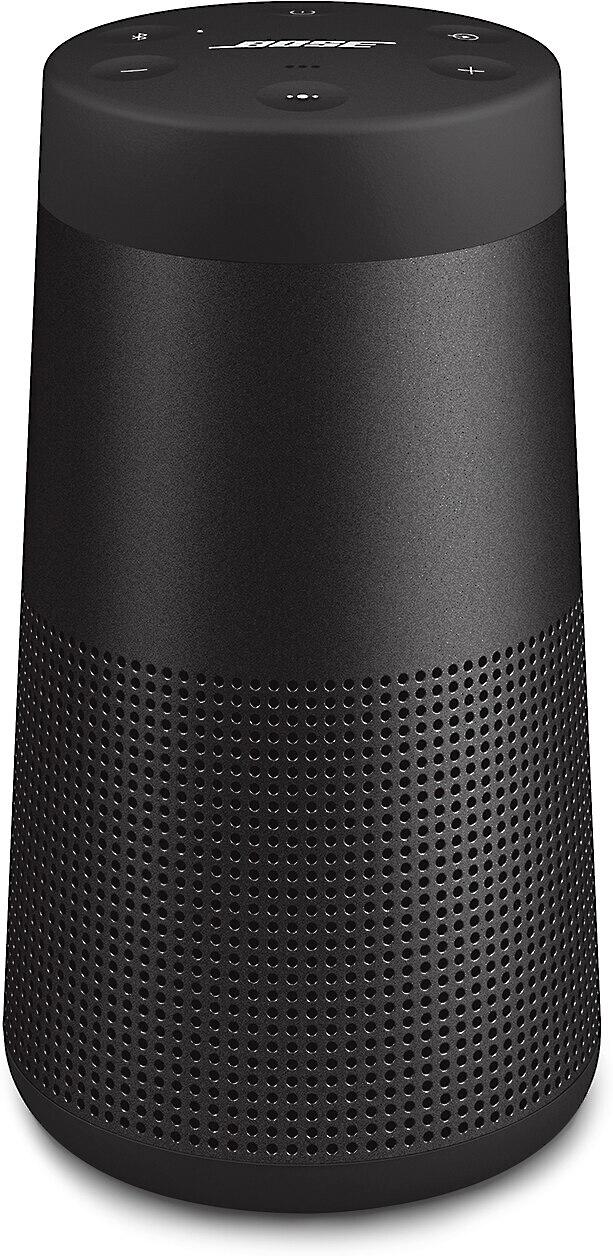
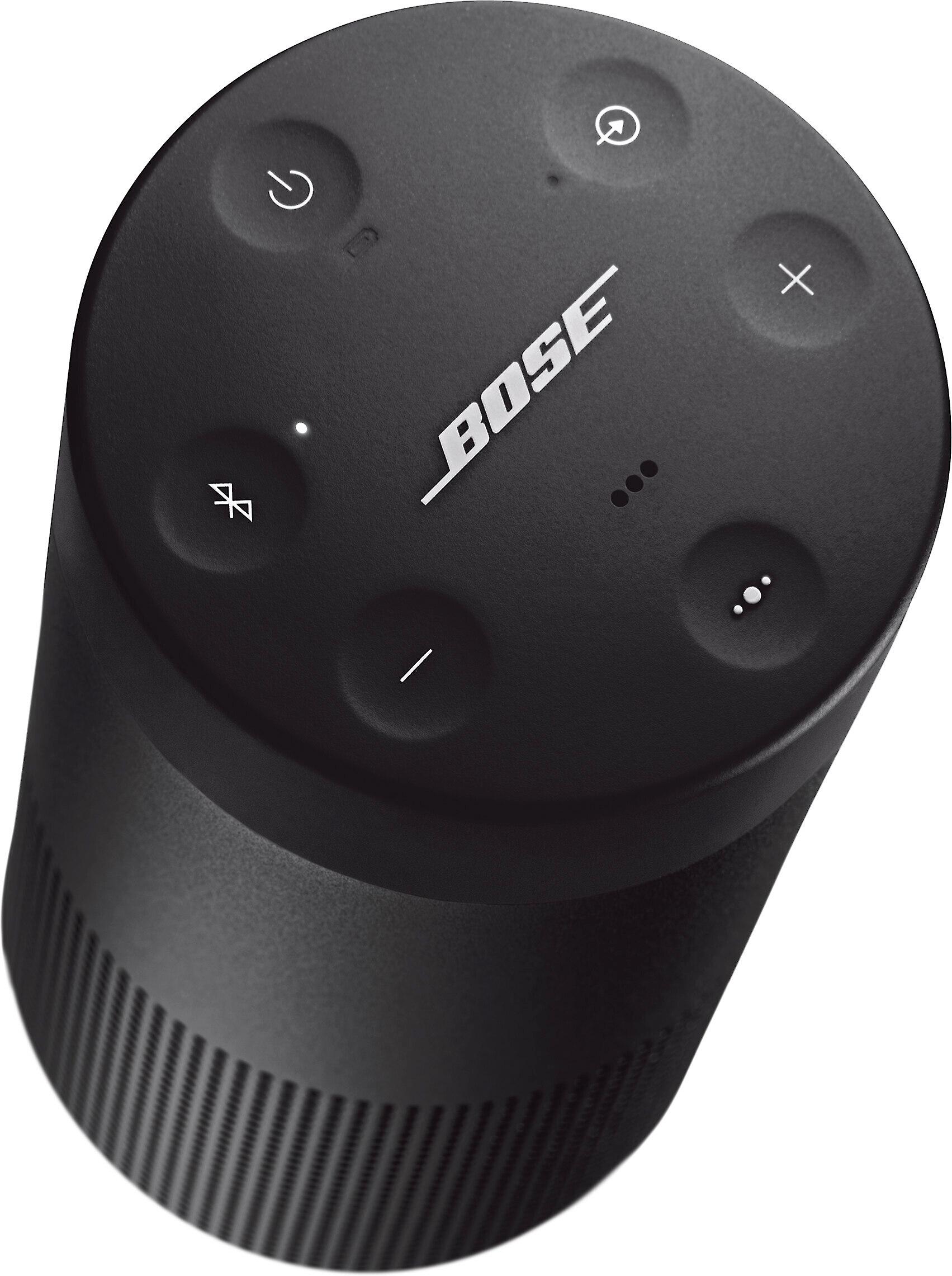
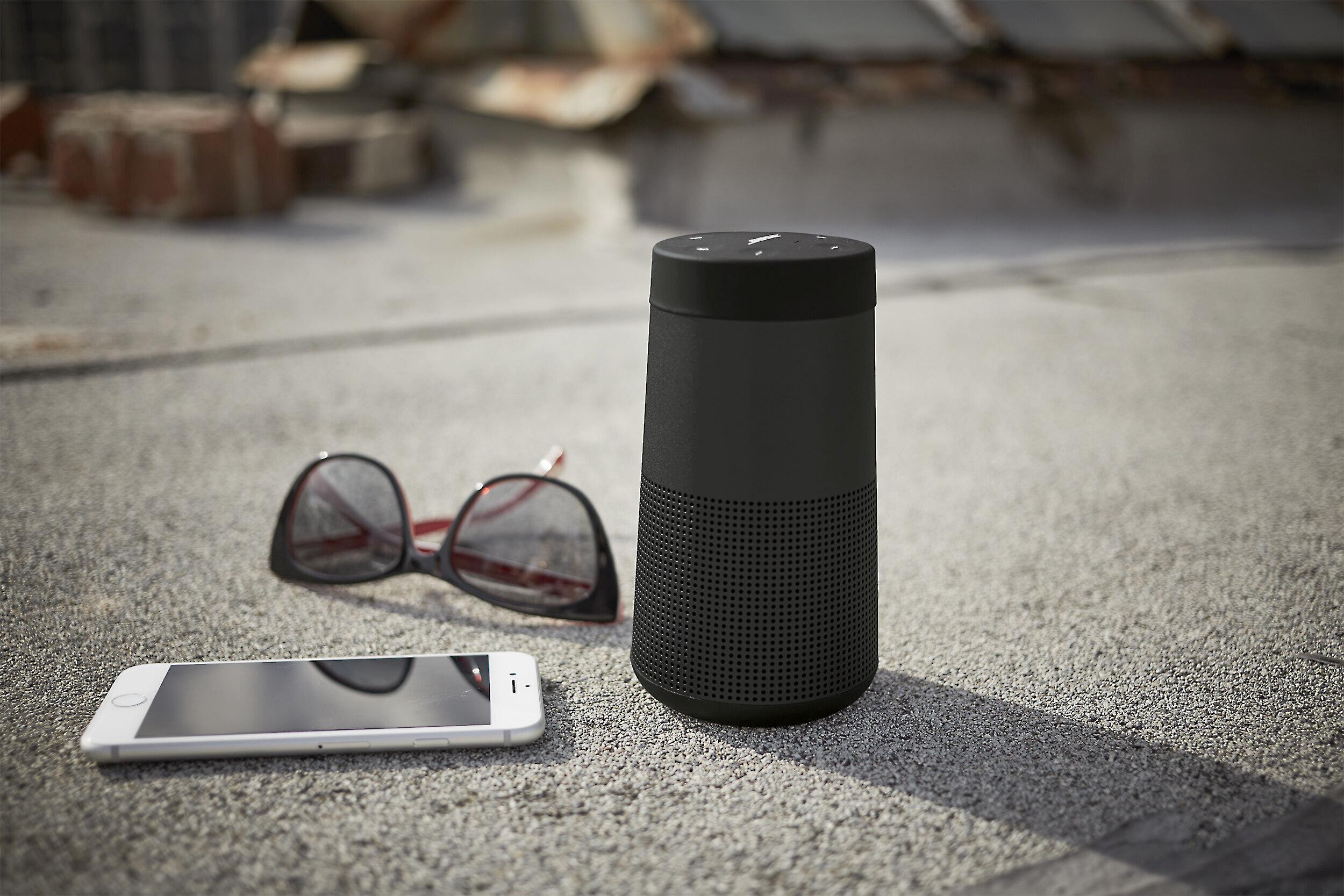
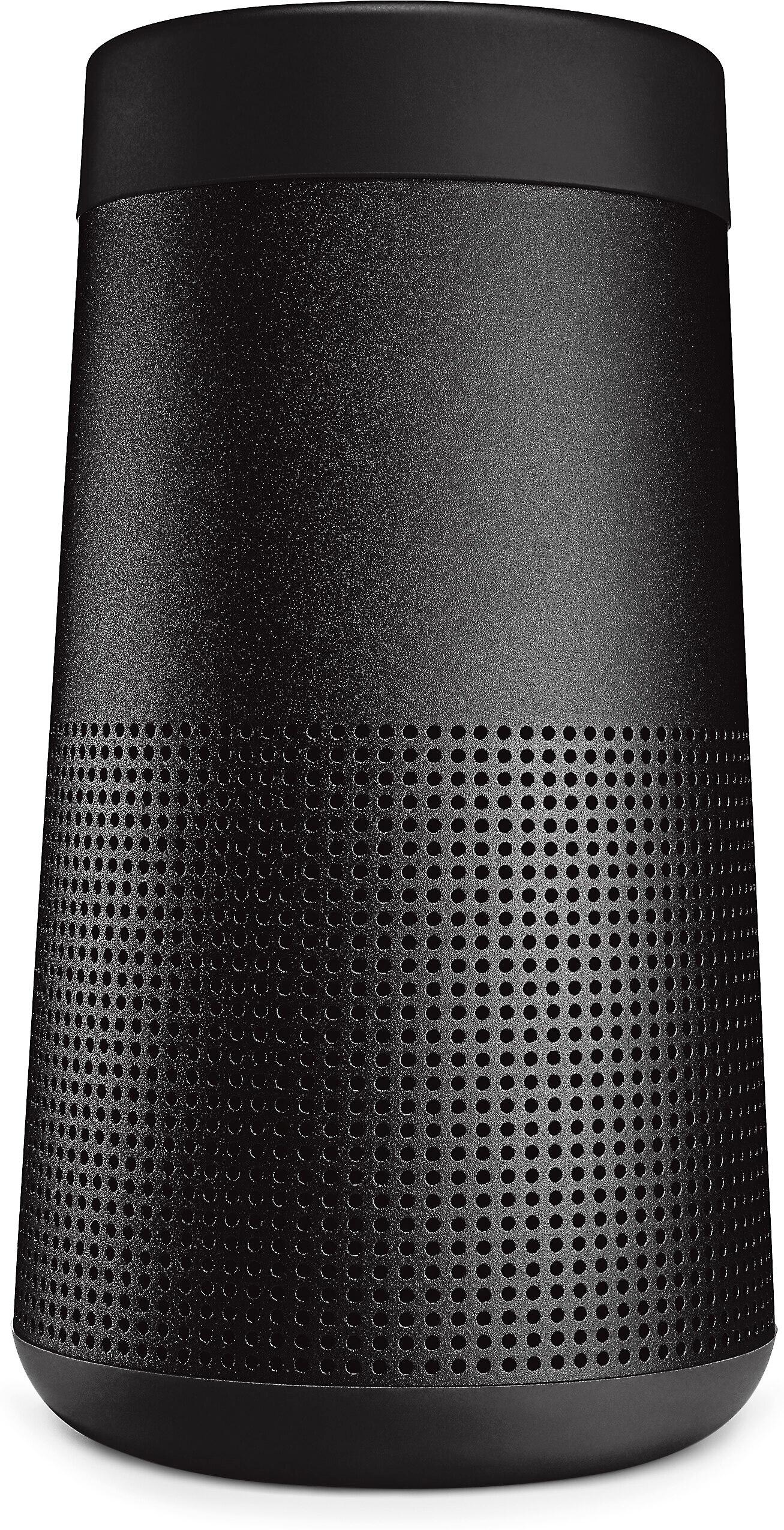
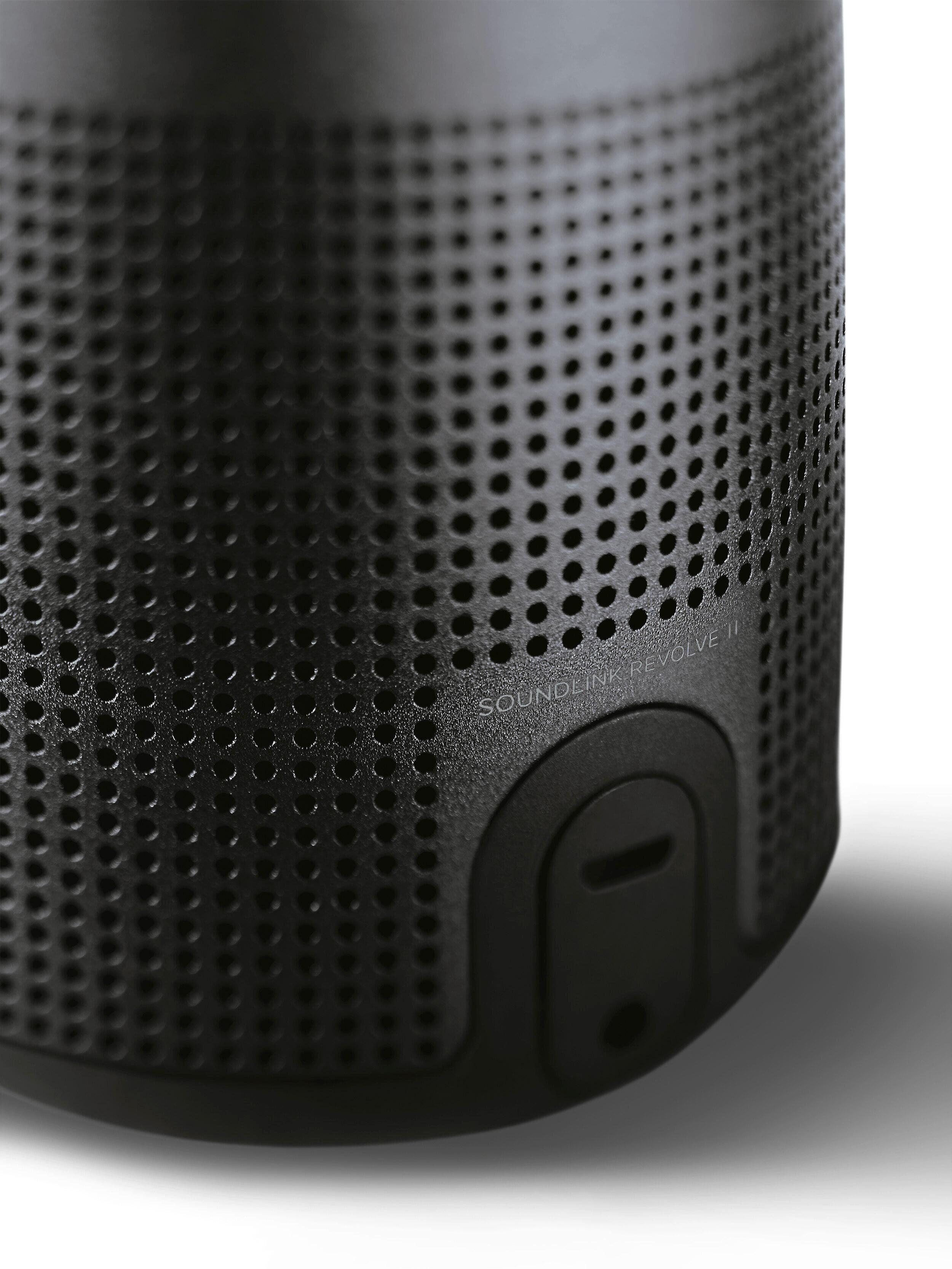
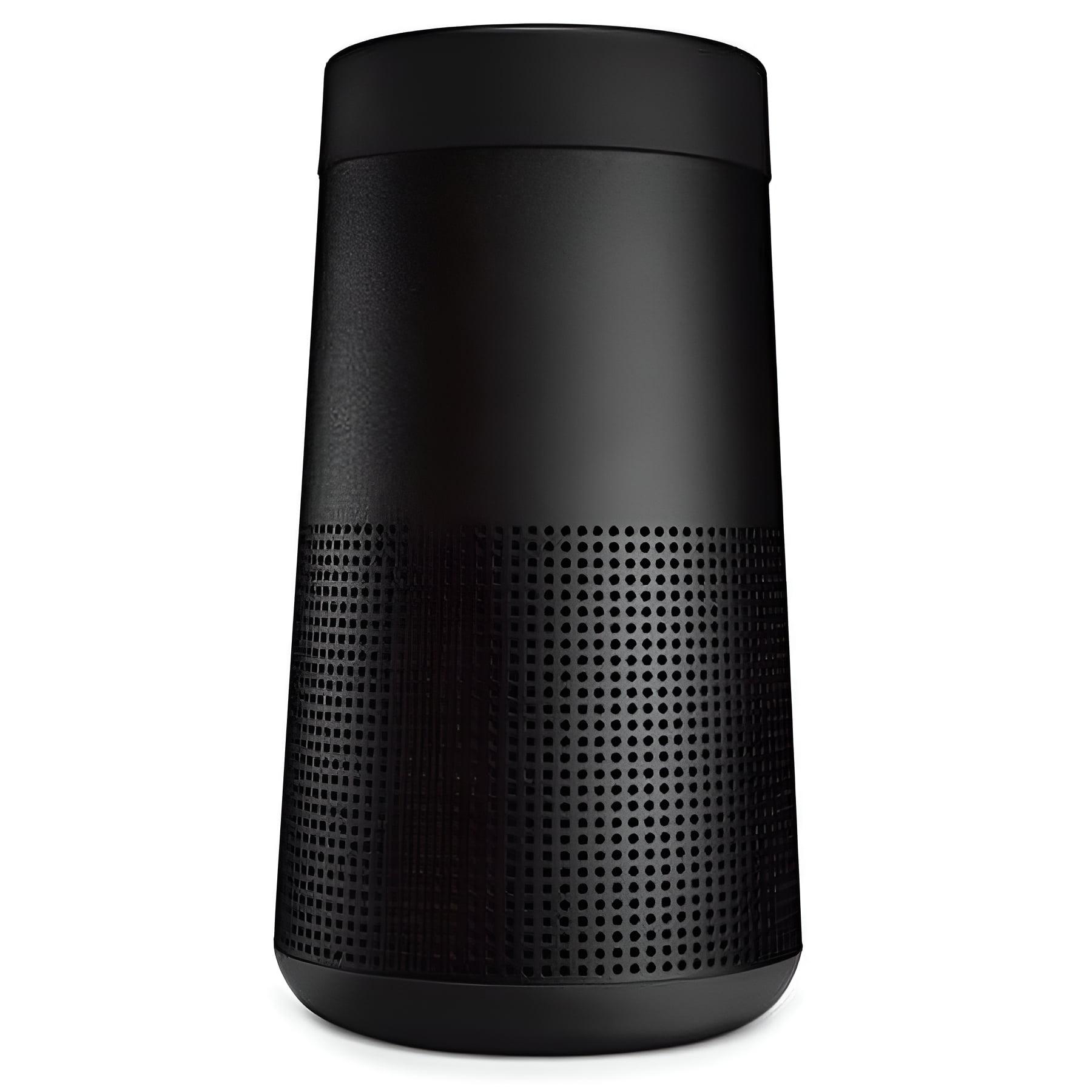
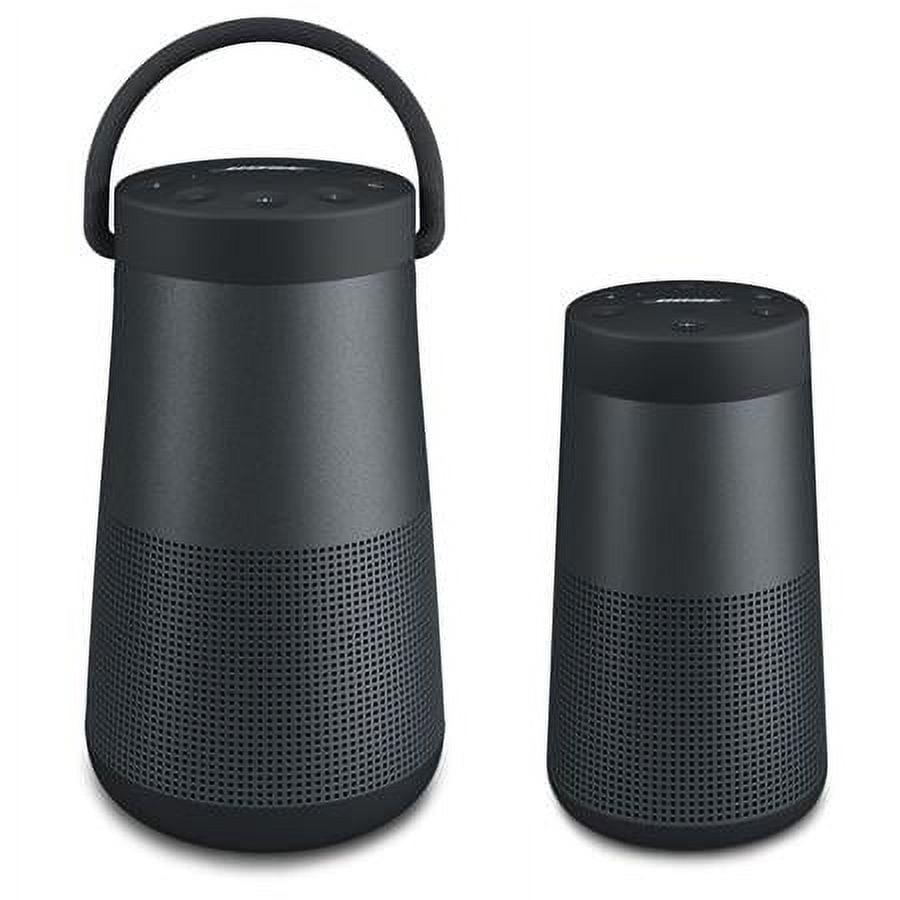

When Bose SoundLink Revolve II ($219.99) launched in early 2021, it entered a mature portable speaker market with high expectations. Its predecessor had already set standards for 360-degree sound, and this update promised refinements rather than revolution. Meanwhile, the Anker Soundcore Mini ($44.74), released in 2018, took a different approach - targeting maximum value and portability at a budget-friendly price point.
Let's dive into how these two very different speakers stack up in 2024, and more importantly, which one might be right for you.
The SoundLink Revolve II employs what Bose calls "PositionIQ" technology - essentially a sophisticated system that optimizes audio output based on the speaker's orientation. When placed in the center of a room, it creates an impressive 360-degree soundstage that feels remarkably consistent regardless of where you're standing. The speaker uses a custom-designed transducer (the component that converts electrical signals into sound) combined with a passive radiator system that enhances bass response without requiring additional power.
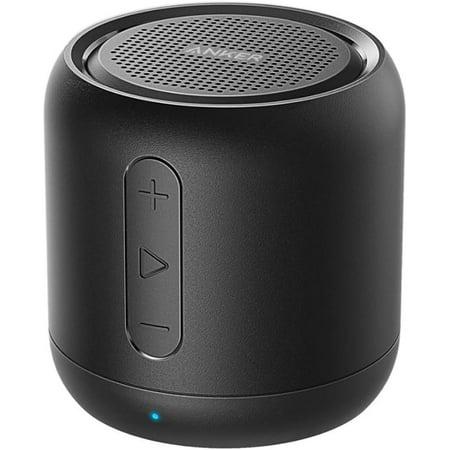
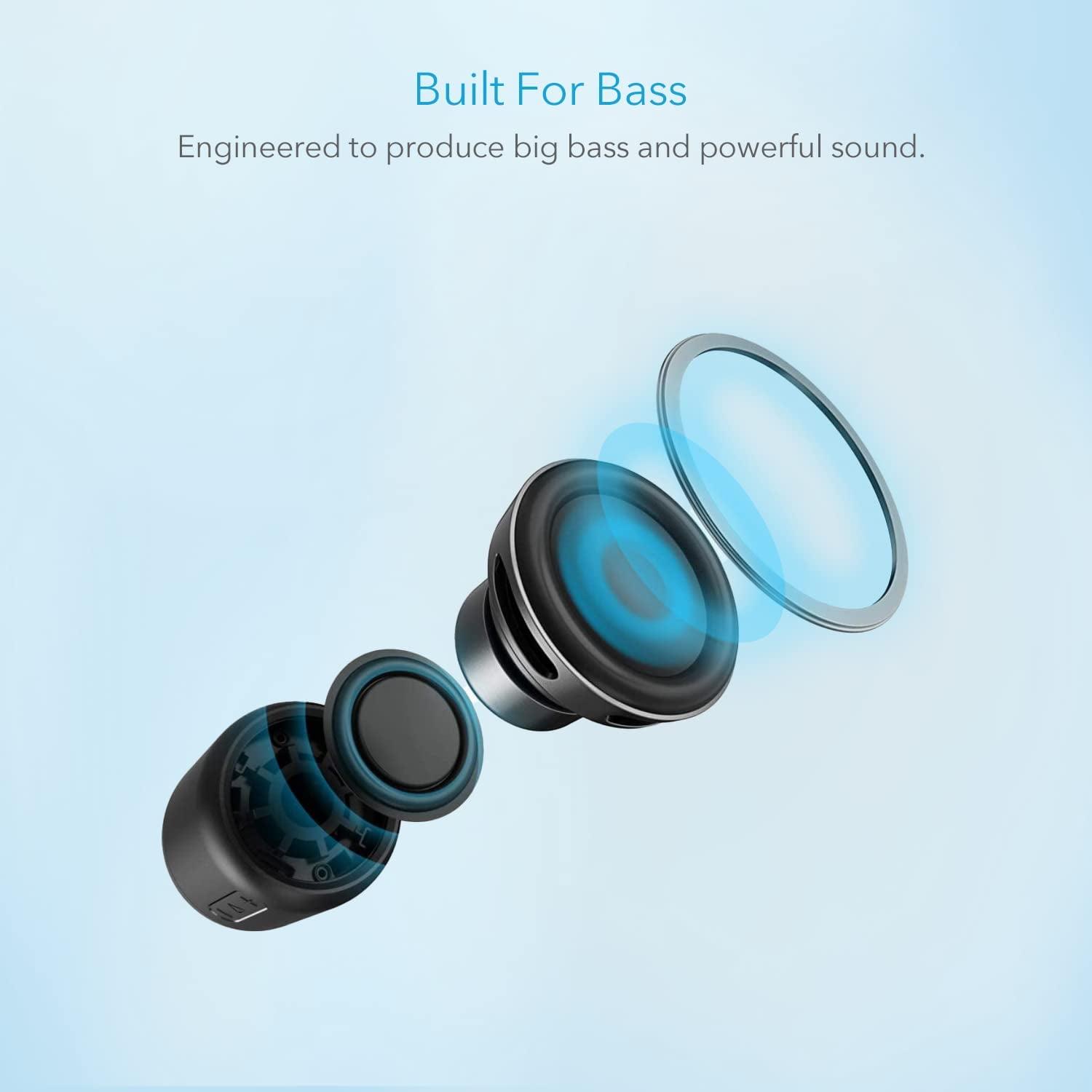
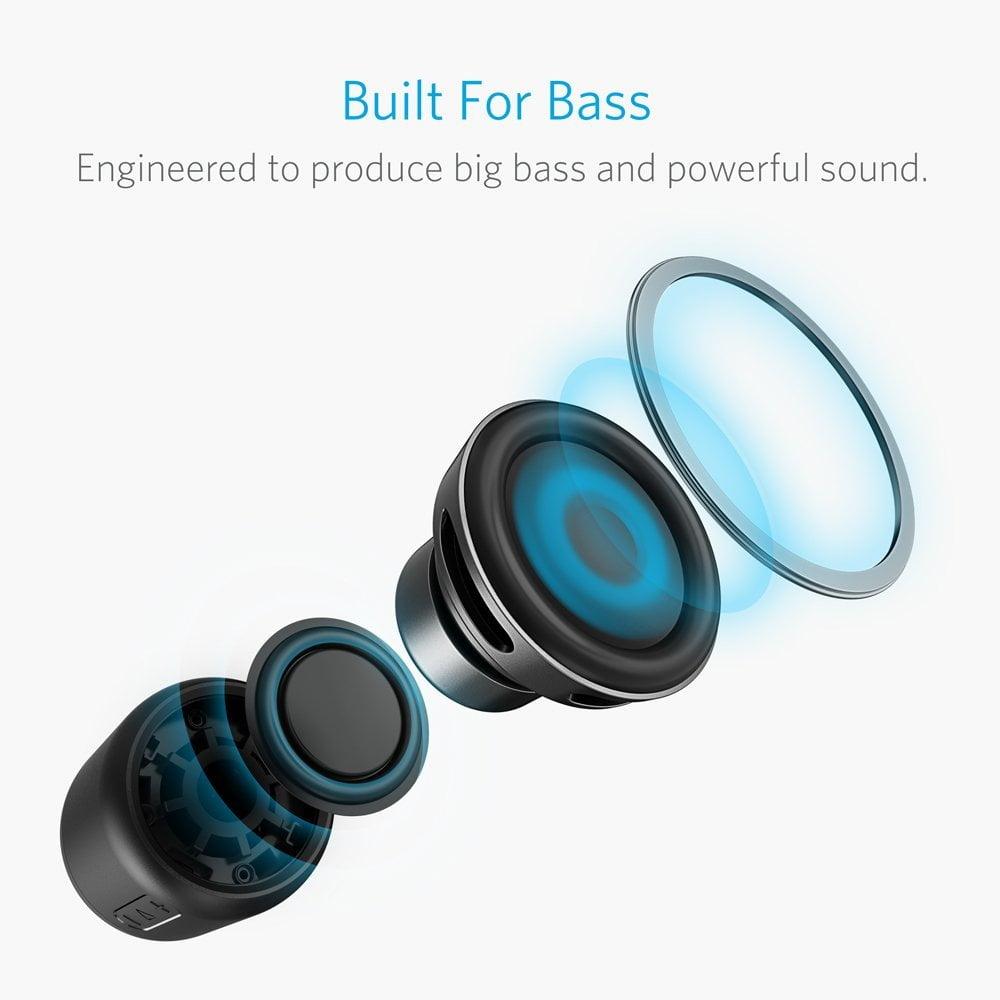
In contrast, the Soundcore Mini utilizes a simpler but effective 5W driver paired with a passive subwoofer. While this setup can't match the Bose's room-filling capabilities, it's surprisingly capable for personal listening. The upward-facing driver creates a focused sound bubble that works well on a desk or nightstand.
Here's where the price difference becomes apparent. The Revolve II maintains clear, controlled bass even at higher volumes - something I particularly noticed while testing bass-heavy tracks like Daft Punk's "Get Lucky." The passive radiator system helps prevent distortion while delivering satisfying low-end punch.
The Soundcore Mini handles bass adequately at moderate volumes, but push it too hard and you'll notice compression and distortion creeping in. It's perfectly fine for background music or personal listening, but it won't drive a party like its pricier competitor.
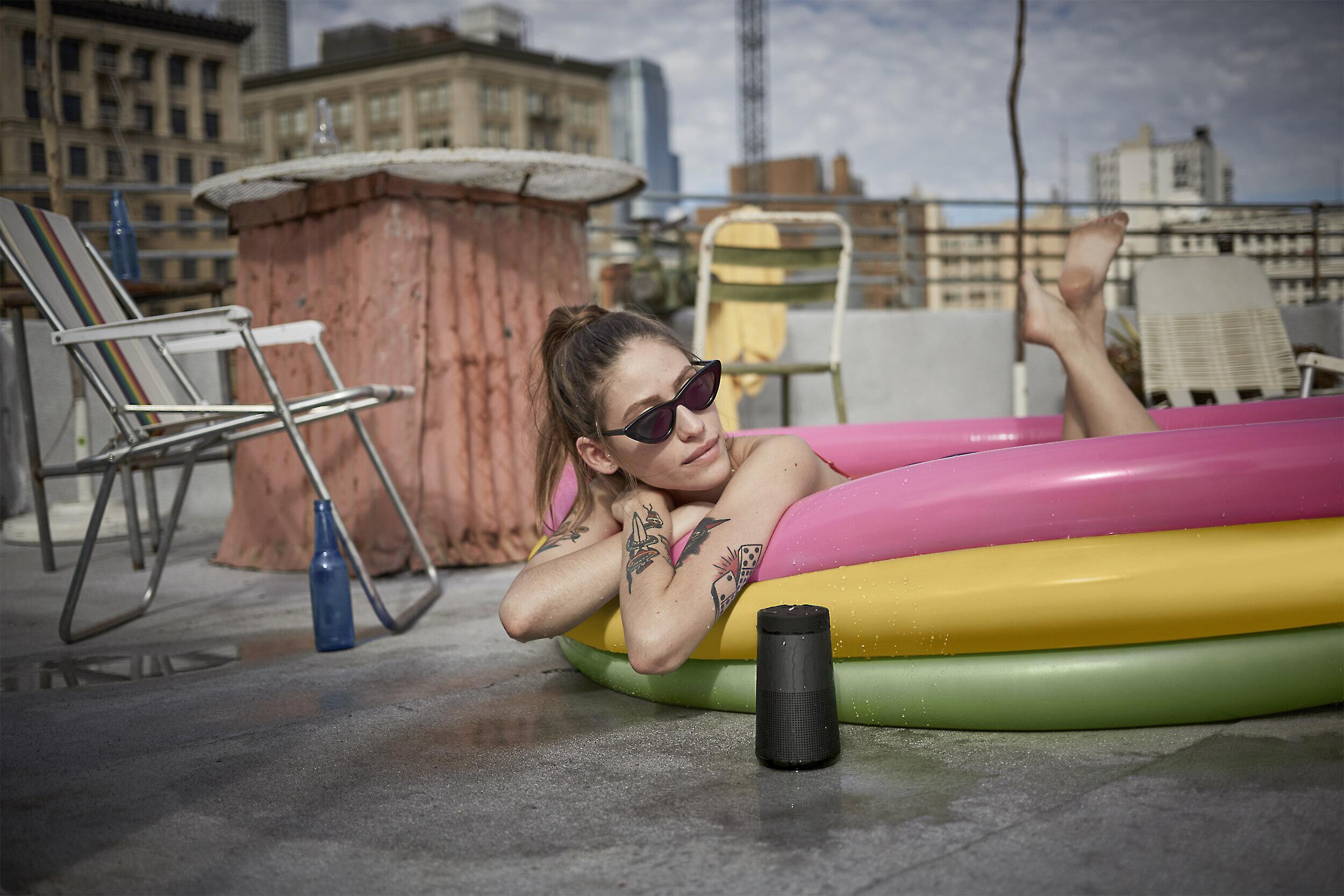
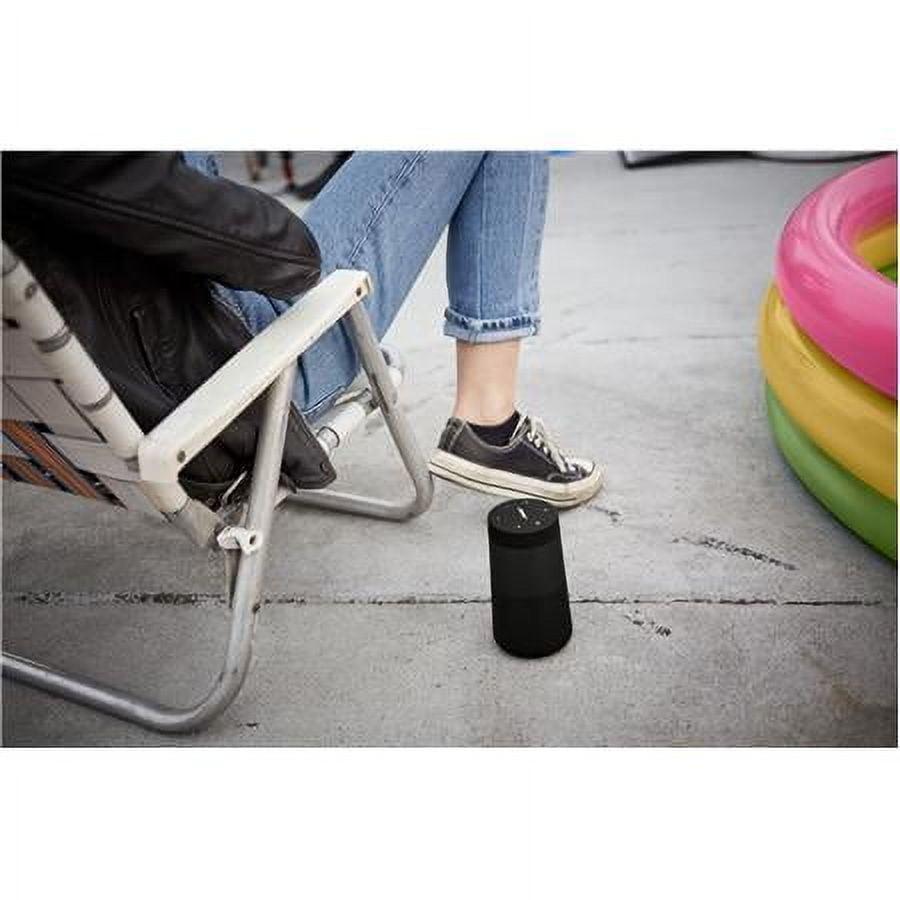
The Bose speaker features an aluminum enclosure that feels premium and substantial. At 660g, it's got enough heft to suggest quality without becoming cumbersome. The IP55 rating means it's protected against dust and water splashes - perfect for poolside use or kitchen counters.
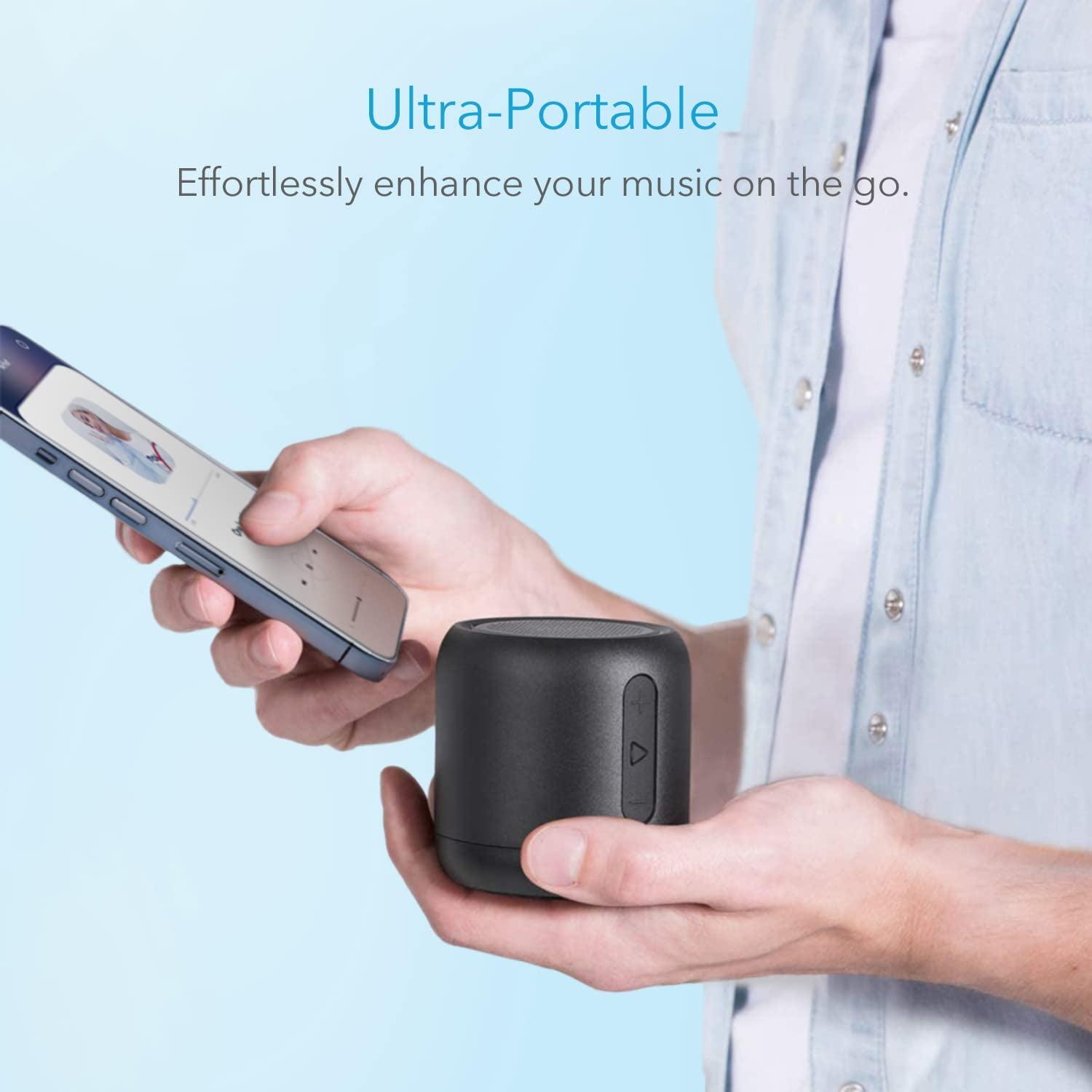
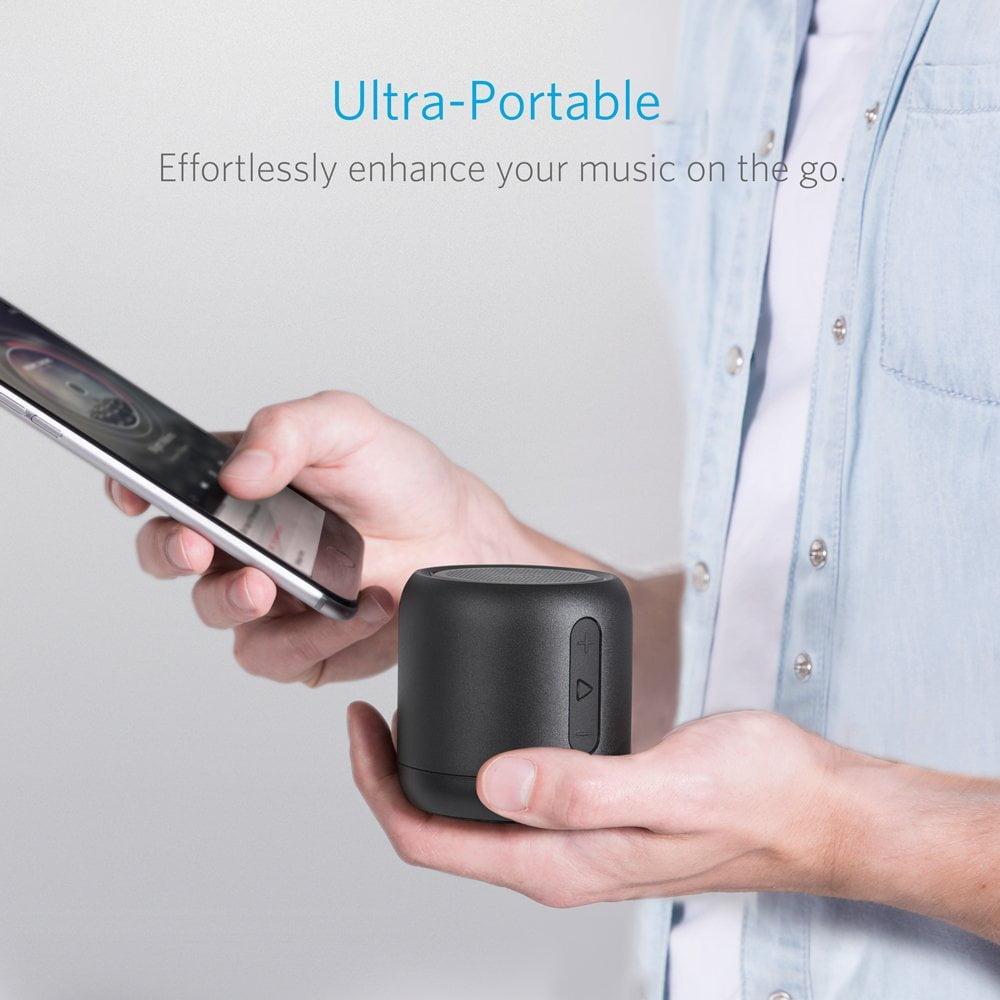
The Anker speaker, weighing just 200g, prioritizes portability with its compact plastic construction. While it lacks official water resistance certification, its rubber-sealed ports offer basic protection against occasional splashes.
Both speakers use Bluetooth 4.0/4.1 technology, but the Bose implementation allows simultaneous connection to two devices - handy for switching between your phone and laptop. The Revolve II's range extends to about 30 feet, while the Soundcore Mini surprisingly reaches up to 66 feet in optimal conditions.
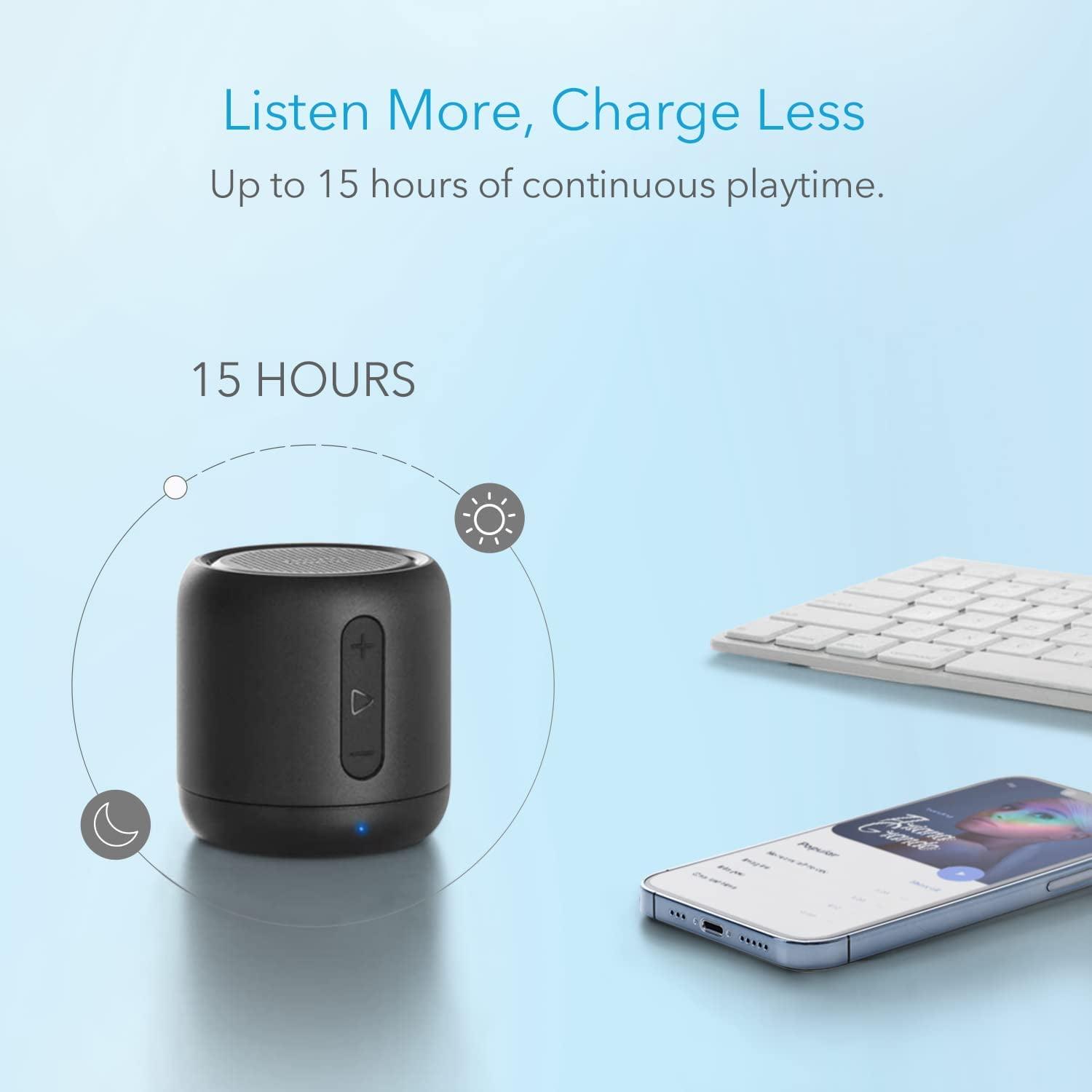
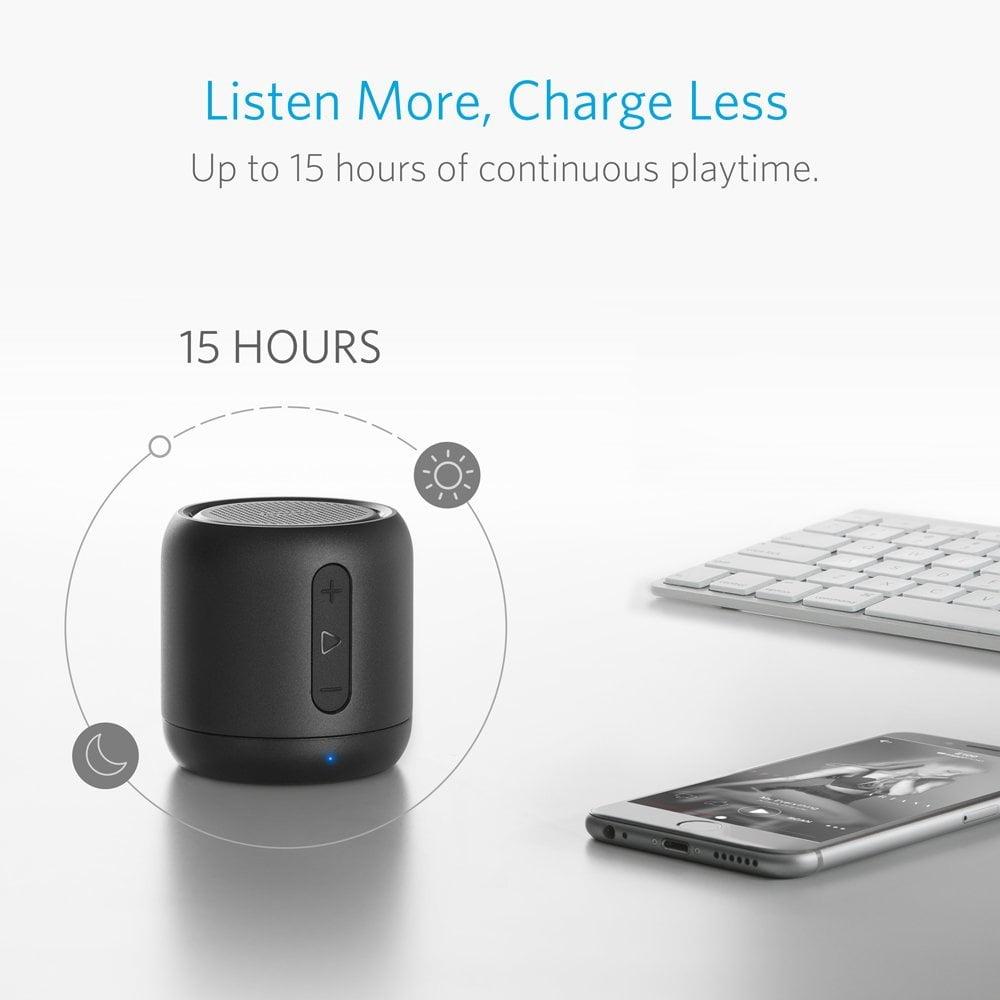
In real-world testing, both speakers largely live up to their claimed battery life specs:
Both use micro-USB charging, which feels dated in 2024 when USB-C has become standard. This is particularly disappointing for the newer, premium-priced Bose.
The Bose supports both Party Mode (mono sound from multiple speakers) and Stereo Mode (true left/right channel separation with two speakers). This can create an impressive soundstage for home theater use, though at $220 per speaker, it's a considerable investment.
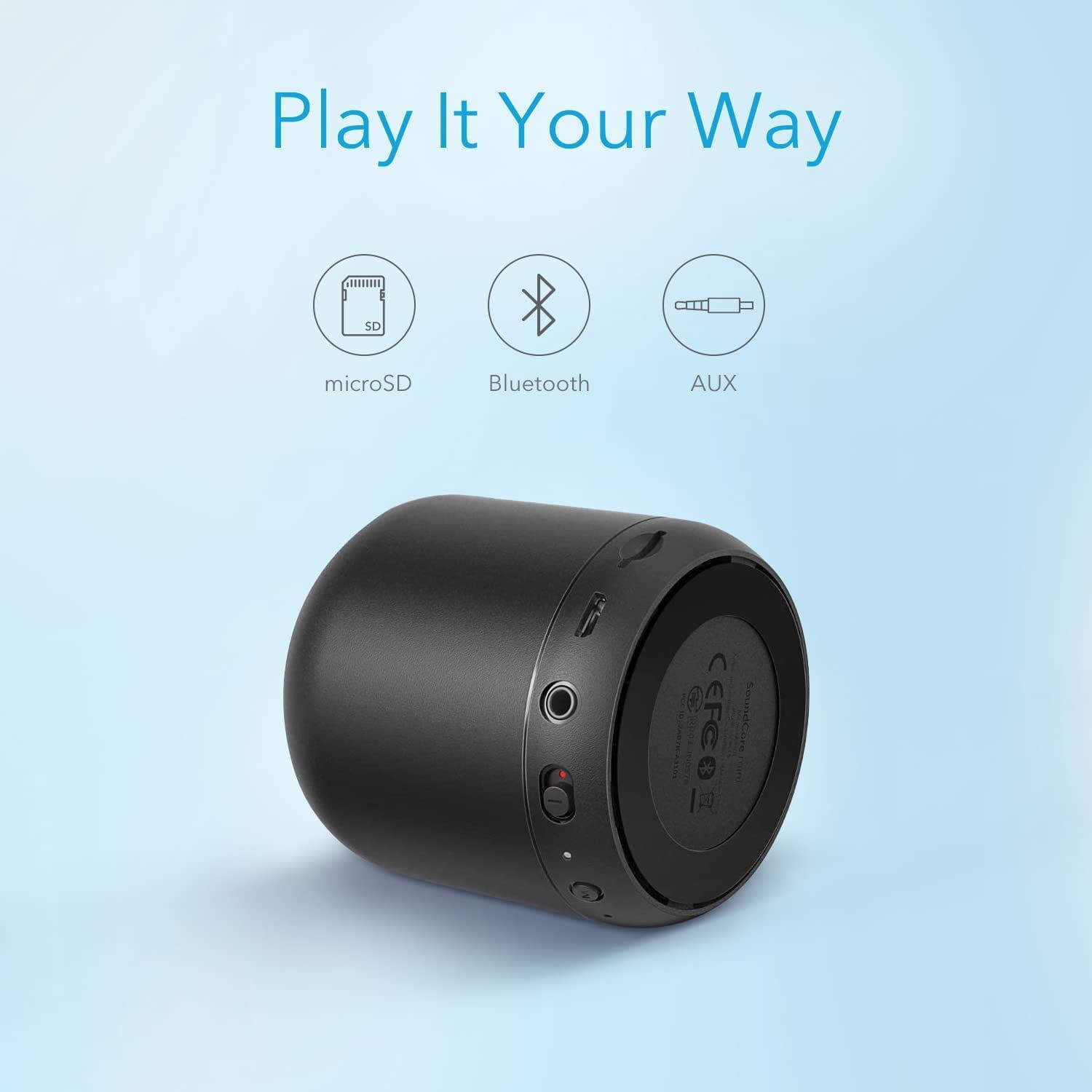
The Anker includes some surprising extras like FM radio and microSD card playback. While these features might seem dated to some, they can be genuinely useful in specific scenarios - like camping trips where streaming isn't an option.
The Revolve II delivers exactly what you'd expect from a premium speaker: excellent sound quality, robust build, and reliable performance. Its 360-degree sound makes it particularly versatile for different room configurations and outdoor spaces.
The Soundcore Mini presents compelling value, offering roughly 40% of the Bose's performance at 20% of the price. For many users, especially those primarily using the speaker for personal listening or background music, this value proposition is hard to ignore.
After extensive testing, it's clear these speakers serve different purposes and users. The SoundLink Revolve II excels as a premium portable speaker with excellent sound quality and versatility. The Soundcore Mini shines as an ultra-portable budget option that delivers impressive value.
For home theater use, the Bose's ability to pair in stereo mode makes it a viable option for improving TV audio, though dedicated soundbars might be a better choice at this price point.
Remember: the best speaker isn't always the most expensive one - it's the one that best fits your specific needs and use cases. Consider how and where you'll use the speaker most often, and choose accordingly.
| Bose SoundLink Revolve II ($219.99) | Anker Soundcore Mini ($44.74) |
|---|---|
| Sound Output - Determines overall audio experience and room coverage | |
| 360° omnidirectional sound with custom transducer | Single 5W driver with upward-facing design |
| Audio Power - Impacts maximum volume and sound clarity | |
| Not specified, but delivers clean audio at high volumes | 5W with noticeable distortion at max volume |
| Size & Weight - Affects portability and ease of transport | |
| 152mm x 82mm x 82mm, 660g | 69mm x 69mm x 69mm, 200g |
| Battery Life - Critical for extended use without charging | |
| 13 hours consistent playback | 15 hours (varies with volume) |
| Water Resistance - Important for outdoor use and durability | |
| IP55 rated (water/dust resistant) | Basic splash resistance |
| Connectivity Range - Determines freedom of movement from source | |
| 30 feet Bluetooth 4.1 | 66 feet Bluetooth 4.0 |
| Multi-Device Features - Enables flexible usage scenarios | |
| Connects to 2 devices simultaneously, pairs with other Bose speakers | Single device connection |
| Additional Features - Adds versatility beyond basic audio | |
| Party Mode, Stereo Pairing, Voice Assistant integration | FM Radio, MicroSD playback |
| Construction Quality - Impacts longevity and durability | |
| Premium aluminum body with robust build | Plastic construction with rubber elements |
| Charging Interface - Affects convenience and charging speed | |
| Micro-USB (dated for 2021 release) | Micro-USB |
| Value Proposition - Price vs Performance consideration | |
| Premium pricing but superior sound quality and build | Excellent value for basic portable audio needs |
The Bose SoundLink Revolve II ($219.99) offers significantly better sound quality with 360-degree coverage and superior bass response. However, the Anker Soundcore Mini ($44.74) provides good quality for personal listening at a much lower price point.
If you need room-filling sound and premium build quality, the SoundLink Revolve II justifies its price. For basic personal listening, the Soundcore Mini offers better value.
The Anker Soundcore Mini leads slightly with 15 hours versus the Bose's 13 hours, though the Bose maintains more consistent performance throughout battery life.
The SoundLink Revolve II has IP55 water resistance making it ideal for outdoor use. The Soundcore Mini has basic splash resistance but isn't recommended for extensive outdoor use.
The Anker Soundcore Mini is significantly more portable at 200g and pocket-sized dimensions, while the Bose is larger at 660g but still easily transportable.
Only the Bose SoundLink Revolve II can connect to two devices simultaneously. The Soundcore Mini supports single device connection only.
The Bose SoundLink Revolve II delivers noticeably better bass response with less distortion at high volumes compared to the Soundcore Mini's more limited bass capabilities.
The SoundLink Revolve II integrates with voice assistants like Siri and Google Assistant. The Soundcore Mini doesn't offer voice assistant integration.
The Bose SoundLink Revolve II is better suited for parties with its louder volume, better bass, and Party Mode feature for connecting multiple speakers.
The Bose SoundLink Revolve II can be used for TV audio, especially when paired with a second unit for stereo sound. The Soundcore Mini isn't ideal for TV use.
The Anker Soundcore Mini surprisingly offers better Bluetooth range at 66 feet compared to the Bose's 30-foot range.
Neither speaker uses USB-C charging - both use older Micro-USB ports, which is particularly disappointing for the newer, premium-priced Bose.
We've done our best to create useful and informative comparisons to help you decide what product to buy. Our research uses advanced automated methods to create this comparison and perfection is not possible - please contact us for corrections or questions. These are the sites we've researched in the creation of this article: dxomark.com - bose.com - youtube.com - rtings.com - consumerreports.org - soundguys.com - boselatam.com - boselatam.com - bose.com - adorama.com - leedsworldrefill.com - bose.com - bestbuy.com - outeraudio.com - soundcore.com - youtube.com - unwiredforsound.com - community.anker.com - youtube.com - soundcore.com - community.anker.com

Privacy Policy
Terms and Conditions - Affiliate Policy
Home Security
© Copyright 2008-2026.
11816 Inwood Rd #1211, Dallas, TX 75244