

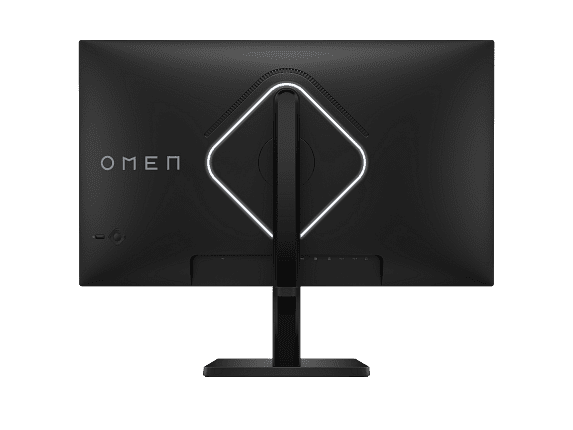
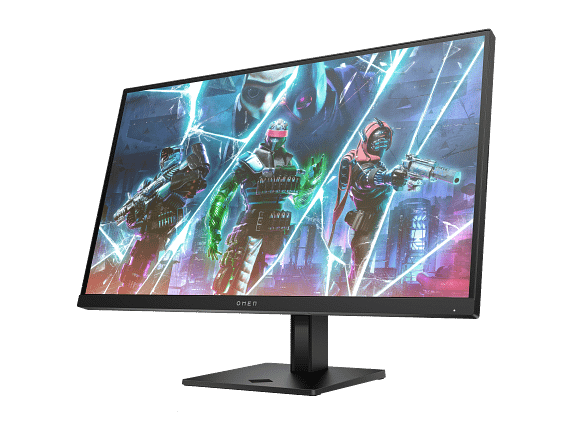
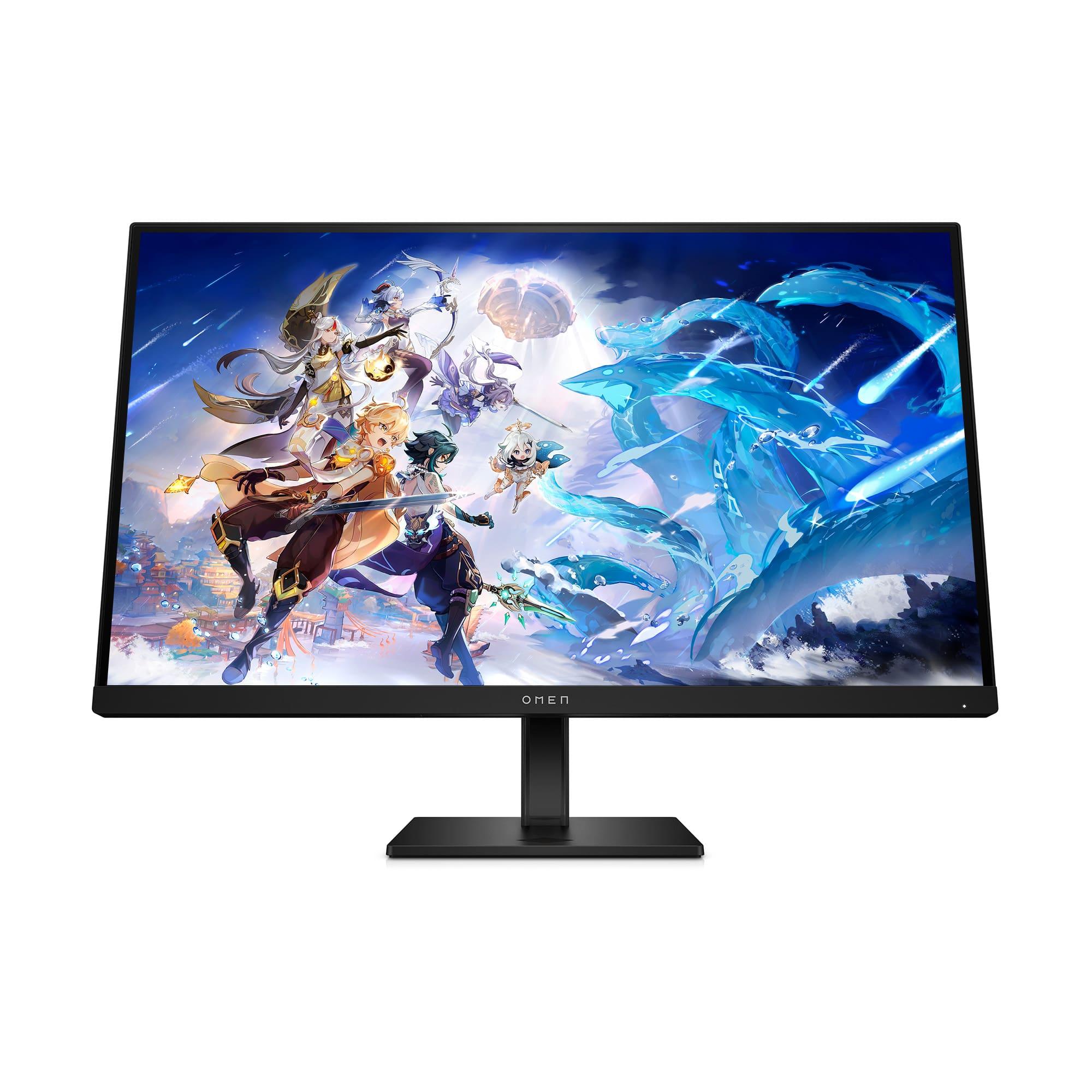

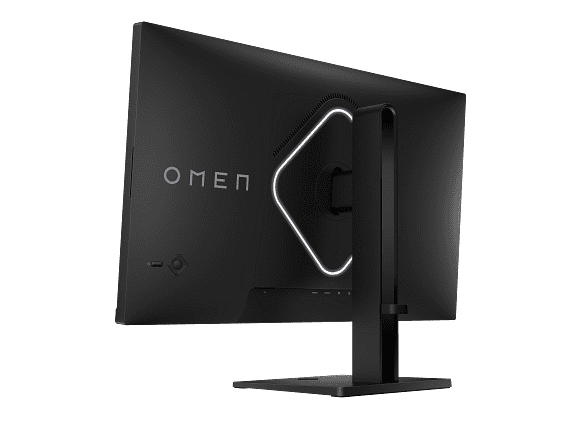
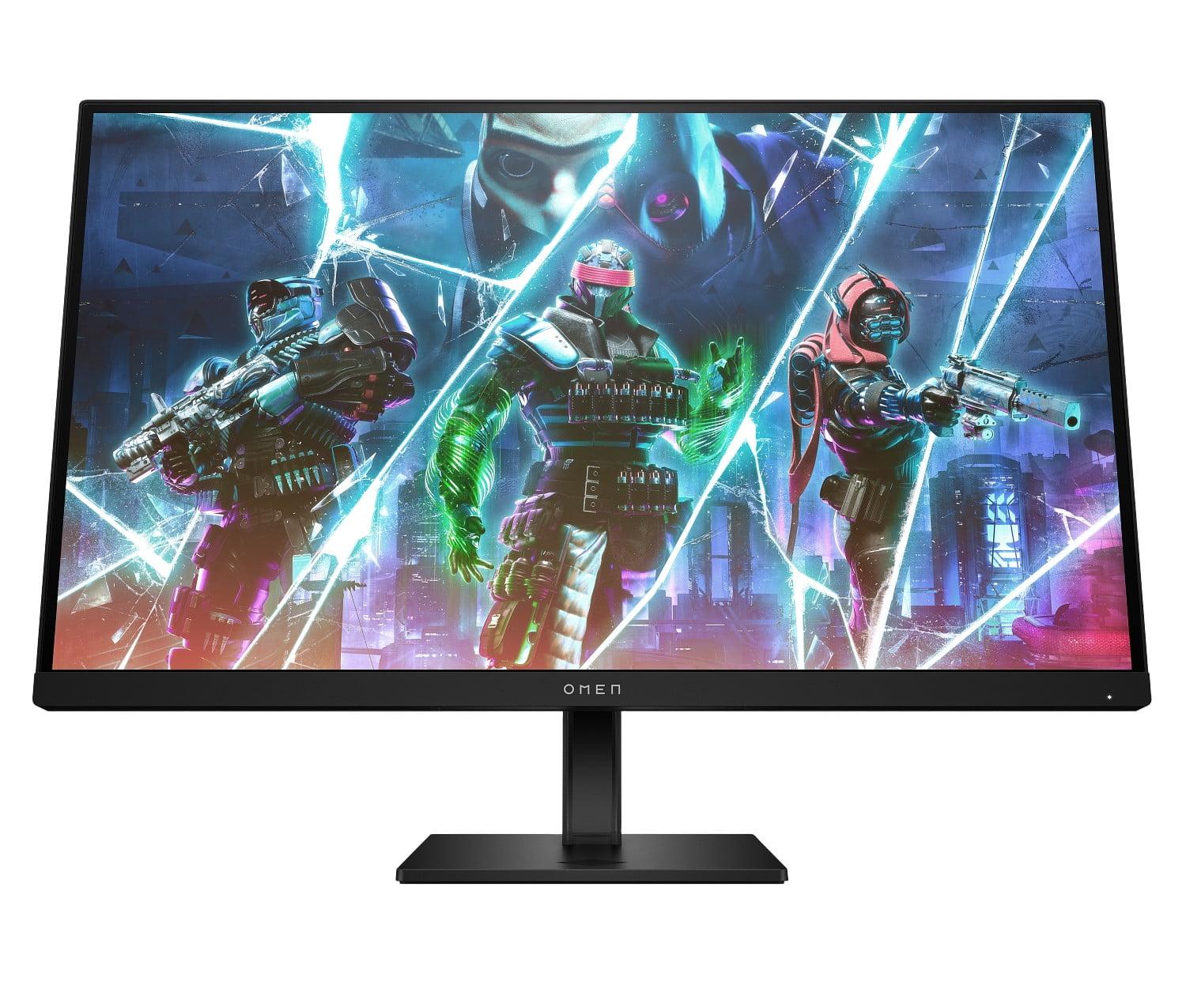
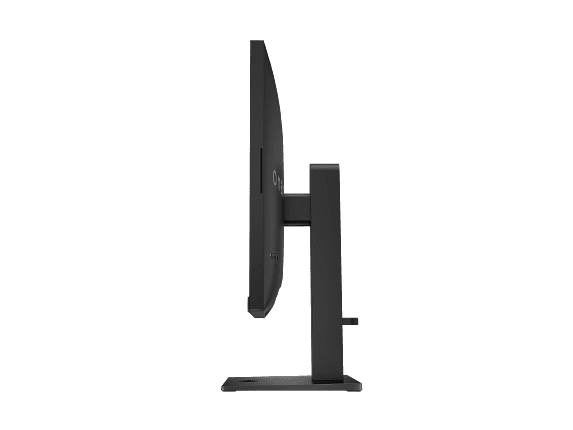


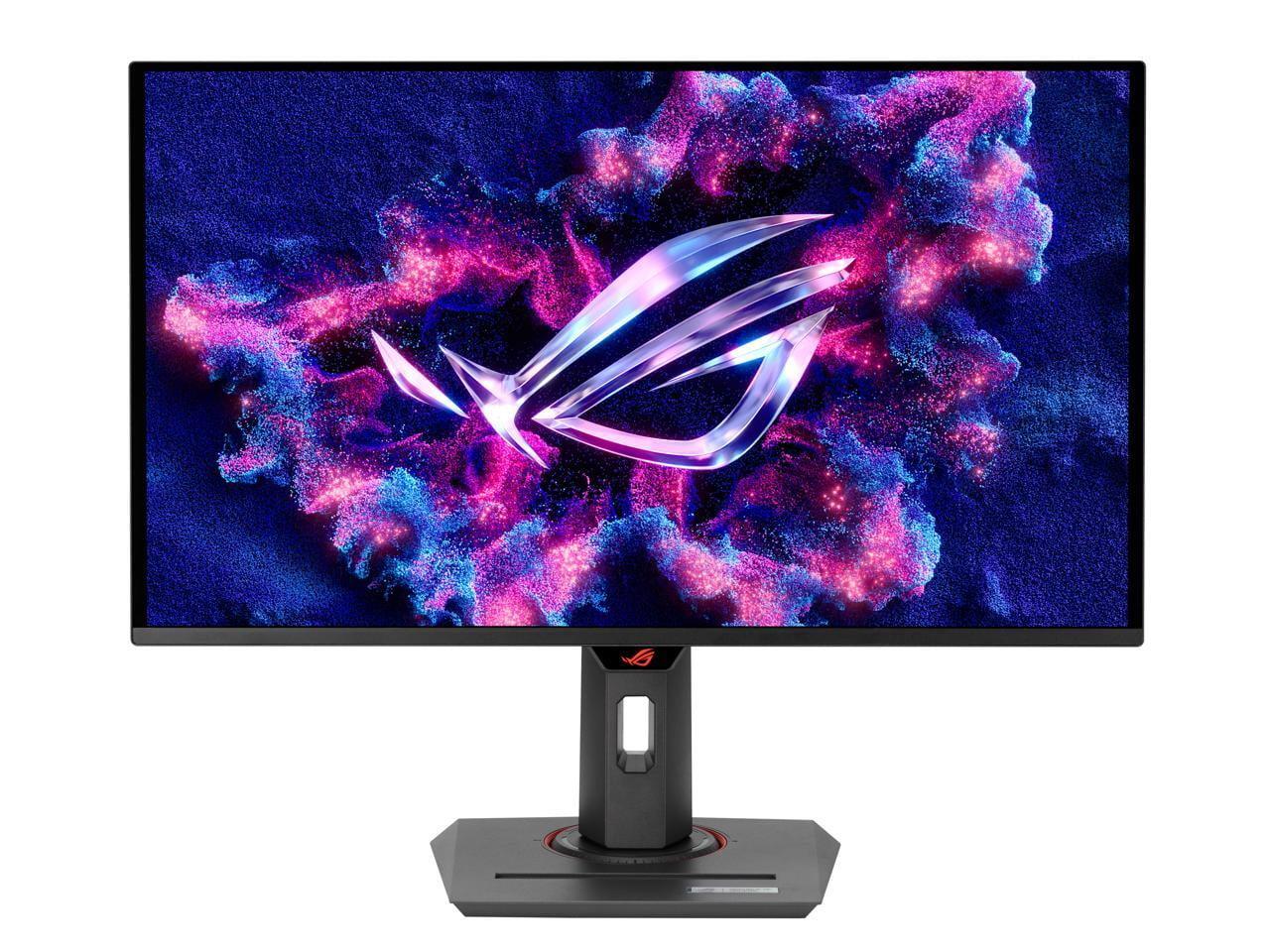
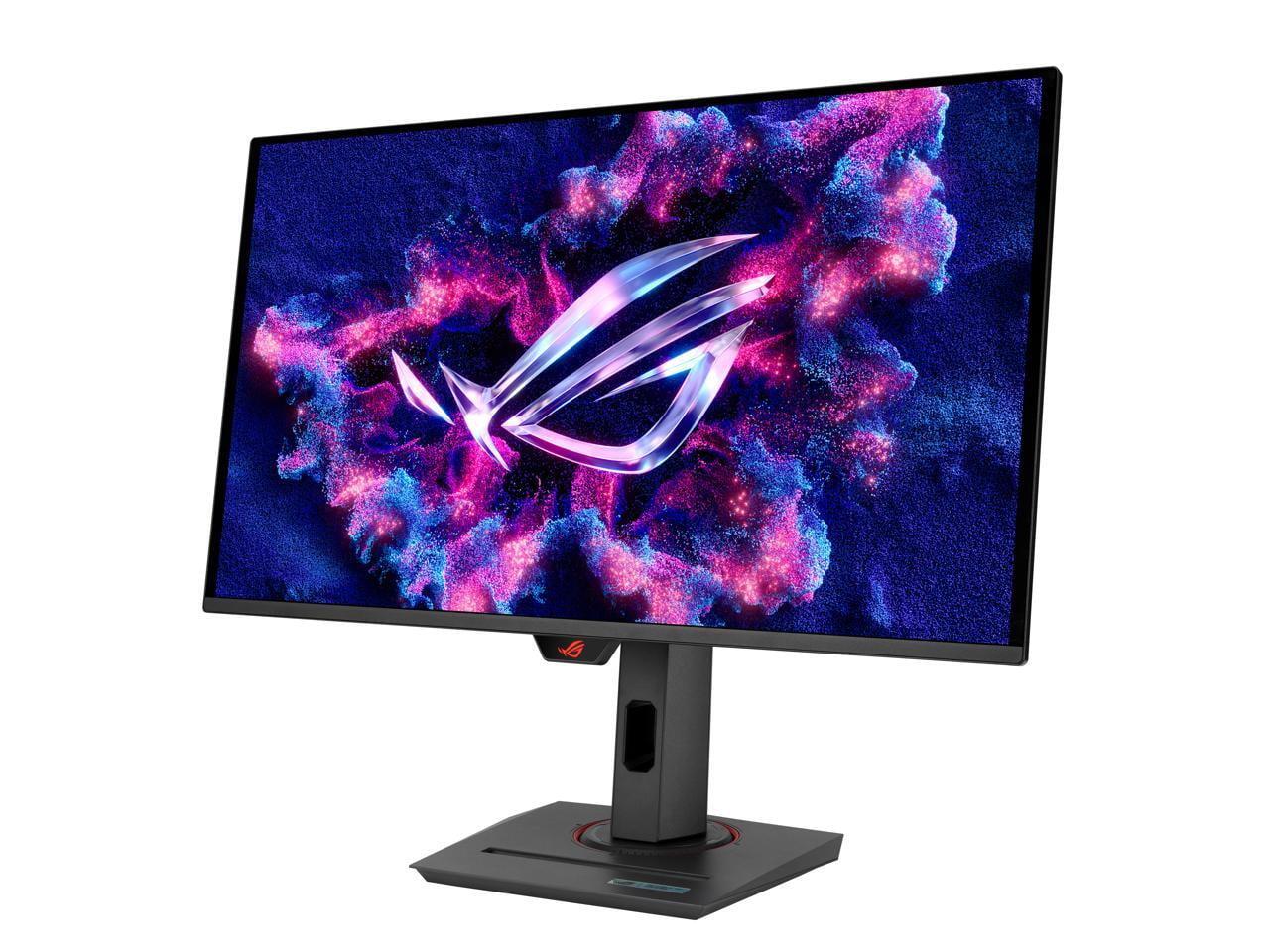
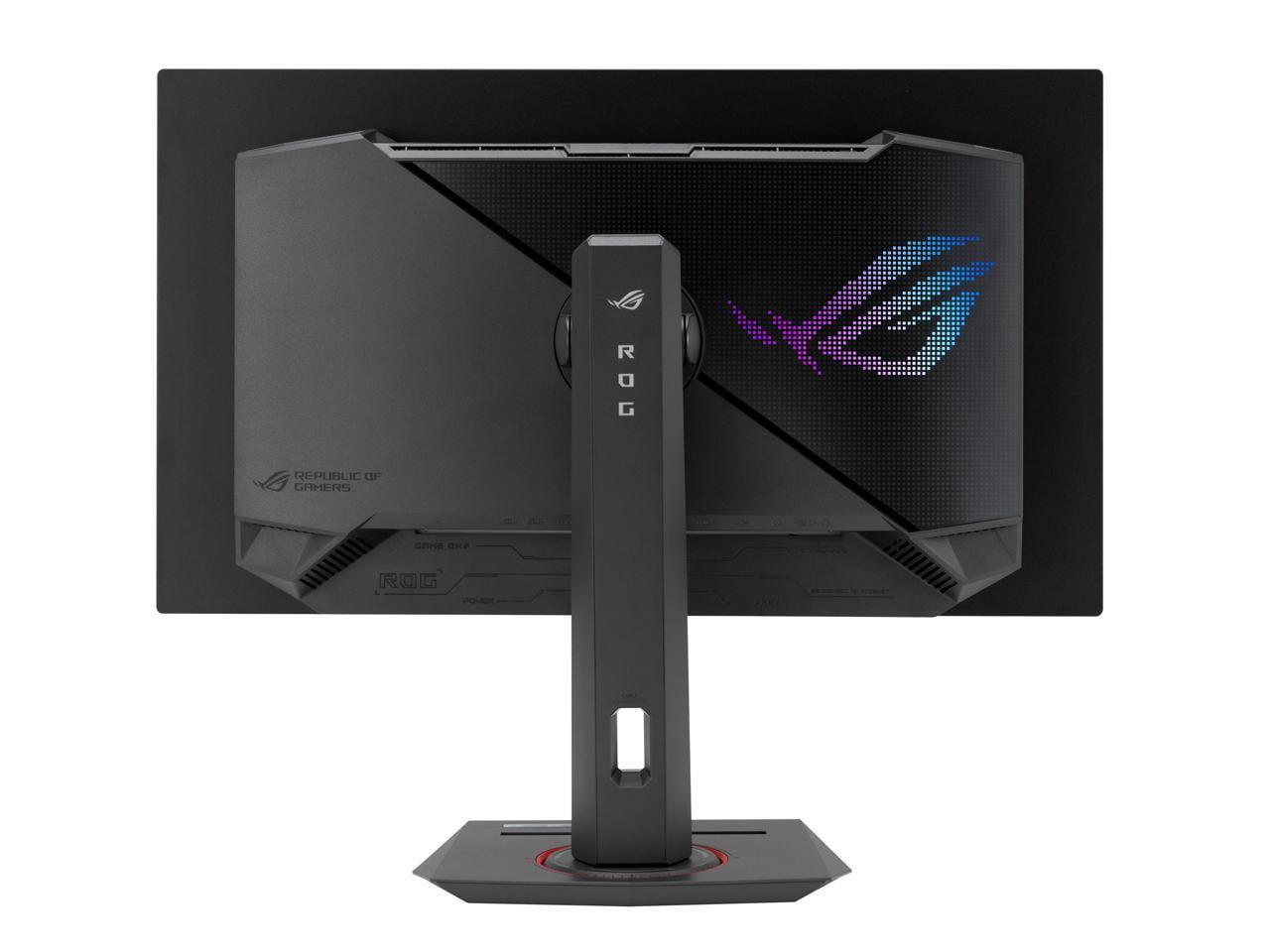

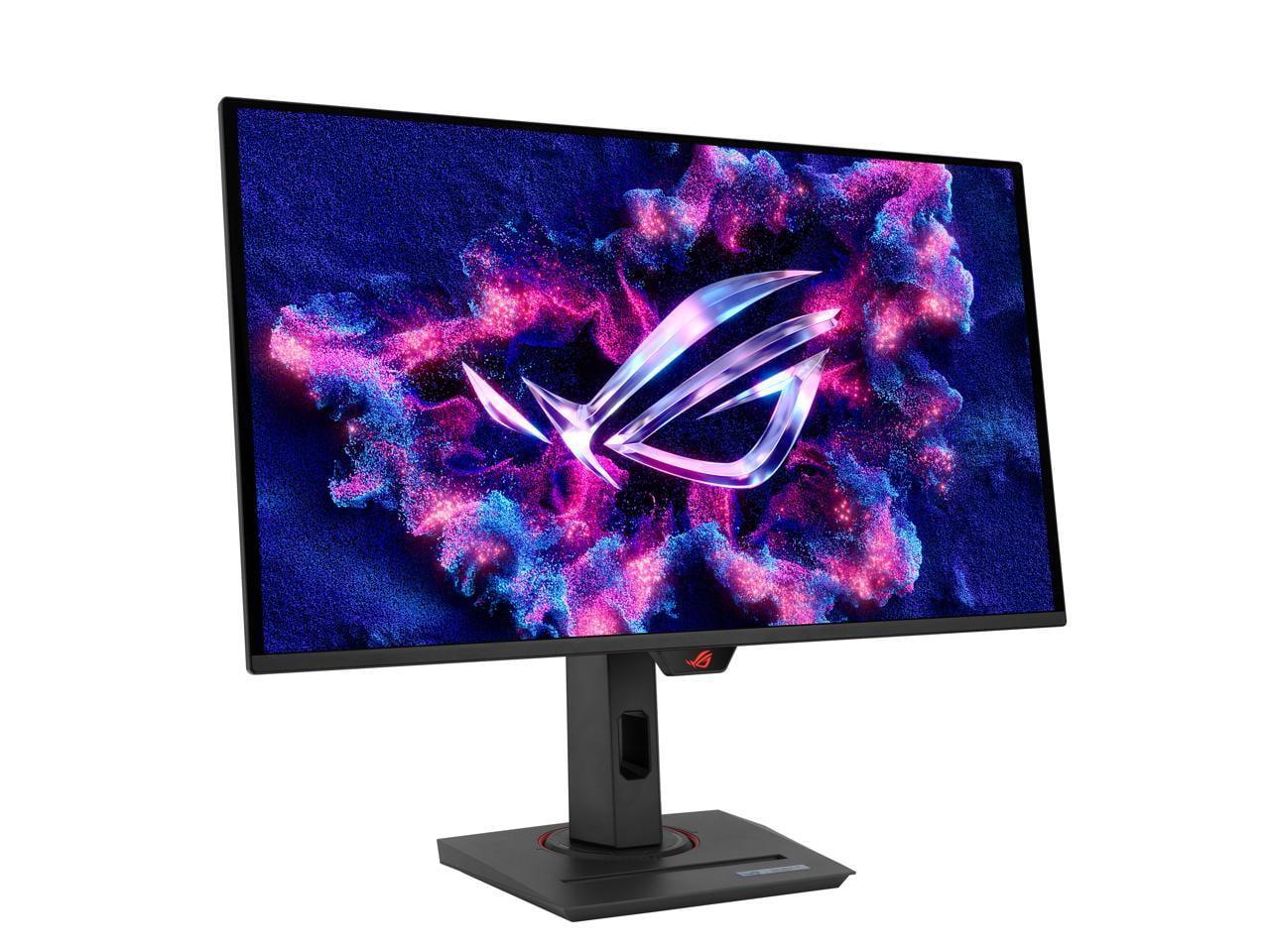
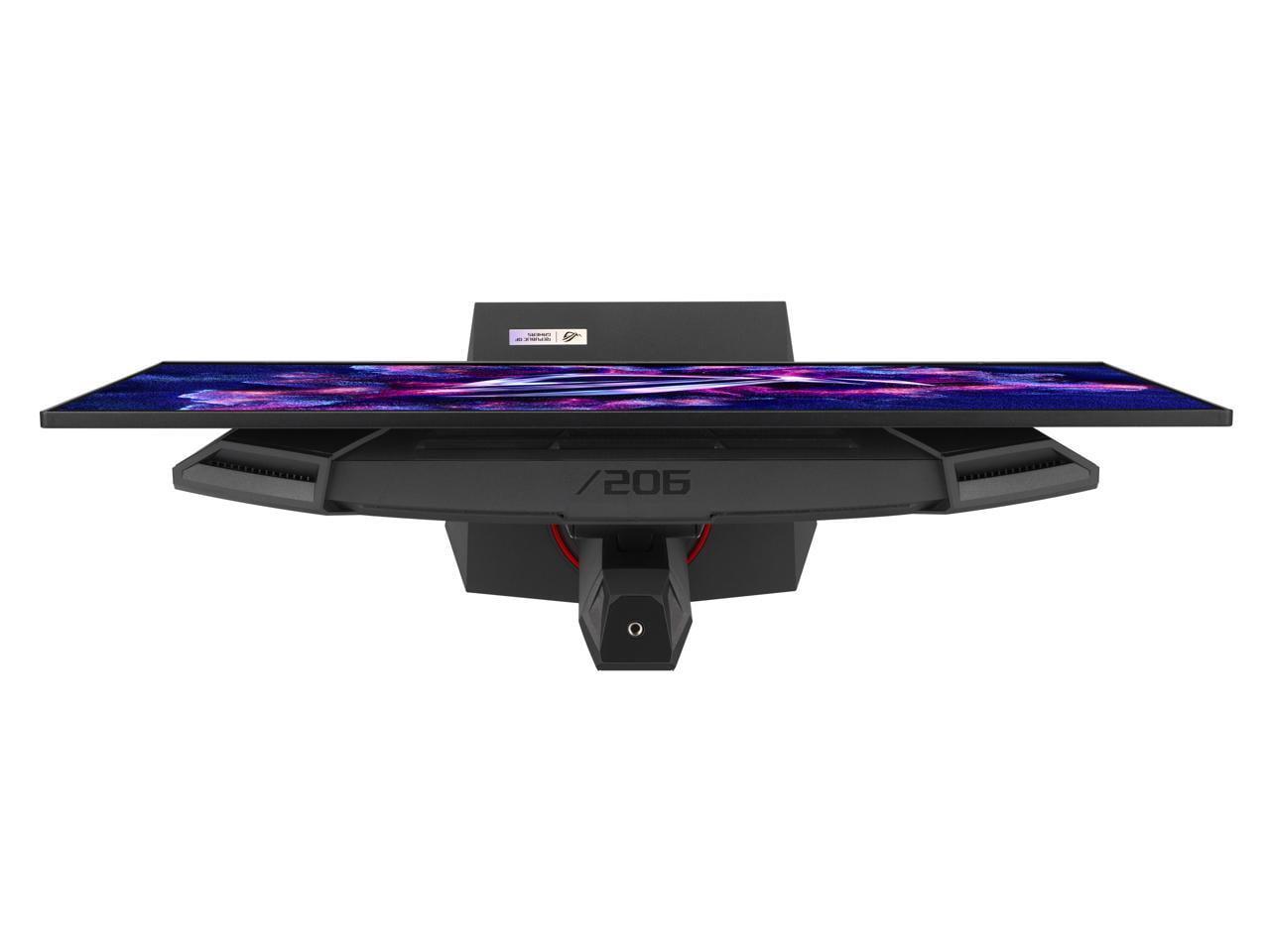
When you're shopping for a high-refresh gaming monitor, you'll quickly discover there are two very different paths to 240Hz gaming nirvana. The first prioritizes pure speed and competitive advantage, while the second combines that speed with cutting-edge visual technology. Today, we're comparing two monitors that perfectly represent these philosophies: the HP OMEN 27s FHD 240Hz Gaming Monitor and the ASUS ROG Strix OLED XG27UCDMG 27" 4K 240Hz Gaming Monitor.
These monitors launched in different eras of gaming display technology, and that timing tells an important story. The HP OMEN 27s arrived in 2023 when 240Hz gaming was becoming mainstream but still commanded premium prices. HP's approach was smart: deliver that crucial 240Hz refresh rate without the bells and whistles that inflate costs. The ASUS XG27UCDMG, launching more recently in 2025, represents the current pinnacle of gaming display tech, combining 4K resolution with OLED technology and that same 240Hz speed.
Before diving deep into these specific models, it's worth understanding what makes a gaming monitor truly competitive in today's market. The holy trinity of gaming display performance consists of refresh rate, response time, and visual quality. Refresh rate determines how many times per second your monitor can display a new image (240Hz means 240 times per second), while response time measures how quickly pixels can change colors (measured in milliseconds). Visual quality encompasses everything from color accuracy to contrast ratios.
The challenge for monitor manufacturers is balancing these elements with cost. Traditional LCD technology using IPS (In-Plane Switching) panels has been the backbone of gaming monitors for years, offering good color reproduction and viewing angles at reasonable prices. OLED (Organic Light-Emitting Diode) technology represents the premium alternative, where each pixel produces its own light, enabling perfect blacks and instant response times.
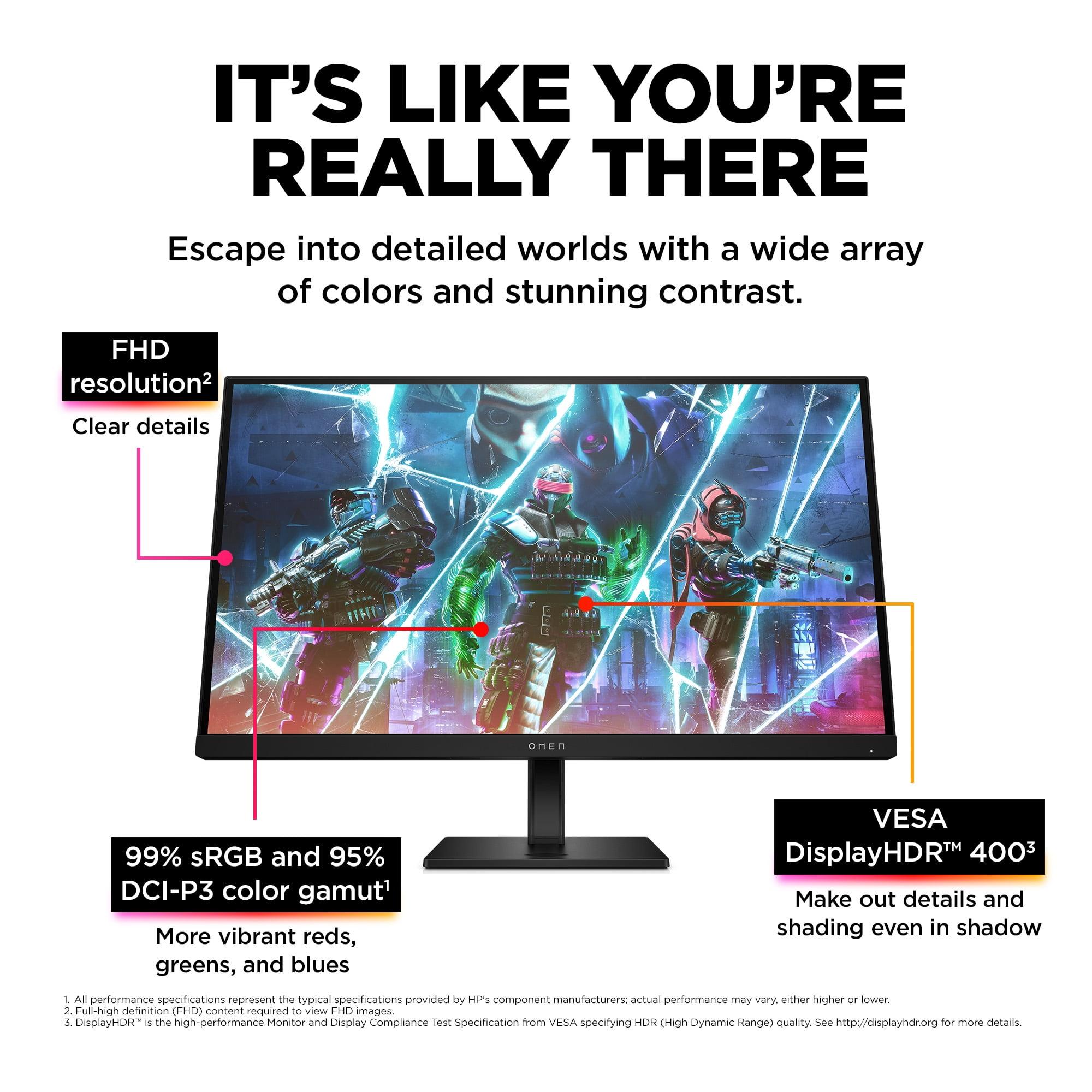
The HP OMEN 27s takes a straightforward approach to high-refresh gaming. Built around a 27-inch IPS panel running at 1920×1080 (Full HD) resolution, it delivers 240Hz refresh rates with a 1ms gray-to-gray response time using overdrive technology. Overdrive is a technique that applies extra voltage to pixels to make them change colors faster, though it can sometimes introduce visual artifacts if implemented poorly.
What immediately stands out about the OMEN 27s is its focus on the essentials. The Full HD resolution might seem like a step backward in 2025, but there's method to this apparent madness. At 27 inches, FHD delivers roughly 82 pixels per inch (PPI), which some competitive gamers actually prefer. The lower pixel density means larger UI elements, easier target acquisition in first-person shooters, and most importantly, your graphics card doesn't have to work as hard to maintain those crucial high frame rates.
The monitor covers 99% of the sRGB color space and 95% of the DCI-P3 gamut, which translates to vibrant, accurate colors for gaming and general use. It supports VESA DisplayHDR 400, meaning it can display brighter highlights and better contrast than standard monitors, though the improvement is modest compared to higher-tier HDR implementations.
Connectivity is practical rather than flashy: two HDMI 2.0 ports and one DisplayPort 1.4 connection, plus a USB hub for connecting peripherals like your mouse and keyboard directly to the monitor. The OMEN 27s also includes basic 3W speakers, which are adequate for system sounds but won't replace dedicated speakers or headphones for serious gaming.
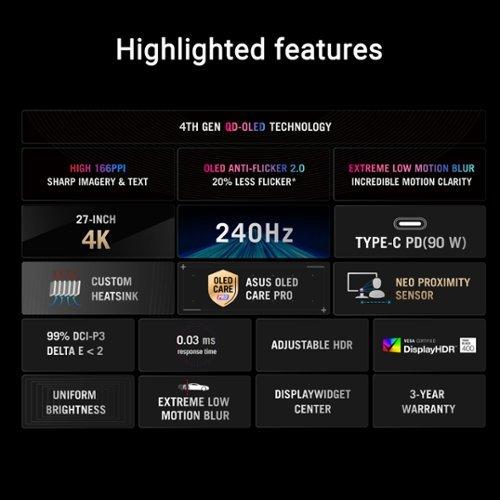
The ASUS XG27UCDMG represents everything the monitor industry has learned about high-performance displays. At its heart lies a fourth-generation QD-OLED (Quantum Dot Organic Light-Emitting Diode) panel that combines the perfect blacks of OLED technology with the enhanced brightness and color volume of quantum dot technology.
Running at 3840×2160 (4K) resolution, the XG27UCDMG delivers approximately 166 PPI, meaning text and images appear significantly sharper than on the HP model. The response time is an almost instantaneous 0.03ms gray-to-gray, which is physically possible because OLED pixels can turn completely on or off without the liquid crystal transitions required in LCD panels.
The visual specifications are impressive: 1.5 million to one contrast ratio (compared to the typical 1000:1 on LCD monitors), 99% DCI-P3 color coverage, and 145% sRGB coverage. The monitor can hit 1000 nits peak brightness for HDR content and supports VESA DisplayHDR 400 True Black certification, which is significantly more demanding than the standard DisplayHDR 400.
Where the ASUS monitor really differentiates itself is in advanced features. The OLED Care Pro suite includes a proximity sensor that automatically dims or blacks out the screen when you step away, helping prevent burn-in—a potential issue where static images can permanently ghost onto OLED screens. There's also anti-flicker technology that reduces the brightness fluctuations that can occur when using variable refresh rate (VRR) modes.
From a pure competitive gaming standpoint, both monitors achieve the critical 240Hz refresh rate, but they get there through different approaches. The HP OMEN 27s relies on proven IPS LCD technology with overdrive processing to hit its 1ms response time target. In practice, our research shows this delivers excellent motion clarity for competitive titles, with minimal ghosting or smearing during fast movements.
The ASUS XG27UCDMG takes the premium route with its 0.03ms OLED response time. This isn't marketing fluff—OLED pixels genuinely switch faster than LCD crystals can physically move. The difference is most noticeable in dark scenes where LCD backlights can create haloing effects around bright objects, while OLED pixels can be completely black right next to completely bright pixels.
However, there's an important practical consideration: achieving 240 FPS at 4K resolution requires significantly more graphics processing power than 240 FPS at 1080p. With the OMEN 27s, a mid-range graphics card like an RTX 4070 can maintain high frame rates in competitive titles. The XG27UCDMG really demands high-end hardware—think RTX 4080 or better—to fully utilize its capabilities.
The visual quality gap between these monitors is substantial, and it comes down to fundamental display technology differences. LCD panels like the one in the OMEN 27s use a backlight that shines through liquid crystals and color filters. Even when displaying black, some light leaks through, creating the typical LCD "glow" in dark scenes.
OLED technology in the XG27UCDMG eliminates this compromise entirely. When displaying black, OLED pixels simply turn off completely. This creates an infinite contrast ratio in practical terms and makes dark game scenes dramatically more immersive. Playing atmospheric games like Cyberpunk 2077 or horror titles showcases this difference immediately—shadows have genuine depth rather than appearing as dark gray.
Color accuracy is another area where the ASUS monitor pulls ahead. With Delta E values under 2 (a measure of color accuracy where lower is better), it meets professional color grading standards. The HP monitor delivers good color reproduction for gaming but doesn't quite reach professional levels.
For HDR content, the difference becomes even more pronounced. The OMEN 27s supports basic HDR processing, which provides some improvement over standard dynamic range. The XG27UCDMG delivers true HDR experiences with per-pixel dimming—something impossible on LCD panels—and much higher peak brightness for highlights.
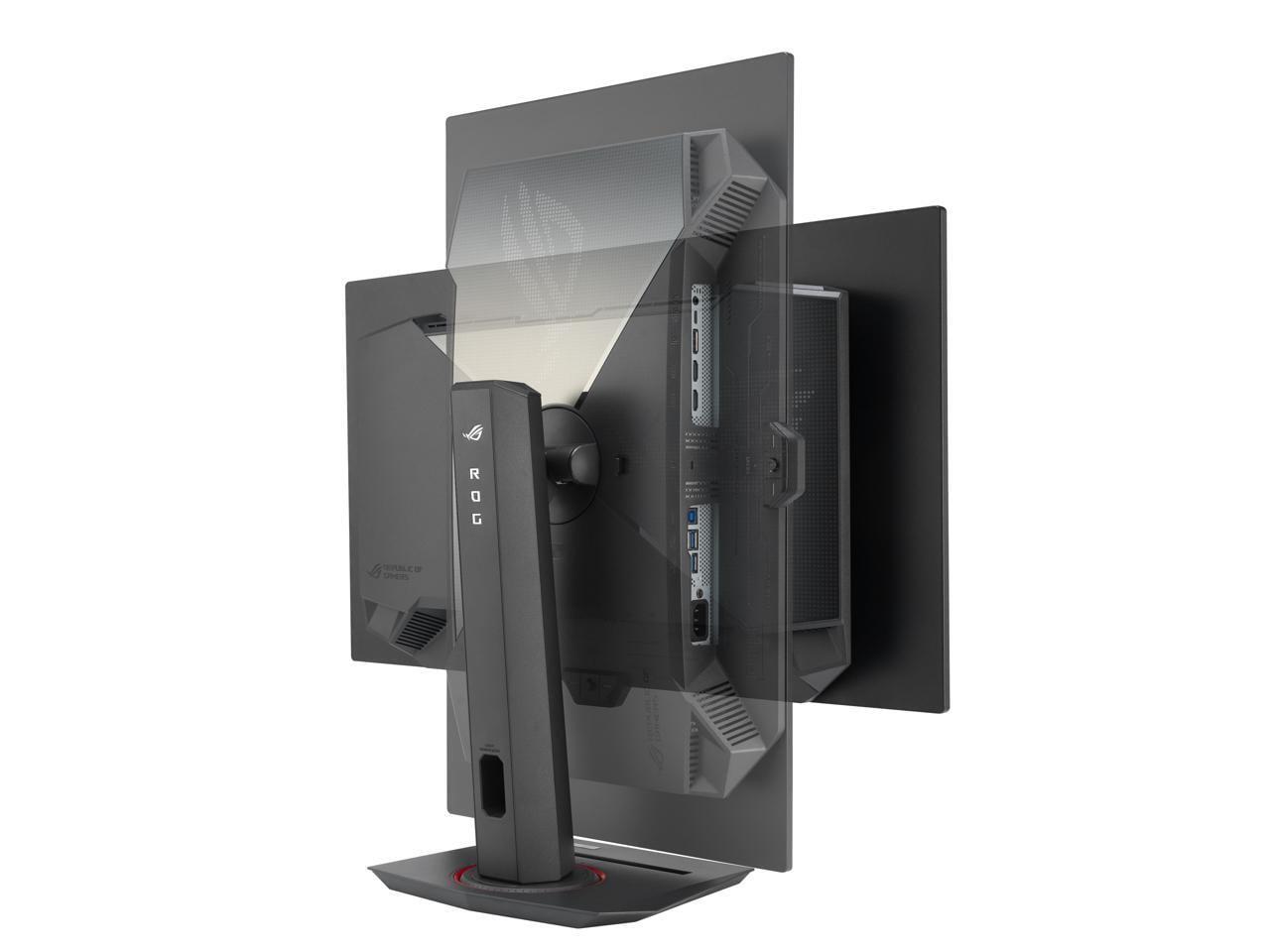
Both monitors handle the basics well, but the ASUS XG27UCDMG offers more forward-thinking connectivity. While the HP OMEN 27s provides two HDMI 2.0 ports and DisplayPort 1.4—perfectly adequate for PC gaming—the ASUS model includes HDMI 2.1 ports that unlock the full potential of PlayStation 5 and Xbox Series X consoles at 4K 120Hz.
The XG27UCDMG also includes USB-C connectivity with 90W power delivery, meaning you can connect a gaming laptop with a single cable that handles both display and power. The built-in KVM (Keyboard, Video, Mouse) switch lets you control multiple connected devices with one set of peripherals—incredibly useful if you switch between a work laptop and gaming PC.
Picture-in-Picture and Picture-by-Picture modes on the ASUS monitor add genuine productivity value, letting you monitor streams while gaming or keep work applications visible alongside games.
If you're considering either monitor for home theater use, the ASUS XG27UCDMG is the clear winner. The 4K resolution properly displays modern streaming content, while the OLED panel's perfect blacks create a cinema-like experience in dark rooms. The wide color gamut ensures streaming services like Netflix and Disney+ display as intended.
The HP OMEN 27s, while excellent for gaming, shows its limitations with video content. The 1080p resolution upscales 4K content rather than displaying it natively, and the LCD panel's limited contrast makes movie viewing less immersive, especially in dark scenes.
Here's where practical considerations matter. LCD technology in the OMEN 27s is essentially bulletproof—you can leave static images on screen indefinitely without worry. OLED panels, despite ASUS's protective features, remain susceptible to burn-in with static content like Windows taskbars or game HUDs.
Our research into user experiences shows that OLED burn-in concerns are often overblown with normal varied usage, but they're not entirely unfounded. ASUS addresses this with OLED Care Pro features like automatic logo dimming and the proximity sensor, but careful usage habits remain important for maximum panel longevity.
At the time of writing, the price gap between these monitors reflects their different market positions. The HP OMEN 27s typically costs roughly 40% of the ASUS XG27UCDMG price, making it exceptional value for competitive gaming. You're getting 240Hz performance at a price that would have been unthinkable just a few years ago.
The ASUS monitor commands a significant premium, but it delivers cutting-edge display technology that simply wasn't available at any price until recently. For users who prioritize visual excellence and have compatible hardware, the premium can be justified.
The HP OMEN 27s makes sense if competitive gaming is your primary focus, you're working with a tighter budget, or you prefer worry-free ownership without burn-in concerns. It's also the better choice if your graphics card isn't powerful enough to drive 4K at high frame rates consistently.
Choose the ASUS XG27UCDMG if visual quality matters more than cost savings, you frequently play single-player games that benefit from superior contrast, you need professional-level color accuracy for content creation, or you want the most advanced display technology available.
Both monitors achieve their goals admirably. The HP OMEN 27s democratizes high-refresh gaming, bringing 240Hz performance to mainstream budgets without meaningful compromises for competitive play. The ASUS XG27UCDMG represents the current pinnacle of gaming display technology, delivering an premium experience that justifies its cost for users who can appreciate and afford it.
Your choice ultimately depends on whether you prioritize competitive advantage and value (HP) or visual excellence and cutting-edge technology (ASUS). Either way, you're getting access to 240Hz gaming that would have cost thousands just a few years ago—and that's a win regardless of which path you choose.
| HP OMEN 27s FHD 240Hz Gaming Monitor | ASUS ROG Strix OLED XG27UCDMG 27" 4K 240Hz Gaming Monitor |
|---|---|
| Display Technology - Determines visual quality, lifespan, and burn-in risk | |
| IPS LCD with backlight (no burn-in concerns, consistent brightness) | 4th-gen QD-OLED (perfect blacks, potential burn-in, superior contrast) |
| Resolution & Pixel Density - Affects sharpness and GPU requirements | |
| 1920×1080 FHD, ~82 PPI (easier to drive, larger UI elements) | 3840×2160 4K, ~166 PPI (much sharper, requires powerful GPU) |
| Response Time - Critical for competitive gaming motion clarity | |
| 1ms GTG with overdrive (very fast for LCD, minimal ghosting) | 0.03ms GTG (instantaneous OLED switching, eliminates motion blur) |
| Contrast Ratio - Determines depth of blacks and overall image quality | |
| 1,000:1 typical LCD (decent but visible backlight glow) | 1,500,000:1 OLED (perfect blacks, infinite contrast in practice) |
| Color Coverage - Important for content creation and vibrant gaming | |
| 99% sRGB, 95% DCI-P3 (good for gaming, adequate for work) | 145% sRGB, 99% DCI-P3, Delta E <2 (professional color accuracy) |
| HDR Performance - Enhances visual impact in supported games | |
| VESA DisplayHDR 400 (modest HDR improvement over SDR) | VESA DisplayHDR 400 True Black, 1000 nits peak (genuine HDR experience) |
| Connectivity - Affects compatibility with consoles and laptops | |
| 2× HDMI 2.0, DP 1.4, USB-A hub (solid PC gaming connectivity) | 2× HDMI 2.1, DP 1.4, USB-C 90W PD (console gaming, laptop docking) |
| Advanced Features - Productivity and convenience additions | |
| Basic gaming enhancements, built-in 3W speakers | KVM switch, PiP/PbP modes, OLED Care Pro, no speakers |
| Burn-in Protection - Long-term reliability consideration | |
| No burn-in risk (LCD technology advantage) | OLED Care Pro with proximity sensor (mitigates but doesn't eliminate risk) |
| Target Use Case - Who this monitor serves best | |
| Competitive esports gaming, budget-conscious buyers, worry-free ownership | Premium gaming, content creation, users wanting cutting-edge technology |
The HP OMEN 27s FHD 240Hz Gaming Monitor is generally better for competitive gaming due to its 1080p resolution, which allows graphics cards to maintain consistent 240 FPS in esports titles like CS2, Valorant, and Apex Legends. The lower pixel density also makes enemies easier to spot, and there are no burn-in concerns with static HUD elements. While the ASUS ROG Strix OLED XG27UCDMG has a faster 0.03ms response time, the performance difference is minimal in competitive scenarios.
The primary difference is display technology and resolution. The HP OMEN 27s uses traditional IPS LCD technology at 1080p resolution, focusing on competitive gaming performance and value. The ASUS ROG Strix OLED XG27UCDMG features cutting-edge QD-OLED technology with 4K resolution, delivering superior visual quality with perfect blacks and professional-grade color accuracy at a premium price point.
The ASUS ROG Strix OLED XG27UCDMG offers significantly better picture quality with its OLED panel providing perfect blacks, 1.5 million:1 contrast ratio, and superior color accuracy (Delta E <2). The 4K resolution also delivers much sharper images at 166 PPI compared to the HP OMEN 27s's 82 PPI. However, the HP model still provides good IPS color reproduction suitable for most gaming needs.
Yes, both the HP OMEN 27s FHD 240Hz Gaming Monitor and ASUS ROG Strix OLED XG27UCDMG support 240Hz refresh rate with adaptive sync technologies like G-SYNC and FreeSync. The key difference is that achieving 240 FPS at 4K (ASUS) requires much more powerful graphics hardware than 240 FPS at 1080p (HP).
The HP OMEN 27s offers exceptional value for 240Hz gaming, delivering high-refresh performance at a fraction of the cost of the ASUS XG27UCDMG. The ASUS model commands a significant premium for its OLED technology and 4K resolution, making it better value only for users who specifically need professional color accuracy or cutting-edge visual quality.
For the HP OMEN 27s at 1080p 240Hz, a mid-range card like RTX 4060 Ti or RX 7700 XT can maintain high frame rates in most games. The ASUS ROG Strix OLED XG27UCDMG at 4K 240Hz demands high-end hardware like RTX 4080, RTX 4090, or RX 7900 XTX to fully utilize its capabilities in demanding titles.
The ASUS ROG Strix OLED XG27UCDMG is superior for console gaming thanks to its HDMI 2.1 ports that support PS5 and Xbox Series X at 4K 120Hz, plus superior HDR performance that enhances console exclusives. The HP OMEN 27s is limited to HDMI 2.0 and doesn't display native 4K content from modern consoles.
The ASUS XG27UCDMG includes OLED Care Pro features like proximity sensors and automatic logo dimming to minimize burn-in risk, plus a 3-year warranty covering burn-in. With varied usage, burn-in is rarely an issue, but the HP OMEN 27s eliminates this concern entirely with LCD technology that can display static images indefinitely without damage.
The ASUS ROG Strix OLED XG27UCDMG offers more advanced connectivity with HDMI 2.1, USB-C with 90W power delivery for laptop docking, and KVM switch functionality. The HP OMEN 27s provides solid basic connectivity with HDMI 2.0, DisplayPort 1.4, and USB-A hub, which is sufficient for most PC gaming setups.
The ASUS ROG Strix OLED XG27UCDMG excels at content creation with professional-grade color accuracy (99% DCI-P3, Delta E <2) and 4K resolution for detailed photo/video editing. The HP OMEN 27s can handle basic content work but lacks the color accuracy and resolution needed for professional creative workflows.
The ASUS ROG Strix OLED XG27UCDMG provides a more immersive single-player gaming experience with perfect blacks that make atmospheric games like Cyberpunk 2077 and horror titles dramatically more engaging. The superior contrast and HDR performance enhance visual storytelling. The HP OMEN 27s still delivers good gaming visuals but can't match OLED's cinematic qualities.
The HP OMEN 27s FHD 240Hz Gaming Monitor offers traditional LCD reliability with no special maintenance requirements and consistent performance over years. The ASUS ROG Strix OLED XG27UCDMG requires more careful usage to prevent burn-in but includes protective features and warranty coverage. Both represent solid long-term investments for their respective target users and price points.
We've done our best to create useful and informative comparisons to help you decide what product to buy. Our research uses advanced automated methods to create this comparison and perfection is not possible - please contact us for corrections or questions. These are the sites we've researched in the creation of this article: bestbuy.com - hp.com - shi.com - hp.com - bestbuy.com - hp.com - tomshardware.com - hp.com - rtings.com - hp.com - displayspecifications.com - support.hp.com - publicsector.shidirect.com - objects.icecat.biz - files.bbystatic.com - hp.com - displayspecifications.com - bestbuy.com - rog.asus.com - forum.pcmonitors.info - rog.asus.com - windowscentral.com - versus.com - youtube.com - youtube.com - rtings.com - rtings.com - rog.asus.com - rog.asus.com - rog.asus.com - tenforums.com - rog.asus.com - techpowerup.com - bestbuy.com - newegg.com - displayspecifications.com - youtube.com - tftcentral.co.uk - displayninja.com

Privacy Policy
Terms and Conditions - Affiliate Policy
Home Security
© Copyright 2008-2026.
11816 Inwood Rd #1211, Dallas, TX 75244